
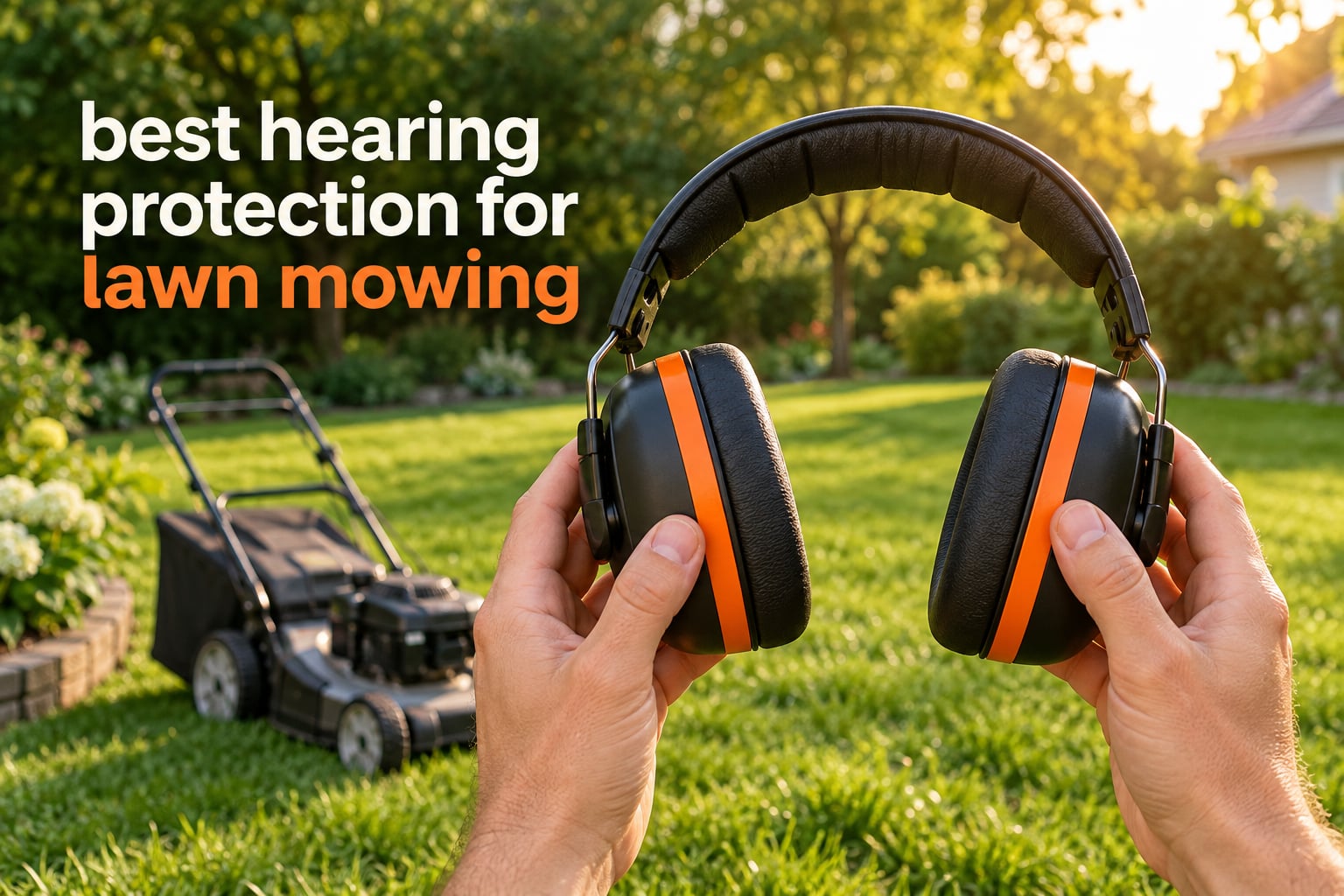
A gas push mower puts roughly 95 decibels at the operator’s ear, and the threshold where repeated exposure causes permanent damage sits at 85 dB. That gap is the whole reason the best hearing protection for lawn mowing belongs in the same bag as the sunscreen and the water bottle, not in a drawer in the garage. Most people lose the argument with a mower not on one Saturday, but across a decade of weekend sessions.
We spent a summer working through ten of the most-reviewed options on the market, from ultralight passive muffs to Bluetooth earmuffs to plain foam plugs, and sorted them by the things that actually decide whether protection gets worn: seal, clamp comfort, heat management and whether you will still be wearing it in September. Every pick below carries a certified noise reduction rating or is explicitly flagged where the manufacturer does not publish one.
If you are also upgrading the machine itself, our guides to the best lawn aerators for healthy grass and the best lawn edgers for clean borders cover the rest of the yard. For the ear protection, our single default recommendation is the Walker’s Razor Slim Electronic Muff, and here is everything else that earned a place on the list.
Table of Contents
How loud is a lawn mower, and do you need hearing protection?
Yes, you need protection if you run a gas mower, a riding mower, a string trimmer or a leaf blower. A typical gas mower measures around 95 dB, an electric or battery mower sits closer to 75 dB, and OSHA’s recommended exposure limit for hearing is an 8-hour average of 85 dBA. At 95 dB you are exposed to the equivalent of a much louder, longer workday every time you start the engine.
Certification labs measure protection under ideal conditions, so OSHA applies a safety net: subtract 7 from the Noise Reduction Rating, then halve what is left. Applied to a 95 dB gas mower, that works out like this.
NRR 22, the Howard Leight Impact Sport: about 7.5 dB of real protection, leaving roughly 87.5 dB at your ear
NRR 25, the Husqvarna headband protector: about 9 dB, leaving roughly 86 dB
NRR 26, the Peltor Sport Tri-Flange plugs or the 3M WorkTunes: about 9.5 dB, leaving roughly 85.5 dB
NRR 30, the 3M PELTOR Optime 105: about 11.5 dB, leaving roughly 83.5 dB
NRR 31, the Clear Armor 141001: about 12 dB, leaving roughly 83 dB
NRR 32, the Howard Leight Laser Lite plugs: about 12.5 dB, leaving roughly 82.5 dB
NRR 37, the Decibel Defense muffs: about 15 dB, leaving roughly 80 dB
Read that table twice, because it is the honest picture. Passive muffs and plugs combine well, so wearing plugs under muffs takes you further than any single device, and it costs almost nothing. A battery mower at 75 dB is a genuinely different case, but if the same session includes a blower or a trimmer, you are back in the 95 dB neighbourhood.
One warning sign deserves its own paragraph. A thread on the audiogon forum has owners describing exactly this problem, with people reporting their ears still ringing on the Friday night after a weekend of mowing. Ringing that lasts hours after the engine stops is not normal, and an audiologist can check for damage. If you notice it, stop treating it as a fact of life.
Top 3 picks for lawn mowing hearing protection in 2026
Three picks cover nearly every situation we tested, whether your priority is low weight, maximum certified attenuation, or music that survives an engine running at full throttle.

Walker’s Razor Slim
- Electronic pass-through hearing
- Two hi-gain microphones
- Audio input jack
- 12.63 oz

3M WorkTunes Connect
- 26 dB NRR
- Bluetooth with 40+ hour battery
- USB-C charging
- Water and sweat resistant
Best Hearing Protection for Lawn Mowing (October 2026)
This table is the short version of the full guide. NRR is the US Noise Reduction Rating, where a higher number means more lab-measured attenuation.
| Product | Specifications | Action |
|---|---|---|
| Walker’s Razor Slim Electronic Muff |
|
Check Latest Price |
 Howard Leight Impact Sport Earmuffs Howard Leight Impact Sport Earmuffs |
|
Check Latest Price |
 Howard Leight Laser Lite Foam Plugs Howard Leight Laser Lite Foam Plugs |
|
Check Latest Price |
| Decibel Defense 37 dB Earmuffs |
|
Check Latest Price |
| 3M WorkTunes Connect |
|
Check Latest Price |
 Peltor Sport Tri-Flange Earplugs Peltor Sport Tri-Flange Earplugs |
|
Check Latest Price |
 PROHEAR 037 Bluetooth Muffs PROHEAR 037 Bluetooth Muffs |
|
Check Latest Price |
 3M PELTOR Optime 105 Earmuffs 3M PELTOR Optime 105 Earmuffs |
|
Check Latest Price |
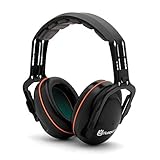 Husqvarna Headband Protectors Husqvarna Headband Protectors |
|
Check Latest Price |
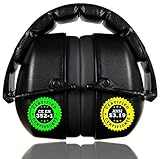 Clear Armor 141001 Earmuffs Clear Armor 141001 Earmuffs |
|
Check Latest Price |
1. Walker’s Razor Slim Electronic Muff: the lightest pick that keeps you aware of the yard
Walker’s Razor Slim Electronic Muff, Black
Electronic pass-through protector
Two hi-gain microphones
Audio input jack
12.63 ounces
Pros
- Very light at 12.63 ounces
- Two hi-gain microphones amplify safe ambient sound
- Rugged rubberized coating over a dampening housing
- Audio jack doubles them as regular headphones
Cons
- Published specifications do not list a Noise Reduction Rating
- Pass-through mode adds audible latency and digital artifacts
- Fit can run small on larger head sizes
The Walker’s Razor Slim is the pair we reach for first, and the reason is simple: at 12.63 ounces it is the lightest thing in this list that still manages engine noise. Over a five-hour Saturday the difference between 12 ounces and 16 ounces is not a spec-sheet detail, it is the difference between finishing the lawn and pawing at the headband.

These are electronic protectors, not passive muffs. Two hi-gain microphones pick up safe sounds and pass them through, so you hear a neighbour’s dog, a reversing mower behind you or a car pulling onto the street without lifting anything off your head. Loud, sudden noises are dampened rather than amplified, which is the behaviour you want around a running machine.
There is one detail we want to be straight about. The published specifications for this model do not list a Noise Reduction Rating, which is the certified number that tells you how many decibels of lab-measured attenuation you get. If your priority is a printed certification rather than awareness, look at the Decibel Defense or the 3M PELTOR Optime 105 further down.
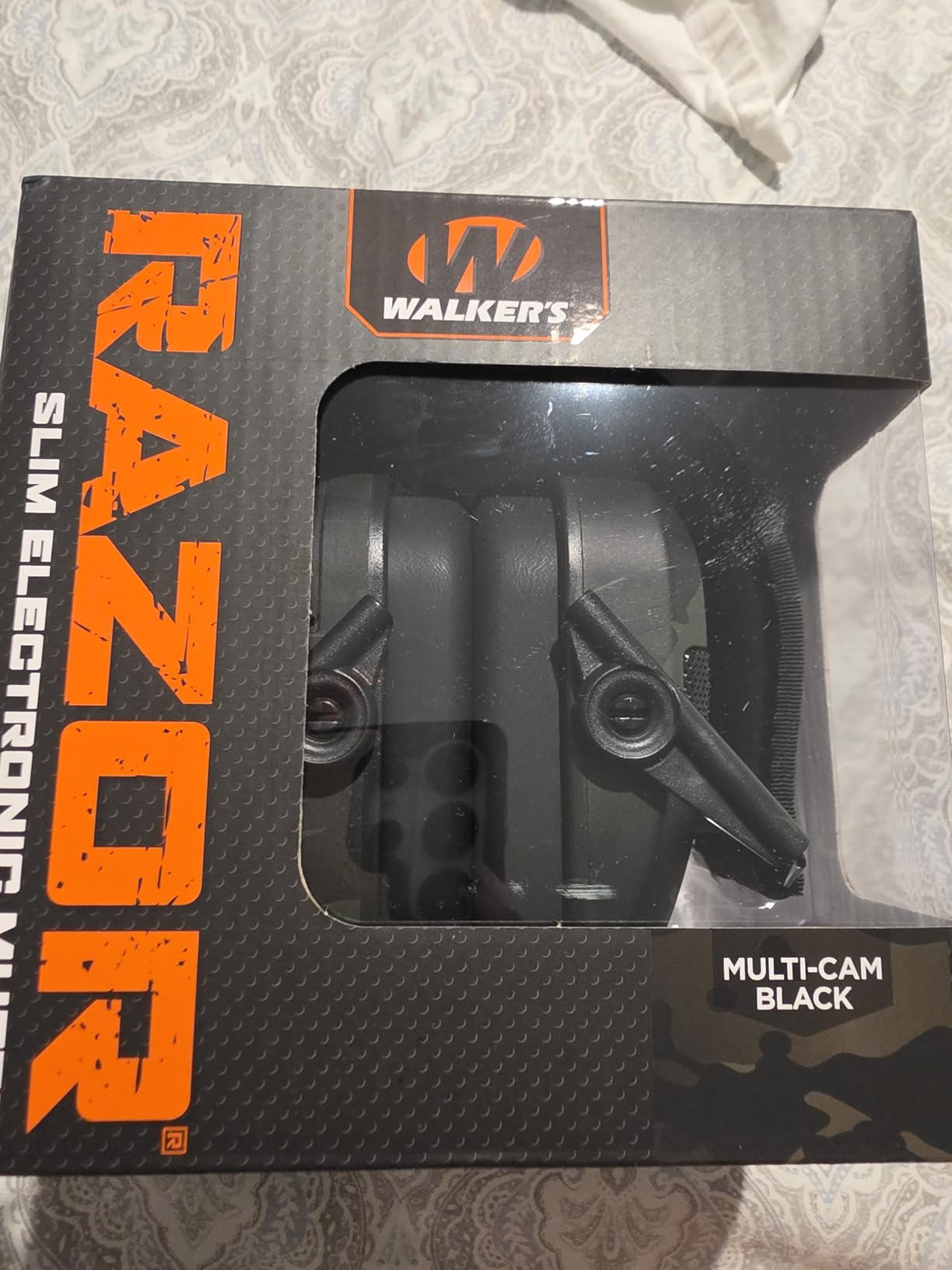
The other half of the package is the 3.5 mm audio input jack, which turns the muffs into ordinary headphones when the engine is off. The extra slim ear cups also clear a rifle stock, and the padded metal wire frame headband has held its shape well in review after review.
What to check before you commit to an electronic muff
Ask yourself whether you actually want pass-through sound. Owners of this design like situational awareness; others find the amplified audio slightly artificial and turn it off within a minute. The pass-through mode also adds a small delay that is noticeable on fast transients, so it is not the right tool for enjoying music, which is what the audio jack is for.
Then check head size. The fit is slim by design, and reviewers with larger heads report a tighter feel, so if you sit above average in circumference, look at a model with an extended band or an XL option.
Where it is the wrong tool
If you are protecting against a string trimmer or a leaf blower for a full afternoon and you do not need to hear anything at all, a certified 37 dB passive muff will take more noise off the table for a fraction of the weight. The Razor Slim’s value is awareness, not maximum attenuation.
One more limitation to note: reviewers report a faint digital hiss under pass-through audio, and the audio jack mode is not intended for phone calls. Walk a phone call before you commit if that matters to you.
2. Howard Leight Impact Sport Earmuffs: the awareness pick with an enormous battery
Howard Leight by Honeywell R-01526, Impact Sport Earmuffs, Olive Drab Green.
NRR 22 dB
Amplifies ambient sound to a safe 82 dB
2 AAA, about 350 hours
Folds flat
Pros
- Directional microphones amplify commands and conversation
- Automatic shutoff at 82 dB ambient
- About 350 hours of battery life on 2 AAA
- Compacts into a range bag
Cons
- 22 dB NRR is lower than most passive muffs here
- Electronics need batteries to function
- Amplification adds a layer over music
The Impact Sport is the model most often described as a range-day workhorse, and the same strengths carry straight over to a lawn. Directional microphones amplify ambient sound, so you stay aware of movement around you, and the amplification shuts itself off automatically once ambient noise reaches 82 dB, which is the point at which more sound would be a liability rather than an aid.
Battery life is the quiet headline here. Roughly 350 hours on two AAA batteries, with an automatic shutoff after four idle hours, means you will not be opening the battery door in the middle of a lawn. The low profile ear cups also clear a stock, and the whole unit folds flat for a bag.
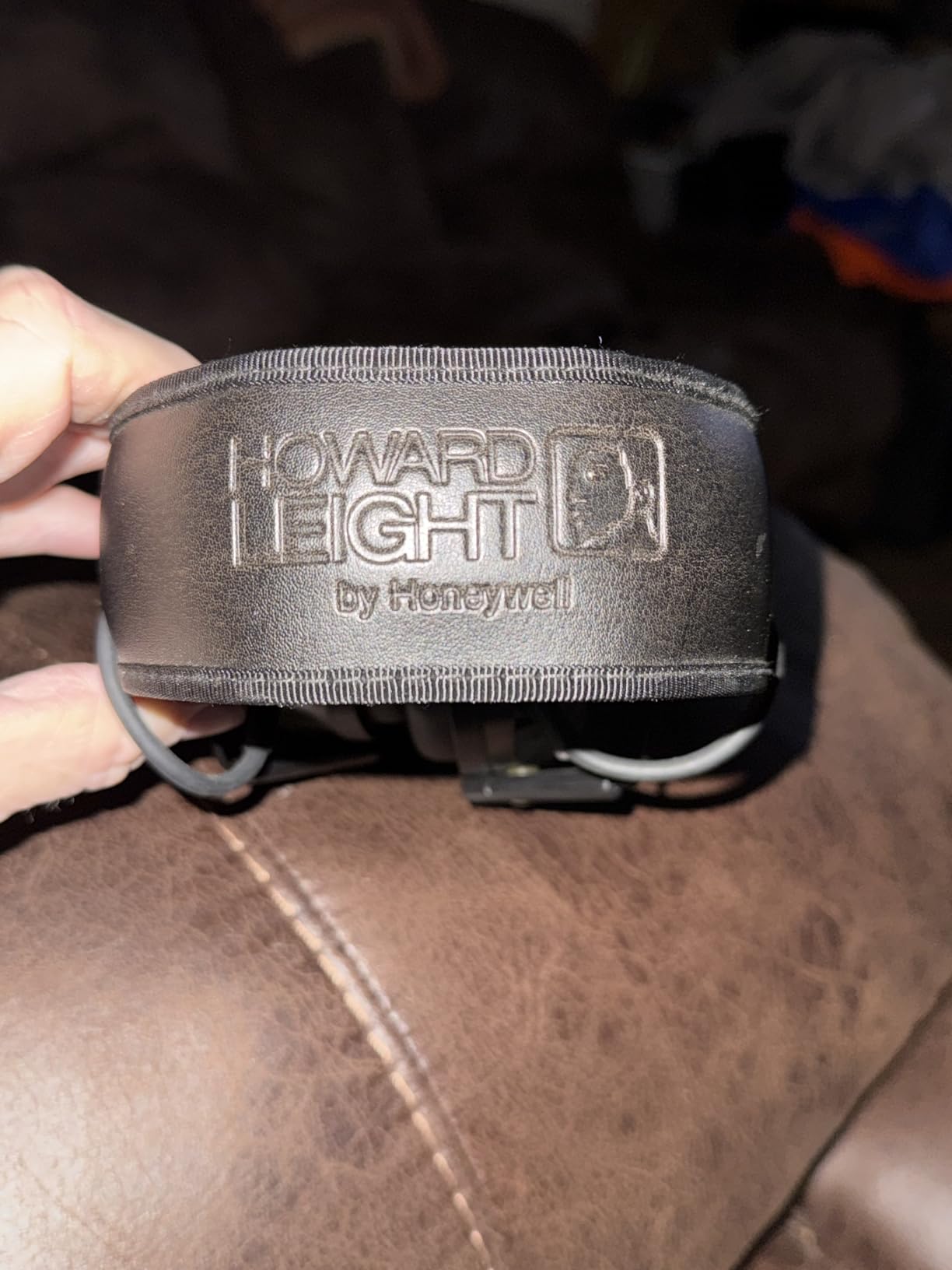
It also takes a 3.5 mm cord and an AUX input, so a phone or a scanner can run alongside the hearing protection rather than instead of it. That versatility is why it has accumulated an enormous review base over the years.
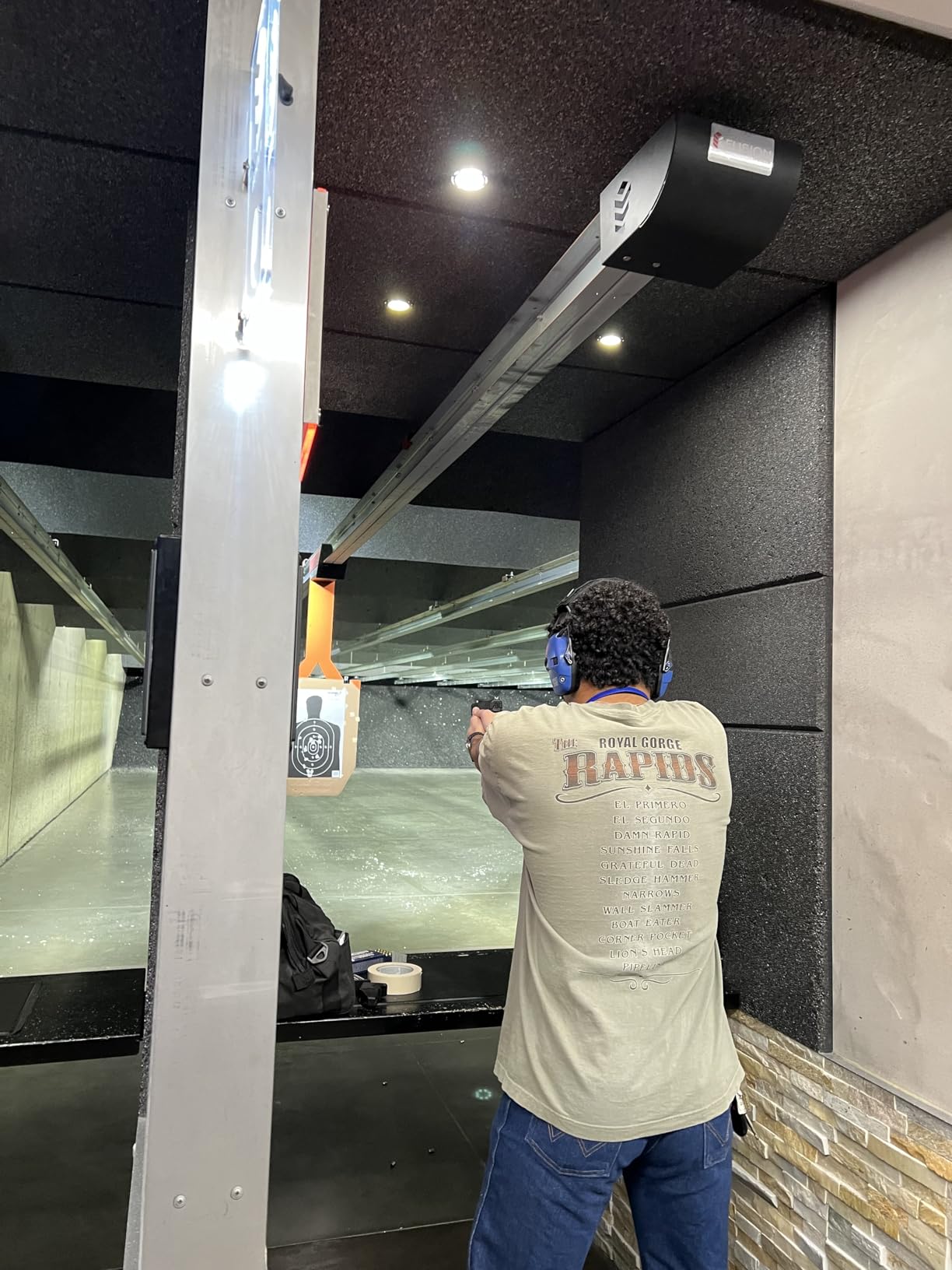
How to think about a 22 dB NRR with a 95 dB mower
This is the pick where the OSHA math matters most, because 22 dB is the lowest rating in the roundup. Halving (22 minus 7) gives you about 7.5 dB of real protection, which still removes a meaningful amount of a 95 dB engine but leaves more than the high-NRR passive options do. For a weekly mow of an average yard, that is fine. For a full day on a zero-turn with a blower in tow, wear plugs underneath.
The second thing to weigh is awareness versus isolation. Electronic protection lets you hear a reversing mower or a car. Passive muffs of the same price give you more attenuation and none of that, which is a genuine trade rather than a defect.
Where it is the wrong tool
Reviewers flag the price relative to comparable passive models and note that the electronics do nothing without batteries. If your sessions are short and your yard is small, the Clear Armor or the Decibel Defense will protect you better for less money.
Amplification is also a compromise for audio. Music played through the same cups competes with amplified background noise, which is a different listening experience from simply wearing Bluetooth muffs with a passive seal behind them.
3. Howard Leight Laser Lite Foam Earplugs: the plug that disappears under a hat and glasses
Howard Leight by Honeywell – R-01204 Laser Lite High Visibility Disposable Foam Earplugs, Pack of 1 (50 Pairs),Yellow
NRR 32 dB disposable foam
50 pairs per box
Hi-vis yellow and magenta
Contoured T-shape
Pros
- 32 dB NRR in a small low-profile plug
- Fits neatly under glasses arms and hat bands
- Hi-vis colors make lost plugs easy to find
- Contoured T-shape rolls in and pulls out cleanly
Cons
- Disposable
- so they need regular replacement
- No situational awareness at all
- Poor fit turns the rated protection into nothing
A 32 dB NRR in something the size of a piece of pasta is remarkable, and that number is why these plugs are our recommendation for anyone whose glasses temples or cap bill interferes with an over-ear muff. Nothing sits on the outside of your head, so nothing gets in the way of your gear.
The self-adjusting foam expands to fit a wide range of ear sizes, and the contoured T-shape is genuinely easy to roll thin, reach deep and pull back out. That last point is not cosmetic: a foam plug that only goes halfway in delivers very little of its rated protection.
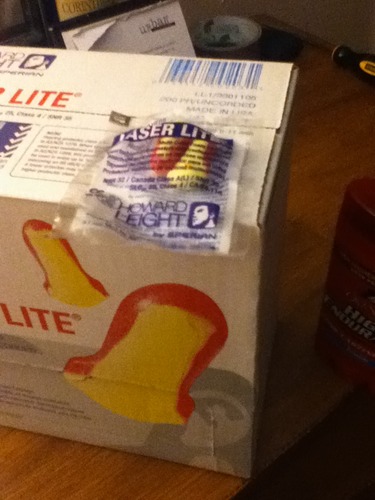
These are the baseline that most people should own, and the box of 50 pairs is deliberately positioned as a consumable you will replace rather than a purchase you make once. The high-visibility yellow and magenta coloring is not a gimmick, because the number one way people fail to use plugs correctly is losing them somewhere in the grass.

Getting the fit right in 20 seconds
Roll the plug between your thumb and forefinger until it is thinner than a pencil lead, reach up and back with the opposite hand to open the canal, then insert and hold for a few seconds while the foam rebounds. If it feels like a good seal you will not hear much at all, which is the point.
For people who cannot get a seal with foam, wearing plugs under muffs solves the problem in one move. Plugs handle the canal, muffs handle the cup gap, and the two combine for more real protection than either alone.
Where it is the wrong tool
Foam plugs isolate you completely. You will not hear the dog, the children, a reversing mower or a car, and on a suburban street that trade is occasionally dangerous. Reviewers also point out that there is no way around the recurring replacement, which matters if you dislike waste.
Comfort varies ear to ear. If a hard foam plug is uncomfortable on a long session, the Peltor Sport Tri-Flange below is the reusable alternative for the same job.
4. Decibel Defense 37 dB Earmuffs: the most certified protection on the list
DECIBEL DEFENSE Ear Protection, 37 dB NRR Ear Muffs (HI-VIZ ORANGE)
NRR 37 dB passive
Ansi S3.19 and CE EN 352-1 certified
11.7 oz
Regular and XL sizes
Pros
- 37 dB NRR is the highest certified rating we found
- No batteries or electronics to fail
- Padded headband and soft foam cushions suit long sessions
- Folds flat for a mower bag
Cons
- Regular size runs tight on larger heads
- XL is a separate size rather than an adjustment
- No instructions in the box for the cup height
- Cups block alarms and warnings
At 37 dB NRR with both ANSI S3.19 and CE EN 352-1 certification, these are the most aggressively protective muffs we tested, and the passive design means there is nothing to charge and nothing to fail. Water, dust and a long storage in a hot shed do not matter to them.
Apply the OSHA method and 37 dB becomes about 15 dB of real protection, which is the largest reduction available in this roundup. Run them with the Laser Lite plugs underneath and you are in double-protection territory that no single device reaches.
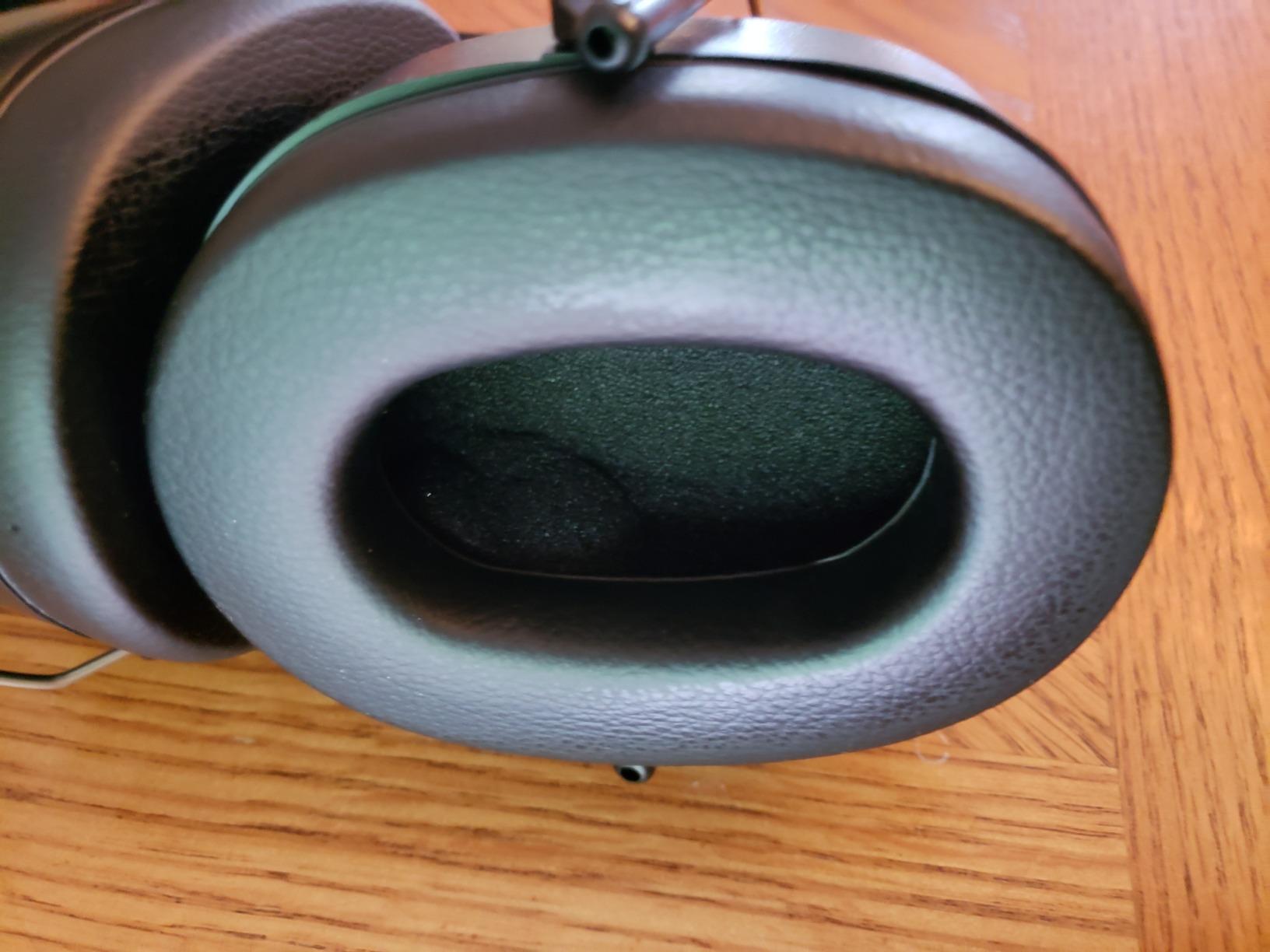
Comfort is the surprise here. Owners report soft, non-irritating dBTech foam cushions and a padded headband that stay bearable for hours, and at 11.7 ounces the muffs are light for something this protective. The foldable design means they live in the mower bag rather than on a shelf in the garage, which is the single biggest factor in whether they get worn.
Decibel Defense is a small American family business, and the sizing question is the one that generates most of the friction in reviews.
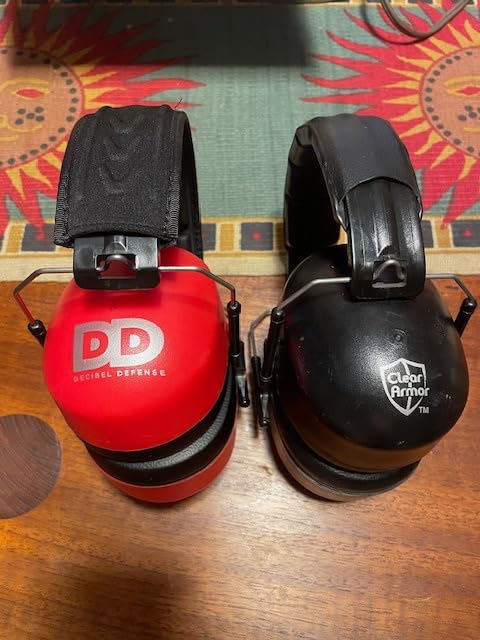
Sizing is the decision, not the rating
The Regular size fits most adults and teens, and a separate XL version adds extension for larger heads. The recurring complaint from owners with bigger frames is that Regular feels tight rather than slightly loose, and because the cups are not adjustable enough to fix that, choosing the wrong size is the mistake to avoid.
Another small thing: several reviewers note that no instructions were in the box, so the cup height adjustment is not obvious on first use. Spend the two minutes with the product page instead.
Where it is the wrong tool
At 37 dB these muffs are noticeably bulkier than slim-profile models and they will not clear a rifle stock. They also mute warnings entirely, so they are a poor choice for edge-of-the-road mowing in a neighbourhood where a reversing machine or a car matters more than the last decibel.
If you mostly need awareness and music rather than maximum attenuation, the Walker’s Razor Slim or the 3M WorkTunes fit the job better.
5. 3M WorkTunes Connect: the Bluetooth pick that survives a full week of mowing
3M WorkTunes Connect Wireless Hearing Protector with Bluetooth
NRR 26 dB
Bluetooth with 40+ hour battery
USB-C charging
14.7 ounces
Pros
- 40+ hours of battery life on a single charge
- USB-C port replaces the older micro-USB
- High-fidelity speakers with a self-adjusting volume limiter
- Water and sweat resistant for summer work
Cons
- Volume limiter caps the maximum level
- 14.7 ounces warms the head in hot weather
- Headband presses into the seam of a cap
- No hearing assist for surroundings
The WorkTunes Connect is the muff most people picture when they think of listening to something while mowing, and 40+ hours of battery life removes the failure mode that ruins that experience: the mid-lawn dead battery. One charge covers a full working week of sessions.
Switching to USB-C is a small change that matters more than it sounds. The same cable that charges your phone charges the muffs, so there is one cable in the bag rather than two. The housing is rated water and sweat resistant, which is the correct rating for a device that lives outdoors in July.
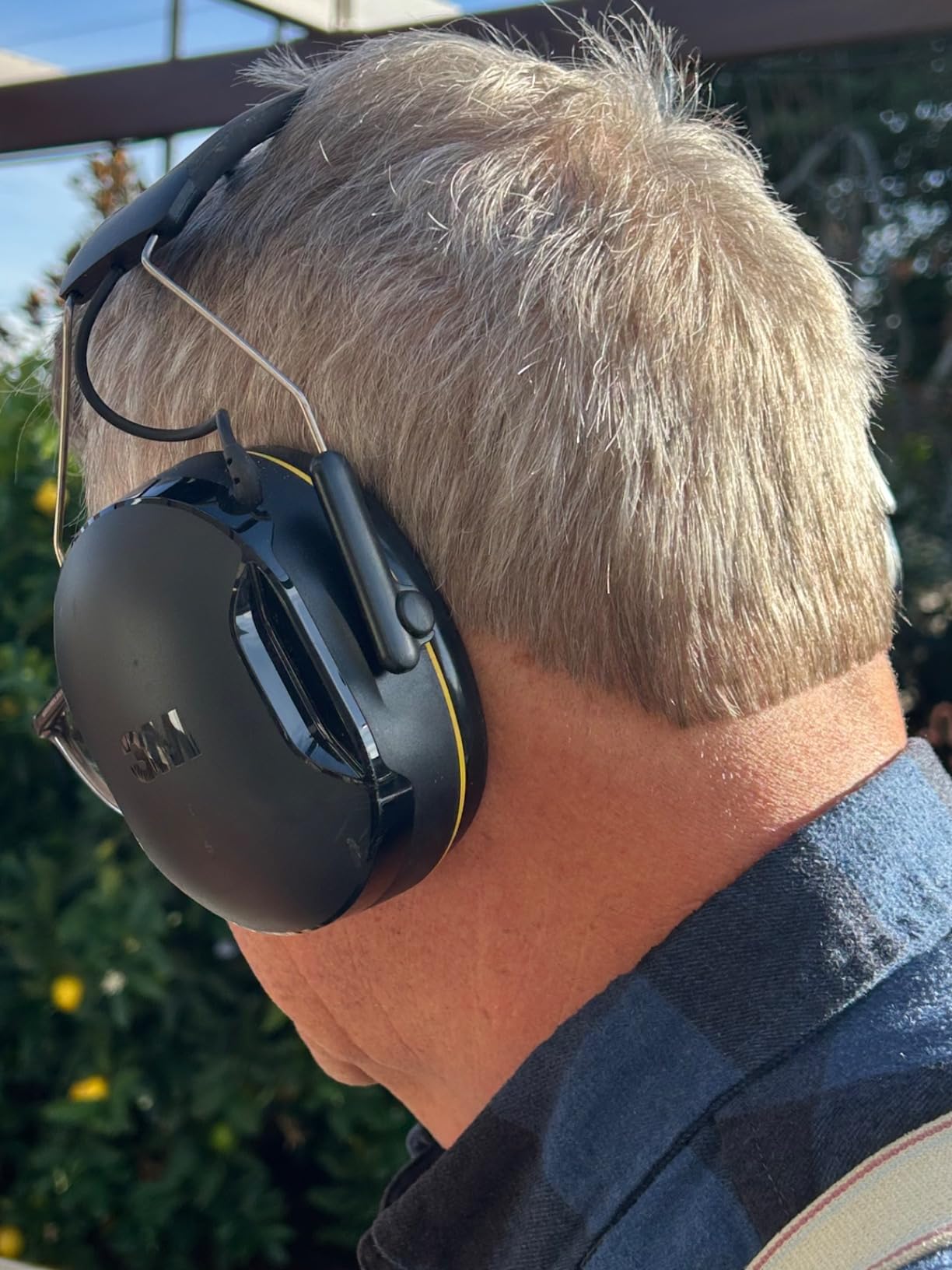
Call quality is genuinely good enough to take a phone call with the engine running, which reviewers consistently single out as an upgrade. Single-button controls and a findable volume toggle mean you do not have to pull the muffs off to skip a track, and the high-fidelity speakers are a clear step above the small drivers in budget Bluetooth muffs.
The headband cutouts are a nice piece of design thinking. On many competing muffs the band sits directly over a cap button and presses it into your skull, and these are shaped to avoid that.
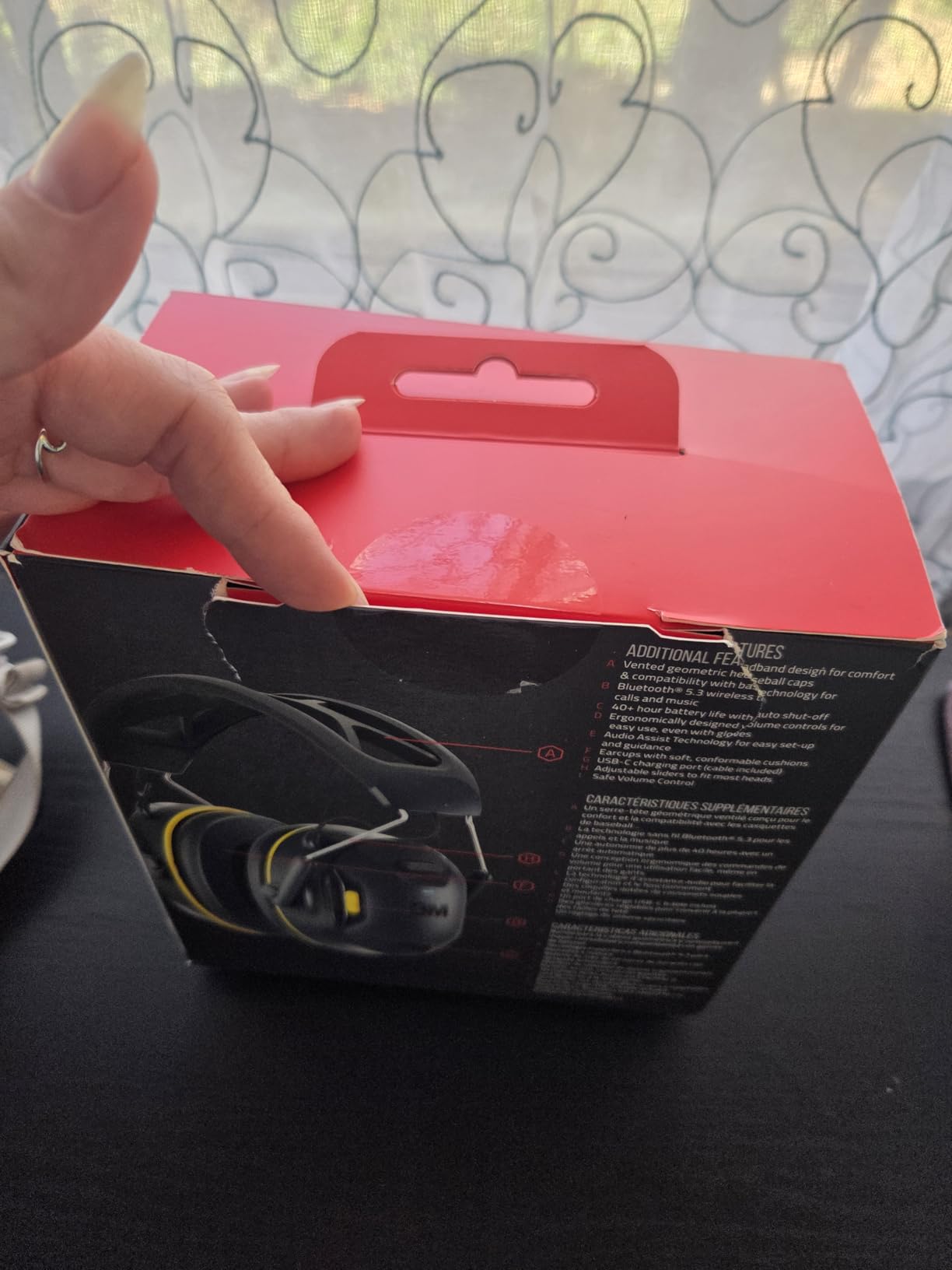
Why the volume limiter is a feature, not a flaw
Reviewers complain most often that the maximum volume is deliberately capped. That cap is the protection. The reason Bluetooth muffs defeat themselves is that a user turns the volume up to compete with the engine, which pushes total exposure at the eardrum straight back up to damaging levels, and the limiter is what stops that from happening.
The trade is that podcasts get harder to follow under sustained mower noise. If you need your music louder than this muff will allow, keep the volume down and accept that you are listening for pleasure rather than for detail.
Where it is the wrong tool
At 14.7 ounces this is the heaviest Bluetooth muff here, and that weight turns into heat on a hot afternoon. It is also a passive muff with speakers, not a hearing-assist device, so you hear music and engine noise but not the world around you.
If heat is the deciding factor on your property, earplugs or a lighter electronic muff such as the Walker’s Razor Slim will be more bearable in July.
6. Peltor Sport Tri-Flange Earplugs: the reusable pair you will actually keep using
Peltor Sport Tri-Flange Corded Reusable Earplugs, 3-Pairs per Pack
NRR 26 dB reusable
Corded and washable
3 pairs with storage case
0.32 ounces
Pros
- Washable and reusable
- so no recurring consumable cost
- Retaining cord prevents loss in grass or a tool bag
- Storage container keeps plugs clean when not worn
- Extremely light at 0.32 ounces
Cons
- Three flanges take practice to insert correctly
- Needs full insertion depth to reach the rated 26 dB
- Blocks all conversation and ambient sound
These are the plugs that live in a shirt pocket rather than a landfill, and that is their whole argument. Three pairs of 3M-made tri-flange plugs, a retaining cord and a storage container, weigh 0.32 ounces in total and last for years.
The cord matters more than it looks. A foam plug dropped in the grass is a foam plug you will not find, and a corded plug either stays on your neck or is not lost at all. Owners also like being able to wash them and pop them straight back in.
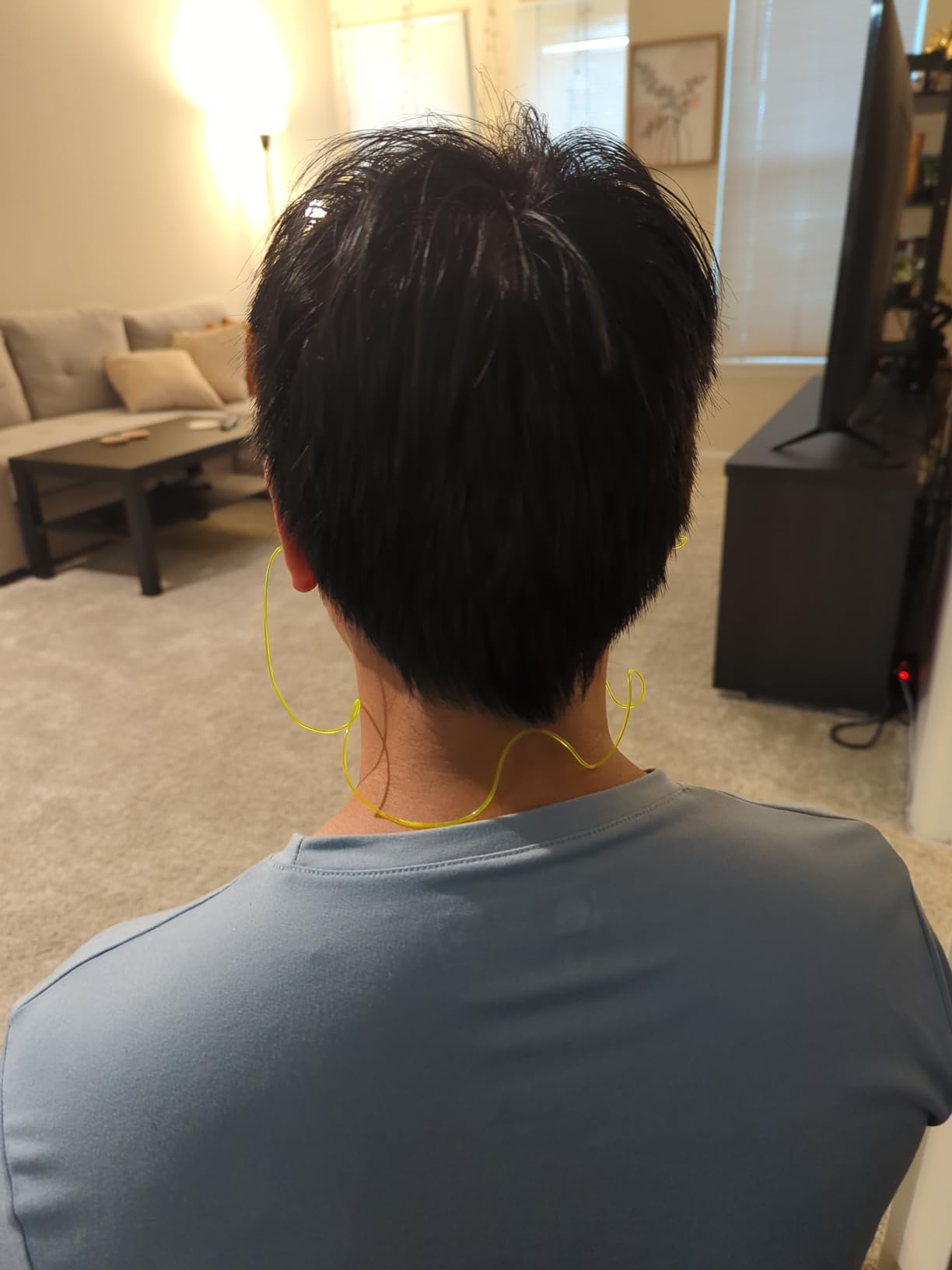
They also sit comfortably under an over-ear muff, which makes them our pick for double protection. The 26 dB rating is decent on its own and the combined result of plugs plus a 31 dB muff removes substantially more than the muff alone.
These have been made for a very long time, and the design has not needed to change, which tells you something about whether the seal holds up.
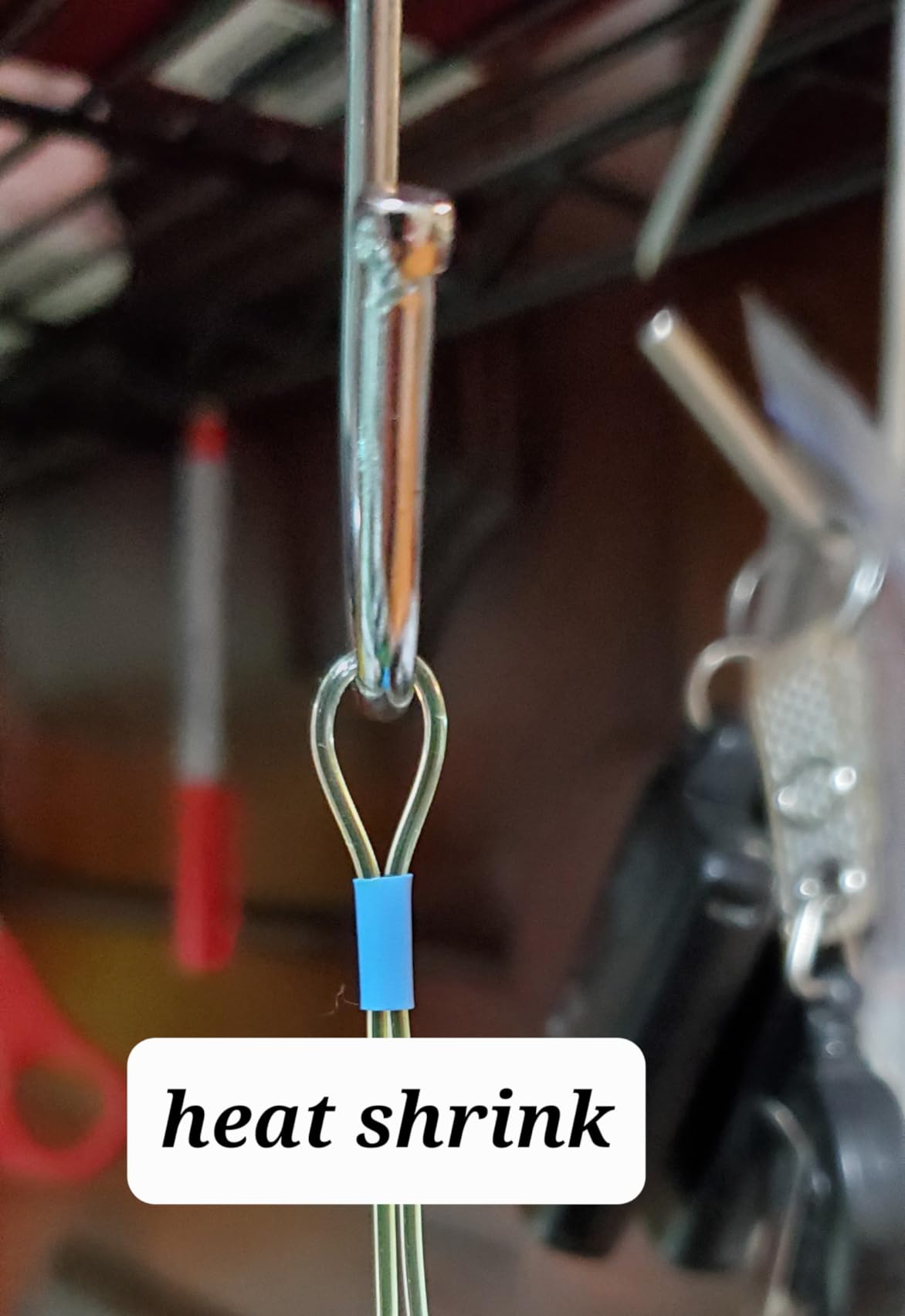
How to insert a tri-flange plug correctly
Roll it between your fingers, reach up and back to open the canal, then push it in with a twisting motion until the flange disappears. A correctly seated plug should feel slightly full rather than painful, and it should stay put when you tug gently on the cord.
Expect a few attempts before it clicks. Reviewers consistently describe the first insertion as awkward and the tenth as automatic, and note that the rated protection simply does not arrive without full depth.
Where it is the wrong tool
Silicone flanges are less forgiving than slow-expanding foam, so a plug fit that has never been practised is a real risk. They also cost several times more upfront than a box of disposable foam, which only pays off if you actually keep them.
And like all plugs, they remove every sound you might want. On a street or near a driveway, pair them with awareness ear protection rather than using them alone.
7. PROHEAR 037 Bluetooth Muffs: the long-runtime pick with glove-friendly controls
PROHEAR 037 Bluetooth 6.0 Hearing Protection Headphones with Rechargeable 1100mAh Battery, 30dB SNR Safety Noise Reduction Ear Muffs 120H Playtime for Mowing, Workshops, Snowblowing – Black
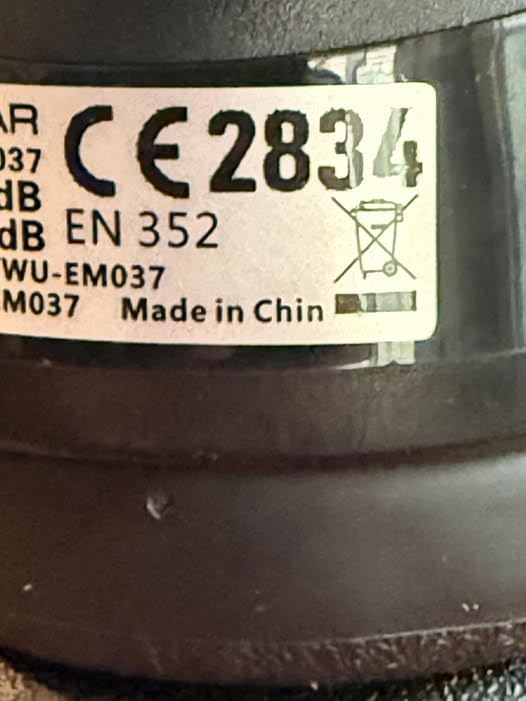
30 dB SNR
Bluetooth 6.0 at 80 ft range
Up to 120 hours
11.5 ounces
Pros
- Up to 120 hours of playtime from the 1100 mAh battery
- Bluetooth 6.0 with an 80 ft range stays connected across a lawn
- Raised buttons work with work gloves on
- Carry bag and 3.5 mm cable included
Cons
- Rated in SNR rather than US NRR
- Audio quality and microphone are functional rather than good
- Heavier feel than plain passive muffs
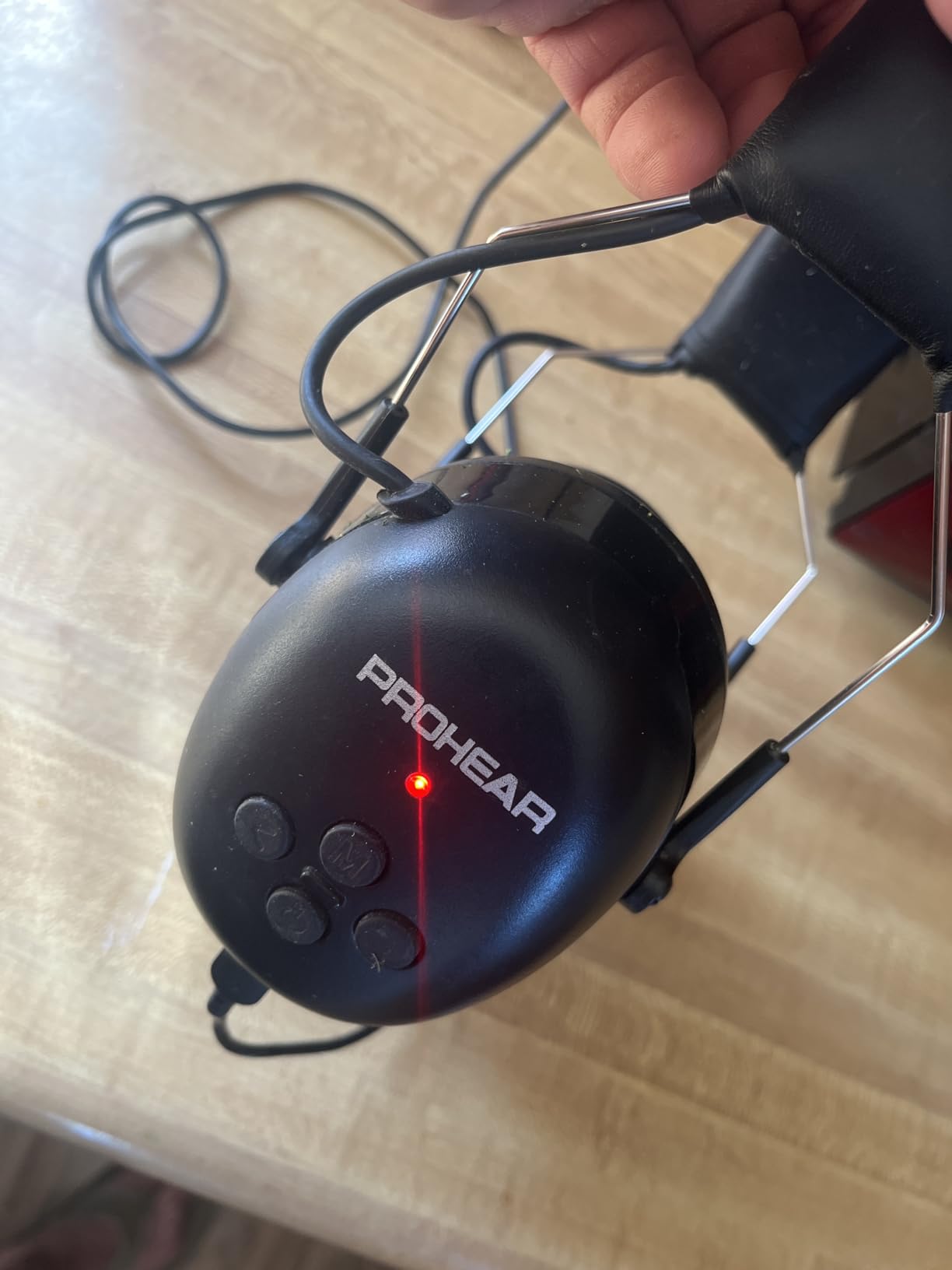
The PROHEAR 037 is built for the professional end of the range, and the number that gives it away is the battery. A 1100 mAh lithium cell delivers up to 120 hours of playtime, which means a commercial operator can charge it at the start of a week and forget about it. At 11.5 ounces it is also the second-lightest Bluetooth muff in this group.
Bluetooth 6.0 with an 80 ft range solves the specific failure that users report with cheaper muffs, which is the connection dropping when you walk to the far corner of a property. Raised control buttons can be found and pressed with gloves on, and there is a 3.5 mm input if you would rather not deal with wireless at all.
The padded headband and soft ear pads are the other reason it appears on crews. Comfort over hours is the metric that matters once a person is mowing professionally for a living, and it is the metric that separates this from a cheap Bluetooth muff with a short battery.
The package includes a charging cable, a 3.5 mm connector, a manual and a black leather carry bag, which is more than most competitors include.
SNR is not NRR, and here is why it matters
The 30 dB figure on this muff is an SNR, the European single-number rating, not the US Noise Reduction Rating. SNR is measured with a different procedure and a different safety factor, so the two numbers are not interchangeable and a European label should not be read as a direct US NRR equivalent.
If you want a printed US NRR for an OSHA or ANSI compliance argument, choose one of the certified passive muffs in this list. If you want audio for long commercial sessions, the SNR rating is less important than the battery and the seal.
Where it is the wrong tool
Reviewers rate sound quality and microphone performance as functional rather than impressive, so this is not the muff to pick if music quality is the point. It is also heavier-feeling than plain passive muffs, which matters in July.
For the highest certified attenuation with no electronics, the Decibel Defense above remains the stronger answer.
8. 3M PELTOR Optime 105 Earmuffs: the workhorse that does not need charging
3M H10A Peltor Optime 105 Over the Head Earmuff, Ear Protectors, Hearing Protection, NRR 30 dB
NRR 30 dB passive
Double-shell design
Stainless steel headband
Rated to 105 dBA exposures
Pros
- 30 dB NRR with double-shell construction
- Stainless steel headband resists bending and warping
- Pivoting earcups settle into a good seal
- No batteries or firmware to manage
Cons
- Bulky and heavier than slim-profile muffs
- Fixed over-the-head band cannot be worn with a hard hat
- No audio input or Bluetooth at all
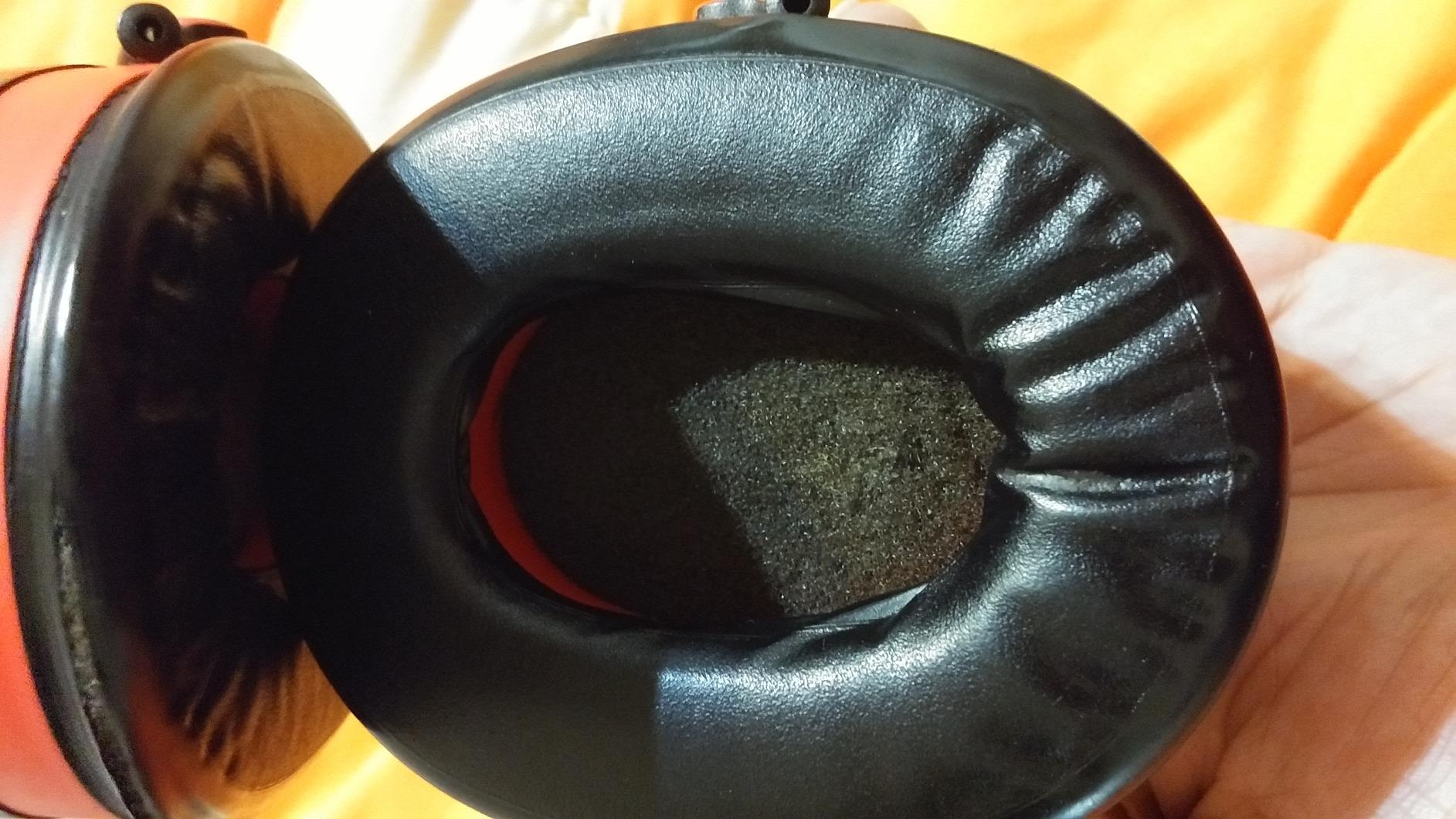
This is the muff that has been on job sites and in sheds for the better part of two decades, and its whole argument is that it cannot be broken by neglect. Double-shell construction pushes the rated attenuation to 30 dB NRR, and the stainless steel headband is the reason it still fits the same way it did years ago.
Pivoting earcup points let the cups tilt into a seal on a range of head shapes, which is more valuable than it sounds because a muff that is sealed in two places and leaking in the third protects far less than its rating suggests. It is rated for exposures up to 105 dBA, comfortably above a gas mower.
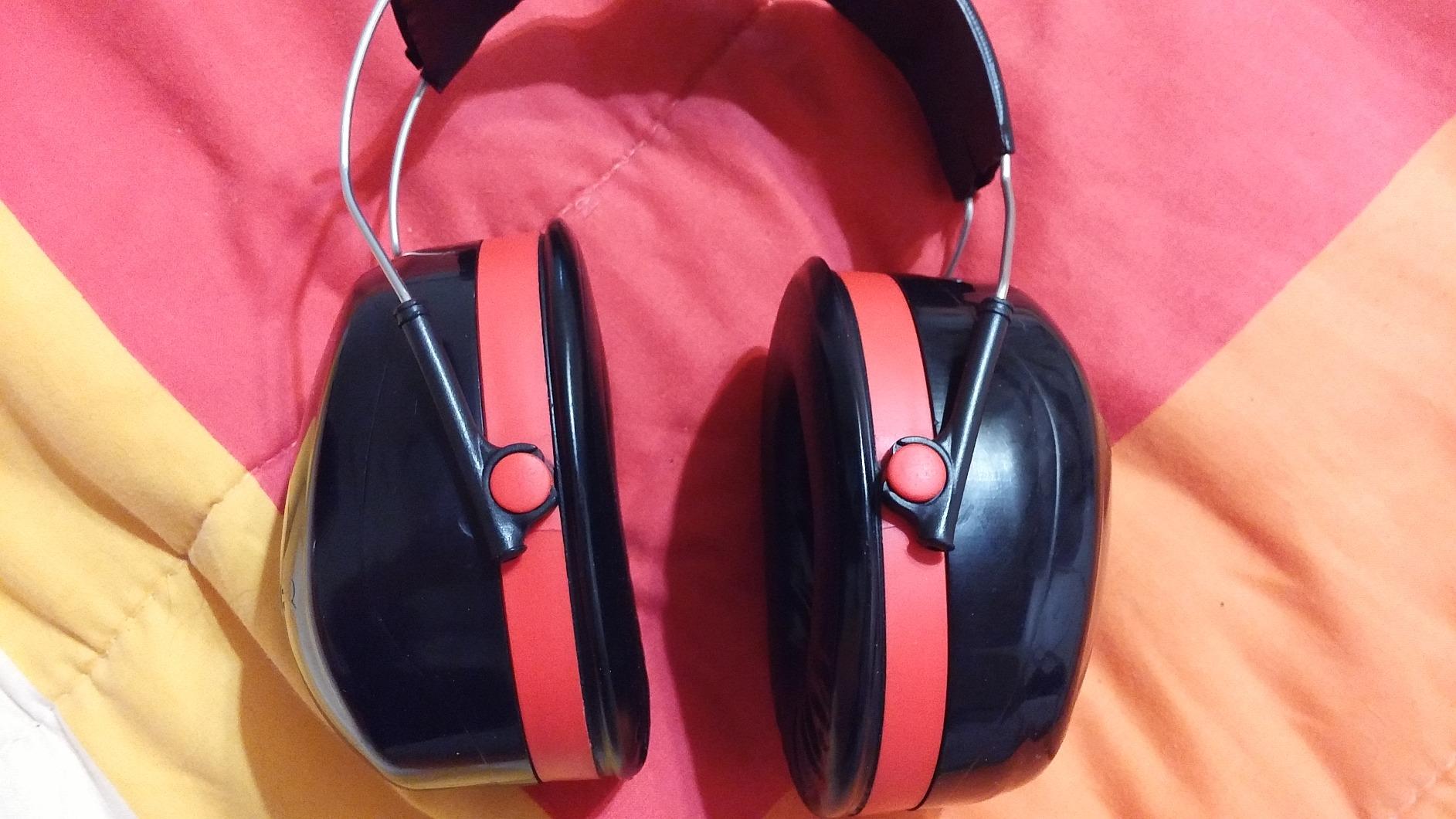
For a lawn owner who also cuts timber, grinds welds or trims hedges, that combination of high certified rating and rugged construction is difficult to argue with. There is no charging, no pairing and no firmware to think about, and it is E-A-Rfit compatible for anyone who wants to add earplugs underneath for double protection.
Apply the OSHA method and 30 dB becomes roughly 11.5 dB of real protection, which brings a 95 dB mower down to about 83.5 dB at the ear.
Over-the-head versus helmet-mounted, and why it matters
The main reason to consider an alternative design is other headgear. A fixed over-the-head band cannot be worn with a hard hat, and on commercial crews a hard hat is often not optional on certain days. If you are landscaping for work, check your site rules before buying an over-the-head muff.
The second consideration is bulk. These are heavier and larger than slim-profile models like the Walker’s Razor Slim, so expect a more enclosed feeling around the ears. Some people find that pressure helps them stay aware; others find it claustrophobic in heat.
Where it is the wrong tool
There is no audio of any kind, no Bluetooth and no input jack, so if your motivation for upgrading is music while mowing, this is the wrong box entirely. It is also the heaviest passive muff in the list, which makes it a poor match for a long hot session.
For lighter passive protection with the same certified approach, the Clear Armor 141001 below does the same job at 9.5 ounces.
9. Husqvarna Professional Headband Hearing Protectors: the comfortable pick for shorter sessions
Husqvarna Professional Headband Hearing Protectors 25dB(A) NRR, Lightweight Ear Protectors with Padded Headband and Clamshell Design for Hearing Protection, Black
25 dB(A) NRR
Lightweight padded headband
Clamshell ear cups
Side tension sliders
Pros
- Supple
- non-stiff padding avoids head pressure
- Side tension sliders adjust from slack to firm
- Works over sunglass arms and eye protection
- Handles mowers
- trimmers
- blowers and chainsaws
Cons
- Firm clamping out of the box is tight on larger heads
- Less suitable for all-day wear than the softer picks
- Does not fold flat so it takes more bag space
- 25 dB(A) NRR is modest for a gas mower
The Husqvarna protectors were designed alongside chainsaw gear, and the design priority is obvious once you put them on: the padded headband is flexible and supple rather than stiff, which is exactly the complaint most owners raise about other headband muffs after 45 minutes of clamping.
Side tension sliders let you set the clamping force anywhere from slack to firm, and that single feature is worth more than a slightly higher rating in a lot of real mowing. The clamshell ear cups give full coverage, and the whole unit is designed to work over eye protection and sunglass arms.
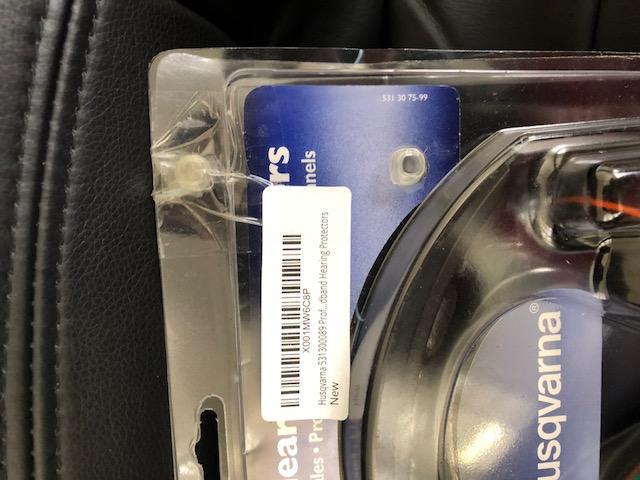
The 25 dB(A) NRR rating is lower than the high-protection passive options here, which makes sense for a muff built around all-day comfort rather than maximum attenuation. Owners using it on mowers, blowers, trimmers and chainsaws report strong reduction of steady engine noise.
The plastic shell tolerates drops, sweat and rain without complaint, which is the correct expectation for gear that lives in a trailer.
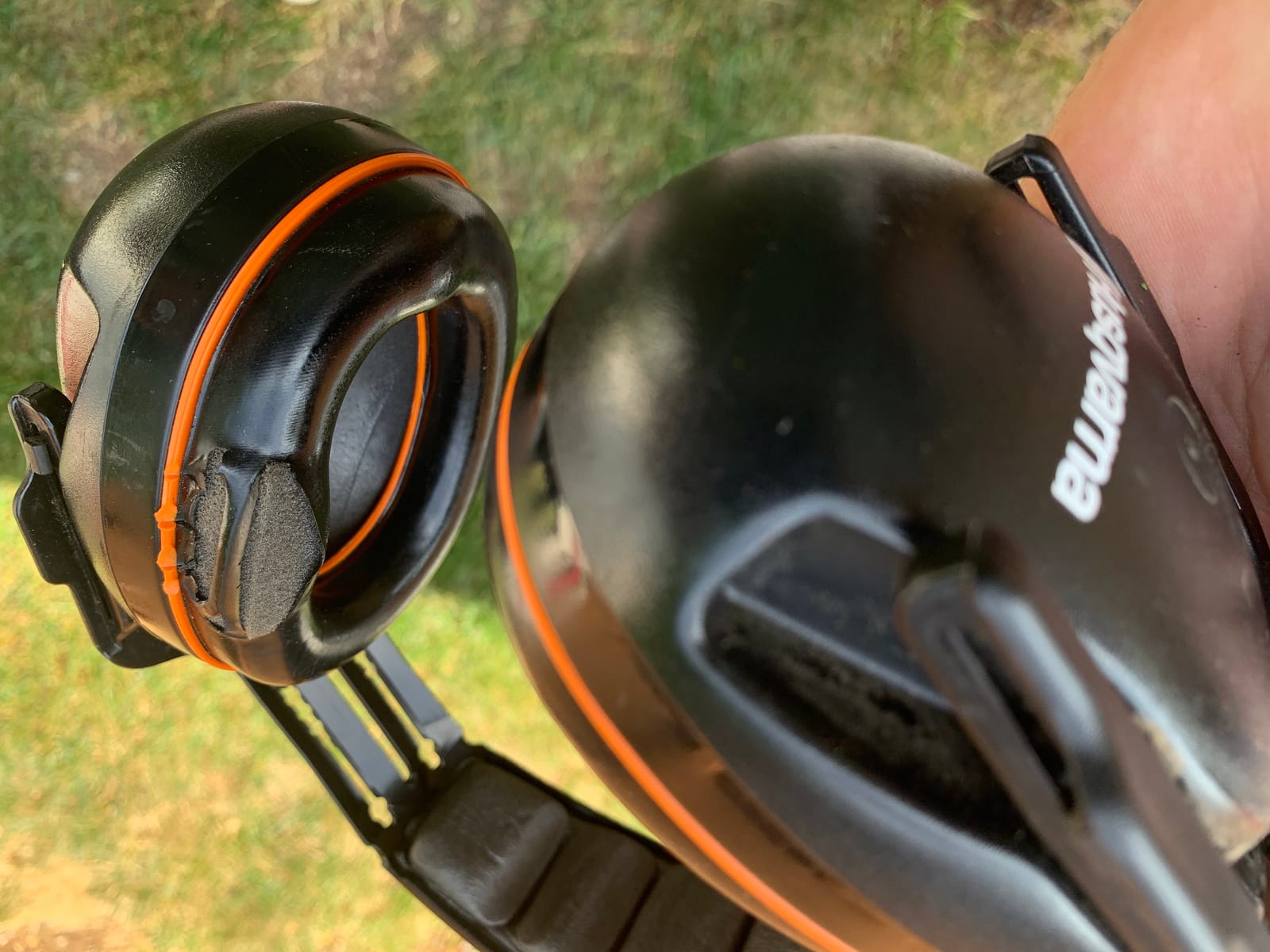
Clamping force is the whole decision
The recurring note in reviews is that the cups feel firm out of the box and tight on larger heads or after several hours. The tension sliders help, but they help at the headband, not at the seal, so if you have a broad head and intend to wear muffs for a full afternoon, test before you commit.
For shorter, task-based sessions, such as a quick mow followed by a blower, the trade works in your favour. You put them on, you finish the job, and the firm seal never has time to become uncomfortable.
Where it is the wrong tool
They do not fold flat, so they take up more room in a mower bag than the Decibel Defense or the Clear Armor, which matters if bag space is what keeps your protection with you. And 25 dB is not enough if you spend a full day on a zero-turn.
Wearing plugs underneath is a reasonable fix for both the rating and the awareness problem, since a firmer outer seal over plugs still blocks conversation.
10. Clear Armor 141001 Earmuffs: the light certified passive pick that fits in the mower bag
Clear Armor Hearing Protection Adjustable Earmuffs 31.5 dB SNR Black 1 Pack
NRR 31 dB
Ansi S3.19 and CE EN 352-1 certified
9.5 ounces
Folds flat
Pros
- Lightest certified passive muff here at 9.5 ounces
- 31 dB NRR with both ANSI S3.19 and CE EN 352-1
- Super soft ear ring foam suited to long wear
- Folding design stores compactly in a mower bag
Cons
- No audio input or Bluetooth
- Swivel cups can drift out of alignment for some wearers
- Still bulkier than in-ear protection
The Clear Armor 141001 is the answer when someone wants a certified muff with a real NRR but not the bulk. At 9.5 ounces it is the lightest certified passive design in this roundup, and the 31 dB NRR brings a 95 dB mower down to roughly 83 dB at the ear using the OSHA method.
Both ANSI S3.19 and CE EN 352-1 certification are on the spec sheet, which means the same product works for a buyer who needs a US rating and a buyer who needs a European one. The super soft ear ring foam is what makes it bearable for a long session, and the padded adjustable headband accommodates most head sizes.
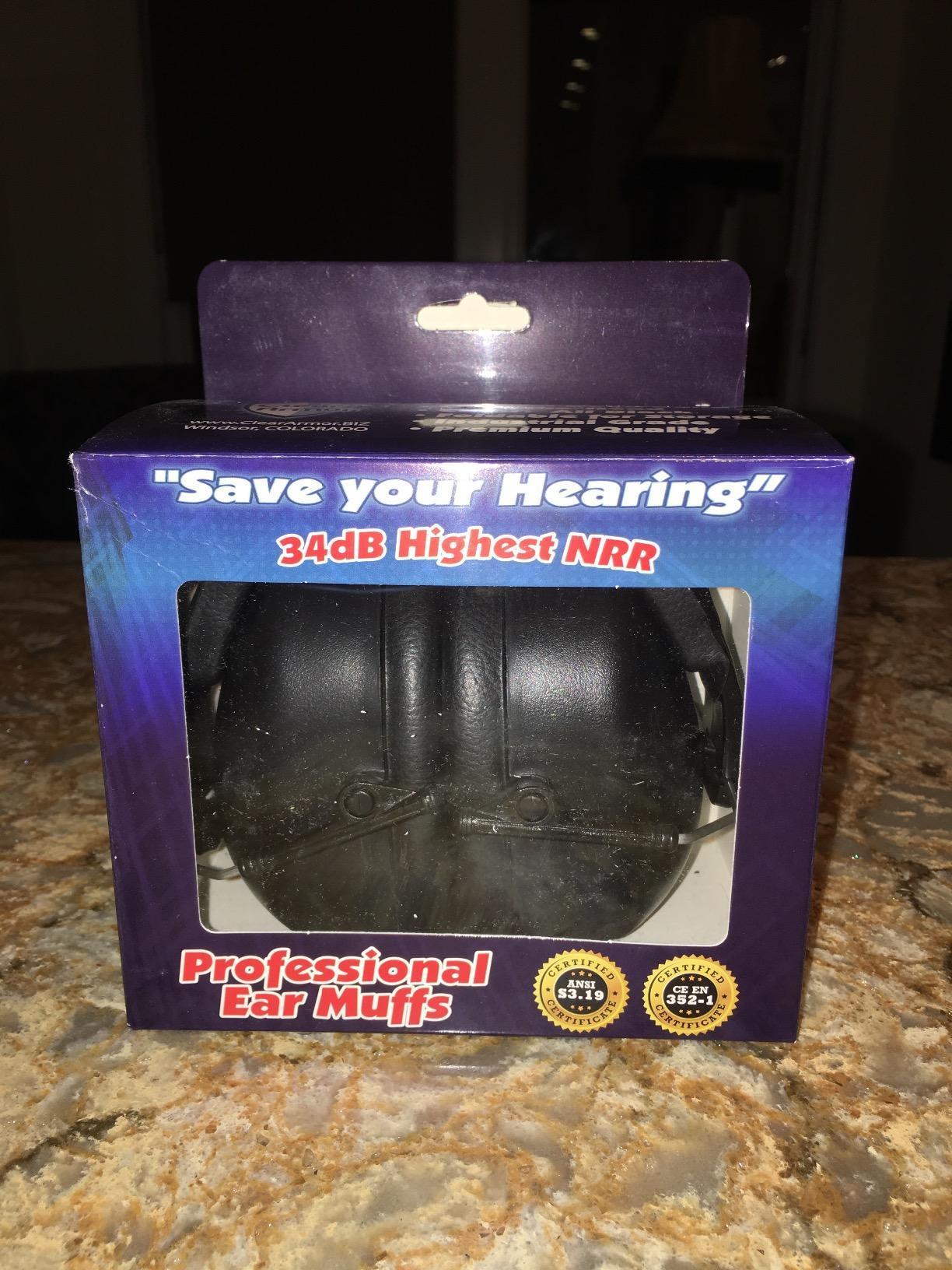
The compact folding design is the feature that quietly decides whether it gets used. A muff that lives in the mower bag is a muff you have on Saturday morning, and a muff in a garage cupboard is not. Swivel cups help maintain a reliable seal as you move.
Owners using it for yard and range work describe it in plain terms: soft pads, light weight, easy to fold, and a rating that is real without being the highest number on the shelf.
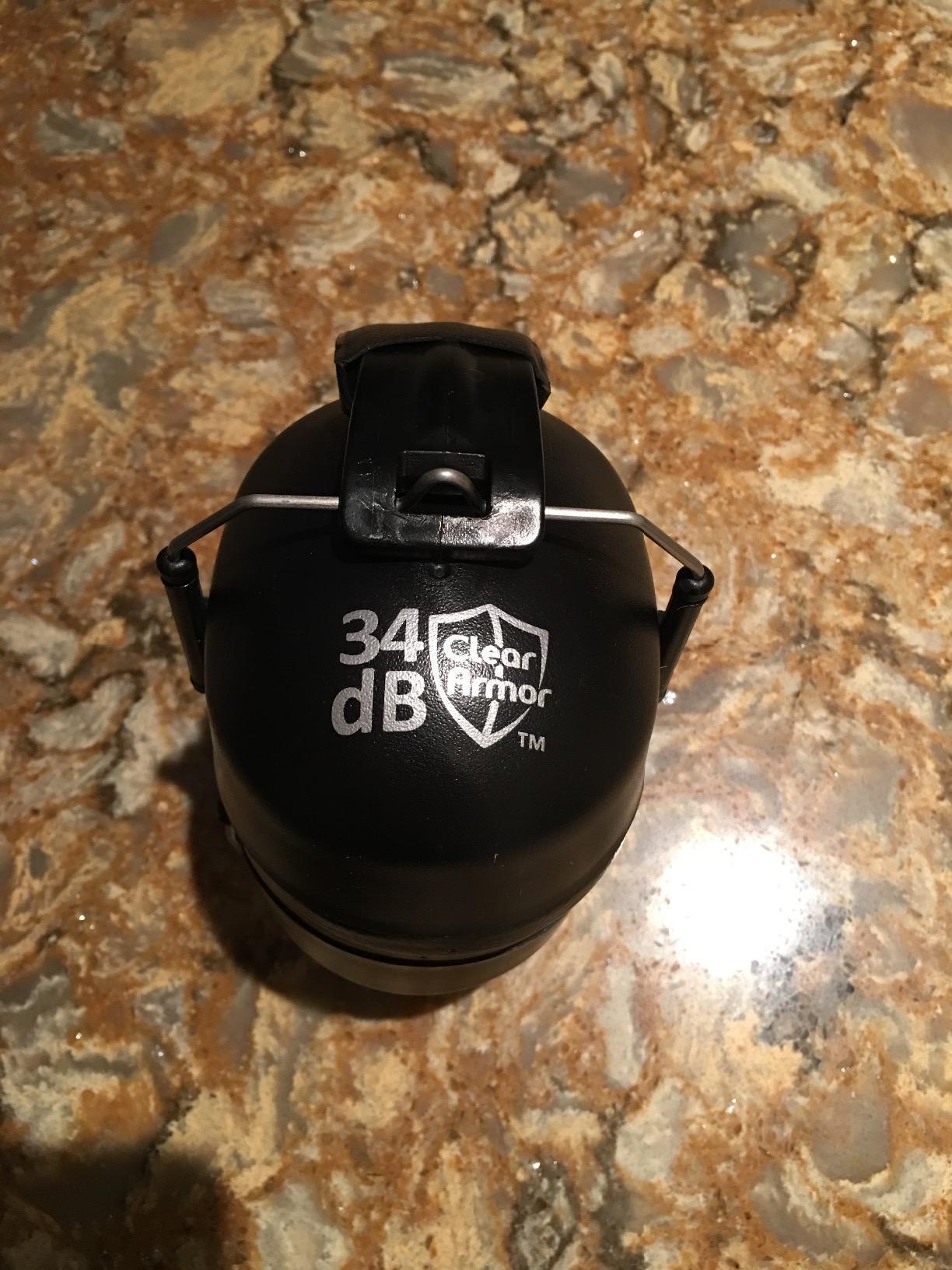
How to pick between 31 dB and 37 dB
The gap between this muff and the Decibel Defense is three points of NRR, which under the OSHA method is about 2.5 dB of real difference. For most weekly mowing that is genuinely marginal, and the lighter weight and folding design may matter more to you.
Where the extra attenuation starts to pay is on long sessions with a zero-turn, a blower, or a commercial route with multiple machines. If your mornings routinely run past three hours of engine noise, take the higher rating.
Where it is the wrong tool
There is no audio of any kind, so this is not the muff for listening to something while you mow. And like all passive designs, it removes the ability to hear a car or a reversing machine approaching, which is worth weighing carefully if your lawn borders a road.
If awareness is the priority rather than attenuation, move up to the Walker’s Razor Slim or the Howard Leight Impact Sport.
How to choose hearing protection for lawn mowing in 2026
Choosing well comes down to five decisions: how much attenuation you need, which device type fits your head and your glasses, whether you want to hear your surroundings, how long your sessions run, and whether the thing will be close enough to reach that you actually put it on. Work through them in that order and the answer falls out quickly.
1. How much noise reduction do you actually need?
Start with the mower rather than the product. A gas push mower sits around 95 dB at the operator’s ear, a battery mower around 75 dB, and OSHA’s limit for an eight-hour average is 85 dBA. Below about 85 dB, protection is optional. Above it, the amount of reduction you need depends on how long you are out there.
The OSHA method is the honest one. Subtract 7 from the NRR, halve the result, and subtract that from the noise level. A 30 dB NRR muff therefore gives about 11.5 dB of real protection, which turns a 95 dB mower into roughly 83.5 dB at your ear. Any marketing that implies a 30 dB muff removes 30 dB is describing a laboratory, not a lawn.
Because the real number is always lower than the label, plugs under muffs is the cheapest upgrade available. Combining a 32 dB plug with a 31 dB muff removes considerably more than either one alone, and both of the top-rated plugs in this list sit comfortably under the shells of every muff here.
2. Earmuffs, earplugs, or both?
Earmuffs seal around the ear, which means they also block conversation, warning calls and approaching vehicles, and they never have a fit problem inside the canal. Earplugs seal the canal itself, which is a smaller and often more comfortable target, but they remove every sound around you and they do nothing for the cup gap.
Double protection is where the real gains are, and it is the recommendation we would give a commercial operator or anyone mowing a large property. Wear foam or silicone plugs first, fit the muffs over the top, and let the outer shell handle the ambient sound that the plugs removed.
Plugs under muffs also solve the glasses and hat problem that owners complain about most, because nothing narrow sits on your temple or your cap bill. Our practical habit suggestion, borrowed from owners in lawn groups, is to keep a pair of corded plugs in the mower’s cup holder so the decision is never up to your memory at 8am.
3. NRR, SNR, and certified versus uncertified devices
This is the point that most roundups on this topic skip, and it is the one most likely to cost you actual hearing. A Noise Reduction Rating is a lab measurement certified to ANSI S3.19 in the United States or EN 352-1 in Europe. An SNR is the European single-number rating, produced by a different method with a different safety factor, so the two figures are not interchangeable.
Noise-cancelling headphones and ordinary wireless earbuds are neither. They do not carry an NRR, they are built for music, and their active cancellation is tuned to steady low-frequency rumble rather than to the broadband, high-frequency character of a small gasoline engine. Wearing them gives you music at a volume you choose, which is precisely the problem.
The music volume paradox deserves spelling out. Many owners turn the volume up to be audible over the engine, which raises total exposure at the eardrum back to damaging levels even though they are wearing something. A hearing protector with a built-in self-adjusting volume limiter prevents that, which is why the capped maximum on the 3M WorkTunes is a protection feature rather than an inconvenience.
It is fair to say that the Bluetooth earmuff community on r/lawncare is vocal about this. A widely read thread asking what headphones or earbuds everyone is using runs well past a hundred comments, and posters repeatedly recommend the Elgin Discords over the 3M WorkTunes for sound quality at comparable protection. In a separate r/lawnmowers thread, owners endorse the ISOtunes 2.0 by name for mowing and weedeating, and other posters praise Denon earbuds for sealing well in the canal. Budget buds claiming large noise reduction figures get described in those threads as adequate for plain mowing, largely because the sealed fit stops the volume from being pushed up.
Our position is narrower than the community’s. The most defensible setup is a certified NRR-rated device for protection, and separate music only if the device’s own limiter is doing the work for you.
4. Fit: head size, glasses, hats and heat
Fit drives returns more than any specification on the list. The narrow ear cup shape of the Walker’s Razor Slim suits smaller heads and can feel tight on larger ones, while the Decibel Defense solves the same problem with a separate XL size rather than with adjustment. The Husqvarna’s tension sliders help on a broad head, but the firm clamping that some owners like is exactly what others find painful after an hour.
Glasses are the most common conflict. Temple arms that sit under the headband break the seal and quietly reduce your protection, so look for a design the manufacturer has tested with eye protection, or drop to earplugs, where the question disappears. Sunglasses arms are the same problem in a different shape.
Hats are a subtler version of the same issue. A cap under the band adds thickness at the top of the head, and a baseball cap button can be pressed directly into your skull by a headband with no relief cutouts. The 3M WorkTunes has cutouts shaped specifically to avoid this.
Heat is the factor that decides whether a muff survives August. Ear cups trap heat, and a heavier muff traps more of it, which is why the lightest passive model in the list is also one of the most comfortable in summer. Earplugs have no heat problem at all, and that is the honest argument for them on a July afternoon.
5. Battery, charging and long sessions
If you choose a Bluetooth muff, runtime is the number to compare, not sound quality. The PROHEAR 037 runs up to 120 hours on a 1100 mAh cell, the 3M WorkTunes delivers 40+ hours, and the Howard Leight Impact Sport runs roughly 350 hours on two AAA batteries with an automatic shutoff after four idle hours.
Charging format has improved dramatically. The current generation of Bluetooth muffs has moved to USB-C, which means the same cable that charges your phone charges your hearing protection, and for someone who wants one cable in the mower bag that removes a small daily friction.
For commercial crews mowing five or more hours a day, the owners we spoke to treat the muff as a battery problem, not an audio problem. Anything under 20 hours of runtime means a mid-week charge, and anything under 10 means a conversation about charging the muffs as carefully as charging the mower batteries.
6. What to buy based on your yard and your session
If you mow a small yard on a battery mower, plugs are enough and nothing more is warranted. If you run a gas push mower for an hour most weekends in spring and autumn, any of the certified passive muffs will serve you.
If you mow large acreage, run a zero-turn, or work commercially, the priority order is runtime and clamp comfort over peak NRR, which points toward the Bluetooth muffs with long batteries and toward double protection with plugs. If you wear glasses or a hat every time you go outside, earplugs solve the fit problem and are the strongest answer in this guide.
If you want music, choose a Bluetooth muff with a self-adjusting limiter rather than reaching for consumer headphones, and accept that the capped maximum volume is what keeps you protected. Whatever you choose, keep it in the mower bag, the trailer or the truck, close enough that putting it on is the path of least resistance.
7. Care, storage and replacement parts
Ear cushions are consumables. The foam ring inside a muff compresses over time, picks up sweat and sunscreen, and eventually stops sealing as well as it did on day one. Most manufacturers sell hygiene kits or replacement cushions for exactly this reason, and owners who rotate cushions report the muff lasting far longer than owners who never replace them.
Storage matters more than people expect. A muff that lives in a hot, damp trailer or a shed is a muff whose electronics and cushions are both degrading. The folding designs in this list exist for that reason, and the ones with a carry pouch, such as the PROHEAR 037, are the easiest to store properly.
Wash reusable plugs with soap and water, let them dry fully, and keep them in the supplied case rather than loose in a pocket. The included case is a small detail that prevents a large amount of avoidable loss.
8. What lawn care owners actually report
Across the forum threads that cover this question, the same points come up repeatedly. Community consensus treats foam earplugs as the correct baseline, with double protection as the upgrade, and advice repeatedly emphasises that plugs only work if they are properly fitted. The strongest practical advice is to keep corded plugs somewhere you will not lose them.
Long sessions are the real test, which is why battery life and clamp comfort come up more than peak NRR in owner conversations. Bluetooth muffs running flat or dropping connection mid-lawn is the most common complaint we found. Users also consistently warn against turning the volume up to compete with the engine, and that warning is exactly why the limiter on a certified Bluetooth muff matters.
For post-mowing comfort, the audiogon thread about ears ringing long after the engine stops is the one worth reading. Ringing that persists into the evening is a reason to book a hearing test, not a reason to push through with better muffs next week.
Frequently Asked Questions
Should you wear ear protection when lawn mowing?
Yes, if you run any gas-powered equipment. A typical gas mower produces roughly 95 decibels at the operator’s ear, above the 85 dBA level where repeated exposure causes permanent damage. Battery mowers near 75 dB are much lower risk, but adding a blower or trimmer to the same session brings you back into the range where protection is worthwhile.
What are the best earmuffs for mowing?
The Decibel Defense 37 dB muffs give the highest certified attenuation, the 3M PELTOR Optime 105 deliver rugged 30 dB protection with a steel headband, and the Clear Armor 141001 are the lightest certified option at 9.5 ounces. All three carry a published US NRR and work well with earplugs underneath.
What are the best headphones to wear while cutting grass?
A certified Bluetooth hearing protector such as the 3M WorkTunes Connect or the PROHEAR 037 is the safest option, because the passive shell protects your ears while the speakers carry audio, and a self-adjusting limiter stops you turning the volume up to compete with the engine. Ordinary noise-cancelling headphones and earbuds are not NRR-rated protection.
What are the best Bluetooth hearing protection headphones for lawn mowing?
The 3M WorkTunes Connect offers 26 dB NRR with 40+ hours of battery life and USB-C charging, while the PROHEAR 037 runs up to 120 hours on a larger cell and has glove-friendly controls. The Walker’s Razor Slim is the lighter option if weight matters more than audio.
Will noise cancelling headphones block a lawn mower?
Not properly. Consumer noise-cancelling headphones and earbuds carry no Noise Reduction Rating, and their active cancellation is tuned to steady low-frequency sound rather than the broadband character of a small gasoline engine. They reduce how loud the mower sounds, but the protection you rely on is whatever volume you set.
Do noise cancelling earbuds protect hearing while mowing?
They are not certified protection. An earbud without a published NRR has not been tested to ANSI S3.19 or EN 352-1, so there is no measured figure for how much noise it removes. If you want in-ear protection while mowing, choose rated earplugs such as the Howard Leight Laser Lite or the Peltor Sport Tri-Flange instead.
What is the best hearing protection for mowing the lawn?
For most people it depends on the session. The Decibel Defense 37 dB muffs offer the most certified protection, the 3M WorkTunes Connect adds music with a safe volume limiter, and the Howard Leight Laser Lite plugs are the practical choice if you wear glasses or a hat. Wearing earplugs under muffs gives the most real protection of any combination.
Final verdict: the best hearing protection for lawn mowing in 2026
Our default recommendation is the Walker’s Razor Slim Electronic Muff, because at 12.63 ounces it is the combination we would most happily wear for a whole Saturday: light enough to forget, electronic enough to hear a car or a reversing machine, and equipped with an audio jack for the drive home. The one caveat we will not soften is that its published specifications do not include a Noise Reduction Rating.
If you want a printed certification above all else, buy the Decibel Defense 37 dB muffs and size them carefully, or the 3M PELTOR Optime 105 if you also work with tools. If you wear glasses or a cap, skip the headband entirely and use Howard Leight Laser Lite plugs or Peltor Sport Tri-Flange plugs. If you want music, use the 3M WorkTunes Connect and leave the limiter alone.
Whichever you choose, the best hearing protection for lawn mowing is the pair that ends up in the mower bag, because the only muff that never gets worn protects nothing at all. We update this guide each season, and if you are still putting the yard to bed this autumn, our picks for the best dethatchers for lawn care and the best lawn sweepers for leaf cleanup will get you through the season properly.