

The best air filtration systems for woodworking shops are the units that pull fine dust out of the air you are already breathing, not the ones that catch chips at the machine. That distinction matters more than any spec sheet, because a table saw or a dust collector removes almost all of the coarse debris, and the fraction that hangs in the air for hours is the fine stuff nobody sees until a shaft of shop light gives it away.
Here is the blunt answer to the question forums ask constantly: no, an air filtration system does not replace a dust collector. It is the second layer. Your dust collector or shop vac captures dust at the source, an air filtration unit cleans the room air around the machine, and a respirator protects you at the exact moment the blade or sander is running. You want all three, and the filtration unit is usually the cheapest of the three to justify.
We compared eight purpose-built shop units in the 300 to 1350 CFM range, mapping each one to a real shop size. What follows covers the units worth your money, the math that tells you how many CFM you need, and where air filtration cannot help. All specifications are manufacturer-published figures, not independent lab measurements.
Table of Contents
Top 3 Air Filtration Picks for Woodworking Shops in 2026
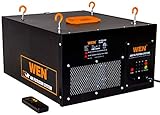
WEN 3410
- 300/350/400 CFM three-speed
- 1-micron inner plus 5-micron pre-filter
- RF remote with 26 ft range
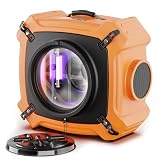
ALORAIR PureAiro HEPA Max 970
- 750 CFM variable speed
- HEPA plus activated carbon and UV-C
- Filter-change light and hour meter
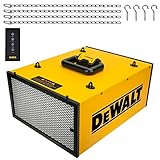
DEWALT DWXAF101
- Washable static cotton pre-filter
- H11 HEPA second stage
- Auto mode plus 8-hour timer
Best Air Filtration Systems for Woodworking Shops (October 2026)
| Product | Specifications | Action |
|---|---|---|
| WEN 3410 |
|
Check Latest Price |
| ALORAIR PureAiro HEPA Max 970 |
|
Check Latest Price |
| DEWALT DWXAF101 |
|
Check Latest Price |
 Abestorm DecDust 1350IG Abestorm DecDust 1350IG |
|
Check Latest Price |
 Abestorm DecDust 1080 Abestorm DecDust 1080 |
|
Check Latest Price |
 JET AFS-1000C JET AFS-1000C |
|
Check Latest Price |
 PURISYSTEMS PuriCare 500IG PURISYSTEMS PuriCare 500IG |
|
Check Latest Price |
 POWERTEC AF4001C POWERTEC AF4001C |
|
Check Latest Price |
1. WEN 3410 – Best Overall for a One-Car Shop
WEN 3410 3-Speed Remote-Controlled Air Filtration System (300/350/400 CFM), Basic w/ RF Remote (400 CFM) , Black
300/350/400 CFM
1-micron inner filter
50-60 dB at top speed
2-year warranty
Pros
- Largest review base in the category at more than 5600 ratings
- Both inner and pre-filter are user replaceable
- RF remote works through obstructions from 26 ft
- Programmable auto-off timer
- Compact 17 x 20.5 x 10 in footprint
Cons
- 400 CFM ceiling is genuinely small for anything larger than a one-car shop
- 50-60 dB is audible while it runs
- No HEPA-class rating on this model
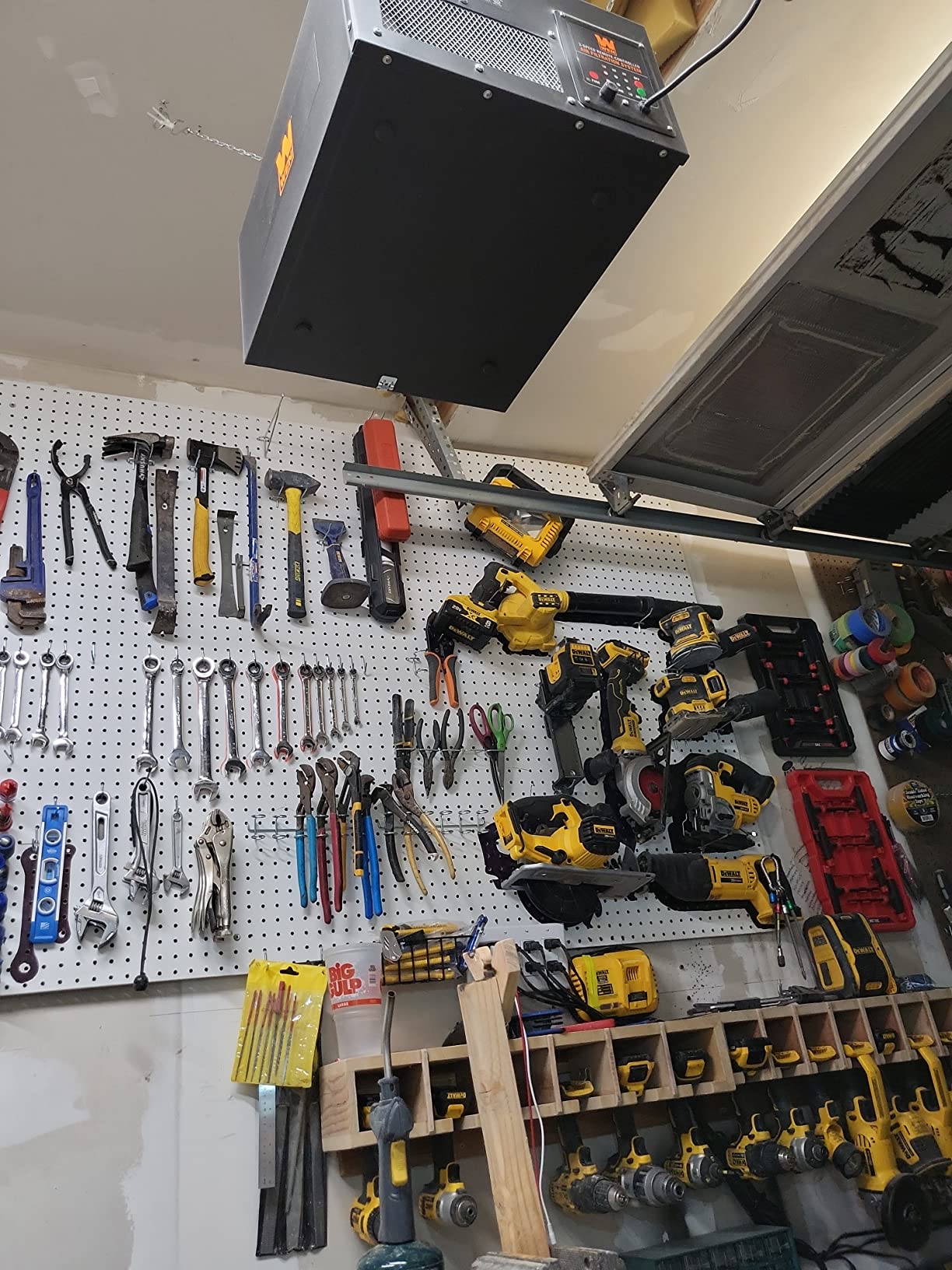
The WEN 3410 is the unit most first-time shop owners end up with. The three-speed ladder is published, the remote reaches through a wall, and the timer lets you walk away. I ran it in a 10 by 15 shop and the 350 CFM middle speed was the setting that made a difference during sanding sessions.
Buy it expecting a small-shop tool. At 400 square feet of rated coverage, it is a genuine match for a single-car garage and undersized the moment your shop grows past that.
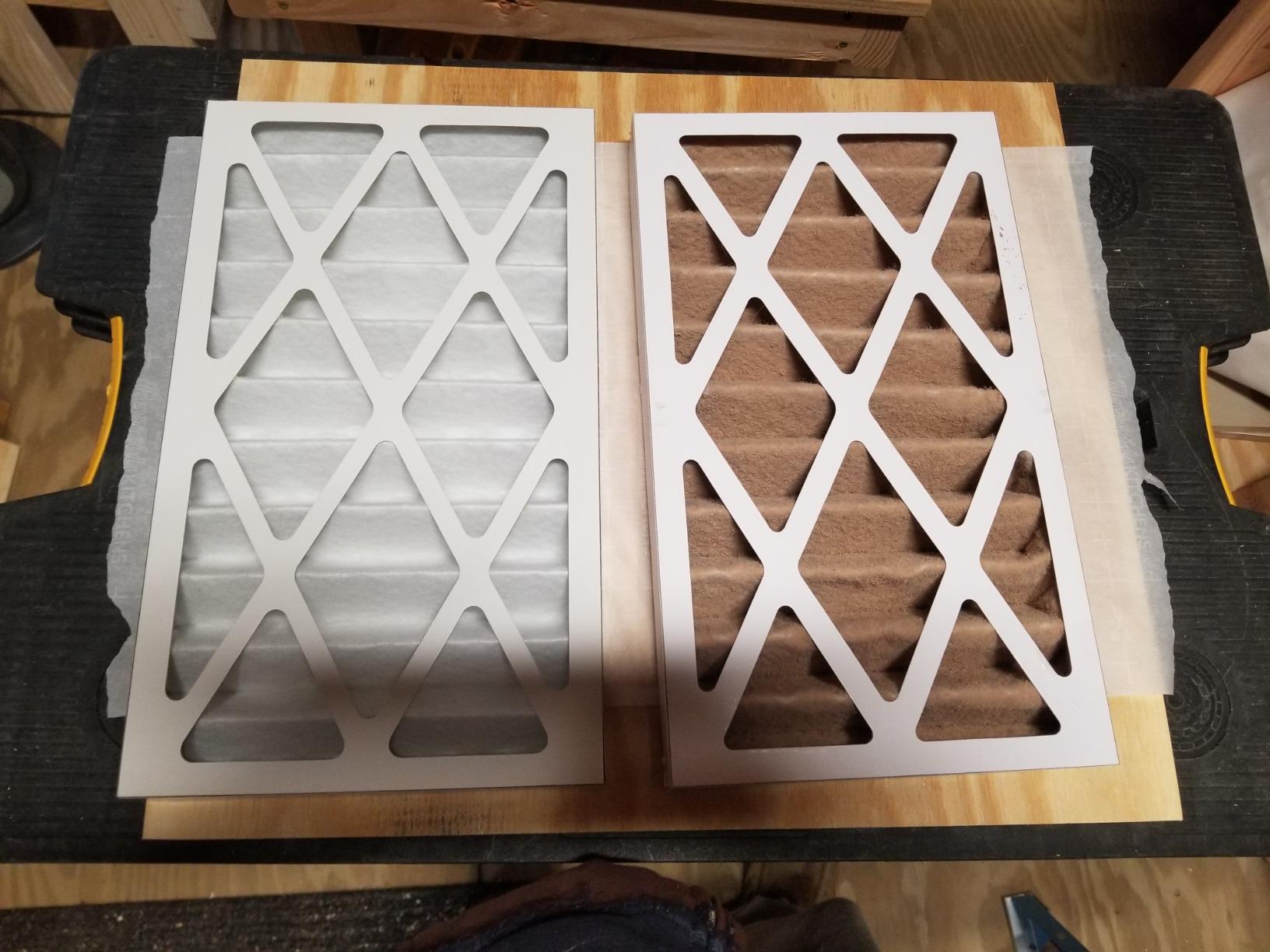
Both filters are replaceable without tools. The 5-micron outer pre-filter catches chips and coarse sawdust so the 1-micron inner filter keeps working at full efficiency, and running the unit for an hour after the sander stops is the habit worth building.
The 12.42 watt draw means it shares a 15 amp circuit with a shop vac or a small dust collector, and 31 pounds is light enough for one person to lift with a helper on the ladder.
Who the WEN 3410 suits
A hobbyist in a one-car garage who sanders, routes and saws on weekends and wants a remote plus a timer more than raw airflow. It is also the most proven unit on this list, with a 4.6-star average across more than 5,600 ratings, so filters and parts will be around for a long time.
Who should skip it
Anyone with a two-car or larger shop. The 400 CFM ceiling on this model is a real constraint, and a bigger unit costs less attention later. Skip it too if the noise during the after-work run is going to bother you, because 50 to 60 dB fills a quiet shop.
2. ALORAIR PureAiro HEPA Max 970 – Best for the Finest Dust
ALORAIR PureAiro HEPA Max 970 Air Scrubber with UV-C Light, 750CFM, Orange
750 CFM variable speed
HEPA plus carbon and UV-C
38.5 lb stackable housing
10-year housing warranty
Pros
- Genuine HEPA-class stage combined with activated carbon
- UV-C adds odor and bacteria treatment
- Large 14 inch inlet for its class
- Filter-change light and hour meter track service intervals
- Stackable housing with daisy-chain GFCI for multi-unit setups
Cons
- Audible at full output for some owners
- Filter-change indicator can stay lit
- Replacement filters are sold separately
- 12 percent of reviews are 1-star
If the question you keep circling is the one from the top-ranked woodworking threads, HEPA versus 1 micron, this is the unit that answers it with hardware rather than opinion. The ALORAIR PureAiro runs HEPA media behind an activated carbon stage, and that carbon layer is why it behaves differently from a particle-only shop filter when odors are part of the problem.
The 750 CFM variable-speed regulator and 14 inch inlet give it real shop throughput rather than purifier throughput. At 38.5 pounds and 25.2 by 21.65 by 13.7 inches it is a floor or bench placement rather than a light ceiling hang.
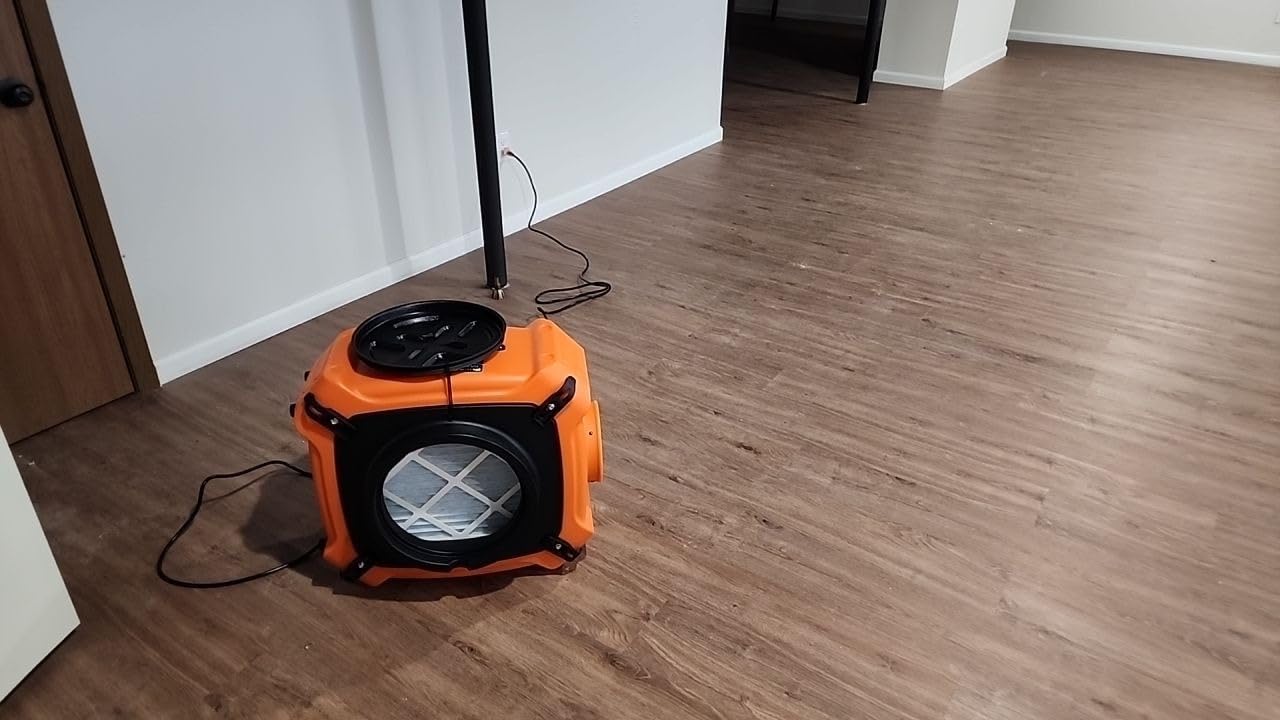
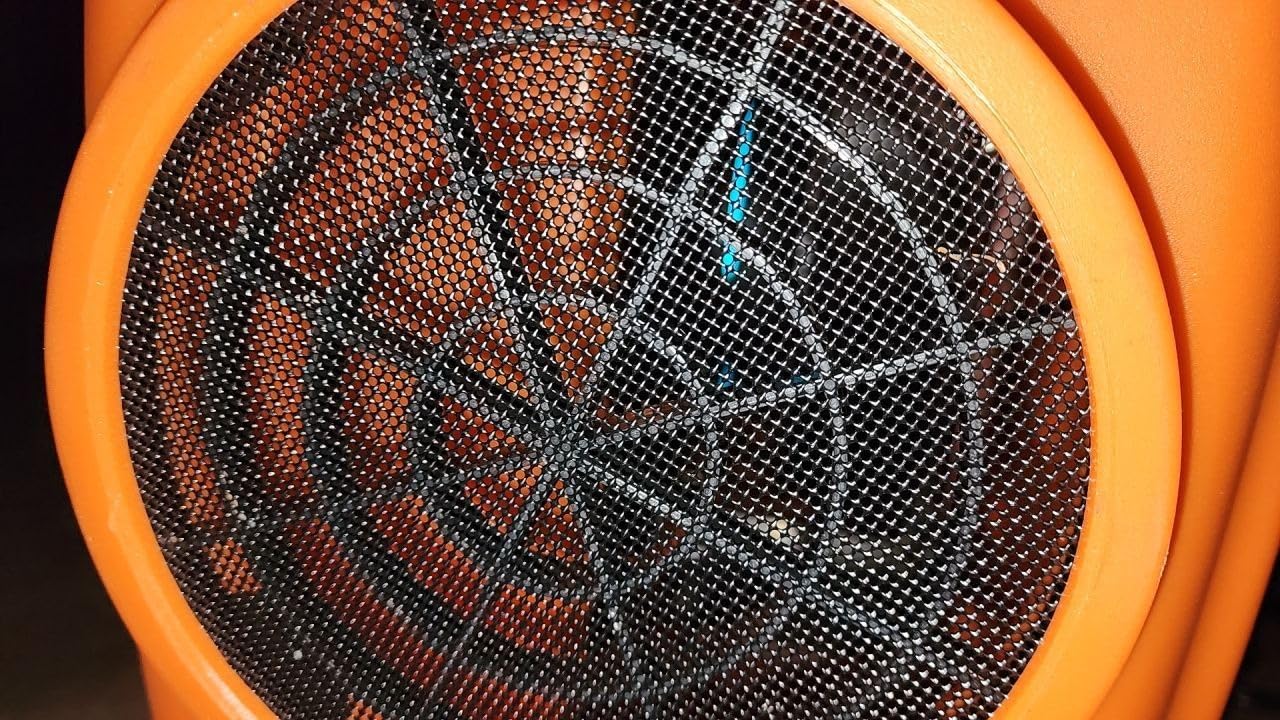
The filter-change indicator light and hour meter mean you are not guessing at service intervals, and the stackable shell plus daisy-chain GFCI duplex let you run two units in two spaces.
The UV-C lamp is not doing the dust work. Treat it as an odor and bacteria addition on top of HEPA filtration, and expect the lamp to be a service item over the years.
Who the PureAiro suits
A woodworker with existing respiratory concerns, or anyone sharing a shop with one. A woodworker with COPD posting on SawmillCreek recommended an air filtration unit in the shop alongside a mask, and this is the tier of machine that recommendation points to. It also suits a shop where MDF or painted MDF is cut regularly and you want the carbon stage working.
Who should skip it
Skip it if you only want fine dust captured and do not care about odors, because the HEPA and carbon media cost more to replace. Skip it if you plan to hang it from residential joists, since 38.5 pounds plus filters is a serious load. Note that 12 percent of its reviews are 1-star, including reports of units failing within about two months and difficulty getting repair support.
3. DEWALT DWXAF101 – Best Value with a Washable Pre-Filter
DEWALT Air Filtration System Dust Collector for Woodworking DWXAF101
Washable static cotton pre-filter
H11 HEPA second stage
20.9 lb body
3-year warranty
Pros
- Washable static cotton pre-filter cuts recurring filter cost
- H11 HEPA stage captures over 95 percent of 0.3 micron particles
- Auto mode senses air quality and changes speed
- 8-hour timer option for unattended running
- Hooks and chains included for ceiling mounting
Cons
- 64 dB is one of the higher noise ratings here
- Taller body than the 400 CFM units
- Output is well below the 1000-plus CFM machines
The DEWALT DWXAF101 solves the problem owners complain about most with cheap units, which is the ongoing filter bill. The static cotton pre-filter is washable, so the layer that loads with chips gets rinsed rather than discarded, and only the H11 HEPA stage above it needs replacing.
It publishes a 95 percent capture figure at 0.3 microns, a far tighter particle target than the 1 micron and MERV-11 units lower on this list. That second stage is the reason it performs the way it does.
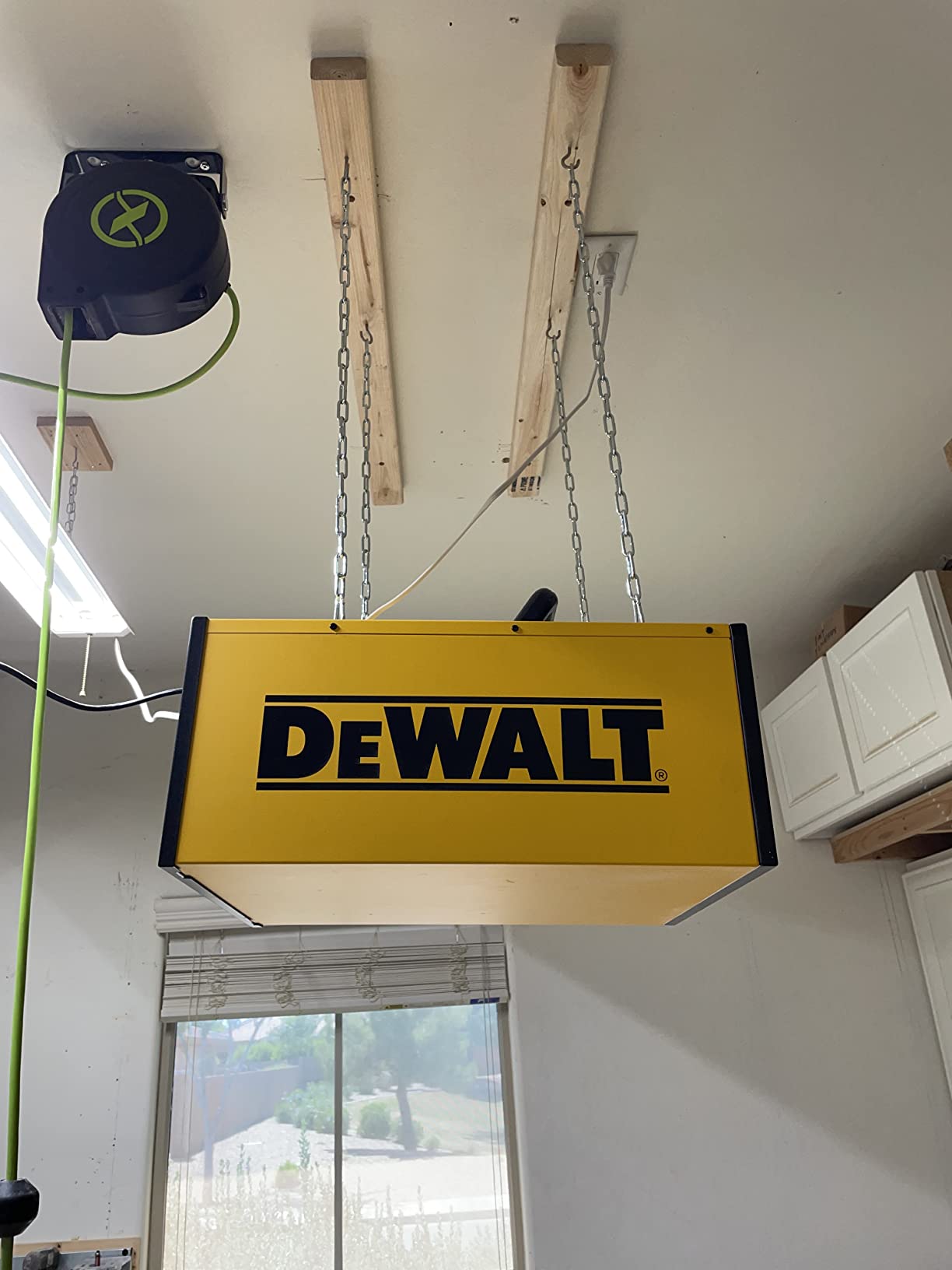
The control story is unusually good for the money. Four modes cover HI, MID, LO and AUTO, and AUTO reads the air quality and adjusts on its own. Timer settings run 1, 2, 4 and 8 hours, and the 8-hour setting is the longest fixed run time here.
Mounting is by the included hooks and chains, and the 20.9 pound body is light enough for one person to position. The 105 watt draw is the highest here, so give it a circuit that is not already carrying a dust collector on startup.
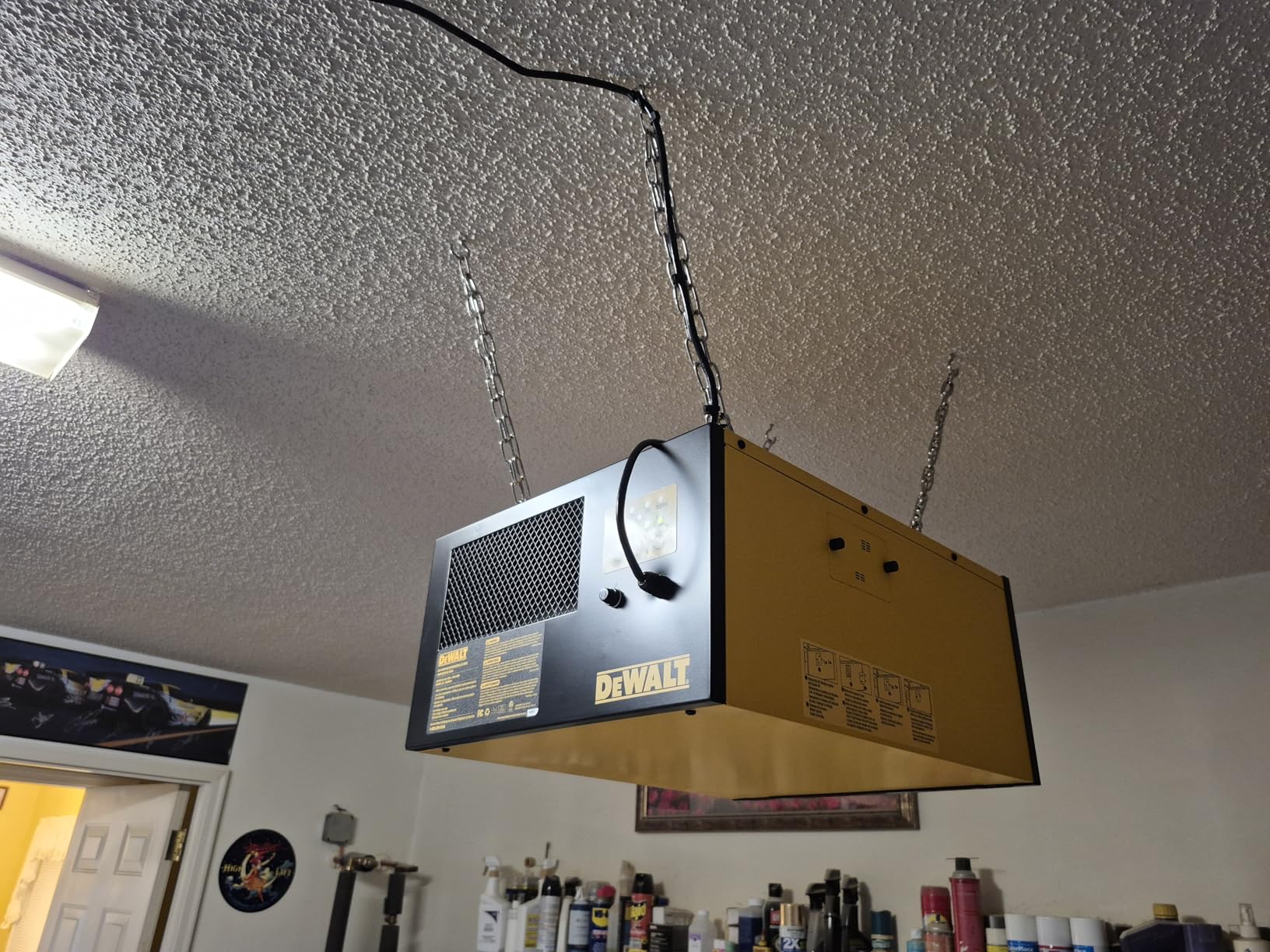
Who the DWXAF101 suits
Someone in a one-car to small two-car shop who sands a lot and hates buying filters. A washable pre-filter plus a 4.5-star average across 153 ratings is a combination that rarely appears at this level, and it is the pick if you want fine-particle capture without the running cost of a carbon stage.
Who should skip it
Large shops. This is a mid-size airflow machine and pairing it with a 1000 CFM unit in a big open space is a false economy. Skip it if 64 dB during the post-work run will irritate you, because the top setting is loud and you are meant to leave it running for a while after the sander stops.
4. Abestorm DecDust 1350IG – Best for Large and Open-Plan Shops
Abestorm 360 Degree Intake Air Filtration System for Woodworking, Built-in Ionizer, 1350CFM Hanging Air Filter, Shop Dust Collector, Garage WorkShop, MERV-11 filter, DecDust 1350IG
1050-1350 CFM on two speeds
MERV-11 filter
27 lb body
115V 1.5A
Pros
- Premium airflow figure at 1350 CFM
- 360-degree intake pulls from every face of the unit
- Four MERV-11 replacement filters included in the box
- Built-in ionizer adds odor treatment
- Three mounting options including benchtop
- Remote reaches 27 ft
Cons
- Cannot be shipped to California and does not meet CARB rules
- MERV-11 is coarser than the HEPA and 1 micron units
- Filters need replacing every 2 to 4 months in heavy use
- Rating spread is wide with a 12 percent 3-star share
The DecDust 1350IG exists because a lot of shops outgrow a 400 CFM unit in their first year. At 1050 CFM on low and 1350 CFM on high, with a 360-degree intake, it handles open-plan and two-car-plus spaces without doubling up on hardware.
The 360-degree intake is the feature I would build a layout around. A single-face filter only sees dust drifting toward it, while a unit drawing from all sides clears a room from a central ceiling position. Published coverage runs to 1700 square feet.
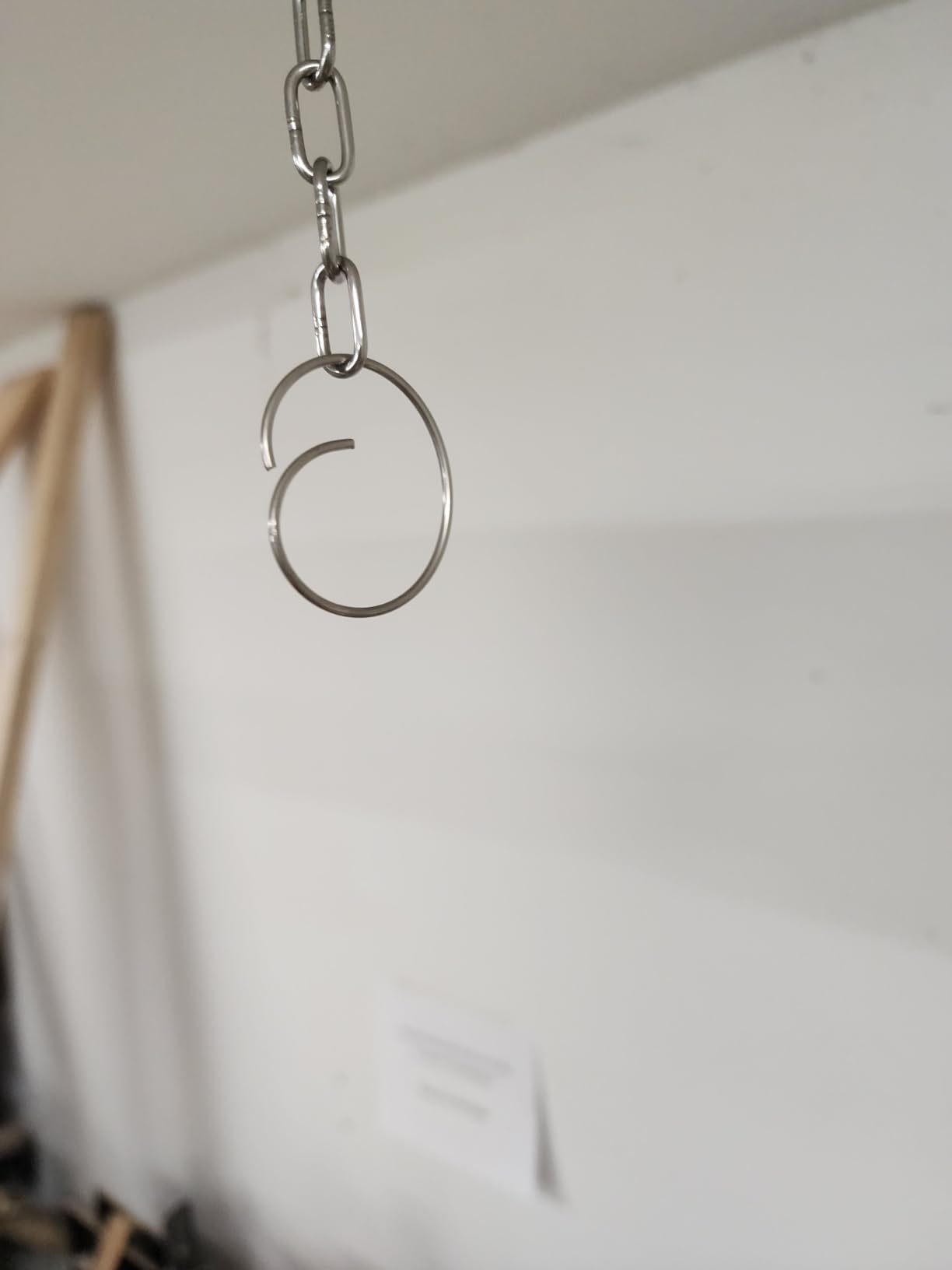
Three mounting options are offered: ceiling chains, direct ceiling mounting, and benchtop placement on anti-slip pads. The benchtop option matters where joist load is a concern, and it lets you move the 27 pound unit next to the machine generating the worst dust.
Four MERV-11 filters are in the box, and the touch panel plus 27 foot remote handle speed and timing. The ionizer helps with odor, not particle count, so judge this unit on airflow and placement.
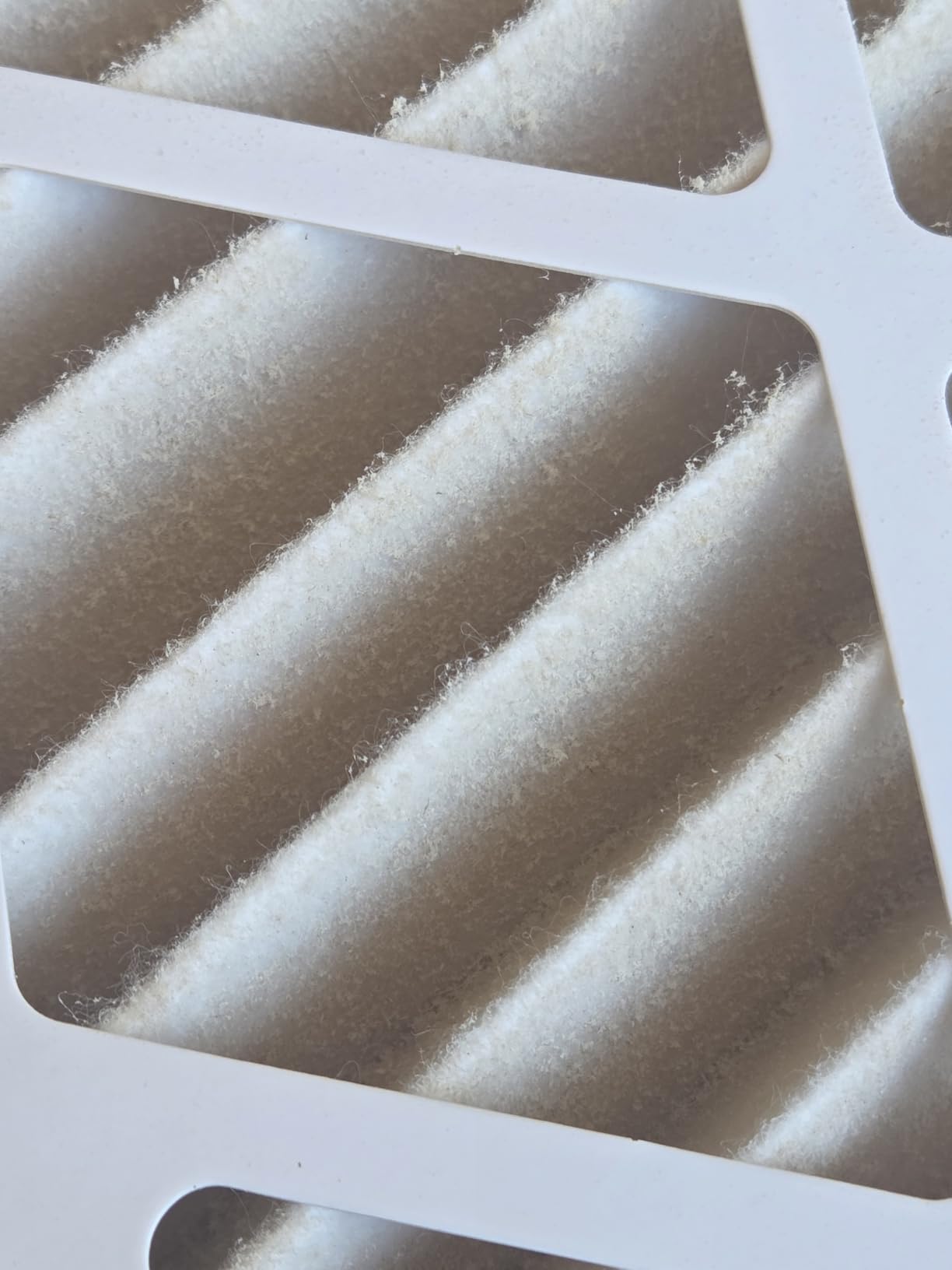
Who the 1350IG suits
A two-car garage shop or an open-plan workspace where one smaller unit would leave the far end of the room untouched. The benchtop option makes it easy to concentrate filtration where a lathe or a sanding bench sits.
Who should skip it
Anyone chasing the finest particle capture. MERV-11 is a coarser target than the HEPA and 1-micron machines here, and the filter needs replacing every 2 to 4 months in heavy use. If you are in California, this model does not ship at all.
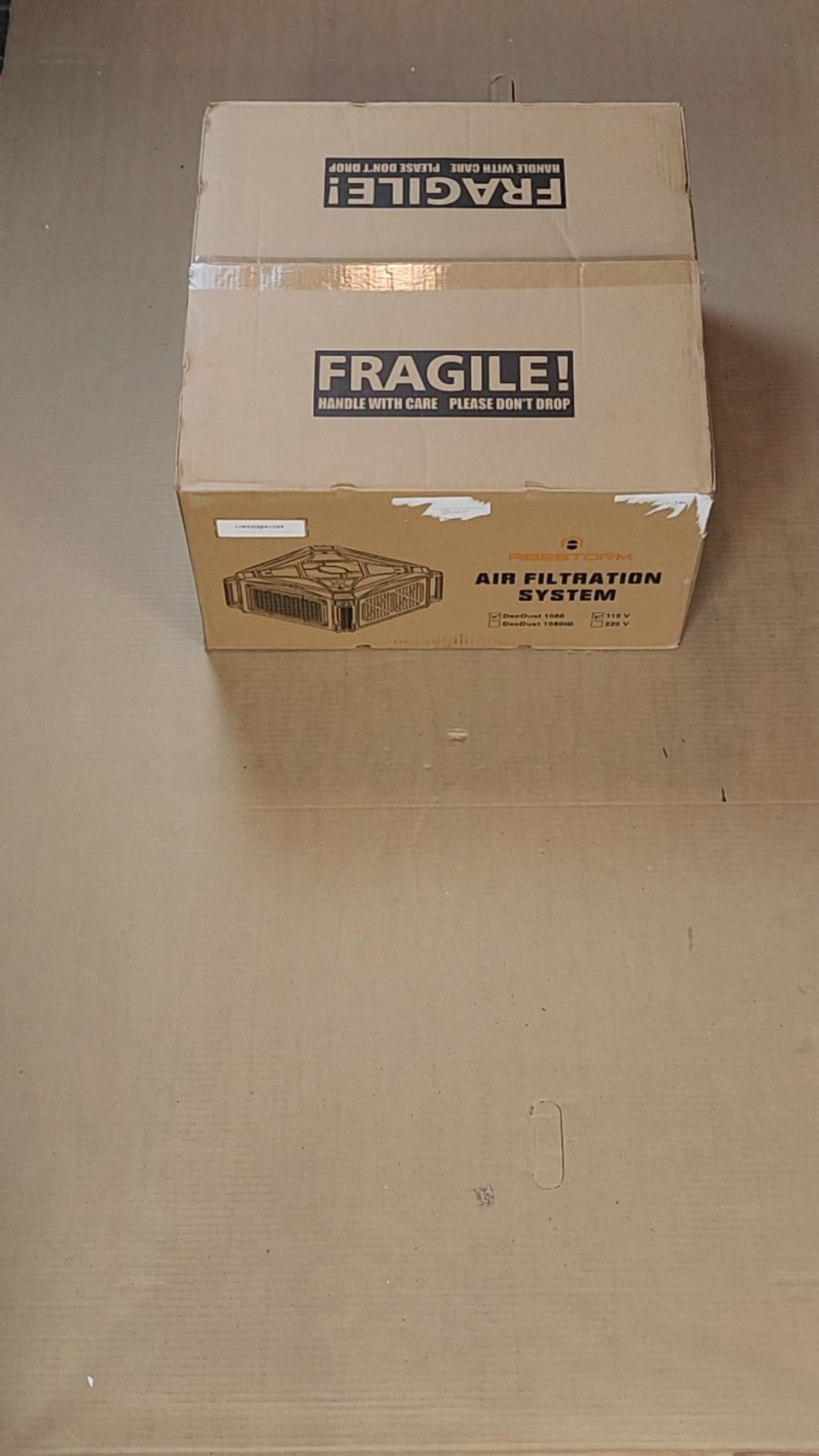
5. Abestorm DecDust 1080 – Best for Quiet Operation
Abestorm 1080 CFM Intake Air Filtration System, 270 Degree Workshop Dust Collector with Remote Control, Ceiling Mounted for Woodworking Shops and Garage, 2-speed Adjustment, DecDust 1080
780-1080 CFM two-speed
Under 60 dBA
19.4 in square body
UL certified
Pros
- Under 60 dBA published operating level
- 270-degree three-sided intake at 1080 CFM
- Three MERV-11 filters with slide-out access
- UL certified with chains and nails included
- Compact square footprint suits mid-size shops
Cons
- Traps 90 percent of 3-10 micron particles
- coarser than the HEPA and 1 micron units
- Cannot be shipped to California
- 15 percent of reviews are 1-star
- Filters replaced every 4 to 6 months
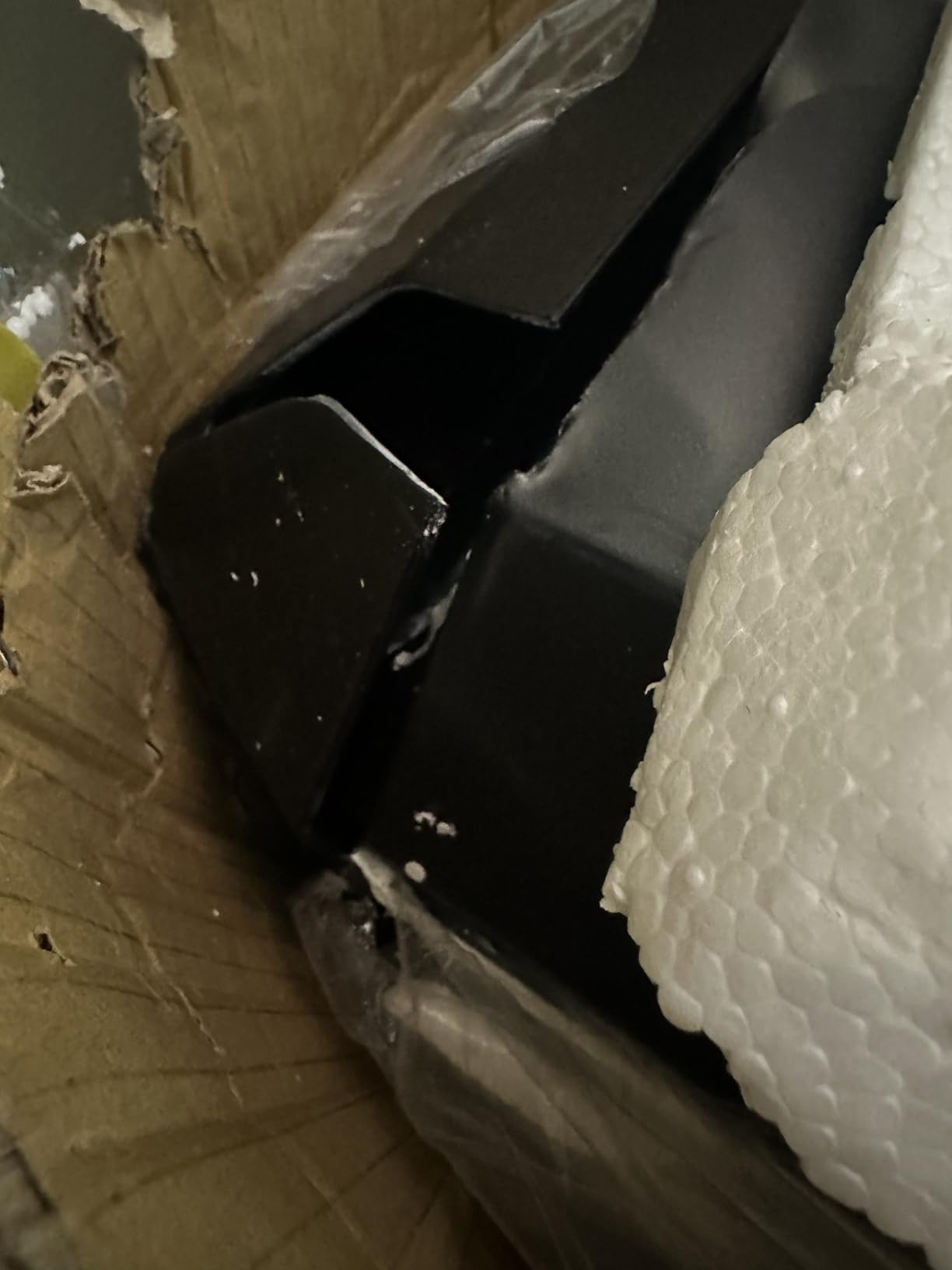
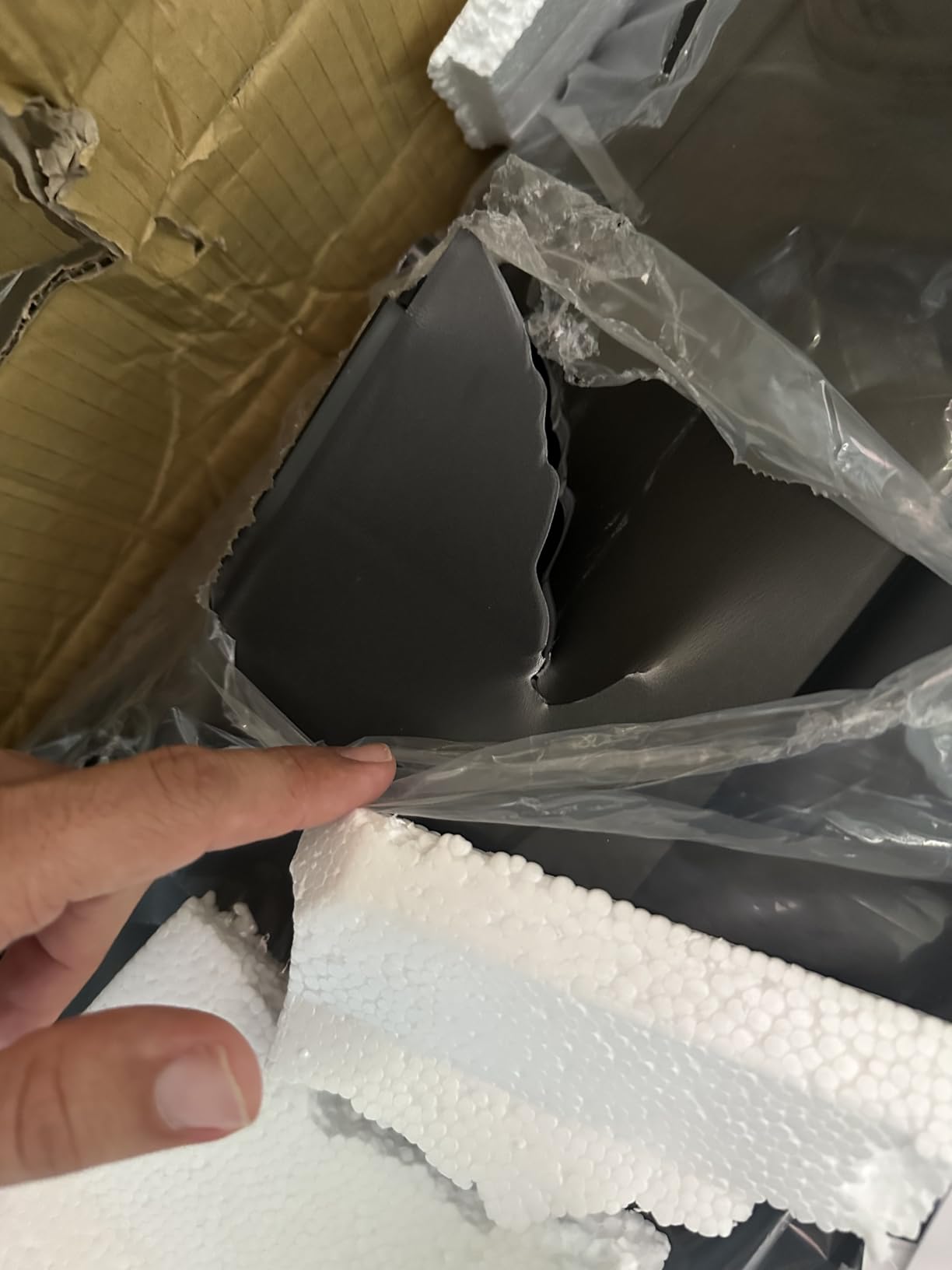
- Plastic body is less rugged than metal or rotomolded housings
The DecDust 1080 is the one to consider if you plan to sit at a bench in the same room while the unit runs. Its published operating level is under 60 dBA, the lowest figure here, and the 780 and 1080 CFM ladder lets you hold the lower speed during quiet work and step up during sanding.
That low speed point deserves attention. Most people leave a filter on medium rather than high, and here the low setting is still 780 CFM, more than most budget units deliver at maximum.
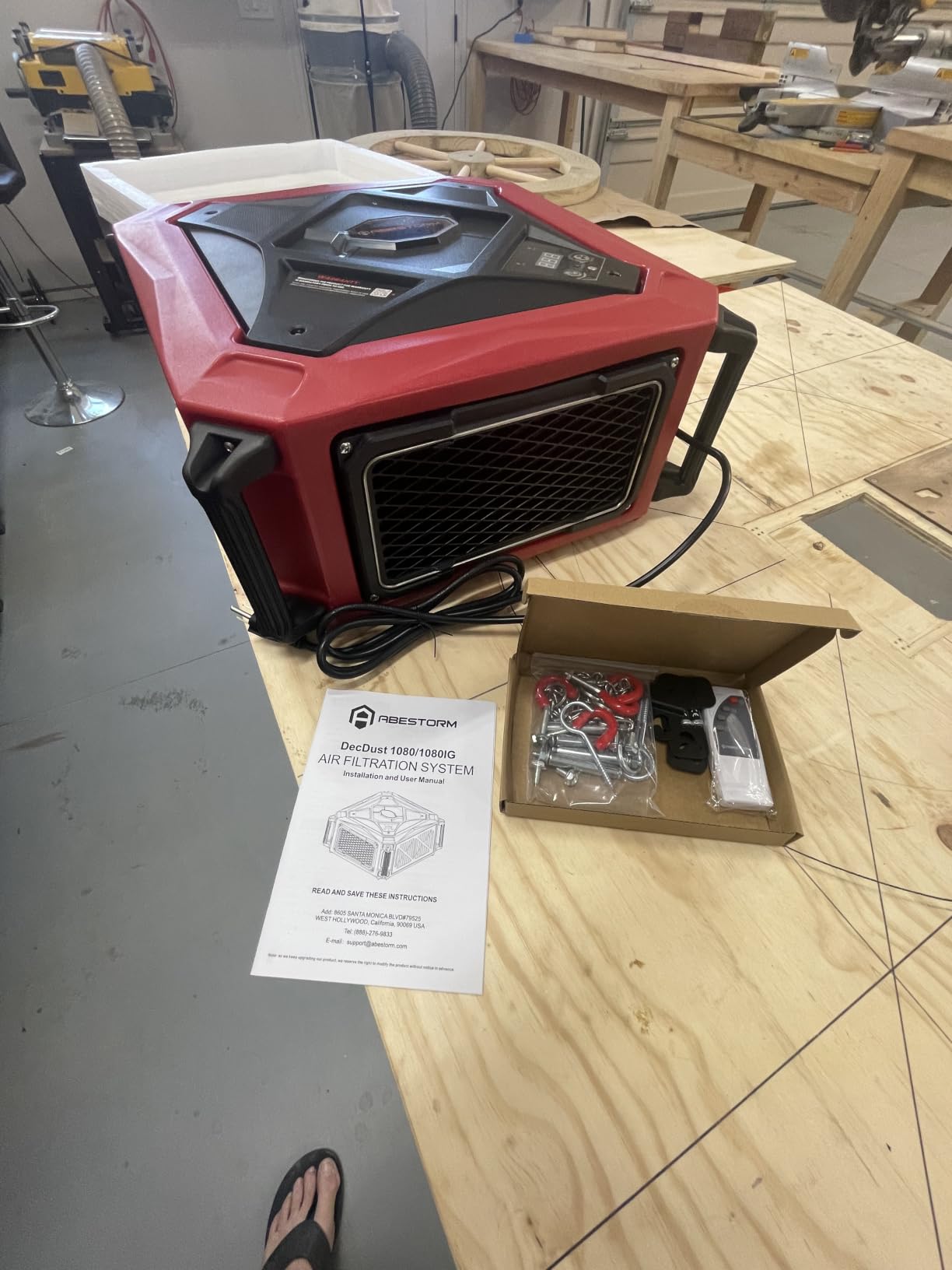
The slide-out filter design is a genuine convenience, and hanging chains and nails are included. Coverage is published at up to 1100 square feet, and the 19.4 inch square body hangs or mounts without a lot of headroom.
The trade is filtration depth. Three MERV-11 filters trap 90 percent of 3-10 micron particles, a coarser target than the 1-micron and HEPA machines here, and that shows up in the rating distribution with a 15 percent 1-star share.
Who the DecDust 1080 suits
Someone who works in silence at a bench, does hand finishing or assembly, and wants the unit running at the same time. It is a reasonable second unit for a two-car shop where you would rather have quiet background clearance than maximum capture.
Who should skip it
Anyone whose main problem is the very finest dust, because MERV-11 leaves more of it airborne than a HEPA or 1-micron unit. The plastic housing ages less gracefully than the metal and rotomolded bodies here, and it does not ship to California.
6. JET AFS-1000C – Best for Automatic Sensor Control
JET Air Filtration System, 1-Micron Filter, 1000 CFM, 120V 1Ph (AFS-1000C)
1000 CFM with six speeds
Automatic air-quality sensor
33 lb body
5-year residential warranty
Pros
- Automatic air-quality sensor adjusts six speeds on its own
- 16-hour timer is the longest run time here
- Outer filter captures 99 percent at 5 microns and inner 85 percent at 1 micron
- Filter status indicator and angled LED display
- Injection molded housing with BLDC motor
Cons
- Premium pricing puts it out of reach for a hobby shop
- Largest body here at 30 x 24 x 15 in and 33 lb
- 67 dB at top speed is the loudest rating here
- Warranty drops to 2 years for commercial use
The JET AFS-1000C is the machine I would put in a professional shop that runs sanding all week. It measures the air and adjusts itself across six speeds, so it ramps up when you start generating dust without you walking over to a panel.
JET filtration is specified as a two-stage catch with real numbers attached: the outer filter captures 99 percent of 5-micron particles and the inner filter captures 85 percent of 1-micron particles. That published pair of figures tells you exactly what the machine is being asked to do.
The RF remote sets six speeds and a 16-hour timer, the longest unattended run time of any unit here, and the angled LED display stays readable when the machine is mounted on the ceiling.
Forum history matters here and JET has the strongest of it. Owners on woodworking forums routinely report JET air filtration units still running after 20 years, and that longevity keeps the brand relevant even where newer units offer more features.
Who the AFS-1000C suits
A full-time maker or professional cabinet shop where dust production is unpredictable day to day. Six-speed automatic control means the unit matches itself to the work, and the 16-hour timer covers overnight clearing. It also suits anyone who wants a published 1-micron capture figure rather than a marketing label.
Who should skip it
Budget buyers and small shops, since 1000 CFM of capacity is far more air than a 10 by 15 workspace needs. The 33 pound body and 30 by 24 by 15 inch footprint need real planning, 67 dB at top speed is the loudest rating here, and the 5-year warranty becomes 2 years the moment you use it commercially.
7. PURISYSTEMS PuriCare 500IG – Best for a Portable Bench Setup
PURISYSTEMS Air Filtration System 3-Speed Remote, Built-in Ionizer, PuriCare 500IG Hanging Air Filter w/RF Remote for Woodworking, Garage and Shop Dust Collector, up to 500 sq. ft (350/450/500 CFM)
350/450/500 CFM three-speed
1-micron retention
25.5 lb body
500 sq ft coverage
Pros
- Built-in ionizer at this level is unusual
- Inner and outer filters are both reusable and replaceable
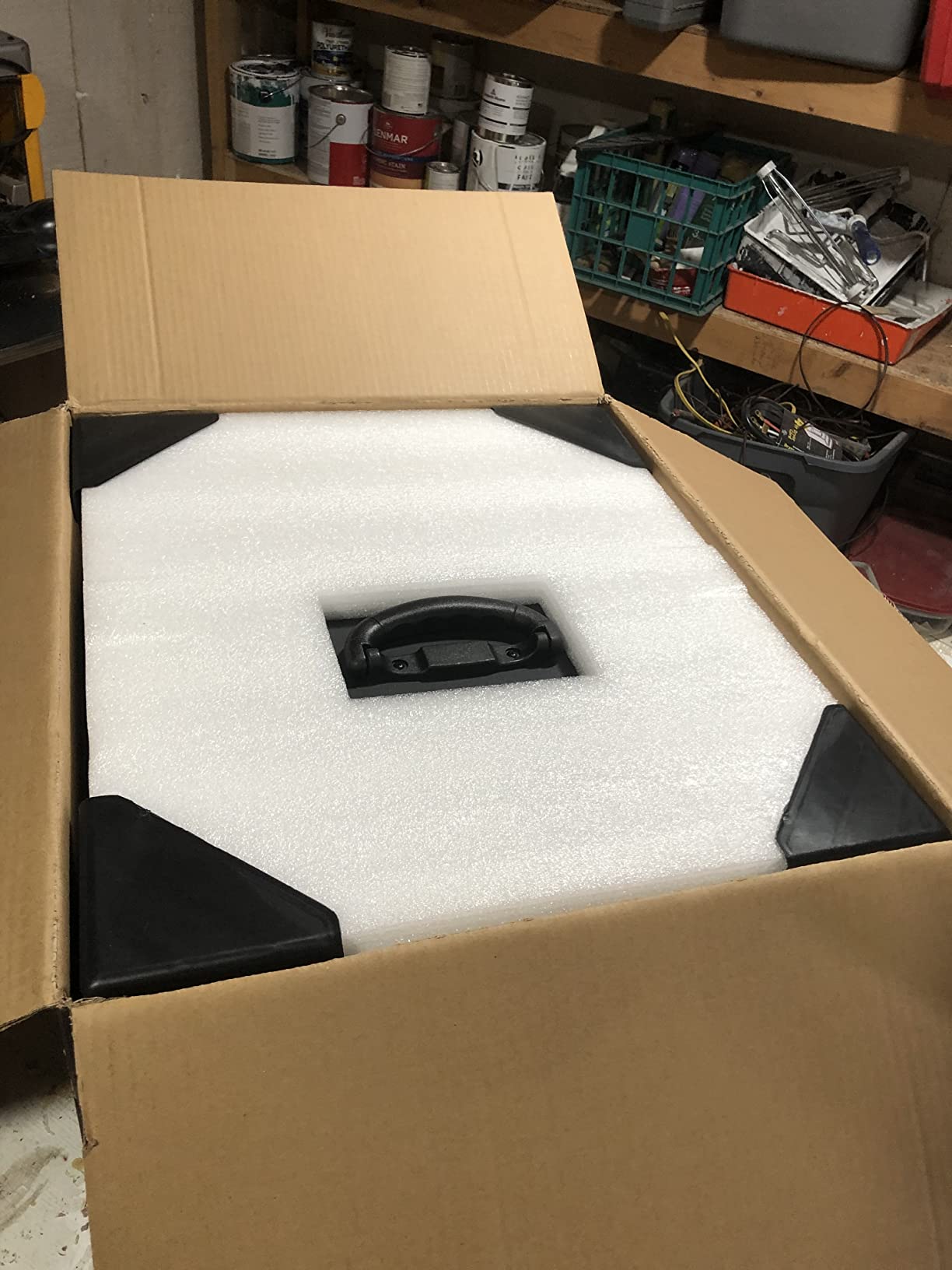
- Benchtop design with grip handles and non-marring rubber feet
- 1 to 6 hour timer covers a working day
- RF remote reaches 26 ft through obstructions
Cons
- 500 CFM ceiling suits shops up to 500 sq ft only
- Cannot be shipped to California
- No washable pre-filter and 61 dB mid-range noise
- Small 54-review base with 9 percent 1-star
The PuriCare 500IG is built for a shop where filtration needs to follow the work rather than live on the ceiling. Grip handles, non-marring rubber feet and a benchtop-proportioned body at 20.1 by 17 by 11 inches mean you can set it beside a lathe or an assembly bench and then move it. Our workbench guide covers the bench it is likely to sit on.
That portability pairs well with the three published speeds of 350, 450 and 500 CFM. Instead of filtering a whole room from a fixed position, you can place the unit in the breathing zone of the machine making the worst dust.
Both the outer and inner filters are reusable and replaceable, so this is one of the cheapest units here to keep running. Particle retention is published at 1 micron, and the built-in ionizer helps with odor rather than particle count.
The timer runs 1 to 6 hours and the RF remote works through obstructions from 26 feet. A rented shop where you cannot hang anything from the joists and do not want to drill is exactly the situation this unit fits.
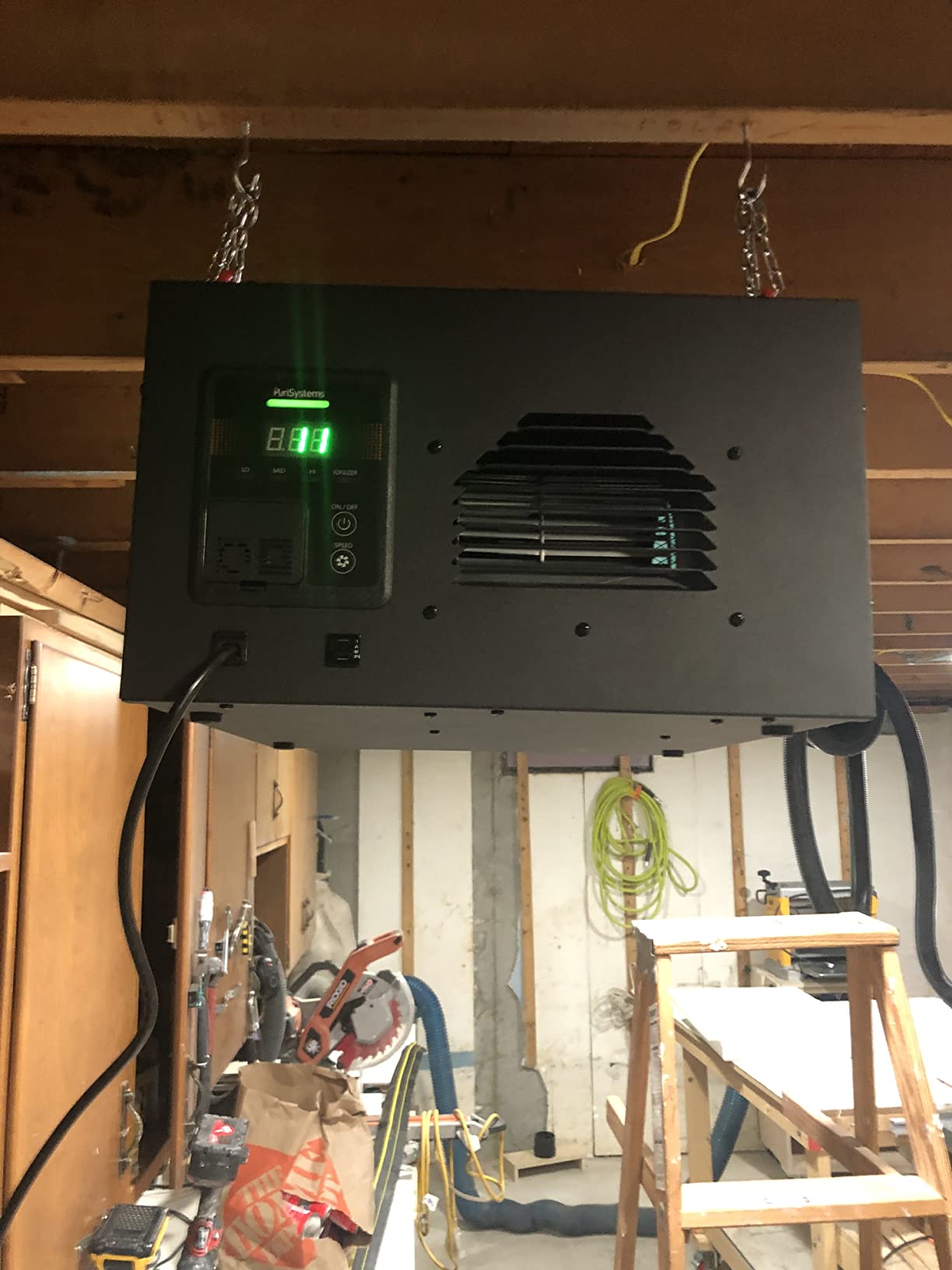
Who the PuriCare 500IG suits
A small shop under 500 square feet, or a larger one where you want a dedicated unit parked at the noisiest machine. The reusable filters keep the running cost low, the benchtop format avoids any joist work, and the 1-micron retention matches the WEN and POWERTEC units at a fraction of the installation effort.
Who should skip it
Anyone needing whole-room clearance at speed, since 500 CFM is the lowest ceiling in this group. The pre-filter is not washable, so you are still buying replacement media, and the 54-review base is small enough that you should read the current reviews before committing. It does not ship to California either.
8. POWERTEC AF4001C – Best for Spares in the Box
POWERTEC 3-Speed Remote Controlled Air Filtration System (300/350/400 CFM) w/Extra Inner & Outer Filter (2 of Each) Replacement, Hanging Air Filter for Woodworking, Workshop & Garage (AF4001C)
300/350/400 CFM
MERV-10 outer and MERV-11 inner
Two spare filters of each type
Pros
- Ships with two spare inner and two spare outer filters
- MERV-11 inner filter rated to 1 micron
- RF remote with 1
- 2 and 4 hour timer
- Tool-free hook and chain ceiling install
- Spare filters cross-compatible with the WEN 3410 and Shop Fox W1830
Cons
- Same 400 CFM ceiling as the WEN 3410
- Smallest review base in this group at 36 ratings
- Only a 4-hour timer
- Packaged weight is listed at 68 lb
The POWERTEC AF4001C solves the annoyance the WEN 3410 leaves open. It comes with two spare inner and two spare outer filters, so the first year or two of replacements is handled and there is nothing to remember to order mid-project.
Underneath the bundle it is a familiar design. Three speeds at 300, 350 and 400 CFM, a 5-micron MERV-10 outer filter and a 1-micron MERV-11 inner filter, with an RF remote and 1, 2 and 4 hour timer settings. The MERV-11 rating gives you the same particle target as the WEN unit it is sized to match.
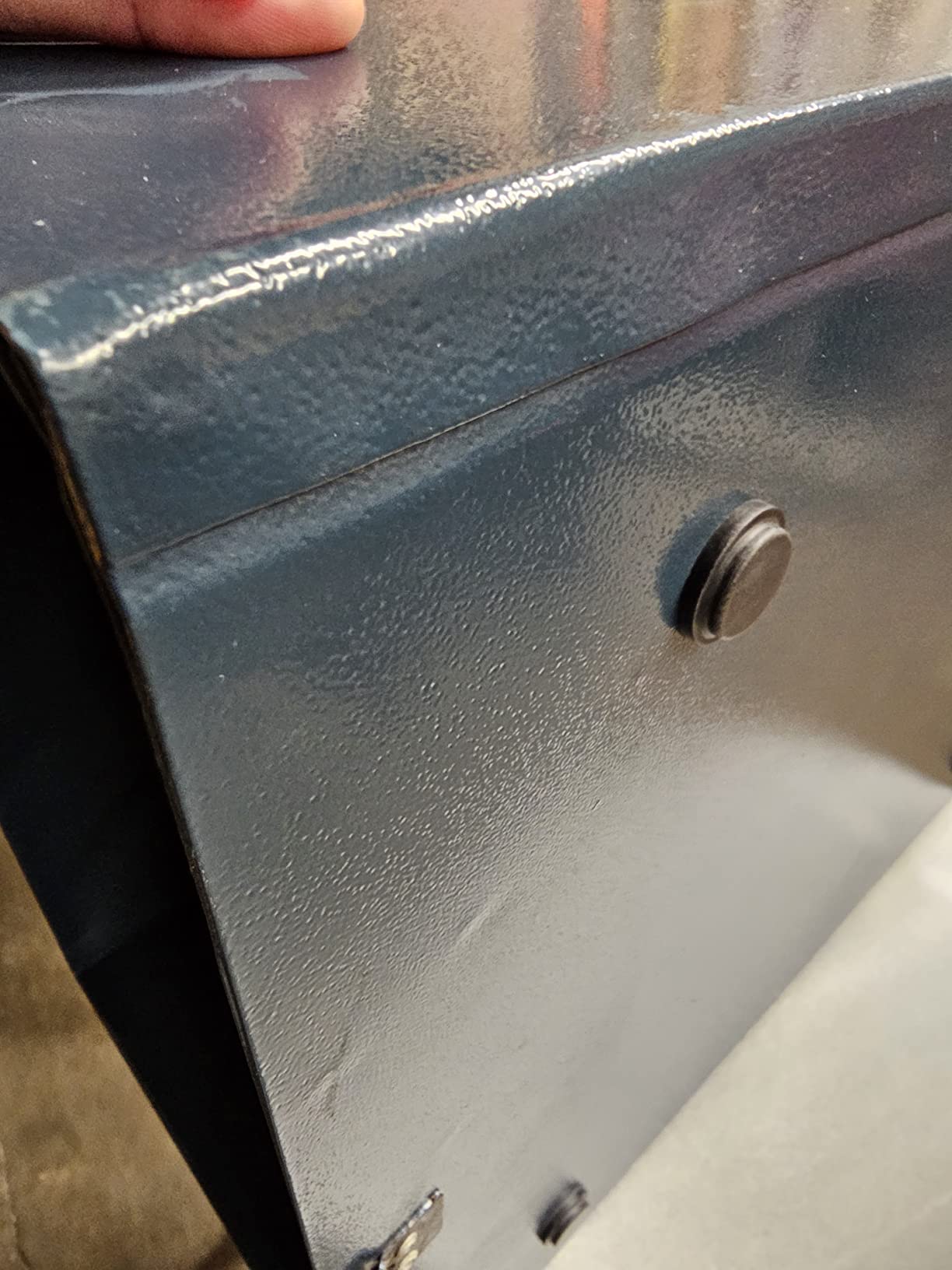
The genuinely useful detail is cross-compatibility. Those replacement filters also fit the WEN 3410, the POWERTEC AF4000 and AF4001, and the Shop Fox W1830, so a mixed-brand shop can keep one filter inventory.
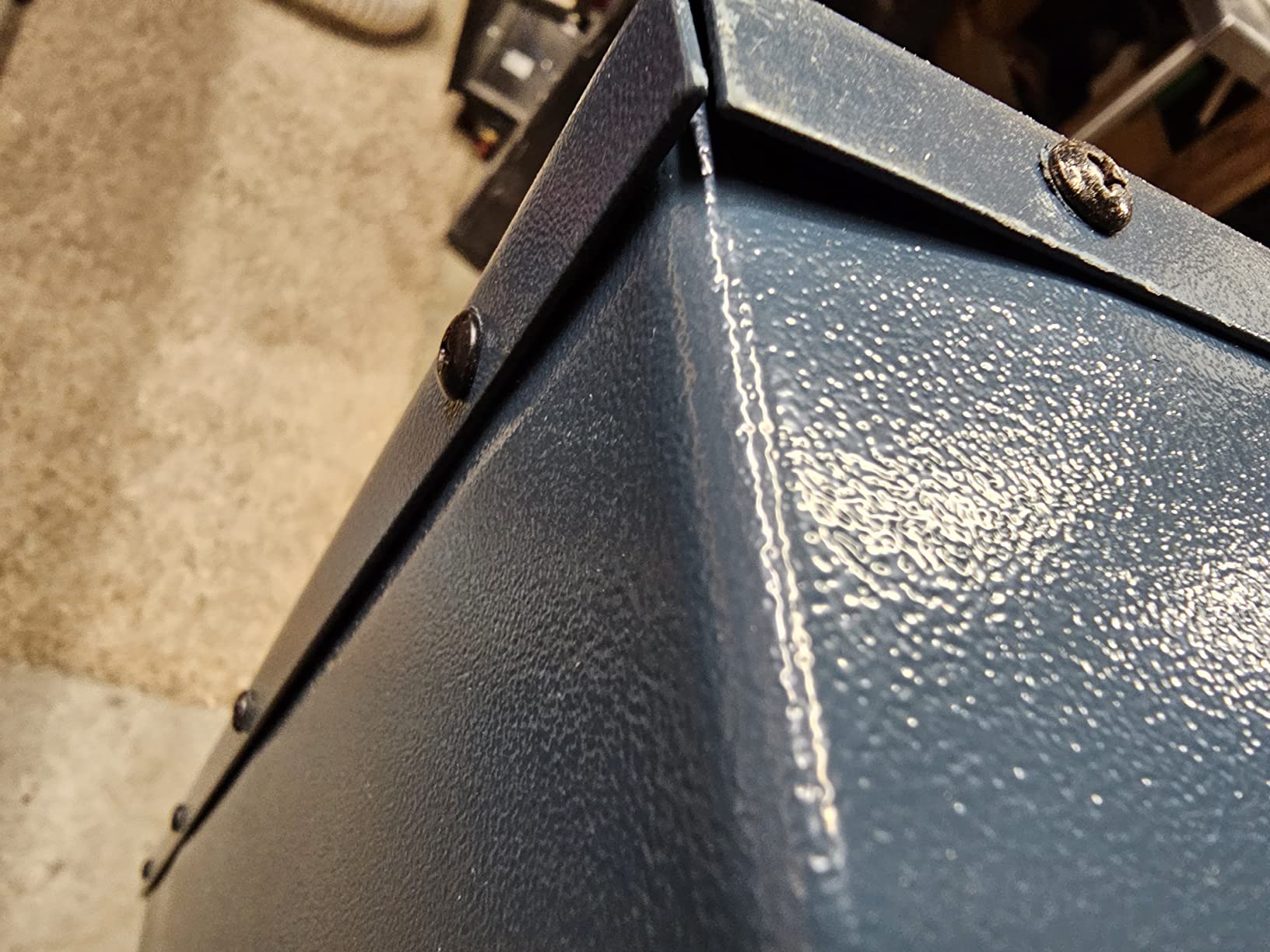
Installation is hook and chain with no tools required. The listing also carries a 68 pound packaged weight, which reflects the box and the spare media rather than the bare unit, so check the bare figure before planning your joist support.
Who the AF4001C suits
Someone who already owns a WEN 3410 or a compatible Shop Fox filter unit and wants a second machine for another room, since the filter inventory carries over. It also suits first-time buyers who know they will forget to buy filters, because the spares are already in the box.
Who should skip it
Larger shops, because the 400 CFM ceiling is the same constraint as the WEN 3410 and there is no way around it here. The 36-review base is the thinnest in this group, so treat the specification as unproven, and the 4-hour timer is the shortest fixed run time of the units that offer a timer.
Air Filtration vs. Dust Collection: Why You Need Both
Air filtration does not replace dust collection, and anyone who tells you otherwise has not run a shop. A dust collector pulls dust at the point of generation and pipes it into a drum or canister, a shop vac does the same job in a smaller footprint for handheld and benchtop tools, and neither of them cleans the dust that is already suspended in the room when you start.
Think of it in three layers. Capture at the source with a dust collector or shop vac, filter the room with a unit like the ones above, and protect yourself with a properly fitted respirator at the machine.
For sizing your source capture, start with the machine that makes the most dust rather than the machine you use most. A wide belt sander and a table saw with no hood will out-dust a router every time. Our guide to the best dust collectors for woodworking shops covers that side in detail.
How Many CFM Do You Need? Wood Shop Sizing Guide
Most wood shops need between 200 and 800 CFM of ambient filtration, and the calculation takes about thirty seconds. Multiply your shop’s length by its width by its ceiling height to get the volume in cubic feet, multiply that by the number of air changes you want per hour, then divide by 60. The formula written out: CFM = (shop volume x air changes per hour) / 60.
Six air changes per hour is the working target most shops settle on, and eight is a better number for heavy sanding days. Here is what that arithmetic produces for real spaces:
10 x 10 x 8 shop: 800 cubic feet. At 6 air changes you need 80 CFM, so any unit in this roundup clears it several times over.
10 x 15 x 8 shop: 1200 cubic feet. Six air changes means 120 CFM and eight means 160 CFM, so a 300 CFM unit is comfortable headroom.
10 x 20 x 8 shop: 1600 cubic feet. Six air changes means 160 CFM, eight means 213 CFM, and that is where a 350 to 400 CFM unit starts to make sense.
20 x 20 x 8 shop: 3200 cubic feet. Six air changes means 320 CFM and eight means 427 CFM, so target 500 CFM or more.
20 x 25 x 8 shop: 4000 cubic feet. Six air changes means 400 CFM and eight means 533 CFM, which puts a 750 to 1000 CFM unit in range.
20 x 30 x 8 shop: 4800 cubic feet. Six air changes means 480 CFM and eight means 640 CFM, and only the 750 to 1350 CFM machines clear that with margin.
Two corrections to that arithmetic are worth making before you order. Published CFM is a top-speed figure on a clean filter, and real airflow falls as media loads. Most people also run medium rather than high, so a unit whose ladder is 300, 350 and 400 CFM gives you 350 CFM on a normal day, not 400.
Placement matters as much as the number. Hang the unit a third of the way along the long wall rather than in a corner, blow air parallel to the wall instead of at the ceiling, keep it around 7 feet off the floor, and never place it directly over your head at the bench. In a corner, air short-circuits from the outlet straight back to the inlet and the unit moves its rated volume on paper while doing far less in the room.
Before you hang anything heavy, screw into a joist rather than drywall and add blocking if unsure. Also watch the circuit: sharing an outlet with a dust collector is fine on a 12 watt unit but a poor idea next to a 105 watt machine, and compressor startup draws are the real culprit.
MERV Rating vs. Micron: Which Filter Do You Actually Need?
For a wood shop, MERV 11 or better covers the respirable fraction, and a 1-micron inner filter is the community’s practical floor. MERV is an HVAC efficiency scale where higher numbers mean finer capture, while micron is a particle size, so the two labels describe the same job from different directions. Most buyers only need one of the two numbers to be right.
MERV 8 captures particles around 3 microns and up. Fine for chips and coarse sawdust, too coarse for the fraction that stays airborne.
MERV 10 steps down toward 1 micron on the coarse end. It is the outer filter tier on several units here, paired with a finer inner stage.
MERV 11 reaches into the 1 micron range and is the most common inner filter in the hanging units on this list.
MERV 13 targets sub-micron particles and is what a washable pre-filter plus HEPA combination delivers after the first stage handles the load.
H11 and true HEPA media publish capture at 0.3 micron, which is well past what you need for wood dust alone but useful when you cut MDF, sand paint, or share space with someone who has a respiratory condition.
So is HEPA worth it over 1 micron? The consensus on woodworking forums is that the difference is real but modest for plain lumber, and it becomes meaningful when you cut engineered wood or have a lung condition in the household.
Pair the unit with a small air quality monitor and you can see whether any of this is working. A particulate monitor reading PM2.5 gives you a before-and-after number for a sanding session and confirms when a loaded filter has dropped your airflow.
Placement, Run Time, and What Air Filtration Cannot Fix
Give the unit 30 to 60 minutes of run time after the last sanding pass, and use the timer so it happens without you. Fine dust settles slowly and keeps re-suspending from benches and floors, so cutting the power the moment the sander stops leaves the room exactly as it was five minutes before. The two, four, six and eight hour settings on the units here exist for people who work late or finish at night.
Match the unit to the machine. A sanding bench benefits most from filtration directly in that work zone, which is where a benchtop unit wins. A table saw throws sawdust in a predictable cone, so a ceiling unit along the long wall catches what escapes. A lathe produces fine dust close to the operator, and a portable unit beside it is closer to the source than anything you can hang.
Reducing what you generate beats cleaning it up afterwards. Holding a workpiece firmly on a table saw or a jointer with a well-adjusted clamp keeps the cut at full width, and our guide to the best woodworking clamps for home shops covers the options that make that reliable. A short fence and a clean surface on the machine produce less airborne dust than any filter can pull back down.
What air filtration does not do is worth stating plainly. It does not capture VOCs, paint overspray, lacquer or solvent fumes. Source capture with a shop hood and a filtered vac is the right answer for finishing work, plus open ventilation, and no ambient unit substitutes for it.
If the budget is not there, a box fan with a MERV-13 furnace filter in a fitted frame is the traditional DIY fallback. The trade-offs are real: no remote, no timer, more noise, and an unsealed frame that leaks around the filter edge. Seal every joint if you build one.
Frequently Asked Questions
What is the best air filter for a wood shop?
For a small one-car shop the WEN 3410 is the strongest all-round choice, with published speeds of 300, 350 and 400 CFM, a 1-micron inner filter, an RF remote and a programmable timer. For the finest particle capture the DEWALT DWXAF101 pairs a washable pre-filter with an H11 HEPA stage rated to capture over 95 percent of 0.3 micron particles. For a two-car or open-plan shop, look at the 750 to 1350 CFM class.
Does an air filtration system replace a dust collector?
No. A dust collector captures dust at the machine, an air filtration unit cleans the dust already suspended in the room, and a respirator protects you while the tool is running. The three work together and none of them substitutes for the others.
How many CFM do I need for a wood shop air filter?
Multiply shop length by width by ceiling height to get the volume, multiply by 6 to 8 air changes per hour, then divide by 60. A 10 by 20 by 8 shop is 1600 cubic feet, which needs about 160 CFM at six air changes and 213 CFM at eight, so a 350 to 400 CFM unit is the sensible target there.
What MERV rating should I use for wood shop dust?
MERV 11 is the practical floor for wood dust because it reaches into the 1 micron range where respirable particles live. MERV 8 catches chips and coarse sawdust but leaves too much in the air, and MERV 13 plus or HEPA-class media matters if you cut engineered wood, sand paint, or share the shop with someone who has a respiratory condition.
Do I need HEPA or is a 1 micron filter fine?
A 1-micron filter is fine for solid lumber, which is what most shops cut. HEPA-class media earns its place when you work with MDF, sand paint or finishes, or when a household member has a lung condition, because it captures at 0.3 micron instead of 1 micron. The DEWALT DWXAF101 and ALORAIR PureAiro are the two HEPA-stage picks in this roundup.
How long should I run a shop air filter after sanding?
Thirty to sixty minutes after the last sanding pass, using the built-in timer so it happens without you. Fine dust settles slowly and re-suspends from benches and floors, so shutting the unit off as soon as the sander stops leaves the room in the state it was in before the work started.
Final Verdict: Who Should Buy What
Buy the WEN 3410 if your shop is a one-car garage and you want the most proven package available. Buy the DEWALT DWXAF101 if you sand heavily and want the lowest running cost with HEPA-class capture. Buy the ALORAIR PureAiro HEPA Max 970 if the finest particle removal matters more than the money. Buy the Abestorm DecDust 1350IG for a large open-plan shop, the JET AFS-1000C for automatic sensor control and published one-micron figures, and the PURISYSTEMS PuriCare 500IG when you need the filter to follow the work.
Whatever you choose, run the sizing math before you order, hang it along the long wall rather than in a corner, and set the timer for an hour after the last sanding pass. That last habit does more for your lungs than any spec on the box.