
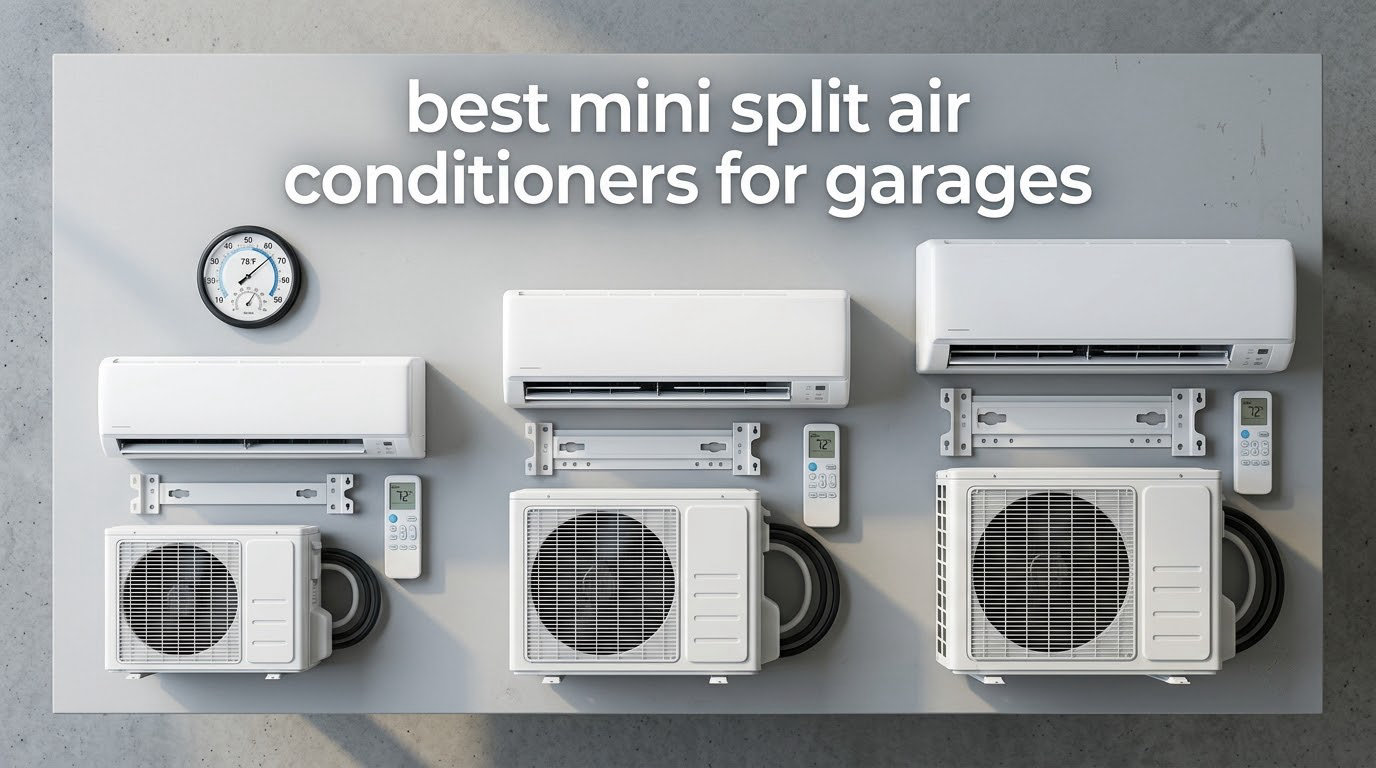
Mini split systems are genuinely good for garages, and in most cases they are the only realistic way to make one usable in summer. A ductless heat pump needs no existing ductwork, it drops temperature instead of just moving air, and it runs quietly enough that you can leave it on while you work. The catch is that a garage is a hard cooling load: bare walls, a sun-facing garage door and often a 9 or 10 foot ceiling push far past what the same unit handles in a bedroom.
We went through the specs, warranty terms and owner feedback on every current mini split rated for garage duty, then sorted them by the three decisions that actually matter: how many BTUs you need, what your electrical panel can carry, and how cold your winters go. What follows is a 10-unit roundup of the best mini split air conditioners for garages, with the honest tradeoffs on each one.
A note before we start: a garage mini split is not a substitute for prepping the space. If you are still putting up shelving in there, finish that first. And if you just need to cool one corner of a rented place, our window air conditioner picks cost less and move with you.
Table of Contents
Top 3 Mini Split Picks for Garages in 2026
Best Mini Split Air Conditioners for Garages (October 2026)
| Product | Specifications | Action |
|---|---|---|
 Senville LETO 12,000 BTU Senville LETO 12,000 BTU |
|
Check Latest Price |
 COSTWAY 12,000 BTU COSTWAY 12,000 BTU |
|
Check Latest Price |
 Della Vario 12,000 BTU Della Vario 12,000 BTU |
|
Check Latest Price |
 Cooper and Hunter MIA 12,000 BTU 115V Cooper and Hunter MIA 12,000 BTU 115V |
|
Check Latest Price |
 ROVSUN 9,000 BTU ROVSUN 9,000 BTU |
|
Check Latest Price |
 Rellytech 12,000 BTU Rellytech 12,000 BTU |
|
Check Latest Price |
 Mountman 12,000 BTU Mountman 12,000 BTU |
|
Check Latest Price |
 Della Optima 18,000 BTU Della Optima 18,000 BTU |
|
Check Latest Price |
 Temprium 12,000 BTU Temprium 12,000 BTU |
|
Check Latest Price |
 Albott 12,000 BTU Albott 12,000 BTU |
|
Check Latest Price |
One quick note on that table before the individual reviews: eight of these ten run on a 115V circuit, and only the two Della systems ask for 208-230V power. If your garage panel is a 100-amp subpanel with no spare breaker slots, that single fact eliminates a big chunk of the list before you start reading specs.
1. Senville LETO 12,000 BTU – Best Overall Mini Split for Garages
Senville LETO Mini Split Air Conditioner, Heat Pump, White, 12000 BTU
12000 BTU 1 ton
28 dB indoor noise
110V
Heat pump to 5F
Pre-charged to 25 ft
Pros
- Quiet 28 dB indoor unit works next to a bench
- Heating and cooling in one ductless unit
- 16 ft line set and communication wire included
- Five year parts and compressor warranty
Cons
- Professional installation required
- not a DIY model
- Not ENERGY STAR rated
- 20.8 SEER is mid-pack for a new unit
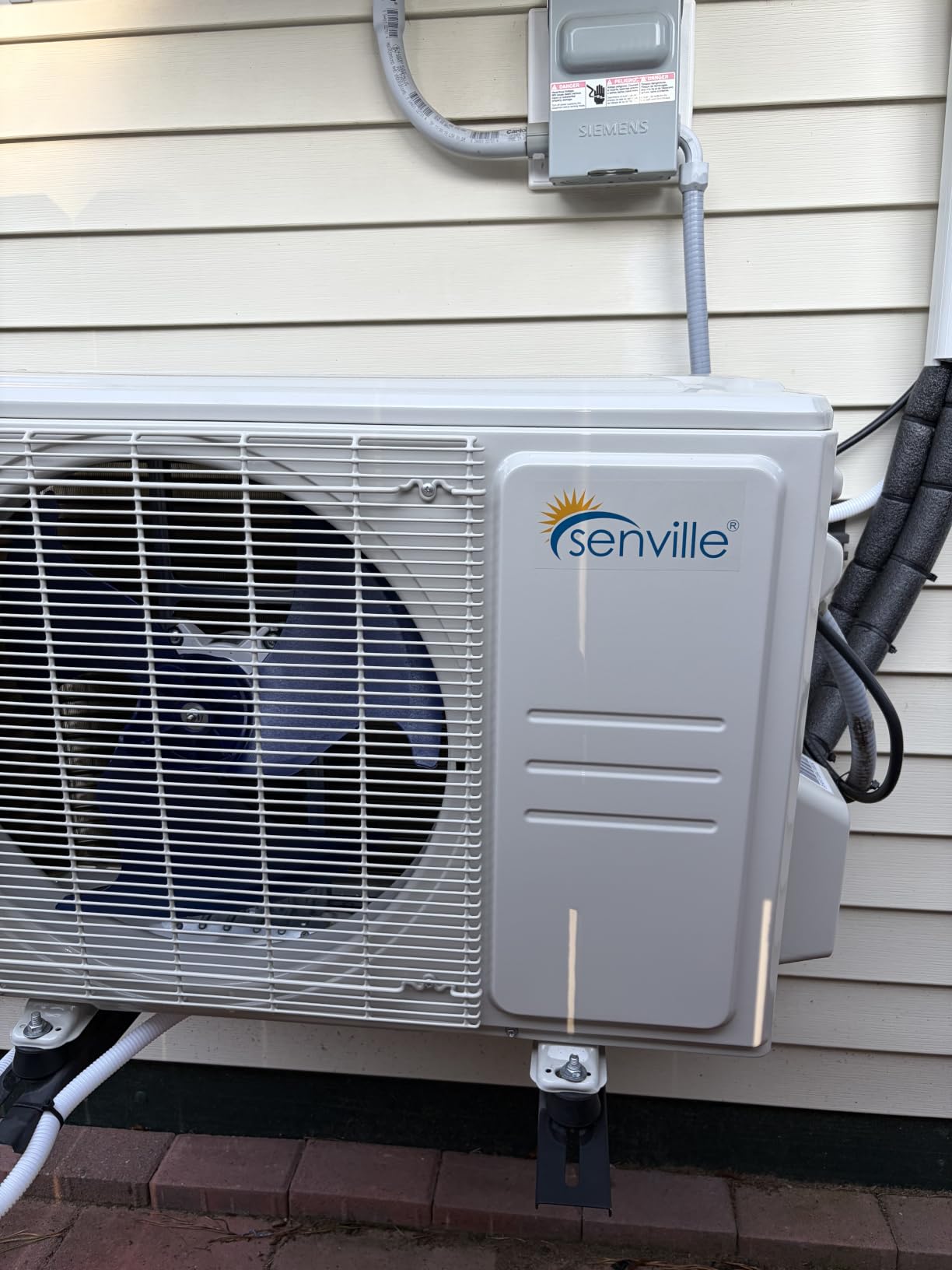
The Senville LETO is the one we keep coming back to, and the reason is the review base: 2,185 owner reviews at 4.4 stars, plus a number two ranking in split-system air conditioners. That is a lot of installed base for a garage-focused decision, and it means parts and service questions have already been answered by other owners.
It is a 1-ton unit rated to 12,000 BTU cooling, with 28 dB indoor noise, a 110V supply and a DC inverter rotary scroll compressor. The refrigerant is R-454B and the system is pre-loaded for line sets up to 25 feet, which covers most one- and two-car garage runs without adding refrigerant on site.
What we like most is the operating range. The heat pump mode runs down to 5F, so a lightly used garage in a shoulder-season climate stays usable in October without a separate heater. It also does dehumidification, fan and turbo in the same chassis, and Alexa control comes built in.
The warranty is the strongest in this group at five years on parts and compressor, and the 16 ft line set plus communication wire ship in the box, which keeps the installer’s material bill simple. We would pair this with a 12,000 BTU unit in a standard two-car garage, or step up in size and accept a slightly longer run for an insulated and finished space.
How much cooling does a 12,000 BTU unit give a two-car garage?
Enough for a typical two-car garage with drywall or foam-block insulated walls and a normal ceiling height, if the sun does not hit the garage door all afternoon. A 12,000 BTU unit is the most common answer in the owner reports we read, and several people describe it as the single best upgrade they made to the space.
The failure mode we see is a garage that is square-for-square a two-car bay but has bare block walls and a west-facing door. There a 12,000 BTU unit runs near continuously and never reaches setpoint. Insulation first, then size.
What to check before the installer quotes your garage
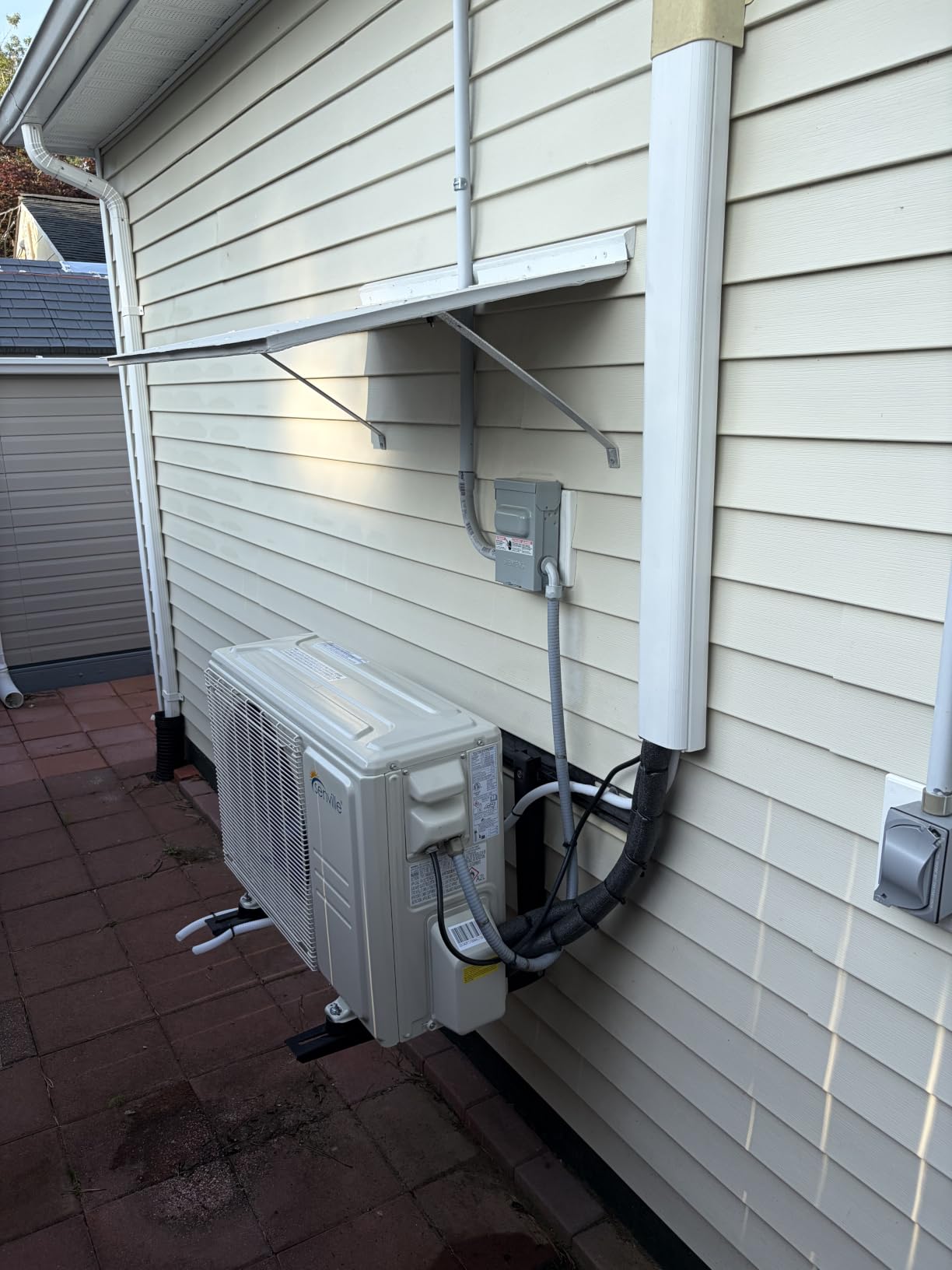
Confirm the electrical panel has a free 15-amp breaker position and that a 110V circuit can reach the indoor unit location. The 16 ft line set is the hard limit if your condenser sits on the far side of the building, and going past the pre-charged length means a refrigerant top-off charge on install day.
Also ask your installer about the condensate drain line. In a garage the drain needs a run to a floor drain or an exterior discharge point, and that routing is often a larger part of the labor than the line set itself.
2. COSTWAY 12,000 BTU – Best Value Mini Split for a Garage
COSTWAY 12000BTU Mini Split Air Conditioner& Heater
12000 BTU 1 ton
23 dB indoor noise
115V
750 sq ft rated
5 yr parts 8 yr compressor
Pros
- Quietest indoor noise rating in this roundup
- 750 sq ft rated coverage on a 115V circuit
- Inverter compressor trims power draw and extends life
- Self-cleaning coil and washable filter cut upkeep
- Eight year compressor warranty
Cons
- Professional licensed HVAC installation required
- 1970 watt draw is high for 12000 BTU
- Remote only with no WiFi on this configuration
- SEER 20 is mid-pack
The COSTWAY 12,000 BTU is the quietest indoor unit we analyzed, at 23 dB, and that spec matters more in a garage than the price does. If you run a compressor or a sander nearby, a 23 dB air handler will not compete with the noise floor of the room.
It is a 1-ton scroll-compressor heat pump on 115V AC, rated for 750 square feet of cooling, with 12,300 BTU of heating capacity and R-32 refrigerant. It runs five modes with four fan speeds, a 24-hour timer, four-way swing, a self-cleaning cycle at 134.6F and automatic defrost on the outdoor unit.
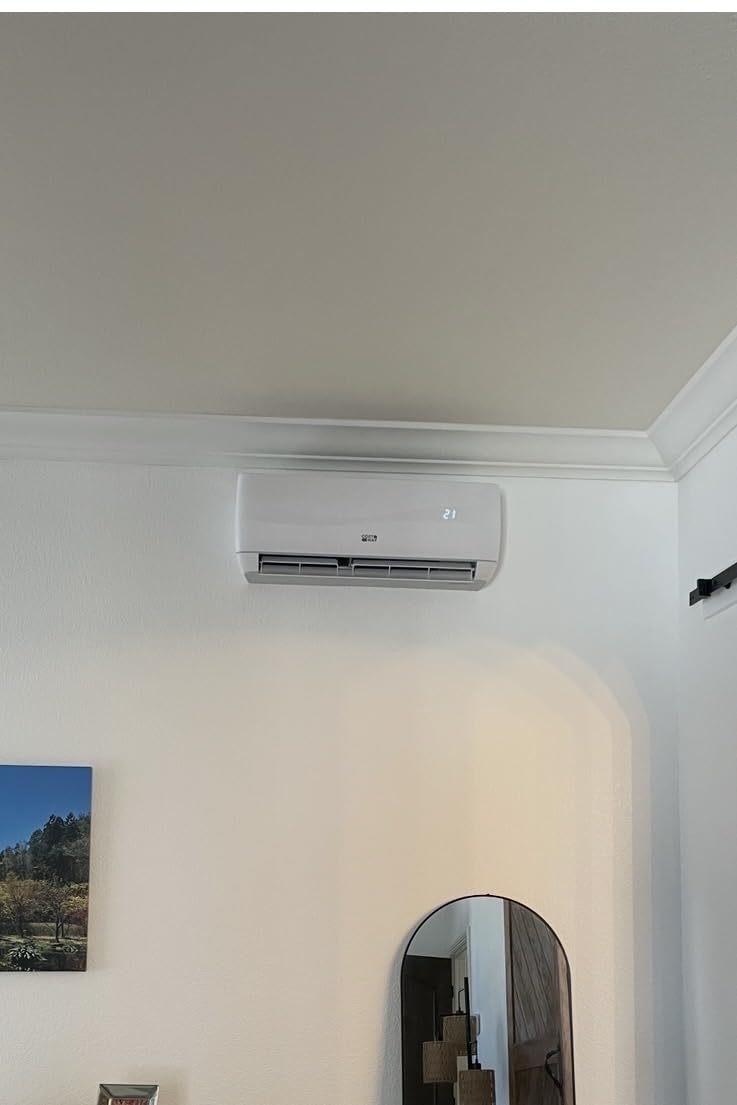
Owner feedback centers on low noise, straightforward operation and a washable filter that actually helps in a dusty shop. The 1,661 reviews at 4.4 stars are the second-largest block in this roundup, which is a good sign for a unit that gets installed by a wide range of independent shops.
Where we would temper expectations: the 1,970 watt annual consumption figure is the highest in this group, and there is no app or voice control here, so you are living with the handheld remote. For a garage you mostly use on a schedule, that is a reasonable trade. It is also a licensed-HVAC install, not a plug-and-play kit.
Is a 1-ton unit enough for a workshop full of tools?
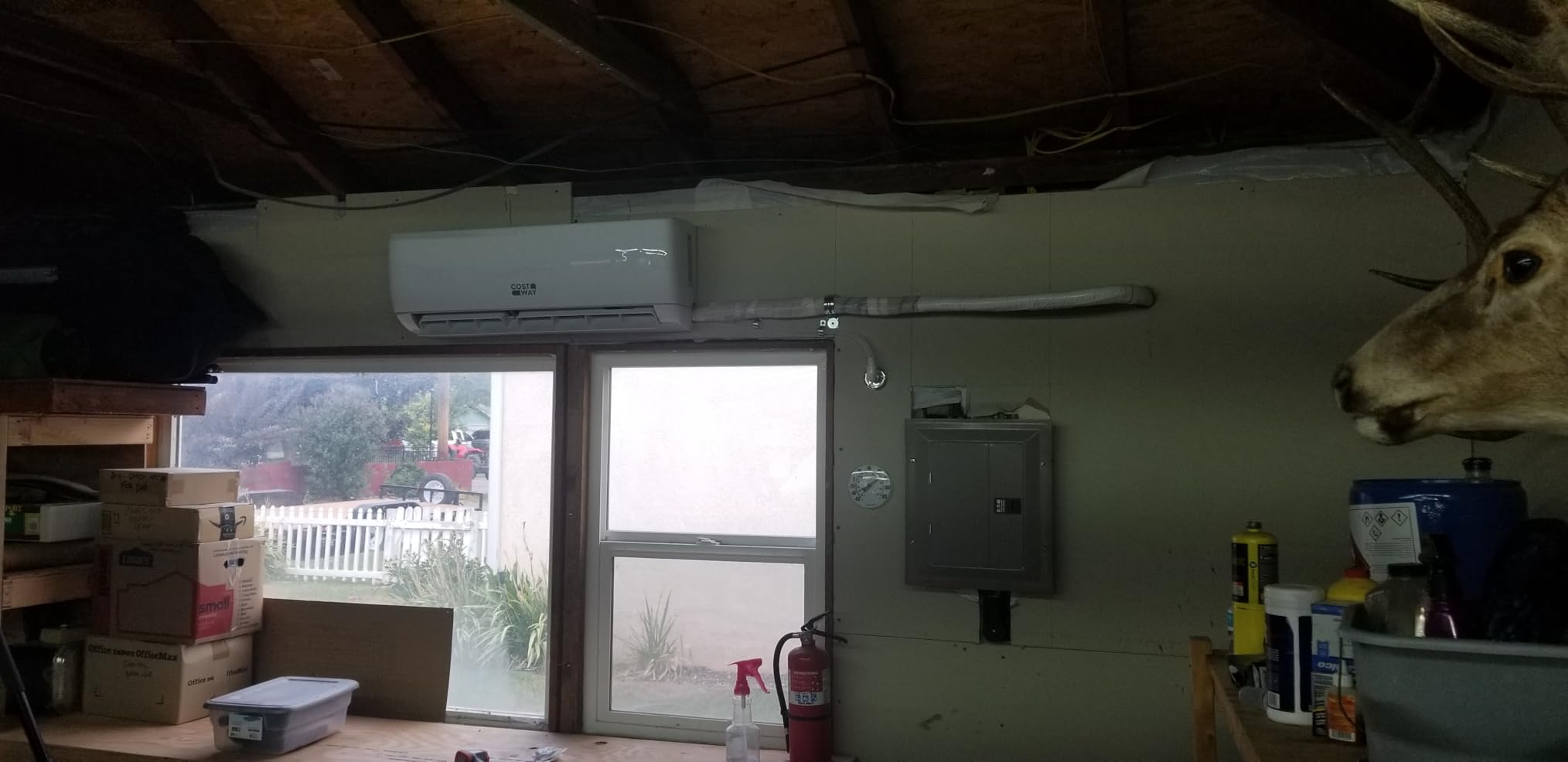
For a standard workshop bay of roughly 500 to 750 square feet with insulated walls, yes, provided the garage door is insulated or shaded. Tools generate heat only when running, so a bench grinder idling for a few hours will not overwhelm a 12,000 BTU unit.
If your shop is 1,000 square feet or larger, or you weld regularly with the roll-up door open, treat 12,000 BTU as a comfort upgrade rather than a full solution. Plan on a second zone or a larger system instead.
Why the 1,970 watt rating is worth a second look
A higher wattage does not mean the unit is wrong, but it does mean more running cost over a long hot week than a comparable 20-plus SEER2 model. In a garage you are usually cooling one space, so the energy difference shows up in the monthly number rather than feeling different day to day.
The eight-year compressor warranty partly offsets that for most owners. It is a longer compressor term than anything else in this roundup, and compressor failures are the expensive repair on a ductless system.
3. Della Vario 12,000 BTU – Best Premium 12,000 BTU Mini Split for Garages
DELLA Vario Series 12000 BTU Mini Split Air Conditioner Work with Alexa with 1 Ton Pre-Charged Heat Pump Ductless Inverter System, 23 SEER2, Cools Up to 550 Sq. Ft,16.4ft Installation Kit Included
23 SEER2
12,000 BTU
208-230V
Heating to -4F
28 dBa
Pros
- Highest efficiency in the 12000 BTU class at 23 SEER2
- App and remote control with scheduling
- Heat pump mode works down to -4F
- 16.4 ft line set and drain pipe included
- 28 dBa operation on both indoor and outdoor unit
Cons
- Needs a dedicated 208-230V circuit
- Professional installation mandated
- 550 sq ft cooling rating is the smallest here
- Line set insulation degrades in hot climates
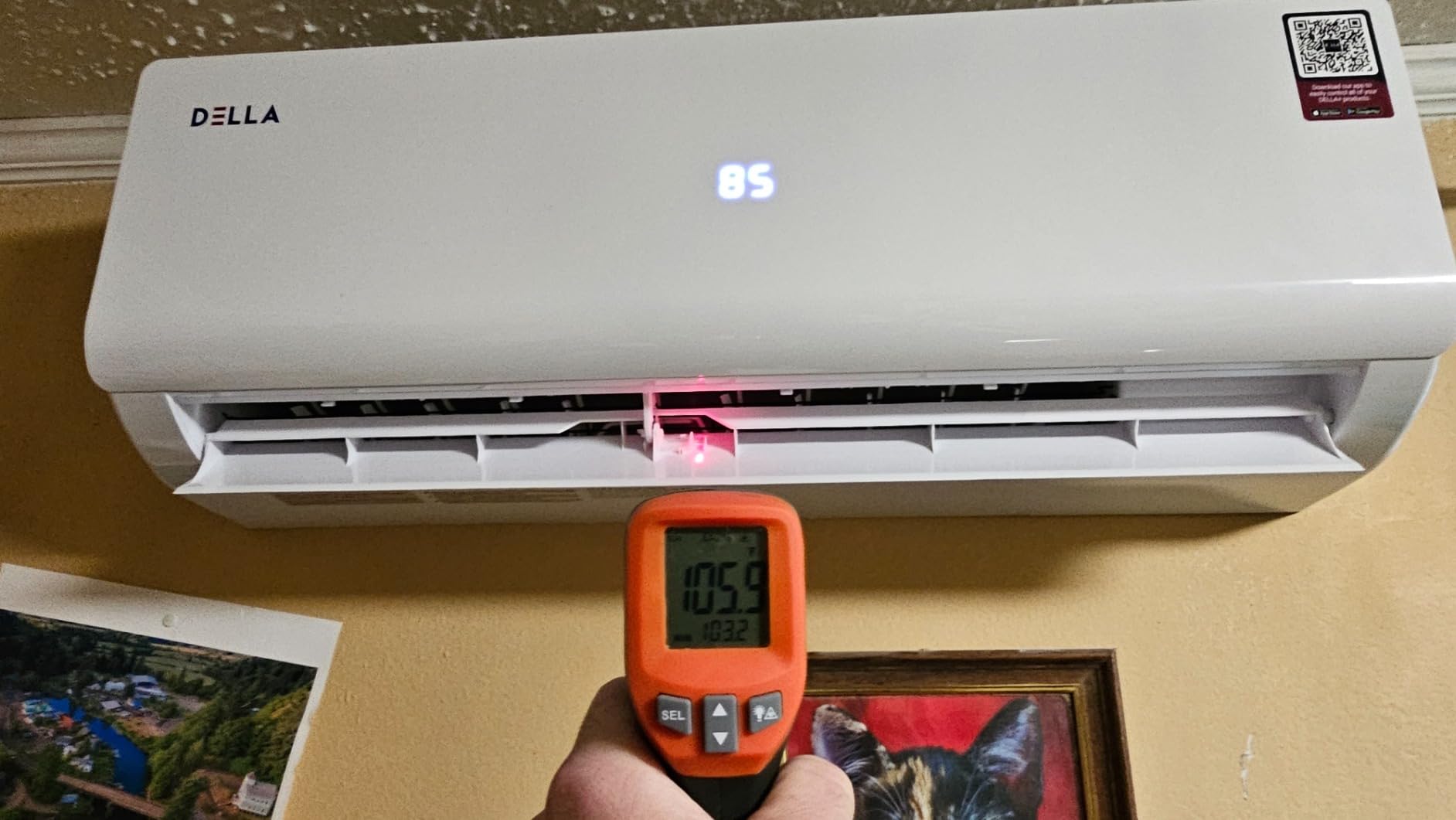
The Della Vario is the pick for a garage that needs real heating in winter, because the heat pump mode runs to -4F. That is a real difference from the 5F-rated units elsewhere on this list, and it is the spec that pushes it toward our premium slot.
Efficiency is the other headline: 23 SEER2 with 9.5 HSPF, 5 Star BEE rating, ETL Listed and AHRI Certified. The 12,000 BTU of cooling is rated at 550 square feet of coverage, which is the most conservative rating in the roundup and is the number to respect when you size it.
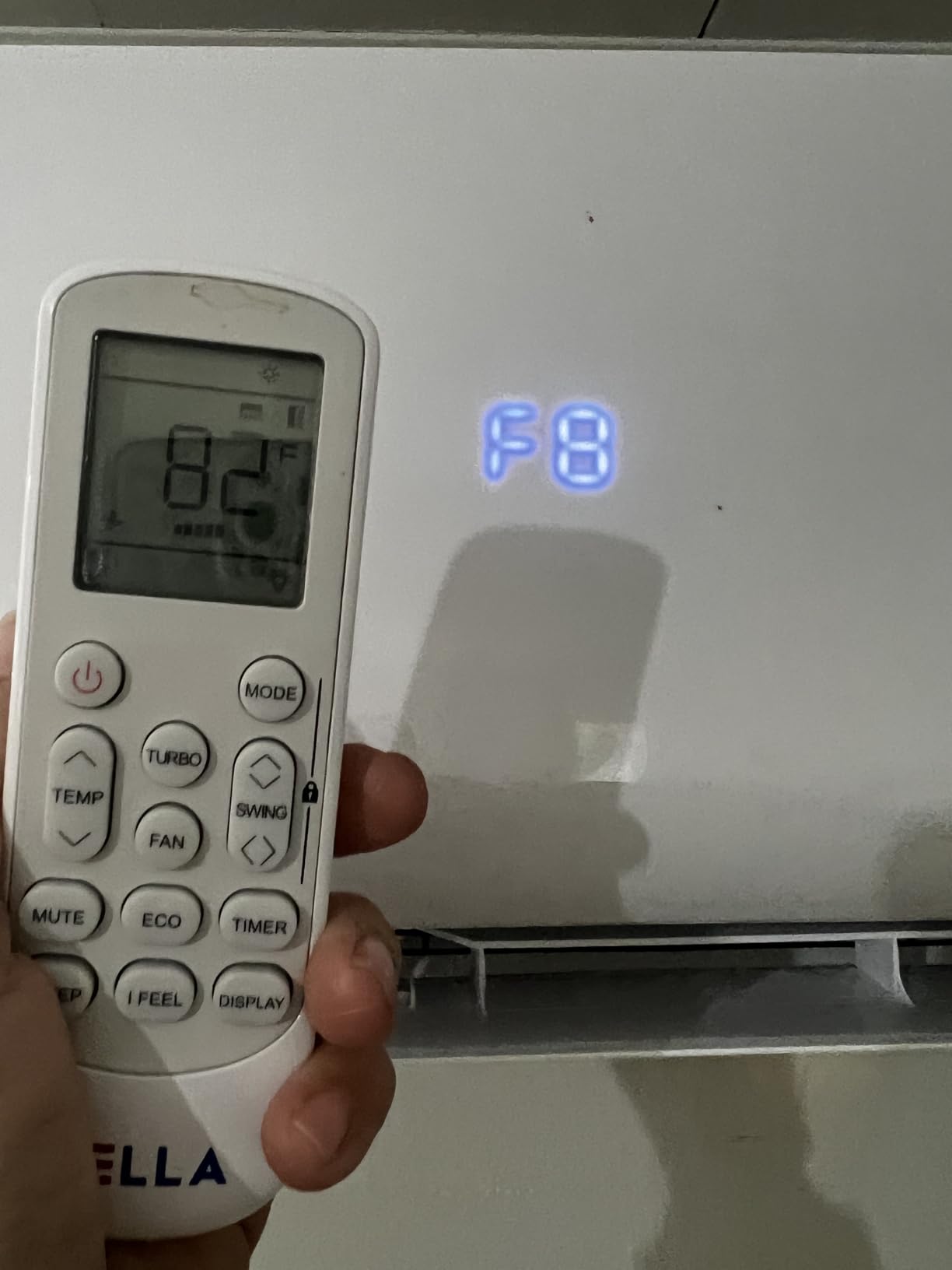
Owners frequently report running several of these across a house, garage or shop, which is the pattern you want to hear about before an install. The app, the smart sensor that reads temperature from the remote, and 28 dBa operation are the features people mention most.
Two things give us pause. This unit needs a dedicated 208-230V circuit, so a garage with only a 115V receptacle is looking at a panel change, and reviews include some refrigerant leak and manufacturing defect reports alongside complaints about the included line-set insulation degrading in hot climates.
Is 208-230V worth the extra install work in a garage?
It is, if the garage needs heat in winter or if you want the highest efficiency. The electrical upgrade is a one-time cost that unlocks a whole tier of equipment, and a 230V run in a detached garage is usually a straightforward job for a licensed electrician.
It is not worth it if the garage is a summer-only space on a tight budget. The 115V models in this roundup cool the same square footage for less up-front work, and a pair of small heaters covers a shoulder season.
How much wall space does the head need to clear?
Plan roughly a foot of clearance above and beside the head, and check that the drain hose and line set can exit the same wall as the electrical. The 16.4 ft kit in the box is 1/4 inch and 3/8 inch copper with a 78.7 inch drain pipe, which is workable for most attached garages.
The remote is essential because the display uses unlabeled icons. Write down what each button does before you lose it, because you will not find a diagram on the unit itself.
4. Cooper and Hunter MIA 12,000 BTU – Best 115V Plug-In Mini Split for Garages
Cooper & Hunter MIA 12,000 BTU 115V Wall Mount Mini Split AC, 21.2 SEER2
12,000 BTU 1 ton
115V plug-in
21.2 SEER2
26 dB
Heating to 5F
Pros
- True 115V plug-in setup
- no panel work required
- 21.2 SEER2 inverter efficiency
- App scheduling plus remote temperature control
- 7 year compressor and 5 year parts warranty
Cons
- Some reports of early condenser fan failures
- Factory drain clamp can loosen and leak indoors
- Only 550 sq ft rated cooling
- Freight delivery to an accessible point
When the electrical panel is the obstacle, this is the Cooper and Hunter MIA. It is a genuine 115V plug-in system, so the electrical conversation ends there and the rest of the budget goes into the unit and the install labor. The 16 ft pre-flared insulated line set, communication wire and drain extension all ship in the kit.
Specs are solid for the class: 12,000 BTU, 21.2 SEER2 inverter, heating down to 5F, 26 dB indoor noise, a smart kit with app scheduling, and a 7-year compressor warranty that is the second-longest here.
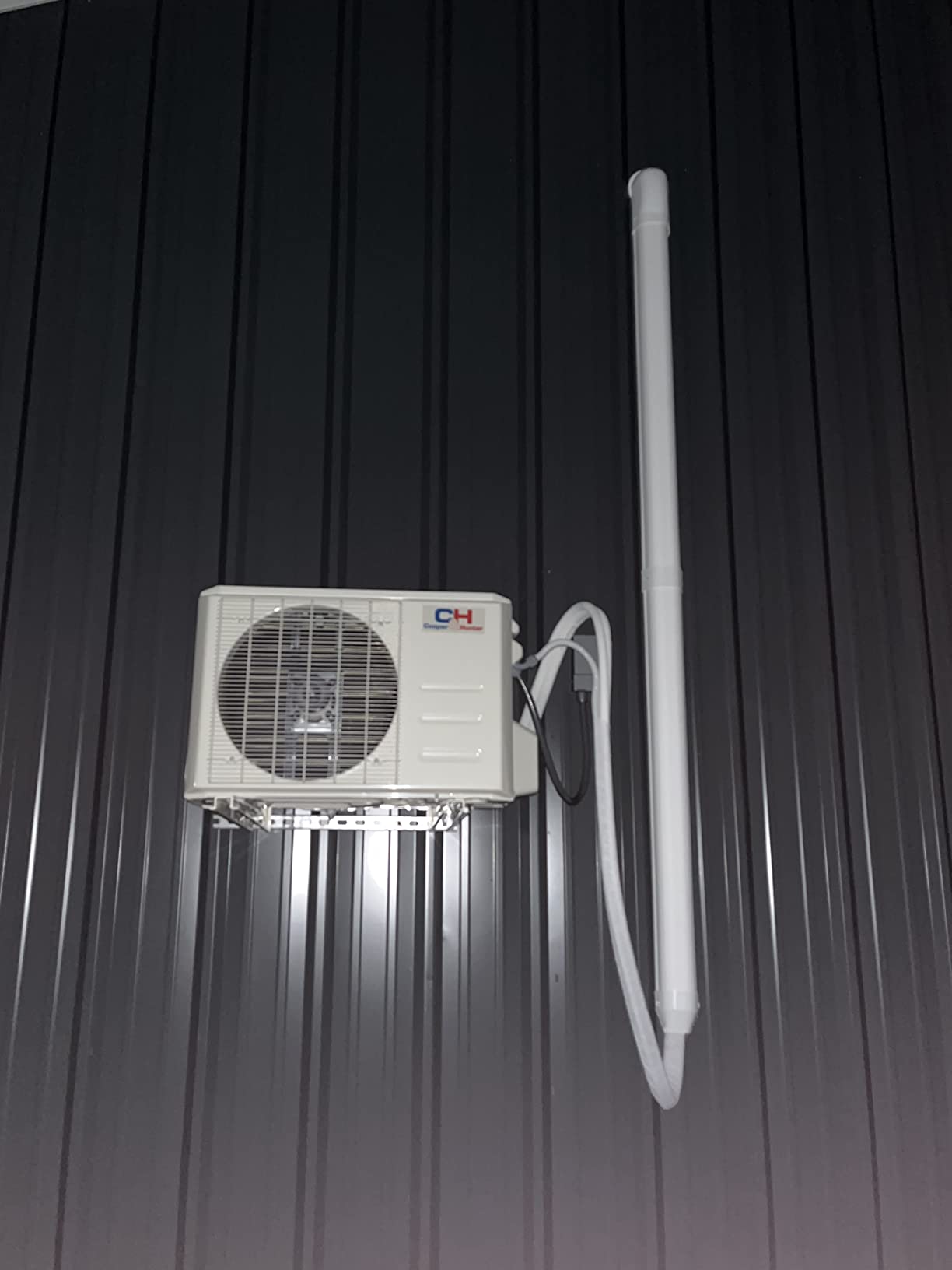
Long-term owners in the reviews talk about buying several of these across a house, shop or RV and simply setting them and forgetting them. The 4.3 rating comes down to a small number of failures rather than any broad dissatisfaction.
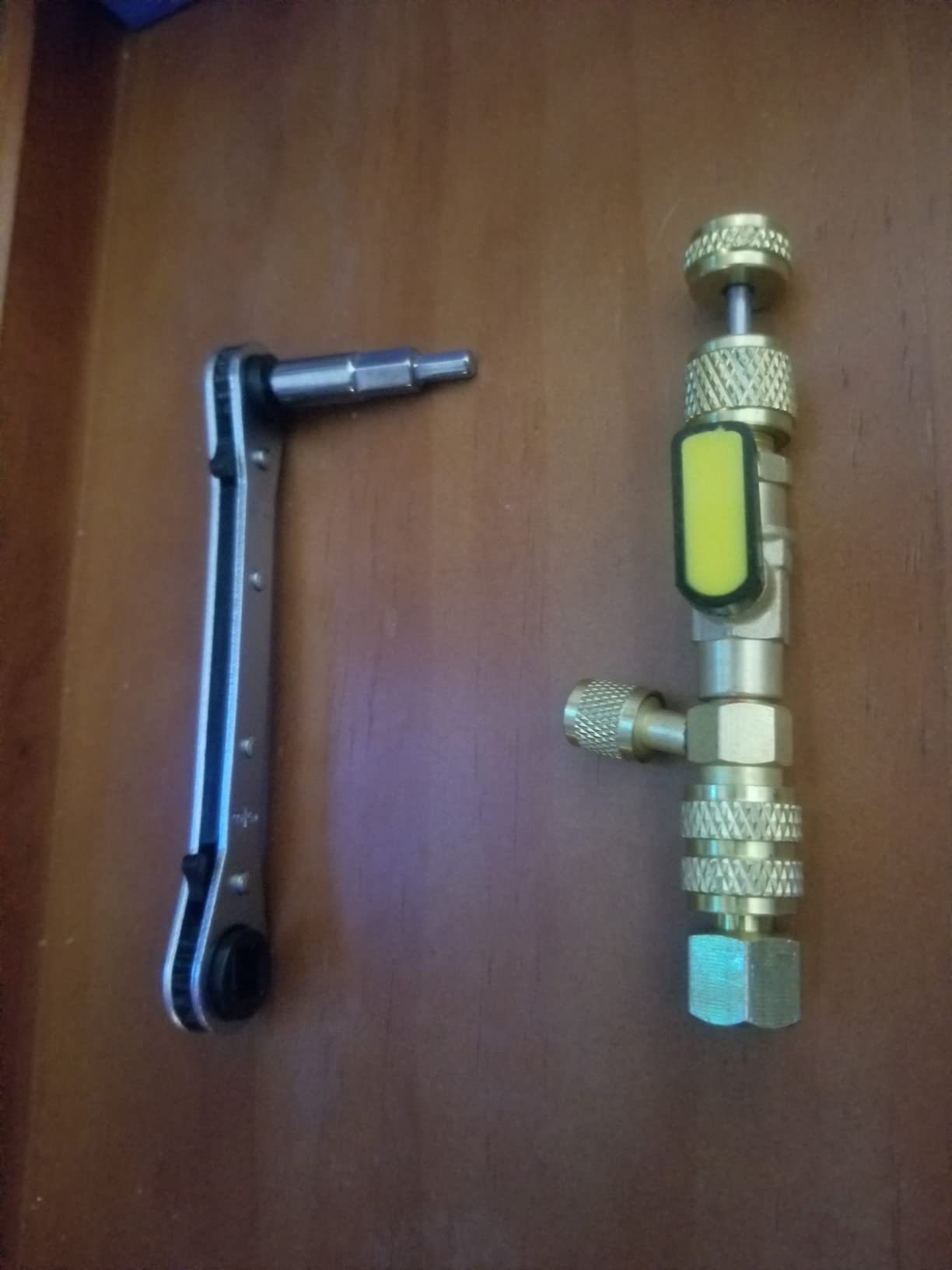
The specific complaints are worth knowing before you buy. A few units reported a condenser fan failure shortly after installation, customer service was not always satisfying after those failures, and the factory drain-pipe clamp has been reported loosening enough to drip indoors. Ask your installer to re-torque that clamp and support the drain line.
Can a 115V mini split replace a window unit in a garage?
Yes, and the gap in performance is large. A 12,000 BTU ductless head moves roughly three times the air of a typical 10,000 BTU window unit and, more importantly, mixes the room air instead of exhausting hot air out of the window. That recirculation is why a mini split can hold a setpoint on the hottest day of the year.
Owners regularly compare a window unit as the baseline alternative and describe the switch as the moment the garage became usable in summer. If you are still running a window unit, a 115V ductless head is the upgrade that stops the sawdust filter on your saw from melting.
What does the 550 square foot rating mean in practice?
Treat it as the number for a well-insulated room at normal ceiling height, not a garage. In a bare two-car bay, size up or insulate the walls and door first, otherwise the head will run continuously and never reach setpoint.
The 16 ft line set is the practical limit on where the outdoor unit can sit. Detached garages with the condenser on the far wall are the cases where this becomes a problem, so measure the run before you commit.
5. ROVSUN 9,000 BTU – Best Budget Mini Split for a Small Garage
ROVSUN 9000 BTU Wifi Enabled Mini Split Air Conditioner & Heater with Inverter, 20 SEER2 Energy Saving 115V Ductless Split AC Unit with Pre-Charged Condenser, Heat Pump & Installation Kit
9000 BTU 0.75 ton
20 SEER2 inverter
115V
28 dB mute mode
16.4 ft line kit
Pros
- Entry level cost at the smallest capacity
- WiFi app plus Alexa and Google Assistant
- 28 dB mute mode for quiet running
- Owners report cooling a three-car garage
- ECO mode claims up to 35 percent savings
Cons
- 9000 BTU covers only 400 to 450 sq ft
- Instructions skip the leak test before startup
- Line set tape wrap is widely criticized
- Only a 1 year warranty
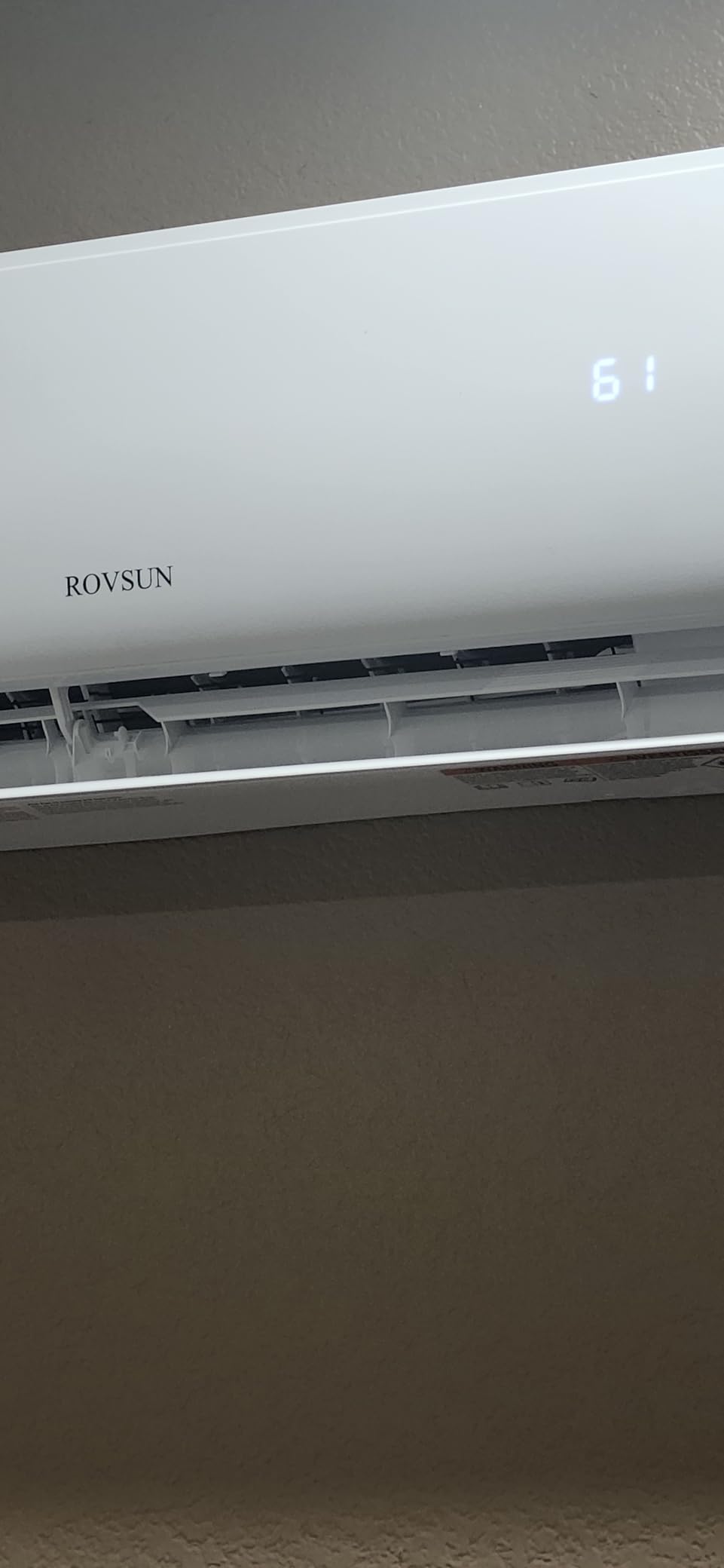
The ROVSUN is the one to look at when the garage is a converted room, a bonus space or a single-car bay rather than a full workshop. At 9,000 BTU it is the smallest unit here, and the 450 square foot coverage rating is a real limit, not a marketing number.
It is still a full 4-in-1 machine: inverter cooling and heating, 20 SEER efficiency with a claimed 35 percent energy saving over a fixed-speed unit, 28 dB mute mode, four-way swing, turbo, and a WiFi app with Alexa and Google Assistant voice control at a price tier where most competitors stop at a remote.
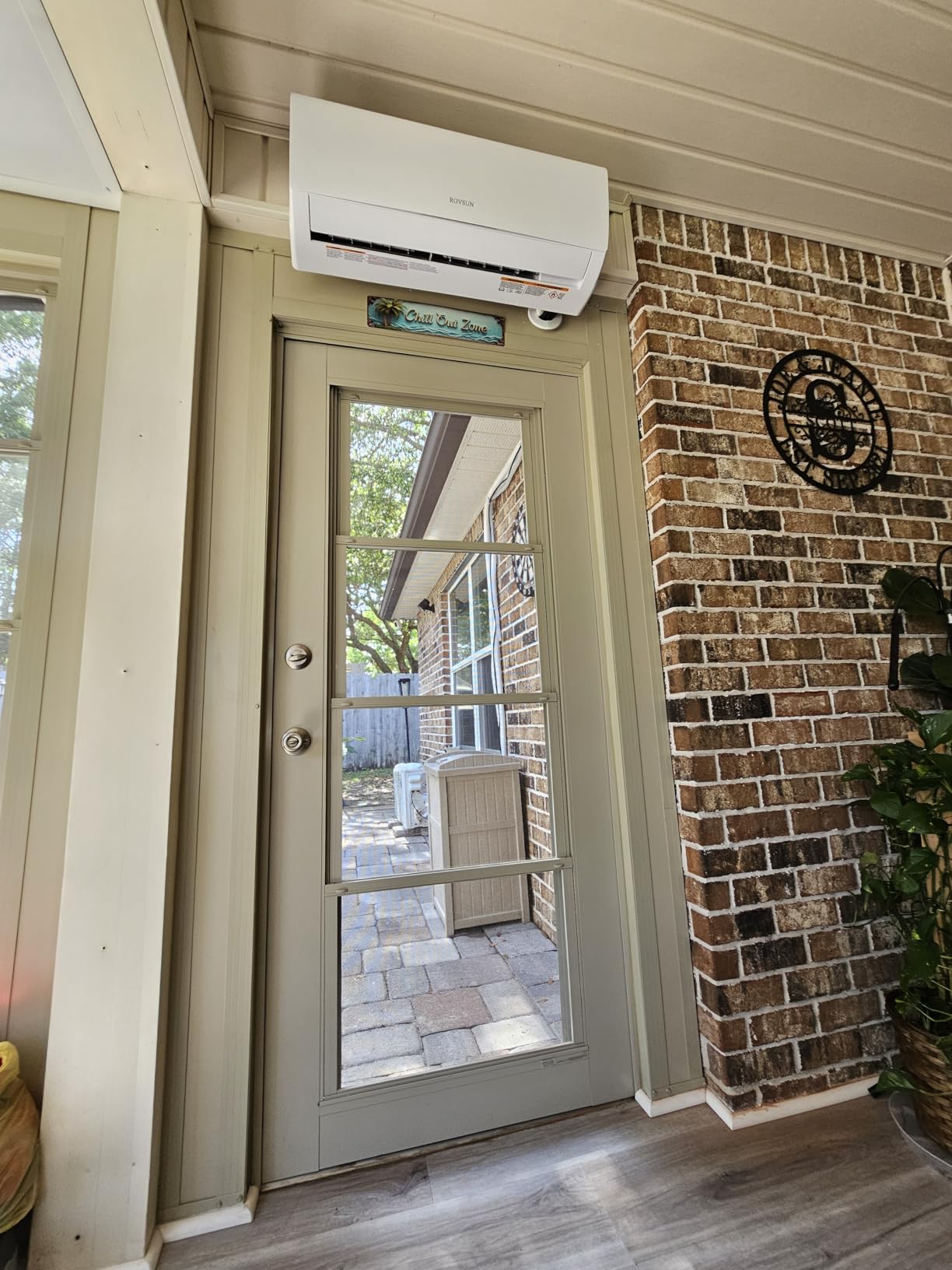
The 462 reviews at 4.2 stars show owners who own several of these and report two-year-plus reliability, and several specifically mention running them in garages and mobile homes. That is the profile of a unit people buy repeatedly, which is a good sign at this budget level.
What pulls the rating down is specific and fixable. The instructions skip the leak-test step before startup, the included line-set tape wrap is widely criticized, and the 1-year warranty is the shortest of the ten. If your installer is vacuuming and pressure-testing the system properly, most of these concerns disappear.
Is 9,000 BTU enough for a one-car garage?
For a one-car garage of roughly 200 to 400 square feet with insulated walls, yes, comfortably. Some owners in the reviews say they are running a 9,000 BTU unit through a three-car garage successfully, though we would not plan around that in a hot climate.
The setpoint range is 61F to 88F, so this is not a unit for a garage you want at 68F on a July afternoon. Think of it as taking a small workshop from unbearable to workable rather than making it conditioned space.
Why the one-year warranty matters at this price
Because the compressor is the expensive failure and a one-year term leaves you exposed exactly when a manufacturing defect would surface. A ductless system is a sealed refrigerant circuit, so early failures cluster in the first year and then settle down.
Ask your installer to document the pressure test and the vacuum procedure in writing. That record is what protects you if the unit fails inside the term, regardless of what the box says.
6. Rellytech 12,000 BTU – Best Mini Split for Humid Garage Climates
Rellytech Mini Split AC/Heating System, 12000 BTU, 19 SEER2 115V/110V
12,000 BTU cooling
12,500 BTU heating
115V
19 SEER2
750 sq ft
Pros
- True 110V and 115V operation avoids a breaker upgrade
- 750 sq ft rating is generous for 1 ton
- Reviewers praise humidity control in Florida
- Dry mode handles dehumidification well
- 26 dB low noise across the range
Cons
- Professional installation with vacuum and gauges required
- 19 SEER2 is the lowest efficiency here
- Warranty terms conflict between spec sheet and marketing
- Remote only with no WiFi
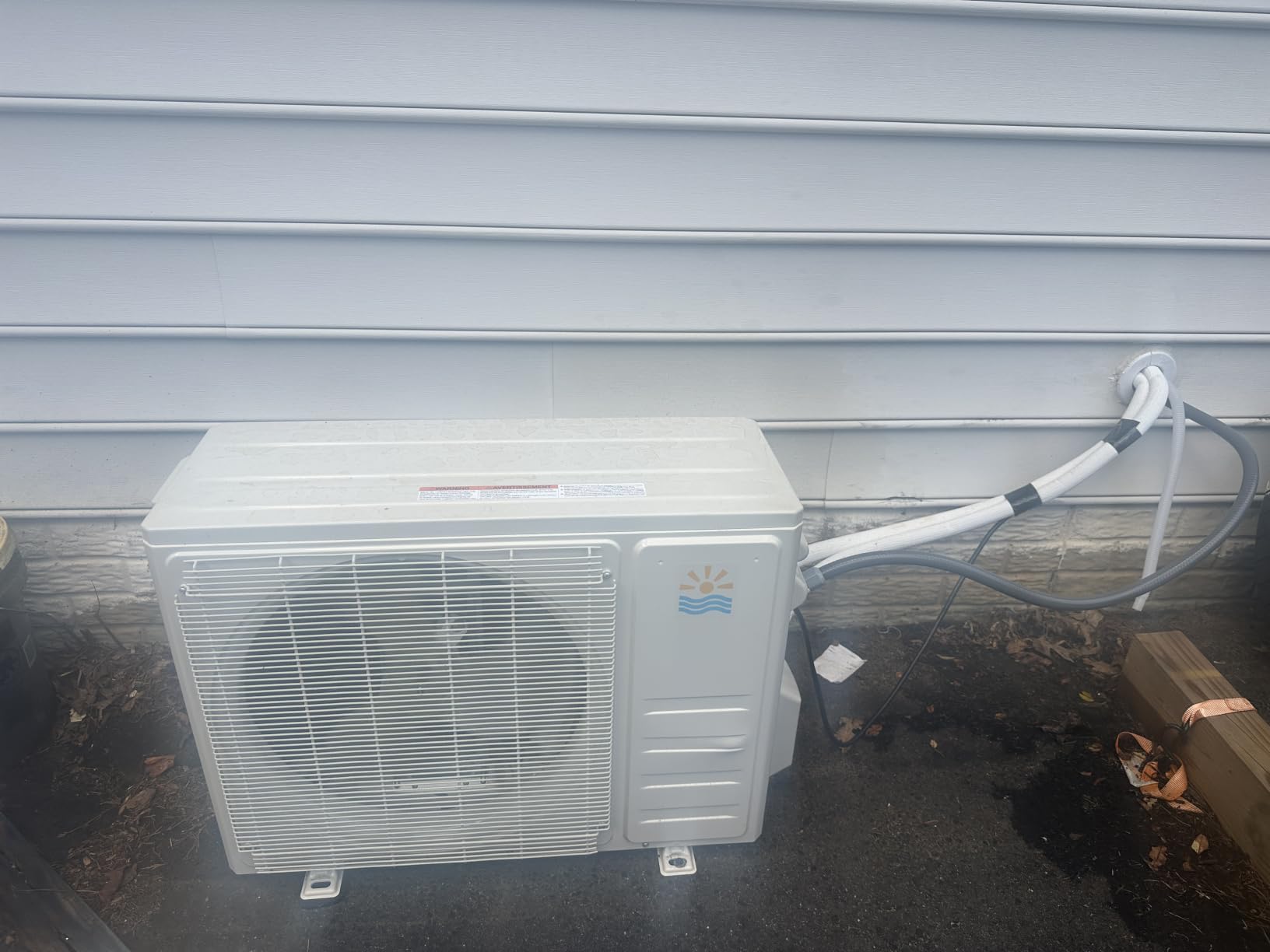
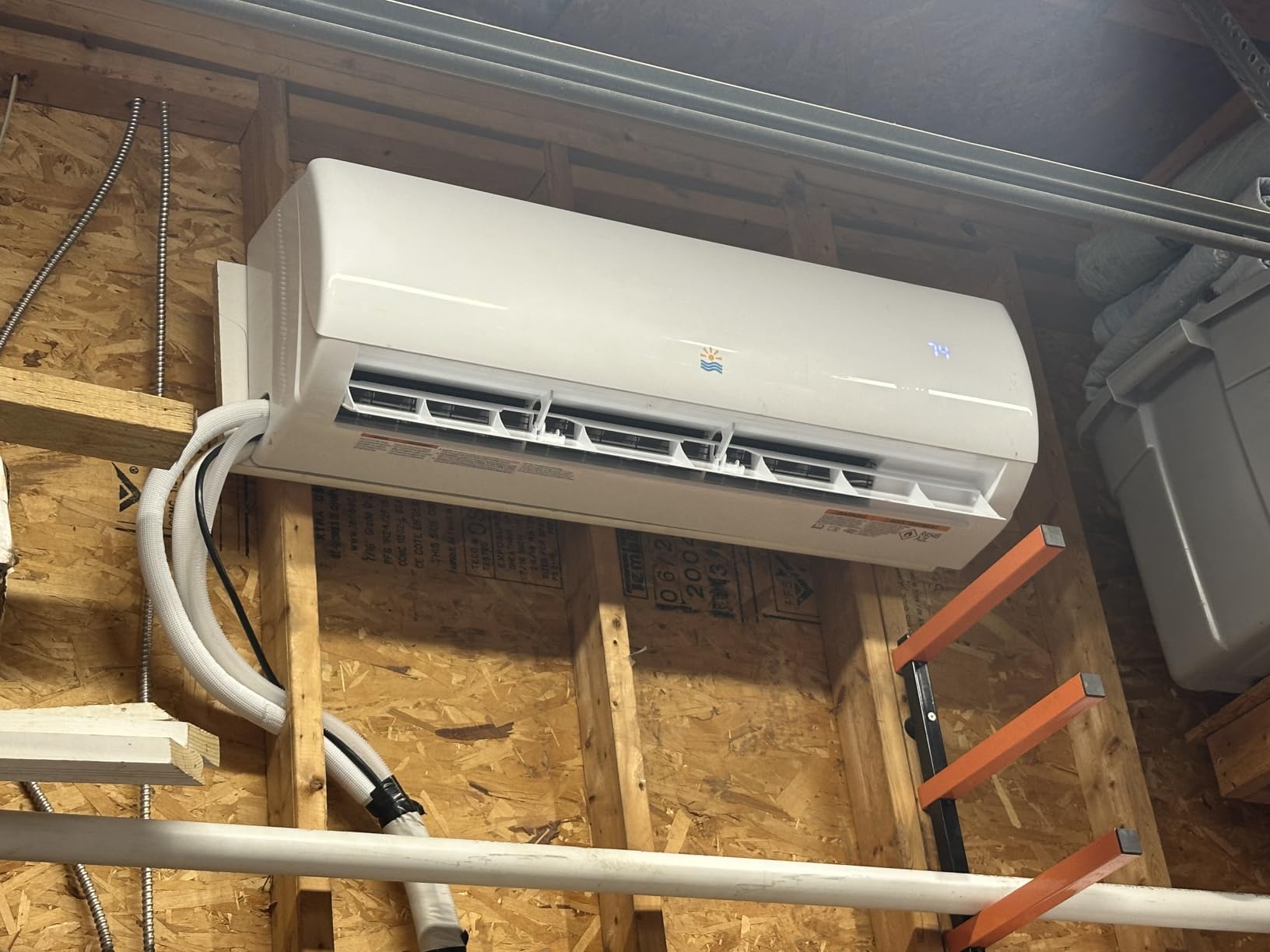
In a humid state, the number that decides the purchase is dehumidification, and that is where the Rellytech earns its place. Owners in the reviews call out humidity control in Florida specifically, and the 750 square foot cooling rating on a 115V circuit is unusually generous for a 1-ton machine.
The 12,000 BTU of cooling pairs with 12,500 BTU of heating, R-32 refrigerant, 19 SEER2 and 8.5 HSPF2, and it runs four modes with ECO, four fan speeds, 90 degree vertical swing, sleep mode and a 24-hour timer. Noise is listed at 26 dB.
This unit also carries a number one category ranking in split-system air conditioners, driven largely by being the lowest cost 12,000 BTU option in the set. The 355 reviews at 4.4 stars are the smallest sample of the 12,000 BTU group, so read the long reviews rather than the headline rating.
The honest weakness is efficiency. At 19 SEER2 you are giving up real operating cost against the 21 and 23 SEER2 units, and the warranty language on the listing contradicts itself, with the spec sheet and the marketing copy pointing at different terms. Get the warranty in writing before you buy.
Do I need a dedicated circuit for a 115V mini split?
A 115V unit still needs its own circuit, but it is a 15-amp branch circuit rather than the 50-amp, 208-230V feed that a 1.5-ton system requires. In practice that is the difference between a breaker in an existing panel and a subpanel or a service change.
It is not a plug into a wall outlet arrangement, despite what plug-in language on some listings suggests. Budget for a dedicated circuit either way and confirm the run length to your panel.
How short is the included line set?
Shorter than most. The box includes a 12.5 ft communication cable and 9.84 ft of connecting pipe, which is the tightest line set in this roundup. If the condenser has to go around a corner of the house rather than straight out the wall, this becomes a custom-length run and an extra service call.
Measure the actual run before ordering, and treat the included length as a bonus rather than the plan. A short included line set is a common reason a discounted install ends up costing more than quoted.
7. Mountman 12,000 BTU – Best Low-Maintenance Mini Split for Workshops
Mountman 12000 BTU Mini Split AC/Heating System,19 SEER2 110/120V Energy Efficient Ductless Inverter System,Cools Up to 750 Sq.Ft with Pre-Charged Condenser,Heat Pump & Installation Kits
12,000 BTU 1 ton
19 SEER2
115V
26 dB sleep mode
750 sq ft
Pros
- Highest average rating in the roundup at 4.5 stars
- 750 sq ft cooling on a 115V circuit
- Self-cleaning coil and auto defrost cut upkeep
- Rinseable washable anti-dust filter
- 26 dB sleep mode suits workshop hours
Cons
- 19 SEER2 is low for a new 12000 BTU unit
- Remote only with no app or WiFi
- Professional installation required
- Smaller sales volume than leading models
The Mountman has the highest average rating of anything we analyzed, 4.5 stars across 346 reviews, and the feature set is aimed squarely at a dusty shop: a high-temperature self-clean cycle, automatic defrost on the outdoor unit, and a washable anti-dust filter that you can rinse monthly.
On paper it is a conventional 1-ton 12,000 BTU inverter heat pump on 115V with 19 SEER2, R-32 refrigerant, four modes, four fan speeds, ECO with up to 30 percent savings, turbo boost, a 24-hour timer and a display that shuts off after ten seconds of inactivity.
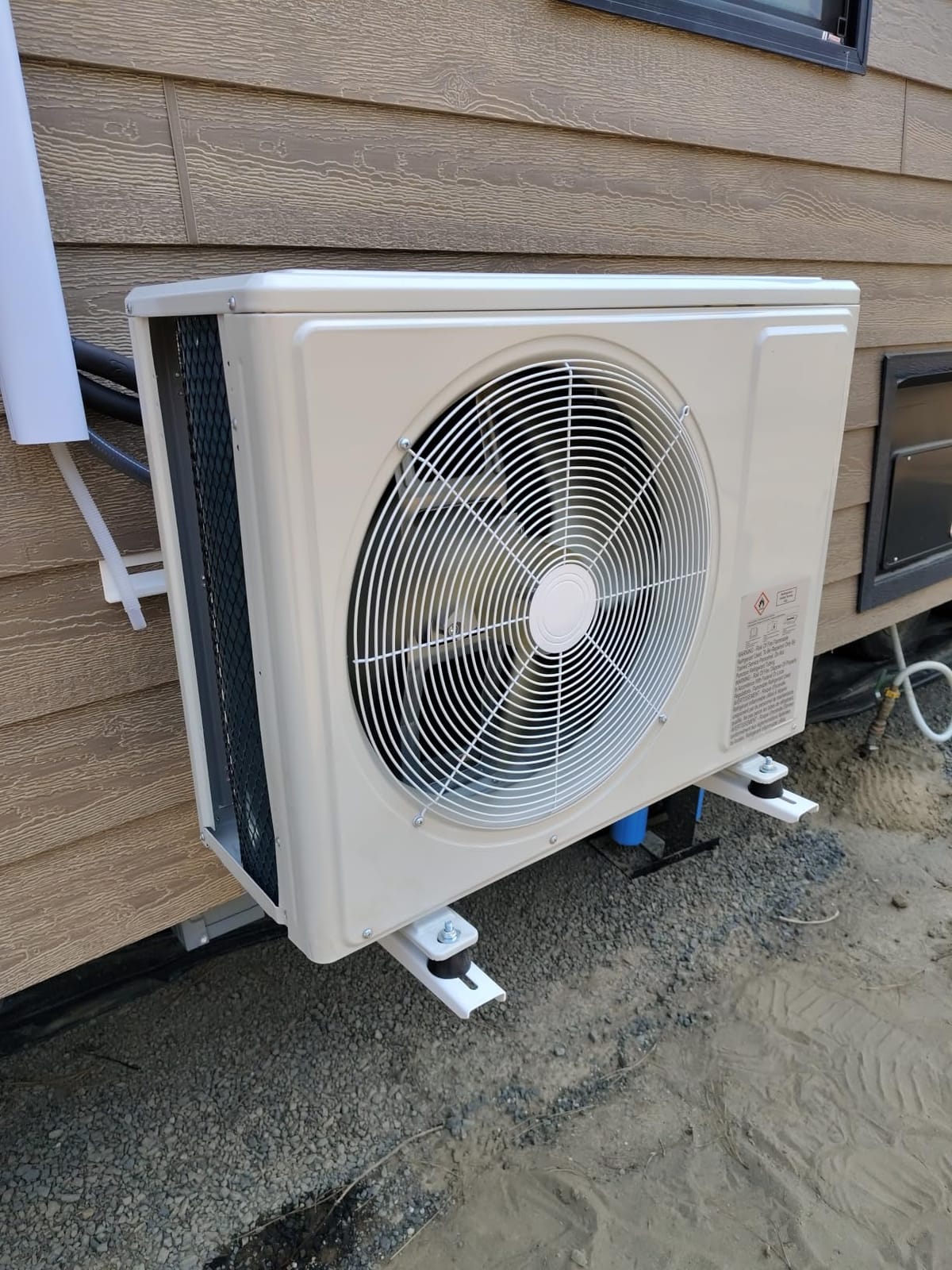
That combination of 750 square feet of rated coverage, 26 dB sleep mode and a rinseable filter is why we recommend it for workshops where the air handler is going to collect concrete dust, sawdust and paint overspray. The self-clean cycle matters more in a garage than in a bedroom.
Two things to weigh. The 19 SEER2 efficiency is at the low end for a current 12,000 BTU unit, and there is no app or voice control, so scheduling means the remote timer. The smaller review base and weaker category ranking also mean less long-term field history than the Senville or COSTWAY.
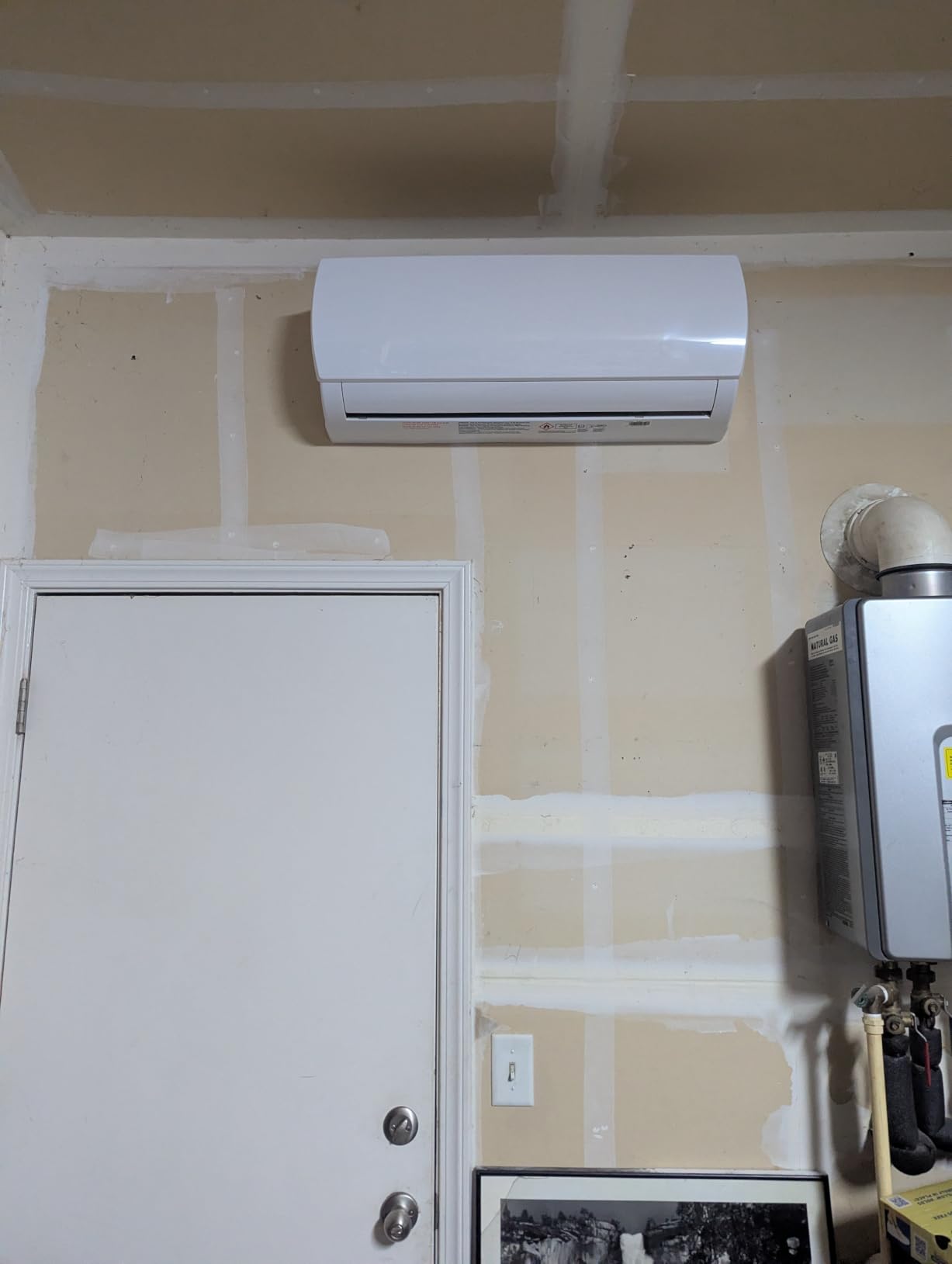
How often do you need to service a mini split in a garage?
Every two to four weeks during the season in a dusty shop, and monthly in a clean one. The filter is the whole job: pull it, rinse it, let it dry, put it back. That is why the washable anti-dust filter and the self-cleaning coil matter more here than anywhere else.
Everything else is outdoor housekeeping. Keep the condenser clear of debris so the fan can pull air, and check the drain line in spring so a clogged line does not put water on your floor in August.
Is a 19 SEER2 mini split efficient enough for a garage?
For a garage, yes. The space is leaky, so the equipment runs at part load most of the time, and the gap between 19 and 22 SEER2 narrows when the unit is not matched to a tight, insulated envelope the way it would be in a bedroom.
Where it stops making sense is a fully insulated, finished garage you run 12 hours a day. In that case move up to a 21 or 23 SEER2 model and recover the difference in a few seasons.
8. Della Optima 18,000 BTU – Best Cold-Climate Mini Split for Large Garages
DELLA Optima Series 18000 BTU Mini Split AC with Soft Airflow, Hyper Heat Down to -13°F, Up to 1000 Sq. Ft, 23 SEER2 230V,Energy Star,WiFi & Alexa,Inverter AC,1.5 Ton Pre-Charged Heat Pump,16.4ft Kit
18,000 BTU 1.5 ton
23 SEER2 and 10 HSPF2
230V
Heating to -13F
1000 sq ft
Pros
- Largest capacity in the roundup at 18000 BTU
- Best cold weather heating here rated to -13F
- ENERGY STAR certified and AHRI listed
- Soft Airflow design avoids harsh direct drafts
- 34 dB Mute Mode with app and Alexa control
Cons
- 230V circuit required
- Highest cost of the ten products
- WiFi module needs a power cycle every few months
- Outdoor unit can rattle
- Single digit heating performance declines
If your garage is a genuine cold-weather space rather than a summer shop, the Della Optima is the one to shortlist. The Gold Fin heat pump is rated to -13F, the deepest cold-weather rating in this group, and at 18,000 BTU with 1,000 square feet of coverage it is the only unit here sized for a two-plus-car bay or a workshop with a vaulted ceiling.
Efficiency is 23 SEER2 and 10 HSPF2, ENERGY STAR certified and AHRI listed, with soft indirect airflow designed to avoid blowing directly at anyone working on a bench. Control is through the Della+ app, Alexa, and an I Feel remote sensor.
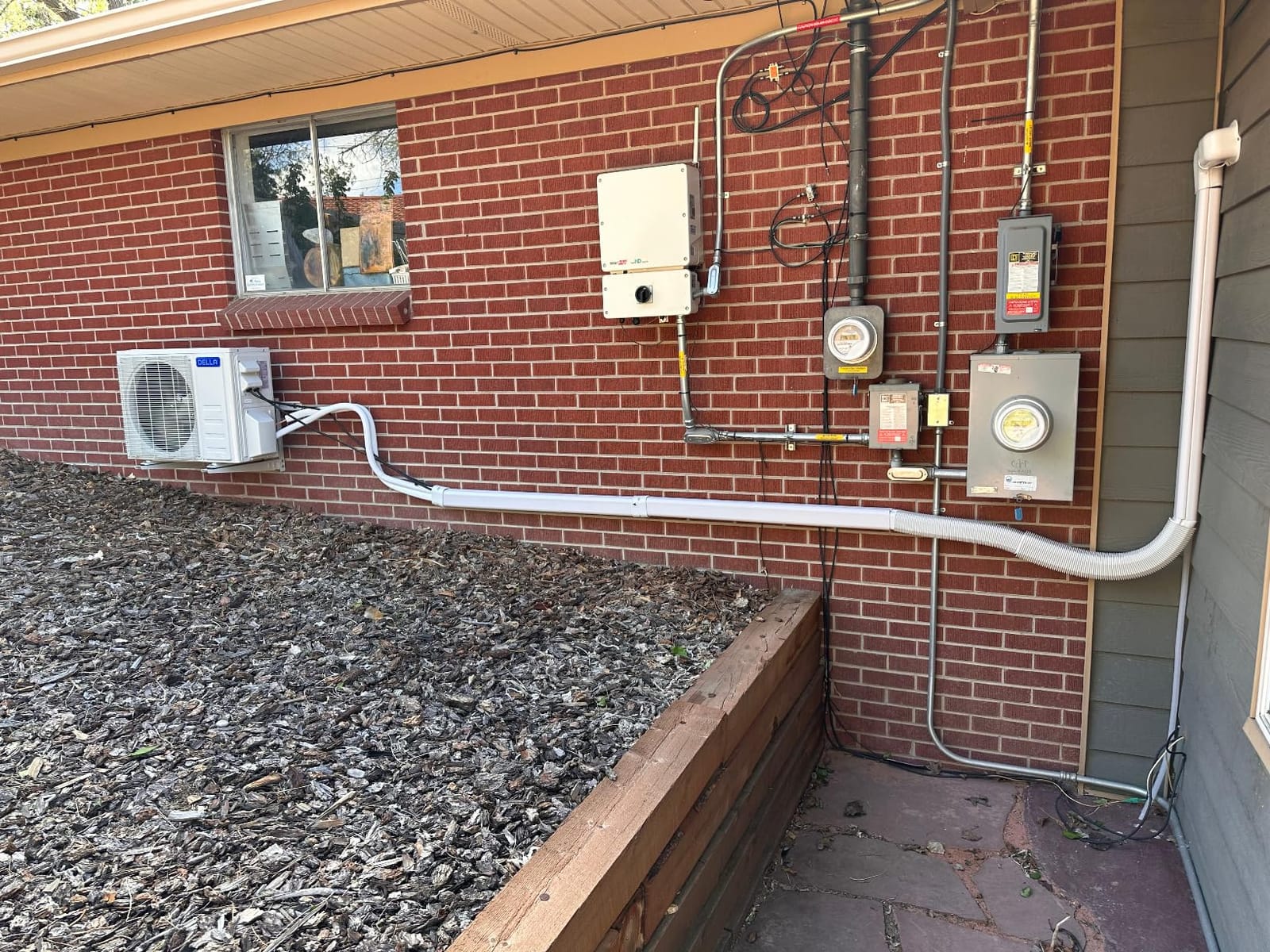
Owners putting these in cabins, RVs and outbuildings praise the low-temperature heating and the quiet indoor unit. If your garage needs usable heat on a January evening, a unit rated to 5F will run its compressor flat out and deliver almost nothing, so this rating is the whole argument.
The costs are real. A 230V circuit is the most involved electrical requirement in the roundup, this is the highest cost of the ten, and reviewers report the WiFi module needing a power cycle every few months plus a periodic rattle from the outdoor unit. Heating also weakens in the single digits despite the -13F label.
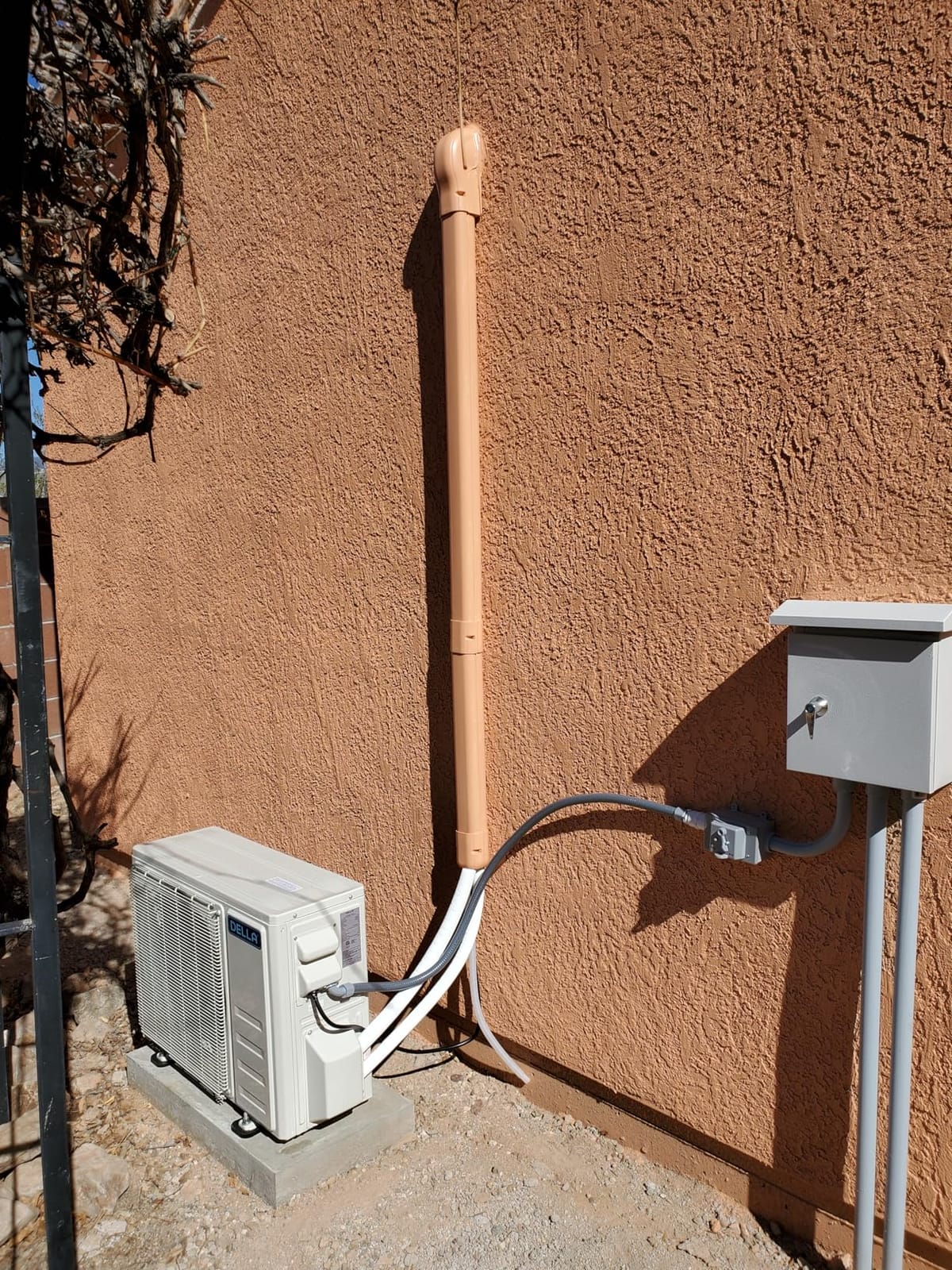
How low can a mini split heat before it stops working?
It depends entirely on the unit, and the ratings here span 5F, -4F and -13F. Below its rated floor a standard inverter heat pump loses capacity quickly because the outdoor coil freezes, and the compressor either shuts down or relies on repeated defrost cycles that cut output.
Rule of thumb: if your garage drops into the single digits regularly, choose a unit rated well below your expected low. Paying for cold-climate capability you never use is wasted money, and this is the one place where oversizing the cold-weather rating is correct.
When is 18,000 BTU the right size?
Two-plus-car bays, finished and insulated garages with high ceilings, and any space you want to hold a 68F setpoint through a July afternoon rather than merely make it survivable. It is also the practical answer when a 12,000 BTU unit is running nonstop and never reaching setpoint.
Just be aware of the code and panel limits people hit: many residential garage subpanels were built with a ceiling in mind, and a 1.5-ton 230V system on a 20-amp fuse is a real install to plan for before you buy the equipment.
9. Temprium 12,000 BTU – Quietest Mini Split for a Garage Gym
Temprium 12000 BTU Mini Split Air Conditioner, 115V 22 SEER2 AC & Heat Pump
12,000 BTU 1 ton
22 SEER2
115V
23 dB
780 watt draw
Pros
- 22 SEER2 efficiency with a 780 watt draw
- Lightest indoor and outdoor unit at 40.8 pounds
- 23 dB operation with sleep mode
- WiFi app plus Alexa and Google Assistant
- 133F self-cleaning coil and washable filter
Cons
- Only 165 reviews the smallest sample here
- Only a 1 year manufacturer warranty
- Professional installation still required
- 750 sq ft rating may fall short uninsulated
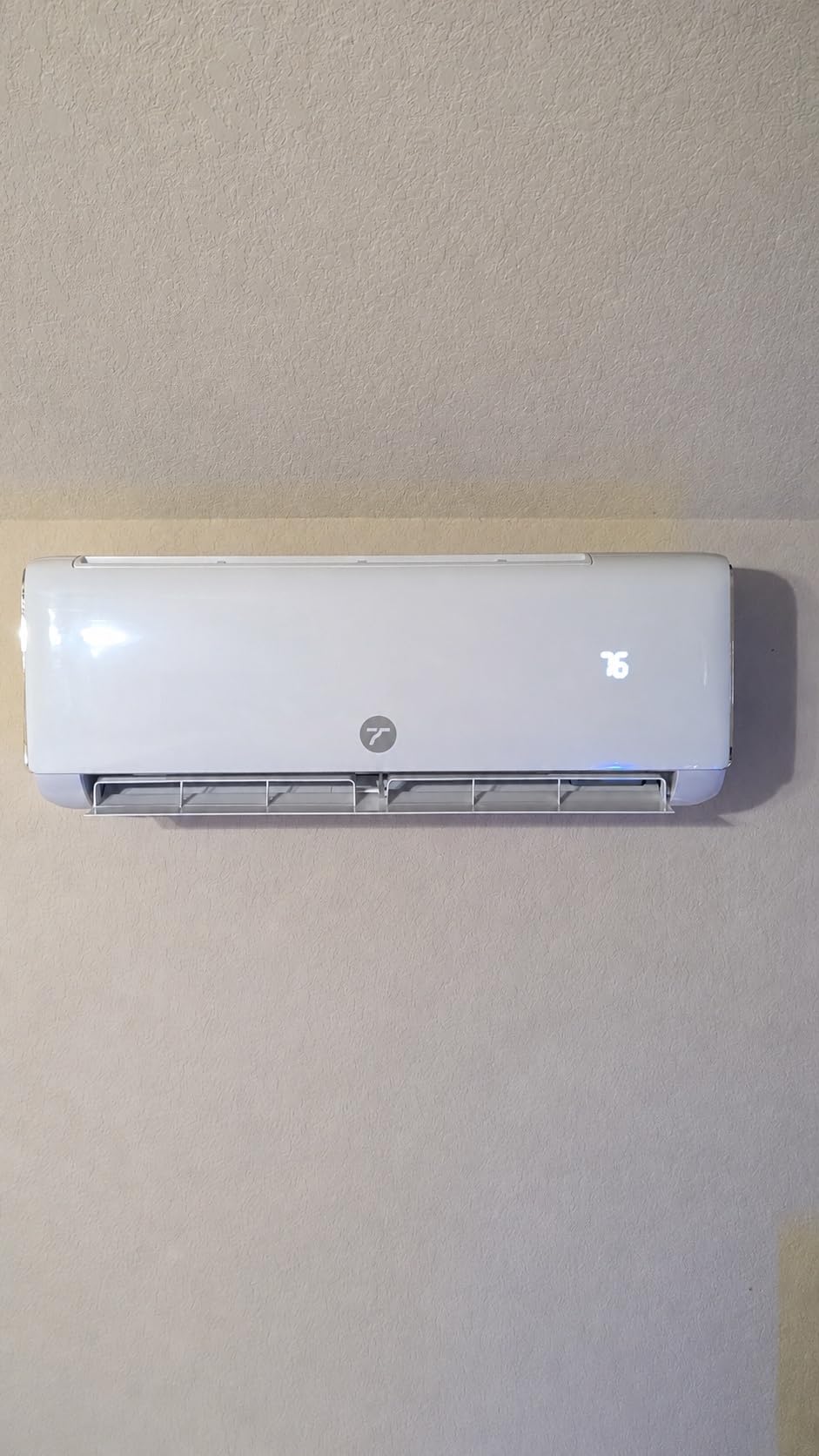
The Temprium is the pick when noise is the deciding factor, which is exactly the case in a garage gym or a space where you are trying to hear a podcast or talk over a rowing machine. At 23 dB with a dimmable display and sleep mode, it is the quietest indoor head we rated alongside the COSTWAY.
The efficiency numbers are the best in the 12,000 BTU class: 22 SEER2 on a DC inverter with R-32 refrigerant and a 780 watt draw, 12,300 BTU of heating, cooling to 122F and heating to 5F, and seven operating modes with seven fan speeds and 4D auto swing.
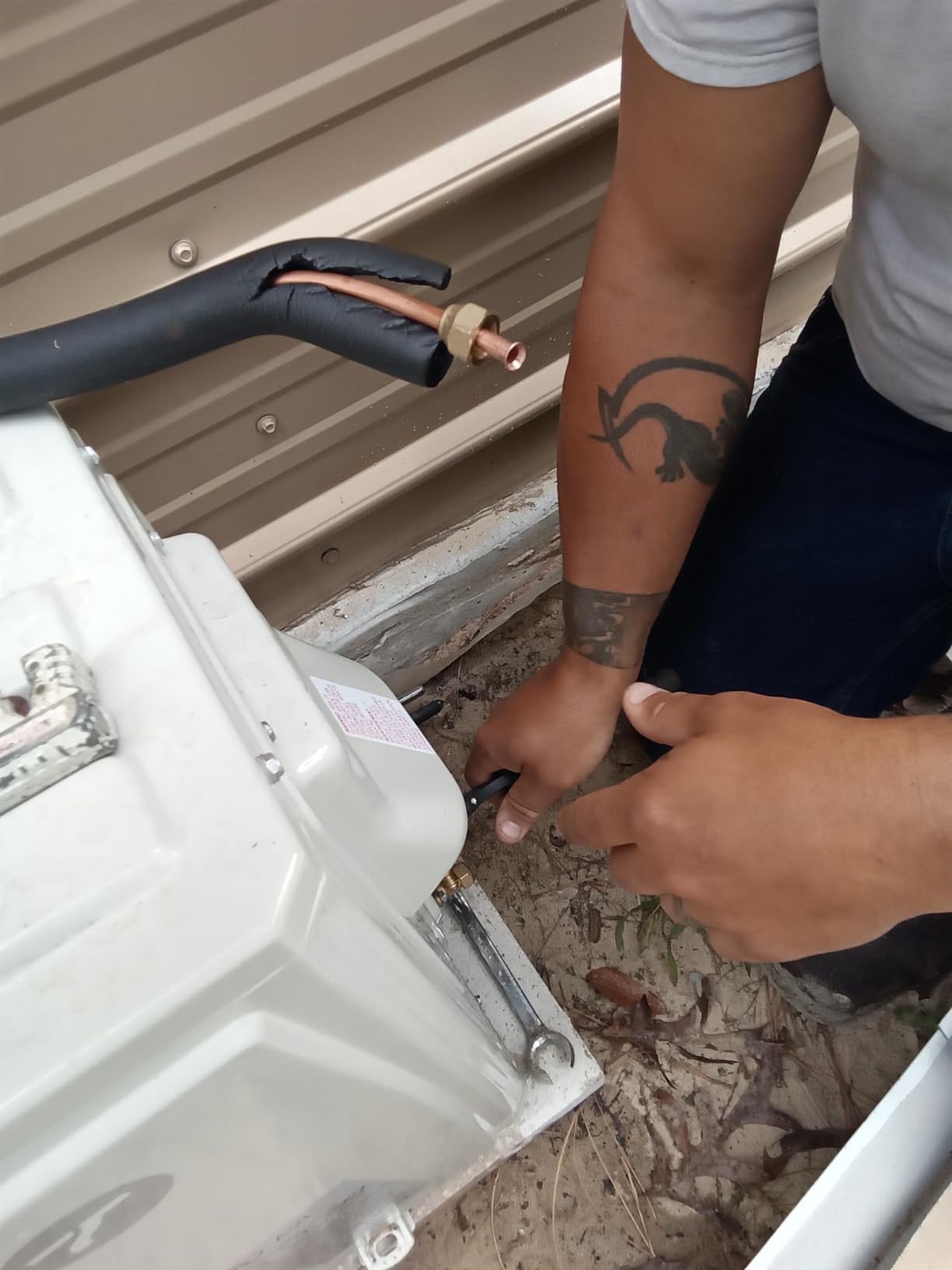
It is also the lightest system here at 40.8 pounds, which matters if the head goes high on a garage wall and your installer is working alone on a ladder. WiFi, Alexa and Google Assistant are all included, plus a backlit remote and a 133F self-cleaning function.
The caveat is thin history. With 165 reviews this is the smallest sample in the roundup, and the warranty is one year. The listing also names Garage and Addition as target room types, so the manufacturer clearly intends it for this use, but we would pair it with a licensed installer and keep expectations measured.
How many BTUs do I need to cool a garage gym?
For a typical two-car bay turned gym, a 12,000 BTU unit handles summer afternoons and holds a comfortable working temperature during a workout, provided the walls are insulated and the garage door is not in direct afternoon sun.
Heat from a body and a rubber matting floor adds to the load, so if you plan to run the space for hours with the door up, either insulate first or move up to 18,000 BTU. Nothing about the equipment makes up for a bare sun-heated garage door.
Is 115V enough power for a garage gym?
For a 1-ton unit, yes. The 780 watt draw is the lowest in this roundup, and 115V means no panel work beyond a dedicated 15-amp circuit. That is why most garage gym builds start with a 12,000 BTU 115V head rather than a 230V 1.5-ton system.
Check the local code and your panel before you commit, because many residential garage subpanels cap the branch circuit and that can limit what an inspector will sign off on.
10. Albott 12,000 BTU – Basic 115V Mini Split for a One-Car Garage
Albott 12,000 BTU Mini Split Air Conditioner and Heater SEER2 18, 115V
12,000 BTU 1 ton
SEER2 18
115V
750 sq ft
below 29 dB
Pros
- Entry level cost with WiFi and app control
- Quiet operation below 29 dB
- Operates from 5F to 122F
- 750 sq ft rating on a standard 115V circuit
- Self-cleaning function and removable filters
Cons
- SEER2 18 is the lowest efficiency among 12000 BTU units
- Lowest average rating at 4.1 stars
- Heaviest listed weight at 151 pounds
- Warranty terms conflict between sources
- No labor warranty
The Albott is the budget entry on this list, and it does the basic job: 12,000 BTU of cooling and heating, 750 square feet of rated coverage on a standard 115V circuit, and an operating range from 5F to 122F. If the garage is one car, insulated, and used in summer only, it is a defensible purchase.
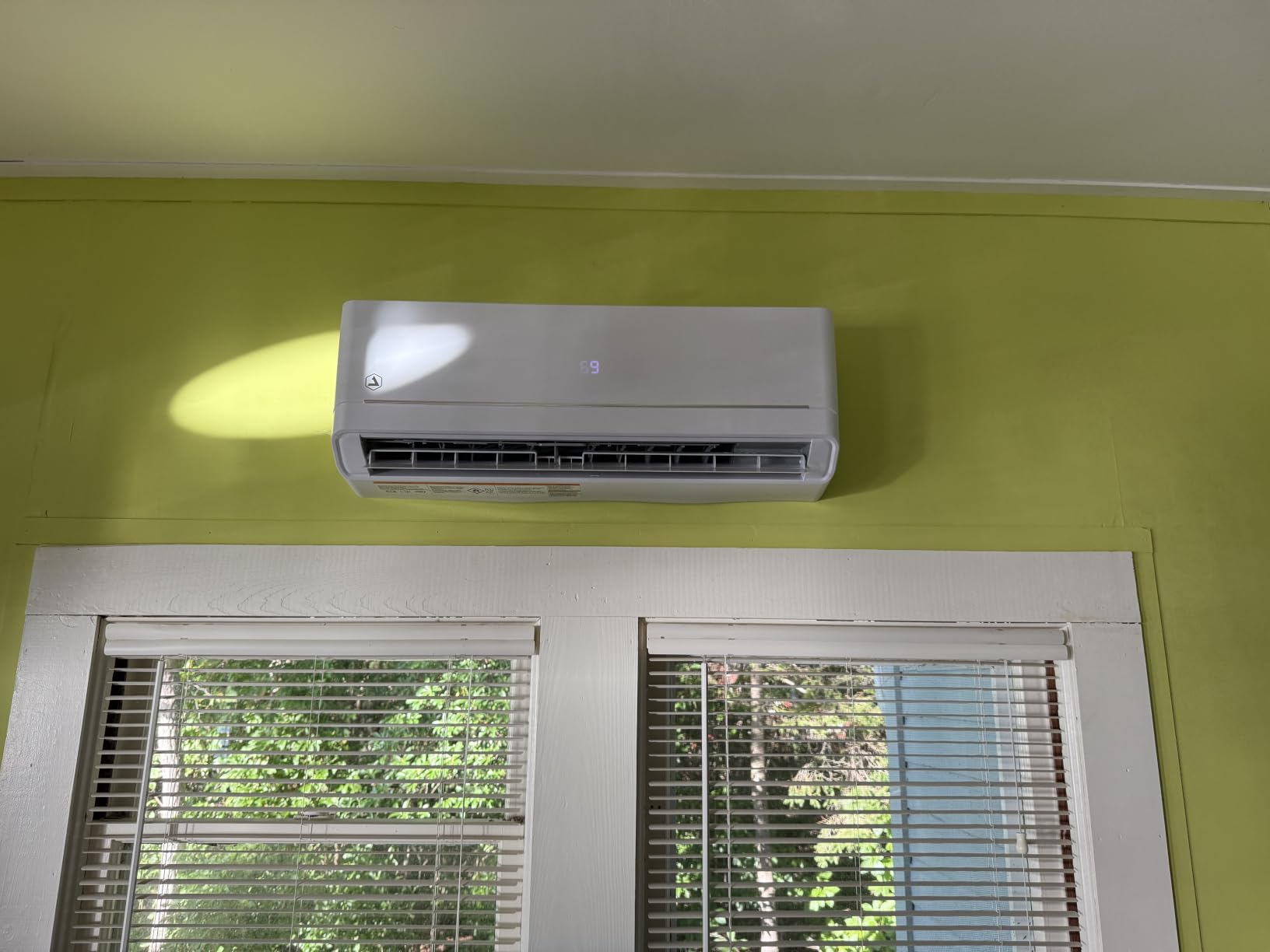
It is WiFi enabled with app and remote control, runs below 29 dB, and has a self-cleaning function with easily removable filters and a child lock. The 391 reviews include a number five category ranking, so there is a real installed base.
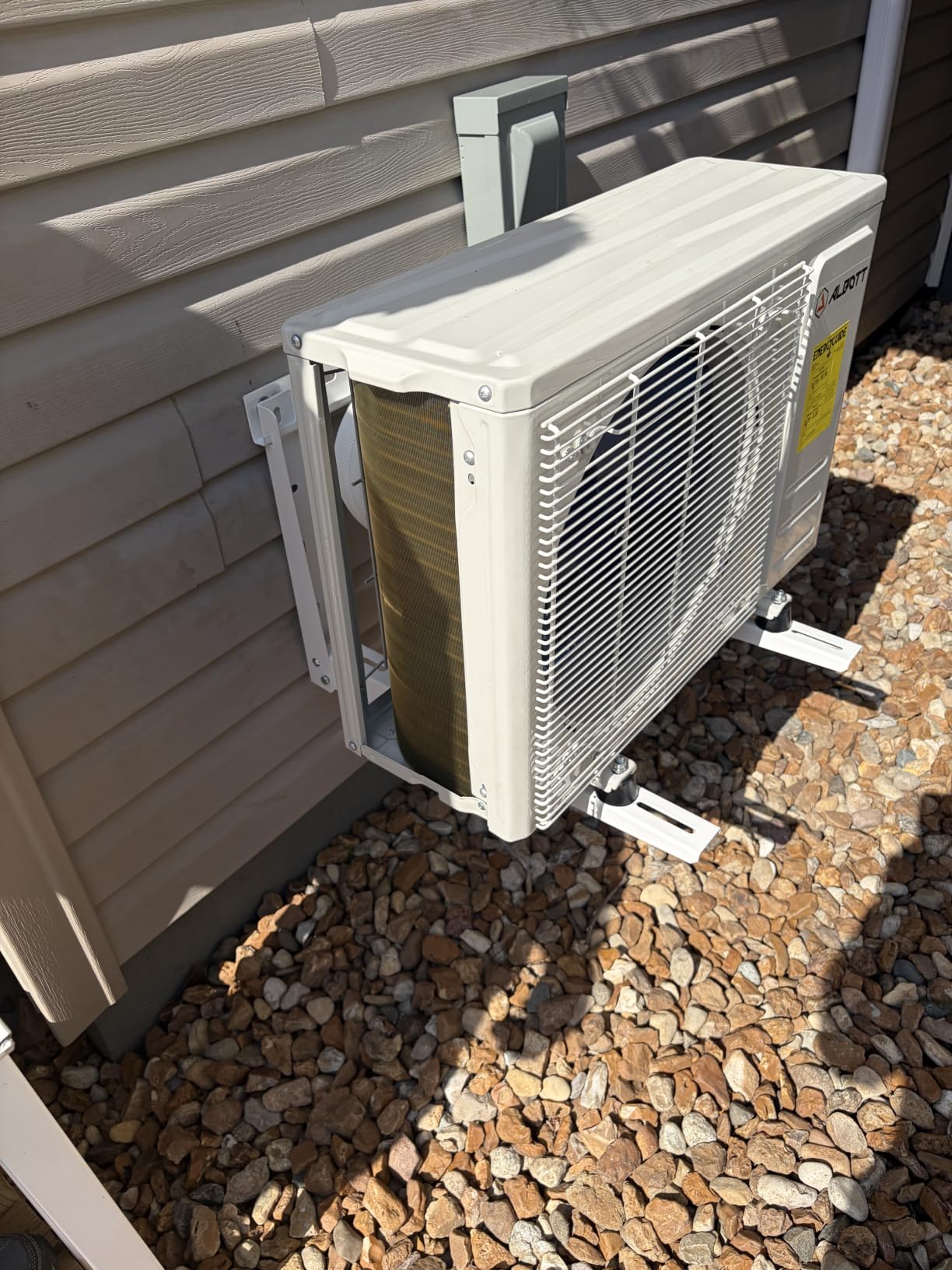
Where we would steer you elsewhere: it holds the lowest average rating in the roundup at 4.1 stars, with a 14 percent share of one-star reviews, the highest of any unit here. The efficiency of 18 SEER2 is also the lowest among the 12,000 BTU units on this list.
The warranty language is the other issue. The spec sheet says three years while the marketing copy cites a 5-year compressor and 7-year parts term, and there is no explicit labor coverage, which matters a great deal on an install-intensive product.
Is a cheap 12,000 BTU mini split worth it for a garage?
Sometimes. For a one-car garage that is already insulated and used a handful of days a week in summer, the operating cost difference between 18 and 22 SEER2 is small because the unit is not running long.
Where it stops making sense is a workshop with long summer days or a garage you want heated in winter. Then the low efficiency, the thinnest warranty in the group and the weakest review rating are all being asked to carry a bigger job than they can.
What should I compare before buying a budget mini split?
Start with the compressor warranty term and confirm it in writing, because the spec sheet and the product copy disagree more often than not at this price. Then look at whether the listing documents a proper pressure test and vacuum procedure in the install manual.
Finally, check the physical weight and the included line set length. A 151-pound pair of components on a wall mount is a two-person job, and a short included line set on a detached garage is a surprise cost waiting to happen.
What Size Mini Split Does Your Garage Need?
A two-car garage usually needs 12,000 BTU, and a one-car or finished room needs 9,000 to 12,000 BTU. Anything larger than a two-car bay, or one with a high ceiling, needs 18,000 BTU. Uninsulated garages and sun-facing garage doors push every one of those numbers up by a tier.
The way to think about it: a garage gains heat through every surface. A bare block or framed wall, a single-layer steel garage door and a 10 foot ceiling all load the system harder than the square footage suggests, and the square footage is the least useful of the four inputs.
Insulate the walls, add a rigid foam or insulated panel kit to the garage door, and seal the threshold before you size anything. Owners who did that first routinely ended up able to drop a tier, and it improves winter heating performance more than any equipment choice on this list.
As a rough starting point, a 9,000 BTU unit handles 400 to 500 square feet of insulated space, 12,000 BTU handles 550 to 750 square feet, and 18,000 BTU handles up to 1,000 square feet of finished or high-ceiling space. Uninsulated garages run smaller than those bands suggest.
Do You Need a 115V or 208-230V Circuit?
Eight of the ten systems in this roundup run on 115V, and only the two Della systems require a 208-230V dedicated circuit. That makes your electrical panel the first thing to check, because it can eliminate half the list before you compare anything else.
A 115V unit needs a dedicated 15-amp branch circuit and no panel work beyond adding a breaker. A 208-230V unit needs a heavier breaker and often a new subpanel, which is where most of the delay and cost in a garage install shows up. Owners on the forums describe that upgrade as the single biggest source of frustration.
Before you shop, open the garage panel and count the free breaker positions and the amperage of the main. If you are already near capacity, a 115V model like the Cooper and Hunter MIA or the COSTWAY gets you cooling this month instead of after an electrician and a permit.
If you are sizing the rest of the garage at the same time, our garage air compressor guide covers the electrical loads worth budgeting for, and power conditioner picks matter more than most people expect on a shared circuit.
Cold-Climate Heat Pumps for Winter Garages
A standard mini split runs its heat pump mode down to about 5F, and a cold-climate unit carries that to -4F or -13F. If your garage drops into the single digits in winter, the standard units will not keep up and you need one of the extended-range models.
Below its rated floor a ductless heat pump loses capacity fast, because the outdoor coil ices over and the system spends its time in defrost. That is the difference between a garage you can work in at 68F in January and one that matches the outdoors.
The 18,000 BTU Della Optima is rated to -13F and the 12,000 BTU Della Vario to -4F, which makes them the two picks in this roundup for genuinely cold garages. Everything else here is rated to 5F, which is fine for shoulder seasons and for a space where heat is a backup function rather than the main job.
Garage Prep to Do Before the Install Crew Arrives
Finish the construction first. Pricky dust from drywall work will clog a mini split filter and coat the indoor coil, and installers will not warranty a unit installed in an active construction space.
Insulate the walls and the garage door, then confirm the condenser location has clear airflow and a solid pad. The outdoor unit needs clearance on all sides and above, and putting it in a tight corner is the most common reason a unit runs hot and short-cycles.
Plan the condensate drain before install day. In a garage the drain line needs a route to a floor drain, a drain tile or an approved exterior discharge point, and that routing is frequently the part of the job that surprises owners on the invoice.
Finally, think about dust control and what else shares the space. If the garage doubles as a shop, our shop compressor picks and garage freezer roundup both add heat load worth accounting for before you settle on a size.
When a Mini Split Is the Wrong Choice for a Garage
A mini split is the wrong answer in a few real situations, and it saves money to recognize them early. If the garage is rented, you cannot drill an exterior wall or run a line set without written permission, and a window unit or a portable unit is the only legal path.
If the space is unfinished and full of construction dust, or if you only need it comfortable for four hours a week, the equipment will not earn its cost back. A portable or window unit covers occasional use for a fraction of the installed work.
And if your garage is uninsulated with a west-facing metal door, no amount of BTU solves it on its own. Insulate first, then size. That is the honest answer, even though it is not the one a product page wants to give you.
Frequently Asked Questions
Are mini split systems good for garages?
Yes. A ductless mini split needs no existing ductwork, drops real room temperature instead of recirculating hot air, and runs quietly enough for a workspace. The limitation is capacity: a bare, sun-exposed garage with a 10 foot ceiling loads a unit far harder than a bedroom of the same size, so insulation and correct BTU sizing matter more than in a normal room.
What is a good size mini split for a garage?
For a standard two-car garage, 12,000 BTU is the usual answer and is what most owners settle on. A one-car or finished room needs 9,000 to 12,000 BTU, and a two-plus-car bay, workshop or high-ceiling space needs 18,000 BTU. Uninsulated walls and a sun-facing garage door push every one of those numbers up by a tier.
Will a 12000 BTU mini split cool a two car garage?
Yes, in an insulated two-car garage with a normal ceiling height. If your walls are bare block or the garage door faces afternoon sun, a 12,000 BTU unit runs nearly continuously and may never reach setpoint. Insulate the walls and the door first, or size up to 18,000 BTU.
Do mini split systems need a 230V circuit?
It depends on the unit. Most 12,000 BTU systems in this roundup run on 115V and need only a dedicated 15-amp branch circuit. The larger 18,000 BTU and high-efficiency 230V systems need a 208-230V dedicated circuit and often a new subpanel, which is the biggest install cost and delay on a garage project.
Which brand of mini split is most reliable?
Reliability in this group tracks warranty length and installed base more than any single spec. The Senville LETO carries a five year parts and compressor warranty with more than 2,000 owner reviews, and the Cooper and Hunter MIA pairs a seven year compressor term with a 115V setup. The Della Vario and Della Optima add 23 SEER2 and extended cold-weather heating.
How cold is too cold for a mini split?
It depends on the unit’s rated minimum operating temperature, which ranges from 5F on standard models to -13F on cold-climate heat pumps. Below that floor the outdoor coil ices over and the system loses capacity fast, so if your garage drops into the single digits in winter, choose a unit rated well below your expected low.
Is MRCOOL DIY worth it for a garage?
It can be, but the pre-charged line set is the catch. Because the lines arrive full of refrigerant they cannot be shortened, so the included length has to match your run exactly or you pay to extend or replace the coil set. Owners also report that drilling through stucco or metal mesh was the hardest part of the install, and that poor workmanship can affect resale.
What mini split brands should you stay away from?
Rather than naming brands, vet the listing. Walk away from any seller who cannot confirm the compressor warranty in writing, who skips the pressure test and vacuum procedure in the install manual, or whose spec sheet and product copy give different warranty terms. Also check whether the line set insulation is taped or properly wrapped, and confirm the cooling capacity in square feet is stated.
Best Mini Split for Garages: The Verdict
For most people, the best mini split air conditioners for garages come down to three picks. The Senville LETO is the default recommendation: quiet, 110V, heats to 5F and backed by the largest owner base in the roundup. The COSTWAY 12,000 BTU is the value choice at 23 dB with a long compressor warranty. The Della Vario is the one to buy if the garage needs real heat and you have 208-230V available.
Match 12,000 BTU to a two-car garage and 18,000 BTU to anything larger, then choose the voltage your panel can already support. Insulate the walls and the garage door before you order, because a better insulated space lets you drop a size tier and pay far less. Updated for 2026, these are the ten worth your money.