
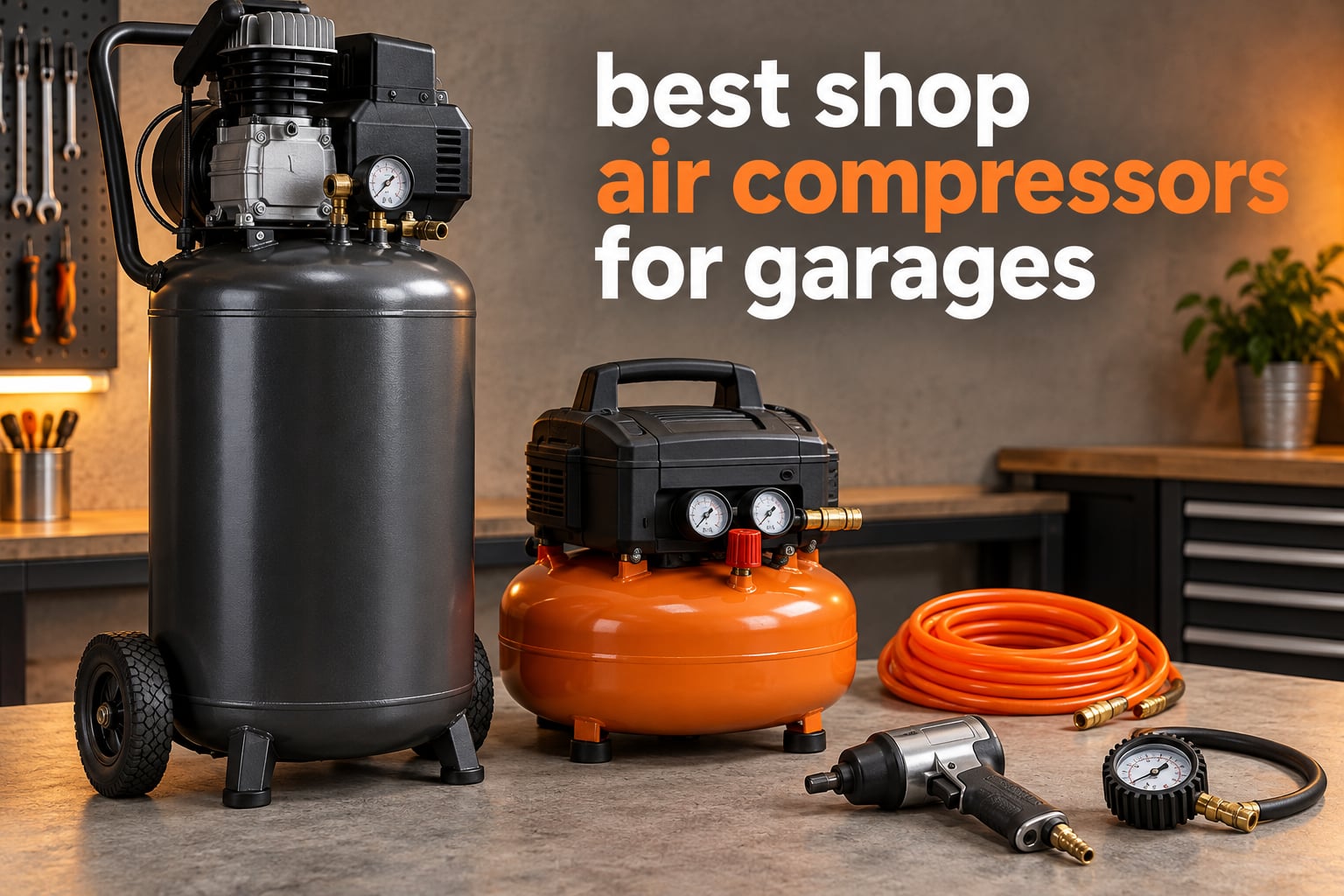
Most garage compressors are advertised with two numbers that tell a buyer very little: peak horsepower and CFM at 40 PSI. Neither tells you whether your impact wrench will stall halfway through a lug-nut job. The spec that decides performance is SCFM at 90 PSI, the sustained air a pump actually delivers at working pressure.
We spent weeks comparing the best shop air compressors for garages, cycling every tank, checking published flow figures against the fine print, and reading long-term owner reports about pumps that quit, tanks that rusted and switches that never actually broke the circuit. What follows is a roundup of 12 compressors that plug into a household outlet, with honest notes on who should skip each one.
If you want the short version first: a two-car garage doing occasional tire work and brad nailers wants roughly 4 CFM at 90 PSI and a 6 to 10 gallon tank. Running a 1/2 inch impact wrench across a full set of lug nuts regularly needs closer to 5 CFM at 90 PSI and 20 gallons. Continuous-draw tools such as random orbital sanders and spray guns need a 30 gallon tank or larger and a pump rated well above 8 CFM, which means a 240V circuit. Our longer breakdown of air compressors for home garages covers the sizing math in more depth.
Table of Contents
Top 3 Shop Air Compressors for Garages in 2026
What Size Air Compressor Do You Actually Need?
A shop air compressor stores air in a pressurized tank and refills it as you draw. The pump supplies sustained flow, the tank supplies burst capacity. If your tool demands more CFM than the pump delivers, the pressure sags and the tool slows no matter how big the tank is. If the tank is too small, you get the same stall because the reserve runs out before the pump catches up.
Most air tool manufacturers print a free-air consumption figure on the tool body or in the manual, measured at 90 PSI, which is why it is directly comparable to a compressor’s SCFM at 90 PSI. Add about 20 percent headroom. Here is what the common garage tools actually ask for:
Best Shop Air Compressors for Garages (October 2026)
1. Metabo HPT EC914S – Best Overall Shop Air Compressor for a Garage

Metabo HPT Portable Pancake Air Compressor, 6 Gallon 200 PSI, EC914S
6 gal tank, 200 PSI max, 4 CFM at 90 PSI, 41 lb, oil-free pump
Pros
- 200 PSI is unusually high for a pancake format
- 4 CFM at 90 PSI runs several nailers at once
- 42 lb class build is easy to carry between jobs
- Nails driven consistently flush
Cons
- 73 dBA is loud for an indoor shop
- 6 gallon tank cycles more often under sustained demand
- Single quick coupler limits two-tool work
The EC914S is a 6 gallon pancake with a 200 PSI ceiling, well above the 150 PSI most pancake pumps manage, and that headroom matters when a framing nailer pulls hard on a hot afternoon.
Published flow is 4 CFM at 90 PSI, enough to run two framing, two roofing, two siding, three finish or five brad nailers at once. At about 41 lb it is 22 percent lighter than the twin-stack units it competes with.
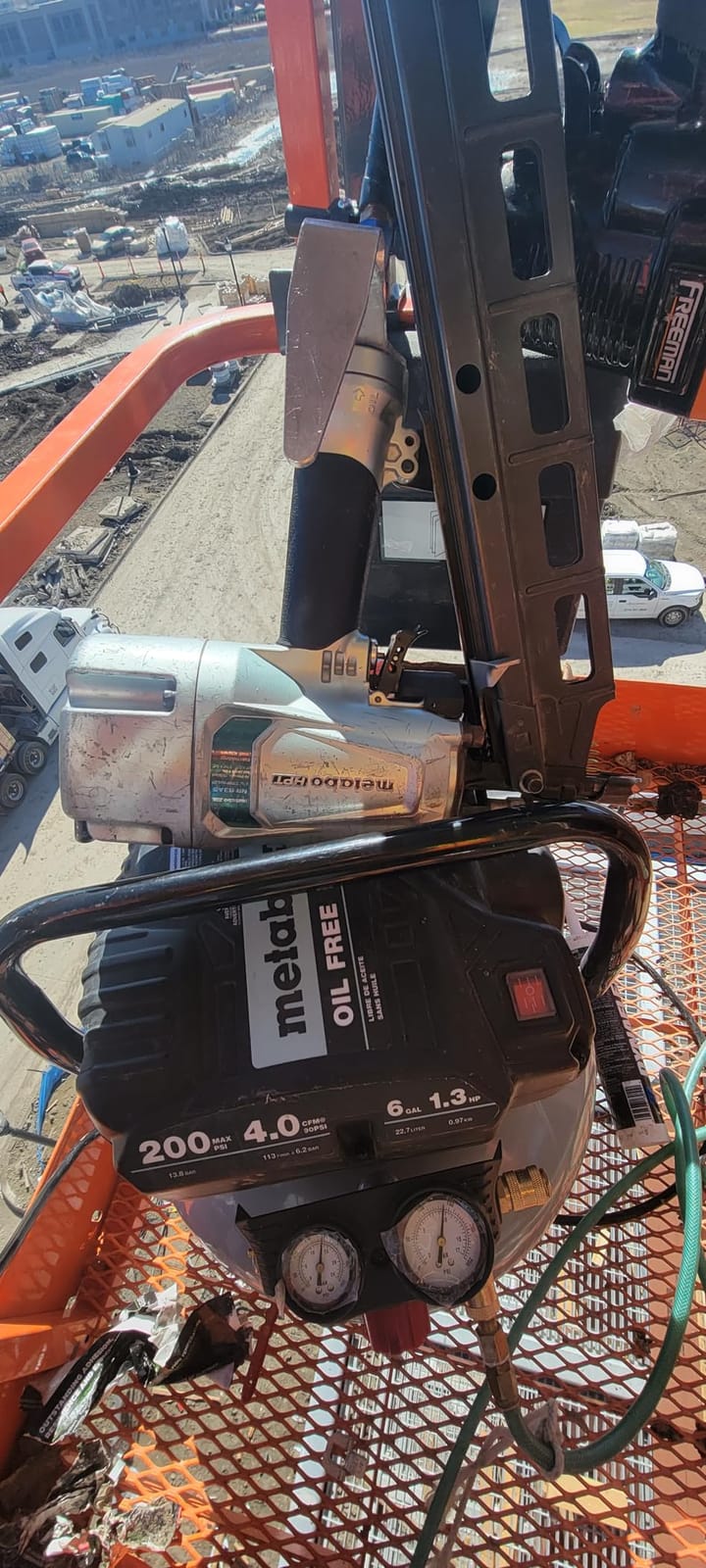
Owners report nails landing flush with no feed delays, and it holds a 4.5 star average across 1,480 reviews. The compromises are real: 73 dBA is loud indoors, and a single quick coupler means one tool at a time.
The 6 gallon tank also refills more often than any vertical here once you start pulling steady air, so treat it as a burst machine rather than a continuous one.
What 200 PSI Actually Buys You
More pressure at the tool, not more flow. The wider band between cut-in and cut-out delivers more air per fill cycle, which on ratcheting and inflating means fewer pauses between bursts.
Who Should Skip This Compressor
Skip it if your garage is attached to living space, or if you plan to run a sander or spray gun on a schedule. Six gallons and 4 CFM will keep you waiting between passes.
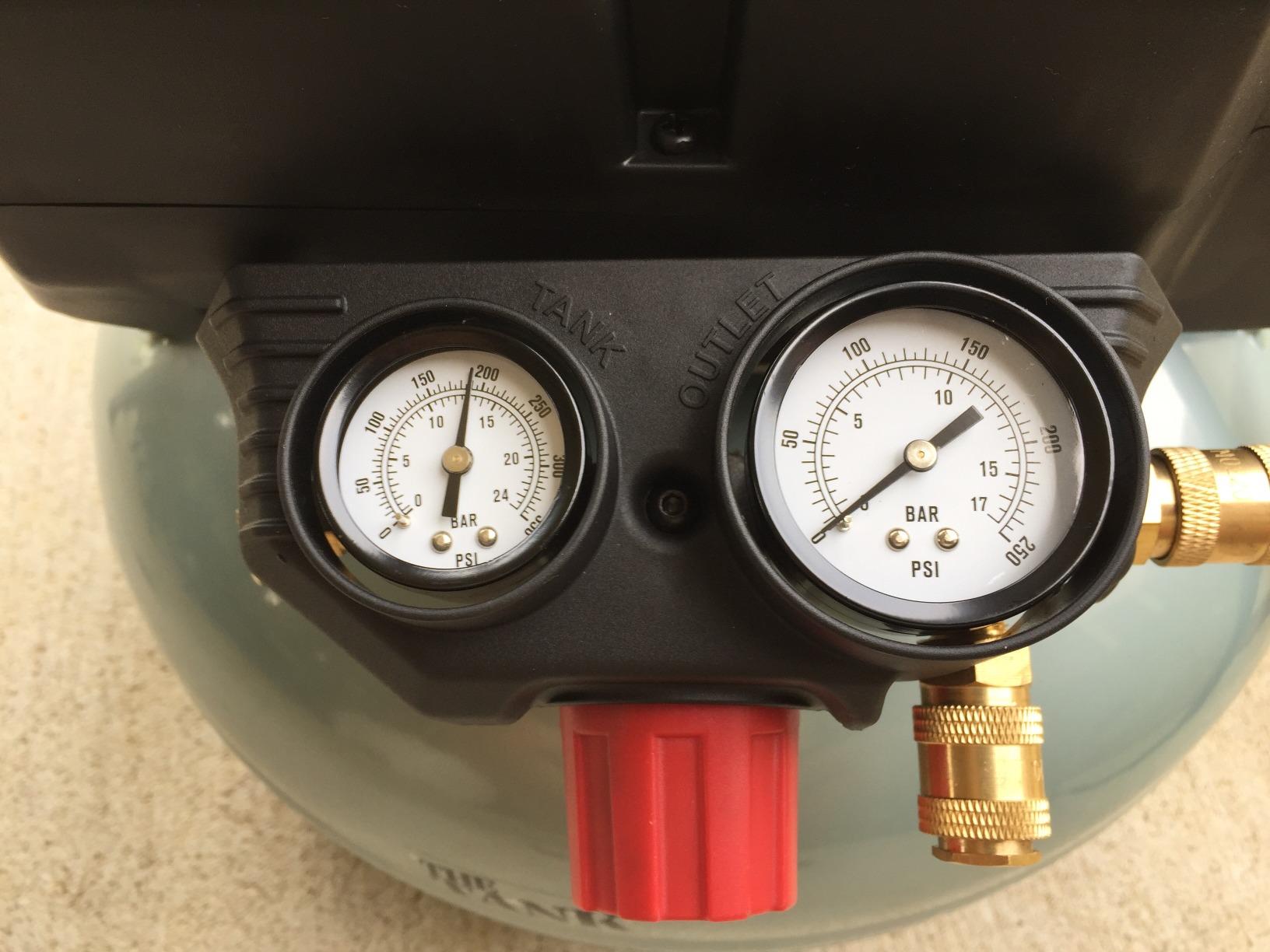
2. California Air Tools 10020C – Best 10-Gallon Vertical for General Shop Work

California Air Tools 10020C 2.0 HP Ultra Quiet and Oil-Free Air Compressor, 10 Gallon Steel Tank with Wheels, 70 dBA Noise Level
10 gal vertical, 5.3 CFM at 90 PSI, 70 dBA, 1680 RPM motor, oil-free
Pros
- Exceptionally quiet at 70 dBA with tools attached
- Low 1680 RPM motor reduces wear
- 10 gallon vertical tank gives real burst reserve
- Wheels and handle move 82.5 lb easily
Cons
- Not duty-cycle rated
- thermal cutout after 30 to 45 minutes nonstop
- 125 PSI max is low for the class
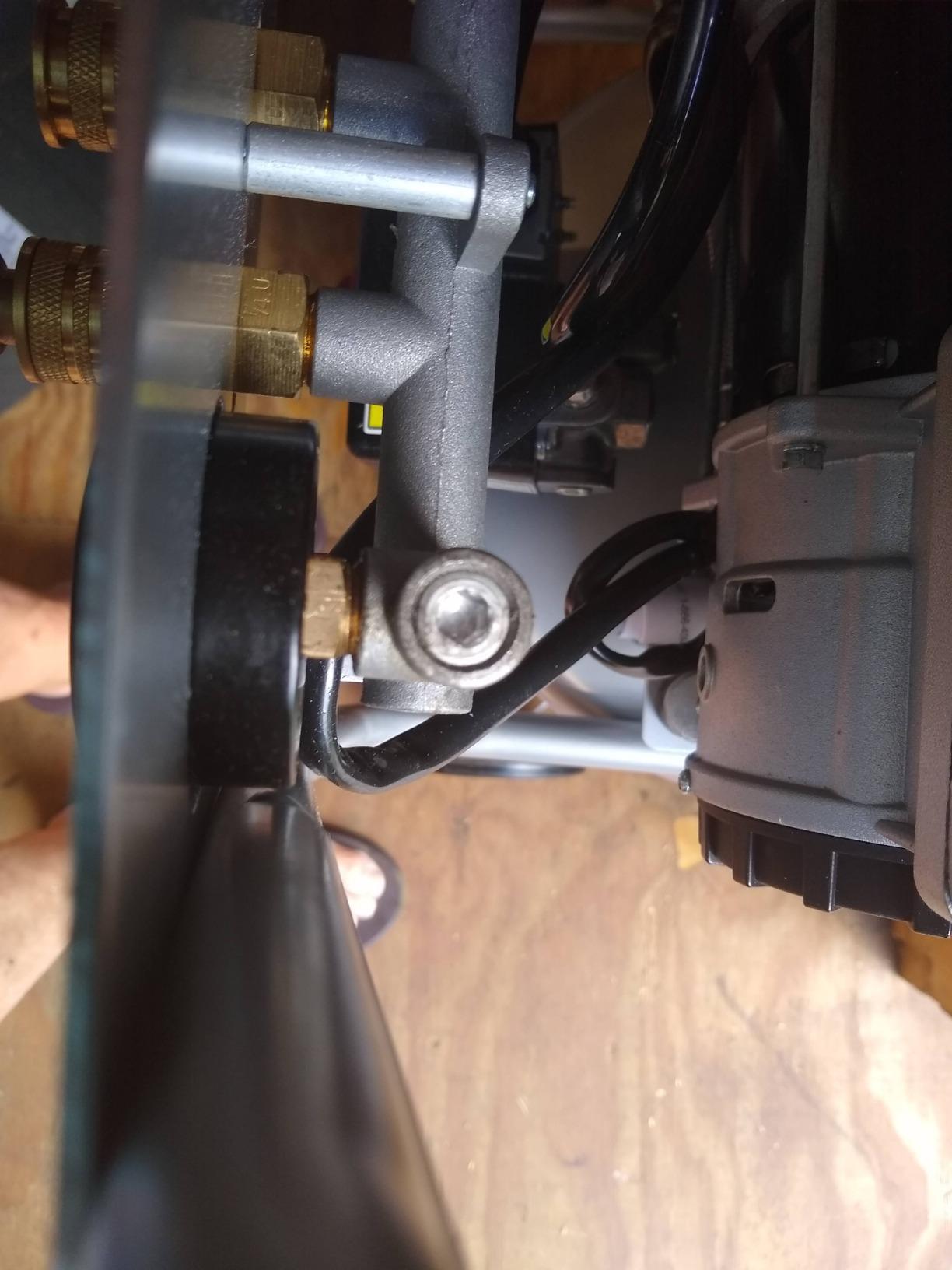
- Some long-term owners report a small pressure switch leak
The 10020C is a vertical 10 gallon unit with an oil-free dual piston pump turning a 2.0 HP motor at only 1680 RPM, delivering 5.3 CFM at 90 PSI. That flow puts it ahead of every pancake in this roundup.
At 16 by 15.1 by 35.9 inches it takes about the footprint of a large chest freezer, and at 82.5 lb with wheels and a handle it moves without being a workout.
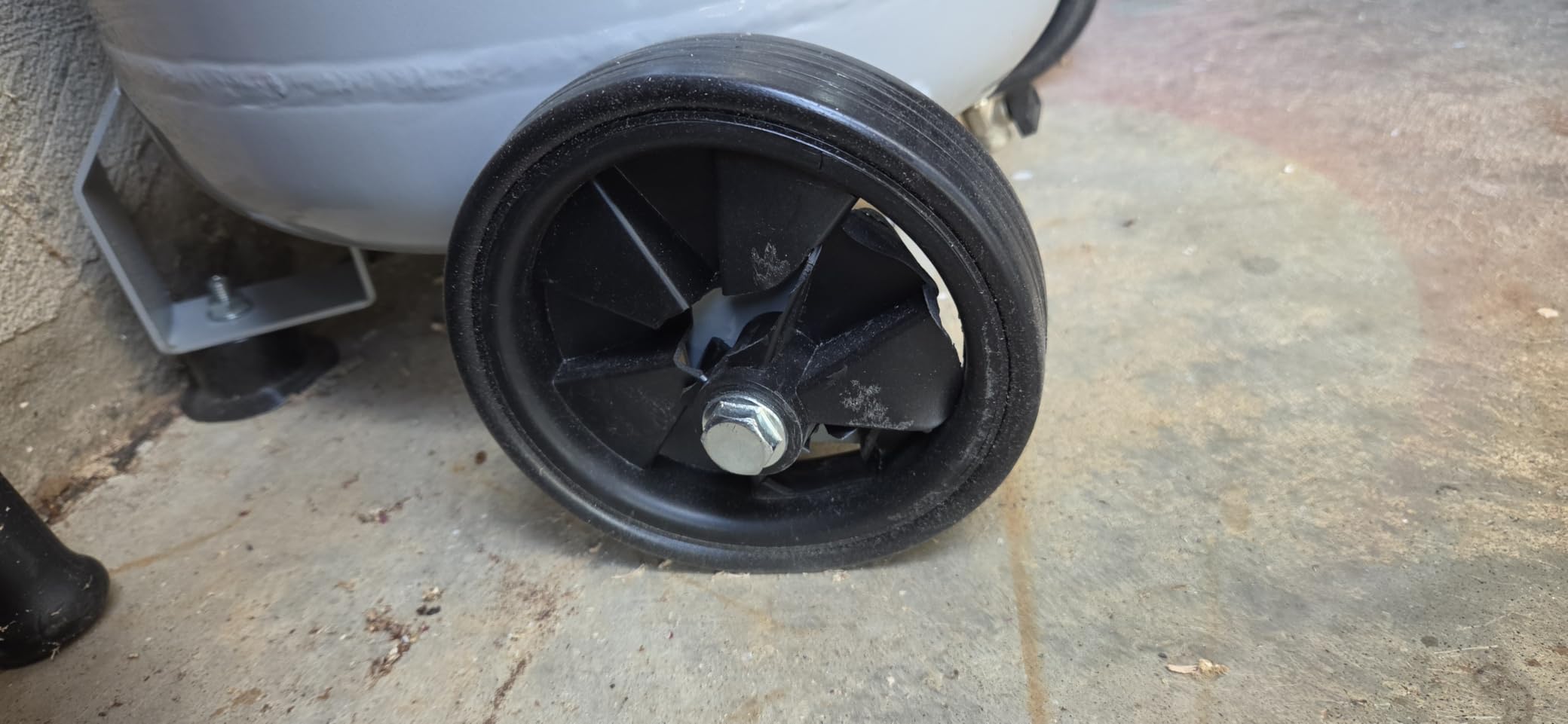
It is not a continuous-duty machine and buyers should treat it that way. Long-term owners report the thermal cutout tripping after roughly 30 to 45 minutes of nonstop running, and a few report cut-in pressure below the advertised 125 PSI or a small pressure switch leak after extended use.
The wheel assembly instructions also reference washers that were not in the box. Budget ten minutes at assembly and the unit otherwise performs as advertised for weekend work.
Why the Motor RPM Matters
A 1680 RPM motor moves far less air per cycle than a typical 3400 RPM motor, which means fewer pressure pulses, less clatter and less bearing and piston wear over the life of the pump.
Who Should Skip This Compressor
Skip it for sandblasting, powder coating or long continuous spraying, where a duty-cycle cutout stops you mid-job. Also skip it if you need more than 125 PSI or a 1 inch impact wrench.
3. California Air Tools 8010A – Top Rated Compressor in the Roundup

California Air Tools 8010A 1.0 HP Ultra Quiet and Oil-Free Air Compressor, 8 Gallon Aluminum Tank, Lightweight with Wheels, 60 dBA Noise Level
8 gal aluminum tank, 2.2 CFM at 90 PSI, 60 dBA, 1.0 HP at 1680 RPM, 37 lb
Pros
- Quietest unit here at 60 dBA
- Only 37.3 lb of the two 8 gallon options
- Aluminum tank resists corrosion
- 165 second fill and 60 second recovery
Cons
- Only 2.2 CFM at 90 PSI limits heavy tools
- 120 PSI max is the lowest here
- 8 gallon capacity limits long continuous tasks
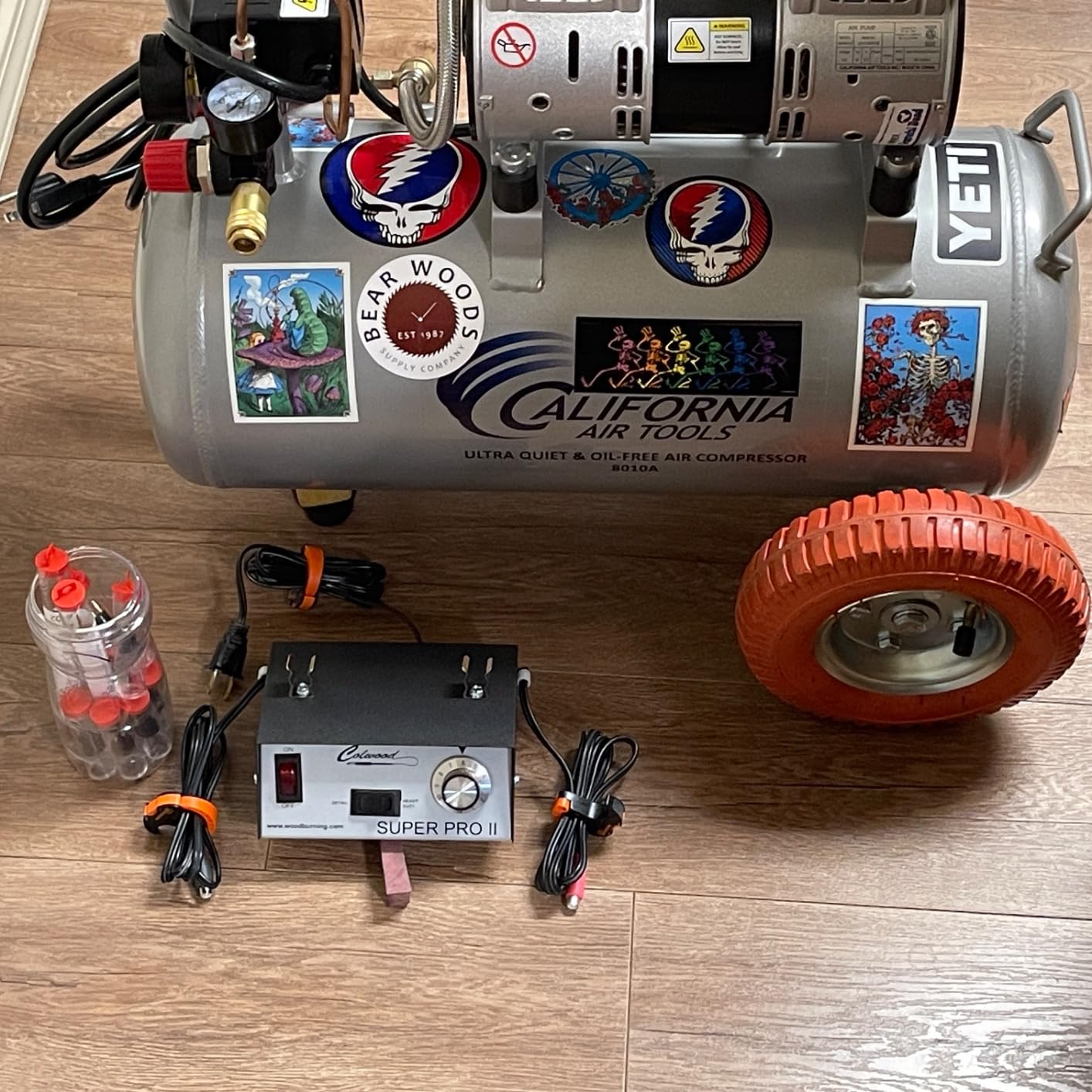
At 4.7 stars across 1,115 reviews with 84 percent five-star ratings, the 8010A matches the highest score in the group. Owners describe the 60 dBA figure as genuinely surprising, and in an attached garage that is the deciding number.
It is also easy to carry. At 37.3 lb with an aluminum tank you can lift it into a car without planning the lift, and recovery from 90 to 120 PSI takes about 60 seconds.
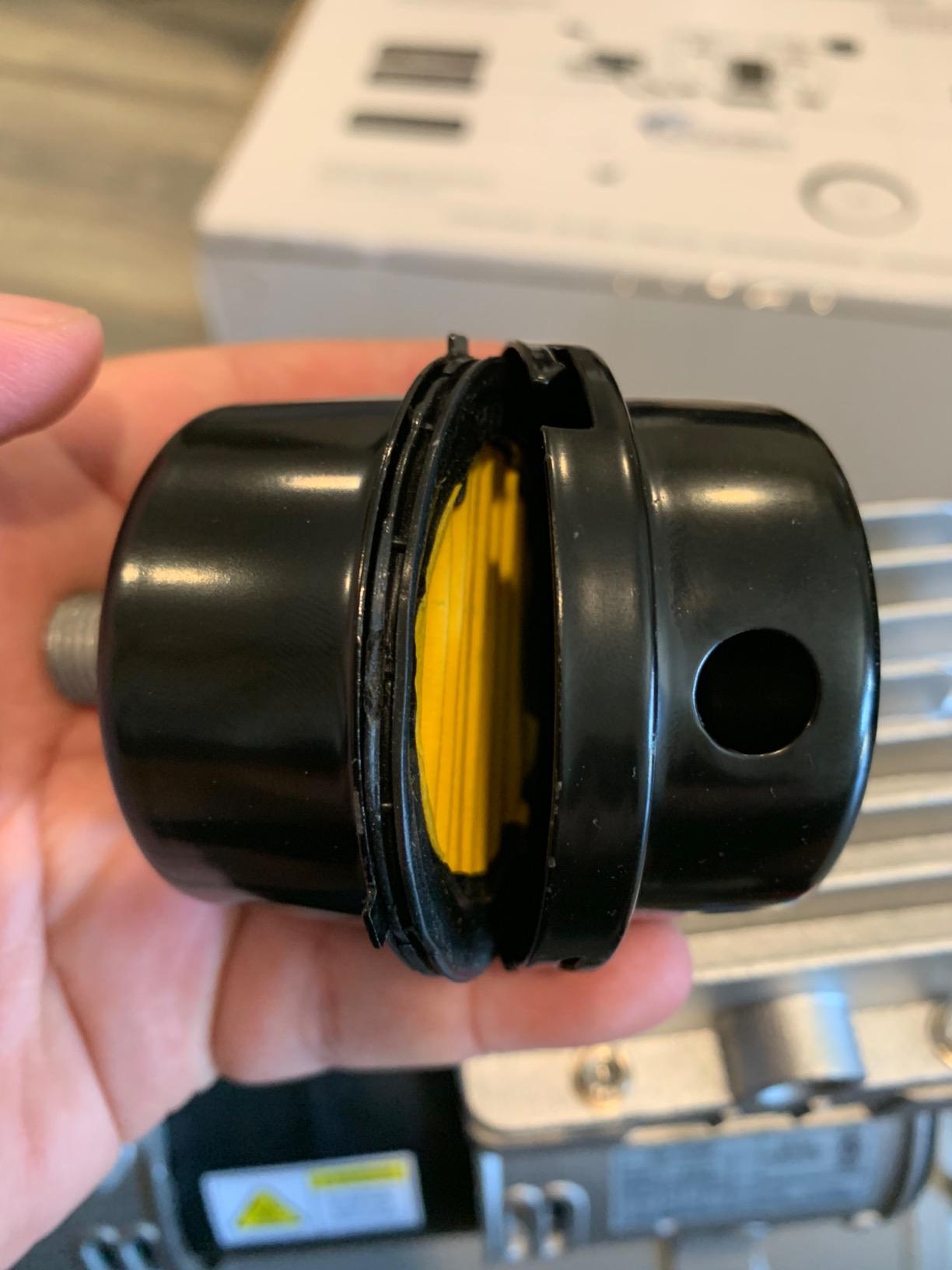
The limit is flow. 2.2 CFM at 90 PSI suits finish guns, inflators, blow guns, air ratchets and light pneumatic work. It will not sustain a sander, a cut-off wheel or a 1/2 inch impact wrench on consecutive fasteners, and 120 PSI max is the lowest ceiling here.
Aluminum Versus Steel Tanks
The aluminum tank is roughly half the weight of a comparable steel tank and resists internal corrosion, which is why this unit often outlives cheaper steel pancakes of the same age in the same damp garage.
Who Should Skip This Compressor
Skip it if your most demanding tool is a 1/2 inch impact, a sander or a spray gun. It suits a quiet garage doing inflators, blow guns, brad nailers and small pneumatic fittings, not a shop floor.
4. Klutch 20-Gallon Vertical – Large Tank on a Standard 120V Outlet

Klutch 20-Gallon Air Compressor, 2 HP, 120V, 175 PSI, 4.2 SCFM at 90 PSI
20 gal vertical, 175 PSI max, 4.2 SCFM at 90 PSI, 2.0 HP on 120V, oil-free
Pros
- 20 gallon vertical stores plenty of reserve
- 2.0 HP runs on standard 120V so no wiring work
- Vertical footprint saves floor space
- Dual couplers run two tools
- 75 percent duty cycle rating
Cons
- 80 dBA is loud in a small garage
- Some owners report a slow initial tank fill
- Published SCFM figures considered optimistic by a few
- One detailed report describes an internally bypassed power switch
The Klutch pairs a 20 gallon vertical tank with 175 PSI maximum, 4.2 SCFM at 90 PSI, a 75 percent duty cycle rating and a 2.0 HP motor running on ordinary 14 amp household power. You get a tank size normally associated with dedicated circuits without the electrician visit.
Owners report the tank holding pressure for extended periods, and the 19.1 by 17.5 by 41.5 inch vertical footprint works in a standard single-car bay. Large rubber wheels, an ergonomic handle and vibration-damping feet make it stable and movable.
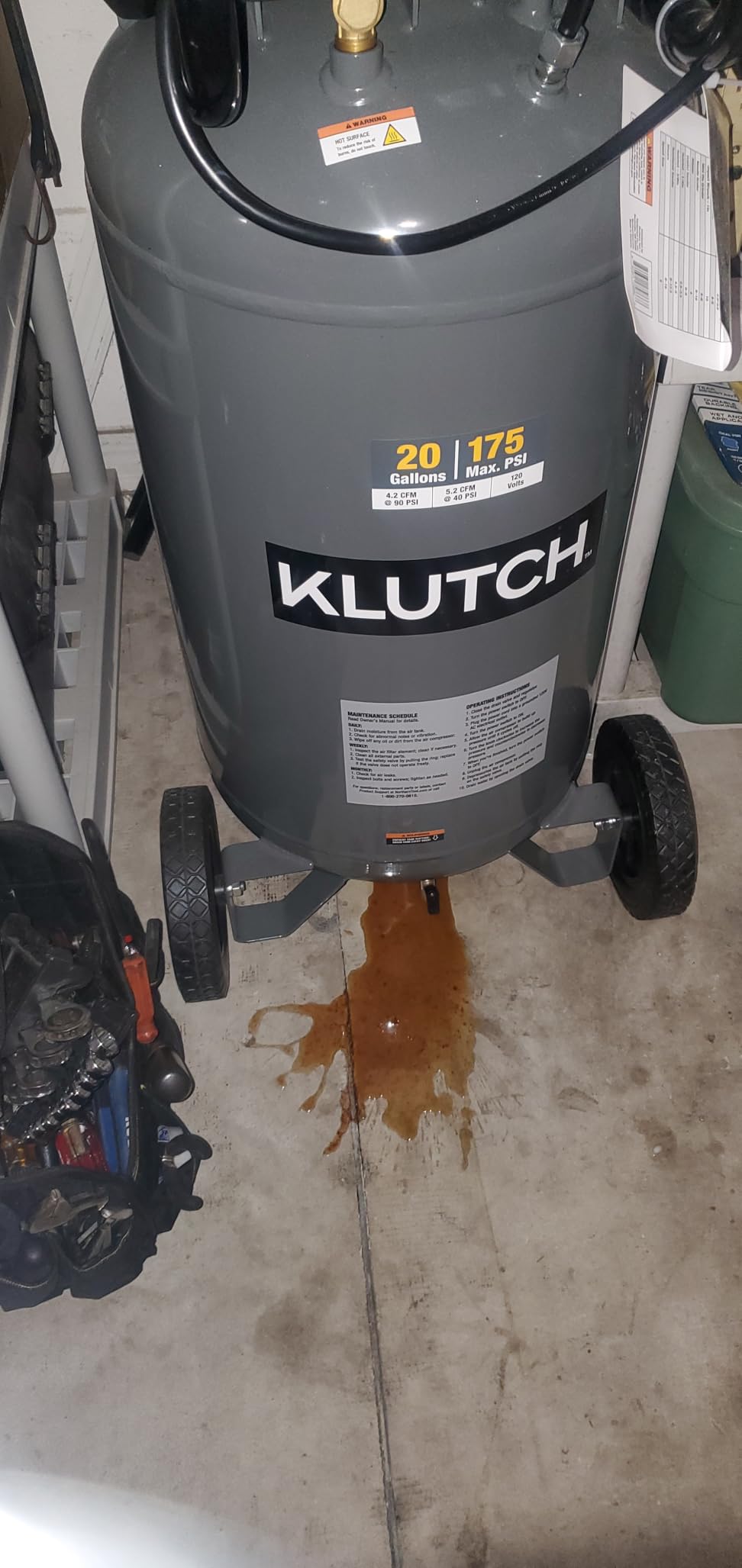
There is one item we would verify before first use. A detailed owner report describes the power switch being internally bypassed, leaving the compressor energized regardless of switch position. We cannot confirm how widespread this is, but on a unit drawing this much current it is worth testing that the switch breaks power before you plan a session around it.
At 80 dBA it is loud in a small garage, and a few users consider the published SCFM optimistic.
Duty Cycle and What 75 Percent Means
Duty cycle is the share of a one-hour window the pump may run without being treated as a misuse, so 75 percent means 45 minutes on and 15 off. Higher ratings generally reflect better motor and pump cooling, which matters for anyone running a sander or cut-off wheel for extended periods.
Who Should Skip This Compressor
Skip it if noise is a factor, if you need more than about 4 CFM of continuous flow, or if sustained spraying is part of your work. It suits bursty automotive jobs on 120V where tank size matters more than pump capacity.
5. Limodot LJ5120K – Best Small Compressor With a Full Accessory Kit

Quiet Oil-Free Air Compressor, 68 dB, 2.8 CFM @ 90 PSI, 5 Gallon Air Tank
5 gal tank, 2.8 CFM at 90 PSI, 68 dB induction motor, 120 PSI max, hose and kit included
Pros
- 68 dB induction motor runs indoors
- 25 ft PVC hose and 13 piece accessory kit included
- 80 second full refill and 25 second recovery
- Wheel kit included
- Cold weather start reliability
Cons
- 5 gallon tank is the smallest capacity here
- 120 PSI max is low against 175 to 200 PSI rivals
- Included PVC hose is less durable than rubber
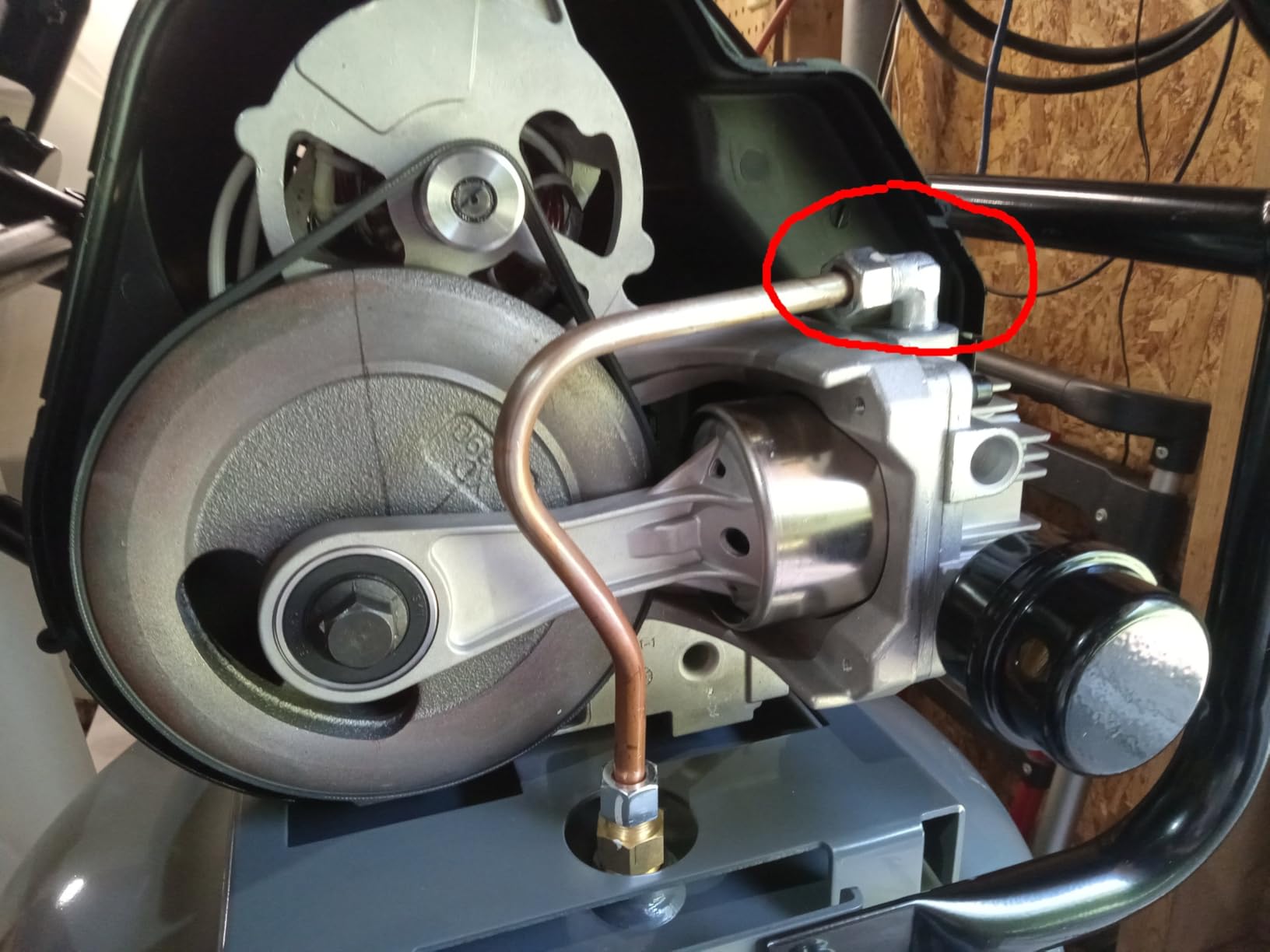
Most compressors at this level ship with a bare tank and a fitting you will immediately replace. The Limodot ships with a 25 foot PVC hose, a 13 piece accessory kit and a wheel kit, removing the most annoying first-week purchases.
The pump is a 1.2 HP induction motor at 3400 RPM producing 2.8 CFM at 90 PSI and 4 CFM at 40 PSI, with a 120 PSI ceiling. Refill from empty takes about 80 seconds and recovery about 25 seconds, which keeps short jobs moving.
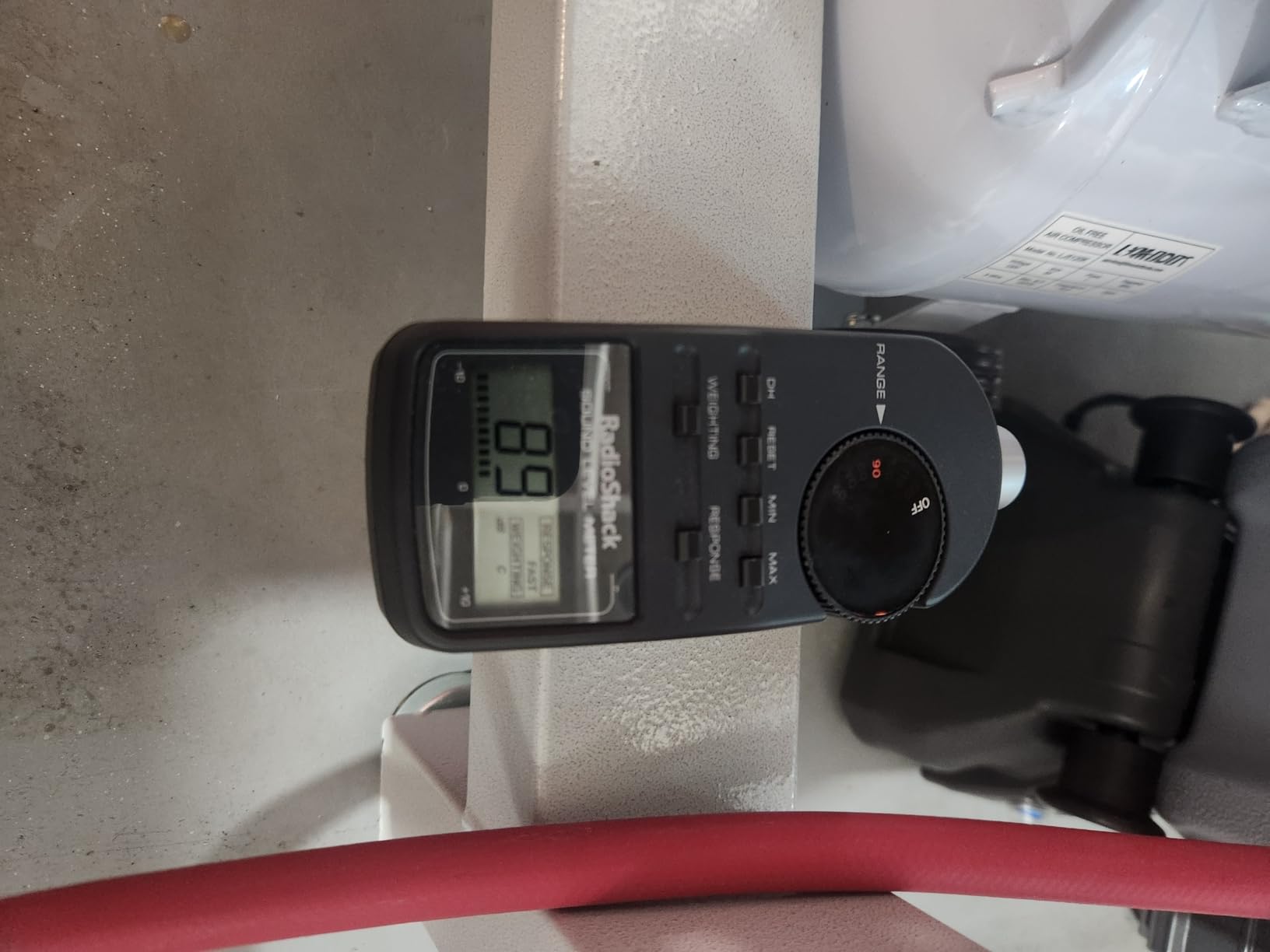
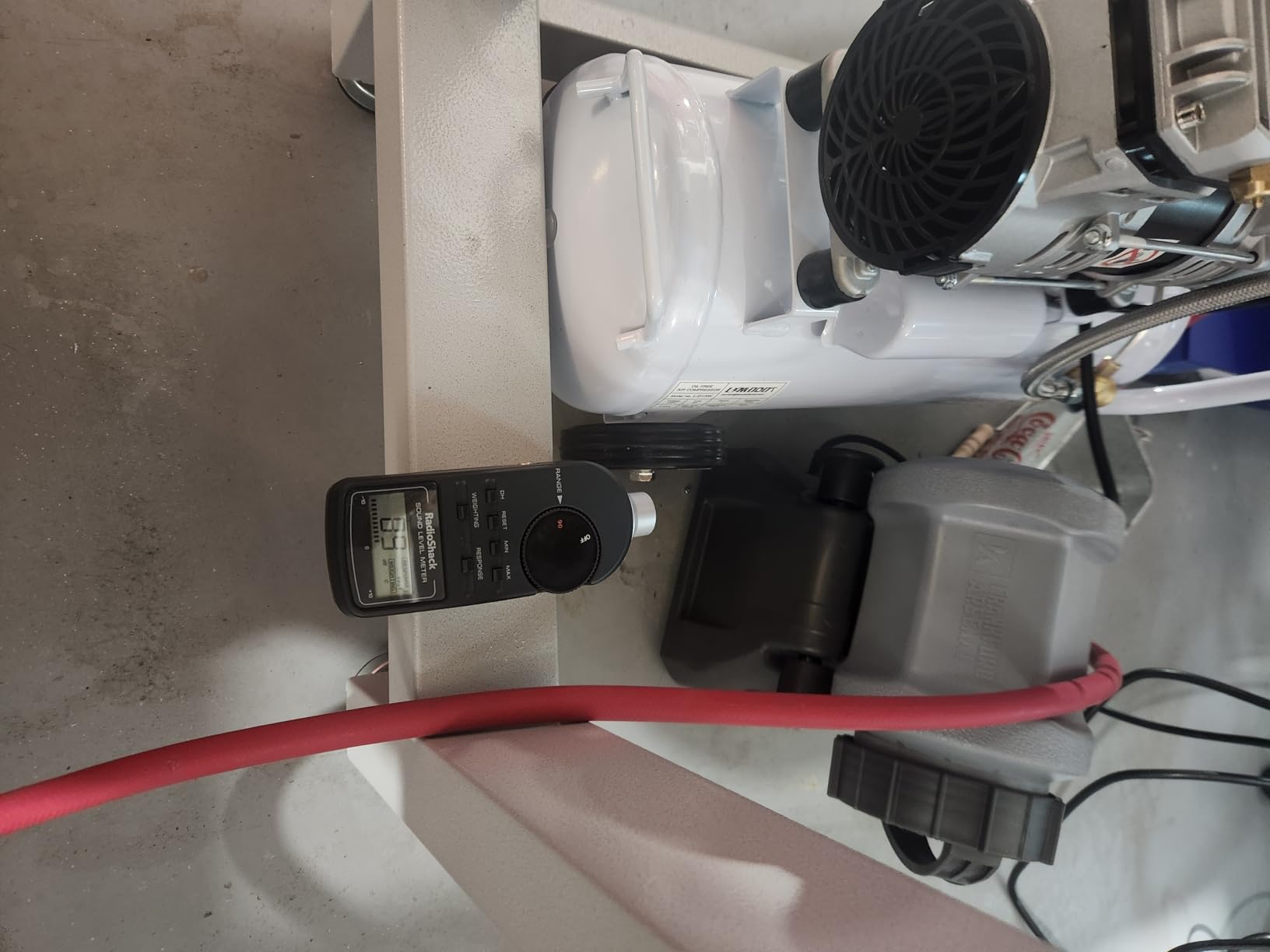
Its 68 dBA induction motor is quiet enough to run indoors, and the oil-free design starts reliably in cold conditions. Owners rate it 4.5 stars across 925 reviews, with 79 percent five-star.
Limits are predictable: 5 gallons is the smallest tank here, 120 PSI is low, and PVC hose ages faster than rubber.
Why the Accessory Bundle Changes the Math
A compressor without couplers, a regulator, a hose and adapters means a hardware store trip before any work happens. Just replace the bundled hose within a couple of years rather than treating it as permanent plumbing.
Who Should Skip This Compressor
Skip it if you plan to run impact wrenches, sanders or spray guns. Five gallons and 2.8 CFM at 90 PSI is light pneumatic territory, suited to an apartment or condo garage where noise and simplicity matter more than flow.
6. ECOMAX 6-Gallon Pancake – Best Budget Pick for Nailing and Inflation

ECOMAX Air Compressor 6 Gallon 150 PSI Pancake Portable Oil-free Tank with 10 PCS Accessories Kit
6 gal pancake, 150 PSI max, 3 CFM at 90 PSI, 34.17 lb, dual couplers
Pros
- 4.7 stars with only 1 percent one-star ratings
- Best sales rank among portable compressors here
- Dual quick couplers run two tools
- Cold weather and low voltage start
- 10 piece kit plus 25 ft hose
Cons
- 75 dBA is too loud for indoor or close quarters
- 6 gallon tank is small for continuous duty
- Airflow listed in non-standard units making comparison hard
The ECOMAX has one of the cleanest rating distributions we found: 4.7 stars across 316 reviews, 81 percent five-star and 1 percent one-star. It also ranks fifth in its portable compressor sales category.
Specs are modest and honest for the class: 1.5 HP, 150 PSI max, 3 CFM at 90 PSI, 6 gallon tank, 34.17 lb with a flip-up carry handle. Dual quick couplers and dual gauges mean two tools can connect at once, and the low-voltage and cold-weather start is a genuine plus in an unheated garage.
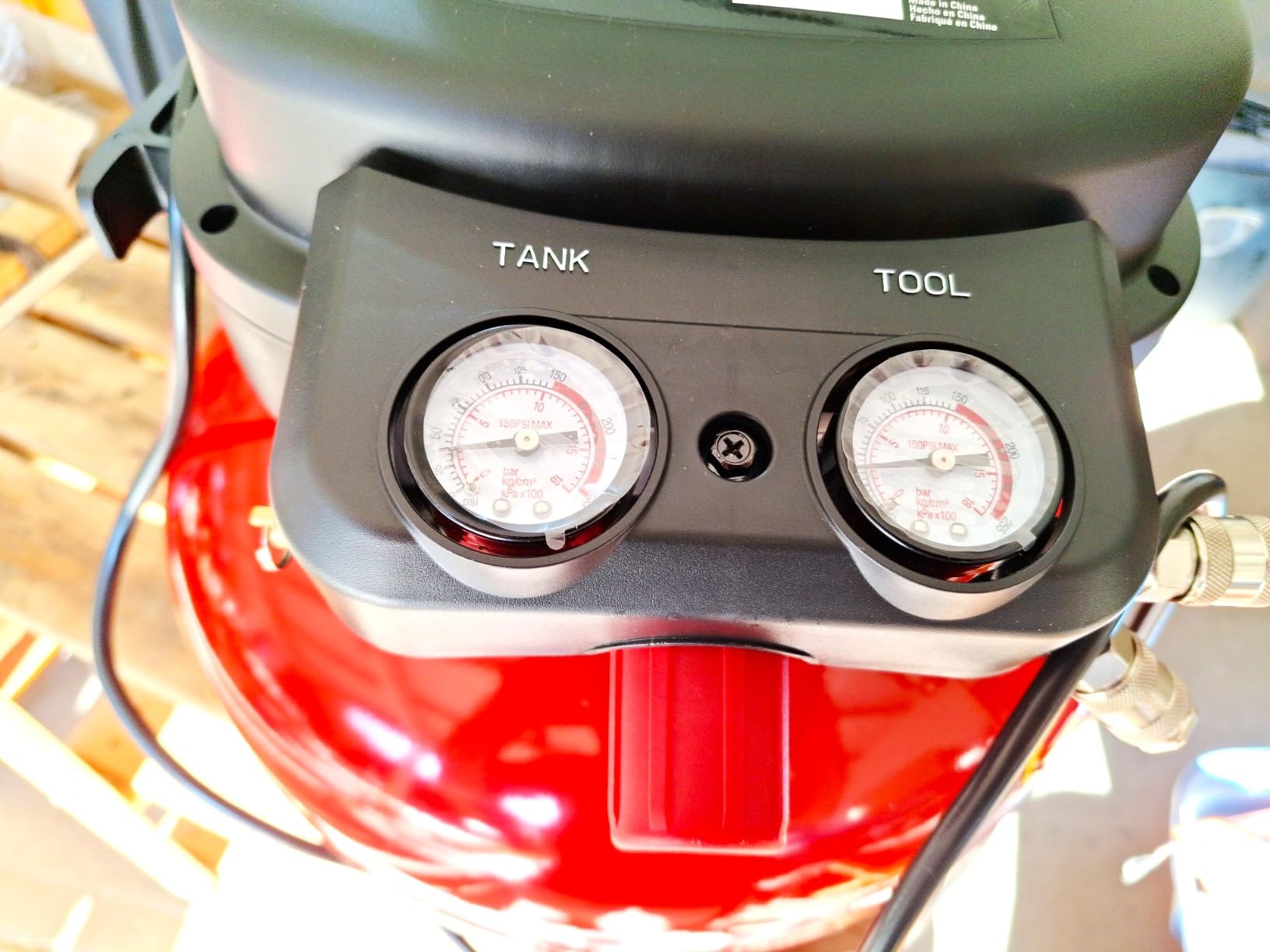
One documentation issue is worth knowing: the published airflow figure is listed in non-standard units rather than clean CFM, so the 3 CFM at 90 PSI figure in the technical details is the one to use.
At 75 dBA it is not an indoor unit. If your garage is attached and you work at night, this is the wrong choice.
What the 10 Piece Kit Actually Contains
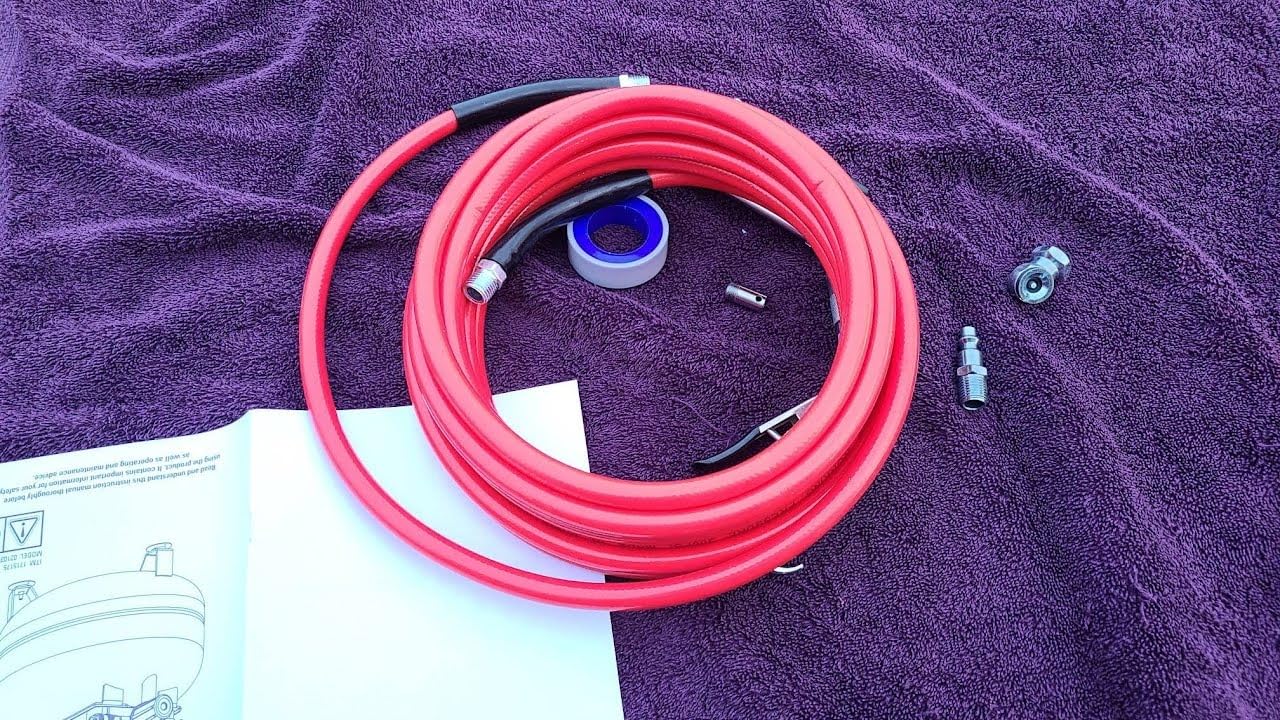
The box includes an air hose, thread seal tape, a ball-foot air chuck, two 1/4 inch NPT auto plugs, a coupler, a tire pressure gauge, a nozzle, a high performance blow gun and a sleeve. That covers most first-week garage tasks without a second purchase.
Who Should Skip This Compressor
Skip it for anything that draws air continuously, for indoor use in a shared building, or if you already own a compressor over 10 gallons. It is a first compressor or a cheap second unit, not an upgrade.
7. CRAFTSMAN 6-Gallon Pancake – Lightest Compressor for Tight Garages

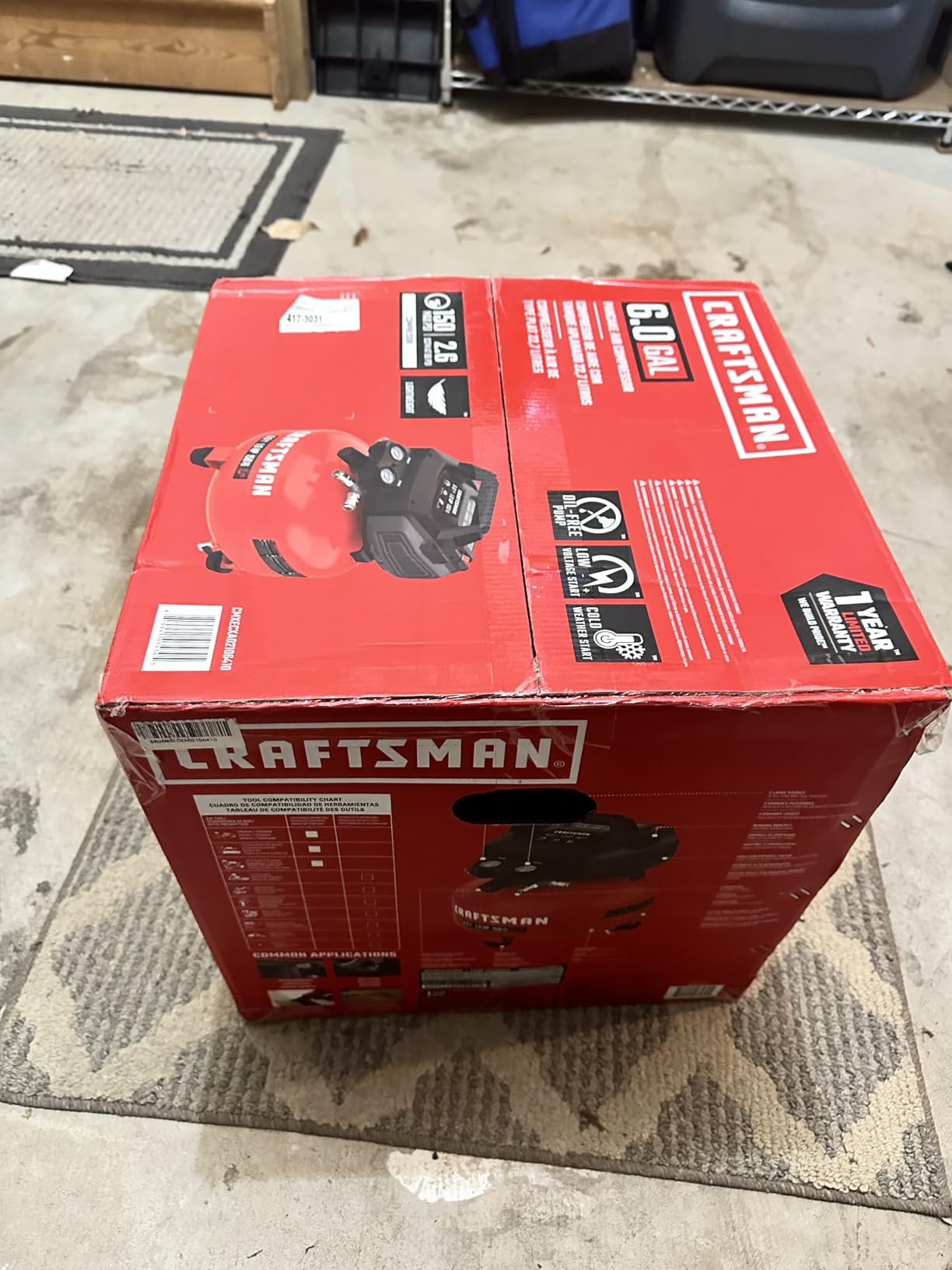
CRAFTSMAN 6 Gallon 150 PSI Oil-Free Pancake Air Compressor CMXECXA02106410
6 gal pancake, 150 PSI max, 2.6 SCFM at 90 PSI, 30.8 lb iron body, dual couplers
Pros
- Lightest unit here at 30.8 lb with an iron body
- Builds pressure quickly and holds it on a brad nailer
- Oil-free pump means no oil changes
- Dual quick couplers for two tools
- 1 year warranty with US based service
Cons
- 82 dBA is the loudest rated unit here
- Some arrive with the carry handle broken or in pieces
- A few owners report the unit stopping and not restarting during longer painting work
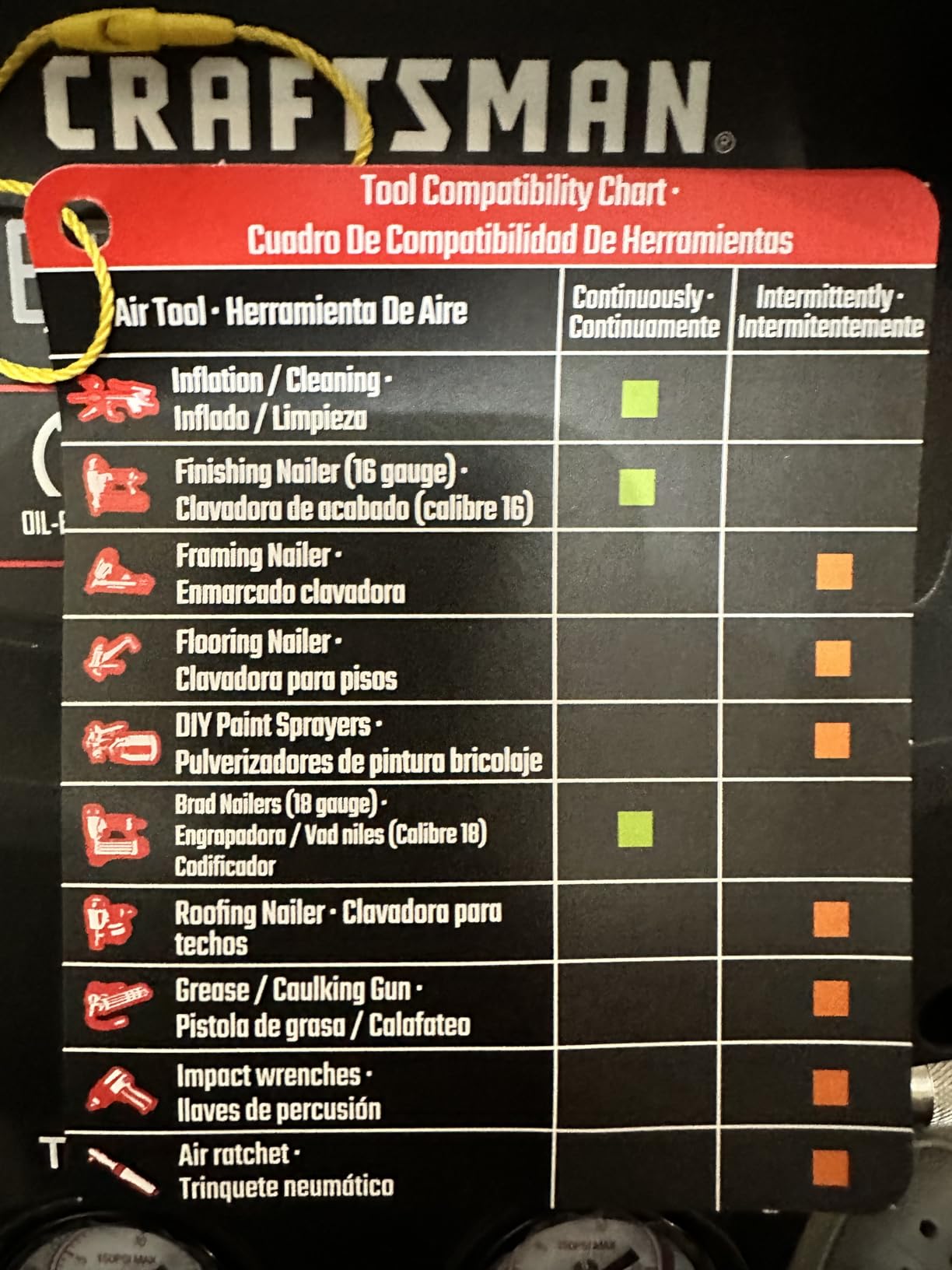
- 2.6 SCFM is modest for framing or roofing nailers
At 30.8 lb this is the unit to buy if carrying the machine is the deciding factor. The iron body is more durable than the lightweight shells at this size, and the 15.8 by 16.4 by 17 inch footprint fits a workbench shelf or a one-car garage corner.
Flow is 2.6 SCFM at 90 PSI with a 150 PSI ceiling, on a 1.0 HP 120V oil-free motor with low-voltage start. Owners report fast pressure build and stable pressure while running a brad nailer.
Two things to check on arrival. Some buyers report the carry handle arriving broken or in pieces, so inspect the handle bolts before first use. A few owners also report the motor stopping and not restarting during longer continuous painting work.
At 82 dBA it is loud in an attached garage, and with 228 reviews it has the thinnest owner history in this group, so longevity claims should be treated cautiously.
Why Low Voltage Start Matters in a Garage
Garage receptacles are often shared with a freezer, a welder or a door opener. A motor that struggles against that combined load will trip a breaker or hum without reaching pressure, and low-voltage start widens the window where it still fires up.
Who Should Skip This Compressor
Skip it if you paint regularly, run framing or roofing nailers, or work in an attached space where 82 dBA is unacceptable. This is a brad nailer, inflator and blow gun compressor.
8. VEVOR 13-Gallon Vertical – Bigger Tank, More Warranty Risk

VEVOR 13-Gallon Air Compressor, 2HP, 4.6 SCFM@90PSI, Oil-Free Tank, 66dB Quiet Operation, Ideal for Tire Inflation, Woodworking, Auto Repairs, and Spray Painting (Maximum Pressure 125 PSI)
13 gal vertical, 2 HP motor, 66 dB, 125 PSI max, oil-free, dual gauges
Pros
- Genuinely quiet at 66 dB for an oil-free vertical
- 13 gallon vertical is a step up from pancake capacity
- Two pressure gauges and dual connections
- Assembles quickly with hardware and filters included
- Strong value at comparable capacity
Cons
- Frequent reports of failing to repressurize and tripping the thermal cutout
- Customer support reported to offer partial refunds rather than replacements
- Advertised 4.6 SCFM disputed with about 2.7 CFM stated as real output
- Heavy vertical units can arrive with bent legs or cracked housings
- 125 PSI max is low
On paper this is a strong value: a 13 gallon vertical with a 2 HP motor, 66 dB oil-free operation, dual gauges and a 125 PSI ceiling. Happy owners cite the noise, the capacity and the quick assembly.
The unhappy reviews follow a repeatable pattern. A meaningful group of one and two star ratings describes a unit that works out of the box, then within a few weeks stops repressurizing and overheats, requiring a 20 to 30 minute thermal reset. Warranty response is also criticized, with owners reporting partial refunds rather than replacements. That is why this unit has the widest rating spread here, at 73 percent five-star and 9 percent one-star.
There is also a specification dispute. The listing advertises 4.6 SCFM at 90 PSI, while VEVOR reportedly stated that actual continuous output is closer to 2.7 CFM. Plan on the lower number, and inspect the unit on arrival for bent legs or cracked housings.
How to Shop a Value Brand Instead of Gambling on One
Buy from a seller with a straightforward return path, and test the compressor within that window rather than storing it. Run it through a full duty cycle with a tool drawing steady air, and confirm the gauge holds under load. Keep the manual and photograph the serial number.
Who Should Skip This Compressor
Skip it if this is your only compressor and you cannot afford downtime, or if you need more than about 2.7 CFM of real flow. It is a sensible second unit where a failure costs an afternoon, not a customer.
9. Stealth SAQ-12018 – Best 20-Gallon for Quiet 120V Operation
Stealth 20 Gallon Ultra Quiet Air Compressor,1.8 HP Oil-Free Peak 150 PSI 68 Decibel, 5.5 CFM @ 40 PSI 5 CFM @ 90 PSI Silent Long Life Electric Air Compressor W/Wheel for Garage
20 gal vertical alloy steel, 1.8 HP oil-free, 5 CFM at 90 PSI, 68 dB, dual couplers
Pros
- Owners describe it as far quieter than their previous units
- 20 gallon tank holds air for extended periods
- Solid finish and quality rubber tires
- Dual quick couplers for fast tool changes
- Limited lifetime warranty
Cons
- Very heavy at 121.4 lb for lifting into a truck bed
- Some users report it will not restart while air remains in the tank
- One owner reports a breaker trip and failure within two weeks
- Not built for continuous duty such as sandblasting
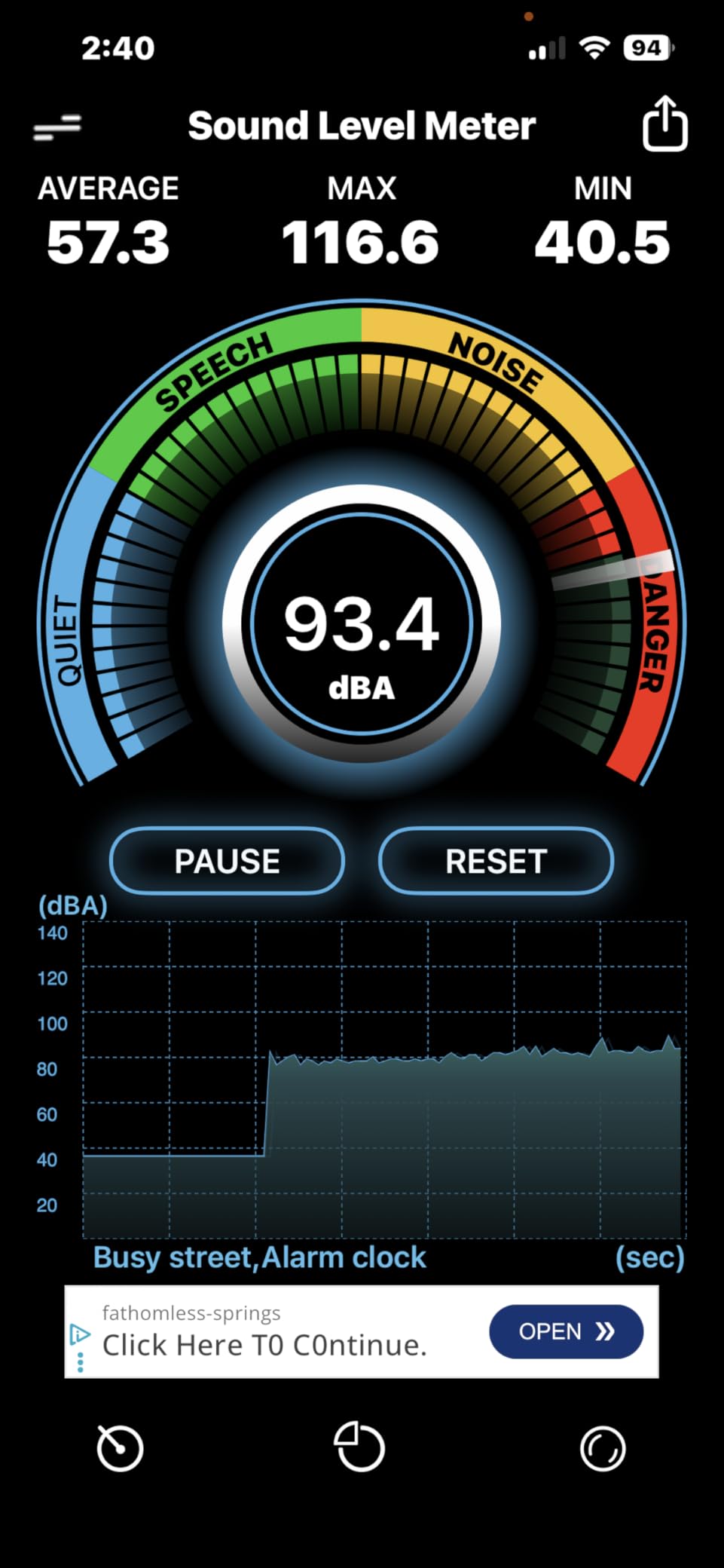
The Stealth pairs a 20 gallon vertical tank with 5 CFM at 90 PSI on ordinary 120V power at a 68 dB rated level. That combination is unusual, because most 20 gallon compressors at this capacity are considerably louder. Owners with basements and shared walls describe it as a soft purr rather than clatter, and one measured 65 dB at 8 to 10 feet.
The 1.8 HP oil-free motor is rated to 150 PSI peak, with 5.5 CFM at 40 PSI for fast recovery. Two quick couplers make tool changes quick, and the build quality and rubber tires get consistent praise across 552 reviews.
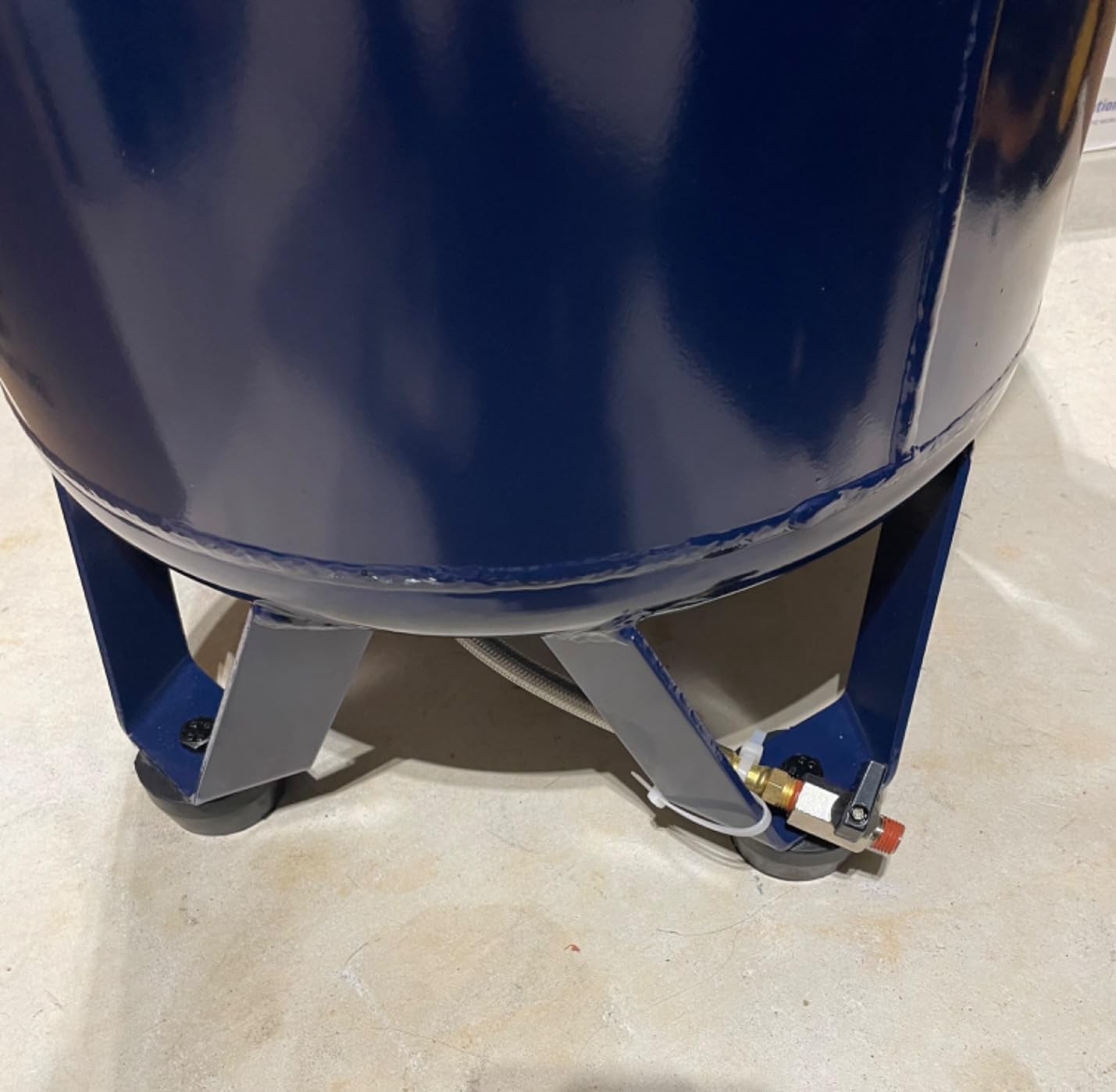
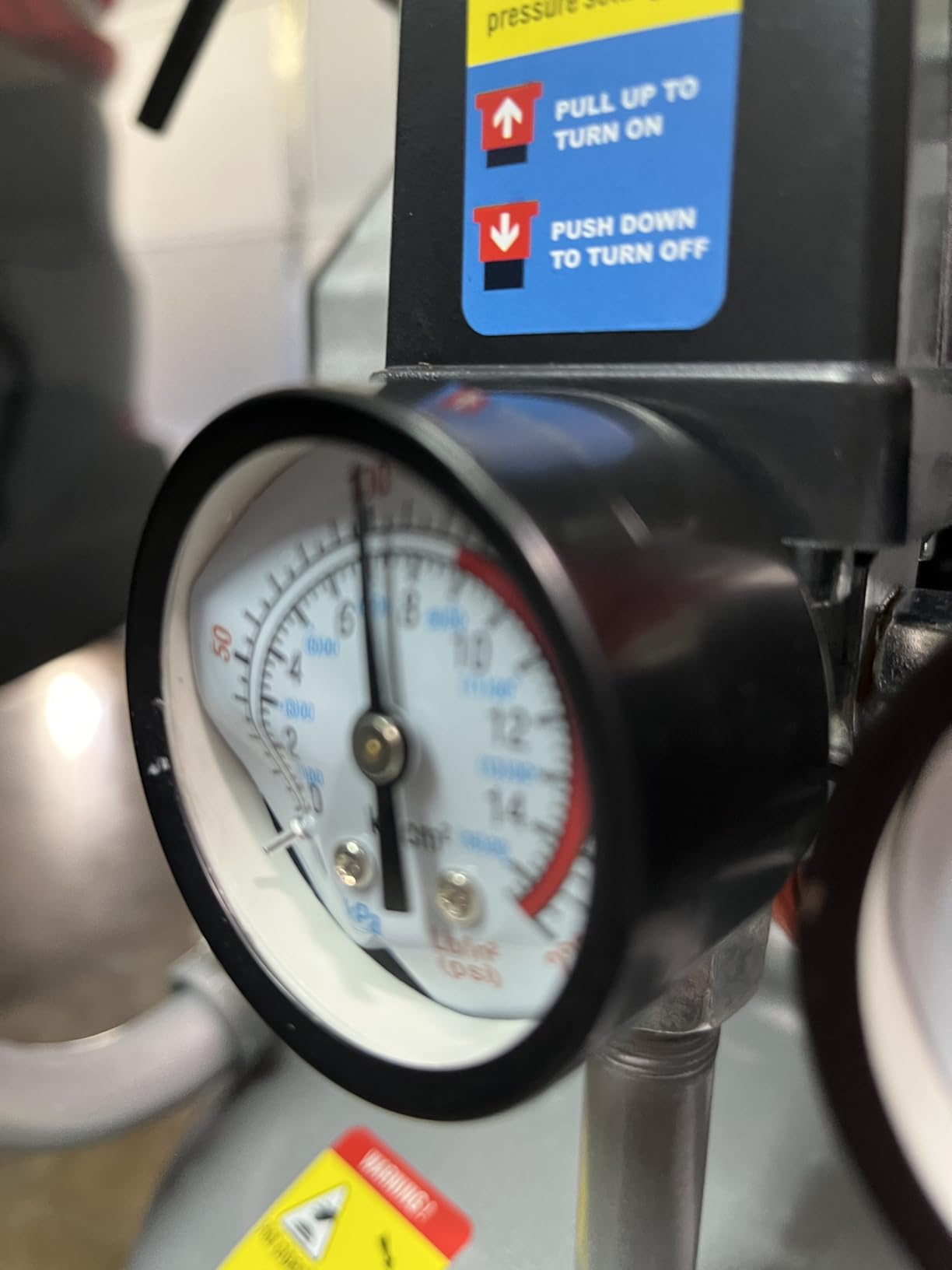
Two things temper that. At 121.4 lb it is a two-person lift into a truck bed, and a minority of owners report it will not restart while air remains in the tank, so fully drain it before the next session. A small number also report a breaker trip and failure within two weeks.
The 4.2 star average with 12 percent one-star ratings is among the softest distributions here.
20 Gallons on 120V: What You Gain and Lose
Tank size buys burst capacity, not flow. Twenty gallons lets a 1/2 inch impact run several fasteners and a spray gun make a full panel before the pump catches up, but it does not make a sander run smoothly. Fill time is the trade-off, since 20 gallons takes considerably longer to recharge than 6.
Who Should Skip This Compressor
Skip it if you need continuous-duty capability, if you move the compressor regularly, or if you want a heavier cast-iron pump. It suits a garage where noise and tank capacity are the two priorities and 120V is all you have.
10. CRAFTSMAN 20-Gallon Vertical – High Pressure on 120V

Craftsman Air Compressor, 20 Gallon Oil-Free 1.8 HP Max 175 PSI Pressure Two Quick Couplers Big Capacity, Red- CMXECXA0232043
20 gal vertical, 175 PSI max, 4 SCFM at 90 PSI, 1.8 HP, dual couplers
Pros
- 20 gallon tank at 175 PSI stores more air for longer runs
- 4 SCFM at 90 PSI gives quick recovery between bursts
- Alloy steel construction and oil-free pump need no maintenance
- Two couplers allow simultaneous tool connections
- Includes cord
- drain valve
- filter and two rubber wheels
Cons
- 10 percent one-star rating
- Heavy to maneuver in vertical format
- Some owners report pressure falling short under sustained spraying work
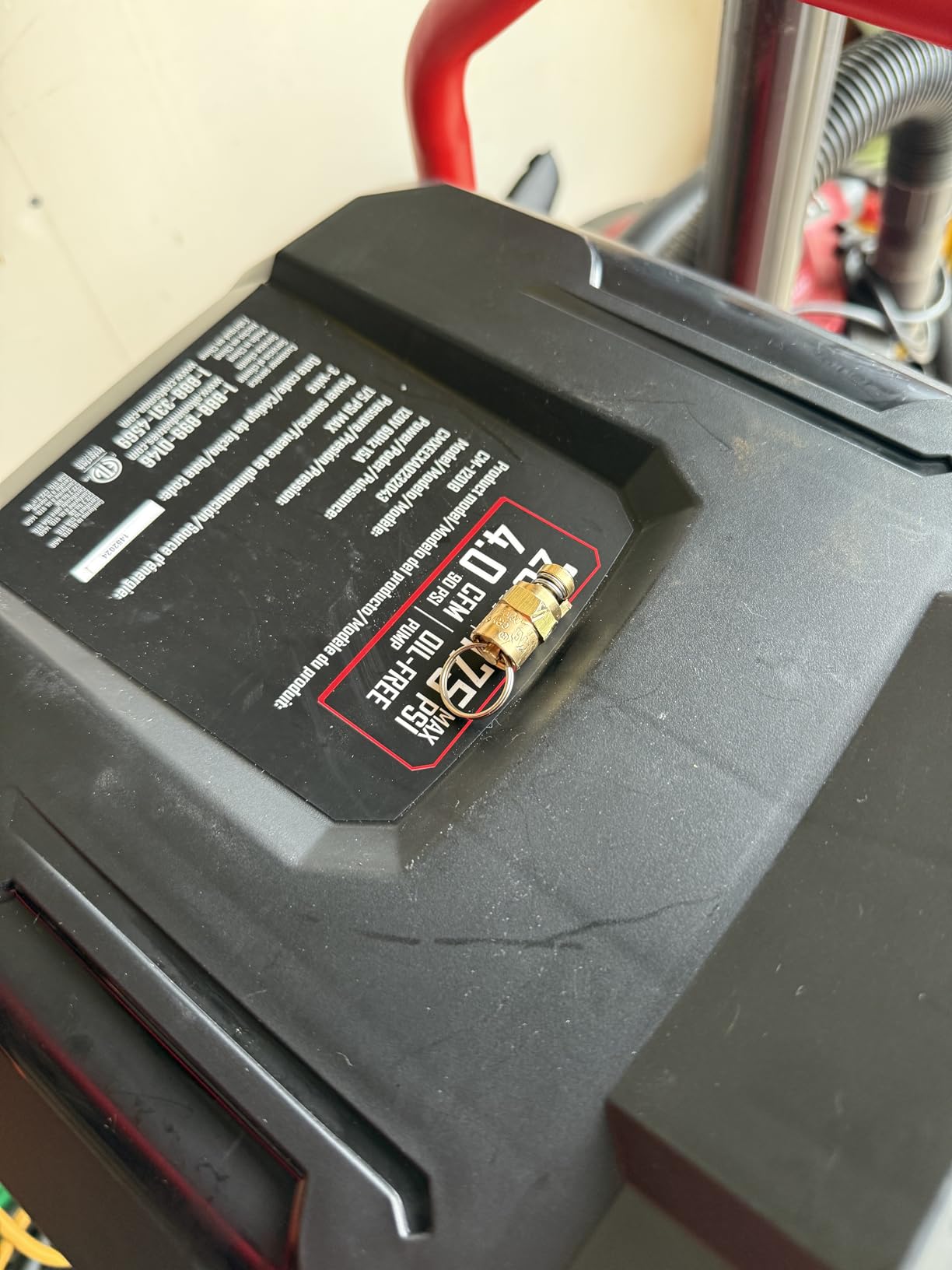
Where the Stealth prioritizes quiet at 20 gallons, this Craftsman prioritizes pressure. The 175 PSI maximum is 25 PSI above the Stealth and 50 above most 20 gallon verticals, and the 1.8 HP motor delivers 4 SCFM at 90 PSI with quick recovery between bursts.
It ships with a full accessory set: a 6 foot cord, ball drain valve, plastic filter, two quick couplers and two rubber wheels. The oil-free pump requires no routine maintenance.
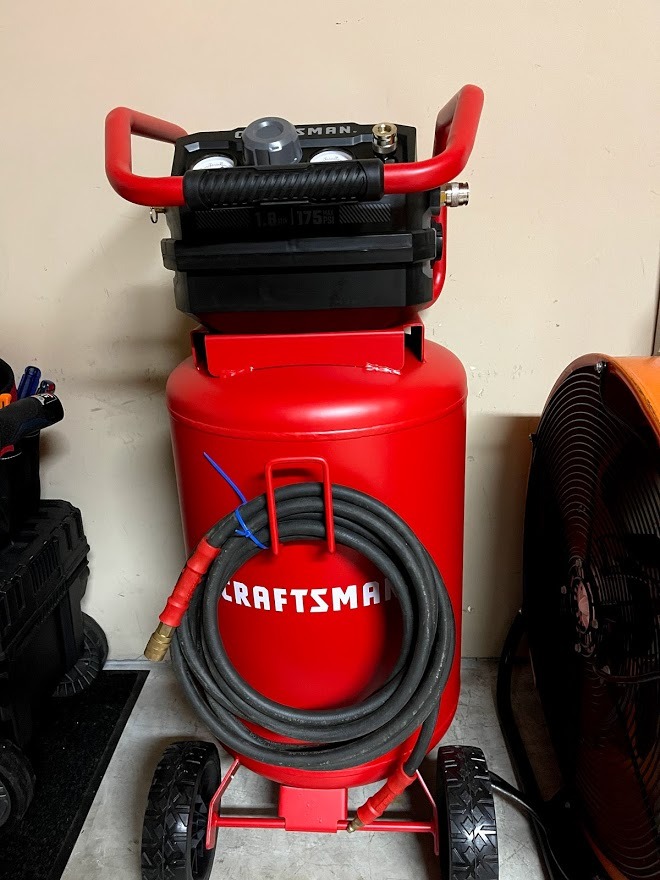
The rating profile is among the softest here, at 4.2 stars with 10 percent one-star ratings across 359 reviews. The criticism is consistent: 80 dBA operation, a heavy vertical form, and a meaningful minority of owners who feel air delivery falls short for sustained spraying.
For a mixed tool load where lug removal and inflating dominate, 20 gallons at 175 PSI is a sensible combination. For continuous spraying, the 4 SCFM is the limit, not the tank.
What 175 PSI Changes in Practice
A higher ceiling does not increase flow, but it gives the regulator more headroom above the 90 to 100 PSI most pneumatic tools are rated for, which helps tools with internal pressure regulation such as some spray guns and sanders.
Who Should Skip This Compressor
Skip it if your garage is attached to living space, if sustained spraying is regular, or if you need a genuinely quiet machine. It is built for 120V bursty work at high pressure.
11. DEWALT DXCM271.COM 27-Gallon – Best for Impact Wrenches

DEWALT 27-Gallon Vertical Portable Air Compressor (DXCM271.COM)
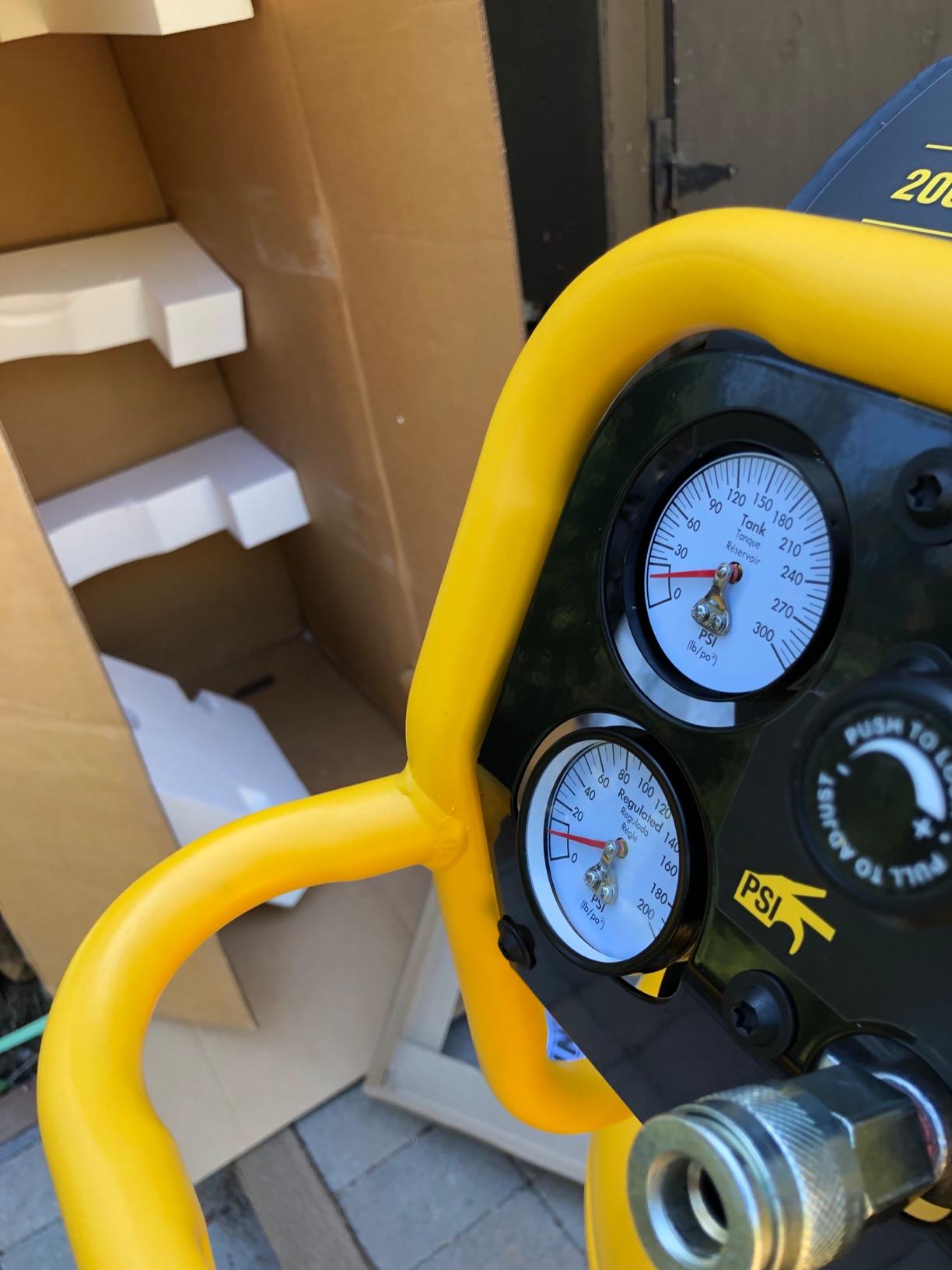
27 gal vertical, 200 PSI max, 5.1 SCFM at 90 PSI, 1.7 HP direct drive, 78 dBA
Pros
- Largest tank here at 27 gallons with 200 PSI max
- 5.1 SCFM at 90 PSI feeds impact wrenches and grinders
- Vertical design barely larger than a pancake footprint
- Owners describe the valves and knobs as solid
- Big wheels move more easily than the size suggests
Cons
- Very heavy at 136 lb
- Takes roughly 10 to 12 minutes to fill from empty
- Regulator output adjustable only to about 160 PSI
- 78 dBA needs hearing protection
- One owner reported a leak at the safety valve fitting
This is the unit to buy if lug removal is a regular part of your week. Twenty-seven gallons and 200 PSI maximum with 5.1 SCFM at 90 PSI means a 1/2 inch impact can run across a full set of fasteners without the long recovery pauses that frustrate owners of smaller tanks.
Owners upgrading from a 6 gallon pancake describe the difference as transformative, and its 200 PSI ceiling matches the highest in this roundup. The single-stage direct-drive oil-free motor has a low volt easy-start design, and 6.8 SCFM at 40 PSI keeps fast recovery during bursts.
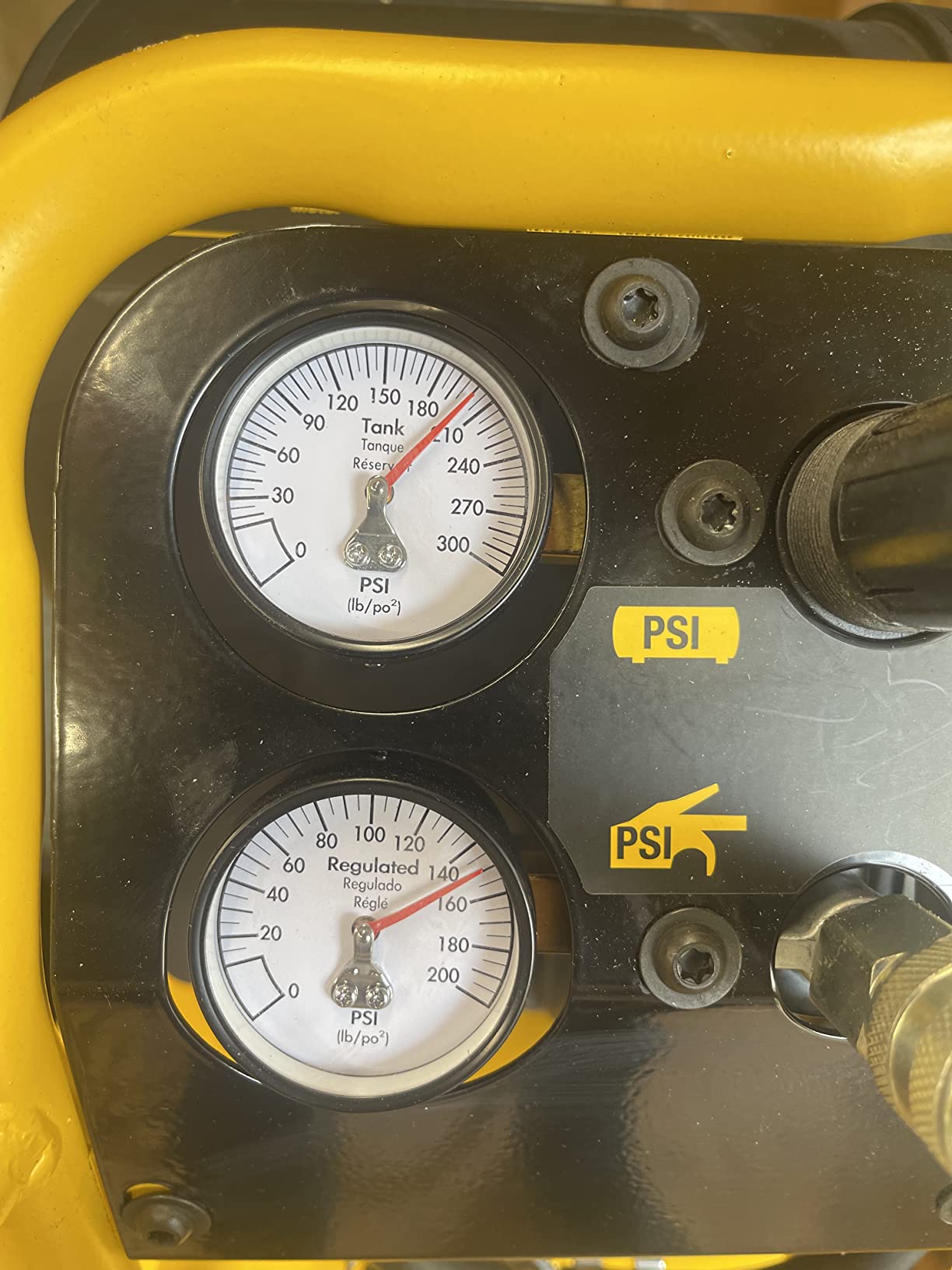
The costs are weight and patience. At 136 lb it is awkward without the wheels, and filling 27 gallons from empty takes roughly 10 to 12 minutes. One detailed review documented an air leak at the safety valve fitting that later cracked and needed rework with brass fittings, so inspect that area periodically.
The regulator is also adjustable only to about 160 PSI even though the tank reaches 200, and at 78 dBA close work calls for hearing protection. With 201 reviews it is the least-reviewed unit here.
Impact Wrench Sizing: The Working Combination
The combination that works is a pump at or above your tool demand, plus tank volume to bridge the refill gap. At 5.1 SCFM at 90 PSI this unit sits at the low end of what a 1/2 inch impact wants, so the 27 gallon tank does real work by supplying the burst the pump cannot deliver instantly.
A 1 inch impact wrench on a truck or suspension job wants 8 to 10 CFM, which no 120V single-stage compressor on this list reaches. For that work, a bigger 240V pump is the honest answer rather than a larger tank.
Who Should Skip This Compressor
Skip it if you lack floor space for a 54.5 inch tall vertical unit, or if you only need occasional light duty. It is sized for regular automotive work on household power.
12. Campbell Hausfeld DC080500 – Best Durability Reports Here
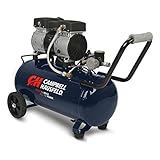
Campbell Hausfeld 8-Gallon Quiet Air Compressor, 125 PSI, DC080500
8 gal alloy steel, 125 PSI max, 2.4 CFM at 90 PSI, 65 dB, 120V, oil-free
Pros
- 65 dB output lets you hold a conversation beside it
- 8 gallon reservoir covers several burst tasks
- Oil-free pump with zero routine maintenance
- Plugs into a standard 120V outlet
- Long-term owners report 5+ years of service
Cons
- Only 2.4 CFM at 90 PSI
- 125 PSI max is low for heavy pneumatic work
- One owner reported failure at 19 months
- Tank gauge is loosely calibrated
- Drain cock is awkwardly located underneath
The DC080500 runs at 65 dB with an 8 gallon alloy steel tank, quieter than most oil-free units in this roundup without being one of the California Air Tools models. Buyers repeatedly name the noise as the deciding factor, with several describing holding a conversation normally while it runs.
The 2.4 CFM at 90 PSI and 125 PSI ceiling keep it firmly in the light-to-medium duty category: brad nailers, blow guns, air ratchets on light duty and tire work. At 67 lb with large wheels and a rubber-grip steel handle, it moves easily and plugs into a standard outlet.
What stands out is durability. Multiple owners cite 5 or more years of trouble-free service, and manufacturer support has supplied replacement parts at no charge to some long-term buyers. One review documents a failure at 19 months, so the record is not flawless.
Why Quiet Units Age Better in Practice
Slower-turning motors run cooler, and cooler motors and pumps wear their seals more slowly. Lower vibration also reduces joint and fitting fatigue in the tank assembly.
The practical side is noise discipline. A compressor you are willing to run is a compressor that gets its tank drained and maintained, and that habit matters more to service life than any label specification.
Who Should Skip This Compressor
Skip it if you run 1/2 inch impact wrenches regularly, sanders or spray guns. At 2.4 CFM at 90 PSI and 125 PSI maximum it is built for intermittent light duty, and the loosely calibrated tank gauge means you should cross-check pressure with a tire gauge.
Oil-Free vs Oil-Lubricated: What the Choice Costs You
Oil-free pumps compress air without lubricating oil, which means no oil changes, no oil smell and no contamination risk on a fresh paint job. The cost is wear, because the piston rings and cylinder walls rely on closer machining tolerances to keep a seal.
That is why oil-free pump life is often quoted around 3000 to 4000 hours of real running time rather than a decade of calendar ownership. Garage compressors spend most of their lives switched off, so a unit used two hours a week reaches those hours over many years.
Oil-lubricated pumps, which forums consistently describe as quieter and longer lasting for the same money, add oil level checks and scheduled changes, plus a break-in change after 20 hours on any new unit. They also occasionally carry oil into the air lines, which is why a water separator matters more on those.
Pressure-lubricated cast-iron pumps sit at the top of the range. Enthusiasts on Garage Journal recommend a pressure-lubricated Quincy, Saylor-Beall or Ingersoll Rand for continuous heavy use and consider 5 HP plenty for a home shop. None of those premium two-stage units are in this lineup, because they need a 240V circuit.
Scroll and rotary screw sit above all of this. A scroll pump is the quietest and smoothest architecture and is why California Air Tools units dominate the low-decibel end. Rotary screw delivers the most air per horsepower and is the professional standard, at a different price and power class. Renting a tow-behind screw unit for a one-off sandblasting job is a common forum recommendation.
120V vs 240V: Get the Electrical Right Before Delivery
Every compressor in this roundup runs on 110 or 120 volt household power, which is why they suit a residential garage. The limit is real: a 120V 15 amp circuit supplies about 1,800 watts, so a compressor claiming 5 HP on that supply is quoting peak horsepower, a startup surge figure rather than sustained output.
Before a larger compressor is ordered, confirm that a dedicated 15 or 20 amp outlet exists near the intended location rather than a shared receptacle, that the outlet is grounded, and that the compressor is rated within the circuit rather than at its limit.
Moving to 240V changes the question. Most 60 to 80 gallon two-stage compressors need a dedicated 20 or 30 amp circuit, and installing one involves a breaker, correct wire gauge, a disconnect and often a permit. That work is far cheaper to plan before a 136 lb unit is delivered than after. Forum consensus for a serious home shop is a 50 to 80 gallon vertical tank on 3/4 inch or 1 inch air line, and experienced users warn that buying premium two-stage hardware for a two-car garage with no 240V circuit is the most common overspend in this category.
Three-phase power and variable frequency drive soft starts belong to the professional tier. Residential neighborhoods rarely have three-phase service, so a single-phase motor is the realistic choice for a home build.
Air Line, Regulators and Moisture Control
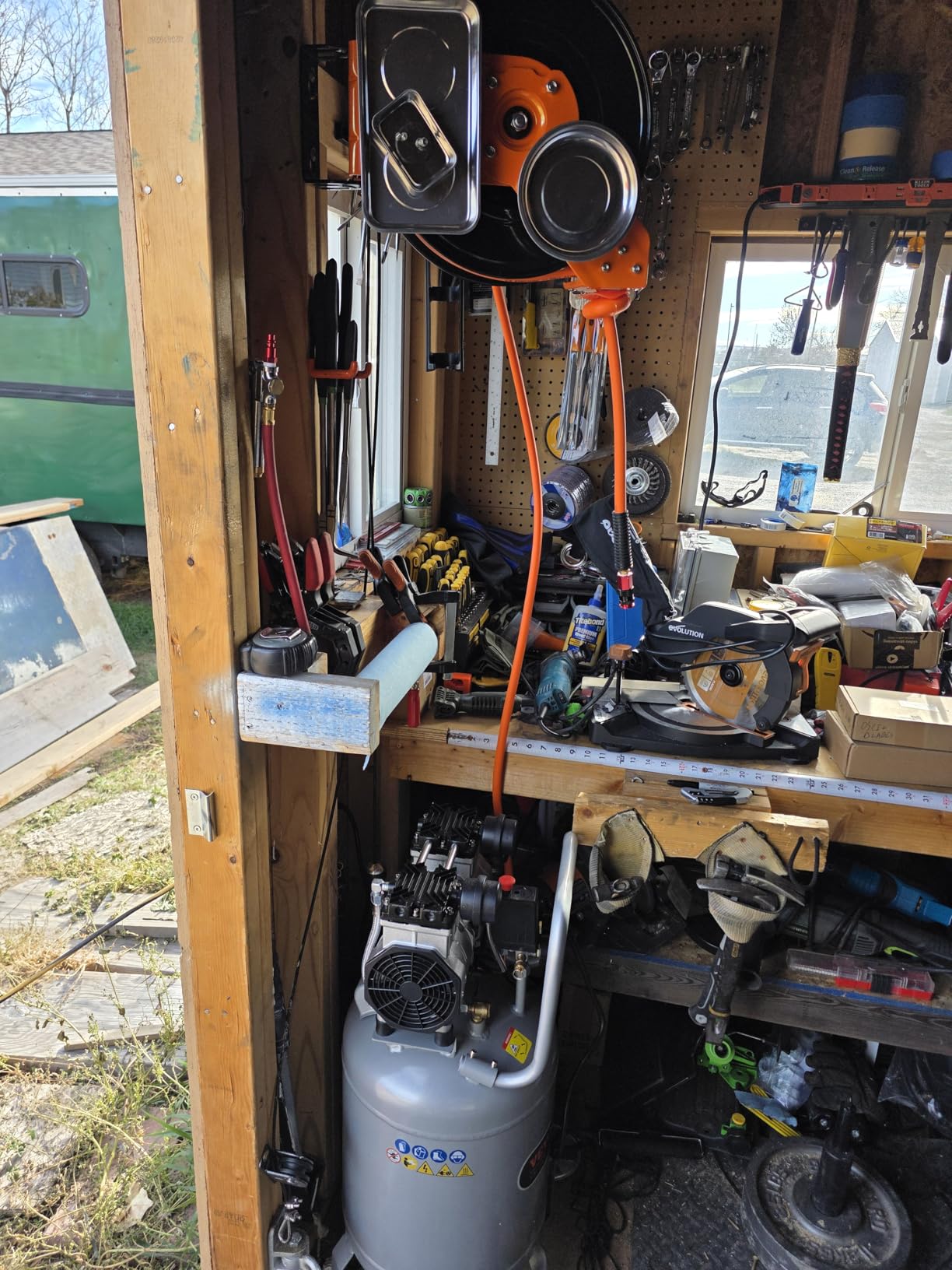
A compressor feeding a 25 foot hose directly is why owners report lower pressure at the tool than they expect. Once you run more than a few tools, plumb the garage properly. Our portable compressor picks cover temporary setups, but a fixed installation is a different problem.
Run 3/4 inch aluminum or copper main line from the tank, the size Garage Journal forum consensus recommends for a home shop. Set a moisture separator drain at every vertical drop, since gravity moves water to low points and that is where corrosion starts. Add an automatic drain valve on the tank so you are not relying on memory at the end of a session.
A retractable hose reel pays for itself in hose life, since coiled rubber on a bench eventually cracks at the coil point. Pair it with an inline filter or dryer if a water speck means rework, and for routine cleanup our shop vac guide for workshops covers the other half of the story.
Maintenance Schedule and How Long These Tanks Last
Drain the tank every day if you use it daily, weekly if you do not, and always before storage. Water left in a tank promotes rust from the inside out, and tank rust is the failure that ends compressors otherwise still working.
Weekly, check the drain for condensate and confirm belt tension on belt-drive units. Monthly, inspect the air filter, check fittings for leaks with soapy water, and confirm the safety valve is not stuck. At 100 running hours, change the oil on oil-lubricated pumps, and again after the first 20 hours on any new one as a break-in measure.
On longevity, forum reports cluster around a few themes. Oil-free pump wear is the most common, with owners citing 3000 to 4000 hour expectations. Tank rust on budget compressors is the second most cited, with one owner replacing an otherwise functional unit purely because a rust hole formed.
Against that, the units here that hold up best share a pattern: a cast or iron body, a pump rated for 3000 or more hours, a slow-turning motor, and a warranty beyond the one-year baseline. The Campbell Hausfeld has the strongest multi-year owner reports here, and the California Air Tools models pair the lowest-RPM motors with the highest star ratings.
One honest limitation: none of the compressors in this roundup are oil-lubricated, cast-iron, pressure-lubricated shop pumps. The most reliable names garage forums recommend for the long term, Ingersoll Rand, Quincy, Rolair and Champion, mostly live in the 240V two-stage tier a residential circuit cannot support. We would rather say that plainly than pretend a 6 gallon pancake competes with a shop-grade pump.
Frequently Asked Questions
What size air compressor is best for a home garage?
For a two-car garage doing tire work, blow guns and brad or finish nailers, you want roughly 4 CFM at 90 PSI and a 6 to 10 gallon tank. Regular 1/2 inch impact wrench work needs closer to 5 CFM at 90 PSI and a 20 gallon tank. Continuous-draw tools such as random orbital sanders and spray guns need 30 gallons or more and a pump above 8 CFM, which normally means a 240V circuit.
How big of an air compressor do I need for my garage?
Find the free-air consumption of your most demanding tool, usually printed on the tool at 90 PSI, and add about 20 percent headroom. Then size the tank for burst capacity: 6 to 10 gallons for nailers and inflators, 20 gallons for impact wrench work, 30 gallons or more for sanders and spray guns. Tank size is burst capacity and pump CFM is sustained capacity, and they solve different problems.
What is the recommended tank size for an air compressor?
Recommended tank sizes are 3 to 6 gallons for nailers, inflators and blow guns, 8 to 10 gallons for mixed garage work, 20 gallons for impact wrench and lug removal work, and 30 gallons or more for sanders, spray guns and any continuous-draw tool. Forum consensus for a serious home shop is a 50 to 80 gallon vertical tank, but that tier needs a 240V circuit.
Is a 20 gallon air compressor big enough to paint a car?
A 20 gallon tank is usually enough for a hobbyist painting a car panel by panel, since an HVLP spray gun draws roughly 3 to 5 CFM and the tank smooths the pulsing between passes. Full-car paint in one session, long continuous spraying and sandblasting all need more, and 125 to 150 PSI ceiling compressors will struggle to keep pressure at the gun.
Should I get a 3 gallon or 6 gallon air compressor?
Get a 6 gallon tank unless your work is strictly nailers and inflators. The extra 3 gallons and the 200 PSI ceiling on units like the Metabo HPT EC914S give you a real recovery buffer, and the weight difference between a 3 and a 6 gallon pancake is small enough that portability is rarely the deciding factor in a fixed garage.
Which air compressor is better, oil or oil-free?
Oil-free means no oil changes, no oil smell and no contamination risk on paint work, but pump life is typically quoted at 3000 to 4000 running hours because the seals rely on machining precision. Oil-lubricated pumps are described by forums as quieter and longer lasting for the same money, and they need scheduled oil changes plus a first break-in change after 20 hours. For intermittent garage use, oil-free is simpler; for daily running, oil-lubricated lasts longer.
What is the typical lifespan of an oil-free air compressor?
Forum owners typically cite 3000 to 4000 running hours for an oil-free pump, and one manufacturer in this roundup rates a dual piston pump at a 3000 hour service life. A compressor used a couple of hours a week can reach that over many calendar years. Tank rust on budget models and worn oil-free pumps are the two most commonly reported end-of-life causes, and draining the tank weekly prevents the first one.
What type of air compressor lasts the longest?
For a home garage, the most reliable builds share a pattern: a cast or iron body, an oil-lubricated or pressure-lubricated pump, a slow-turning motor, and a warranty longer than one year. Forum enthusiasts recommend pressure-lubricated Quincy, Saylor-Beall and Ingersoll Rand units for continuous heavy use. Those are 240V two-stage machines, and most of them cannot run on a residential circuit.
Do I need a 240V outlet for a garage air compressor?
Not for anything in this roundup, since every unit runs on 110 or 120 volt household power. You do need it for the 60 to 80 gallon two-stage compressors that serious shops use, which require a dedicated 20 or 30 amp circuit. Plan the outlet, breaker and wire gauge before delivery rather than after, because installing the circuit is the most common hidden cost in a garage compressor build.
What is the best air compressor for a garage mechanic?
For regular automotive work on a standard household outlet, the DEWALT DXCM271.COM at 27 gallons and 5.1 SCFM at 90 PSI is built for impact wrenches specifically, and the Klutch 20-gallon vertical delivers a large tank with 4.2 SCFM at 90 PSI on 120V if you want more air reserve at less capacity. For lighter automotive work on tire inflation and blow guns, a 10 gallon vertical such as the California Air Tools 10020C is enough.
Final Verdict
For most two-car garages, the best shop air compressors for garages come down to matching pump flow to your most demanding tool and using tank size to smooth the gaps. Our pick is the Metabo HPT EC914S, a 6 gallon pancake with 200 PSI, 4 CFM at 90 PSI and 1480 owner reviews behind it, because it handles nailing, inflation and light impact work without any wiring changes.
Buy the California Air Tools 10020C for a quiet 10 gallon vertical with more air, the California Air Tools 8010A if noise is your binding constraint, the Klutch 20-gallon or the DEWALT 27-gallon for impact wrench work, and the Campbell Hausfeld DC080500 for the strongest multi-year durability reports here. Whatever you choose, read the SCFM at 90 PSI figure rather than peak horsepower, and drain the tank on a schedule. As we continue updating this guide for 2026, the sizing logic will not change even if the models do.