
Quick answer: the Moultrie Edge 2 is the best trail camera with cellular service for most people in 2026. It pairs multi-carrier Auto Connect with 36 MP stills, 1080p video with audio, a 100-foot low-glow detection range and 8 GB of built-in memory, and it carries more than 1100 owner reviews. If picture quality is the priority, the TACTACAM Reveal Ultra is the sharper option. If you want zero recurring cost, the SPYPOINT Flex-M is the only line here with a genuinely free transmission tier.
The whole point of a cellular game camera is that you stop driving out to pull memory cards. The PIR sensor trips, the built-in 4G LTE radio uploads the photo or clip to the manufacturer’s cloud through AT&T, Verizon or T-Mobile, and the companion app pushes an alert to your phone while the buck is still standing there.
That convenience is not free. You pay a monthly data plan, the SIM is locked to the brand’s own plan, and the radio retries at full power in weak coverage, which eats batteries faster than a non-cellular camera ever would. Every pick below was judged on the three things that actually decide whether a cellular camera works for you: whether it transmits from your treeline, what the plan costs over three years, and what the night photos actually look like.
Cellular trail cameras by the numbers: the units in this roundup capture between 5 MP and 40 MP stills, trigger in 0.1 to 0.7 seconds, detect from 65 to 100 feet, and hold a night range of 65 to 100 feet depending on flash type. Owner ratings on the list run from 4.1 to 4.8 out of 5. Nine of the ten run a brand-locked plan, and only one ships a free monthly photo allowance.
If you also want a broader look at the hardware, our guide to the best trail cameras for hunting covers the non-cellular side of the category in depth.
Table of Contents
Top 3 Cellular Trail Cameras for 2026

Moultrie Edge 2
- 36 MP stills
- 1080p video with audio
- 100 ft low-glow detection
- 8 GB built-in memory

TACTACAM Reveal Ultra
- 4K stills
- 2.5K video
- Switchable no-glow and low-glow
- Active GPS tracking

MagicEagle Cellular Camera
- 13000 mAh battery
- Solar panel included
- 940nm no-glow IR
- 2K audible video
Those three cover the three decisions most buyers are actually weighing. The Moultrie wins on the combination of rating, review volume and multi-carrier reach. The TACTACAM wins on image clarity and switchable flash. The MagicEagle wins on owner satisfaction and on arriving with solar already in the box.
Best Trail Cameras With Cellular Service (October 2026)
| Product | Specifications | Action |
|---|---|---|
| Moultrie Edge 2 |
|
Check Latest Price |
| TACTACAM Reveal Ultra |
|
Check Latest Price |
| MagicEagle Cellular Trail Camera |
|
Check Latest Price |
 SPYPOINT Flex-M Twin Pack SPYPOINT Flex-M Twin Pack |
|
Check Latest Price |
 TACTACAM Reveal X Gen 3.0 TACTACAM Reveal X Gen 3.0 |
|
Check Latest Price |
 VOOPEAK TC32 Two Pack VOOPEAK TC32 Two Pack |
|
Check Latest Price |
 VOOPEAK TC32B-2P VOOPEAK TC32B-2P |
|
Check Latest Price |
 Oculview 4G LTE Two Pack Oculview 4G LTE Two Pack |
|
Check Latest Price |
 Muddy Mitigator Cellular Muddy Mitigator Cellular |
|
Check Latest Price |
 Stealth Cam Revolver Pro 2.0 Stealth Cam Revolver Pro 2.0 |
|
Check Latest Price |
1. Moultrie Edge 2 – Best Overall Cellular Trail Camera
Moultrie Edge 2 Cellular Trail Camera 2-Pack – 36MP, Low-Glow Flash
36 MP stills
1080p video with audio
100 ft low-glow detection
8 GB built-in memory
Pros
- Multi-carrier Auto Connect with no SIM swapping
- Highest review volume in this group
- 36 MP stills with 1080p audio video
- 8 GB built-in memory so no SD card is needed
- Two-year warranty and US-based support
Cons
- Monthly data subscription required
- 50-degree viewing angle is narrow for open country
The Edge 2 is the model I keep coming back to because it does the unglamorous things well. Multi-carrier Auto Connect registers on whichever of the major US networks has the best signal where the camera actually hangs, so you are not swapping SIMs in the field or guessing which carrier covers your treeline.
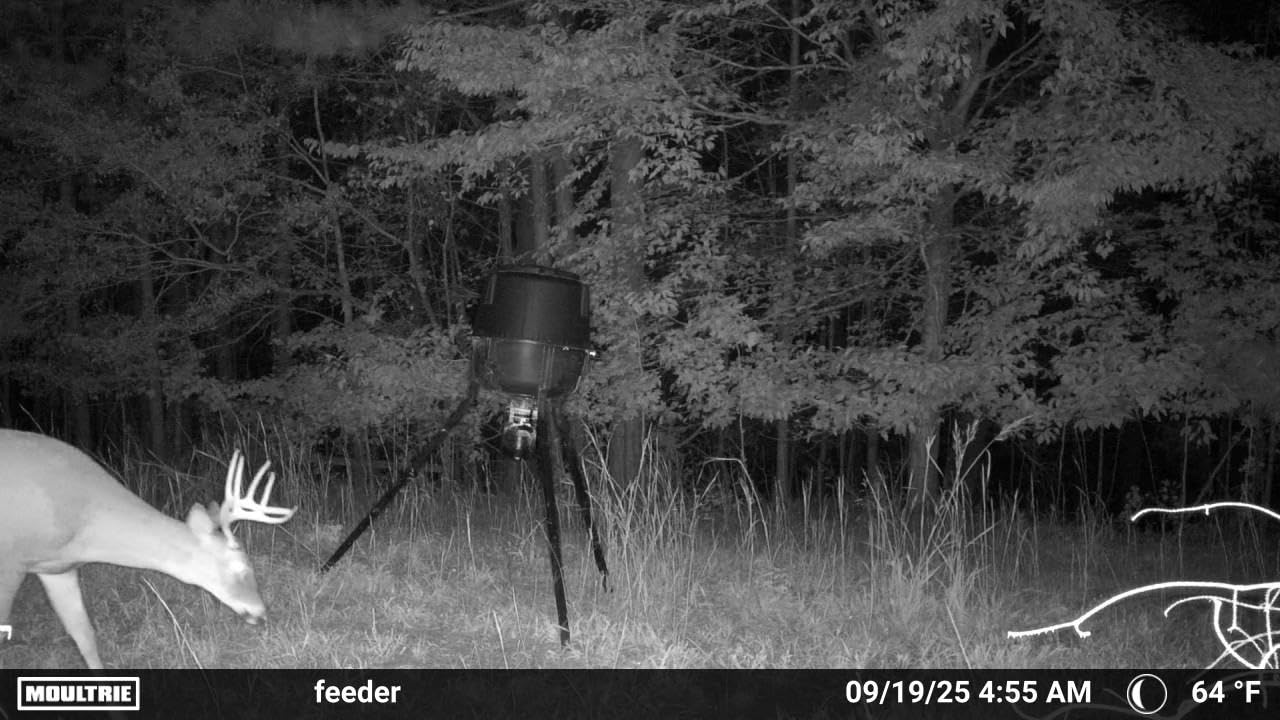
Image output is 36 MP stills and 1080p video with audio, and the night side is a 100-foot detection range paired with a discreet low-glow flash. That flash choice matters more than most spec sheets admit: low-glow puts out visible red light, so it works well in general scouting but can spook deer that are pressured onto the camera.
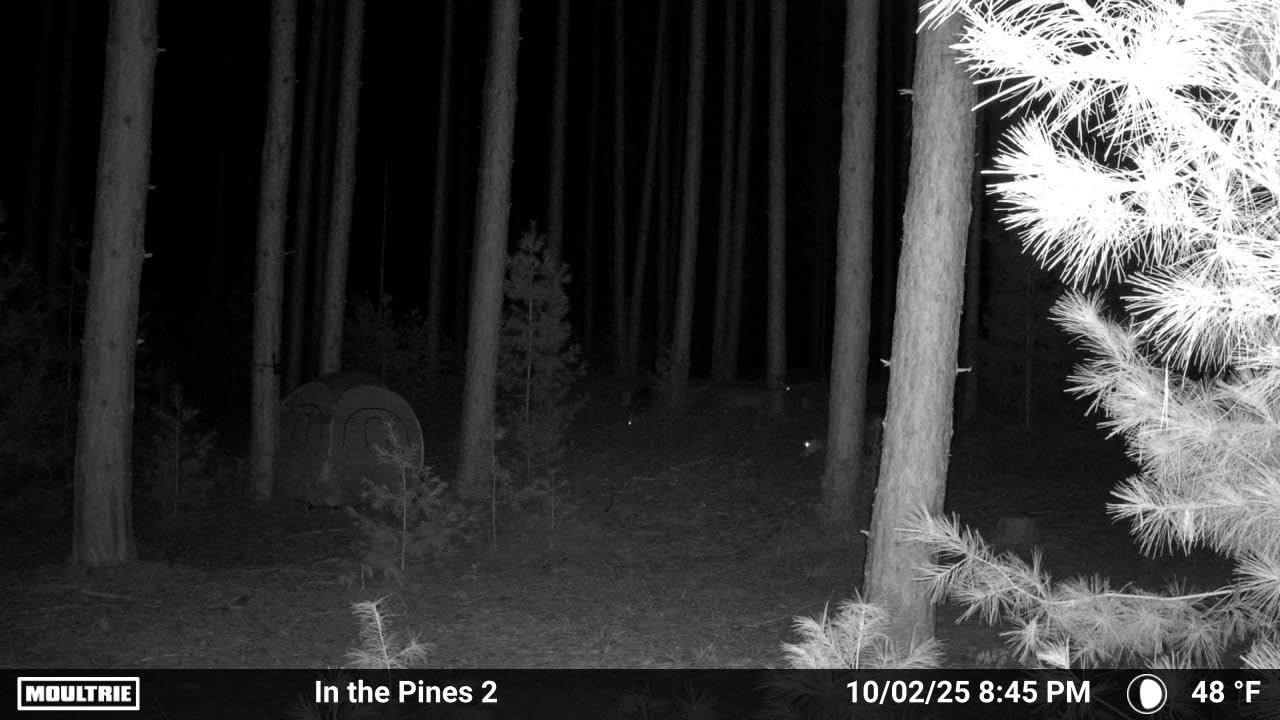
The build is deliberately unglamorous. Plastic enclosure, IP65 water resistance, 4.2 by 3.6 by 5.5 inches and 1.1 pounds, which is easy to strap high in a tree and forget about. The 8 GB of internal memory means the camera keeps working with no card in it, and the Moultrie Mobile app layers on Game Plan activity charts and interactive property maps once the pictures start arriving.
Reviews average 4.3 across 1199 ratings, the largest verified sample in this group, and the recurring theme is reliability of transmission rather than headline resolution. Owners also call out US-based support, which matters more than it sounds when a camera at 40 miles needs a human to help with it.
Who the Moultrie Edge 2 suits
This is the one to buy if you are covering a couple of trees or a small food plot and you want the least fuss. Multi-carrier auto-connect, built-in memory and a two-year warranty add up to very few things that can go wrong in year one.
It is also a strong second and third camera for a larger layout, because the brand runs multi-camera tiers and the app handles several properties on one account.
Where it falls short
The 50-degree viewing angle is the real limitation. On an open ridge or a wide field edge, you will photograph the middle of the corridor and miss animals moving in from the side.
Data is not free either. The manufacturer plan is billed month to month with no long-term contract, and that charge is separate from any cloud storage add-on you might want for archiving.
2. TACTACAM Reveal Ultra – Best for Photo Quality
TACTACAM Reveal Ultra Cellular Trail Camera: 4K Photo, 1080p Video, Live View, GPS Tracking-Enabled, Switchable No-Glow/Low-Glow Flash, LTE Connectivity, LCD Screen – Best Hunting, Game Camera
4K stills
2.5K video
Sub-0.5 s trigger
Switchable 96 ft low-glow or 80 ft no-glow
Pros
- Sharpest stills in the roundup
- Switchable no-glow and low-glow flash
- Active GPS alerts even when powered down
- Live stream and on-demand photo requests
- Upgraded antenna holds signal in weak areas
Cons
- Some units stopped transmitting after a few months
- In-app support is largely automated
- Data plan tiers add up quickly
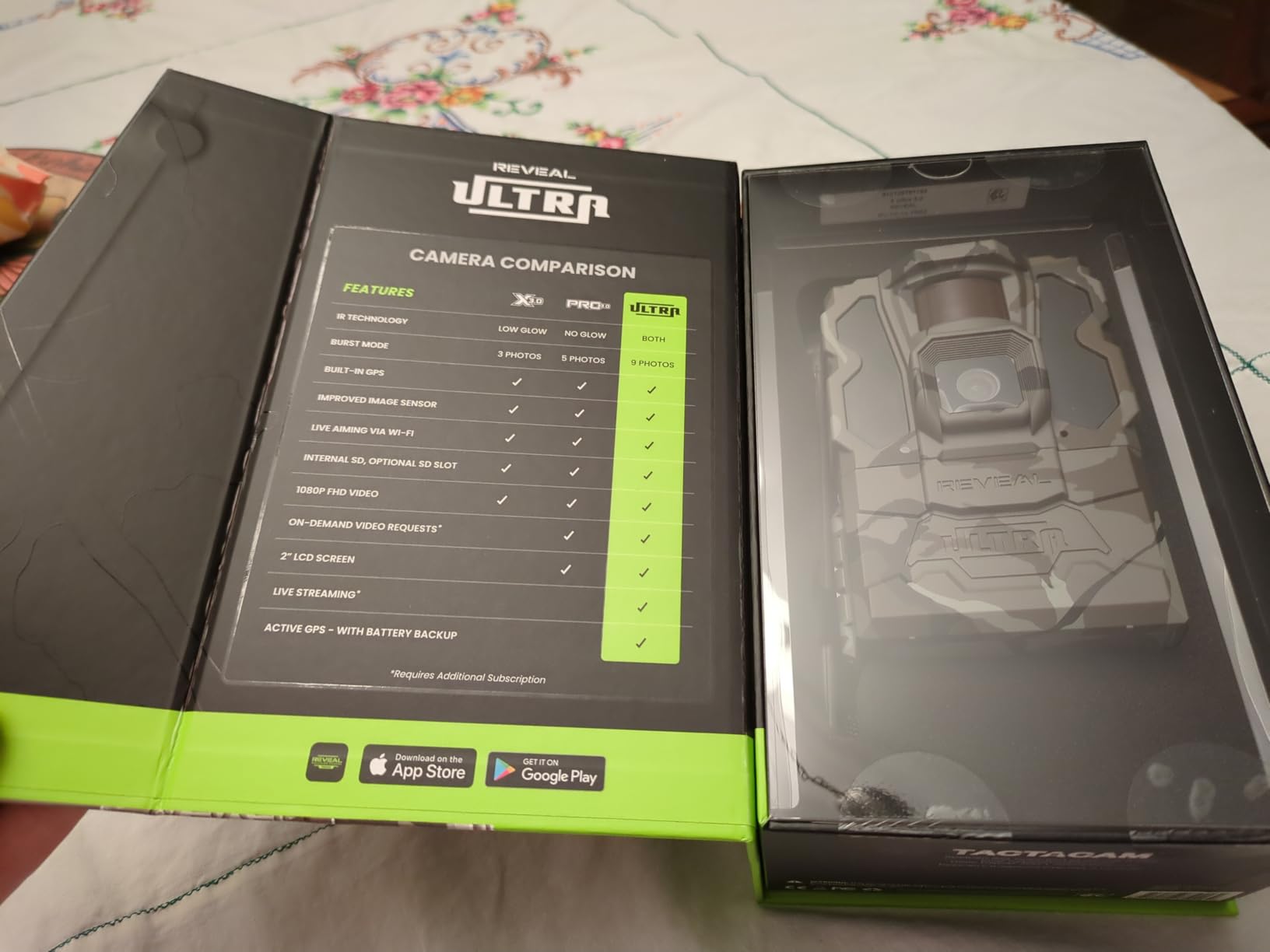
The Reveal Ultra produces the cleanest images in this group and it is not close. 4K stills and 2.5K video land in the app with detail that the 24 MP and 28 MP units cannot match, and reviewers repeatedly single out how well the video holds up at night.
The flash is switchable between 96 feet of low-glow and 80 feet of no-glow infrared, so you can flip concealment on when deer pressure rises without buying a second body. Trigger speed is under half a second and there is a 9-shot burst mode for centering moving animals.
The GPS is the more unusual feature. It stays active when the camera is switched off or the battery is pulled, and it alerts you if the camera moves more than half a mile from its last known position. For public land or a remote cabin, that turns a stolen camera from a total loss into a recoverable one.
Connectivity is automatic on leading 4G LTE networks with no carrier setup, an upgraded antenna handles marginal signal better than most, and there is 16 GB of internal storage with an SD slot if you want to expand. Owners running several of these treat the Ultra as the top tier of the range.
Who the Reveal Ultra suits
Pick it if you are judging animals on antler or pelt quality, filming for content, or hanging cameras where theft is a realistic possibility. The switchable flash and active GPS are the two features nothing else here matches.
It also makes a good security camera for a driveway or gate, because live video streaming and on-demand HD photo requests are in the app.
Where it falls short
Support is the recurring complaint. In-app technical help is largely automated, and reviewers describe issues being routed back through the retailer rather than to a technician who can fix anything.
There are also reports of units that stopped transmitting after a few months in the field. Plan pricing is tiered, so the ongoing cost needs checking against how many photos you actually expect to send.
3. MagicEagle Cellular Trail Camera – Best for Solar and No-Glow Night Vision
MagicEagle® Cellular Trail Camera 4G Wild Game Cameras 13,000 mAh Battery Solar Panel 2K Audible Video No-Glow IR Night Vision IP66 Waterproof for Wildlife Deer Monitoring Home Security (Army Green)
13,000 mAh battery
Included solar panel
940nm no-glow IR to 90 ft
IP66 rated
Pros
- Highest average rating in the group
- 13000 mAh battery plus included solar panel
- 940nm no-glow captures night animals without spooking them
- Cloud AI species recognition
- Two-year warranty plus registration bonus
Cons
- 5 MP sensor is modest beside 24 to 40 MP rivals
- Solar mount is short when using the strap
- Setup has a few non-obvious steps
The MagicEagle has the most favorable review profile of the ten: 4.8 out of 5 with 85 percent five-star ratings. Buyers also tend to use it for backyard and property monitoring rather than pure hunting, which fits the feature set better than it fits a treeline.
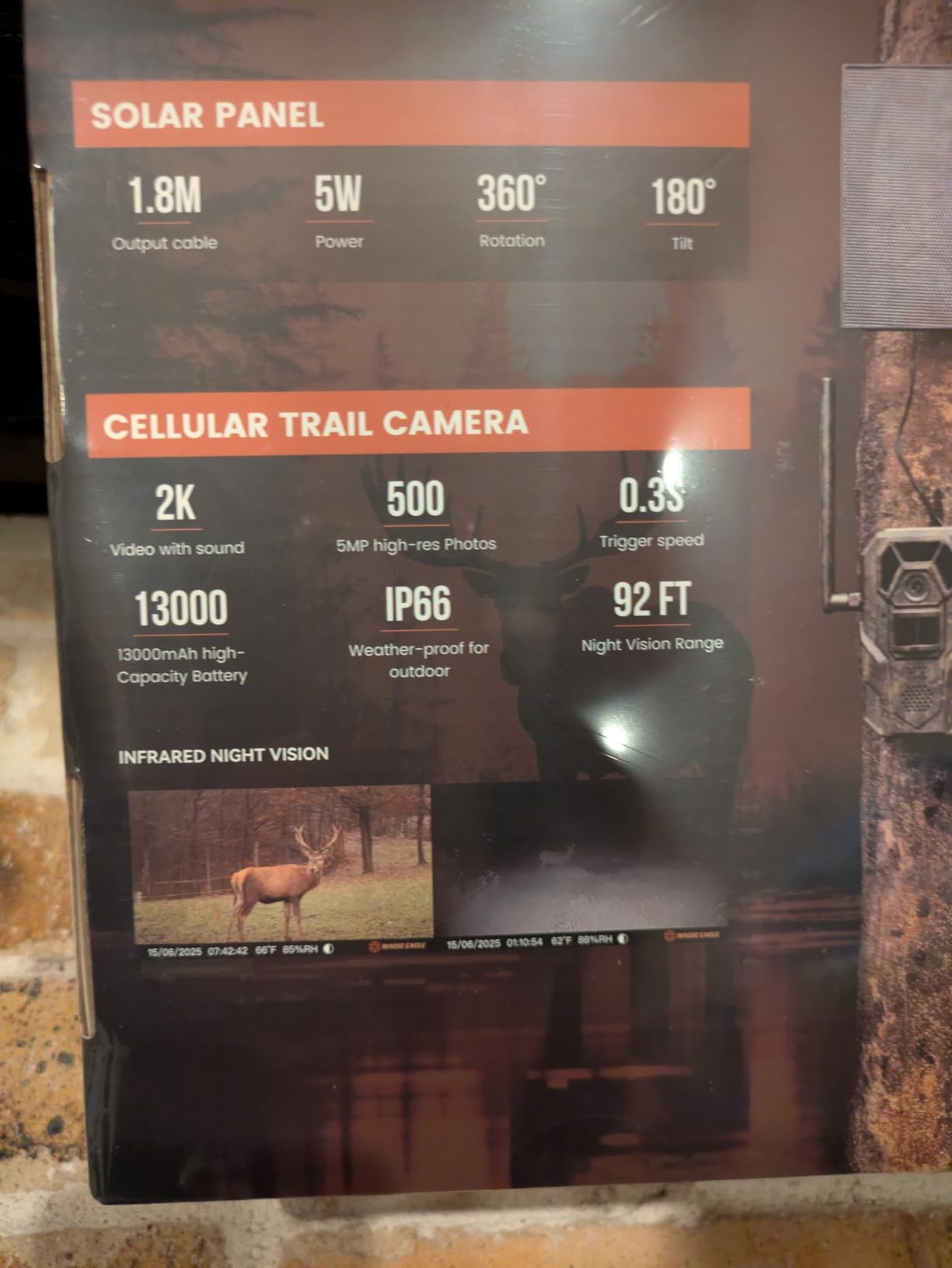
The standout is power. A 13,000 mAh battery with up to three months of standby, and a solar panel in the box, means the thing can sit on a gatepost or a barn corner without anyone climbing a ladder in October.
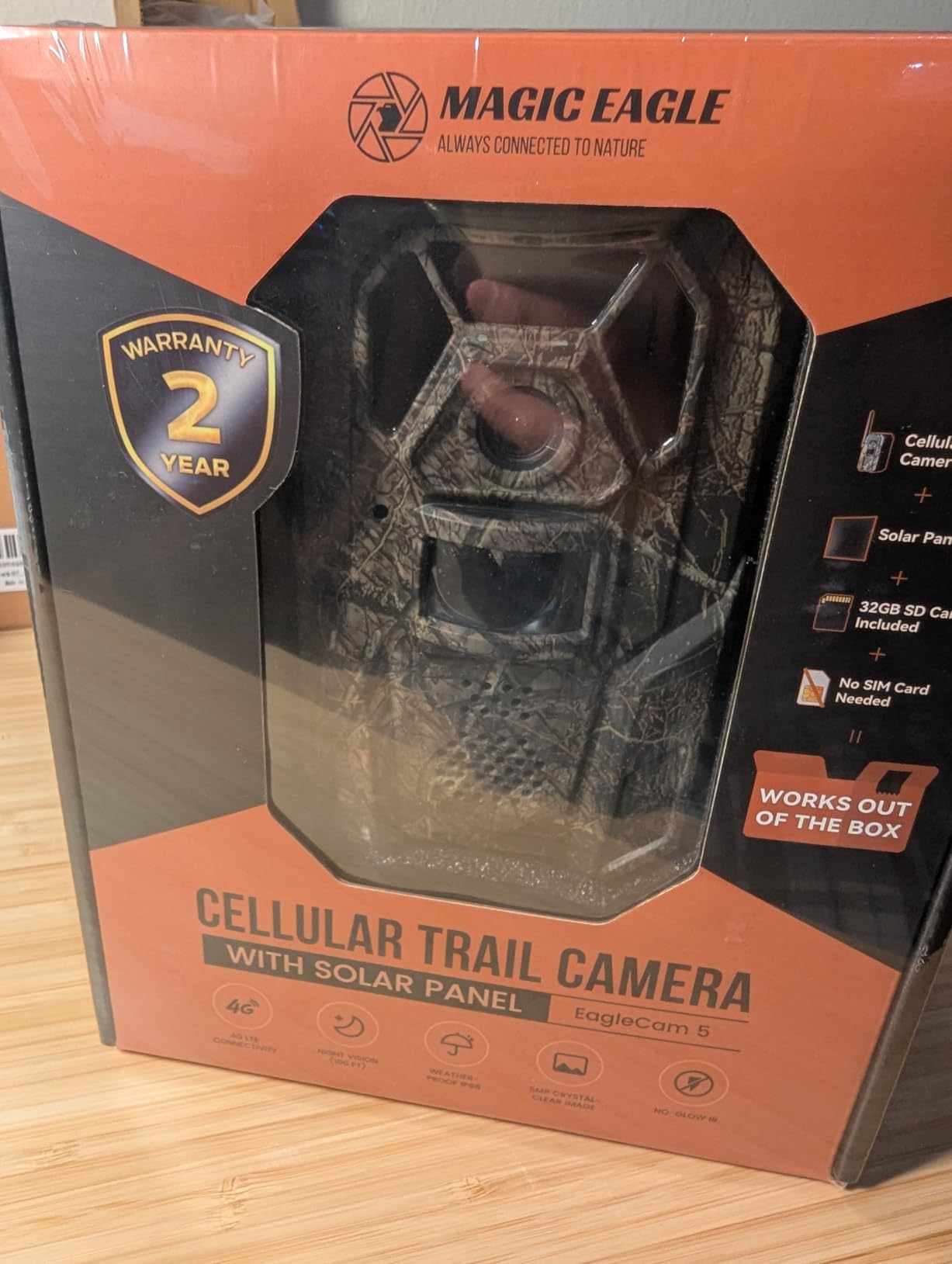
Night vision is 940nm no-glow out to 90 feet, and owners specifically mention that it picks up skunks, opossums and other animals that bolt from a low-glow flash. There is a 0.3-second trigger on a 5 MP sensor, 2K video with audio, and a 108-degree field of view.
SignalSync technology auto-selects the strongest network segment with no physical SIM to install, and the anti-theft package combines a gravity sensor with A-GPS so a moved camera captures the intruder and reports its location. Cloud AI handles species tagging plus temperature and humidity readings. A 32 GB card is included, and the housing is IP66 rated down to -20C.
Who the MagicEagle suits
It fits anyone who wants to install a camera once and forget it. The included solar panel and the no-glow flash make it a good pick for a driveway, a cabin, an orchard or a treeline where deer pressure is high.
It is also the safest of the solar-equipped options to buy, because a two-year warranty plus six extra months on registration sits behind it.
Where it falls short
The 5 MP sensor is the honest weak point. Stills are crisp for the sensor size but they will not hold up next to the 24 MP to 40 MP cameras when you crop a distant buck.
Two smaller annoyances: the solar panel mount is too short when you use the strap and needs extra screws, and setup has a few non-obvious steps that require reading the manual properly.
4. SPYPOINT Flex-M Twin Pack – Best for a Free Data Tier
SPYPOINT Flex-M Twin Pack Cellular Trail Cameras – 2 SD Cards Included, Best Hunting Accessories, No WiFi Needed, GPS, Night Vision, IP65 Water-Resistant, 28MP Photos, & 720p Videos + Sound (2)
Free plan of 100 photos a month
28 MP stills, 720p video
GPS tagging
Two SD cards included
Pros
- Only line here with a genuinely free monthly photo allowance
- Cross-carrier coverage with automatic network monitoring
- Reaches signal in heavy canopy where phones fail
- Two cameras and two microSD cards in the pack
- IP65 water resistance
Cons
- Photo quality falls off past about 20 feet
- Default check-in photos burn the free allowance fast
- Some units reported defective within months
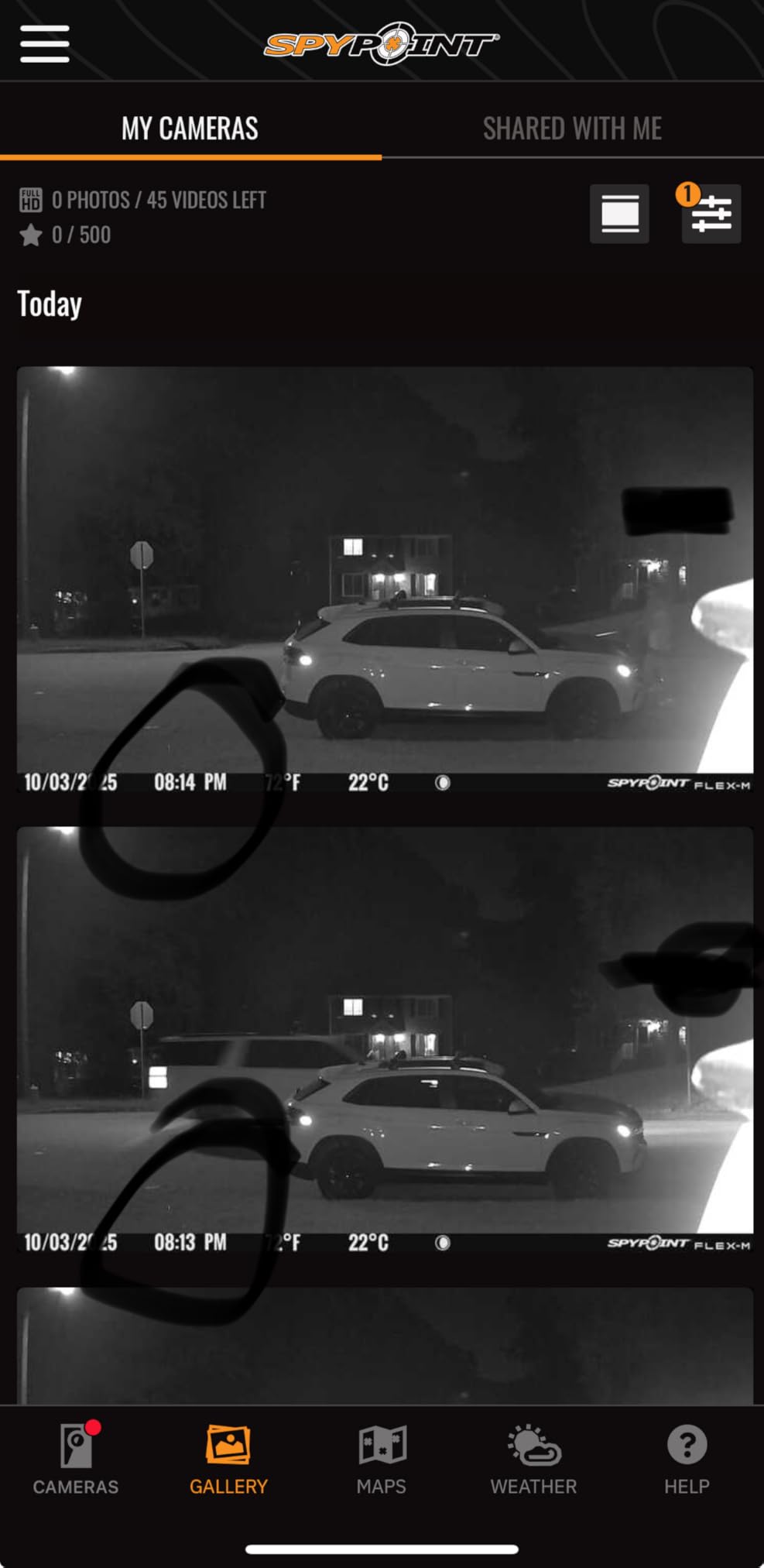
The Flex-M is the only camera in this roundup with a real free tier: up to 100 photos a month with no commitment. If you are scouting a single trail and checking in occasionally, that is the entire running cost of a cellular camera solved.
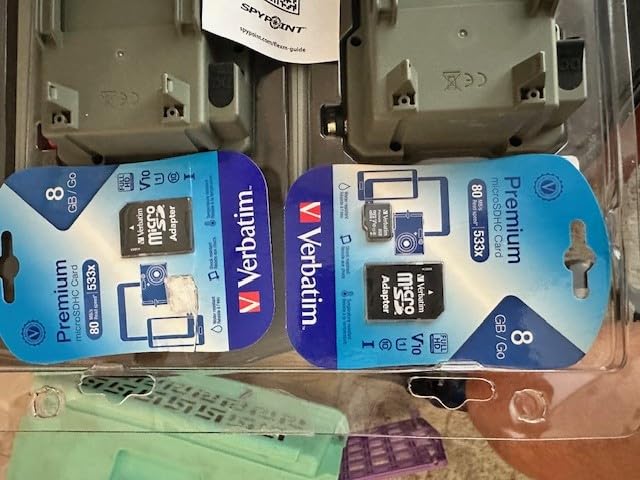
This is a twin pack, so you get two cameras and two microSD cards in the box, which makes it a two-body way to cover two approaches to the same stand. Stills are 28 MP with 720p video that includes sound, plus GPS tagging on every frame.
Cross-carrier coverage with continuous network performance monitoring means the camera moves between networks on its own, and owners report it picks up signal in heavy tree cover where a phone shows nothing. Capture modes cover photo, video, time-lapse and time-lapse+, and the app adds BUCK TRACKER AI species filtering, maps and live weather.
One setup tip appears in reviews constantly and is worth repeating: change the default check-in interval on day one. Left alone, routine check-in shots spend the 100 free photos before the season is a month old.
Who the Flex-M suits
It fits a new buyer who wants to see whether cellular is worth it before committing to a subscription. Two cameras, a free allowance and no contract mean the entry cost is the whole cost.
It also suits anyone placing cameras on public land or on a boundary where a spare body matters more than image fidelity.
Where it falls short
Image quality trails the pricier models, particularly past roughly 20 feet, and the video is 720p rather than 1080p. That is fine for confirming a buck is there and useless for anything else.
Durability is the other concern, with several reviewers reporting replacements within a season. The included mounting strap is not covered by warranty and deteriorates outdoors. Multi-camera plan options are limited and costly once you outgrow the free tier.
5. TACTACAM Reveal X Gen 3.0 Two-Pack – Best for Stealth Flash
TACTACAM Reveal X Gen 3.0 Cellular Trail Camera – Multi Carrier, HD Photos & Videos, Pre-Installed Antenna, Built-in GPS, Best Battery Life, Low-Glow, Fast Trigger Speed + Cleaning Cloth | 2PK
Low-glow IR flash
Built-in GPS and storage
3-shot burst
Guided on-device activation
Pros
- Low-glow flash is effectively invisible to people and animals
- Guided on-device activation makes it beginner friendly
- Built-in storage with an optional SD slot
- Pre-installed antenna location resists cable damage
- One-year warranty with in-house support
Cons
- Only sold as a two-pack
- Cellular service still requires a paid plan
- Product detail fields describe wireless technology inconsistently
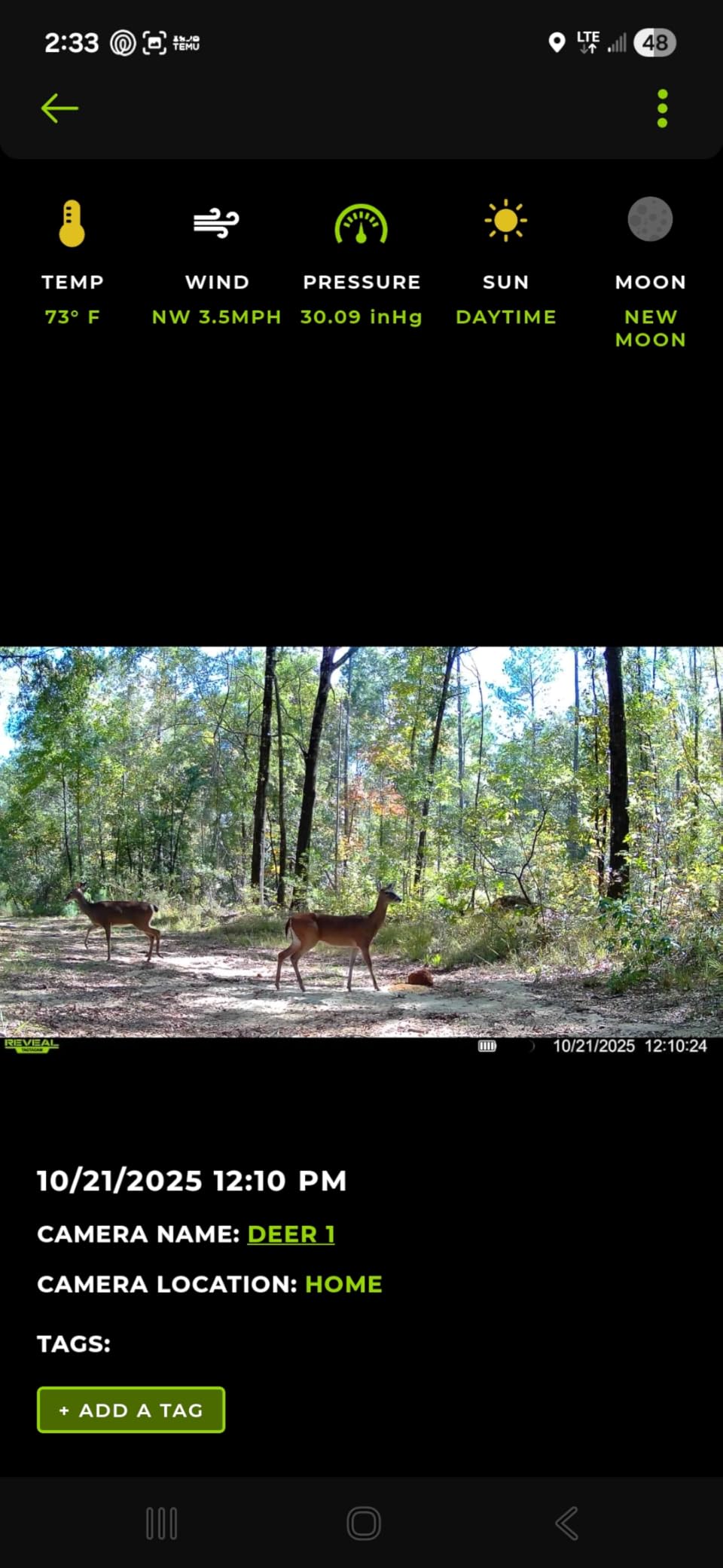
The Reveal X 3.0 is the quiet option. Its low-glow infrared flash is described by owners as effectively undetectable to both people and animals, which is the whole point when you are working pressured deer or a cabin where a visible red LED would give the game away.
Everything is set up from the camera itself, with a guided on-device interface that walks through activation step by step. That matters more than it sounds, because most cellular failures happen in the first ten minutes in a truck, not in the woods.
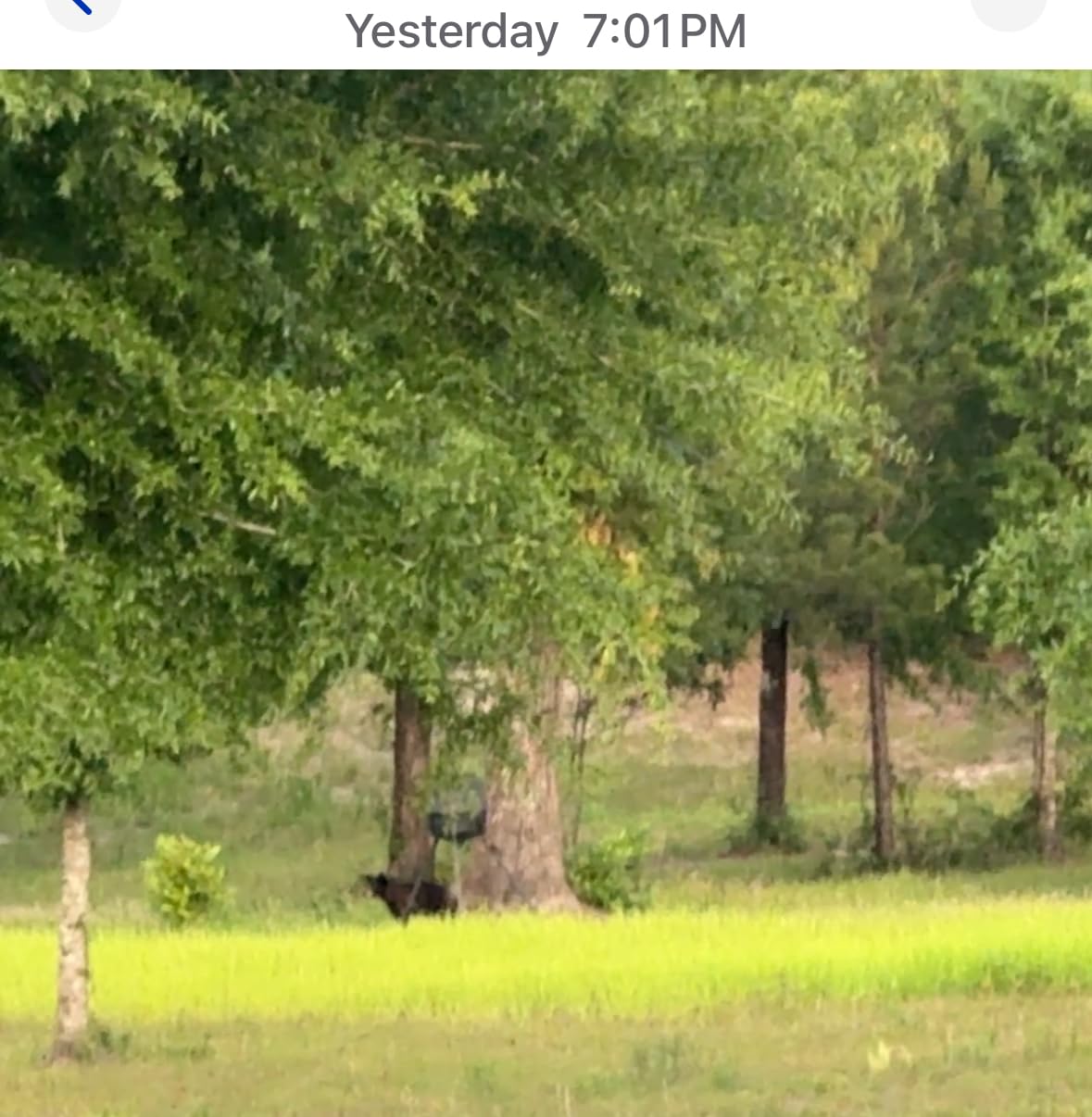
Output is HD stills and 1080p FHD video with a 3-shot burst mode to center game in the frame. Built-in GPS and a preactivated SIM handle multi-carrier operation, and built-in storage means no card is required even though an SD slot is there if you want one.
The pre-installed antenna location is a small but genuine durability win, since the usual failure point on these cameras is a cable snagged or chewed at the tree. Two cameras and a cleaning cloth are in the box, and compatibility with TACTACAM solar panels extends runtime further.
Who the Reveal X 3.0 suits
It fits two groups: first-time cellular buyers who want activation to be painless, and anyone who cares more about not being seen and not being heard than on raw resolution.
For multi-camera coverage the two-pack is a straightforward way to run a matched pair on the same property line.
Where it falls short
The two-pack is the only variant available, so you cannot buy a single body without buying two. If you need exactly one camera, this is the wrong shape of product.
A TACTACAM data plan is still required, and the listing itself describes its wireless technology inconsistently for a cellular-only camera, which is worth ignoring rather than worrying about.
6. VOOPEAK TC32 Two-Pack – Best for Auto-Tracking
4G LTE Cellular Trail Camera 2 Pack, Human Auto Tracking with 2,5K HD Live
2.5K remote live view
360 degree human auto-tracking
10x optical zoom
Solar with a panel per body
Pros
- Auto-tracking follows a moving person across 355 degrees of pan
- 2.5K live view with switchable white-light night vision
- 10x optical zoom plus digital zoom
- Solar panel included for each camera
- IP66 rated for all-weather placement
Cons
- Each camera needs its own separate data plan
- Memory card not included
- 4 MP stills are modest for the price
The TC32 is built around movement rather than triggers alone. It tracks a person automatically across 355 degrees of pan and 90 degrees of tilt, locking on and following them, which turns a fixed-corner camera into something closer to an attendant.
Live view is 2.5K with dual night vision: invisible infrared for concealment, or switchable white light when you want full color. Zoom is 10x optical with additional digital zoom, and each of the two cameras in the pack gets its own solar panel.
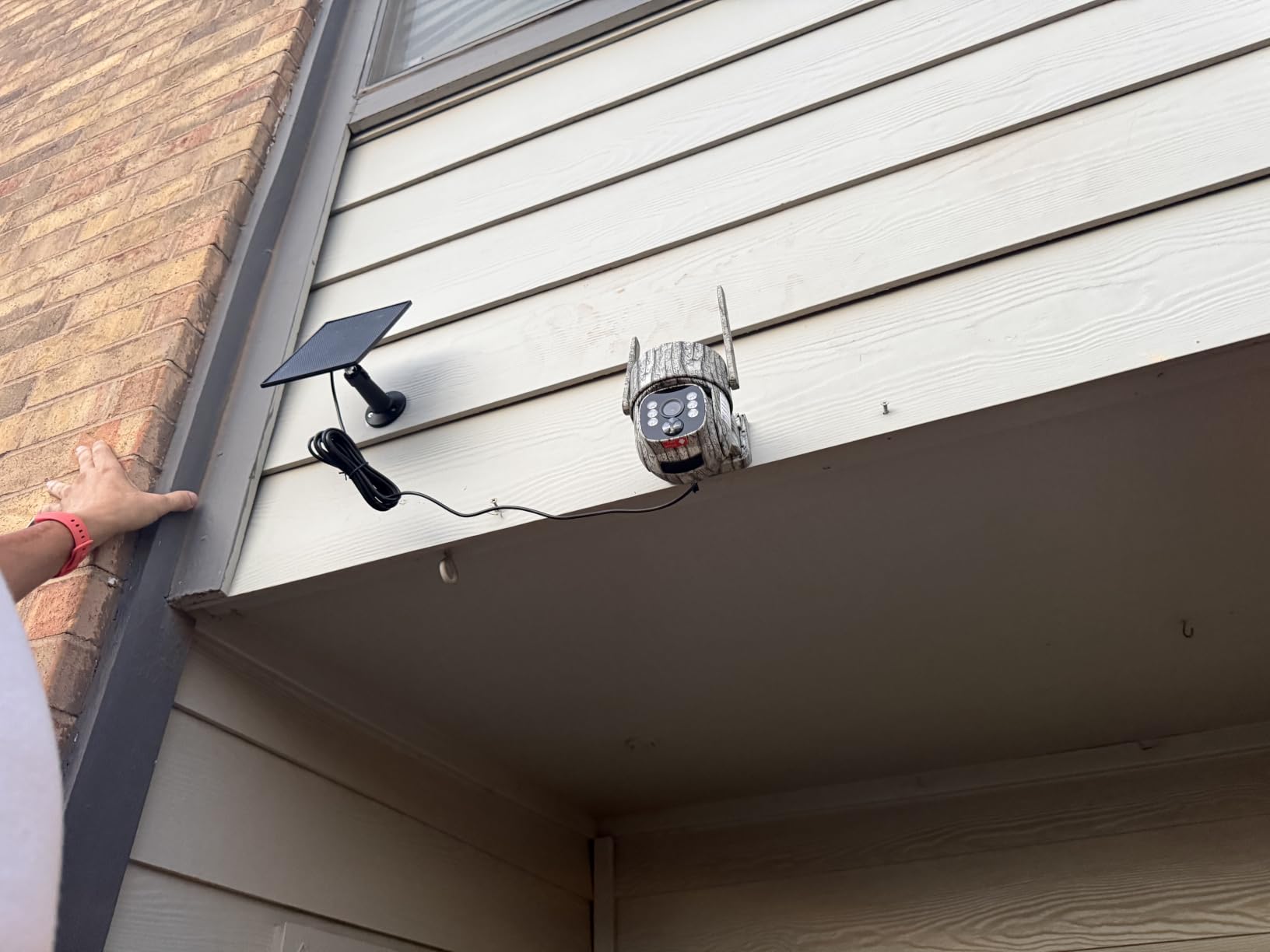
A pre-installed non-removable SIM handles 4G LTE with no WiFi, and a sensitive PIR triggers recording plus instant picture and video alerts to the phone. The housing is IP66 rated and the form factor is a small dome that mounts with a tree strap or a screw.
It is rated 4.5 out of 5 across 402 ratings, the second strongest profile in the group. The stated uses are construction site, farm and orchard security alongside hunting, and that range tells you what kind of buyer is landing well with it.
Who the TC32 suits
Anyone monitoring a building entrance, a yard, a farm structure or an orchard where a person walking through frame is the event you care about. Auto-tracking means one camera can follow someone around a corner.
It is also a reasonable second choice for wildlife if you mostly want live viewing rather than stills.
Where it falls short
Each camera carries its own non-shared data plan, and data cannot be pooled between them. On a two-camera pack that is a recurring cost line that scales faster than the hardware did.
Stills are 4 MP, which is the weakest resolution here for anything you intend to crop, and the memory card is not included so playback needs either a card you buy or a cloud subscription.
7. VOOPEAK TC32B-2P – Best for Pan-and-Tilt Coverage
VOOPEAK Trail Camera, 4G LTE Cellular Game Cameras with 360° Live Streaming
2.5K live streaming
355 degree pan and 100 degree tilt
4W solar with 7800 mAh
IP68 rated
Pros
- 4W solar panel holds charge for months including in cold
- 355 degree pan and 100 degree tilt cover wide areas
- IP68 waterproofing rated from -40F to 140F
- Pre-installed SIM works across Verizon AT&T and T-Mobile
- Responsive customer service that replaced a defective body
Cons
- Manual is tiny and hard to read
- Daytime images have a fish-eye look and can flare
- Night range is fair at roughly 30 feet on some bodies
The TC32B-2P is the endurance specialist of the group. A 4 watt high-efficiency solar panel with a 7800 mAh battery is rated for up to 12 months on a single charge in adequate sunlight, and owners report it holding through winter cold and multi-month deployments without a ladder.
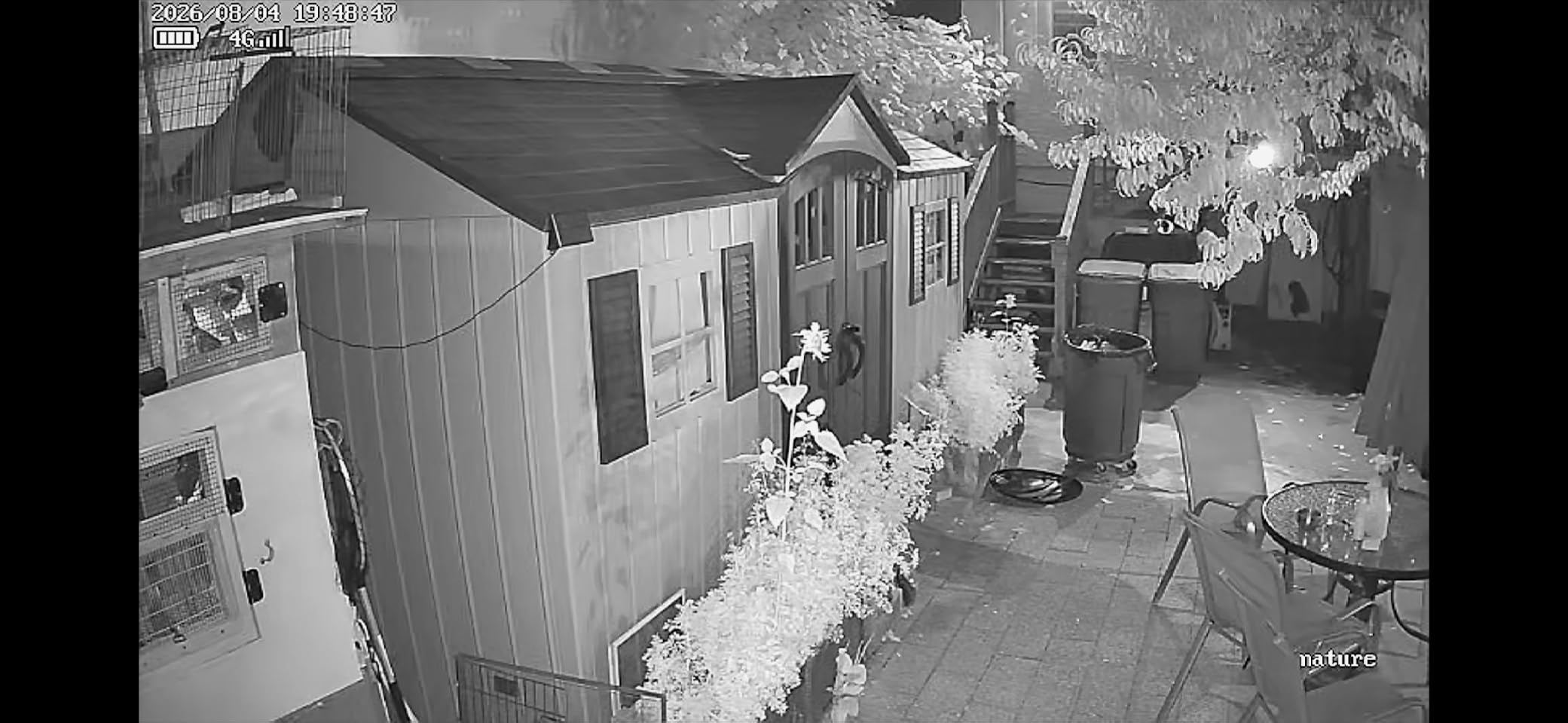
Coverage comes from a 355-degree horizontal pan and 100-degree vertical tilt, streamed to your phone as 2.5K over 4G LTE with no WiFi involved. The pre-installed SIM is compatible with Verizon, AT&T and T-Mobile and auto-connects to the strongest local signal.
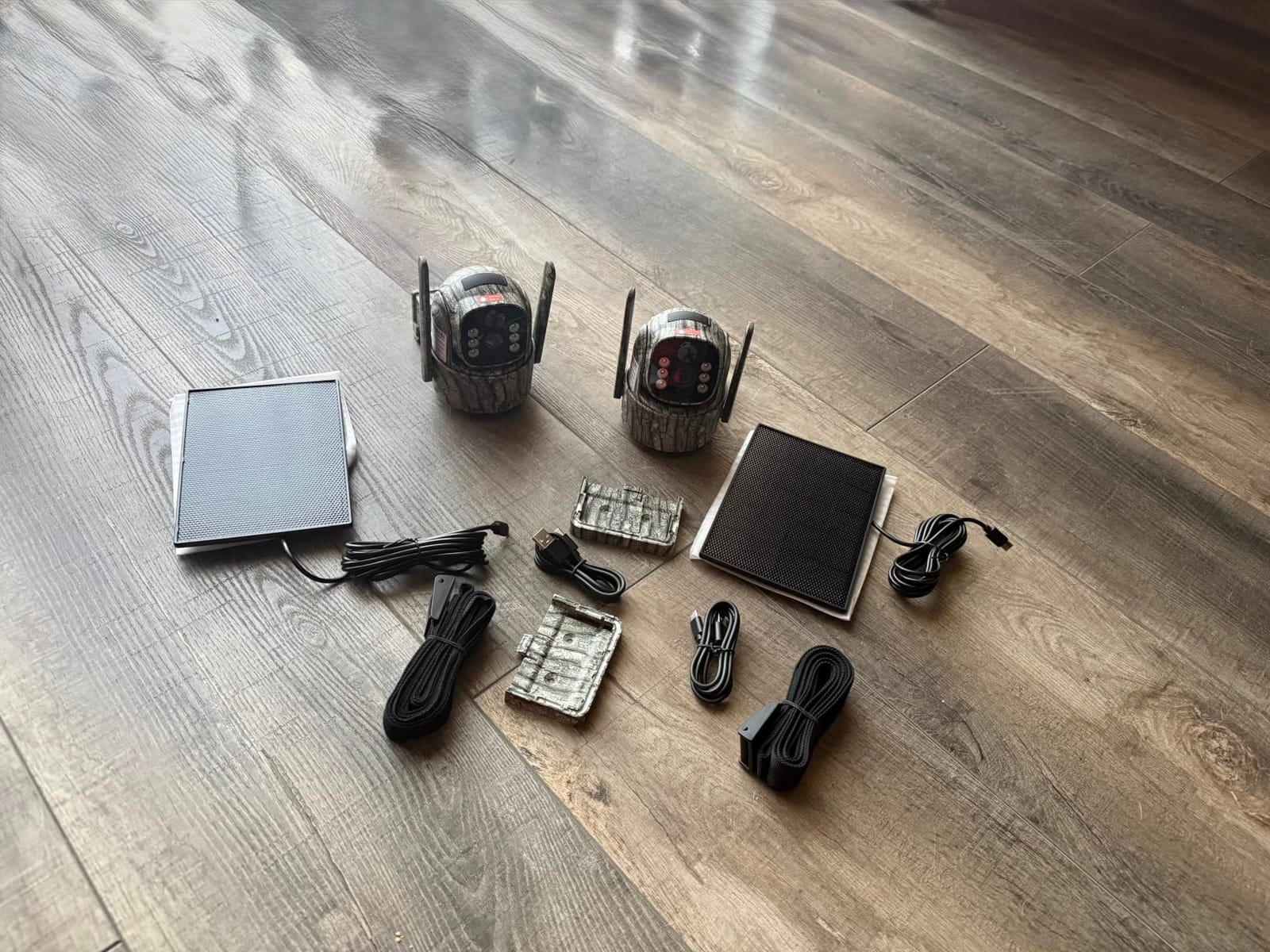
Weather resistance is the strongest here, rated IP68 from -40F to 140F. The PIR sensor responds in 0.1 seconds, six infrared LEDs handle night vision, and custom detection areas and sensitivity settings cut down false alarms on a busy property.
Reviewers treat this as a capable area-security camera at a budget price rather than a serious hunting body, and they are right to. Setup takes about three minutes in the app, and the pack is a two-count. Storage is a card up to 256 GB, not included, or an optional cloud subscription.
Who the TC32B-2P suits
It fits a wide yard, a driveway, a construction site or a remote cabin where power is not an option and you will not want to visit the camera for months at a time. The pan and tilt means one body covers a space a fixed lens would need two for.
If you are deploying in winter, the solar endurance is the reason to pick it over cheaper rivals.
Where it falls short
Documentation is poor. The manual is tiny, hard to read and reads as machine-translated, and the on/setup/off switch sits on the bottom of the swing-out body where it is hard to find without looking.
Image quality is fair rather than good. Daytime frames have a fish-eye look and can flare if sunlight hits the lens at the wrong angle, and night range is closer to 30 feet than the spec suggests on some bodies. Cloud playback is subscription-only unless you fit a card.
8. Oculview 4G LTE Two-Pack – Best for Property Security
Oculview 4G LTE Cellular Trail Cameras, 360° 2K Live Streaming Game Camera, SIM Card Included, Low-Glow Night Vision, Solar Powered, Instant Alerts, Two Storage Ways, No WiFi Needed for Hunting&Trail
2K live streaming
336 degree pan and 90 degree tilt
850nm low-glow to 100 ft
6W solar panel
Pros
- Pan and tilt control is called a game changer for wide coverage
- Holds cellular signal on remote land where phones get no bars
- Solar panel keeps the battery full through rain and snow
- Customer service is fast and resolves offline cameras
- Clear 2K live view from home
Cons
- Setup instructions are unclear
- SD card subscription and cloud fees stack per camera
- App password reset can lock you out while the camera still transmits
The Oculview is the one to look at if your cameras are watching a property rather than a treeline. Pan and tilt control is what owners single out most, and it turns a fixed view into something you can aim from your sofa.
Video is 2K live streaming over a built-in 4G LTE SIM that connects to Verizon, AT&T and T-Mobile on power-up with no separate SIM purchase. There is a free seven-day data trial to start, and 0.2-second action time with a 120-degree PIR detection angle pushes instant alerts to the phone.
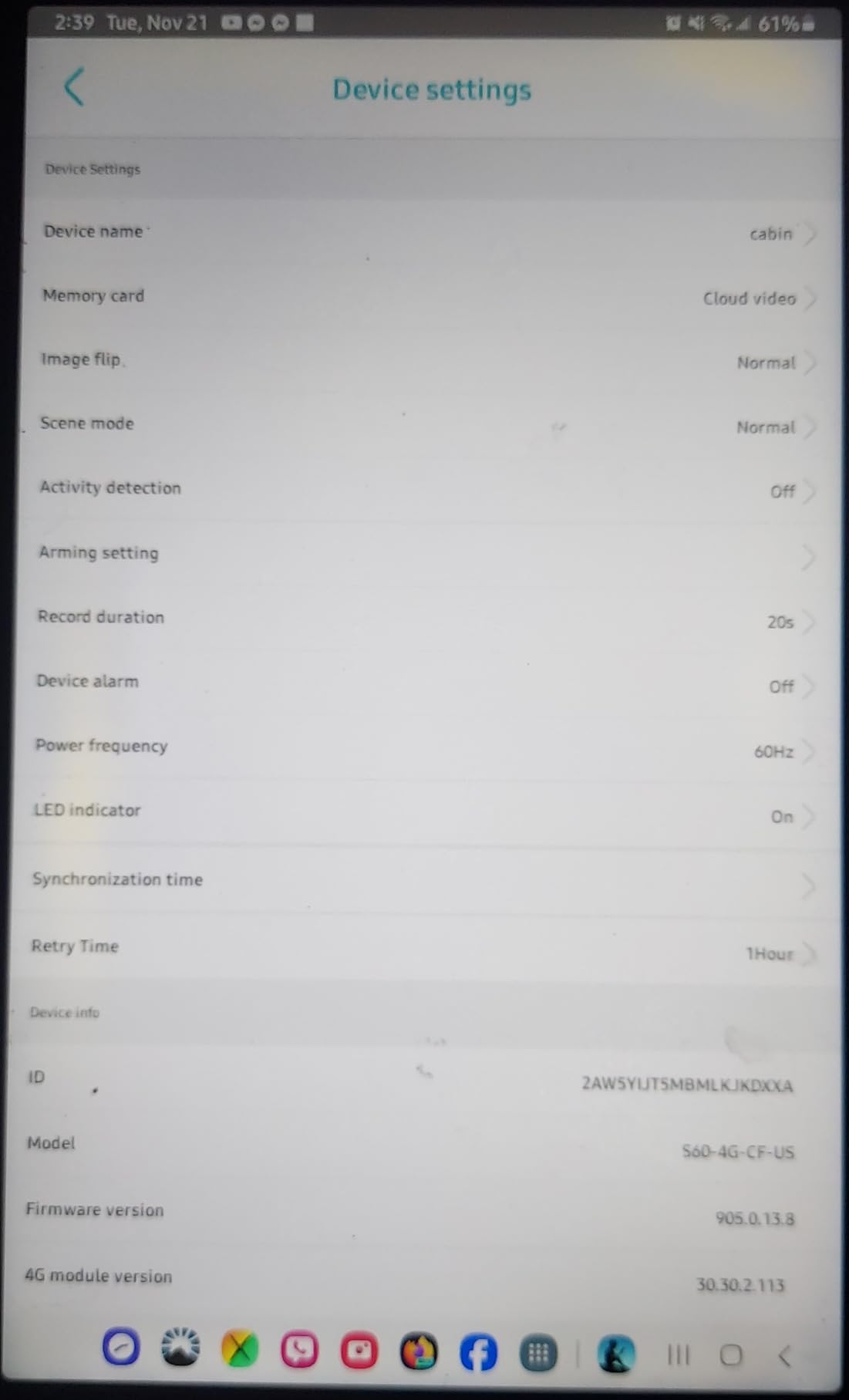
Night is 850nm low-glow infrared out to 100 feet when you enable the built-in spotlight, which is a rare combination of concealed flash and a light source you can turn on when you need color. A 6W adjustable solar panel needs roughly ten minutes of direct sun a day to sustain a full day of operation.
Storage is a choice between a cloud subscription and a local card up to 128 GB, which is not included. The stated use cases cover livestock, farms, construction sites, vacation homes, RVs and camping areas, and the IP65 rating handles the weather.
Who the Oculview suits
Property owners monitoring a gate, a cabin, a barn, a vacation home or a building site where they want alerts without running power or WiFi out there. Signal holding up on remote land where a phone shows nothing is the reported strong point.
Customer service here draws repeated compliments, including same-day help that got an offline camera transmitting again, which is unusual in this category.
Where it falls short
The instructions are widely described as unclear and expect you to work out many steps yourself, so budget an hour with the manual before you go to the field.
Total cost is the real complaint. A per-camera SD card, a monthly subscription and a separate cloud storage fee all stack up, and a UBox password reset has been reported locking users out of a camera that was still transmitting.
9. Muddy Mitigator – Best for Battery Endurance
Muddy Mitigator Cellular 24MP Imaging Trail Camera
24 MP stills, 1080p video
AT&T and Verizon, dual network
80 ft detection
32 GB memory
Pros
- Batteries last close to a full hunting season
- Very few false captures when placed away from vegetation
- Dual network picks the stronger of AT&T and Verizon automatically
- Good image quality for the money
- Simple in-app activation
Cons
- Some units have failed after less than a year
- Listed connectivity is described as WiFi which confuses expectations
- On-demand features depend on the Command Pro app
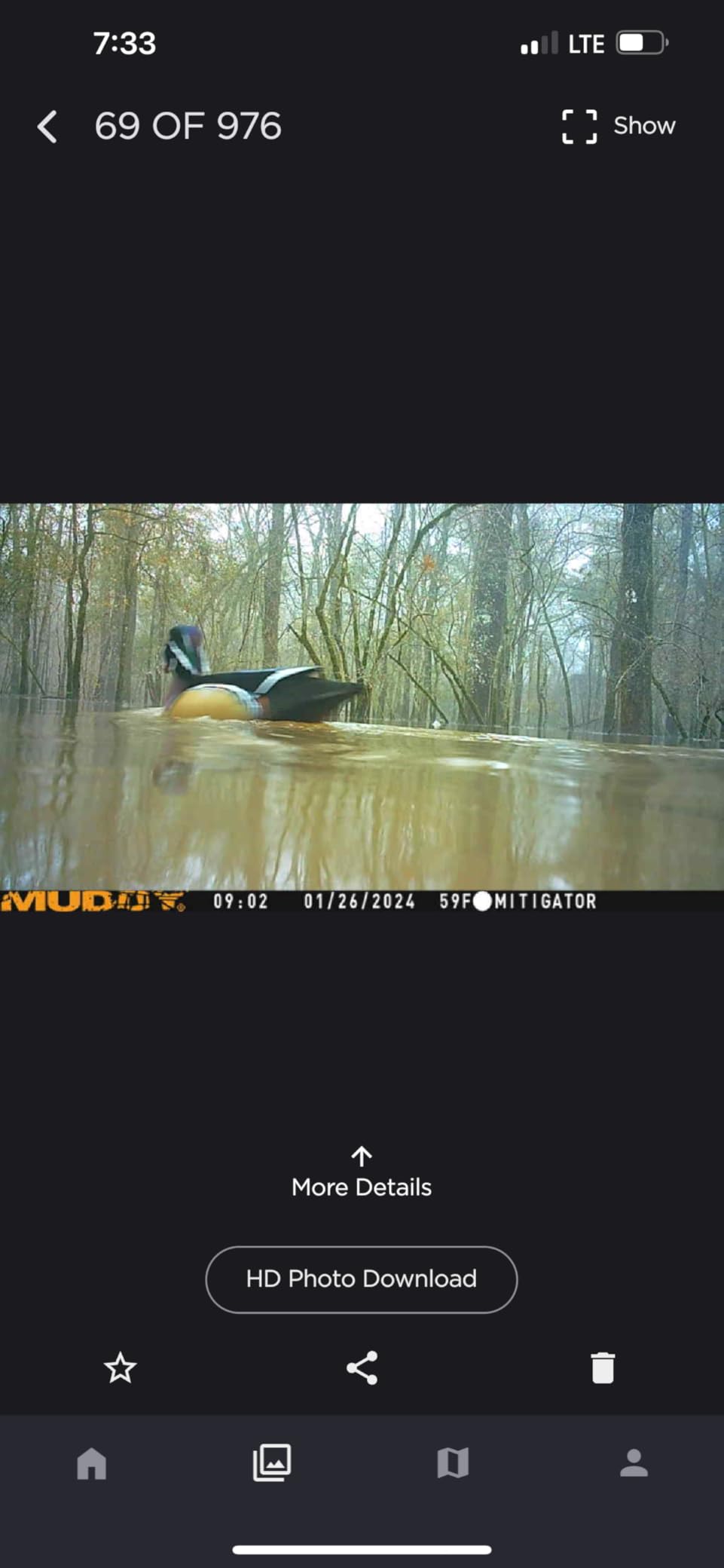
The Mitigator is the quiet value option, and its real advantage is that it stays out longer. Owners report batteries lasting close to an entire hunting season on a single load, which is the opposite of what a radio-heavy camera normally delivers.
Imaging is 24 MP from a 20 MP CMOS sensor with 1080p video at 30 fps, an 80-foot detection range and night vision to 20 meters using night-colour infrared. There is 32 GB of internal memory, so no card handling at all.
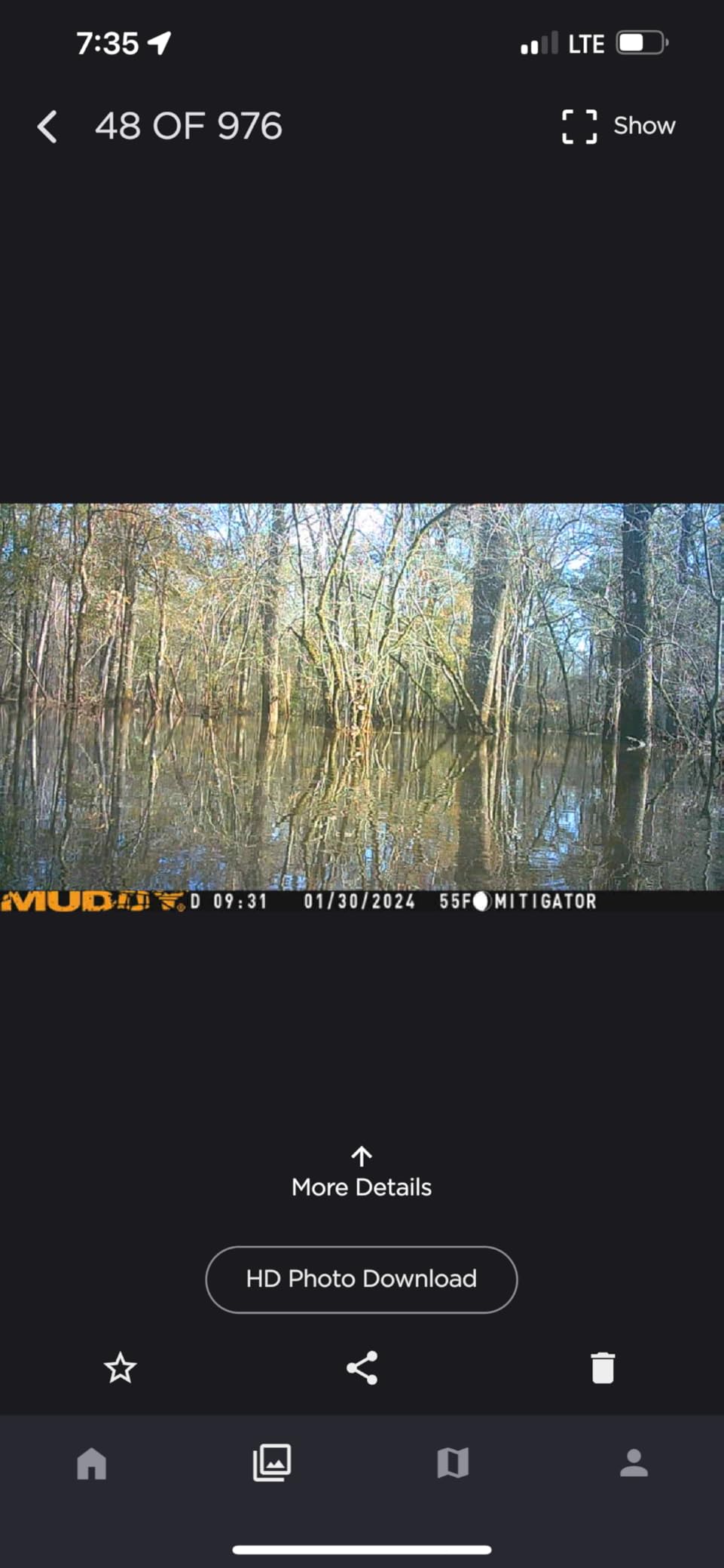
Connectivity is the dual-network approach: pre-installed SIMs for both AT&T and Verizon with automatic coverage detection that selects whichever carrier has better signal where it hangs. On-demand photo requests go through the Stealth Cam Command Pro app, and you can share camera access with other Command users.
Trigger speed is 0.7 seconds, the slowest in this roundup, which is the trade for the long runtime. False-positive rates are reported as very low when the camera is set up away from vegetation, and activation in the app is simple.
Who the Mitigator suits
It fits a hunter running a camera on a schedule rather than on demand, or anyone placing a body where a battery change would mean a long drive. Fewer false captures also means less wasted plan allowance.
It is a sensible first cellular camera on a budget, and sharing access through the Command app suits a hunting group watching the same property.
Where it falls short
Durability is the honest concern. Several reviewers report bodies failing between September and January, including one owner who lost three cameras bought together, and a few arrived dated and needed replacing.
The listing describes the connectivity protocol as WiFi rather than explicitly cellular, which confuses expectations, and the 0.7-second trigger will miss fast-moving animals compared with the 0.1 to 0.3 second units here.
10. Stealth Cam Revolver Pro 2.0 – Best for 360 Degree Zone Coverage
Stealth Cam Revolver Pro 2.0 360 Degree Cellular Camera 40MP, 1-6 Zone On-Demand and Live View, 0.4 Sec Trigger, Built in Memory, HD Photo and Video
40 MP selectable stills
1440p QHD video
360 degree and 180 degree zones
0.35 second trigger
Pros
- Strong cellular reception where other brands fail to connect
- 40 MP stills and 1440p video with audio
- 1-6 zone selection across panoramic capture
- 32 GB internal memory with built-in GPS
- Handles roughly -35F to over 80F
Cons
- Live view times out often and cannot be zoomed
- Lens can fog on cool mornings and spoil images
- Unlimited access plan is expensive
The Revolver Pro 2.0 does something no other camera here does: it captures panoramas. Photo resolution is selectable between 4, 8, 16 and 40 MP, video is 1440p QHD with audio, and capture spans 360 degrees or 180 degrees across one to six selectable zones.
Signal is the other headline. Reviewers specifically praise its cellular reception in remote camps where other brands fail to connect, helped by AIO Carrier Determination that selects the network automatically.
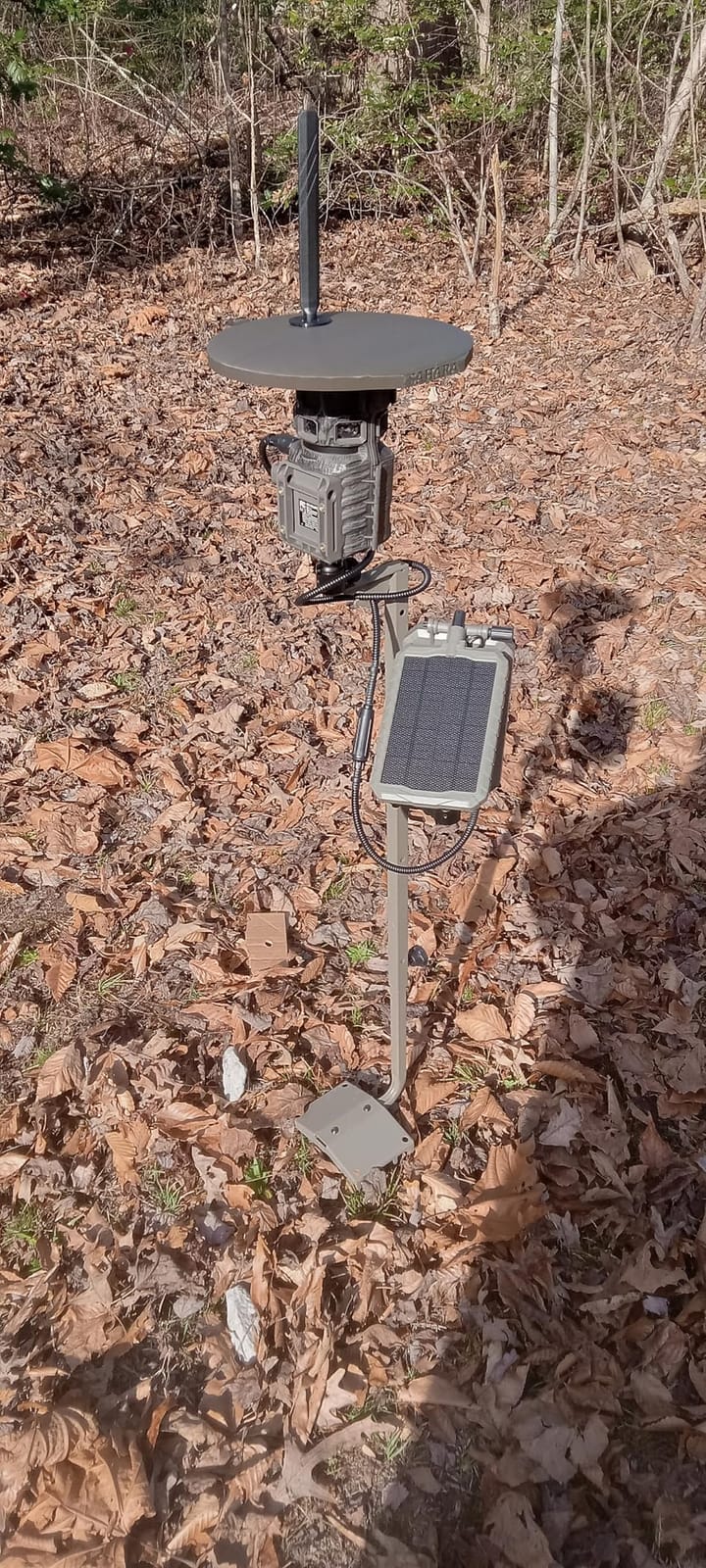
Trigger speed is 0.35 seconds with a one-to-three photo burst, and time-out delays are adjustable from 2 to 59 seconds or 1 to 59 minutes. Detection and flash range are 100 feet with four power LEDs, and there is 32 GB of internal memory plus built-in GPS location tracking.
Power handling is flexible: a 16-piece battery tray and a 12V DC auxiliary jack accept external packs, and the integrated multi-position mount takes a 1/4-20 insert. The body weighs 2.4 pounds and measures 7.48 by 5.51 by 3.15 inches.
Who the Revolver Pro 2.0 suits
It fits anyone covering an open funnel, a wide trail junction or a food plot edge where a fixed 50-degree lens would miss animals moving in from the side. Six zones let you set different sensitivity per area of the same scene.
It is also a good cold-weather option, rated from roughly -35F to over 80F, and GPS tagging helps you find and recover a body on public ground.
Where it falls short
The panoramic view is delivered as fixed sectors rather than a navigable view, so switching areas means reopening the app. Live view times out repeatedly and cannot be zoomed, which is frustrating for a camera sold on wide coverage.
Lens fogging on cool mornings can spoil a large share of frames. The trigger also fires on leaves and weeds, customer support is hard to reach, and the unlimited cellular access plan is the most expensive ongoing cost in this roundup.
How to Choose a Cellular Trail Camera in 2026
Coverage is the check to run before you buy, and it costs nothing. Stand at your exact tree, on the exact day of the season you care about, and compare the signal bars your own phone shows for AT&T, Verizon and T-Mobile. That is the network the camera has to live on, and a bar or two in the parking lot tells you nothing about the ravine.
Then match that to the hardware. Every camera here with more than one network on board will hop automatically: the Moultrie Edge 2, the SPYPOINT Flex-M, the Muddy Mitigator, the MagicEagle, the Oculview and both VOOPEAK bodies all advertise automatic carrier selection. A single-network camera is fine only if you have verified that one carrier reaches the spot.
No-glow or low-glow flash, and which one you need
No-glow infrared uses 940nm LEDs that emit no visible light at all, so nothing tells the animal it was photographed. It costs you range, typically. Low-glow uses 850nm LEDs that put out a faint red glow, which reaches further and gives you colour in night frames, but is visible to a human with decent night vision.
The right choice follows the species pressure. Pressured whitetail, or any animal that has already been burned once, gets no-glow. General scouting, predators at a bait site and security work usually tolerate low-glow. Only the TACTACAM Reveal Ultra in this list lets you switch between 80 feet of no-glow and 96 feet of low-glow on the same body.
Trigger speed, detection range and false triggers
These two numbers are routinely confused. Trigger speed is how fast the camera fires after the PIR sensor sees movement, and it decides whether a running deer is one blur or three sharp frames. Detection range is how far the sensor notices movement at all, which governs the arc you can cover but not the photo quality inside it.
In practice a fast trigger with a narrower detection range usually beats the reverse. Anything at 0.7 seconds and above will miss fast animals, while a 50-degree viewing angle means animals passing on the edge never enter the frame at all.
Battery life and solar
Cellular changes the arithmetic. The radio draws power continuously to stay registered, and in weak signal it draws more, retrying at full transmit power. Expect a cellular camera on lithium AAs to run a fraction of a season rather than the multiple seasons a non-cellular body manages on the same cells.
Solar is the real fix for a long deployment. Two cameras here ship with a panel in the box, the MagicEagle with a 13,000 mAh battery and the VOOPEAK TC32B-2P with a 4 watt panel rated for up to 12 months per charge. The Oculview and the VOOPEAK TC32 rely on solar but still need the daily sun the panel is designed around.
Data plans, SIM lock and the three-year cost
Almost every camera here uses a SIM locked to its own manufacturer plan, which makes carrier choice a hardware decision rather than a shopping decision. Reconyx is the open-SIM exception in this category, and it is not on this list. Amazon Prime does not cover these data plans either, so keep that separate in your head from the hardware purchase.
Plan structure matters more than the headline rate. The SPYPOINT Flex-M is the only body here with a genuinely free allowance of up to 100 photos a month. Several brands run multi-camera tiers, and the forum consensus is clear that anyone running four to eight cameras should price the per-camera monthly figure before buying the hardware, not after.
Also separate two charges that get confused: the data plan that transmits images, and any cloud storage subscription for archiving them. Some brands include unlimited cloud storage with the plan, others charge a second subscription after a trial, and the VOOPEAK TC32 in particular requires a separately purchased memory card or a cloud tier for playback.
If your season is short, look for a plan that can be paused or cancelled between seasons rather than left running year round, and check whether annual billing reduces the monthly rate.
Cellular versus non-cellular
A non-cellular camera writes to an SD card and costs nothing to run for years. It outlasts any cellular body on battery, and it cannot be blocked, jammed, hacked or orphaned when a company shuts down. For a wildlife research project, a camera on public land where theft is likely and theft recovery is impossible, or a simple trail with a weekly routine, that is a strong case.
A cellular camera wins when the information is time-sensitive. An alert while the buck is still in frame, a gate alert at midnight, a cabin camera on land with no power or WiFi, or a scouting line you genuinely do not want to drive. Hunters running several cameras report the plan cost still coming out ahead of repeated fuel and time, though that math depends entirely on your drive.
One more factor gets overlooked: if the manufacturer ever stops operating, the app and the plan stop with it, and the hardware becomes a paperweight. Check how long the brand has been running and whether its app is still being updated before you commit.
Frequently Asked Questions
What are some good trail cameras that connect to my cell phone?
The Moultrie Edge 2, the TACTACAM Reveal Ultra and the SPYPOINT Flex-M are the three most balanced picks in our testing. The Moultrie leads on multi-carrier reach and review volume, the TACTACAM on 4K image quality and switchable flash, and the SPYPOINT on the only free monthly transmission tier in the category. All three pair with a phone app that pushes alerts when the PIR sensor trips.
Do you have to pay a monthly fee for a cellular trail camera?
Almost always. The SIM inside nearly every cellular trail camera is locked to the manufacturer’s own plan, so you cannot shop around for a cheaper SIM. The SPYPOINT Flex-M is the only body here with a genuinely free tier, up to 100 photos a month. Some brands also charge a separate cloud storage subscription for archiving, which is a different charge from the data plan itself.
Do cellular trail cameras work without cell service?
No. The camera needs a usable signal at the tree to transmit, which is why coverage is the first thing to verify before buying. Stand at the exact spot on the exact season day and check the bars your own phone shows for ATu0026amp;T, Verizon and T-Mobile. The cameras here with multi-carrier auto-connect, such as the Moultrie Edge 2 and the Oculview, hop networks on their own, but they still need one of them to reach the camera.
How long do batteries last in a cellular trail camera?
Shorter than a non-cellular camera, because the radio stays registered to the network and draws more power in weak signal. A cellular body typically runs a fraction of a season on lithium AAs, while a non-cellular camera can run multiple seasons on the same cells. Solar is the practical fix: the MagicEagle ships a 13,000 mAh battery with a panel, and the VOOPEAK TC32B-2P is rated for up to 12 months per charge in adequate sunlight.
Is Moultrie or TACTACAM better?
They optimise for different things. Moultrie wins on multi-carrier Auto Connect, built-in memory, a 100-foot detection range and the largest verified review base of any camera we covered, at 1199 ratings. TACTACAM wins on image quality with 4K stills and 2.5K video, plus a switchable no-glow or low-glow flash and active GPS theft tracking. Choose Moultrie for reliability and coverage, TACTACAM for picture clarity and stealth.
The Bottom Line: Which Cellular Trail Camera Should You Buy?
The Moultrie Edge 2 is the best trail camera with cellular service for most buyers in 2026, because it is the only body here combining multi-carrier auto-connect, 36 MP stills, 100-foot low-glow detection, 8 GB of built-in memory and more than 1100 verified ratings without a serious weakness. Buy the TACTACAM Reveal Ultra if image quality and anti-theft GPS matter more than anything else.
Choose the SPYPOINT Flex-M if you want to try cellular without a subscription, the MagicEagle if you want solar and no-glow in the box, and the Stealth Cam Revolver Pro 2.0 if a fixed lens would miss too much of your scene. Whatever you pick, check the signal at the tree before you order, and price the plan for three years rather than one month.
Our related guides cover DSLR cameras for beginners and cameras for live streaming if you want to move from scouting to shooting your own footage.