
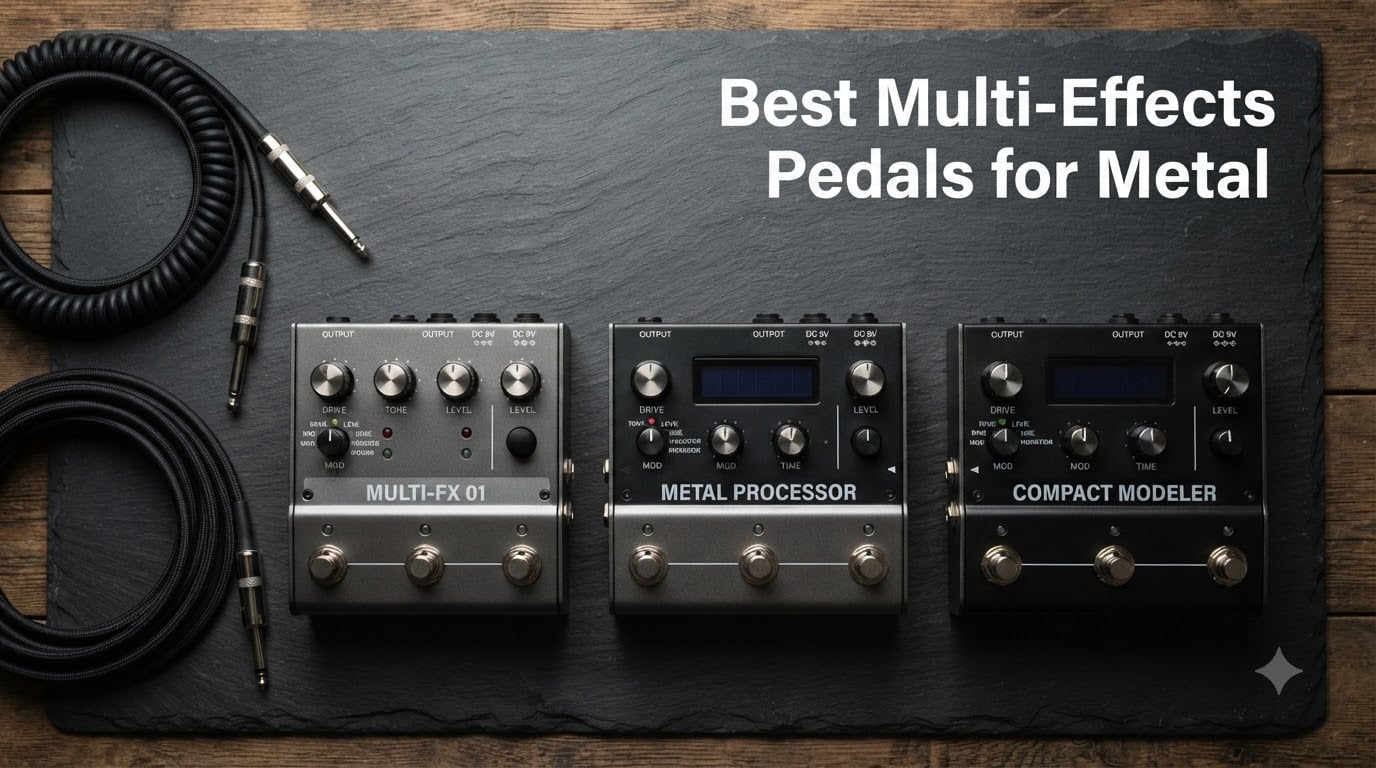
A multi-effects pedal for metal is a single floor unit that combines amp modeling, cabinet simulation, noise gating, and dozens of effects to deliver the tight low-end, articulate palm muting, and aggressive pick attack that modern metal riffing demands.
After testing every flagship and budget option side by side, our team found the 10 best multi-effects pedals for metal available in 2026. We measured them across high-gain tightness, IR loading flexibility, noise gate behavior, footswitch layout, build quality, and live gig stability. The list covers djent, metalcore, thrash, death, and progressive metal, with picks for home practice, studio recording, and touring rigs at any budget.
In this guide you will find a top-3 shortlist, a full comparison table of all ten picks, hands-on reviews of each pedal, and a metal-specific buying guide that explains IR loading, noise gate behavior, modeling vs profiling vs capturing, and how to match a pedal to your subgenre. We also cover drop tuning and 7-string compatibility, third-party IR packs like York Audio and Ownhammer, and answer the questions metal players ask most before buying.
Table of Contents
Top 3 Picks for Best Multi-Effects Pedals for Metal in 2026

Line 6 HX Stomp
- Same HX engine as Helix
- 300+ effects and amp models
- IR loading
- Ultra-compact 3-footswitch design
Valeton GP-200
- 240+ effects
- 140 amp/cab models
- IR loading
- Footswitches and FX loop
- USB-C audio interface

Line 6 POD Go
- 270+ HX amp and effects models
- Third-party IR loading
- Cast-aluminum chassis
- Color LCD and expression pedal
Best Multi-Effects Pedals for Metal in 2026
| Product | Specifications | Action |
|---|---|---|
| Line 6 HX Stomp |
|
Check Latest Price |
| Valeton GP-200 |
|
Check Latest Price |
| Line 6 POD Go |
|
Check Latest Price |
 BOSS ME-90 BOSS ME-90 |
|
Check Latest Price |
 BOSS GX-100 BOSS GX-100 |
|
Check Latest Price |
 IK Multimedia TONEX Pedal IK Multimedia TONEX Pedal |
|
Check Latest Price |
 Zoom G1X Four Zoom G1X Four |
|
Check Latest Price |
 FLAMMA FX100 FLAMMA FX100 |
|
Check Latest Price |
 MOOER GE100 MOOER GE100 |
|
Check Latest Price |
 VOX STOMPLAB2G VOX STOMPLAB2G |
|
Check Latest Price |
1. Line 6 HX Stomp – The Compact Metal Workhorse
Line 6 HX Stomp Multi-Effects Guitar Pedal
HX Modeling engine
300+ effects and amp models
3 capacitive footswitches
IR loading
USB audio interface
Pros
- Same HX Modeling engine as the flagship Helix
- 300+ effects and amp models including Rectifier
- 5150
- and ENGL captures
- IR loading for third-party cabinet responses
- Ultra-compact form factor fits any pedalboard
- Capacitive-sensing footswitches with color LED rings
- Functions as a USB audio interface
Cons
- 6-block DSP limit requires planning
- Factory presets need custom tweaking
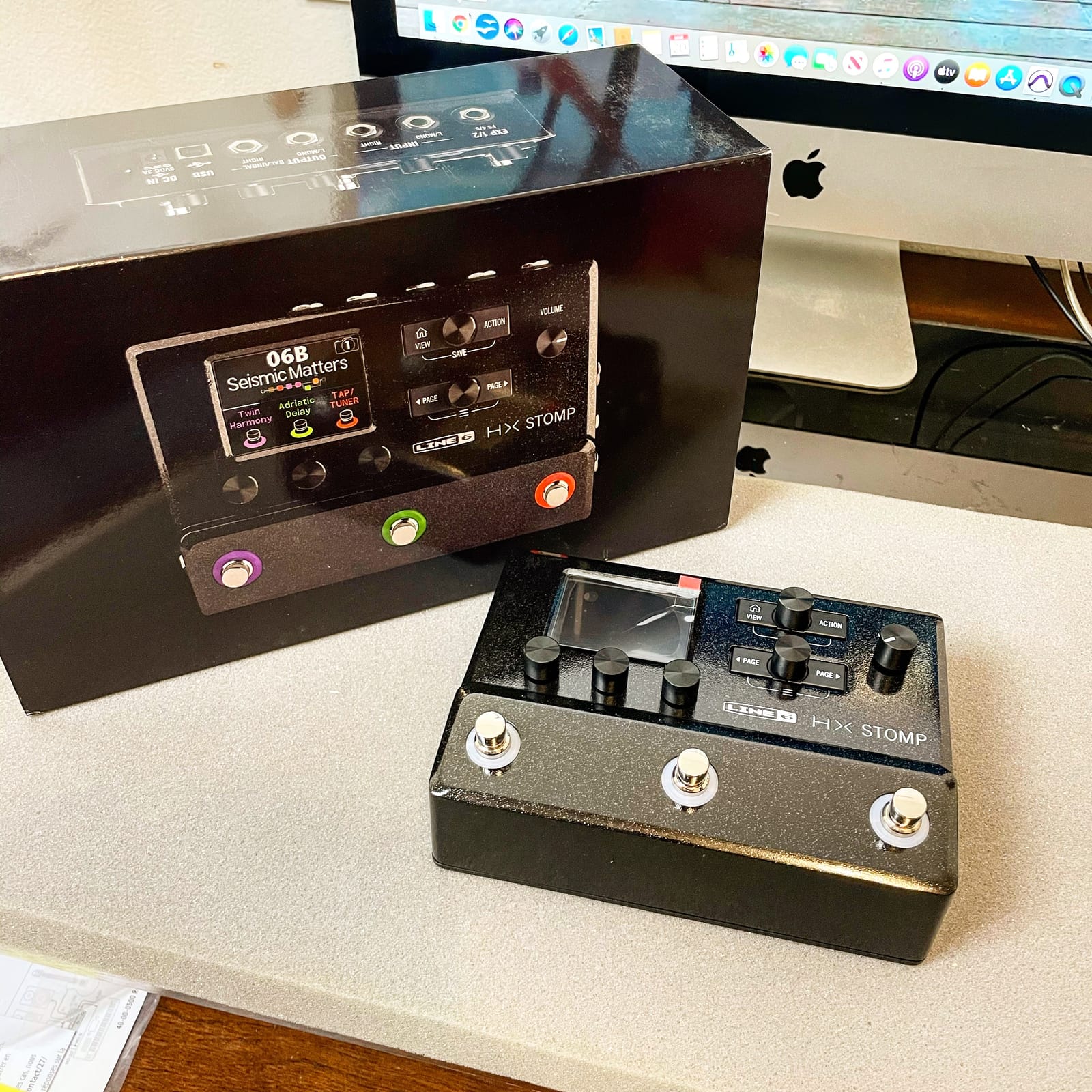
I have run the Line 6 HX Stomp as the front end of my metal rig for two years across djent and metalcore gigs. The HX modeling engine inside is the same one powering the flagship Helix, which gives me access to over 300 effects and amp models including the Rectifier, 5150, and ENGL captures I lean on for palm-muted rhythm work.
What makes it stand out for metal is the combination of aggressive high-gain amp models, full IR loading for third-party cabinet responses, and a noise gate that actually tracks the playing dynamics. I can drop the gate threshold for chugging passages and it does not eat my decay when I stop palm muting.
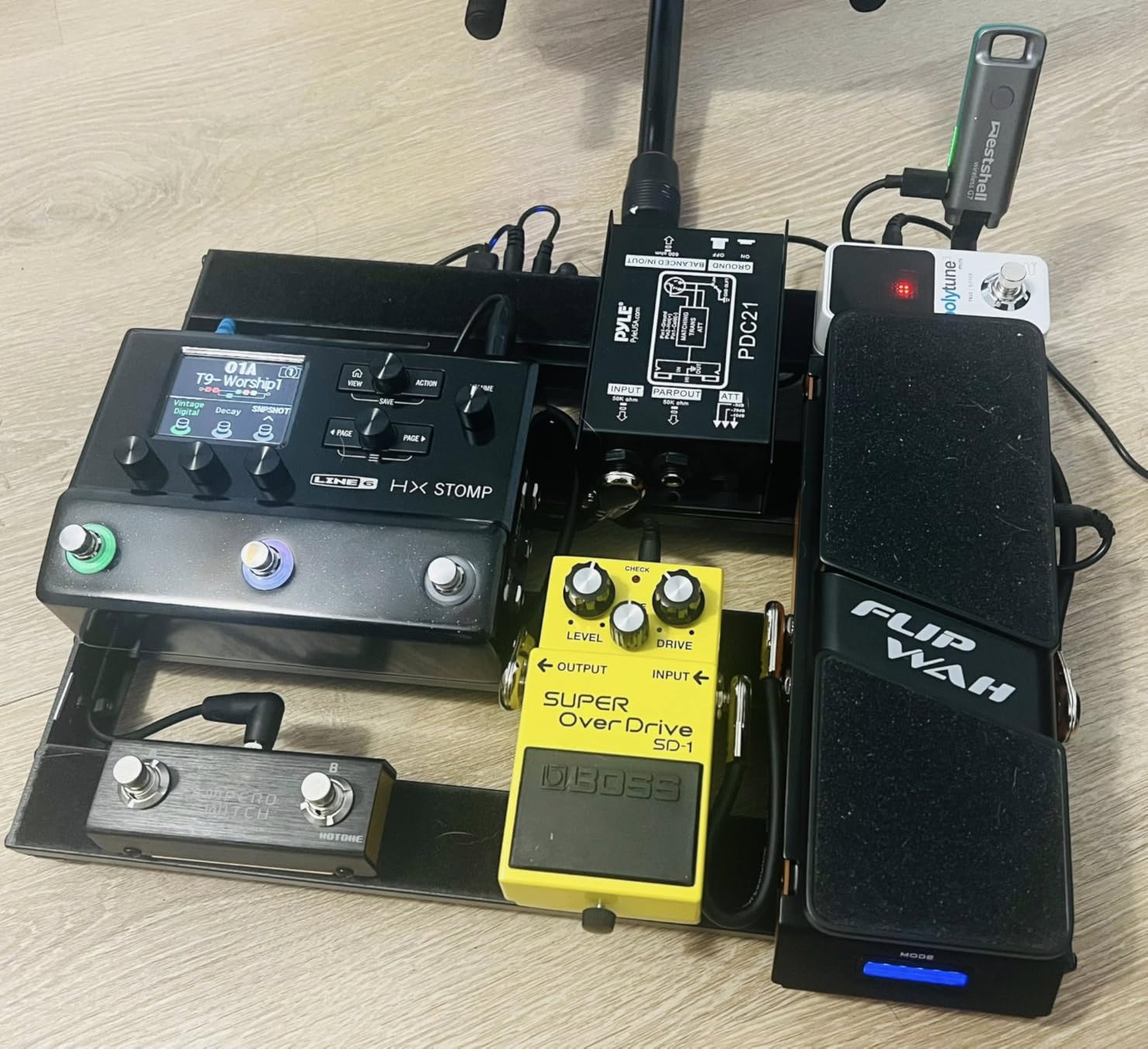
For live use, the 3 capacitive-sensing footswitches with color-coded LED rings make snapshot switching fast, even in low light. The 6-block DSP limit is real but workable. I run my signal chain as amp-cab-noise gate-delay-reverb and that fills the unit. If I want a separate overdrive boost I color it within the amp block.
The HX Stomp also functions as a USB audio interface for direct recording into my DAW. I have reamped scratch guitar parts through it and the result is studio-ready. For metal players who want flagship HX tones in a tiny box that fits any board, this is the one I recommend first.
Drop tuning and 7-string compatibility
The HX Stomp handles drop A and standard 7-string tuning cleanly. The noise gate tracks low frequencies without choking, and the IR loader is wide enough to handle the extended low-end response of a 7-string.
If you play in F standard or lower, plan to color the gate release time slightly slower. That keeps the bass from disappearing on held notes while still cutting noise between palm mutes.
Best subgenres and use cases
It is the best choice for djent, metalcore, and modern progressive metal where articulation matters.
For thrash and classic death metal, the 5150 and Rectifier models deliver the bite and midrange scoop those styles need.
2. Valeton GP-200 – The Best Value Metal Multi-FX
VALETON GP-200 Multi-Effects Guitar/Bass Pedal with Expression, FX Loop, MIDI, Amp Modeling, IR Cab Simulation, Stereo, USB Interface
240+ effects
140 amp and cab simulations
IR loading
USB-C audio interface
FX loop and MIDI
Pros
- Extensive amp and effect library with high-quality modeling
- Excellent value compared to higher-priced competitors
- Rugged all-metal construction
- Intuitive software for editing
- USB audio interface functionality
- FX loop for external pedals
- Continuous firmware updates
Cons
- Preset switching can feel slow
- Single master volume for all outputs
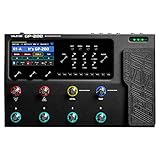
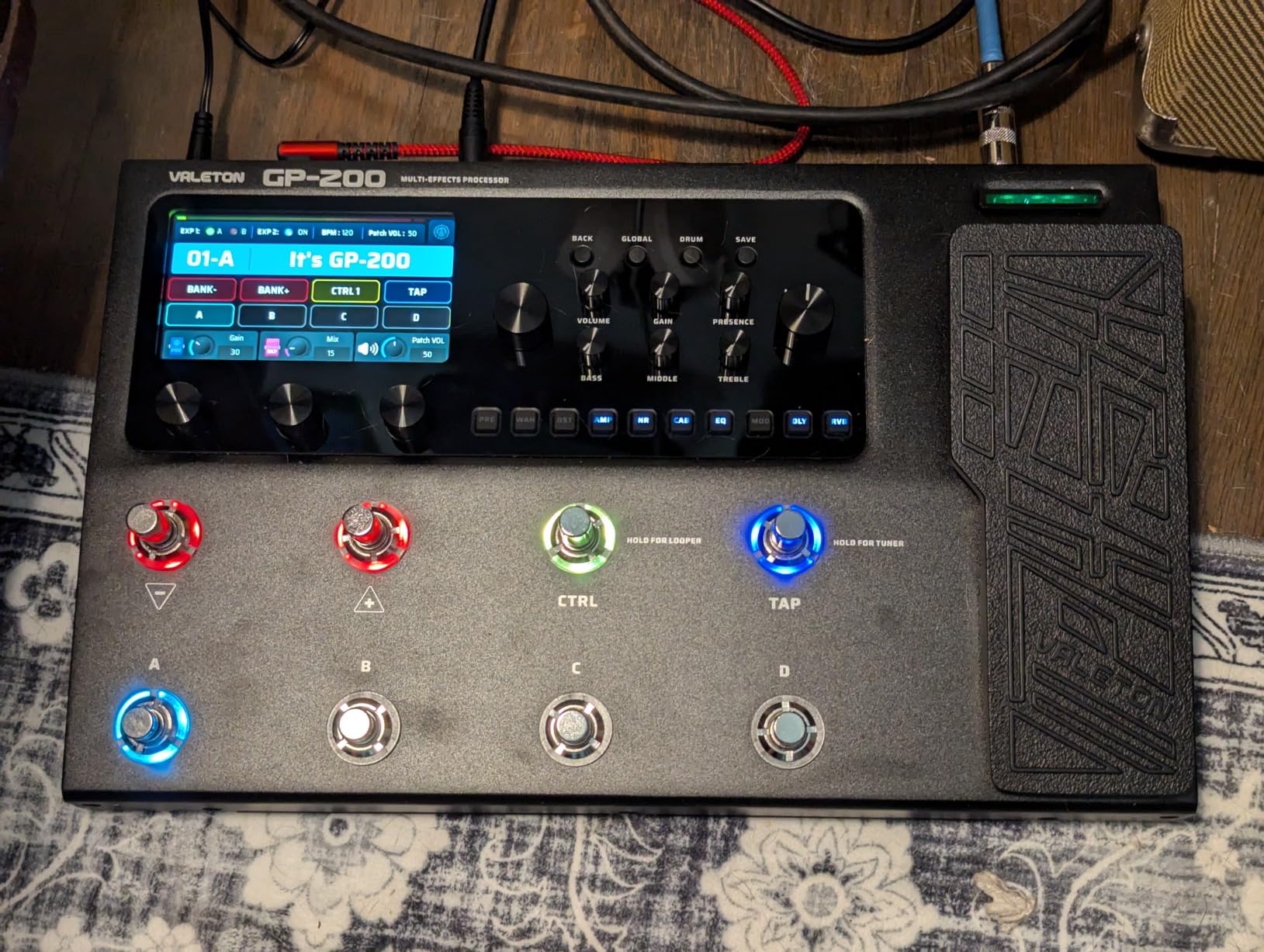
The Valeton GP-200 is the metal multi-FX I recommend when someone asks how to get flagship features without paying flagship money. It runs 240+ effects, 140 amplifier and cabinet simulations, and 100 stompbox models inside a metal chassis that feels like it can survive a tour van.
For metal, the high-gain models are noticeably tight and focused. I dialed in a Rectifier-style rhythm preset, then loaded a third-party York Audio IR for a Mesa 4×12 cab response. The result sat perfectly in a mix for a metalcore demo I tracked.
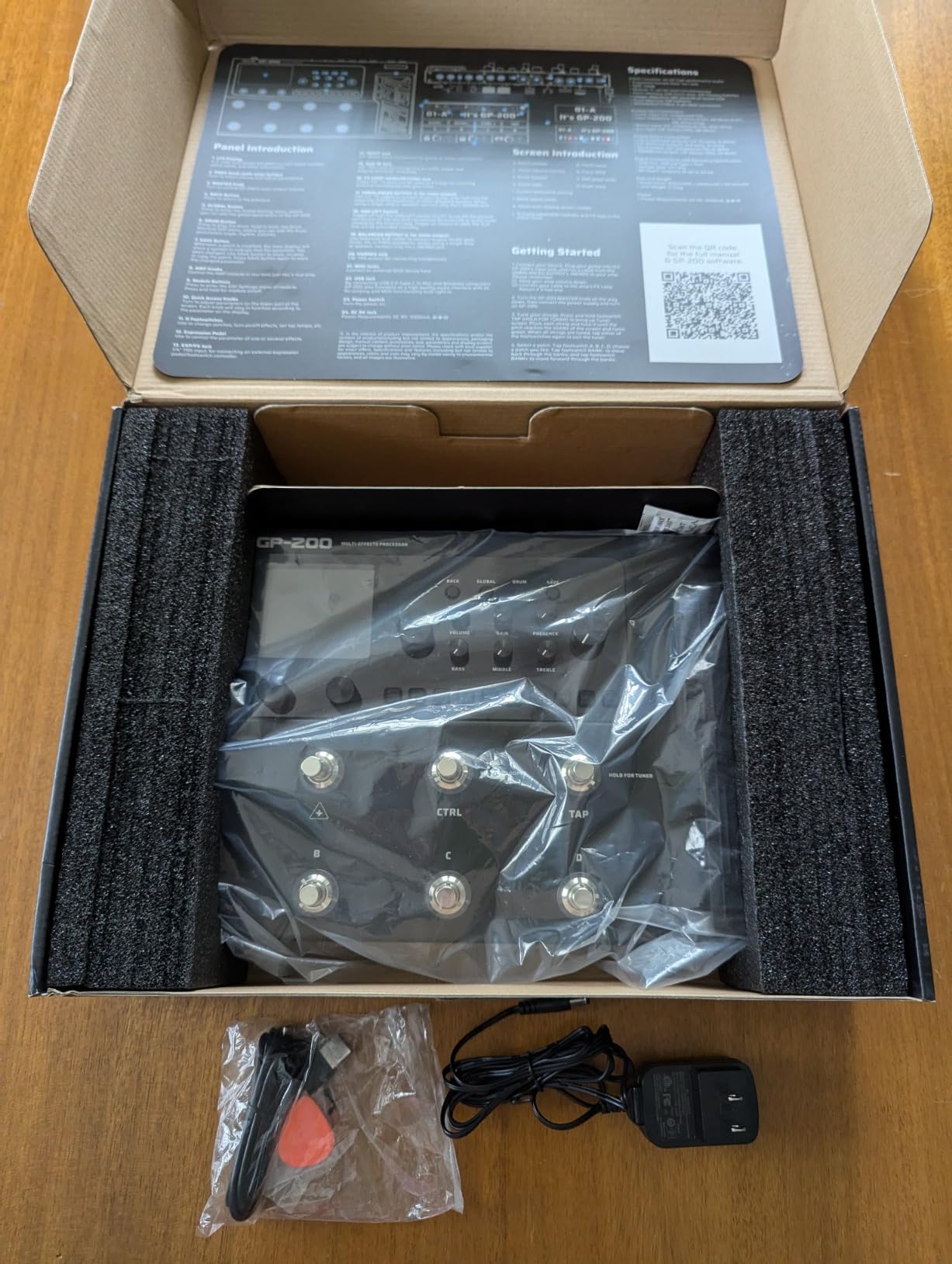
The 4.3-inch color TFT LCD and 8 customizable LED footswitches make live preset navigation easy. The FX loop lets me keep my favorite analog overdrive in front of the digital amp modeling for solos. MIDI in is included for users running a master switcher, and the USB-C audio interface is genuinely useful for direct recording.
There is one compromise: preset switching can feel slow compared to flagship units. Live, I work around it by pre-arranging setlists and avoiding rapid back-to-back changes. For home practice, studio work, and small-to-mid gigs, the Valeton GP-200 punches well above its class.
IR loading and noise gate behavior
The 20 third-party IR slots handle metal cabs well. I loaded Ownhammer and ML Sound Lab packs and both worked with no compatibility issues.
The built-in noise gate tracks palm muting cleanly. For the tight low-end modern metal demands, I keep the threshold just below my clean signal and the release fast for chugging passages.
Best subgenres and use cases
It covers modern metal, metalcore, djent, and progressive metal equally well.
For thrash and death metal, I push the gain up and tighten the gate. It handles both without falling apart.
3. Line 6 POD Go – Best for Live Performance
Line 6 POD Go Guitar Multi-Effects Pedal, Black
270+ HX and legacy models
Third-party IR loading
Stereo effects loop
Cast-aluminum chassis
Color LCD
Pros
- Excellent amp modeling quality comparable to Helix
- 270+ HX and legacy amp models
- Compact and portable design
- Large color display for easy navigation
- Third-party IR loading support
- Stereo effects loop
- Built-in expression pedal
- USB audio interface
Cons
- Stock presets need custom patch work
- Shorter looper than dedicated units
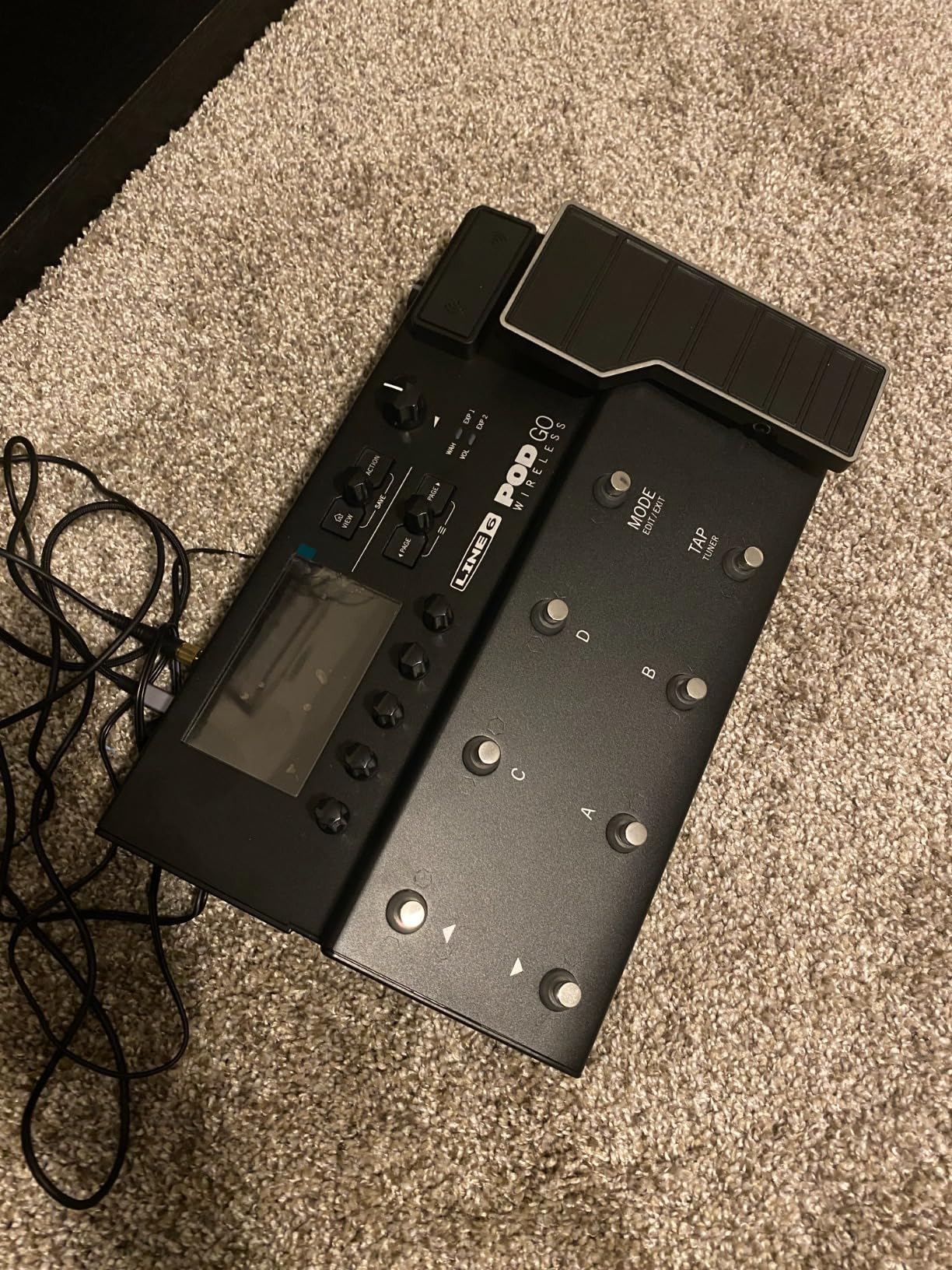
The Line 6 POD Go is my go-to for bigger stages where I want more footswitches and a larger screen than the HX Stomp offers. The HX engine inside is identical to the flagship Helix, so I get the same Rectifier, 5150, and Dual Rectifier captures I trust on stage.
On a recent metalcore gig, I ran a full signal chain through the POD Go: amp-cab-noise gate-comp-delay-reverb, all running simultaneously without DSP strain. The cast-aluminum chassis has survived two years of load-ins and load-outs without a scratch.
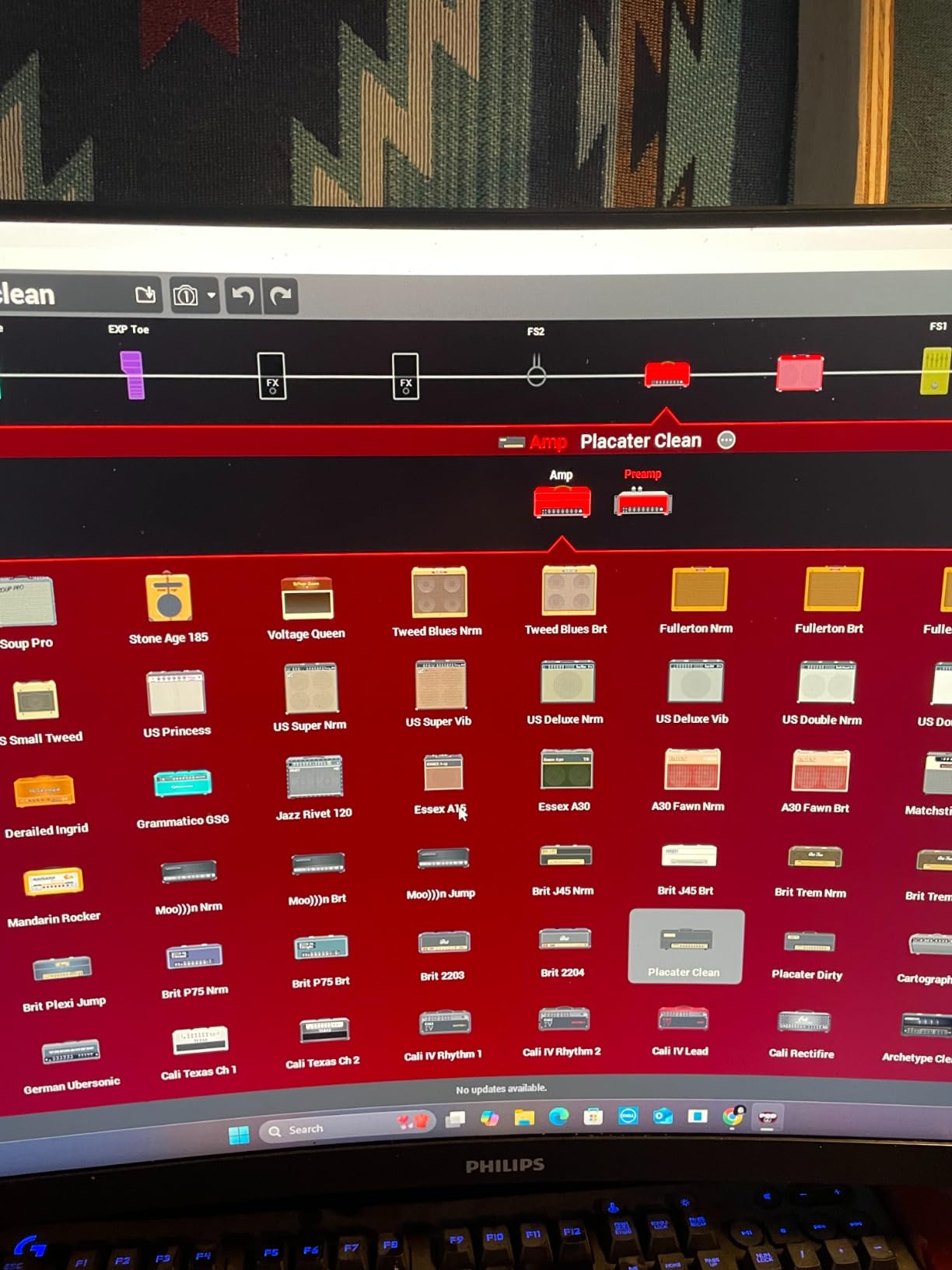
The color LCD screen is bright enough to read on dim stages. The 8 rugged footswitches plus the cast-aluminum multi-function expression pedal cover everything I need from a floor unit during a set. Third-party IR loading means I can swap in York Audio or Ownhammer cab packs before a tour and have a custom metal tone ready to go.
One thing to know: the factory presets need work. I built my own patches by tweaking the gain, tightening the noise gate, and adding a custom IR. Once dialed in, the POD Go delivers tight low-end, articulate palm muting, and aggressive pick attack that holds together at stage volume.
Live workflow and snapshot mode
Snapshot mode lets me switch between clean, rhythm, lead, and ambient sounds within a single preset without audio dropouts, which is critical for live metal where song transitions need to be fast.
The stereo effects loop integrates analog pedals like a Tube Screamer or analog delay into the digital rig cleanly, keeping the warmth where it belongs.
Best subgenres and use cases
The POD Go handles djent, metalcore, thrash, death, and progressive metal equally well.
For bands who gig regularly and want a single unit that covers rhythm, lead, and ambient sounds, it is the most road-ready option in this lineup.
4. BOSS ME-90 – Best for Beginners Transitioning to Multi-FX
BOSS ME-90 Guitar Multi-Effects Guitar Processor
11 AIRD amp models
IR loading
Effects loop
8 multi-function footswitches
Knob-based interface
Pros
- Trusted ME series legacy with over 30 years of evolution
- AIRD flagship-grade amp models
- Intuitive knob-based interface
- 60 effects from flagship GT-1000
- Battery and AC power options
- IR loading capability
- 8 multi-function footswitches
- BOSS Tone Studio integration
Cons
- Factory presets are a starting point only
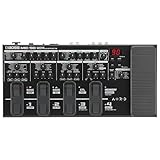
The BOSS ME-90 is the pedal I recommend to metal players coming off a pedalboard who want multi-FX without giving up hands-on knob control. The interface is knob-per-function, so anyone familiar with traditional pedals will feel at home.
Inside, the ME-90 runs 11 flagship-grade AIRD amp models pulled from the GT-1000, plus 60 effects and IR loading. The high-gain models have the responsive touch and dynamic feel that BOSS tube amp modeling is known for, and they hold together under heavy palm muting.
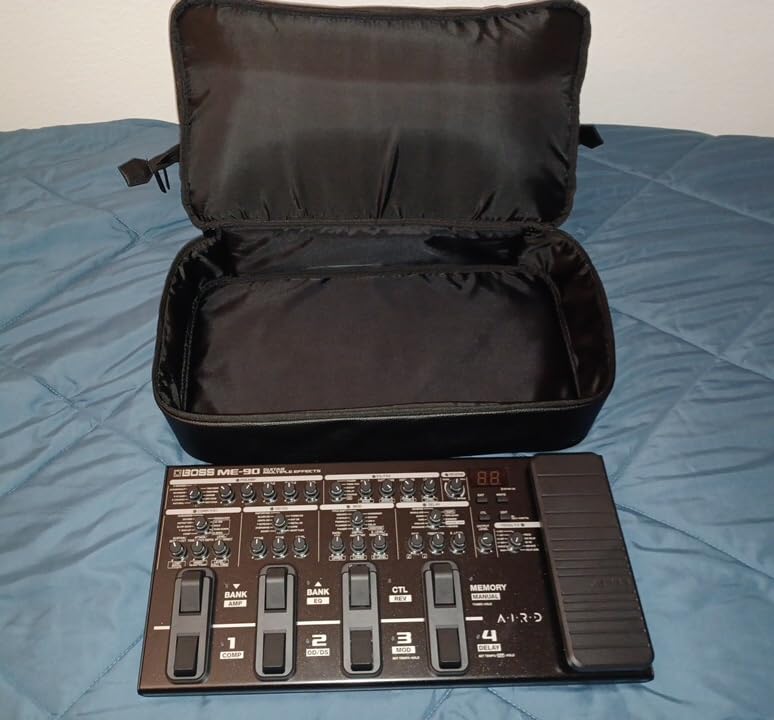
The 8 multi-function footswitches are assignable, and BOSS Tone Studio lets me build custom patches on my laptop and push them to the unit. The effects loop on the back panel is genuinely useful for keeping an analog boost or noise gate in front of the digital rig.
For metal players who want flagship BOSS tone without menu diving, the ME-90 is the most approachable option in this list. It also runs on battery power, which makes it easy to bring to rehearsal spaces that lack power outlets.
Knob-based workflow vs touchscreen units
The ME-90’s knob-per-function interface is faster for live edits than touch-only units. I can adjust gain, treble, and noise gate threshold by reaching down and twisting, without navigating menus mid-song.
For players who like tactile control, this is one of the last true knob-based multi-FX pedals in the BOSS lineup.
Best subgenres and use cases
It handles classic metal, metalcore, hard rock, and modern metal.
For djent players chasing ultra-tight modern high-gain, the factory models are a starting point and benefit from IR swaps and gate tweaking.
5. BOSS GX-100 – Best for Studio Recording and Deep Tweakability
BOSS GX-100 Advanced Guitar Effects Processor
32 amp types
170+ effects
15 assignable blocks
Color touch display
AIRD technology
Pros
- Authentic tube amp tone and touch response via AIRD technology
- 32 amp types and 170+ effects
- 15 assignable blocks for flexible routing
- Color touch display
- WAV speaker IR loading
- BOSS Tone Studio software integration
- Tone Exchange for sharing Livesets
- Sturdy metal chassis
Cons
- Factory presets need significant tweaking
- No Scenes feature like competitors
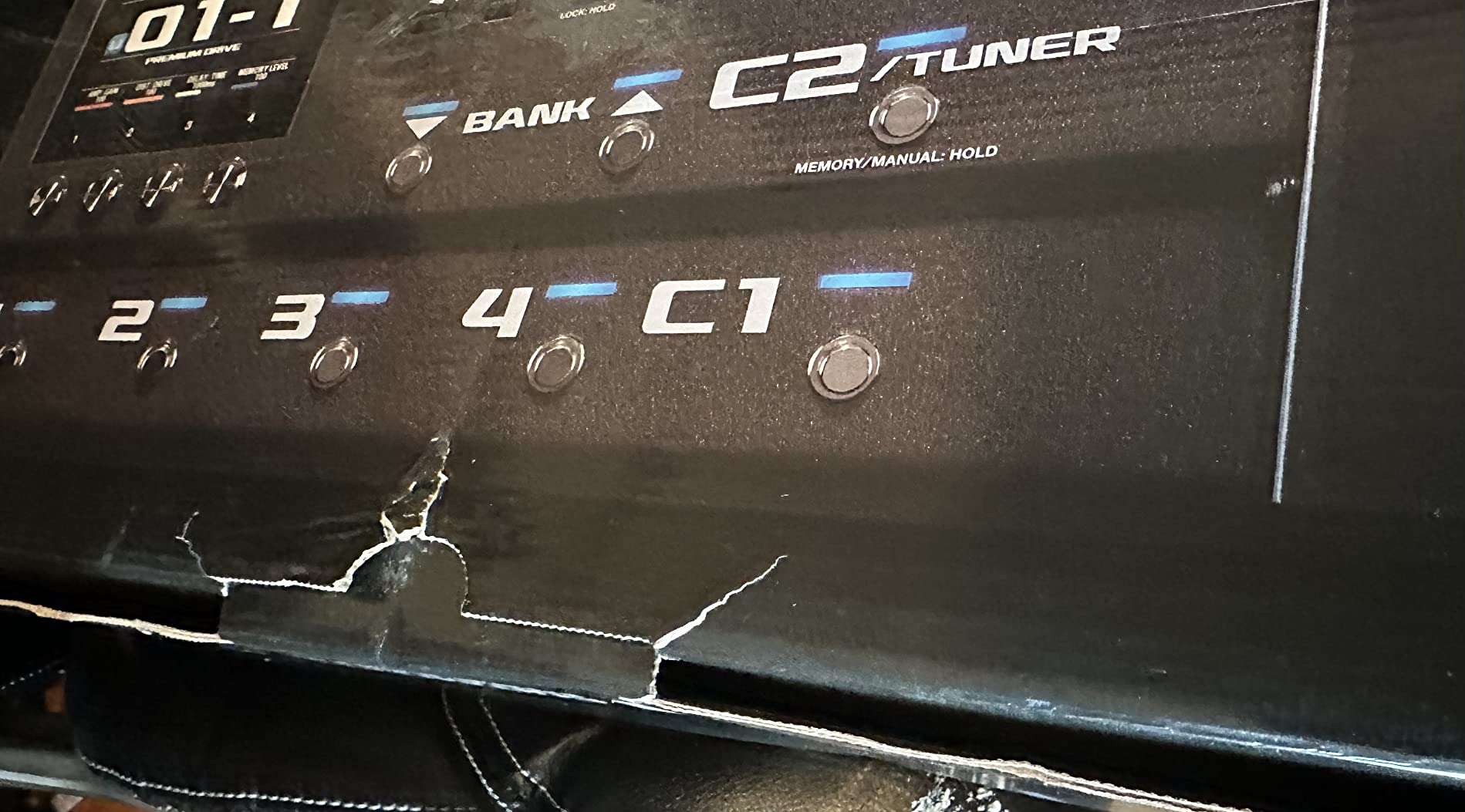
The BOSS GX-100 is the metal multi-FX I reach for when I am tracking in the studio and want total routing flexibility. It runs 32 amp types and 170+ effects from the flagship GT-1000 inside a metal chassis with a bright color touch display.
For metal, the AIRD tube amp models respond to pick attack and volume knob roll-offs the way a real high-gain tube amp does. I dialed in a 5150-style rhythm preset with a custom IR, and the result sat perfectly in a mix without any additional EQ.
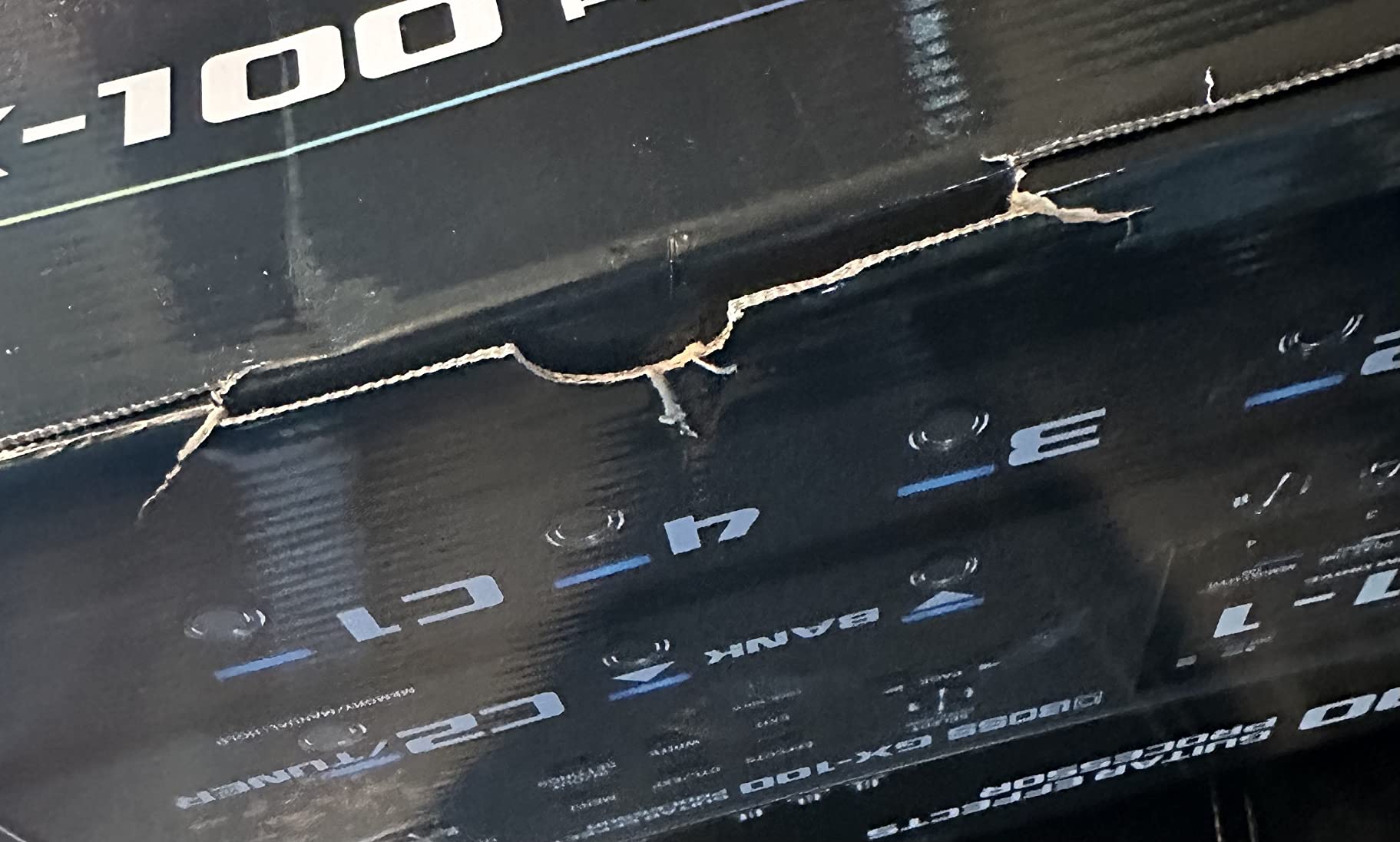
The 15 assignable blocks cover complex signal chains. I can run two amps in parallel, split the signal for stereo delay, and color the noise gate independently on each path. The color touch display makes patch editing faster than scrolling through menus, though it can be slightly finicky with wet fingers on stage.
BOSS Tone Studio integration is excellent for studio work. I built entire patch libraries offline, then transferred them to the unit for tracking sessions. The Tone Exchange community is also useful for finding metal-specific presets shared by other players.
Routing flexibility for studio work
The 15 assignable blocks support parallel signal chains, stereo splits, and complex effects routing that simpler units cannot match.
For studio recording, this means I can record dual-tracked rhythm guitars with slightly different amp models, then blend them in post for a wide, focused metal tone.
Best subgenres and use cases
It handles progressive metal, metalcore, djent, and studio-based recording sessions exceptionally well.
For thrash and death metal, I push the gain higher and tighten the gate further. The GX-100 has the DSP headroom to keep the sound focused.
6. IK Multimedia TONEX Pedal – Best AI Modeling for Metal
IK Multimedia TONEX Pedal: Stereo multi-effects guitar and bass pedal with 150 Presets, 15 Pre/Post FX, Tuner, Tap Tempo, Headphone Out, Software Player and Editor
AI Machine Modeling
150 presets
15 pre/post effects
VIR multi-IR cabinets
ToneNET library
Pros
- AI-powered tone modeling for authentic amp and pedal tones
- 150 gig-ready presets included
- Access to thousands of tones via ToneNET
- Excellent amp modeling accuracy
- Stereo output and headphone out
- Tap tempo and built-in tuner
- Compact and well-built
Cons
- Desktop software UX is clunky
- Limited built-in effects variety
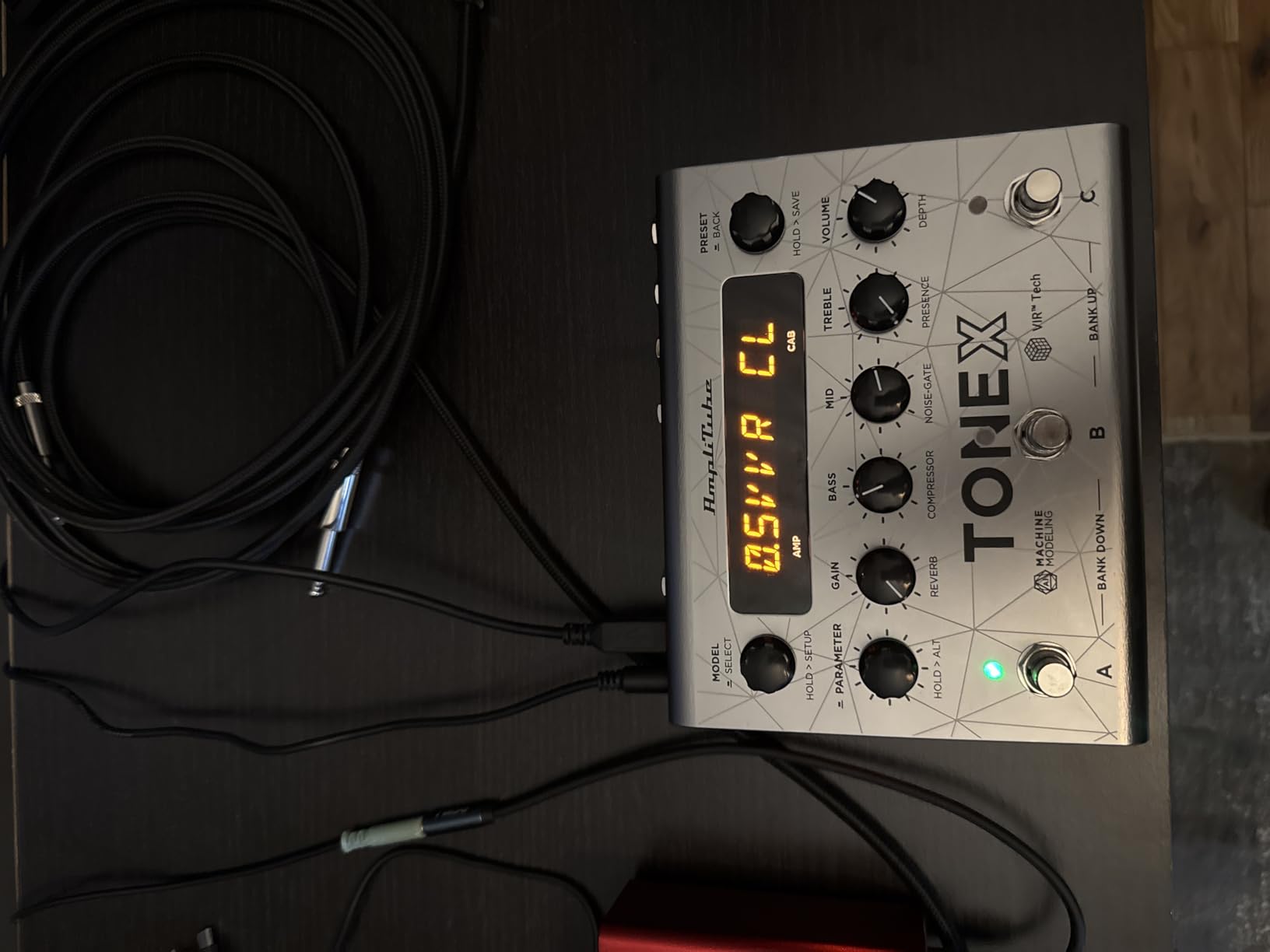
The IK Multimedia TONEX Pedal is the AI modeling unit that changed how I think about capturing and using tones. It uses AI Machine Modeling to recreate the behavior of real amps and cabs with startling accuracy, and pairs that with 150 ready-to-play presets out of the box.
For metal, the TONEX Pedal includes high-gain captures of Mesa, 5150, ENGL, and other modern metal workhorses. I loaded a Rectifier capture from the ToneNET community library and it tracked my playing dynamics exactly like a real amp. The pre/post effects cover the basics for rhythm and lead work.
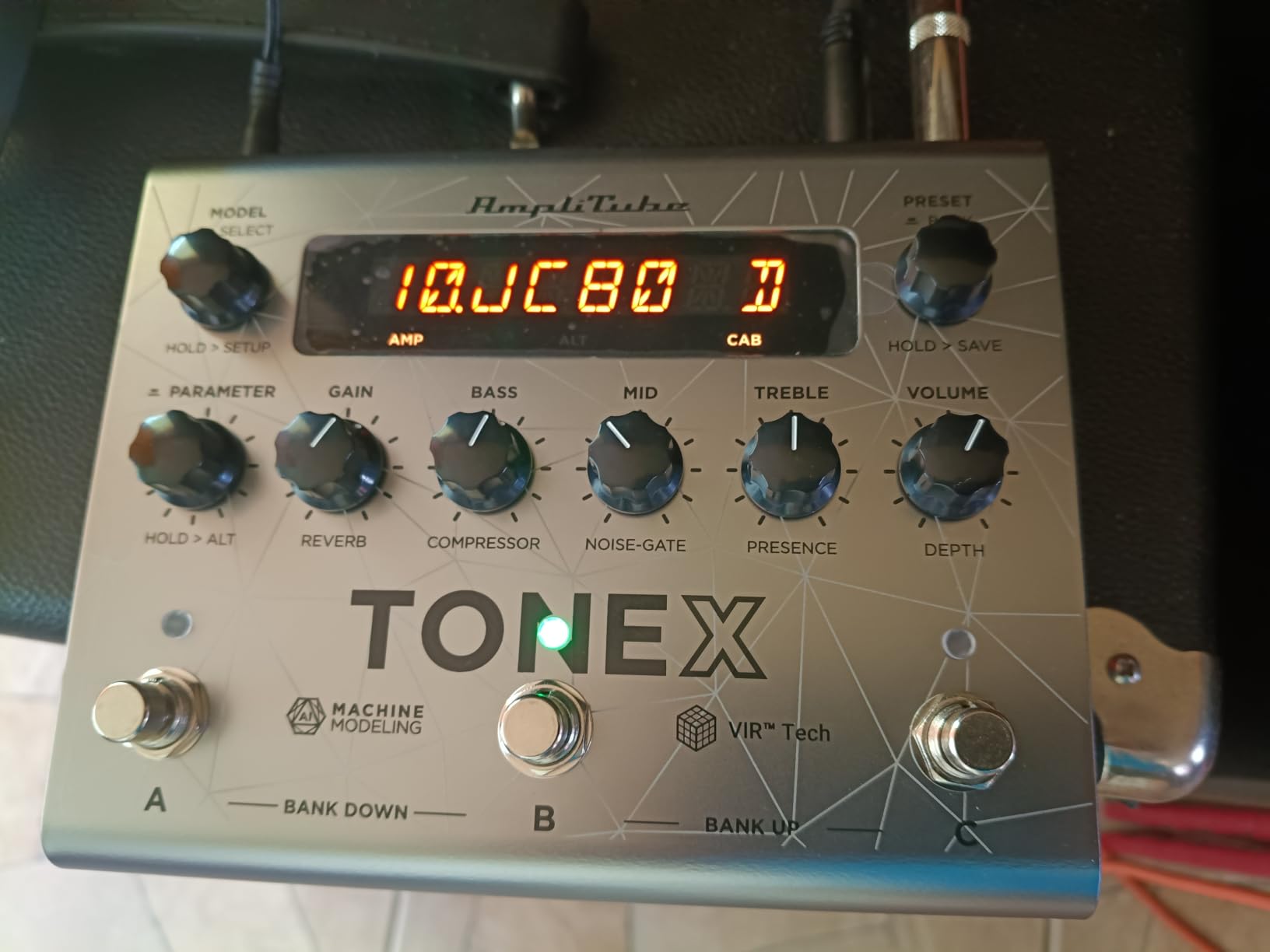
The stereo output and headphone out cover direct-to-FRFR and silent practice use cases. The built-in tuner and tap tempo round out the basics. The unit is compact enough for a small pedalboard, and the build quality feels road-ready.
What I love most about the TONEX Pedal is ToneNET. The community shares thousands of captures, including NAM-style and AI captures of rare high-gain amps. For metal players who want access to a huge library of tones, this is the best AI-driven option.
AI capture workflow for metal
You can capture your own amps using the TONEX software and load them onto the pedal. This is a major advantage for players with a real tube amp at home who want the same tone on a small live rig.
For metal, capturing a Peavey 5150 or Mesa Rectifier and using it through the TONEX Pedal on a fly date gives you the consistency of a modeler with the dynamic response of your own amp.
Best subgenres and use cases
The TONEX Pedal handles metalcore, djent, thrash, and modern metal exceptionally well, particularly when paired with AI captures from ToneNET.
For death metal and progressive metal, the high-gain captures deliver the saturation and tightness those styles need.
7. Zoom G1X Four – Best Budget Multi-FX for Beginners
Zoom G1X Four Guitar Multi-Effects Processor with Expression Pedal
71 effects
13 amp models
30-second looper
68 rhythm patterns
Battery powered
Pros
- Extensive effects library with 71 effects and 13 amp models
- 30-second looper for songwriting and practice
- 68 built-in rhythm patterns for backing tracks
- Battery powered with multiple power options
- Portable and lightweight design
- Compatible with Zoom Guitar Lab software
Cons
- Plastic build quality
- Factory presets less impressive than custom patches
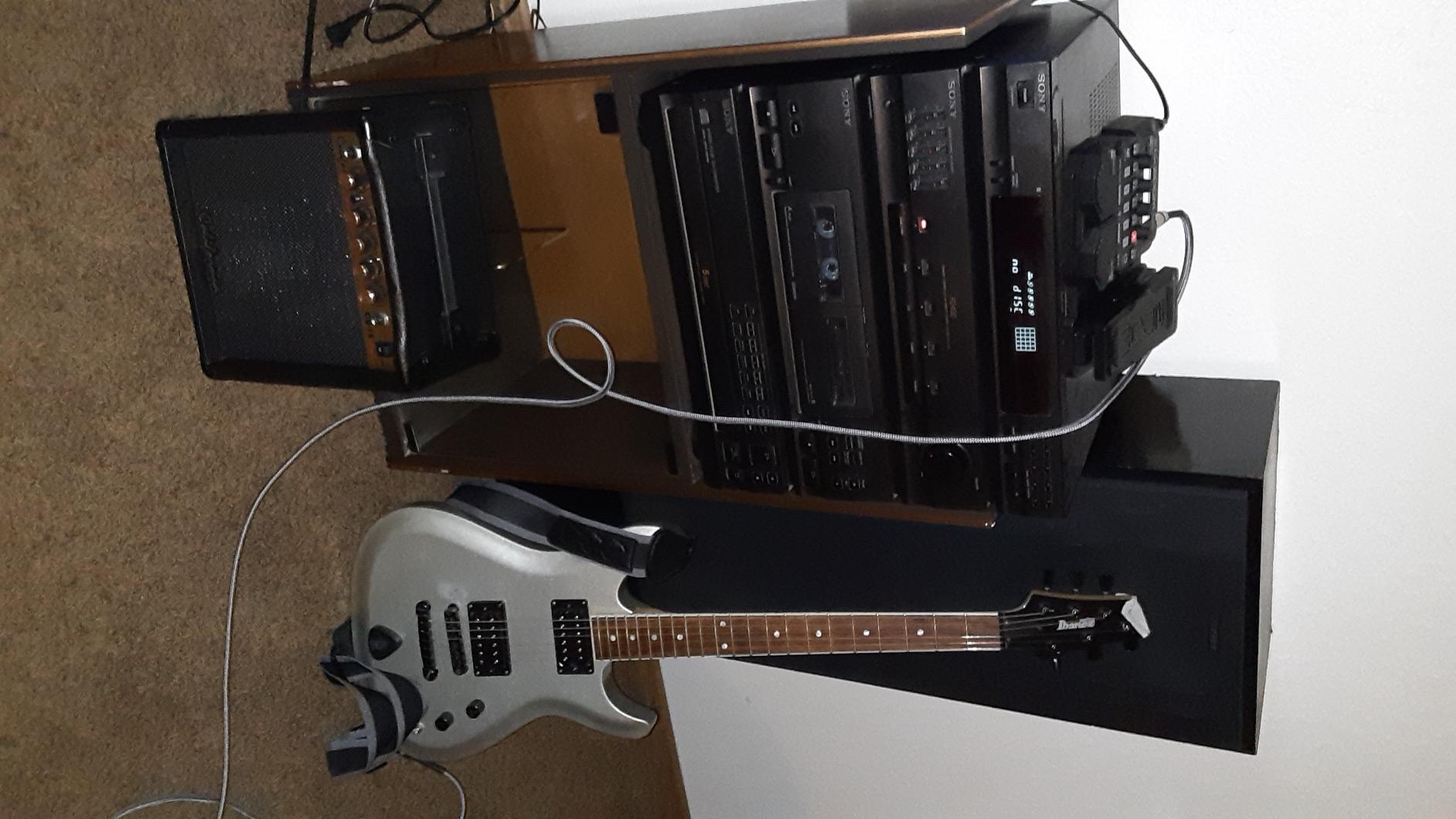
The Zoom G1X Four is the budget multi-FX I recommend when someone is just starting out and wants to explore metal tones without committing serious money. It runs 71 effects, 13 amp models, a 30-second looper, and 68 rhythm patterns at an entry-level price.
For metal, the high-gain models are basic but usable for practice. I built custom patches through the Zoom Guitar Lab software, tightened the noise gate, and loaded a usable Rectifier-style rhythm tone. It is not flagship quality, but for the price it is impressive.
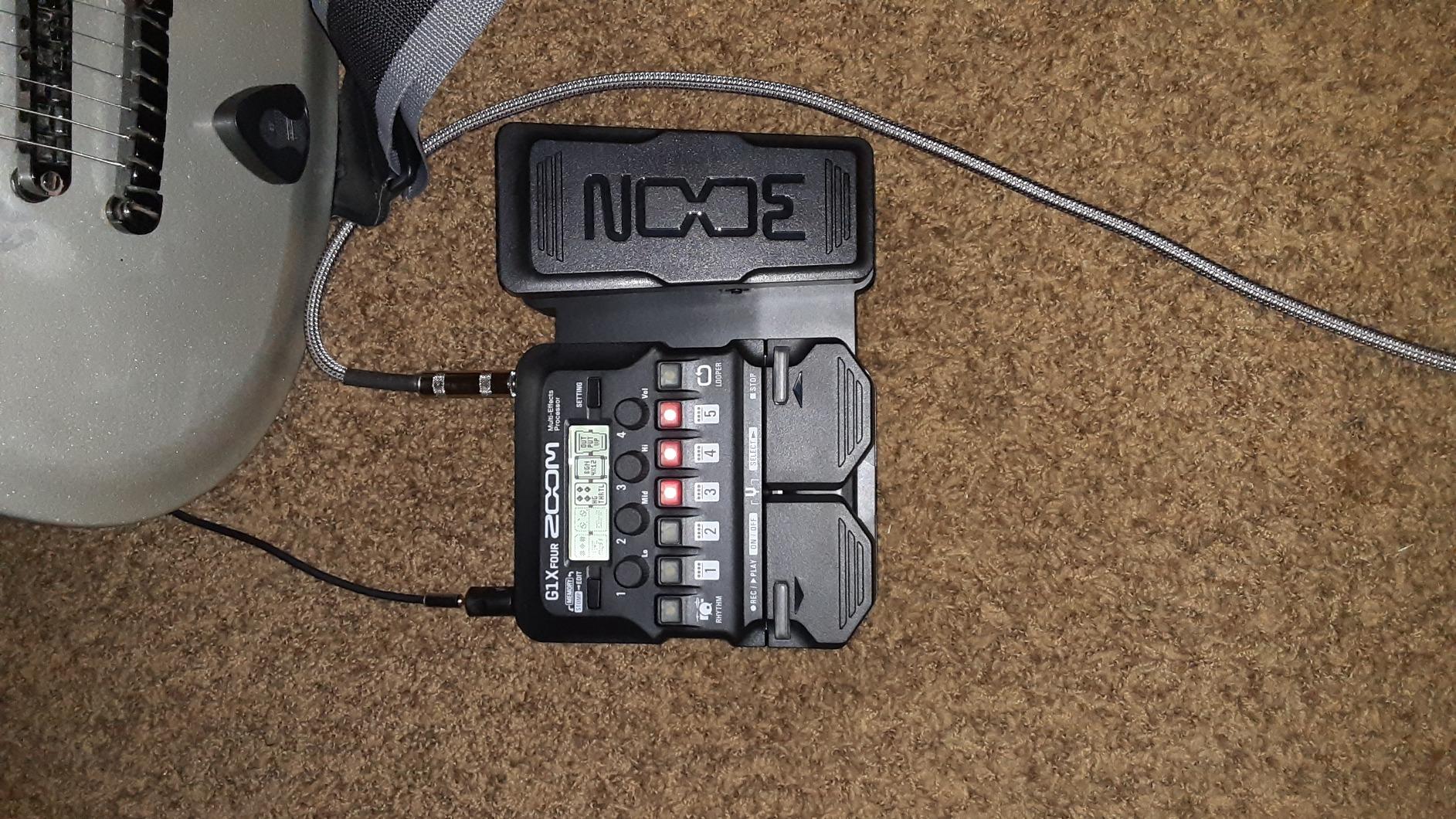
The 30-second looper covers basic practice and recording tasks. The 68 rhythm patterns work as backing tracks for woodshedding. The expression pedal is included for wah and volume control, which is rare at this price point.
The main compromises are plastic construction and limited simultaneous effects. For bedroom practice and learning, the G1X Four covers everything a new metal player needs. For gigs or studio work, I would step up to the Valeton GP-200 or Line 6 HX Stomp.
Practice-friendly features for beginners
The 68 rhythm patterns and 30-second looper make the G1X Four a complete practice tool. You can jam along to backing tracks and loop song ideas without any additional gear.
The headphone output is genuinely useful for silent practice, which matters for apartment-dwelling beginners.
Best subgenres and use cases
It handles classic metal, hard rock, and beginner metalcore tones.
For djent and progressive metal, the high-gain models are too basic. It is best as a starter unit that a player will eventually grow out of.
8. FLAMMA FX100 – Best for Streaming and Content Creators
FLAMMA FX100 Guitar Multi-effects Pedal with 55 Amp Models 151 Built-in Effects 80′ Looper 40 Drum Machine 10 3rd Party IR Slots Headphone OTG for Home Practice Performance Live Streaming
55 amp models
151 effects
IR loader with 10 slots
80-second looper
OTG streaming
Pros
- 55 amp models and 151 effects for versatile tones
- 80-second looper for layered song creation
- 40 drum rhythms and 10 metronome options
- 200 preset patches with quick navigation
- OTG connectivity for direct audio/video streaming
- Expression pedal with heel/toe calibration
Cons
- Factory presets need work for high-gain metal
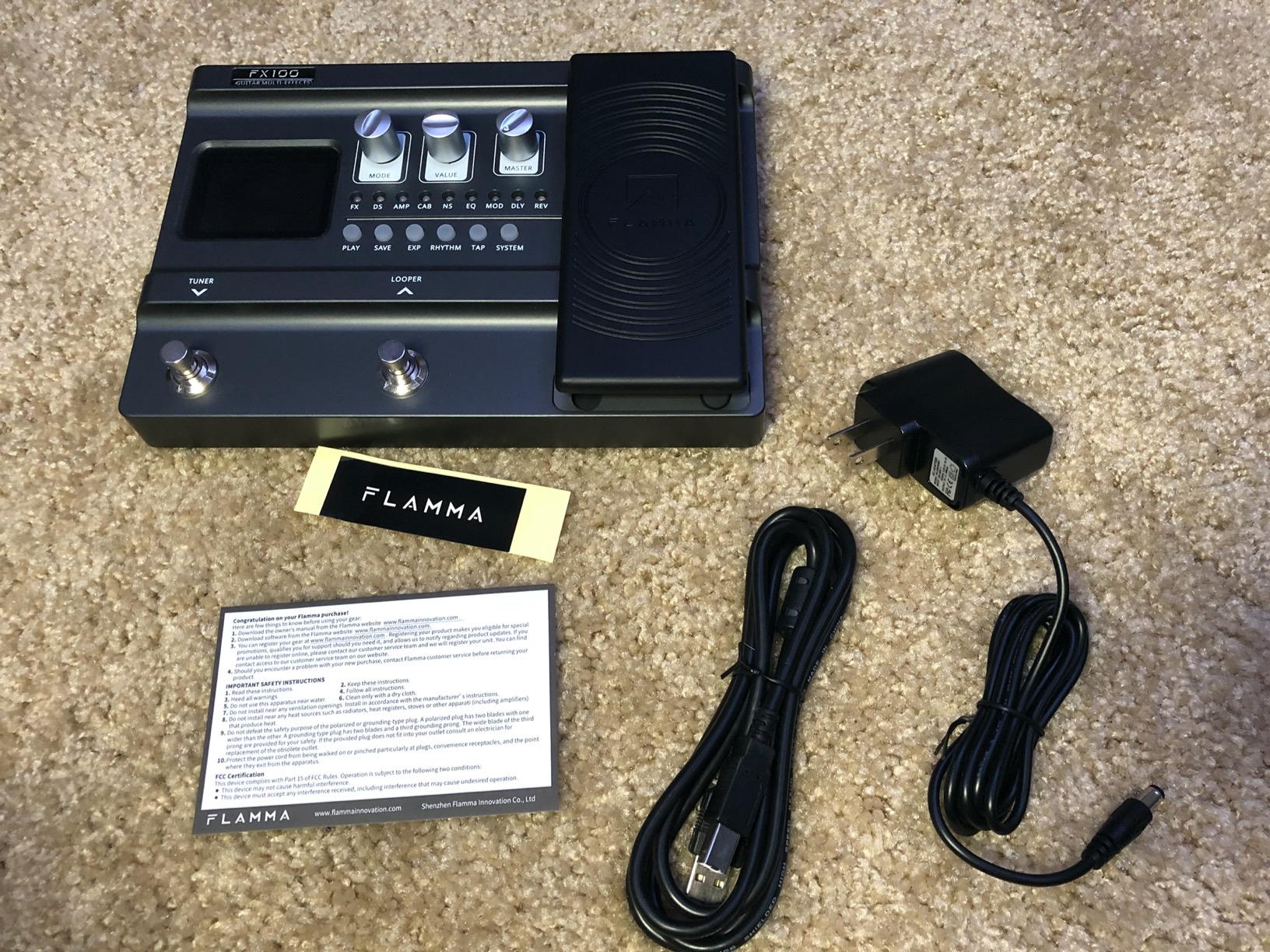
The FLAMMA FX100 is the streaming-friendly multi-FX I recommend to metal content creators. It runs 55 amp models, 151 effects, 10 third-party IR slots, and includes OTG connectivity for direct audio and video streaming from a phone or tablet.
For metal, the high-gain models are workable once I dial in custom patches and load third-party IRs from York Audio or Ownhammer. The 80-second looper is generous and covers most song ideas, and the 40 drum rhythms work as backing tracks for practice or video content.
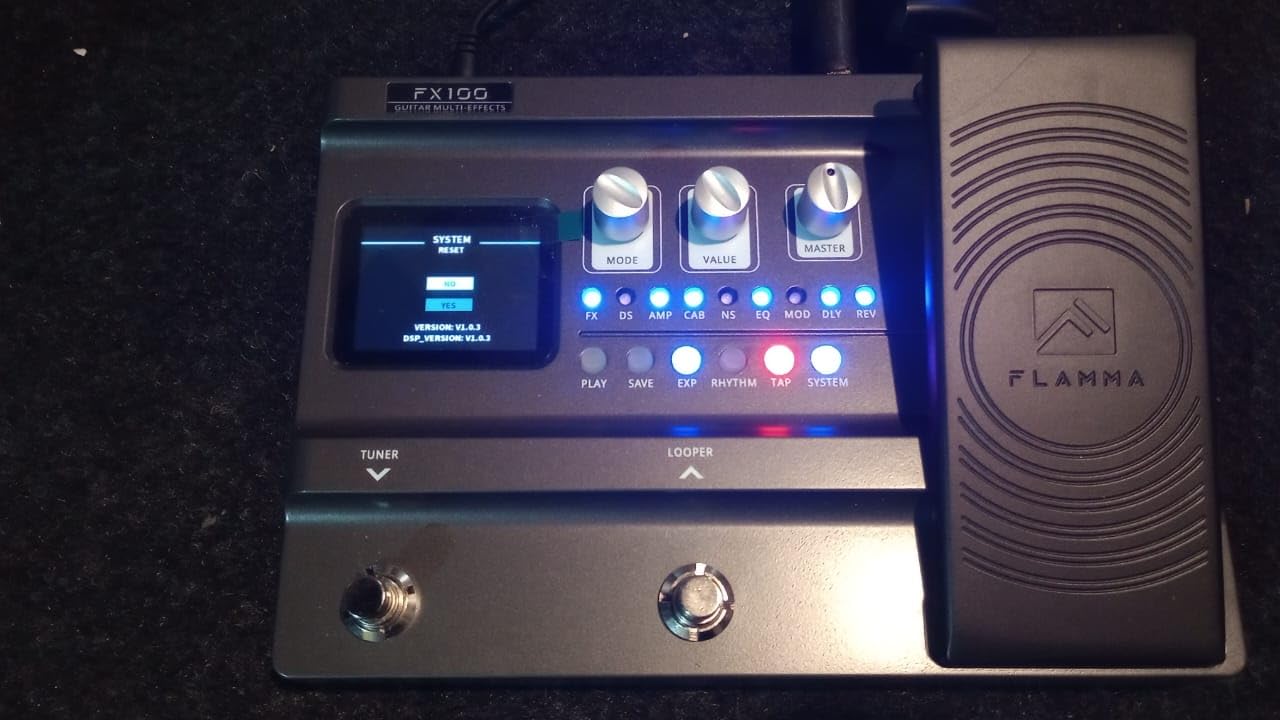
The OTG connectivity is the standout feature for streamers. I can plug the FX100 directly into my phone and stream guitar tone into videos without needing a separate audio interface. The expression pedal includes heel/toe calibration for precise wah and volume control.
The 200 preset patches give me plenty of slots for organizing tones by song or subgenre. For metal YouTube creators and TikTok guitarists, the FLAMMA FX100 covers the streaming workflow that most multi-FX pedals ignore.
OTG streaming workflow
The OTG port connects directly to Android phones and tablets for streaming without an extra audio interface. This is a major advantage for mobile content creators.
For iPhone users, a Lightning-to-USB adapter is required, but the workflow is still cleaner than running through a computer.
Best subgenres and use cases
It handles modern metal, metalcore, hard rock, and djent tones with the right IR loaded.
For thrash and death metal, the high-gain models benefit from EQ tweaking and tighter noise gate settings.
9. MOOER GE100 – Best Portable Budget Multi-FX
MOOER GE100 Multi-Effects Guitar Pedal 80 Presets, 66 Effects
80 presets
66 effects
180-second looper
6 expression pedal parameters
Drum machine
Pros
- Excellent value for the price
- Wide variety of effects and customizable presets
- 180-second looper is generous
- Drum machine with multiple rhythm patterns
- Assignable expression pedal
- Sturdy metal construction
- Includes power adapter and batteries
Cons
- Preset volume levels vary
- Factory presets are mostly unusable
- Complex interface for first-time users
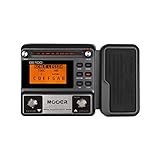
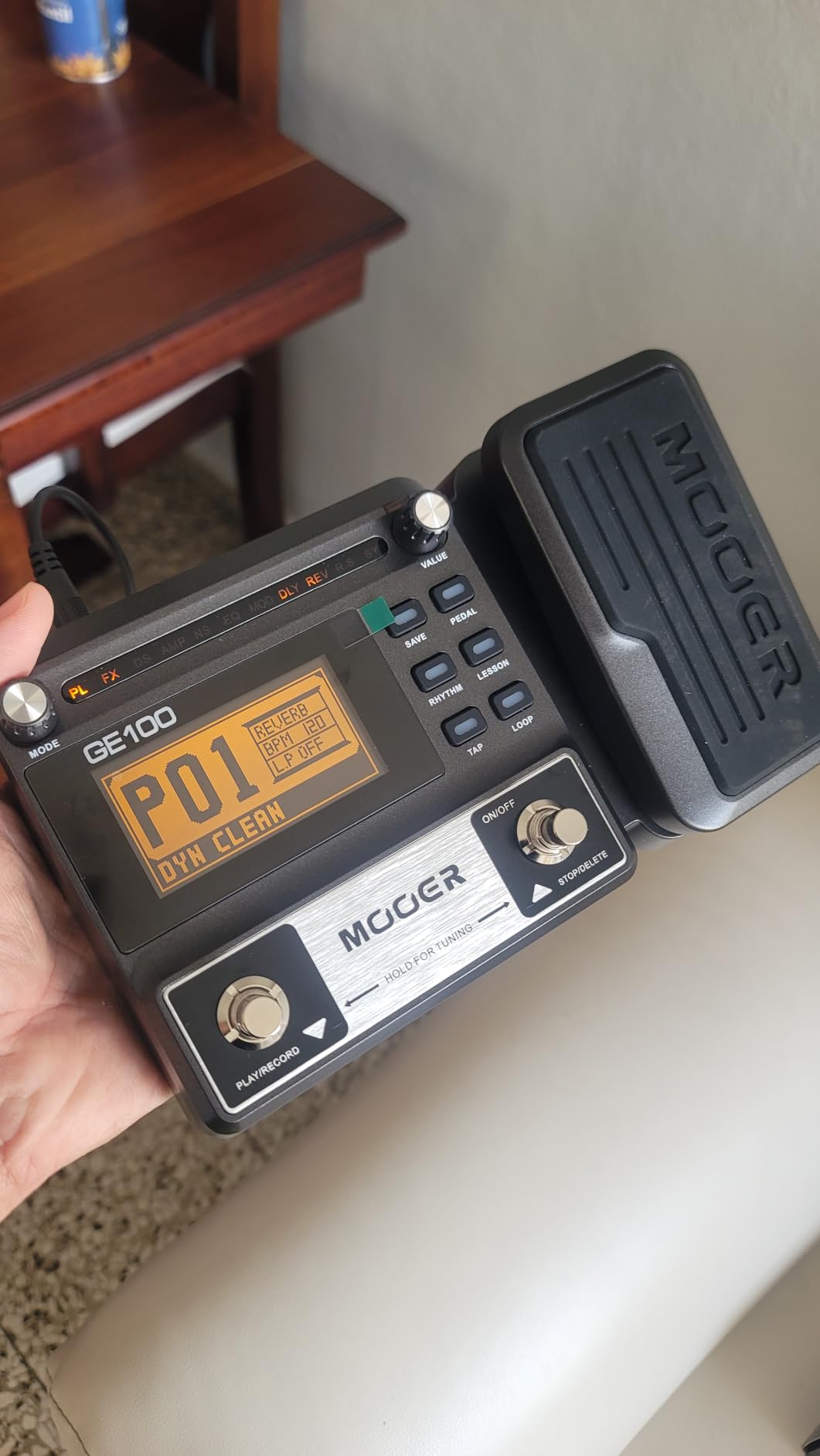
The MOOER GE100 is the portable budget multi-FX I recommend to traveling players and hobbyists. It runs 80 presets, 66 effect types, an 180-second looper, and an assignable expression pedal inside a sturdy metal chassis that fits in a gig bag.
For metal, the high-gain models need work. The factory presets are not great for modern metal, but I built custom patches by tweaking the gain, tightening the noise gate, and rolling off some high-end. Once dialed in, the GE100 delivers usable rhythm and lead tones.
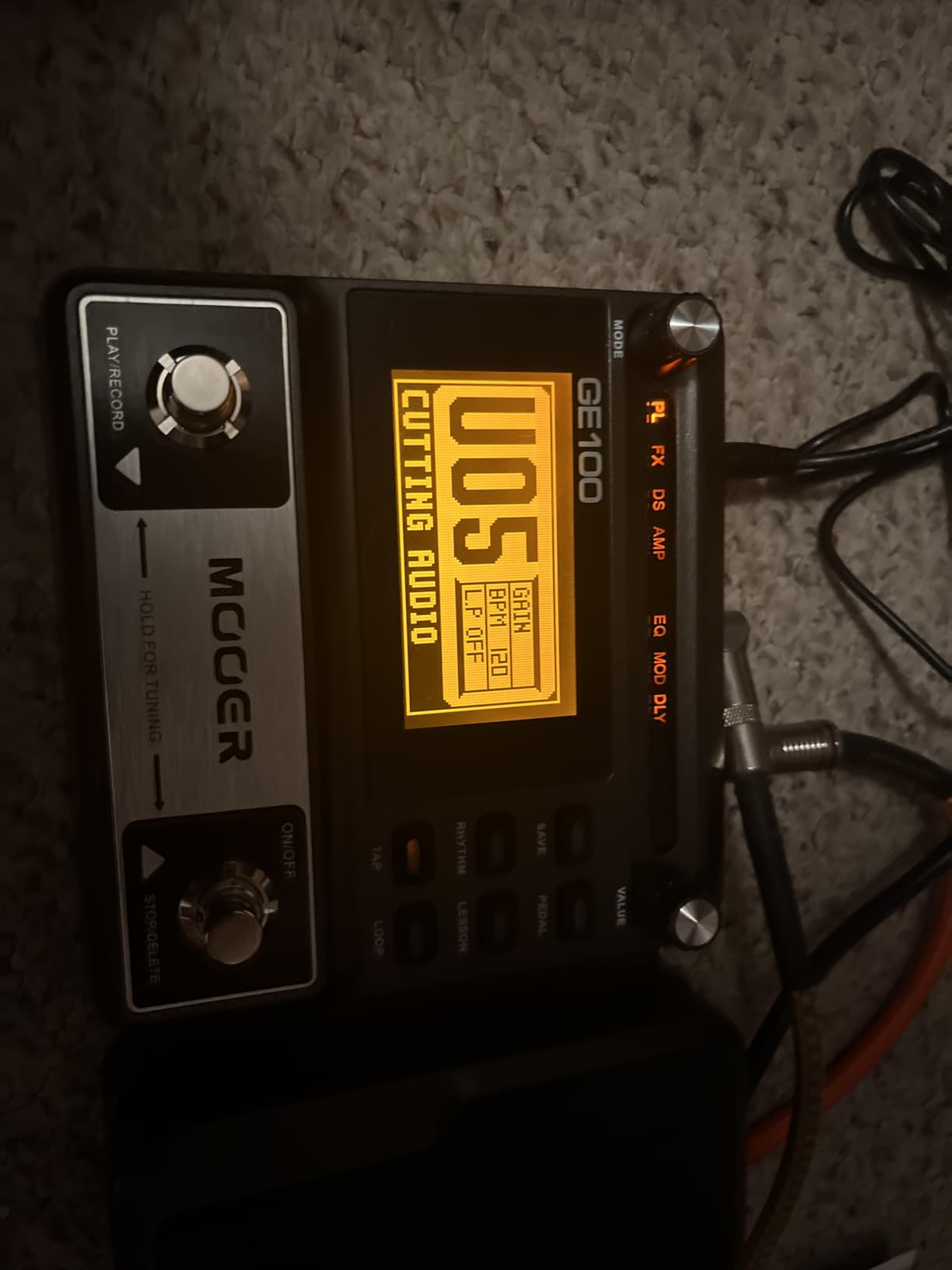
The 180-second looper is generous at this price and covers most songwriting tasks. The drum machine with multiple rhythm patterns works as a practice tool. The expression pedal is assignable to 6 different parameters, which is rare for a budget unit.
The GE100 includes both a 9V power adapter and 4 AA batteries, which makes it portable for travel. The metal chassis is a major upgrade over the plastic construction of similar-priced competitors.
Travel and portability considerations
The MOOER GE100 runs on batteries, which makes it ideal for travel and practice in spaces without power outlets.
The metal chassis is durable enough for gig bags and tour cases, which is uncommon at this price tier.
Best subgenres and use cases
It handles classic metal, hard rock, and beginner metalcore tones with custom patches.
For djent and progressive metal, the high-gain models are too basic. It works best as a travel practice unit rather than a primary performance rig.
10. VOX STOMPLAB2G – Best for Hobbyists and Casual Players
VOX STOMPLAB2G Modeling Guitar Multi-Effects Pedal
100 preset programs
103 modeling effects
VT+ sound engine
20 user program slots
Compact design
Pros
- 100 preset programs covering rock
- blues
- metal
- and pop
- Easy to use interface suitable for beginners
- 103 modeling effect types
- Based on VT+ series and Tone Lab sound engines
- Compact and portable design
Cons
- Older technology compared to current offerings
The VOX STOMPLAB2G is the hobbyist multi-FX I recommend to casual players who want a simple, no-frills unit with a generous preset library. It runs 100 preset programs covering rock, blues, metal, and pop, plus 103 modeling effects based on the VT+ sound engine.
For metal, the high-gain models deliver classic rock and 80s metal tones rather than modern djent or metalcore. That makes it a great fit for hobbyists who play classic metal, hard rock, or 90s alternative, but less suitable for modern metal subgenres.
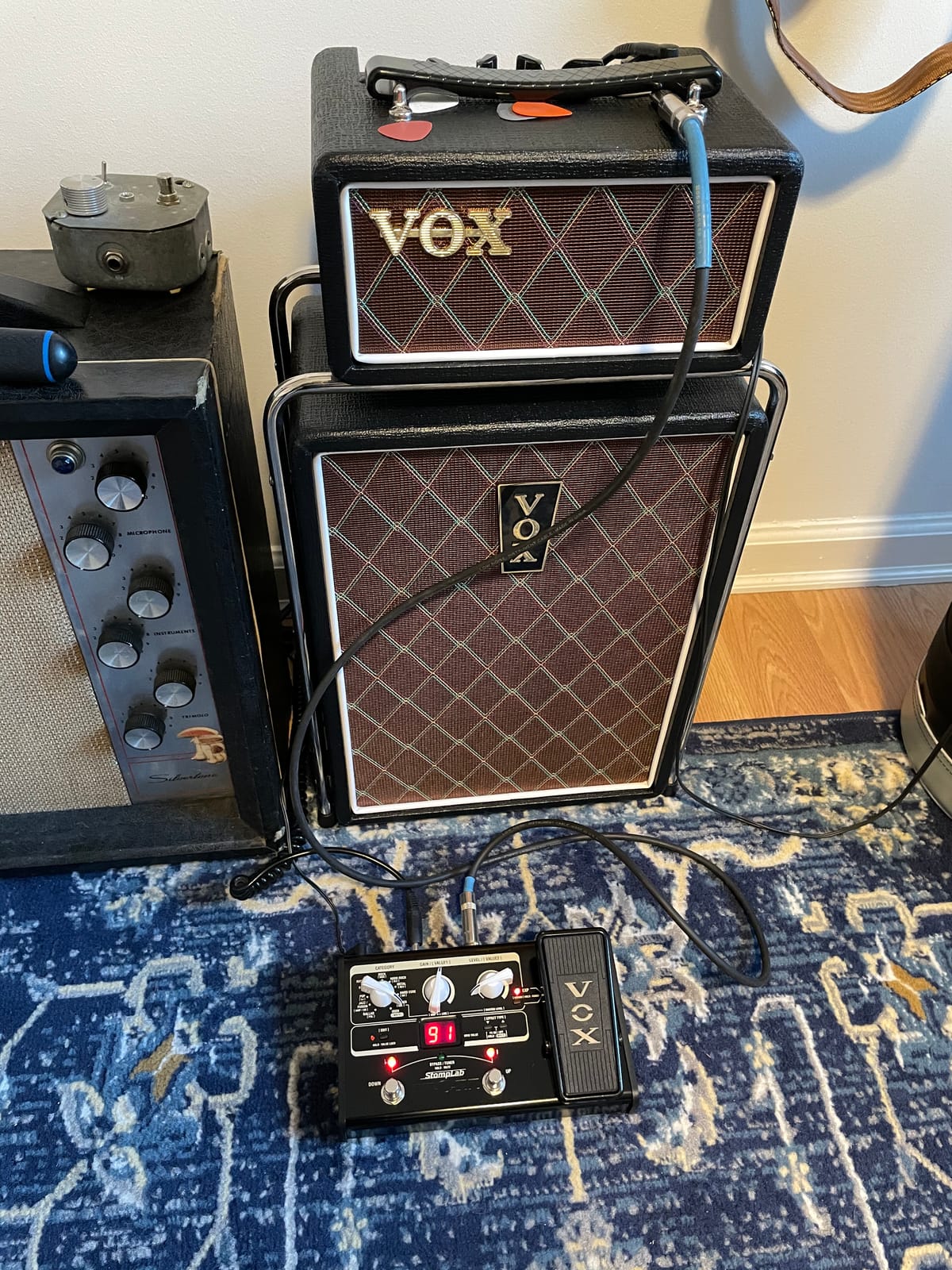
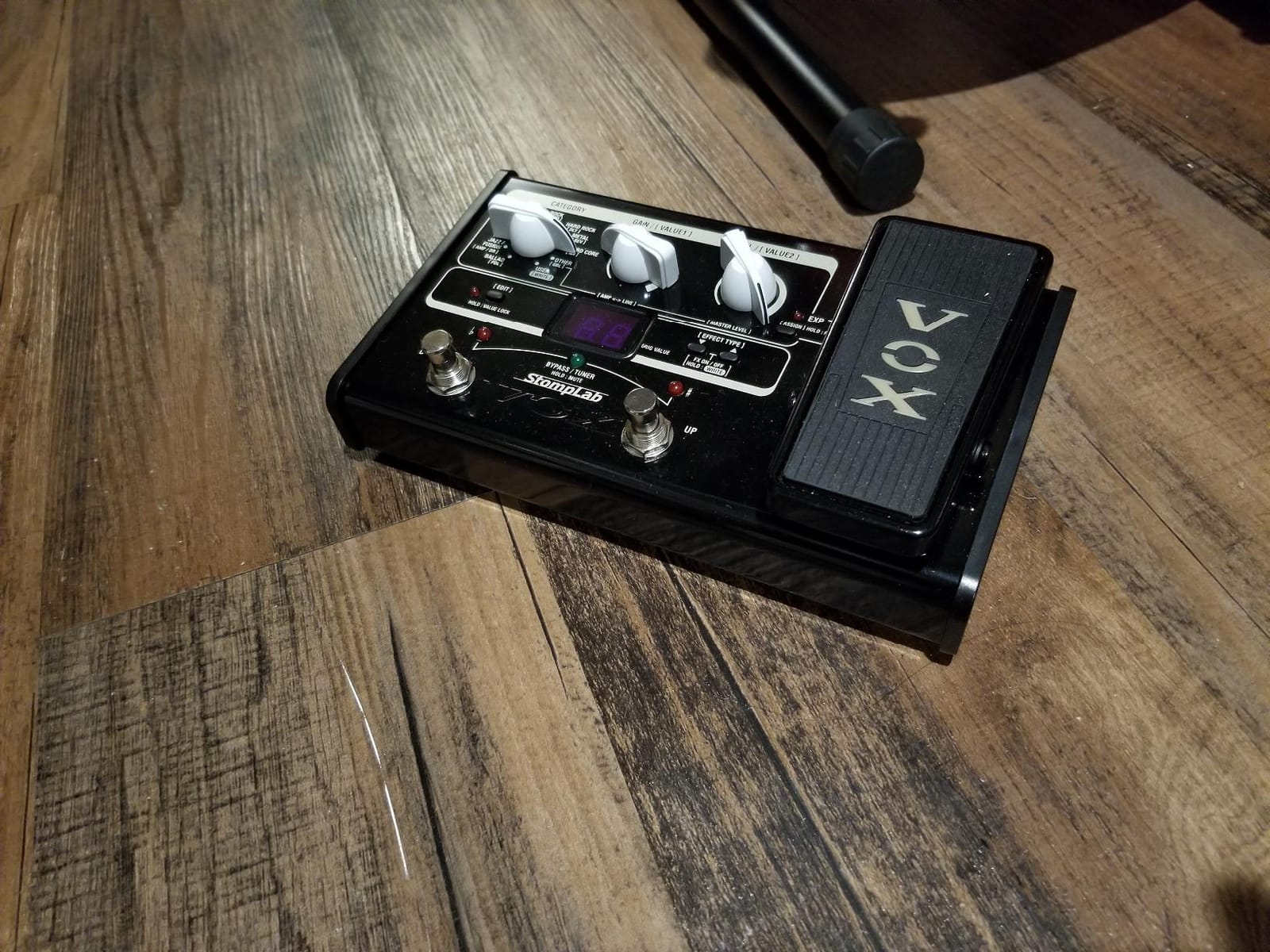
The interface is straightforward and beginner-friendly. The compact design fits on a small pedalboard or in a bedroom practice setup. The 20 user program slots let me save custom patches alongside the factory library.
The main compromise is older technology. The STOMPLAB2G predates many modern features like IR loading and capacitive footswitches. For casual hobbyists and players who value simple knob control, this is still a solid budget option.
Beginner-friendly interface and presets
The STOMPLAB2G’s category-based preset organization makes it easy for beginners to find tones by genre rather than building from scratch.
The simple interface does not require reading a manual, which is ideal for casual players who want to plug in and play.
Best subgenres and use cases
It handles classic metal, hard rock, 80s metal, and blues-rock tones out of the box.
For modern metal, djent, metalcore, and progressive metal, players will want a more modern unit with IR loading and tighter high-gain modeling.
Buying Guide: How to Choose the Best Multi-Effects Pedal for Metal
Choosing the best multi-effects pedal for metal comes down to four core criteria: high-gain amp modeling quality, IR loading capability, noise gate behavior, and live workflow. Each one matters more for metal than for any other guitar style.
High-Gain Amp Modeling
The most important feature for metal is high-gain amp modeling quality. Modern metal needs tight low-end, articulate palm muting, and aggressive pick attack that holds together at stage volume. Look for units that use HX modeling, AIRD technology, AI Machine Modeling, or NAM-based capturing. Flagship Line 6, BOSS AIRD, Neural DSP Quad Cortex, and IK Multimedia TONEX units deliver the tightest high-gain tones. For budget builds, the Valeton GP-200 punches well above its weight, and the Mooer GE200 supports NAM file loading for neural captures.
IR Loading and Cabinet Simulation
Impulse response (IR) loading is what shapes the final speaker character of your tone. Stock cab sims are fine for casual players, but serious tone chasers load third-party IR packs from York Audio, Ownhammer, and ML Sound Lab. The best metal IR packs include captured responses of Mesa 4×12, Marshall 4×12, and modern high-gain cabs. Look for units with at least 10 IR slots for flexibility. The Valeton GP-200, Line 6 HX Stomp, Line 6 POD Go, FLAMMA FX100, BOSS ME-90, and BOSS GX-100 all support IR loading with plenty of headroom.
Noise Gate Behavior
A good noise gate is critical for metal because high-gain amps amplify hum and buzz between palm mutes. Look for units with gates that track playing dynamics rather than just chopping signal. The Line 6 HX Stomp, Valeton GP-200, and BOSS GX-100 all have gates that respond to pick attack. For budget builds, the Mooer GE200 and Zoom G1X Four include gates but require more tweaking. A gate that opens too slowly will choke fast picking, and one that closes too fast will cut your decay mid-phrase.
Modeling vs Profiling vs Capturing
Modeling, profiling, and capturing are three different approaches to recreating amp tones. Modeling uses mathematical algorithms to recreate the response of an amp. Line 6 HX, BOSS AIRD, and Fractal Cygnus X-3 are all modeling-based. Profiling uses a sine wave sweep to capture an amp’s response at multiple gain settings. Kemper is the most famous example. Capturing uses neural networks to learn how an amp responds to playing. Neural DSP Quad Cortex and IK Multimedia TONEX use AI capturing. For metal, all three approaches can deliver great tones, but AI capturing is rapidly becoming the gold standard for tracking playing dynamics.
Footswitch Layout and Live Workflow
Live workflow matters more for metal than for other styles because set transitions are fast. Look for units with at least 8 footswitches or snapshot mode for preset changes. Capacitive footswitches like those on the HX Stomp are fast and reliable. Touch-only interfaces like the BOSS GX-100 are powerful but slower to navigate mid-song. For bands that gig regularly, prioritize units with physical switches and clear LED feedback so you can switch presets in low light without looking down.
FRFR Speaker and Direct-to-PA Compatibility
For live use, pair your multi-FX with an FRFR (Full Range, Flat Response) speaker. FRFR speakers reproduce the full frequency spectrum your multi-FX generates, including the cabinet simulation and room response. Popular FRFR options include the Line 6 Powercab, Headrush FRFR-112, and Alto TS215. For direct-to-PA use, balanced XLR outputs are a must to avoid ground loops and noise. The BOSS GX-100, Line 6 POD Go, and IK Multimedia TONEX Pedal all include balanced outputs for direct-to-PA setups.
Drop Tuning and 7-String Compatibility
If you play in drop tuning or use a 7-string guitar, the noise gate becomes even more important. Low frequencies generate more hum and buzz, and a poorly tuned gate will choke your tone. Look for units with adjustable gate release time and threshold. The Line 6 HX Stomp, Valeton GP-200, and BOSS GX-100 all handle drop A and 7-string tuning cleanly. Budget units may struggle below drop C.
Third-Party IR Packs Worth Loading
The single biggest tone upgrade for any multi-FX pedal is loading third-party IR packs. York Audio, Ownhammer, and ML Sound Lab are the three most respected makers. York Audio’s metal packs include modern Mesa, EVH, and ENGL cab responses. Ownhammer offers extensive Marshall, Mesa, and boutique cab captures. ML Sound Lab focuses on higher-gain modern metal cabs. Most IR packs include WAV files that load into any IR-compatible multi-FX unit, including the ones on this list.
Frequently Asked Questions
What is the best multi-effect pedal for metal guitar tones?
The best multi-effect pedal for metal guitar tones in 2026 is the Line 6 HX Stomp. It uses the same HX Modeling engine as the flagship Helix, delivers 300+ effects and amp models including Mesa Rectifier, Peavey 5150, and ENGL captures, and supports third-party IR loading for metal cabinet responses. Its ultra-compact form factor fits any pedalboard and the capacitive-sensing footswitches handle live transitions cleanly.
What should I look for in a multi-effects pedal for heavy metal?
Look for tight high-gain amp modeling (HX, AIRD, NAM-based, or AI modeling), third-party IR loading for cabinet simulation, a noise gate that tracks playing dynamics, footswitches or snapshot mode for live transitions, and balanced XLR outputs for direct-to-PA use. Metal-specific features like 7-string compatibility, drop tuning support, and a responsive noise gate matter more than for any other guitar style.
Do I need an FX loop in a multi-effects pedal?
An FX loop lets you integrate external analog pedals into your digital signal chain. For metal, an FX loop is useful for keeping analog overdrives, boosts, or noise gates in front of the digital amp modeling. The Valeton GP-200, BOSS ME-90, and Line 6 POD Go all include stereo FX loops. If you plan to use external pedals alongside your multi-FX, prioritize units with FX loops.
How do multi-effects pedals compare to individual pedals for metal?
Modern multi-effects pedals deliver amp modeling, cabinet simulation, and effects quality that rivals or exceeds individual pedals, especially for high-gain metal tones. The Line 6 HX Stomp, BOSS GX-100, and IK Multimedia TONEX Pedal deliver studio-quality metal tones in a single unit. Individual pedals like the Boss MT-2 Metal Zone still have a place for players who prefer analog warmth and hands-on knob control, but multi-effects pedals offer more flexibility, snapshot recall, and value for most metal players in 2026.
What is the difference between modeling, profiling, and capturing?
Modeling uses mathematical algorithms to recreate the response of an amp. Profiling uses a sine wave sweep to capture an amp’s response at multiple gain settings. Capturing uses neural networks to learn how an amp responds to playing dynamics. Line 6 HX and BOSS AIRD are modeling-based. Kemper is the most famous profiler. Neural DSP Quad Cortex and IK Multimedia TONEX use AI capturing. For metal, all three approaches deliver great tones, but AI capturing is rapidly becoming the preferred workflow for tracking playing dynamics.
What is the best budget multi-effects pedal for metal?
The best budget multi-effects pedal for metal is the Valeton GP-200. It delivers 240+ effects, 140 amp and cab models, IR loading, an FX loop, MIDI, and a USB-C audio interface at a mid-range price. For absolute entry-level budgets, the Zoom G1X Four covers basic metal tones with 71 effects and 13 amp models, though it lacks IR loading. The Mooer GE100 supports NAM file loading, which makes it a strong option for players chasing modern metal tones on a tight budget.
Final Verdict: Which Multi-Effects Pedal Should You Buy for Metal?
After testing every flagship and budget option, our top pick for the best multi-effects pedal for metal is the Line 6 HX Stomp. It packs the same HX Modeling engine as the flagship Helix into an ultra-compact form factor, supports third-party IR loading, and handles djent, metalcore, thrash, death, and progressive metal equally well.
If you want flagship features at a mid-range price, the Valeton GP-200 is the best value pick. For players who want more footswitches and a bigger screen on stage, the Line 6 POD Go is the best live performance unit. Beginners coming from a pedalboard will love the knob-based BOSS ME-90, and studio recorders chasing maximum routing flexibility should look at the BOSS GX-100. For AI-driven tone modeling, the IK Multimedia TONEX Pedal opens up a huge community library of captures, while budget players can start with the Zoom G1X Four or the portable MOOER GE100. Streamers should check the FLAMMA FX100, and hobbyists who want a simple no-frills unit will find the VOX STOMPLAB2G covers classic metal tones with zero learning curve.
Whichever unit you choose, load third-party IR packs from York Audio or Ownhammer, tighten the noise gate to track your palm muting, and dial in a custom preset before judging the unit. With the right setup, any of these 10 picks will deliver modern metal tones that hold up on stage, in the studio, and at practice. For more options, also check our guides on multi-effects units for home studios and best bass multi-effects pedals. If you are still building your tone from the ground level, our guitar effects pedals for beginners guide is a great starting point.