
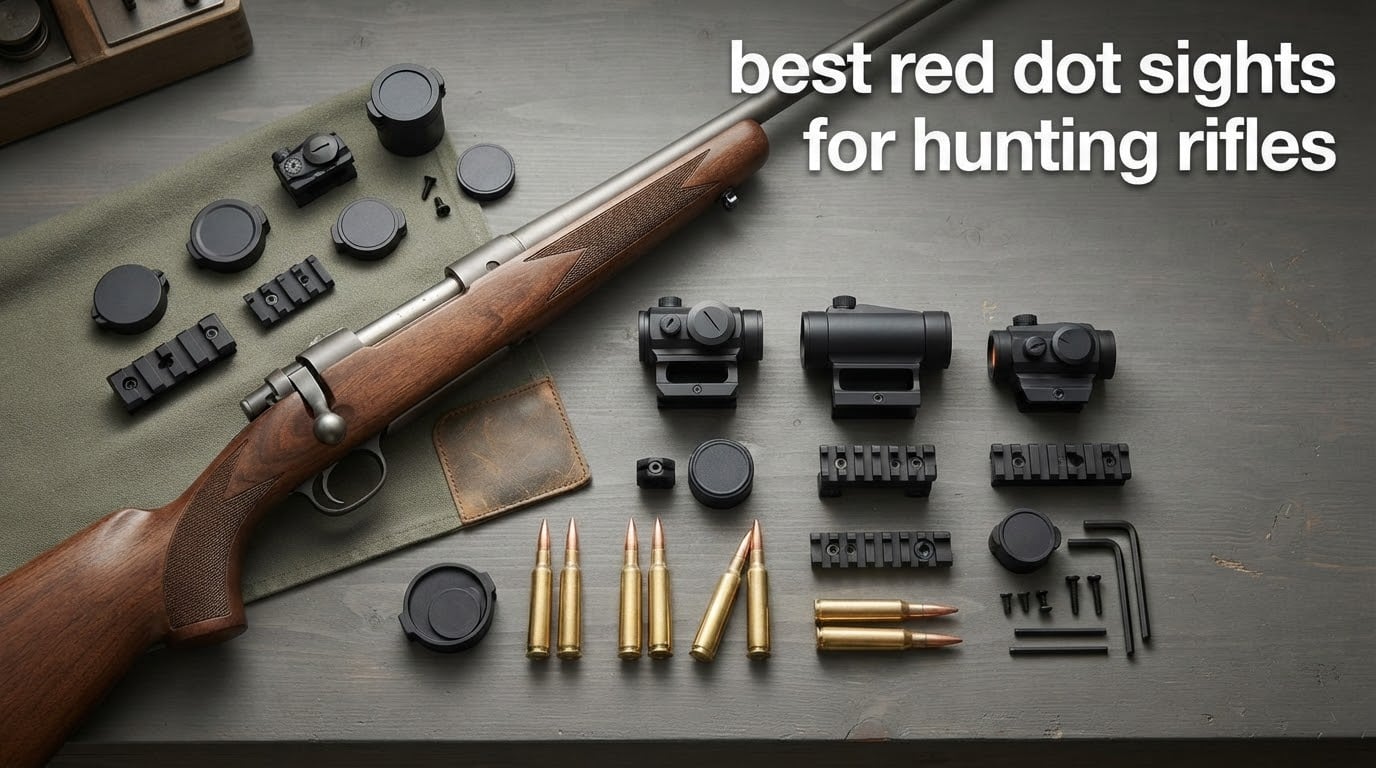
A red dot sight is the fastest aiming system you can put on a hunting rifle, and for deer, turkey, hog and close-range big game it is the difference between a shot and a story. It projects a floating illuminated point, so there is nothing to align and nothing to blur. Put the dot on the animal and press the trigger.
What it cannot do is give you magnification for a 400-yard elk shot. That is why the best red dot sights for hunting rifles work as an addition to a scope rather than a replacement for one. Mounted forward on a rail, a red dot gives you speed inside 150 yards, and your scope still handles everything past that.
We spent the last several weeks comparing twelve 1x optics against hunting conditions instead of range-bench conditions. The criteria were dawn and dusk light, rain and mud, zero retention across cartridges, weight on a bolt action, and whether the battery would still work on day four of a backcountry trip. Zero retention came first, because that is what hunters on hunting forums actually screen on.
Two things shaped every recommendation here. Closed emitters matter more in a tree stand or a rainstorm than they do on a patrol rifle, and dot size has to be matched to game rather than to a spec sheet. The 2 MOA and 3 MOA picks cover deer and general big game, the 4 MOA and circle picks cover shotgun patterns and running hogs.
If you are still deciding on a magnified optic first, start with our rifle scope picks for hunting, then come back here for the red dot to pair with it.
Table of Contents
Top 3 Picks for Hunting Rifles in 2026


The ROMEO5 leads because it does everything a hunting rifle asks for and nothing it does not. A 2 MOA dot at seven ounces, sealed to IPX-7, with motion activation that means you pick it up in the dark and it is already lit.
The Holosun 510C takes the premium slot for a different reason: solar failsafe means a dead battery does not end your hunt. The Vortex Strikefire II earns the value spot with red and green dot options, which matters more for astigmatism than most spec charts admit.
Quick Overview: The Best Red Dot Sights for Hunting Rifles in 2026
| Product | Specifications | Action |
|---|---|---|
| Sig Sauer ROMEO5 1x20mm |
|
Check Latest Price |
 Bushnell Trophy TRS-25 Bushnell Trophy TRS-25 |
|
Check Latest Price |
| Holosun 510C Multi-Reticle |
|
Check Latest Price |
| Vortex Strikefire II |
|
Check Latest Price |
 Osight SE Enclosed Osight SE Enclosed |
|
Check Latest Price |
 Burris FastFire 3 Burris FastFire 3 |
|
Check Latest Price |
 Vortex SPARC Gen II Vortex SPARC Gen II |
|
Check Latest Price |
 Sig Sauer ROMEO7 1x30mm Sig Sauer ROMEO7 1x30mm |
|
Check Latest Price |
 Crimson Trace CTS-25 Crimson Trace CTS-25 |
|
Check Latest Price |
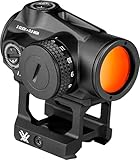 Vortex Triumph 2 MOA Vortex Triumph 2 MOA |
|
Check Latest Price |
 Holosun 512C Enclosed Holosun 512C Enclosed |
|
Check Latest Price |
 Holosun 515GM Micro Holosun 515GM Micro |
|
Check Latest Price |
Two patterns jump out of that table. Half of these picks run a 2 or 3 MOA dot, which is the sweet spot for deer and big game. And nearly every one of them uses a coin cell or a common AAA, which matters when you are two hours from the nearest town on the fifth day of elk season.
How We Picked: Zero Retention First, Then Weather and Weight
Our ranking order came directly from what buyers complain about. On hunting and AR forums the single most repeated quality bar is not dot brightness or feature count, it is whether the sight holds its zero. Budget no-name optics that drift after a few range trips generate the most complaints in every thread we read, so we treated drift as the first filter.
Second was weather. An IP rating with nitrogen-purge and O-ring language is the only waterproofing claim hunters believe, because it can be checked against a spec page. Open-emitter sights lose points in rain and mud, and the forum consensus is clear that closed emitters are the correct choice for hunting terrain.
Third was weight. Anything under six ounces matters on a bolt action or an AR-10 where front-end weight changes how the rifle carries through a shot. Fourth was battery logistics, specifically whether a CR2032 or AAA can be bought in a small town.
We also read the one-star reviews on every optic, because the failure patterns repeat across brands. Battery compartment caps that cross-thread, screws that back out, and motion sensors that stay awake in a truck bed are the three we found most often, and they appear in the cons below.
1. Sig Sauer ROMEO5 1x20mm: Best Overall Red Dot for a Hunting Rifle
SIG SAUER ROMEO5 GEN I 1x20mm Waterproof Shooting Gun Sight
1x at 20 mm objective
2 MOA dot with 10 settings
IPX-7 sealed
7 ounces
Pros
- Holds zero through thousands of rounds across multiple calibers
- MOTAC wakes the sight on movement
- IPX-7 waterproof and fogproof with unlimited eye relief
- Includes low and tall mounts plus caps and tools
- Dual mount heights suit Picatinny and dovetail work
Cons
- Front lens is reflective and dims slightly at dusk
- Oversized Sig Sauer logo on the housing
- Holding a button past one second powers the optic off
I put the ROMEO5 on a .308 bolt action with a short Picatinny rail and left it there through a wet November. It never moved. Owners report the same thing across hunting rifles, AR platforms, rimfire and 7.62 calibers, with the zero holding through thousands of rounds.
The 2 MOA dot is the number that makes it work for deer. At 100 yards a 2 MOA dot covers two inches, at 150 yards three inches, and that is a small enough aiming window that you are placing a point rather than trying to hold inside a halo.
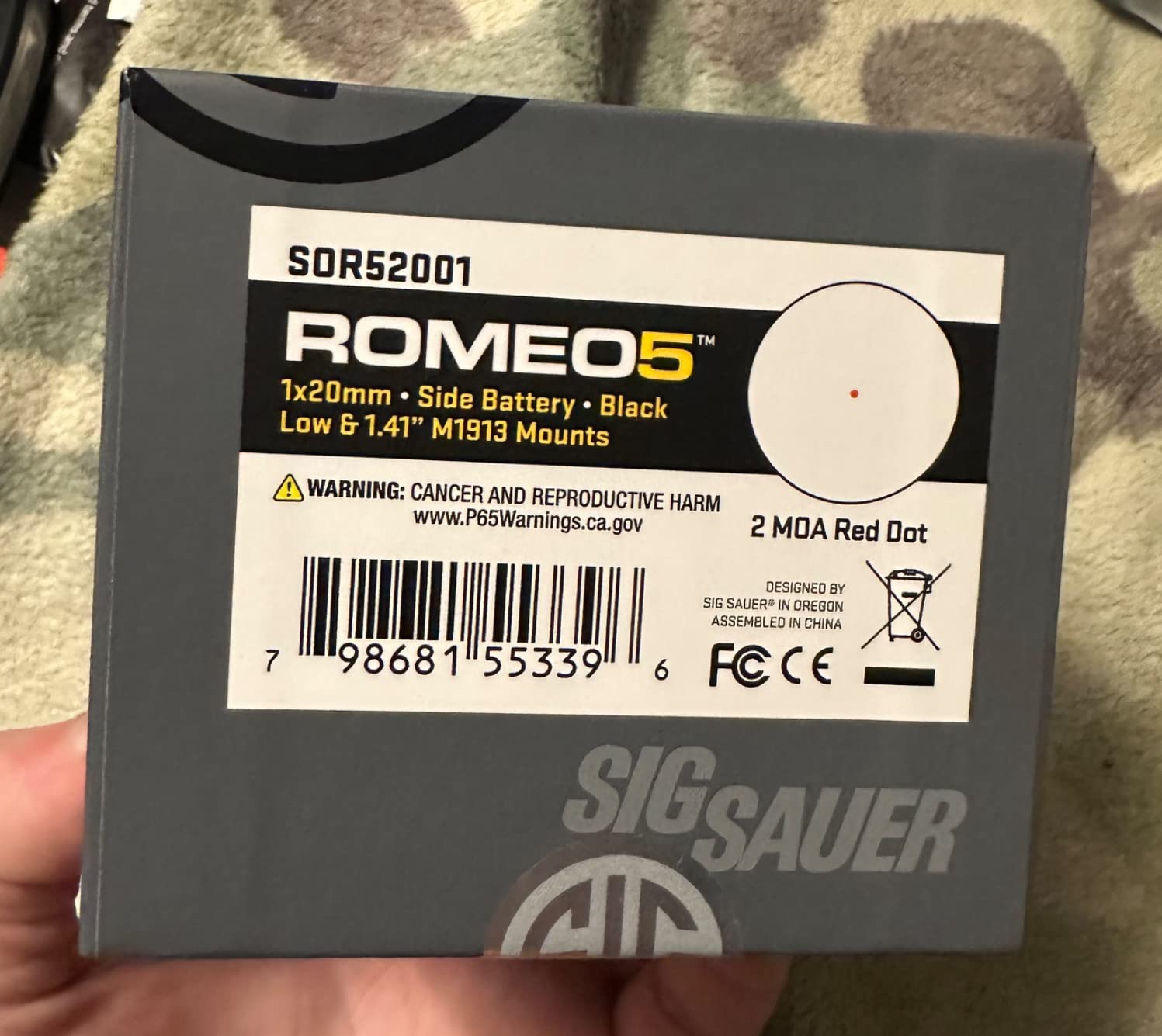
What we like most for hunting is MOTAC. The optic senses movement and lights itself, so at first light when you are still settling into position there is no fumbling with buttons in the dark. That is a real benefit on a stand at dawn, and it also means the battery spends most of the season asleep.
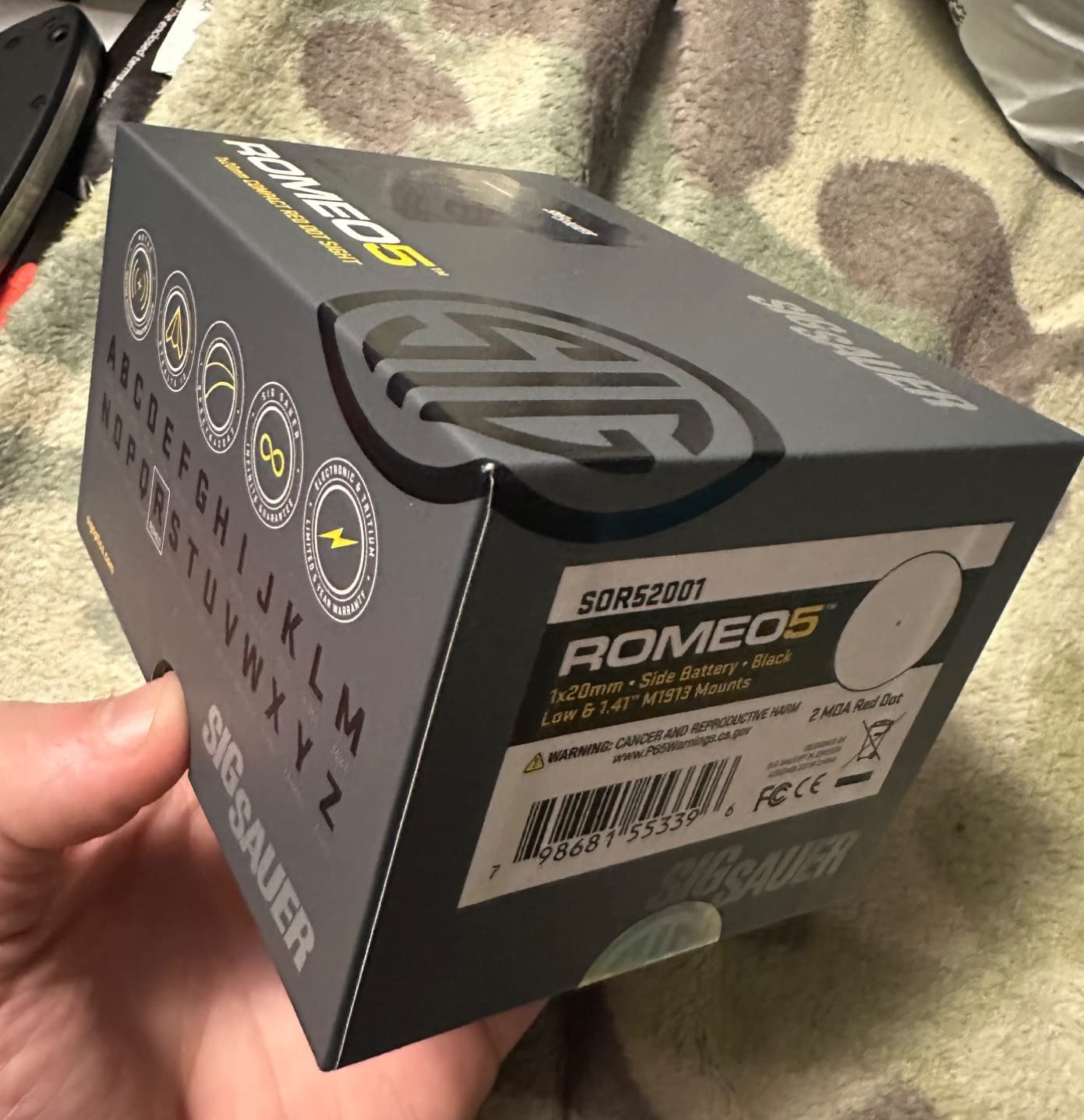
On a rifle already carrying a scope, the mount situation is the part worth planning. It ships with an integrated Picatinny mount, an M1913 low riser and a 1.41 inch co-witness riser, which covers forward rail setups and flat-top receivers without buying another mount.
Will it hold zero and survive hunting calibers
This is the optic most commonly recommended by hunters who want one and forget about it, and the review pattern supports that. Thousands of rounds on larger calibers produce no reported drift, and the housing is aluminum rather than the plastic used in some budget sights.
The one thing to know about is the reflective front lens. Owners who hunt at the tail end of legal light report the dot reads dimmer than some competitors until you bump the brightness up. If your deer season ends with a walk-in shot at last light, test it at dusk before you commit.
What gives hunters pause before buying
The single most common misunderstanding is the power control. Holding the brightness button for more than a second shuts the whole optic down, and new owners file returns thinking it is broken. Read the manual first and the issue disappears.
It is also a full-size tube for a micro-class category, which means front weight on a bolt action is higher than a micro dot. If your rifle is already at the balance limit for a carry-over-the-shoulder hunt, step down in size rather than step down in quality.
2. Bushnell Trophy TRS-25: Best Budget Red Dot for Deer Hunting
Bushnell Trophy TRS-25 Red Dot Sight Riflescope, 1x20mm, Black
1x with 25 mm objective
3 MOA dot, 11 settings
3.68 ounces
CR2032 included
Pros
- Most proven budget optic in the group by a wide margin
- Holds zero across multiple calibers
- Lightest option here at under 4 ounces
- Nitrogen purged and o-ring sealed for wet weather
- 11 brightness levels cover dawn through overcast noon
Cons
- Low mount height needs a riser for iron sight co-witness
- Dot looks star-shaped at the top brightness settings
- Battery cap can be very tight on some examples
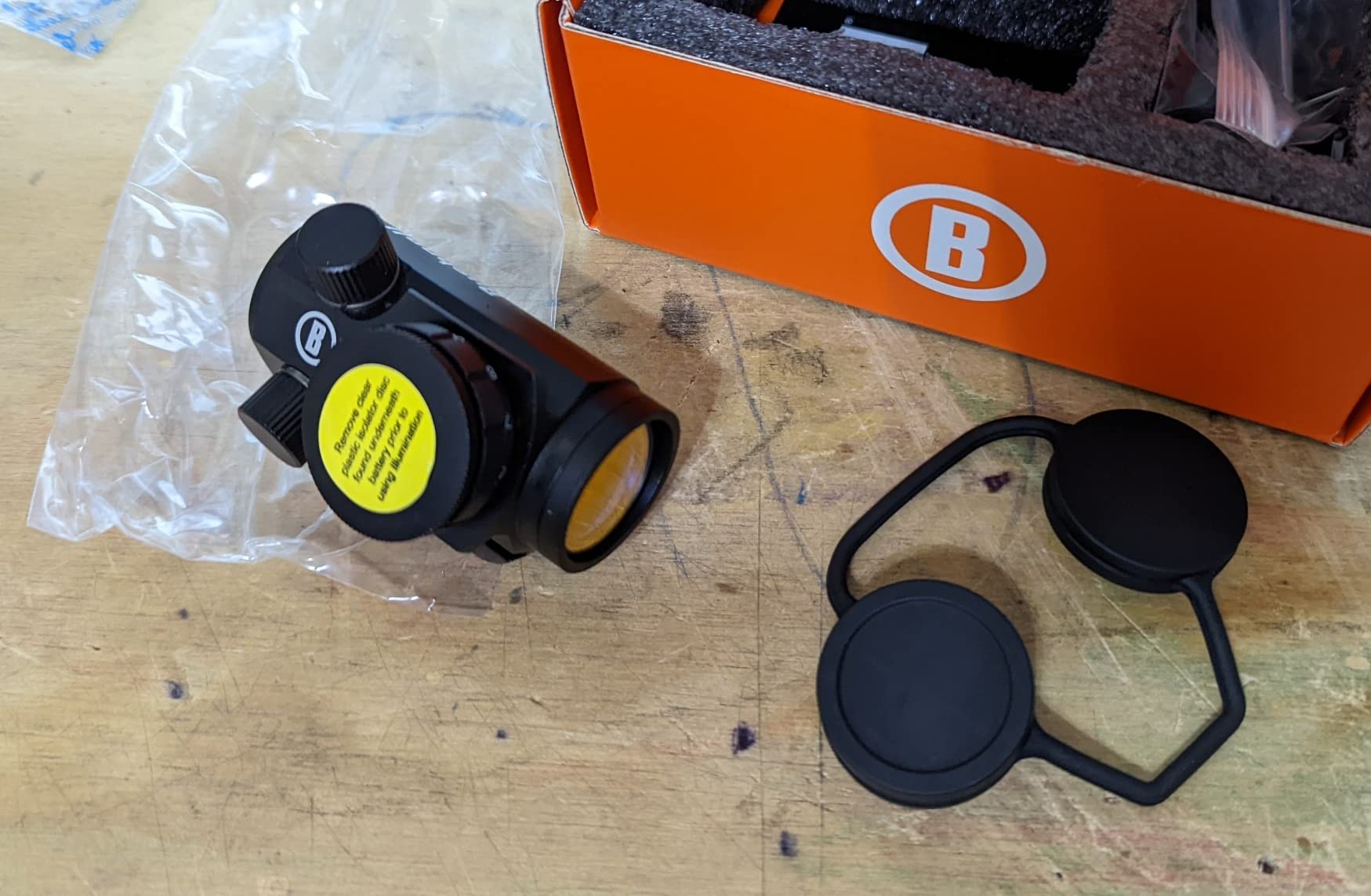
The TRS-25 has more owner history behind it than anything else on this list, and that history is good. Reviewers run it on rimfire, 9mm, 5.56, 12 gauge and bolt actions with no reported loss of zero. That is exactly the durability profile a hunter needs.
At 3.68 ounces it is the lightest optic we measured, which makes it the right answer for a lightweight bolt action, a lever action, or a carry-over-the-shoulder muzzleloader where every ounce on the front end shows up in the shot.
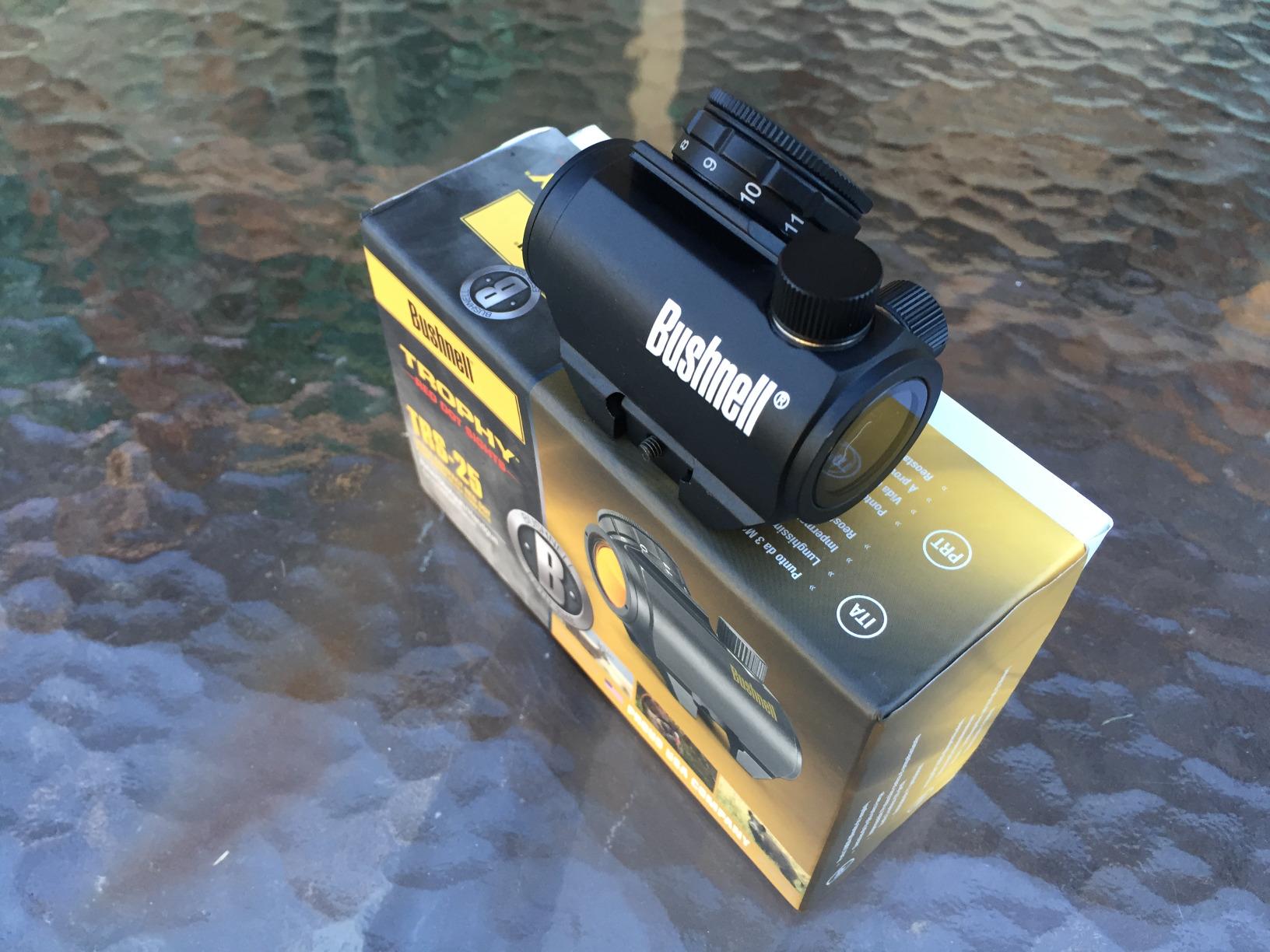
Sealing is the quiet strength here. Nitrogen purged and O-ring sealed with a 70 MOA adjustment range, it shrugs off the kind of weather that ends a hunt in October. For a deer hunter who will not see another optic for six months, that matters more than a feature list.
The 3 MOA dot is a good middle ground for general deer and crossbow work. It is big enough to find quickly in brush at dawn, small enough to place accurately on a deer at 100 yards where it covers three inches.
What works for a hunter on a budget
Nothing about this sight is exotic and that is the point. It zeros in a few minutes, runs on a CR2032 you can buy almost anywhere, and has survived more calibers and more seasons than the pricier picks here. Budget hunters on forums consistently name it as a good option for exactly this reason.
It is also the pick that makes the most sense for a second rifle. A backup gun that lives in the truck does not need the highest-rated optic, it needs one that works when you grab it.
What to know before you mount it
The main limitation is mount height. The shipped setup is low profile, so iron sight co-witness requires a medium riser you may need to buy separately. On a hunting rifle with a scope in rings, that usually means the red dot sits high on a riser, which is fine but is not perfectly flat.
The dot also blooms into a star shape at the highest brightness setting. Reviewers with astigmatism mention this most. Stay a couple of clicks down from maximum and it stays clean.
3. Holosun 510C: Most Versatile for Multi-Day Backcountry Hunts
HOLOSUN 510C Multi-Reticle 2 MOA Dot & 65 MOA Circle Open Reflex Sight – Solar FailSafe Shake-Awake, 12 Settings – Red/Green Dot (Red)
1x with 30 mm objective
2 MOA dot and 65 MOA circle
Solar Failsafe and Shake Awake
8.32 ounces
Pros
- Solar Failsafe keeps the dot lit in ambient light without a battery
- Shake Awake has an adjustable timeout
- Multi-reticle gives a precision dot or a fast circle-dot
- Owners report zero retention after water exposure and long strings
- Low star-burst for shooters with astigmatism
Cons
- QD mount can fit loose out of the box and needs tightening
- Auto-dimming cannot be tuned through shade-to-sun transitions
- The 65 MOA circle eats window space for precision shooters
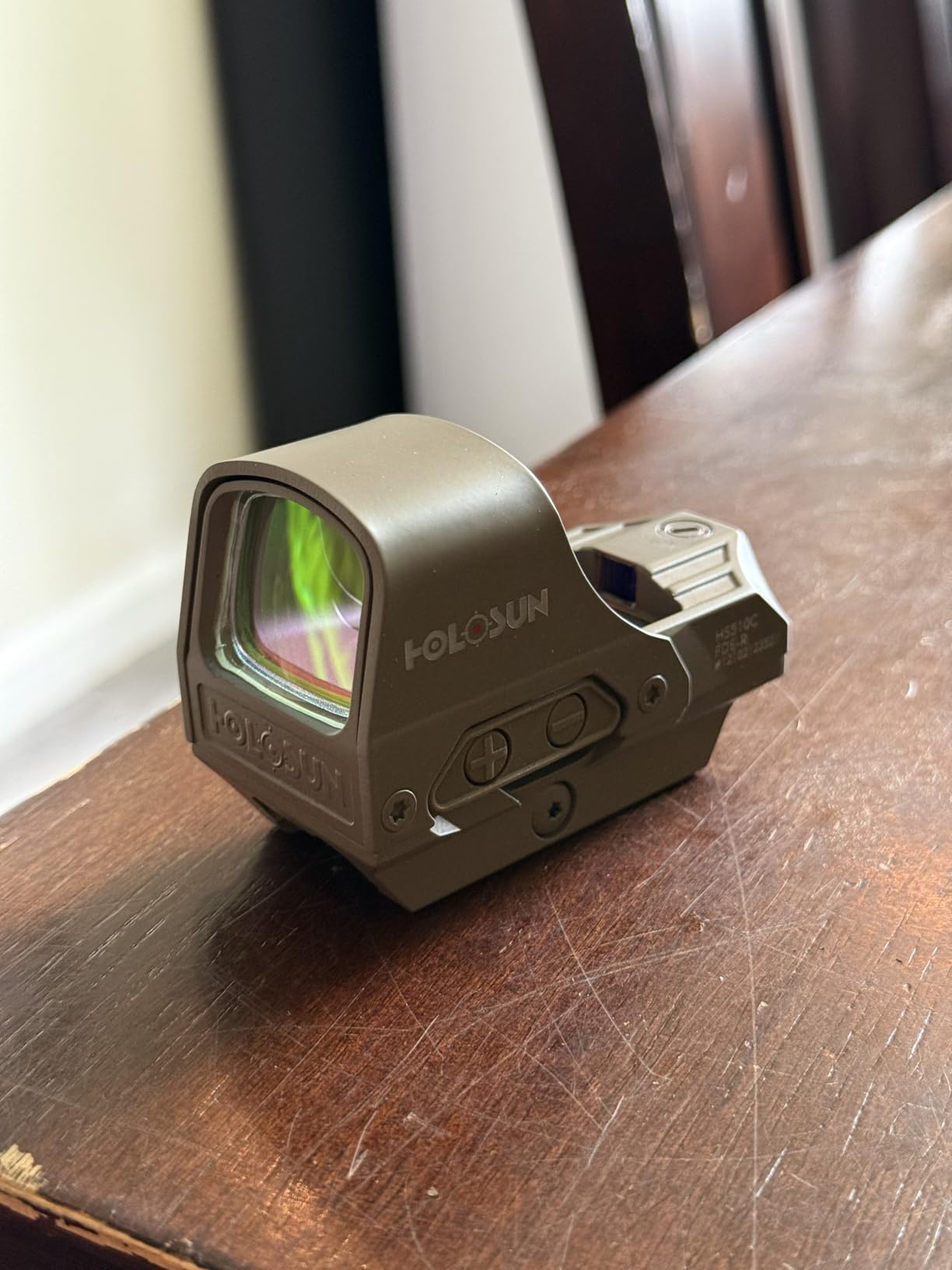
Solar Failsafe is the reason this one leads the premium tier. Most red dots are dead the moment their battery dies. This one keeps working in ambient light, which on a four-day backcountry elk trip is the difference between having an optic and carrying a paperweight home.
The multi-reticle system gives you a 2 MOA dot alone, a 65 MOA circle alone, or a circle with dot. On deer you run the dot. On a turkey gun or a driven hunt you run the circle. One optic covers both without a second purchase.
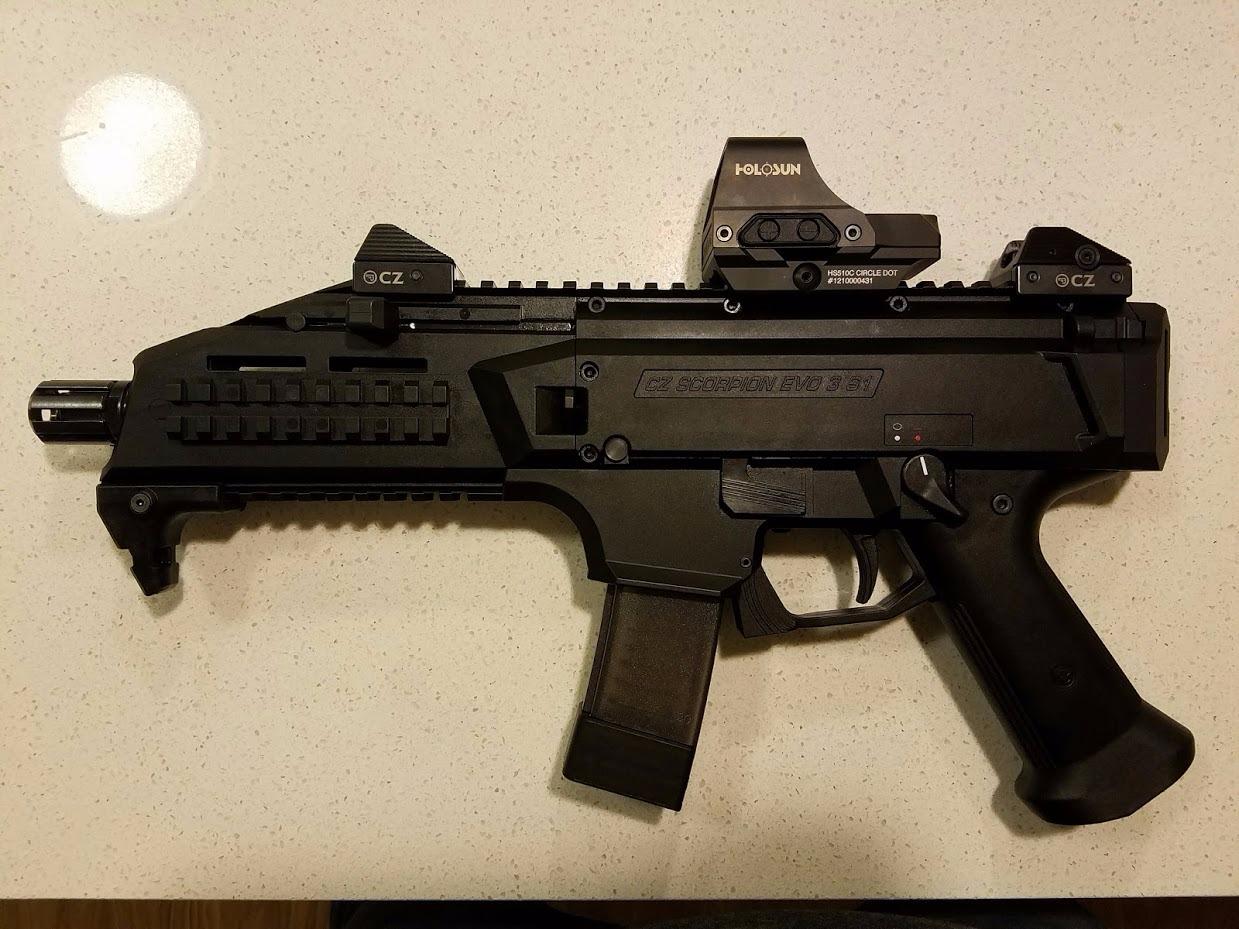
Owners benchmark it against RMR, Vortex and EOTech units and generally find more features for less money. The 4.8 rating across more than 4,400 reviews is the highest in this group, and the durability reports include water exposure, truck-bed transport and 500-plus round strings with no shift.
For astigmatism sufferers this is a frequently recommended pick because owners specifically report less star-burst than Sig-branded dots. If your dot has looked like a comet tail in other sights, that is worth knowing before you buy.
Why the backup power story matters in the field
Shake Awake with an adjustable timeout means the sight wakes when you move and sleeps when you sit still. Pair that with solar failsafe and the failure case almost disappears, which matters most when you cannot reach a shop and a spare CR2032 in a pack is the only backup.
The 30 mm objective also admits more light than the 20 mm and 22 mm units on this list, which shows up at dawn and dusk when you have seconds to identify a deer shape.
Where it falls short in the field
The quick detach mount is a real annoyance out of the box. Owners report it fitting loosely on arrival and needing a tightening turn with the included tool. Check it before your first hunt rather than discovering it at the treeline.
The automatic dimming response is not adjustable. Moving from deep timber shade into full sun on a hillside means the optic reacts on its own schedule, and some shooters prefer to set brightness manually.
4. Vortex Strikefire II: Best Value Red Dot With Red or Green Dot
Vortex Strikefire II Red Dot Sight – 4 MOA Red/Green Dot
1x, 4 MOA dot in red or green
10 brightness settings
Offset cantilever mount
7.2 ounces
Pros
- Switch between red and green dots to counter astigmatism
- Cantilever mount gives proper lower 1/3 co-witness and magnifier clearance
- Unlimited lifetime VIP warranty is transferable
- Nitrogen purged and O-ring sealed
- Reported groups around 1 inch at 100 yards
Cons
- 4 MOA dot is large for precision work and pairs poorly with a magnifier
- Buttons need firm pressure to press
- Cantilever mount pushes the optic forward on a short rail
The Strikefire II is the one to buy if you have astigmatism and do not want to find out at the range. A selectable red or green dot is the cheapest fix for a distorted reticle, and hunters who cannot see a red dot cleanly often find green resolves it immediately.
Reported accuracy sits around 1 inch groups at 100 yards, and the dot stays visible even shooting toward the sun, which is a real condition on an open western deer hunt.
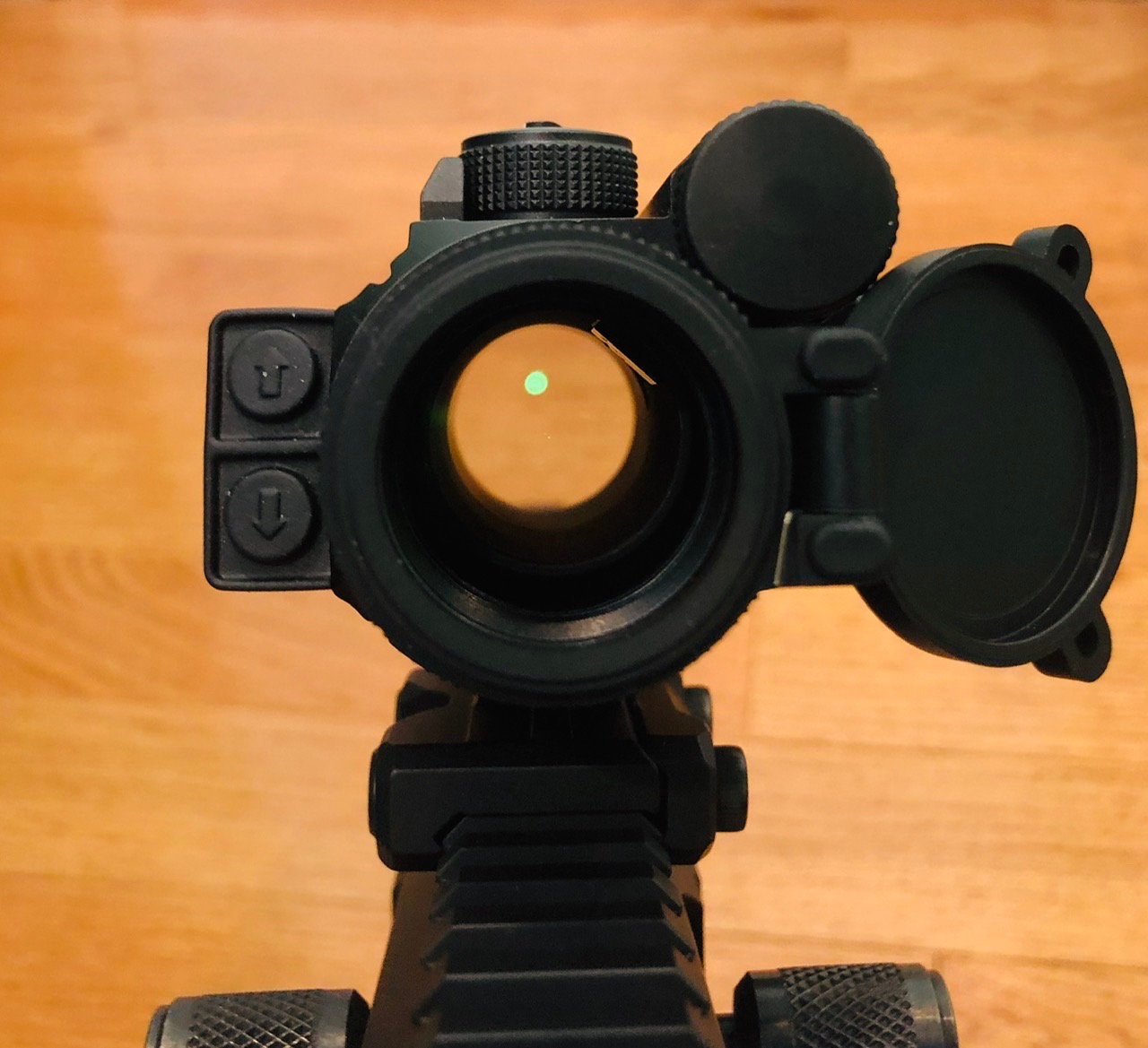
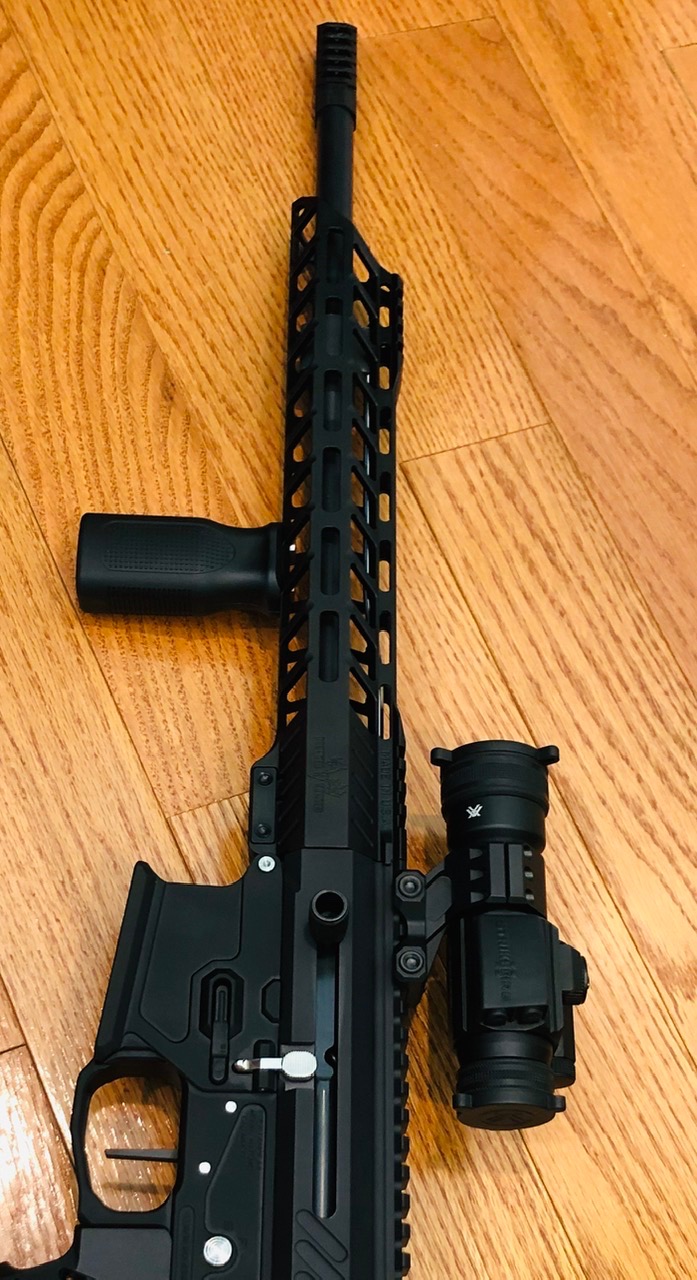
The offset cantilever mount is what separates it from a plain tube mount. It pushes the optic forward so a magnifier and backup irons fit behind it, which is the setup most hunting rifle builders end up wanting once they add a red dot to a scope.
Flip cap covers and a T-15 wrench are in the box, and the CR2 battery is a common cell. Vortex VIP coverage is unlimited and transfers with the optic, which matters if you sell the rifle.
Where the 4 MOA dot earns its keep
Four MOA is a fast, forgiving dot. At 40 yards it covers about 1.6 inches, which makes it easy to place on a moving hog or a running whitetail from a tree stand. Sights in this roundup do not pick it up faster.
The trade-off is precision. At 100 yards that dot covers four inches, so if you are shooting deer at longer range with this on the rifle, the small end of the group is doing more work than the shooter. It is also the reason this sight is a poor pairing with a 3x magnifier.
What breaks or annoys owners
The rear-mounted buttons need real pressure, which is annoying with cold gloves on a winter deer hunt. That is a small thing until you are zeroing at dawn.
On a hunting rifle with a short front rail the cantilever sits the optic further forward than most people expect. Measure your rail before you order a mount, because the offset eats length.
5. Osight SE: Best for Turkey Hunting and Shotgun Patterns
OSIGHT SE Enclosed Red Dot Sight, 2 & 32 MOA Multi-Reticle
1x with 2 MOA dot and 32 MOA circle
Enclosed emitter
27.5 grams
Side-load battery
Pros
- Fully enclosed emitter keeps rain
- mud and brush out of the glass
- Side-load battery means no optic removal to change cells
- 32 MOA circle matches a 12 gauge pattern at close range
- Aspherical lens stays free of distortion and parallax
- Lightest enclosed option in the group
Cons
- Battery door screw can back out and be lost without thread locker
- Buttons are stiff especially when powered off
- Shake-awake can stay on in transit and drain the cell
- Non-RMSc receivers need an adapter plate
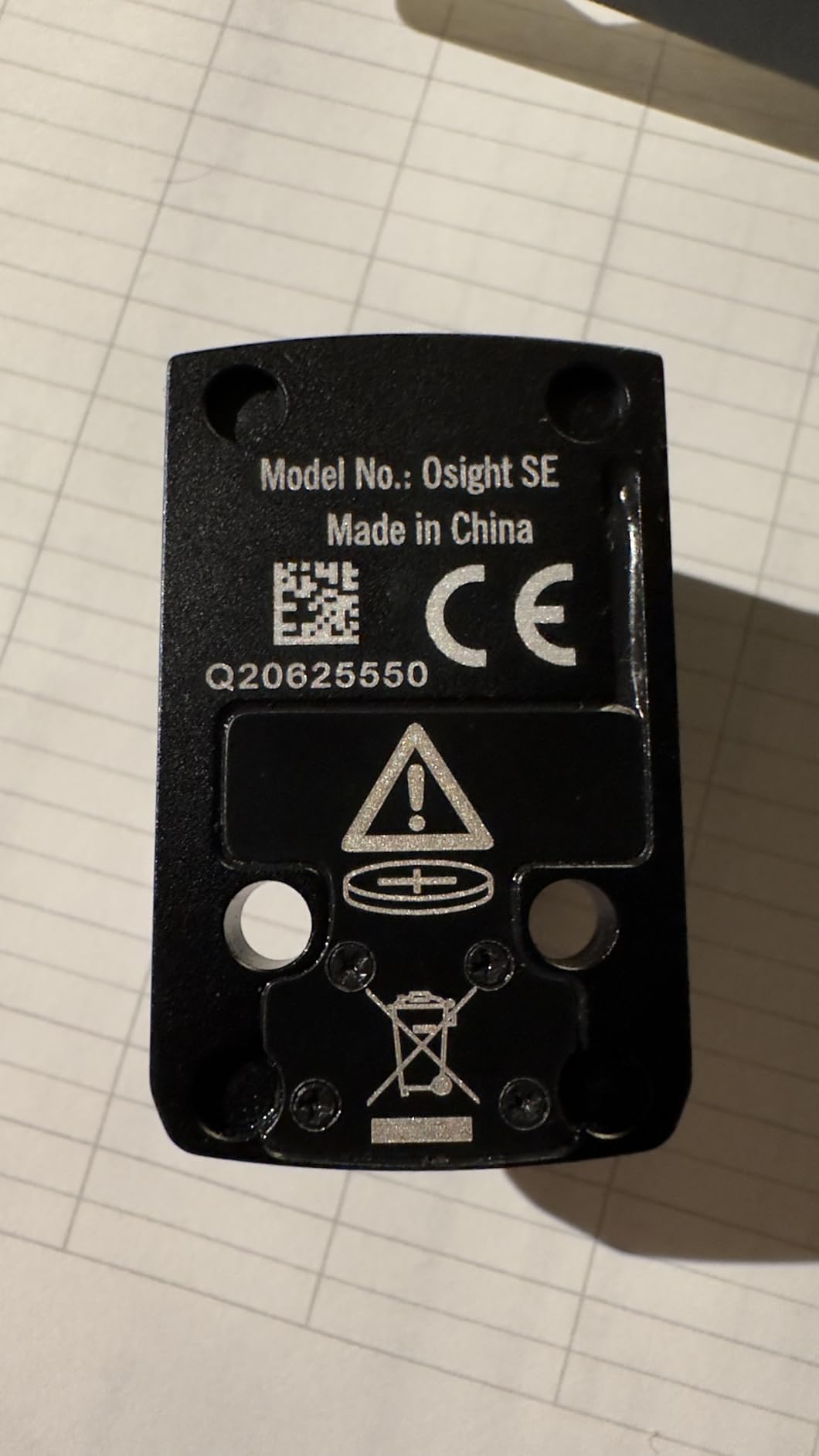
This is the pick for a turkey gun, and the reason is the reticle rather than the optic. A 32 MOA circle lines up with the center of a three-inch pattern, so instead of holding high or low you put the circle on the bird and fire at the dot. It is the same idea hunters use with a scope set on a turkey load, done at 1x.
The enclosed housing is what makes it work in the field. No open emitter to fill with rain, no exposed lens to fog in a wet blind, and nothing for brush to snag as you move through timber.
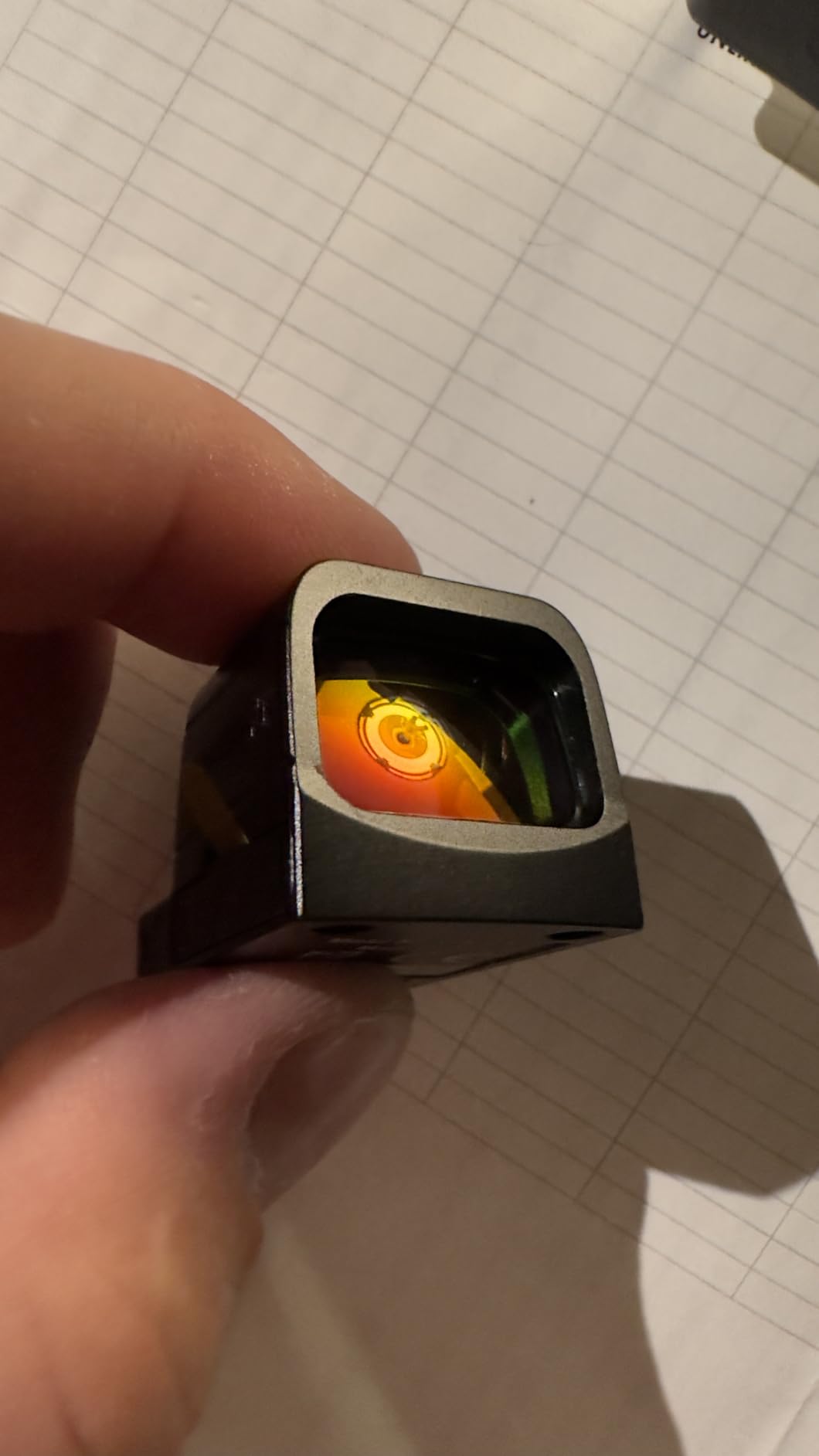
Owners report spot-on boresight zero and no drift across hundreds of rounds. The aspherical lens keeps the dot free of parallax and distortion, which is the part that matters when you are holding on a bobbing head at 30 yards.
Side-loading the battery is a small design choice with a big field benefit. You swap cells without taking the optic off the rail, so your zero stays exactly where you left it between morning and afternoon.
Why enclosed emitters matter in the rain
An open emitter sits exposed above the lens, and it collects water, mud, seed husks and snow melt. Hunters who switched from an open sight to an enclosed one report exactly the failures you would expect, and exactly why closed emitters have become the default recommendation for hunting terrain.
For a turkey hunter sitting in a wet ground blind at 25 yards, this is the difference between a clear sight picture and a muddy one. It is also the reason we pair this sight with shotgun use more than any other pick here.
What to watch before the season
Put a drop of thread locker on the battery door screw. This is the single most repeated complaint on this optic, and reviewers report the spare screws included in the kit make it a two-minute fix.
Check the motion activation behavior before you load the gun for a long sit. Owners report it staying awake in transit and draining the cell, which is harmless in October and annoying on a three-day trip.
6. Burris FastFire 3: Best for Lightweight Rifle Setups
Burris Optics Hunting Lightweight Versatile FastFire 3 Red Dot Sight 3MOA with Picatinny Mount, Black
1x with 30 mm objective
3 MOA dot, auto brightness
4 ounces
Top-mounted battery access
Pros
- At 4 ounces it barely changes rifle balance
- Holds zero on rimfire
- 9mm
- 12 gauge and AR platforms
- Top battery access means no mount removal to change cells
- Automatic brightness sensor handles sun-to-shade transitions
- Burris Forever warranty
Cons
- Battery cap cross-threads easily and is hard to install
- Auto mode battery life falls well short of the stated figure
- Only three manual brightness settings
- Very low profile needs a riser for a proper cheek weld
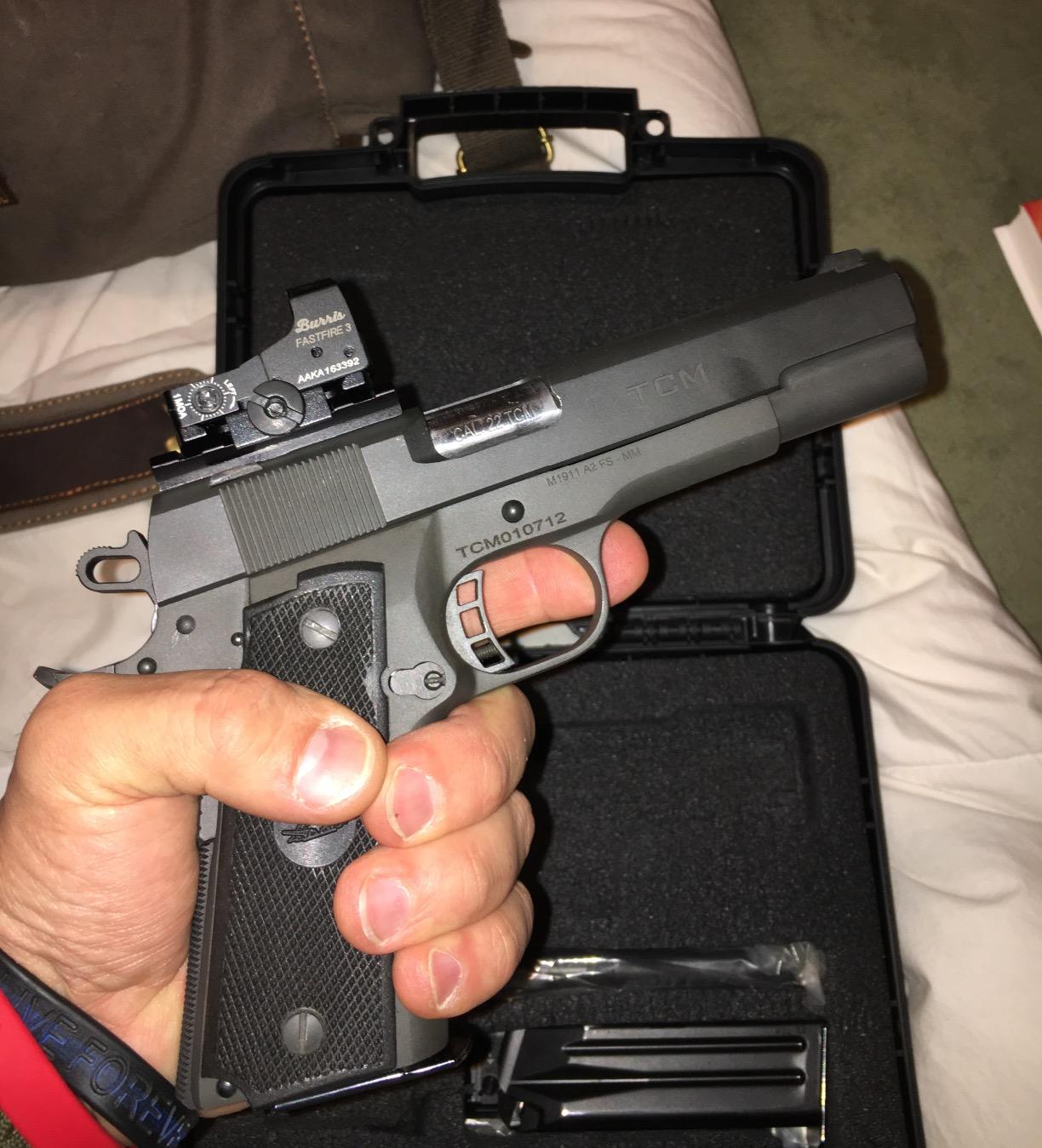
Weight is the reason to choose this one. At four ounces it is the second-lightest optic here, and on a bolt action or AR-10 that is a genuine handling difference when you are trying to move quietly through brush.
The automatic brightness sensor is genuinely useful on a hunt. Walking from a shaded draw into open morning sun, the optic adjusts on its own, which removes the one thing that tends to go wrong when a deer shows up while your hands are cold.
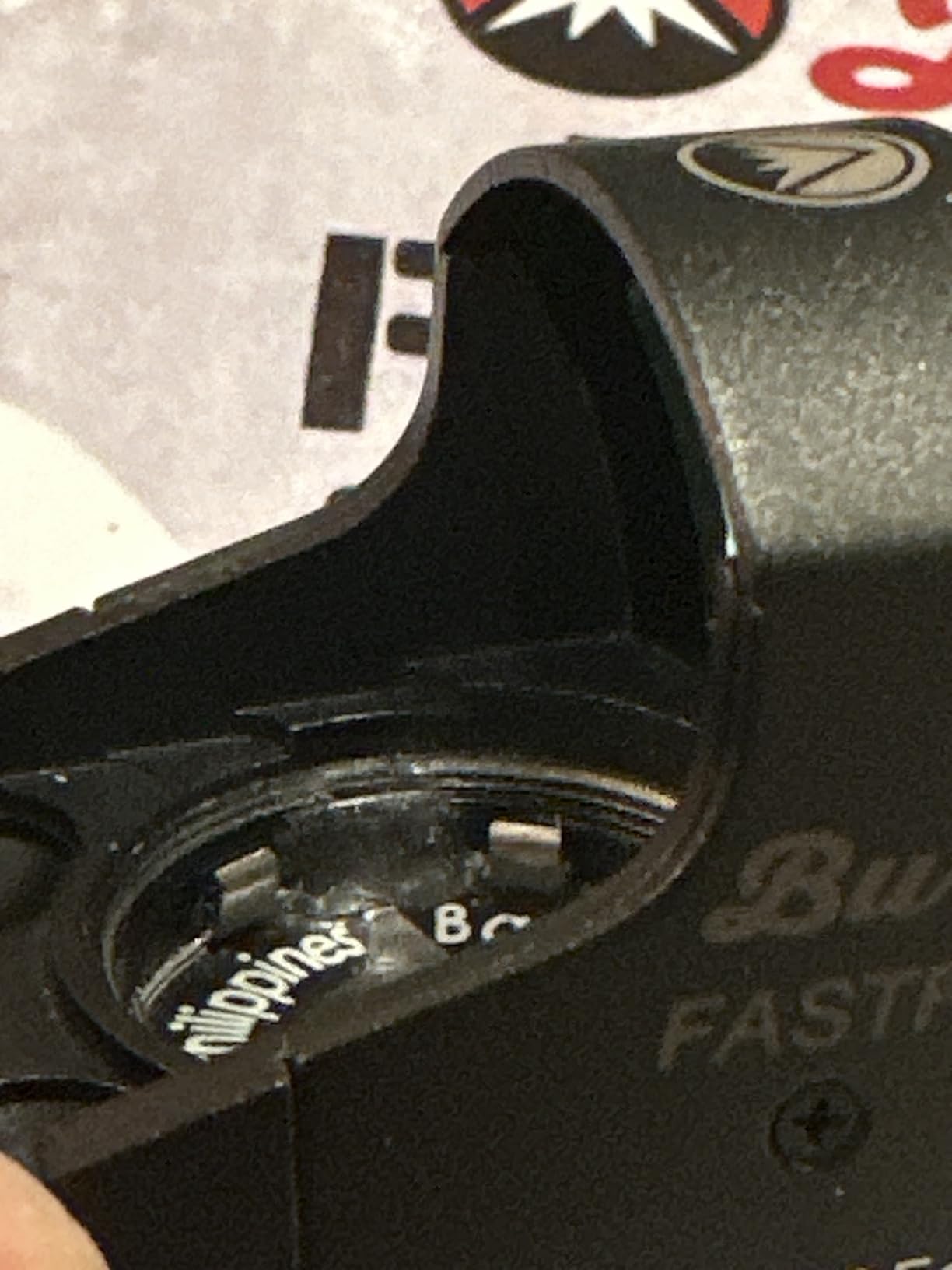
Owners who get past installation report a durable sight with a sharp, bright dot that holds zero through thousands of rounds. Several run it on lever actions and shotguns as well as AR platforms.
Battery access sits on top rather than the side, so the cell is reachable without pulling the optic off the rail. On a hunting rifle that means less handling of your zero between the truck and the tree line.
What works for close-range hunting
The 3 MOA dot on a 30 mm objective is a good match for deer inside 100 yards. It is quick to acquire in low light and precise enough on a deer or a hog at typical stand distances, which is where most hunters actually use a red dot.
An 8 MOA version exists if you shoot even closer, and for a bow hunting crossbow rig or an archery crosspoint that larger dot is the easier one to hold.
What hunters complain about first
This is the lowest-rated optic in our group, and almost all of the one-star reviews are about the battery cap rather than the glass. Reviewers explicitly warn to use a large, well-fitting screwdriver and not to cross-thread it. That single habit removes most of the complaints.
Two other things to plan around. The profile is very low, so on a rifle you will want a riser for a proper cheek weld, and auto mode battery life runs well under the stated figure for some owners. Carry a spare cell.
7. Vortex SPARC Gen II: Best When AAA Batteries Are Your Only Backup
Vortex SPARC Red Dot Sight Gen II – 2 MOA Dot
1x with 2 MOA dot
12 settings including NV
A common AAA battery
7.5 ounces
Pros
- Runs on a common AAA you can find in any small town
- Perfect zero retention across multiple sessions
- Crisp 2 MOA dot that does not wash out in bright sun
- Hard-coat anodized low-glare finish with multi-height mount
- O-ring sealed chassis covered by a lifetime warranty
Cons
- Rear buttons need firm pressure to operate
- Included rubber lens covers flap loose and get removed
- Slight dot flicker reported at some brightness settings
- Limited riser height and color choices
The SPARC Gen II solves a problem the rest of this list mostly ignores: what happens when you run out of the right battery. It runs a standard AAA, which is available in a gas station in a town you have never heard of. Forum hunters mention CR2032 availability in remote areas as a real concern, and this removes it.
Zero retention is where it earns its rating. One long-term owner dropped the sight and fired roughly a thousand rounds of 7.62mm through it and reports it still operates like new. Owners across platforms describe it as a no-fills optic that just works.
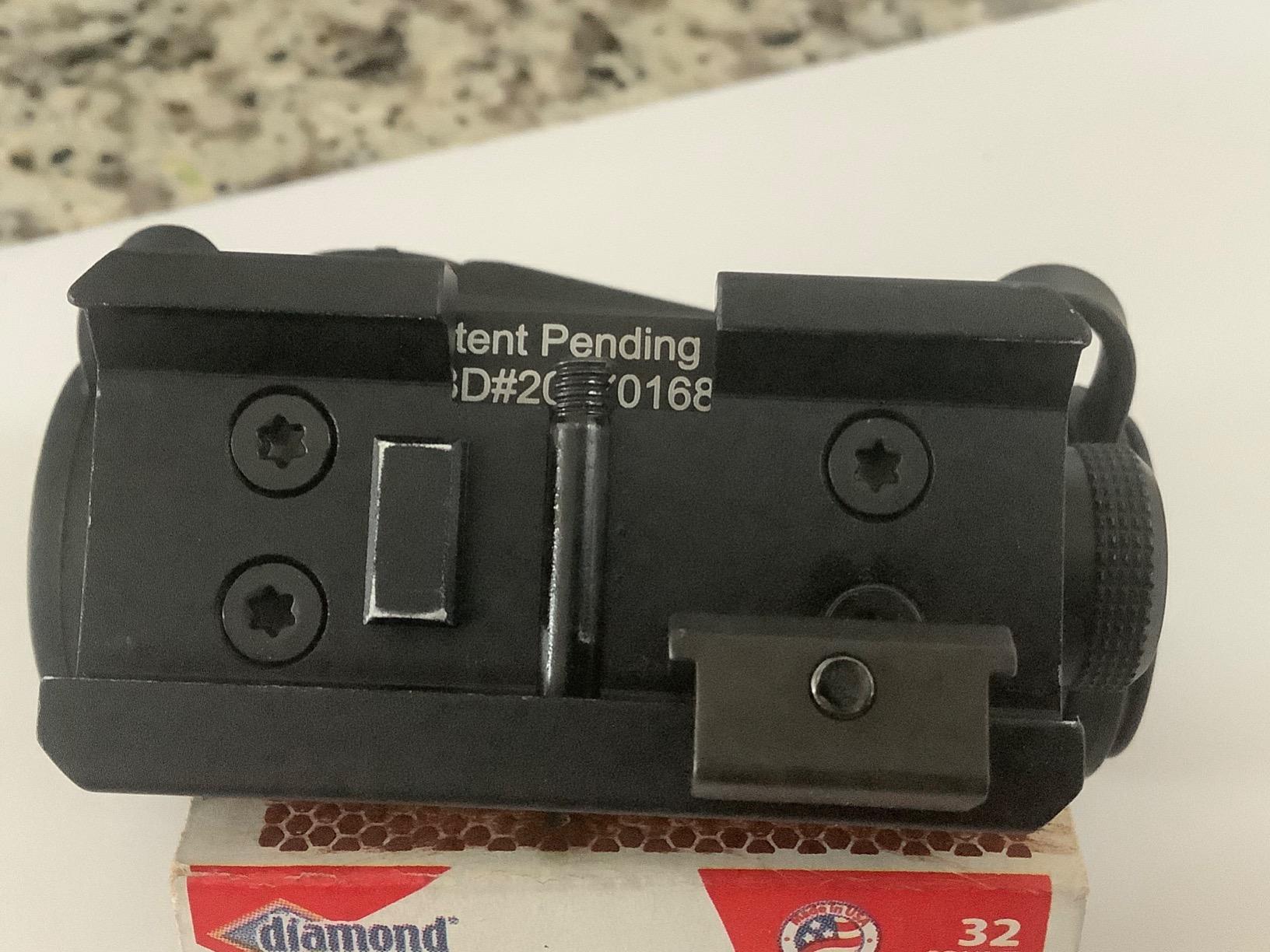
The 2 MOA dot is precise for deer and general big game, and the twelve illumination settings include night vision compatible levels, so the same optic covers a dawn start and a legal-light finish.
The multi-height mount gives you absolute or lower 1/3 co-witness, which is useful on a hunting rifle with factory irons you still want as a backup.
Where a 2 MOA dot works best
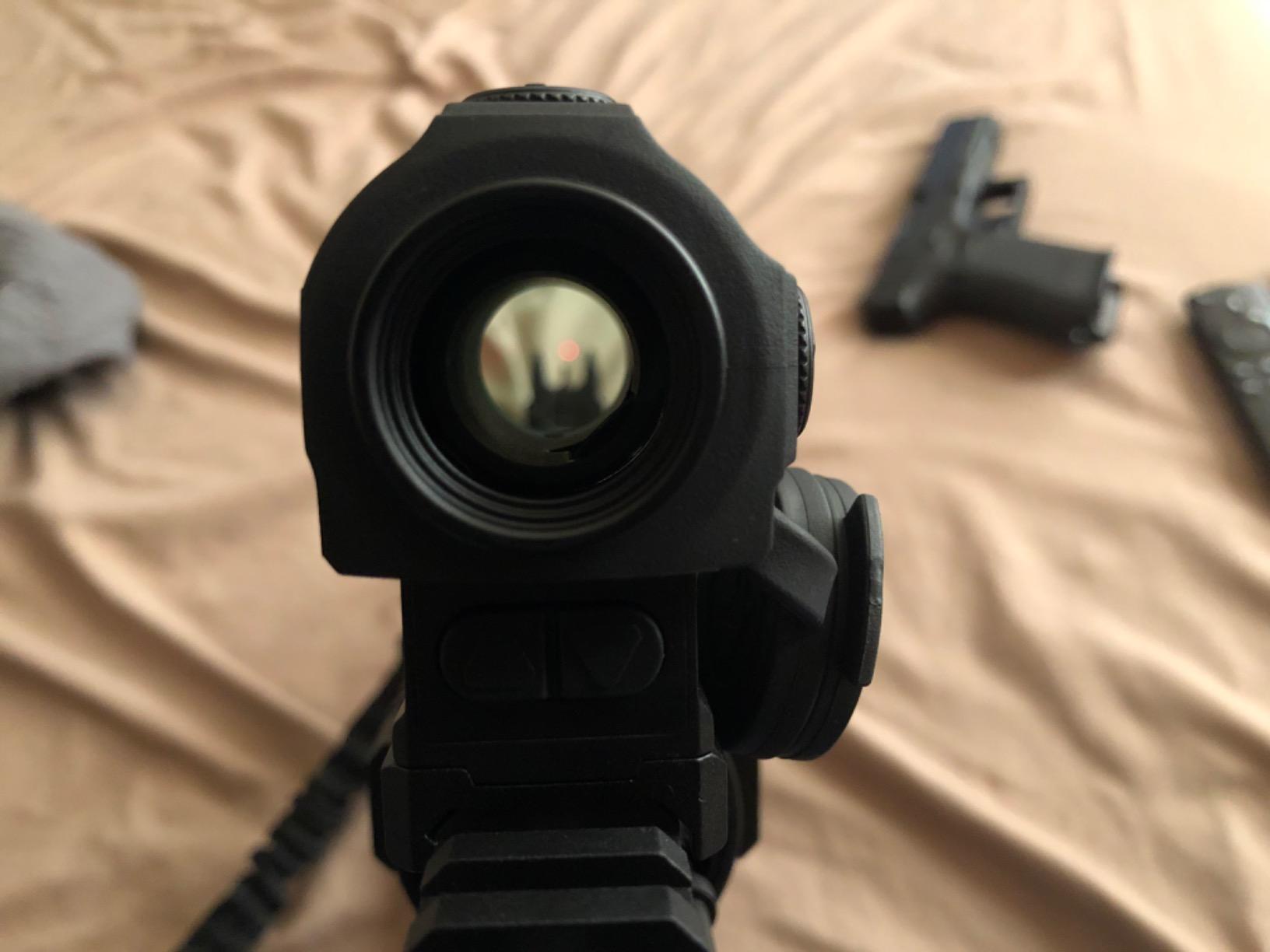
Two MOA covers two inches at 100 yards and three inches at 150, which makes it the right precision for deer, elk and big game where you want a single aiming point rather than a holdover. It is the most precision-friendly dot on a full-size sight in this roundup.
Brightness range matters more than it sounds. A dot that washes out in open sun is a hunting liability at midday, and owners report this one stays visible in direct sun across the brightness range.
What to live with
The rear buttons are stiff. With gloves on, expect to press hard enough that you check the setting afterward. A few owners also report a slight dot flicker at certain brightness levels, which is a sensitivity issue rather than a failure.
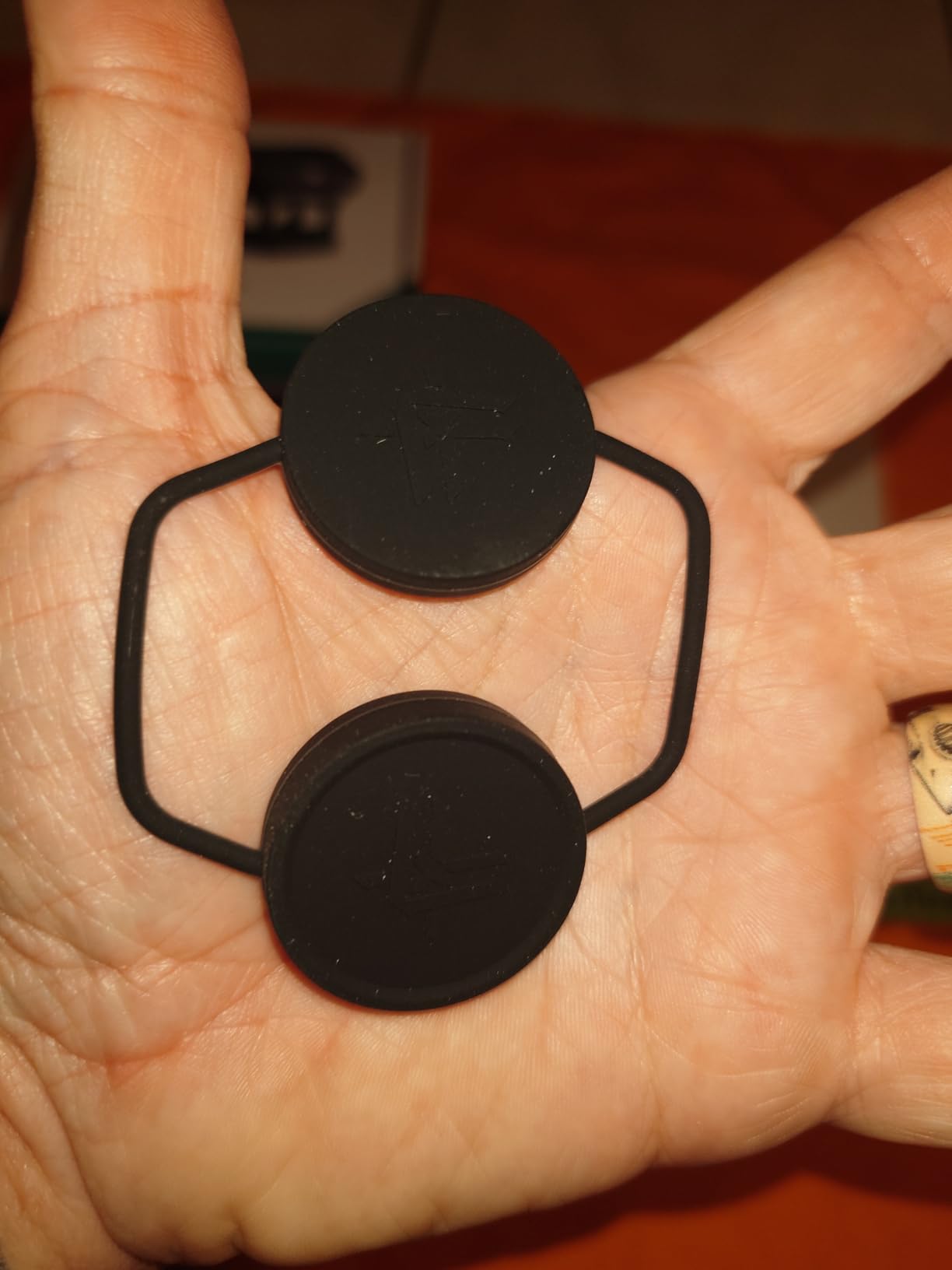
The included rubber lens covers are the weakest part of the package. They flap loose and most owners either tether them properly or drop them. Consider aftermarket flip caps if brush or rain is a factor.
8. Sig Sauer ROMEO7 1x30mm: Best for Dark Cover and Big Game
Sig Sauer ROMEO7 1x30mm Closed Full Size 2 MOA Red Dot Sight
1x with 30 mm objective
2 MOA dot
MOTAC and 62,500 hour battery
CNC-machined 6061 aluminum
Pros
- 30 mm objective gathers more light than 20 mm sights for dawn and dusk
- MOTAC wakes the optic on movement
- Crisp 0.5 MOA clicks make fine zero corrections easy
- CNC-machined 6061 aluminum body holds zero after drops
- IPX-7 waterproof and fogproof
- Low dispersion glass keeps the dot bright
Cons
- Full-size housing and 8 ounces consume a lot of rail space
- Heavier than compact micro optics
- No shake awake so you wake it by turning the dial
- Base plate screws can loosen without thread locker
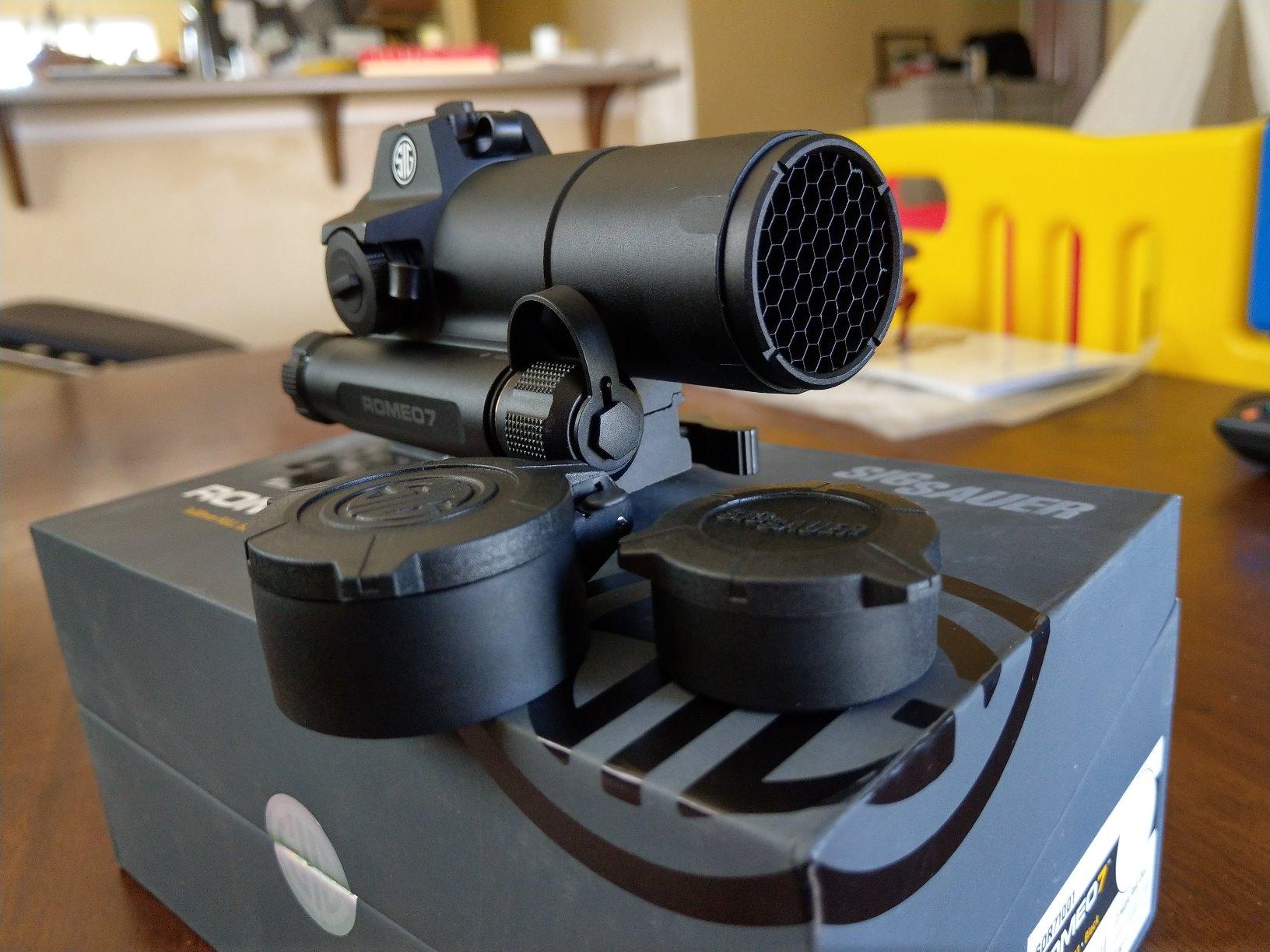
If your hunting happens in the last thirty minutes of light, the 30 mm objective is the reason to look here. More glass means more light reaches your eye, and the low dispersion lens keeps the dot crisp rather than bloomed when the ambient light drops.
Owners describe this as an alternative to a premium 1x duty sight at a fraction of the cost, with durability reports covering drops and hard use on multiple calibers. One owner reports no change after more than 900 rounds.
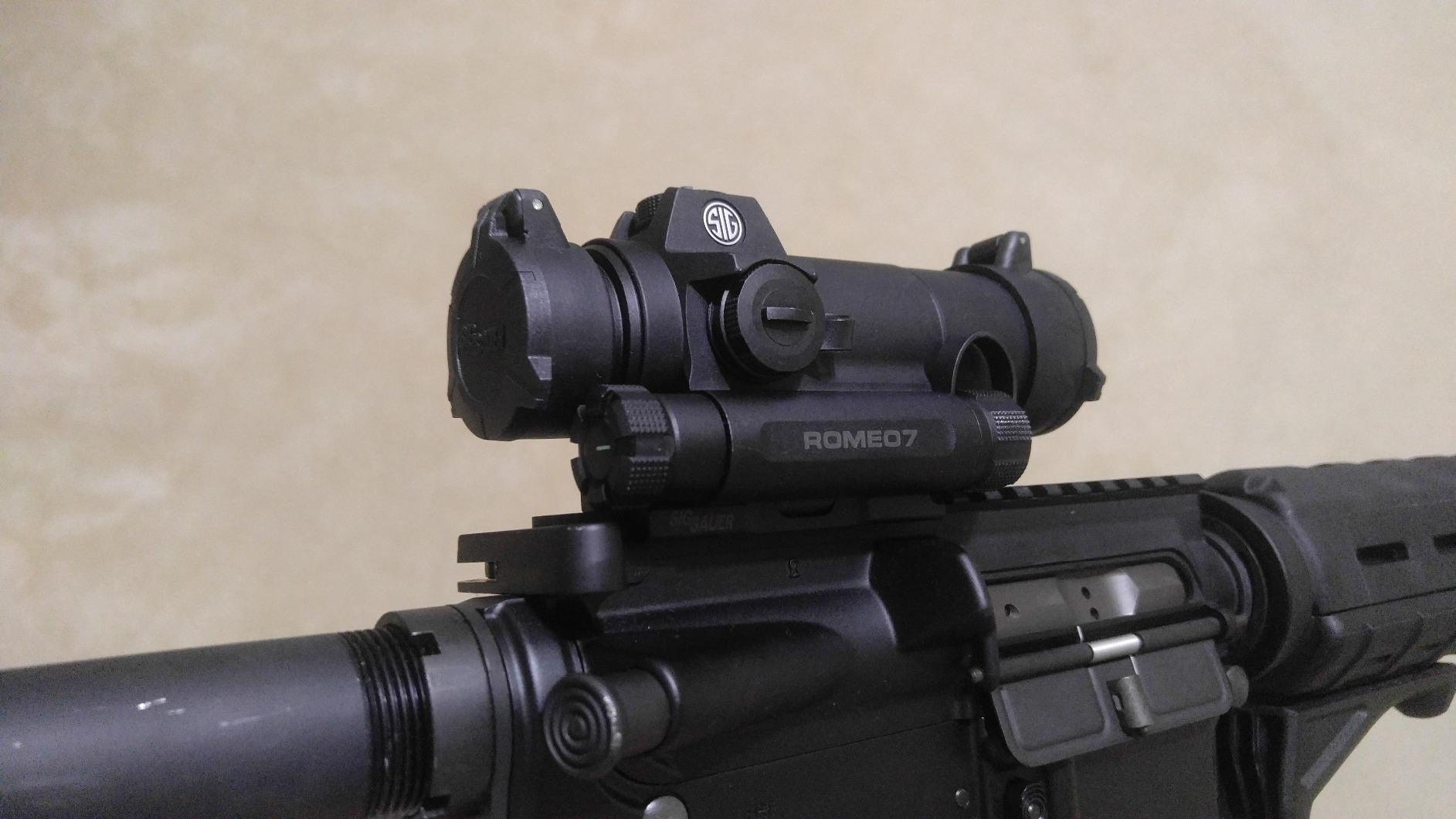
The 0.5 MOA click adjustments are the quiet advantage for a hunting rifle. Most of the sights here move in 1 MOA clicks, and half a click lets you dial a zero in a .308 or a 7mm with far fewer corrections than working in whole MOA increments.
MOTAC handles the waking. There is no shake awake, so on a static sit you wake the optic by turning the brightness dial, which takes one extra motion at the start of a hunt.
What makes it good for big game
CNC-machined 6061 aluminum with IPX-7 sealing is a duty-grade build, and duty-grade is the language that matters when a rifle is dropped off a saddle, slid across a truck bed and hauled up a ridge in the dark. Owners report the optic holding zero through exactly that kind of treatment.
The two included mounts, a standard quick detach and a low-rise fixed mount, cover most hunting rifle receivers, and flip caps plus an anti-reflection filter are included.
What hunters give up for that light gathering
Eight ounces on the front end of a bolt action is noticeable. This is a full-size sight, and on a hunting rifle that already carries a scope in rings, adding it forward can crowd the rail, especially if you also want a magnifier and backup irons.
Measure your rail before buying. On a short front rail this is the pick most likely to cause a mounting headache.
9. Crimson Trace CTS-25: Best for Rimfire and 12 Gauge Setups
Crimson Trace CTS-25 Compact Sight with 4 MOA LED Red Dot Reticle and 1x Magnification for Rifles, Long Guns, Defense and Competition
1x with 25 mm objective
4 MOA dot
4.8 ounces
Side-accessible battery
Pros
- Compact and light at 4.8 ounces
- Resists shock
- water
- fog and vibration
- Side battery access without removing the optic
- Survives rough treatment including months outdoors in wet grass
- 0.5 MOA turret clicks allow fine corrections
Cons
- Maximum brightness is not enough for some users in full sun
- 4 MOA dot is large for precision and long-range work
- Ships set for a close-range zero so expect to re-zero
- Included lens cloth is low quality
This is a close-range sight and it does not pretend otherwise. A 4 MOA dot on a 25 mm objective is built for small game, rimfire and buckshot, where the target is close and the dot needs to be easy to find rather than precise.
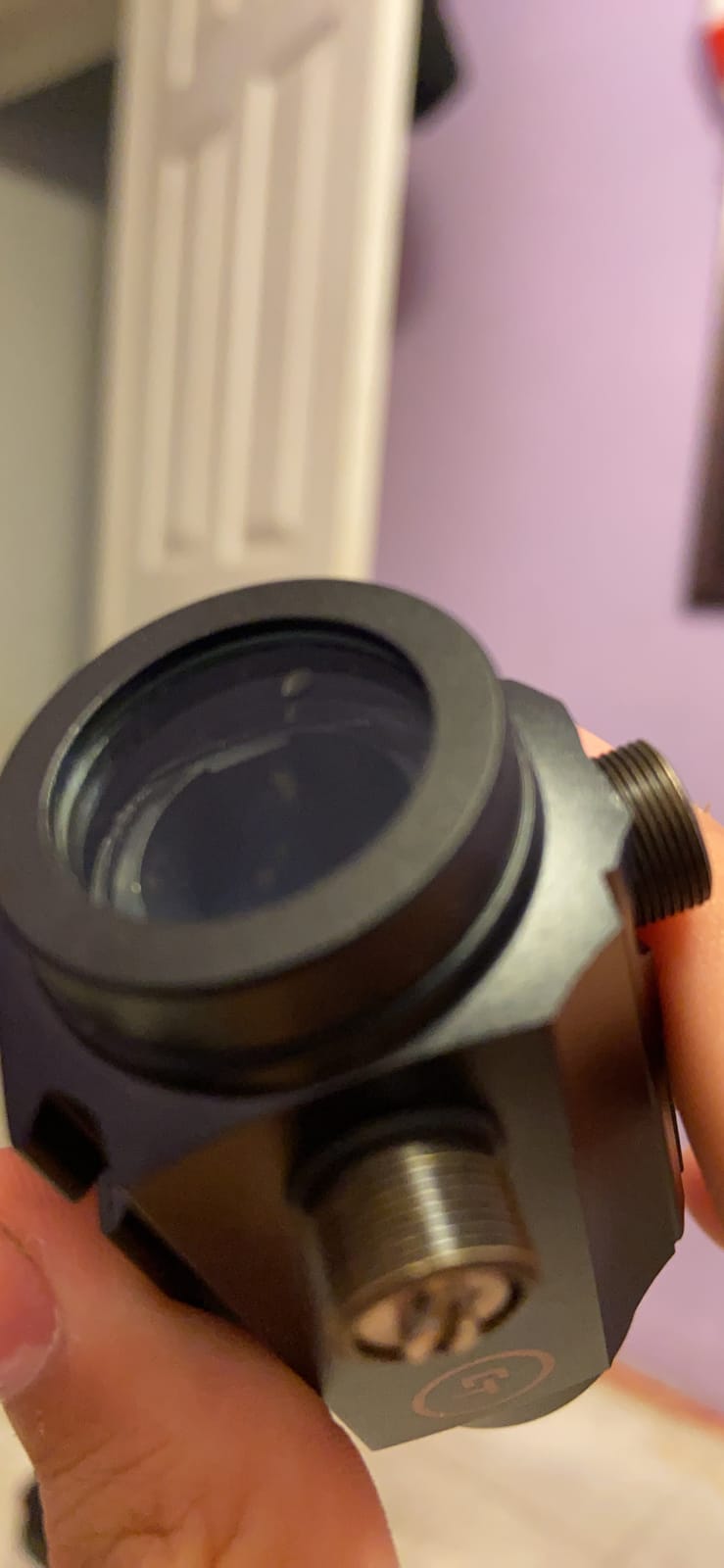
Durability is the standout. Owners report units that spent months in wet grass outdoors and came back working with no rust and no loss of function, which is exactly the field condition a squirrel hunter or a youth rifle puts it through.
The battery compartment sits on the side, so cells change without pulling the sight off the rail. That keeps your zero intact between a morning and an afternoon hunt and means you are not fiddling with mounts in the cold.
It carries a limited lifetime warranty from Crimson Trace, which is a meaningful addition for an optic this light.
What works for squirrel and small game
At 4 MOA the dot is large and forgiving, which is exactly what a 20 yard squirrel shot and a 25 yard rabbit shot need. You are not trying to make a precision group, you are trying to put a visible point on a target that is moving erratically through branches.
On a 12 gauge for close birds, the same logic applies. At low power the dot gives you a center hold on the pattern without any holdover guesswork.
What does not work past about 60 yards
The dot covers four inches at 100 yards, so this is not the optic to use on deer at longer range. Maximum brightness also falls short of the higher-end sights in direct midday sun, which some users notice immediately.
It ships set for a close-range zero, so confirm your zero on paper before the hunt rather than assuming it is ready. That is not a defect, it is just a sight built for a specific job.
10. Vortex Triumph 2 MOA: Best for Flexible Mount Options
Vortex Triumph 2 MOA Red Dot Sight
1x with 2 MOA parallax-free dot
9 daylight and 2 NV settings
Motion auto-on
Picatinny and Weaver compatible
Pros
- Both lower 1/3 co-witness and low mounts ship in the box
- Crisp 2 MOA parallax-free dot with unlimited eye relief
- Motion auto-on with a 10 minute shutoff is useful in the field
- Up to 50000 hours of battery life at setting 5
- Transferable lifetime VIP warranty
Cons
- Smallest review base in this roundup so long-term field reports are thin
- Newer listing with fewer owners to draw on for durability data
The reason to look here is the box contents. Two mounts are included, a lower 1/3 co-witness and a low mount, and the sight works on Picatinny and Weaver alike. For a hunting rifle where the receiver height is not standard, that removes the most common reason a red dot never gets mounted at all.
The 2 MOA dot is precision-oriented, which makes it the right choice for deer and big game rather than close-range rimfire. With unlimited eye relief and a parallax-free design, it behaves well from a prone position on a slope.
Motion auto-on with a ten minute timeout is a sensible backcountry feature. You pick the rifle up and the dot is lit, and it does not stay awake indefinitely draining the cell while the rifle sits in a truck.
Optics are nitrogen purged, fully multi-coated, waterproof, fogproof and shockproof, and the warranty is the unlimited transferable Vortex VIP policy.
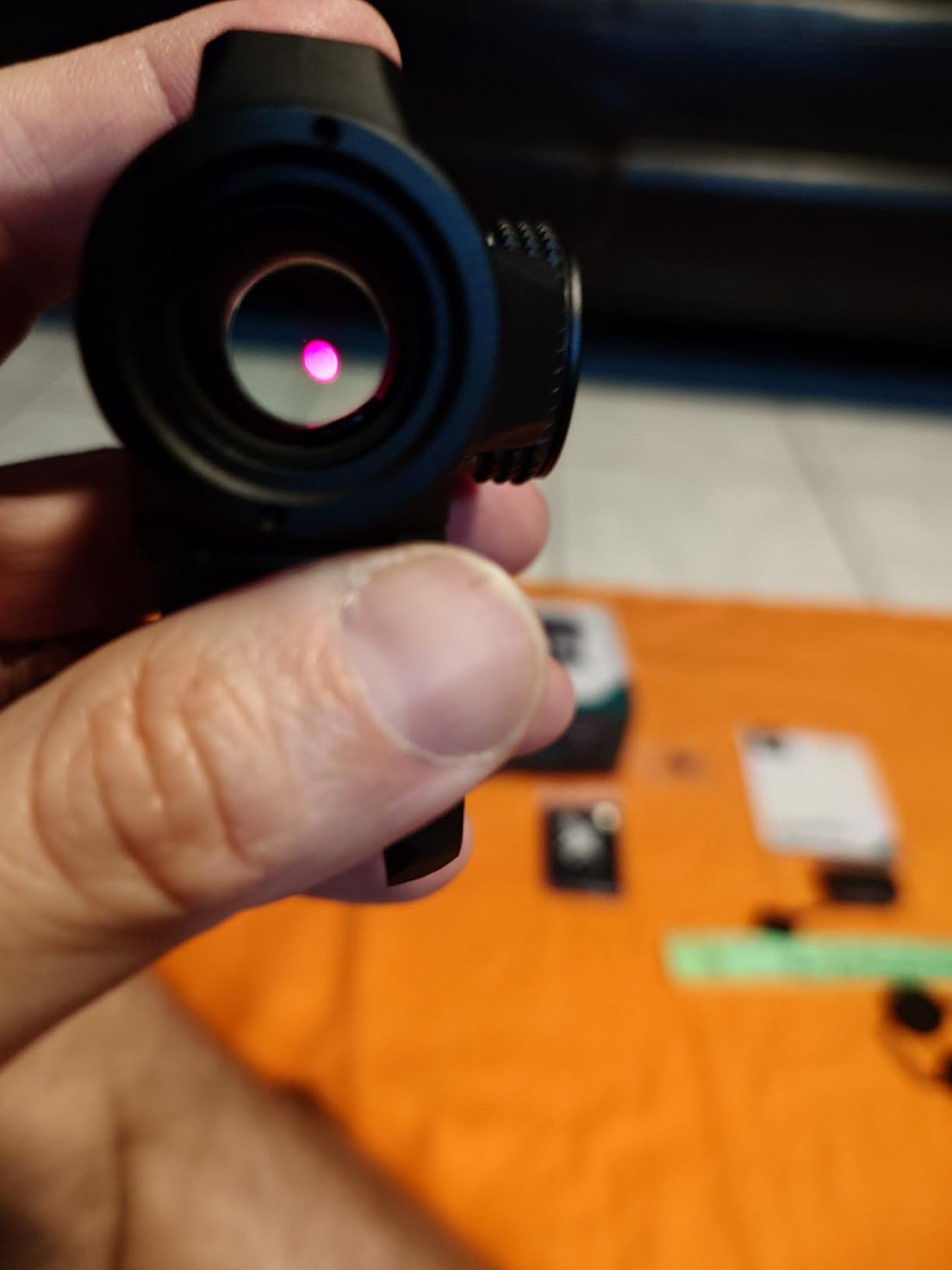
Why included mounts matter on a hunting rifle
Forum questions about red dots on hunting rifles are mostly about mounting, not optics. A bolt action with a Picatinny rail, a lever action with Weaver, a red dot ready bolt action and a scope-mounted setup all present different height problems, and including both mount heights solves most of them in a way an extra purchase does not.
It also means you can change from co-witness to a lower profile later without buying a second sight, which matters if you end up running a magnified setup alongside it.
Where the thin review history shows
This listing has the smallest owner base in our group, which means there is very little long-term field history to draw on. We are relying on the specification sheet and Vortex build quality rather than on thousands of hunters reporting results.
Treat it as a solid buy on paper with less proven track record. If zero retention history matters most to you, a sight with tens of thousands of owner reports behind it is the safer bet.
11. Holosun 512C: Best for Closed-Emitter Weather Protection
Holosun HS512C Multi-Reticle Circle Dot Enclosed Reflex Sight w/Solar Failsafe and Shake Awake, Designed for Rifle and Carbine, 2 MOA Dot
1x with 20 mm objective
Fully enclosed body
2 MOA dot with 65 MOA circle
Solar Failsafe and Shake Awake
Pros
- Fully enclosed body protects the emitter in heavy rain
- Multi-reticle circle-dot is fast and comparable to EOTech
- Tack-sharp reticle that stays clean with astigmatism
- Shake Awake recalls your last setting so there is no fiddling
- Integrated Weaver base keeps the advertised size honest
Cons
- Larger and heavier than expected for a micro class sight
- Windage and elevation knobs need a Holosun-specific tool
- Adjustment clicks are very quiet at the range
- Solar Failsafe will not power the sight with no battery installed
- Shiny front lens can give away position
This is the enclosed-emitter answer for rifle and carbine shooters, and reviewers justify the higher price on exactly one feature: the emitter is sealed inside the housing. In rain, snow or a mud-splashed creek crossing, that is the difference between a clear window and a ruined hunt morning.
The circle-dot reticle gets compared favorably to EOTech designs by owners, including on AK builds, and the tack-sharp reticle stays clean for shooters with astigmatism, which is a documented complaint against several cheaper sights here.
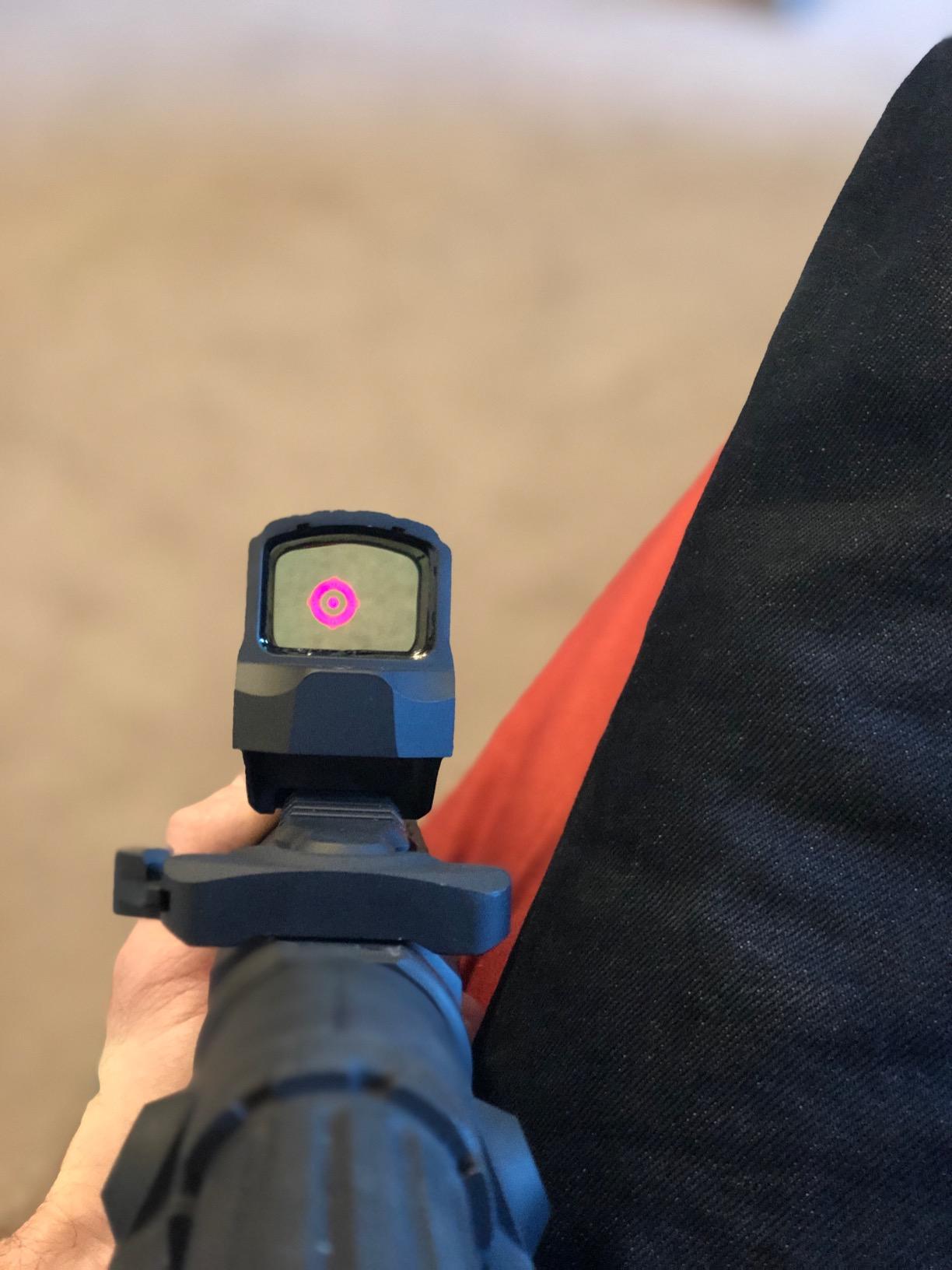
Shake Awake with last-setting recall means the optic returns to the brightness you set it to before the hunt. That small detail removes the most common pre-shot annoyance, which is fumbling through ten settings trying to find what you had.
Zero retention reports include roughly a thousand rounds on an AK with heavy handling and no movement.
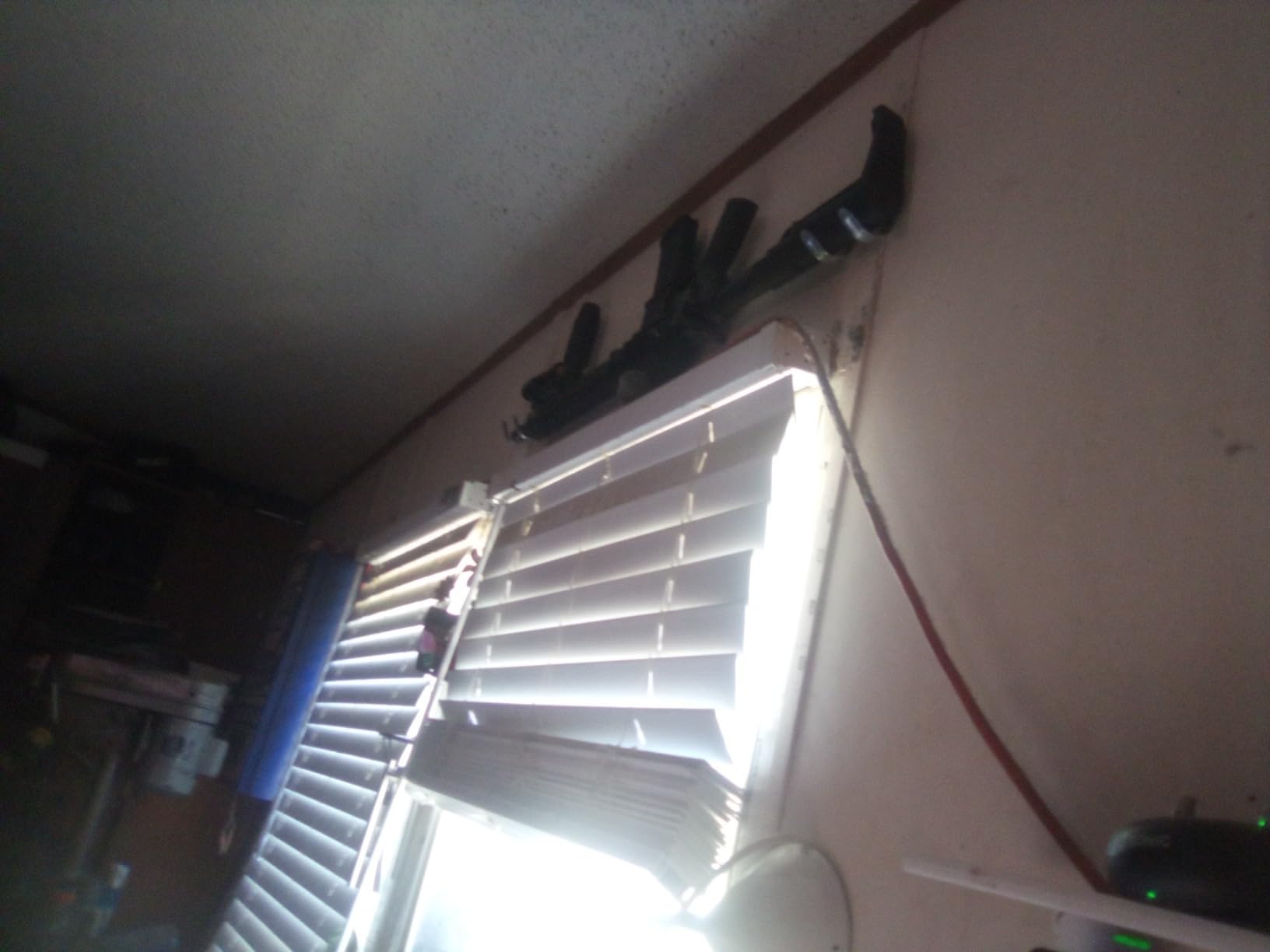
Why a sealed emitter matters in hunting terrain
Open emitters sit exposed above the lens and collect everything you walk through. Mud, seed, rain and snow melt accumulate until the window looks like frosted glass, and there is no cleaning a sight in the field without taking it apart. A closed housing keeps the glass clear without opening anything.
For a hunter who spends hours in a wet ground blind or crosses brush before the shot, that is the practical argument. It is why closed emitters have moved from enthusiast preference to the default recommendation in hunting forums.
What to resolve before you buy
The adjustment knobs need a Holosun 512C-specific tool, and that tool does not fit other Holosun tools. Reviewers flag this as the most cited drawback. If you do not keep the original box, buy the tool with the sight.
Also expect it to be bigger and heavier than a micro sight, and know that solar failsafe still needs a cell installed. It extends the battery, it does not replace it.
12. Holosun 515GM: Best for Rugged Backcountry Duty
HOLOSUN HS515GM Red 2 MOA Dot & 65 MOA Circle Micro Sight for Rifle – Shake-Awake Parallax-Free Sight with Multiple Reticle System & 12 Brightness Settings
1x with 20 mm objective
7075 T6 aluminum, IP68
2 MOA dot with 65 MOA circle
0.5 MOA per click
Pros
- 7075 T6 aluminum housing is the toughest material in this group
- IP68 waterproof and dustproof rating
- Tool-less side-mounted battery tray for fast cell changes
- Shake Awake timeout configurable from 10 minutes to 12 hours
- Up to 50000 hours of battery life
- Parallax free with unlimited eye relief
Cons
- Most expensive optic in the roundup with the smallest review base
- Limited long-term owner feedback compared with the rest of the picks
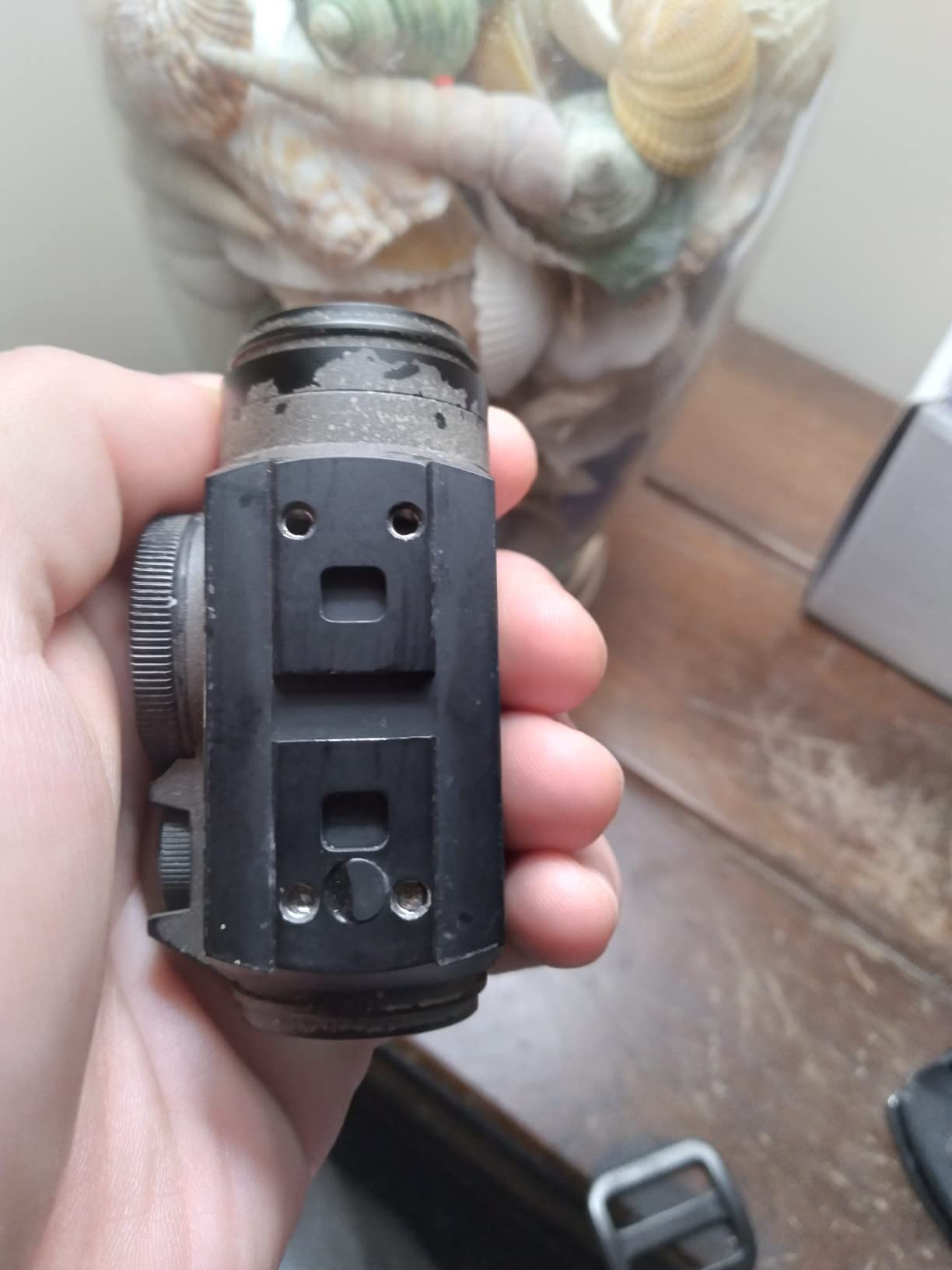
7075 T6 aluminum with an IP68 rating is the most substantial build in this group, and it is the reason this one is here. If your hunt happens where a replacement optic is not an option, material and sealing matter more than feature count.
The 0.5 MOA clicks with plus or minus 50 MOA of windage and elevation travel let you zero precisely across hunting calibers, and the parallax-free design holds up from a prone rest as well as from a stand.
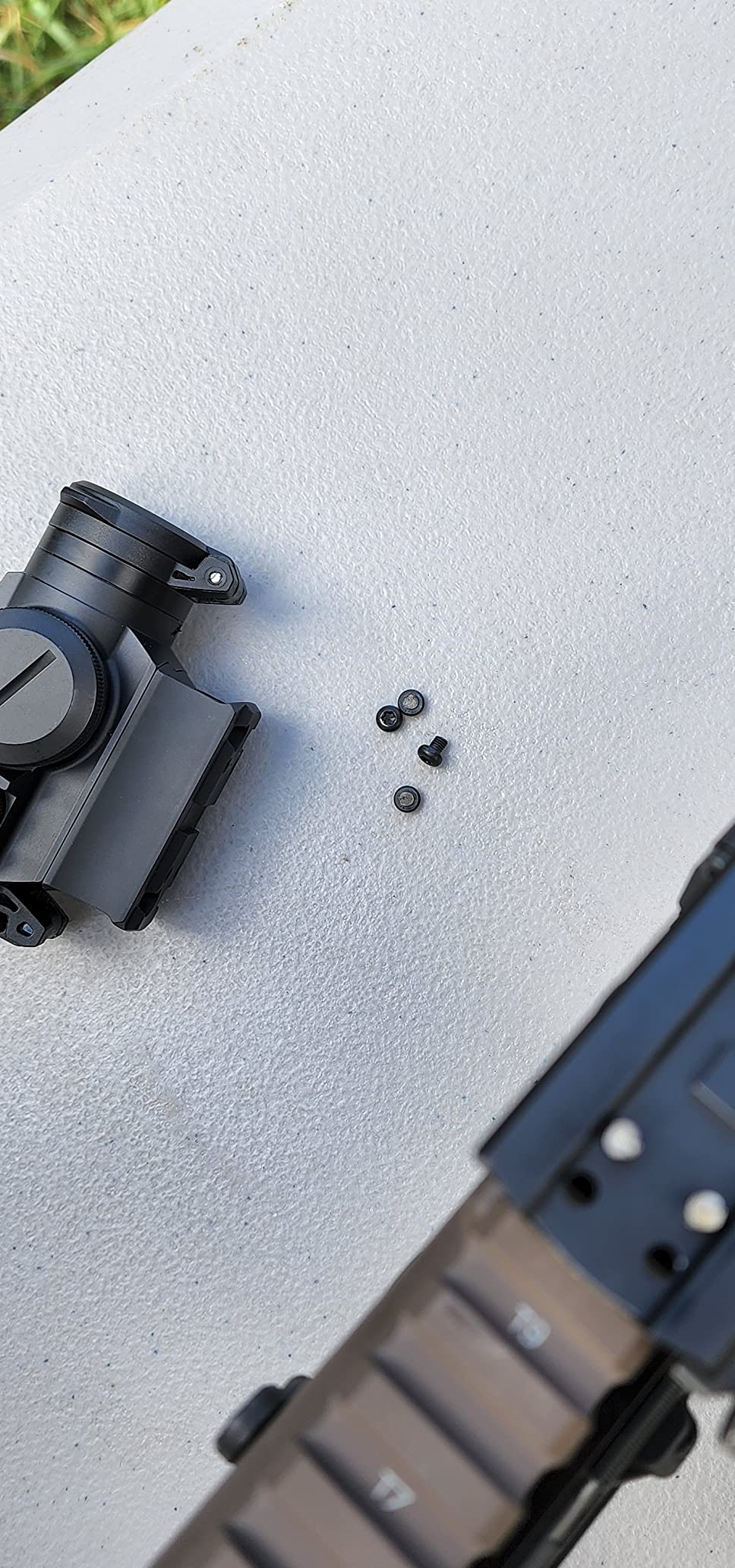
The tool-less side-mounted battery tray is the field feature that pairs with the rugged build. You change cells with the optic still on the rail, so your zero survives the swap and you are not carrying small screws into the backcountry.
Shake Awake runs from ten minutes to twelve hours and can be deactivated. Set it long if you are on a watch rotation and short if you want the cell preserved.
What the sealing rating buys you
IP68 means dust-tight and protected against submersion, which is a stronger claim than the IPX-7 rating carried by two picks on this list. For elk season in Oregon, deer in Minnesota or a bow hunt in the rain, that is the difference between a working optic and a trip home to order a new one.
The 65 MOA circle with 2 MOA dot gives you a holdover reference for a moving animal and a precision point for a stationary one, and it doubles as a shotgun pattern circle on a turkey gun.
Why we placed it twelfth despite the build
It carries the smallest review base in the roundup, which means almost no long-term owner reporting on how it performs after several seasons. Forum buyers weight proven zero retention heavily, and there is very little of it here yet.
There is also a cost-versus-evidence problem. You are paying a premium for the best materials on the list based mostly on a specification sheet. If the build quality is what matters most to you, it is a defensible choice. If proven field history matters most, the ROMEO5 or the Bushnell are the safer purchases.
Red Dot Sight Buying Guide for Hunting Rifles
Closed emitter versus open emitter in rain, mud and snow
A red dot projects its reticle with a light source sitting just above or beside the lens. In a closed emitter design that source sits inside a sealed housing. In an open emitter it hangs exposed over the glass, where it collects water, mud, seed and debris.
For hunting this is not a preference argument. An open emitter in a wet November is a sight you will be field-stripping the night before opening season, and you will do it with cold hands and no lens cleaning kit. A closed emitter wipes clean with a sleeve and keeps working.
On this list the Osight SE, the Holosun 512C and the Holosun 515GM use sealed designs. If your hunting happens in rain or snow, weight the sealed options heavily. If you shoot in a dry climate on a patrol rifle, the open designs are lighter and cheaper and that is fine.
Dot size and MOA at real hunting ranges
MOA means minute of angle, and one MOA is one inch at 100 yards. That is the whole conversion. Double the distance, double the size on target.
So a 2 MOA dot covers two inches at 100 yards and three inches at 150. A 3 MOA dot covers three inches at 100 yards. A 4 MOA dot covers four inches at 100 yards and covers half of a 12 gauge pattern from about 16 yards. Run the circle-dash marks around the circle like holdover references for a running hog at 60 yards.
The practical rule for deer and big game is 2 to 3 MOA. That is precise enough to place a point and large enough to find fast. Small dots around 1 MOA are for target shooters. Dots of 4 MOA and up suit close-range and shotgun use where speed beats precision.
Mounting footprints and hunting rifle hardware
Footprint is the bolt pattern on the bottom of the optic, and it is the single biggest source of returns and confusion. Most red dots here use a Picatinny or M1913 pattern, some ship with a Weaver mount, and the Osight SE uses an RMSc pattern.
Rifle side of the equation matters as much as the optic. A modern hunting rifle with a Picatinny rail takes almost anything with an included mount. A 3/8 inch dovetail bolt action needs a dovetail adapter. A bolt-action hunting rifle with rings only needs a cantilever scope base. A red dot ready bolt action has a rail or an internal rail system already.
If you already run a magnified scope, the clean setup is a forward-mounted red dot on a short rail ahead of the scope rings, so your eye finds the dot first. If you plan to add a 3x magnifier behind the red dot, count rail space before you buy.
Battery life, solar failsafe and shake awake
Every sight here runs on a single cell. Most use a CR2032 coin cell, the ROMEO5 uses a CR2032, the Strikefire II uses a CR2, and the SPARC Gen II uses a common AAA. That matters more in the field than it does in a product comparison, because coin cells are not always available in the small town nearest your camp.
Motion activation wakes the optic when you move and sleeps it when you sit still. Shake Awake does the same on Holosun models with a configurable timeout. Solar failsafe goes further and keeps the sight powered in ambient light even if the cell dies.
Our advice is straightforward. Carry one spare of the right cell, check the setting before the hunt, and if you will be more than a day from a town, weight solar failsafe above brightness settings.
Astigmatism, dot shape and aging eyes
Astigmatism makes the dot spread into a starburst or a comet tail instead of a clean circle. Shooters often assume the optic is defective. It is not, and you have three ways to fix it: switch from red to green, move to a larger dot, or choose an optic known for a low star-burst.
The sights on this list with the strongest astigmatism reputations are the Holosun 510C, the Holosun 512C and the Vortex Strikefire II with its selectable green dot. The Bushnell TRS-25 is the one to watch, since its dot blooms at the top brightness settings.
Aging eyes are the other half of this. A large aperture reflex sight is easier to see through and needs no reading glasses to align, which is why many hunters past fifty move from iron sights to a red dot rather than away from magnification.
Weight, balance and low-profile setups
Weight matters more on a hunting rifle than on a tactical one because you carry the rifle for hours. Under six ounces is the threshold most hunters mention, and the Bushnell TRS-25 at under four ounces and the Burris FastFire 3 at four ounces are the two lightest here.
Height matters next. A red dot mounted at 1.41 inches co-witnesses with iron sights. A lower mount sits flatter and keeps the rifle from wobbling in a rest, but it can force a poor cheek weld on some rifles. Measure your receiver and your scope height before deciding.
Red Dot Sight vs Scope vs LPVO for a Hunting Rifle
The honest answer is that these optics do different jobs. A red dot is a close-range aiming system. A scope with 3x or 4x magnification is a general hunting optic. A low power variable optic tries to be both and does each one acceptably rather than excellently.
Here is how we would think about it for typical North American game.
For whitetail and mule deer, turkey, squirrel, quail and driven birds, a red dot is the better tool inside roughly 100 yards, and a scope wins past that. Most deer shots in most states happen well inside 100 yards, which is why a red dot earns its place on the rifle.
For elk, sheep and any shot past 300 yards, magnification is not optional. Keep the scope and add the red dot, or run a variable optic. If you can only carry one optic, a low power variable optic is the compromise, and our hunting rifle scope guide covers how to pick one.
The economic argument works the same way. A red dot is a fraction of the cost of a variable optic, it adds a second aiming system rather than replacing one, and it removes the most common hunting miss of all, which is a poorly aligned front and rear sight at close range.
One more reason the pair works together: hunting ethics. Hunters who shoot quickly and see their target clearly are more likely to place a shot, and a clean close-range shot is the ethical outcome.
How to Zero a Red Dot on a Hunting Rifle
Zeroing takes ten minutes at the start of the season and five minutes after any mount change. Do it before the hunt, not in the field.
First, mount the optic and tighten every screw properly. Check the mount over torque rather than assuming the torque spec from memory, and confirm the screws have thread locker if the manufacturer says to use it.
Second, set the brightness to the level you expect to shoot in. A dot that is too bright in the morning dimness looks dim at noon, and you want a mid setting you can trust.
Third, bore-sight the optic by looking through it and aligning the reflection of the target in the lens with the bore. At fifty yards from a supported position, this should put your group within a couple of inches of center.
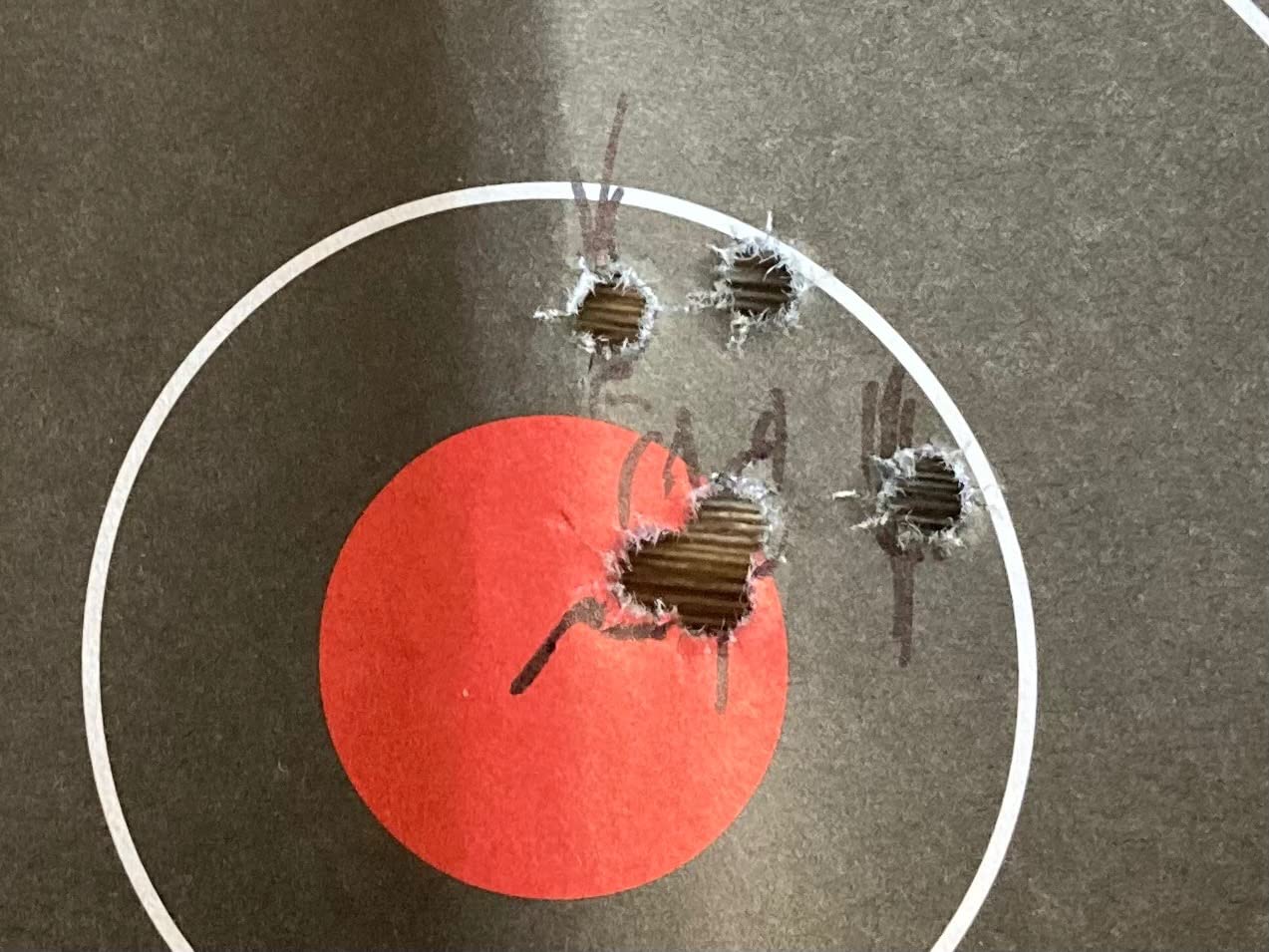
Fourth, fire three to five shots from a solid rest at fifty yards. Group them, find the center of the group, and adjust with the turret clicks. Remember that a click is a minute of angle, so one inch at fifty yards is one MOA and one inch at one hundred yards is also one MOA.
Fifth, confirm and re-confirm. Move to one hundred yards, fire three shots, and make small corrections. A hunting rifle typically zeroes at fifty yards so the holdover into one hundred yards is about two inches for a center-of-mass aiming point.
Sixth, check the scope orientation. If the dot drifts under recoil, the mount is likely not torqued correctly or the rings are set too loosely. Do not solve a drifting zero with more thread locker on the optic alone.
Seventh, re-check after the first hunt. Temperature swings and heavy recoil can move a light setup, and two minutes at the range before day two is cheaper than a missed shot.
Frequently Asked Questions
What is the best red dot sight for hunting rifles?
For most hunting rifles the Sig Sauer ROMEO5 is the best all-round choice: a 2 MOA dot at seven ounces, sealed to IPX-7, with MOTAC motion activation. Hunters shooting in heavy backcountry rain should look at an enclosed-emitter model such as the Holosun 512C or Osight SE, and turkey hunters should pick the circle-dot reticle.
Is a red dot sight better than a scope?
No, because they solve different problems. A red dot is faster inside about 100 yards because there is nothing to align. A scope gives you magnification for elk, sheep and long shots. Most serious hunters run both, with the red dot mounted forward and the scope in rings.
How far can you shoot with a 1x red dot?
Comfortably and accurately to about 100 yards for deer, and further for larger game where the dot size supports it. Past 150 yards a magnified scope is the better tool because a non-magnified optic shows you no detail and a small dot covers more of the animal than you want.
What distance do you zero a red dot?
Fifty yards is the standard for a hunting rifle. At fifty yards you get fine adjustment with every click, and it puts your point of aim roughly two inches low at one hundred yards for a center-mass hold. Bore-sight first, then shoot three to five rounds from a supported position.
Will a red dot sight hold zero under hunting rifle recoil?
Yes, on a quality optic with a properly torqued mount. The Sig ROMEO5, Holosun 510C, Bushnell TRS-25 and Vortex SPARC all have owner reports of thousands of rounds across multiple calibers with no drift. Cheap no-name sights are the ones that move, which is why we filtered on proven zero retention.
Are red dot sights good at night?
Good at dawn, dusk and legal low light, not good in total darkness. Most sights here run two night vision compatible brightness settings, and the largest objective lenses gather the most light in low light. For true darkness and thermal use, a night vision device is the right tool, not a brighter dot.
What is the difference between a reflex sight and a red dot sight?
Red dot and reflex are the same category of optic. The terms are marketing, not categories. The meaningful distinctions are open versus closed emitter, single dot versus multi-reticle, and handheld glass versus prism. A reflex sight projects a floating reticle onto a lens, which is what every 1x optic on this list does.
Which red dot is better, Holosun or Aimpoint?
They serve different budgets. Aimpoint is the premium duty standard with a lifetime warranty and a proven track record, while Holosun offers solar failsafe, shake awake and multi-reticle options at a much lower cost. Most hunters run a Holosun. Buyers who want the toughest optic money buys usually end up with an Aimpoint.
What is the toughest red dot sight?
For hunting conditions, the Holosun 512C and the Osight SE use fully enclosed emitters that keep rain, mud and brush out of the glass, and the Holosun 515GM uses a 7075 T6 aluminum housing rated to IP68. Each will survive a season that ends an open-emitter sight, provided the mount is torqued correctly.
How do I mount a red dot on a bolt action hunting rifle?
Check what the receiver has first. A Picatinny or M1913 rail takes almost any of these optics with the included mount, a 3/8 inch dovetail needs a dovetail adapter, and a ring-mounted bolt action needs a short forward cantilever or rail base. Torque the screws to spec and use thread locker so recoil cannot walk them loose.
Final Verdict: Which Red Dot Sits on Your Hunting Rifle
The Sig Sauer ROMEO5 is our choice for the best red dot sights for hunting rifles because it is the one optic on this list that does nothing wrong in hunting conditions. A 2 MOA dot is precise enough for deer and general big game, seven ounces will not upset a bolt action, IPX-7 sealing handles the rain, and MOTAC means you never hunt with a dark sight in your hands.
Beyond that, match the optic to the job. Turkey gun or close-range shotgun means the Osight SE with its 32 MOA circle. Rain, mud and timber mean an enclosed emitter such as the Holosun 512C. Multi-day trips where a dead battery ends the hunt mean the solar failsafe in the Holosun 510C. Astigmatism means the red or green selectable Vortex Strikefire II. Tight budgets and old bolt actions mean the Bushnell TRS-25, which has held zero on more calibers and more seasons than any other optic here.
Mount it forward, keep your scope in rings, zero at fifty yards, and confirm the mount screws over torque before you leave the truck. A trail camera and a good optic are the two pieces of kit most worth getting right, and you can read our trail camera picks for hunting while you are at it.
Verify your local hunting regulations before the season, follow eye and ear protection rules at every practice session, and treat every one of these picks as a tool for ethical, accurate shots rather than a shortcut.