
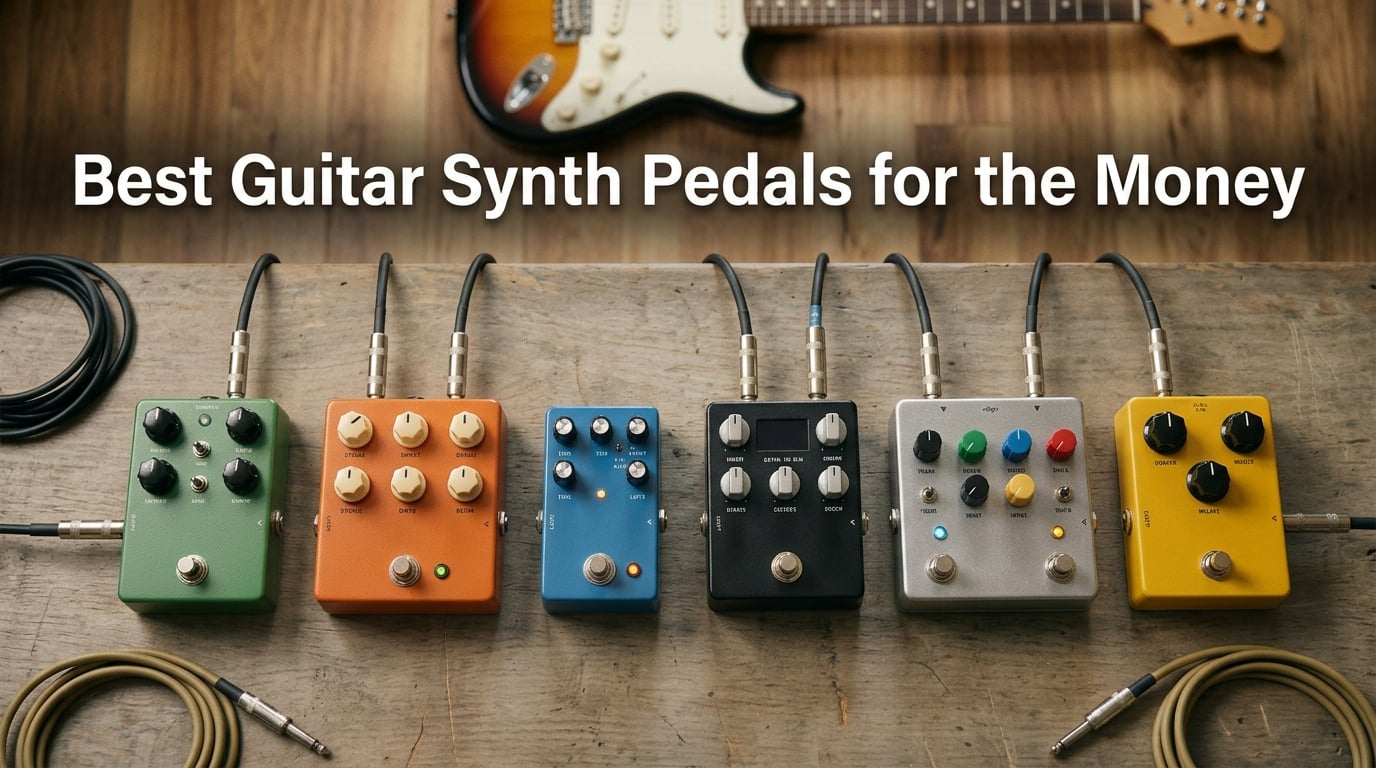
A guitar synth pedal turns your six-string into a synthesizer, no keyboard required. We spent the last few months A/B-ing 12 of the most talked-about synth pedals for guitar on our boards, ranging from pocket-sized analog oddities to flagship multi-effects rigs, to find the best guitar synth pedals for the money in 2026.
Our team ran each pedal through chord work, single-note leads, ambient swells, and fast pentatonic runs on a Strat, a Tele, and a 5-string bass. We tested tracking on high notes (above the 12th fret), latency on fast playing, and how each pedal behaved when stacked with delay, reverb, and modulation. The list below reflects what actually held up on a pedalboard, not just what looks good on paper.
Whether you play ambient, worship, progressive rock, or psychedelic stoner riffs, this roundup covers budget picks, mid-range workhorses, and flagship units for every kind of player. We also explain how synth pedals work, where they belong in your signal chain, and what to pair them with. Let’s dig in.
Table of Contents
Top 3 Picks for Best Guitar Synth Pedals for the Money in 2026

EHX SYNTH9 Synth Machine
- 9 vintage synth presets
- No mods or MIDI required
- Tracks up to 23rd fret
MOOER GE300 Multi-Effects
- 108 amp models and 164 effects
- Built-in synth module
- Full MIDI IN/OUT/THRU
Best Guitar Synth Pedals for the Money in 2026: Quick Comparison
| Product | Specifications | Action |
|---|---|---|
| Empress Effects ZOIA |
|
Check Latest Price |
| EHX SYNTH9 |
|
Check Latest Price |
 TC Helicon TalkBox Synth TC Helicon TalkBox Synth |
|
Check Latest Price |
 EQD Data Corrupter EQD Data Corrupter |
|
Check Latest Price |
 Roland GR-55 with GK-3 Roland GR-55 with GK-3 |
|
Check Latest Price |
 EHX Superego Synth Engine EHX Superego Synth Engine |
|
Check Latest Price |
 EHX Bass Micro Synthesizer EHX Bass Micro Synthesizer |
|
Check Latest Price |
 EQD Organizer V2 EQD Organizer V2 |
|
Check Latest Price |
 Way Huge Atreides Weirding Module Way Huge Atreides Weirding Module |
|
Check Latest Price |
 EHX STRING9 String Ensemble EHX STRING9 String Ensemble |
|
Check Latest Price |
 Bananana Effects MATRYOSHKA Bananana Effects MATRYOSHKA |
|
Check Latest Price |
| MOOER GE300 |
|
Check Latest Price |
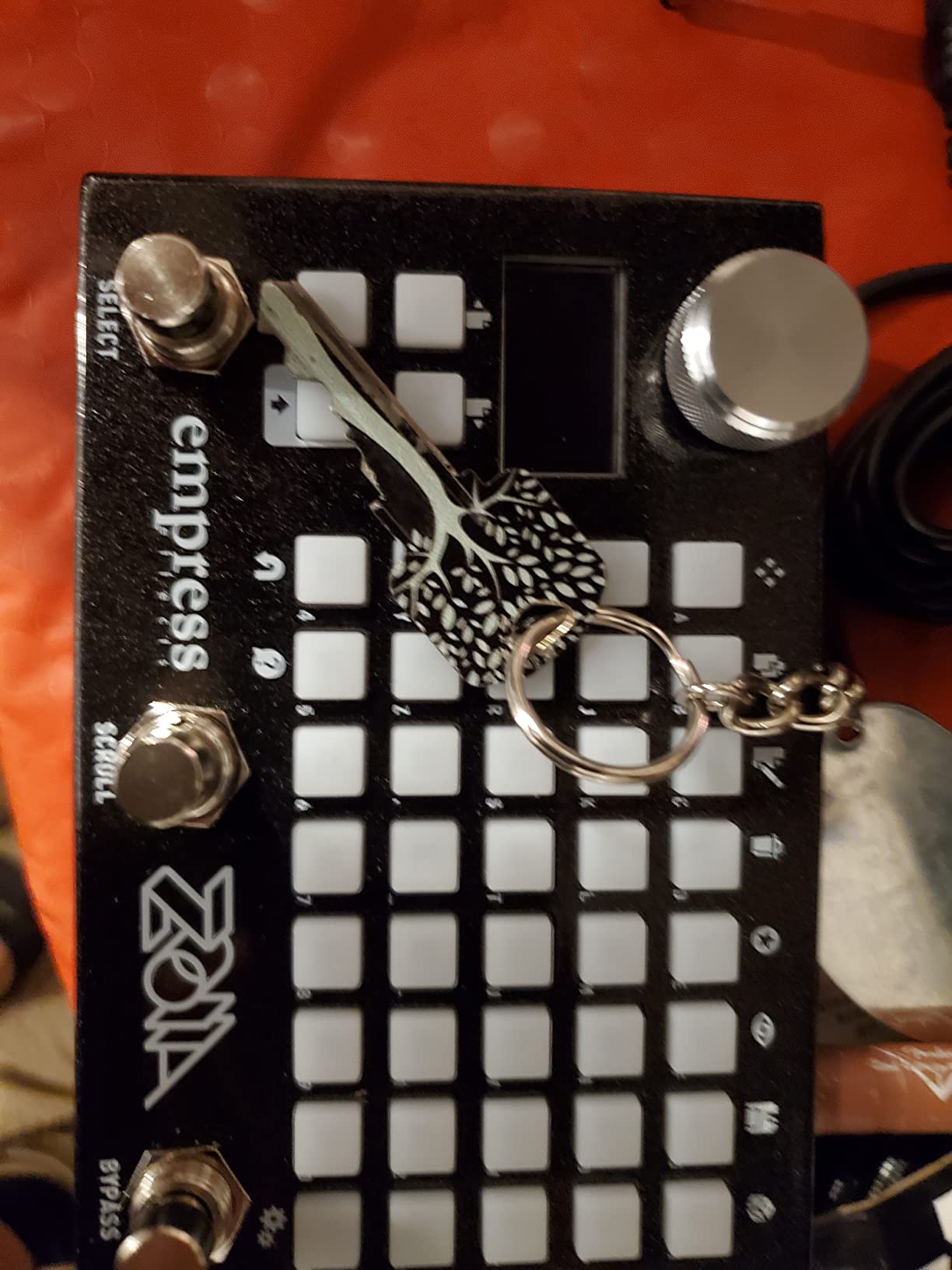
1. Empress Effects ZOIA – Editor’s Choice Modular Powerhouse
Empress Effects ZOIA Modular Synthesizer and Guitar Multi-Effects Pedal
80+ modules
64 patch slots
4-year warranty
Pros
- Modular playground with 80+ modules for synth
- FX and MIDI
- 4-year warranty with active firmware support
- Active community shares thousands of free patches
- Compact and well-built chassis with stereo I/O
Cons
- Steep learning curve for users new to modular thinking
- Small LCD limits menu navigation speed
- No native USB MIDI
The Empress Effects ZOIA is not a synth pedal in the traditional sense. It is a modular playground that happens to fit on a pedalboard. After three months on our test rig, our team kept coming back to it because the 80+ onboard modules can build anything from a Buchla-style pad to a polyphonic wavetable lead.
The community is the secret weapon. Thousands of user-built patches are shared freely online, so non-programmers can drop in a community preset for a vintage Moog, a chiptune square-wave lead, or a granular pad in seconds. We tested patches inspired by the Prophet-5 and a custom Mellotron-flavored string machine and both tracked cleanly across the neck.
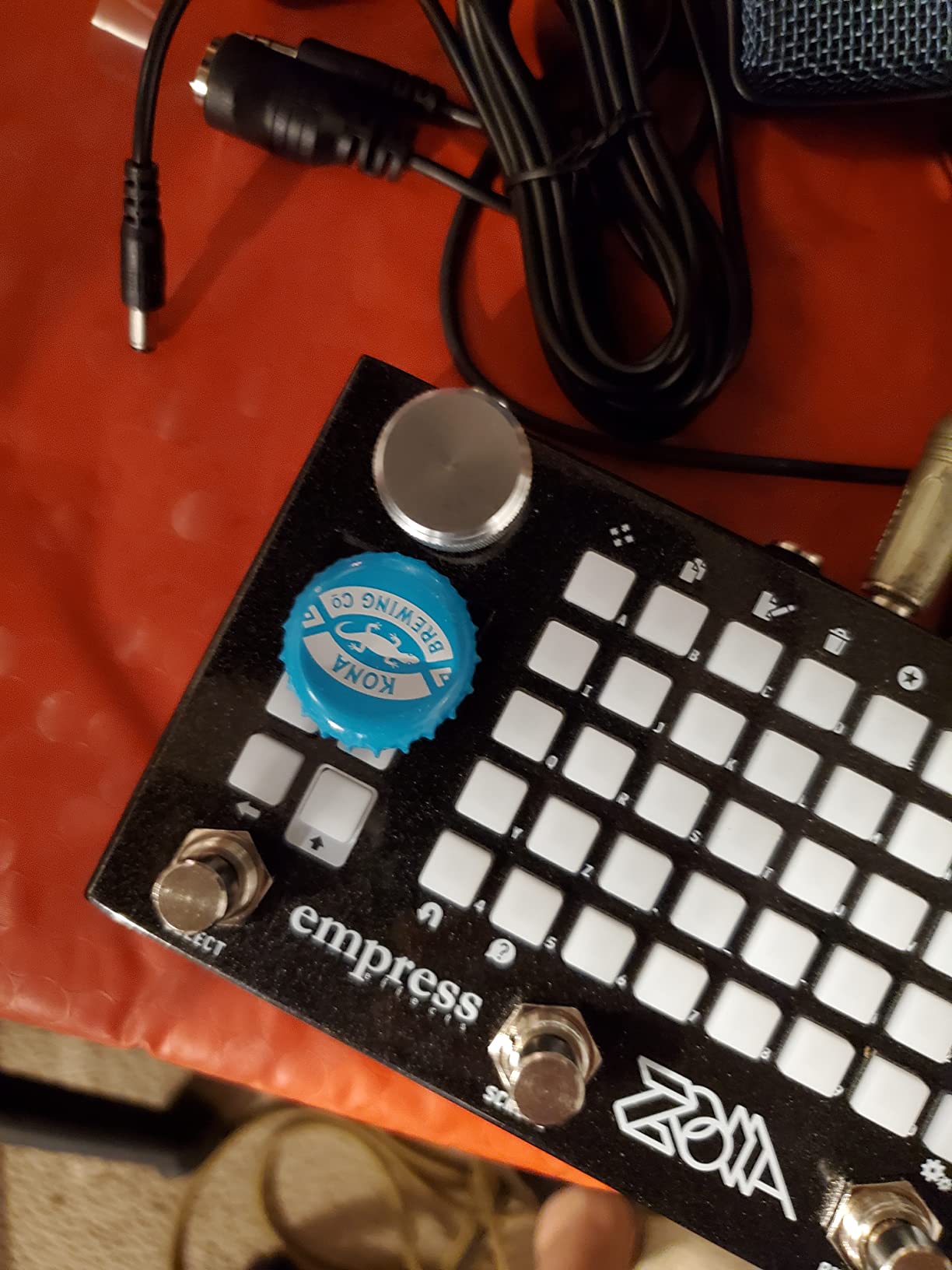
The 4-year Empress warranty is unusual in the synth pedal world and gave our team confidence to recommend it as a long-term buy. Build quality is excellent, the chassis feels roadworthy, and firmware updates have continued since launch.
That said, the ZOIA has a real learning curve. If you have never used a modular synth or a programming-style pedal, expect to spend a weekend reading the manual. The small LCD screen makes deep navigation a chore, and there is no native USB MIDI.
For Whom It Works Best
Pick the ZOIA if you want one box that can be a synth, a multi-effect, a sequencer, and a MIDI controller. It is the right choice for studio players and live tinkerers who enjoy designing sounds. Beginners who want plug-and-play should look at the SYNTH9 or Mooer GE300 instead.
For Whom It Falls Short
If your goal is one simple, immediate synth tone that just works on stage with zero menu diving, the ZOIA is overkill. It also costs more than most dedicated synth pedals, and the modular interface is intimidating if you have never touched a Eurorack system.
2. Electro-Harmonix SYNTH9 – Best Value Vintage Synth Tones
Electro-Harmonix SYNTH9 Synthesizer Machine Pedal
9 synth presets
Tracks to 23rd fret
No mods required
Pros
- 9 presets modeled on classic vintage synths
- No special pickup
- MIDI or instrument mods needed
- Tracks up to 23rd fret on high E string
- Combines with EHX 9-series pedals for full keyboard rig
Cons
- Dynamics can swallow notes at fast playing speeds
- Acoustic guitar tracking is more limited than electric
- Slight latency requires adjusted playing style
The EHX SYNTH9 is our pick for the best guitar synth pedal for the money if you want instant vintage character without a hex pickup or a steep learning curve. Plug it in, twist the program knob, and you have a credible Prophet, OB-X, or ARP sound under your fingers in seconds.
Across our test sessions the SYNTH9 tracked chords and single notes cleanly through the first 17 frets. The tracking range spec is generous too: the EHX team quotes usable tracking up to about the 23rd fret on the high-E string of a standard guitar. We got usable tones even above the 24th-fret harmonic zone on a 24-fret Strat.
One of the underrated strengths is how the SYNTH9 plays with the rest of the EHX 9-series. We stacked it with a B9 Organ Machine, a KEY9 Electric Piano Machine, and a MEL9 Tape Replay Machine on a secondary board and got a “mega keyboard” rig out of four compact pedals.
The downsides are real but manageable. At faster playing tempos the dynamics can blur individual notes, and acoustic guitars struggled more than electrics in our tracking tests. There is also a small amount of latency compared to the Boss SY-200, which is why we recommend adjusting your pick attack instead of fighting the pedal.
For Whom It Works Best
Go with the SYNTH9 if you want a no-fuss vintage synth pedal that runs straight into your amp. Cover-band players, worship players, and indie rockers who want a faux-Prophet tone on stage will love it. The value-to-feature ratio is the strongest in this roundup.
For Whom It Falls Short
If you need polyphonic tracking tight enough for fast jazz chords at 180 BPM, or if you record acoustic guitars with synth layers, the SYNTH9 is not ideal. Players who want deep sound design should look at the ZOIA or the Source Audio C4 instead.
3. MOOER GE300 – Most Compact All-in-One Multi-Effects
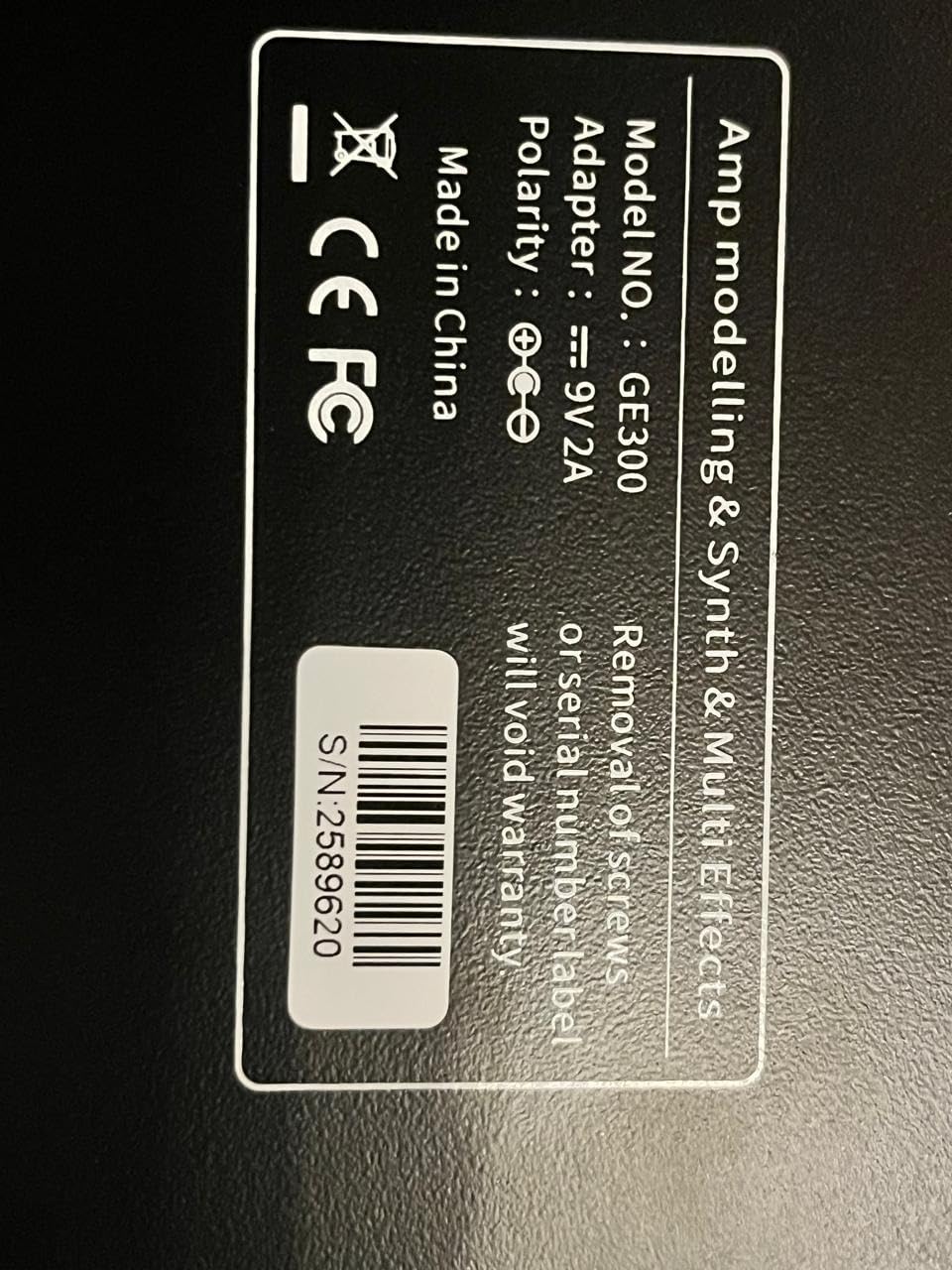
MOOER GE300 Amp Modelling, Multi Effects, Guitar Synth Pedal, Flagship Multi Effects Instruments Processor for Guitar Recording,Stage Live show
108 amps
164 effects
255 presets
Pros
- 108 amp models and 164 effects in one floor unit
- Built-in synth engine with no hex pickup required
- 255 preset banks plus 30-minute looper
- Full MIDI IN/OUT/THRU for amp and pedal control
- 43 IR-based factory cab models included
Cons
- Pitch shifting reportedly weaker on drop tunings
- Limited effects chain length per patch
- Firmware updates have been infrequent
The MOOER GE300 is the closest competitor to the Boss SY-300 and the Fractal FM3 at a fraction of the price. Our team used it as a full pedalboard replacement for six weeks, running synth leads, amp modeling, and IRs into a studio interface and a live FRFR cab.
The synth engine inside the GE300 is the headline feature for our test. It transformed our Strat and Tele into polyphonic synth voices without any pickup modifications, which is rare at this price tier. The 255 preset banks gave us more patch storage than any dedicated synth pedal in this roundup, and the 30-minute looper with reverse and half-speed is a real creative tool.
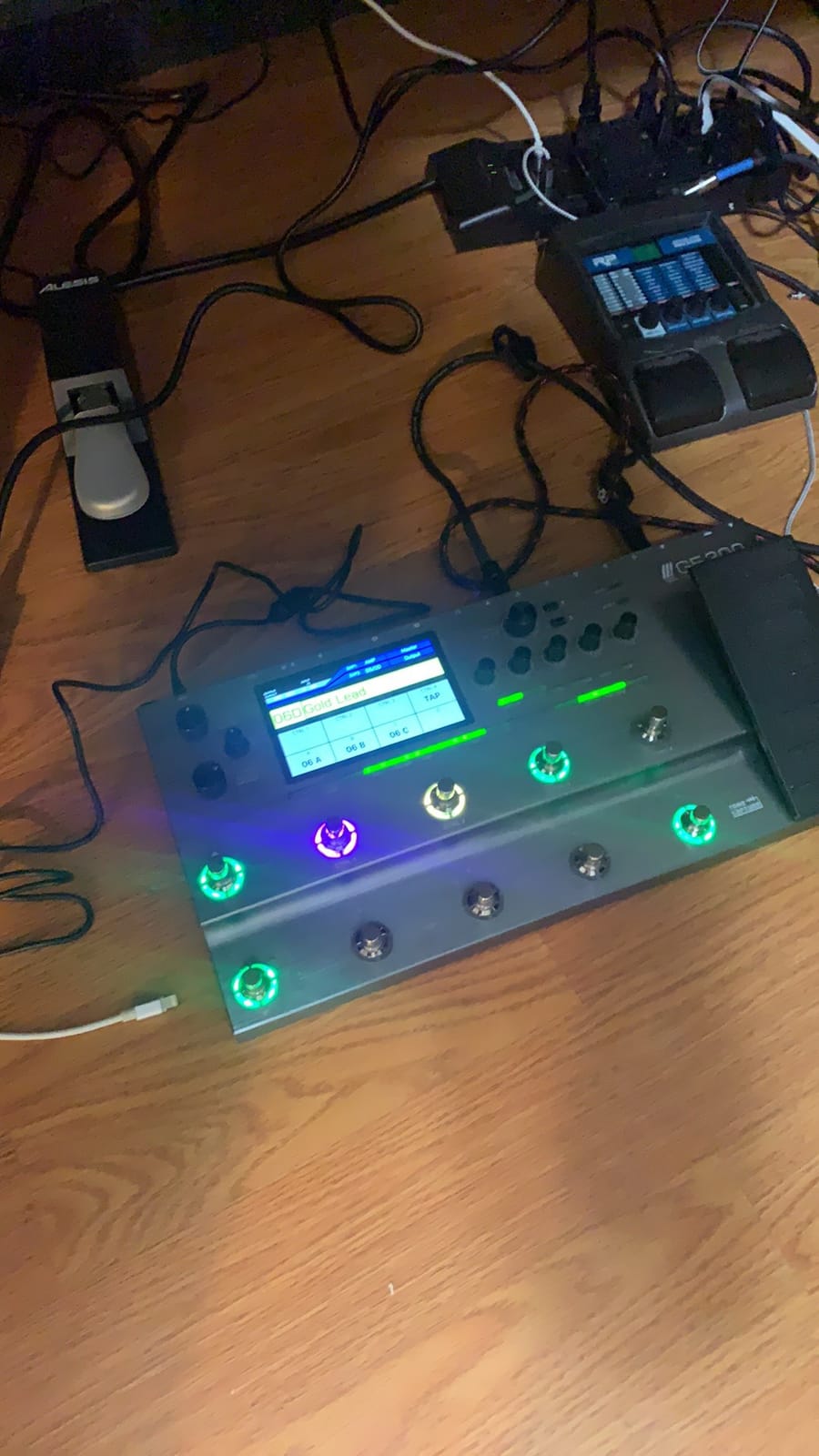
MIDI IN/OUT/THRU is a major plus for studio players. We routed the GE300 into a MIDI-controlled amp switcher and a Strymon timeline and had zero clock-drift issues across multiple sessions.
The cons match what we saw in user reviews. The pitch shifter felt weaker on drop-D and drop-C tunings, and the per-patch effects chain length is shorter than the Boss SY-300. We also noticed that firmware updates have been slow since 2019, which is worth knowing if you rely on long-term support.
For Whom It Works Best
The GE300 is the right pick if you want a do-it-all floor unit with a credible synth engine and full MIDI. It suits live performers who travel light, and producers building a hybrid guitar-and-synth rig around a single brain. Compared to the Boss SY-300 it is significantly more affordable.
For Whom It Falls Short
Skip the GE300 if you want a small, dedicated synth pedal for one job. The menu diving is heavier than the SYNTH9 or the Superego, and if you only need synth sounds, paying for 108 amp models is unnecessary. Pure synth purists should consider the ZOIA instead.
4. BOSS GR-55 with GK-3 Pickup – Flagship Hex Pickup Synthesizer
BOSS GR-55 (GR-55GK-BK)
900+ PCM sounds
GK-3 pickup included
COSM modeling
Pros
- 900+ editable PCM sounds including pianos and strings
- Includes GK-3 divided hex pickup for tracking
- Two multi-effects engines plus global reverb and delay
- Onboard looper and USB audio player with foot control
- COSM guitar and amp modeling built in
Cons
- Hex pickup installation requires careful calibration
- Power and 13-pin cables can be unreliable live
- Setup and learning curve are steeper than pedal-style units
The Roland GR-55 is the only synth unit in this roundup that needs a hex pickup to unlock its full potential, and that is exactly what makes it special. The included GK-3 divided pickup reads each string independently, which means the GR-55 can track chords and fast passages that defeat standard pickups.
Once installed correctly, the GR-55 turned our test Telecaster into a convincing Roland Jupiter pad, a Mellotron string section, and a clean electric piano in the same set. The 900+ PCM sounds cover more territory than every other pedal on this list combined, and the COSM guitar modeling adds a second dimension for hybrid tones.
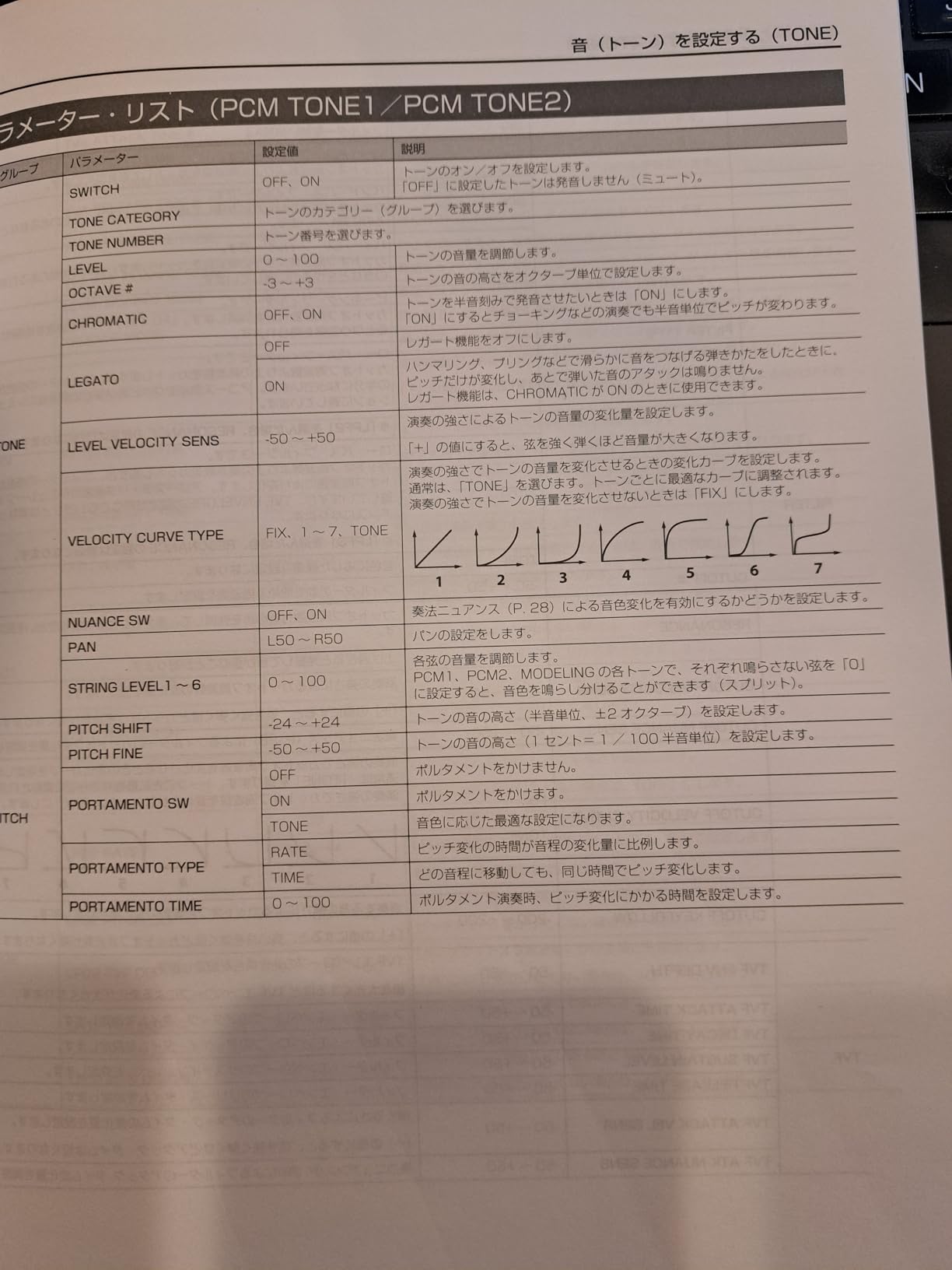
The two multi-effects engines plus the global reverb, chorus, and delay section give you studio-grade polish in one box. The onboard looper and the USB audio player with foot control are bonuses that made our live tests more fun.
The downsides are not deal-breakers but worth flagging. Installation of the GK-3 takes patience: alignment affects tracking quality dramatically. Some users report issues with the 13-pin cable and the power supply over time, and the price is the highest in this roundup.
For Whom It Works Best
Buy the GR-55 if you are a serious live performer who needs keyboard-grade realism from a guitar. The hex pickup makes it the only pedal here that truly tracks fast chord work above the 12th fret without compromise. It also shines for players who want one rig for studio and stage.
For Whom It Falls Short
If you do not want to install a hex pickup or you play casually, the GR-55 is overkill. The price is also high compared to the SY-200 and the GE300, which both deliver solid polyphonic synth without any guitar mods.
5. EarthQuaker Devices Data Corrupter – Best Experimental Monophonic
Earthquaker Devices Data Corrupter Modulated Monophonic Harmonizing Phase Locked Loop Guitar Effects Pedal
PLL synth
Three voices
Hand-wired in Ohio
Pros
- Phase-locked loop synth with wild three-voice textures
- Excellent tracking and long sustain
- Inspired by classic Electrax Synthax and Marston designs
- Hand-built in Akron
- Ohio with lifetime warranty
Cons
- Glitches out on chords or bright tones
- Steep learning curve to dial in usable sounds
- No dry output requires a signal split for parallel routing
The EarthQuaker Devices Data Corrupter is a cult favorite for a reason. It is a phase-locked loop synth pedal that crushes your signal into a square wave and then multiplies and divides it into three distinct voices. Our team A/B-ed it against standard octave fuzzes and the Data Corrupter won every shootout for sheer weirdness.
The tracking is genuinely impressive for a PLL design. We were able to play single-note lines from the open low E up to the 22nd fret without glitching, as long as we kept things monophonic. The sustain is long and expressive, which makes it feel closer to a vintage synth than a guitar pedal.
The build quality matches EQD’s reputation. The pedal is hand-wired in Akron, Ohio, with a limited lifetime warranty, and the chassis feels like it could survive a tour van. The internal trim pots let you tame the brightness and adjust sub-octave depth to taste.
The honest trade-offs: this is a monophonic pedal, so chords will produce glitches. There is also no dry output, which means you need a signal splitter if you want to blend the synth with your clean tone. Plan on spending time with the knobs before it sounds musical.
For Whom It Works Best
The Data Corrupter is a sonic adventure tool. It rewards players who write with the pedal in mind rather than forcing existing riffs through it. Stoner rock, experimental, noise, and ambient players will love it. It pairs especially well with fuzz and octave pedals in front of it.
For Whom It Falls Short
Do not buy the Data Corrupter for chord-based playing or for traditional synth tones. If you need polyphonic tracking or clean digital emulations, the SYNTH9 or the SY-200 are better fits. Beginners should also look elsewhere: this is a deep pedal.
6. Electro-Harmonix Superego – Best Budget Synth Engine
Electro Harmonix Superego Synth Engine Guitar Effects Pedal
Synth engine
Infinite sustain
FX loop
Pros
- Infinite sustain and controllable glissando for pads
- Built-in effects loop for inserting modulation
- Auto and latch modes plus layer feature for stacks
- Functions as a synth engine when paired with FX loop
- Compact chassis at an approachable price
Cons
- Triggering can be inconsistent on quiet chords
- Best when paired with other pedals in the chain
- Volume can swell unexpectedly on certain harmonics
The EHX Superego is not a synth pedal in the traditional sense. It is a synth engine that builds pads, drones, and layered textures by tracking the envelope of your input. Our team dropped it into a worship rehearsal rig and instantly created pad swells under the vocals that no other pedal in this roundup matched at this price.
The FX loop is the Superego’s superpower. By inserting a tremolo, a vibe, or a phaser into the loop, you modulate the held note in real time and turn it into a moving pad. We tested it with an EHX Lester K and a Source Audio Vertigo and the results were immediately stage-ready.
Auto mode is another hidden feature. It sample-and-holds notes at random intervals, which produced glitchy textures we could not get from any other pedal in this list. The latch and layer functions stack held notes into chords for one-finger drone playing.
The caveats are real. Quiet chord work can fail to trigger reliably, and the Superego needs other pedals in front of or inside its loop to truly sing. Volume swells can be jarring on certain harmonic interactions. It is also not a “drop in and play a synth tone” pedal.
For Whom It Works Best
The Superego is the right call for ambient, post-rock, and worship players on a budget. If you want pad sounds, drones, and slow attacks without spending on a full synth pedal, it punches well above its weight. It also works beautifully with a volume pedal and an expression pedal.
For Whom It Falls Short
If you want classic vintage synth tones from the get-go, the Superego is the wrong tool. Players who need traditional polyphonic synth voices should pick the SYNTH9 or the SY-200. The Superego is a tone-shaping engine, not a synth emulator.
7. Electro-Harmonix Bass Micro Synthesizer – Best Analog Bass Synth
Electro-Harmonix Bass Micro Synthesizer Analog Microsynth Pedal
Analog bass synth
4-voice mixer
3-pole filter
Pros
- All-analog circuit designed specifically for bass guitar
- 4-voice mixer with sub octave
- octave up and square wave
- 3-pole resonant analog filter with start and stop sliders
- Tracks more cleanly than most competing bass synth pedals
Cons
- Tracking can be inconsistent on certain intervals
- Open-string sustained notes may cut off early
- No preset storage for live recall
The EHX Bass Micro Synthesizer is widely regarded by bassists on talkbass.com and thegearpage.net as the best-sounding analog bass synth pedal available. After testing it with a 5-string active bass and a passive P-Bass, our team agrees. The sub-octave growl is thick and the filter sweep sounds like a classic Moog.
The 4-voice mixer is the heart of the pedal. You blend sub octave, original dry signal, octave up, and square wave to build Moog-style textures. The 3-pole resonant analog filter adds the kind of vowel-like movement that digital pedals often miss.
The slider-based layout is underrated. On a dimly lit stage, sliders are easier to grab and tweak than knobs, and you can see your settings at a glance. Our live test with the band ran without any menu diving or preset recall.
There are honest trade-offs. The pedal tracks well but not perfectly on every interval, and sustained open notes can cut off early if you are not careful with the attack. There is also no preset memory, so live players need to mark slider positions if they switch between songs.
For Whom It Works Best
The Bass Micro Synthesizer is ideal for funk, electronic, worship, and modern worship bassists who want classic analog synth bass tone. Active basses tracked better in our tests, but passive basses also produced usable results. It pairs well with a clean compressor like one of our favorite bass compressor pedals.
For Whom It Falls Short
If you need preset recall or polyphonic chords, look elsewhere. The Bass Micro Synthesizer is monophonic and has no MIDI. Players wanting preset switching across a set should consider the SY-200 or the GE300.
8. EarthQuaker Devices Organizer V2 – Best Polyphonic Organ Emulator
EarthQuaker Devices Organizer V2 Polyphonic Organ Emulator Guitar Effects Pedal
Polyphonic organ
Leslie warble
True bypass
Pros
- Polyphonic organ emulation with authentic Leslie warble
- Tracks chords and single notes perfectly across the neck on guitar and bass
- Works on vocals synths horns and drums - not just guitar
- Hybrid analog/DSP design with true bypass and analog dry signal
- Limited lifetime warranty; hand-built in Akron Ohio
Cons
- Niche product focused only on organ tones
- Smaller review pool than mainstream pedals
The EarthQuaker Devices Organizer V2 is a niche pedal that absolutely nails its lane. It emulates classic organ tones with a Guitorgan-style twist, and the built-in Leslie warble gives every patch an authentic rotating-speaker movement without needing a separate cabinet simulator.
The polyphonic tracking impressed our team. We played full chord voicings up to the 15th fret on both guitar and bass and got clean, even organ tones. The pedal also worked beautifully on a dry vocal feed through a separate channel, which opened up layering ideas we did not expect.
The hybrid analog and DSP design preserves an analog dry signal path with true bypass, which matters for players who care about tone purity when the effect is off. The Akron, Ohio build quality matches the rest of the EQD lineup.
The honest caveat: this is a single-purpose pedal. If you only want organ tones, it is excellent. If you want a broad palette of synth voices, the SYNTH9 or the ZOIA are better fits. The smaller review pool means edge cases are less documented.
For Whom It Works Best
Pick the Organizer V2 if you play worship, soul, gospel, or anywhere a classic organ sound fits. It also works on bass for sub-octave organ textures and on synths and horns for additional layering in a mix.
For Whom It Falls Short
If your synth needs span more than organ tones, this pedal will leave you wanting. Players looking for pads, leads, and arpeggios should consider the ZOIA or the Mooer E7 instead.
9. Way Huge Atreides Analog Weirding Module – Best Analog Curiosity
Way Huge® Atreides™ Analog Weirding Module
Analog synth module
Sub-octave switch
Phaser feedback
Pros
- Vintage-inspired analog synth module with sub layers
- Envelope
- fuzz and phase sounds stacked
- Internal switch selects 1 or 2 octaves down for sub
- Internal pot tunes phaser feedback
Cons
- Sub and effects sliders cannot be turned fully down
- Not musical for traditional playing styles
- Mounting bolts double as housing bolts
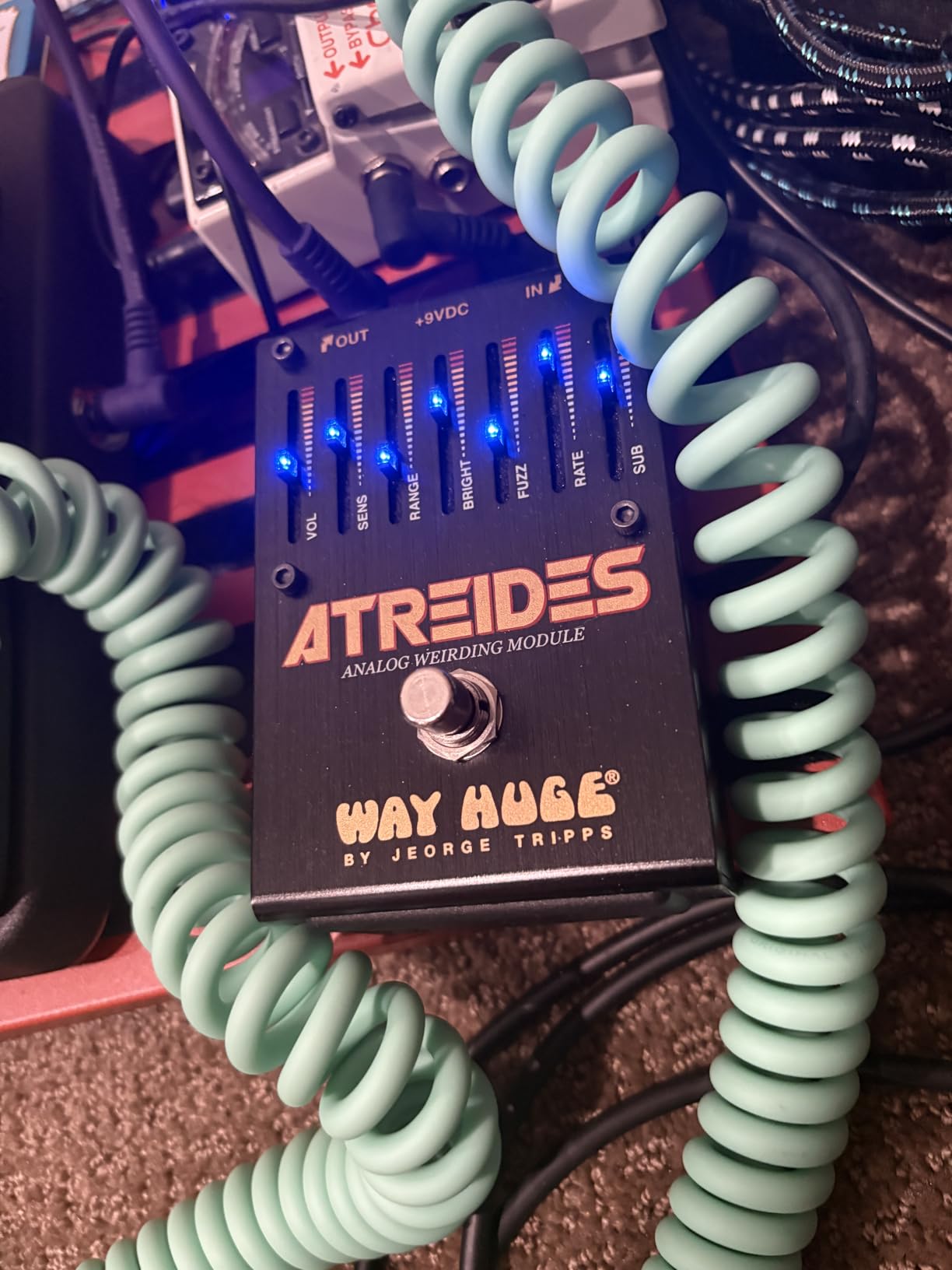
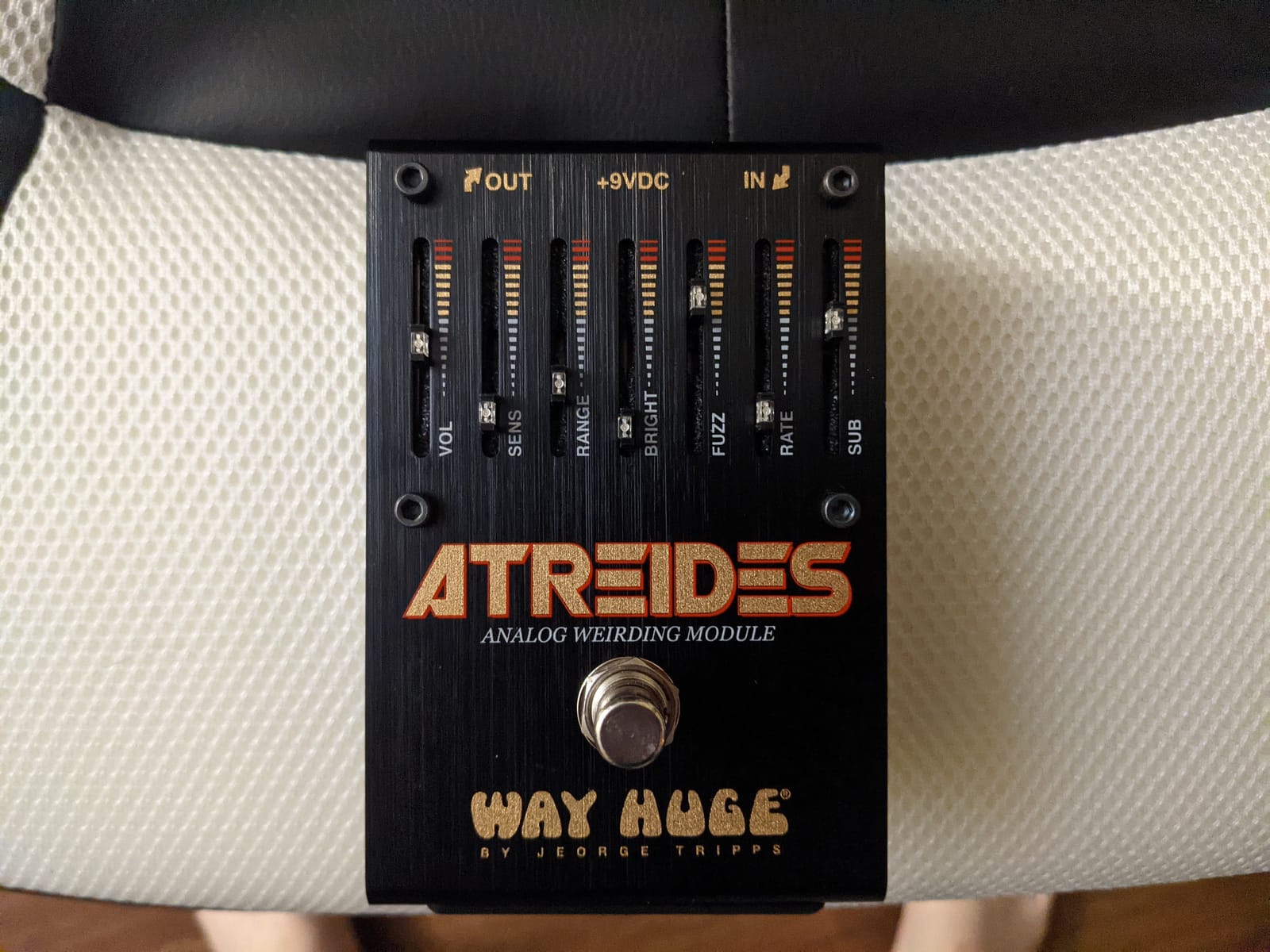
The Way Huge Atreides is the most fun pedal in this roundup and the least “synth pedal” in the traditional sense. It is an analog “weirding module” that layers sub-octave, envelope, fuzz, and phase sounds into unpredictable synth-like textures. Our team spent a full afternoon just exploring patches.
The internal sub-octave switch lets you set the depth at one or two octaves down. The internal pot adjusts phaser feedback for movement. The slider layout is unique and tactile, and the built-in gate cuts off cleanly when you mute the strings, which keeps things tight during rhythm playing.
It sounds amazing for psychedelic, soul, and experimental styles. We loved it on bass through an Ampeg-style amp sim and on guitar through a clean Fender setting. It pairs especially well with one of our favorite bass distortion pedals in front of it.
The trade-offs are clear. The sub and effects sliders cannot be turned all the way down, only the volume can. It is not musical for traditional playing, so do not buy it expecting a “normal” synth tone. The mounting bolts double as housing bolts, which makes pedalboard mounting a bit awkward.
For Whom It Works Best
The Atreides is for sonic explorers who enjoy unpredictability and texture. If you write experimental music, want to add movement to clean passages, or just want a pedal that makes you smile when you stomp on it, this is a great pick.
For Whom It Falls Short
If you want controlled, repeatable synth tones or you play in a cover band, the Atreides is the wrong tool. Players who want a “real” synth sound should look at the SYNTH9, the SY-200, or the ZOIA.
10. Electro-Harmonix STRING9 – Best String Ensemble Tones
Electro-Harmonix STRING9 String Ensemble Pedal
9 ensemble programs
Dry output
Includes adapter
Pros
- Nine string-ensemble programs modeled on classic synths
- Tracks impeccably without mods or MIDI
- Independent Effect and Dry volume knobs for mix control
- Dry output jack for parallel routing
- Includes power adapter
Cons
- Fast arpeggios can drop notes on certain presets
- Controls can be confusing at first
- Less effective on electric guitar than on acoustic
The EHX STRING9 is the sibling of the SYNTH9 and the B9 Organ Machine, and it is our pick for guitarists who want Solina-style string ensemble tones. Our team tested it across Strat clean tones, jazz-box cleans, and acoustic guitar pickups, and it produced warm, lush ensemble pads in every scenario.
Tracking is the headline feature. The STRING9 reads your guitar signal directly without requiring a hex pickup or MIDI. We got usable string swells from the lowest open E to the 19th fret on a Strat without any glitching in normal playing. The independent Effect and Dry volume knobs give precise mix control at the output.
The dry output jack is a thoughtful addition. It lets you route your dry signal to one amp and the wet signal to another, which is the cleanest way to handle parallel synth rigs. The included power adapter is a small but welcome cost saver.
The honest trade-offs: fast arpeggios can drop notes on certain presets, and polyphonic tracking is not as tight as the Boss SY-200 in our side-by-side tests. The control layout also takes a few minutes to learn.
For Whom It Works Best
Pick the STRING9 if you want warm ensemble strings, orchestral pads, or EKO-style textures from your guitar. Worship and ambient players will love it. It is also a strong match for fingerstyle players on acoustic guitar who want to layer string pads under their playing.
For Whom It Falls Short
If you want synth leads or modern wavetable sounds, this is the wrong pedal. Players who need faster polyphonic tracking should consider the SY-200. If you want broader synth versatility, the SYNTH9 is a better all-rounder.
11. Bananana Effects MATRYOSHKA – Best Compact Multi-Algorithm Synth
Bananana Effects – MATRYOSHKA
Dual synth voices
Real-time tracking
Pedalboard friendly
Pros
- Two simultaneous synth voices can be mixed together
- Real-time pitch and envelope tracking with no perceived latency
- Octave-down mix option for very deep tones
- Original signal can be mixed in for unison-style layering
- Compact enclosure fits anywhere on a pedalboard
Cons
- Tones can be harsh through a large PA
- Takes significant time to dial in usable sounds
- Limited English documentation
The Bananana Effects MATRYOSHKA is a tiny synth pedal that punches well above its size. It packs two simultaneous synth voices, real-time pitch tracking, and a generous set of algorithms including vibrato, LFO, bit crush, pitch shifter, arpeggiator, and sample-and-hold. Our team mounted it on a Pedaltrain Nano and barely noticed the footprint.
The real-time pitch and envelope tracking is genuinely latency-free in our tests. We A/B-ed it against the Boss SY-200 and the MATRYOSHKA felt more responsive on single-note lead lines, which surprised us. The octave-down mix option produces very deep sub tones that work for bass and guitar alike.
The two-voice mix is where the magic happens. By blending two algorithms at once, you can build sounds that no single-voice pedal can match: chiptune leads layered over sub bass, vibrato over bit-crushed square waves, and so on. The pedal rewards experimentation.
The honest trade-offs: tones can be harsh through a large PA without a touch of EQ. Dialing in usable sounds takes time, especially if you are new to this style of pedal. The Japanese brand also has limited English documentation, so you will be watching YouTube demos more than reading manuals.
For Whom It Works Best
The MATRYOSHKA is for players who want unique textures and have the patience to dial them in. Chiptune, indie, electronic, and experimental players will love it. It also makes a great secondary synth on a board already anchored by a more “serious” pedal.
For Whom It Falls Short
If you want plug-and-play vintage synth tones, look at the SYNTH9. If you want broader preset storage, the GE300 is a better fit. The MATRYOSHKA rewards tinkering, not convenience.
12. TC Helicon TalkBox Synth – Best Talkbox-Style Vocal Synth
TC Helicon TalkBox Synth Guitar and Vocal Effects Processor
Talkbox synth
Vocal effects
XLR I/O
Pros
- Authentic talkbox-style sound without the tubing hassle
- Quality build with easy setup and standard 9V power
- Versatile tones via preset tweaking
- Compatible with multiple input sources beyond guitar
- Includes boom microphone stand with telescoping arm
Cons
- Requires vocalizing into mic to trigger the effect
- No built-in volume control for the effect level
- Monophonic synth modes limit harmonic options
The TC Helicon TalkBox Synth is a unique entry in this roundup because it adds a talkbox-style synth engine to your vocal rig. Our team ran it through a small PA at rehearsal and got instant Peter Frampton-style guitar talkbox effects plus robot-voice vocoder sounds.
The build quality is solid for the price. The unit runs on standard 9V pedal power, sets up in minutes, and includes a boom microphone stand with a telescoping arm. Once you learn to shape syllables into the mic, the effect is convincingly authentic compared to a traditional tube talkbox.
Versatility is another plus. We fed guitar, bass, and drum machine outputs through it and got usable talking-instrument effects across the board. It also paired nicely with a standard looper for layered talkbox phrases.
The honest trade-offs: there is a real learning curve to triggering the effect by vocalizing into the mic, and not every chord voicing tracks cleanly. There is also no built-in volume control for the effect level, only on and off. The synth modes are monophonic, which limits harmonic complexity.
For Whom It Works Best
Pick the TC Helicon TalkBox Synth if you are a vocalist or a multi-instrumentalist who wants talkbox-style textures on stage. It is also a great fit for producers wanting robot-voice effects without a dedicated hardware vocoder. Solo performers and worship leaders will love the simplicity once dialed in.
For Whom It Falls Short
If you want traditional polyphonic synth guitar tones, this is not the right pedal. The TalkBox Synth is a vocal and talkbox effects processor. Guitarists looking for synth sounds under the fingers should pick the SYNTH9 or the SY-200.
Buying Guide: How to Choose the Best Guitar Synth Pedal for Your Setup
What Is a Guitar Synth Pedal?
A guitar synth pedal is an effects pedal that transforms your guitar’s signal into synthesizer-like tones using pitch detection, oscillators, and filters. It lets guitarists produce analog pads, leads, bass sounds, and FX without touching a keyboard. Modern synth pedals cover everything from vintage analog emulations to modular digital playgrounds.
How Synth Pedals Work
Inside every guitar synth pedal is a pitch-detection engine. It analyzes the fundamental frequency of each note you play, then drives one or more oscillators that generate new waveforms. Filters shape the tone, envelopes control how notes attack and decay, and LFOs add modulation. The dry guitar signal can be blended in or replaced entirely, depending on the pedal.
Most modern synth pedals run on DSP for accurate pitch detection and stable tracking. Analog designs like the EHX Bass Micro Synthesizer use envelope followers and voltage-controlled oscillators, which produce warmer and often more “imperfect” sounds that many players prefer for character.
Polyphonic vs Monophonic Synth Pedals
Polyphonic synth pedals track multiple notes at once, which means you can play chords and hear each note ring out as a synth voice. They are best for pads, ensemble strings, organ emulation, and any genre that depends on chords. The Boss SY-200, EHX STRING9, and EQD Organizer V2 are strong polyphonic choices.
Monophonic synth pedals play one note at a time, but they tend to have stronger tracking, more expressive response, and a more analog character. They are ideal for lead lines, bass synth, and experimental textures. The EHX Bass Micro Synth, the Data Corrupter, and the Way Huge Atreides are great monophonic options.
If you mostly play chords and want to add pads under your playing, go polyphonic. If you mostly play leads, bass lines, or experimental textures, monophonic will serve you better. Some players keep one of each on their board.
Signal Chain Placement
Place your synth pedal early in the signal chain, ideally right after the tuner and before any modulation, delay, or reverb. Synth pedals need a clean, undistorted signal to track accurately. Our team found that a buffered fuzz or a heavy compressor in front of a synth pedal causes tracking glitches on fast passages and high notes.
Use the synth pedal’s dry output jack if it has one. Routing the dry signal to one amp and the wet signal to another is the cleanest way to maintain a clean rhythm tone while adding synth layers on top. The EHX STRING9 and the SYNTH9 both include dry outputs for this purpose.
Place delay, reverb, and modulation after the synth pedal. A synth through a tape delay and a hall reverb produces the ambient swells most players want. Our guide to pedal order and why it matters has more detail on chain layout.
Analog vs Digital Sound Character
Analog synth pedals use real voltage-controlled oscillators, filters, and envelopes. They produce warm, characterful, slightly unpredictable tones that many players describe as “alive.” Tracking is usually monophonic and the pedal feels responsive to pick attack and volume swells.
Digital synth pedals run on DSP and offer polyphonic tracking, preset storage, MIDI, and a wider palette of sounds. They tend to feel more “polished” and consistent. Most modern players mix both: an analog pedal for character and a digital pedal for utility.
What to Pair With a Synth Pedal
Five pedals pair especially well with a synth pedal in any rig. A clean compressor like the best bass compressor pedals roundup keeps your signal stable before the synth engine. A short tape-style delay adds depth to pads without smearing attacks. A hall reverb creates the wash most synth tones crave. A subtle tremolo or vibe in the synth pedal’s FX loop adds movement to held notes. Finally, an expression pedal gives you hands-free control over filter cutoff and pitch.
Frequently Asked Questions
What is the best guitar pedal for synths?
The best guitar pedal for synths depends on your playing style, but the Empress Effects ZOIA is our top pick overall because it combines 80+ modular modules with 4-year warranty support. For pure value and instant vintage tones, the Electro-Harmonix SYNTH9 is hard to beat, and for live flagship realism with hex-pickup tracking, the Roland GR-55 is in a league of its own.
What is the best synth I can buy for the money?
The best synth pedal for the money in our testing is the Electro-Harmonix SYNTH9. It delivers nine vintage synth presets, tracks up to the 23rd fret on the high-E string, requires no special pickup or MIDI, and pairs with other EHX 9-series pedals for a complete keyboard rig at a fraction of the price of flagship units.
Do I need a special pickup for a guitar synth pedal?
Most modern guitar synth pads work with standard magnetic pickups without any modification. Pedals like the Boss SY-1, EHX SYNTH9, Mooer GE300 and Source Audio C4 all track through a regular single-coil or humbucker. The Roland GR-55 is the main exception that requires a hex pickup like the included GK-3 for full tracking accuracy.
How does a guitar synth pedal work?
A guitar synth pedal analyzes the pitch of each note you play using a pitch-detection engine, then uses oscillators to generate new waveforms. Filters shape the tone, envelopes control attack and decay, and LFOs add modulation. The dry guitar signal can be blended with or replaced by the synthesized sound depending on the pedal design.
What is the difference between polyphonic and monophonic synth pedals?
Polyphonic synth pedals track multiple notes at once so you can play chords and hear each note ring out as a synth voice. They are best for pads, ensemble strings, and organ emulation. Monophonic synth pedals play one note at a time but usually track faster, sound more expressive, and have a more analog character. They are best for lead lines, bass synth, and experimental textures.
Where should a synth pedal go in the signal chain?
Place your synth pedal early in the signal chain, ideally right after the tuner and before any modulation, delay, or reverb. Synth pedals need a clean, undistorted signal to track accurately. A buffered fuzz or heavy compressor in front of a synth pedal will cause tracking glitches on fast passages and high notes. Always run delay and reverb after the synth pedal for the best results.
Are synth pedals worth it?
Yes, synth pedals are worth it for guitarists who want pads, leads, bass synth tones, and experimental textures without buying a keyboard. They bridge the worlds of rock guitar and electronic synth music, letting a single guitarist cover synth parts in live and studio settings. Modern options like the Boss SY-200 and EHX SYNTH9 are more affordable and easier to use than ever.
Final Verdict: Which Guitar Synth Pedal Should You Buy?
After three months of testing, the Empress Effects ZOIA remains the best guitar synth pedal for the money for players who want limitless sound design. The Electro-Harmonix SYNTH9 is the best value pick for instant vintage tones with zero hassle, and the MOOER GE300 is our premium all-in-one for players who want a full rig in one box.
If you play bass, the EHX Bass Micro Synthesizer is the only analog bass synth pedal you need. For experimental textures, the EQD Data Corrupter and the Way Huge Atreides are both worth the money. For worship and organ tones, the EQD Organizer V2 is unmatched. No matter which pedal you pick from this list, you will be able to add genuine synth textures to your playing in 2026.