
Finding the best guitar amps for jazz is less about loudness and more about honesty. Jazz tone lives in the space between notes: the woody resonance of an archtop, the bloom of a chord voicing, the breath of a rest. The wrong amp will swallow that nuance or, worse, smear it with distortion. The right amp gets out of the way.
Our team spent three months A/B-ing combos and heads against archtops, hollow-body Gibson 175s, and a few solid-body teles with flatwound sets. We played bebop lines, ballads, bossa rhythms, and the occasional fusion run. We hauled amps up three flights of stairs for club gigs and dragged them to rehearsal rooms with drummers. What follows is the shortlist we landed on for 2026, covering tube combos, solid-state legends, and modern modeling workhorses, with a few portable options for working players.
Jazz amp choices used to be a closed conversation: a Fender, a Polytone, or nothing. Today the field is wider, and the right answer depends on your room, your guitar, and how often you gig. Whether you are practicing archtop chords in a bedroom or carrying your sound to a 200-seat club, this guide will help you match the amp to the music. We will walk through ten amps we trust, then talk through the tonal decisions that actually move the needle on a jazz sound.
Table of Contents
What to Look for in a Jazz Guitar Amp
The best amplifier for jazz guitar is one that delivers pristine clean tone with ample headroom, a transparent midrange, and touch-sensitive dynamics. Most jazz players favor a tube or high-quality solid-state combo in the 15 to 100 watt range, with a 10 to 12 inch speaker that can translate the subtle overtones of a hollow body without coloring them.
Before you buy, evaluate clean headroom, spring reverb quality, weight, and how the amp responds to your specific guitar. A 15 watt tube combo sounds magical at home but may run out of clean volume with a loud drummer. A solid-state Roland Jazz Chorus stays clean at any volume. Knowing your gig context matters more than any spec sheet.
Top 3 Picks at a Glance

Roland JC-40 Jazz Chorus
- Iconic JC clean tone
- 40W stereo with dual 10-inch speakers
- Dimensional Space Chorus effects

Marshall MS2 Micro Amp
- Battery powered 2W micro amp
- Headphone jack
- Ultra portable for practice
Best Guitar Amps for Jazz in 2026
| Product | Specifications | Action |
|---|---|---|
| Roland JC-40 Jazz Chorus |
|
Check Latest Price |
 Fender Blues Junior Fender Blues Junior |
|
Check Latest Price |
 Bugera V22 INFINIUM Bugera V22 INFINIUM |
|
Check Latest Price |
 BOSS Katana-50 Gen 3 BOSS Katana-50 Gen 3 |
|
Check Latest Price |
 Orange Crush 20 Orange Crush 20 |
|
Check Latest Price |
 Fender Mustang LT25 Fender Mustang LT25 |
|
Check Latest Price |
 Fender Frontman 10G Fender Frontman 10G |
|
Check Latest Price |
 Marshall MG10G Marshall MG10G |
|
Check Latest Price |
| Marshall MS2 Micro Amp |
|
Check Latest Price |
 Fender Mustang GTX100 Fender Mustang GTX100 |
|
Check Latest Price |
1. Roland JC-40 Jazz Chorus – The Jazz Standard
Roland JC-40 Jazz Chorus Compact Guitar Amp
Solid State,40W,Stereo combo with dual 10-inch speakers
Pros
- Iconic JC clean tone with pristine clarity
- 40W stereo with dual 10-inch speakers
- Signature Dimensional Space Chorus
- Lighter than JC-120
- True stereo input for modelers and pedals
Cons
- Built-in distortion is weak
- Stereo image through effects loop not fully separated
- Can sound sterile without chorus
For decades the Roland Jazz Chorus has been the silent partner in jazz recordings from coast to coast. The JC-40 carries that DNA in a more manageable cabinet. I pulled one out for a club trio date and was reminded within thirty seconds why this circuit has stuck around since the late 1970s. The clean channel is glassy, almost neutral, and does not editorialize on your archtop’s character.
The Dimensional Space Chorus is what most jazz players first fall for. It is not a subtle effect. Set it shallow and you get gentle movement under fingerpicked chords; push it harder and the spread is wide enough to make a solo archtop sound like two guitars. For jazz this matters, because the chorus fills out a chord voicing without smearing the attack.
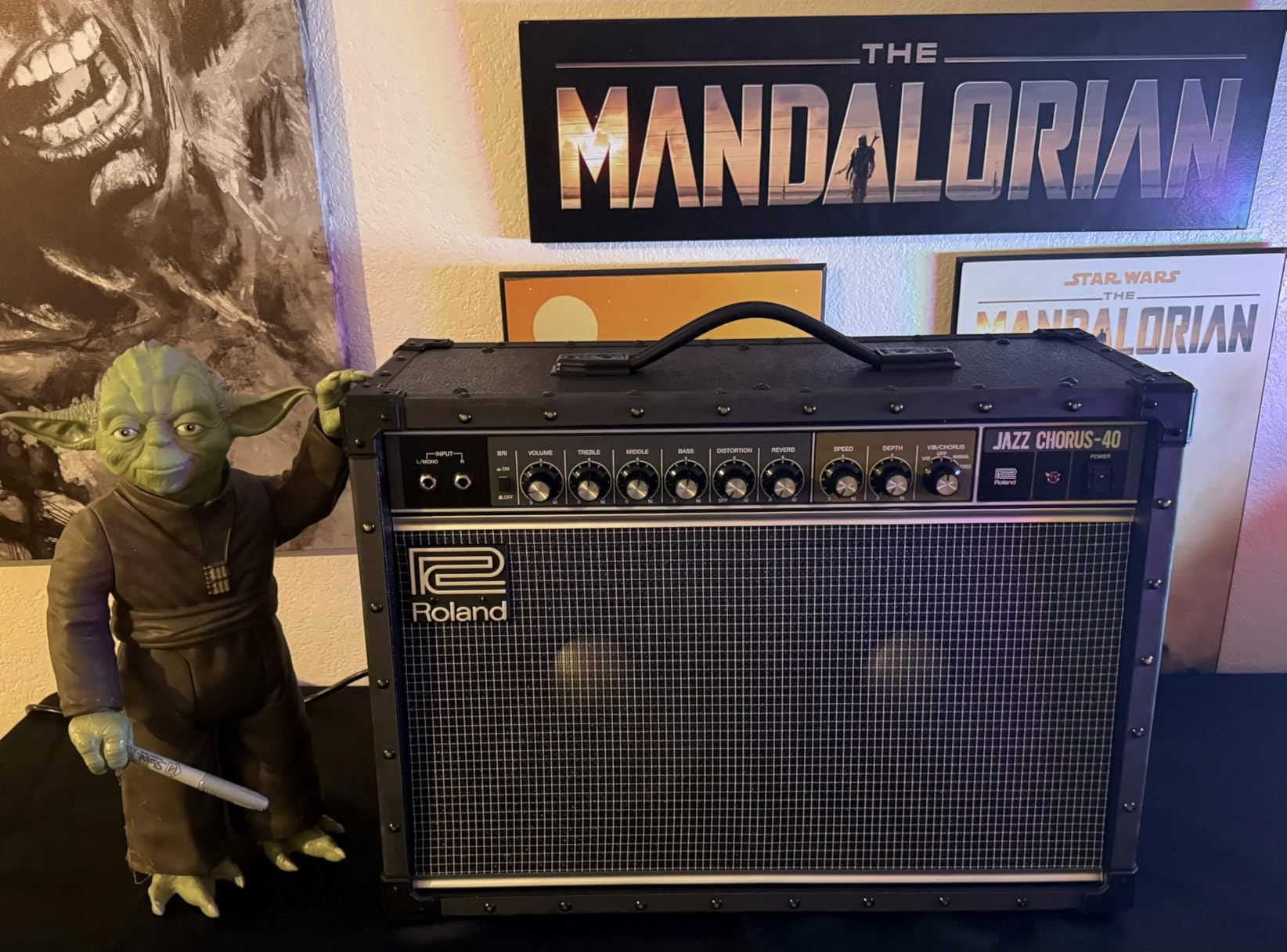
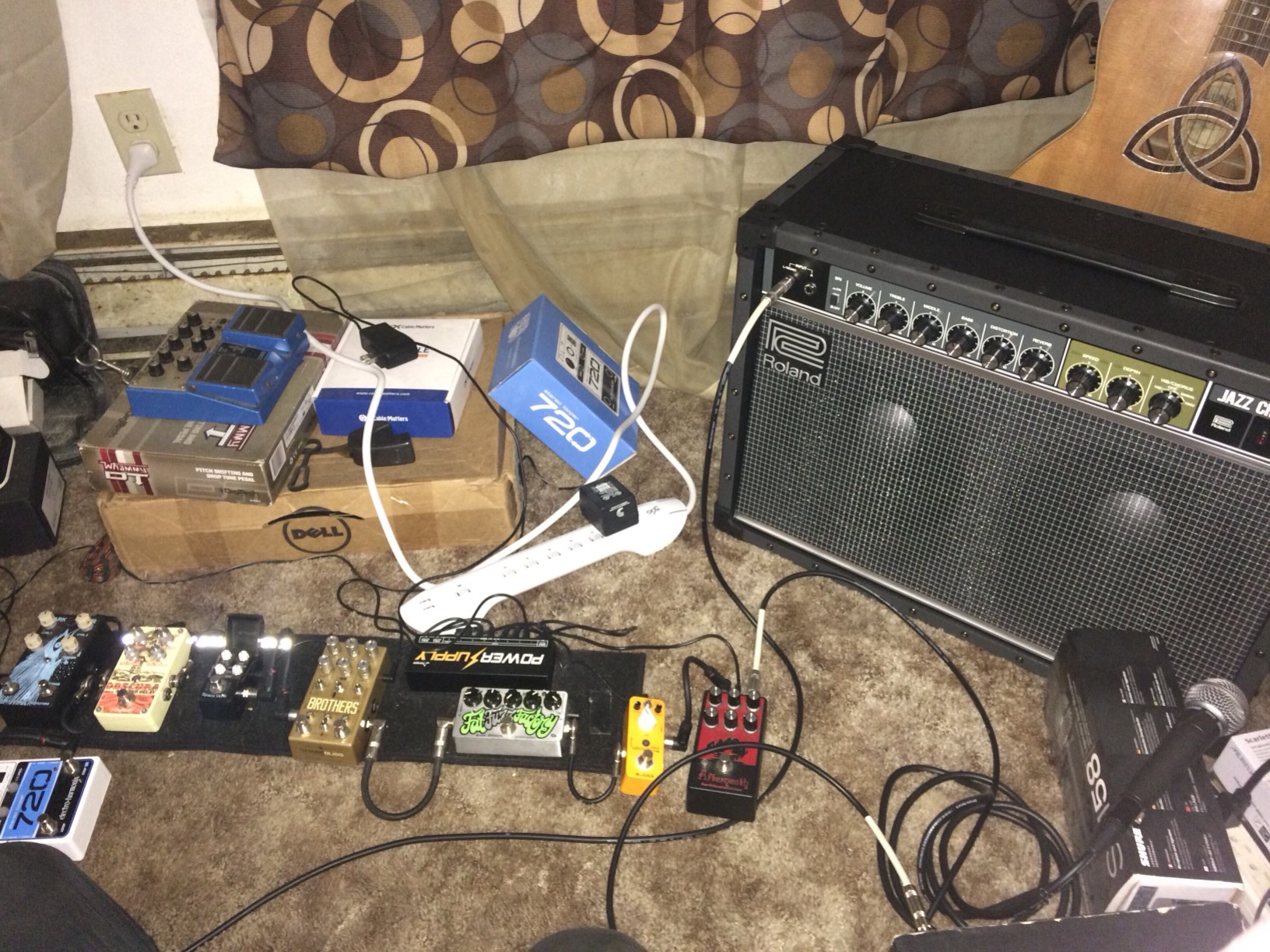
The JC-40 runs at 40 watts into two 10 inch speakers, which is more than enough clean headroom for most club gigs with a horn player. It also takes pedals extremely well. I ran a tube preamp and a small reverb pedal in front, and the amp did not flinch. The stereo input is a real bonus if you use a stereo modeler or a chorus pedal, and the effects loop sits at a usable spot in the signal chain.
Where the JC-40 disappoints is its built-in distortion. It is thin and buzzy, and frankly I would never use it for jazz. That said, most jazz players will ignore that channel entirely. The other small quirk is that the stereo image is somewhat compromised through the effects loop because the left and right signals are summed before the loop and split after it. For pure jazz use it does not matter much.
Best use cases for the JC-40
The JC-40 shines for small to mid-sized club work and recording sessions where you want your guitar’s true voice to carry. It is a strong fit for archtop players who want honest reproduction with a touch of chorus for ballads. If you play a wide range of styles and need an amp that takes pedals like a champ, the JC-40 is hard to beat.
Where the JC-40 falls short
Players looking for the warm sag and compression of a tube power amp will not find it here. The JC-40 is clean, period. The weight, at 39 pounds, is not backbreaking but it is also not a fly date amp. If you regularly carry gear long distances, look at the Quilter or Henriksen style options below.
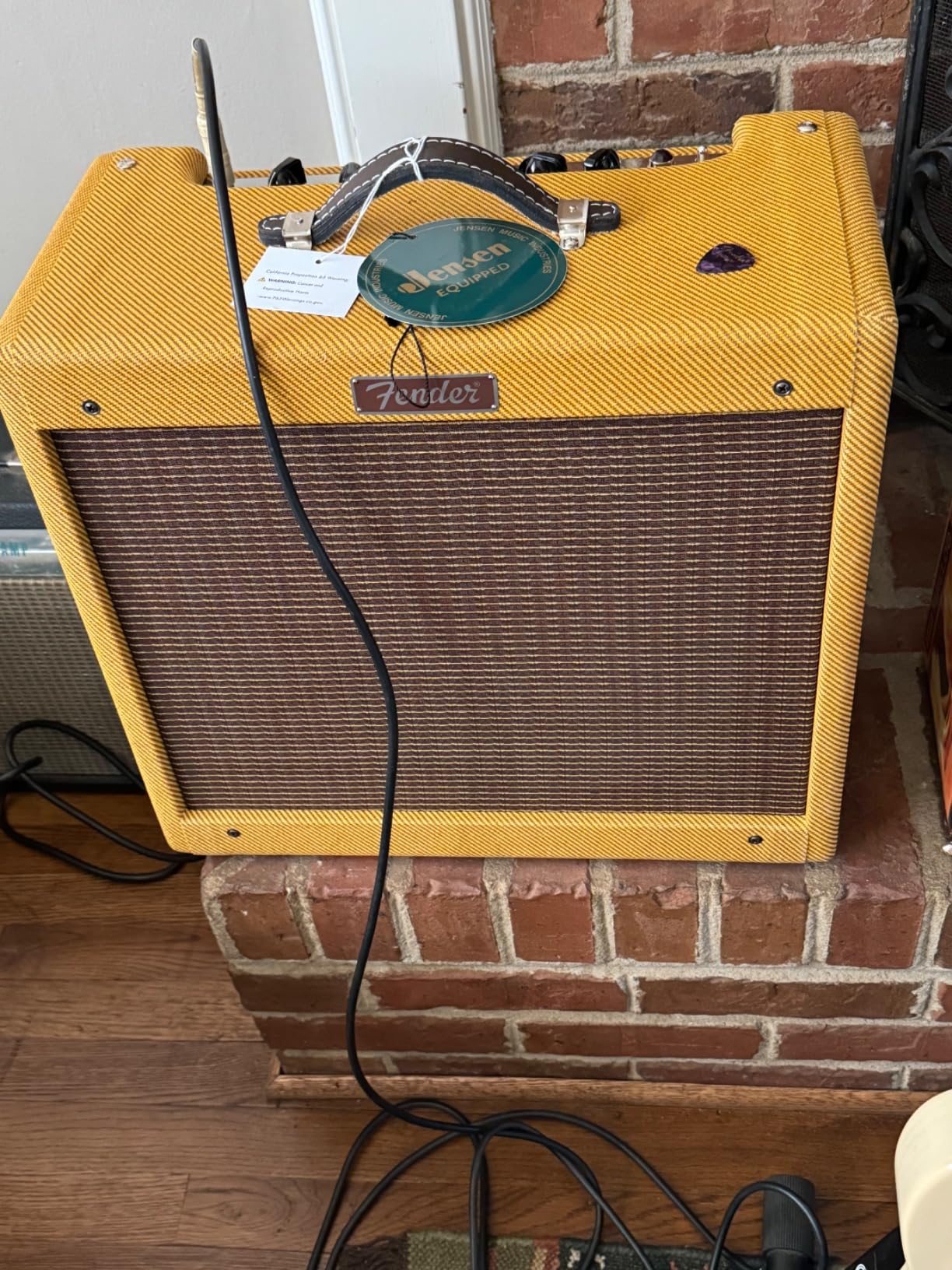
2. Fender Blues Junior – Tube Warmth in a Compact Box
Fender Blues Junior Guitar Amplifier, Lacquered Tweed, with 2-Year Warranty
Tube,15W,12-inch Jensen P12N speaker
Pros
- Real EL84 and 12AX7 tube warmth
- Jensen P12N speaker articulates chords
- Foot-switchable FAT boost
- Spring reverb on board
- Lacquered tweed finish
Cons
- No effects loop
- Reverb is less drippy than a Deluxe Reverb
- Can sound bright out of the box
The Blues Junior is the smallest and lightest of the modern Fender tube combos, and it punches above its weight. Powered by two EL84 tubes and a 12AX7 preamp, the Blues Junior puts out 15 watts through a 12 inch Jensen P12N speaker. I have used one on a regular Thursday night trio gig for two years. It has the chime and warmth that archtops crave.
Set clean, the Blues Junior sings. There is a slight sag when you dig in, and that sag is exactly the kind of compression a hollow body benefits from. The FAT switch, when engaged, thickens the midrange and gives a subtle push that is perfect for a solo break. The spring reverb is serviceable, not as lush as a Deluxe Reverb, but it is in the right family.
The Blues Junior does not have an effects loop, which is the one feature I genuinely miss. For jazz this is less critical than for rock, but if you plan to add delay or modulation pedals, plan on running them in front of the amp. The amp is also somewhat bright out of the box; rolling the treble down to about 4 and pushing the bass up slightly tames the ice-pick response.
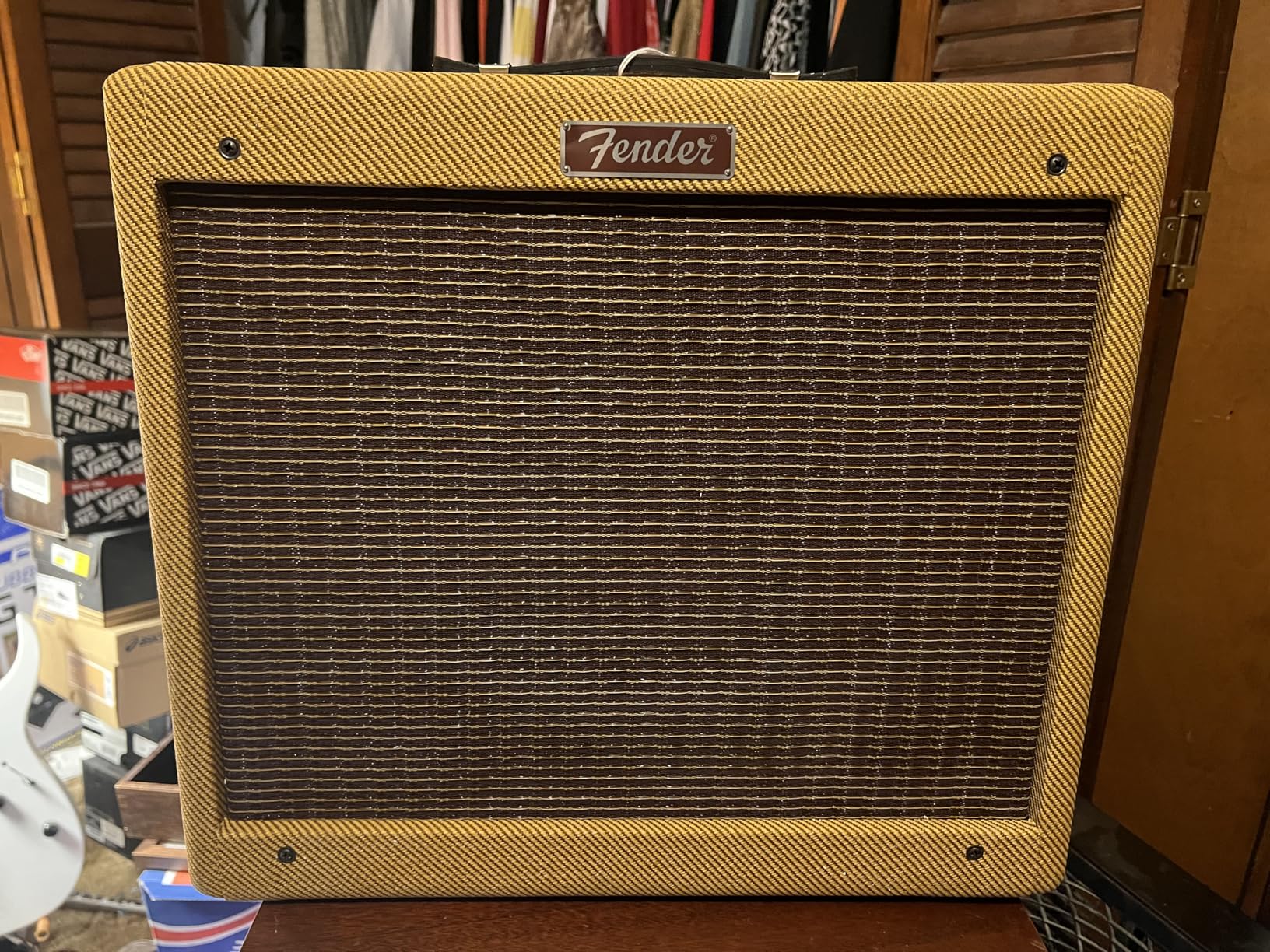
At 23 pounds, the Blues Junior is portable enough for one-trip loads. It also runs cooler than larger tube amps, which matters if you are playing a long rehearsal in a small room. The build is solid: a real tweed cabinet and chicken head knobs that have held up through hundreds of moves.
Best use cases for the Blues Junior
This is a small club and home tube combo for jazz players who want authentic Fender clean character. It pairs beautifully with archtops and teles with flatwounds. If you mostly play standards and ballads and need a tube amp you can carry in one hand, the Blues Junior is a faithful companion.
Where the Blues Junior falls short
The 15 watt rating is honest but the amp runs out of clean headroom with a loud drummer or two horns. For big band work or large stage volumes, step up to a Deluxe Reverb or a Princeton Reverb. The lack of an effects loop is also a real limitation for pedalboard users.
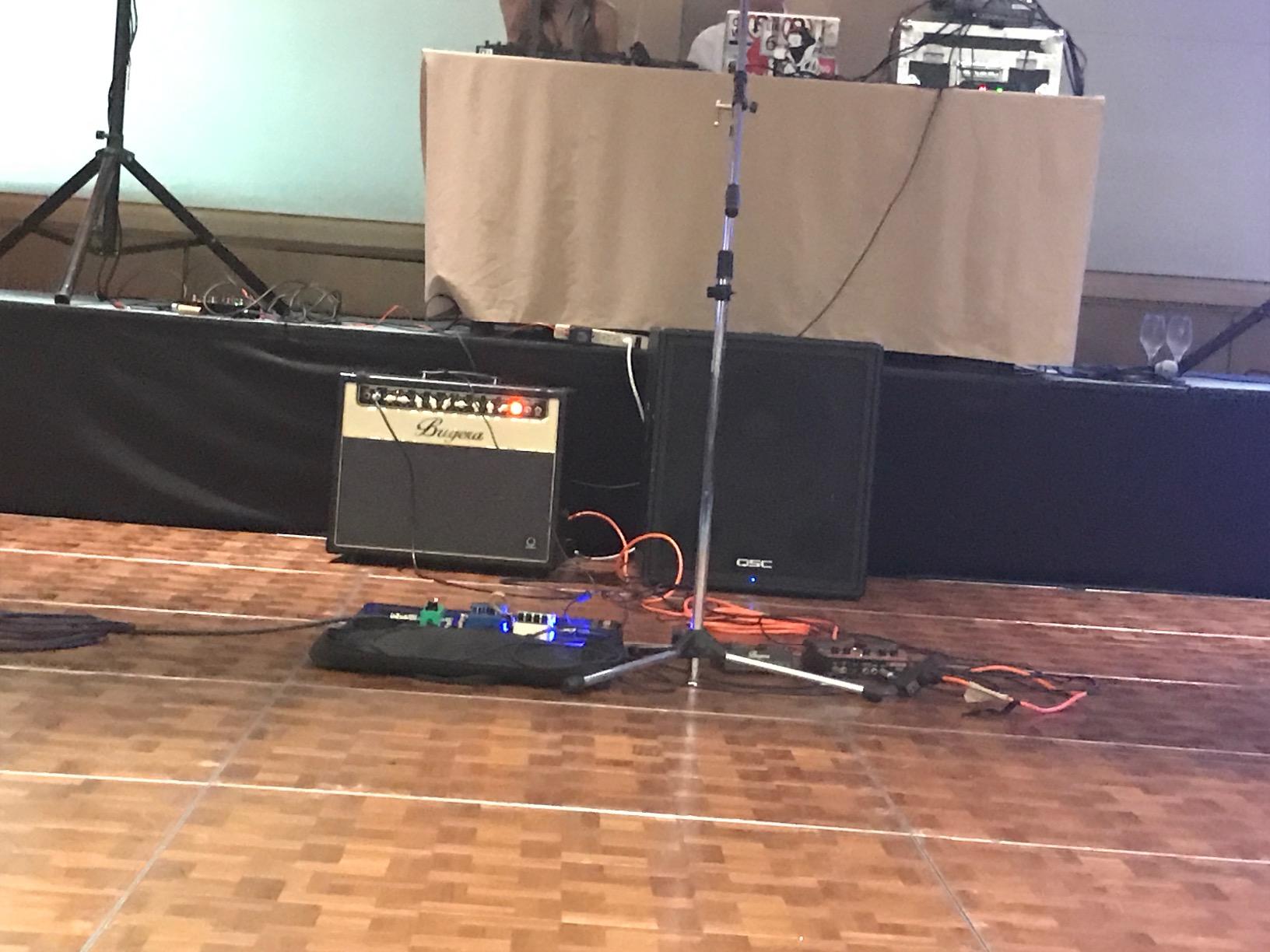
3. Bugera V22 INFINIUM – Affordable Tube Tone with Smart Tube Management
Bugera V22 INFINIUM 22-Watt Vintage 2-Channel Tube Combo with INFINIUM Tube Life Multiplier, Original Turbosound Speaker and Reverb
Tube,22W,12-inch TURBOSOUND speaker
Pros
- Two EL84 tubes and 12AX7 preamp
- INFINIUM Tube Life Multiplier
- 2-channel design
- Pentode to triode switch
- British engineered TURBOSOUND speaker
Cons
- No headphone jack
- Stock tubes can be microphonic
- Customer service experiences vary
The Bugera V22 INFINIUM is the surprise of the roundup. For a tube combo that delivers real EL84 warmth at a price well below the bigger names, it deserves a serious look. The 22 watt output is driven by a pair of EL84 power tubes, with three 12AX7 tubes in the preamp and a 12 inch TURBOSOUND speaker.
On the clean channel the V22 has a sweet, slightly compressed quality that flatters archtops and teles. The pentode to triode switch lets you drop output from 22 to about 7 watts, which is great for apartment practice or low-volume gigs. The 2 channel design is not strictly necessary for jazz, but having a slightly crunchy channel for the occasional blues tune is welcome.
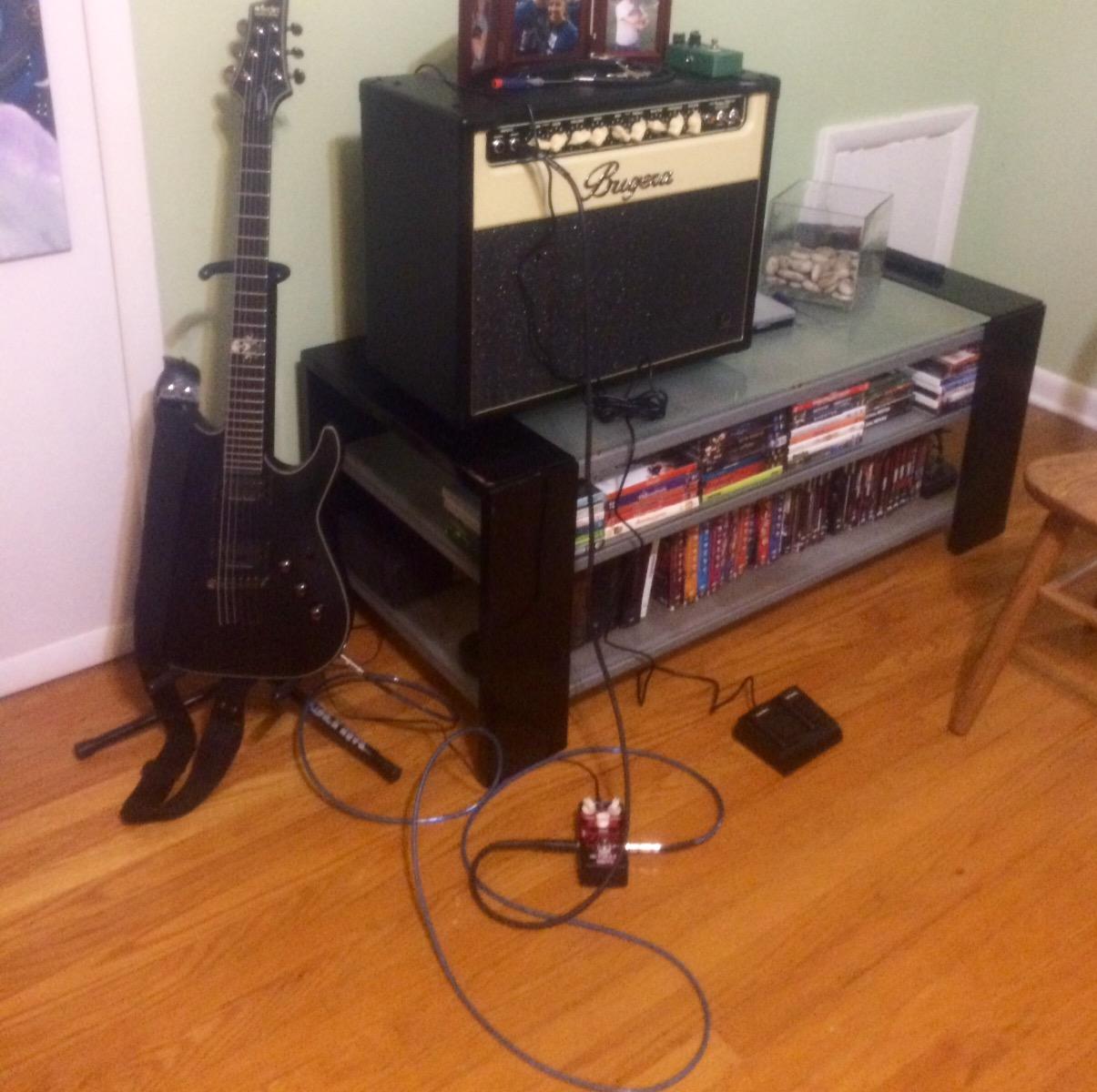
The INFINIUM Tube Life Multiplier is a thoughtful feature for tube newbies: the amp monitors tube wear and indicates when a replacement is needed. Bugera, being a Music Tribe brand, has access to Turbosound speakers from the same parent company as Behringer and TC Electronic, and the included speaker is genuinely good.
The two notable downsides are the lack of a headphone jack (which is unusual for a modern tube combo) and reported quality control issues with stock tubes. I would plan on budgeting for a tube upgrade shortly after purchase. Service experiences are also inconsistent. For jazz specifically, the lack of a headphone jack is annoying for late night practice.
Best use cases for the Bugera V22
Players who want authentic tube tone for jazz on a budget will find a lot to like here. It is well suited for home practice, small gigs, and as a recording amp where you do not need to push the volume. The triode mode is a real bonus for quiet sessions.
Where the Bugera V22 falls short
If you need silent practice through headphones, this amp is not for you. The lack of an effects loop is also a limitation for pedal users. And if you depend on reliable customer service, factor that into your decision.
4. BOSS Katana-50 Gen 3 – Modeling Versatility for Working Players
BOSS Katana-50 Gen 3 Guitar Amplifier, 50-Watt Combo Amp
Class AB,50W,12-inch custom speaker
Pros
- 12 amp characters with new Pushed type
- Five effects sections
- Updated BOSS Tone Studio app
- 50W with 12-inch speaker
- Lightweight 25.6 lbs
Cons
- Modeling menu diving required
- Not the same as a dedicated tube amp
The BOSS Katana Gen 3 surprised me. I expected the usual modeling amp compromise: clean enough but stiff, digital but not warm. The Gen 3 sounds genuinely musical on the jazz voicings I threw at it. The new Pushed amp character delivers edge-of-breakup tones that work for bluesy jazz, and the clean channel is smooth and full.
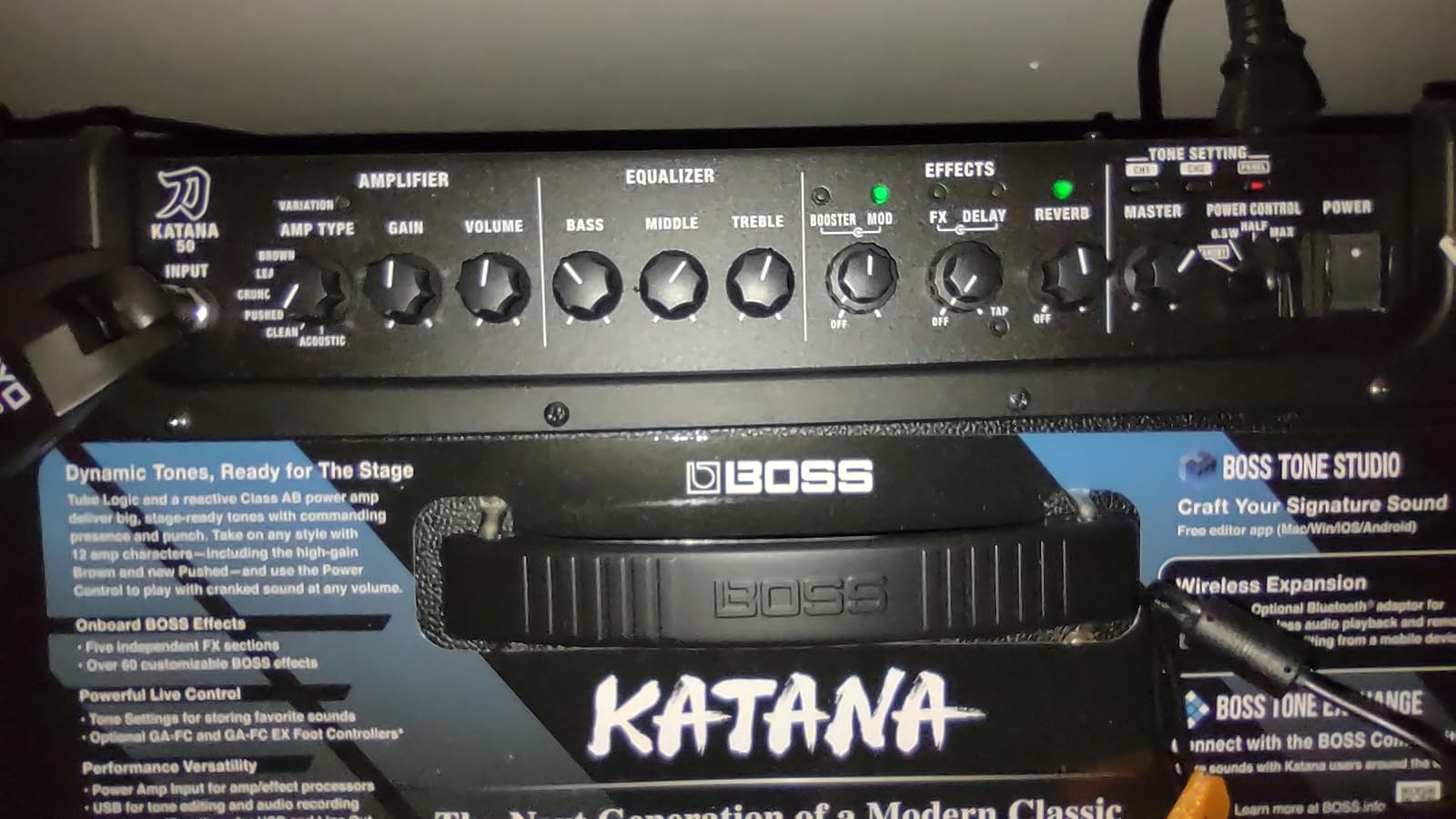
At 50 watts through a 12 inch custom speaker, the Katana-50 has plenty of clean headroom for small gigs. The five effects sections give you a wide palette: booster, modulation, FX, delay, and reverb, all editable through the BOSS Tone Studio app. For jazz, dialing in a slow rotary effect or a subtle plate reverb takes seconds.
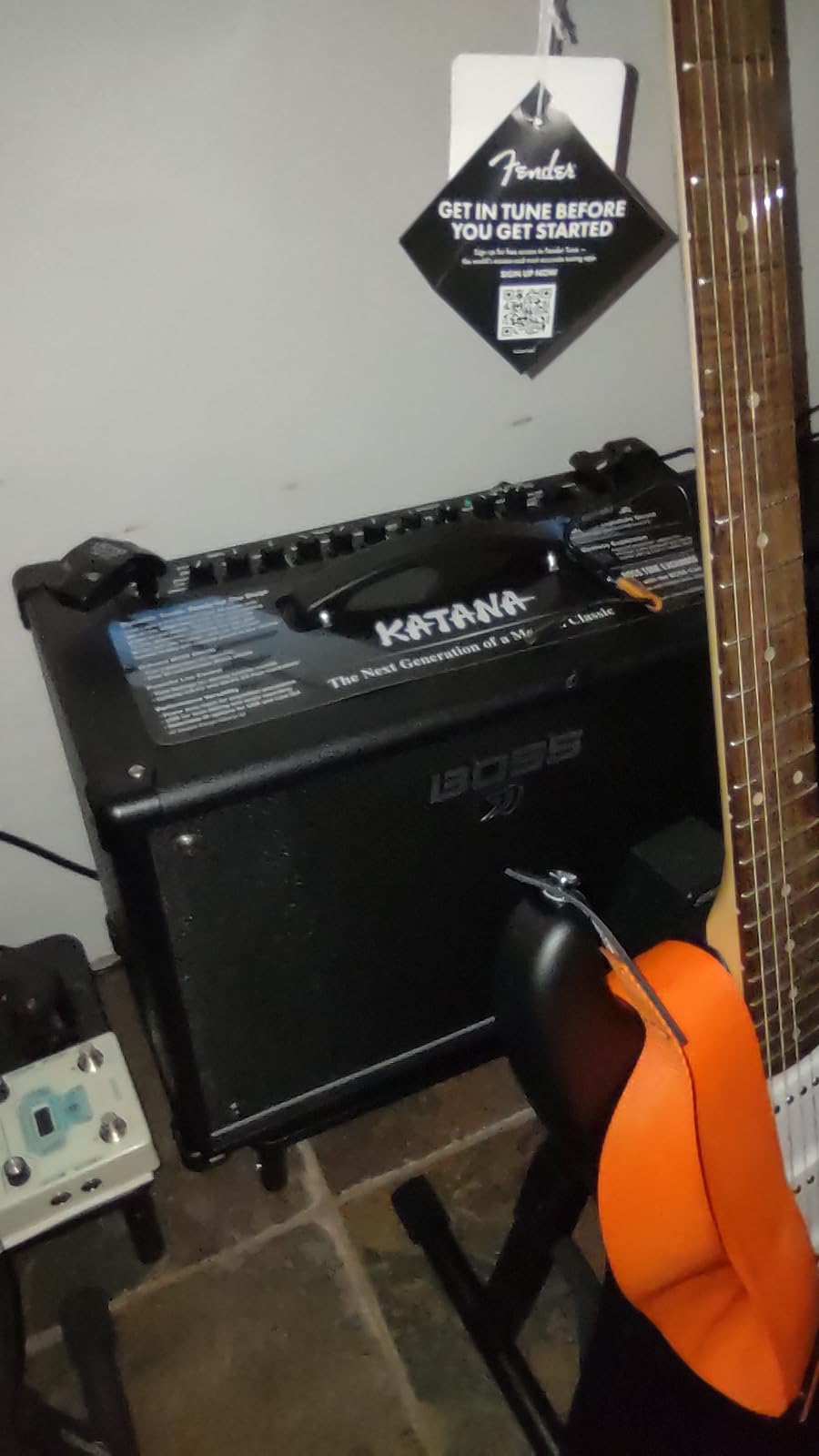
The Katana series has been reviewed widely enough that I trust the consensus: it is the most musical modeling amp in its price bracket. The wood enclosure (rather than metal) helps the speaker breathe a bit more naturally. At 25.6 pounds, it is also easier to carry than most tube combos of similar power.
The two real complaints jazz players have about the Katana are also the usual modeling amp complaints. First, you are doing menu diving to get the most out of it. The front panel is straightforward but deep editing happens in the app. Second, modeling is modeling. The tube-like behavior is convincing but not identical to a real tube amp’s sag and compression. For jazz recordings on a budget, the Katana is more than adequate.
Best use cases for the Katana-50
Players who want one amp that covers jazz at home, in rehearsal, and at small gigs will appreciate the Katana-50. It is also a strong choice for players who double on other styles and need flexibility. The headphone jack with cabinet simulation makes it a true silent practice solution.
Where the Katana-50 falls short
Pure tube purists will not be converted by modeling. If you crave the touch sensitivity and compression of a real tube power section, stick with the Blues Junior or Bugera V22 above. The Katana is also a 50 watt combo, which can be overkill for bedroom practice.
5. Orange Crush 20 – Punchy British Character at Practice Volume
Orange Crush 20 20W 8″ 2-Channel Guitar Amplifier and Speaker Combo, Orange
Solid State,20W,8-inch speaker
Pros
- Punchy clean channel with classic Orange flavor
- Cabinet-simulated headphone output
- Aux input for play-along
- Lightweight 7.31 kg
- Twin channel design
Cons
- No built-in reverb
- Rear-mounted power switch
- 8-inch speaker limits top-end detail
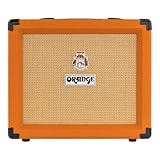
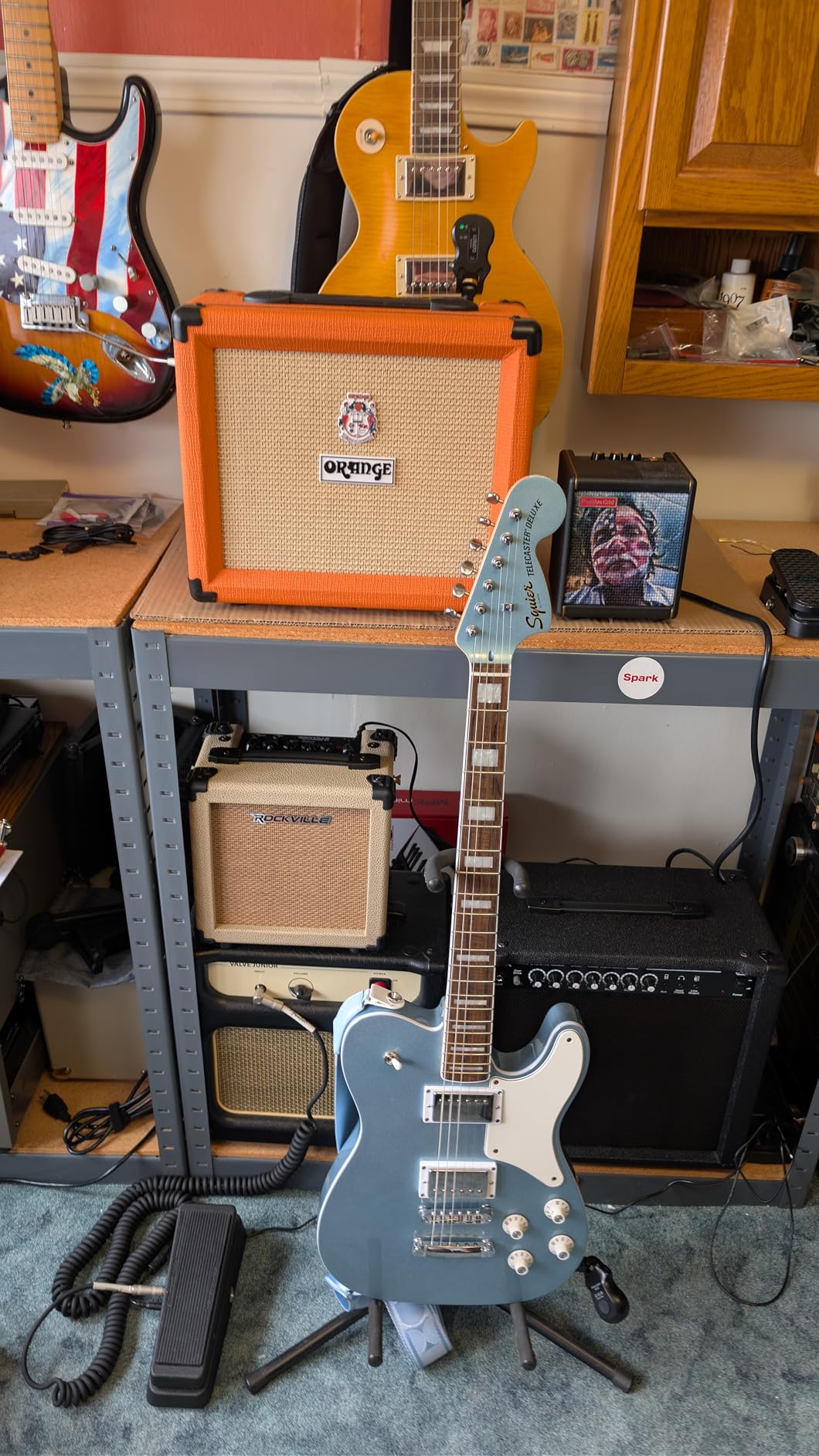
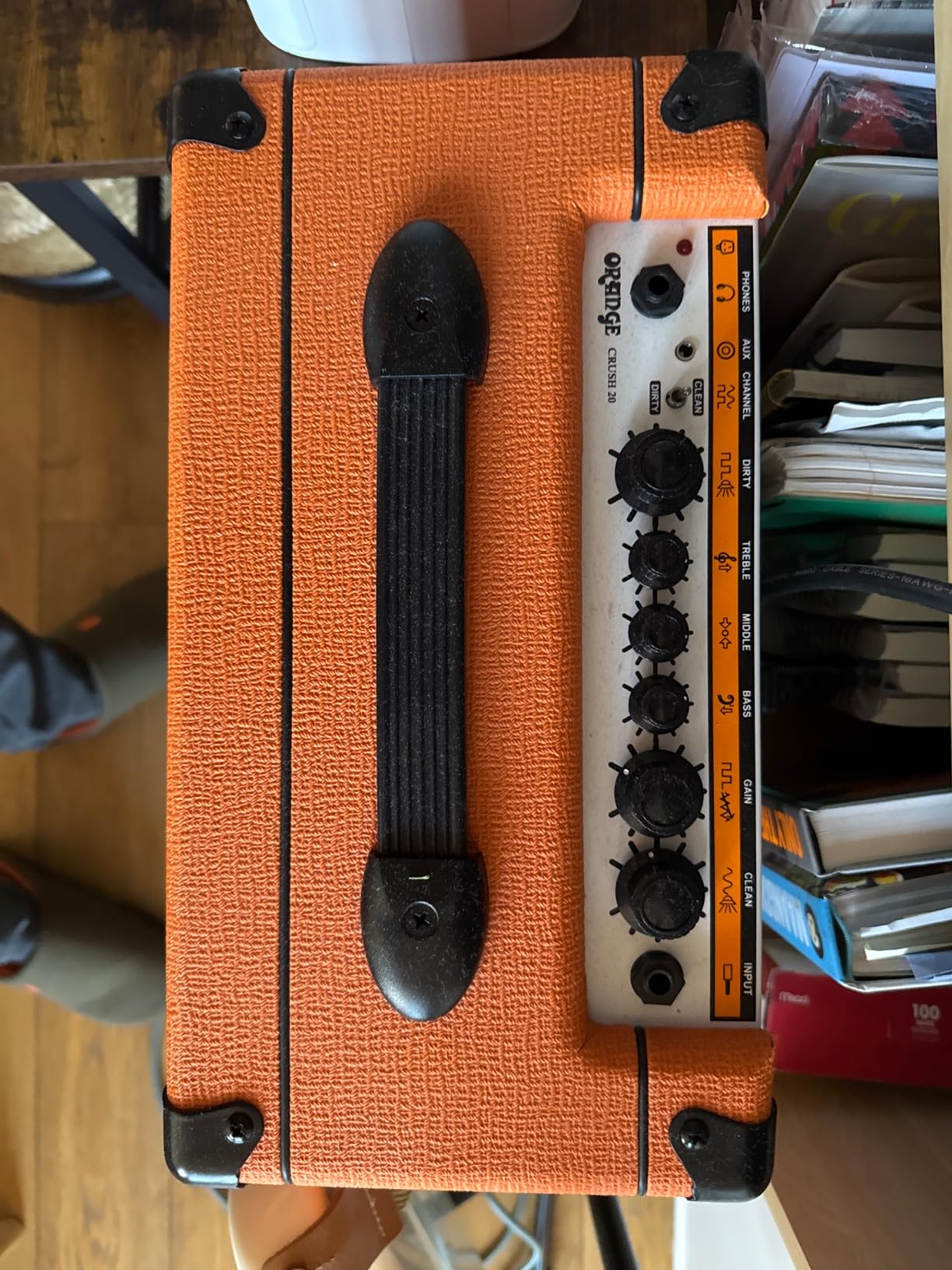
Orange amps are not the first name you hear in jazz conversations, but the Crush 20 deserves a slot. It is a solid-state 20 watt combo with the classic Orange British-flavored voicing, an 8 inch speaker, and a surprisingly musical clean channel. At 7.31 kg, it is light enough to carry anywhere.
The clean channel on the Crush 20 is punchy and full. It is not as glassy as a JC clean, but it has its own character that works well with humbucker-equipped archtops and solid body guitars. The dirty channel is genuinely Orange-flavored, more vintage fuzz than modern metal, and it sounds great for the occasional blues number.
For jazz practice, the cabinet-simulated headphone output is a real feature. Plug in headphones and you get a usable approximation of a miked cabinet, which is great for late night sessions. The aux input lets you play along with tracks, which is invaluable for working on jazz standards.
The drawbacks are clear. There is no built-in reverb, so plan on adding a small reverb pedal or relying on your own touch. The power switch is on the back, which is a small but persistent annoyance. And the 8 inch speaker, while punchy, will not deliver the airy detail that a 12 inch speaker can.
Best use cases for the Crush 20
Players who want a small, dependable practice amp with character will be happy here. It is also a strong backup amp for working players. The cabinet-sim headphone output makes it a serious option for apartment dwellers.
Where the Crush 20 falls short
For jazz specifically, the lack of built-in reverb is a meaningful miss. If you play standards and rely on a touch of reverb for tone shaping, plan on adding a pedal. The 8 inch speaker also limits the amp’s ceiling for serious gigging.
6. Fender Mustang LT25 – The Best Value Jazz Combo
Fender Mustang LT25 Guitar Amplifier, 25-Watt Combo Amp with 8″ Speaker
Digital Modeling,25W,8-inch Fender Special Design speaker
Pros
- 30 onboard presets for versatile tones
- Beginner-friendly color display
- USB audio recording
- Lightweight 15.2 lbs
- 2-year Fender warranty
Cons
- 8-inch speaker has limits
- Modeling is not exactly equivalent to real amps
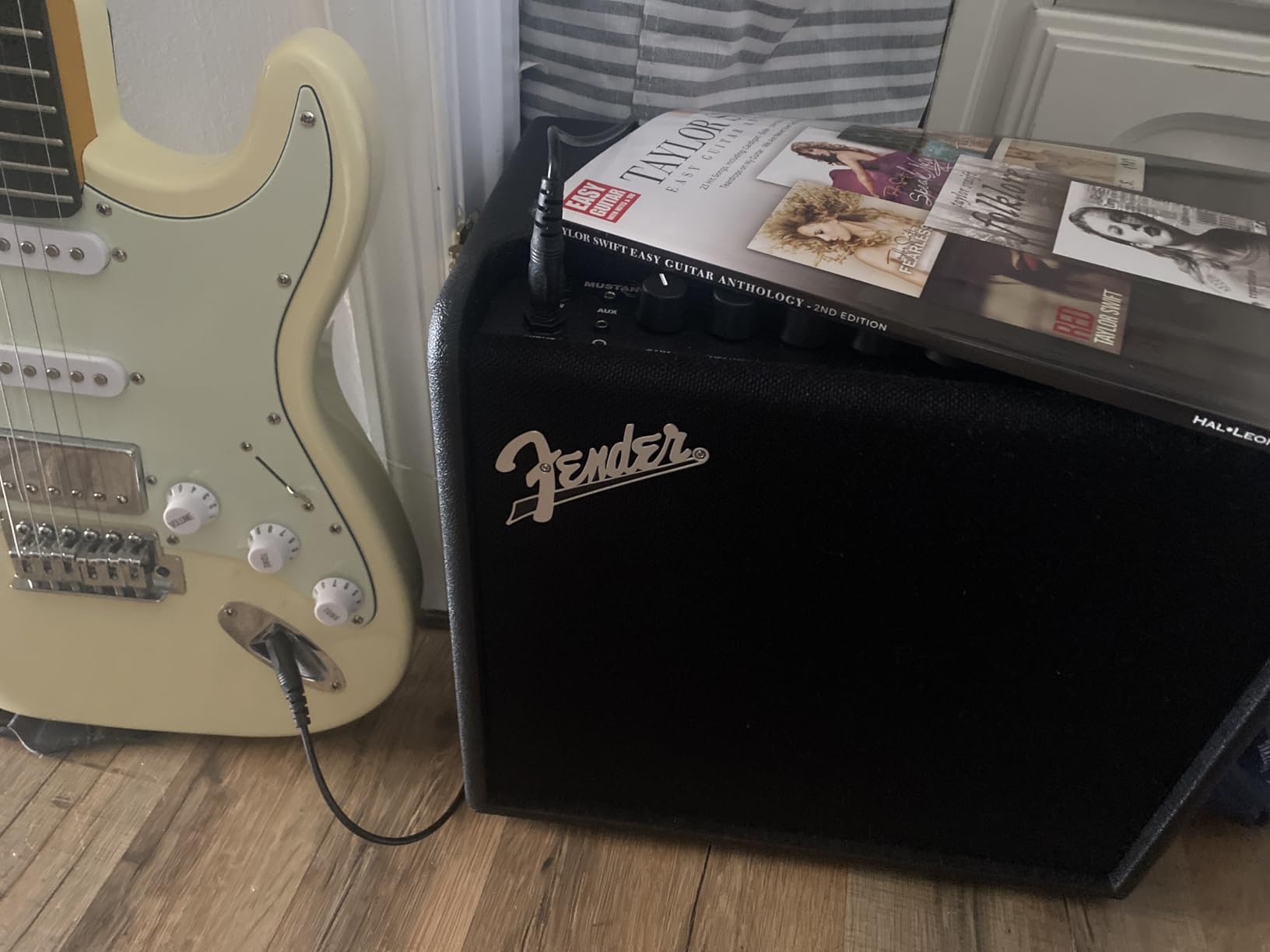
The Fender Mustang LT25 is the highest-rated modeling combo in its price bracket on Amazon, and after spending time with it, I understand why. At 25 watts through an 8 inch Fender Special Design speaker, it is small enough for a desk but loud enough for casual jamming. The 30 onboard presets cover a surprising range, including several clean models that work well for jazz.
What I appreciate most about the LT25 is its simplicity. The 1.8 inch color display and front-panel layout make sense immediately, even for a player who has never used a modeling amp. For jazz, you can dial in the clean Fender models and shape them with the EQ to get a usable archtop tone.
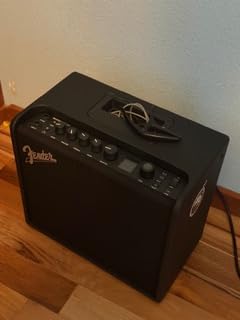
The USB connectivity is a real bonus. Plug the LT25 into a computer and you have a recording interface that captures the amp’s modeled output. For jazz players who record at home, this is a meaningful feature that more expensive modeling amps do not always include as cleanly.
The Mustang LT25 is not the same as a $500 tube combo. The 8 inch speaker cannot reproduce the airy highs of a 12 inch Jensen, and the modeling is convincing but not indistinguishable from the real amps it emulates. But for the price, it is genuinely impressive.
Best use cases for the LT25
Beginners and intermediate players who want flexibility, USB recording, and Fender build quality at a low price will find a lot here. It is also a great option for a guest room or office setup where space is at a premium.
Where the LT25 falls short
For serious gigging, the LT25 runs out of clean volume. It is a practice and small room amp. The 8 inch speaker also limits how the amp sounds at higher volumes. If you play with a drummer, step up to the Mustang GTX100 or a tube combo.
7. Fender Frontman 10G – The Honest Beginner Practice Amp
Fender Frontman 10G Electric Guitar Amplifier, 10-Watt Amp, Black/Silver
Solid State,10W,6-inch Fender Special Design speaker
Pros
- Compact and lightweight 3.8 kg
- Headphone jack for silent practice
- Aux input for play-along
- Closed-back design for stronger bass response
- 2-year Fender warranty
Cons
- No midrange control
- Weak overdrive channel
- Bass is thin at low volume
- Not loud enough for jam sessions
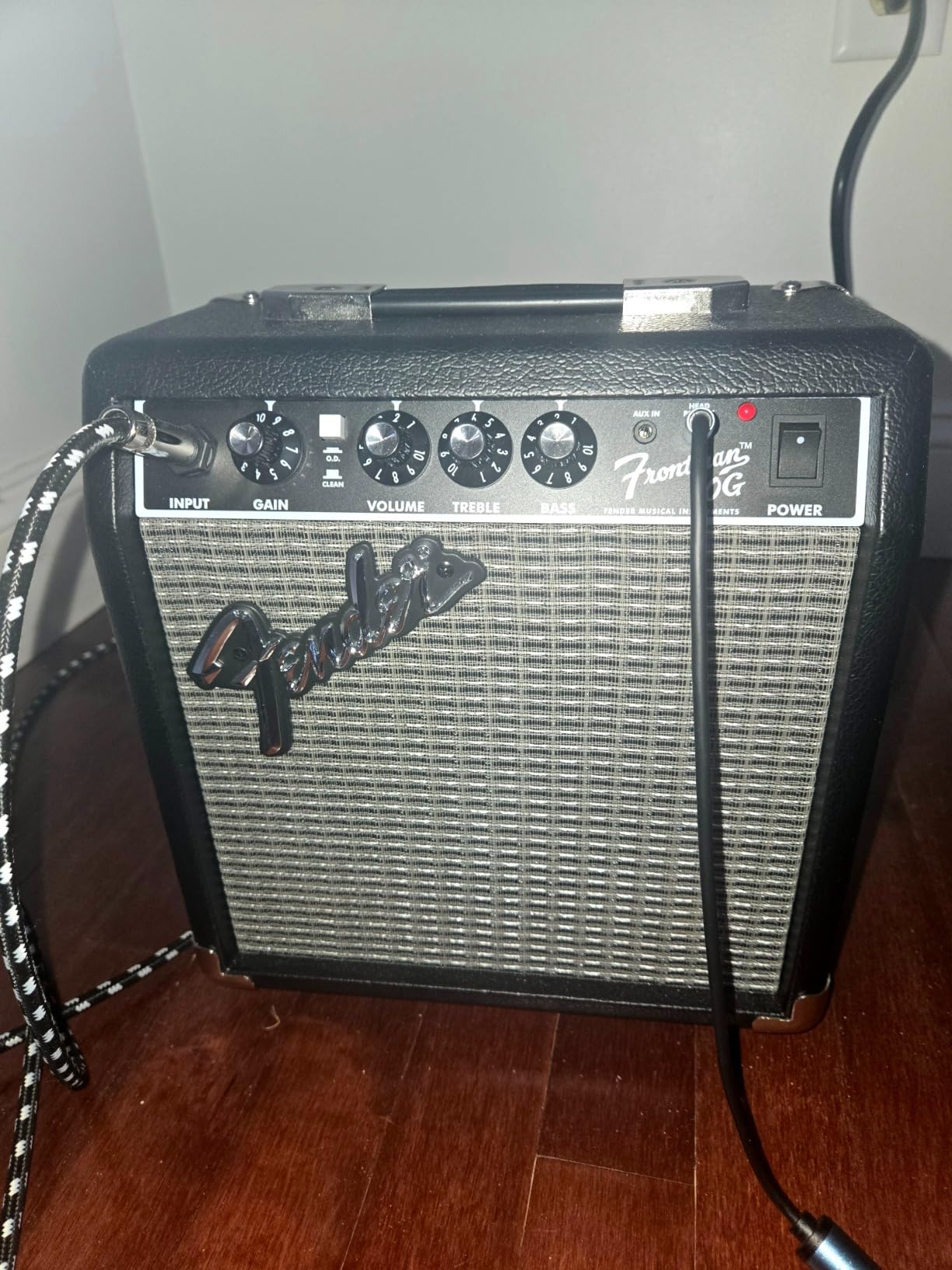
The Frontman 10G is the quiet champion of beginner amps. With over 13,000 reviews and a 4.6 rating, it has been the first amp for countless players, including many who later became serious jazz guitarists. At 10 watts through a 6 inch Fender Special Design speaker, it is more of a starter amp than a gigging amp, but that is exactly what most beginners need.
The clean channel delivers the recognizable Fender character, and the closed-back cabinet gives it more low-end punch than you would expect from such a small speaker. For practicing jazz voicings in a bedroom or apartment, it is more than enough.
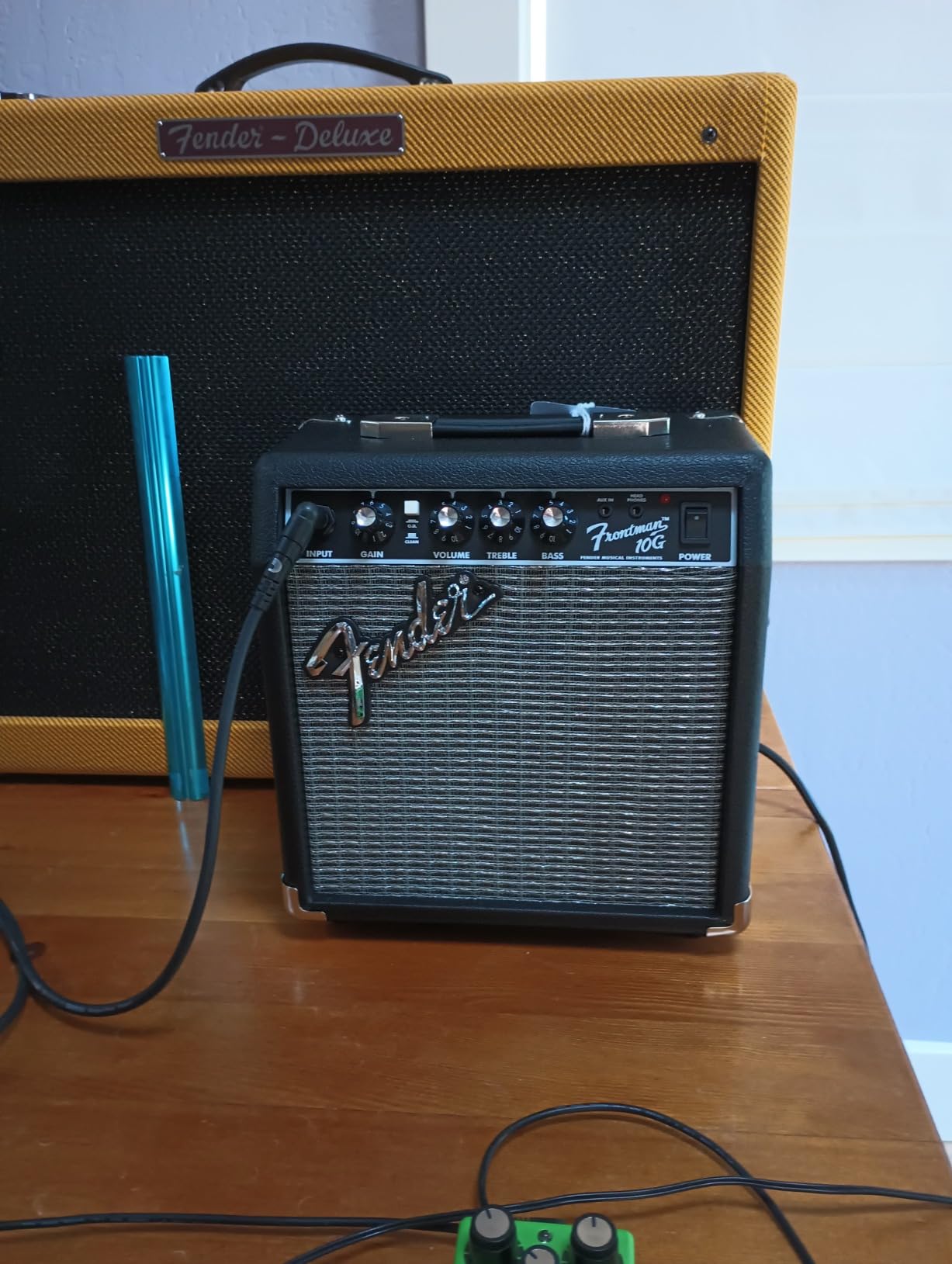
The headphone jack and aux input are the two features that matter most for a practice amp. Plug in headphones and you can play all night without disturbing anyone. The aux input lets you play along with backing tracks, which is essential for learning jazz standards.
The Frontman 10G is honest about its limits. The overdrive channel is weak and not very useful. There is no midrange control, which makes dialing in jazz tones slightly trickier than on a 3-band EQ amp. And the bass response, while surprisingly present, thins out at very low volumes.
Best use cases for the Frontman 10G
This is the right amp for someone who is just starting jazz guitar and needs a reliable, low-cost practice solution. It is also a great option for a gift. If you want an amp that lives on a desk or in a guest room, the Frontman 10G fits the bill.
Where the Frontman 10G falls short
Do not buy this amp expecting to jam with a drummer. It is a practice amp, not a gigging amp. Players who want to play with others should step up to the Mustang LT25 or the Katana-50.
8. Marshall MG10G – Iconic Marshall Flavor for Practice
Marshall MG10G Combo Electric Guitar Amplifier – Black
Solid State,10W,6.5-inch speaker
Pros
- Classic Marshall character in a small package
- Clean and overdrive channels
- 3.5mm headphone jack
- Aux input for play-along
- Lightweight 10 lbs
Cons
- Limited headroom for higher volume
- Not suitable for gigging with a drummer
- Some users report channel-switching quirks
The Marshall MG10G is a 10 watt solid-state combo that delivers the recognizable Marshall character in a beginner-friendly package. The clean channel has the chime and bite of a small Marshall, and the overdrive channel delivers classic British crunch. For jazz, the clean channel is the relevant one, and it sounds musical enough for practicing standards.
The MG10G weighs 10 pounds and measures about 12 inches tall, so it fits on a desk or shelf without dominating the room. The headphone jack and aux input are the headline features for practice. Plug in headphones and the cabsim-loaded output gives you a usable approximation of a miked cabinet.
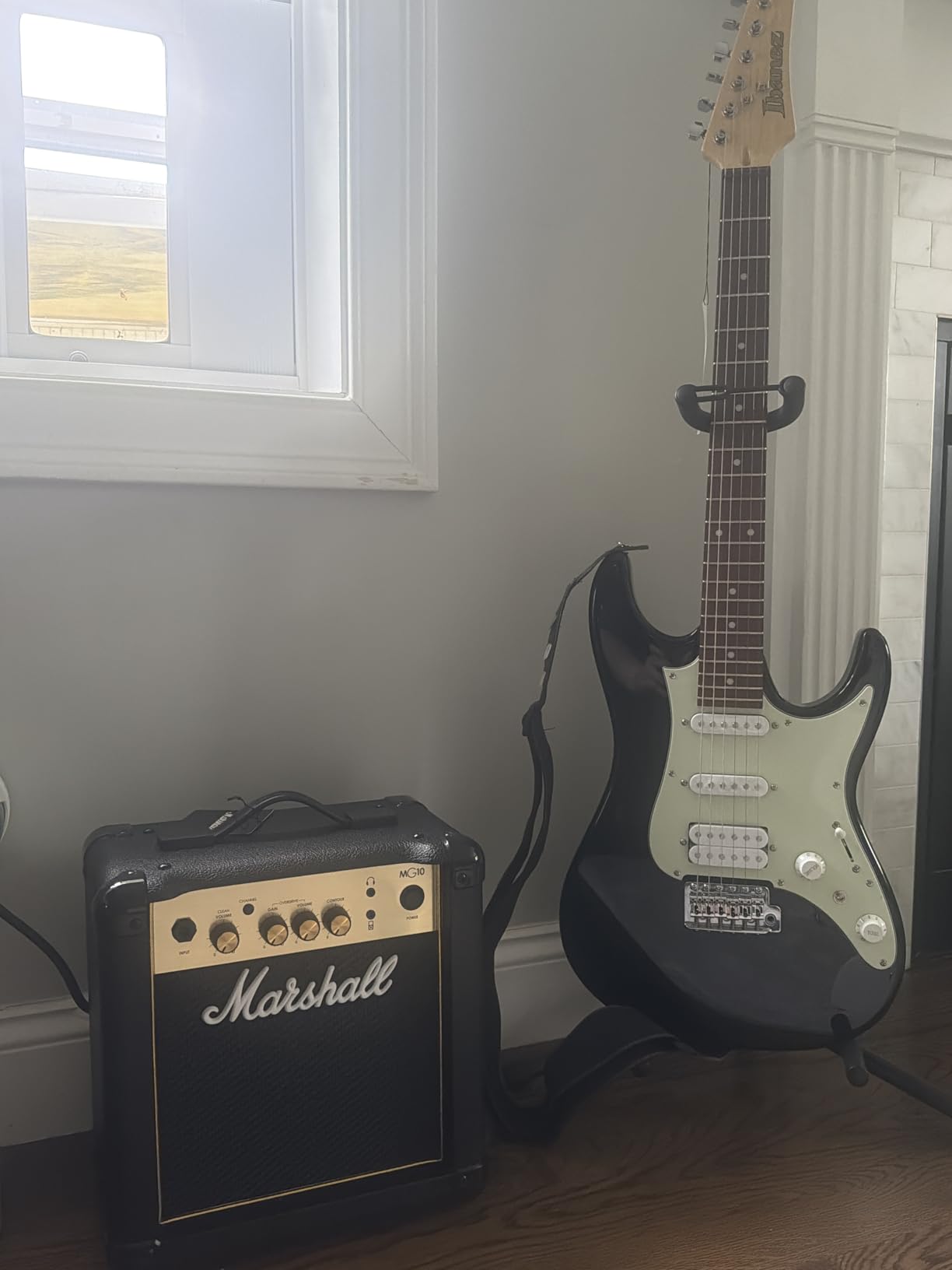
The contour control is a Marshall feature that shapes the midrange. Pulling it back scoops the mids for a more American-style clean, which can be useful for jazz. Pushing it forward gives you the classic Marshall midrange bark. The 6.5 inch speaker is small but serviceable for practice.
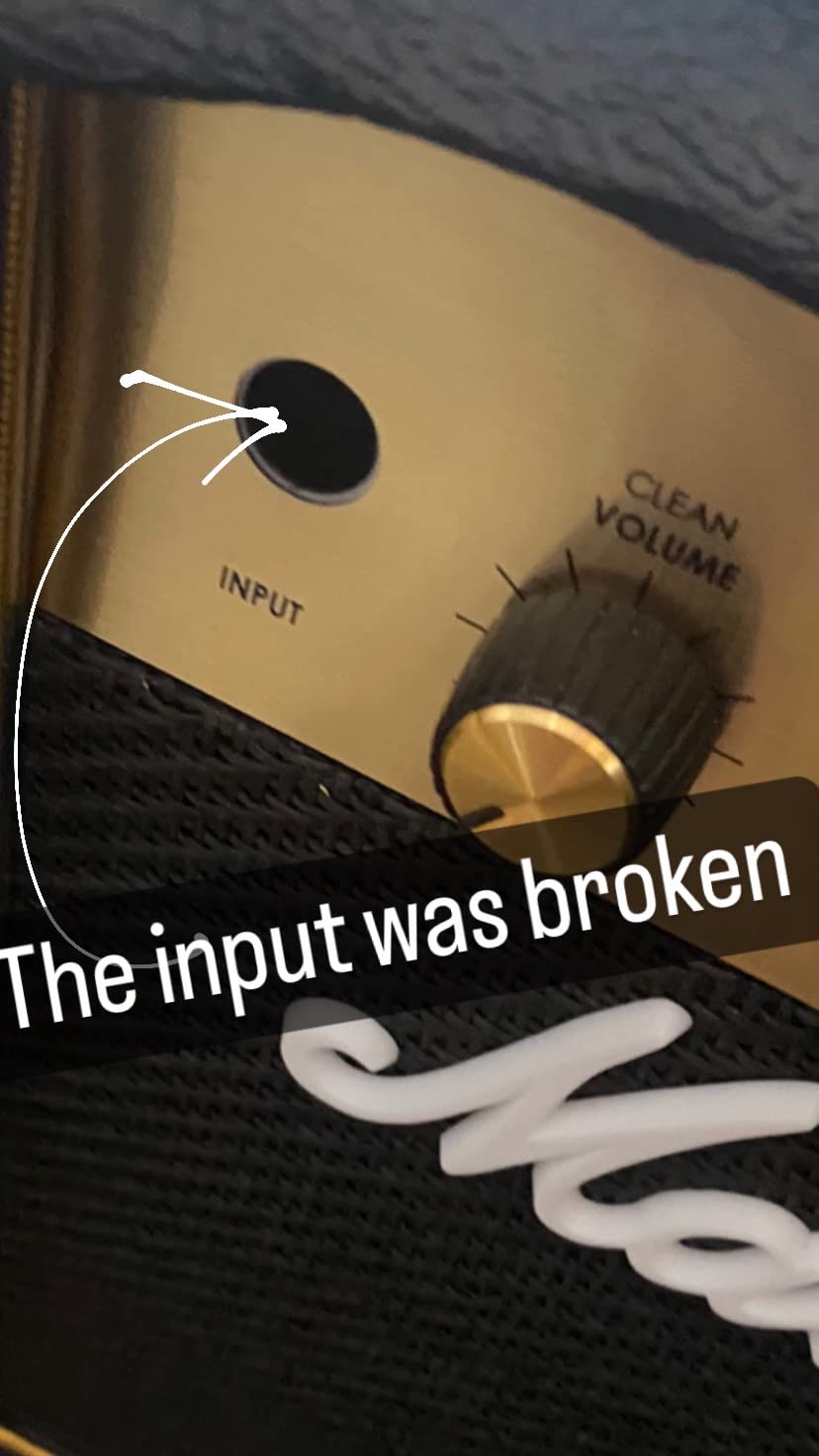
The MG10G has the same fundamental limit as other small solid-state combos: it runs out of volume quickly. There are also some reports of channel-switching quirks where the amp gets stuck on the dirty channel. This is not a dealbreaker for practice, but worth knowing.
Best use cases for the MG10G
Marshall fans who want a taste of that British voicing for practice will be happy here. It is also a great starter amp for younger players. For bedroom jazz practice, the clean channel is musically useful.
Where the MG10G falls short
For serious jazz tone, the Marshall voicing is not as transparent as a Fender or Roland. The 10 watts and 6.5 inch speaker also limit the amp to quiet contexts. If you gig, look at higher wattage combos.
9. Marshall MS2 Micro Amp – The Ultra-Portable Practice Companion
Marshall MS2 Battery-Powered Micro Guitar Amplifier
Solid State,2W (1W),2-inch speaker
Pros
- Battery powered for true portability
- 0.34 lbs
- Headphone jack for silent practice
- Iconic Marshall look
- Surprisingly musical tone
Cons
- Very limited clean headroom
- Distorts quickly even on clean
- Tiny 2-inch speaker
- Not a primary practice amp
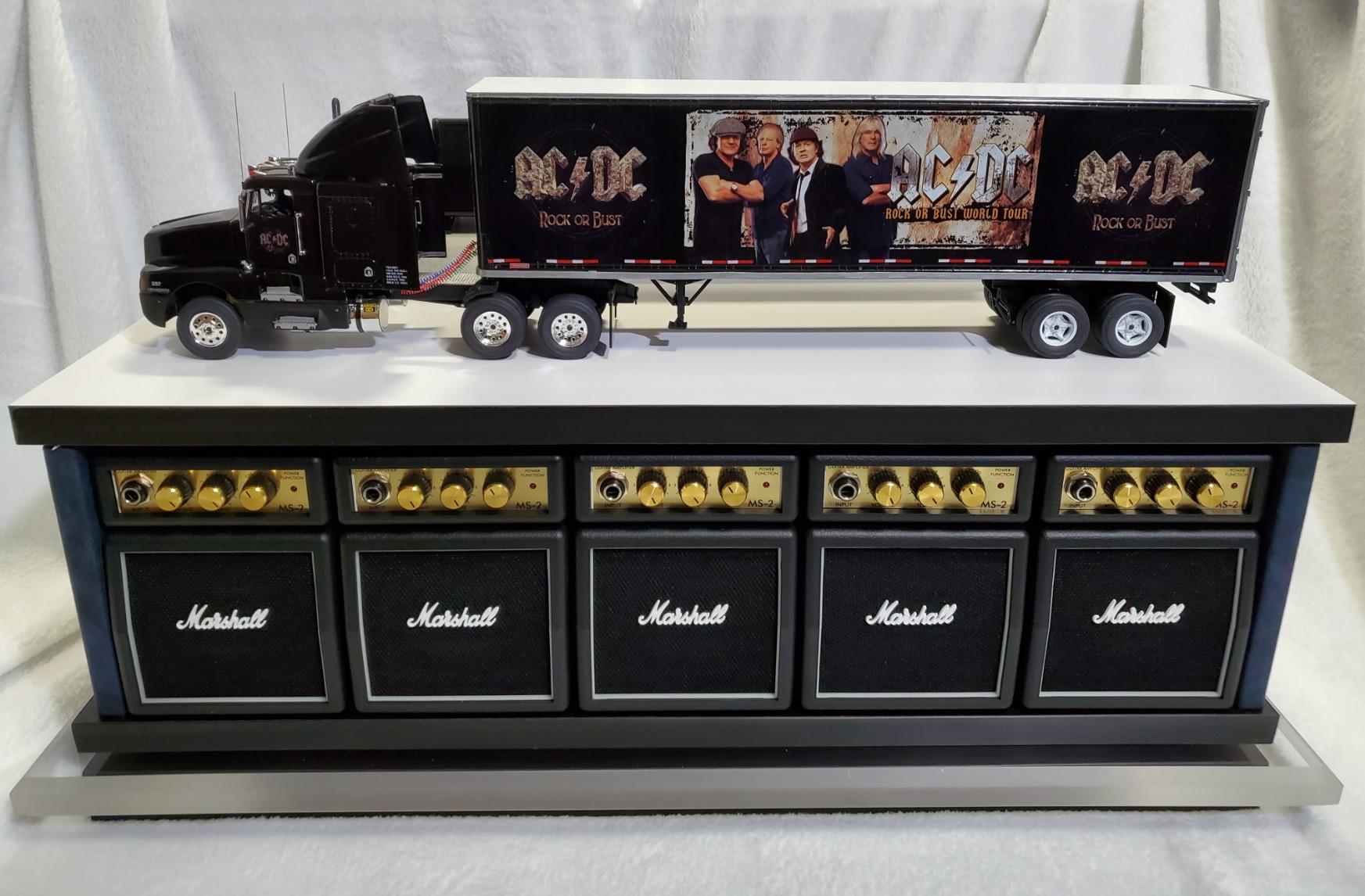
The Marshall MS2 is more of an experience than an amp. It is a 1 watt (rated 2W peak), battery-powered micro combo that weighs less than a pound and fits in a jacket pocket. The MS2 sounds far better than it has any right to, with a recognizable Marshall voice and a usable clean channel for the right contexts.
For jazz, the MS2 is not a primary amp. It will not deliver the airy detail your archtop deserves. But as a travel companion, a hotel room practice tool, or a way to noodle on the couch with headphones, it is genuinely fun. The headphone jack works well for silent practice, and the aux input lets you play along with backing tracks.
The MS2 distorts quickly on the clean channel. At anything past mid-volume, the 2 inch speaker starts to break up. That is fine for rock and blues, but it limits the MS2’s usefulness for jazz at any meaningful volume. Plan on using it at low volumes or through headphones.
The build quality is typical Marshall: solid metal chassis, classic grille cloth, and the iconic gold logo. It feels more like a piece of gear than a toy, which is part of the appeal. With over 7,000 reviews and a 4.3 rating, the MS2 has earned its place as a beloved practice companion.
Best use cases for the MS2
The MS2 shines for travel, hotel room practice, and as a novelty gift for guitarists. It is also a great tool for warming up backstage. If you need an amp you can toss in a bag and forget about, the MS2 fits.
Where the MS2 falls short
This is not a gigging amp, not a recording amp, and not a substitute for a real practice combo. The MS2 is a complement, not a replacement. For serious jazz tone, look at the Frontman 10G, Mustang LT25, or higher.
10. Fender Mustang GTX100 – The Full-Featured Gigging Modeler
Fender Mustang GTX100 Guitar Amp and 7 Button Footswitch, 100 Watts, with 2-Year Warranty Integrated Looper, Bluetooth Audio Streaming for Play Along, 24.5Dx21.05Wx13.05H Inches, Black
Digital Modeling,100W,12-inch Celestion speaker
Pros
- 200 onboard user presets
- Specially designed 12-inch Celestion speaker
- Stereo XLR outputs and effects loop
- Classic Fender and JC amp models included
- Seven-button footswitch with looper
Cons
- Some users report WiFi audio dropouts
- TONE app lacks PC support
- Stock presets need tweaking
- Modeling is not exactly real amps
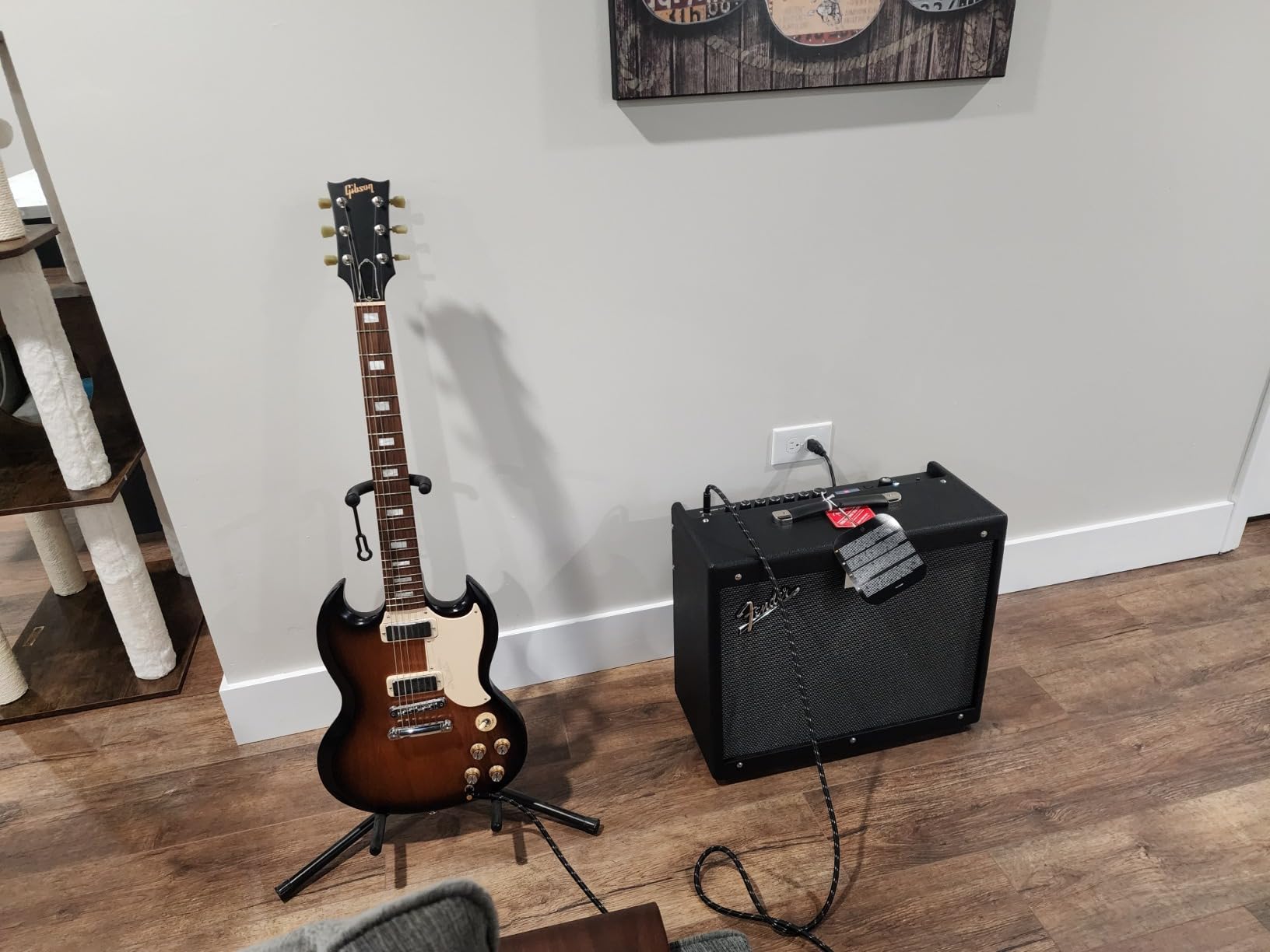
The Mustang GTX100 is Fender’s flagship modeling combo and the natural step up from the LT25 for working players. At 100 watts through a specially designed 12 inch Celestion speaker, it has the clean headroom and stage presence for mid-sized gigs. The 200 onboard user presets, stereo XLR outputs, and included footswitch with looper make it a serious tool.
What sets the GTX100 apart from the LT25 is its inclusion of classic Fender amp models like the Blues Junior, Vibro King, JC Clean, and Silver Jubilee. For jazz players, the JC Clean and Fender clean models are the headline features. You can dial in a Deluxe Reverb-style clean for chord-melody work and switch to a JC clean for archtop-driven gigs.
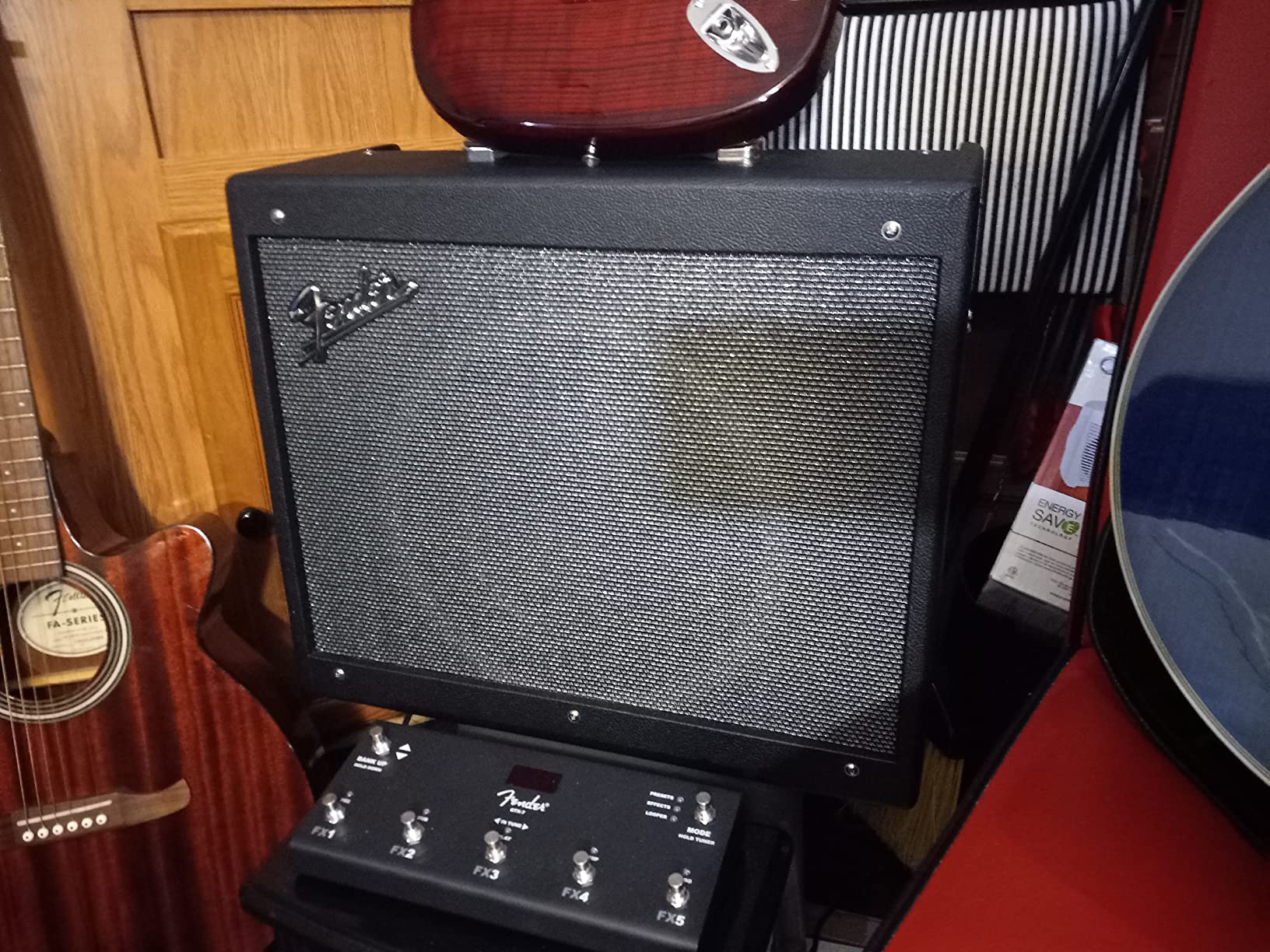
The Bluetooth audio streaming and Fender TONE app support add modern conveniences. You can stream backing tracks from your phone for play-along, and the TONE app provides deep editing of presets on iOS and Android. The included seven-button footswitch with tap tempo and a 60-second looper is a real bonus for live performance.
The GTX100 is not without quirks. Some users have reported WiFi-related audio dropouts that can be fixed by disabling wireless. The display can fail on rare units, though Fender’s warranty covers this. And the stock presets need tweaking for personal taste, which is a common modeling amp issue.
Best use cases for the GTX100
Players who want one amp that covers home practice, studio recording, and live performance will find the GTX100 well suited. It is also a strong choice for jazz musicians who double on other genres and need flexibility. The 100 watt power and Celestion speaker deliver stage-ready clean headroom.
Where the GTX100 falls short
The GTX100 is more expensive than most of the amps on this list and heavier at 28.5 pounds. Pure tube purists will still prefer the Blues Junior or Bugera V22. The TONE app not supporting PC is also a limitation for desktop recording workflows.
Buying Guide: How to Choose a Jazz Guitar Amp
Picking the right amp for jazz is not about chasing the most expensive tube combo. It is about matching the amp to your guitar, your room, and your gig context. The wrong amp will fight your archtop for the spotlight. The right amp will let the guitar speak.
For more on building a jazz practice setup, check out our guide to the best practice amps for guitar players, and if you play saxophone too, our roundup of the best saxophone mouthpieces for jazz is worth a look. We also have a beginner-friendly guide to what jazz music actually is if you are new to the genre.
Tube vs Solid-State vs Modeling for Jazz
Tube amps deliver the warm sag and compression that many jazz players love. A 15 watt Fender tube combo can sound magical on an archtop. Solid-state amps like the Roland JC-40 stay clean at any volume, which is critical when playing with loud drummers. Modeling amps like the Mustang GTX100 give you the flexibility of both worlds, though you give up some of the touch sensitivity of a real tube power section.
For purists, a tube amp is non-negotiable. For working players who gig in varied contexts, solid-state or modeling is often the more practical choice. The good news is that modern modeling has closed the gap significantly, and a quality modeling amp can satisfy most jazz players most of the time.
Clean Headroom and Wattage
Headroom is the amount of clean volume available before the amp starts to break up. Jazz needs clean headroom, especially when playing with a horn section or a loud drummer. A 15 watt tube combo sounds great at home but may run out of headroom on a gig. A 40 to 100 watt solid-state or modeling combo is a safer bet for gigging.
As a rule of thumb: 1 to 15 watts for home practice, 15 to 30 watts for small clubs with a quiet drummer, 30 to 50 watts for typical jazz gigs, and 50 watts or more for big band or large stage work. Solid-state and modeling amps deliver more usable clean headroom per watt than tube amps.
Spring Reverb and EQ
Spring reverb is part of the jazz sound. From the surfy drip of a 1960s Fender to the subtle warmth of a Princeton, spring reverb adds depth and dimension to clean jazz tones. If you play standards and ballads, having good spring reverb matters. The Blues Junior has a workable spring reverb, the Bugera V22 has one as well, and the Mustang LT25 models it convincingly.
EQ flexibility is also worth considering. Most jazz players do not need extreme EQ shaping, but having a usable midrange control helps you dial in your archtop’s voice. Three-band EQ with a midrange sweep is ideal. Two-band EQ (bass and treble only) limits your options.
Weight and Portability
Jazz players gig a lot, and amp weight matters. A 50 pound tube combo is a one-trip load, but it adds up over years of gigs. Solid-state and modeling amps tend to be lighter for the same wattage. If you regularly carry your amp on public transit or up stairs, weight is a primary consideration.
For the lightest options, the Marshall MS2 at 0.34 pounds is in a class of its own. The Orange Crush 20 at 16 pounds and the Mustang LT25 at 15 pounds are also notably portable. The tube combos weigh more: the Blues Junior at 23 pounds and the Bugera V22 at 42.8 pounds are on the heavier side.
Archtop and Pickup Pairing
Your guitar matters as much as your amp. Archtops with floating mini humbuckers, like a Gibson 175 or a Benedetto, have a different output level and tonal balance than a solid body tele with a bridge pickup. Pairing matters. A bright amp with a bright pickup can sound harsh; a warm amp with a warm pickup can sound muddy.
For a typical archtop, a neutral amp like the JC-40 or Blues Junior is a safe choice. For a solid body with mounted humbuckers, a slightly darker amp like the Bugera V22 can balance the tone. For teles with flatwounds, almost any of these amps will work well.
Jazz Amp Glossary
Headroom is the amount of clean volume an amp can deliver before breaking up. Class A and Class AB describe the power amp topology. Class A is simpler and often sweeter; Class AB is more efficient and louder. Spring reverb uses a physical spring to create the reverb effect; digital reverb simulates it. Modeling amps use digital processing to emulate other amps. Cabinet simulation, or cabsim, shapes the sound as if it were miked in a room.
An impulse response, or IR, is a recording of a specific speaker and cabinet combination, used by modelers and IR-based plugins. An attenuator reduces the volume of a tube amp while preserving the power section behavior. Footswitches control amp functions hands-free. A DI output sends the amp’s signal directly to a mixing console or recording interface.
Frequently Asked Questions
What is the best amplifier for playing jazz guitar?
The best amplifier for jazz guitar is one that delivers pristine clean tone with ample headroom, transparent midrange, and touch-sensitive dynamics. Most jazz players favor a tube or high-quality solid-state combo in the 15 to 100 watt range, with a 10 to 12 inch speaker that can translate the subtle overtones of a hollow body without coloring them. The Roland JC-40 and Fender Blues Junior are both excellent choices.
What is the best guitar tone for playing jazz?
Jazz tone is warm, clean, and dynamic. The amp should stay out of the way and let the guitar’s natural voice come through. A slight midrange scoop, a touch of spring reverb, and plenty of clean headroom are the hallmarks. Archtops benefit from transparent amps that do not editorialize on their woody resonance. Flatwound strings also contribute to the warm, rounded tone jazz players favor.
What is the best solid state amp for jazz guitar?
The Roland JC-40 is widely considered the best solid-state amp for jazz guitar. Its iconic clean tone, stereo chorus, and 40 watt clean headroom have made it a studio and stage staple for decades. The Fender Mustang GTX100 is also a strong choice for players who want modeling flexibility alongside solid-state reliability.
What is the best tube amp for jazz guitar?
The Fender Blues Junior is a top tube amp choice for jazz, delivering authentic EL84 tube warmth in a portable 15 watt combo. For players who want more power, the Bugera V22 INFINIUM offers 22 watts of tube tone at a lower price point. Both pair beautifully with archtops and teles with flatwound strings.
Are modeling amps good for jazz?
Yes, modern modeling amps like the BOSS Katana-50 Gen 3 and Fender Mustang GTX100 are genuinely good for jazz. They offer usable clean tones, flexible EQ, and the convenience of multiple amp characters in one box. While they do not perfectly replicate the touch sensitivity of a tube amp, the gap has closed significantly, and for working players who need versatility, a modeling amp is a smart choice.
Final Verdict
The best guitar amps for jazz in 2026 come in every shape, size, and budget. For most jazz players, the Roland JC-40 remains the gold standard: clean, reliable, and forgiving of any guitar you put in front of it. If you crave tube warmth, the Fender Blues Junior delivers authentic Fender character in a portable package. For versatility and value, the BOSS Katana-50 Gen 3 is hard to beat.
On a tight budget, the Fender Mustang LT25 punches well above its weight, and the Marshall MS2 is a fun travel companion. Whatever you choose, the most important thing is that the amp gets out of the way and lets your guitar’s voice carry the music. For more jazz gear recommendations, browse our jazz lover gift guide or our roundup of the best drum sets for jazz if you are building a combo.