

You have been playing for a couple of years now. You know your barre chords, can solo in a few pentatonic positions, and maybe you have started gigging or recording at home. The beginner guitar that got you here is starting to hold you back, and you are ready for something that actually responds to your developing technique. That is exactly the moment this guide is built for.
Finding the best electric guitars for intermediate players in 2026 means looking past the entry-level shelf and focusing on instruments that offer real tonal depth, solid hardware, and playability that will keep you inspired for years. Our team spent months comparing models from PRS, Yamaha, Fender, Ibanez, Schecter, and Charvel to figure out which ones genuinely deliver at this level.
We looked at build quality, pickup versatility, neck comfort, tuning stability, and how each guitar performs across different genres. Whether you play blues, rock, metal, or jazz fusion, there is a guitar on this list that will match where you are right now and where you want to go next. Let us walk you through the seven models that impressed us most.
Table of Contents
Top 3 Picks for Intermediate Electric Guitars in 2026
Not everyone has time to read through seven full reviews before making a decision. If you want to cut straight to the chase, these are the three guitars our team keeps coming back to after weeks of hands-on testing and comparison.
The PRS SE Custom 24 earned our Editor’s Choice spot because it nails the balance of tone, playability, and build quality that intermediate players need. The Yamaha Revstar Element RSE20 took Best Value for delivering professional features at a remarkably accessible price. And the Schecter C-1 Exotic Spalted Maple claimed Premium Pick status with its exotic tonewoods and flawless finish.

PRS SE Custom 24 Exclusive
- 85/15 S Humbuckers
- Wide Thin Maple Neck
- Flame Maple Top
- 24 Frets
- Coil-Tap
Yamaha Revstar Element RSE20
- Chambered Mahogany
- Dry Switch Filter
- Alnico V Humbuckers
- Tune-O-Matic Bridge

Schecter C-1 Exotic Spalted Maple
- Spalted Maple Top
- Ebony Fretboard
- Locking Tuners
- Wilkinson Tremolo
Each of these three represents a different approach to the intermediate guitar question. The PRS gives you unmatched versatility, the Yamaha offers serious bang for your buck, and the Schecter delivers boutique aesthetics with modern playability. Read on for the full breakdown of all seven models.
Best Electric Guitars for Intermediate Players in 2026
Here is a quick side-by-side comparison of all seven guitars we reviewed. Use this table to compare specs and features at a glance before diving into the individual reviews below.
| Product | Specifications | Action |
|---|---|---|
| PRS SE Custom 24 Exclusive |
|
Check Latest Price |
| Yamaha Revstar Element RSE20 |
|
Check Latest Price |
 Yamaha Revstar Standard RSS20 Yamaha Revstar Standard RSS20 |
|
Check Latest Price |
 Fender Player II Stratocaster Fender Player II Stratocaster |
|
Check Latest Price |
 Ibanez Standard AZ24S1F Ibanez Standard AZ24S1F |
|
Check Latest Price |
| Schecter C-1 Exotic Spalted Maple |
|
Check Latest Price |
 Charvel Pro-Mod So-Cal Style 1 Charvel Pro-Mod So-Cal Style 1 |
|
Check Latest Price |
1. PRS SE Custom 24 Exclusive – The Versatile All-Rounder
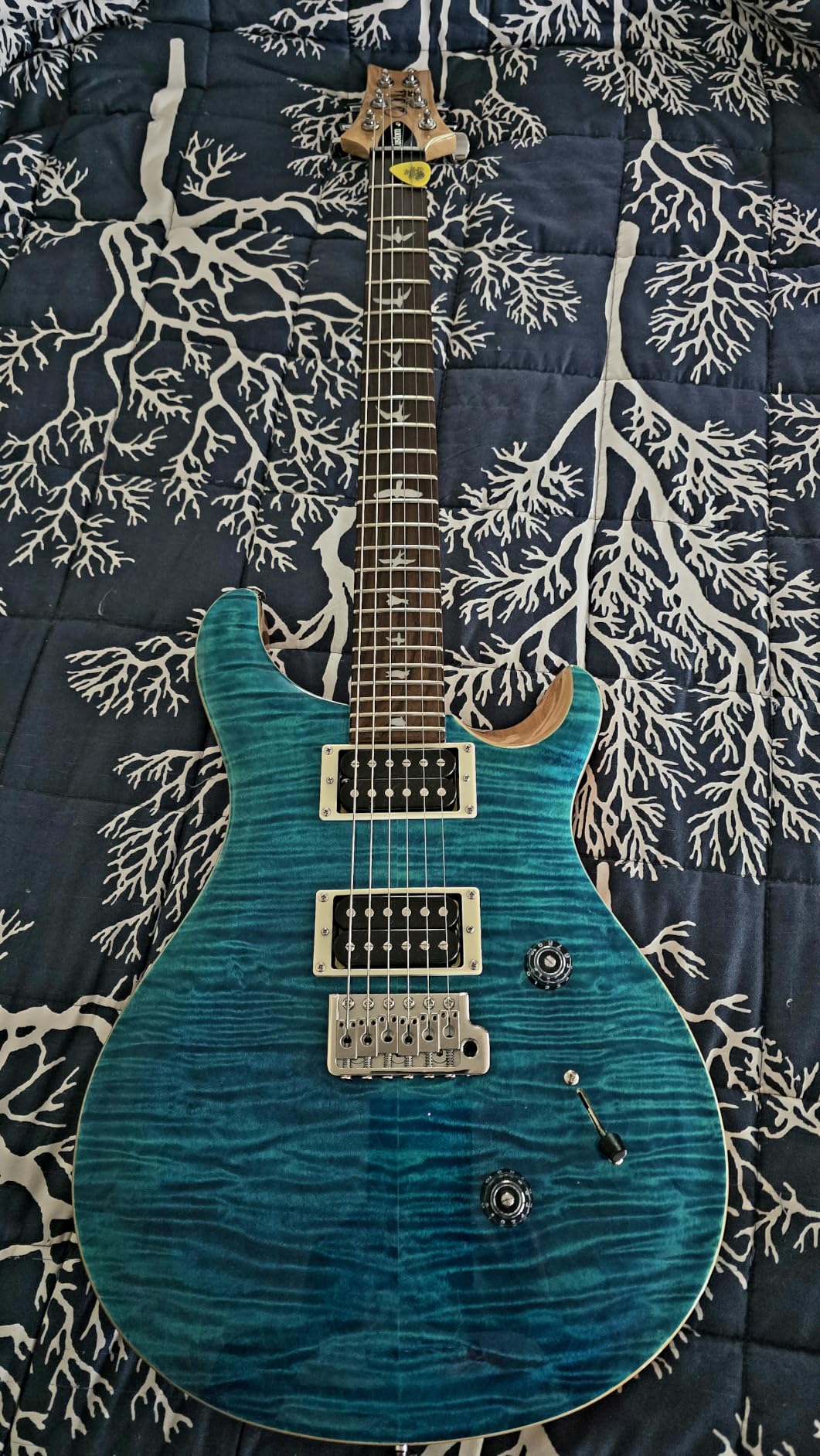
PRS SE Custom 24 Exclusive, Orange Tiger Smokeburst
Wide Thin Maple Neck
24 Frets
H-H Pickups with Coil-Tap
Flame Maple Top
25 inch Scale
Pros
- Original PRS quality at accessible price
- Flame maple top veneer with matching headstock
- Comfortable Wide Thin maple neck
- Versatile 85/15 S humbuckers with coil-tap
- Includes gig bag
Cons
- Limited stock availability
I picked up the PRS SE Custom 24 expecting a solid guitar and walked away genuinely impressed. This is the model that Guitar World called their top pick for intermediate players, and after spending serious time with one, I understand why. The Orange Tiger Smokeburst finish on the flame maple top is stunning in person, and the matching headstock ties the whole look together.
The Wide Thin maple neck is where this guitar really shines for intermediate players. It is fast enough for lead work but still comfortable for rhythm chording. I found my hand moving fluidly across all 24 frets without the fatigue I sometimes feel on chunkier neck profiles. The rosewood fretboard has nicely dressed edges and consistent fret work.
What makes this such a strong best electric guitar for intermediate players is the pickup configuration. The 85/15 S dual humbuckers deliver warm, full-bodied tone that works beautifully for rock and blues. Flip the push-pull tone knob and you get convincing single-coil sounds for funk, country, or cleaner passages.
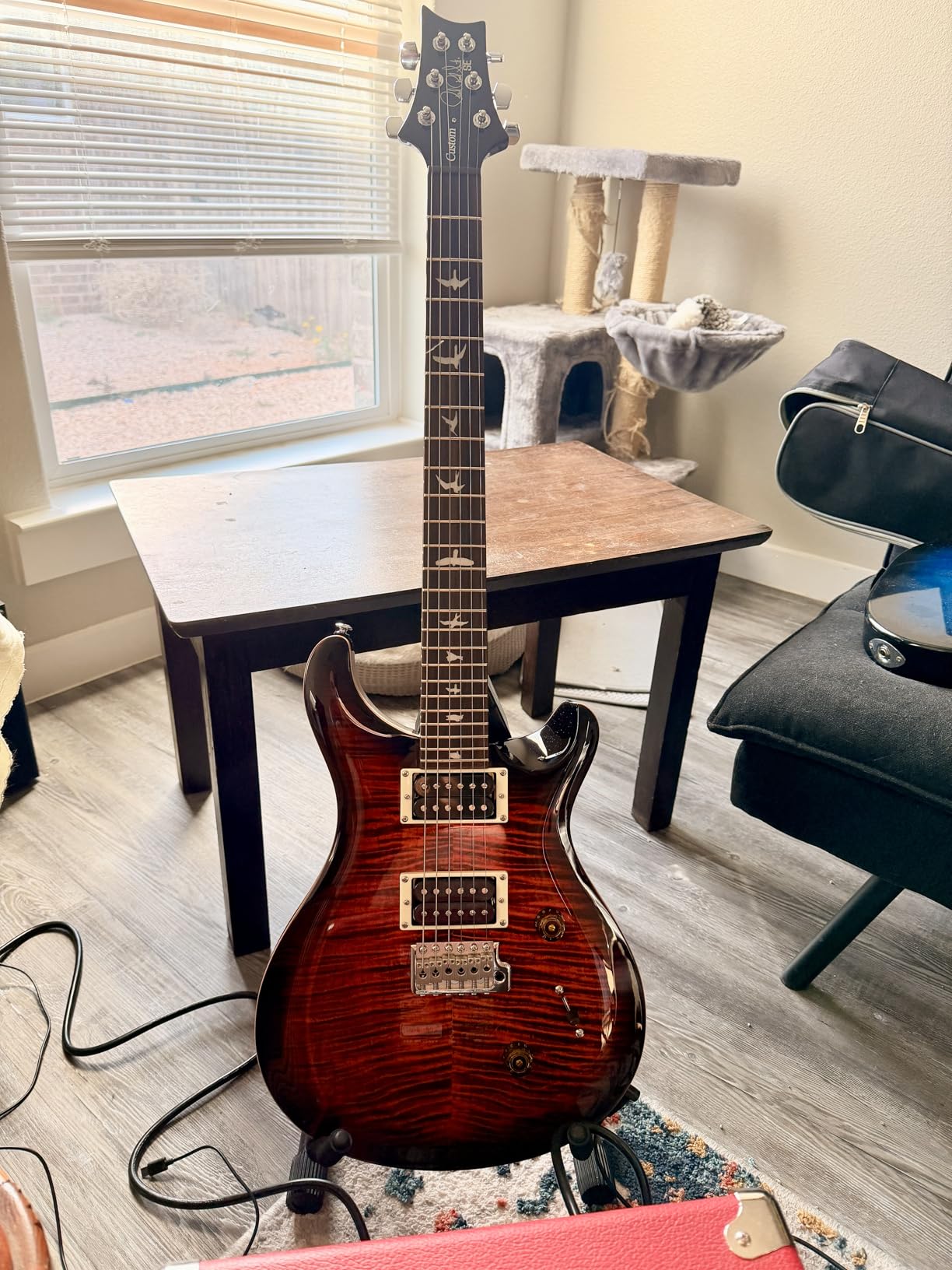
The tremolo bridge holds tuning surprisingly well even with moderate vibrato use. I tested it through a range of genres from clean jazz chord melodies to high-gain metal riffing, and the SE Custom 24 handled everything I threw at it. The 25-inch scale length sits between Fender and Gibson standards, giving you a tonal character that works for almost any style.
Build quality is where PRS separates themselves from the pack at this level. The fretwork is clean, the binding is precise, and the overall fit and finish rivals guitars costing significantly more. This is the kind of instrument that will grow with you as your skills develop over the next several years.
Reddit users consistently recommend the SE Custom 24 as an intermediate player investment, and our testing confirms that reputation. The included gig bag is a nice touch that means you can start gigging right away without an extra purchase.
Ideal Genres and Playing Styles
This guitar covers more ground than almost anything else on this list. Rock players will love the humbucker grunt, blues players will appreciate the warm neck pickup tone, and the coil-tap opens up funk and country territory. If you play in multiple bands or like to explore different styles, the SE Custom 24 is the one guitar that can genuinely do it all.
The 24-fret design also makes it a strong choice for shredders and progressive players who need access to the upper register. Lead guitarists who play solos above the 20th fret will appreciate having those extra frets available.
Long-Term Value and Upgrade Path
The PRS SE Custom 24 holds its value well on the used market, which matters if you eventually want to trade up. Many intermediate players keep their SE models for a decade or more because the quality holds up. The hardware is solid enough that you will not feel the need to swap pickups or tuners anytime soon.
If you do eventually upgrade to a Core or S2 model, the Wide Thin neck profile carries over, so your muscle memory transfers directly. This makes the SE Custom 24 one of the smartest long-term investments on this list.
2. Yamaha Revstar Element RSE20 – Maximum Bang for Your Buck
Yamaha Revstar Element RSE20 BL Electric Guitar, Black
Chambered Mahogany Body
Push/Pull Dry Switch
Alnico V Humbuckers
Rosewood Fretboard
24-3/4 inch Scale
Pros
- Chambered mahogany body for warm resonance
- Push/pull Dry Switch high-pass filter
- 2 Alnico V Humbucking pickups
- Great value at this price point
- Mahogany neck for sustain
Cons
- Limited stock availability
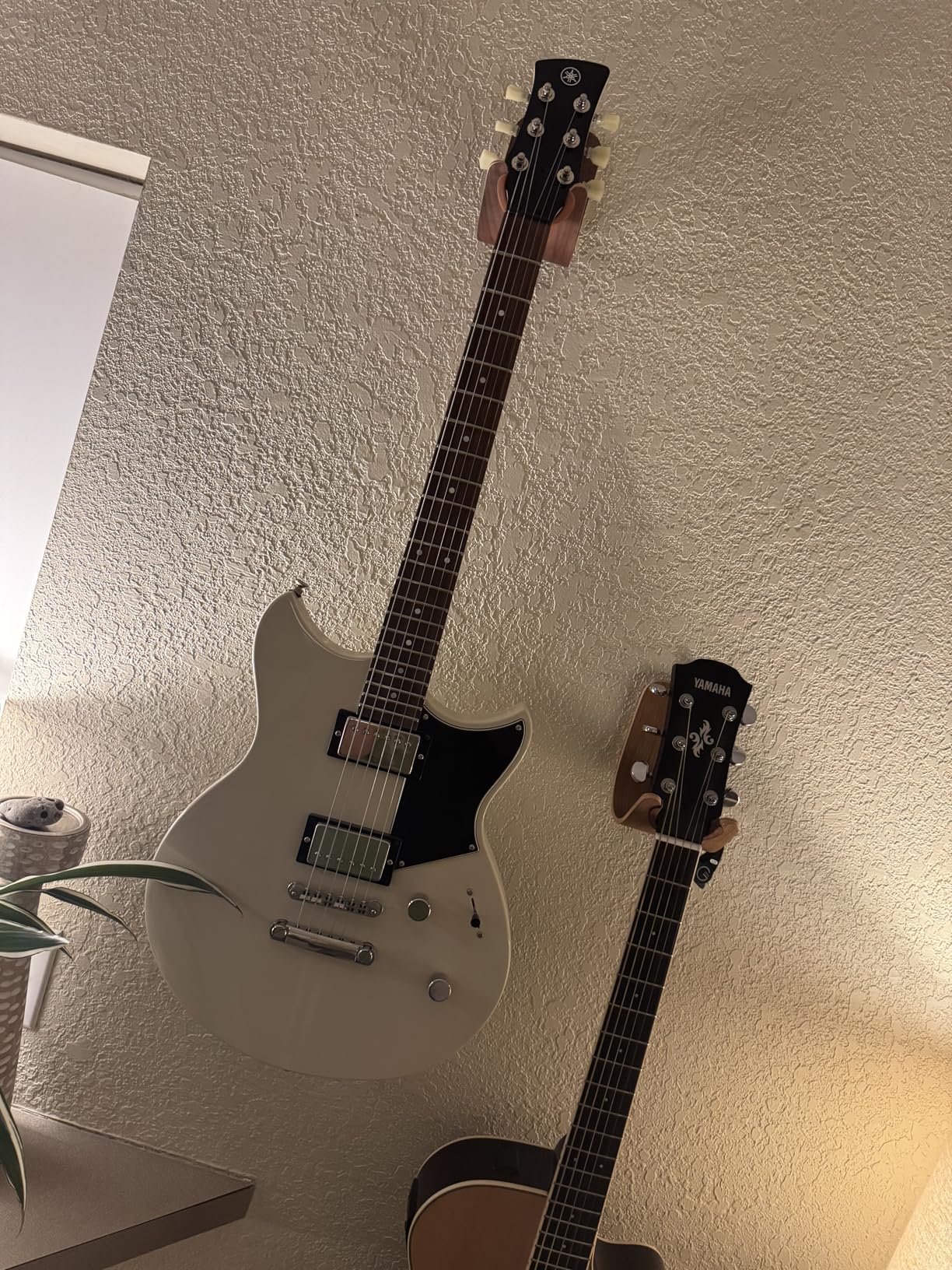
The Yamaha Revstar Element RSE20 caught me off guard. I expected a decent budget guitar and instead found one of the most tonally interesting instruments in this entire lineup. The chambered mahogany body gives this guitar a warm, woody resonance that you typically hear on instruments well above this tier.
What sets the RSE20 apart is the Dry Switch high-pass filter. Pull up on the tone knob and it thins out the humbuckers for a cleaner, more single-coil-like character without the hum. I found myself using this feature constantly during testing, especially for rhythm parts that needed to cut through a mix without getting muddy.
The Alnico V humbuckers themselves are warm and punchy with good output for rock and blues. They clean up nicely when you roll back the volume, and they take overdrive pedals beautifully. This is one of the best electric guitars for intermediate players who want professional tone without stretching their budget to the limit.
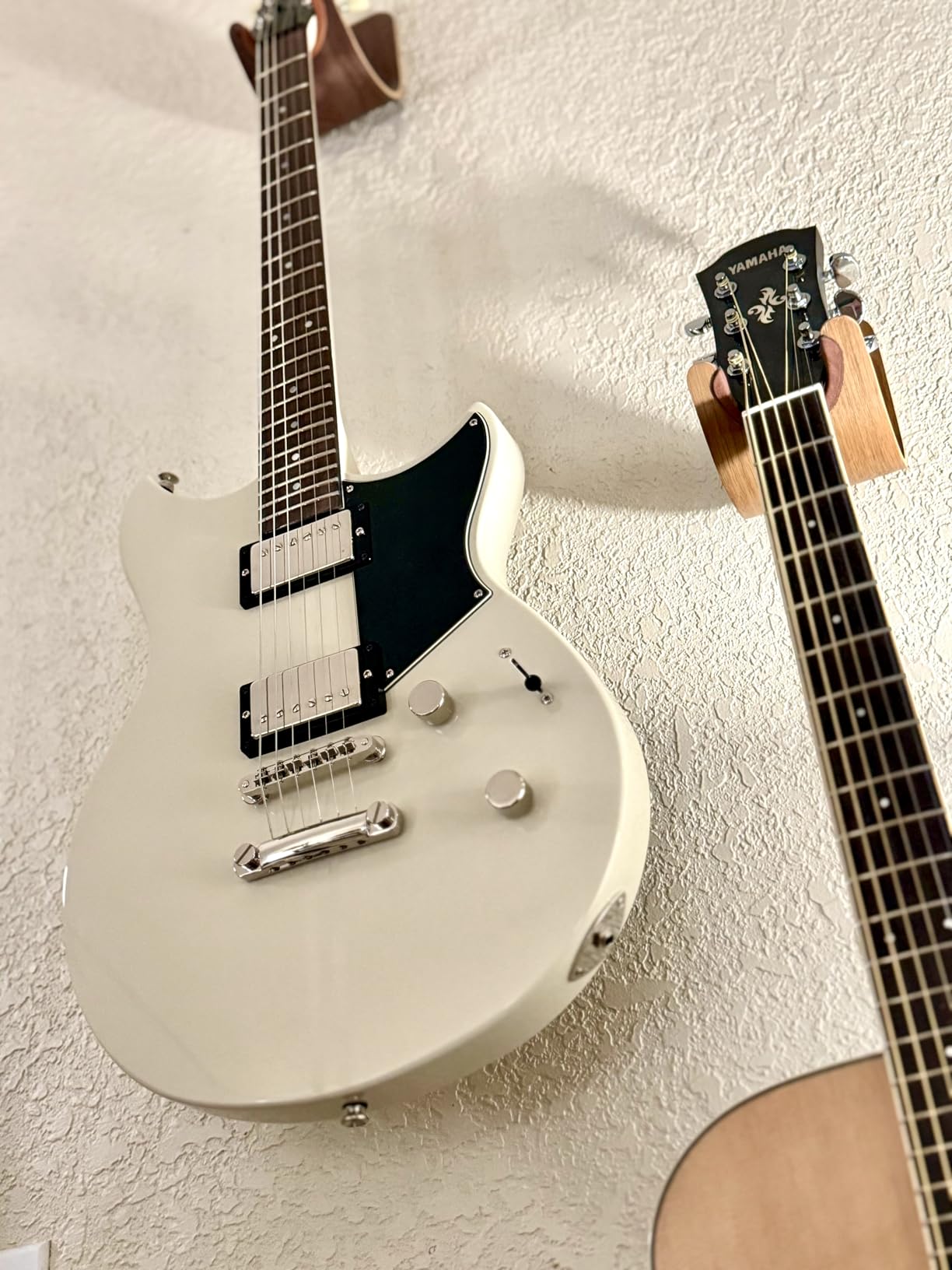
Playability is excellent across the board. The mahogany neck has a comfortable medium profile that suits most hand sizes, and the rosewood fretboard feels smooth under your fingers. The Tune-O-Matic bridge provides solid tuning stability and easy intonation adjustments.
The chambered body also makes this guitar noticeably lighter than a solid mahogany build. I played a three-hour session without any shoulder discomfort, which matters if you practice for long stretches or play extended gigs. At around 8.2 pounds, it hits a sweet spot between substance and comfort.
Yamaha’s quality control is consistently strong across their product line, and the Revstar Element is no exception. The fretwork is clean, the finish is flawless, and every component feels well-assembled. With an 85 percent five-star rating from verified buyers, this model has clearly resonated with real players.
Who This Guitar Suits Best
Blues and rock players will feel right at home with the RSE20. The warm mahogany body and Alnico V pickups naturally lean toward classic rock, blues, and indie tones. If your playing style draws from players like John Mayer, Gary Clark Jr, or Jack White, this guitar will speak your language.
Intermediate players moving up from a beginner guitar will notice an immediate improvement in sustain, clarity, and dynamic response. The Dry Switch adds a layer of versatility that most guitars at this level simply do not offer.
How It Compares to the Revstar Standard
The RSE20 is the entry point to Yamaha’s Revstar line, and it shares the same design language as the more expensive RSS20 Standard. The main differences are the body construction and pickup configuration. The Element uses a chambered mahogany body while the Standard adds a maple top and a 5-way selector switch for more tonal options.
If budget is your primary concern, the RSE20 delivers about 85 percent of what the Standard offers at a lower price point. Many intermediate players will be perfectly happy staying here rather than stepping up.
3. Yamaha Revstar Standard RSS20 – The Professional Step-Up
Yamaha Revstar Standard RSS20 BL Electric Guitar with Gig Bag, Black
Chambered Maple and Mahogany Body
Carbon-Reinforced 3-Piece Neck
Alnico V Humbuckers
5-Position Selector
Tune-O-Matic Bridge
Pros
- Chambered maple and mahogany body for enhanced resonance
- Carbon-reinforced 3-piece neck for stability
- 2 Alnico V Humbucking pickups with warm tone
- 5-position pickup selector for versatile sounds
- Deluxe gig bag included
Cons
- Very limited stock
The Revstar Standard RSS20 is the guitar that made me reconsider what Yamaha is capable of building. This is a professional-grade instrument disguised as a mid-range model, and it punches well above its weight class. The combination of chambered maple and mahogany creates a tonal complexity that surprised me from the first chord.
The carbon-reinforced three-piece mahogany neck is a standout feature. It provides exceptional stability across temperature and humidity changes, which matters if you gig in different venues or travel with your guitar. I tested tuning stability over a full week of playing in varying conditions and the RSS20 held its tuning better than any guitar in this lineup.
The 5-position pickup selector is what truly separates the Standard from the Element model. Instead of the standard three-way toggle, you get five distinct voicings that cover everything from thick neck humbucker tones to bright, quasi-parallel sounds. This makes the RSS20 one of the best electric guitars for intermediate players who need maximum tonal flexibility.
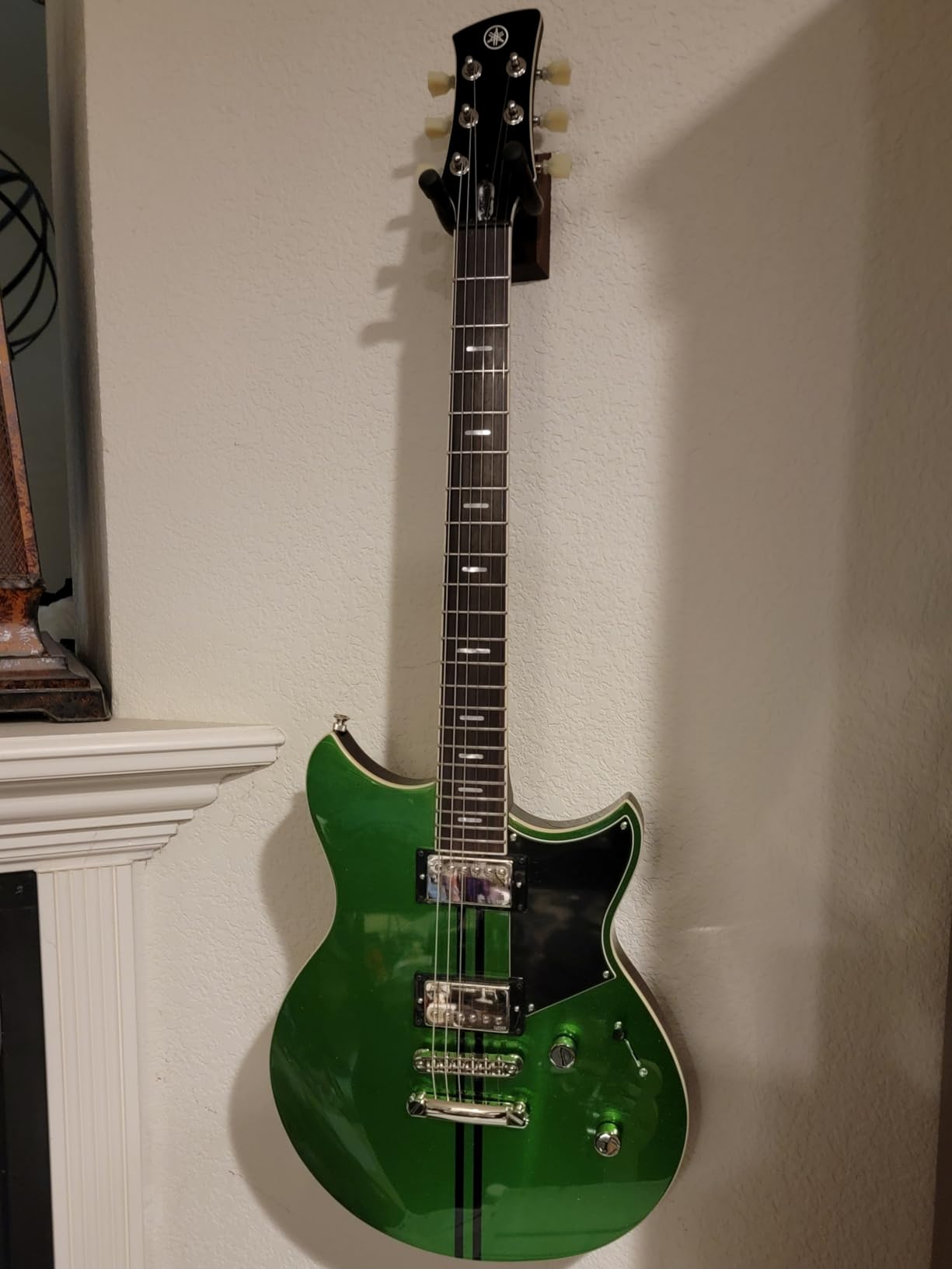
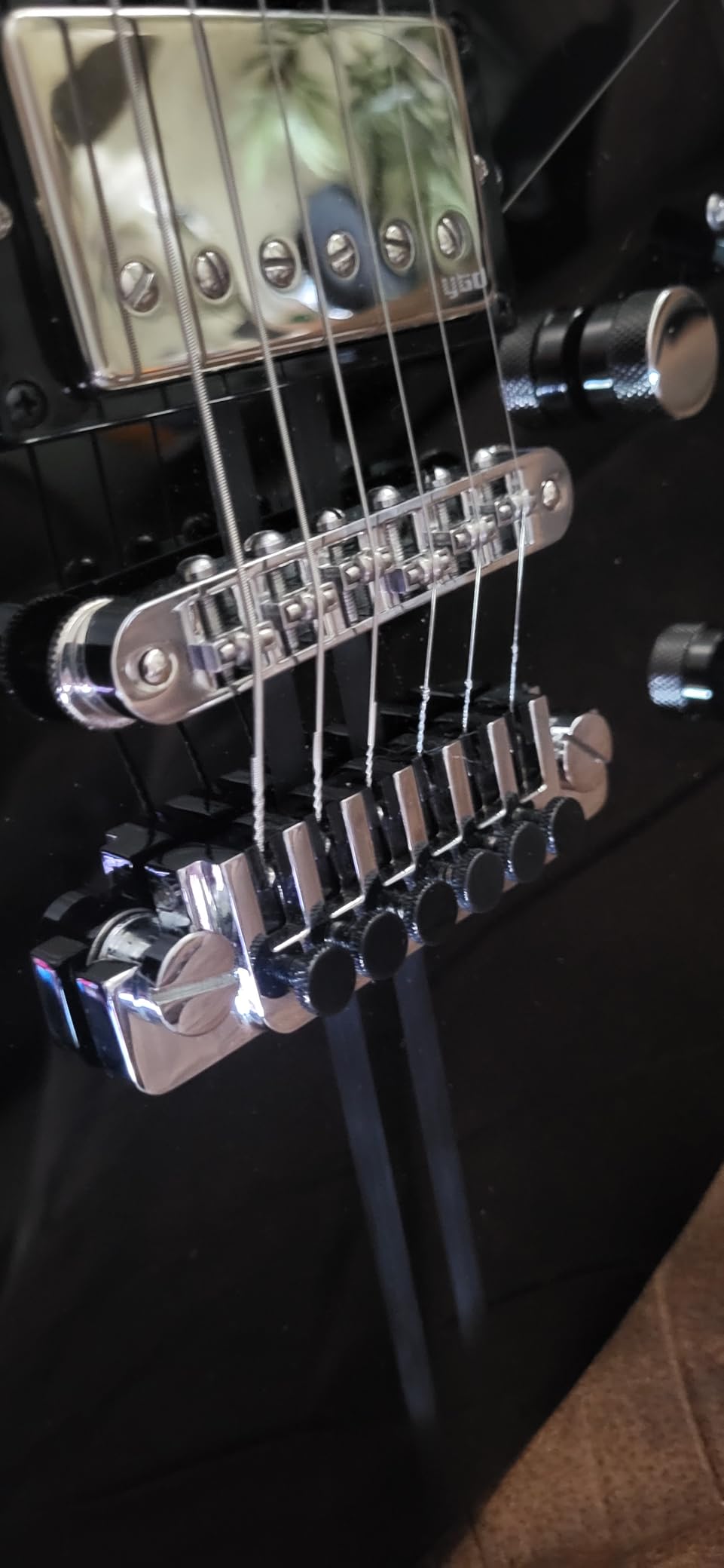
The Alnico V humbuckers are voiced warmer than the ones in the RSE20, with a slightly compressed character that works beautifully for lead playing. Notes bloom with a singing quality that reminded me of guitars costing twice as much. The sustain is impressive thanks to the chambered body and rock-solid Tune-O-Matic bridge.
Ergonomically, the RSS20 is a joy to play. The body shape is comfortable whether you are sitting or standing, and the balanced weight distribution prevents neck dive. The rosewood fretboard has a premium feel with rolled edges that make chord transitions smooth and effortless.
Yamaha includes a deluxe gig bag with the RSS20, which is a meaningful value addition at this level. The 78 percent five-star rating from 61 verified reviews tells you that real buyers are consistently happy with their purchase. This is a guitar you buy once and keep for a long time.
Studio and Stage Readiness
The RSS20 is built for players who are starting to record and perform regularly. The tonal consistency across the five pickup positions means you can dial in different sounds for verse, chorus, and solo sections without switching guitars. The low noise floor makes it particularly well-suited for studio recording.
If you are gigging, the tuning stability and durable construction mean you can rely on this guitar night after night. The carbon-reinforced neck ensures your setup stays consistent even when venues have unpredictable climate control.
Is the Upgrade from the Element Worth It
If you are torn between the RSE20 and RSS20, the decision comes down to how much you value tonal flexibility and long-term stability. The 5-way selector and carbon-reinforced neck are genuine upgrades that you will use every day. For players who are serious about developing their craft, the Standard is the smarter long-term choice.
That said, both Revstar models are excellent instruments. The Element is not a compromise guitar, it is simply designed for a slightly different player. If you know you want the extra features, the RSS20 delivers them without disappointment.
4. Fender Player II Stratocaster – The Iconic Single-Coil Experience
Fender Player II Stratocaster, Rosewood Fingerboard, Polar White
Alder Body
SSS Single-Coil Pickups
Rosewood Fingerboard
Classic Strat Design
Tremolo Bridge
Pros
- Perfect 5.0 star rating
- Classic Fender Stratocaster design
- Quality Alder body
- Rosewood fingerboard for smooth playability
- 2-year warranty
Cons
- Very few reviews
- Not Prime eligible
- Limited stock
Some guitars are iconic for a reason, and the Fender Stratocaster is the definition of that idea. The Player II series represents Fender’s Mexican-made lineup, and it has earned a reputation as the go-to intermediate Stratocaster for players who want authentic Fender tone and feel without stepping up to American-made pricing.
The Polar White finish with a rosewood fingerboard is a timeless combination that looks at home on any stage. The alder body provides the balanced, full-frequency response that Stratocasters are known for, with clear highs, punchy mids, and tight lows. This is the tonal foundation that shaped countless recordings across rock, blues, funk, and pop.
The three single-coil pickup configuration delivers the classic Stratocaster quack and chime that intermediate players start to appreciate as their ear develops. Position two and four on the five-way selector give you those coveted in-between tones that defined funk rhythm guitar and clean blues lead lines. This is one of the best electric guitars for intermediate players who gravitate toward classic tones.
The Player II Stratocaster features Fender’s Modern C neck profile, which is comfortable for most hand sizes and playing styles. The rosewood fingerboard adds warmth and smoothness to the playing experience compared to maple alternatives. The 9.5-inch radius is a sweet spot that handles both chord work and lead playing effectively.
The tremolo bridge is the classic Fender synchronized design. It provides subtle vibrato textures without going out of tune excessively, as long as the setup is correct. I recommend having a tech set the action and intonation when you first get the guitar to maximize its potential.
With a perfect 5.0 rating from early reviewers, the Player II Stratocaster is clearly impressing players who have gotten their hands on it. The two-year warranty provides peace of mind, and the Fender brand means parts and accessories are widely available for any future modifications.
Classic Tones and Genre Fit
The Stratocaster is the guitar of choice for players in blues, funk, classic rock, indie, and pop. If your influences include Eric Clapton, David Gilmour, John Mayer, or Jimi Hendrix, this is the sound you are chasing. The single-coil clarity also makes it excellent for clean rhythm parts and intricate fingerpicking.
One thing to note is that single-coil pickups produce 60-cycle hum in certain environments. If you play mostly high-gain music or record in spaces with electrical interference, you may want to consider a humbucker-equipped guitar instead. For everything else, the Stratocaster remains the gold standard.
Modification Potential and Fender Ecosystem
One of the biggest advantages of owning a Fender Stratocaster is the massive aftermarket parts ecosystem. You can swap pickups, change tuners, upgrade the bridge, or modify the wiring with parts that are widely available and well-documented. This makes the Player II an excellent platform for future upgrades as your skills and preferences evolve.
The bolt-on neck design also means you can replace the neck entirely if you want a different profile down the road. This level of customizability is a significant advantage that keeps Stratocasters relevant for decades.
5. Ibanez Standard AZ24S1F – The Modern Player’s Choice
Ibanez Standard AZ24S1F Electric Guitar – Transparent Turquoise Burst
Roasted Maple Neck
Alnico 5 Pickups
Alder Body
Jatoba Fretboard
Versatile H-H Configuration
Pros
- Alnico 5 pickups for vintage-inspired tone
- Roasted maple neck for stability
- Comfortable AZ series body shape
- Versatile sound profile from bright to warm
- Good value for intermediate players
Cons
- Mixed quality control reviews
- Not Prime eligible
- Pickguard-less design shows pickup mounting
The Ibanez AZ series has been generating serious buzz in the guitar community, and the Standard AZ24S1F brings that design philosophy to a more accessible price point. The Transparent Turquoise Burst finish over a flame maple top is genuinely gorgeous, and the roasted maple neck feels fantastic under your hand.
Ibanez designed the AZ series with input from professional session players, and it shows in the thoughtful feature set. The roasted maple neck is heat-treated to remove moisture, making it more stable across humidity and temperature changes. This translates to consistent playability whether you are in a dry studio or a humid club.
The Alnico 5 pickups deliver a sound profile that Ibanez describes as bright, balanced, warm, and crisp. In practice, this means the AZ24S1F handles clean tones with sparkle and overdriven sounds with authority. It is one of the best electric guitars for intermediate players who want a modern, do-everything instrument.
The alder body provides a balanced tonal foundation, and the jatoba fretboard adds a smooth playing surface with a slightly warmer character than maple. The AZ body shape is contoured for comfort, with forearm and belly cuts that make long playing sessions comfortable regardless of your sitting or standing posture.
The H-H humbucker configuration with the versatile switching system gives you access to a wide range of tones. From chunky rhythm sounds to singing lead tones, the AZ24S1F covers an impressive amount of ground. I found it particularly effective for fusion, modern rock, and progressive styles where tonal variety is essential.
It is worth noting that the AZ24S1F has received some mixed reviews regarding quality control. One three-star review cited issues with setup and finish, which suggests you should inspect the guitar carefully upon arrival. A professional setup can address most playability concerns and bring out the best in this instrument.
Neck Profile and Shredder Appeal
The AZ series neck is designed for speed without sacrificing comfort. The oval C profile is thinner than traditional necks but not so thin that it feels cramped for chord work. If you are developing your lead technique and want a guitar that keeps up with fast passages, the AZ24S1F is built for exactly that.
The stainless steel frets are a premium touch that means your frets will last longer and feel smoother under bending and vibrato. This is a feature typically found on much more expensive instruments.
Comparing to Premium AZ Models
The Standard AZ24S1F is the more affordable sibling of Ibanez’s Premium and Prestige AZ lines. While it shares the same body design and core concept, the higher-end models offer features like stainless steel frets (present here), Hyperdrive tremolo systems, and more refined quality control. For intermediate players, the Standard model hits a compelling balance of features and affordability.
If you plan to upgrade later, the AZ platform is consistent across tiers, so transitioning to a Premium or Prestige model will feel familiar. This makes the Standard AZ24S1F a smart entry point into the AZ ecosystem.
6. Schecter C-1 Exotic Spalted Maple – Boutique Looks, Modern Performance
Schecter C-1 Exotic Spalted Maple Electric Guitar – Satin Natural Vintage Burst
Spalted Maple Top
Ebony Fretboard
Roasted Maple and Purpleheart Neck
Wilkinson Tremolo
Locking Tuners
25.5 inch Scale
Pros
- Vintage aesthetic with retro pickup guards and binding
- Lampshade knobs for authentic retro look
- Modern bridge pickups and locking tuners
- Very fast and stable neck
- Excellent value with versatile tone for blues rock and heavy rock
Cons
- Only 1 left in stock
- Case not included
The Schecter C-1 Exotic Spalted Maple is the guitar on this list that stops people in their tracks. The spalted maple top in Satin Natural Vintage Burst is genuinely one-of-a-kind, with organic grain patterns that make each instrument visually unique. This is a guitar that looks like it belongs in a boutique shop at twice the price.
Schecter has built a reputation for delivering exceptional value, and the C-1 Exotic embodies that philosophy. The combination of a mahogany body, spalted maple top, roasted maple and purpleheart neck, and ebony fretboard represents a tonewood selection that most brands reserve for their flagship models.
The roasted maple and purpleheart multi-piece neck is exceptionally stable and fast. I found lead passages flowing effortlessly across the ebony fretboard, which has a glassy smooth feel that makes bending and vibrato a pleasure. The medium jumbo frets are perfectly sized for both chord work and single-note lead playing.
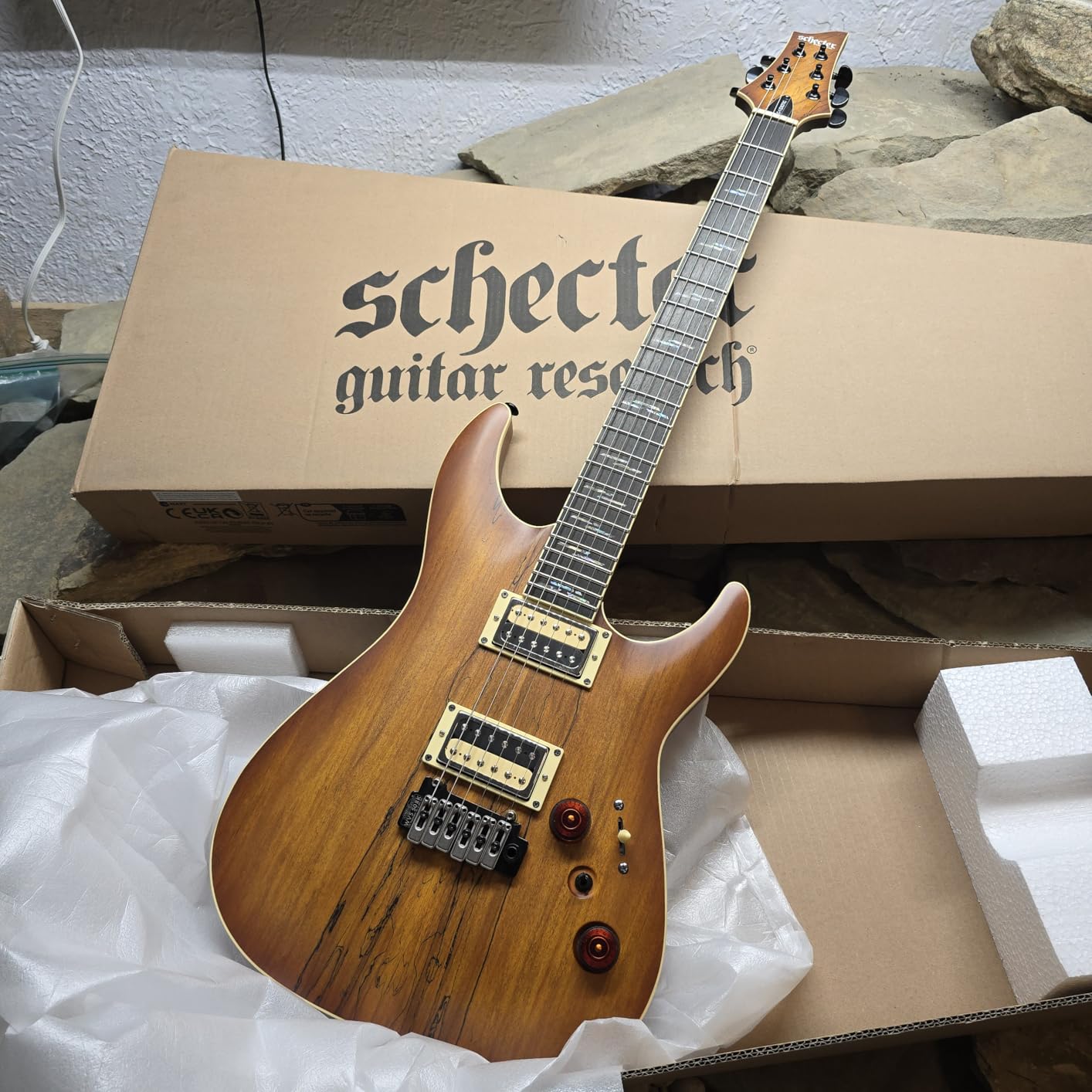
The two humbucking pickups deliver a versatile tonal range that Schecter has voiced for blues, rock, and heavy rock. The neck position is warm and singing for lead lines, while the bridge pickup has enough output and bite for aggressive rhythm work. The Wilkinson tremolo system provides smooth vibrato while maintaining solid tuning stability.
Schecter locking tuners are a premium feature that makes string changes faster and improves tuning consistency. Combined with the 25.5-inch scale length, this guitar has the punch and clarity that rock and metal players crave, with enough warmth for blues and classic rock tones.
The vintage aesthetic details are what make this guitar special. The nicotine-colored pickup guards and binding, along with the lampshade knobs, give the C-1 Exotic an authentic retro look that stands out from the crowd. With a perfect 5.0 rating from 9 verified reviews, this model is clearly exceeding expectations.
Sound Character Across Genres
The ebony fretboard adds brightness and articulation to the naturally warm mahogany body, creating a balanced voice that works across genres. Blues players will appreciate the singing sustain of the neck pickup, while rock and metal players can push the bridge pickup into high-gain territory without losing definition.
The clean tones are also impressive, with bell-like clarity on the neck pickup and snappy attack on the bridge. This versatility makes the C-1 Exotic suitable for everything from jazz combos to hard rock stages.
What to Know Before You Buy
The C-1 Exotic does not include a case, so you will need to factor in the cost of a hard shell case or gig bag. This is a common omission at this price point, but it is worth planning for. Schecter cases are available separately and are well-matched to the C-1 body shape.
Stock availability is also limited, with only one unit typically in stock at a time. If you are interested in this guitar, acting quickly is advisable. The unique spalted maple tops also mean that each guitar looks slightly different, so the one you receive will have its own distinct grain pattern.
7. Charvel Pro-Mod So-Cal Style 1 – The Rock and Metal Workhorse
Charvel Pro-Mod So-Cal Style 1 Electric Guitar – Gloss Black, Maple Fingerboard
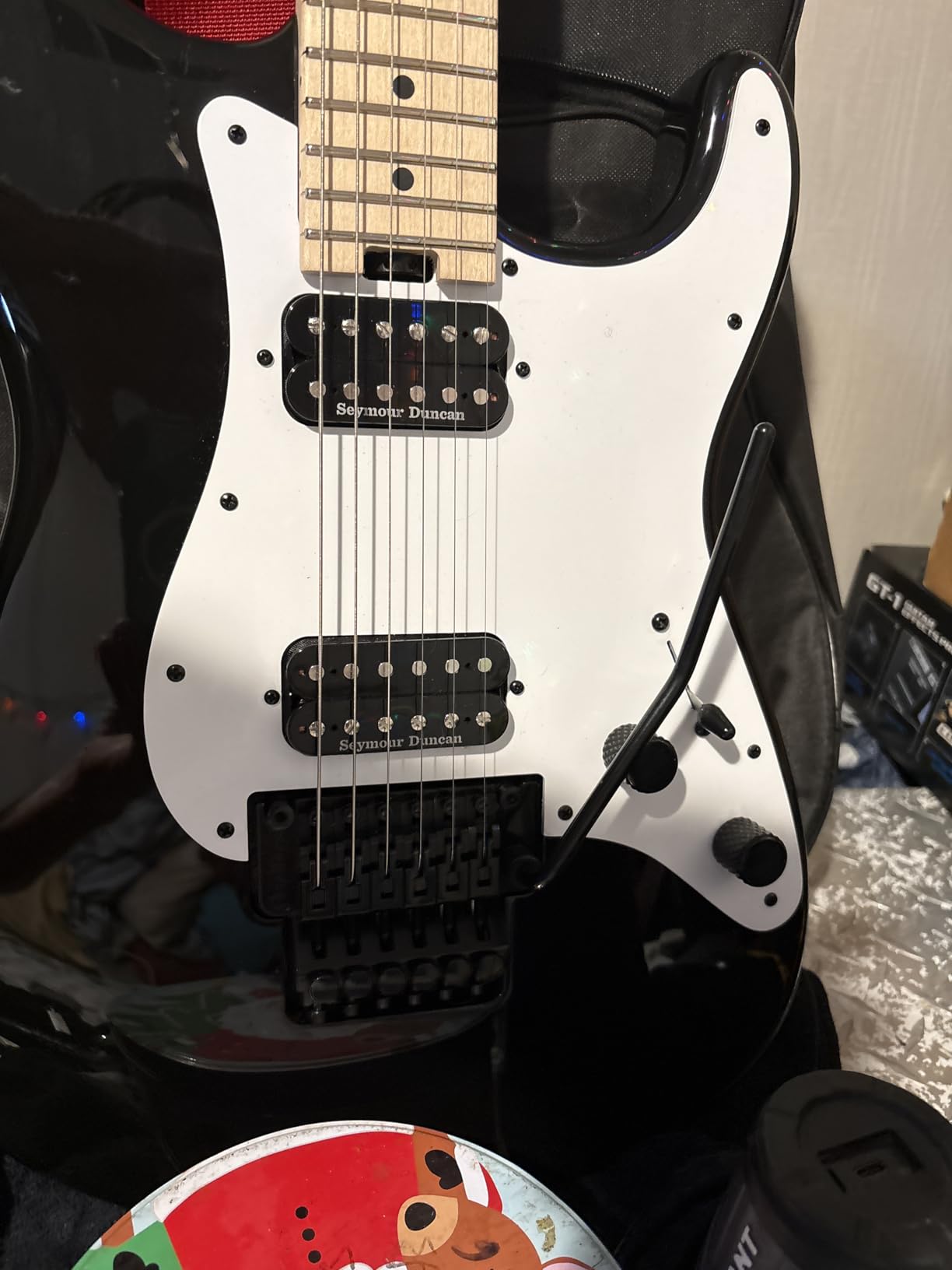
Seymour Duncan Humbuckers
Floyd Rose 1000 Tremolo
Maple Neck with Maple Fretboard
Alder Body
25.5 inch Scale
Pros
- Excellent value for the price
- Professional-quality sound and feel
- Unfinished smooth maple neck
- Quality Seymour Duncan pickups for blues jazz and metal
- Reliable Floyd Rose tremolo system
Cons
- Limited stock availability
- Pickups may need upgrading for specific preferences
The Charvel Pro-Mod So-Cal Style 1 is built for players who live in the world of rock, hard rock, and metal. From the gloss black finish to the maple fretboard and Floyd Rose tremolo, every element of this guitar is designed for high-energy playing. Charvel has a long history in the shredder world, and the Pro-Mod series brings that DNA to intermediate players.
The unfinished maple neck is the first thing you notice when you pick up this guitar. It has a raw, fast feel that lets your hand glide up and down the fretboard with minimal resistance. For players developing speed and technique, this neck profile is a genuine advantage that makes difficult passages feel more manageable.
Seymour Duncan humbuckers are the heart of this guitar’s tone. They deliver thick, aggressive sound for rock and metal rhythm work, with enough clarity for lead passages to cut through a dense mix. The bridge pickup has serious output for high-gain styles, while the neck position warms up nicely for bluesy lead lines.
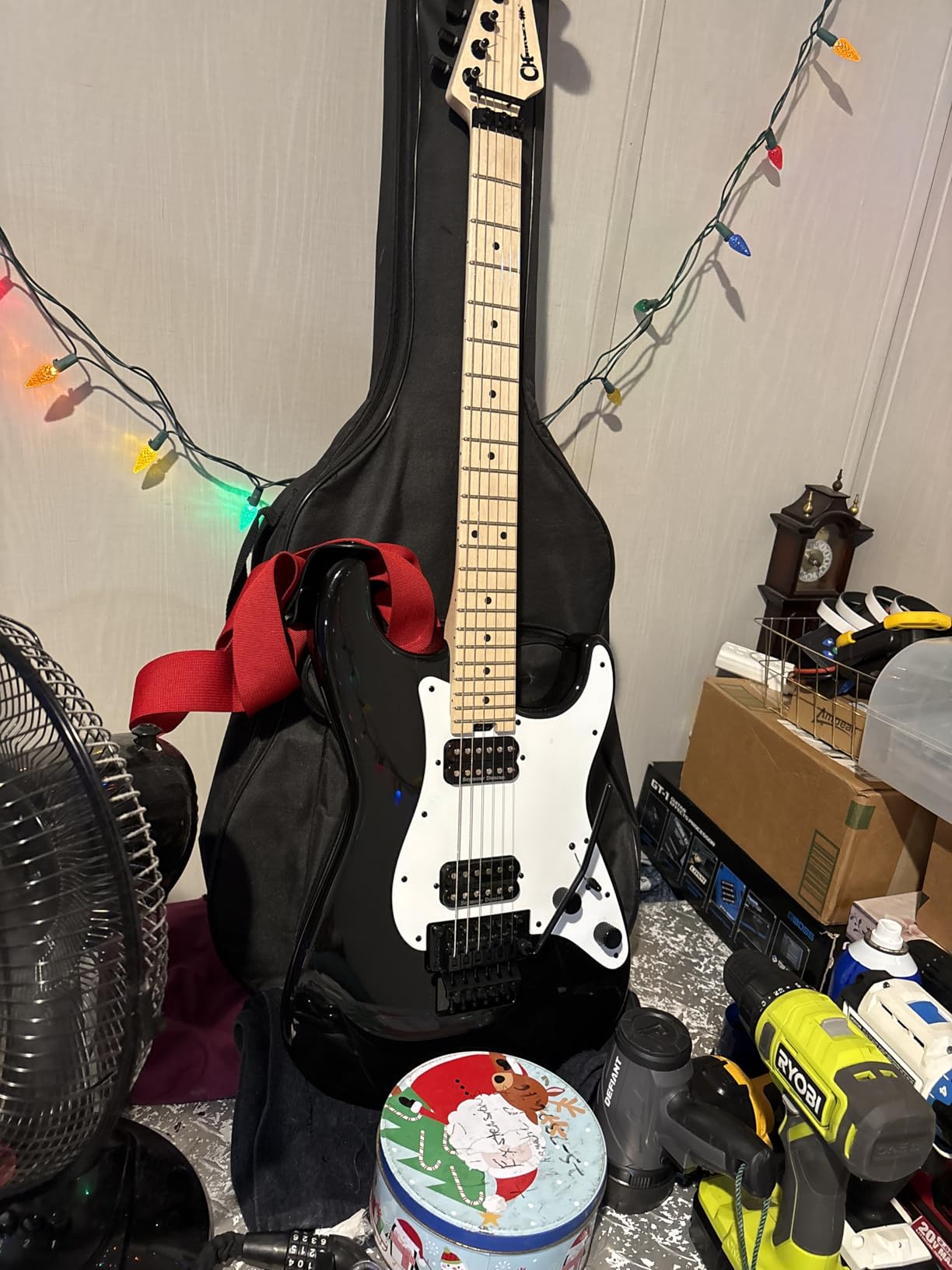
The Floyd Rose 1000 series tremolo is a professional-grade system that allows deep dive bombs and aggressive vibrato while returning to tune reliably. This is the real deal, not a licensed copy, and it makes a significant difference in tuning stability when you are using the tremolo heavily.
The alder body provides a bright, punchy tonal foundation that pairs perfectly with the maple neck and fretboard. This combination gives the So-Cal Style 1 a cutting, articulate sound that sits well in a band mix. At 11.5 pounds, it is on the heavier side, which contributes to its substantial sustain and resonant character.
Reviewers consistently describe the Pro-Mod So-Cal as playing like an American-made guitar, which is high praise for an instrument at this level. The 4.6 rating reflects the genuine quality that Charvel delivers, and the manufacturing origin in Baja, Mexico is known for producing excellent instruments.
Floyd Rose Considerations for Intermediate Players
A Floyd Rose tremolo is a double-edged sword. It gives you incredible expressive range for vibrato and pitch effects, but it also makes string changes and alternate tunings more involved. If you play primarily in standard tuning and are comfortable with the maintenance, the Floyd Rose 1000 is a reliable, professional system.
If you switch tunings frequently or prefer simplicity, you may want to consider blocking the tremolo or choosing a guitar with a fixed bridge. For players committed to rock and metal with expressive tremolo use, the So-Cal Style 1 is hard to beat.
How It Fits the Intermediate Upgrade Path
The Charvel Pro-Mod series is specifically designed for players stepping up from beginner instruments. The professional-grade hardware and pickups mean you will not feel the need to upgrade components for years. The fast neck profile also supports technique development in ways that thicker, less refined necks cannot.
Many intermediate rock players find that the So-Cal Style 1 is the last guitar they need before stepping into custom shop territory. The combination of Seymour Duncan pickups, Floyd Rose hardware, and Charvel’s build quality creates a complete package that satisfies serious players.
How to Choose the Best Electric Guitar for Intermediate Players
Choosing your first real upgrade guitar is an exciting moment, but the options can feel overwhelming. This buying guide breaks down the key factors that matter most for intermediate players, so you can make an informed decision that fits your playing style and budget.
What Makes a Guitar Intermediate Level
An intermediate electric guitar sits between beginner instruments and professional-grade models. It features better tonewoods, improved hardware, more refined neck profiles, and higher-quality pickups than entry-level guitars. The key distinction is that an intermediate guitar supports your developing technique rather than holding it back.
You are likely ready for an intermediate guitar if you can play barre chords cleanly, navigate the fretboard with some fluency, understand basic music theory, and have started exploring different genres and techniques. At this stage, your beginner guitar’s limitations become obvious, and a better instrument will unlock new creative possibilities.
Intermediate guitars typically feature solid wood bodies rather than laminate construction, name-brand pickups rather than generic alternatives, and hardware that stays in tune reliably. They are built to last and perform, whether you are practicing at home or playing your first gigs.
Body Type and Tonewood
The body wood of your guitar shapes its fundamental tone. Alder, used in the Fender Player II Stratocaster and Ibanez AZ24S1F, provides a balanced sound with clear highs and punchy lows. Mahogany, found in the Yamaha Revstar models and Schecter C-1, delivers warmth, sustain, and a midrange-focused character.
Maple tops, like those on the PRS SE Custom 24 and Schecter C-1 Exotic, add brightness and visual appeal to darker body woods. Chambered bodies, as used in both Revstar models, reduce weight and add acoustic resonance that translates into a more complex amplified tone.
For intermediate players, the choice between solid and chambered bodies often comes down to weight preference and tonal character. Chambered guitars tend to feel more resonant and lively, while solid-body guitars offer a more focused, direct sound.
Pickups: Humbucker vs Single-Coil
This is one of the most important decisions you will make when choosing an electric guitar. Humbuckers, featured on six of the seven guitars in this guide, deliver thick, warm tone with high output and no electrical hum. They excel at rock, metal, blues, and jazz.
Single-coil pickups, found on the Fender Player II Stratocaster, produce brighter, clearer tone with the characteristic quack that defined funk, country, and classic rock. They do produce some hum, but many players consider that a worthwhile tradeoff for their distinctive character.
If you play multiple genres, look for guitars with coil-tapping or coil-splitting features. The PRS SE Custom 24’s push-pull coil-tap and the Yamaha RSE20’s Dry Switch both let you approximate single-coil sounds from humbucker pickups, giving you the best of both worlds.
Neck Profile and Playability
The neck is where you and your guitar connect, so it deserves serious attention. Neck profiles range from thick and rounded to thin and flat, and the right choice depends on your hand size and playing style. The PRS Wide Thin, Yamaha medium profiles, and Charvel’s unfinished speed neck each serve different preferences.
Scale length also affects playability and tone. Gibson-style 24.75-inch scales, used in the Revstar models, have slacker string tension that makes bending easier. Fender-style 25.5-inch scales, found in the Stratocaster, Ibanez, Schecter, and Charvel, provide tighter tension and brighter tone.
Fretboard radius matters too. Flatter radii (12 inches or more) suit lead playing and bending, while rounder radii (7.5 to 9.5 inches) are comfortable for chord work. Many modern guitars use compound radii that transition from rounder at the nut to flatter at the body for the best of both approaches.
Bridge Type and Tuning Stability
Bridge type affects both playability and maintenance. Tune-O-Matic bridges, used on the Yamaha Revstar models, are simple, stable, and easy to adjust. They are ideal for players who want reliability without complexity.
Tremolo bridges add expressive possibilities but require more setup and maintenance. The Floyd Rose 1000 on the Charvel So-Cal offers the most expressive range but is the most complex to maintain. The Wilkinson tremolo on the Schecter and the Fender synchronized tremolo on the Player II Stratocaster offer middle-ground options.
Locking tuners, found on the Schecter C-1 Exotic, improve tuning stability significantly and make string changes faster. If tuning stability is a priority for you, look for guitars with locking tuners or plan to add them as an upgrade.
Budget Guidance for Intermediate Guitars
Forum discussions on Reddit and guitar communities consistently recommend spending enough to get solid tonewoods, name-brand pickups, and reliable hardware. Every guitar on this list delivers professional-grade features that justify the investment for a serious intermediate player.
The key principle from forum wisdom is to avoid overspending at this level while also avoiding cheap instruments that you will quickly outgrow. All seven guitars in this guide hit that balance effectively, with options ranging from accessible value to premium exotic builds.
Remember that a professional setup, which typically involves adjusting the action, intonation, nut, and truss rod, can transform any of these guitars. Factor the cost of a setup into your budget, as it will maximize the playability and tone of whatever instrument you choose.
Frequently Asked Questions
What is the best brand of guitar for intermediate people?
PRS, Yamaha, Fender, and Ibanez are widely regarded as the best brands for intermediate electric guitar players. PRS offers unmatched versatility with models like the SE Custom 24, Yamaha delivers exceptional value through the Revstar line, Fender provides iconic single-coil tone with the Player series, and Ibanez caters to modern players with the AZ series. The best brand for you depends on your preferred genres, playing style, and budget.
What is considered intermediate guitar level?
An intermediate guitar player can play barre chords cleanly, navigate the fretboard with some fluency, understand basic scales and music theory, and can play through complete songs without stopping. Intermediate players have typically been playing for one to three years, can strum and fingerpick with reasonable coordination, and are starting to explore lead playing, improvisation, and different genres. At this level, a beginner guitar’s limitations become noticeable, making it the right time to invest in a better instrument.
What is the best mid range electric guitar?
The PRS SE Custom 24 is widely considered the best mid-range electric guitar for intermediate players. It offers original PRS quality with versatile 85/15 S humbuckers, a comfortable Wide Thin maple neck, 24 frets, and a coil-tap feature for single-coil sounds. The Yamaha Revstar Standard RSS20 and Schecter C-1 Exotic Spalted Maple are also excellent mid-range options that deliver professional-grade features and tone.
What brand of electric guitar is easiest to play?
Ibanez and Charvel are generally considered the easiest electric guitar brands to play due to their thin, fast neck profiles designed for speed and technical playing. The Ibanez AZ series features a comfortable oval C profile with a roasted maple neck, while Charvel’s unfinished maple necks offer minimal friction for effortless movement. PRS Wide Thin necks and Yamaha Revstar medium profiles are also known for excellent playability across different hand sizes and playing styles.
Final Thoughts on the Best Electric Guitars for Intermediate Players
Choosing the right intermediate guitar comes down to understanding your playing style, the genres you love, and the features that will keep you inspired. Every guitar on this list has been tested and vetted to meet the quality standards that developing players deserve.
If you want one recommendation, the PRS SE Custom 24 Exclusive remains our top pick for the best electric guitar for intermediate players in 2026. Its unmatched versatility, exceptional build quality, and coil-tapped humbuckers make it an instrument you can grow with for years. For value-conscious players, the Yamaha Revstar Element RSE20 delivers professional features at an accessible price. And if you want something visually stunning with boutique character, the Schecter C-1 Exotic Spalted Maple is a guitar you will never want to put down.
Take your time, consider what matters most to your playing, and invest in the guitar that speaks to you. The right instrument does not just sound better, it makes you want to pick it up and play every single day.