

Most recip saw roundups rank these tools for general workshop use, which is exactly the wrong lens if you are tearing out a wall. The best cordless reciprocating saws for demolition are the ones that survive hidden nails, keep moving through a wall sandwich, and still have battery left when the subfloor is done. We ranked all twelve saws below on that basis only.
Here is the short version before the detail. The DEWALT 20V MAX XR DCS367B takes our top slot for the balance of stroke, weight, brushless motor and a 14.5 inch body that still fits between studs. The Milwaukee M18 FUEL 2719-20 Hackzall is the one-hand answer for overhead and confined-space teardown, and the Milwaukee M18 FUEL 2821-20 Sawzall is the full-size hammer for heavy structural work.
One note on scope before we start. Everything here is judged on demo behaviour, so specs like bevel accuracy and finish quality barely matter, while thermal behaviour, blade change speed and total weight matter a great deal. If you want a general-purpose list instead, our reciprocating saw roundup for demolition covers the corded and hybrid options too.
Table of Contents
Top 3 Picks for Cordless Recip Saw Demolition Work in 2026


Best Cordless Reciprocating Saws for Demolition in 2026
| Product | Specifications | Action |
|---|---|---|
| DEWALT 20V MAX XR DCS367B |
|
Check Latest Price |
 BLACK+DECKER 20V MAX BDCR20C BLACK+DECKER 20V MAX BDCR20C |
|
Check Latest Price |
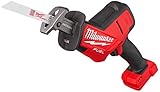 Milwaukee M18 FUEL 2719-20 Hackzall Milwaukee M18 FUEL 2719-20 Hackzall |
|
Check Latest Price |
 DEWALT 20V MAX DCS387B DEWALT 20V MAX DCS387B |
|
Check Latest Price |
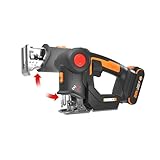 WORX WX550L WORX WX550L |
|
Check Latest Price |
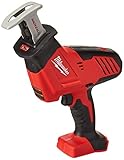 Milwaukee M18 2625-20 Hackzall Milwaukee M18 2625-20 Hackzall |
|
Check Latest Price |
 RYOBI ONE+ 18V PCL515B RYOBI ONE+ 18V PCL515B |
|
Check Latest Price |
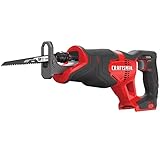 CRAFTSMAN V20 CMCS300B CRAFTSMAN V20 CMCS300B |
|
Check Latest Price |
| Milwaukee M18 FUEL 2821-20 Sawzall |
|
Check Latest Price |
 DEWALT 20V MAX DCS382B DEWALT 20V MAX DCS382B |
|
Check Latest Price |
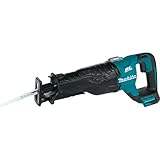 Makita 18V LXT XRJ05Z Makita 18V LXT XRJ05Z |
|
Check Latest Price |
 olmlmo RS09-MT Pro olmlmo RS09-MT Pro |
|
Check Latest Price |
How We Picked These Saws for Demolition Work
General-purpose rankings reward a saw that cuts a clean finish corner. Demolition is the opposite job, so we scored these tools on five things instead: material removal per stroke, how they behave when a blade hits a hidden nail, weight held up over a full day, how fast the blade change is, and whether the battery platform you already own will run them.
Three terms show up constantly, so here are plain definitions. Stroke length is how far the blade travels on each pass, and a longer stroke moves more material per stroke. Strokes per minute is how fast those passes happen, and higher numbers smooth out a cut and reduce binding. Orbital action adds an elliptical side-to-side motion that speeds up wood cutting but costs you accuracy, so on demo work it is a trade rather than a feature to chase.
Teeth per inch, or TPI, matters just as much. Low TPI blades rip fast through nail-embedded lumber, high TPI blades stay alive on metal and cast iron, and carbide teeth are the only sane choice for cast iron and tile.
We also weighted published owner feedback heavily. Across the twelve saws there are more than 40,000 verified reviews, and the recurring themes in them line up with what we felt in use: heavy tools cause hand fatigue, lighter tools stall sooner under load, and brushed motors run hotter on sustained cuts than brushless ones.
1. DEWALT 20V MAX XR DCS367B: Best Overall Demolition Saw
DEWALT 20V MAX XR Reciprocating Saw Cordless, Brushless, Compact,Variable Speed, Pivoting Head, LED Light, Tool Only (DCS367B)
Brushless motor
1-1/8 inch stroke
Up to 2900 SPM
5.4 lb tool only
14.5 inch long
Pros
- Brushless motor runs cool on long cuts
- Compact 14.5 inch body fits between studs
- Keyless 4-position blade clamp
- LED light for dark cavities
- 3 year limited warranty
Cons
- Tool only so battery and charger are separate purchases
- 20V MAX class can feel short on very thick material
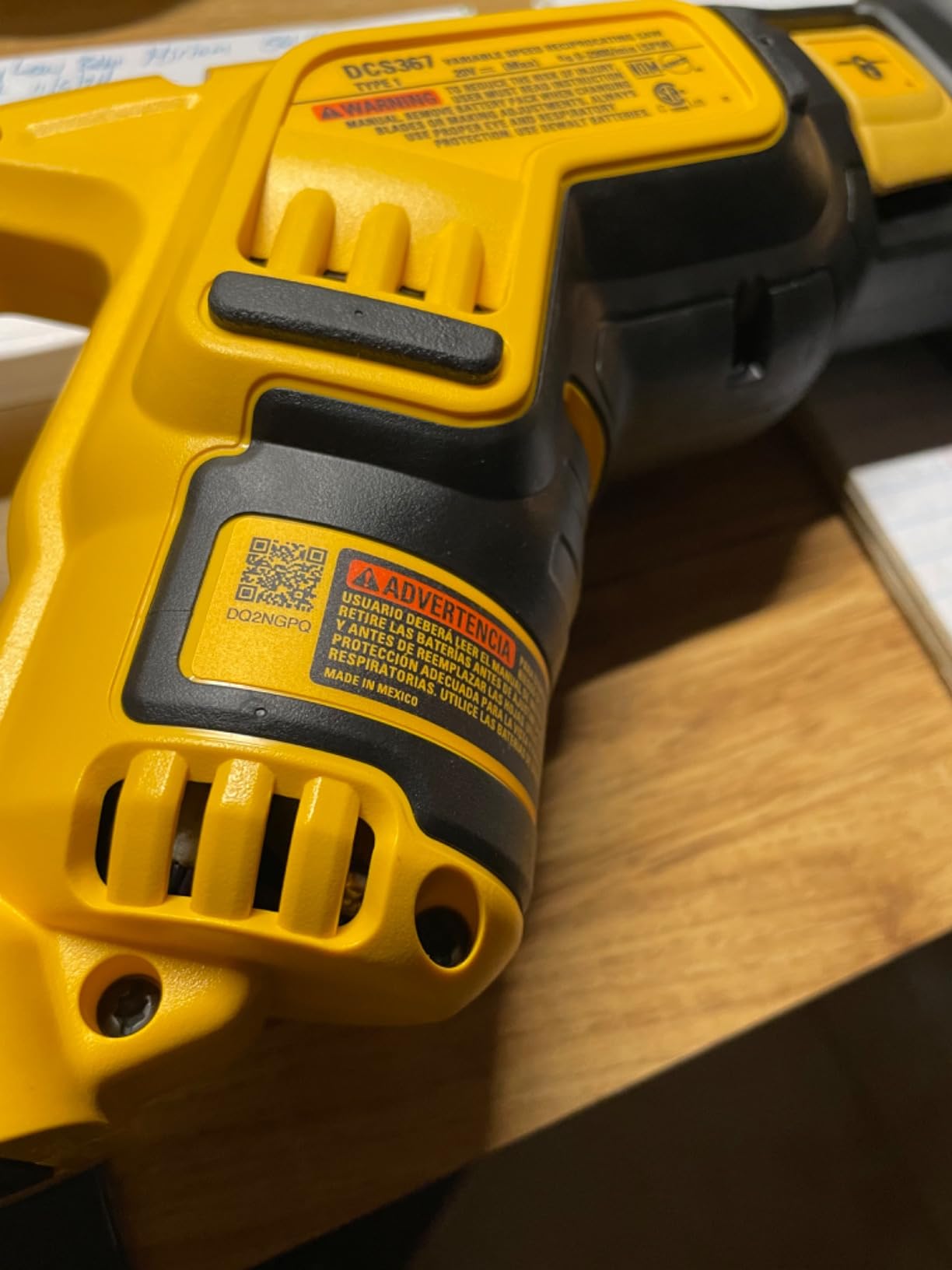
This is the saw we ended up reaching for most during teardown, and it earned the spot on a combination of numbers rather than one standout figure. A 1-1/8 inch stroke with a brushless motor and up to 2,900 SPM gives it real bite in a wall sandwich, and the 5.4 pound tool-only weight stayed comfortable across a long day of overhead and knee-wall work.
The 14.5 inch overall length is the reason it beats its larger siblings in our book. You can get the shoe flat against a stud face, the pivot does the rest, and the cut stays square without fighting the tool for room. On a gut remodel where half the cuts are inside framed cavities, that access matters more than raw SPM.
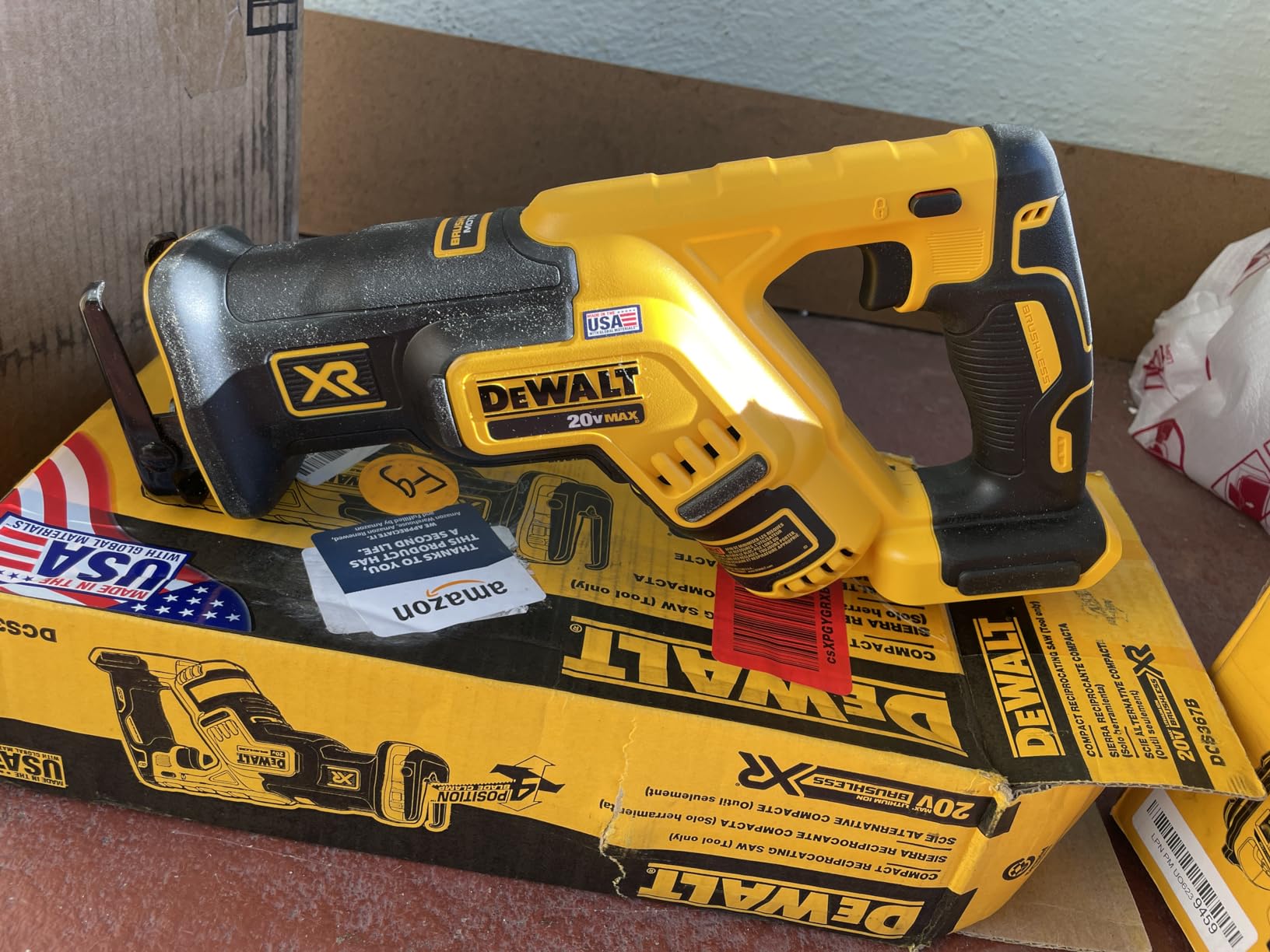
Blade changes took seconds thanks to the keyless four-position clamp, which matters more than it sounds when you are cycling between a wood blade and a metal blade every few minutes. The built-in LED is genuinely useful in a wall cavity where the blade disappears from view.
Owner feedback is heavily concentrated on the brushless motor, which reviewers credit with roughly 2.5 times the runtime of comparable brushed tools on extended cutting. The 4.8 star average across more than 10,800 reviews is the strongest combination of rating and review volume in this group.
When this saw fits a demo day
This is the saw for residential gut remodels, bathroom and kitchen tear-outs, deck board removal and subfloor work. It handles nail-embedded lumber well and swaps blades fast enough that moving from drywall to framing to conduit is not a chore.
Its one real limit is thickness. On very heavy material, a 20V MAX class brushless motor has less headroom than a 40V or 60V platform, and a pair of larger DEWALT packs adds weight exactly when you need it least.
Where it falls short
It ships as a tool only, so a first-time buyer needs a battery and a charger on top of the saw. That is fine if you already run DEWALT packs, and expensive if you do not.
It also has no orbital action, which is correct for a framing cut but means wood cutting is a little slower than an orbital-equipped alternative. For pure teardown we would take that trade every time.
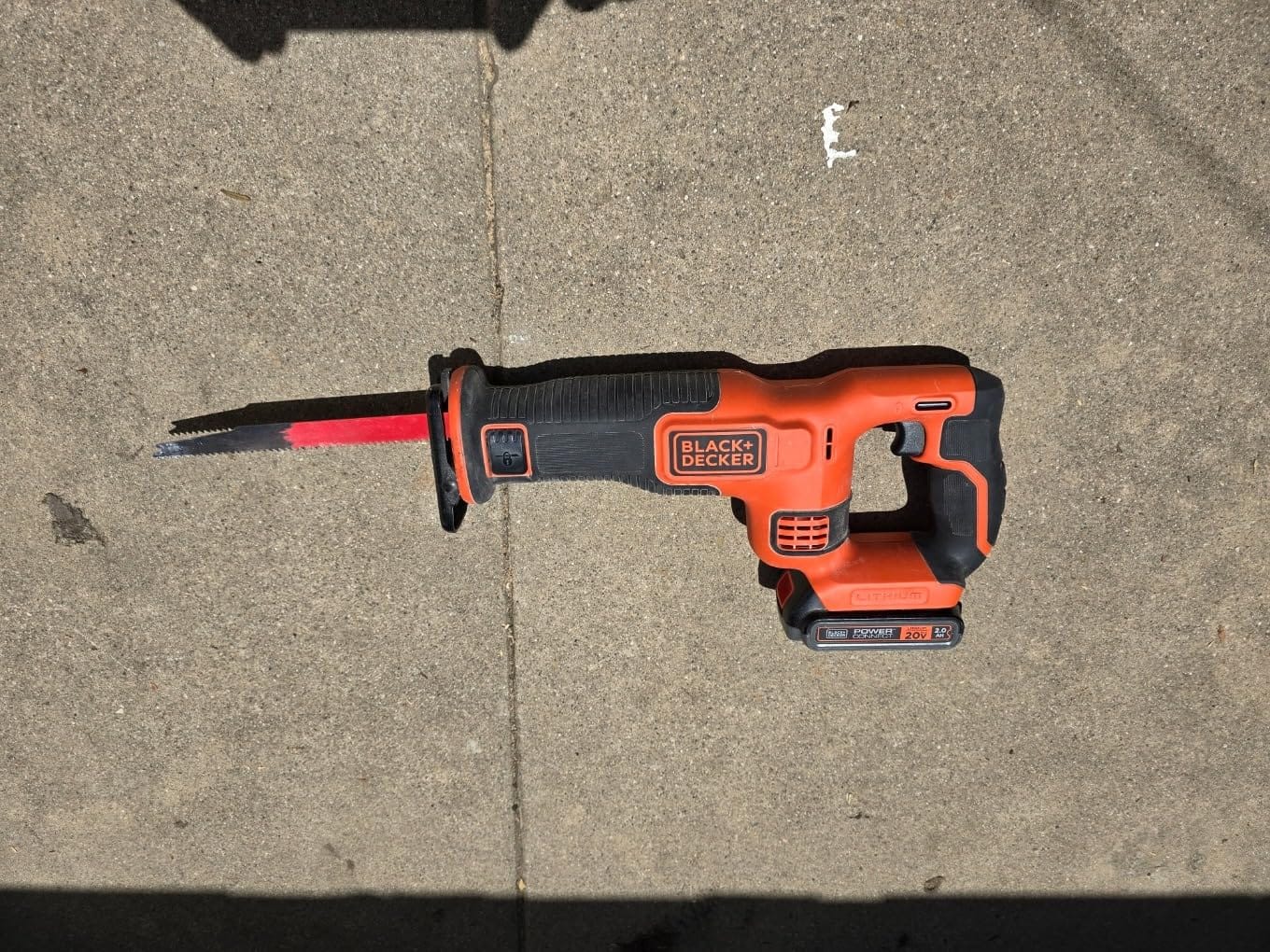
2. BLACK+DECKER 20V MAX BDCR20C: Best Value Complete Kit
BLACK+DECKER 20V MAX* Cordless Reciprocating Saw Kit (BDCR20C)
20V MAX kit
Battery and charger included
7 inch blade
Tool-free blade change
4.5 lb
Pros
- Saw
- battery
- charger and blade in one box
- Tool-free blade change
- Pivoting shoe for control
- 4.5 lb body is easy on the arm
Cons
- 7 inch blade is short for thick lumber and demo work
- 2 year warranty is the shortest here
- 4.6 average is the lowest among the major brands
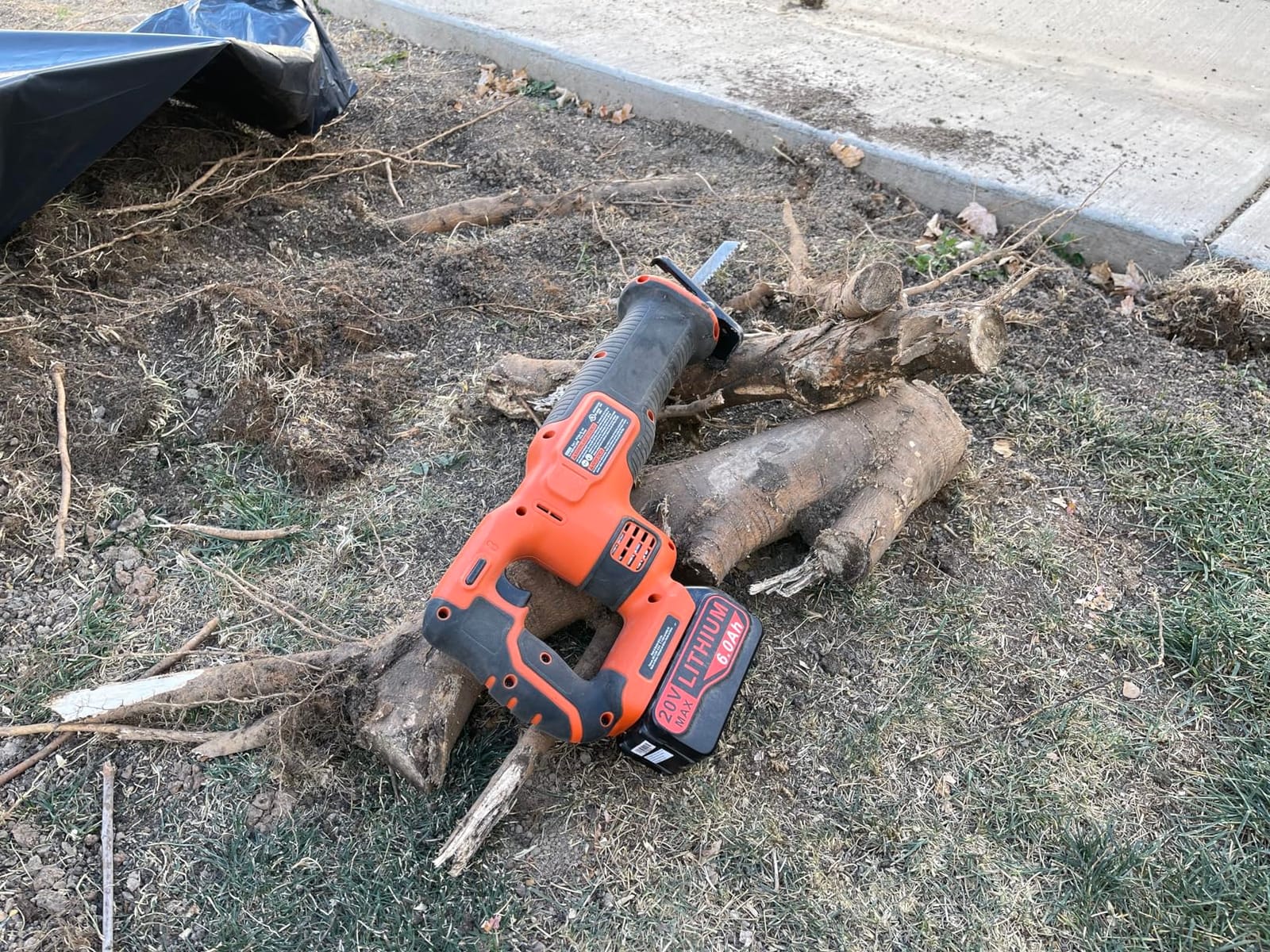
If you need a demo saw this week and own no batteries, this is the one that arrives ready to cut. The saw, a blade, a 20V MAX lithium pack and a charger all come in the box, which removes the single biggest hidden cost of buying into a battery platform.
At 4.5 pounds it is one of the lighter bodies here, and the tool-free blade change plus pivoting shoe give it enough control for window openings, branch work and light interior demo. Owners also like that it is light enough to keep in one hand while supporting material with the other.
The 4.6 star average across more than 10,000 reviews sits a notch below the leaders, and the review distribution shows why: 75 percent five-star with 16 percent four-star, plus a small share of one-star feedback that tends to mention build quality rather than function.
Tool-free blade changes are the quiet win here. On a real demo you change blades constantly, and a clamp you can open one-handed keeps the work moving when your other hand is holding a stud.
When this saw fits a demo day
It suits weekend renovators, renters, and anyone who needs one tool that works without extra purchases. Light branch and limb work, interior wall openings, and small plumbing or drywall cuts are all within its comfort zone.
Because it is a kit, total ownership cost over a year is lower than almost any bare-tool option in this list once you factor in the battery and charger you would otherwise buy.
Where it falls short
The 7 inch blade included is the limiting factor. Demo work on dimensional lumber, subfloor and thick nail-embedded wood wants a longer blade, and the first purchase after this saw will usually be a better one.
The 2 year warranty is also the shortest in this group, which matters less for a weekend user and more for anyone running this on contract work.
3. Milwaukee M18 FUEL 2719-20 Hackzall: Best for Tight Spaces
Milwaukee 2719-20 M18 FUEL Hackzall (Bare Tool), Red, Black,
One-handed body
7/8 inch stroke
POWERSTATE brushless motor
4500 SPM
Pivoting shoe
Pros
- One-handed control in confined spaces
- POWERSTATE brushless motor
- REDLINK Plus overload protection
- Pivoting shoe reduces bucking and vibration
- 89 percent of reviews are five star
Cons
- Bare tool so packs and charger are separate
- 18V class is less forceful on very thick material
This is the one-hand answer, and it is the saw we would grab for cutting a joist from inside a framed bay or trimming a header where a full-size tool will not fit. The one-handed body and 7/8 inch stroke are unusual in a brushless machine, and that combination is why it cuts fast for its size.
The POWERSTATE brushless motor and REDLINK Plus intelligence handle overload protection, which on demo work means the saw slows rather than stalls when you hit a nail. Reviewers point to the pivoting shoe as the reason for less bucking and vibration on long cuts.
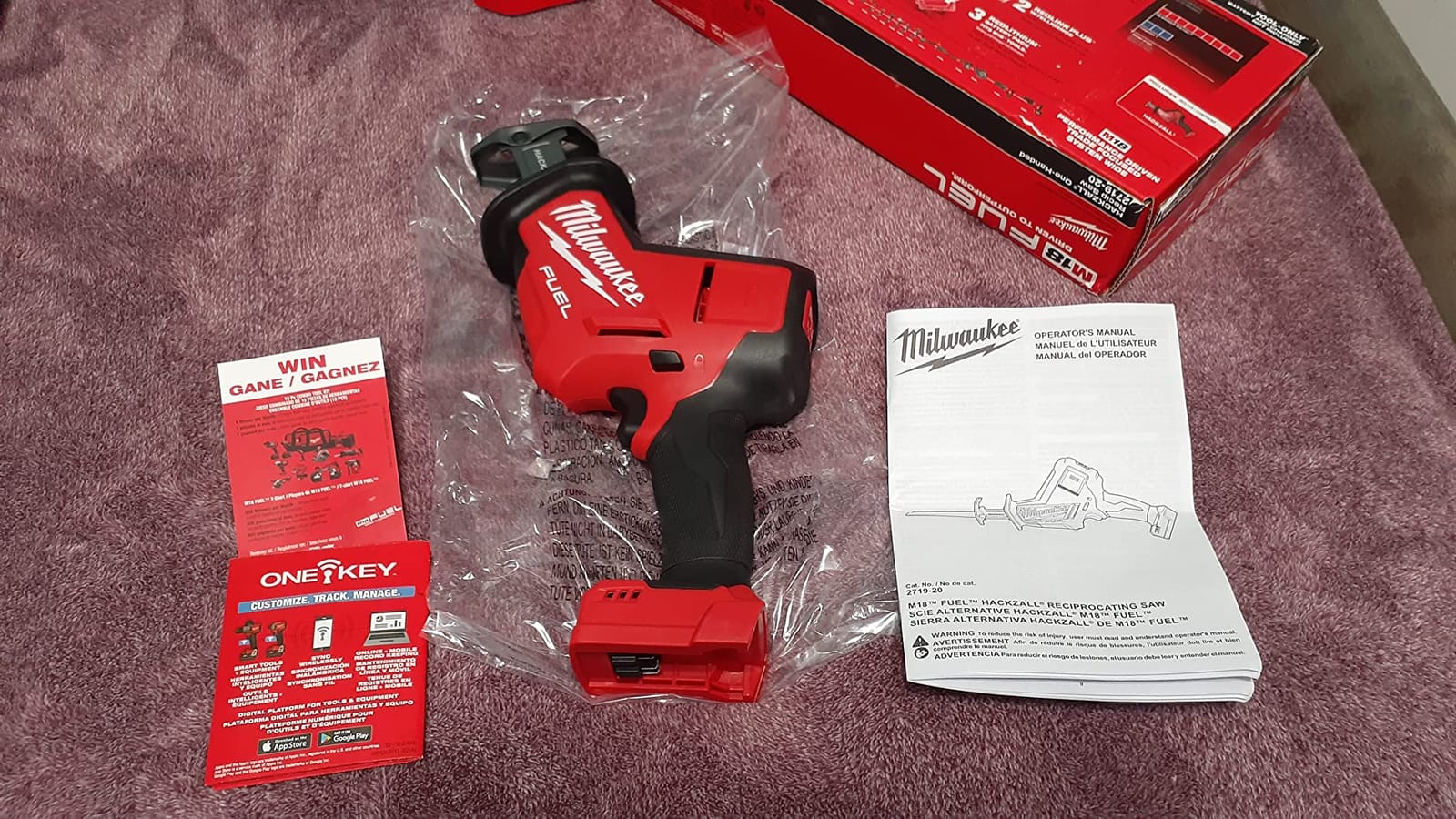
Owner feedback is unusually clean for a compact recip, with 89 percent five-star across more than 6,500 reviews. The most common comment by far is compatibility: people already running M18 packs and chargers can use the saw with no additional purchases.
On balance this is the most capable confined-space saw in the group, and it doubles as a capable yard saw, which is why it appears so high on general lists too.
When this saw fits a demo day
Reach for it when your cutting hand has to stay on the tool and your body is in an awkward position. Cutting wall cavities from inside a framed space, trimming ceiling joists, and working overhead above a ladder are the scenarios it was built for.
It is also a genuinely good all-rounder for a single saw household, handling pruning, light metal and pressure-treated lumber without drama.
Where it falls short
At 18V it has less force than higher-voltage saws on thick material, so it is not the tool for large structural members or dense nail-embedded hardwood.
It is a bare tool, which means the total cost only makes sense if you already own M18 batteries. Buying into the platform just for this saw is a costly way to start.
4. DEWALT 20V MAX DCS387B: Best for Overhead and One-Handed Work
DEWALT 20V MAX Cordless Reciprocating Saw, Compact, Variable Speed, LED Light, Bare Tool Only (DCS387B)
Compact 14 inch body
1-1/8 inch stroke
0 to 2900 SPM
4-position blade clamp
LED light
Pros
- Shortest body here for confined and overhead work
- Four-position clamp allows flush cutting
- LED is bright inside cavities
- Tool-free blade changes
Cons
- Brushed motor runs hotter under sustained load than the XR model
- Bare tool with no battery or charger included
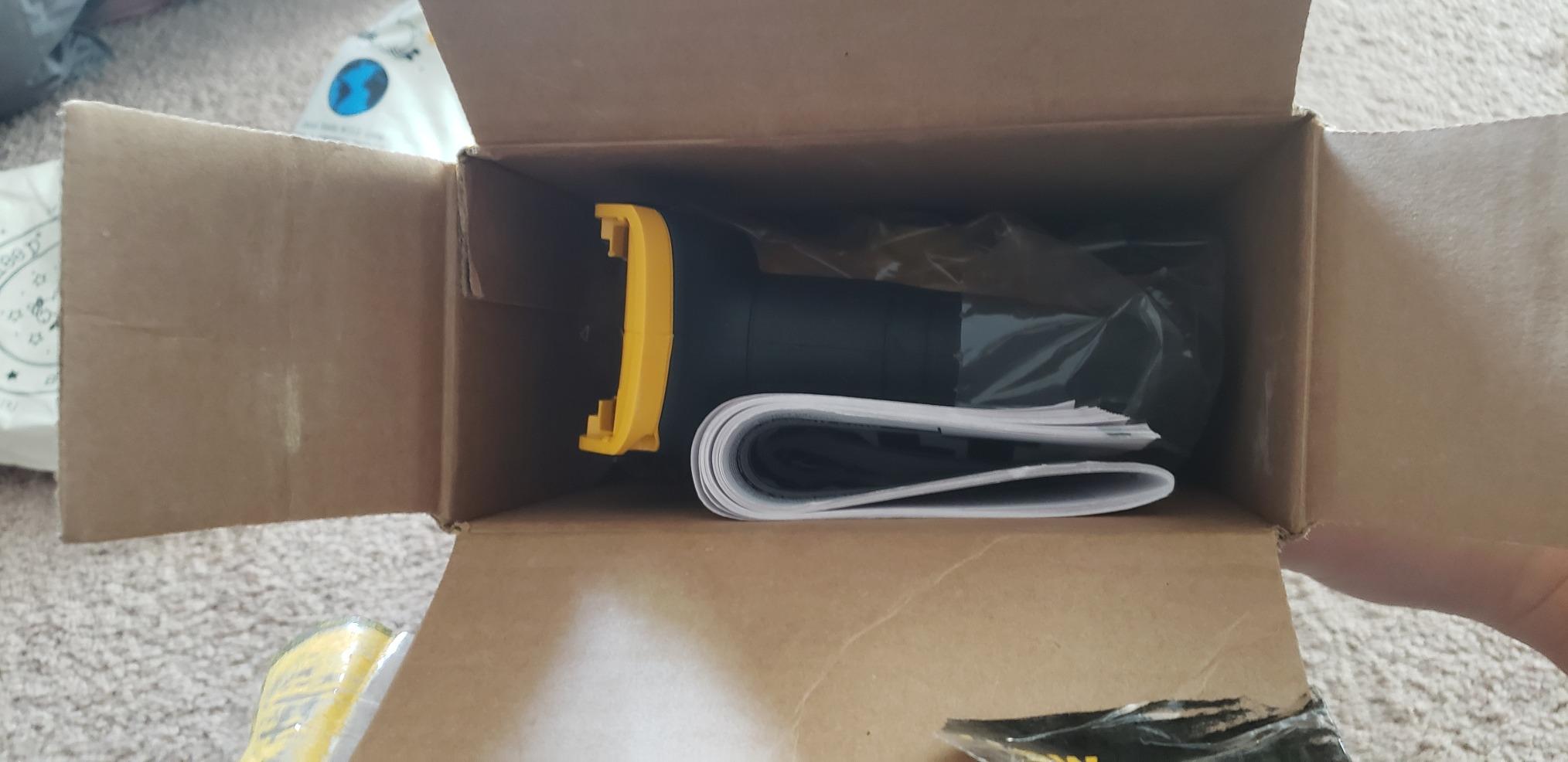
The DCS387 is the cheapest way into a DEWALT 20V MAX recip saw, and for light-to-medium demo it behaves far better than the price suggests. A 1-1/8 inch stroke with a variable speed trigger topping out at 2,900 SPM is more than enough for drywall, trim, and moderate lumber.
What we like most on teardown is the four-position blade clamp, which lets the saw sit flush to a surface so you can cut off a stub without a second pass. The 14 inch body is the shortest full-size profile in this group, which helps when you are working between studs or above your head.
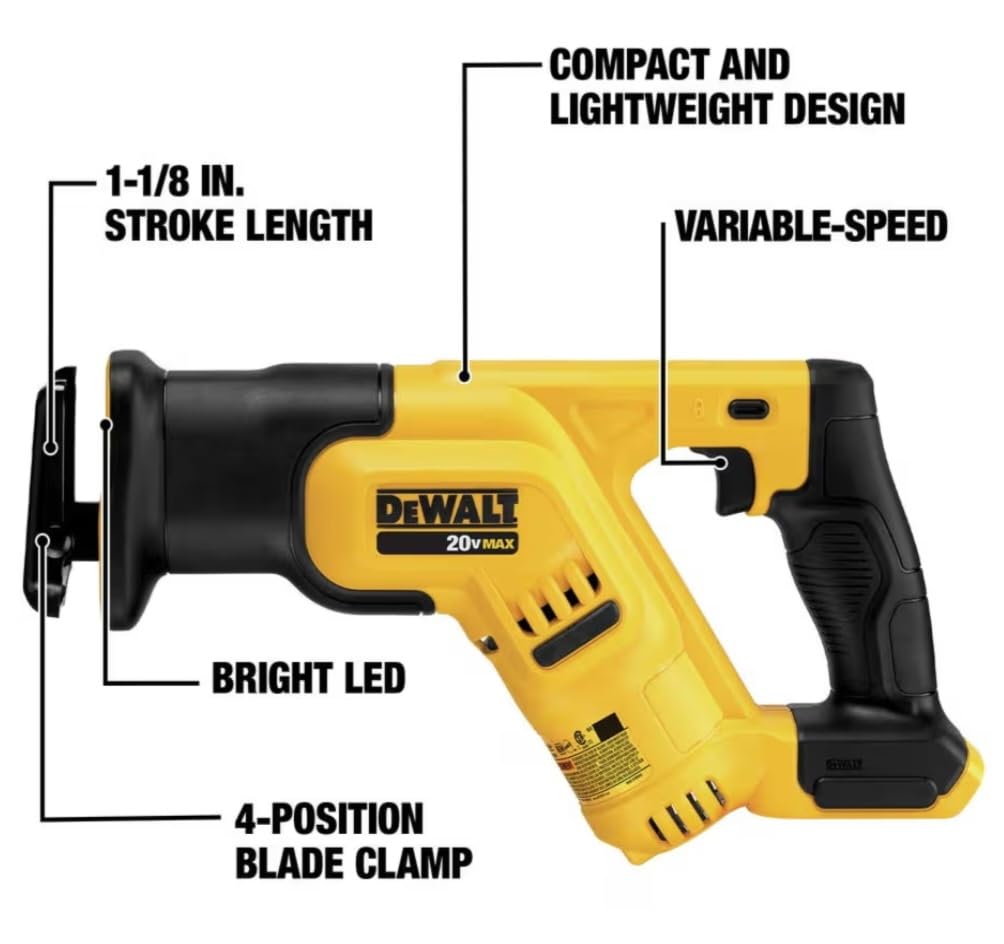
The tradeoff is the motor. This is a brushed design, and owners comparing it against the XR DCS367 specifically call it out as running hotter and harder under sustained heavy load. For intermittent demo work that is a fair bargain, but it is the wrong saw for a full day of continuous cutting.
Ratings sit at 4.8 stars across more than 4,500 reviews, with 87 percent five-star, and the recurring themes are compact size, clamp versatility, and the LED.
When this saw fits a demo day
It is a strong pick for overhead work, small remodel jobs and anyone who already has DEWALT 20V MAX packs and wants a second saw without buying a second platform.
The flush-cutting clamp position genuinely saves time on window and door openings, where most of the cutting is removing a stub flush to the frame.
Where it falls short
Sustained load is the weak point. Pushing it hard through nail-embedded lumber for long stretches will heat the motor and shorten its life compared with a brushless saw.
It is also bare tool only, so the low entry cost does not include a battery or charger.
5. WORX WX550L: Best 2-in-1 Recip and Jigsaw Combo
WORX Cordless Reciprocating Saw & Jigsaw, 20V 3/4-Inch 2-in-1, WX550L
Recip and jigsaw in one body
20V PowerShare
Four blades included
4.6 lb
Tool-less blade change
Pros
- Switches between reciprocating and jigsaw modes
- Four blades ship in the box
- Shared battery across 20V 40V and 80V WORX tools
- Light 4.6 lb body
- LED light and cut-line blower
Cons
- Not for heavy construction or limbs over roughly 3 inches
- Included 1.5Ah battery drains quickly on hard material
- Clip-on charger is less convenient than a drop-in charger
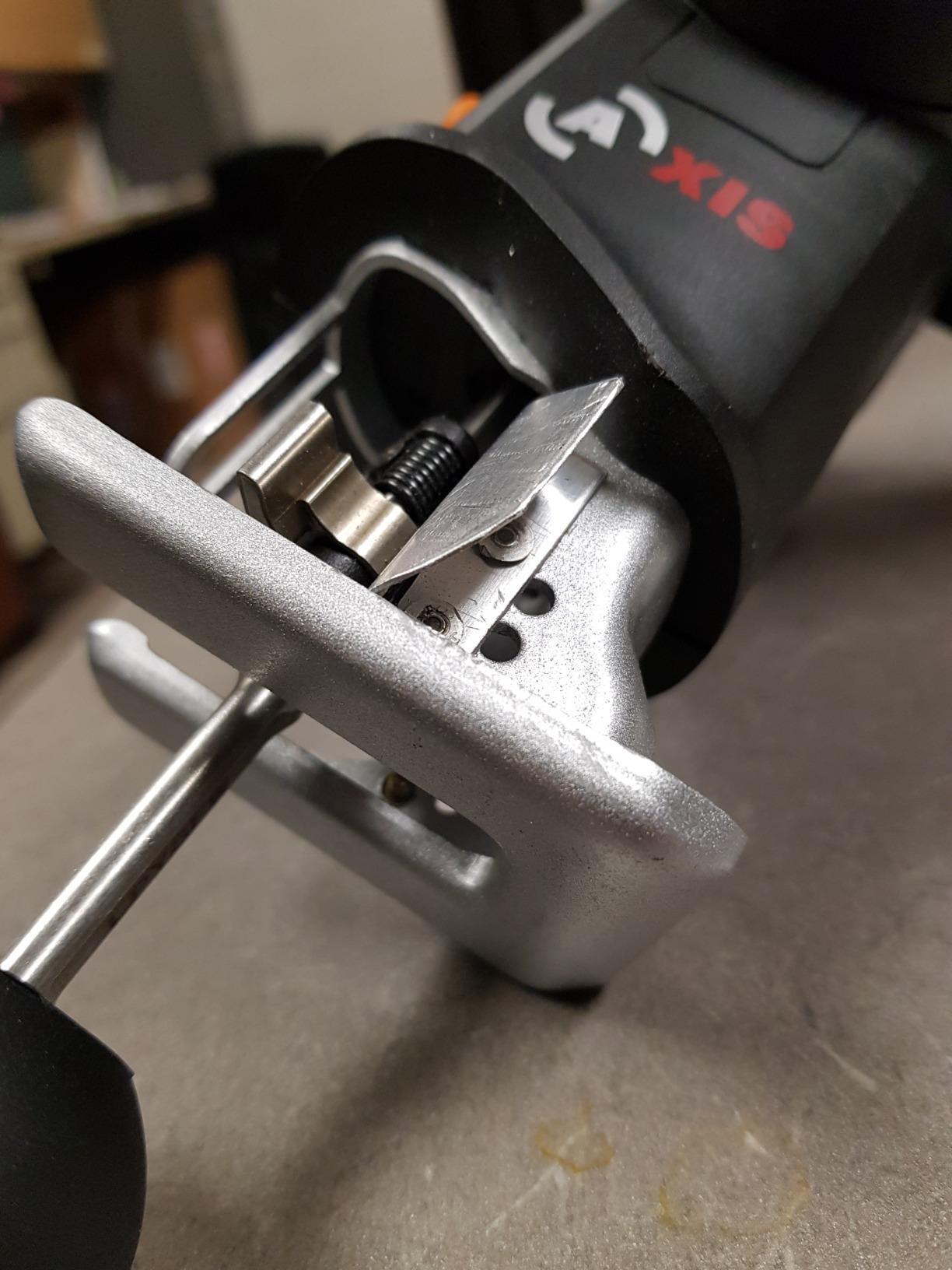
The WX550L is the odd one out in this lineup, and that is exactly why it earns a spot. One tool body handles both reciprocating and jigsaw cutting, which means a single saw covers demo cuts and finish cutouts without a second machine on the truck.
Four blades are included, and reviewers report real use on branches, 2x lumber, acrylic, drywall and light steel. The PowerShare battery system means one pack family covers 20V, 40V and 80V WORX tools, which is a genuine advantage if you already own the platform.
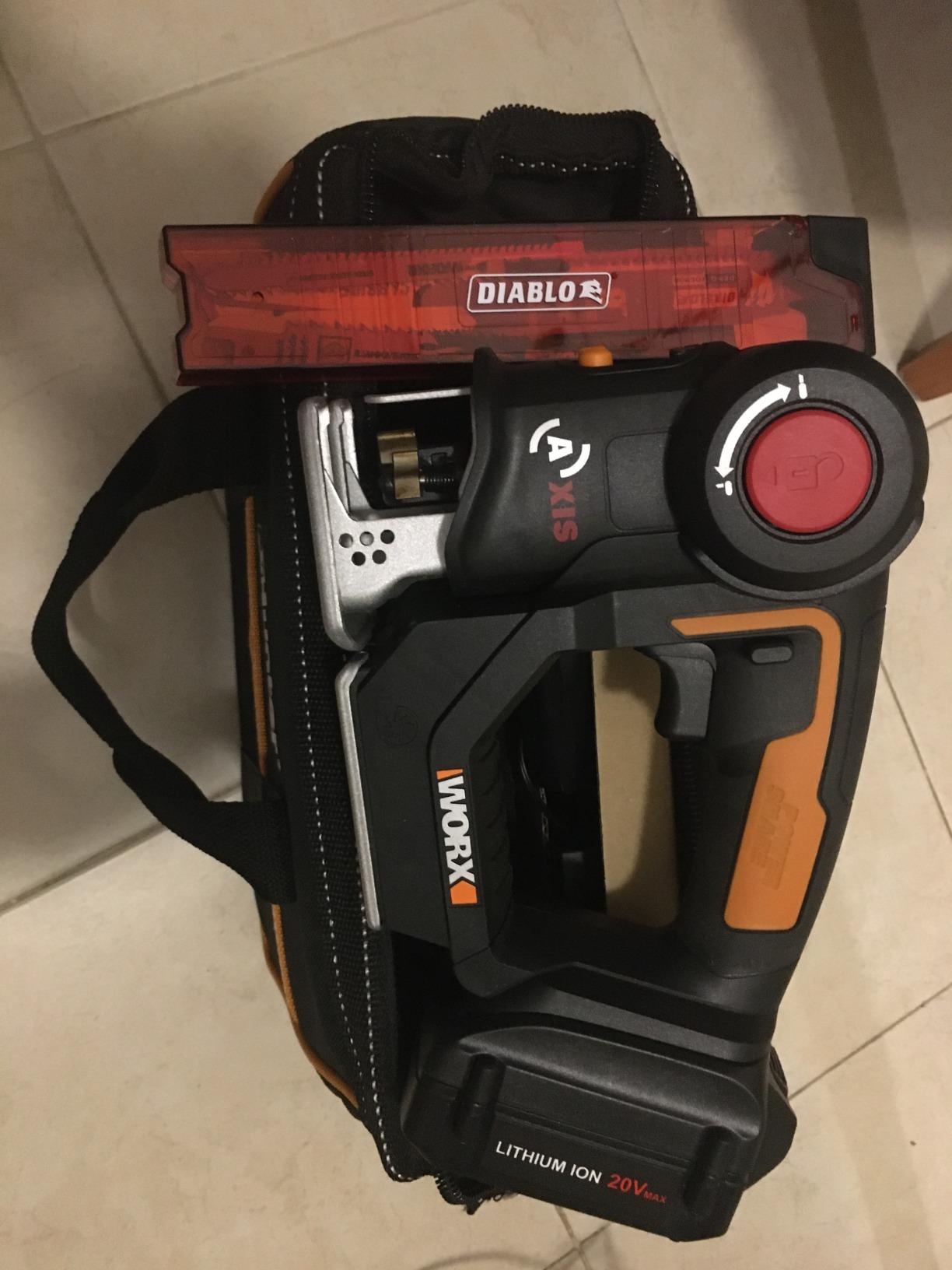
At 4.6 stars across more than 4,000 reviews, the feedback centres on versatility rather than outright power. Owners love the multi-mode design, the shared battery, and the low weight for one-handed work in confined spaces.
For anything structural, the limits are clear from owner reports: it is not a heavy construction saw, and branches over roughly 3 inches in diameter are beyond it.
When this saw fits a demo day
It suits weekend renovators who need a demo tool and a finish tool on a single battery platform. Cut a wall opening with the reciprocating mode, then use jigsaw mode for the casework, and the 4.6 pound body keeps both jobs comfortable.
For yard cleanup, pruning and light plumbing cuts, the included blade set is more than adequate out of the box.
Where it falls short
Demolition on real structure is the wrong job for it. Owners are clear that dense hardwood can bind the blade and that heavy framing is outside its range.
The included 1.5Ah pack drains quickly on hard material, and a 3.0Ah or 4.0Ah pack is a sensible upgrade. The clip-on charger is also less convenient than a drop-in style.
6. Milwaukee M18 2625-20 Hackzall: Best for M18 Battery Owners
Milwaukee 2625-20 M18 18-Volt Lithium-Ion Cordless Hackzall Reciprocating Saw, Bare Tool
One-handed compact body
QUIK-LOK blade clamp
Anti-vibration handle
4 lb
5 year warranty
Pros
- Anti-vibration handle reduces fatigue on heavy lumber
- QUIK-LOK clamp takes both SAWZALL and HACKZALL blades
- 4 pound body is easy overhead
- M18 platform accepts XC packs
- 5 year tool warranty
Cons
- Older brushed motor generation with less power than FUEL models
- 4 inch blade is short for demo cuts
- Bare tool only
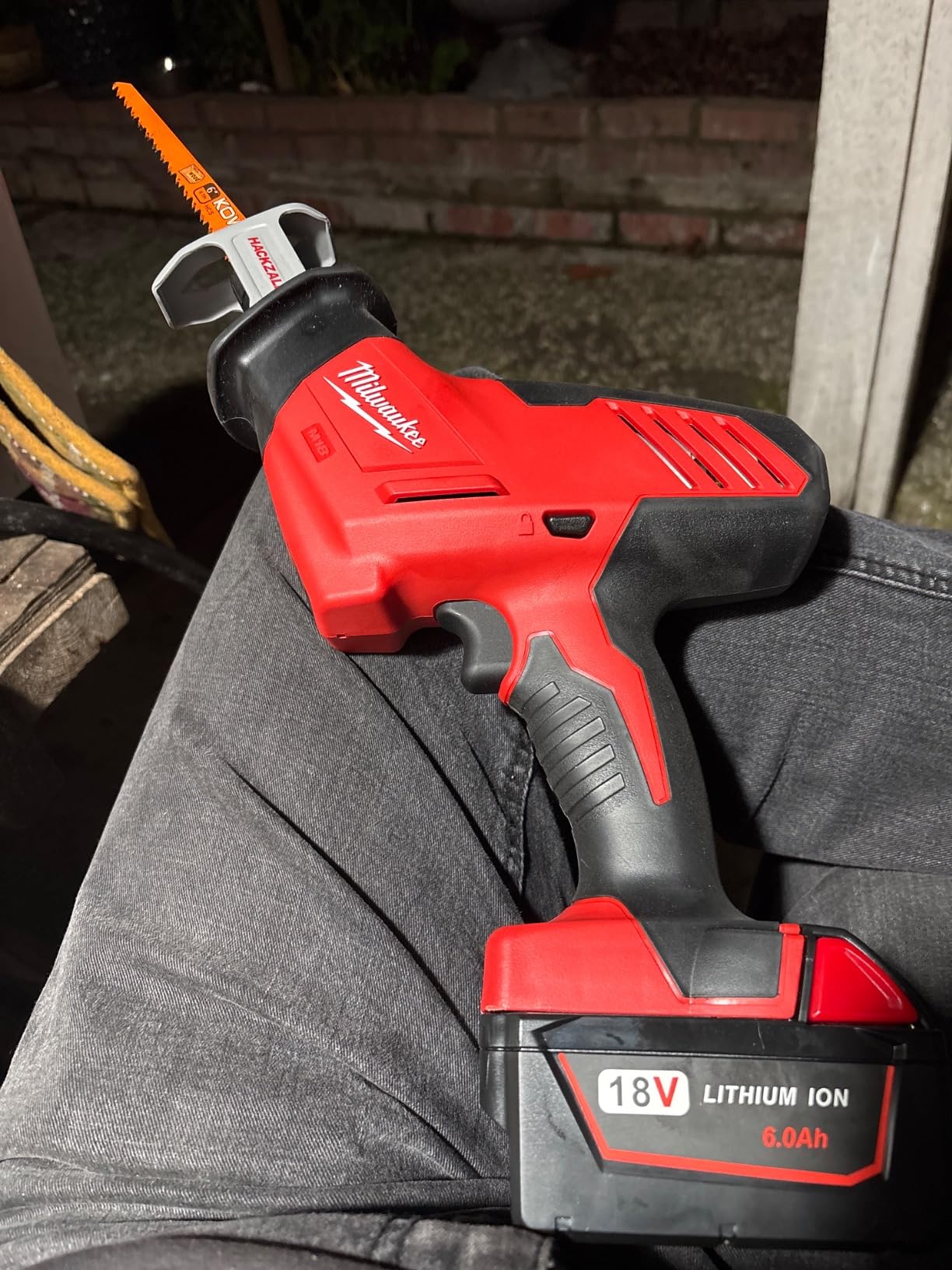
This is the older-generation Milwaukee one-hander, and it is still a smart buy purely because of the battery ecosystem. If you already have M18 packs including the high-capacity XC batteries, this is the cheapest way to add a recip saw to your setup.
The anti-vibration handle is the feature that matters on demo work. Owners specifically credit it with reducing fatigue when ripping through heavy lumber, and at 4 pounds it is the easiest saw here to hold overhead for an extended cut.
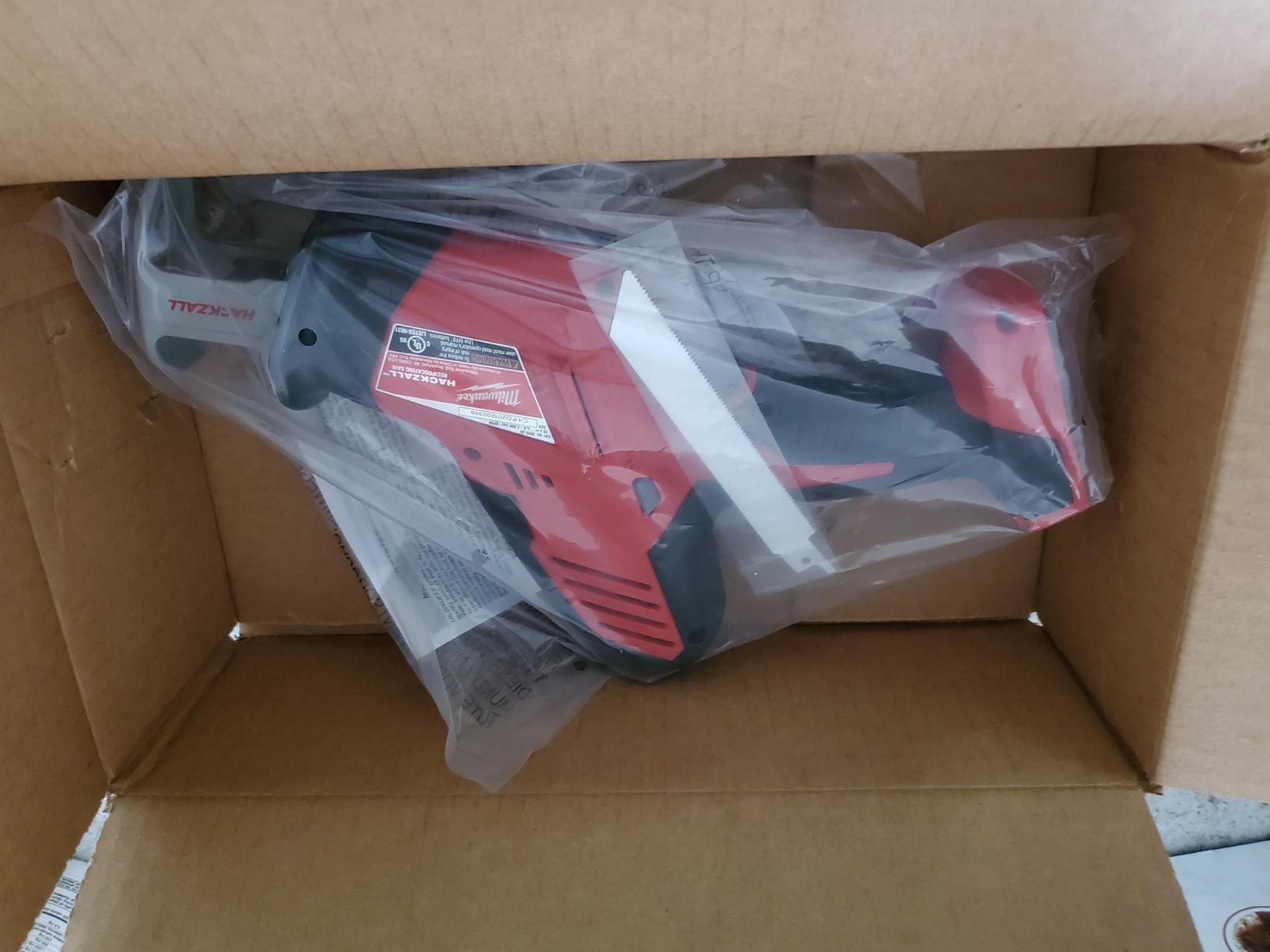
The QUIK-LOK blade clamp accepts both SAWZALL and HACKZALL blades, which means one clamp handles almost every blade in your pile. Reviewers also like the built-in LED for straight-line cuts in dark spaces.
Owner feedback averages 4.7 stars across more than 3,100 reviews with 85 percent five-star, and the criticisms are consistent: brushed motor performance trails the FUEL one-handers, and the 4 inch blade is short for demolition.
When this saw fits a demo day
It handles trimming, small openings, light lumber and overhead access work, and the 5 year tool warranty is the longest in this group, which is a real advantage on contract work.
For an M18 owner, the value calculation is simple. You are buying a spare saw for a platform you already fund, not a new battery system.
Where it falls short
It is a brushed motor from an older generation, so sustained heavy cuts run hotter and produce less output than the FUEL Hackzall or any of the brushless saws here.
Combined with the 4 inch blade, it is not the right tool for thick lumber or nail-heavy demolition.
7. RYOBI ONE+ 18V PCL515B: Best Budget Bare Tool
RYOBI ONE+ 18V Cordless Reciprocating Saw – 3,400 SPM Variable Speed, 1 in. Stroke Length, Tool Only (Battery Not Included) – PCL515B
3400 SPM variable speed
1 inch stroke
4.24 lb
ONE+ 18V platform
Tool only
Pros
- High 3400 SPM for the money
- Shares ONE+ batteries with the rest of the RYOBI line
- Light 4.24 pound body
- Owners report it surviving real demo projects
Cons
- Tool only with no battery or charger
- Trigger is noticeably stiff on long cuts
- High current draw means 3Ah or more is needed
The PCL515B punches above its weight in the places that matter for demo, with 3,400 SPM of variable speed and a 1 inch stroke from a 4.24 pound body. That combination makes it a genuinely useful teardown saw for anyone already invested in the ONE+ platform.
Owners report it holding up over several days of hard use on demolition projects, which is not something we can say about every tool at this level. The shared ONE+ battery also means no new platform cost if you already own RYOBI tools.
The most consistent complaint in owner feedback is the trigger. Reviewers describe it as noticeably heavy, and on long cuts that adds up across a day more than the weight of the tool itself.
Current draw is the second issue. Because the saw pulls hard at speed, a battery of at least 3Ah is needed for usable runtime, and the 1 inch stock blade is often swapped for a longer aftermarket blade.
When this saw fits a demo day
It works well for yard and demo tasks on a moderate scale, including branch and stump work, and for interior demo if you are comfortable with a stiff trigger.
Owners frequently pair it with ONE+ packs from other RYOBI tools, which makes it one of the cheapest ways into a working demolition setup.
Where it falls short
Fatigue from the stiff trigger is the practical limit. If your demo day is long, a smoother trigger will save you more time than any extra 200 SPM.
It is a bare tool, and because of the current draw, pairing it with a small battery will make it feel far weaker than it is.
8. CRAFTSMAN V20 CMCS300B: Best for CRAFTSMAN V20 Owners
CRAFTSMAN V20 Reciprocating Saw, Cordless, 3,000 RPM, Variable Speed Trigger, Quick Easy Blade Change, Bare Tool Only (CMCS300B)
3000 RPM variable speed
1 inch stroke
Tool-free blade release
6 inch blade included
15.2 inch body
Pros
- Tool-free blade release speeds up changes
- Full variable speed across the range
- Contoured overmolded rubber handle
- Shares V20 batteries with the CRAFTSMAN line
- Light enough for one user
Cons
- Slower than DEWALT and Milwaukee per trade buyers
- 20V platform is underpowered for heavy structural demo
- Bare tool only
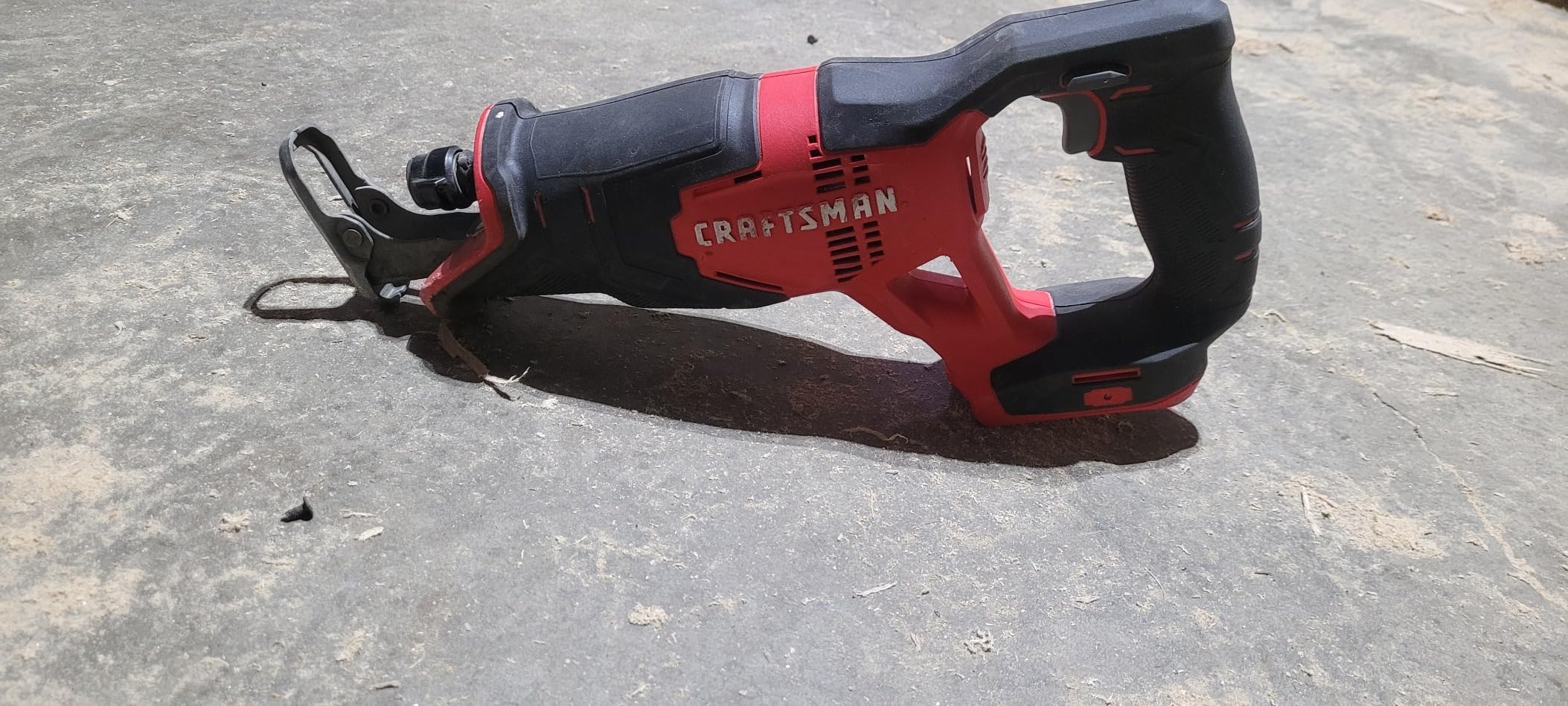
The CMCS300B is the value pick for anyone already running CRAFTSMAN V20 packs, with a 1 inch stroke, a full variable speed trigger to 3,000 RPM, and a tool-free blade release that keeps up with the class leaders.
Owner feedback describes it as adequate for window openings, branch cutting, pool service repair and general DIY, with a 4.7 star average across more than 1,500 reviews. Trade buyers are honest that it is slower than DEWALT or Milwaukee saws but completes the job.
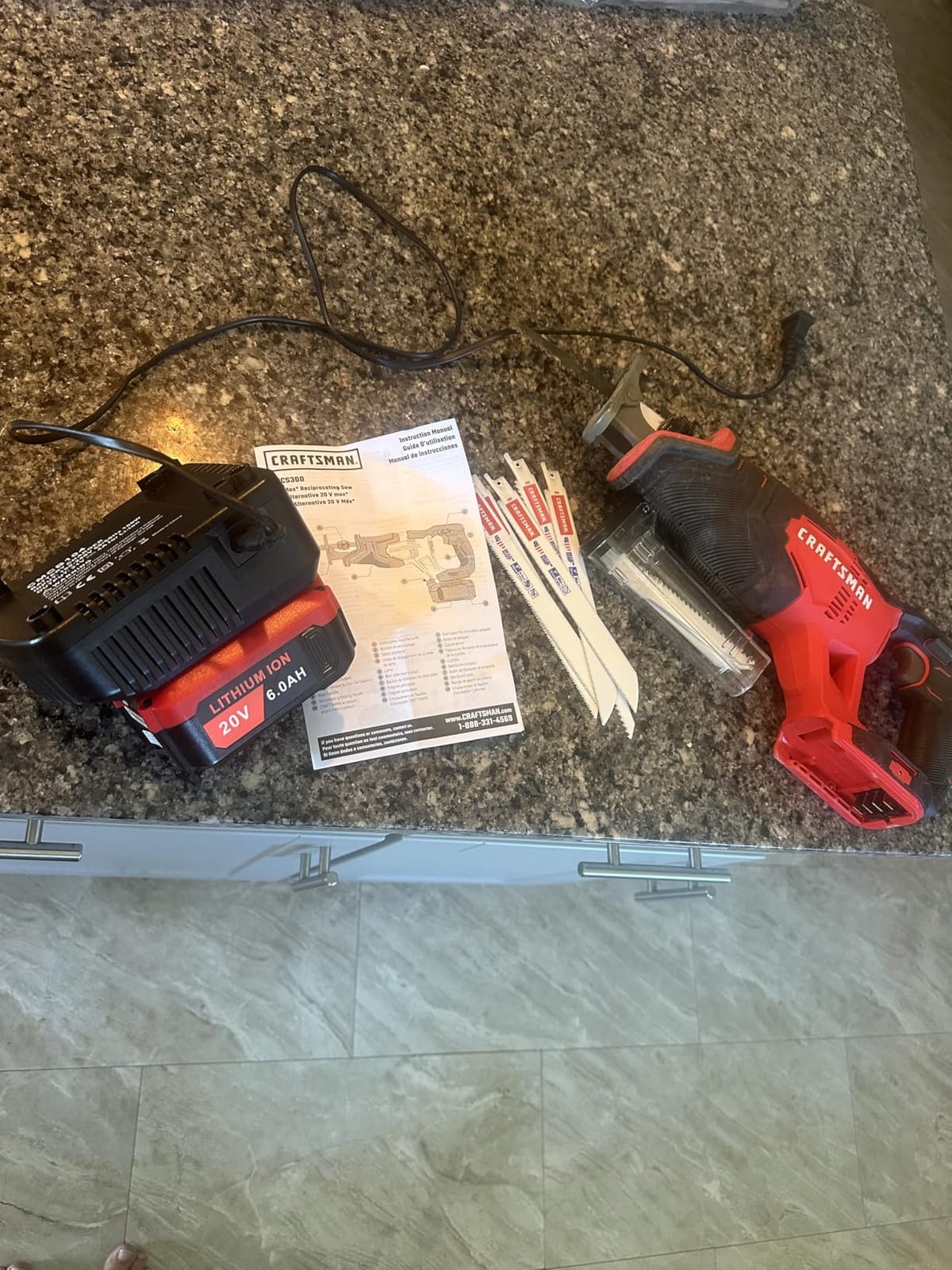
The contoured overmolded rubber handle is comfortable for a full day, and the 15.2 inch body stays manageable one-handed. Reviewers also note it is not excessively loud, which matters when demo work happens in occupied buildings.
A note on the listed specifications: the published item weight for this model is obviously an error in the listing data, so ignore any weight figure you find there and judge the saw by hand instead.
When this saw fits a demo day
It fits light residential demo, trim removal, and the kind of odd jobs that come with property maintenance. A 6 inch blade is included, which is short but serviceable for thinner material.
For V20 owners, this is simply the cheapest way to add a recip saw without buying into a second battery system.
Where it falls short
Trade buyers consistently report slower cutting speed than DEWALT or Milwaukee, and that gap widens on thick, nail-embedded material.
For heavy structural demolition, a 20V platform saw in this class is underpowered. Use it for the take-down, not the tear-out.
9. Milwaukee M18 FUEL 2821-20 Sawzall: Best for Heavy Structural Demo
Milwaukee M18 Fuel Sawzall Brushless Cordless Reciprocating Saw – No Charger, No Battery, Bare Tool Only
FUEL brushless motor
Full-size Sawzall platform
Lever actuated blade clamp
6.8 lb
3000 SPM
Pros
- Brushless FUEL motor handles demanding demolition
- Wear resistant lever actuated blade clamp
- Metal reinforced battery connection
- Full-size format accepts the full Sawzall blade range
- 4.8 stars across nearly 1400 reviews
Cons
- Heaviest in this group at 6.8 lb which adds fatigue
- Bare tool so batteries and charger are separate
- Highest cost in the group
When the job is genuinely structural demo, this is the saw we want in our hands. The FUEL brushless motor delivers high output for demanding material, and the full-size Sawzall platform accepts the entire Sawzall blade range, which is a real advantage when you are switching between wood, nails and metal.
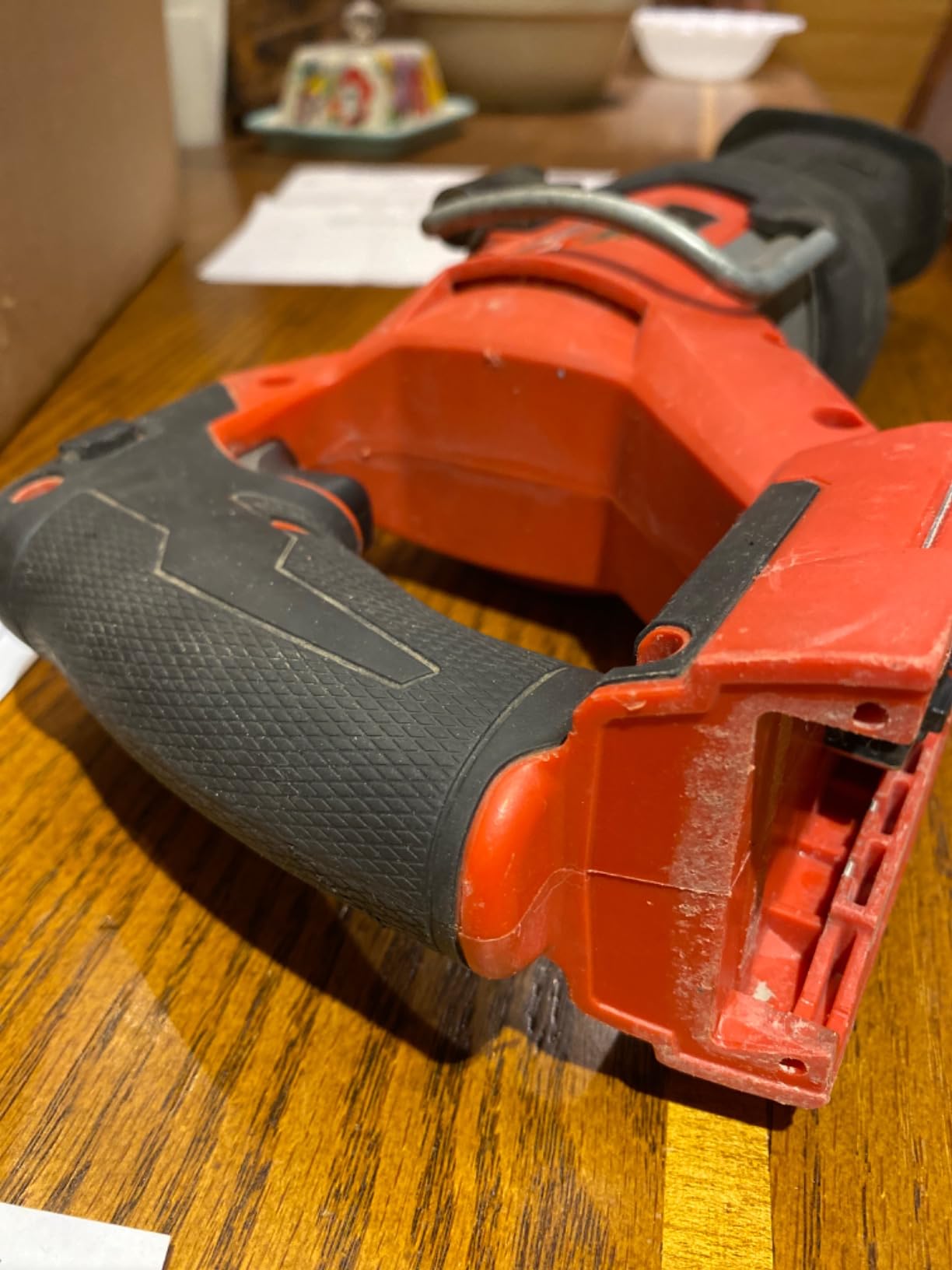
The lever actuated blade clamp is wear resistant and opens fast, and the metal reinforced battery connection is the kind of detail that shows up in year-three durability rather than week one.
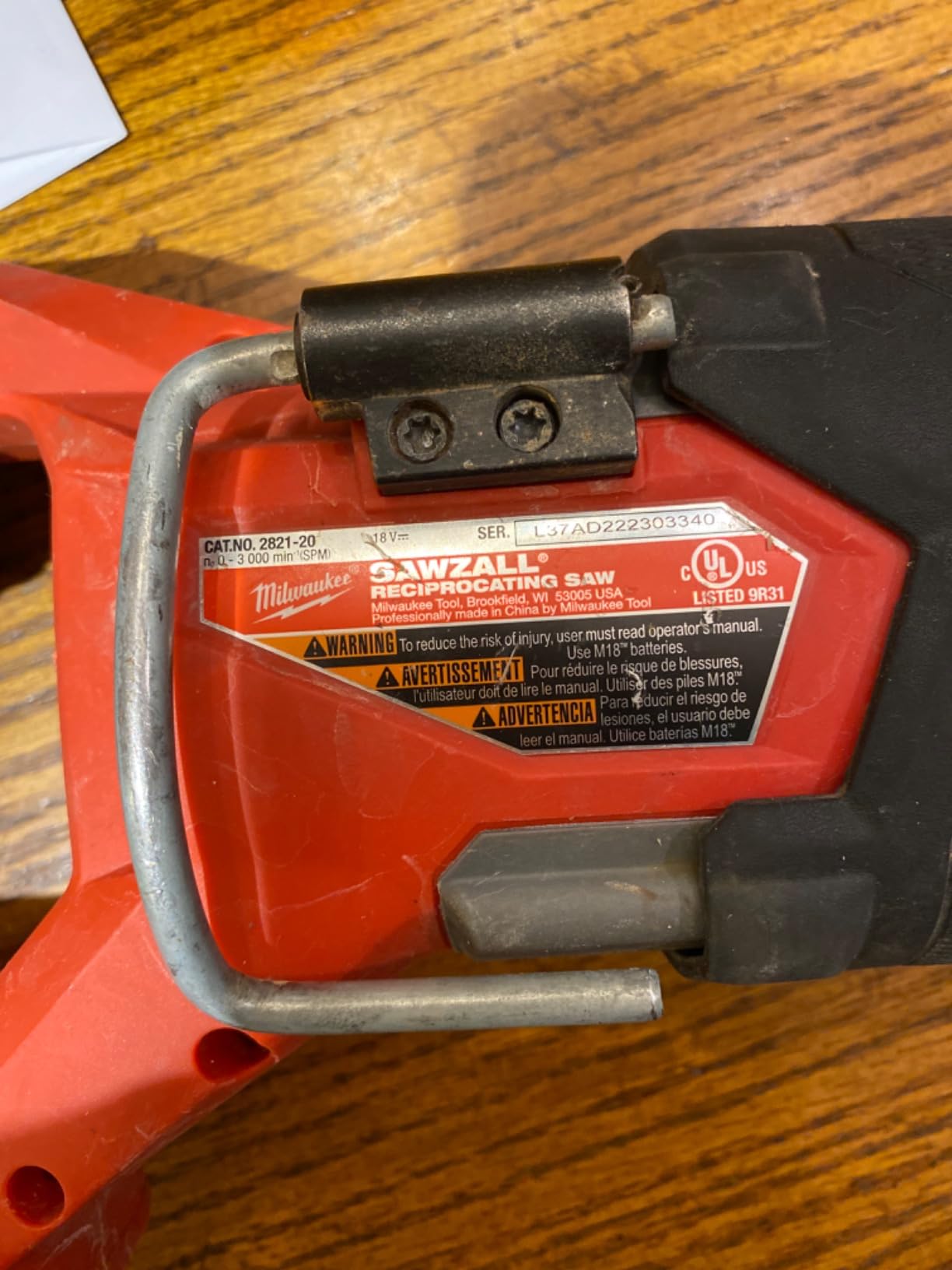
Reviewers rate it among the most capable cordless recips for heavy demolition, with 89 percent five-star across nearly 1,400 reviews. The most common complaints are the 6.8 pound weight, the cost, and the fact that no battery or charger is included.
That weight is the honest trade. On a full day of one-handed or overhead work it is tiring, and it is why we rate the 2719-20 Hackzall higher for most residential teardown.
When this saw fits a demo day
This is the saw for contractors doing structural teardown, large remodel work, and anything involving thick lumber, heavy nail-embedded stock, or long continuous cuts where stopping to cool down is not an option.
The blade ecosystem alone justifies it for pros. Whatever Sawzall blade the job needs, this body will take it, and the clamp will not wear out quickly.
Where it falls short
At 6.8 pounds it is the heaviest tool we tested, and users consistently note the fatigue that brings on long overhead or single-handed sessions.
The bare-tool package means the true cost includes batteries and a charger, and owners regularly flag that as a surprise for first-time buyers.
10. DEWALT 20V MAX DCS382B: Best for Trigger Comfort Over Long Days
DEWALT 20V MAX* Reciprocating Saw, Cordless, 2-Finger Variable Trigger, Keyless Blade Clamp, Tool Only (DCS382B)
Brushless motor
2-finger variable trigger
1-1/8 inch stroke
Twist-style keyless clamp
LED light
Pros
- Two-finger trigger is comfortable over long sessions
- Brushless motor for power and efficiency
- Compact body for a high range of motion
- Works with FLEXVOLT and 20V MAX batteries
- Pivoting shoe stabilizes the cut
Cons
- Tool only with no battery or charger
- 1-1/8 inch stroke is shorter than some competing saws
- Conservative weight class feels less solid under heavy load
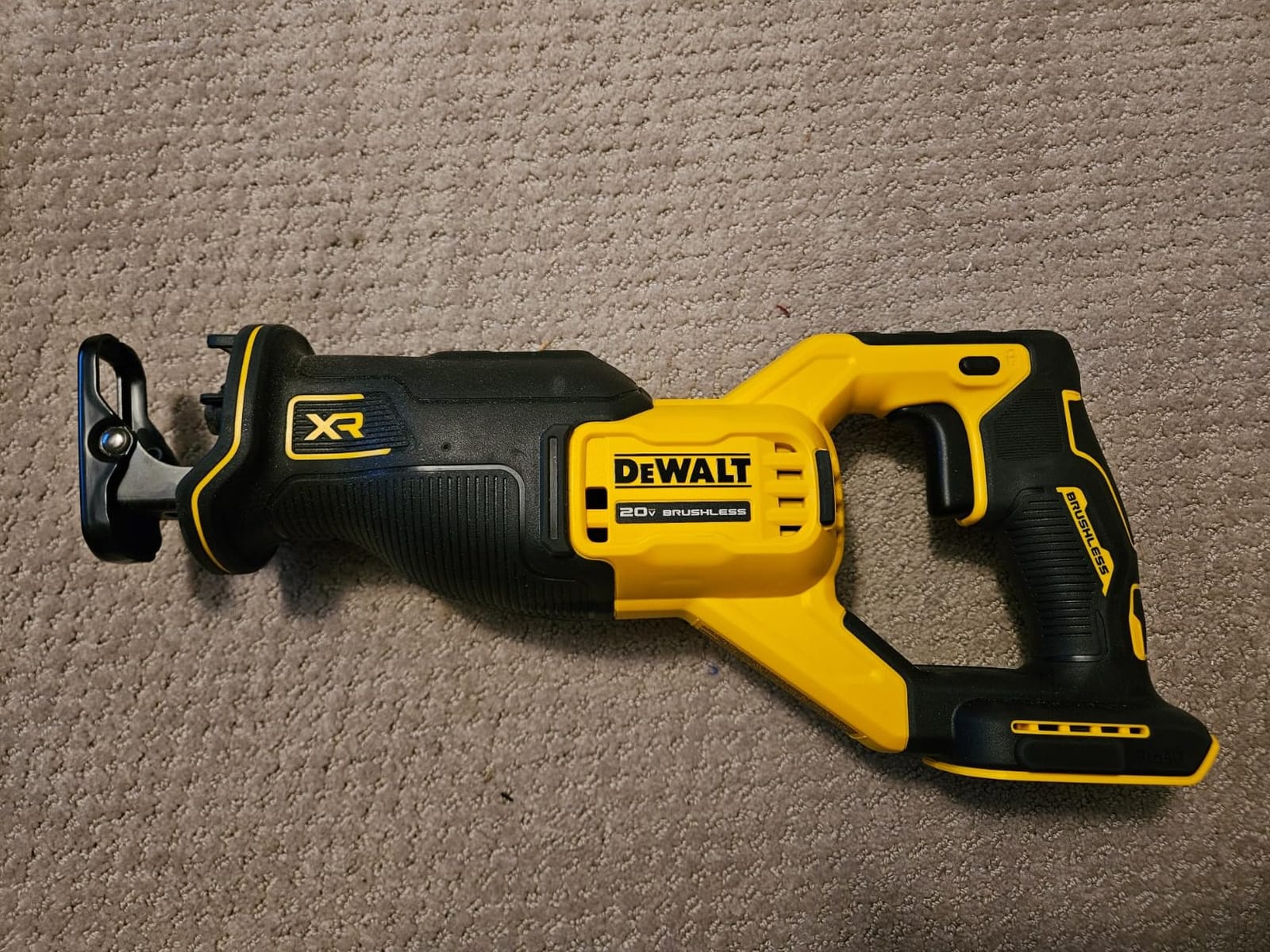
The DCS382B is the ergonomics pick. A two-finger variable trigger spreads the load across two fingers instead of pinching with one, and on an eight-hour demo day that is the difference between a tool you keep using and a tool you put down.
Underneath the grip it is a competent saw: a brushless motor, a 1-1/8 inch stroke for fast cuts, a compact body that allows a high range of motion, and a twist-style keyless clamp for quick changes.
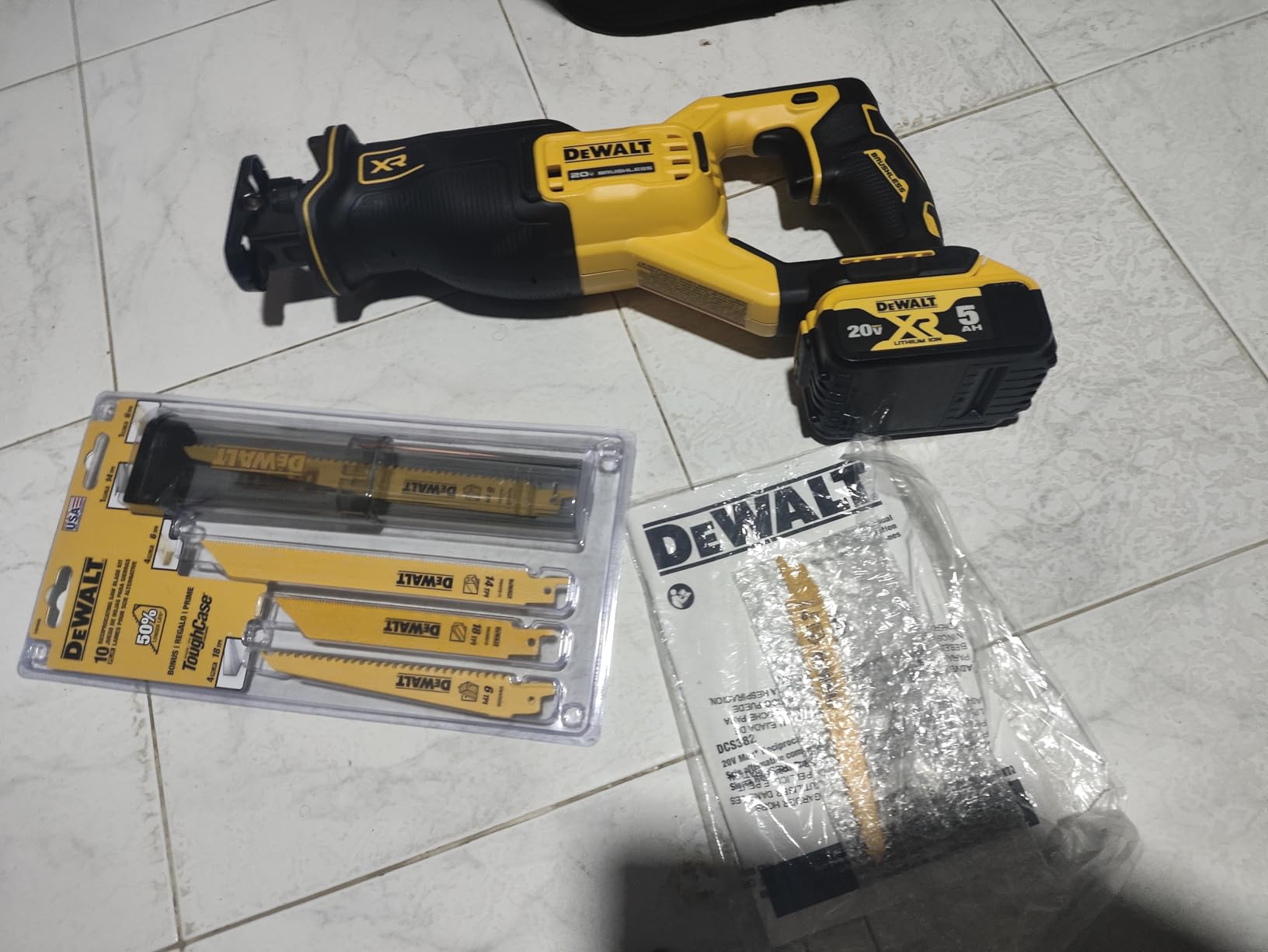
Owners consistently praise the power-to-weight ratio, the comfortable trigger, fast blade changes and compact handling, at 4.7 stars across 1,260 reviews with 85 percent five-star. Compatibility with both FLEXVOLT and 20V MAX packs means you can mix battery sizes on the same saw.
The pivoting shoe keeps the tool stable against the workpiece, which reduces the twisting that leads to kickback on a demo cut.
When this saw fits a demo day
It is a strong all-rounder for residential demo where the operator will be working long hours, especially on a platform you already own. The LED is useful inside cavities and the compact body suits framing work.
For anyone with back or grip issues, this is the saw most likely to stay comfortable over a full shift.
Where it falls short
It ships as a bare tool, so first use requires a DEWALT battery and charger, and the same listing data problem applies here with the published weight being unreliable.
The stroke length is a little shorter than the best in this group, and reviewers who compare it with heavier full-size saws find it feels less solid when pushed hard on structural material.
11. Makita 18V LXT XRJ05Z: Best Premium Stroke Length
Makita XRJ05Z 18V LXT Lithium-Ion Brushless Cordless Recipro Saw, Tool Only
1-1/4 inch stroke
2300 and 3000 SPM two speeds
8.2 lb with battery
Tool-less blade change
17-1/4 inch long
Pros
- Longest stroke in this group moves the most material per pass
- Two speed settings plus variable trigger
- Makita build quality with a 3 year warranty
- Tool-less blade change speeds up swaps
- 90 percent of reviews are five star
Cons
- Heavier with battery than most compact saws here
- Tool only with no battery or charger
- Included 6 inch 6TPI blade is short for heavy demo
The XRJ05Z wins on one measurable number, and it is the number that matters most for material removal: a 1-1/4 inch stroke, the longest in this group. Every pass takes more material, which means fewer passes through the same piece of lumber.
Makita builds a variable two-speed brushless motor offering 0 to 2,300 SPM and 0 to 3,000 SPM, with a variable speed trigger for fine control. For demo work the low speed setting is useful for starting a plunge into a wall assembly without a wild lurch.
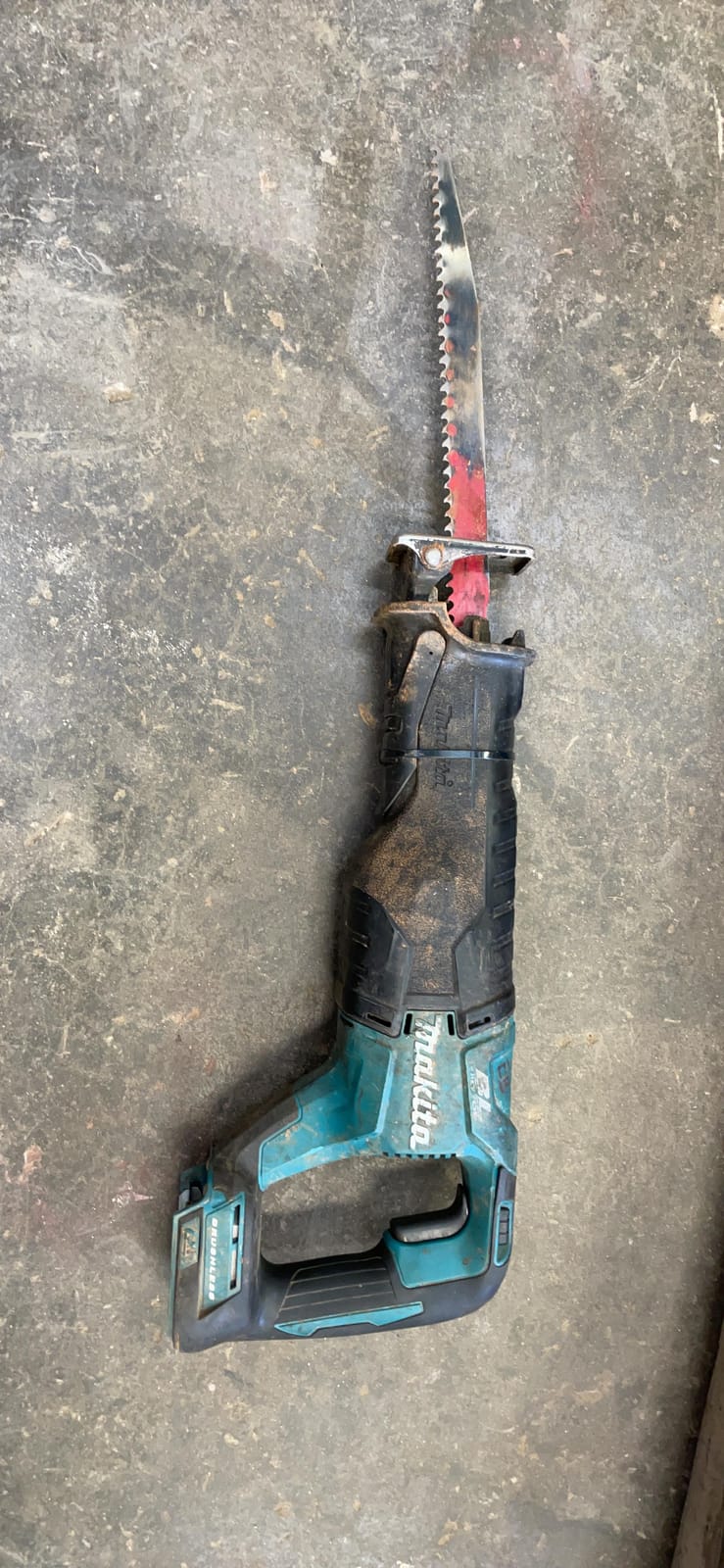
Owners highlight the brushless power, the tool-less blade change system and low fatigue over long sessions, at 4.8 stars across 1,119 reviews with 90 percent five-star, the highest five-star share in this group.
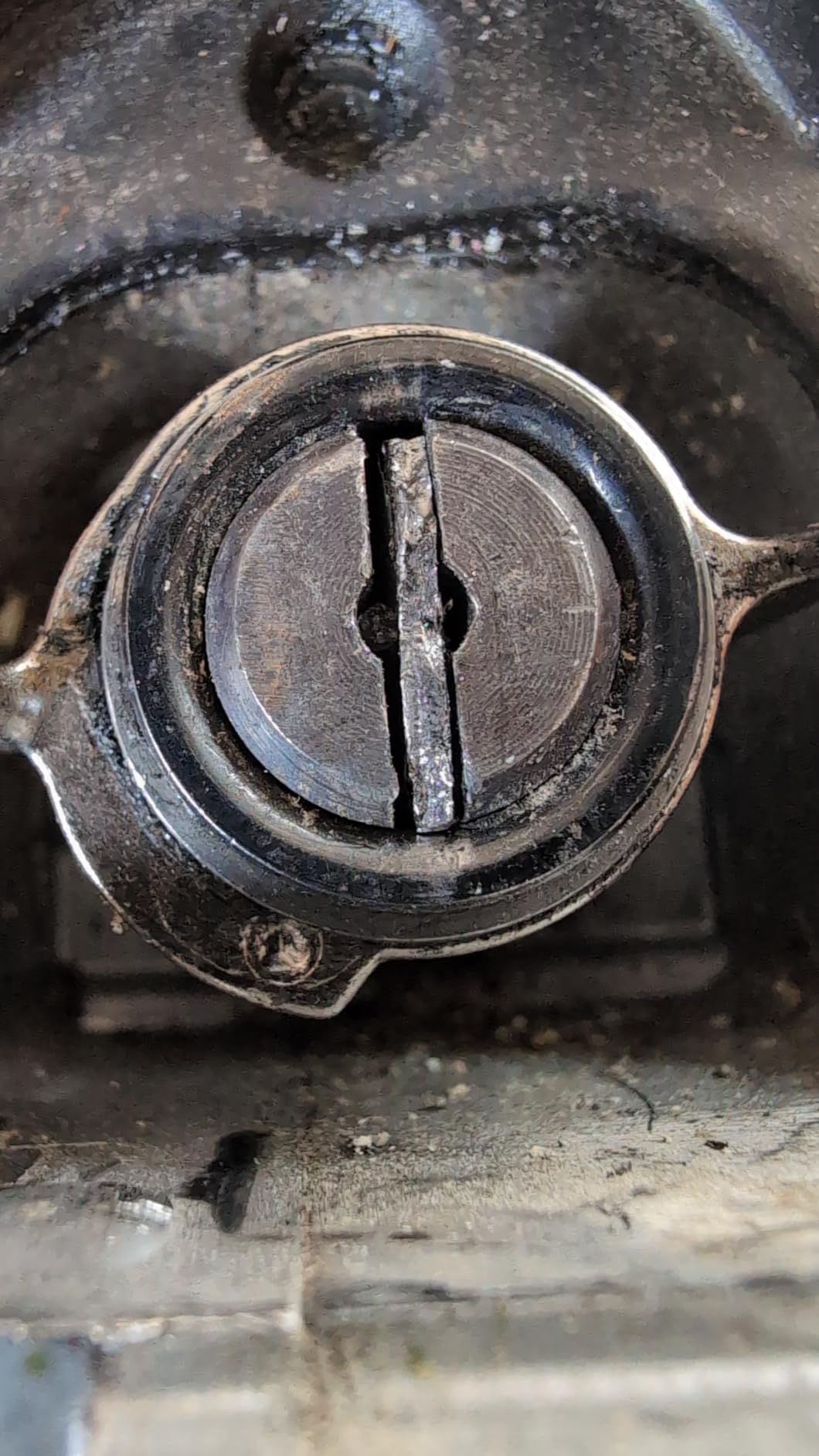
The tool-less blade change system makes rapid blade swaps straightforward, and a 6 inch 6TPI blade is included so you can start cutting on day one.
When this saw fits a demo day
It suits Makita 18V LXT owners doing serious teardown, where the long stroke and brushless motor make the difference on thick lumber and nail-embedded stock.
For anyone buying one cordless recip saw for a career, the build quality and 3 year manufacturer warranty add confidence that the tool will still be working in several years.
Where it falls short
At 8.2 pounds with a battery, it is the heaviest saw in this group once a pack is fitted, and that weight shows up on overhead and single-handed work.
The included blade is short for heavy demolition, and the bare-tool package means you need 18V LXT batteries and a charger before the first cut.
12. olmlmo RS09-MT Pro: Best Complete Kit for Occasional DIY Demo
Cordless Reciprocating Saw With 8 Blades – 2×4000mAh Batteries, Brushless Motor, Variable Speed 0‑3200 SPM, Tool‑Free Blade Change, Power Reciprocating Saw for PVC Wood, Metal Cutting DIY
3200 SPM variable speed
1.1 inch stroke
Two 4000mAh batteries
Eight carbide blades
Carrying case included
Pros
- Most complete box on this list with two batteries charger case and eight blades
- Only 3 lb for one-handed handling
- Tool-free blade change in about 5 seconds
- Brushless motor handles lumber PVC pipe and sheet metal
Cons
- Does not match the power of full-size name-brand saws
- Some owners report overheating during sustained heavy cuts
- Carrying case is flimsy with no foam insert
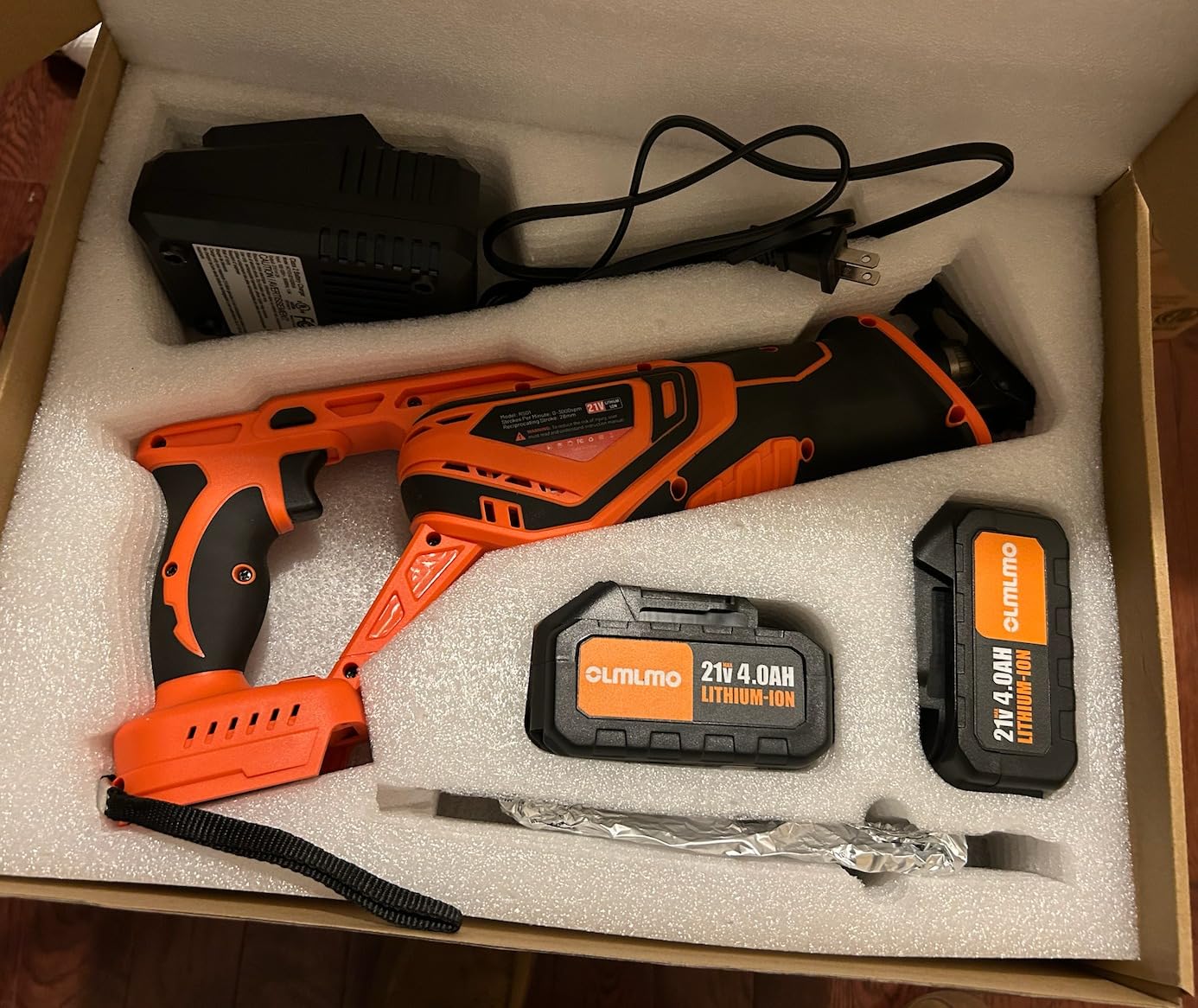
This kit is the outlier and the bargain. It ships with two 4000mAh batteries, a charger, a carrying case and eight carbide blades covering wood, plastic, aluminium, steel, fiberglass and sheetrock, and at 3 pounds it is the lightest saw in the group.
The 500W brushless motor runs 0 to 3,200 SPM with a 1.1 inch stroke, and the tool-free blade change takes roughly five seconds. Owners often use it alongside, or instead of, a full-size saw for DIY demolition and smaller teardown jobs.
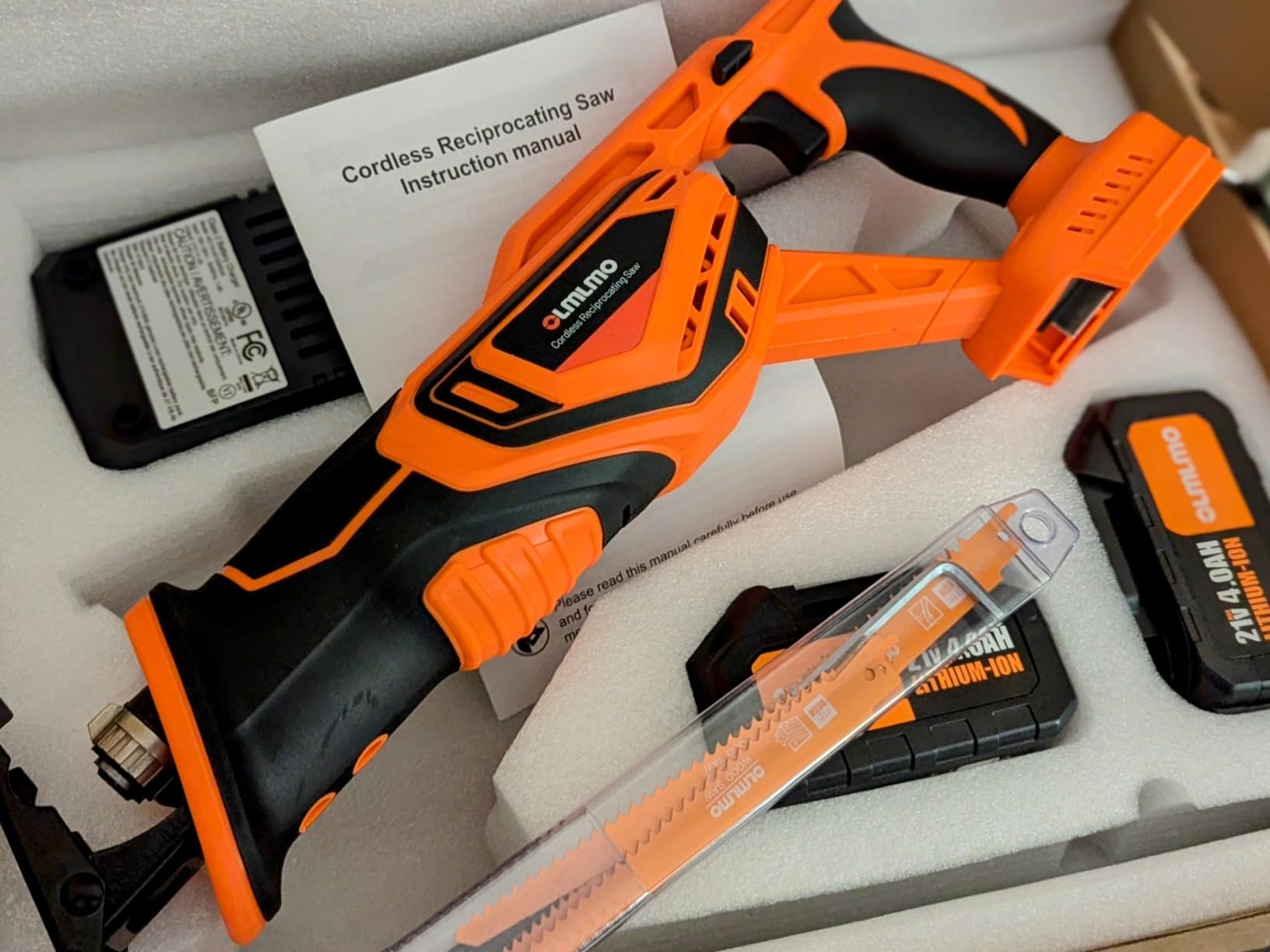
The 4.4 star average across 584 reviews is the lowest here, and the reason is visible in the distribution: 73 percent five-star with 6 percent one-star, and the complaints cluster on durability rather than capability.
Specifically, a minority of owners report intermittent overheating shutdowns during sustained heavy cuts, battery contact problems after extended use, and units that stopped working after a few months. For occasional work that is an acceptable trade, for contract work it is not.
When this saw fits a demo day
It works well for the weekend remodel, garage cleanout, and light demo where you need several blade types without buying them separately. Many owners point out the value against renting a saw for a single project.
The two included batteries mean roughly four to five hours of work per charge cycle, and the kit doubles as a yard and plumbing saw with the blade set provided.
Where it falls short
It does not match the cutting power of a full-size name-brand reciprocating saw, and the overheating reports in owner reviews are the clearest signal to keep it off heavy structural work.
Durability is the other concern. If this tool has to survive daily use on contract work, buy something else. The carrying case is also cheap plastic with no foam insert, so parts shift in transit.
Demolition Blade Guide: Pairing the Right Blade to Each Saw
A saw choice only matters half as much as the blade in it. The right blade turns a stalling cut into a clean one, and the wrong blade is the most common reason owners think their demo saw is underpowered. Everything below pairs with the saws in this roundup.
Nail-embedded lumber and demolition wood: a coarse-tooth wood blade with wide gullets, around 5 to 8 TPI, clears chips and shavings fast. It is the blade for wall teardown, subfloor and deck boards. The DCS367B, DCS387B and DCS382B handle these well with a 1-1/8 inch stroke.
Cast iron and pipe: a carbide blade, or a coarse-tooth bi-metal blade, is mandatory. Carbide teeth survive the abrasive grind of cast iron that will strip a standard wood blade in seconds. This is the fastest material to ruin a saw, and the one where owners report the cheapest saws visibly failing.
Metal studs, EMT conduit and pipe: a metal-cutting blade with 18 to 24 TPI, bi-metal construction for a fast cut and durability on nail-shredded stock. The Milwaukee FUEL 2821-20 takes the full Sawzall range here, which is an advantage when switching between wood and metal all day.
Multi-material work: a combination blade handles wood, nails and light metal, and it is the pragmatic choice when a demo day moves between materials. The BLACK+DECKER kit and the olmlmo kit both ship several blades so you are not making a separate purchase.
PVC and plastic: a fine-tooth blade with at least 10 TPI cuts plastic cleanly without shattering it. A dull blade turns PVC into a shattered mess rather than a clean cut.
One note on lengths: longer blades cut deeper but bind more easily in tight cavities, and shorter blades are easier to control. For overhead and confined work, a shorter blade with more teeth is often the smarter pairing, which is why the compact saws above still cut well on a job site.
If you want a broader look at cutting tools that pair well with a recip saw on a teardown job, our circular saw roundup and cordless circular saw guide for contractors cover the cross-cutting and ripping side of the job.
Buying Guide: What Actually Matters in a Demolition Recip Saw
Start with stroke length and SPM, because those two numbers set your cut speed. A stroke of at least 1 inch and roughly 3,000 SPM covers most residential demo, while a 1-1/8 to 1-1/4 inch stroke handles thick lumber and structural material noticeably faster.
Next, decide brushless versus brushed. Brushless motors run cooler, use less energy and survive sustained load far better, which on demo work means fewer thermal cutouts when you are pushing through nail-embedded lumber. Several owners in this group specifically blame overheating on brushed designs.
Weight is the third decision, and it is harder than it looks. A heavier saw cuts faster but tires your arm sooner, and vibration plus fatigue is the single most common complaint we saw across owner feedback. If your demo day includes a lot of overhead or one-handed work, favour anything under about 5.5 pounds.
Then check the blade change mechanism. Demo work means frequent blade swaps, so a keyless clamp or a tool-less release saves real minutes each day. A shaft-mounted release that needs two hands is a nuisance when you are holding material with one arm.
Features worth paying for include an LED light for cavities, a pivoting shoe for a stable cut line, and a rafter hook for two-handed overhead work. Orbital action is optional: it speeds wood cutting, but on teardown most people accept the slower, cleaner cut for a straight line.
Finally, the battery platform decision. Owner feedback across forums is consistent on this point, often repeated as: the best saw is the one that fits the batteries you already own. Buying a bargain saw on a new platform can cost more in batteries and chargers than it saved on the tool.
For a full demo day, plan on at least two batteries and a charger that refills one while the other runs. Add a spare blade set, because a snapped blade mid-teardown costs more time than a second battery. A carrying case for blades is worth the small extra cost.
If you are rounding out a teardown kit, our band saw roundup covers clean resawing work afterwards, and our cordless string trimmer guide covers the site cleanup that follows demo.
Safety on Demo Day: Kickback, Hidden Nails and Blades That Snap
Every saw in this roundup can kick back, and kickback is the injury that ends careers. It happens when the blade binds, the tool rotates back toward you, and your hands are in the wrong place. Keep the tool in both hands, keep your face out of the blade line, and let the shoe stay in contact with the material.
Hidden nails are the demolition-specific hazard. Old lumber is full of fasteners nobody documented, and a low-tooth wood blade that slams into a buried nail will snap or kick. Look for the fastener pattern before you cut, probe with a pry bar where you can, and expect blades to break.
Cutting overhead adds falling-material risk. Set up so nobody stands beneath the cut, wear eye protection and a respirator, and remember that cement board and drywall produce dust that settles everywhere. A vacuum or a dust-control attachment is worth setting up before the first cut, not after.
Finally, give the blade guard your attention. Many operators in the field disable guards, but the guard is there for a reason, and a snap in a demo cut is a common injury report. Keep it functioning and replace blades early, because a tired blade is the one most likely to bind and kick.
Frequently Asked Questions
Which cordless reciprocating saw is the most powerful?
Among the saws we ranked for demolition, the Milwaukee M18 FUEL 2821-20 Sawzall delivers the highest sustained output because it pairs a brushless FUEL motor with a full-size Sawzall platform and 6.8 pound build. The Makita XRJ05Z has the longest stroke at 1-1/4 inch, which moves the most material per pass. In practice, the DEWALT 20V MAX XR DCS367B delivers the best mix of power, weight and access for most teardown work.
Which saw is most likely used for demolition work?
A full-size two-handed reciprocating saw with a brushless motor and at least a 1-1/8 inch stroke is the saw most used on demolition, because it handles nail-embedded lumber, wall assemblies, subfloor and cast iron pipe. Compact one-handed saws such as the Milwaukee M18 FUEL 2719-20 Hackzall are the tool for overhead and confined-space demo. Demo work is defined by aggressive material removal rather than precision finish cuts.
What are the best reciprocating saw blades for demolition?
For nail-embedded lumber and general demo, a coarse-tooth wood blade around 5 to 8 TPI is fastest. For cast iron and pipe, a carbide blade is essential because standard teeth strip almost immediately. For metal studs and conduit, use a 18 to 24 TPI bi-metal blade. A combination blade is the practical pick for mixed multi-material days. A new blade changes the feel of any saw more than a heavier battery does.
What is the best saw for rip cuts?
A reciprocating saw is the wrong tool for ripping lumber. Its blade reciprocates along one axis and cannot be guided safely in a controlled rip line, so cut quality and accuracy are poor. For rip cuts, use a circular saw, a track saw or a table saw. Reciprocating saws are built for crosscuts, plunge cuts and tear-out work, where the blade is free to move with the material.
How many batteries do I need for a full day of demo work?
Plan on at least two batteries plus a charger, so one pack recharges while the other runs. On continuous demolition, a 5Ah or higher pack gives you more cut time per swap than the small packs that ship with budget kits. Note that some saws here draw high current, so a battery below 3Ah will feel weak on the same tool. Two packs also mean you can keep cutting through a long teardown without waiting.
Is a compact one-handed reciprocating saw good enough for demolition?
Yes, for most residential teardown, and a compact saw is often better because you can reach cuts a full-size saw cannot. One-handed models handle wall cavities, ceiling joists and overhead work, and lighter tools reduce arm fatigue over a long day. They are limited on very thick lumber and dense nail-embedded stock, where a full-size brushless saw has the power you need. The best setup for most crews is one of each.
Final Verdict: Which Cordless Recip Saw Handles Demolition Best
After working through all twelve, the DEWALT 20V MAX XR DCS367B is the best cordless reciprocating saw for demolition for most people. It combines a brushless motor, a 1-1/8 inch stroke, 2,900 SPM, a 5.4 pound body and a 14.5 inch length that still fits between studs, and it backs that with the largest volume of owner feedback in the group.
Buy the Milwaukee M18 FUEL 2719-20 Hackzall instead if your work is overhead or confined, and the Milwaukee M18 FUEL 2821-20 Sawzall if you are tearing out structure rather than trim. The BLACK+DECKER kit is the sensible first purchase for anyone without batteries, and the olmlmo package is worth a look for occasional DIY work where a full kit matters more than continuous heavy load.
Whatever you choose, buy into the battery platform you already own, carry two batteries and a charger, and start with a fresh carbide or coarse-tooth blade. That last step alone will change how the saw feels on 2026-era demo work more than any spec on this page. Check current pricing for your platform before you commit.