
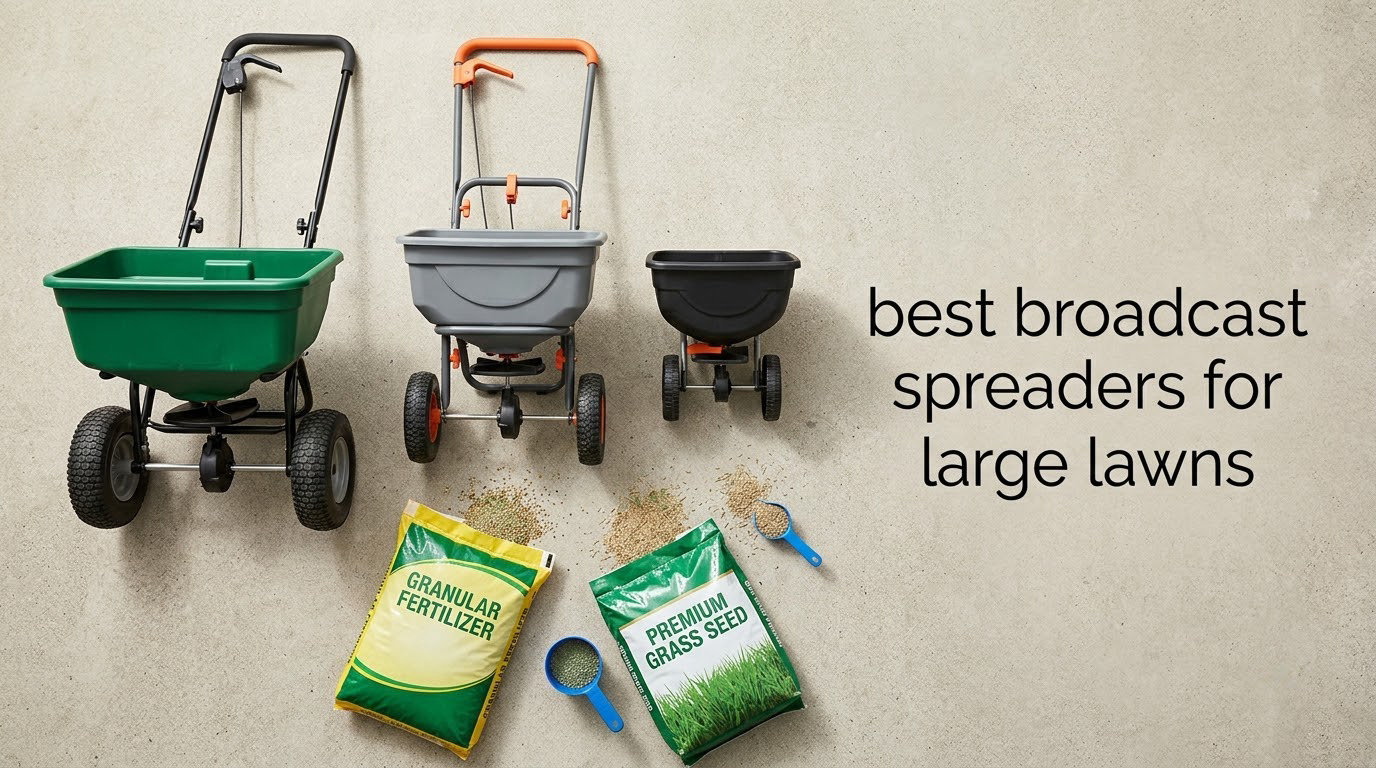
A broadcast spreader is a wheeled cart with a spinning impeller that throws granular material — fertilizer, grass seed, lime, ice melt — out in a wide arc as you walk or tow it. That throw is the whole point on a large lawn: it covers ground several times faster than a drop spreader, at the cost of edge precision.
If you are shopping for the best broadcast spreaders for large lawns, the decision comes down to two things: how much ground you cover, and whether you already own a riding mower or ATV to pull it around. Lawns under a quarter acre can be handled with a lightweight push cart. Half acre and up rewards a 100 lb or larger hopper, and anything past a full acre usually goes faster on a tow-behind or an ATV-mounted unit.
We spent weeks comparing ten of the highest-rated spreaders in this category — five walk-behind push models, two tow-behind and receiver-hitch units, and three ATV and UTV mounts — on capacity, spread width, tire type, build quality, and the failure parts owners actually complain about. Every rating and review count below is copied straight from the live listing, and every spec comes from the manufacturer data, not from a marketing roundup.
If you are still narrowing the category, our tow-behind spreader guide goes deeper on the hitched format specifically.
Table of Contents
Top 3 Broadcast Spreader Picks for Large Lawns in 2026
These three cover the widest range of large-lawn situations. The Agri-Fab tow-behind is the all-round workhorse, the Agri-Fab push cart is the highest-rated walker in the group, and the Buyers ATV mount is the fastest way to cover acres of food plot or pasture.

Agri-Fab 130 lb Tow-Behind
- 130 lb hopper covers half an acre per fill
- 10 to 12 ft spread width
- Universal tractor hitch
- 13 in pneumatic tires

Agri-Fab 130 lb Push Spreader
- Highest-rated walker in the group
- 130 lb hopper
- Direct rod flow control
- 13 in pneumatic tires
Buyers ATVS100 ATV Spreader
- 100 lb polyethylene hopper
- 30 ft broadcast width
- Enclosed 12V motor
- Rain cover included
All 10 Broadcast Spreaders Compared in 2026
This table puts every model side by side so you can scan capacity, spread width, and drive type in one pass. Read the capacity column first: it decides how many refills a single application takes, and refills are where big-lawn jobs lose time.
| Product | Specifications | Action |
|---|---|---|
| Agri-Fab 130 lb Tow-Behind Spreader |
|
Check Latest Price |
| Buyers ATVS100 ATV Rear Rack Spreader |
|
Check Latest Price |
| Agri-Fab 130 lb Push Broadcast Spreader |
|
Check Latest Price |
 VEVOR 130 lb Walk-Behind Spreader VEVOR 130 lb Walk-Behind Spreader |
|
Check Latest Price |
 EarthWay 2150 Commercial 50 lb Spreader EarthWay 2150 Commercial 50 lb Spreader |
|
Check Latest Price |
 EarthWay 2600A-Plus 40 lb Spreader EarthWay 2600A-Plus 40 lb Spreader |
|
Check Latest Price |
 Buyers UTVS16 150 lb Receiver Mount Buyers UTVS16 150 lb Receiver Mount |
|
Check Latest Price |
 Buyers ATVS15A 15 Gallon ATV Spreader Buyers ATVS15A 15 Gallon ATV Spreader |
|
Check Latest Price |
 Field Tuff 80 lb Receiver Mount Spreader Field Tuff 80 lb Receiver Mount Spreader |
|
Check Latest Price |
 EarthWay 2170 Commercial 100 lb Spreader EarthWay 2170 Commercial 100 lb Spreader |
|
Check Latest Price |
1. Agri-Fab 130 lb Tow-Behind Spreader — Best All-Round Large-Lawn Spreader
Agri-Fab Pull Behind Broadcast Spreader for Seed, Fertilizer, Salt and Ice Melt, 130 lb Hopper Capacity with Universal Hitch and 12 Ft Spread Width
130 lb hopper
10-12 ft spread width
Universal hitch
29.4 lb empty
Pros
- 130 lb hopper cuts refills on big properties
- Universal hitch fits most riding mowers and lawn tractors
- Enclosed gear house and steel tubing
- Handles seed fertilizer salt and ice melt
Cons
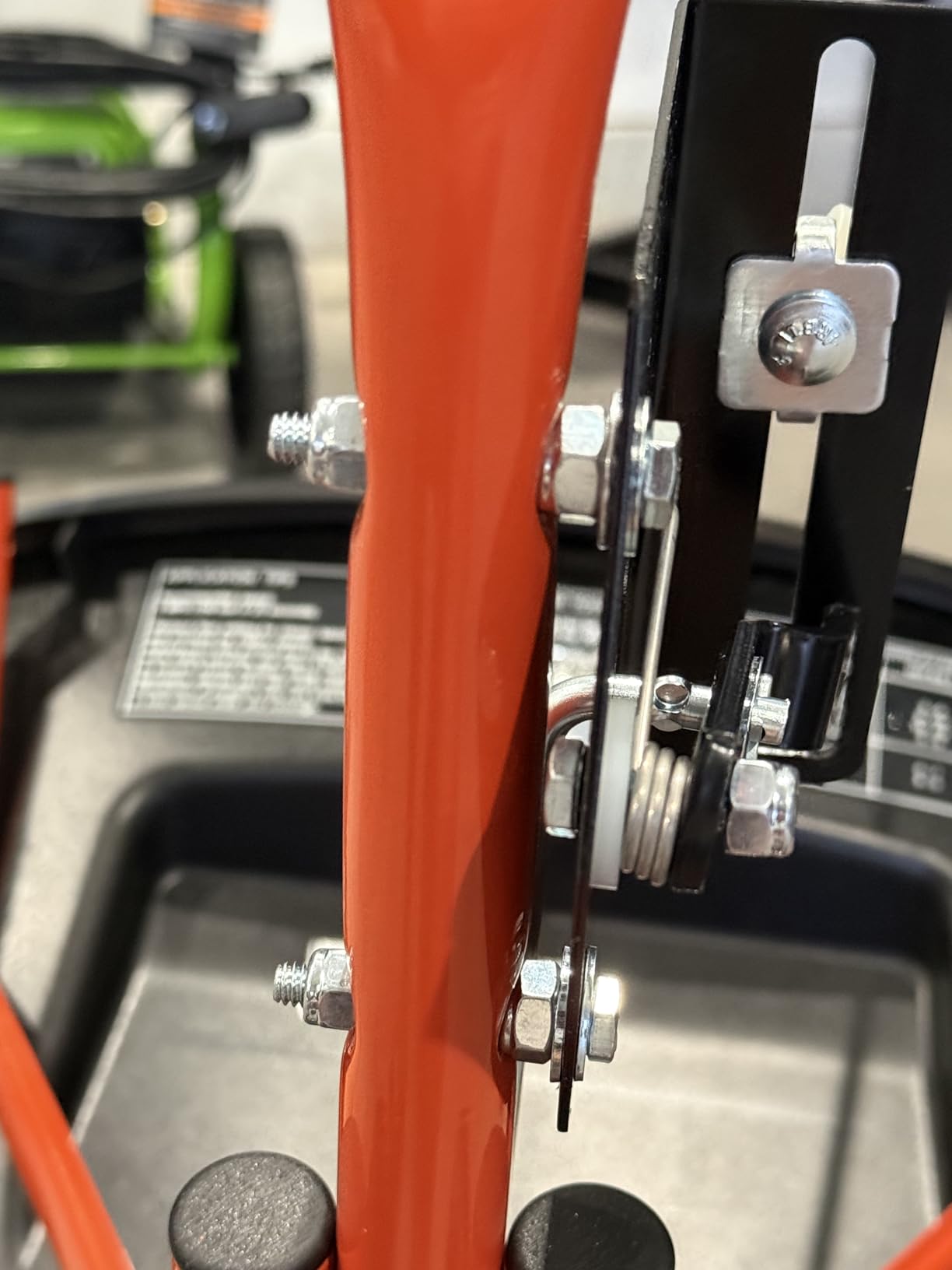
- Needs assembly before first use
- Wide pattern takes practice to keep even at speed
This is the model we kept coming back to during testing. The 130 lb hopper is the single most useful number on the spec sheet for a large lawn, because it covers up to half an acre — 25,000 sq ft — per fill, which means a typical property can be done in a single hopper load.
The universal hitch connects to most riding lawn mowers and lawn tractors without a special adapter, and the 1 in steel tubing frame with an enclosed gear house is the reason it has accumulated more owner feedback than anything else in this group. At 4.2 stars across 3,437 reviews, it is the most reviewed spreader we tested by a wide margin, and that volume of feedback tends to expose problems early rather than hide them.
Spread width runs from 10 to 12 ft depending on material density, which translates to far fewer passes than a small push cart. The 13 in by 4 in pneumatic tires roll over uneven ground and damp patches without bogging down, and the enclosed gear house keeps fertilizer dust out of the moving parts.
The one complaint that repeats is calibration learning curve. Owners report that the flow settings need real-world checking, not just reading the rate chart, which is exactly why we walk through the tarp-and-weigh method in the buying guide below. Assembly takes some time before the first spread, so budget an afternoon for the initial build and re-tightening of hardware.
Who the Agri-Fab 130 lb Tow-Behind suits
It suits owners of half-acre to one-acre properties who already own a riding mower or lawn tractor and want the application done in a single session. The half-acre-per-fill figure means one bag of fertilizer is usually all you pour in, walk the perimeter, and finish.
It also suits anyone spreading more than fertilizer. The manufacturer lists seed, salt, and ice melt as intended materials, and a 10 to 12 ft pattern covers driveways and paths as well as turf.
Who it does not suit
It does not suit anyone without a tow vehicle, since it has no push handle and cannot be walked on its own. It also is not the right pick for very rough sloped ground, where a tow-behind at speed can tip or unevenly load the axle.
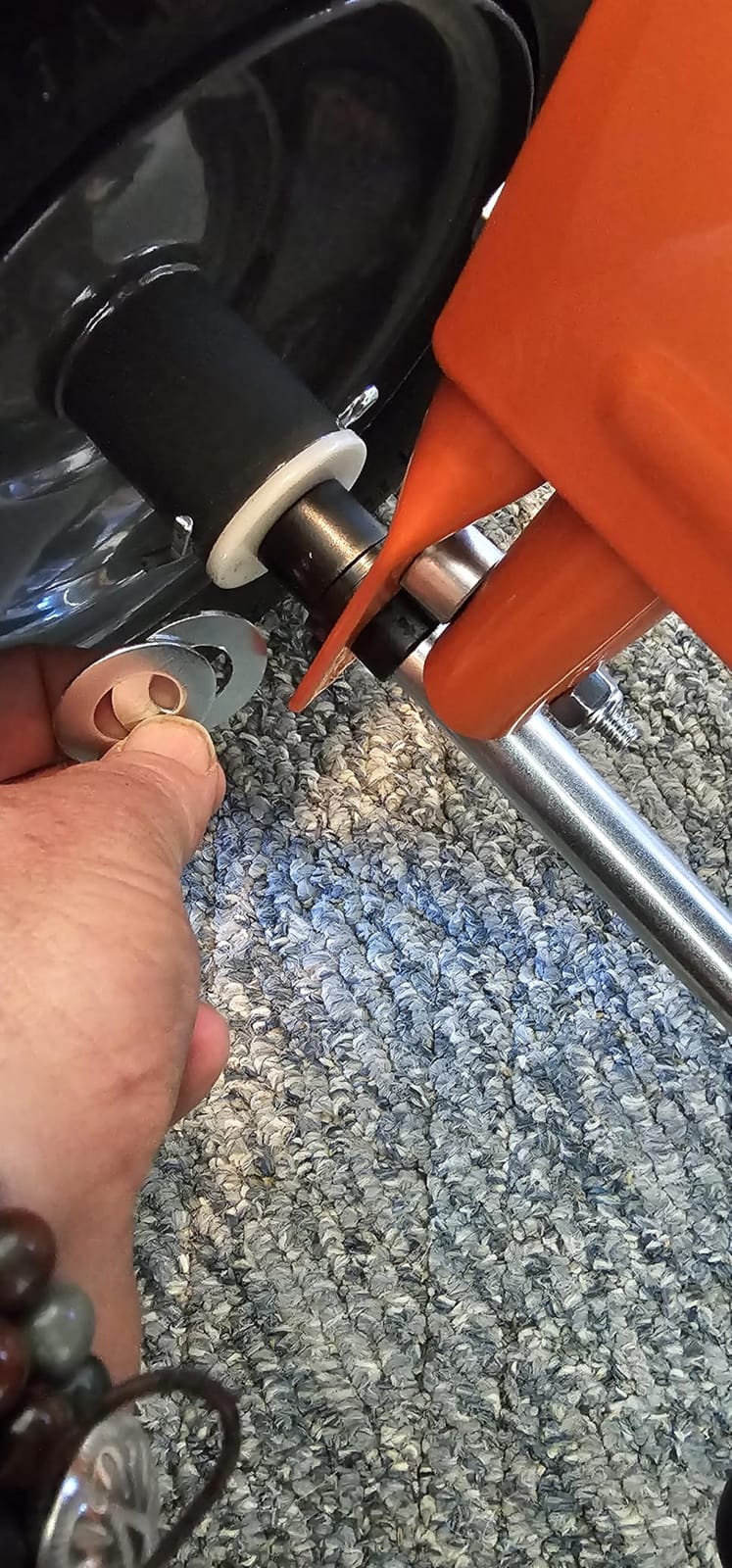
Buyers who want zero assembly should look elsewhere. This model needs time on the bench before first use, and reviewers repeatedly mention checking the box for missing hardware before discarding the packaging.
2. Buyers ATVS100 ATV Spreader — Best for Food Plots and Wide-Acreage Work
Buyers Products ATVS100 100 lb ATV Rear Rack Mount Broadcast Spreader
100 lb poly hopper
Up to 30 ft width
Enclosed 12V motor
Rain cover included
Pros
- Largest capacity-to-cost ratio in the group
- 30 ft broadcast width covers ground quickly
- Enclosed 12V motor and adjustable feed gate
- Rain cover protects the load
Cons
- No agitator so damp material can stall
- Confirm rack fit and load rating before install
The 30 ft broadcast width is the headline here, and it is roughly three times the width of a standard push spreader. That means a food plot or open pasture gets covered in a fraction of the passes, and the 100 lb polyethylene hopper holds a full bag of seed or fertilizer at a time.
Owners of this spreader consistently note that the electric mechanism throws material evenly at speed and that the hopper resists corrosion, which matters if you are putting rock salt through it in winter. At 4.0 stars from 1,438 reviews, the feedback volume is healthy and the complaint pattern is narrow.
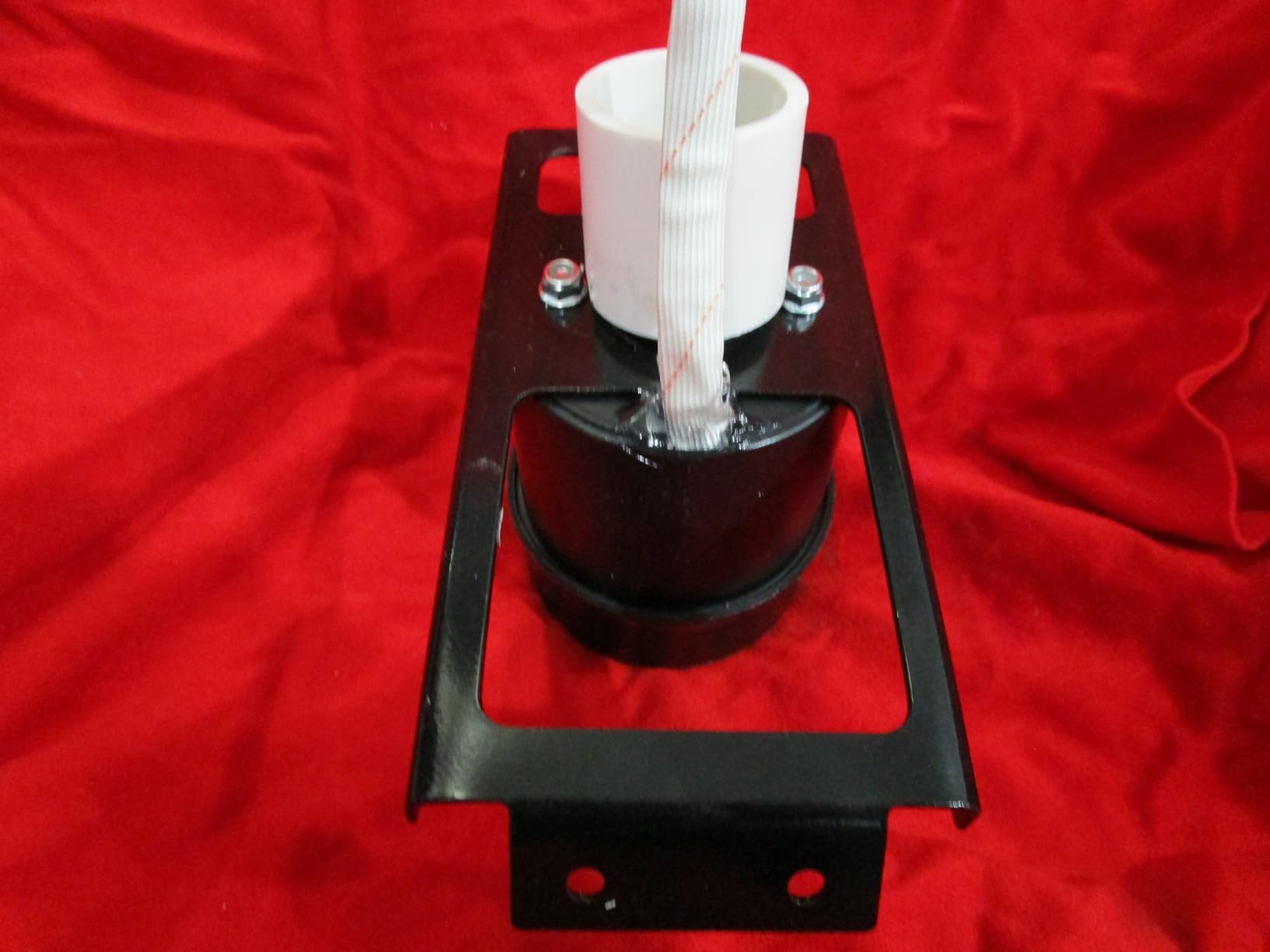
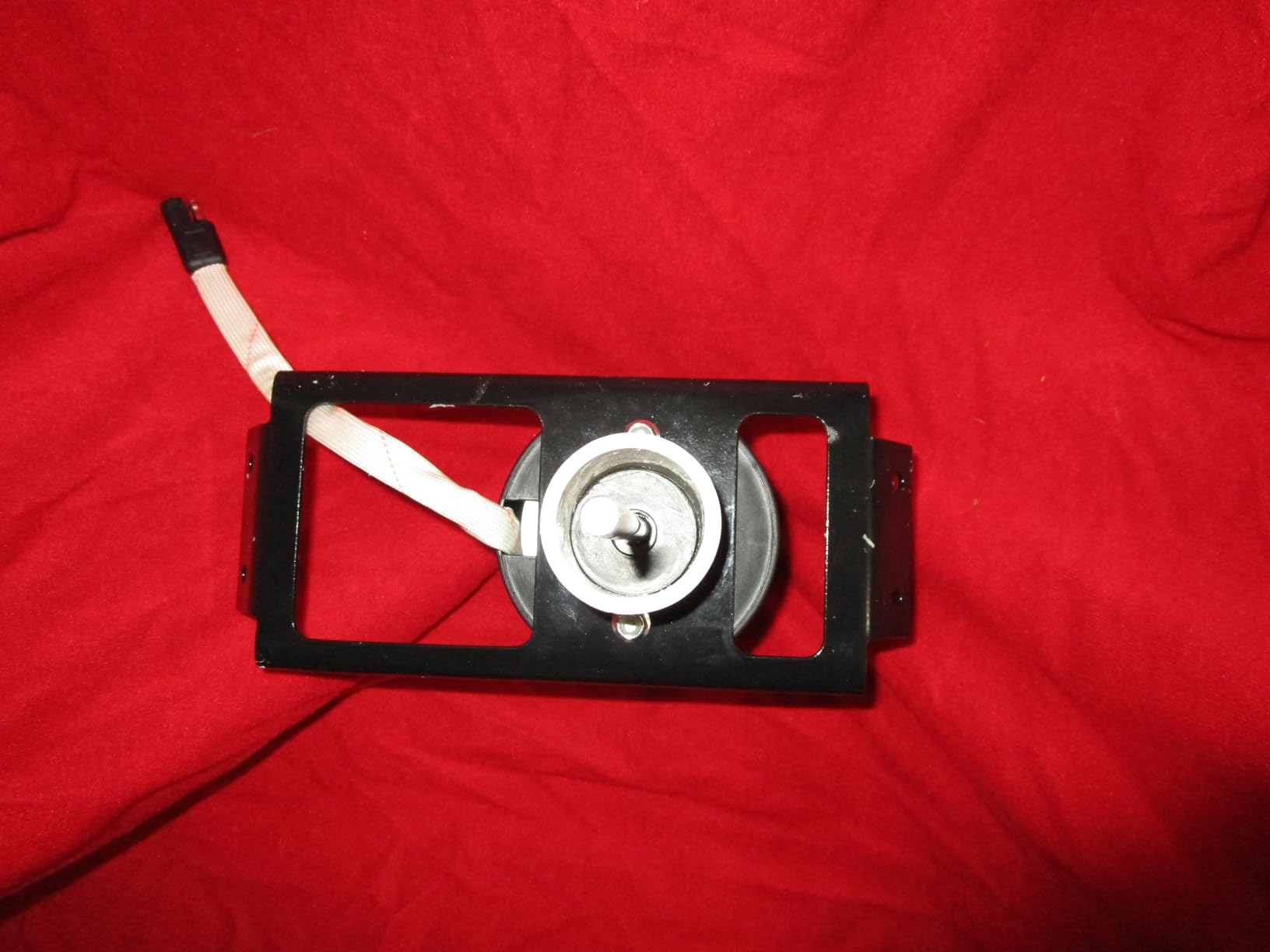
It mounts to a standard ATV rear utility rack, so there is no hitch to align and nothing to tow. The enclosed 12V motor keeps the wiring protected from the fertilizer dust that eats bare motor connections, and the manual feed-gate regulator gives you a mechanical rate control rather than a cable that can stretch.
The critical caveat is the missing agitator. With no agitator to break up clumps, damp or humid material can bridge in the hopper and stall the feed, so this spreader wants dry, free-flowing product. A rain cover is included, which helps on the ride out but does not help with material that was already damp when it went in.
Who the Buyers ATVS100 suits
It suits owners of food plots, pastures, and open acreage who want to cover ground fast without a tow rig. The combination of a 100 lb hopper and a 30 ft throw means long runs take minutes rather than an afternoon.
It suits ATV owners who want one attachment that handles seed, fertilizer, and ice melt without swapping hardware. The rack mount means it comes off in a minute when you need the rack for something else.
Who it does not suit
It does not suit anyone spreading damp, clumped, or freshly applied material, because the missing agitator is the single point of failure reviewers mention. Nor does it suit ATV owners whose utility rack is rated below 100 lb of cargo plus your own body weight.
If you have a towing vehicle instead of an ATV, the hitched options in this list will serve a wider range of materials and give you more control over rate settings.
3. Agri-Fab 45-0462 130 lb Push Spreader — Best-Rated Walk-Behind
Agri-Fab 45-0462 Push Broadcast Spreader,Orange & Black,130-lb Capacity
130 lb hopper
10-12 ft spread width
35 lb empty
Three-year warranty
Pros
- Highest-rated walk-behind we tested
- 130 lb hopper covers half an acre per load
- Pneumatic tires roll easily on hills
- Direct rod control stays consistent
Cons
- Roughly 1 to 2 hours of assembly
- Small cotter-pin agitator struggles with damp material
- No side deflector on this model
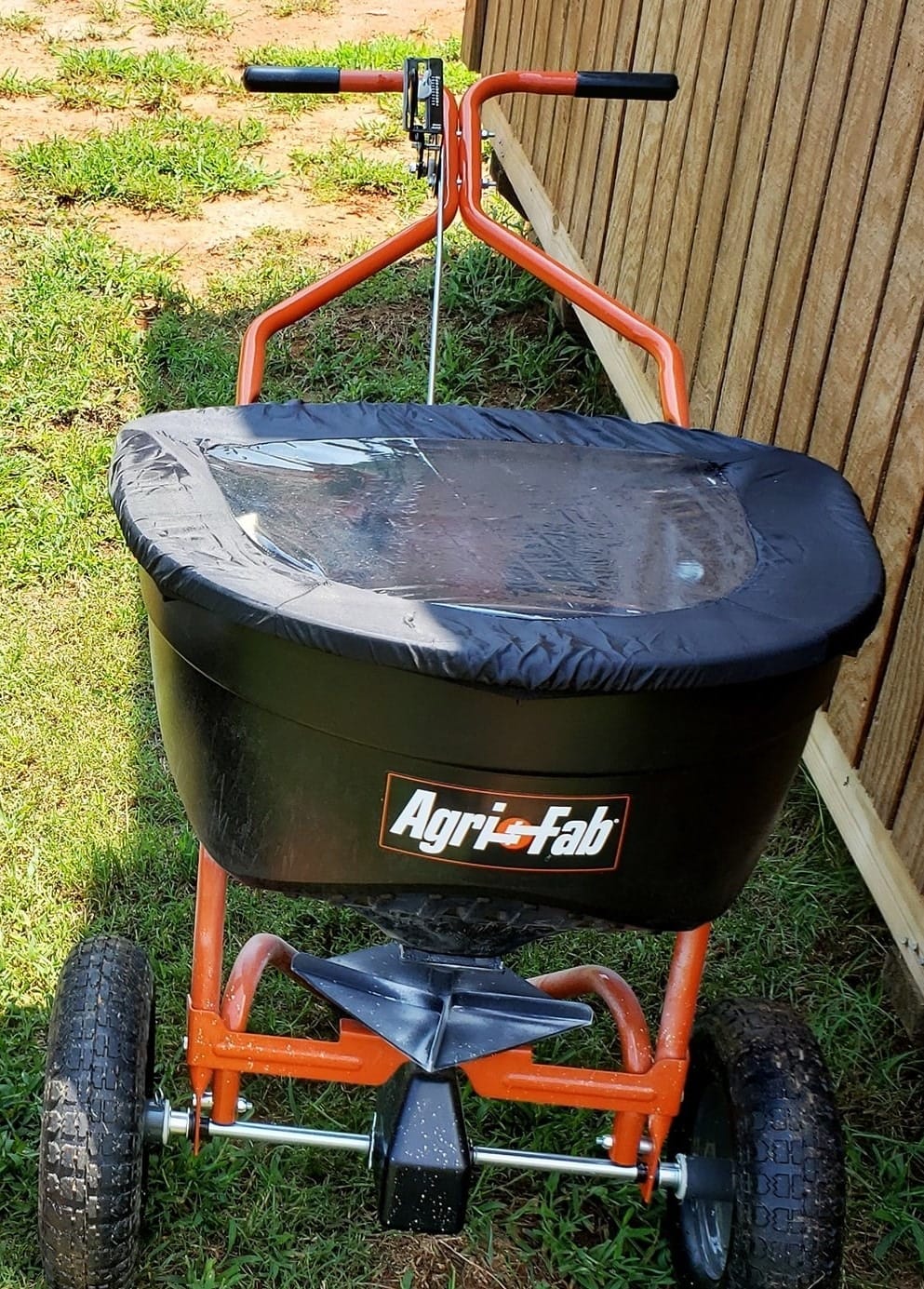
At 4.3 stars, this is the highest-rated walk-behind in the group, and the reason is that it combines a genuinely large 130 lb hopper with a metal gearbox that can be serviced rather than replaced. Most push spreaders at this capacity lean on plastic gear housings, which is where cheaper units fail.
The 130 lb hopper covers half an acre — 25,000 sq ft — per load, matching the tow-behind above while staying self-propelled. If you have a large lawn and no riding mower, this is the closest you get to one-pass coverage on foot.
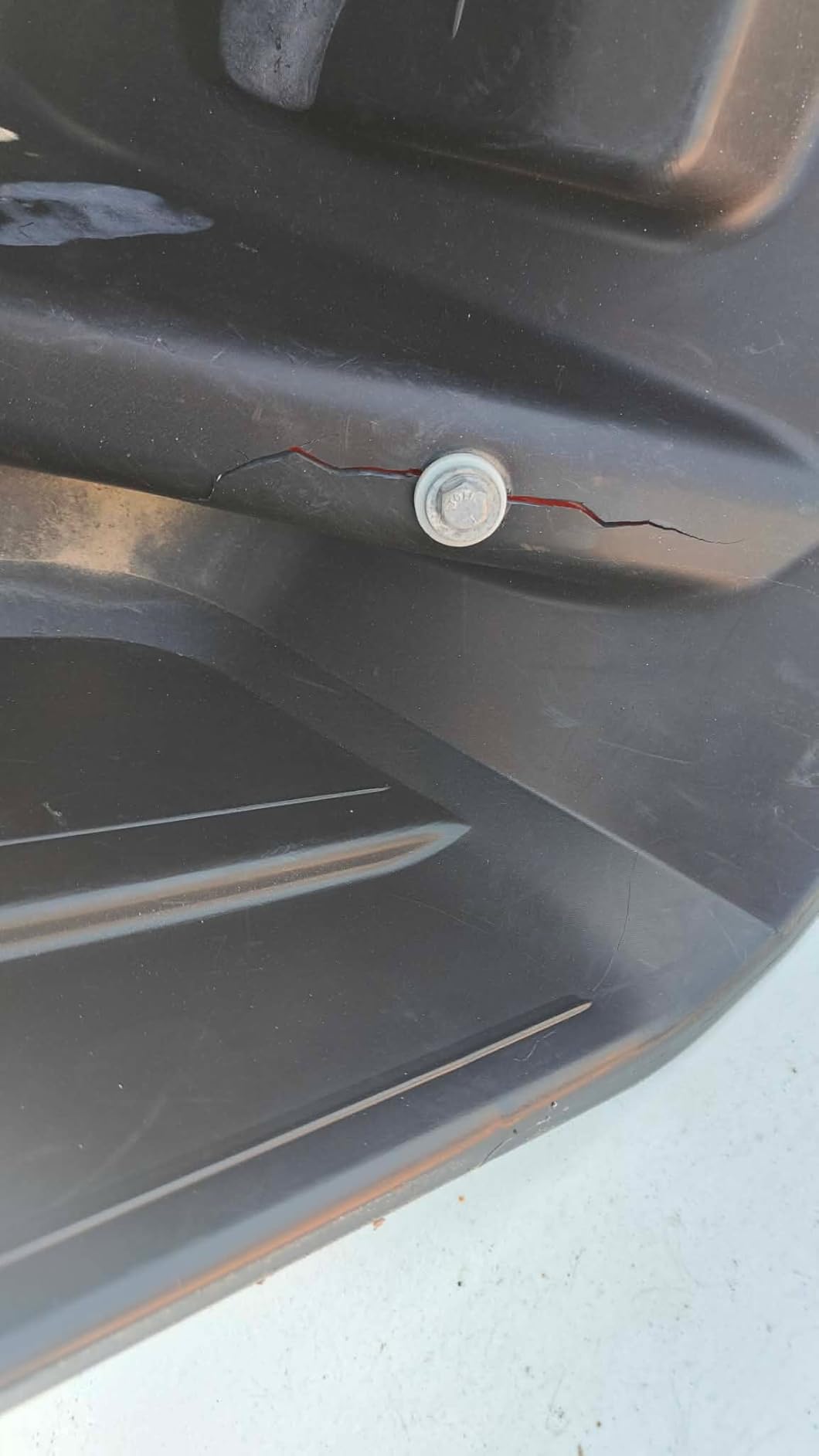
Direct rod flow control is a quiet but meaningful upgrade over cable-based gates, which stretch and change rate over time. The 13 in by 4 in pneumatic tires are the reason it rolls easily over hills and rough turf rather than fighting them, which matters enormously when the hopper is full.
Owners report an even spread pattern and straightforward calibration once the initial dial-in is done. The frame material is a mix of polyethylene and steel, and the rubber-coated handle is comfortable across a full afternoon of pushing.
Who the Agri-Fab 130 lb Push Spreader suits
It suits owners of half-acre lawns without a riding mower who want one-pass capacity rather than three or four refills. The handle height and direct rod control make it comfortable for taller users pushing a heavy load.
It also suits anyone who prefers a serviceable machine. A metal gearbox and rod linkage mean worn parts can be replaced individually instead of buying a new spreader.
Who it does not suit
It does not suit people who want to start spreading the day the box arrives. Reviews consistently put assembly at one to two hours, and the manual is not the clearest document in the category.
It also does not suit heavy salt or damp sand work. The small cotter-pin agitator is the weak point, and this model has no side deflector, so material can hit your legs near the edges of a pass.
4. VEVOR 130 lb Walk-Behind Spreader — Best for Fast Assembly and Adjustable Flow
VEVOR Broadcast Spreader 130 lbs Capacity Hopper Walk-Behind Push Spreader | for Lawn & Garden Care, 12 ft Spreading Width, 13″ All-Terrain Tires, Adjustable Flow Control for Fertilizer Seed Ice Melt
130 lb hopper
12 ft width
30 flow settings
38.8 lb empty
Pros
- Assembles in about 15 minutes with stainless hardware
- 30 flow settings allow multi-direction adjustment
- Powder-coated frame and UV-resistant hopper
- Handle and hopper detach for compact storage
Cons
- Handle shutoff hard to reach while towing
- Some units report tow-bar hardware breaking early
Assembly speed is this spreader’s real differentiator. Key components ship pre-assembled and arrive with stainless hardware, so owners report getting it running in roughly 15 minutes rather than the one-to-two-hour sessions that dominate the category. For a large lawn, that is the difference between starting the job this afternoon and starting it next weekend.
It holds 130 lb and throws a 12 ft pattern, which puts it squarely in the large-lawn class rather than the small-cart category. The 30 flow settings are the most granular adjustment range in this group, and reviewers note that the multi-direction adjustment noticeably reduces missed spots at the ends of passes.
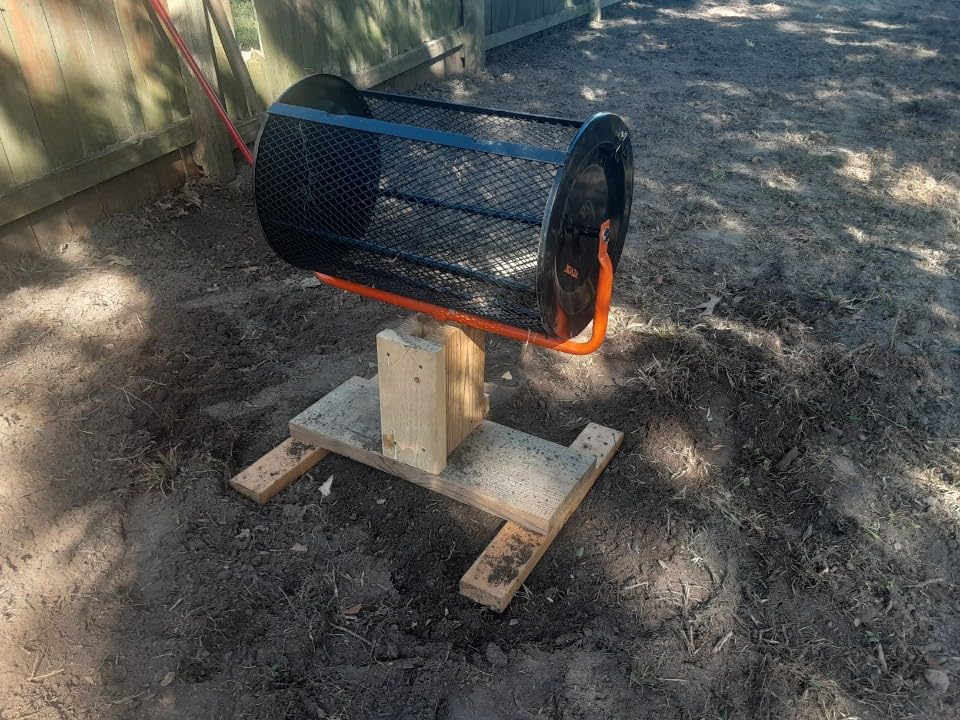
The powder-coated steel frame and impact-tough, UV-resistant hopper are built for a season of fertilizer dust and sun exposure. At 38.8 lb empty it is the heaviest walker here, which is the trade for a 130 lb hopper and 13 in all-terrain pneumatic tires underneath it.
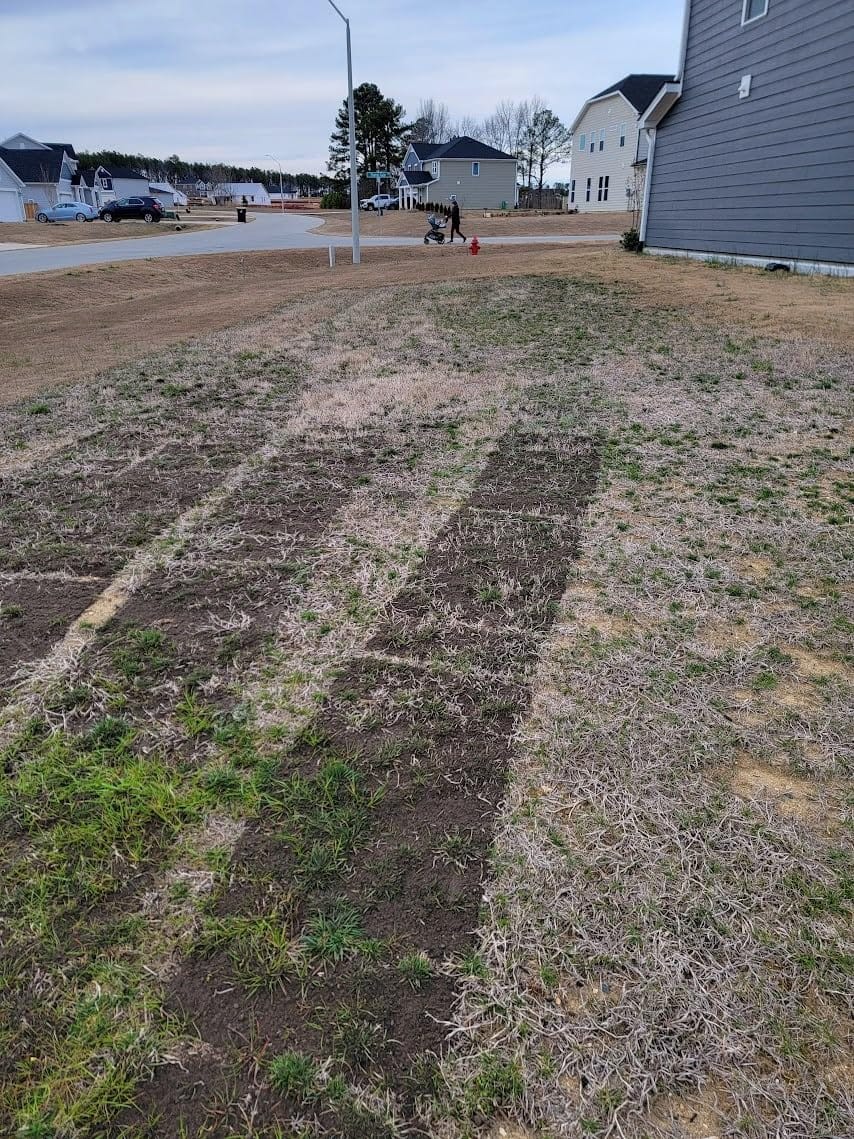
One structural detail matters if you plan to tow it behind a tractor: the handle and hopper both detach, so the unit folds down for storage but the control reach changes depending on setup. That is where the second complaint comes from.
Who the VEVOR 130 lb suits
It suits buyers who want large capacity without an afternoon of assembly. The stainless hardware also resists the rust and seizing that plague painted bolts after a wet fall, which is a genuine advantage for year-round use.
It suits anyone who wants fine rate control. Thirty settings across a 12 ft pattern lets you dial in different materials without repeatedly re-testing the gate opening.
Who it does not suit
It does not suit people who plan to tow it and control the gate from a tractor seat, because reviewers report the handle shutoff is awkward to reach from a seated position. A minority of units also report tow-hitch pin or tow-bar hardware failing early.
It is also the heaviest walker in this list at 38.8 lb, so if your lawn is sloped and you will be pushing it loaded, that weight tells on you faster than the lighter 40 lb model below.
5. EarthWay 2150 Commercial 50 lb Spreader — Best Edge Control in a Walk-Behind
EarthWay 2150 Commercial 50 LB Broadcast Fertilizer Spreader. Heavy-Duty Walk-Behind Push Garden Seeder with Adjustable Drop Rate and Driving Handle. Large 13 inch Pneumatic Stud Tires
50 lb hopper
13 in pneumatic stud tires
Enclosed gearbox
5-year warranty
Pros
- Side-spread control keeps product off walks and driveways
- 13 in high-flotation pneumatic stud tires glide over uneven ground
- Fully enclosed gearbox resists fertilizer dust
- Adjustable handle fits different user heights
Cons
- Instructions widely criticized and assembly runs 1 to 2.5 hours
- 50 lb capacity is small for very large properties
- Side-spread hardware and hopper cover sold separately
The EarthWay 2150 is the edge-control champion of this group, and for a large lawn with beds, driveways, and paths that is not a minor feature. Its 3-hole drop system with side-spread control lets you shut off material on one side, which is how you keep fertilizer off a walkway without hand-spreading the border.
It has been the reference walk-behind for decades, and the reason is mechanical simplicity under load. The fully enclosed gearbox keeps gears away from corrosive fertilizer dust, and the 13 in high-flotation pneumatic stud tires roll over uneven ground so easily that owners on sloped lots say this is the push spreader that finally worked for them.
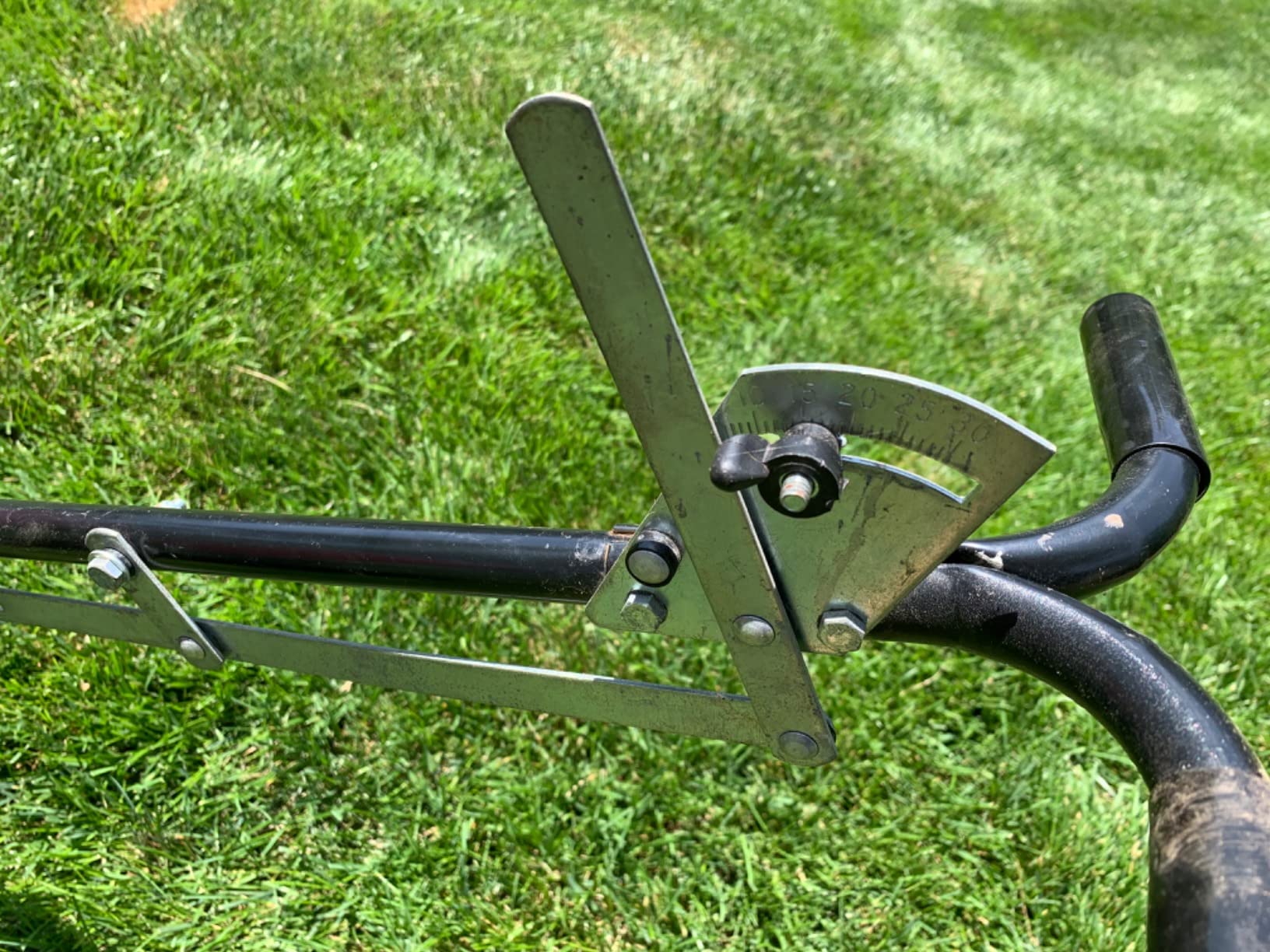
The clutch-free, direct-drive feel and the removable clog-free grate are both practical details that show up in long-term owner feedback. A five-year limited warranty is also the longest coverage in this roundup, which tells you something about the manufacturer’s confidence in the drive train.
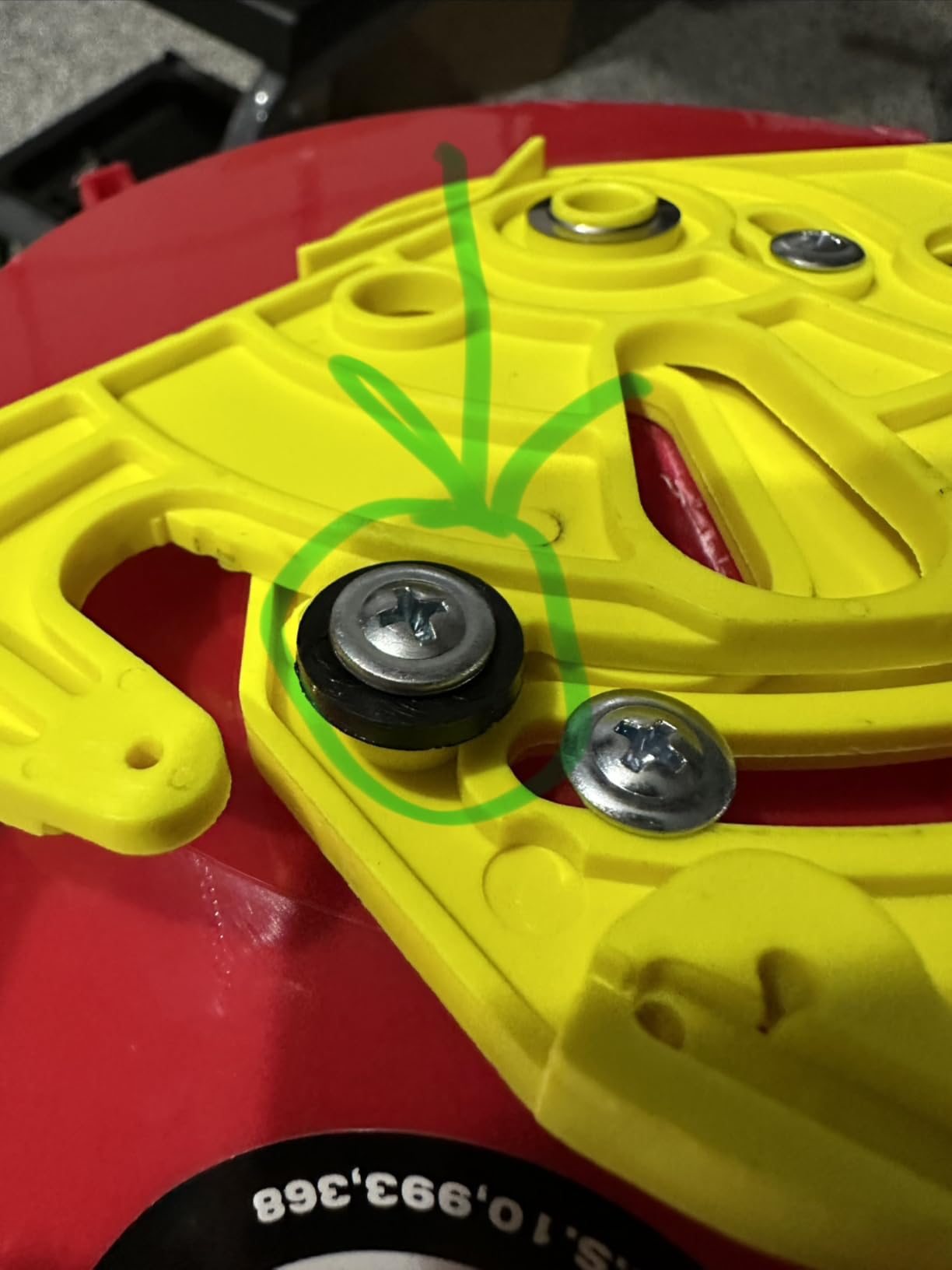
Two practical notes. The 50 lb hopper is genuinely small once you are past a quarter acre — expect three or four refills for a half-acre property. And the side-spread control hardware and hopper cover are separate purchases, so budget for them if you need edge work.
Who the EarthWay 2150 suits
It suits owners with a large lawn that is broken up by paths, beds, and driveways, because side-spread control is the feature that removes the worst part of the job. It also suits anyone who pushes across rough or sloped ground, where the 13 in pneumatic tires outperform solid wheels.
It suits buyers who plan to keep a spreader for a decade and care about replacement parts, and the five-year warranty backs that up.
Who it does not suit
It does not suit owners of a full acre or more who want one-pass coverage. At 50 lb, the refill count climbs quickly and a loaded push across that much turf becomes a real workout.
It also does not suit anyone who wants to be spreading within an hour of delivery. Assembly commonly runs one to two and a half hours, and the written instructions are the most criticized in this group — many owners finish the build from a video instead.
6. EarthWay 2600A-Plus 40 lb Spreader — Best Lightweight Push for Sloped Lawns
EarthWay 2600A-PLUS Fertilizer Spreader, 40lb Hopper Capacity, Red, Durable, All Terrain Pneumatic Tires, Rust-Proof Polypropylene, Epoxy Coated Steel Frame
40 lb hopper
All-terrain pneumatic tires
Epoxy-coated frame
15 lb empty
Pros
- Only 15 lb empty so it pushes easily loaded
- Rust-proof poly hopper on coated steel frame
- Pneumatic tires handle bumpy ground far better than plastic wheels
- Turns tightly in tight spaces
Cons
- Instructions confusing and one-sided spread reported by some owners
- Small round pellets and grass seed can clog the feed slots
- Shut-off linkage can bend and stall the gate
At 15 lb empty, this is the lightest spreader in the roundup, and that single number changes everything on a sloped or uneven lawn. Owners who struggled to push heavier units uphill report that this one rolls and steers without the fight, and it turns tightly enough to work around beds and trees.
The build is better than the weight suggests: a rust-proof polypropylene hopper on an epoxy powder-coated steel frame, with all-terrain pneumatic tires and a 3-hole drop shut-off using solid linkage rather than a cable. Those are the parts that usually fail first, and they are all specified well here.
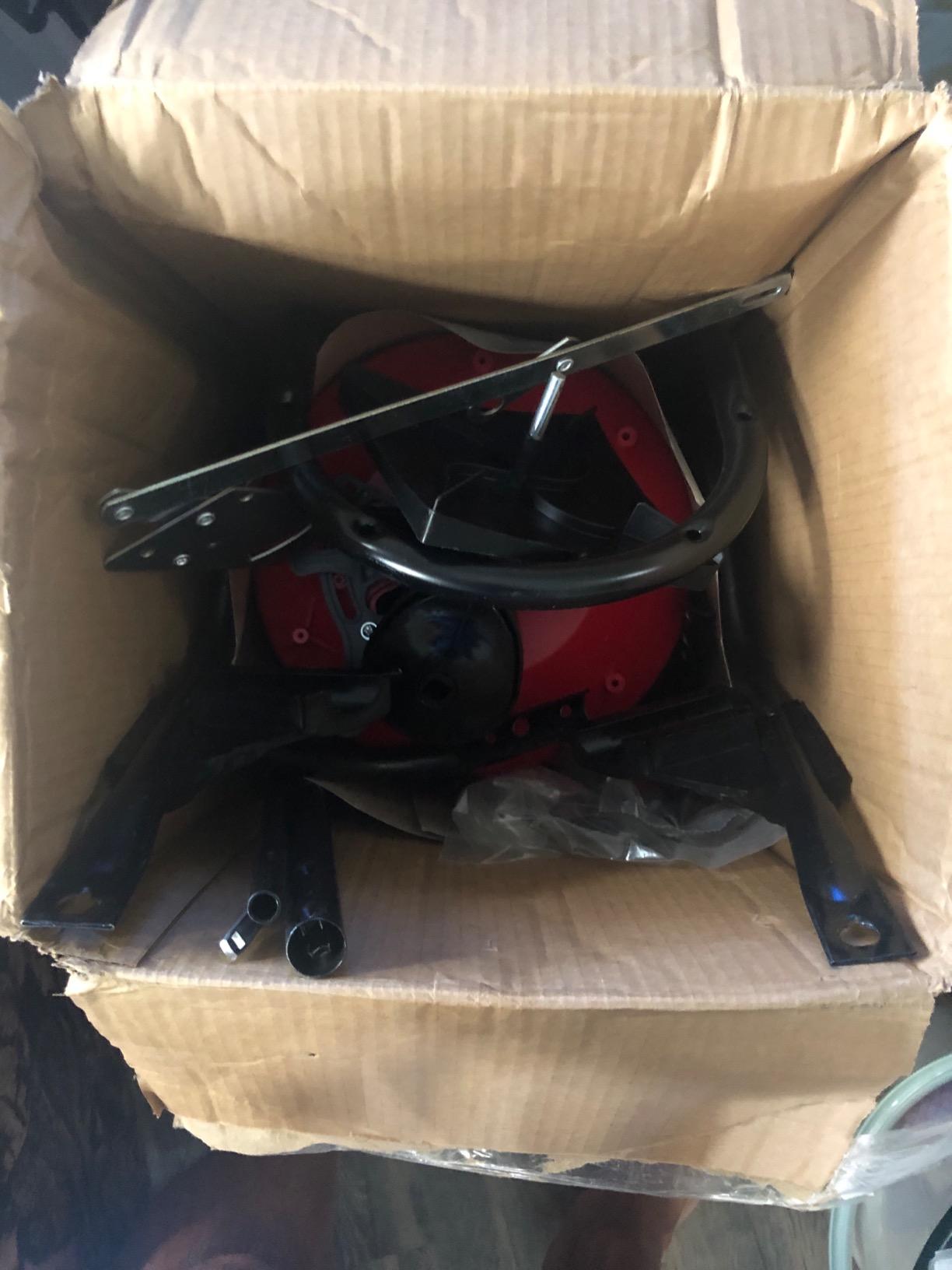
The 40 lb capacity is the limitation. A quarter acre falls in roughly two loads, and anything larger turns into a lot of walking and refilling. That is the trade you accept for a machine that is easy on your body over a long, hilly property.
One group of owners reports a one-sided, uneven spread pattern, and others note that small round pellets and grass seed can clog the wedge-shaped feed slots. The wedge shape that handles granular fertilizer well is exactly what catches smaller seed, so check your particle size against the gate opening before a full application.
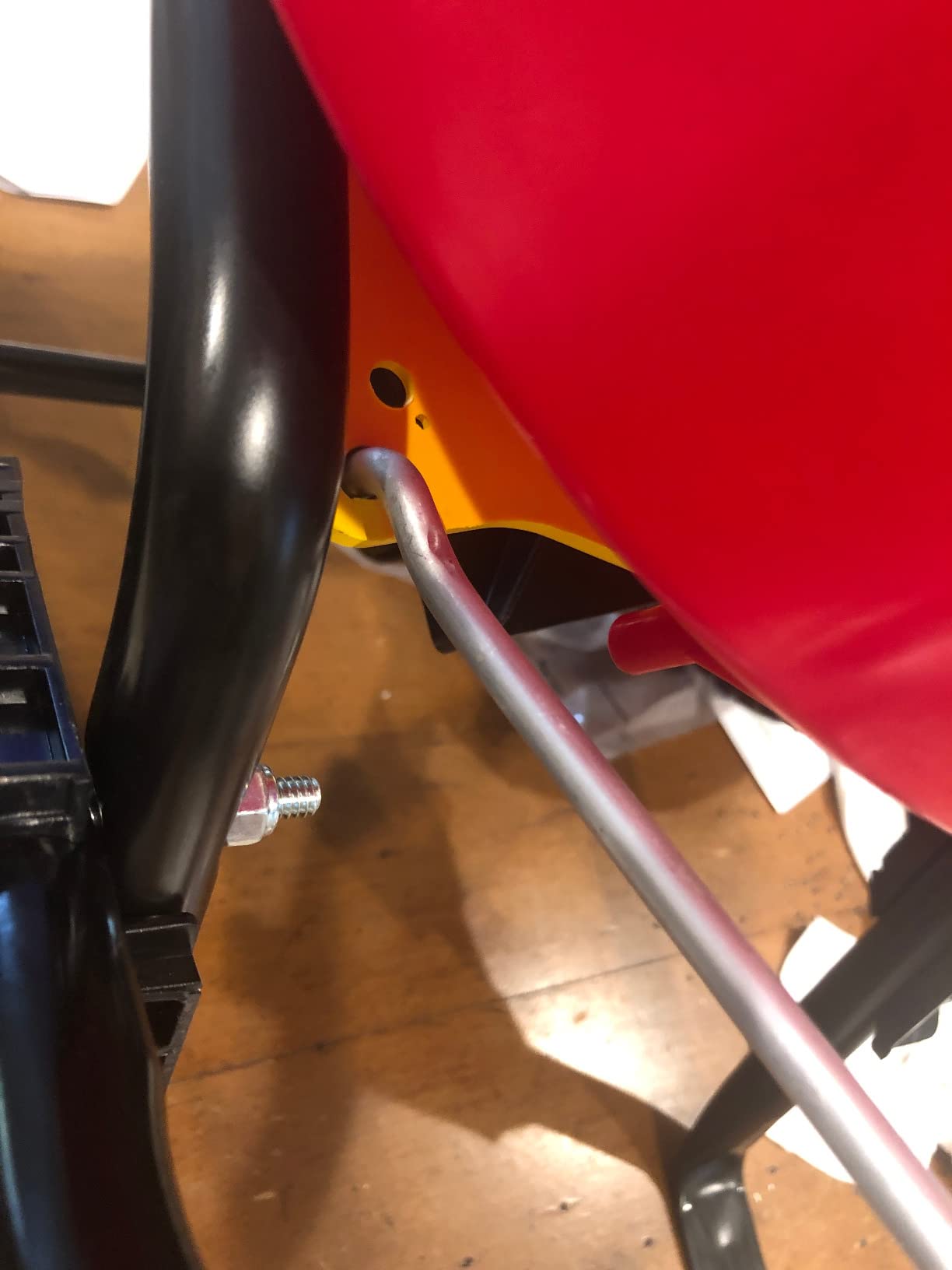
Who the EarthWay 2600A-Plus suits
It suits owners of sloped or rough ground who have given up on heavier spreaders. At 15 lb empty, a full load is still manageable and the pneumatic tires roll rather than dig in.
It suits anyone on a quarter acre or less who wants a durable machine without paying for commercial weight, and the edge guard gives some control near beds and paths.
Who it does not suit
It does not suit owners of half-acre-plus lawns. The refill count makes a large property a multi-hour job, and the same walk takes a fraction of that time on a hitched spreader.
It also does not suit overseeding work with fine grass seed or small round pellets, which tend to lodge in the wedge-shaped feed slots. And a 91-day warranty is short, so check your local replacement-parts availability before committing.
7. Buyers UTVS16 150 lb Receiver Hitch Spreader — Best for Maximum Hopper Capacity
Buyers Products UTVS16 150 lb UTV ATV Receiver Mount Broadcast Spreader
150 lb and 15 gal hopper
Up to 30 ft width
12V motor
Stainless hitch hardware
Pros
- Largest hopper in the group at 150 lb for very long runs
- Stainless hitch frame and pin system that releases for storage
- 30 ft width handles lawns paths and roads quickly
- Hopper lifts off the tube frame
Cons
- No agitator so damp material stops flow
- Gate control rod hard to reach and often modified
- Heavy at 57.6 lb and can sag when loaded
The 150 lb hopper is the biggest in this roundup by a wide margin, and on a large property it changes the arithmetic. Combined with the 30 ft broadcast width, it means you refill rarely and cover ground at a pace that makes a two-acre food plot a short job rather than an afternoon.
It mounts to a standard 2-inch receiver hitch on UTVs, ATVs, and some tractors, and the stainless hitch hardware with a hitch pin release lets the hopper lift off the tube frame for storage. The sealed 12V motor comes with an 8.5 ft wiring harness and an on/off switch.
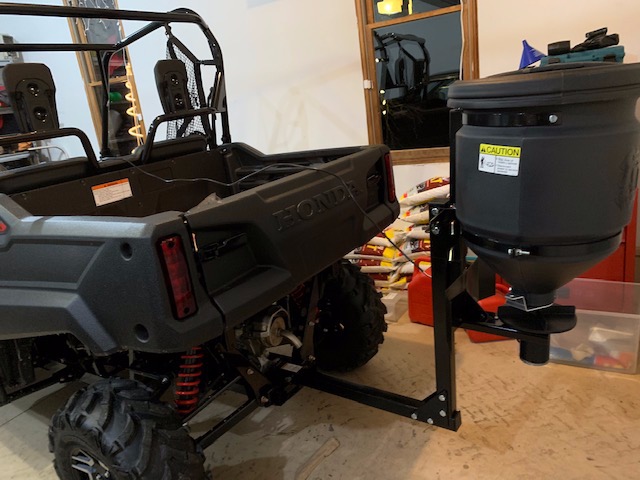
At 3.9 stars from 519 reviews, this is the lowest-rated product we included, and the complaints are specific rather than general. Gate control rod reach is the recurring theme, with owners modifying the lever before it worked to their liking, and several report the rod being hard to operate from a normal seated position.
The missing agitator is the other structural caveat, the same issue as the smaller Buyers ATV mount. At 57.6 lb empty and fully rated, owners also note the assembly can sag when loaded, so confirm your hitch height and tongue rating before committing to a full 150 lb load.
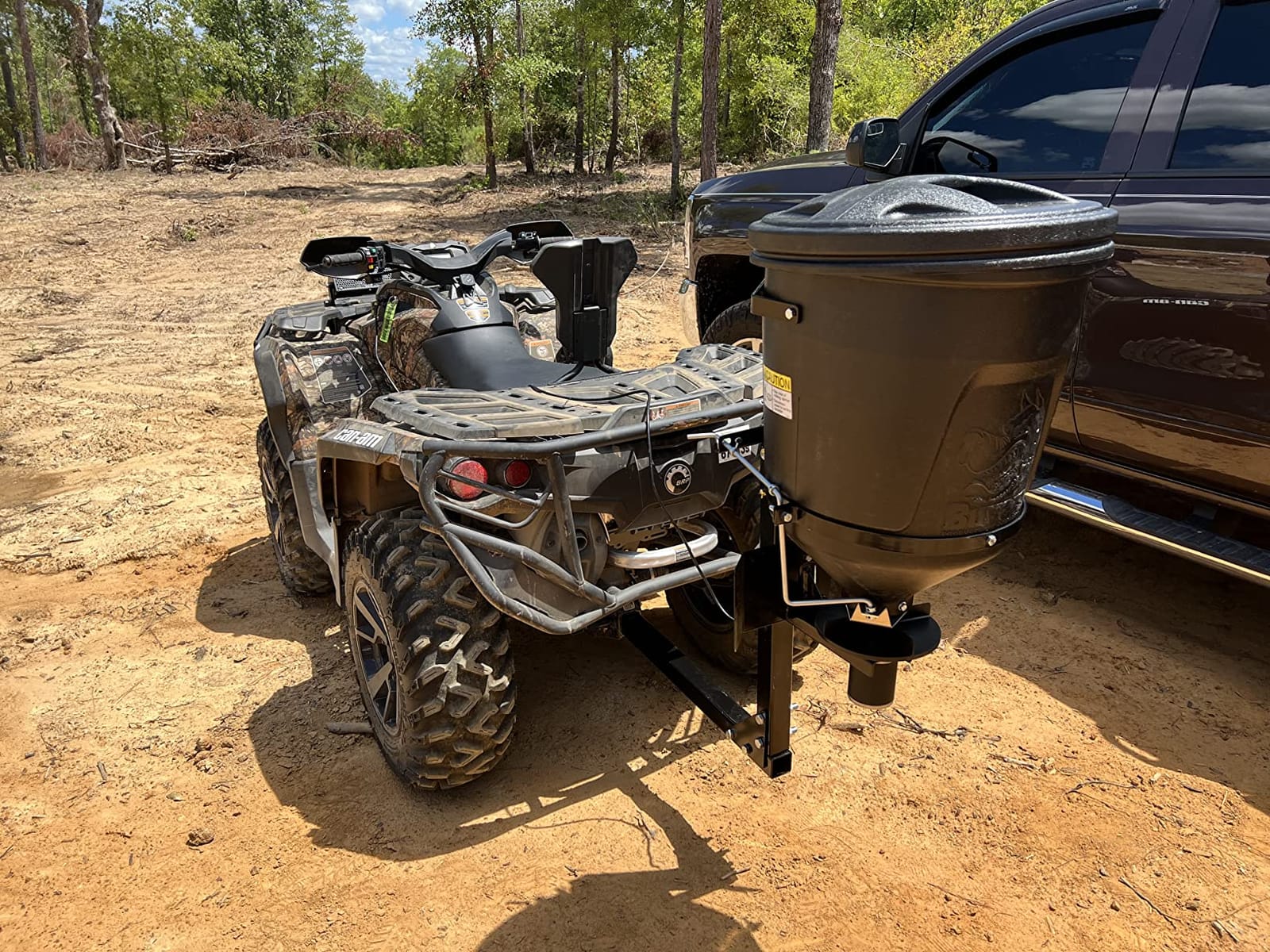
Who the Buyers UTVS16 suits
It suits owners of multi-acre properties, food plots, or long rural driveways who want the fewest possible refills. The 15 gallon hopper holds more product than most bagged fertilizer orders in a single pour.
It suits UTV and tractor owners who want to spread from a seated position at speed, with a hopper that detaches for storage in a garage or bed.
Who it does not suit
It does not suit owners spreading damp or clumped material, because there is no agitator to break up bridging in the hopper. Nor does it suit anyone who has not confirmed their 2-inch receiver and hitch rating against a fully loaded 150 lb.
The gate control rod is also a genuine ergonomic issue, and at 57.6 lb empty this is the heaviest unit here. If your application is small and infrequent, the added weight buys you little.
8. Buyers ATVS15A 15 Gallon ATV Spreader — Best for Adjustable Spread Width
Buyers Products ATVS15A ATV 12V Broadcast Spreader 15 Gallon Hopper
15 gallon poly hopper
5 to 30 ft spread width
12V motor
39 lb empty
Pros
- Spread width adjusts from 5 to 30 ft for placement control
- Well-built poly hopper with built-in funnel that resists corrosion
- Even distribution reported on pasture and food plot seeding
- Quick to install and remove on a utility rack
Cons
- Gate control design awkward and often needs modification
- Mounting bracket can tilt forward when loaded
- No agitator so material must be dry and clump-free
The adjustable spread width from 5 to 30 ft is unusual and genuinely useful. Wide open, it covers a food plot in a handful of passes; pulled back to 5 ft, it lets you concentrate material along a fence line or a narrow strip without changing machines.
Owners report even distribution on pasture and food-plot seeding, which is where the adjustable range earns its keep. The poly hopper with a built-in funnel resists corrosion well, and the whole unit installs and removes from a standard utility rack quickly enough that you can switch tasks mid-day.
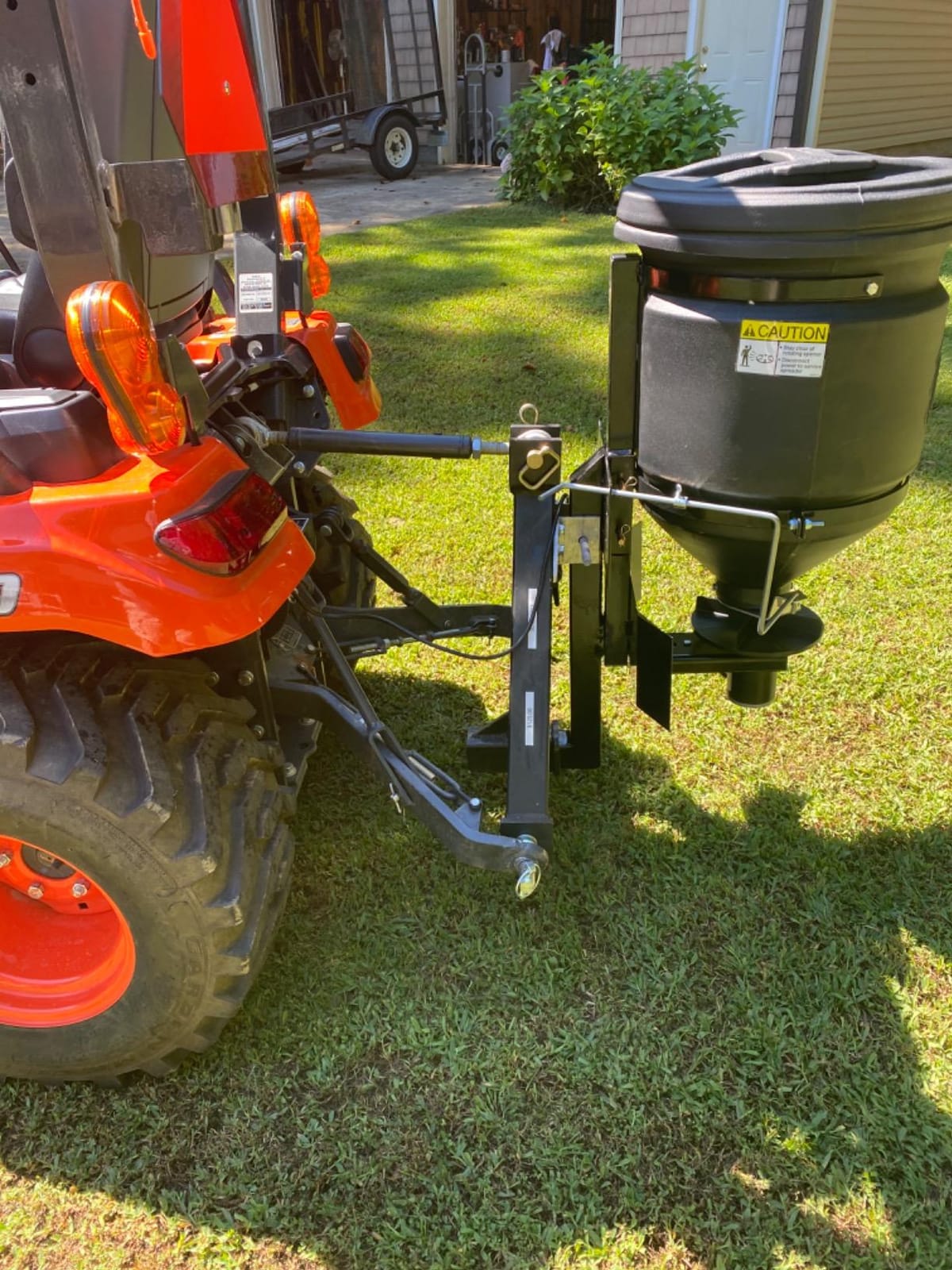
It handles seed, fertilizer, rock salt, and feed, which makes it a four-season tool if you already own an ATV. At 4.1 stars from 395 reviews, the feedback is consistent: people like the tank and the throw, and the same small group found they had to rework the gate lever before it behaved.
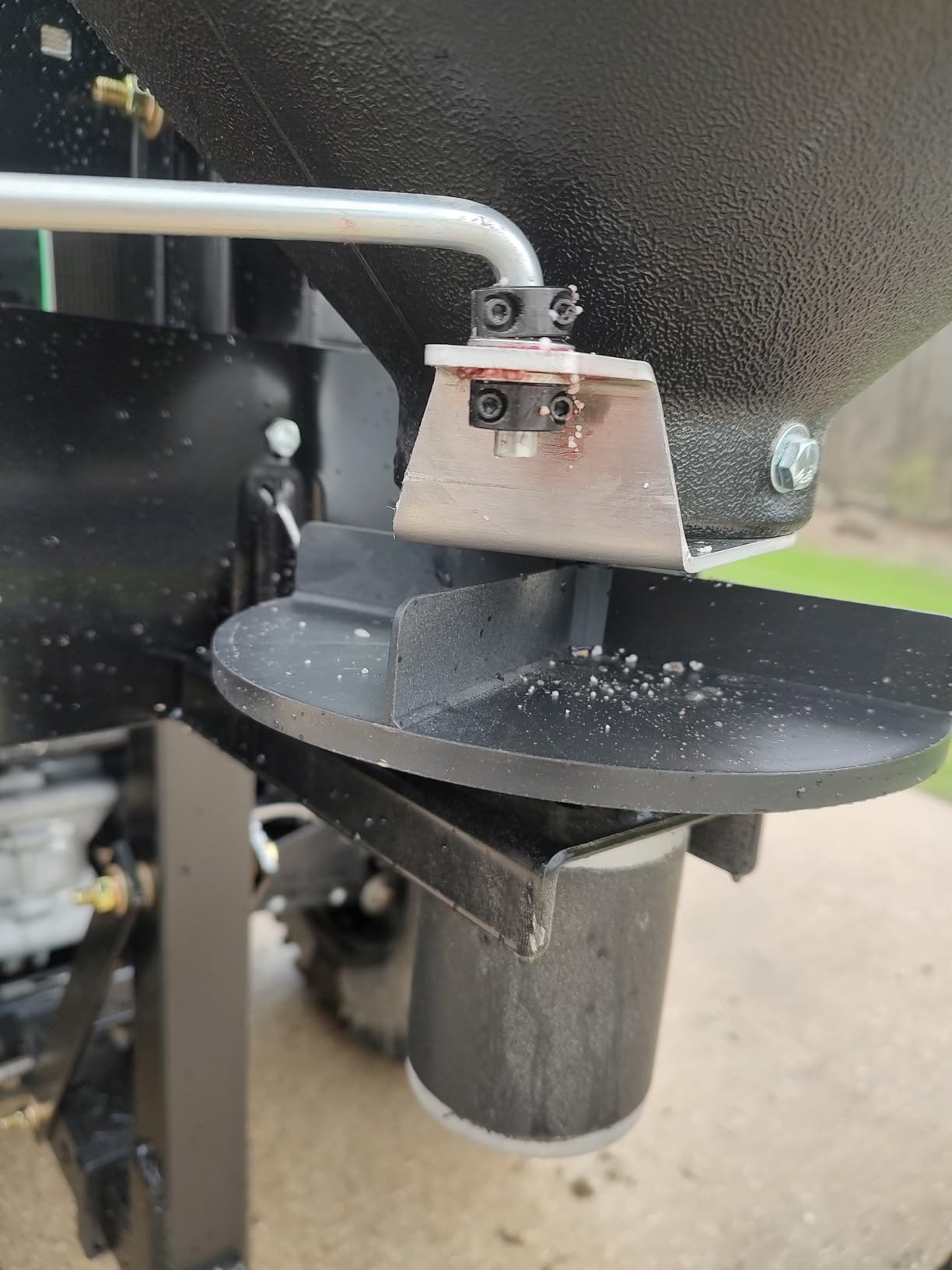
Two hardware notes worth knowing before you order. The mounting bracket can tilt forward under load, and the lid sits loose enough that owners doing highway transport add a strap or bungee. Neither affects spreading, but both are real for anyone moving between properties.
Who the Buyers ATVS15A suits
It suits ATV owners who need more than full-width open-field spreading, since the 5 ft end of the range gives control near edges and obstacles. It also suits anyone who wants one attachment for seed, fertilizer, salt, and feed across a full year.
It suits food plot and pasture maintainers, where owners specifically report even distribution at wide settings.
Who it does not suit
It does not suit owners who want to be spreading without modification. Several buyers fabricated brackets or reworked the gate lever before the unit worked as intended, and the gate control design is the most common complaint.
It also does not suit damp-material applications for the same reason as the other Buyers mounts — no agitator. And the 15 gallon hopper is meaningfully smaller than the 100 lb and 150 lb mounts here, so plan more refills than you would with either.
9. Field Tuff 80 lb Receiver Mount Spreader — Best for Both Receiver Sizes
Field Tuff 12V 80 Pound Capacity Grass Seed Fertilizer Spreader with Hitch Mount Receiver and Rain Protector for ATV, UTV, or Utility Tractor
80 lb and 8 gal hopper
6 ft spread width
12V motor at 570 RPM
Fits 1.25 in and 2 in
Pros
- Fits both 1.25 in and 2 in receiver hitches
- Spreads seed lime and fertilizer evenly at pace
- Rain cover keeps seed from spilling on bumps
- Assembly is straightforward if you read the instructions
Cons
- Power leads too short for front-mounted batteries
- Gate cable stops closing fully over time
- Motor failures reported after extended use
The distinguishing detail here is mounting flexibility. Most receiver-hitch spreaders fit one receiver diameter; this one fits both 1.25 in and 2 in, which means it works on smaller ATVs and utility tractors as well as full-size UTVs. For buyers who have been guessing at hitch sizes, that removes a real risk of a return.
The 80 lb and 8 gallon hopper is a sensible middle ground between a small push cart and a 150 lb mount, and the 12V DC motor rated at 570 RPM is a straightforward drive that owners say spreads seed, lime, and fertilizer evenly at working pace.
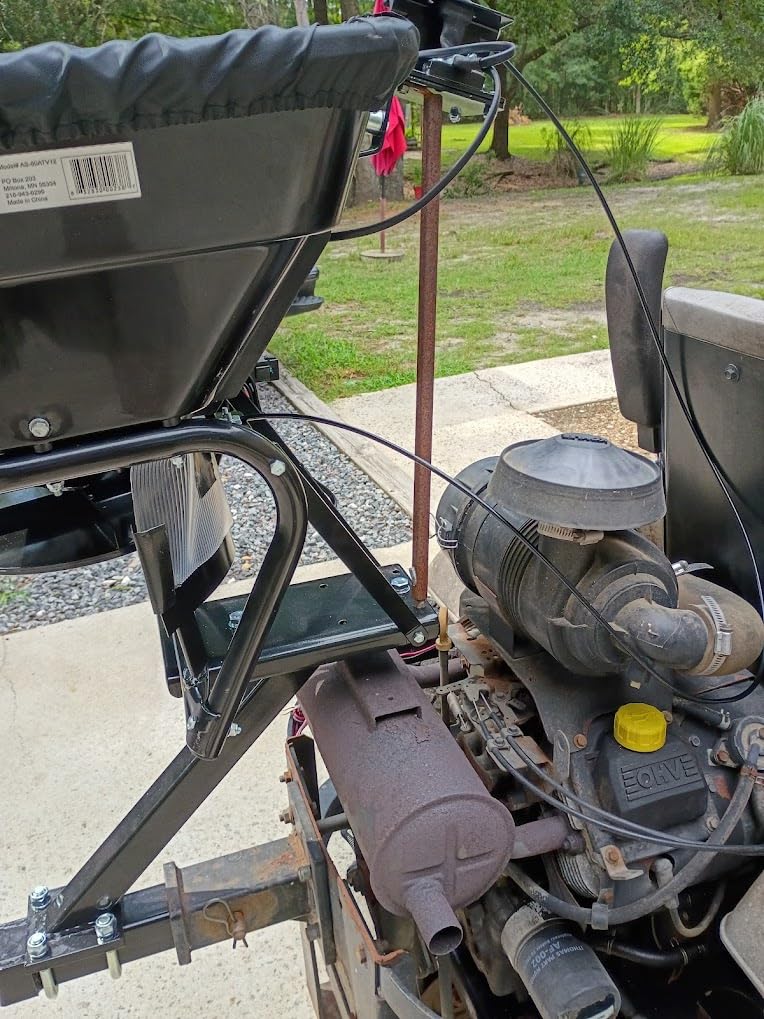
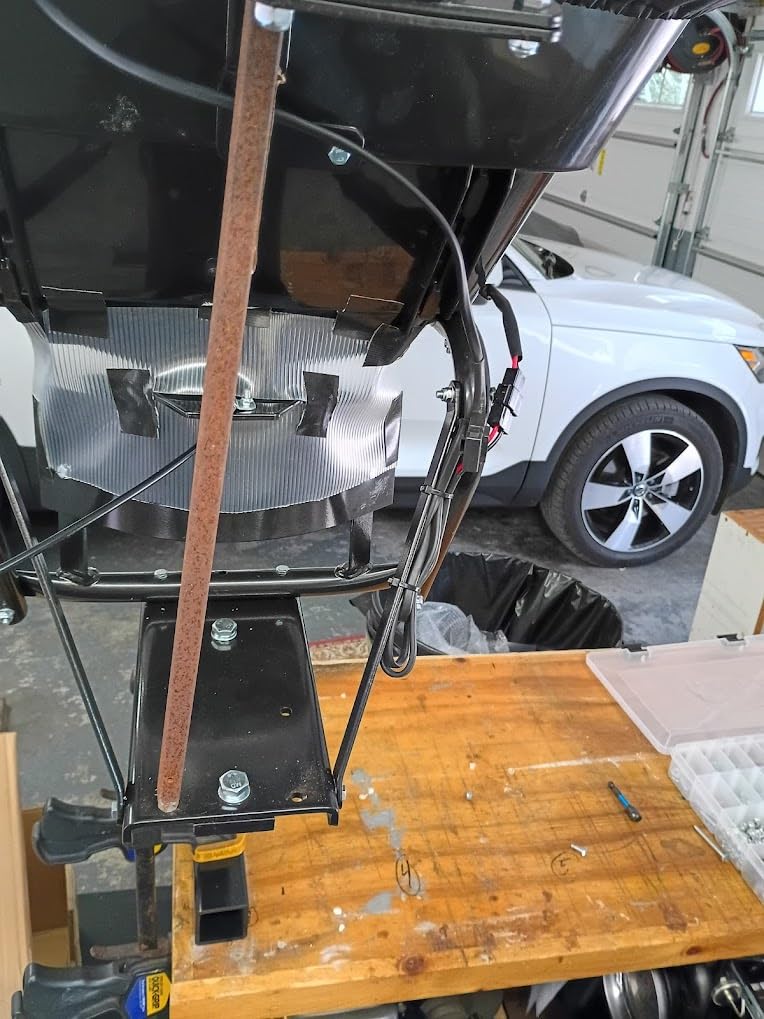
At 4.0 stars from 354 reviews, the feedback centers on doing the job well and on the electrical system. The recurring complaints are specific: power leads too short for front-mounted batteries, a gate cable that stops closing fully over time, and eventual motor failure after extended use.
That last point is worth taking seriously if this is your only spreader. It is also the reason the 6 ft spread width means more passes than the 30 ft ATV mounts, so this one suits tighter routes where you want control more than raw coverage speed.
Who the Field Tuff 80 lb suits
It suits ATV, UTV, and tractor owners whose receiver size is uncertain or who own more than one machine in the family. The dual-fit mounting is the clearest reason to pick it over the other receiver-mount options.
It suits anyone applying lime or seed on a route with obstacles, where a 6 ft pattern is more controllable than a 30 ft throw.
Who it does not suit
It does not suit buyers looking for a long-term electrical system. Motor failures after extended use and a gate cable that stops closing are both recurring, and the latter is a fix you will need to plan around rather than discover mid-job.
It also does not suit anyone with a front-mounted battery who will not extend the wiring, because the supplied leads are reported as too short for that setup. And at a 6 ft spread width, it is the slowest coverage in this roundup per pass.
10. EarthWay 2170 Commercial 100 lb Spreader — Best Heavy-Duty Walk-Behind Build
EarthWay 2170 Commercial 100 LB Broadcast Fertilizer Spreader. Red, Heavy-Duty Walk-Behind Push Garden Seeder with Adjustable Drop Rate and Driving Handle. Large 13 inch Pneumatic Stud Tires
100 lb and 3350 cu in hopper
Super-duty enclosed gearbox
13 in pneumatic tires
25 lb empty
Pros
- Super-duty gearbox with enclosed gears handles heavy loads
- 100 lb hopper takes a full fertilizer bag in one pour
- 13 in pneumatic tires roll over bumps when loaded
- Tapered hopper feeds granulated material well
Cons
- Full assembly takes 1 to 2 hours with mixed bolt sizes
- Underside parts can show rust after salt seasons
- Lever has no return spring so one hand leaves the handle
This is the 100 lb answer for people who want to stay on foot. The 3,350 cubic inch hopper holds a full bag of fertilizer in a single pour, and the tapered hopper shape feeds granulated material more consistently than flat-bottom designs that bridge and starve the gate.
The super-duty gearbox with fully enclosed gears is the component owners upgrading from cheap big-box units single out as the reason this feels like a different class of machine. The 13 in pneumatic tires roll over bumps while loaded, which is what keeps a 100 lb push unit usable on ground that would bog down a smaller cart.
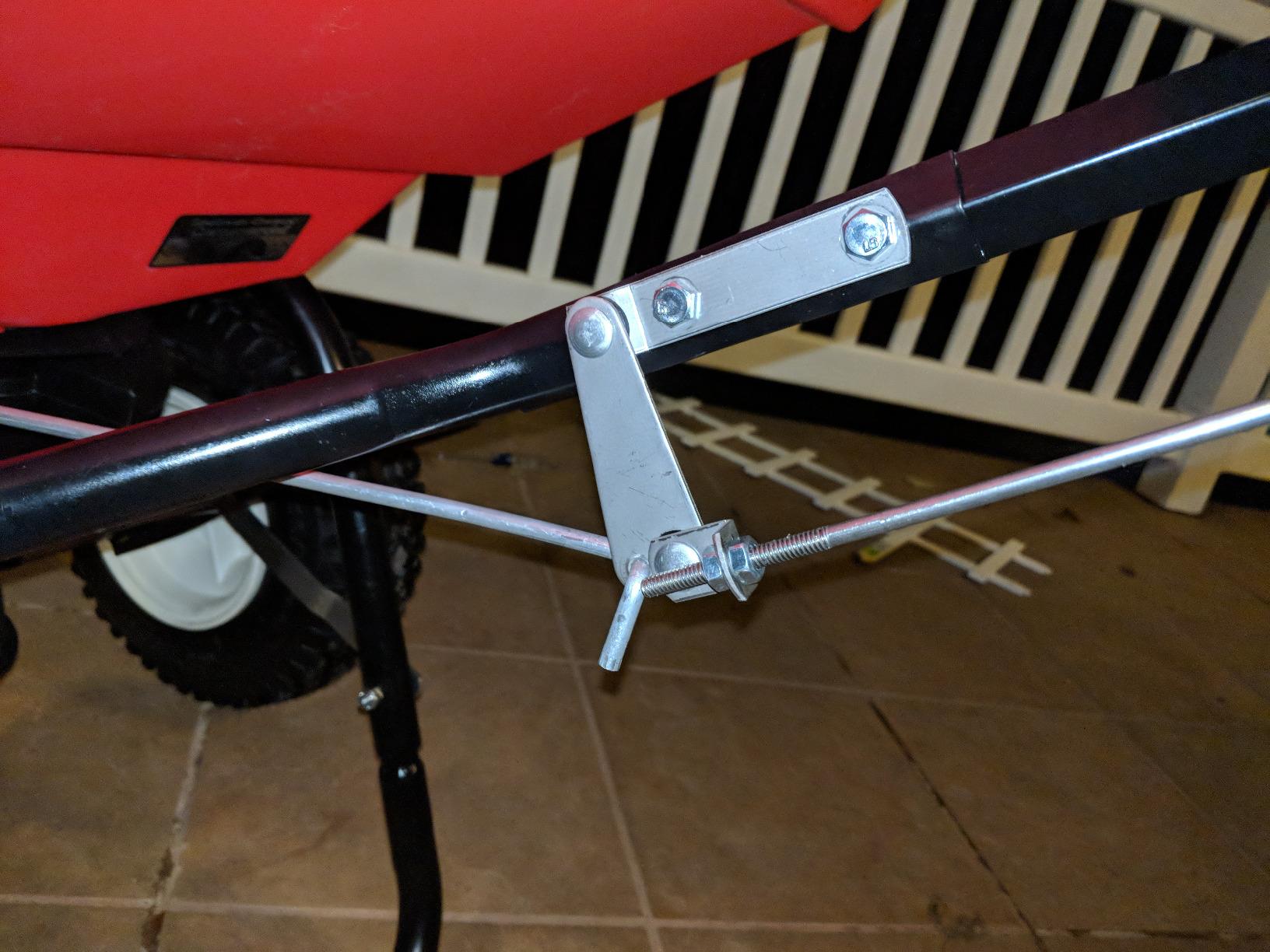
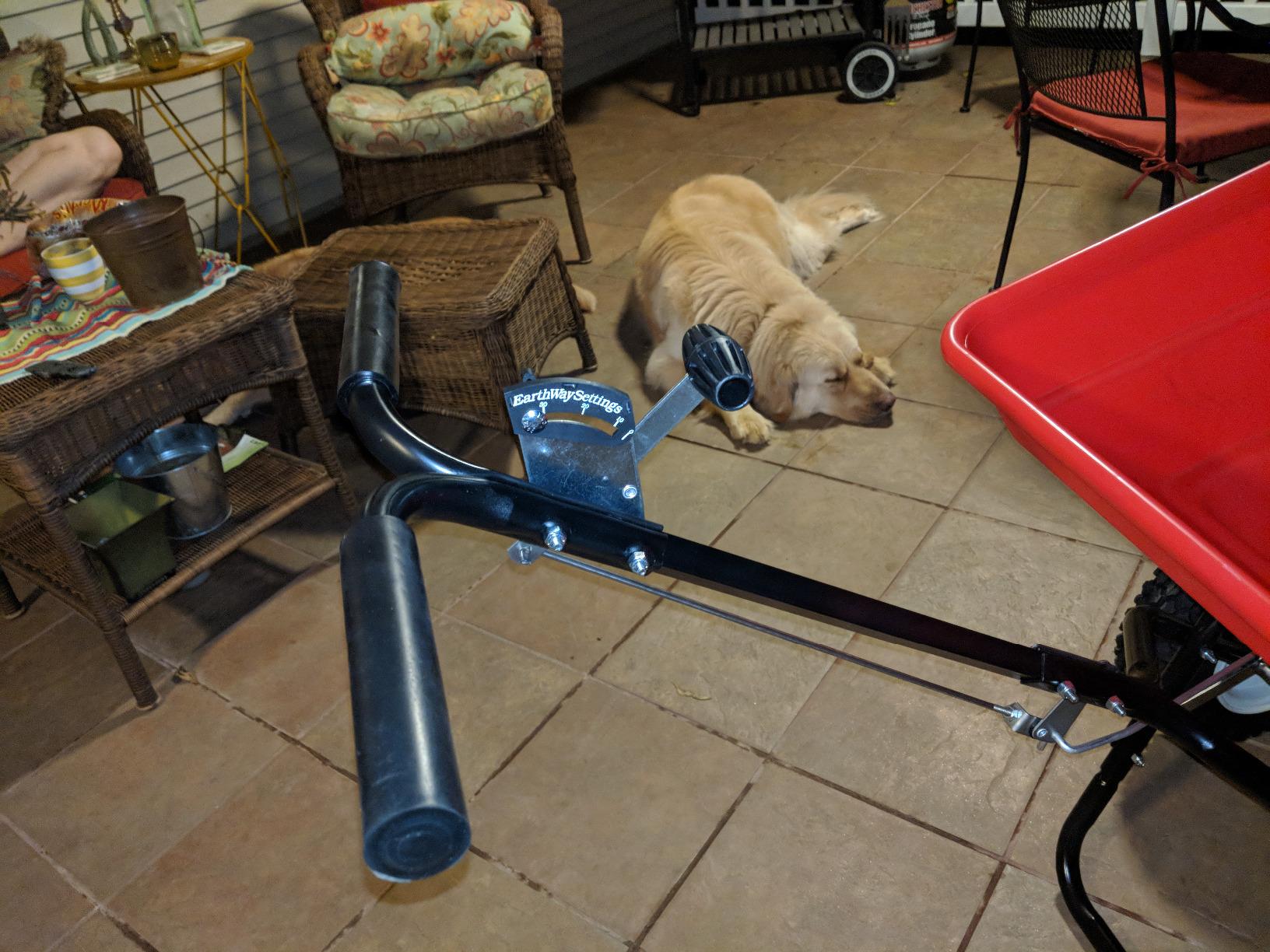
Side Spread Control is included here, not sold separately, which is a meaningful difference from the 50 lb EarthWay above. For a large property broken up by walks and drives, that feature removes the slowest, most annoying part of the job.
The tradeoff is bulk and a lever with no return spring. Owners report one to two hours of assembly with mixed bolt sizes, and that stopping the flow requires taking a hand off the handle rather than a spring snapping it closed. Owners also note rust on underside parts after a couple of seasons of salt use.
Who the EarthWay 2170 suits
It suits owners of a large lawn who want one-bag-per-application capacity but no tow vehicle. A full fertilizer bag going in at once means fewer refill stops on an acre-scale property than any push unit smaller than it.
It suits buyers who have outgrown a homeowner spreader and want a gearbox that survives fertilizer dust season after season, and it includes the side-spread control hardware that smaller EarthWay models sell separately.
Who it does not suit
It does not suit anyone who wants zero assembly. Full assembly runs one to two hours, and reviewers specifically call out the mixed bolt sizes as the reason the build takes longer.
It also does not suit casual salt users. Underside parts showing rust after a couple of seasons of salt is a recurring report, and the lever with no return spring means you cannot stop the flow without taking your hand off the handle.
How to Choose a Broadcast Spreader for Large Lawns
What hopper capacity do you actually need?
Hopper capacity is the first filter, because it determines how many times you stop and refill during a single application. A broadcast spreader distributes roughly 4 to 8 lb of dry fertilizer per 1,000 sq ft depending on product density, so a 100 lb hopper typically covers 15,000 to 25,000 sq ft per load.
Work out your lawn’s square footage first, divide by the coverage per load, and that gives you your refill count. Under 8,000 sq ft, a 40 to 50 lb push cart is enough. A quarter acre to half acre wants 80 to 130 lb. Past half an acre, or for food plots and pasture, 100 lb and above on a hitched unit is the sensible floor.
Run the same math against the spreaders here. The 40 lb EarthWay 2600A-Plus covers roughly 5,000 to 10,000 sq ft per load, so a quarter acre takes two or three fills. The 50 lb EarthWay 2150 is similar. The 130 lb Agri-Fab units and the Buyers UTVS16 at 150 lb each cover a half acre or more in a single load, which is the threshold where a large lawn stops being a refilling problem.
Push, tow-behind, or ATV-mounted: which format fits your property?
Walk-behind push spreaders are the right choice when you have no riding equipment and your lawn is under a quarter acre. They are also the only format that gives you full control near beds and driveways without a separate drop spreader.
Tow-behind spreaders take over around half an acre. Pushing 100 lb across uneven ground is a multi-hour workout, and owners on sloped half-acre lots report giving up on the format entirely. If you own a riding mower with a hitch, a tow-behind covers a 10 to 12 ft pattern at walking pace and finishes the job in a fraction of the time.
ATV and UTV mounts are the fastest option on open ground, with 30 ft patterns covering a two-acre food plot in minutes rather than a full morning. The trade is control — wide throws are harder to keep off edges, and most of these units have no agitator, so they need dry, free-flowing material. If you want more background on the hitched format, our tow-behind spreader picks cover that side in detail.
Why tire type matters more than you would think
Pneumatic tires are the deciding factor on large, rough lawns. Every walk-behind in this roundup runs on them, and owners consistently report that pneumatic tires glide over uneven ground and damp patches in a way solid wheels cannot. They also absorb bumps so the load stays planted instead of skipping and dumping material.
The cost is maintenance: pneumatic tires need pressure checks and can develop slow leaks. On flat, manicured turf, a solid or semi-pneumatic wheel is fine. Across a half acre with hills, take the pneumatics.
What breaks and how to fix it
Owners on r/lawncare and TheLawnForum rarely complain about a spreader as a whole. They name a part. Here are the failure points that actually come up, and what to do about each.
Flow-control linkage and gate levers wear first, because they move on every pass. If the gate stops closing fully or the lever goes slack, a replacement metal gate lever is a small part and a short fix — far cheaper than replacing the spreader. Keep the linkage clean and dry rather than letting fertilizer dust pack into the pivot.
Plastic gearbox housings are the second most common failure. They crack under load and are usually not repairable, which is why every metal-gearbox model in this roundup — the two Agri-Fab units and the EarthWay 2170 — carries a warranty that reflects the difference. If a listing mentions a plastic gearbox, ask what happens when it cracks mid-application.
Cotter pins and small agitators come next. The Agri-Fab push cart’s cotter-pin agitator struggles with damp sand and salt, and bent pins are a five-minute fix with pliers. Motor failures on 12V ATV and receiver mounts show up after extended use, and shortening the wiring to a battery that is closer usually resolves the complaints about lead length.
What you can and cannot spread in these hoppers
Granular fertilizer, dry grass seed, and pre-emergent are what every unit here is designed for, and all ten handle those without drama. Ice melt and rock salt work on the enclosed-metal-gearbox models and the tow-behind, but be careful on the ATV and UTV mounts with no agitator, where damp salt clumps and bridges.
Pelletized lime and topsoil are the two materials to think carefully about. Pelletized lime feeds through fine if the gate opening is set correctly, and owners of the EarthWay 2600A-Plus specifically report that fine seed and small round pellets clog its wedge-shaped slots. Loose topsoil is not a good match for any broadcast spreader in this group — it is heavy, uneven, and it clogs gates. If you need to move topsoil, use a drop spreader or a cart, not a broadcast unit.
Calibration: why a pre-calibrated spreader still needs checking
Factory rate charts are approximate, and they are calibrated for one granule size. Fertilizer from one manufacturer can flow differently from another with the same label rate, which is why even a pre-calibrated spreader needs one verification pass before a full application.
The tarp-and-weigh method is the reliable protocol. Set the gate to the manufacturer’s suggested number for your material, run the spreader over a known surface for a measured distance, weigh the material that came out, then adjust the setting up or down until your measured rate matches the bag label. Ten minutes of that saves an entire wasted bag of fertilizer across an acre.
Also check your walking or driving pace. Owners who apply too fast end up with stripes and heavy lines, which is the most common complaint pattern on walk-behind units. Pick a pace, roughly 3 mph, and hold it for the whole job.
Warranty length is a real cost-of-ownership signal
Warranty length in this category ranges from 91 days to five years, and the spread is enormous. The EarthWay 2150 carries a five-year limited warranty, while the EarthWay 2600A-Plus carries 91 days and the Buyers ATV rack mount carries a limited lifetime claim on the hopper with a shorter term on the electrics.
That spread matters because the gearbox and linkage are the failure points. A longer warranty is the manufacturer’s statement that those parts were built to last, and it is also a signal about replacement-part availability — a brand that supports a decade of parts will still be there when your gate linkage wears.
When a drop spreader is the right tool instead
A drop spreader places material directly between two wheels, which makes it slower but precise enough for edges, slopes, and heavily trafficked areas. If your large lawn has tight borders you must protect, a broadcast spreader alone will always overspray them.
The common setup is a broadcast spreader for the open field and a drop spreader — or a side-spread control feature, which several models here include — for the perimeter. If you can only own one and your property is mostly open turf, take the broadcast spreader. If your lawn is small and heavily bordered, reverse that.
For irrigation to complement whatever spreader you choose, our sprinkler system guide covers getting water onto the same large lawn evenly.
Frequently Asked Questions
What size broadcast spreader do I need?
A broadcast spreader distributes roughly 4 to 8 lb of dry fertilizer per 1,000 sq ft, so a 100 lb hopper typically covers 15,000 to 25,000 sq ft per load. Under 8,000 sq ft a 40 to 50 lb push cart is enough, a quarter acre to half acre calls for 80 to 130 lb, and past half an acre you want a hitched unit with a 100 lb hopper or larger.
Which is better, a broadcast or drop spreader?
A broadcast spreader throws material in a wide arc, so it covers a large lawn several times faster but oversprays edges. A drop spreader releases material between two wheels, which is slower but precise enough for borders, slopes, and seeded areas. For large open turf use broadcast; for tight edges and heavy traffic zones use drop, or pick a broadcast model with side-spread control.
Can I spread topsoil with a broadcast spreader?
Loose topsoil is not a good match for a broadcast spreader. It is heavy and uneven, it bridges in the hopper, and it clogs narrow gate openings. Use a drop spreader or a wheeled cart for topsoil. Pelletized lime is a different material and generally feeds through fine on these models if the gate opening is set correctly for the pellet size.
Who makes the best tow behind spreader?
Among the units we compared, the Agri-Fab 130 lb tow-behind is the strongest general choice, with a 130 lb hopper covering up to half an acre per fill, a universal hitch that fits most riding mowers, and a 10 to 12 ft spread pattern. The EarthWay 2170 wins if you prefer to stay on foot with a 100 lb hopper and enclosed gearbox.
How fast should you walk with a broadcast spreader?
About 3 mph is the standard working pace for a walk-behind broadcast spreader. Going faster throws material farther and to one side, which is the main cause of striped or heavy-line patterns owners report. Pick a pace, usually a brisk walk, and hold it for every pass so your application rate stays consistent across the whole lawn.
Which broadcast spreader is the most durable?
Durability tracks to one component: the gearbox. The models with enclosed metal gearboxes and solid linkage, including both Agri-Fab units and the EarthWay 2170, outlast plastic-housing designs. Repair parts also matter, so check that replacement gates, levers, and tires are available before you buy. The EarthWay 2150 adds a five-year warranty as further evidence.
How much fertilizer can a 100 lb spreader cover?
A 100 lb hopper covers between 15,000 and 25,000 sq ft per load depending on granule density and the rate your product needs. On a full acre you should expect roughly two loads, and on a half acre about one. Checking the bag rate before you start tells you how many loads to plan for and prevents an unfinished lawn halfway through the job.
Final Verdict: The Best Broadcast Spreaders for Large Lawns in 2026
For most people with a large lawn, the best broadcast spreader for large lawns is a 100 to 130 lb hitched or high-capacity walk-behind, chosen by how you move around the property rather than by brand. Our Editor’s Choice, the Agri-Fab 130 lb tow-behind, is the safest single answer: it covers half an acre per fill, fits most riding mowers with a universal hitch, and has the deepest owner feedback base in the category.
Match it to your situation from there. If you have no tow vehicle, the Agri-Fab 45-0462 push cart carries the same 130 lb hopper and has the highest rating of any walker we compared. If edges and driveways are the problem, the EarthWay 2150’s side-spread control solves it, with a five-year warranty behind it. If open ground and food plots are the job, the Buyers ATVS100 covers 30 ft per pass from an ATV rack.
Whichever one you pick, spend the first ten passes calibrating with the tarp-and-weigh method before you open a full bag, and hold a steady pace from the first row to the last. Those two habits eliminate most of the complaints we read across thousands of owner reviews.