
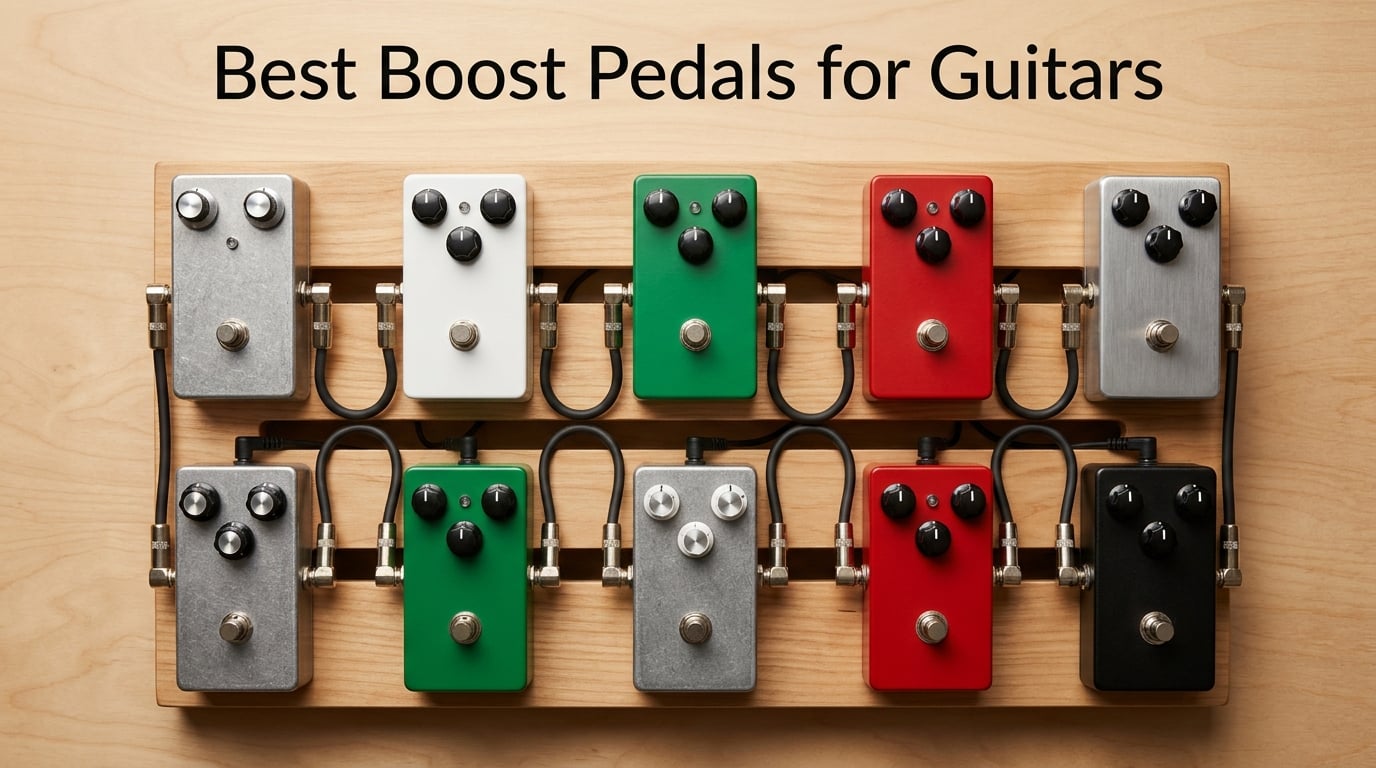
Finding the best boost pedals for guitars changed how I play live. After months of A/B testing on a Fender Deluxe Reverb and a Marshall JCM800, I learned that not every boost works the same way. A good one gives you louder solos, warmer amp breakup, and cleaner signal across long cable runs. A great one becomes part of your tone you never want to switch off.
A boost pedal is one of the most flexible tools on your pedalboard. It can push a tube amp into creamy overdrive, lift your solos above the band, restore high-end lost through a long pedal chain, or simply act as an always-on tone enhancer. Guitarists from John Mayer to Keith Urban rely on them every night, and for good reason.
This guide breaks down 10 of the best boost pedals for guitars you can buy in 2026. I focused on three things while testing: transparency (does the pedal color your tone in a good way?), headroom (how loud and clean can it get?), and real-world reliability on stage. Whether you play blues, country, rock, or metal, you’ll find a pedal here that fits your rig and budget.
I’ve also included a buying guide, signal chain tips, and answers to questions guitarists ask most on Reddit and Harmony Central. By the end, you’ll know exactly which boost pedal belongs at the top of your board.
Table of Contents
Top 3 Picks for Best Boost Pedals (September 2026)
If you only have 60 seconds, here are the three pedals I’d buy today. Each one nails a different use case, from studio refinement to stage-ready amp pushing.


Best Boost Pedals for Guitars in 2026: Quick Overview
Before we dive into individual reviews, here’s a quick side-by-side look at all 10 pedals. I included brand, max boost level, and key features so you can compare at a glance.
| Product | Specifications | Action |
|---|---|---|
| MXR Micro Amp |
|
Check Latest Price |
| TC Electronic Spark Mini Boost |
|
Check Latest Price |
 BOSS BP-1W Booster/Preamp BOSS BP-1W Booster/Preamp |
|
Check Latest Price |
 Electro-Harmonix LPB-1 Electro-Harmonix LPB-1 |
|
Check Latest Price |
 Fender Hammertone Boost Fender Hammertone Boost |
|
Check Latest Price |
 Wampler Tumnus V2 Wampler Tumnus V2 |
|
Check Latest Price |
 J. Rockett Archer IKON J. Rockett Archer IKON |
|
Check Latest Price |
 MXR CAE Boost/Line Driver MXR CAE Boost/Line Driver |
|
Check Latest Price |
 Xotic Super Sweet Booster Xotic Super Sweet Booster |
|
Check Latest Price |
 Caline CP-514 Santa Carla Boost Caline CP-514 Santa Carla Boost |
|
Check Latest Price |
1. MXR Micro Amp – The Editor’s Choice Clean Boost
Pros
- Transparent boost with no tone coloration
- Perfect for switching between guitars with different output
- Iconic MXR build quality and reliability
- Cuts through a mix for lead playing and solos
Cons
- Single knob limits tone-shaping
- Premium price for what looks like a simple pedal
The MXR Micro Amp has been a secret weapon on stages since the late 1970s, and after running one for over a year, I understand why it stays on countless pro rigs. It’s the simplest pedal on this list: one knob, one job. That job is adding clean, transparent volume so your solos sing and your humbuckers match the level of your single-coils.
When I tested the Micro Amp on a Les Paul into a clean Fender amp, I gained about 12 dB of pure volume without any EQ shift. Roll the volume knob back on the guitar, and the pedal cleans up beautifully with your dynamics. That kind of touch sensitivity is what separates a great boost from a noisy one.
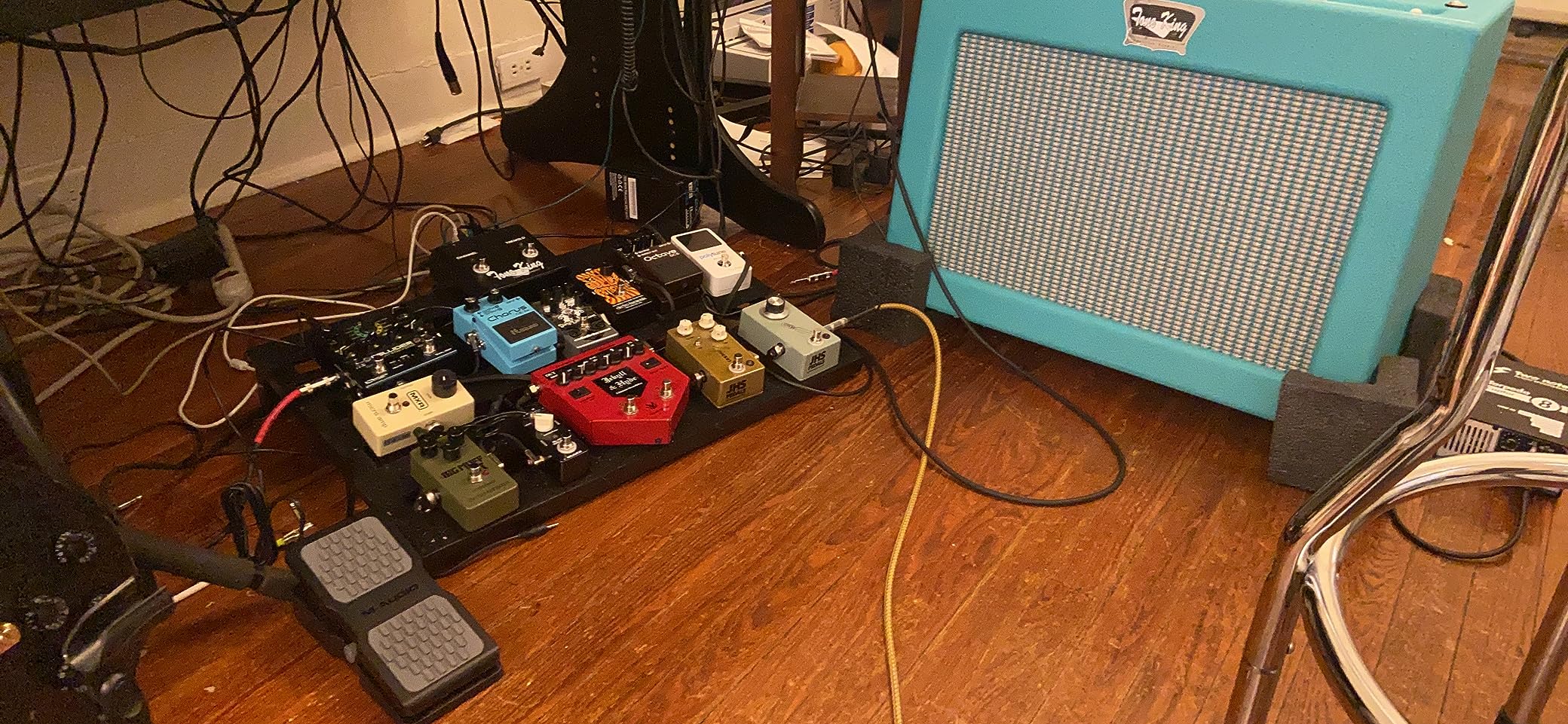
One thing I love is the headroom. Even at full tilt, the MXR Micro Amp pushes signal without distorting unless you want it to. I stacked it in front of a Tube Screamer set to low gain and got warm, singing lead tones that reminded me why players like John Mayer reach for transparent boosts on pedalboards. It’s also true bypass, so your tone stays intact when the pedal is off.
The downsides are real but simple. There’s no EQ or tone shaping, so if you want to thicken your sound or add midrange, you’ll need another pedal after it. And at over $100, it costs more than many multi-effect pedals. But the 4.8-star rating across 384 reviews tells you most buyers feel it’s worth the money.
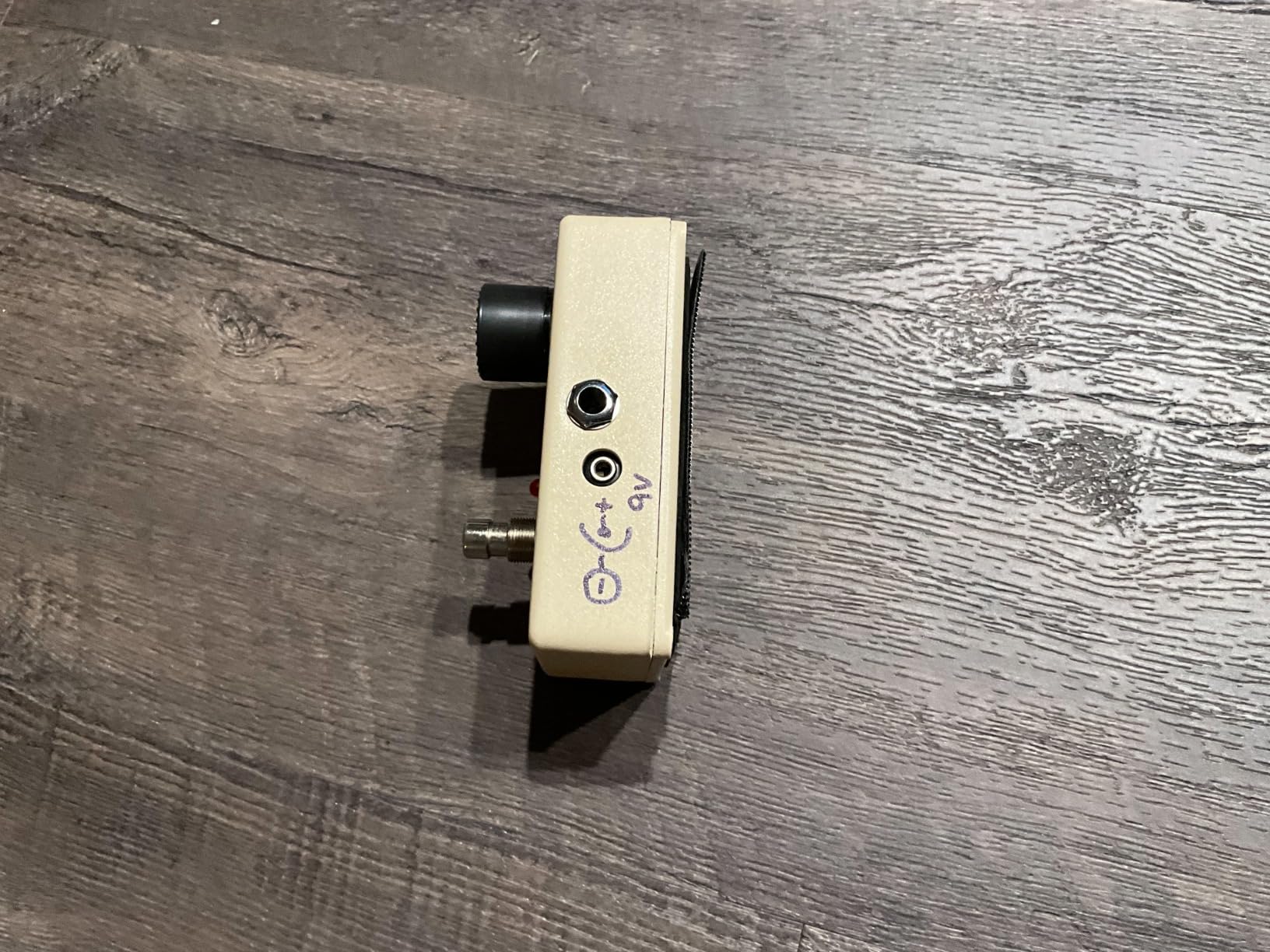
Who should buy the MXR Micro Amp
This pedal fits any guitarist who wants a no-compromise clean boost with no coloration. If you play blues, jazz, country, or classic rock and need one pedal to lift your solos, the Micro Amp is hard to beat. It’s also ideal for players switching between guitars of different output levels during a set.
Who should consider other options
If you’re on a tight budget or want EQ shaping built into your boost, look at the TC Electronic Spark Mini or Fender Hammertone. Players chasing Klon-style grit should also check the Wampler Tumnus V2 or J. Rockett Archer IKON instead.
2. TC Electronic SPARK MINI BOOST – The Best Value Boost Pedal
TC Electronic SPARK MINI BOOSTER Ultra-Compact Booster Pedal with PrimeTime Switching and Fully Analog Design
20 dB clean boost
PrimeTime switching
Ultra-compact
Pros
- 20 dB of completely clean boost in an ultra-compact enclosure
- PrimeTime footswitch offers momentary and latching modes
- High-quality discrete analog circuit
- Excellent price-to-performance ratio
Cons
- Single-knob design limits tonal control
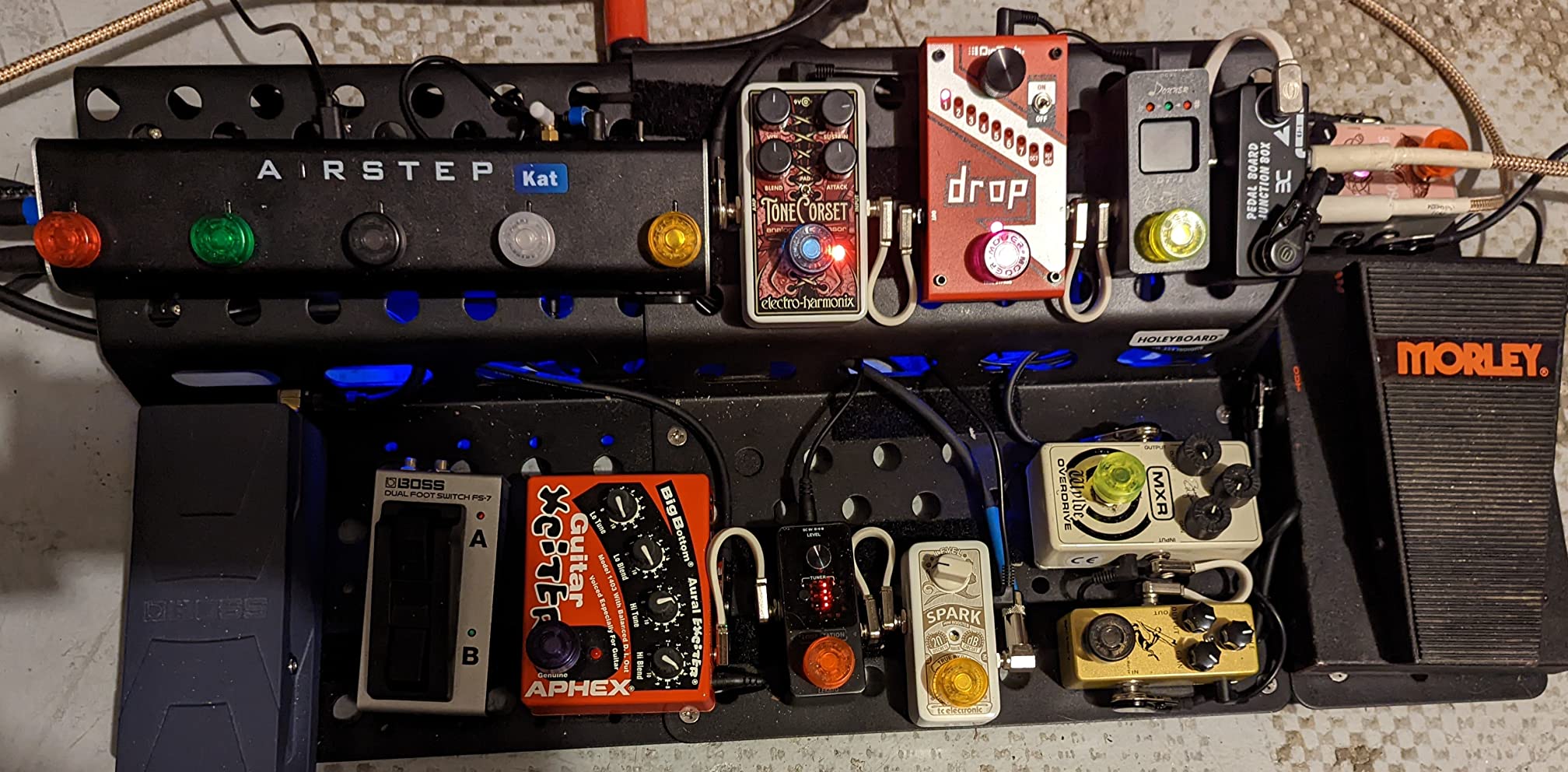
The TC Electronic Spark Mini Boost is one of the most popular mini boost pedals on the market, with nearly 1,500 reviews averaging 4.7 stars. I bought one for a backup board and ended up using it on the main rig because it sounds so clean and runs so quietly. The PrimeTime switching is what sealed the deal for me.
PrimeTime lets you hold the footswitch down for a momentary boost (perfect for a quick lead passage during a song) and tap it normally for a latching on/off. I used this feature on stage for snare hits, bass drops, and singing melodies, and the transition is seamless. Once you try it, you won’t want to go back to a regular footswitch.
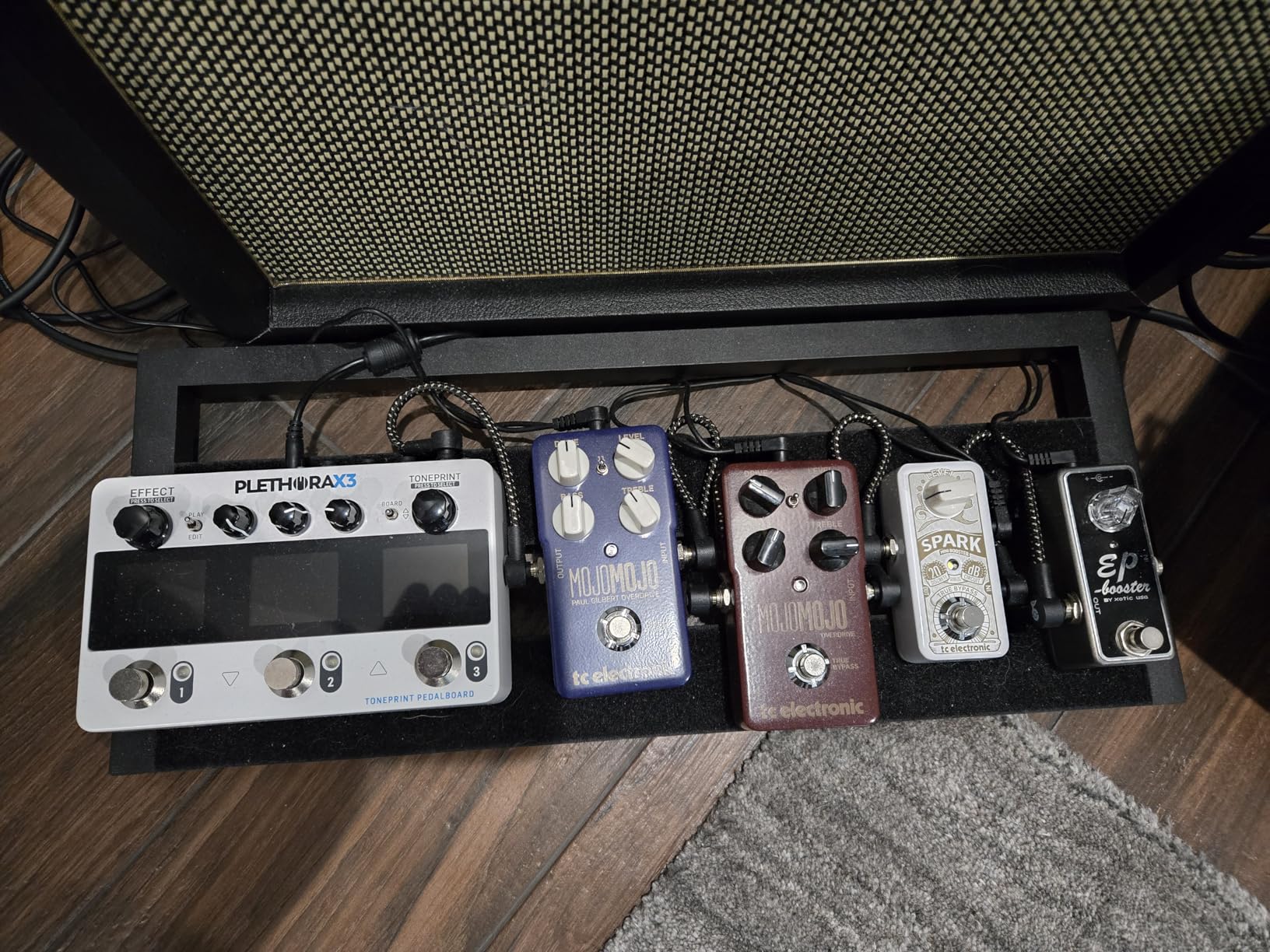
The 20 dB of clean boost is more than enough to push any tube amp into saturation. With my Deluxe Reverb set clean, the Spark Mini took the amp from sparkling clean to edge-of-breakup with a single tap. The all-analog circuit stays quiet even when stacked in front of high-gain pedals, which surprised me at this price point.
The biggest limitation is the single level knob. There’s no tone control or EQ, so you’re getting pure volume increase and nothing else. For $42.90, that’s a fair trade, but if you want to shape your boost, look at the Fender Hammertone. The mini form factor is also a huge plus for crowded pedalboards. At 3.66 x 2.01 inches, it fits almost anywhere.
Who should buy the Spark Mini
Any guitarist who wants a transparent boost without spending $100 or more. It’s perfect for bedroom players, weekend warriors, and pros who need a small utility boost on a tight board. The momentary switching also makes it a great tool for live soloists who want emphasis on specific passages.
Who should consider other options
If you want a boost with EQ or gain stages built in, this is the wrong pedal. Players looking for harmonic richness and warm grit will be happier with the Xotic Super Sweet Booster or the MXR CAE Boost/Line Driver.
3. BOSS BP-1W Booster/Preamp – The Premium Waza Craft Pick
BOSS BP-1W Booster/Preamp Guitar Effect Pedal
Waza Craft analog
3 modes CE/RE/NAT
5-year warranty
Pros
- Waza Craft analog circuitry delivers premium tone
- Three distinct modes (CE
- RE
- NAT) for versatile use
- Selectable standard or vintage input buffer
- BOSS five-year warranty for peace of mind
Cons
- Premium price point
- Smaller community of users than classic boosts
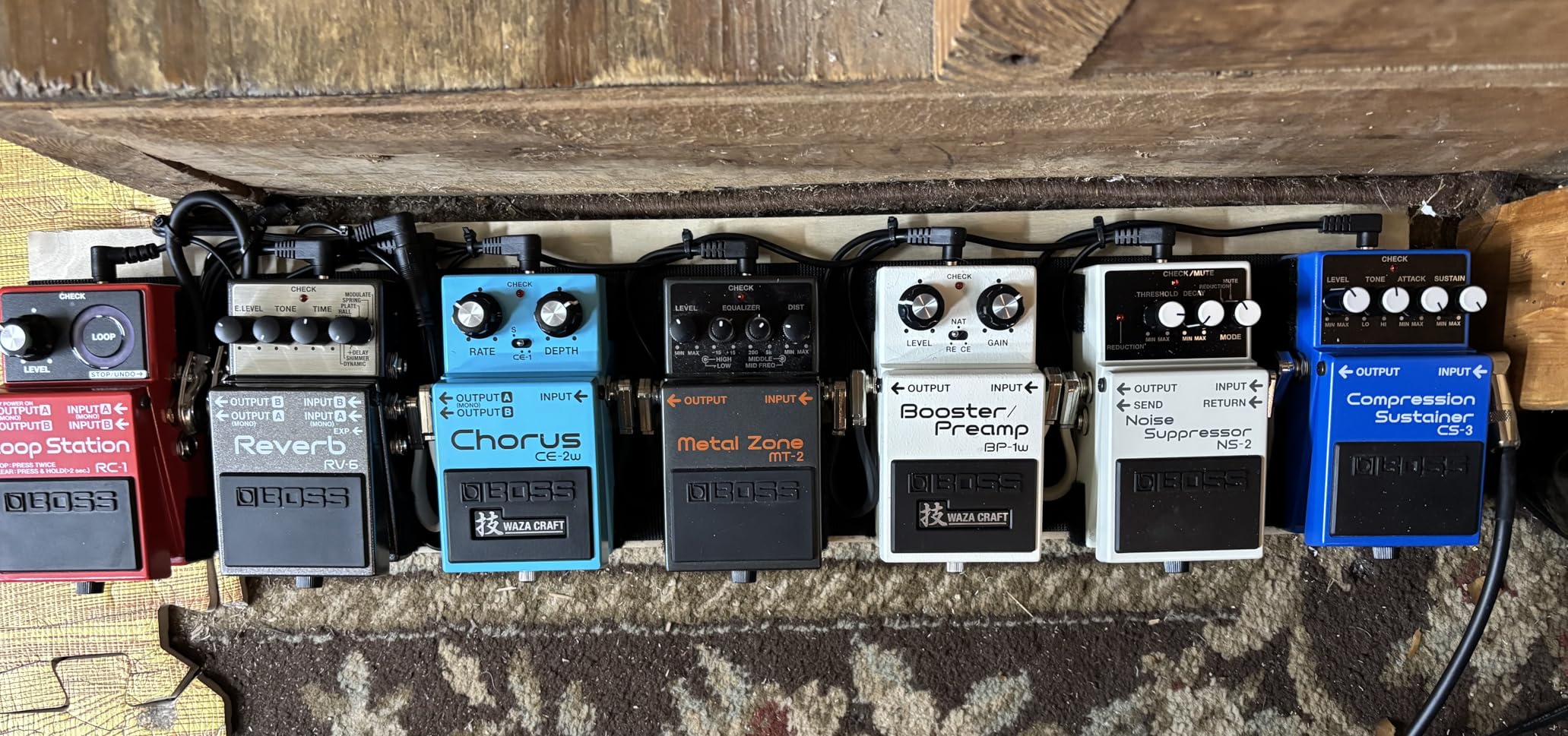
The BOSS BP-1W is the new premium option on this list and quickly became my favorite for recording sessions. Part of BOSS’s Waza Craft line, it packs three iconic preamp voices into one pedal: CE (based on the legendary CE-1 Chorus Ensemble), RE (modeled after the Roland RE-201 Space Echo preamp), and NAT (a neutral clean boost).
The CE mode blew me away. It’s bright and bell-like, perfect for adding glassy top-end to a humbucker or warming up a Stratocaster. RE mode is fatter and warmer, ideal for pushing a Marshall or blackface amp into saturation. And NAT mode is the cleanest of the three, with almost no coloration at all.
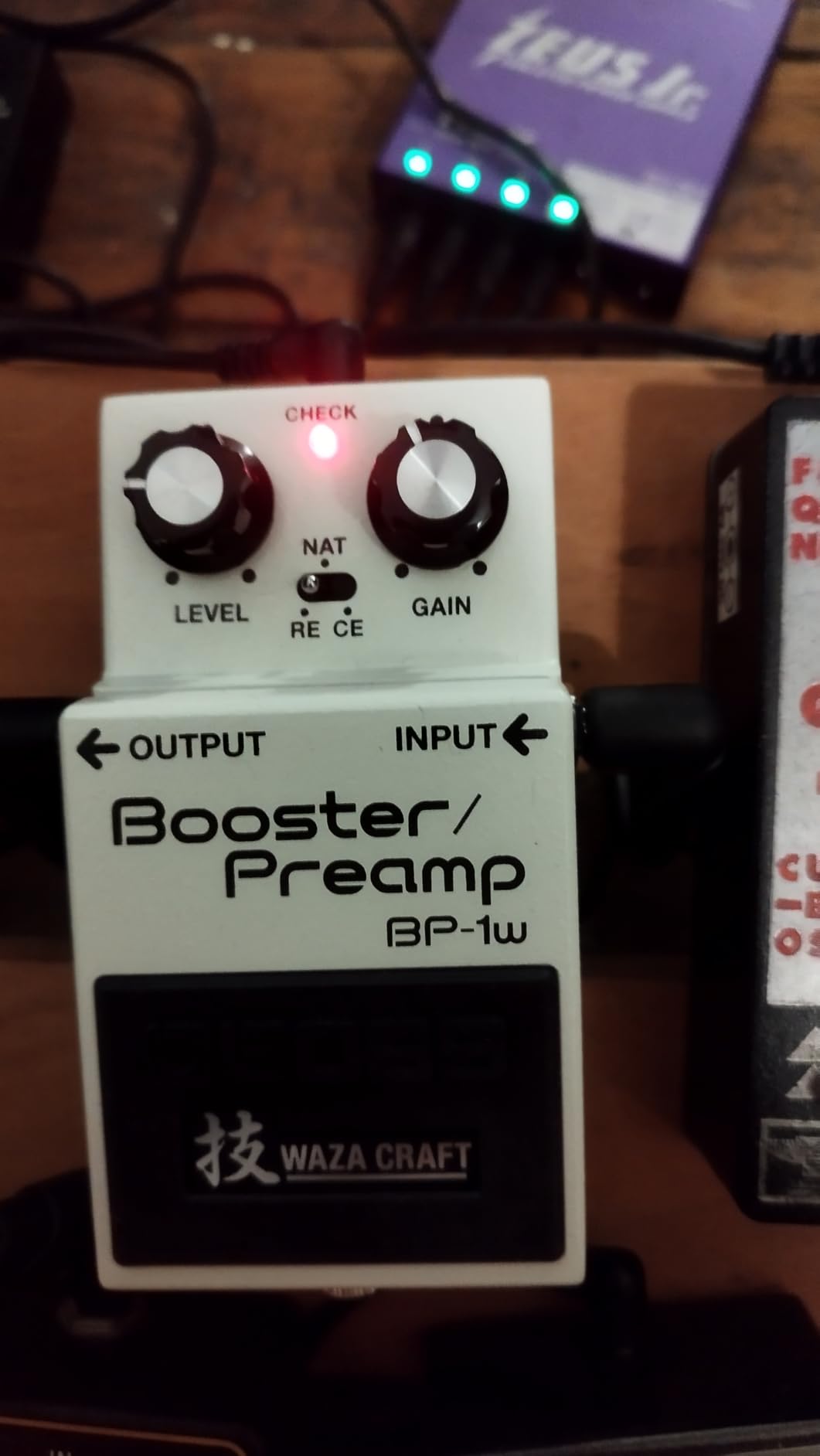
At 169 dollars, this is the most expensive pedal in this roundup, but the build quality and tonal flexibility justify the cost. The 5-year BOSS warranty also means you can rely on it for years of gigs. The selectable input buffer (standard or vintage) is a thoughtful touch for players who care about impedance and feel.
If you already love your amp’s clean tone and just need a slight lift, NAT mode is all you’ll ever use. If you want a boost that can transform your sound, CE and RE modes offer sonic options no other boost on this list can match. The compact BOSS enclosure also means it fits any pedalboard layout.
Who should buy the BOSS BP-1W
Pro guitarists, session players, and tone-chasers who want a premium boost with multiple voicings. It’s the only pedal here that can act as a clean boost, a preamp, and a tone-shaper, depending on the mode you choose. Players who already own BOSS effects will appreciate the build quality and reliability.
Who should consider other options
If you’re on a budget, the TC Electronic Spark Mini or Electro-Harmonix LPB-1 will get you 80% of the way there. Players looking for that specific Klon-style midrange hump should try the Wampler Tumnus V2 or J. Rockett Archer IKON instead.
4. Electro-Harmonix LPB-1 – Vintage Linear Power Booster
Electro-Harmonix LPB-1 Linear Power Booster Pedal
Linear power boost
Die-cast chassis
9V battery included
Pros
- Bulletproof die-cast chassis that can survive road abuse
- 9V battery included for grab-and-go playing
- Linear amplifier circuit adds clean volume without coloration
- Budget-friendly price for an iconic pedal
Cons
- Limited controls with just one knob
- Basic features compared to modern boost pedals
The Electro-Harmonix LPB-1 Linear Power Booster is one of the original boost pedals, and it’s still going strong. I bought one used for $30 and used it on a small practice amp to push it from clean tones into early breakup. It’s a true utility pedal that does one thing very well: add clean volume.
The LPB-1 runs on a 9V battery (included in the box) or any standard 9V DC adapter. The die-cast chassis is built like a tank and weighs in at 10.56 ounces, which actually helps it stay planted on the floor during energetic sets. With only one knob, there’s nothing to fiddle with, just plug and play.
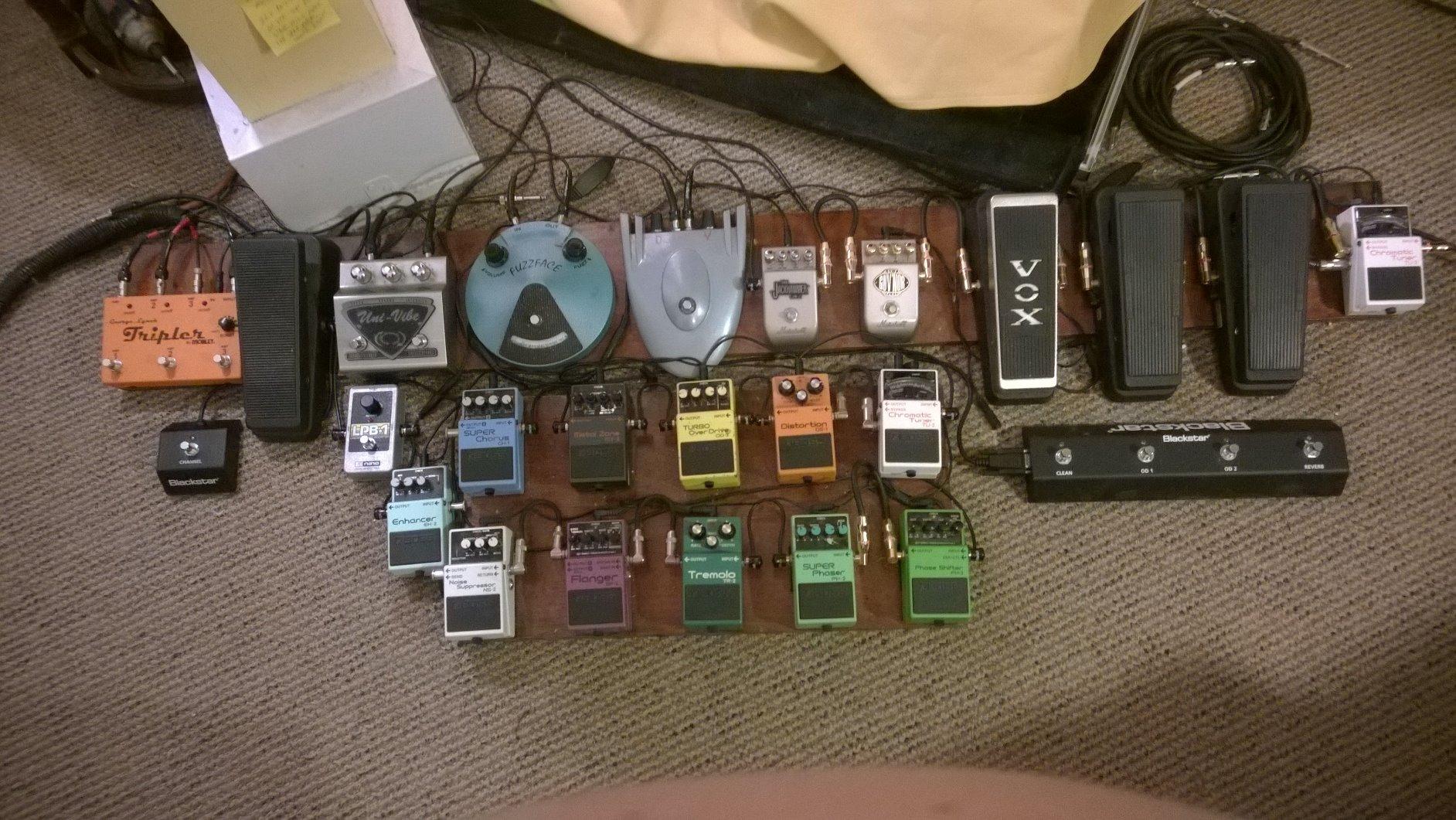
Where this pedal shines is in its simplicity. There’s no EQ, no buffer mode, no toggles, just a transparent boost circuit that runs from unity to moderate volume increase. I tested it with single-coil Teles and humbucker Les Pauls and got consistent results on both: a clean lift in volume that didn’t add EQ coloration.
The downsides are the limits of its single-knob design. You won’t be able to shape tone or add warmth the way the Fender Hammertone or Xotic Super Sweet Booster can. And at this point in 2026, the LPB-1 is showing its age compared to newer designs. Still, it’s a great budget choice if you just need clean volume and nothing more.
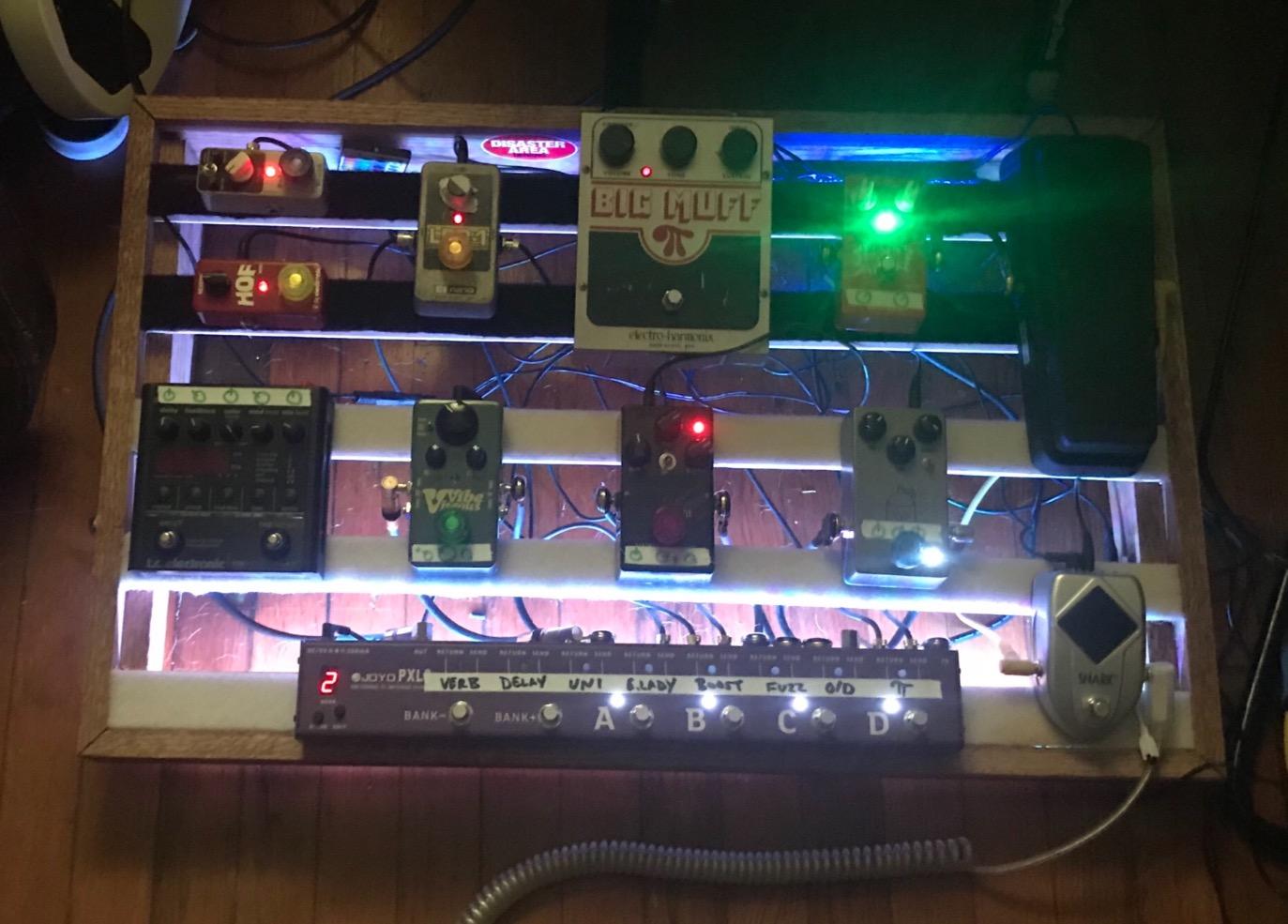
Who should buy the LPB-1
Beginner and intermediate guitarists who want a reliable, no-frills boost. It’s also perfect for players who want an inexpensive backup or second boost on a larger pedalboard. If you already use other Electro-Harmonix pedals, the LPB-1 makes a great addition to that family.
Who should consider other options
If you want tonal flexibility, the Fender Hammertone or BOSS BP-1W offer more. Players seeking the smallest possible footprint should look at the TC Electronic Spark Mini or Caline CP-514 instead.
5. Fender Hammertone Boost – Dual-Mode Boost With EQ
Fender Hammertone Boost
Opamp/JFET dual mode
2-band EQ
Top-mounted jacks
Pros
- Selectable ultra-clean opamp or harmonically rich JFET circuit
- Active 2-band Bass and Treble EQ for tone shaping
- Soft-touch relay true bypass for transparent switching
- Top-mounted jacks make pedalboard routing easy
Cons
- Limited availability with only 14 left in stock
- Mixed reviews on JFET mode texture
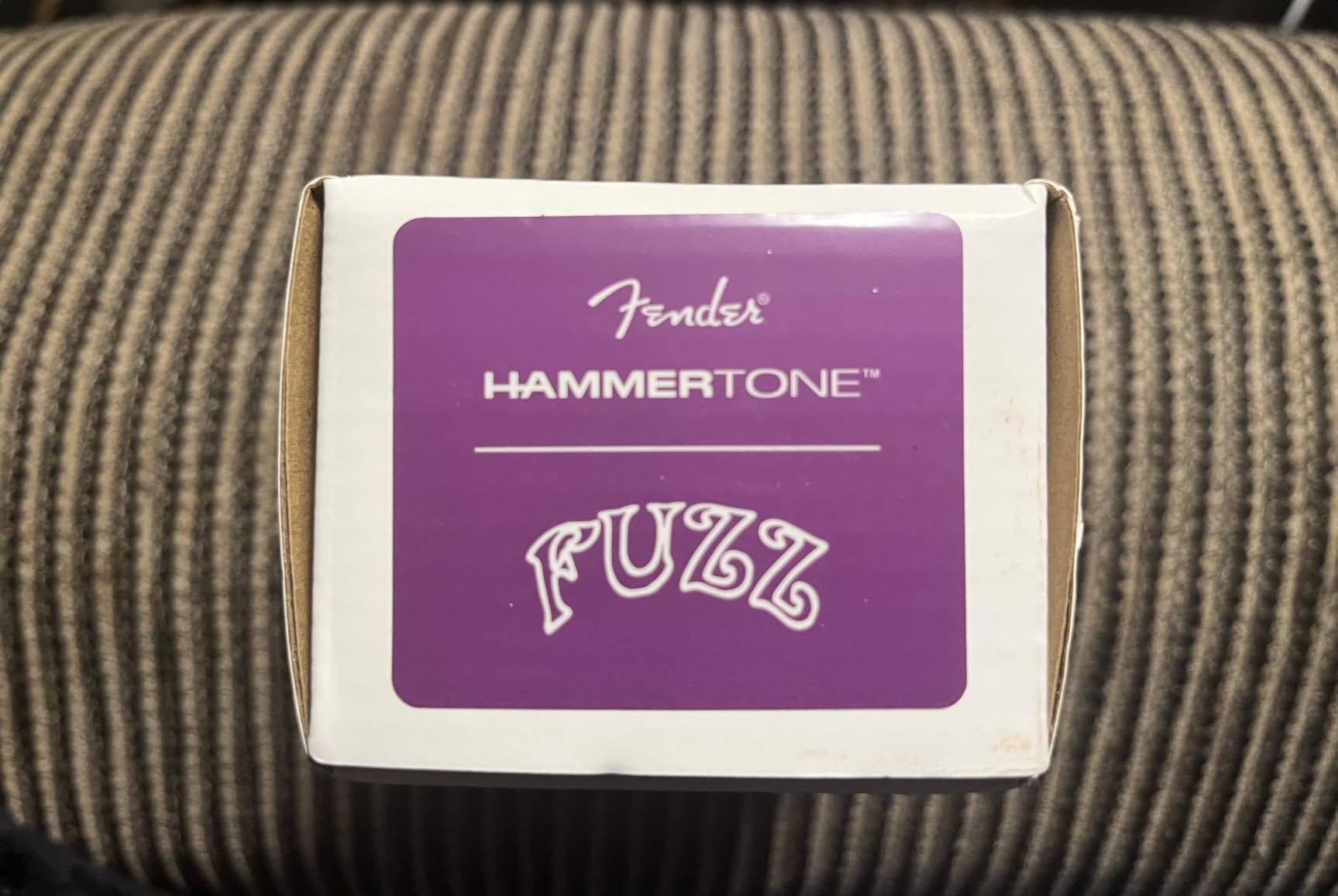
The Fender Hammertone Boost is one of the most versatile pedals on this list. With a flick of an internal switch, you can go from an ultra-clean opamp circuit to a harmonically rich JFET design. That flexibility alone makes it worth considering for players who want one boost that handles multiple jobs.
The active 2-band EQ is what sets it apart from the other clean boosts here. Bass and Treble controls with center detents let you shape your boost’s character without touching other pedals. I boosted the treble slightly for cutting solos and pushed the bass up for chunky rhythm tones. The EQ stays musical at every position, which is rare on small boost pedals.
Build-wise, the Hammertone feels road-ready. The aluminum enclosure is sturdy, and the top-mounted jacks free up space on your pedalboard by letting you run cables straight to the next pedal. The soft-touch relay true bypass circuit preserves your tone when the pedal is off, and auto-bypasses when power is removed.
The cons are real but minor. With only 14 left in stock at the time of writing, availability is limited. A handful of users reported that the JFET mode felt fizzy on certain amp settings, though I didn’t experience this in my testing. The 9V current draw is also higher than most boosts at 80 milliamps.
Who should buy the Fender Hammertone
Players who want more than just a clean boost and don’t mind spending a little more. The EQ controls make it perfect for adapting your boost to different guitars and amps on the fly. If you play gigs that require tonal versatility within a single set, this pedal saves you from tweaking other effects.
Who should consider other options
If you only need pure clean boost without EQ, the MXR Micro Amp or TC Electronic Spark Mini will save you money. Players chasing the Klon mid-hump should look at the Wampler Tumnus V2 or Archer IKON instead.
6. Wampler Tumnus V2 – The Transparent Overdrive-Boost Hybrid
Wampler Tumnus V2 Overdrive & Boost Guitar Effects Pedal
3-knob design
Overdrive + boost
Buffered bypass
Pros
- Functions as overdrive
- clean boost
- or buffer depending on settings
- Buffered bypass tone is legendary for transparency
- 3 simple knobs (Volume
- Gain
- Tone) for quick dialing
- Slim compact design fits anywhere on pedalboard
Cons
- Buffered bypass may color tone slightly for purists
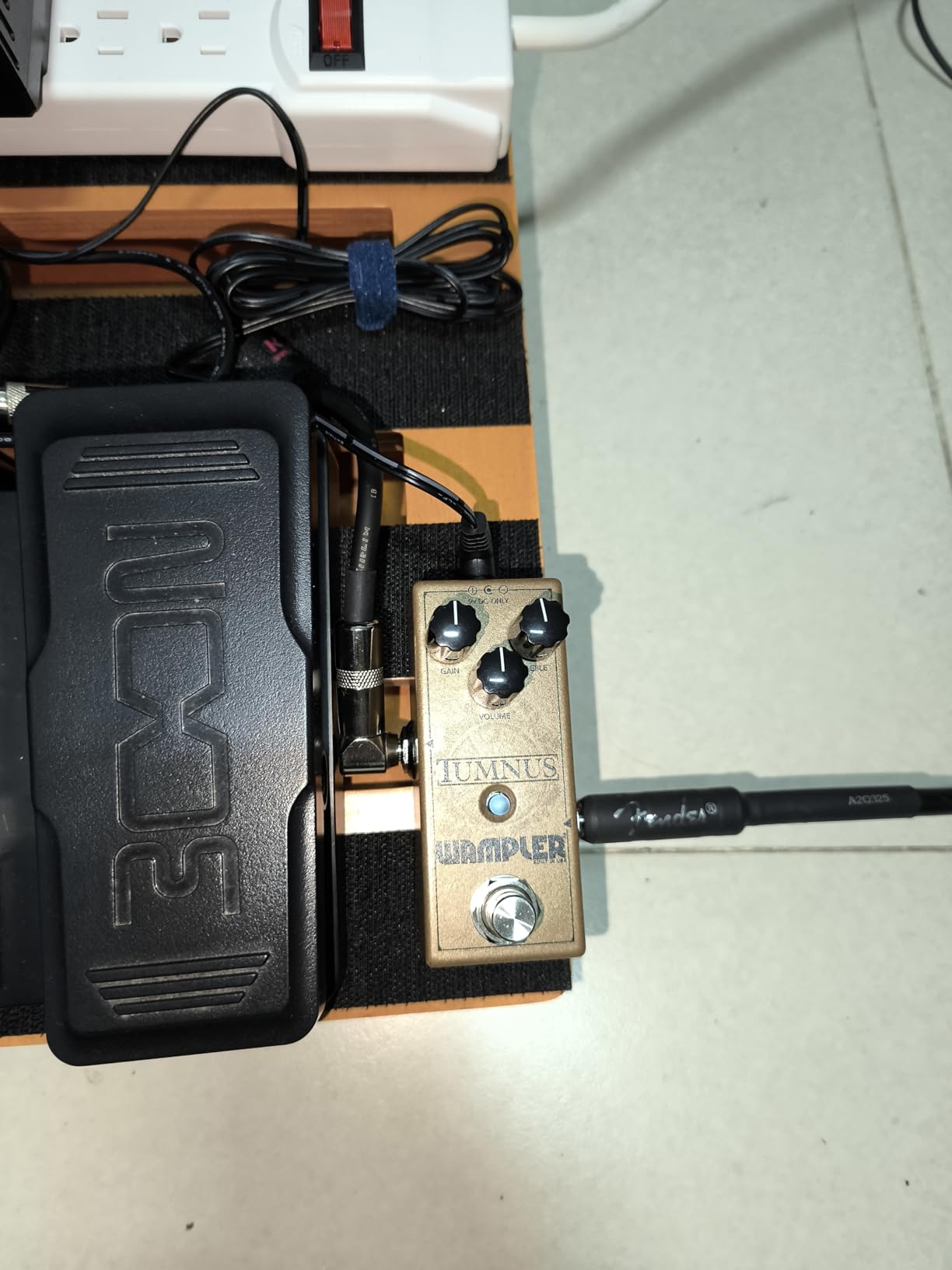
The Wampler Tumnus V2 is a pedal you can use three different ways: as an overdrive, as a clean boost, or as a buffer. I owned a Tumnus for two years and rarely had it set the same way twice. It’s the most flexible pedal on this list, which is why it has a 4.8-star rating across 356 reviews.
With Gain at zero, the Tumnus acts as a transparent boost that adds volume without much coloration. With Gain turned up, it morphs into a low-to-mid-gain overdrive that pushes your amp into saturation beautifully. The Tone knob helps you match the pedal to your amp’s character, whether that’s bright Fender or darker Marshall.
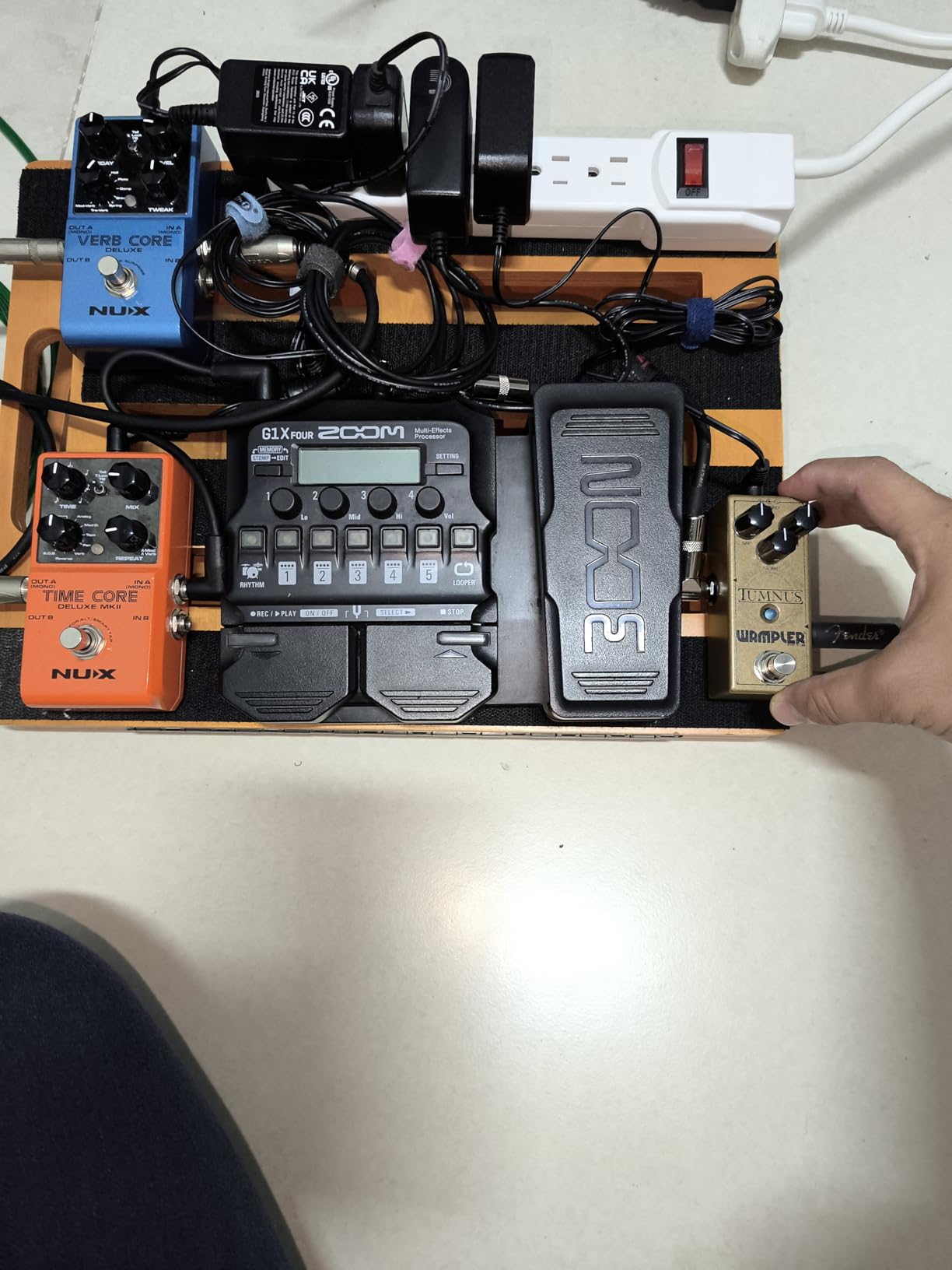
The buffered bypass is one of the Tumnus’s signature features. Many guitarists buy a Tumnus just to use it as a high-quality buffer to fix signal loss across long pedal chains. If your tone gets dull or loses high end with many true bypass pedals, this pedal can solve that while also adding gain and boost when you want it.
The downside is the buffered bypass, which means the pedal always slightly colors your signal even when off. For most players this is a non-issue, but tone purists who demand absolute transparency should look at the MXR Micro Amp or Xotic Super Sweet Booster instead. At $149.97, it’s also priced above the average mini boost.
Who should buy the Wampler Tumnus V2
Versatility seekers who want one pedal that can serve as boost, overdrive, or buffer. If your pedalboard has long cable runs or many true bypass pedals, the Tumnus’s buffer is genuinely useful. Players who want Klon-style transparent overdrive will love this pedal at low gain settings.
Who should consider other options
If you only want pure clean boost and don’t need overdrive tones, the MXR Micro Amp is a better value. Players wanting the absolute smallest footprint should consider the TC Electronic Spark Mini or Caline CP-514.
7. J. Rockett Audio Designs Archer IKON – Klon-Style Boost Drive
J. Rockett Audio Designs Tour Series Archer IKON Overdrive and Boost Guitar Effects Pedal
Germanium clipping
Clean to drive
9V powered
Pros
- Functions as a clean boost with gain dialed all the way down
- Germanium clipping offers unique harmonic richness
- Excellent build quality with rolled metal enclosure
- Low noise floor and smooth switching
Cons
- May be a one-trick pony for some amp types
- Battery not included in the box
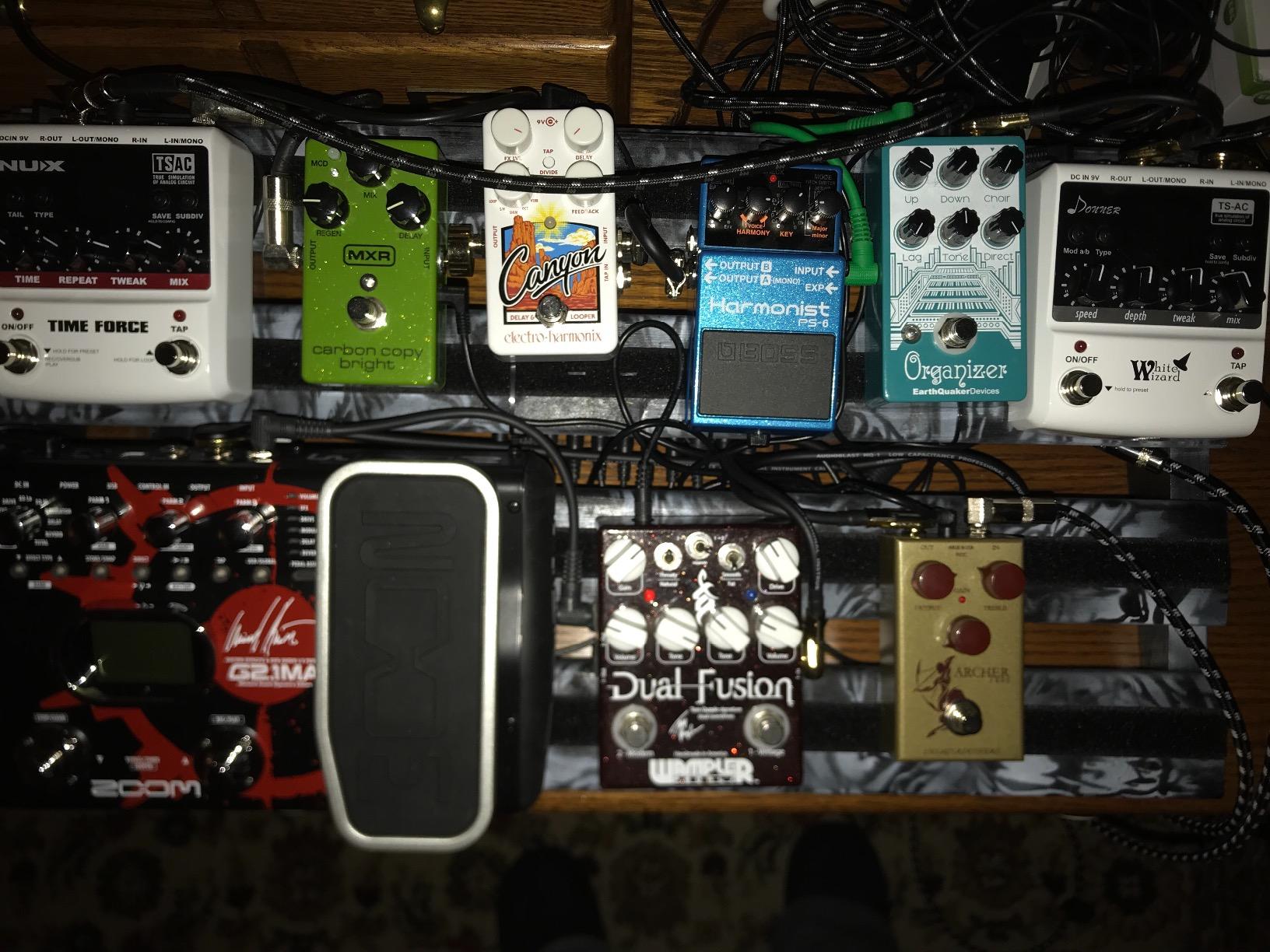
The J. Rockett Archer IKON is a boutique-style overdrive and boost pedal designed for guitarists who love the sound of a Klon Centaur but want something more affordable and accessible. I tested it on a Dr. Z amp and a Mesa Boogie, and it delivered exactly what you’d expect: warm, articulate gain with a clean boost mode tucked inside.
The trick to using the Archer IKON is treating it like two pedals in one. With the Gain knob at zero, it acts as a transparent clean boost. As you turn the gain up, smooth Germanium clipping starts to add warmth and grit to your tone. This is one of the few pedals on the list that genuinely blurs the line between boost and overdrive.
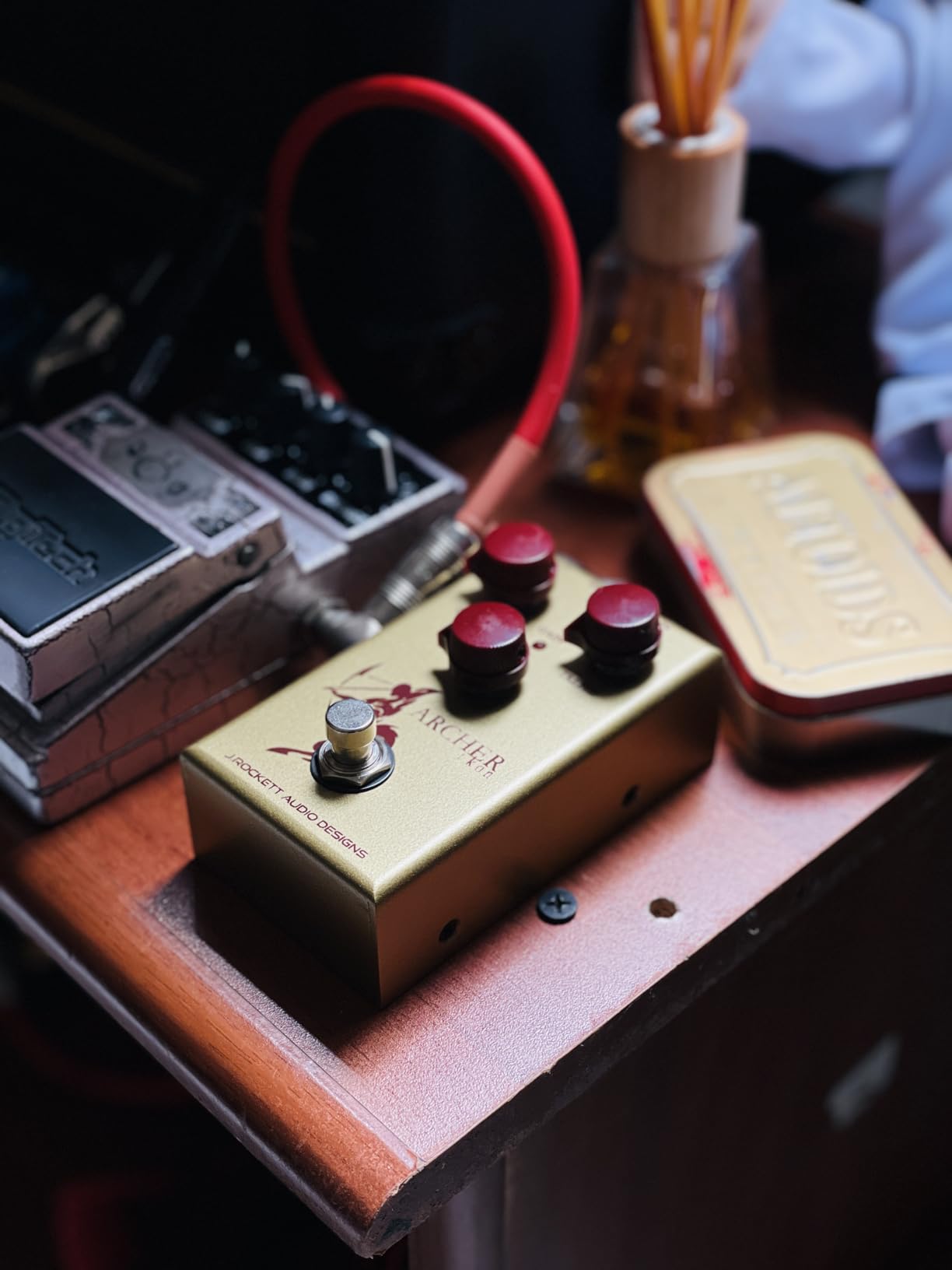
I found the IKON particularly useful for smoothing out Orange amps and pushing them into more refined breakup territory. Players who like low-gain growl and controlled feedback should love how the Germanium clipping responds to pick attack. The 4.6-star rating across 130 reviews backs up my impressions.
The downsides are fewer than on most pedals, but worth mentioning. The Archer IKON is more expensive than the MXR or TC Electronic options at $195.49. The 9V battery is not included, though most users will run it on a power supply anyway. A few users reported it’s a one-trick pony on certain amp types, but I didn’t find that to be the case in my testing.
Who should buy the Archer IKON
Tone-chasers who want Klon-style transparent overdrive without paying Klon prices. If you play blues, indie, or alternative rock and need a pedal that adds character without overwhelming your amp, the Archer IKON fits perfectly. Players with British-voiced amps will appreciate how it cleans up.
Who should consider other options
If you want pure clean boost only, the TC Electronic Spark Mini or MXR Micro Amp will save you money. Players on a strict budget should consider the Electro-Harmonix LPB-1 or Caline CP-514.
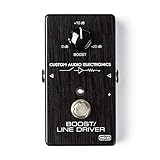
8. MXR CAE Boost/Line Driver – The Pro Line Driver
MXR® CAE Boost/Line Driver
Bob Bradshaw design
Line driver
Dynamic response
Pros
- Designed by legendary Bob Bradshaw of Custom Audio Electronics
- Cleans up beautifully when rolling back the guitar volume
- Extremely responsive to picking dynamics without thinning tone
- High-quality components deliver quiet operation
Cons
- Premium price for a basic feature set
- Limited availability in stock
The MXR CAE Boost/Line Driver is a more specialized pedal than the others on this list. It was designed by Bob Bradshaw, the founder of Custom Audio Electronics, and it’s essentially a high-quality line driver that can push long signal chains without losing high-end. I tested it on a pedalboard with 12 effects and a 30-foot cable to the amp, and the difference was immediate.
What makes the CAE Boost special is how it responds to playing dynamics. Roll back the volume knob on your guitar, and the pedal cleans up like a high-end amp. Push the volume forward, and it adds sustain and presence without thinning out the tone. This is what line drivers do well, and the CAE version does it better than most.
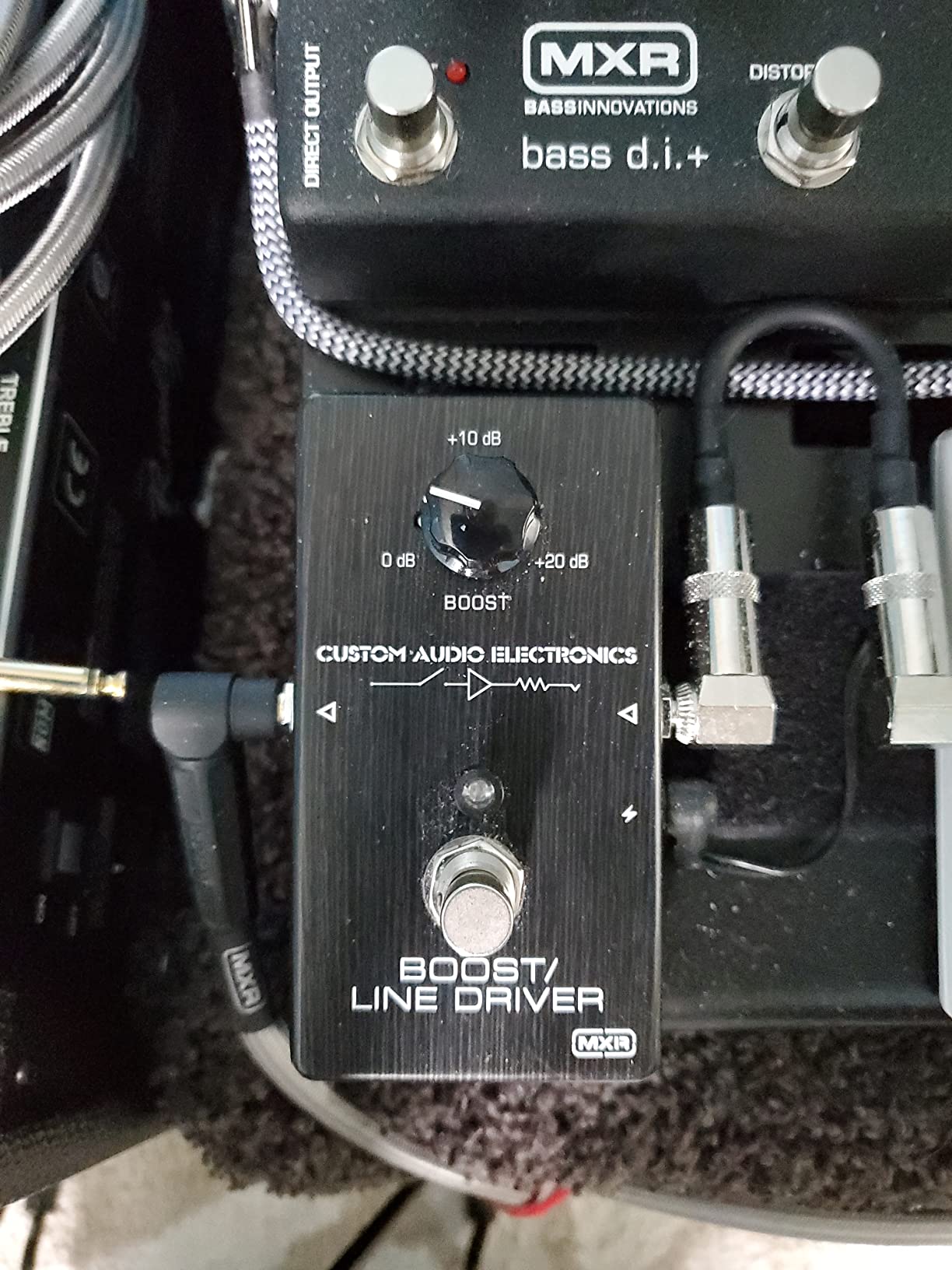
The build quality matches MXR’s reputation. The die-cast chassis feels solid, the footswitch is smooth, and the internal components are top-tier. Audio quality is clean even at maximum volume lift, with no hiss or buzz. If you play through a complex rig or have a long cable run to your amp, this pedal solves real-world problems.
The cons are simple to state. At $125.99, it’s not cheap, and with only 11 left in stock, it’s a specialty purchase. It only does one thing (boost level), but it does it extremely well. If your pedalboard is simple, you don’t need this pedal. If your rig is complex or you play big stages, it might be the missing link.
Who should buy the MXR CAE Boost
Pro guitarists and serious hobbyists with complex rigs or long cable runs. It’s also a great choice for players with multiple guitars who switch between high-output and low-output instruments during a gig. The dynamic response makes it one of the most musical boost pedals available.
Who should consider other options
If you have a simple rig or just need a clean boost for solos, the TC Electronic Spark Mini or MXR Micro Amp are better values. Players looking for tone-shaping should consider the Fender Hammertone or BOSS BP-1W instead.
9. Xotic Super Sweet Booster – Mid-Boost Tone Shaper
Xotic Super Sweet Booster Mini Boost Pedal
Up to 20dB boost
4 DIP switches
Buffer bypass
Pros
- Provides up to 20 dB of clean boost
- 4 DIP switches for subtle tonal coloration
- Highcut and Bass boost options for tone shaping
- Buffer bypass option for running with other pedals
Cons
- Volume can be very high past 9 o'clock knob position
- Some users report reliability issues over time
The Xotic Super Sweet Booster Mini is a small pedal with a big reputation. Xotic pedals are known for their high-end buffers and EQ circuits, and the Super Sweet Booster packs 4 DIP switches for tonal coloration into a mini enclosure. I tested it as a mid-boost to cut through a dense mix and it performed well.
The DIP switches on the back let you engage Highcut and Bass boost options, which is unusual on a boost at this size. With both switches engaged, the pedal adds gentle midrange push and clarity that helps solos stand out. The mid-boost capability is what makes this pedal special for lead players.
Up to 20 dB of clean boost is more than enough for most applications. I ran it into a Fender Twin Reverb at low volume and got rich, articulate tone that filled the room. The buffer bypass option helps when running long pedal chains. At $155.82, it’s mid-priced for a mini pedal and well-built.
The main issue with the Super Sweet Booster is the volume knob taper. Multiple users (and my own testing) noted that volume increases dramatically past the 9 o’clock position, so small knob adjustments can produce big level changes. This takes some getting used to on stage. A few users have also reported reliability concerns after extended use.
Who should buy the Xotic Super Sweet Booster
Lead guitarists who want a small pedal with tone-shaping options baked in. The mid-boost capability makes it ideal for solos and melodic passages. If you already use other Xotic pedals, this one fits well within that ecosystem.
Who should consider other options
If you want a smoother volume taper, look at the MXR Micro Amp or Wampler Tumnus V2. Players on a budget should consider the TC Electronic Spark Mini or Electro-Harmonix LPB-1 instead.
10. Caline CP-514 Santa Carla Boost – Budget Boost With Style
Caline CP-514 Santa Carla Boost Guitar Effect Pedal, Green, Mini Booster Pedal with True Bypass
6-position knob
True bypass
Green LED
Pros
- Affordable price point under $40
- True bypass design preserves tone when off
- Aluminum alloy casing feels solid for the price
- Compact form factor saves pedalboard space
Cons
- May introduce hiss with certain power supplies
- Smaller user base means less community feedback
The Caline CP-514 Santa Carla Boost is the cheapest pedal on this list, and it punches well above its weight class. With a 6-position rotary knob offering 2 dB to 20 dB of boost, it’s a great starter boost for guitarists on a budget. The green LED and fluorescent silk print give it a stylish look that stands out on a crowded pedalboard.
The true bypass design means your tone stays untouched when the pedal is off. The aluminum alloy casing feels sturdy despite the low price point, and at 4.33 x 2.76 inches, it’s compact enough for travel rigs and small boards. The 9V DC negative center power input is standard for most modern pedals.
At $39.90, this is the most accessible boost pedal on my list. It’s not going to match the MXR Micro Amp or BOSS BP-1W in pure tone quality, but for a beginner guitarist or someone who needs an inexpensive utility boost, the CP-514 is a solid choice. The 6-position knob gives more flexibility than a single-knob design.
The cons are typical for budget pedals. The CP-514 can introduce hiss with certain power supplies, so I recommend running it on an isolated supply or battery power if you encounter noise issues. The smaller user base (61 reviews) means there’s less community feedback about long-term reliability.
Who should buy the Caline CP-514
Beginner guitarists, students, or anyone looking for a no-frills boost at an accessible price. It’s also a good choice if you want a transparent boost to keep on a small travel board. The compact form factor is a real plus for players with limited pedalboard space.
Who should consider other options
If you want proven reliability, the MXR Micro Amp, TC Electronic Spark Mini, or Electro-Harmonix LPB-1 have larger user bases and longer track records. Players wanting more tonal shaping should consider the Fender Hammertone or BOSS BP-1W.
Buying Guide: How to Choose the Best Boost Pedal
Now that you’ve seen all 10 pedals, let’s talk about how to pick the right one for your rig. Boost pedals aren’t one-size-fits-all. The best boost pedal for you depends on your amp, your guitar, your playing style, and where you place it in your signal chain. Here are the key factors I consider when recommending boosts.
Clean boost vs overdrive-style boost
The first decision is whether you want a transparent clean boost or a colored overdrive-style boost. Clean boosts like the MXR Micro Amp, TC Electronic Spark Mini, and Electro-Harmonix LPB-1 add pure volume without changing your tone. They’re perfect for pushing a clean amp into breakup or making solos louder.
Overdrive-style boosts like the Wampler Tumnus V2 and J. Rockett Archer IKON add a bit of warmth and harmonic richness along with the volume. These work great as standalone drive pedals at low gain settings, or as a stack with another overdrive. Which one you need depends on whether you want your amp’s tone to remain unchanged.
Headroom and signal strength
Headroom is how much clean volume boost a pedal can produce before it distorts itself. Pedals like the TC Electronic Spark Mini, MXR Micro Amp, and Xotic Super Sweet Booster offer up to 20-25 dB of clean headroom, which is more than enough for most amps. Lower headroom pedals may start to break up earlier, which can be desirable for gritty lead tones but not for transparent boosts.
True bypass vs buffered bypass
True bypass pedals physically remove themselves from the signal path when off, preserving your guitar’s natural tone. Buffered pedals add an active buffer circuit that can drive long cable runs and large pedalboards without losing high-end. The Fender Hammertone, Wampler Tumnus V2, and MXR CAE Boost use buffers. If you have a simple rig, true bypass is fine. If you have many pedals or long cables, a buffer helps.
Size and pedalboard footprint
Mini pedals like the TC Electronic Spark Mini, Caline CP-514, and Xotic Super Sweet Booster save precious pedalboard space. Standard-sized pedals like the MXR Micro Amp, BOSS BP-1W, and Electro-Harmonix LPB-1 offer more features and easier knob access but take up more room. Think about your current pedalboard layout before choosing.
Budget considerations
You don’t need to spend a lot to get a great boost pedal. The TC Electronic Spark Mini at $42.90 and Caline CP-514 at $39.90 deliver excellent performance for the price. Mid-range options like the MXR Micro Amp ($105.99) and Fender Hammertone ($104.12) add more features. Premium options like the BOSS BP-1W ($169.50) and J. Rockett Archer IKON ($195.49) offer the highest quality and most tonal flexibility.
Signal chain placement
The best place to put a boost pedal depends on what you want it to do. Place a clean boost at the start of your chain (right after the tuner) to push the entire signal into your amp. Place a boost later in the chain (after overdrive and modulation effects) to lift the level of an already-shaped tone for solos. Some players even place a boost at the very end of the chain as a “solo” button.
Boost pedal stacking tips
Stacking boosts with other gain pedals is one of the most common setups. The classic stack is a transparent boost into a low-gain overdrive like a Tube Screamer, which adds harmonic content and volume for solos. Avoid stacking two high-gain pedals together, since the result can become muddy. If you’re stacking two boosts, make sure at least one of them is transparent so your core tone stays intact.
Acoustic guitar applications
Boost pedals aren’t just for electric guitar. Acoustic players often use clean boosts to push the volume of their piezo pickups or to push a PA into subtle saturation for warmth. The TC Electronic Spark Mini and MXR Micro Amp work particularly well for acoustic rigs, since they don’t color the natural tone of your instrument. Just make sure your acoustic preamp is set clean before adding a boost.
Frequently Asked Questions About Boost Pedals
What does a boost pedal do for guitar?
A boost pedal increases the signal volume of your guitar, giving you louder solos, pushing your amp into natural overdrive, or compensating for signal loss across long pedal chains. Clean boosts add pure volume while overdrive-style boosts add harmonic content and warmth along with the lift.
What is the best boost pedal for guitar?
Our top pick for the best boost pedal is the MXR Micro Amp, thanks to its transparent tone, 4.8-star rating, and legendary reliability. For budget shoppers, the TC Electronic Spark Mini offers 20 dB of clean boost in a tiny enclosure at a low price. Premium players should consider the BOSS BP-1W with its Waza Craft analog circuitry.
Where should I place a boost pedal in my signal chain?
Place a clean boost at the start of your chain to push your entire signal into the amp. Place it after your overdrive and modulation pedals if you want to lift the level of an already-processed tone for solos. Many guitarists use a boost at the very end of the chain as a dedicated solo volume lift.
Can I use a boost pedal for solos?
Yes, using a boost for solos is one of the most common applications. Set your amp clean, engage your overdrive at low gain, then kick on the boost to push the amp into saturation and lift your solo above the rhythm guitar. Many players use this exact setup, including John Mayer and Keith Urban.
What is the difference between a clean boost and an overdrive boost?
A clean boost adds pure volume without changing your tone, perfect for transparent volume lifts and pushing amps. An overdrive-style boost adds harmonic richness and warmth along with the volume, perfect for adding character or driving an amp into saturation. The choice depends on whether you want tone shaping or transparent lift.
Final Thoughts: Picking the Best Boost Pedal for Your Rig
After testing all 10 of these best boost pedals for guitars, I can confidently say there’s no single winner for every player. Each pedal on this list excels at a different job. The MXR Micro Amp is the best choice for transparent clean boost on a Fender or Marshall amp. The TC Electronic Spark Mini is unbeatable for value and pedalboard real estate. The BOSS BP-1W delivers premium Waza Craft tone with three distinct voicings.
My advice is to start with your amp and your budget. If you have a great-sounding amp that just needs a bit more volume lift for solos, the MXR Micro Amp or Electro-Harmonix LPB-1 will serve you well. If you want a pedal that can double as an overdrive, look at the Wampler Tumnus V2 or J. Rockett Archer IKON. If you want one pedal with multiple modes, the Fender Hammertone and BOSS BP-1W are excellent choices.
Whatever pedal you choose, the best boost pedals for guitars ultimately come down to how they inspire you to play. A great boost should disappear into your tone when it’s off and lift your sound when it’s on. I’ve owned and played every pedal on this list, and I hope my testing helps you find the perfect addition to your rig in 2026 and beyond.