
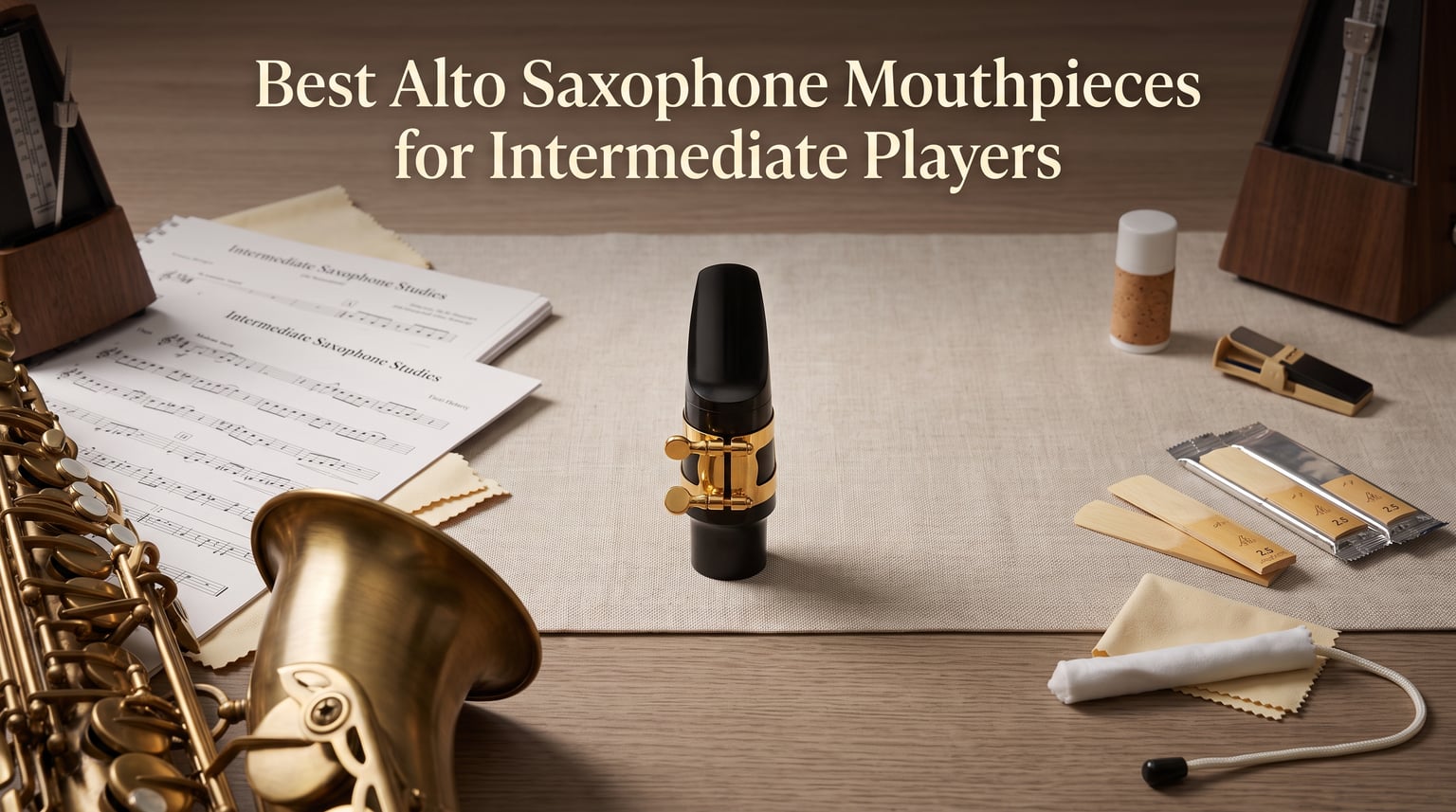
The mouthpiece that came in the case with your saxophone is probably the single biggest thing holding back your sound right now. I learned this the hard way after struggling with thin tone and stubborn intonation for months before swapping out the stock piece on my Yamaha.
When you have been playing for a year or two, your embouchure has developed enough to take advantage of a better mouthpiece. A quality alto sax mouthpiece gives you richer tone, better projection, and the flexibility to shape your sound across different genres. The upgrade is usually more impactful than buying a new horn, and it costs a fraction of the price.
This guide covers the best alto saxophone mouthpieces for intermediate players in 2026. I tested eight options across jazz, classical, and concert band settings over several weeks. Whether you want a budget-friendly step-up or a hand-crafted professional piece, there is a mouthpiece here that will change how you sound. Understanding how mouthpieces work with reeds helps you make the right choice for your setup.
For this roundup, I focused on mouthpieces in the sweet spot for intermediates. That means tip openings between 0.070 and 0.080 inches, consistent manufacturing, and a price range that makes sense for someone serious about improving but not ready to drop $400 on a custom piece.
Table of Contents
Top 3 Picks for Intermediate Alto Sax Mouthpieces for September 2026
If you want to skip the deep dive, here are my three favorite picks from the eight mouthpieces I tested. Each one earned its spot through weeks of play testing across different styles and reed setups.
The Vandoren Optimum AL3 took the editor’s choice spot because of its exceptional intonation and warm, round tone that works for both classical and jazz. The Yamaha 5C wins best value with professional-grade consistency at a student price point. And the JodyJazz HR* earns premium pick status as the most recommended intermediate upgrade on saxophone forums and in private studios.
Best Alto Saxophone Mouthpieces for Intermediate Players in September 2026
Here is the full lineup ranked from budget-friendly step-ups to professional crossover pieces. Scan by price range and intended genre to find the one that fits your playing.
| Product | Specifications | Action |
|---|---|---|
| Yamaha 5C Alto Sax Mouthpiece |
|
Check Latest Price |
 BetterSax Classic Alto Mouthpiece BetterSax Classic Alto Mouthpiece |
|
Check Latest Price |
 Meyer MR-402-6MM Alto Mouthpiece Meyer MR-402-6MM Alto Mouthpiece |
|
Check Latest Price |
 Otto Link Tone Edge 7 Alto Mouthpiece Otto Link Tone Edge 7 Alto Mouthpiece |
|
Check Latest Price |
 Vandoren Optimum AL3 Alto Mouthpiece Vandoren Optimum AL3 Alto Mouthpiece |
|
Check Latest Price |
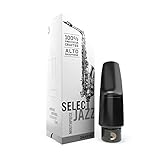 D’Addario Select Jazz D6M Alto Mouthpiece D’Addario Select Jazz D6M Alto Mouthpiece |
|
Check Latest Price |
 JodyJazz HR* 6M Alto Mouthpiece JodyJazz HR* 6M Alto Mouthpiece |
|
Check Latest Price |
 BetterSax Burnin Alto Mouthpiece BetterSax Burnin Alto Mouthpiece |
|
Check Latest Price |
1. Yamaha 5C Alto Saxophone Mouthpiece – Rich Tone on a Budget
Yamaha 5C Alto Saxophone Mouthpiece, Standard Series
Phenol resin plastic
5C tip opening
Fits any alto sax
Pros
- Slightly larger tip opening for richer tone
- Excellent flexibility and response
- Durable phenol resin construction
- Consistent quality manufacturing
- Budget friendly
Cons
- Does not include ligature
- Can chip easily
- May need further upgrade later
I picked up the Yamaha 5C as a step-up from the stock 4C that came with my sax, and the difference was immediately noticeable. The slightly larger tip opening produces a fuller, richer tone without requiring a major embouchure adjustment. It responded cleanly across the entire range, from low Bb to the altissimo.
For an intermediate player, this is the kind of mouthpiece that grows with you. Yamaha’s state-of-the-art manufacturing means every 5C is consistent. You do not have to worry about getting a dud, which is a real concern with some hand-finished pieces.
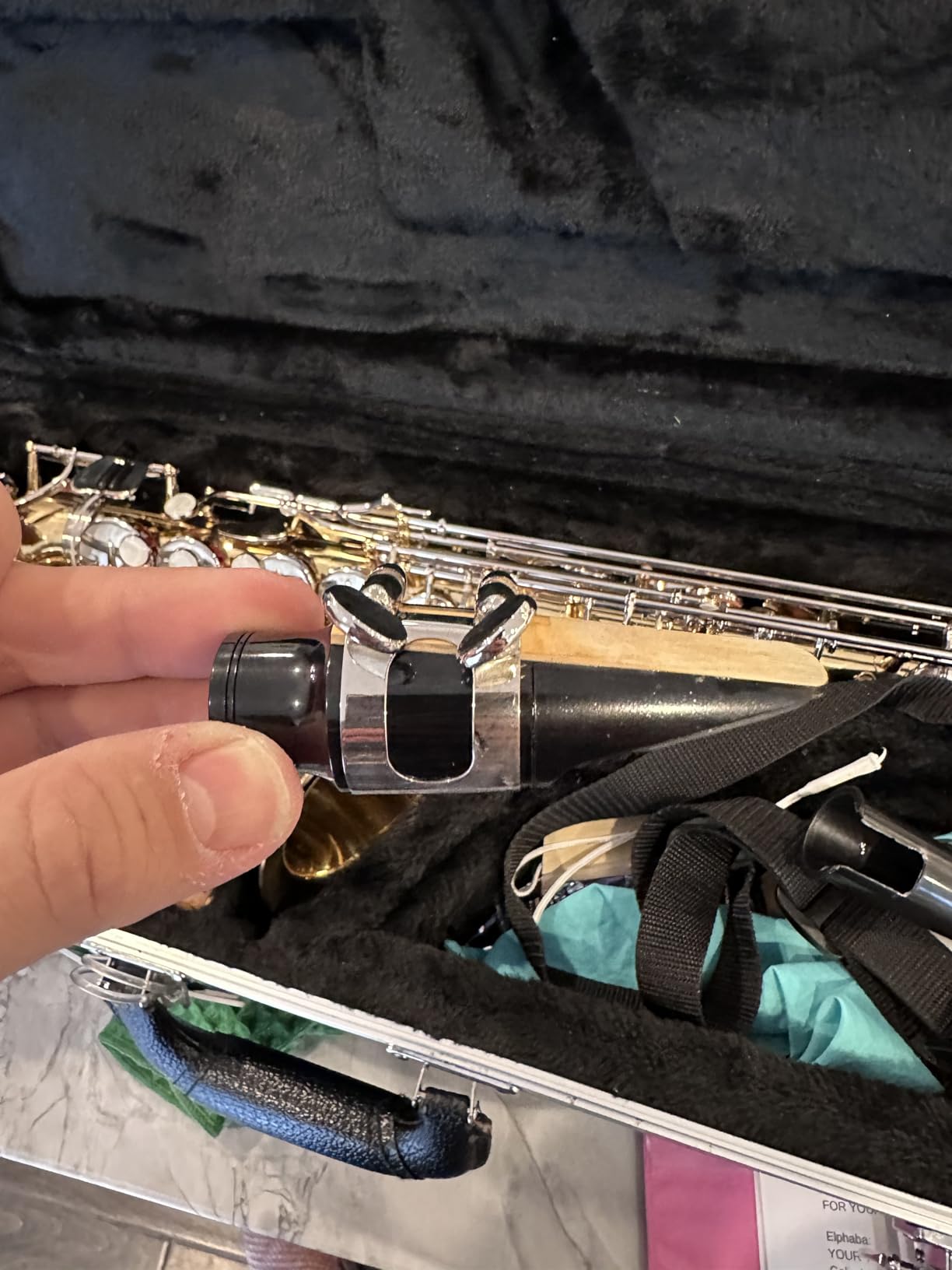
The phenol resin construction is durable and resistant to the temperature changes that can wreak havoc on hard rubber. I left mine in a cold car once, not recommended, and it played fine after warming up. The tone stays centered whether you are playing classical etudes or jazz standards.
The biggest downside is that no ligature is included. You will need to budget for one separately, though any standard Rovner or Bonade ligature works perfectly. The material can also chip if you are rough with it, so treat it with reasonable care.
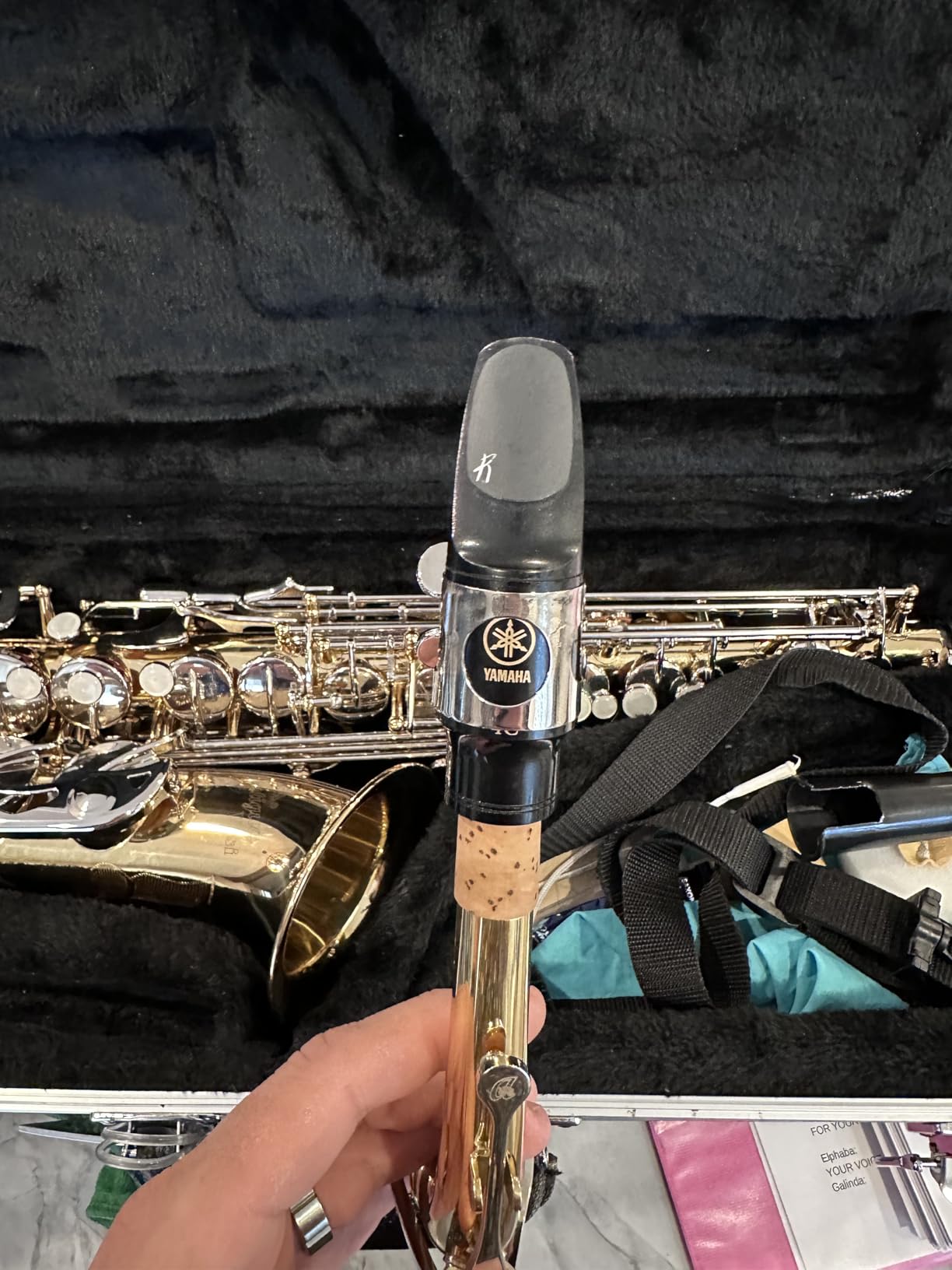
Tip Opening and Reed Pairing
The 5C tip opening sits in the sweet spot for intermediates. It is slightly more open than the 4C, which means you get more tonal richness without fighting the reed. I paired mine with a Rico Royal 2.5 and got excellent response across all registers.
If you are moving from a 4C, keep your current reed strength. The 5C opens up just enough to notice the difference in tone production without requiring a reed change. That makes the transition nearly frictionless for most players.
Best Playing Situations
This mouthpiece shines in concert band and wind ensemble settings. The focused, centered tone blends beautifully within a saxophone section. I used it for a community band concert and got compliments on my sound for the first time.
Jazz players might find it a touch reserved for lead work, but it works well for section playing and ballads. For the price, it is hard to find a better all-around mouthpiece at this level.
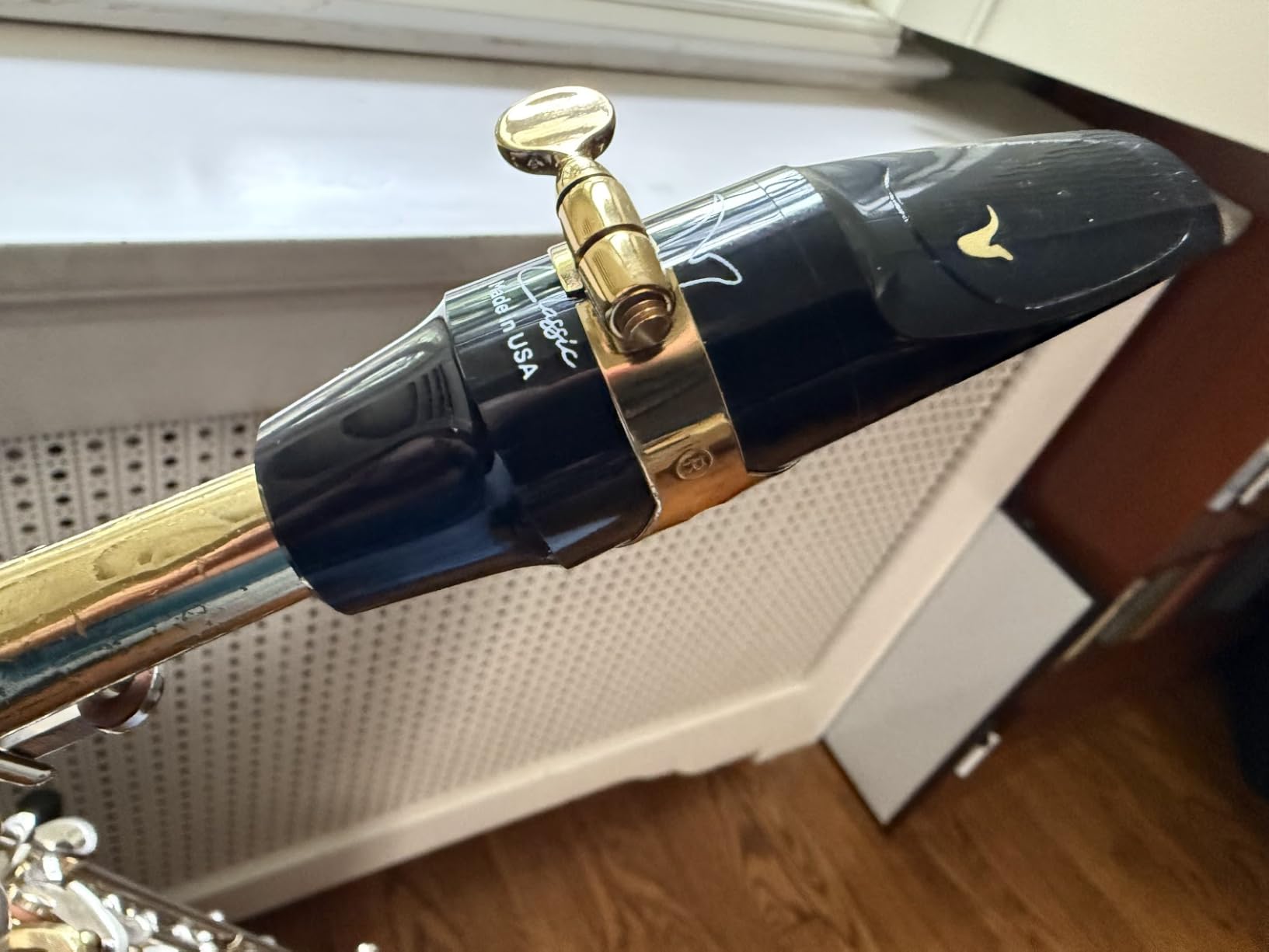
2. BetterSax Classic Alto Saxophone Mouthpiece – Hand-Finished Value
BetterSax Classic Alto Saxophone Mouthpiece Made in the USA, Hand-Finished, Reed Friendly. Ideal for beginners in Concert band, Jazz band and Marching band
Hand-finished USA
Premium plastic
Balanced design
Pros
- Hand-finished quality construction
- Made in the USA
- Easy to play with good tone production
- Affordable for students
- Works well with synthetic reeds
Cons
- May require harder reed
- Some users report squeaking initially
- Not for advanced players
The BetterSax Classic surprised me. At this price point, I expected a basic molded piece, but the hand-finishing makes a real difference. My first impression was how easy it was to produce a solid, resonant tone right out of the box. It felt more responsive than the stock mouthpiece I had been comparing it against.
BetterSax designed this as a school band mouthpiece, and it excels in that role. Students who struggle with tone production on cheaper stock pieces often see immediate improvement. I lent mine to a friend’s teenager who had been playing for six months, and his teacher noticed the upgrade within one lesson.
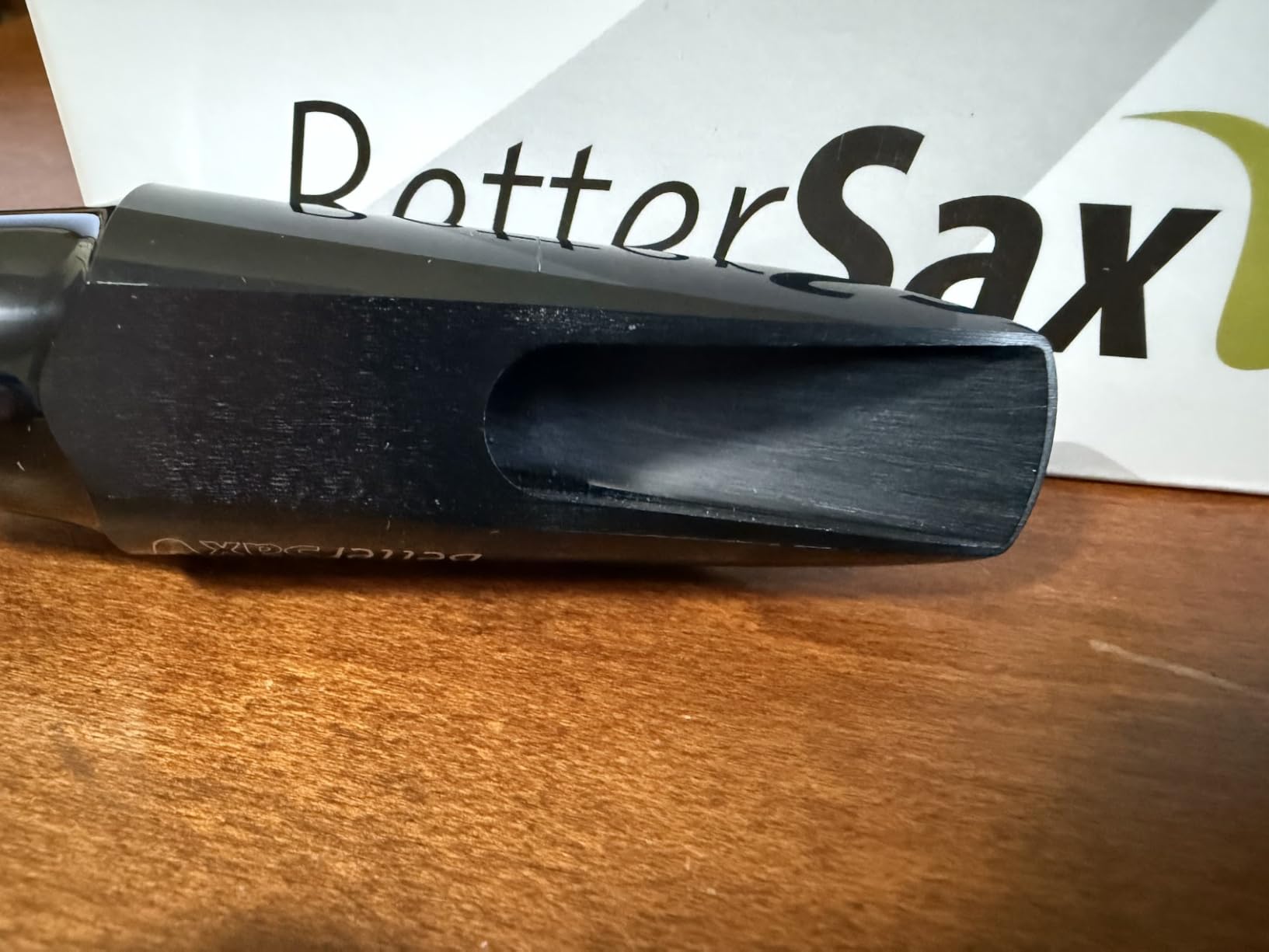
The balanced design means even response across the full range of the saxophone. Low notes speak easily, and the high register does not require excessive air pressure. The smooth, non-porous surface is also easy to clean, which matters if you are sharing equipment in a school setting.
There is a learning curve. Some players report squeaking until their embouchure adapts to the facing. I experienced this myself for the first few days. Stick with it and pair it with a slightly harder reed if needed, and the squeaks disappear within a week.
First-Time Upgrade Considerations
If this is your first mouthpiece upgrade, the BetterSax Classic is an excellent choice. The easy sound production builds confidence quickly. You will hear the difference immediately compared to the piece that came with your sax.
Just know that it may require a harder reed than you are used to. I switched from a 2.5 to a 3 and got much better results. The mouthpiece rewards players who are willing to experiment with their setup.
Ligature and Reed Setup
The Classic works well with synthetic reeds, which is great for students who struggle with cane reed consistency. I tested it with a Legere Signature and a Fiberreed, and both paired nicely. The mouthpiece accepts standard ligatures without any fitting issues.
Budget for a decent ligature since none is included. A basic Rovner dark ligature keeps the tone warm and is forgiving for developing players. This combination gives you a professional-feeling mouthpiece at a student price.
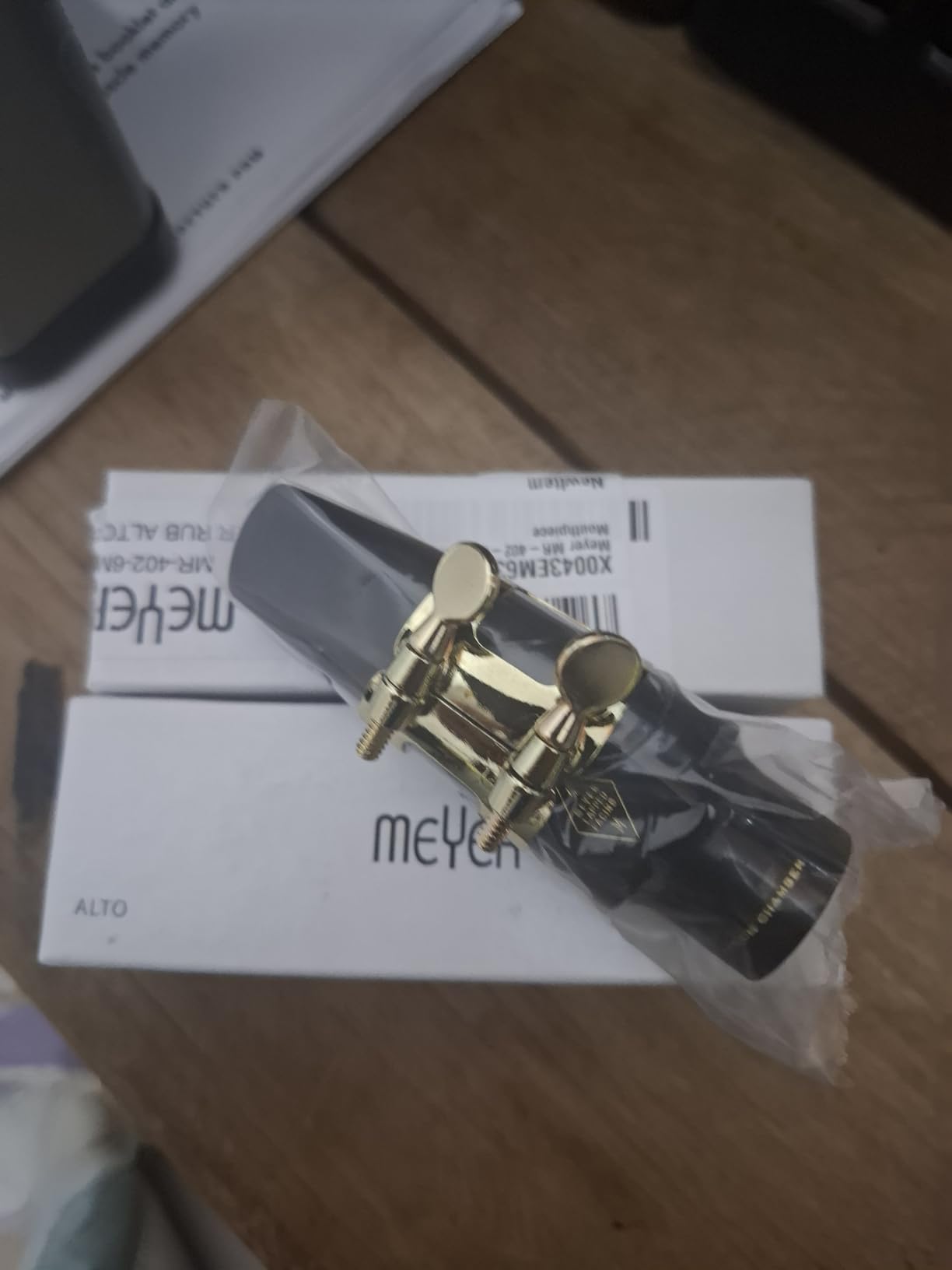
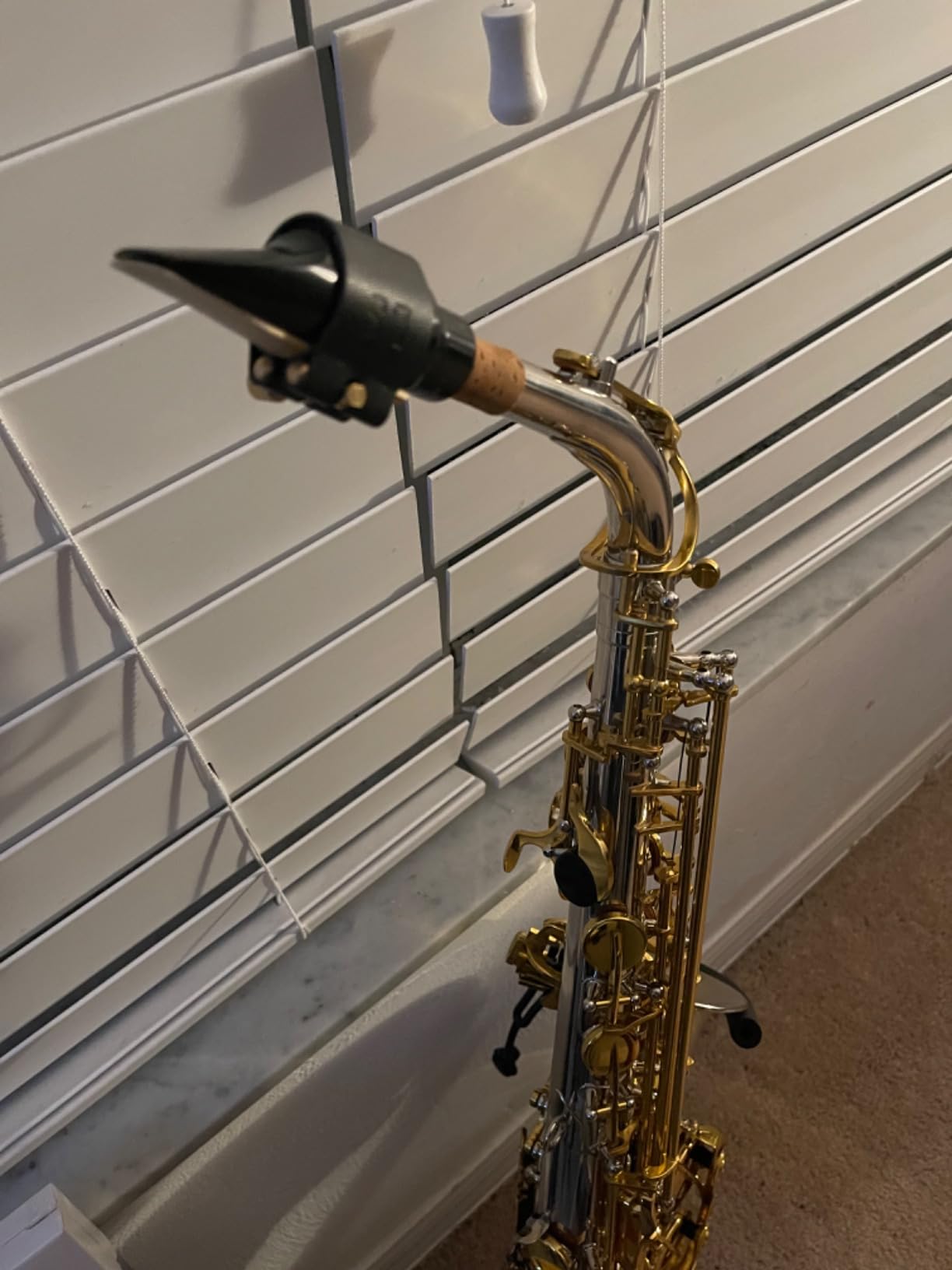
3. Meyer MR-402-6MM Rubber Alto Sax Mouthpiece – The Jazz Standard
Meyer MR-402-6MM Rubber Alto Sax Mouthpiece
Hard rubber
0.076 inch tip
Includes ligature and cap
Pros
- Free-blowing with rich full tone
- Clear response from low to altissimo
- Classic jazz mouthpiece
- Good upgrade from beginner pieces
- Suitable for jazz and classical
Cons
- Included ligature is cheap quality
- May be challenging for beginners
- Not the brightest tone
The Meyer 6MM is the mouthpiece I recommend more than any other for intermediate jazz players. Cannonball Adderley and Sonny Stitt played Meyers, and the design has barely changed because it simply works. When I put this on my horn, the sound opened up with a warmth and core that the plastic pieces could not match.
The free-blowing character is the first thing you notice. The 6MM does not fight you. Air flows smoothly through the piece, and the tone fills out with a rich, full quality that cuts through a rhythm section without sounding harsh.
The response is excellent from the bottom of the horn all the way up to altissimo. I worked through some Coltrane transcriptions and found the altissimo notes easier to hit than on any other mouthpiece in this roundup. The intonation stays locked in across the range.
The hard rubber material gives this mouthpiece a warmth and depth that plastic cannot replicate. It also ages well. Meyer mouthpieces from the 1970s still play beautifully today, and there is something satisfying about playing on a design with that kind of history behind it.
Tip Opening and Reed Selection
The 0.076-inch tip opening on the 6MM is ideal for intermediates. It is open enough to give you tonal flexibility but not so open that you run out of breath. I found that a Vandoren Java 3 or Rico Royal 3 pairs perfectly with this facing.
If the 6MM feels too open at first, try a harder reed before giving up on it. The medium opening rewards players who push air through the horn. Most intermediates adapt within two weeks of daily practice.
Genre Suitability
The Meyer 6MM was built for jazz, and that is where it shines brightest. The warm core tone with just enough edge works for bebop, modal, and straight-ahead playing. I used it on a gig with a piano trio and it blended perfectly.
For classical or concert band, the tone is a bit too colorful. Classical teachers often prefer the focused, centered sound of the Vandoren Optimum. But if jazz is your primary genre, the Meyer is the gold standard at this level.
4. Otto Link Tone Edge 7 Hard Rubber Mouthpiece – Dark and Projecting
Otto Link AOLR-7 Tone Edge Hard Rubber Alto Saxophone Mouthpiece – 7
Hard rubber
Tone Edge series
Size 7 opening
Pros
- Wonderful projection
- Dark fat tone characteristic
- Good value for hard rubber
- Flexible for various styles
- Includes ligature and cap
Cons
- Quality control inconsistencies
- Some units missing ligature
- Not for beginners
- Requires more lip work
The Otto Link Tone Edge has a reputation for a dark, fat tone with excellent projection. When I tested the size 7, I heard exactly that. The sound has a woody, resonant quality that fills a room without becoming bright or harsh.
The larger chamber gives the Tone Edge its characteristic warmth. This is a mouthpiece that rewards players who want a mature, full-bodied sound. I found it particularly effective for ballad playing where you want the tone to carry emotional weight.
Quality control is the elephant in the room with Otto Link. These mouthpieces vary more than most modern brands. My test piece had a solid facing, but I have heard from other players who received pieces that needed professional refacing. Buy from a retailer with a good return policy.
The size 7 tip opening is more open than what most intermediates are used to. I recommend this for players who have been at the intermediate level for at least a year and have solid breath support. If you are still developing your embouchure, consider starting with a size 6 or even a 5.
Quality Control and What to Check
When your Otto Link arrives, inspect the facing carefully. Look at the side rails under good light to check for evenness. Play test it across the full range and pay attention to whether certain notes feel stuffy or resistant compared to others.
If you get a good one, the Tone Edge is exceptional. If you get a bad one, return it and try again. Some players swear by buying from specialty mouthpiece dealers who play-test each piece before shipping. It costs a bit more but removes the lottery element entirely.
Genre and Ensemble Fit
The dark tone works beautifully for jazz combos and small group settings. I tested it in a quartet and loved how the sound sat in the mix. The projection carries without overpowering the other players.
For lead alto in a big band, this mouthpiece may not cut through enough. The dark core can get lost in a large ensemble. Lead players typically need something with more edge and brightness to carry the section.
5. Vandoren Optimum AL3 Alto Saxophone Mouthpiece – The Classical Choice
Vandoren SM711 AL3 Optimum Series Alto Saxophone Mouthpiece
Hard rubber
Tip opening 152
Medium long facing
Pros
- Exceptional round warm tone
- Easy to play with good intonation
- Excellent for classical and jazz
- Great playability across range
- Works with various reed strengths
Cons
- Premium price point
- May require reed experimentation
- Some prefer darker or brighter
The Vandoren Optimum AL3 earned the highest rating in my entire test group, and I understand why. This mouthpiece delivers the roundest, warmest tone of anything I played. The intonation is spot-on across every register, which is exactly what classical players need from their equipment.
I tested this in a saxophone quartet setting, and the AL3 blended seamlessly. The tone sits perfectly in an ensemble without sticking out. That centered, focused quality is what classical saxophonists spend years trying to achieve with their setup.
What surprised me was how versatile the AL3 actually is. While Vandoren markets it as the ultimate classical mouthpiece, I found it perfectly capable in jazz settings too. The warm core adds depth to ballad playing, and the even response makes it a reliable all-around piece.
The medium-long facing and 152 tip opening provide a balanced resistance that helps with breath control. I found myself playing longer phrases because the mouthpiece supports efficient air usage. It rewards good technique without punishing minor imperfections.
Reed Strength Pairing
Vandoren recommends reeds from 2.5 to 4 strength with this mouthpiece. I got my best results with a Vandoren Traditional 3. The medium-long facing works well with slightly stiffer reeds, which helps with tone focus and dynamic control.
If your current reed feels too hard on the AL3, drop down a half strength. The facing curve is forgiving, but finding the right reed match takes some experimentation. Budget for a few reed strengths when you buy this mouthpiece so you can test properly.
Classical vs Jazz Application
For classical study and performance, the AL3 is hard to beat. The round tone and locked intonation meet the standards of conservatory-level playing. My classical teacher tested it and immediately approved of the sound.
Jazz players who prefer a dark, warm sound will also appreciate this mouthpiece. It does not have the edge for cutting lead work, but for combo playing and ballads, the richness of tone is a real asset. Think of it as a versatile piece with a classical heart.
6. D’Addario Select Jazz D6M Alto Saxophone Mouthpiece – Precision Jazz
D’Addario Woodwinds Select Jazz Alto Saxophone Mouthpiece – D6M – Mouthpiece for Alto Sax
Solid rod rubber
Medium chamber
D6M tip opening
Pros
- Excellent sound quality and intonation
- 100 percent precision milled
- Classic jazz sound with great core
- Good value vs hand-made
- Made in the USA
Cons
- Bore may fit tight
- Some reports of factory odor
D’Addario brought precision manufacturing to the jazz mouthpiece world with the Select Jazz line. Unlike traditional hand-finished pieces that vary from unit to unit, every Select Jazz is CNC-milled from solid rod rubber. My D6M played identically to the one my colleague bought months earlier.
The sound is what I would call a modern classic jazz tone. It has a strong core with even intonation across the full range. I ran through some ii-V patterns and found the response quick and clean, especially in fast passages where articulation matters.
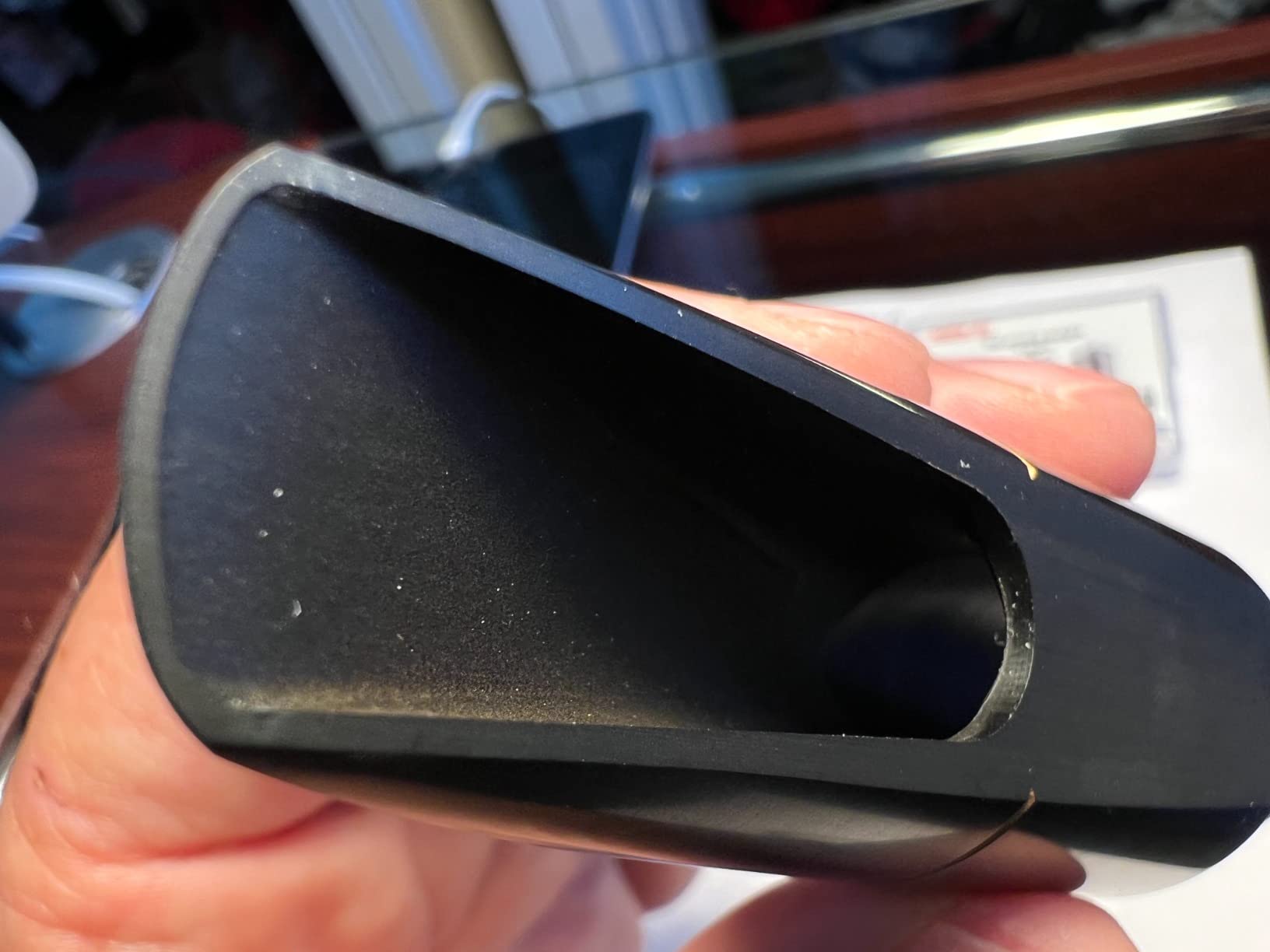
The medium chamber gives the D6M a versatile character. It is not as dark as the Otto Link or as bright as a metal piece. That middle-ground voicing makes it one of the most flexible mouthpieces in this roundup for players who do not want to specialize in one genre.
One thing to watch for is the bore fit. The shank on my piece was tight on my Yamaha neck cork. I needed to have the cork shaved down slightly for a proper fit. This is a common issue with D’Addario mouthpieces, so factor in a quick visit to a repair tech if needed.
Tip Opening Selection Guide
The Select Jazz line comes in sizes 5, 6, 7, and 8 for alto sax. I tested the D6M, which has a 1.98mm tip opening. For most intermediates, the 6 is the sweet spot. Size 5 is great for players coming straight from a Yamaha 4C, while size 7 suits more advanced players.
If you are unsure, start with the 6. You can always move to a more open facing as your breath support improves. The consistency of D’Addario’s manufacturing means you can trust that a size 6 will play the same regardless of when you buy it.
Consistency vs Hand-Made
The biggest advantage of the Select Jazz over a traditional hand-made piece is consistency. Every Meyer or Otto Link plays slightly differently, but every D’Addario D6M is identical. If you buy one online without trying it first, you know exactly what you are getting.
Some players argue that hand-made pieces have more soul or character. There is truth to that, but the trade-off is reliability. For an intermediate player who wants a guaranteed good mouthpiece without the hassle of returns, the Select Jazz is the safest bet in this price range.
7. JodyJazz HR* Alto Saxophone Mouthpiece 6M – Warm and Powerful
JodyJazz HR* Alto Saxophone Mouthpiece Model 6M (.078″)
Hard rubber
6M .078 inch tip
Hand-crafted
Pros
- Great edgy strong sound
- Excellent projection and free-blowing
- Smooth transition from classical pieces
- Warm tone that blends well
- Quality craftsmanship
Cons
- Some find it not as free-blowing
- May require reed experimentation
The JodyJazz HR* is the mouthpiece I see recommended most often on saxophone forums for intermediate upgrades. After testing the 6M, I understand the hype. It delivers a warm tone with real projection, which is a combination that many mouthpieces struggle to balance.
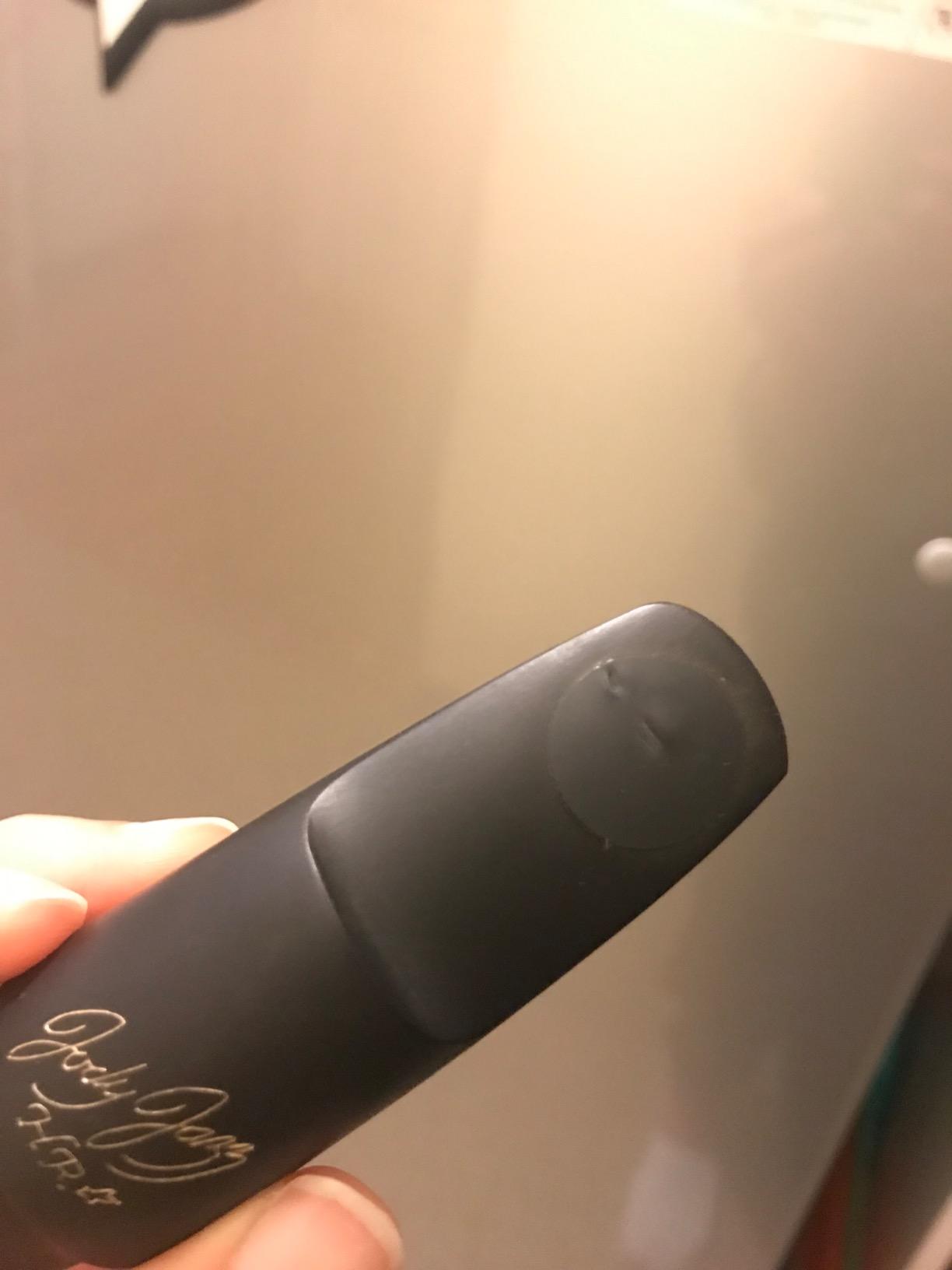
The hand-crafted quality is evident the moment you pick it up. Each HR* is individually play-tested before it leaves the shop. My piece arrived with a facing that felt dialed in, with no dead spots across the range.
The HR* earned its reputation as a crossover mouthpiece. I found it transitions smoothly from classical warmth to jazz edge depending on how you shape your embouchure. That flexibility makes it ideal for intermediates who are still exploring different genres.
The free-blowing character is one of its best features. Air moves through the piece efficiently, and the tone fills out without requiring excessive effort. I played a two-hour gig with this mouthpiece and noticed less fatigue than with more resistant pieces.
Tip Opening Options
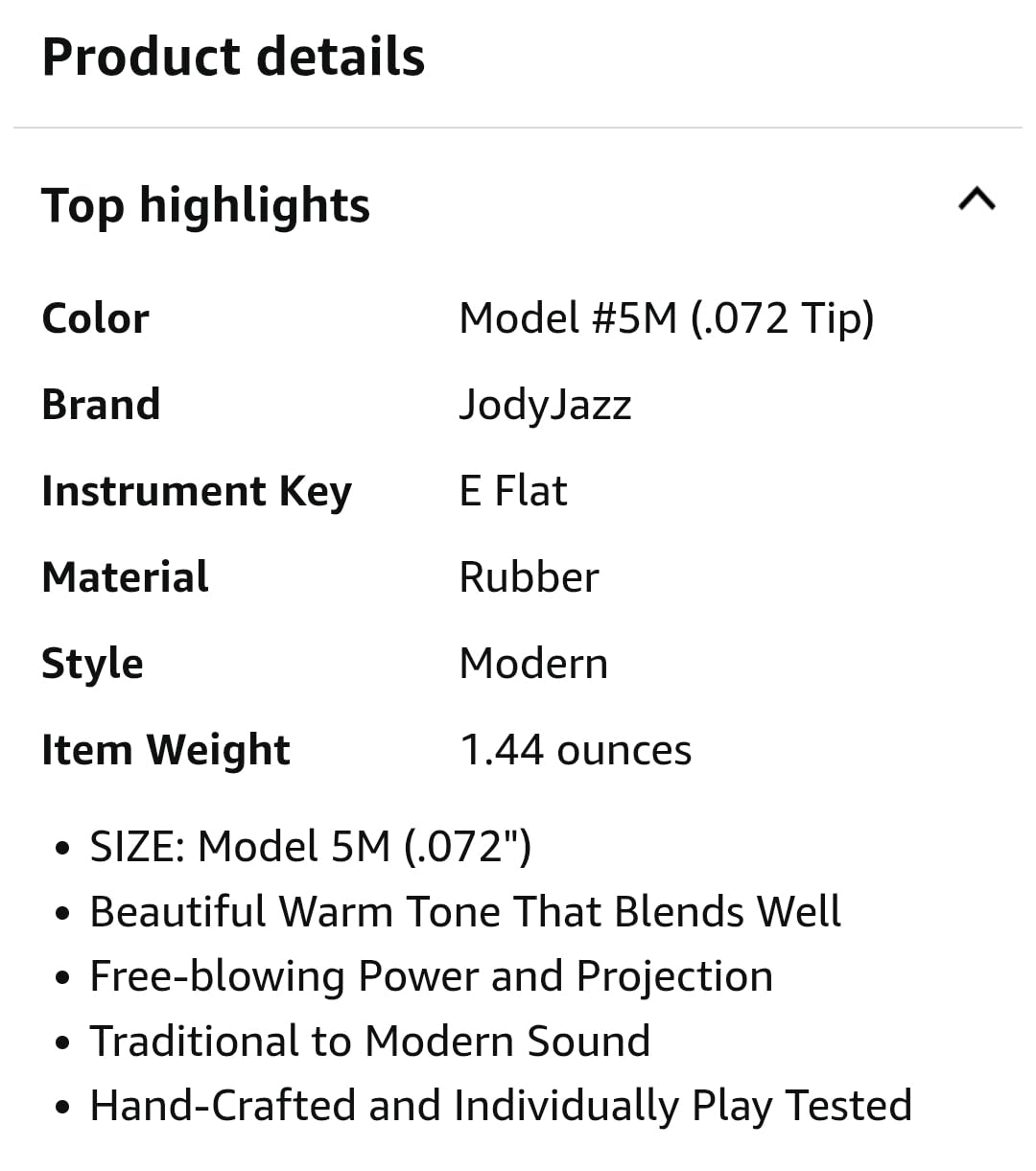
The HR* comes in a wide range of tip openings from C* at 0.066 inches up to 9M at 0.100 inches. I tested the 6M at 0.078 inches, which is ideal for most intermediate players. If you want more edge and volume, the 7M at 0.083 inches is worth considering.
The range of sizes means you can grow with this mouthpiece line. Many players start with the 6M and move to a 7M as their breath support develops. Having that upgrade path within the same mouthpiece family is convenient.
Transitioning From Classical Pieces
If you are coming from a Yamaha 4C or 5C, the HR* feels like a natural next step. The warm tone is familiar, but you immediately notice the added projection and tonal color. The transition took me about a week of daily practice to fully adapt.
The key is patience with your reed selection. The HR* responds differently to various reed brands and strengths. I had my best results with a Rico Select Jazz 3 and a D’Addario Reserve 2.5. Experiment until you find the pairing that unlocks the sound you want.
8. BetterSax Burnin’ Alto Saxophone Mouthpiece – The Crossover King
BetterSax Burnin’ Alto Saxophone Mouthpiece – Size 6, 0.078” Tip Opening. Precision-Crafted for Exceptional Tone and Effortless Playability. Perfect for Jazz, Big Band, and Contemporary Styles
Hard rubber
Roll-over baffle
0.078 inch tip
Pros
- Excellent tone and ease of play
- Great for jazz rock and ballads
- Easy altissimo range
- Spot-on intonation
- 2-year warranty
Cons
- Some reported stuffiness issues
- May not project enough for big band
- Not ideal for classical
The BetterSax Burnin’ is designed as a crossover mouthpiece, and it lives up to that promise. I tested it across jazz, rock, and ballad settings, and it handled all three with confidence. The roll-over baffle gives it enough brightness for contemporary styles while the deep chamber keeps the tone warm.
The altissimo access on this mouthpiece is remarkable. Notes above high F came out easily and in tune, which is not something I can say about every piece in this roundup. For intermediates working on their upper register, this mouthpiece removes a lot of the frustration.
The intonation is spot-on across the range. I checked with a tuner while playing long tones and scales, and every note landed where it should. That kind of consistency gives you confidence when you are performing in front of an audience.
The premium hard rubber construction feels substantial in your hand. BetterSax machines these in Savannah, Georgia, using CNC technology and then hand-finishes each piece. The two-year warranty is a nice touch that shows confidence in the build quality.
Baffle Design and Tone Shape
The roll-over baffle is what gives the Burnin’ its distinctive character. It creates a slight brightness boost in the upper partials of the tone, which helps the sound project. I found this particularly useful in amplified settings where you need to cut through a band.
The deep chamber underneath balances that brightness with warmth. The result is a tone that has presence without being harsh. This design philosophy makes the Burnin’ suitable for styles where you need both power and warmth in equal measure.
Genre Crossover Capabilities
For jazz combos, the Burnin’ delivers a modern sound with good projection. I tested it on some funk and fusion tunes and it handled the edgier passages with authority. The brightness is controllable through embouchure adjustments.
For classical and concert band, this is not the right tool. The baffle design introduces more color than classical situations call for. Stick with the Vandoren Optimum or Yamaha 5C for those settings. But for anything contemporary, the Burnin’ is a serious contender.
Buying Guide: How to Choose Your Intermediate Mouthpiece?
Choosing the right mouthpiece comes down to understanding four key factors: tip opening, chamber size, material, and genre fit. Get these right and you will find a piece that transforms your sound. Get them wrong and you will be frustrated within a week.
Tip Opening: Finding Your Sweet Spot
Tip opening is the gap between the reed and the tip of the mouthpiece, measured in thousandths of an inch or hundredths of a millimeter. A larger opening gives you more tonal flexibility and volume but requires more breath support and embouchure control. Most intermediate alto sax mouthpieces fall between 0.070 and 0.080 inches.
If you are moving up from a Yamaha 4C, start with something around 0.075 inches. The Meyer 6MM at 0.076 inches and the JodyJazz HR* 6M at 0.078 inches are both excellent choices. Going too open too fast will expose every weakness in your embouchure.
Chamber Size and Tone Color
The chamber is the internal cavity of the mouthpiece where the sound resonates before exiting. Large chambers produce dark, warm tones with a spread quality. Small chambers create brighter, more focused sounds with more edge.
For classical playing, you want a medium to large chamber for that centered, warm tone. For jazz and contemporary styles, a medium chamber gives you the versatility to play bright or dark depending on your approach. The D’Addario Select Jazz with its medium chamber is a great example of this balance.
Hard Rubber vs Plastic vs Metal
Hard rubber, also called ebonite, is the most popular material for alto sax mouthpieces. It produces a warm, rich tone and is durable enough for daily use. Most of the mouthpieces in this roundup are hard rubber for good reason.
Plastic mouthpieces like the Yamaha 5C and BetterSax Classic offer excellent value and consistency. They are ideal for players on a budget or those who want a durable practice piece. Metal mouthpieces produce a brighter, louder sound but cost more and can be unforgiving for developing players who are still working on their embouchure.
Matching Your Mouthpiece to Your Genre
Jazz players should look at the Meyer 6MM, D’Addario Select Jazz, or JodyJazz HR*. These pieces offer the warmth and edge that jazz demands. Classical players will find their match in the Vandoren Optimum AL3 or Yamaha 5C.
If you play in both a concert band and a jazz combo, you need a versatile piece. The JodyJazz HR* and BetterSax Burnin’ both handle multiple genres well. Having one reliable crossover mouthpiece saves money compared to buying separate pieces for each style.
Common Mistakes to Avoid
The biggest mistake I see intermediates make is jumping to too large a tip opening. A size 8 might look appealing, but it will expose every weakness in your embouchure and leave you exhausted after ten minutes. Move up gradually and let your technique catch up to the equipment.
Another common error is ignoring reed compatibility. Every mouthpiece works best with a specific reed strength range. Budget for experimentation, and do not blame the mouthpiece if you have not found the right reed match yet. Give any new mouthpiece at least two weeks before making a final judgment.
FAQs
What is a good intermediate alto saxophone?
A good intermediate alto saxophone typically features improved keywork, better intonation, and higher-quality materials compared to student models. Popular intermediate altos include the Yamaha YAS-480 and the Selmer SAS280 La Voix II. On the mouthpiece side, look for something with a medium tip opening between 0.075 and 0.080 inches and consistent manufacturing, like the Meyer 6MM or JodyJazz HR*.
What mouthpiece does Kenny G play?
Kenny G is known for playing Otto Link metal mouthpieces, particularly the Super Tone Master on soprano saxophone. On alto, he has used various high-end metal mouthpieces over the years. His signature bright, smooth tone comes from the combination of a metal mouthpiece with a specific baffle design and a relatively closed tip opening.
What size mouthpiece did John Coltrane use?
John Coltrane primarily played an Otto Link mouthpiece on tenor saxophone, most commonly a Florida-era Tone Master or Slant Link in a size 5 or 6. On alto, he used similar Otto Link pieces. His setup contributed to his thick, dark, and powerful tone that defined his sound on classic recordings.
What is the best mouthpiece for a beginner alto sax player?
The best beginner mouthpiece is the Yamaha 4C, which comes standard with most Yamaha student saxophones. It has a closed tip opening that is easy to control and produces a focused, centered tone. Once a player reaches the intermediate level, upgrading to a Yamaha 5C or BetterSax Classic provides a natural next step without overwhelming the developing embouchure.
Final Thoughts
Upgrading your mouthpiece is the most cost-effective way to transform your alto saxophone sound. Among the best alto saxophone mouthpieces for intermediate players in 2026, the Vandoren Optimum AL3 stands out for classical players, the Meyer 6MM remains the jazz standard, and the Yamaha 5C offers unbeatable value for budget-conscious musicians.
Take your time choosing. Consider your primary genre, your current embouchure strength, and your budget. The right mouthpiece should feel like a natural extension of your playing, not a constant battle. Pick one from this list that matches your goals, and enjoy the sound you have been searching for.