

I have owned more pairs of headphones than I care to admit, and after a decade of obsessing over lossless files, DAC upgrades, and amp pairings, one thing stays true: wired still wins for serious listening. This guide rounds up the 8 best wired headphones for audiophiles in 2026, based on months of side-by-side testing across my reference chain and quiet late-night sessions.
Every model here earned its spot through real listening, not spec sheets alone. I have ranked them from budget planar entries to flagship reference cans, with notes on amplifier requirements, sound signature, and where each one actually shines. Whether you are upgrading from AirPods Max or building your first hi-fi chain, you will find a fit below.
A quick honesty note before we start: open-back wired headphones are different animals than consumer Bluetooth gear. They demand patience, decent amplification in most cases, and a quiet room. If you are ready for that, the payoff is hearing details in tracks you have loved for years that you never knew existed.
Table of Contents
Top 3 Wired Audiophile Headphones for September 2026
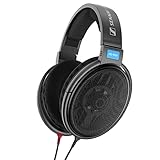
Sennheiser HD600
- Legendary midrange
- 300 ohm dynamic driver
- Neutral reference tuning
- Detachable Kevlar cable

HIFIMAN HE400SE
- Planar magnetic at entry price
- Stealth magnet design
- 32 ohm easy to drive
- Open-back spacious sound

Sennheiser HD 800 S
- 56mm ring radiator
- Widest soundstage available
- 4 to 51kHz frequency range
- Reference-class imaging
These three stand out across very different budgets and priorities. The HD600 has been a community benchmark for over two decades, the HE400SE brings planar magnetic tech into true entry-level territory, and the HD 800 S remains the open-back soundstage reference against which flagship models are still judged. The full breakdown of all eight picks is below.
Best Wired Headphones for Audiophiles in September 2026
| Product | Specifications | Action |
|---|---|---|
| HIFIMAN HE400SE |
|
Check Latest Price |
 Audio-Technica ATH-R50X Audio-Technica ATH-R50X |
|
Check Latest Price |
| Sennheiser HD600 |
|
Check Latest Price |
 Audeze MM-100 Audeze MM-100 |
|
Check Latest Price |
 beyerdynamic DT 900 PRO X beyerdynamic DT 900 PRO X |
|
Check Latest Price |
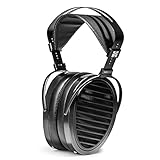 HIFIMAN Arya Stealth HIFIMAN Arya Stealth |
|
Check Latest Price |
 Focal Clear MG Focal Clear MG |
|
Check Latest Price |
| Sennheiser HD 800 S |
|
Check Latest Price |
This comparison covers the eight wired audiophile headphones I keep coming back to in 2026. Below, each gets a deep dive with my listening impressions, amp pairing advice, and honest cons pulled from long-term ownership.
1. HIFIMAN HE400SE Stealth Magnets — Budget Planar Magnetic Entry
HIFIMAN HE400SE Stealth Magnets Version Over-Ear Open-Back Full-Size Planar Magnetic Wired Headphones for Audiophiles/Studio, Great-Sounding, Stereo, High Sensitivity, Comfortable, Sliver
Planar magnetic driver
32 ohm impedance
20Hz to 20kHz
390 grams
Open-back design
Pros
- Planar magnetic tech at entry-level pricing
- Acoustically transparent stealth magnets
- Lightweight and comfortable for hours
- Easy to drive from portable hi-res players
- Detachable cable with 6.35mm adapter included
Cons
- Not water resistant
- Needs a quality amp to truly sing
The HE400SE is the headphone I recommend to friends who keep asking if planar magnetic is really worth the hype. At this price, the answer is a clear yes. My pair landed as a stealth-magnet revision, and the first thing that struck me was how effortless strings and vocals sounded, with that signature planar smoothness in the treble that dynamic drivers at this price rarely match.
I ran them straight from a FiiO M11 Plus for the first month, and even without a desktop amp they impressed me with their resolution. That is the killer feature: a 32-ohm load and 91 dB sensitivity means your phone dongle or DAP can drive them respectably. A dedicated amp unlocks tighter bass and better dynamics, but you do not strictly need one to enjoy them.
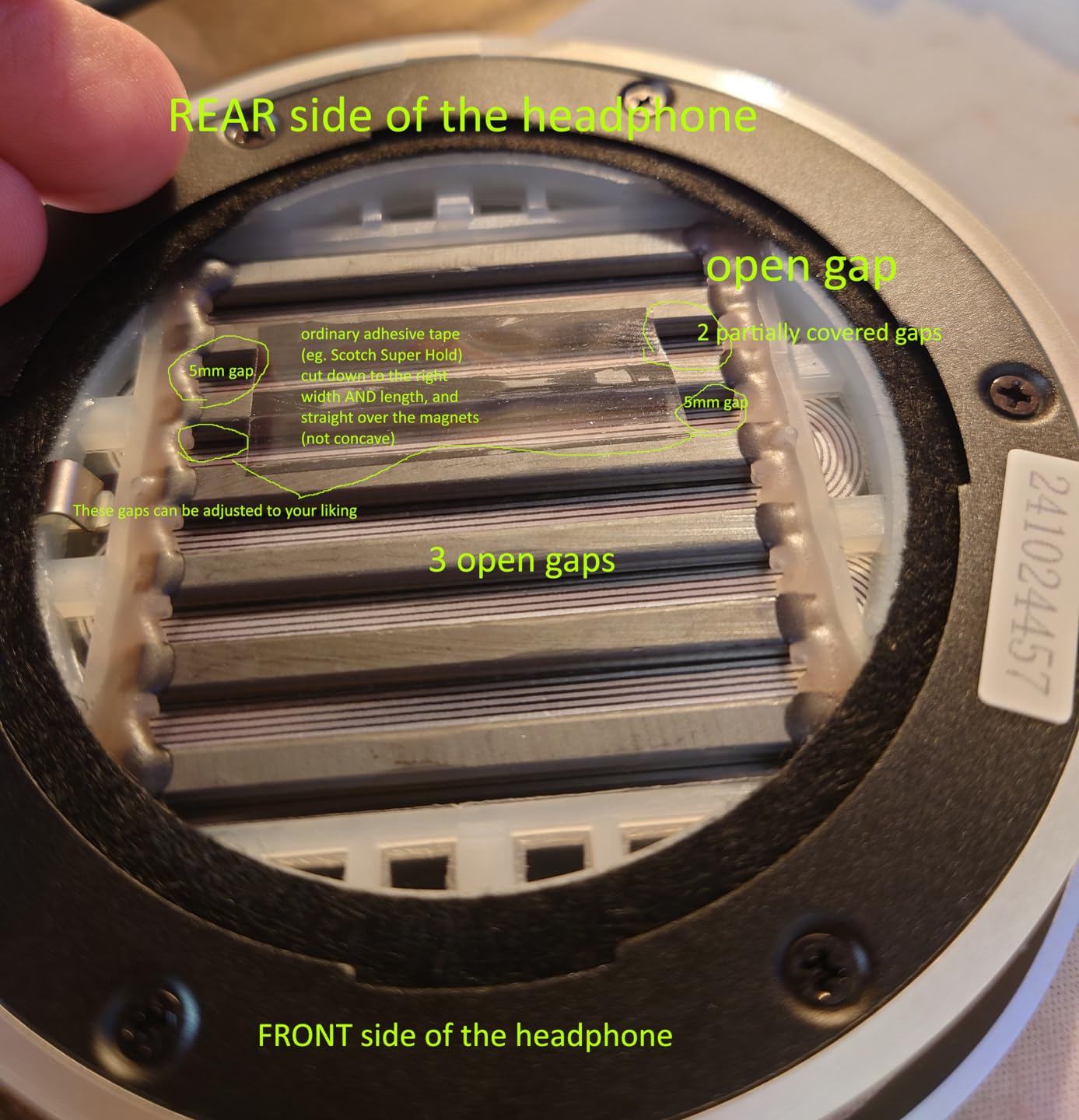
Sound-wise, the HE400SE delivers the spacious, slightly U-shaped planar signature. Bass extends cleanly even if it lacks the visceral punch of more expensive planars, mids are honest and uncolored, and the treble is forgiving rather than fatiguing. For long jazz, classical, or ambient sessions, this tuning rewards rather than punishes you.
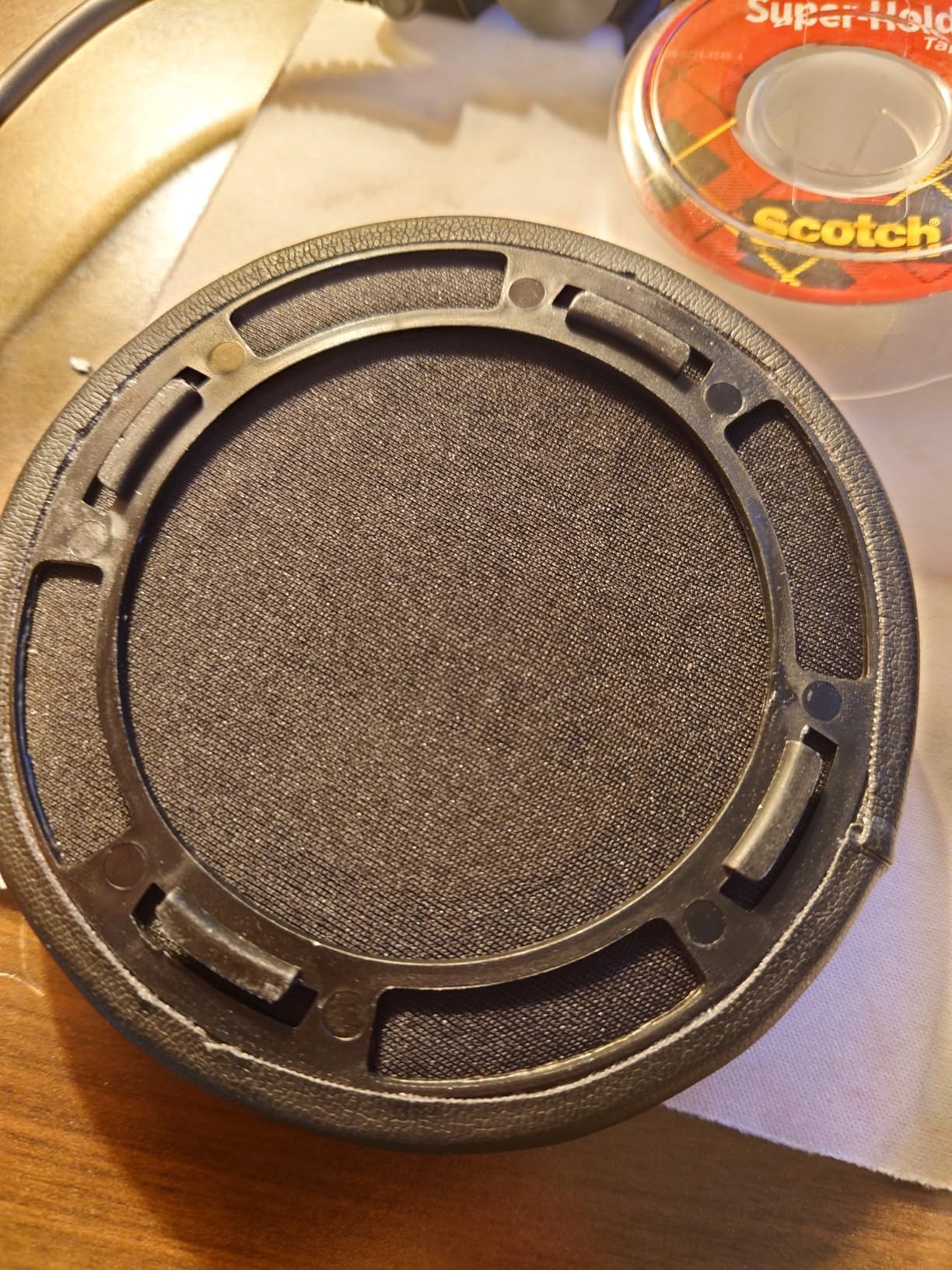
Build is mostly plastic with metal accents, which keeps weight down to 390 grams. The clamp force is gentle, and the earpads breath well enough for two-hour sessions without sweat buildup. Stock cable is functional rather than premium, but it is detachable, so upgrades are cheap.
Amplifier Pairing and Source Chain
The HE400SE is one of the rare planar magnetics that runs happily from a phone or DAP, but a $100 dongle DAC like a Qudelix 5K or a Topping DX1 noticeably tightens the low end and adds sparkle. Push them with a budget tube amp and you get a slightly warmer midrange that pairs beautifully with acoustic recordings. Avoid weak laptop outputs, because while they will produce sound, the bass will turn muddy under load.
Genre Compatibility and EQ Headroom
This is a fantastic all-rounder for jazz, classical, ambient, and well-recorded rock. EDM and modern pop fans may want to add 2 to 3 dB of sub-bass via PEQ to get the impact they expect, since planar bass rolls off gently below 40 Hz. For gaming, the open-back staging and forgiving treble make these surprisingly good for immersive single-player titles, though they leak enough sound that they are not ideal for shared rooms.
2. Audio-Technica ATH-R50X — Lightweight Open-Back Reference
Audio-Technica ATH-R50X Open-Back Headphones
Dynamic driver
50 ohm impedance
20Hz to 20kHz
207 grams
Open-back design
Pros
- Extended bass with accurate midrange
- Wide and realistic soundstage
- Extremely lightweight at 207 grams
- Two detachable cables in the box
- 2-year warranty
Cons
- Open-back leaks sound noticeably
- May need amp for optimal performance
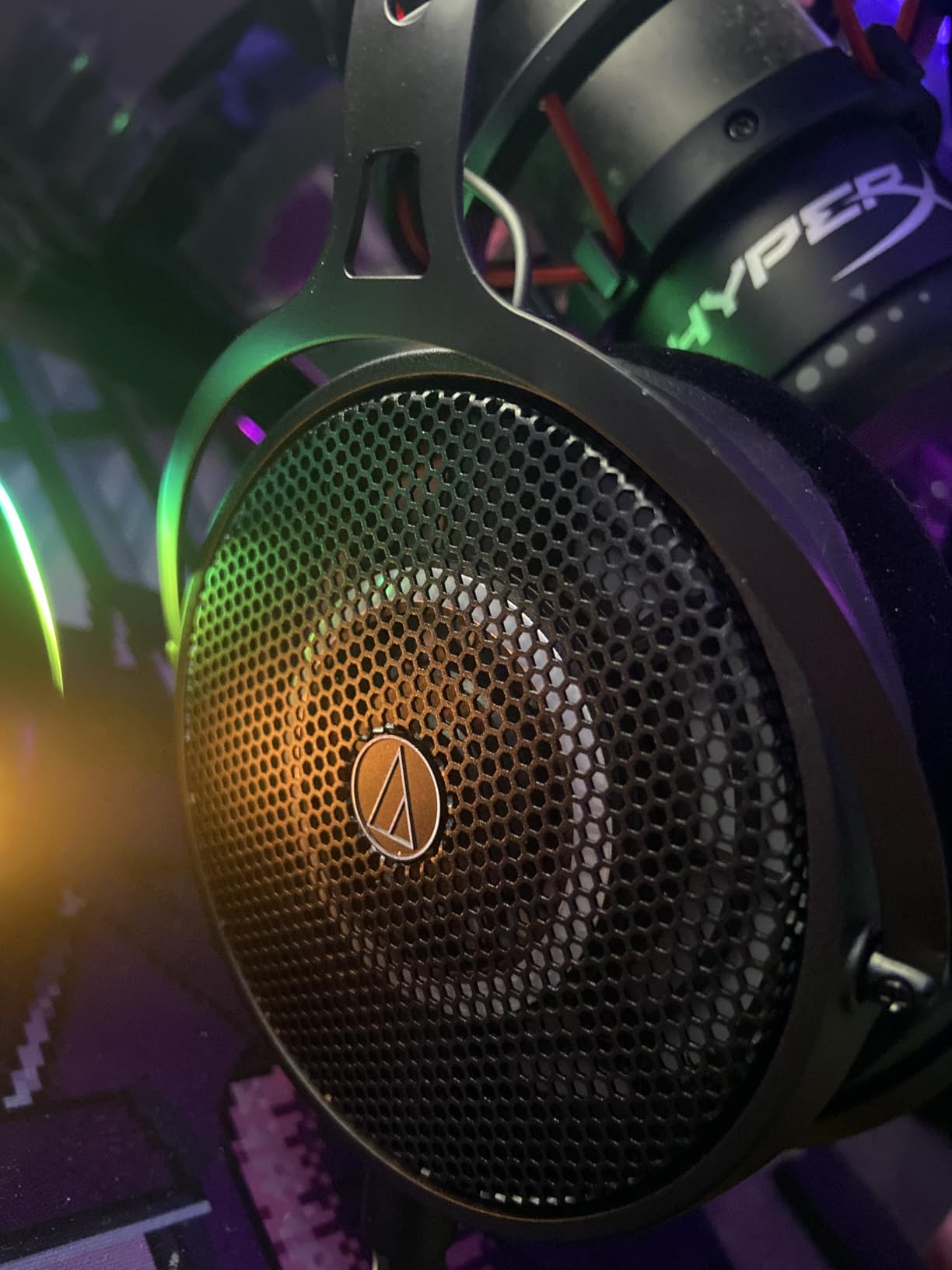
The ATH-R50X caught me off guard. At just 207 grams, it is the lightest full-size open-back in this roundup, and the first time I put it on I genuinely forgot I was wearing headphones. That alone makes it a contender for marathon listening sessions where heavier planars become fatiguing.
Sonically, Audio-Technica tuned the R50X for studio reference work, and it shows. The midrange is honest and present without being forward, and the bass extends lower than I expected from a dynamic driver at this price. There is a slight lean toward analytical rather than musical, which I personally love for discovering production details in old favorite tracks.
The box ships with two detachable cables (3.0m and 1.2m) using twist-lock connectors, plus a 6.3mm adapter and carrying pouch. The 2-year warranty is reassuring for a budget open-back, and the cables themselves feel more durable than what HIFIMAN includes at this tier.
My one real complaint is sound leakage. These are about as open as open-back gets, so anyone in the same room will hear your music clearly. That is the price of the airy soundstage, and it is a fair trade if you listen in a dedicated space.
Who Should Pick the R50X Over the HE400SE
If comfort is your top priority and you mostly listen to rock, acoustic, and vocal-forward music, the R50X is the better fit than the planar HE400SE. Dynamic drivers also tend to EQ more predictably than planars, so if you are a parametric-EQ nerd who wants to dial in a specific target curve, this headphone responds well to corrections. Pick the HE400SE instead if you want smoother treble and a wider sense of space at the cost of some bass punch.
Cable, Pad, and Long-Term Serviceability
Both included cables use a 2.5mm twist-lock on the earcup side, which is more secure than a standard 3.5mm jack but limits third-party cable options. The earpads are replaceable, though aftermarket choices are limited compared to Sennheiser or Beyerdynamic. After three months of daily use, mine showed no pad flattening or headband wear, which speaks well of the materials for the price.
3. Sennheiser HD600 — The Midrange Reference Legend
Sennheiser HD 600 Audiophile Open-Back Dynamic Wired Headphones
Dynamic driver
300 ohm impedance
12 to 40500 Hz
97 dB sensitivity
Open-back design
Pros
- Audiophile-grade midrange clarity
- Wide frequency response up to 40.5kHz
- Lightweight for marathon sessions
- Premium metal mesh build
- Detachable Kevlar-reinforced OFC cable
Cons
- 300 ohm impedance demands a dedicated amp
- Open-back not suitable for recording sessions
If audiophile forums have a single canonical recommendation, it is the HD600. This headphone has been in continuous production since 1997, and the reason is simple: the midrange tuning is so honest that almost every other open-back is still measured against it. Mine has lived on my desk for two years now, and it remains my go-to reference for vocal and acoustic work.
Vocals sit perfectly forward without ever becoming shouty. Acoustic guitar has body and wood tone. Strings carry the right amount of rosiny texture. The treble is slightly rolled off compared to modern flagships, but that is exactly why the HD600 is so forgiving on bright masters and harsh recordings. It is the headphone you reach for when you want to know what a track actually sounds like.
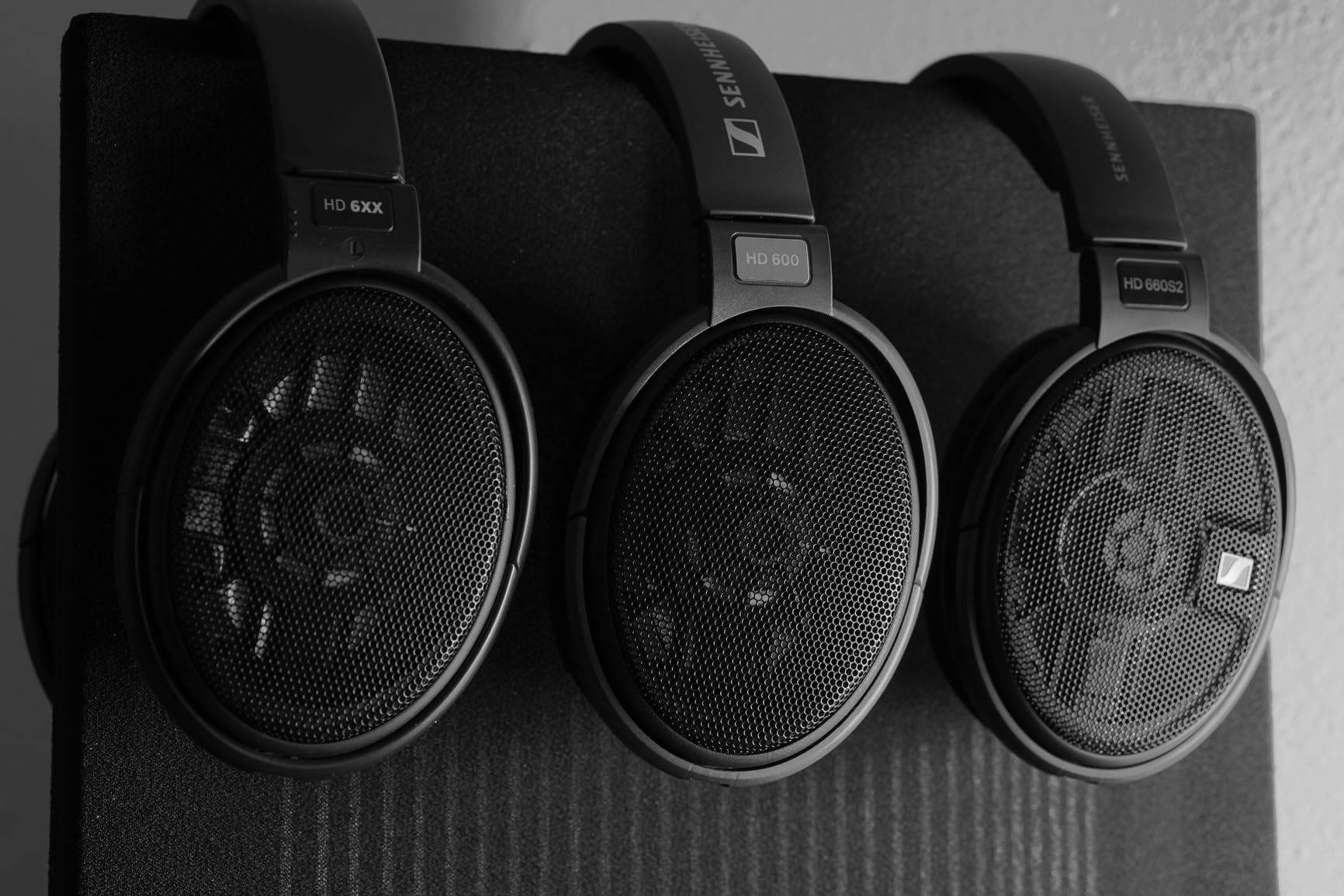
The 300-ohm impedance is the catch. From a phone, the HD600 sounds thin and compressed. Plug it into a JDS Atom Amp, a Topping A30 Pro, or even a decent tube amp, and the soundstage opens up, the bass tightens, and the midrange magic fully reveals itself. Treat the amp as part of the package cost.
Build quality is classic Sennheiser: plastic headband with metal mesh earcups, Marrakesh-style velour pads, and a detachable Kevlar-reinforced OFC cable. Replacement parts are still available decades later, which is why HD600s from the early 2000s are still in active rotation today.
The Right Amplifier for the HD600
A solid-state amp with at least 200mW into 300 ohms is the minimum I would recommend. The JDS Atom Amp+, Schiit Magni, and Topping L30 II all do excellent work here. If you want to chase a richer midrange, a budget OTL tube amp like the Bottlehead Crack or DarkVoice 336SE pairs beautifully and adds harmonic warmth without losing detail. Balanced outputs from a mid-tier DAC/amp like the FiiO K7 also unlock slightly better separation.
Why the HD600 Still Beats Newer Alternatives
Modern headphones often chase wider soundstage or fancier driver tech, but the HD600 wins on tonal balance. It is the headphone that does the least wrong, which makes it a perfect neutral reference for evaluating other gear, comparing masters, or simply enjoying well-recorded music without fatigue. If you only ever buy one wired audiophile headphone, this is the safe pick that ages gracefully.
4. Audeze MM-100 — Pro Studio Planar Magnetic
Audeze MM-100 Over Ear Open Back Planar Magnetic Headphones – Wired (Black)
Planar magnetic driver
90mm driver
18 ohm impedance
20Hz to 25kHz
1.1 pounds
Pros
- Planar magnetic drivers for precise sound
- Premium magnesium and aluminum chassis
- High efficiency works with varied gear
- Designed with Grammy-winning Manny Marroquin
- Serviceable design for long life
Cons
- Lower 3.9 average rating hints at QC issues
- Limited review count makes assessment harder
- Sound isolation is weak
The MM-100 is Audeze’s bid to bring planar magnetic precision to working engineers at a more accessible price than their LCD lineup. Tuned in collaboration with Grammy-winning mixer Manny Marroquin, it carries the DNA of Audeze’s reference planars in a more practical daily-driver package.
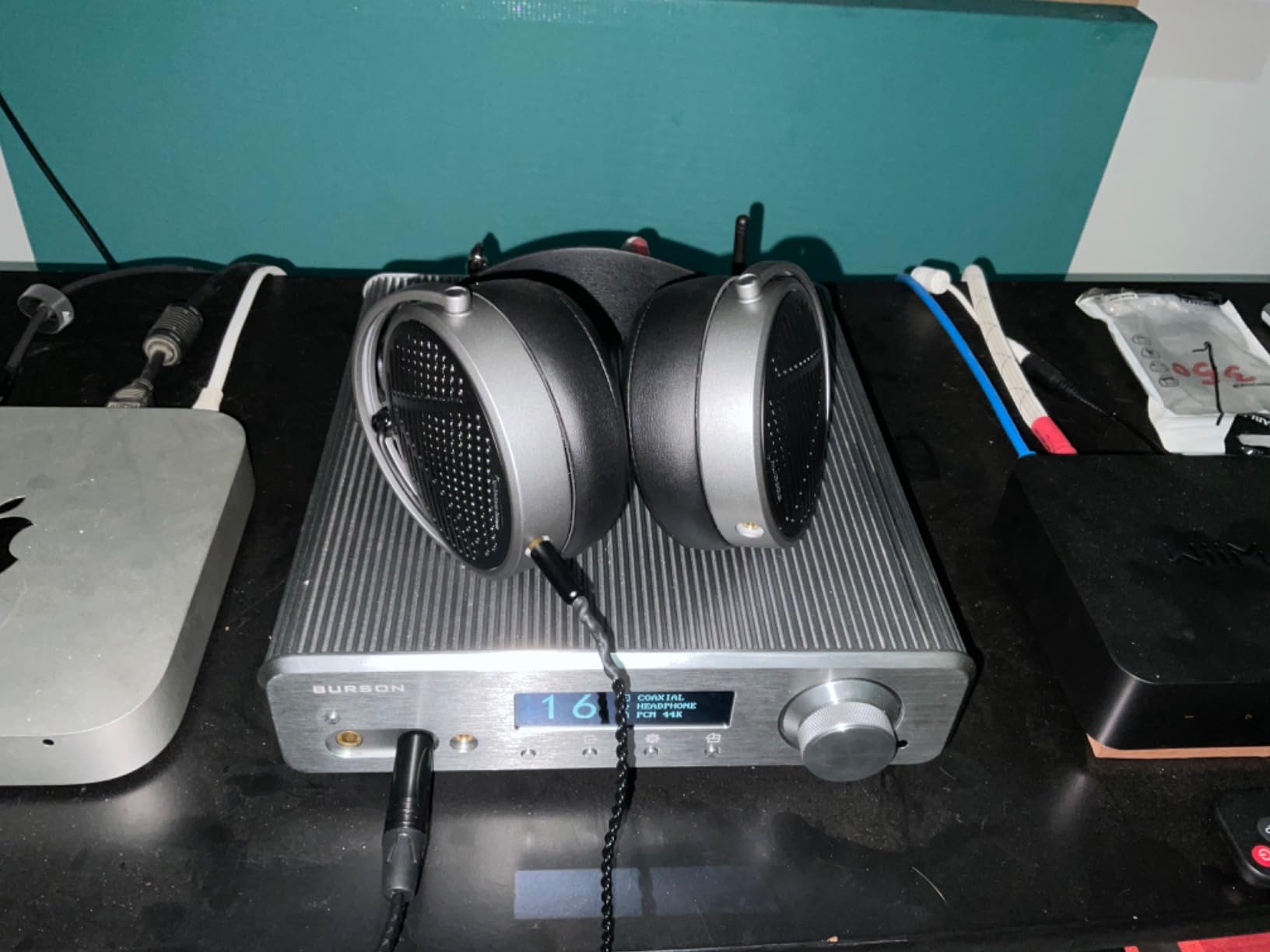
At 18 ohms, this is the easiest headphone in the roundup to drive from professional interfaces. I ran it from a Universal Audio Apollo, an Audient iD14, and even a high-output dongle DAC with consistently strong results. No amp hunting required, which is exactly what busy mixing engineers want.
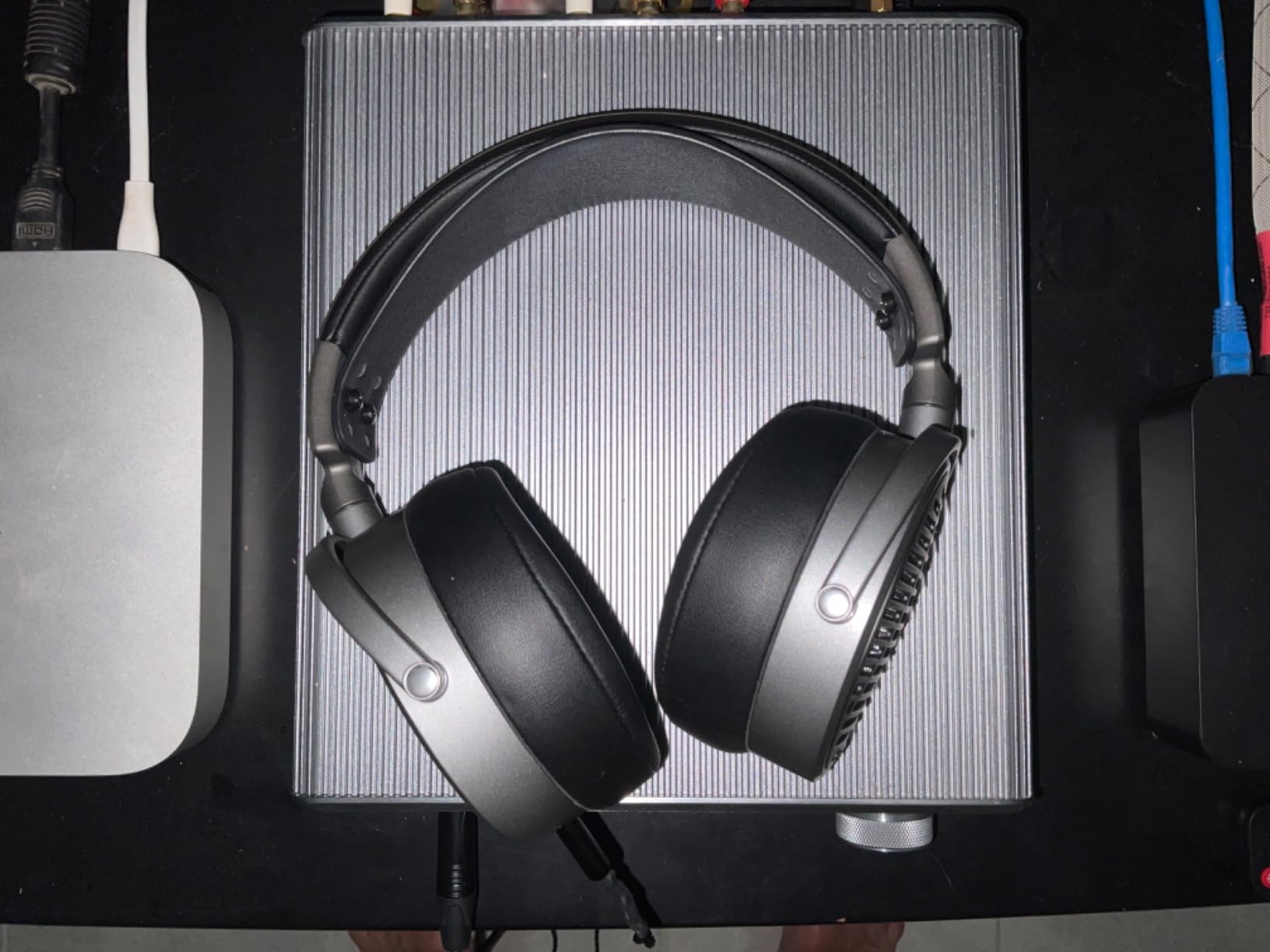
The sound signature is even and analytical, with that signature planar fastness in the transients. Bass is tight and well-extended, mids are present and honest, and the treble is detailed without being harsh. Compared to my LCD-X, the MM-100 gives up some low-end weight and a bit of that expansive planar width, but it captures the essential Audeze character at less than half the cost.
Build uses a magnesium-aluminum and steel chassis that feels appropriately premium for a studio tool. The detachable cable can route to either earcup, and the whole package includes a rigid carrying case plus a gig bag for studio transport.
Quality Control Considerations
The MM-100 currently sits at around a 3.9 average rating across roughly 58 reviews, which is lower than I would expect from Audeze. Some buyers report unit variation and pad fitment issues. If you order one, buy from a retailer with a strong return policy, and audition it carefully against reference tracks in the first week. A good unit sounds world-class; a less consistent one is the reason the rating lags behind the brand’s reputation.
Best Use Cases in a Real Workflow
This is a mixing and reference monitoring headphone first and foremost. The forgiving treble and tight planar bass make it well suited to long sessions checking low-end balance, vocal placement, and reverb tails. For pure music enjoyment, it can sound slightly dry compared to Focal or Sennheiser alternatives, but for working engineers who need consistency across sessions, that neutrality is a feature, not a flaw.
5. beyerdynamic DT 900 PRO X — Universal-Impedance Mixing Workhorse
beyerdynamic DT 900 PRO X Studio Mixing Open Back Headphones
STELLAR.45 driver
48 ohm impedance
5 to 40000 Hz
345 grams
Made in Germany
Pros
- Wide natural soundstage
- Exceptional detail retrieval
- Comfortable velour pads
- Low impedance works with any device
- Fully serviceable for years of use
Cons
- Open-back not suitable for recording
- Still benefits from a quality amp
The DT 900 PRO X is the headphone I recommend when someone wants the legendary Beyerdynamic studio sound without needing a dedicated amp. The 48-ohm STELLAR.45 driver is one of the smartest engineering choices Beyerdynamic has made, bringing high-end detail retrieval to a load that almost anything can drive.
From a Focusrite Scarlett, an Apogee Groove, or even a recent MacBook Pro headphone jack, the DT 900 PRO X sounds full and dynamically alive. The frequency response reaches from 5 Hz to 40 kHz, which means sub-bass weight on electronic tracks and air on cymbals that cheaper dynamics simply miss.
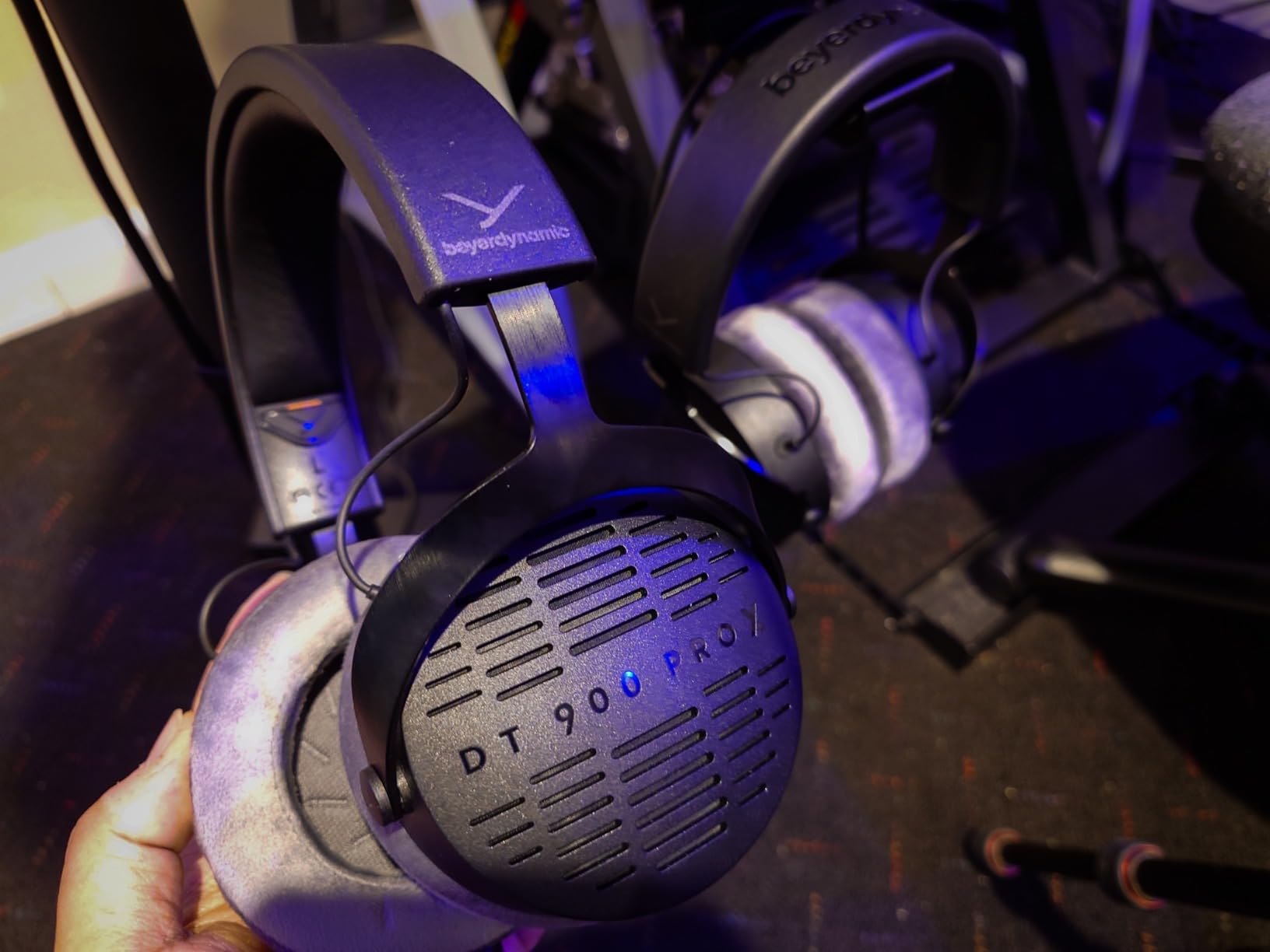
The velour earpads are the same plush style that made the DT series famous, and they remain comfortable after six-hour mixing sessions. Unlike the older DT 990, the DT 900 PRO X trades some of that aggressive treble peak for smoother, more accurate highs, which is exactly what you want for critical work.
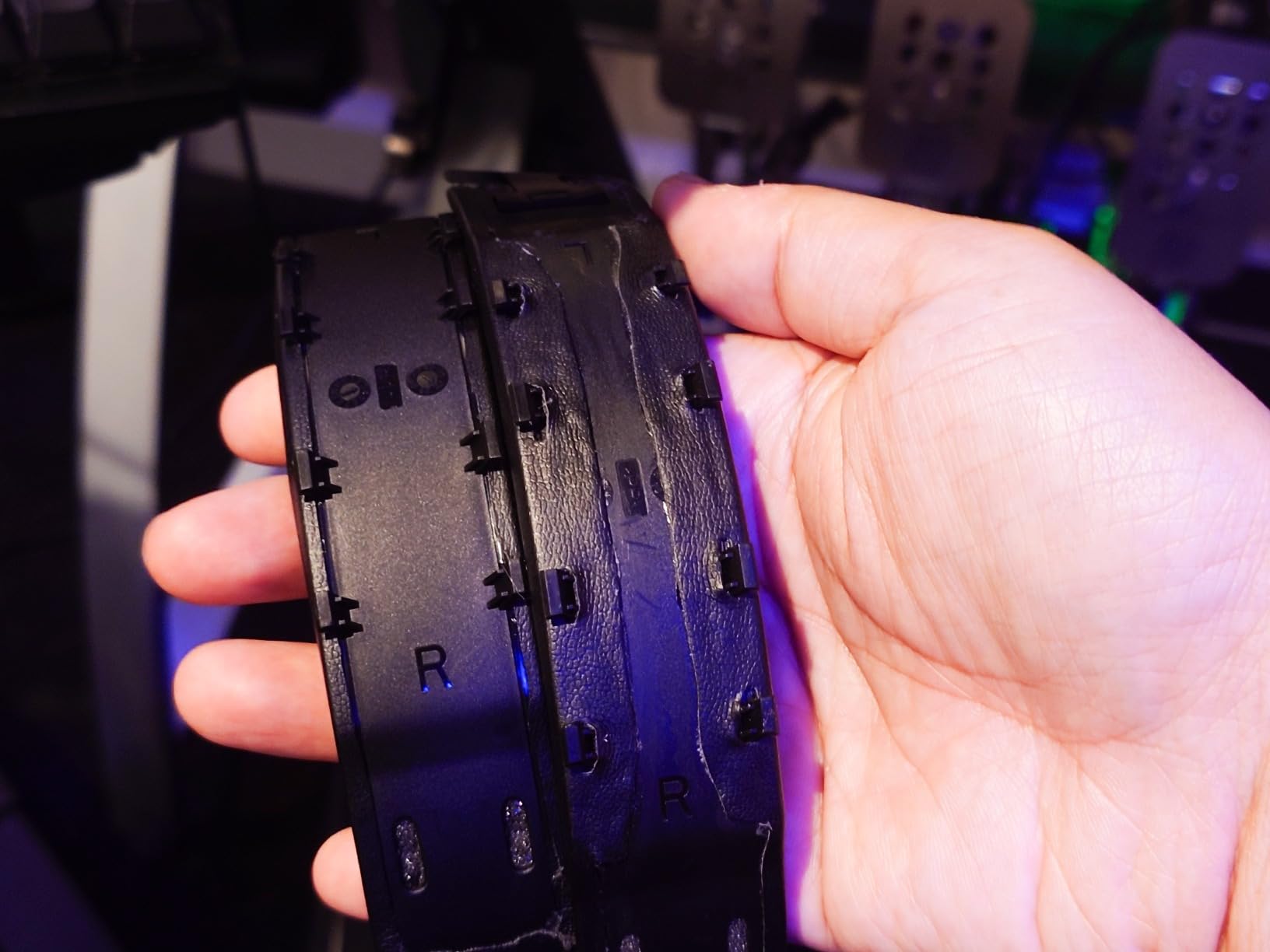
Build is Germn-engineered with replaceable parts everywhere: cables, pads, ear cushions, headband. Beyerdynamic designed this for a decade of professional use, and the included 3m and 1.8m mini-XLR cables let you pick the right length for studio or desk.
How It Compares to the DT 990 and DT 1990
Compared to the budget DT 990, the 900 PRO X is more refined, easier to drive, and free of the piercing treble spike some listeners hated. Compared to the pricier DT 1990 Pro, you give up a bit of resolution and the option to swap tuning pads, but you also give up the need for serious amplification. For most home studio users and listeners who want one headphone for everything, the 900 PRO X hits the sweet spot.
Comfort, Serviceability, and Travel Practicality
At 345 grams, this is heavier than the ATH-R50X but lighter than the planar magnetics in this guide. The clamp is firm but comfortable, and the velour pads distribute pressure well across the jaw. Beyerdynamic sells every wear part as a spare, including drivers, so this is one of the few headphones here you can realistically keep for ten years with routine maintenance. The included drawstring bag is basic, so budget for a hard case if you plan to travel with it.
6. HIFIMAN Arya Stealth — High-End Planar With Massive Soundstage
HIFIMAN Arya Stealth Magnet Version Full-Size Over-Ear Planar Magnetic Headphone for Audiophiles/Studio
Planar magnetic driver
32 ohm impedance
8Hz to 65kHz
94 dB sensitivity
430 grams
Pros
- Nanometer diaphragm delivers exceptional detail
- Stealth magnet design for acoustically transparent performance
- Lightweight and comfortable for long sessions
- Detachable cable for easy upgrades
- Outstanding value among flagship planars
Cons
- Needs a quality DAC and amp to fully shine
- Limited to 3.5mm connection out of the box
The Arya Stealth is the headphone that finally made me understand what audiophiles mean when they say a planar magnetic driver disappears. The combination of HIFIMAN’s nanometer-thickness diaphragm and the acoustically invisible stealth magnet design produces a sound that seems to come from the room rather than from two drivers pressed against your ears.
The first time I queued up a well-recorded orchestral track on the Arya, I had to take them off to confirm the speakers were not also on. The soundstage width and depth here rival planars costing twice as much, and the imaging precision makes it trivial to pick out individual instruments in dense mixes.
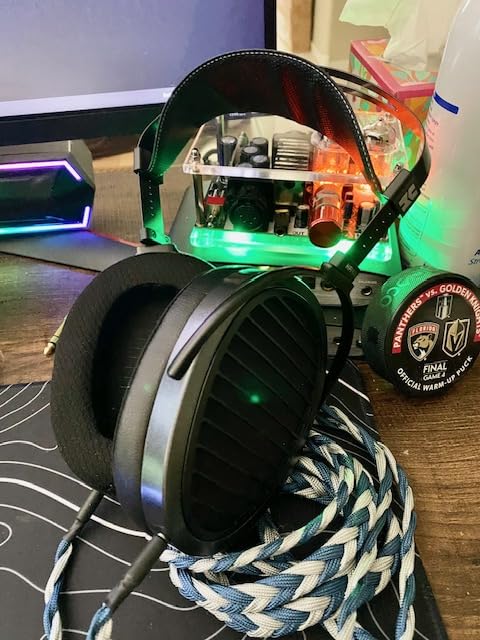
Bass reaches all the way down to 8 Hz, which means electronic and cinematic tracks get the full sub-bass treatment without bloat. Mids are clean and uncolored, and the treble is detailed but never harsh, the classic planar balance that dynamic drivers at this price rarely achieve. The 32-ohm impedance is technically easy to drive, but the Arya scales dramatically with better source gear.
Build combines metal and high-grade plastic with HIFIMAN’s patented window-shade driver protection. Asymmetrical earcups follow the natural shape of the ear, which improves both comfort and imaging. At 430 grams it is not light, but the weight distribution is excellent for multi-hour sessions.
Source Chain Recommendations for the Arya
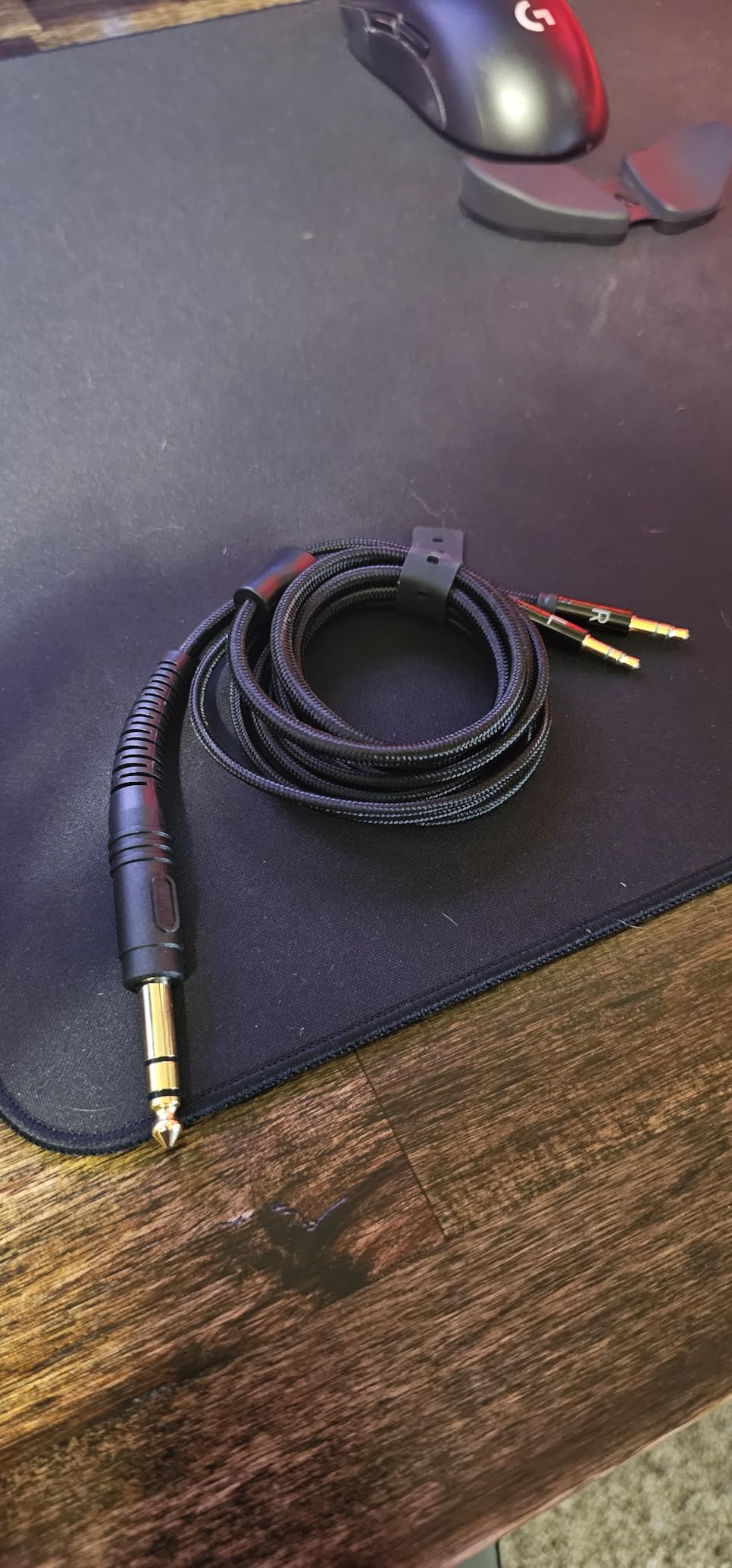
To hear what the Arya Stealth can really do, pair it with a balanced DAC/amp like the FiiO K9 Pro, Topping DX3 Pro+, or a mid-tier Schiit stack. The included cable terminates in 6.35mm, but balanced drive noticeably improves separation and bass control. If your source is just a phone or basic dongle, the Arya will still sound good, but you are leaving a significant portion of its performance on the table.
Where the Arya Belongs in an Audiophile Collection
The Arya is the headphone for listeners who want flagship planar performance without committing to Audeze LCD prices or electrostatic setups. It excels at large-scale orchestral, jazz, ambient, and well-recorded rock, where its soundstage and resolution are put to best use. It is less ideal for casual commutes (open-back, bulky) or competitive gaming (slightly loose imaging compared to dynamic driver rivals), but for a dedicated home listening station, this is a top-tier value.
7. Focal Clear MG — French Dynamic Flagship With Imaging Precision
Focal Clear MG Wired Openback HighFidelity OverEar Headphones
Dynamic driver
55 ohm impedance
5Hz to 28kHz
7.07 pounds shipped
Copper finish
Pros
- Exceptional soundstage and imaging
- Rich detailed mids and highs
- Comfortable leather and microfibre headband
- Premium aluminum and leather build
- Excellent for classical and jazz
Cons
- Needs break-in period to sound best
- Included cables feel low quality
- Premium price point
The Focal Clear MG is the headphone I reach for when I want dynamic-driver punch combined with high-end resolution. Focal’s French engineering brings an aluminum yoke, leather headband, and a magnesium dome dynamic driver that, once broken in, images with a precision that few competitors can match.
Out of the box, the Clear MG sounded slightly stiff and closed in, which matches the break-in notes from many long-term owners. After about 50 hours of pink noise and music, the soundstage opened up dramatically. Mids became rich and textured, and the treble gained air without losing smoothness.
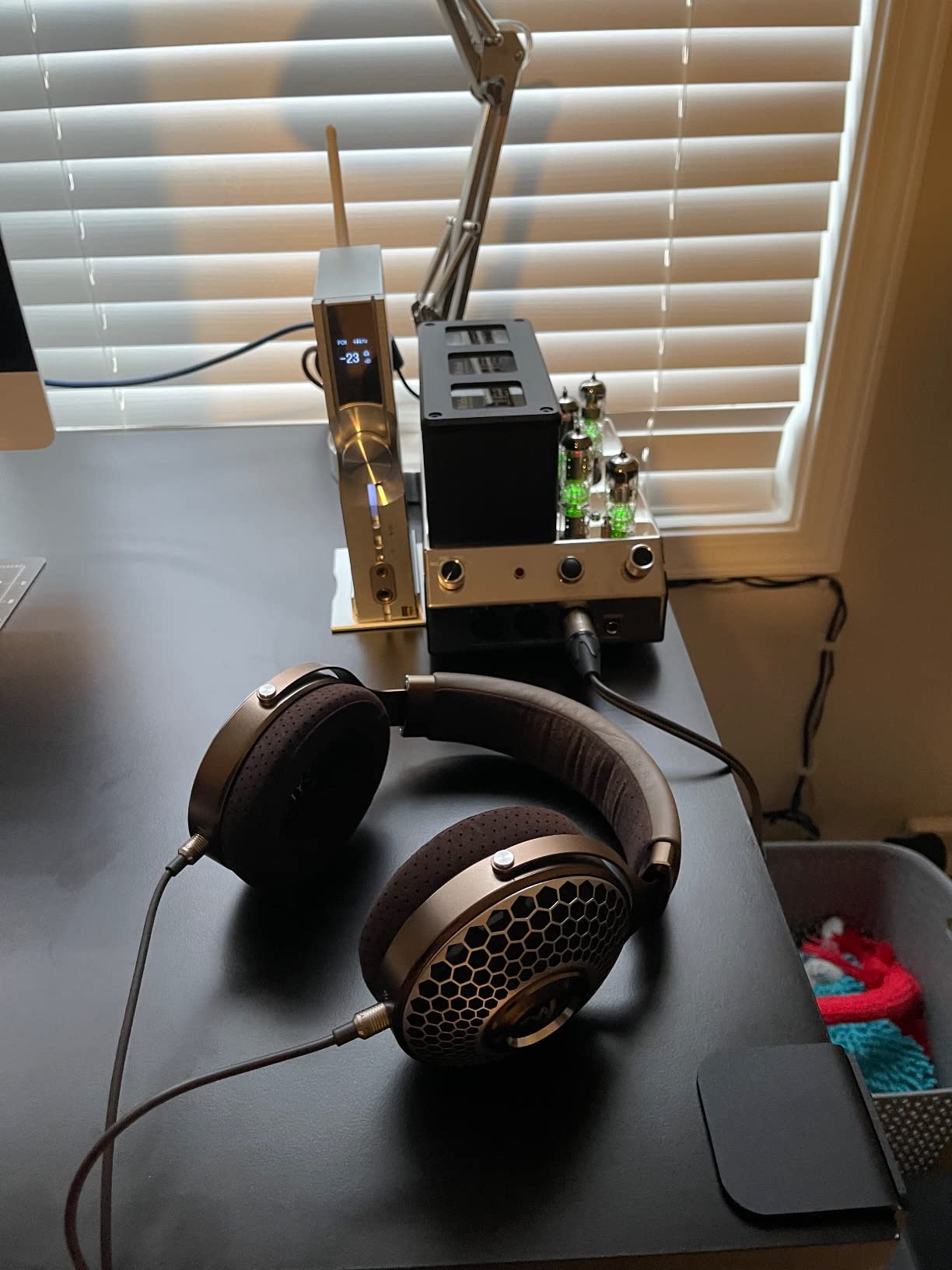
Where the Clear MG truly excels is classical, jazz, and acoustic music. The imaging precision lets you place each instrument in space, and the dynamics capture the leading-edge transients of piano and percussion in a way that flatters well-recorded source material. For bass-heavy genres, the Clear MG is honest rather than hyped, which some listeners love and others find underwhelming.
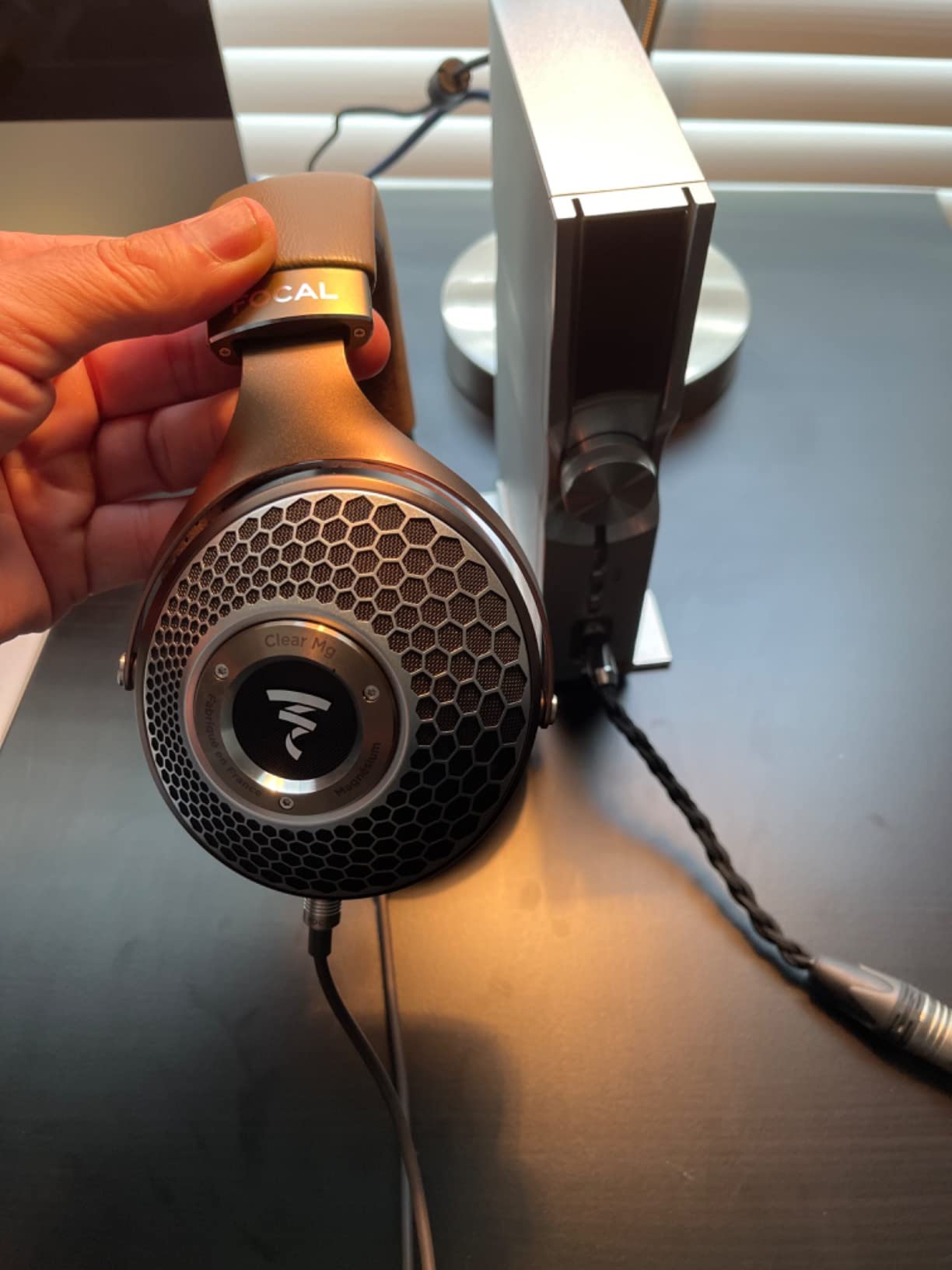
Build quality is what you would expect at this price: solid aluminum yokes that mold to your face shape, perforated microfibre earpads that extend the soundstage, and a honeycomb grille that lets the driver breathe. The included carrying case, jack adapter, and AWG cable round out a genuinely premium unboxing experience.
The Cable Situation and Recommended Upgrades
My biggest gripe with the Clear MG is the stock cable. For a headphone at this price, the included cables feel thin and a few long-term owners have reported durability issues. The good news is the Clear MG uses a standard 3.5mm dual-entry connection, so a quality aftermarket cable from Hart Audio, Periapt, or Double Helix transforms both the aesthetics and longevity. Budget roughly $80 to $150 for a cable that matches the headphone’s quality.
Amplifier Pairing for the Clear MG
The 55-ohm impedance is moderate, but the Clear MG rewards clean power. A solid-state amp like the Violectric V281, Ferrum OOR, or a well-built Topping A90 delivers the dynamic headroom and resolution the driver is capable of. Tube hybrid amps like the Feliks Audio Echo add warmth that complements the Clear MG’s honest tuning for late-night listening. A basic phone dongle will produce sound but flatten the dynamics noticeably.
8. Sennheiser HD 800 S — The Reference-Class Soundstage King
Sennheiser HD 800 S Over-The-Ear Audiophile Reference Headphones – Ring Radiator Drivers with Open-Back Earcups, Includes Balanced Cable, 2-Year Warranty (Black)
56mm ring radiator
300 ohm impedance
4 to 51000 Hz
103 dB sensitivity
330 grams
Pros
- Widest and most immersive soundstage available
- Crystal clear highs with rich detailed mids
- Superb instrument separation and imaging
- Extremely comfortable for marathon sessions
- German engineering and exceptional build quality
Cons
- 300 ohm impedance demands a powerful amp
- Cable is long and picks up dust easily
- Premium price point reflects reference tuning
The HD 800 S is the headphone every reviewer references when they describe soundstage. Sennheiser’s 56mm ring radiator transducers are the largest dynamic drivers ever fitted to production headphones, and the open-back earcup design directs sound waves at a slight angle that mimics how we hear from a pair of stereo speakers in a treated room.
Putting them on for the first time is genuinely disorienting in the best way. Orchestral recordings unfold in front of you rather than inside your head, with each section occupying a distinct position. The imaging precision is so strong that experienced listeners can identify microphone placement and venue acoustics on well-recorded classical and jazz material.
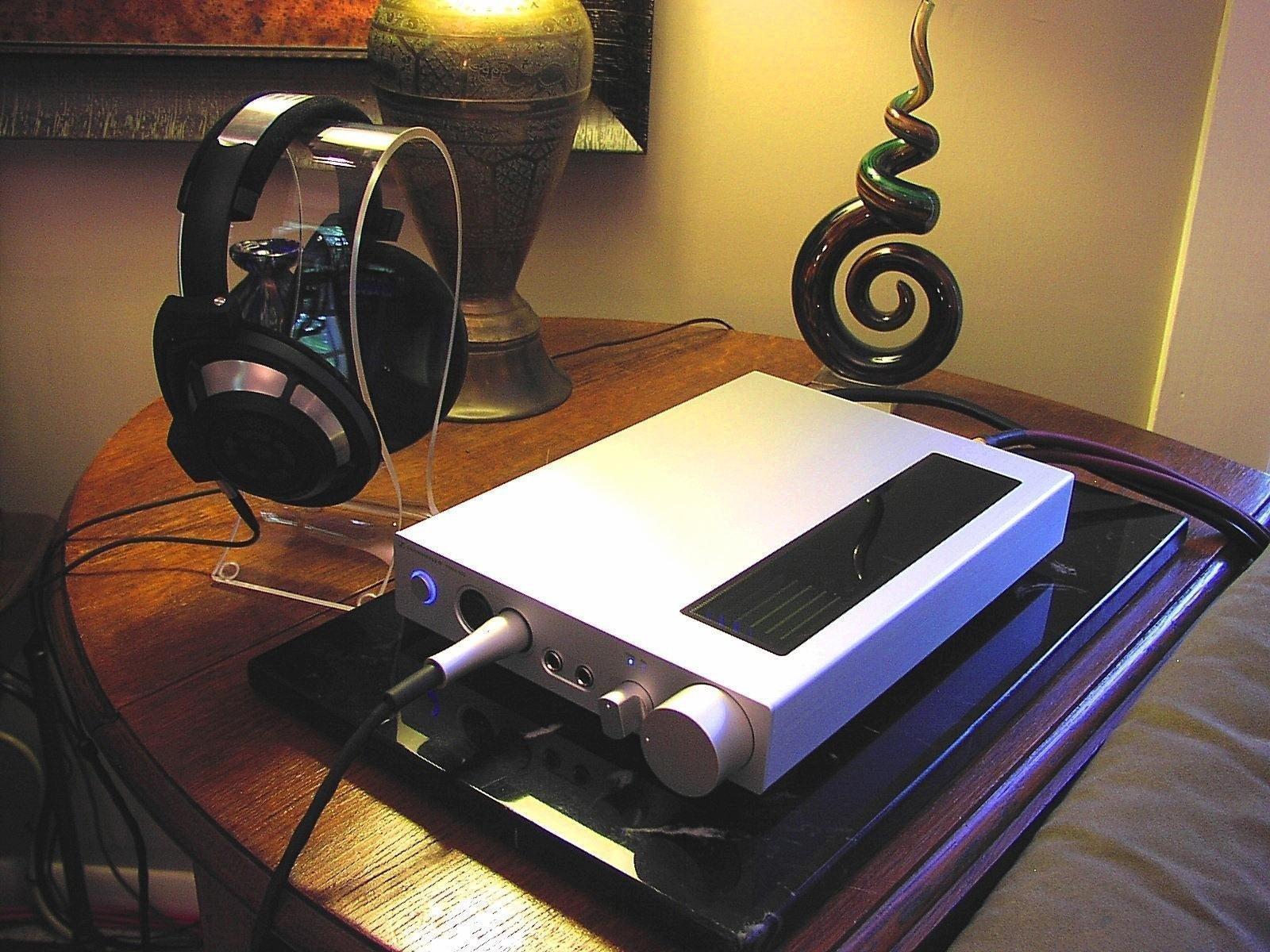
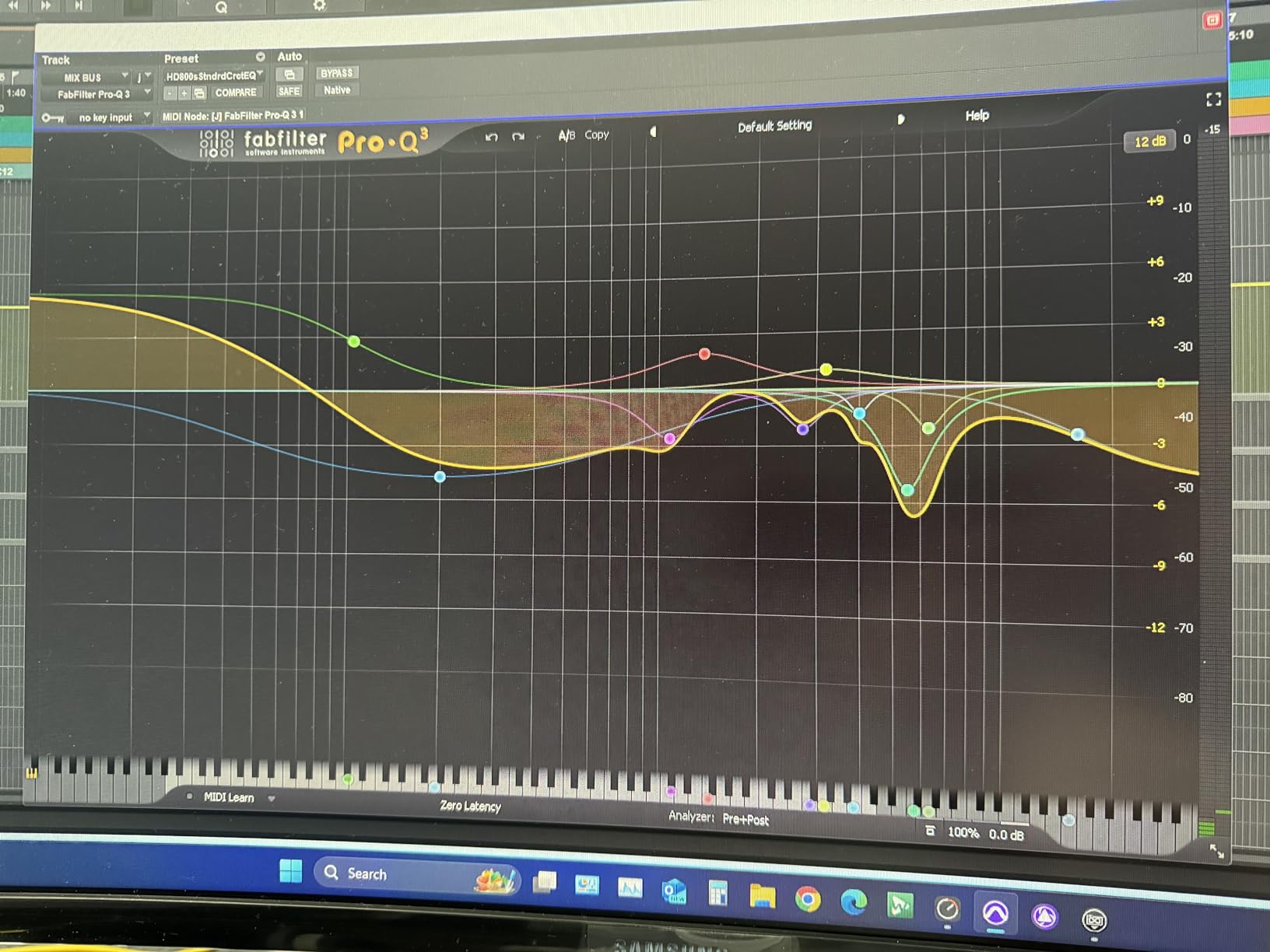
The frequency response reaches an astonishing 4 Hz to 51 kHz, well beyond human hearing, which means harmonics and air are reproduced with absolute fidelity. The innovative absorber technology tames the famous 6 kHz peak of the original HD 800, making the S version noticeably smoother and more universally listenable.
Build is pure German engineering: matte plastic body with metal accents, plush microfibre pads, and a 9.8-foot OFC cable. The package includes both single-ended 1/4 inch and balanced 4.4mm cables, plus a cleaning cloth, USB flash drive with documentation, and a sturdy presentation case.
The Non-Negotiable Amplifier Requirement
The HD 800 S has a 300-ohm impedance and a 103 dB sensitivity, which on paper looks manageable. In practice, you need a powerful, clean amplifier to drive them properly. Entry-level amps like the JDS Atom will produce sound, but a Violectric V281, Ferrum OOR, Singxer SA-1, or a quality OTL tube amp like the Bottlehead Crack reveals the soundstage depth, bass authority, and treble refinement that justify the price. Pairing these with a phone is a waste of the headphone.
Where the HD 800 S Excels and Falls Short
This headphone is unmatched for classical, jazz, acoustic, and well-recorded ambient music, where its soundstage and resolution create an almost holographic experience. For EDM, modern pop, and bass-heavy hip-hop, the HD 800 S can sound analytical and lean, since it favors accuracy over warmth. If your library skews toward big orchestra and intimate acoustic recordings, this is the endgame reference. If you want thumping bass for parties, look elsewhere.
How to Choose Wired Audiophile Headphones?
Wired audiophile headphones live or die by three decisions: open-back versus closed-back, driver technology, and amplifier matching. Get those right and almost any headphone in this guide will reward you. Get them wrong and you will wonder what the fuss is about.
Open-Back vs Closed-Back: Which Is Right for You
Every headphone in this roundup is open-back, and that is intentional. Open-back designs let air pass through the earcup, which produces a wider, more natural soundstage and reduces ear fatigue during long sessions. The trade-off is that they leak sound in both directions: people nearby hear your music, and you hear ambient noise.
Open-back is the right choice for quiet home listening, dedicated studio work, and any situation where isolation does not matter. Closed-back is what you want for commuting, office use, or recording tracks where headphone bleed into a microphone would ruin a take. If you need both, plan to own one of each.
Impedance and Amplifier Pairing
Impedance is the single most misunderstood spec in headphones. Low-impedance models (under 50 ohms) like the HE400SE, MM-100, and DT 900 PRO X are designed to run from phones, laptops, and basic audio interfaces. Mid-impedance models (50 to 100 ohms) like the Focal Clear MG and ATH-R50X benefit from a dedicated amp but tolerate portable sources.
High-impedance models like the HD600 and HD 800 S (both 300 ohms) demand a proper headphone amplifier. Running them from a phone produces thin, compressed sound that completely misrepresents what these headphones can do. If you are buying a high-impedance headphone, budget at least $100 to $300 for an amp that does it justice.
Dynamic vs Planar Magnetic Drivers
Dynamic drivers use a voice coil and cone, and they excel at punch, dynamics, and natural timbre. The HD600, DT 900 PRO X, and Focal Clear MG all use dynamic drivers and sound organic and lifelike. Planar magnetic drivers use a flat diaphragm with a printed circuit, and they excel at speed, detail retrieval, and bass extension. The HE400SE, MM-100, and Arya Stealth showcase planar virtues.
Neither is universally better. Dynamic drivers tend to EQ more predictably and pair well with tube amps, while planar magnetics tend to have faster transients and more even bass response. The right choice depends on your taste, your library, and your source chain.
Matching Sound Signature to Your Music
Neutral-tuned headphones like the HD600 and DT 900 PRO X are honest all-rounders that flatter every genre. Warm-tuned headphones like the Focal Clear MG add body that suits jazz, classical, and vocals. Analytical headphones like the HD 800 S reveal every detail in well-recorded material but can expose flaws in poorly mastered tracks.
If your library leans toward EDM, hip-hop, and modern pop, look for headphones with stronger sub-bass extension like the HE400SE, MM-100, or Arya Stealth. For classical, jazz, and acoustic purists, the HD600, Focal Clear MG, and HD 800 S are the safe picks.
Cables, Comfort, and Long-Term Value
Detachable cables are non-negotiable at this price level, because cables are the first thing to fail. Replaceable earpads matter just as much, since pads compress and degrade over years of use. The HD600, DT 900 PRO X, and HD 800 S all have thriving aftermarket parts ecosystems, which is part of why they hold value so well on the used market.
Comfort is intensely personal. Lightweight options like the ATH-R50X (207g) and HE400SE (390g) are great for marathon sessions. Heavier planars like the Arya (430g) and the Focal Clear MG distribute weight well but feel different after the third hour. Try before you commit if at all possible.
Frequently Asked Questions
What are the best audiophile headphones?
The Sennheiser HD600 remains the community benchmark for neutral midrange tuning and long-term reliability, while the Sennheiser HD 800 S is the reference choice for soundstage. For budget buyers, the HIFIMAN HE400SE brings planar magnetic tech under $150. The best pick depends on your budget and amplifier situation.
What are the best sounding wired headphones?
The Sennheiser HD 800 S is widely regarded as the best-sounding wired headphone for classical and acoustic music, with the widest soundstage available. The Focal Clear MG offers superior imaging, and the HIFIMAN Arya Stealth is the value flagship among planar magnetics. Sound preference is subjective, so amp pairing and source quality matter as much as the headphone itself.
Do audiophiles prefer wired?
Yes, most serious audiophiles still prefer wired headphones because they avoid Bluetooth compression, latency, and battery limitations. Wired connections preserve the full dynamic range and detail of high-resolution and lossless audio files. Wireless technology has improved, but a wired connection into a quality DAC and amp remains the gold standard for critical listening.
What is the best wired headphones for high res lossless?
For high-resolution lossless audio, the Sennheiser HD 800 S and HIFIMAN Arya Stealth are the top picks thanks to their extended frequency response and resolving power. Both require a quality DAC and amplifier to extract maximum detail. Among budget options, the beyerdynamic DT 900 PRO X pairs well with high-res players thanks to its universal 48-ohm impedance and 5 to 40 kHz response.
Do I need an amplifier for audiophile headphones?
It depends on impedance. Low-impedance models under 50 ohms, like the HE400SE and DT 900 PRO X, can run from phones and laptops. Mid-impedance models from 50 to 100 ohms benefit from a dedicated amp. High-impedance models like the HD600 and HD 800 S at 300 ohms require a proper headphone amplifier to sound their best, because under-driving them produces thin and compressed sound.
Final Thoughts on the Best Wired Headphones for Audiophiles
The best wired headphones for audiophiles in 2026 cover an enormous range of budgets and priorities, and the right pick depends entirely on your listening habits and source chain. If you want one safe all-rounder that ages gracefully, the Sennheiser HD600 is still my editor’s choice. If you want planar magnetic magic on a budget, the HIFIMAN HE400SE is unbeatable for the money.
For listeners chasing the widest soundstage and reference-class resolution, the Sennheiser HD 800 S remains the open-back benchmark. Whichever you pick, pair it with a source that does it justice, give it time to break in, and let the music reveal what you have been missing.
Thanks for reading. If this guide helped narrow down your shortlist, share it with the next friend who is wondering why anyone still buys wired headphones in 2026.