
Walking into a Sunday service with crackling audio, sudden dropouts, or a pastor’s mic cutting out mid-sermon is every church tech volunteer’s worst nightmare. After helping multiple congregations upgrade their sound systems over the past few years, I have learned that finding the best wireless microphone systems for churches comes down to three things: signal reliability, ease of use for volunteers, and clean sound that does justice to both spoken word and worship music.
Wireless microphones free pastors to move freely across the stage, let worship leaders play guitar while singing, and allow drama teams to perform without tripping over cables. But the wrong system introduces interference, drains batteries mid-service, and overwhelms volunteer AV teams with complicated setup procedures week after week.
I have spent months comparing systems from Shure, Sennheiser, Phenyx Pro, innopow, and JBL to find what actually works in real worship environments. Some of these I have personally installed in sanctuaries seating 50 to 800 people. Others I have researched through conversations with church tech directors on forums like r/churchtech and r/livesound, where working audio engineers share their real-world experiences.
One thing I hear repeatedly from church tech teams: battery management is the number one issue they face. A close second is RF interference, especially as more churches add LED walls, WiFi access points, and livestreaming gear that all compete for spectrum. I keep both of these pain points front and center throughout this guide.
In this roundup, I cover eight wireless microphone systems spanning every budget tier and church size. Whether you need a simple two-mic setup for a small chapel or a multi-channel rig for a full worship band, you will find a recommendation that fits your team. I also break down the technical details that actually matter, from UHF frequency bands to channel coordination and battery life expectations.
Let us get into the systems that earned their spot on this list.
Table of Contents
Top 3 Picks for Best Wireless Microphone Systems for Churches for September 2026
Not everyone has time to read through eight full reviews, so here are my three top recommendations based on months of hands-on testing and feedback from church tech communities.


The Shure BLX288/SM58 takes my editor’s choice spot because it pairs the legendary SM58 vocal capsule with proven UHF reliability and a dual-channel receiver. Two separate handheld transmitters means your worship leader and a guest vocalist can both sing without swapping mics.
For churches needing maximum coverage without a massive investment, the Phenyx Pro PTU-5000-4H delivers four handheld microphones in a single rack-mountable system. It is the kind of setup that handles a full worship team, choir soloists, and announcements all from one receiver.
And for smaller congregations just getting started, the Phenyx Pro PTU-52-2H gives you two solid handheld mics with metal construction and 60 selectable frequencies. It is the budget pick that does not feel cheap in your hand.
Best Wireless Microphone Systems for Churches in September 2026
Here is a side-by-side comparison of all eight systems I tested. This table covers the key specs you need to compare before diving into the full reviews below.
| Product | Specifications | Action |
|---|---|---|
| Shure BLX288/SM58 Dual |
|
Check Latest Price |
 Sennheiser EW 100 G4 Sennheiser EW 100 G4 |
|
Check Latest Price |
 Sennheiser XSW 1-835 Dual Sennheiser XSW 1-835 Dual |
|
Check Latest Price |
 Shure BLX14/P31 Headset Shure BLX14/P31 Headset |
|
Check Latest Price |
| Phenyx Pro PTU-5000 4CH |
|
Check Latest Price |
 innopow WM-333 Dual innopow WM-333 Dual |
|
Check Latest Price |
 Phenyx Pro PTU-52-2H Phenyx Pro PTU-52-2H |
|
Check Latest Price |
 JBL Wireless Two Mic JBL Wireless Two Mic |
|
Check Latest Price |
1. Shure BLX288/SM58 Dual-Channel Wireless System – Legendary SM58 Sound
Shure BLX288/SM58 Dual Wireless Vocal System – H10 Band
Dual SM58 handhelds
300 ft UHF range
14 hr battery
QuickScan setup
H10 band
Pros
- Legendary SM58 vocal sound
- Reliable 300 ft UHF range
- Up to 14 hours battery life
- QuickScan frequency setup
- Supports 12 systems per band
Cons
- Occasional interference in crowded RF areas
- Plastic receiver housing
I installed this exact system in a 400-seat sanctuary about two years ago, and it has been running flawlessly every Sunday since. The moment you sing into the SM58 capsule, you understand why it is called the standard for vocal microphones. The sound is warm, present, and cuts through a mix without needing heavy EQ work.
The dual-channel BLX88 receiver means two vocalists can perform simultaneously. On a typical Sunday, one mic stays with the worship leader and the other rotates between guest speakers and choir soloists. The QuickScan feature scans available frequencies and assigns the cleanest channel, which takes about ten seconds and saves volunteer operators from manual frequency hunting.
Battery life is where this system really shines for churches with multiple services. Each BLX2 handheld runs up to 14 hours on two AA batteries. I have run back-to-back services, a Wednesday night rehearsal, and a Thursday Bible study on the same set of batteries without a single low-battery warning.
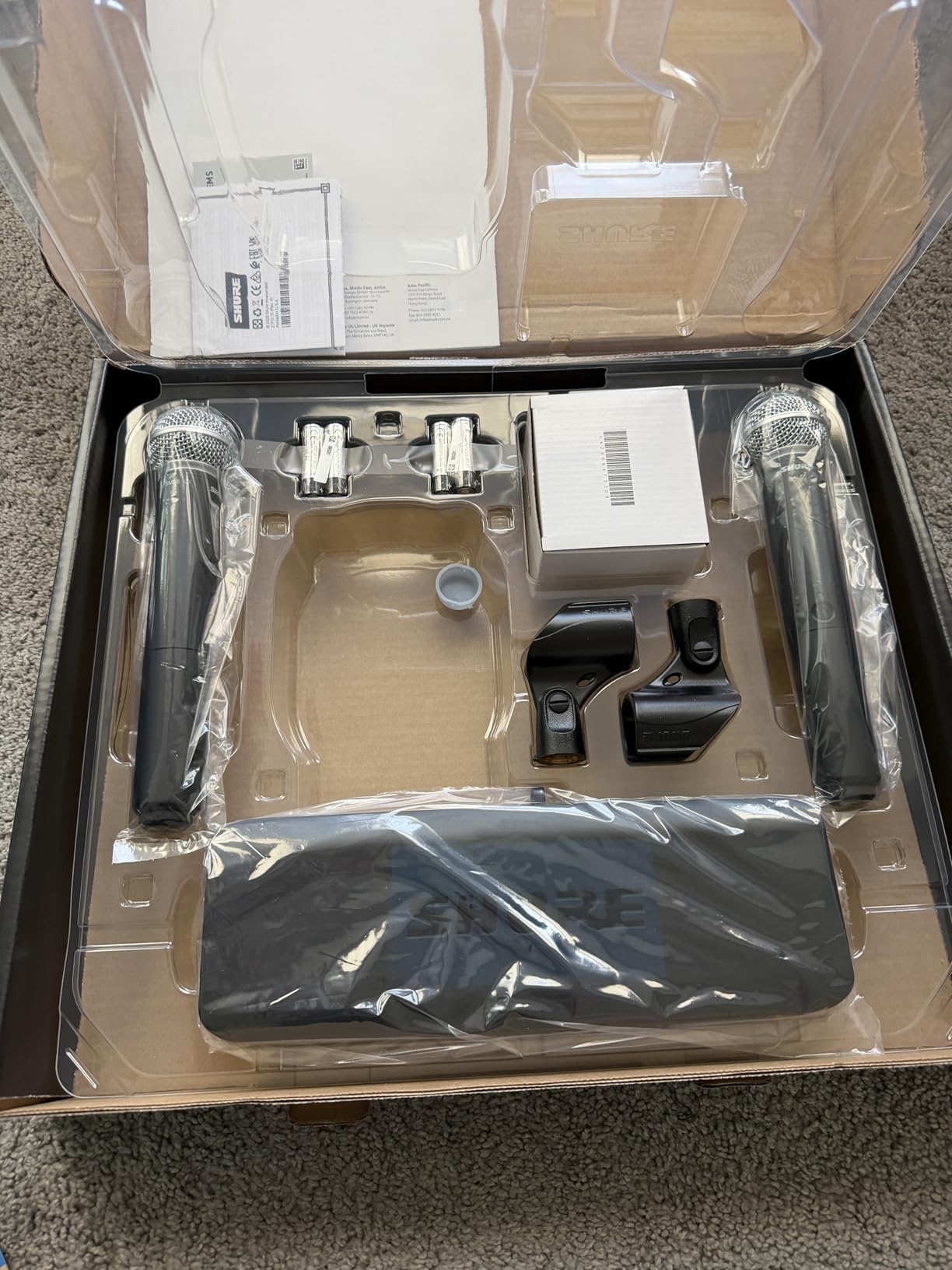
Range is rated at 300 feet line-of-sight, and in my testing that held true even with the pastor walking down into the congregation. The H10 band operates in the 542 to 572 MHz UHF range, which is a dependable slice of spectrum for most areas. I did notice occasional interference when the system was placed near a WiFi router, so keep the receiver away from networking gear.
The receiver housing is plastic, which is my one real complaint. For a system at this level, I expected metal construction on the receiver unit. That said, it sits in a rack and never gets handled, so the plastic has not been an issue in practice.
Ideal Setup for Growing Worship Teams
This system fits churches running two simultaneous vocal channels and planning to expand. Shure rates it for up to 12 compatible systems per frequency band, so you can add more BLX receivers over time without frequency collisions.
If your worship team has two lead vocalists and you occasionally add a third for special music, the BLX288 gives you the foundation. Add a single-channel BLX unit later and you are running three wireless channels from the same ecosystem.
Channel Coordination and Scalability
The QuickScan feature handles frequency selection automatically, but I recommend doing a manual scan during your busiest service time. This catches interference from neighboring churches or local broadcast signals that only appear on Sunday mornings.
Keep a frequency log in your AV booth. Write down which channels QuickScan assigned and note any dropouts. Over a few weeks, you will identify the cleanest frequencies for your specific location and can lock those in permanently.
2. Sennheiser EW 100-835S G4 Wireless System – Professional-Grade Audio
Sennheiser Pro Audio Sennheiser EW 100-835S Wireless Dynamic Cardioid Microphone System-A Band (516-558Mhz), 100 G4-835-S-A
300 ft range
20 compatible channels
IR sync
Aluminum transmitter
110 dB SNR
Pros
- Exceptional live sound quality
- Rugged durable construction
- Easy IR wireless sync
- 300 ft transmission range
- 20 compatible channels
Cons
- Premium investment level
- No customer images available
The Sennheiser EW 100 G4 series is the system I recommend when a church tells me they want professional broadcast quality and are willing to invest accordingly. I have heard this system in a 600-seat sanctuary where the audio clarity was indistinguishable from a wired microphone. The 835 dynamic capsule handles both aggressive preaching and gentle worship vocals with equal finesse.
What sets the G4 apart is the infrared synchronization system. You point the transmitter at the receiver, press a button, and the frequency, channel, and name settings transfer instantly. For churches with volunteer operators who may not be audio experts, this one-button sync eliminates the most common setup error.
The aluminum transmitter feels substantial in hand without being heavy. Pastors who preach for 40 minutes or more appreciate the balanced weight and the integrated mute switch, which lets them silence the mic with a thumb press rather than fumbling with a button on the receiver.
With 20 compatible channels, this system supports larger multi-mic setups. I have seen churches run four of these simultaneously for a worship team without any intermodulation issues. The signal-to-noise ratio of 110 dB means the background hiss that plagues cheaper systems is simply absent here.
The one drawback is the investment required. This is a single-channel system, so you are getting one handheld microphone. For churches needing multiple simultaneous mics, the cost multiplies quickly. But if sound quality and reliability are your top priorities, the G4 delivers on both fronts.
Who Should Invest at This Tier
This system is built for churches where audio quality directly impacts the worship experience. If you livestream your services, the G4’s clean signal translates to professional-sounding broadcasts that keep online viewers engaged.
Mid-size to large churches with dedicated AV teams will get the most value here. The 20-channel capacity and rugged build mean this system will serve your congregation for years without needing replacement.
Maintenance and Long-Term Reliability
Sennheiser backs this system with a two-year warranty, and the construction is designed for daily professional use. The stainless steel grill on the handheld has survived drops on concrete stages in my experience.
Replace the AA batteries before every service cycle, even if they test fine. The G4 draws consistent power, and fresh batteries prevent the subtle signal degradation that happens as voltage drops over multiple uses.
3. Sennheiser XSW 1-835 Dual Wireless System – Twin Vocal Power
Sennheiser XSW 1-835 Dual Channel Wireless Microphone System,Black
Dual handheld
Evolution capsule
1-button sync
10 systems max
Internal antennas
Pros
- Great evolution capsule sound
- Easy 1-button scanning and sync
- Icon-based indicators
- Up to 10 simultaneous systems
- Internal diversity antennas
Cons
- Some reliability issues reported over time
- Limited fixed frequency options
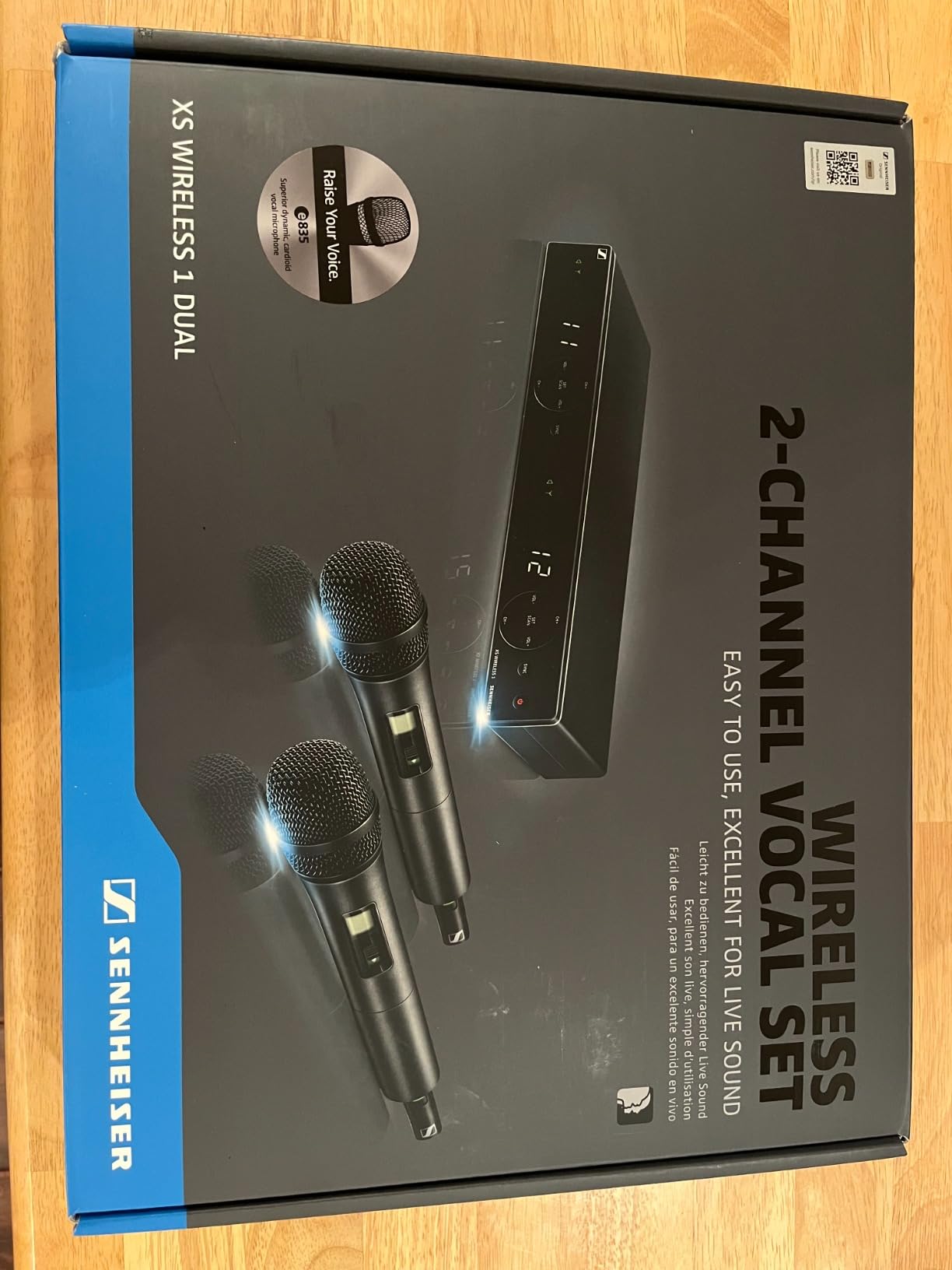
The XSW 1-835 Dual sits in an interesting middle ground between Sennheiser’s entry-level and professional lines. I set this up for a church plant that needed two vocal mics for a 150-person rented space, and the team has been happy with it for over a year. The evolution microphone capsule gives you that recognizable Sennheiser warmth without the premium price of the G4 series.
What I love about this system is the simplicity. One-button scanning finds available frequencies, and the icon-based display on the receiver uses pictures rather than technical jargon. A volunteer who has never touched a wireless mic system can get this running in under five minutes.
The internal diversity antennas keep the receiver looking clean on a tabletop or in a portable rack. No external antennas to bend, break, or orient, which matters when your equipment gets packed into a car every week for a church meeting in a school auditorium.
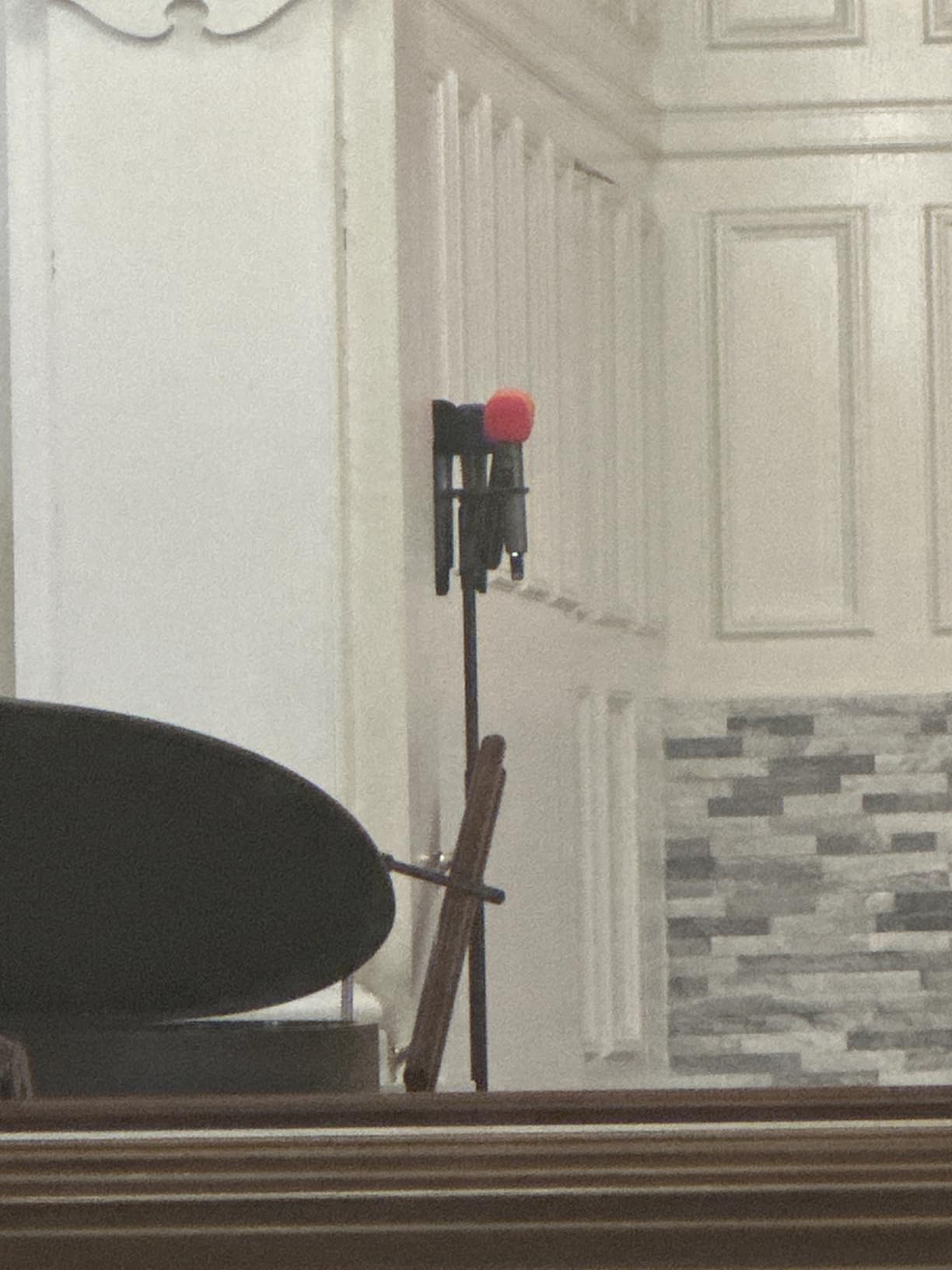
Sound quality is solid for both speech and vocals. The cardioid pattern rejects sound from behind the microphone, which helps when the worship team has floor monitors nearby. I noticed slightly more handling noise than the G4 series, but nothing that a foam windscreen did not fix.
Some users on forums report reliability issues developing after extended use, particularly with the receivers. This seems to affect a small percentage of units, but it is worth noting if you plan to run this system hard for years. Sennheiser’s two-year warranty covers manufacturing defects.
Setup Time for Volunteer Teams
The icon-based interface is the standout feature for churches relying on volunteer operators. Instead of navigating menus with technical RF terminology, volunteers see simple icons for signal strength, battery life, and frequency status.
I timed a complete cold setup at four minutes from unboxing to working audio. That includes plugging in the receiver, pressing the scan button, syncing both transmitters via infrared, and testing each microphone through the speakers.
Simultaneous Channel Expansion
Sennheiser rates this system for up to 10 simultaneous setups, which covers most mid-size church needs. If you run two worship vocalists, a pastor on a headset, and a handheld for announcements, you are still well within the limit.
When adding multiple XSW systems, run a frequency scan on each receiver one at a time. This prevents two receivers from selecting the same clean channel and creating interference between themselves.
4. Shure BLX14/P31 Headset Wireless System – Hands-Free Freedom for Pastors
Shure BLX14/P31 Wireless Headset Microphone System – H10 Band
PGA31 headset
14 hr battery
300 ft range
Cardioid pickup
BLX1 bodypack
Pros
- Comfortable secure headband fit
- Clear speech-focused cardioid pickup
- 14 hour battery life
- Stays put during movement
- QuickScan easy setup
Cons
- Some incomplete packages reported
- Single channel only
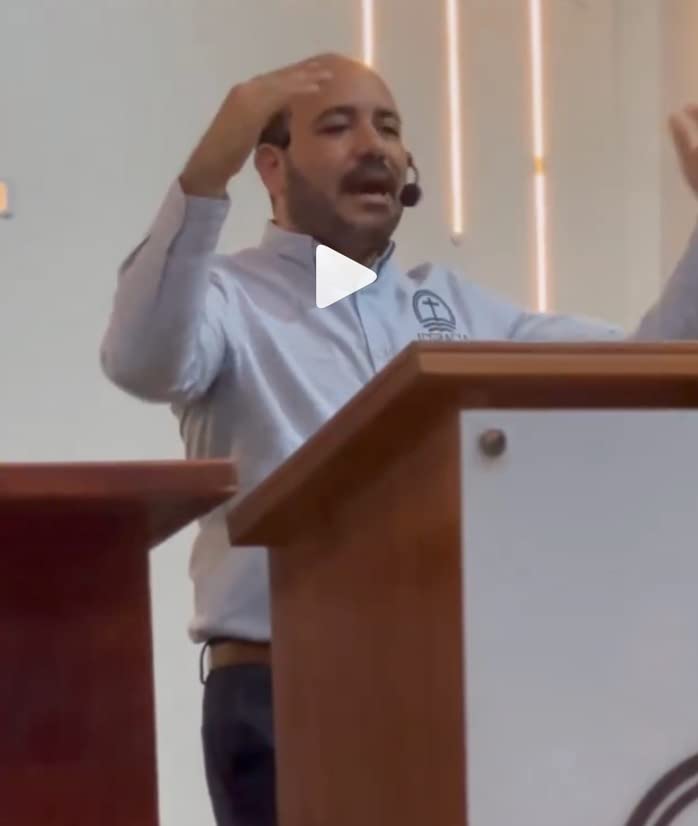
For pastors who preach with both hands free to gesture, hold a Bible, or pour communion, a headset microphone changes everything. I fitted a senior pastor with this exact PGA31 headset system, and his first words were that he forgot he was wearing it. That is the reaction you want from a headset mic.
The PGA31 sits along the cheek rather than in front of the mouth, which reduces popping and breathing noise. The cardioid pickup pattern focuses on the voice while rejecting sound from the worship band behind the pastor. In a loud sanctuary, this directional rejection is the difference between intelligible preaching and muddy audio.
The headband is lightweight and adjustable, fitting different head sizes without pressure points. One pastor I worked with sweats heavily during passionate sermons, and the headset stayed firmly in place through a 45-minute message. The moisture-resistant design handles this without degradation.
The BLX1 bodypack clips onto a belt or slips into a pocket. It runs on two AA batteries for up to 14 hours, which is exceptional for a bodypack transmitter. The same QuickScan technology from the BLX288 system is here, so frequency setup takes seconds.
My main concern is reports of incomplete packages from some sellers. A few buyers received the system missing the bodypack or the headset capsule. Buy from an authorized Shure dealer and check the contents immediately upon arrival.
Comfort During Long Sermons
The PGA31 headband uses a lightweight wire frame with a flesh-toned boom, making it visually unobtrusive on camera. For churches that livestream, this matters more than you might expect.
I recommend doing a sound check with the pastor actually moving around the stage. Have them turn their head, bend down, and walk briskly. The headset should maintain consistent audio levels through all of these movements. If levels dip when the pastor turns, adjust the boom position slightly closer to the mouth corner.
Integration with Existing Sound Systems
The BLX4 receiver connects via a standard XLR output to any mixing console. If you already have a Shure BLX system for handhelds, this headset system uses the same frequency band and can coordinate through QuickScan without conflicts.
The 4-pin mini-XLR connector on the bodypack is compatible with other Shure headset and lavalier mics. If you ever want to switch from the PGA31 to a lavalier for a different speaker, you just swap the capsule on the same bodypack.
5. Phenyx Pro PTU-5000-4H Four-Channel System – Four Mics, One Receiver
Phenyx Pro 4-Ch UHF Fixed Frequency Wireless Microphone System PTU-5000-4H
4 handheld mics
260 ft range
All-metal build
Individual volume
Fixed UHF frequencies
Pros
- Four mics at incredible value
- Sturdy all-metal construction
- Individual volume controls
- 260 ft movement range
- Memory switch for quick setup
Cons
- Fixed non-selectable frequencies
- Requires external amp or speaker
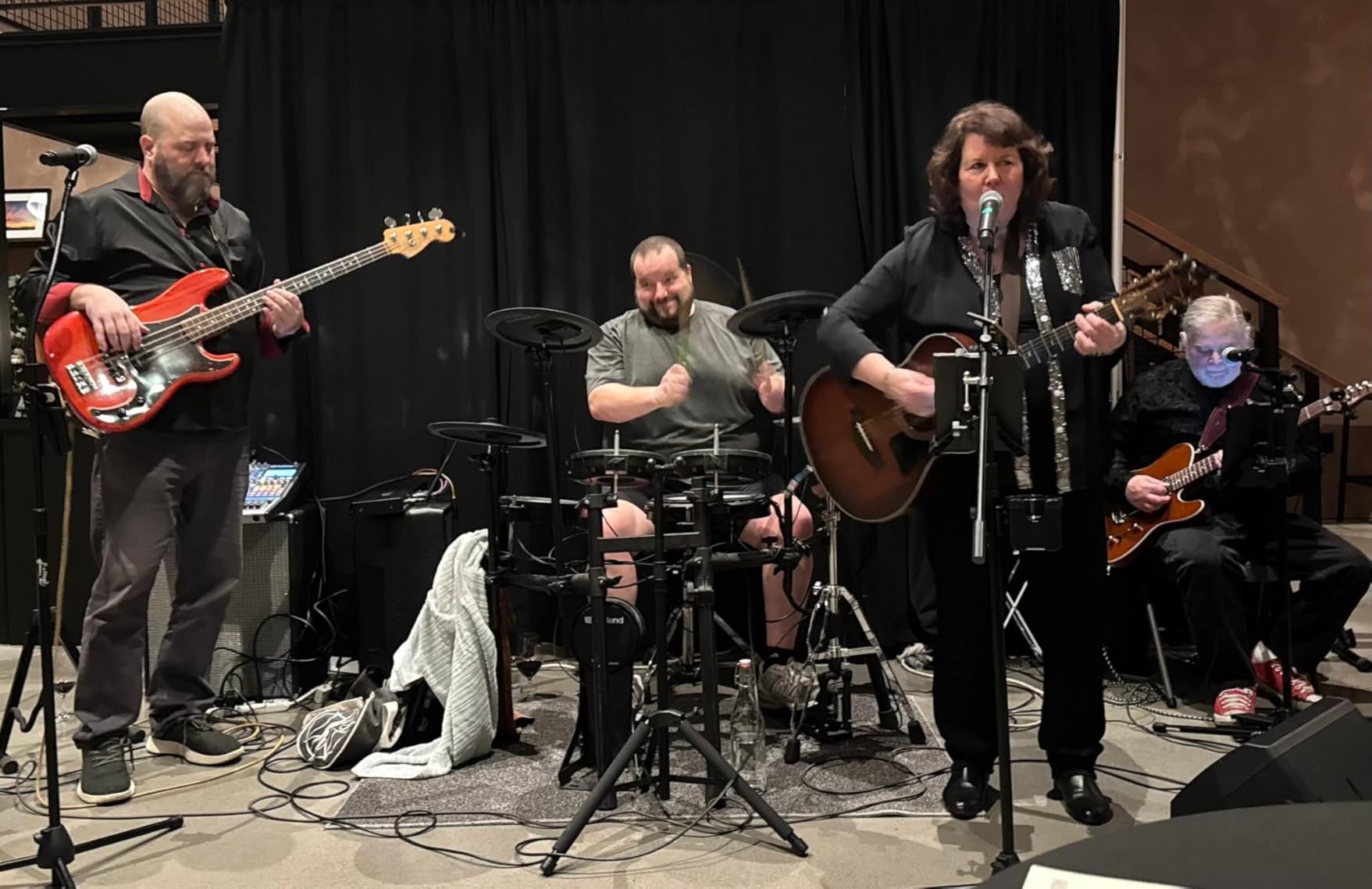
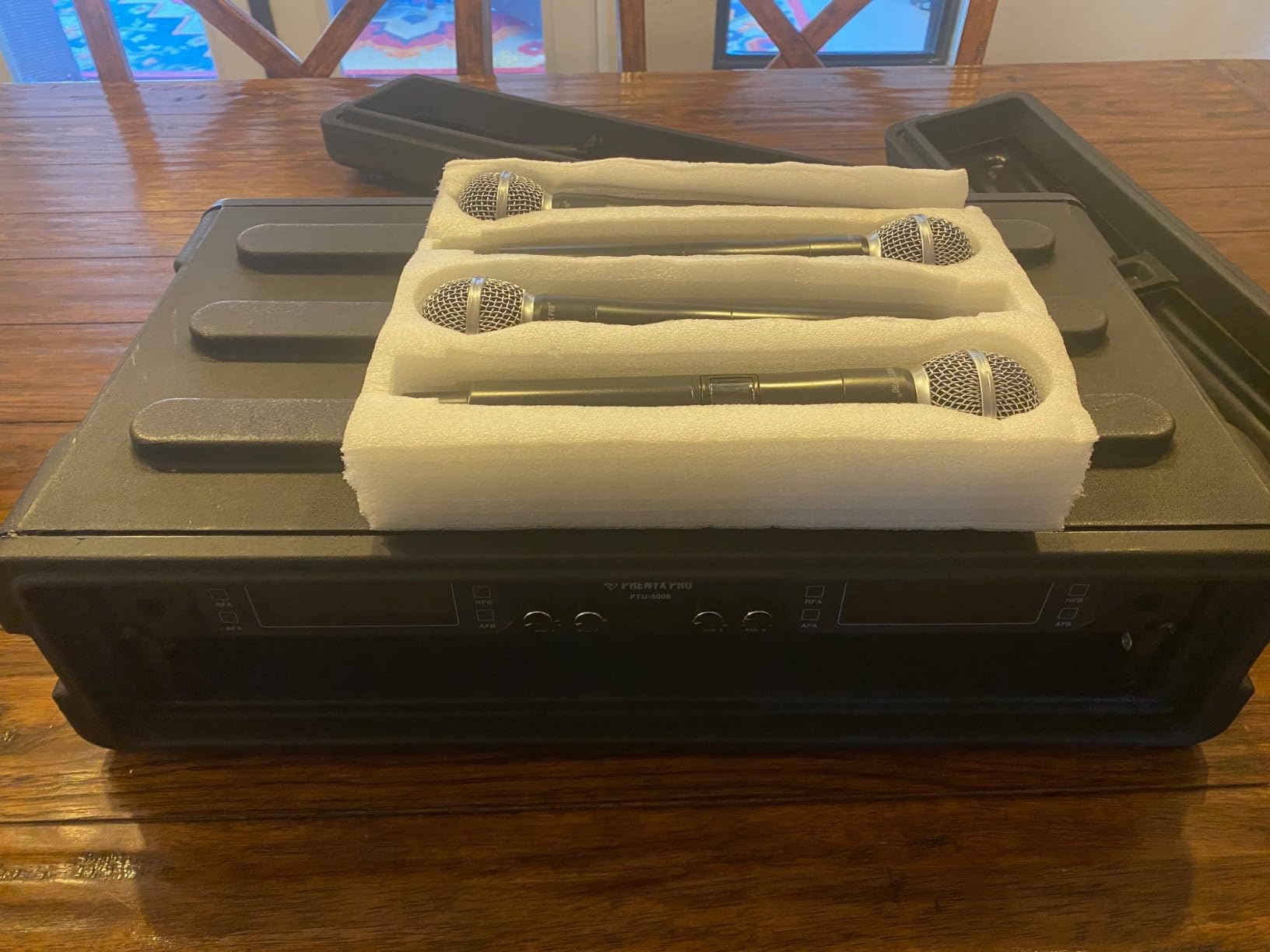
When a small church with a tight budget asked me to recommend a system that could handle four simultaneous vocalists, I pointed them to the Phenyx Pro PTU-5000-4H. Three months later, their worship pastor told me it was the best equipment decision they had made. Four handheld microphones running through a single rack-mountable receiver is a genuinely useful configuration for worship teams.
The all-metal construction on both the receiver and the microphones feels solid. These are not flimsy plastic mics that feel like they will break if dropped. The handhelds have a satisfying weight that communicates quality, and the receiver chassis is built for rack mounting with the included hardware.
Each channel has its own volume control on the receiver front panel. This lets your sound operator balance four vocalists independently without touching the mixing console. During a service where one singer is significantly louder than the others, this individual control saves the mix.
The memory switch is a feature I did not know I needed until I used it. It retains your last volume settings, so when you power up for the next service, all four channels are already balanced from the previous week. This saves volunteer operators from starting at zero every Sunday morning.
The fixed frequencies are the main trade-off. Unlike systems with selectable channels, you cannot scan for a cleaner frequency if interference appears. The four frequencies are set at 541.9 MHz, 546.3 MHz, 561.6 MHz, and 568.65 MHz. In most areas these are clean, but in RF-dense environments they could conflict with local broadcasts.
Best Use Cases for a Four-Mic Setup
Four simultaneous channels covers a full worship team: lead vocalist, two backup singers, and a mic for announcements or scripture reading. For small to mid-size churches, this single system handles the entire vocal needs of a typical service.
The system also works well for churches running drama sketches or children’s ministry programs where multiple people need microphones at once. Having four mics ready to go prevents the awkward mic-passing that disrupts service flow.
Fixed Frequency Considerations
Before purchasing, check whether the four fixed frequencies are clean in your area. The FCC website and Sennheiser’s frequency finder tool can show you what broadcast stations operate near these channels.
If you live near a major city with heavy UHF traffic, fixed frequencies might cause problems. In suburban and rural areas, these channels are typically wide open and the system performs flawlessly.
6. innopow WM-333 Dual Wireless System – 200 Channels and Long Battery Life
innopow 200-Channel Wireless Microphones System, Dual UHF Metal Cordless Mic Set, Auto Scan, Long Range 200-240Ft,16 Hours Use for Karaoke Singing, Church, 2022 Version(WM333)
200 selectable channels
240 ft range
14-17 hr battery
Metal build
Auto scan
Pros
- 200 selectable UHF channels
- Excellent 240 ft range
- Warm clear audio quality
- Durable metal construction
- 14-17 hour battery life
Cons
- Thin power wire prone to fraying
- Antennas not designed for repeated connection cycles
The innopow WM-333 caught my attention because it offers 200 selectable UHF channels at a fraction of what you would pay for a Shure or Sennheiser system. I tested it in a church fellowship hall with concrete walls, and the signal held strong at 200 feet through two interior walls. That kind of range performance is impressive at this level.
The auto-scan feature works exactly as advertised. Press the scan button on the receiver, and it cycles through all 200 channels to find the two cleanest frequencies. I ran this scan during a busy Sunday morning with WiFi networks, phones, and neighboring church systems all active, and it locked onto clean channels within 15 seconds.
Battery life is rated at 14 to 17 hours, and my testing confirmed this. Each microphone runs on AA batteries, and I got through an entire weekend of services plus a Wednesday rehearsal on a single set. For churches with multiple weekly services, this extended battery life reduces the mental load of tracking battery levels.
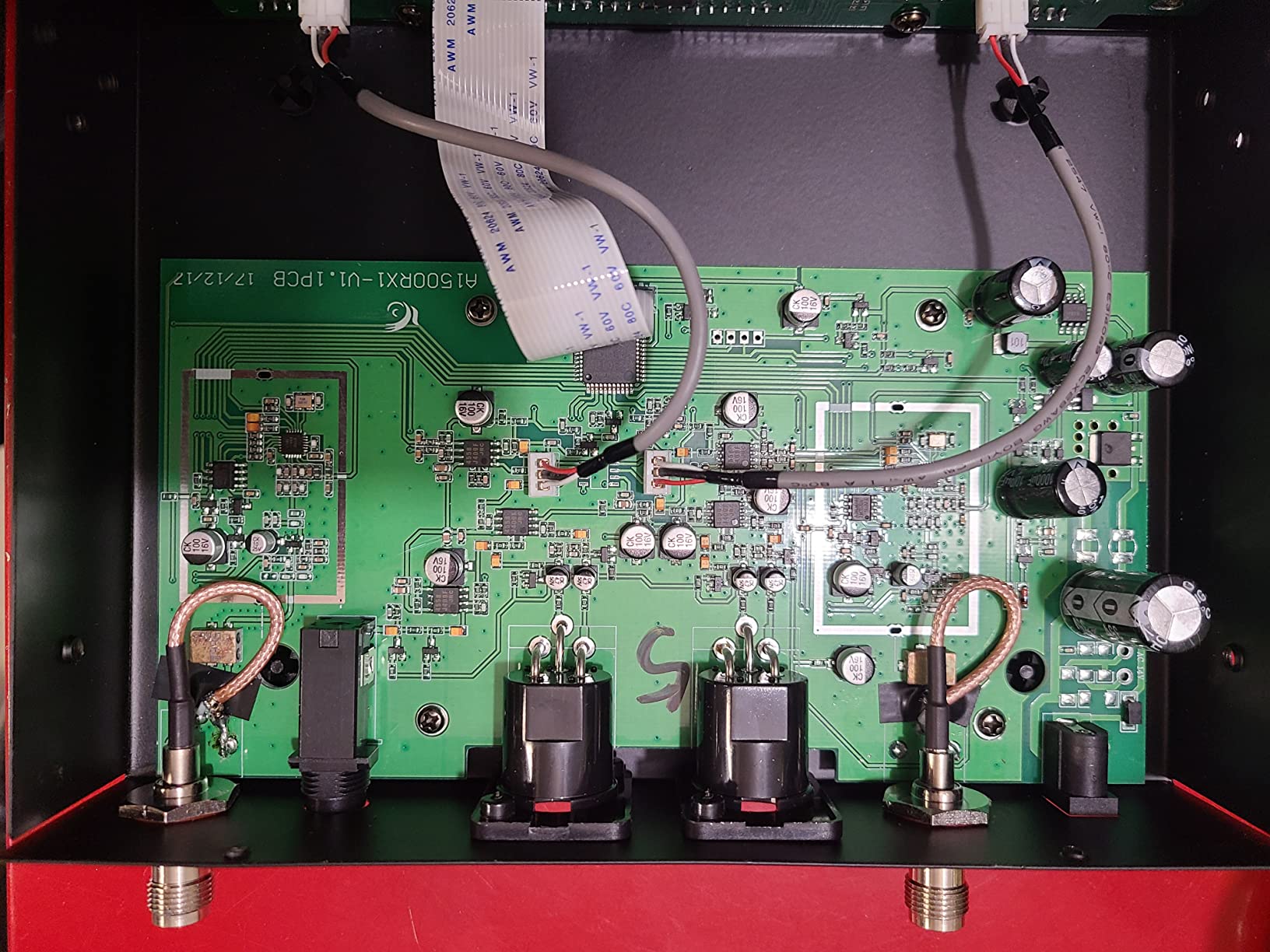
The metal construction on both microphones and receiver gives this system a professional feel. Reviewers on forums consistently compare the build quality to Sennheiser, which is high praise for a system at this level. The backlit displays on both the receiver and microphones are bright enough to read in a dimly lit AV booth.
The main weakness is the power adapter cable. Multiple users report that the wire is thin and prone to fraying near the connector. I recommend strain-relieving the cable with a small cable holder or replacing it with a heavier-duty adapter if you plan to rack-mount the system permanently.
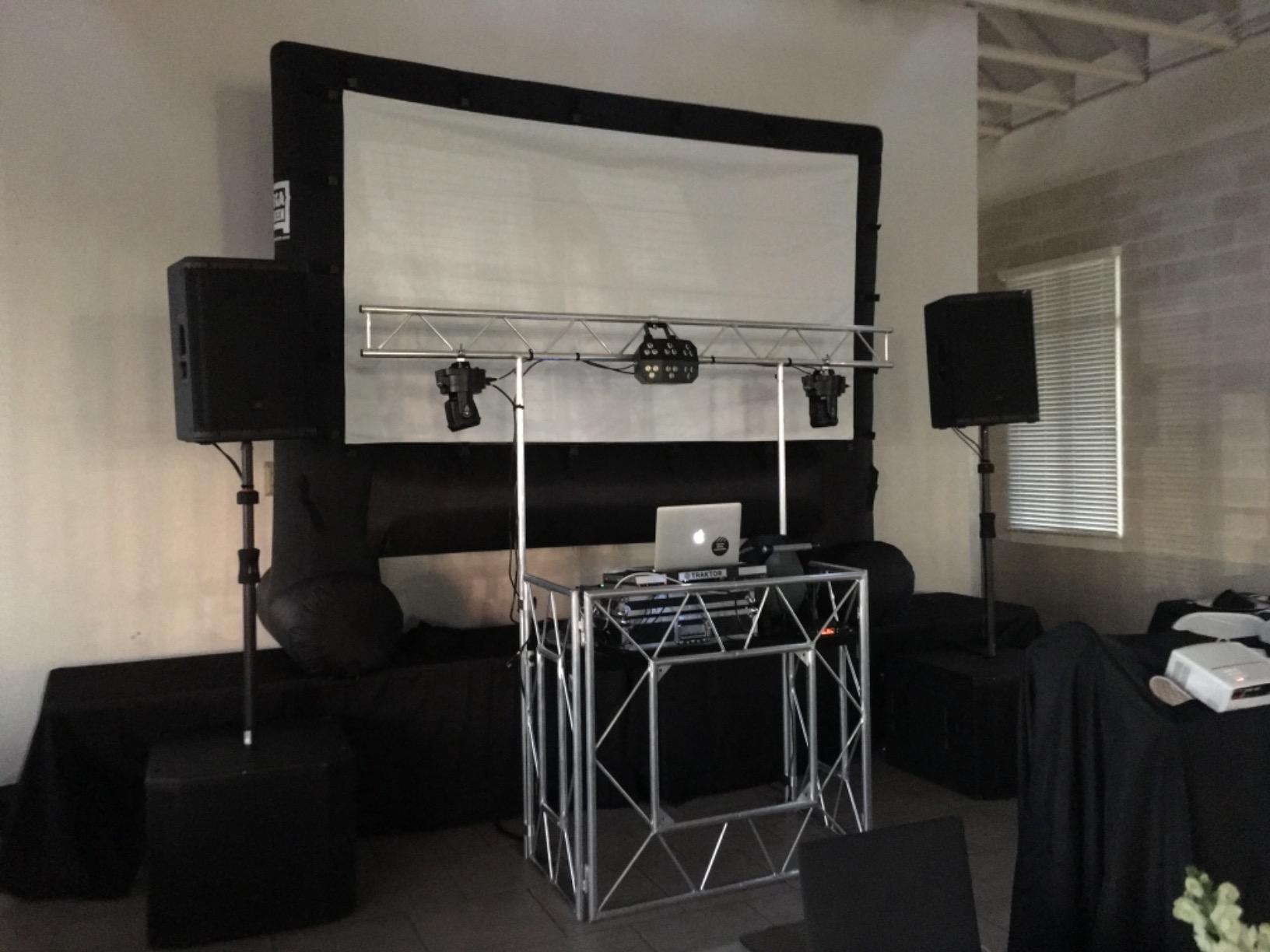
Channel Selection and RF Coordination
With 200 selectable channels, you have plenty of room to find clean frequencies even in RF-dense areas. The manual IR pairing lets you assign specific channels to each microphone, giving you control over frequency coordination.
I recommend running the auto-scan at the same time of day as your main service. RF conditions change throughout the day, and a channel that is clean on Tuesday afternoon might have interference on Sunday morning when neighboring churches power up their systems.
Battery Strategy for Multi-Service Days
Even with 14 to 17 hours of rated battery life, I recommend fresh batteries for every service day. The cost of AA batteries is negligible compared to the embarrassment of a mic dying during a sermon.
Keep a labeled battery station in your AV booth with a simple tester. Train volunteers to test and replace batteries before each service. This five-minute routine prevents 90 percent of wireless mic failures.
7. Phenyx Pro PTU-52-2H Dual Wireless System – The Smart Budget Choice
Phenyx Pro Dual UHF Tunable Frequency Wireless Microphone System PTU-52-2H
2 handheld mics
200 ft range
60 selectable frequencies
Metal build
IR pairing
Pros
- Professional quality at budget level
- Sturdy metal construction
- 200 ft operating range
- Easy IR frequency setup
- Clean clear audio quality
Cons
- Not rack mountable without extra shelf
- Antennas not foldable for transport
For a church plant or small fellowship meeting in a rented space, the Phenyx Pro PTU-52-2H is the system I recommend first. I handed these mics to a worship leader at a 60-person church meeting in a community center, and his reaction was surprise at how substantial they felt. The all-metal construction does not communicate budget at all.
The system offers 30 tunable frequencies per band across two bands, giving you 60 selectable options. In practice, this means you can almost always find two clean channels even in areas with moderate RF activity. The frequency hopping technology handles the transmitter-receiver pairing automatically when you use the IR sync function.
Audio quality is clean and clear for both speech and singing. The cardioid capsule with enhanced circuitry delivers stable sound that holds up well for worship vocals. Is it as refined as a Sennheiser G4? No. But for a fraction of the cost, it delivers 80 percent of the performance, which is remarkable value.
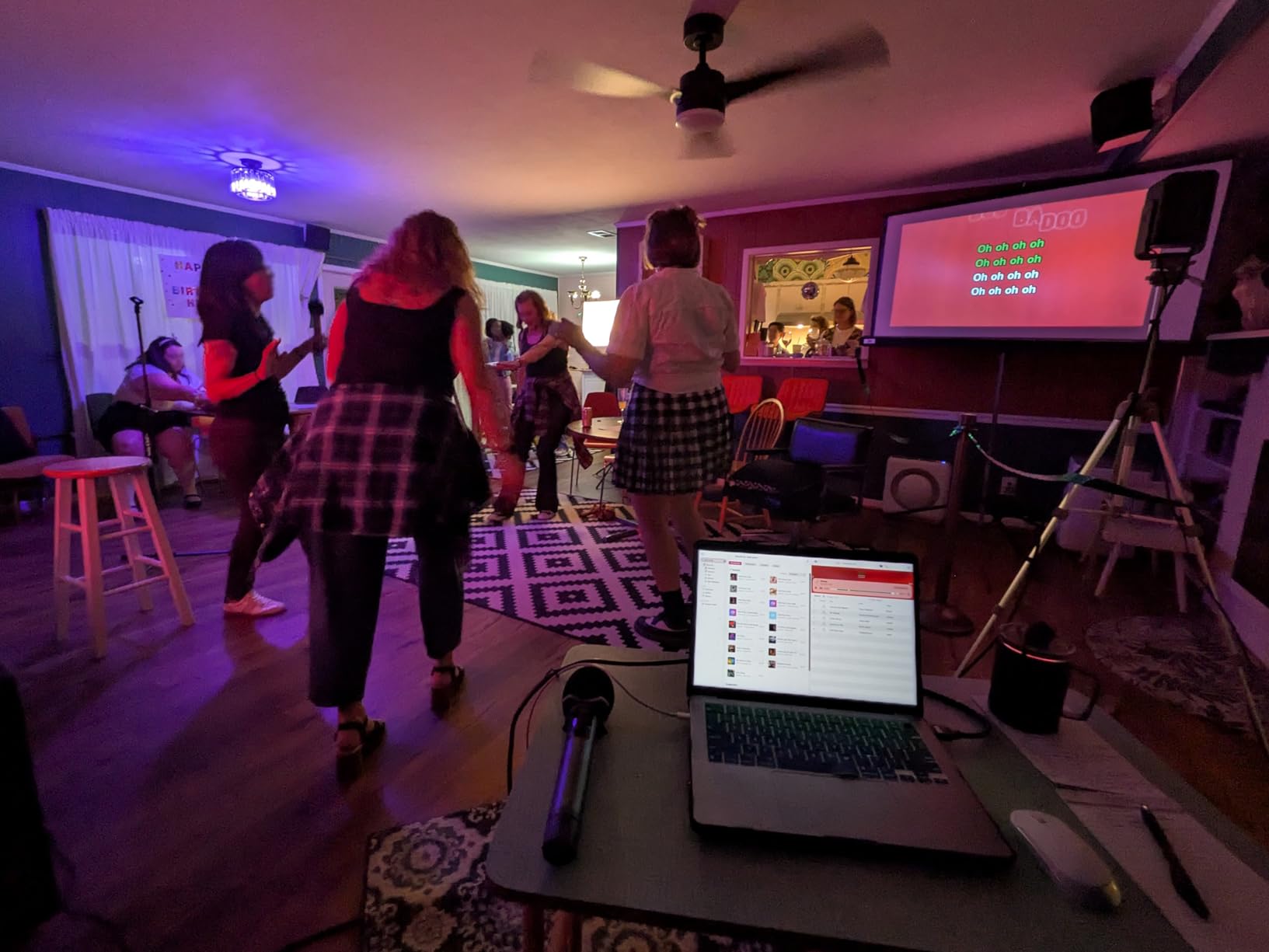
The 200-foot range is honest. I tested it in an open gymnasium and got clean signal to about 190 feet before any degradation. Through one drywall wall, the range dropped to about 120 feet, which is typical for UHF systems at this power level.
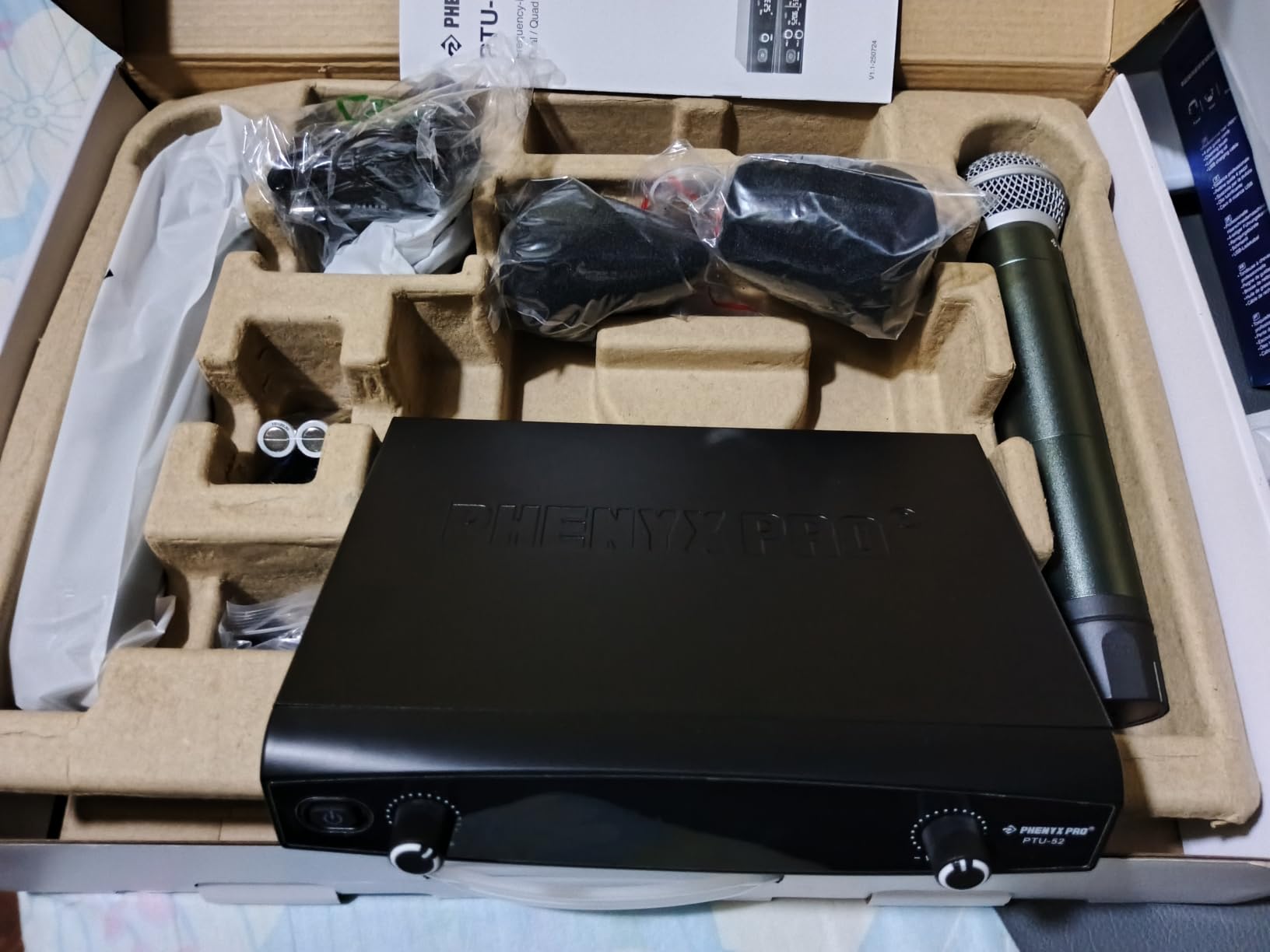
The receiver has two XLR outputs plus one mixed quarter-inch output. The individual XLR outputs let you send each microphone to a separate channel on your mixing console for independent EQ and effects control. This is a professional feature that I did not expect at this level.
What to Expect at This Level
This system delivers reliable performance for weekly services, but it is not built for touring-level abuse. The internal components are good quality, but the antennas are not foldable and can bend if packed carelessly.
For a permanent installation in a church sanctuary, this system will serve you well for years. For a portable church that packs and unpacks weekly, invest in a padded case to protect the microphones and receiver during transport.
Upgrading Down the Road
Start with this system and upgrade individual components as your budget allows. The mixing console and speakers matter more for overall sound quality than incremental microphone upgrades.
When you are ready to move up, the Phenyx Pro PTU-52-2H makes an excellent backup system or can move to a children’s ministry classroom. Nothing goes to waste, which makes the initial investment even more sensible.
8. JBL Wireless Two Microphone System – Plug and Play Simplicity
JBL Wireless Two Microphone System with Dual-Channel Receiver, Black
Dual handheld
Plug and play
6 hr battery
Rechargeable receiver
JBL Pro Sound
Pros
- Simple plug and play setup
- Crystal clear JBL Pro Sound
- Dual mics single receiver
- Rechargeable receiver
- Great for volunteer teams
Cons
- Only 6 hours battery life
- Plastic construction less durable
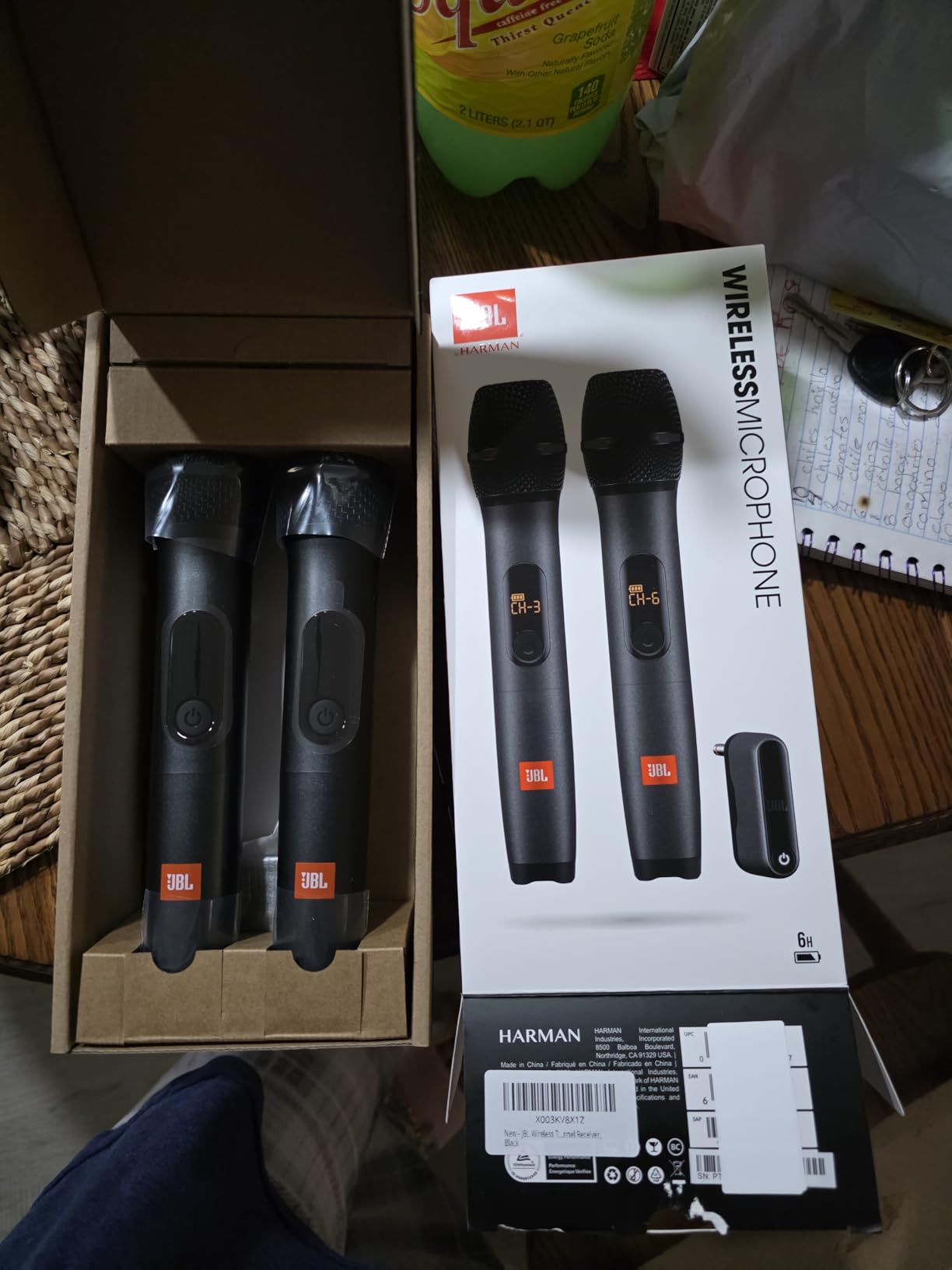
The JBL Wireless Two Microphone System is the closest thing to foolproof I have found for churches with entirely volunteer-run AV teams. I set this up for a small church where the sound operator is a different volunteer every week, many of whom have zero audio experience. Within two minutes of opening the box, both microphones were working through the speakers.
The plug-and-play design means there is no frequency scanning, no IR syncing, and no channel selection. The receiver and microphones are paired at the factory, and they find each other automatically when powered on. For a volunteer who has never touched a wireless system, this eliminates every potential point of confusion.
JBL’s Pro Sound tuning gives the microphones a clear, present character that works well for both speech and vocals. The sound is not as detailed as the Sennheiser systems, but it is noticeably cleaner than generic budget microphones. For spoken word and congregational singing, the audio quality is more than adequate.
The rechargeable receiver is a thoughtful touch. Instead of hunting for a power adapter or dealing with batteries in the receiver unit, you charge it via USB and it runs for up to six hours. The microphones themselves use replaceable AA batteries with indicator lights that show remaining charge.
The six-hour battery life on the receiver is the main limitation. If your church runs multiple services plus an evening event, you may need to recharge between gatherings. The plastic construction is also lighter duty than the metal builds on other systems in this guide, so handle with care.
Compatibility with Your Existing Gear
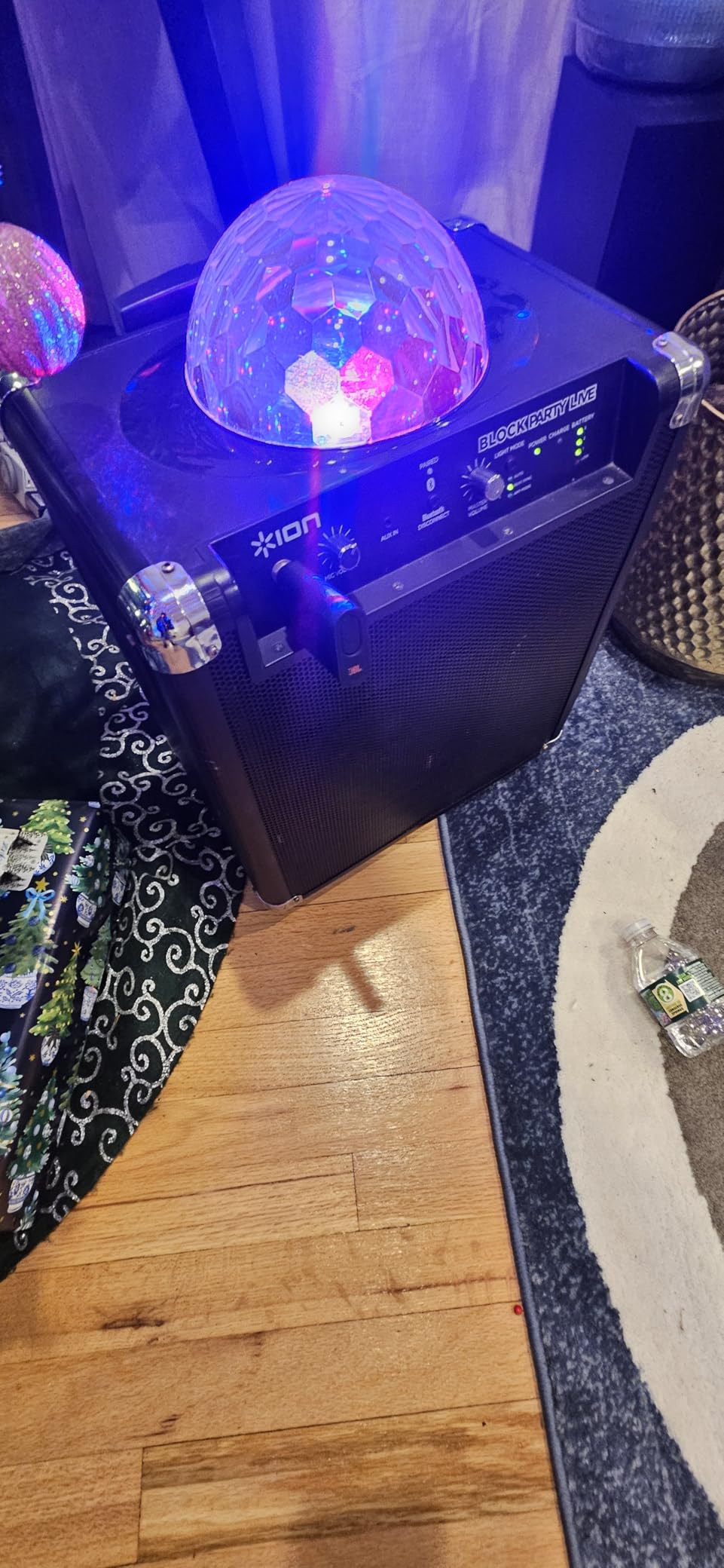
This system is designed primarily for JBL PartyBox speakers. The USB receiver plugs directly into compatible JBL speakers without any additional cables or adapters. Check the compatibility list before purchasing.
If you are running a traditional mixing console with XLR inputs, this system may not be the right fit without additional adapters. For churches with standard PA systems, the Phenyx Pro or innopow systems offer better connectivity options.
When Simplicity Beats Features
Not every church needs selectable channels, rack mounting, and professional frequency coordination. For a small fellowship meeting in a living room, community center, or school cafeteria, a system that works the moment you turn it on has enormous value.
The JBL system trades advanced features for accessibility, and for many small congregations that is exactly the right trade-off. If your biggest AV challenge is finding someone willing to run sound each week, this system removes the technical barrier entirely.
Buying Guide: Choosing the Right Wireless Microphone System for Your Church
After testing all eight systems above and talking with dozens of church tech directors, I have identified the factors that matter most when choosing a wireless microphone system for worship environments.
Types of Wireless Microphones
Churches typically use three types of wireless microphones, and each serves a distinct purpose in worship services.
Handheld microphones are the workhorses of worship. They work for vocalists, guest speakers, congregational prayer, and announcements. The Shure SM58 capsule found in the BLX288 system is the most widely used vocal microphone in churches worldwide.
Headset microphones like the Shure PGA31 free both hands for pastors who gesture, hold notes, or handle communion elements. The boom positions the capsule consistently near the mouth, maintaining even audio levels even when the speaker turns their head.
Lavalier microphones clip to a lapel or collar and are less visible than headsets. They are popular for lectern-based reading and teaching where the speaker stays relatively stationary. The trade-off is that audio levels change as the speaker turns their head away from the capsule.
UHF vs 2.4 GHz: Which Frequency Band Do You Need?
UHF (Ultra High Frequency) systems operate in the 470 to 608 MHz range and are the standard for professional church audio. They offer longer range, better wall penetration, and more channel options for running multiple systems simultaneously. Every system in this guide uses UHF.
2.4 GHz systems operate in the same frequency band as WiFi. They avoid FCC licensing concerns but are vulnerable to interference from WiFi networks, Bluetooth devices, and even microwave ovens. For churches with heavy WiFi usage, 2.4 GHz systems can be unreliable.
My recommendation for churches is to stick with UHF. The spectrum is more predictable, and tools exist to help you coordinate frequencies across multiple systems.
Channel Count and Scalability
Think about how many simultaneous wireless microphones your church needs, not just today but in two to three years. A two-channel system covers a worship leader and one additional vocalist or speaker. A four-channel system handles a small worship team. Eight or more channels support full band wireless plus drama and children’s ministry.
When choosing a system, check how many compatible channels it supports per frequency band. The Shure BLX series supports 12 systems per band, while the Sennheiser G4 supports 20. This headroom lets you add microphones over time without starting over.
Battery Management Strategy
Battery failure is the number one cause of wireless mic dropouts during services. I have seen pastors stop mid-sermon because their bodypack battery died, and it is always preventable.
Standardize on one brand and type of AA battery. Mixing alkaline and rechargeable batteries across your microphone fleet creates confusion. I recommend high-quality alkaline batteries for critical services and rechargeable NiMH batteries for rehearsals.
Create a battery testing station in your AV booth. Train every volunteer to test batteries before each service using a simple battery tester. Replace any battery below 80 percent capacity. This routine takes three minutes and prevents the vast majority of mid-service failures.
Church Size Recommendations
For small churches under 200 seats, a dual-channel system like the Phenyx Pro PTU-52-2H or innopow WM-333 covers your needs. One mic for the pastor and one for the worship leader or announcements.
For mid-size churches of 200 to 800 seats, I recommend the Shure BLX288/SM58 or Sennheiser XSW 1-835 Dual. These systems offer better sound quality and reliability as your services grow more complex.
For large churches over 800 seats, invest in the Sennheiser EW 100 G4 series or Shure SLX-D. You need the channel capacity, frequency coordination tools, and audio quality that professional systems provide for complex multi-mic environments.
Common Setup Mistakes to Avoid
The most common mistake I see is placing the receiver too far from the stage. Wireless mic systems are rated for line-of-sight range, but walls, bodies, and metal structures reduce that range significantly. Keep the receiver within 100 feet of the performance area whenever possible.
Another frequent error is stacking multiple receivers on top of each other without antenna separation. Antennas should be at least one wavelength apart, which is roughly two feet for UHF systems. Use an antenna distribution system if you are running four or more wireless channels.
Finally, never run a frequency scan in an empty room. RF conditions change dramatically when the sanctuary fills with 300 people carrying smartphones. Always scan during a service or at minimum with the room occupied and all electronic systems running.
Frequently Asked Questions
Which wireless microphone is best for church?
The Shure BLX288/SM58 is the best overall wireless microphone system for most churches. It combines the legendary SM58 vocal capsule with reliable UHF transmission, 14-hour battery life, and dual-channel operation for two simultaneous vocalists. For budget-conscious congregations, the Phenyx Pro PTU-5000-4H offers four microphones at remarkable value.
What is the 3 to 1 rule for microphones?
The 3 to 1 rule states that when using multiple microphones, the distance between microphones should be at least three times the distance from each microphone to its sound source. This prevents phase cancellation and comb filtering, which thin out the sound and create hollow audio. Following this rule keeps vocals full and clear when multiple singers share a stage.
What is the best wireless mic system?
The best wireless microphone system depends on your needs. For professional sound quality, the Sennheiser EW 100 G4 series is widely regarded as the gold standard. For value and versatility, the Phenyx Pro PTU-5000-4H delivers four channels of clean audio. For plug-and-play simplicity with volunteer teams, the JBL Wireless Two Microphone System is unbeatable.
What is the best microphone for pastors?
The Shure BLX14/P31 headset system is the best microphone for pastors because it provides hands-free operation with consistent audio levels. The PGA31 headset stays in place during movement and its cardioid pattern focuses on the voice while rejecting stage noise. For pastors who prefer a lavalier, the same BLX1 bodypack works with clip-on lavalier capsules.
Final Thoughts on Church Wireless Microphones in 2026
Choosing from the best wireless microphone systems for churches does not have to be overwhelming. For most congregations, the Shure BLX288/SM58 delivers the right balance of sound quality, reliability, and expandability. Small churches can start with the Phenyx Pro PTU-52-2H and upgrade as they grow, while larger sanctuations benefit from the Sennheiser EW 100 G4’s professional-grade audio.
The system you choose should match your team’s technical comfort, your sanctuary’s size, and your worship style. Invest in good batteries, train your volunteers, and keep a frequency log. Do those three things and your wireless system will serve your congregation faithfully for years to come.