
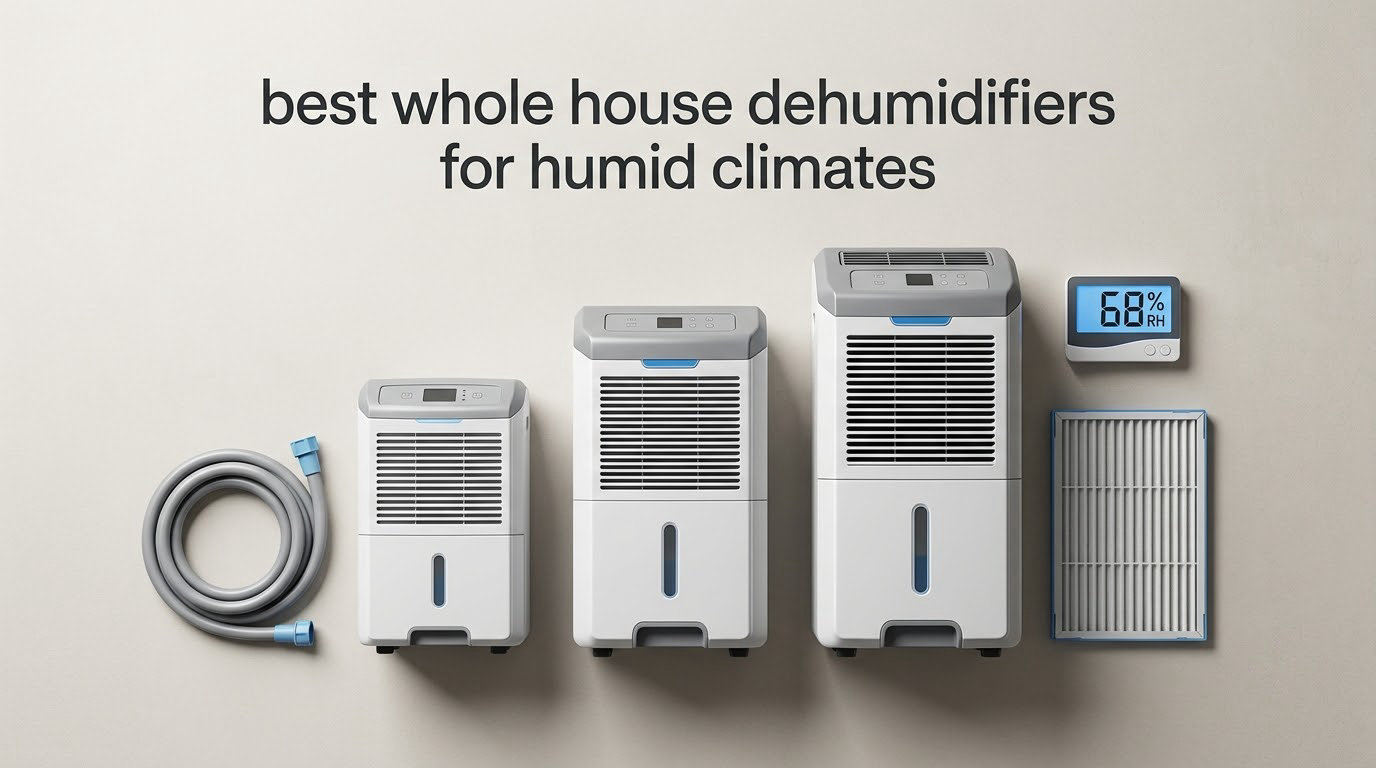
A dehumidifier is not the same purchase in Gulfport as it is in Denver, and the difference matters more than most product pages admit. In a humid climate the air never really dries out, so a home loads moisture from outside air every single day while interior sources such as showering, cooking and laundry keep adding to the total. Picking the best whole house dehumidifiers for humid climates means sizing for sustained wet-bulb conditions, not for a one-off damp basement, and treating the machine as equipment that will run close to continuously for a decade.
That is the standard we used here. We looked at rated capacity in real humid-climate conditions, drainage options, defrost behaviour in cool spaces, energy draw, warranty length and how each unit handles the two failure patterns that show up again and again in humid regions: ice on the evaporator coil and a tank that fills faster than anyone planned for. We also weighed the customer review patterns for each machine, because a unit with a beautiful spec sheet and a 14% one-star share is telling you something.
Every dehumidifier below is a real high-capacity machine in the 50 to 150 pint class rather than a small portable unit with a big number on the box. We included freestanding models for finished basements and garages, low-profile crawl space machines for encapsulated spaces, and the pump-equipped models you want when drainage has to travel upward. We left out dedicated ducted HVAC systems because their install requirements put them outside what most people searching this topic can act on this month.
One note before we start, since it comes up in almost every HVAC forum thread we read while putting this together: a whole house dehumidifier and a ducted central system are different products with different installation paths. Everything here can be run freestanding with continuous drainage, and several can be added to existing return duct later if a contractor recommends it. If you want a deeper look at the smaller room-level machines, our guide to the best dehumidifiers for basements covers the portable side of the same problem.
Table of Contents
Top 3 Whole House Dehumidifiers for Humid Climates in 2026
These three are the short list if you want to stop reading. Each one earned its place on capacity in genuinely humid conditions, a drainage path that works unattended, and a review history that does not point to early burnout.

hOmeLabs 50 Pint Dehumidifier
- 50 PPD at 80F
- 120 PPD at 95F
- Wi-Fi remote control
- 7000 sq ft rated

Waykar 120 Pint Dehumidifier
- 120 PPD at 95F and 90% RH
- ENERGY STAR certified
- 90 degree auto swing
- 42 dB
AEOCKY 80 Pint Dehumidifier
- ENERGY STAR Most Efficient
- 80 PPD at 95F and 95% RH
- 44 dB lowest fan
- 5 modes
The hOmeLabs 50 Pint model is our overall pick because it pairs a genuine 50 pint per day rating at standard conditions with Wi-Fi control and a 7,000 sq ft claim, backed by the largest review base in this group. The Waykar 120 Pint is the value pick, pulling 120 pints a day at 95F and 90% relative humidity with ENERGY STAR certification and a 42 dB running level. The AEOCKY 80 Pint holds a 4.5 star average and runs down to 65F without a defrost shutdown, which matters in a cool basement in a hot state.
Best Whole House Dehumidifiers for Humid Climates (October 2026)
All ten machines, side by side. The capacity numbers below are the ones that matter in a humid climate, meaning extraction measured at hot and very humid conditions rather than at mild laboratory settings.
| Product | Specifications | Action |
|---|---|---|
| hOmeLabs 50 Pint 7000 Sq Ft Dehumidifier |
|
Check Latest Price |
| Waykar 120 Pint 6000 Sq Ft ENERGY STAR Dehumidifier |
|
Check Latest Price |
| AEOCKY 80 Pint ENERGY STAR Most Efficient Dehumidifier |
|
Check Latest Price |
 KNKA 80 Pint ENERGY STAR 5500 Sq Ft Dehumidifier KNKA 80 Pint ENERGY STAR 5500 Sq Ft Dehumidifier |
|
Check Latest Price |
 Gasbye 115 Pint 2026 ENERGY STAR Dehumidifier Gasbye 115 Pint 2026 ENERGY STAR Dehumidifier |
|
Check Latest Price |
 Waykar 150 Pint Commercial Dehumidifier with Pump Waykar 150 Pint Commercial Dehumidifier with Pump |
|
Check Latest Price |
 ALORAIR Sentinel HD55S Crawl Space Dehumidifier ALORAIR Sentinel HD55S Crawl Space Dehumidifier |
|
Check Latest Price |
 Waykar 125 Pint Crawl Space Dehumidifier with Pump Waykar 125 Pint Crawl Space Dehumidifier with Pump |
|
Check Latest Price |
 Aiusevo 75 Pint Low-Profile Crawl Space Dehumidifier Aiusevo 75 Pint Low-Profile Crawl Space Dehumidifier |
|
Check Latest Price |
 AEOCKY 74 Pint ENERGY STAR Version 6.0 Dehumidifier AEOCKY 74 Pint ENERGY STAR Version 6.0 Dehumidifier |
|
Check Latest Price |
1. hOmeLabs 50 Pint 7000 Sq Ft Dehumidifier – Best Overall for Humid Climates
hOmeLabs Dehumidifier 7,000 Sq Ft 50 Pint (MAX 120 Pint at 95°F, 90% RH)
50 PPD at 80F and 60% RH
120 PPD at 95F and 90% RH
7000 sq ft rated
165 CFM airflow
Pros
- 50 pints per day at standard conditions
- Wi-Fi remote monitoring and control
- Two fan speeds plus continuous mode
- Automatic defrost and auto restart
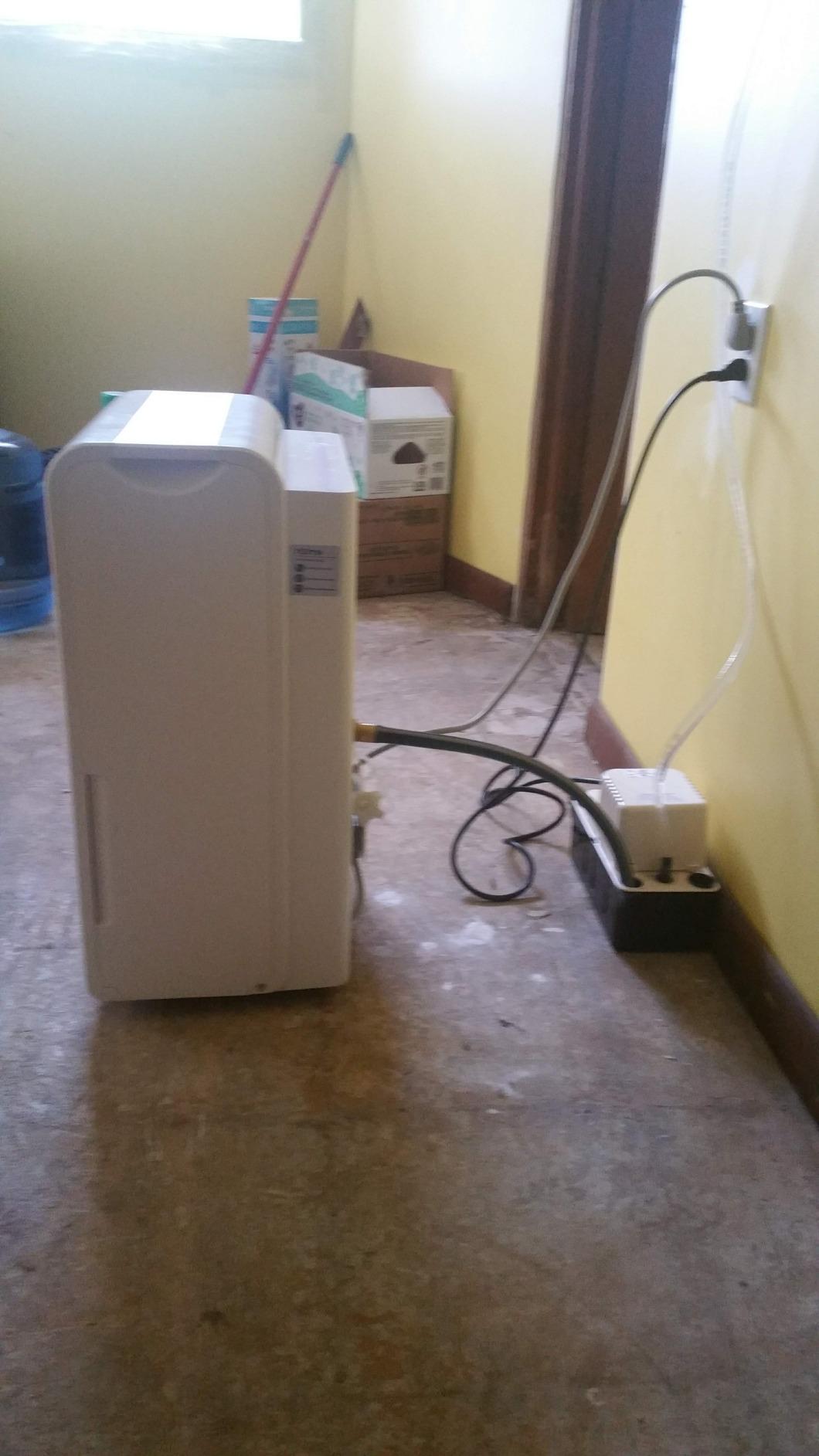
- Hose outlet for continuous drainage
Cons
- Drain hose not included
- Plastic cabinet
- Turbo mode is noticeably louder
This is the machine we keep coming back to for a Southeast home. Its nameplate capacity is 50 pints per day at 80F and 60% relative humidity, which is the number that matters, and it climbs to 120 pints a day at 95F and 90% relative humidity when the outdoor air is genuinely oppressive. The 165 CFM airflow figure is high for this class, and airflow is what determines how quickly one machine can pull a whole basement down instead of just drying the corner it sits in.
The Wi-Fi is the feature that changes daily life. You can check the current basement reading from your phone while you are at work, and adjust the set point without walking down a set of stairs in a Florida afternoon. For a machine that will realistically run many hours a day, being able to confirm it is still working from the bedroom is worth more than any headline number.
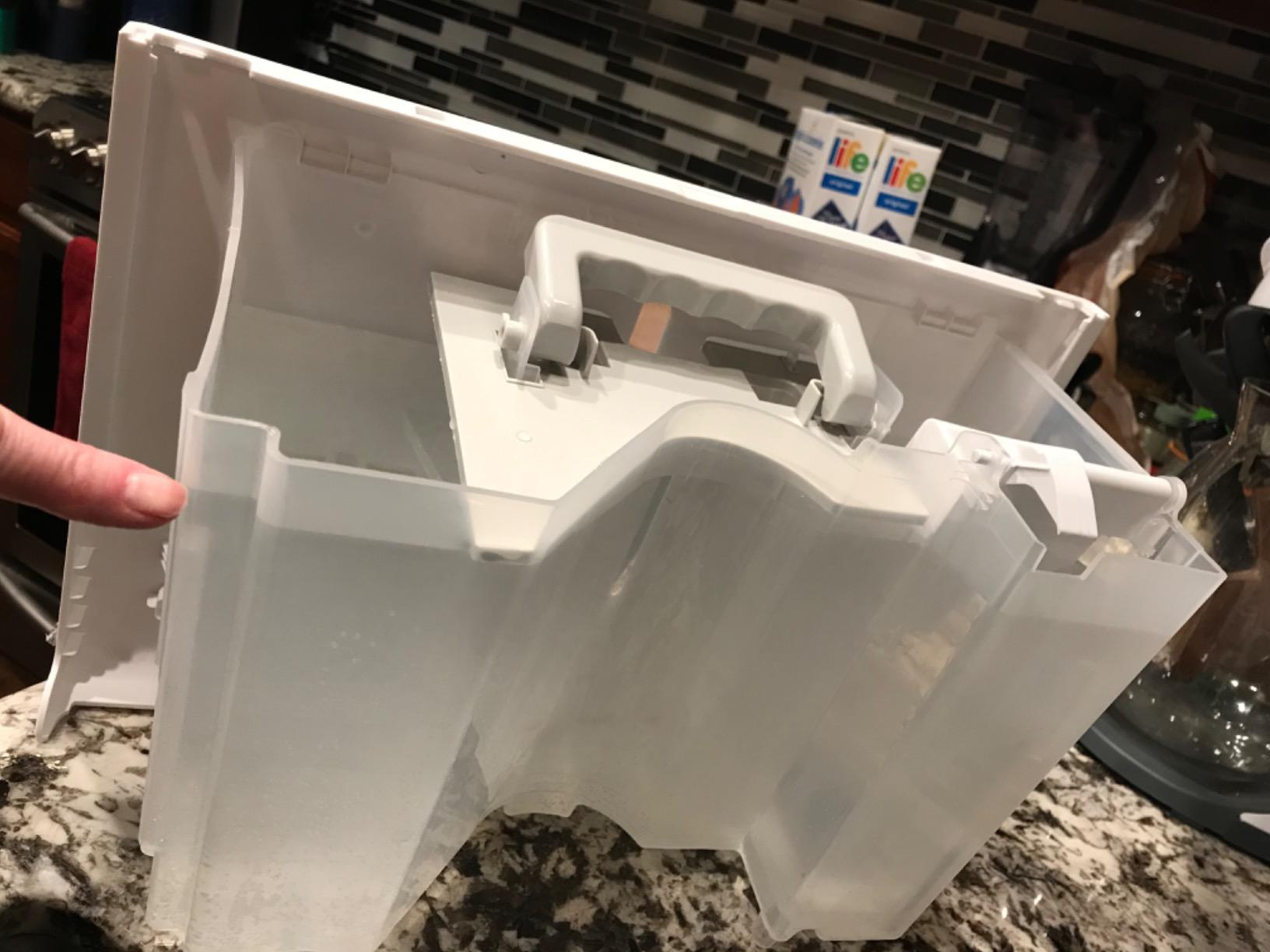
Two fan speeds plus a continuous mode give you useful control. Normal mode runs at 188 CFM and turbo pushes to 218 CFM, and owners generally keep it on the lower setting for steady humidity control and step up only after a rain event or a plumbing leak. Automatic defrost and automatic restart are both standard here, and automatic restart is the one that prevents damage after a storm knocks the power out, a scenario that several homeowners on HVAC forums described as the difference between a musty house and a mold remediation bill.
Be aware of the physical limits. The cabinet is plastic, which is light and easy to move but will not take the same abuse as a metal-bodied crawl space machine in a space where you have to climb over joists and insulation. The drain hose is not included, and at a 40 pound weight the machine is not a unit you want to carry up basement stairs every time you clean the filter.
How it performs in a genuinely humid house
Buyers in the Gulf and Florida report whole basements dropping into a comfortable range in a day or two with this machine on continuous drainage, which is the result you want going into a summer. The 1.6 gallon tank fills fast in those conditions, so treat the tank as a backup rather than a plan.
The 4.4 star average across more than 25,000 reviews is the strongest volume-backed rating in this group, with 74% of owners giving five stars. The recurring complaints are consistent and narrow: no hose in the box, plastic construction, and a turbo mode that people notice acoustically when it sits near a living space.
Who should skip it
If your space is an encapsulated crawl space rather than a finished basement, this plastic freestanding cabinet is the wrong tool. It has no built-in pump, so the drain line has to fall to a floor drain or a sump on its own, and it lacks the low-temperature defrost sensors that crawl space machines need.
It is also the wrong choice for a house with several wet rooms and no central dehumidification, where you would need something ducted and zoned instead. One freestanding machine handles one space well. If your moisture problem is spread across a full floor plan, our buying guide below covers when it makes more sense to run two of these in different zones.
2. Waykar 120 Pint 6000 Sq Ft ENERGY STAR Dehumidifier – Best Value for Large Basements
Waykar 120 Pints 6000 Sq. Ft 2025 Energy Star Dehumidifier for Basement
120 PPD at 95F/90% RH
6000 sq ft rated
ENERGY STAR certified
42 dB operation
Pros
- 120 pints per day at high humidity
- ENERGY STAR and DOE compliant
- 90 degree auto swing louver
- 30-80% RH set range
- Included drain hose
Cons
- Onboard humidity reading runs high
- Tank is only 1.14 gallons
- Short included drain hose
This is the most capacity you get for the money in a residential package, and in a humid climate capacity is the number that decides whether a machine keeps up. It pulls 120 pints per day at 95F and 90% relative humidity, and the ENERGY STAR and DOE compliance means it is not paying for that capacity with a punitive power bill. At 350 watts it also sits comfortably in the middle of the group.
The 90 degree auto swing louver does more than most people expect from a feature like this. A fixed-louver machine pushes dry air in a narrow arc, so a long basement develops a dry end and a wet end. The auto swing spreads the discharge along the full width of the room, which is what lets one machine work a 6,000 sq ft footprint instead of a single corner.
The wide 30% to 80% humidity set range also allows deeper drying than most competing machines. That matters in humid regions where a mold-prone basement needs to be pushed to 50% or lower for a sustained period, and it is a range a lot of residential units simply do not offer.
What the reviews flag most
The most common technical complaint is that the onboard humidity display reads high compared with an external hygrometer, so if you set 55% on the panel the wall may actually read closer to 60%. The fix is simple: check the machine against a cheap hygrometer for the first week and set the offset once.
A smaller group of owners reports the machine losing moisture-removal performance within roughly a year or two of continuous operation. That is the pattern we see most in the whole category in near-constant humid duty, and it is the main reason we put so much weight on warranty length and compressor warranty when ranking. The 1.14 gallon tank is small by design, so run it on the included hose or a standard garden hose rather than planning to empty it by hand.
Where it fits and where it does not
This is the right pick for a large finished basement or a lower level that is conditioned in summer and heated in winter. It is not a crawl space machine, and its plastic cabinet will not suit an encapsulated space or a coastal exposure where salt-laden air is a factor.
Watch the noise if the unit will sit near a stairwell or a bedroom wall. Reviewers put it at about 42 dB, which is quiet for a 120 pint machine, but it is not silent, and turbo-style operation on a high humidity day is louder. If your basement is directly under living space, position the intake and discharge as far from the house as your drain routing allows.
3. AEOCKY 80 Pint ENERGY STAR Most Efficient Dehumidifier – Top Rated for Humid Basements
AEOCKY 5500 Sq.Ft Energy Star Most Efficient 2025 Dehumidifier Max 80Pint/D
80 PPD at 95F/95% RH
ENERGY STAR Most Efficient
44 dB lowest fan
280 watts
Pros
- ENERGY STAR Most Efficient 2025 certified
- 4.5 star average across 6900 reviews
- 44 dB at lowest fan speed
- Operates down to 65F without shutdown
- 3 year warranty
Cons
- Narrow 8.66 inch width limits placement
- 1.45 gallon tank fills fast
- Marketing-heavy listing claims
This one of the two highest rated machines in the group, and in a category where most listings cluster at 4.2 to 4.4 stars that gap is worth paying attention to. It carries ENERGY STAR Most Efficient 2025 certification, the top efficiency tier, which means it delivers 80 pints per day at 95F and 95% relative humidity on just 280 watts. That is the best efficiency-to-capacity pairing in this set for a home that will run this machine for months at a time.
Low temperature operation is the sleeper feature for humid climates. It works down to 65F without a defrost shutdown, using defrost sensors to keep the evaporator from icing up. In a Gulf state basement or a South Florida slab-on-grade space, ambient temperatures often sit in the low-to-mid 70s overnight, and many competing residential units start cycling badly in that band.
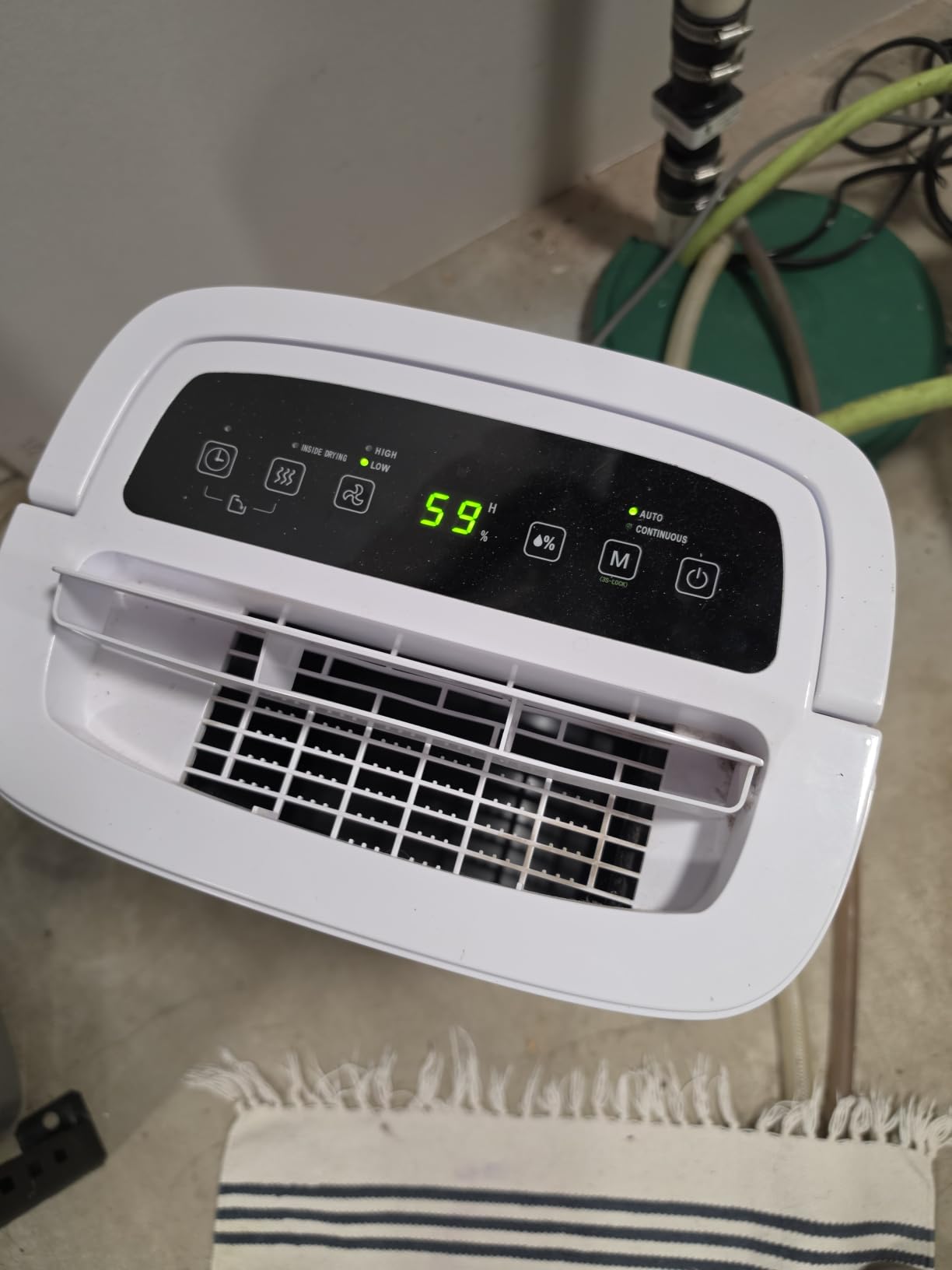
There are five operating modes here, including auto, constant humidity, continuous, smart drying and sleep, and the power-off memory resumes your prior settings after a power loss. That last feature is genuinely useful if you plan to run the machine off a smart plug or from an RV or generator-fed circuit, and several homeowners in humid areas specifically praised outage restart as the thing that prevented a mold problem.
What 4.5 stars actually reflects
Across 6,900 reviews, 77% are five star. Owners cite quiet operation, effective basement drying and responsive warranty service. The 44 dB lowest fan speed is quieter than most competitors at their minimum, and because you can run this machine on its lowest setting for most of a humid season, the actual noise you live with is lower than the spec sheet suggests.
The honest caveat is the narrow footprint. At 8.66 inches wide, this does not fit between typical floor joists or in the tight utility room corner where a wider machine would go, so measure the space and the route to it before you commit. The 1.45 gallon tank also needs frequent emptying unless you are running continuous drainage.
Best fit for a humid climate
This is the machine we would put in a conditioned lower level in a state where summer nights stay warm and indoor basements run hot and wet. The combination of verified 80 pint capacity, the lowest wattage draw in the group at 280 watts and 65F operating capability covers the two conditions that defeat weaker units.
It is less suited to an unconditioned crawl space, where you want a metal cabinet and a pump, and it is not a coastal unit, since the finish is painted metal and plastic with no salt-air specific coating. For a coastal home inside a few miles of the shoreline, look at the crawl space machines further down and ask specifically about coil coating.
Confirm the 3-year warranty terms in writing with your installer. In humid climates the sealed system does more work per year than it would in a dry region, and warranty length is the single clearest difference between a machine you keep for a decade and one you replace in three.
4. KNKA 80 Pint ENERGY STAR 5500 Sq Ft Dehumidifier – Best for Bedrooms and Living Spaces
KNKA Energy Star 5500 Sq.Ft Dehumidifier for Basement, Max 80 Pint/Day
80 PPD at 95F/95% RH
ENERGY STAR certified
40-45 dB with sleep mode
1.45 gal tank
Pros
- Very quiet at 40-45 dB
- Simple controls with clear indicator lights
- Front tank window makes emptying easy
- 6.56 ft drain hose included
- Responsive customer service
Cons
- Small tank for its capacity claim
- Tank-full shut-off reported unreliable
- Coverage claims exceed real results
Quietness is the reason to look at this one. It operates at 40 to 45 dB with a sleep mode, which puts it in the range where you can run it in a finished room without it competing with conversation or sleep. For a humid climate household that wants the machine visible rather than hidden in a closet, that is a real consideration rather than a minor one.
Capacity is genuinely competitive at 80 pints per day at 95F and 95% relative humidity, with ENERGY STAR certification, and it offers three humidity modes: auto with a 50% default, continuous dry, and a manual setting spanning 30% to 80% relative humidity. The tank has a front water-level window, which sounds trivial until you are emptying a basement unit in the dark.
Setup is plug and play. The removable washable filter, 360 degree casters, 12-hour timer and child lock are all included, and the real-time humidity display uses a colour-changing indicator light that is visible from across a room.
The 1-star share is the story
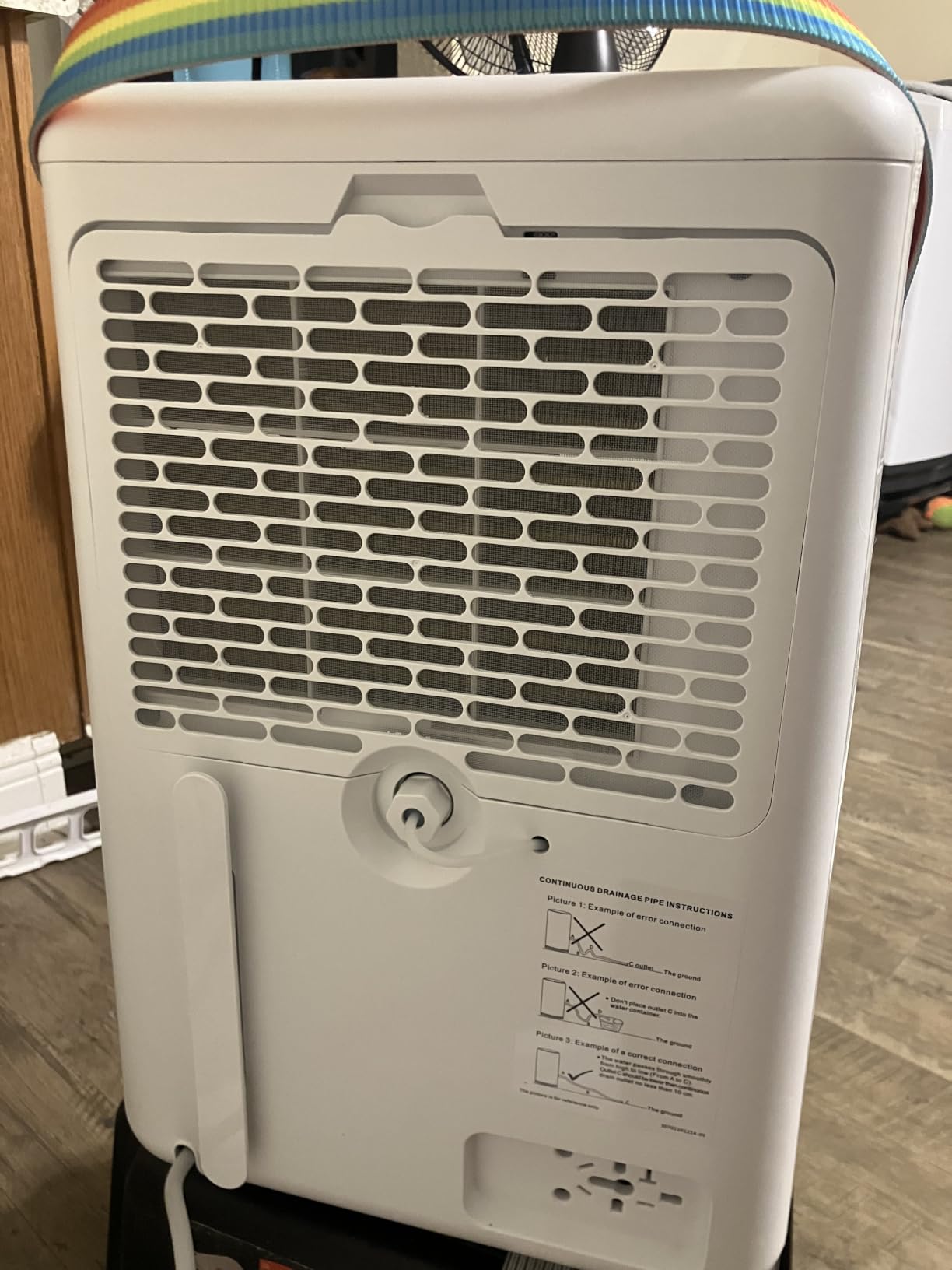
This machine has the lowest rating in the group at 4.1 stars and the highest one-star share at 14%, and you should read why before buying. The complaints cluster around the small 1.45 gallon internal tank, which in a genuinely humid climate fills on a schedule nobody planned for, and around tank-full shut-off that some owners report as unreliable.
There is also a coverage gap. Some owners report results well short of the advertised 5,500 sq ft coverage, and the humidity reading is taken at the air inlet, so it will not match a hygrometer mounted on your wall. If you buy it, treat the coverage figure as a marketing number, run continuous drainage, and calibrate the set point against a separate hygrometer in week one.
Where it earns its place
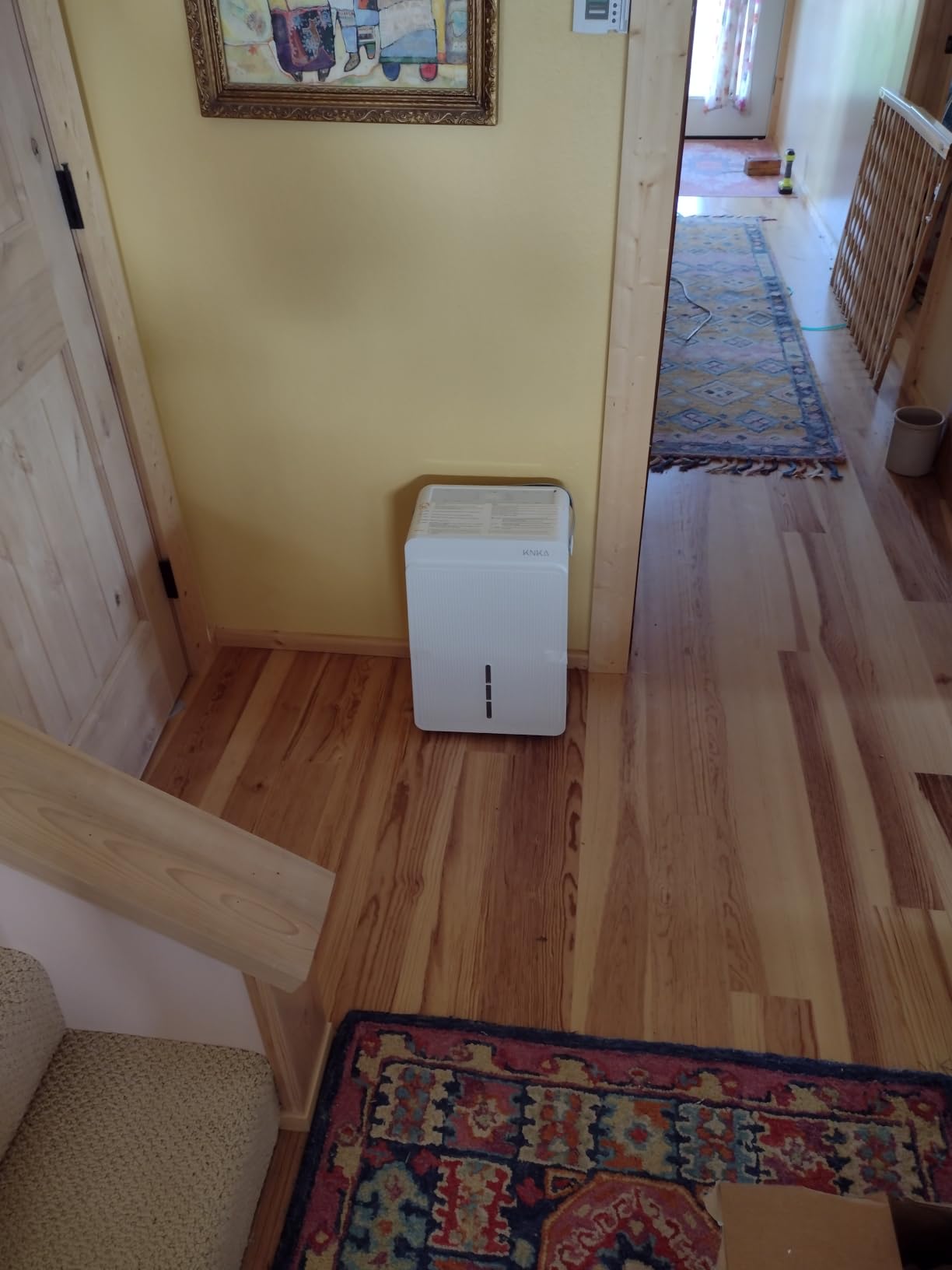
This is the pick for a finished basement that doubles as living space, a bedroom-level addition, or a sunroom in a humid state where you want visible equipment in an occupied room. At 40 to 45 dB it is the quietest machine here, and the sleep mode makes overnight running realistic.
It is the wrong tool for a crawl space, a space where you cannot run a hose to a drain, or a house where a 2.5 kg machine would have to be carried up stairs regularly. For a coastal property, the metal and plastic construction is unremarkable against salt air, so ask about coil coating before settling on it as your year-round unit.
Our general rule in humid regions: if you plan to run any machine more than 12 hours a day, continuous drainage is not an accessory, it is a requirement. That single change removes most of the complaints owners associate with the small tank.
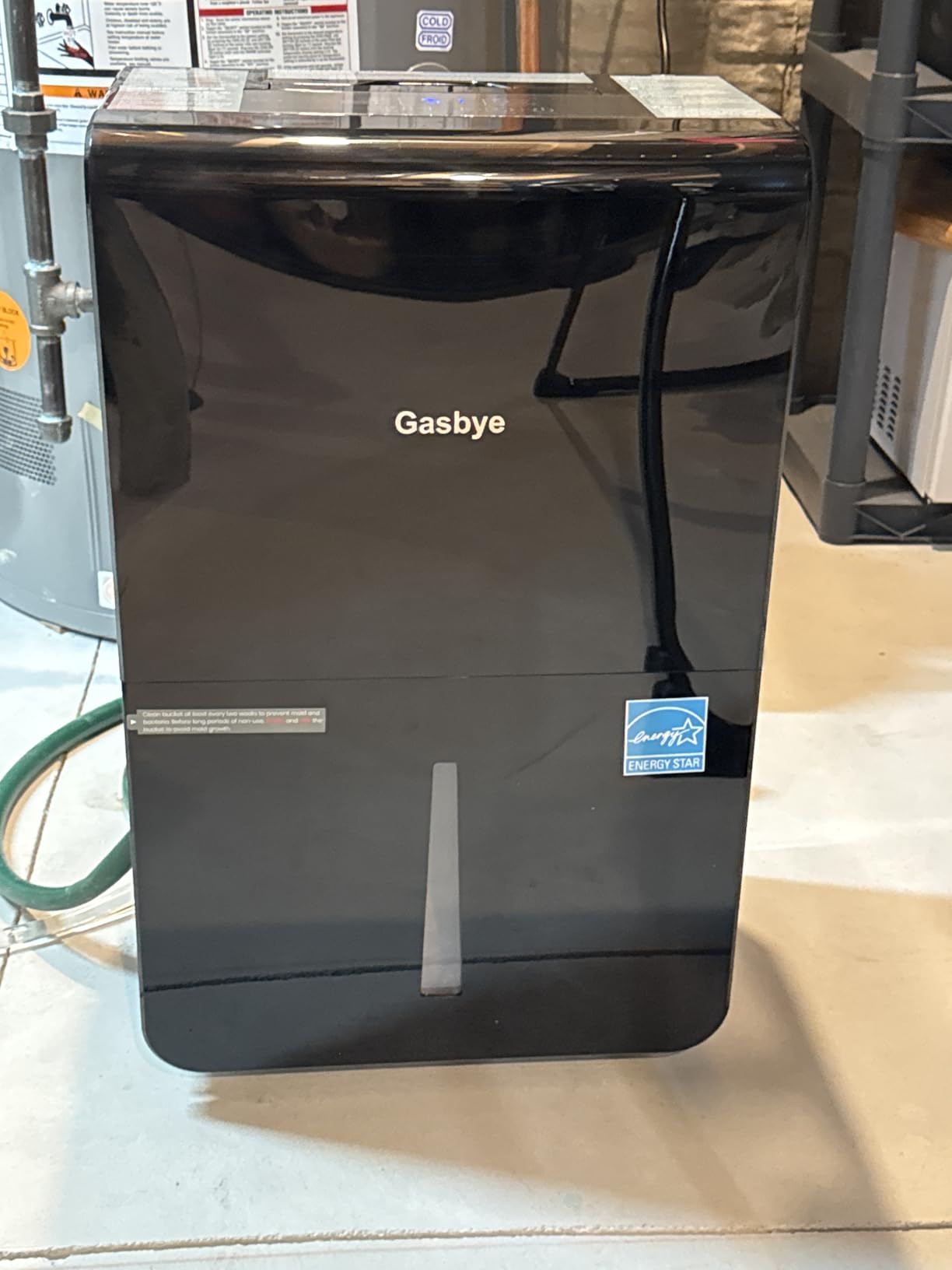
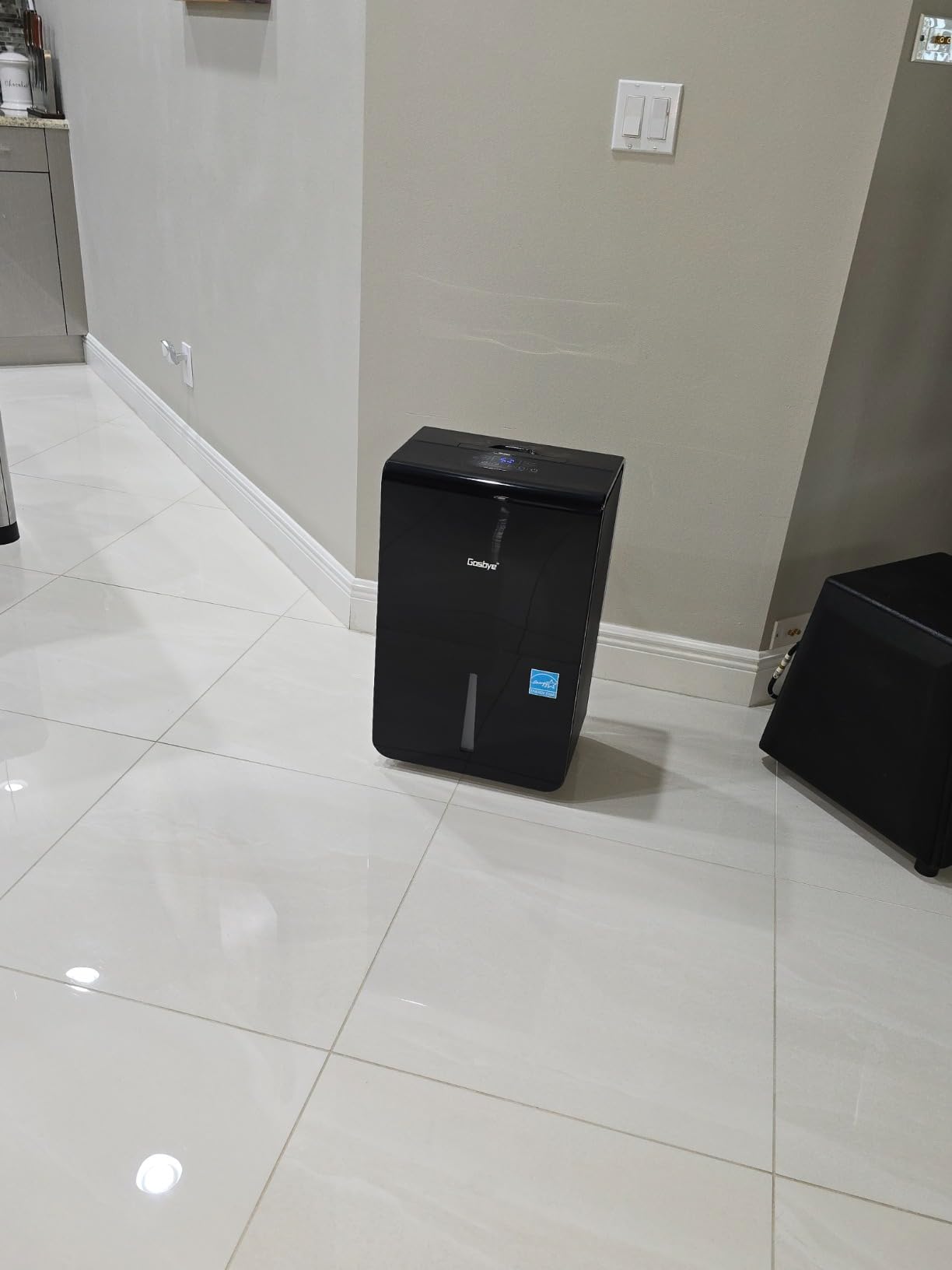
5. Gasbye 115 Pint 2026 ENERGY STAR Dehumidifier – Best Built for Year-Round Duty
Gasbye 6000 Sq.Ft 2026 Energy Star Dehumidifier for Basement Max 115Pints/D
115 PPD at 86F/80% RH
ENERGY STAR 2026 certified
5 tier copper coil
45 dB compressor
Pros
- Honest capacity numbers across three conditions
- ENERGY STAR 2026 certification
- Thickened copper tubing for durability
- 45 dB compressor
- U.S. support with fast replacement
Cons
- 43 pounds is heavy to reposition
- Far fewer reviews than rivals
- Listed floor area below title claim
This machine has the highest average rating in the set at 4.6 stars, and the reason is unusual in this category: it publishes honest capacity figures across three conditions rather than a single headline number. It removes up to 115 pints per day at 86F and 80% relative humidity, 73 pints at 80F and 60% relative humidity, and still delivers 50 pints per day at 65F and 60% relative humidity. That last figure is the one that matters for a cool, damp space, and very few competitors will tell you what they do at that condition.
Construction is the second differentiator. It uses a reinforced, thickened copper tubing and a five-tier copper coil build, and the manufacturer describes this as a direct response to the one-to-two-year failure rates that are the most common complaint in the entire category. In a humid climate where the compressor is running for a large share of the day, coil and tubing durability is what determines service life.
It is ENERGY STAR 2026 certified with up to 30% better efficiency than non-certified units, runs at 45 dB, and offers four modes: normal, turbo, comfort and continuous. The humidity control is precise, with auto shut-off at 3% below target and restart at 3% above, which prevents the short-cycling that wears out compressors in humid weather.
Strengths and the catch
Reviewers respond well to the transparent capacity claims, the copper build and U.S.-based support that typically replies within about two hours and issues full replacements. The 80% five-star share is the highest in this group, and the one-star share is only 4%, which is well below the category norm.
The catch is that 919 reviews is a small base compared with the 25,000-review machines, and a new brand has no long parts history to point at. At 43 pounds this is also one of the heavier units here, so plan your maintenance route around that. There is a small inconsistency worth noting: the listing title says 6,000 sq ft while the spec sheet lists 4,500 sq ft, so verify coverage with the manufacturer before sizing.
Who should buy it
If your plan is to run this machine continuously through a long humid season and keep it for many years, the copper construction and the three-year-plus support record are the most important features in this roundup. It is also a good fit for anyone tired of comparing inflated headline pints and wants a capacity curve they can actually plan around.
It is less attractive for coastal installs, since the housing is painted metal and plastic rather than a stainless or coated unit designed for salt exposure, and it is not a crawl space machine. It has no built-in pump, so drainage must fall by gravity, and at 500 watts it draws more power than the AEOCKY units while delivering more capacity.
Drainage options are generous: a 1.7 gallon tank, a 5 ft hose, or a standard 3/4 inch garden hose adapter. In a humid climate the third option is the one you want permanently installed.
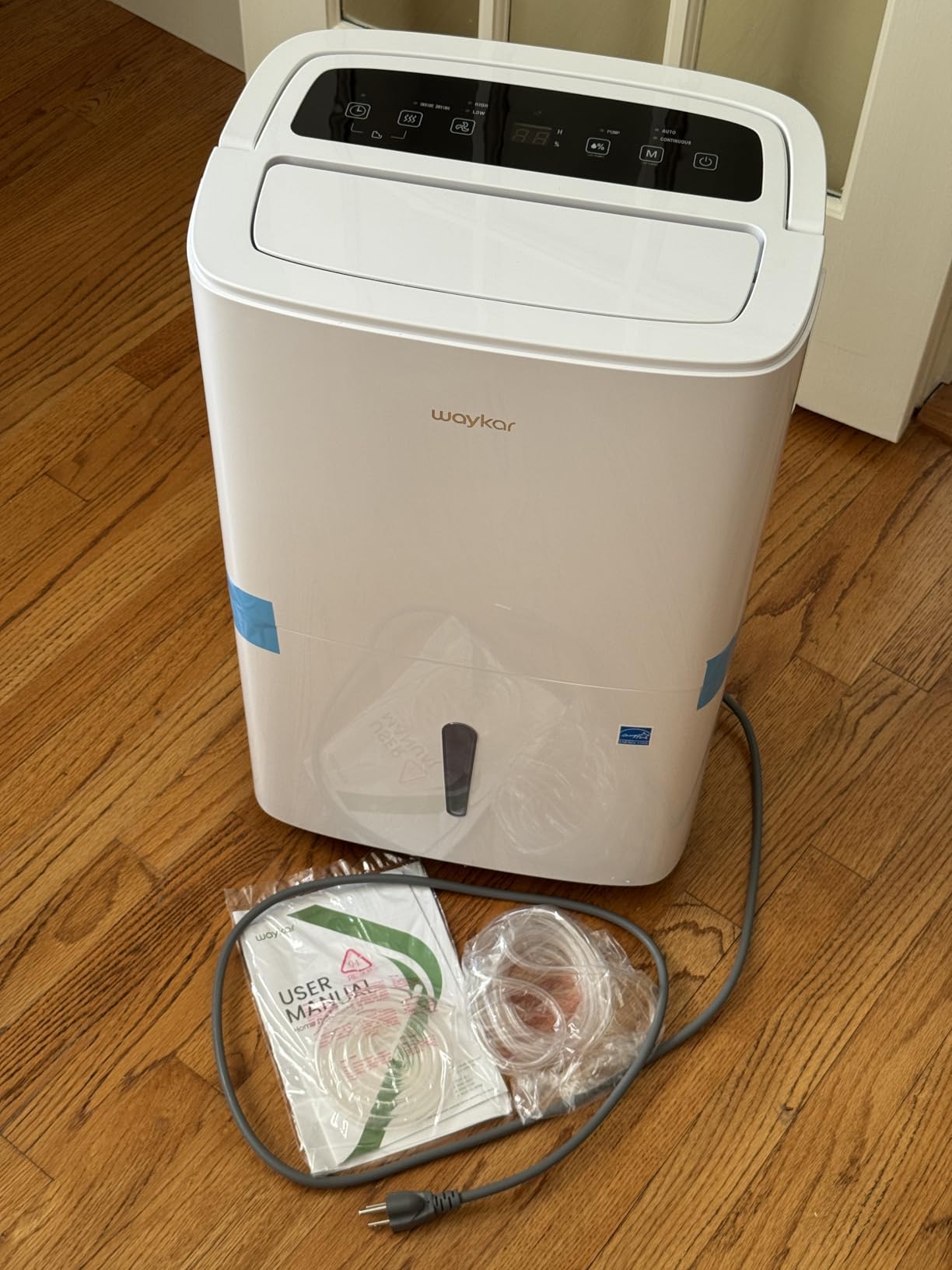
6. Waykar 150 Pint Commercial Dehumidifier with Pump – Best for the Driest Large Basement
Waykar 150 Pint Commercial Dehumidifier with Pump & Drain Hose for Basement
150 PPD at 95F/90% RH
Built-in pump lifts 9.84 ft
ENERGY STAR certified
1.85 gal visible tank
Pros
- Highest raw capacity in this group
- Built-in pump drains upward 9.84 ft
- ENERGY STAR with auto defrost
- Large 1.85 gallon visible tank
- 24 hour timer and memory restart
Cons
- Highest power draw at 520 watts
- Memory resets if unplugged
- 41 pound body on casters
When a basement will not come down below 60% no matter what you do, capacity is the only variable left. This machine pulls up to 150 pints per day at 95F and 90% relative humidity for spaces up to 7,000 sq ft, which is the highest raw capacity in this roundup by a wide margin. It is also the right answer for post-water-damage or post-rain-event drying, where you need to move an enormous volume of water in a short window rather than maintain a steady set point.
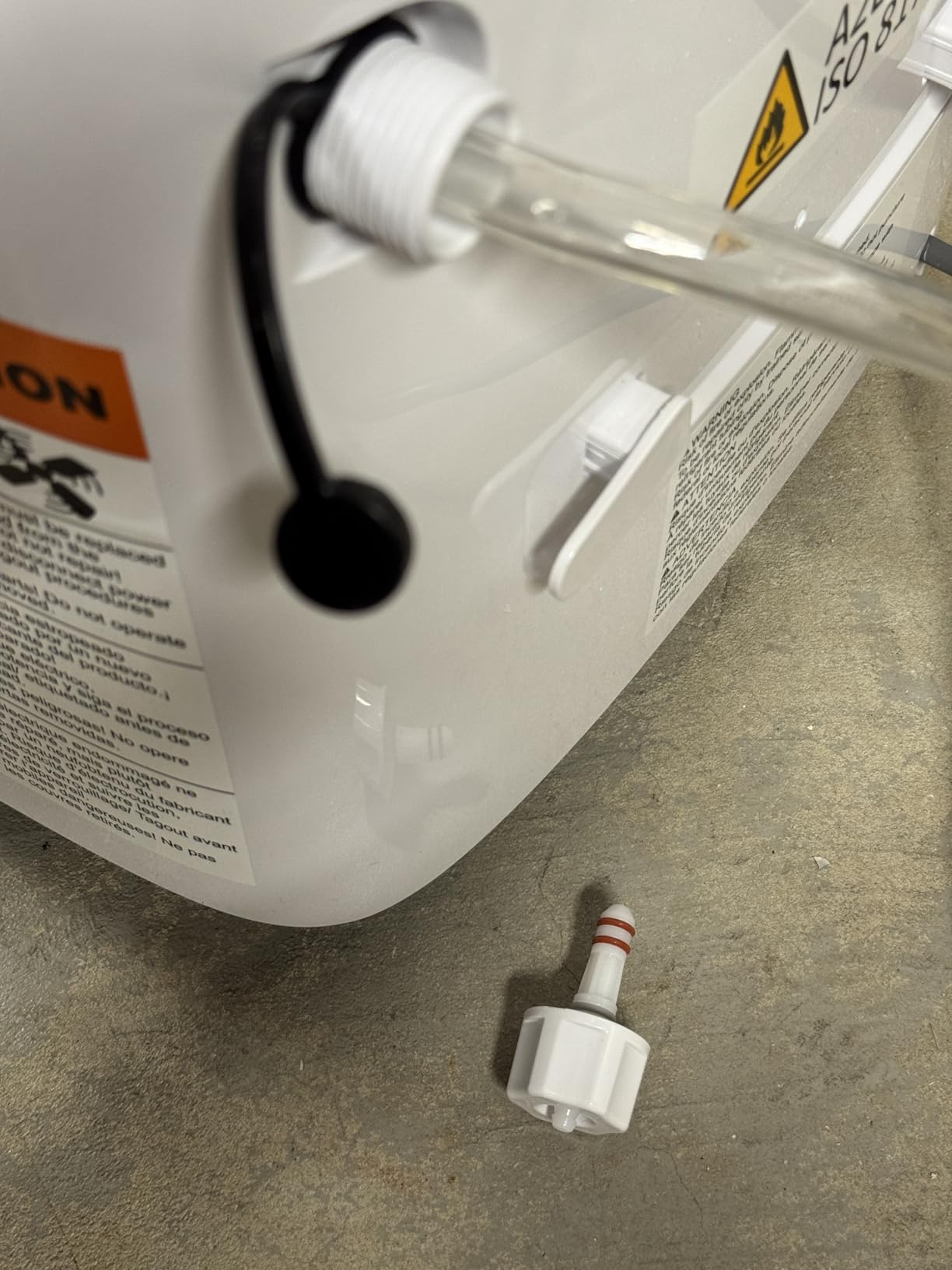
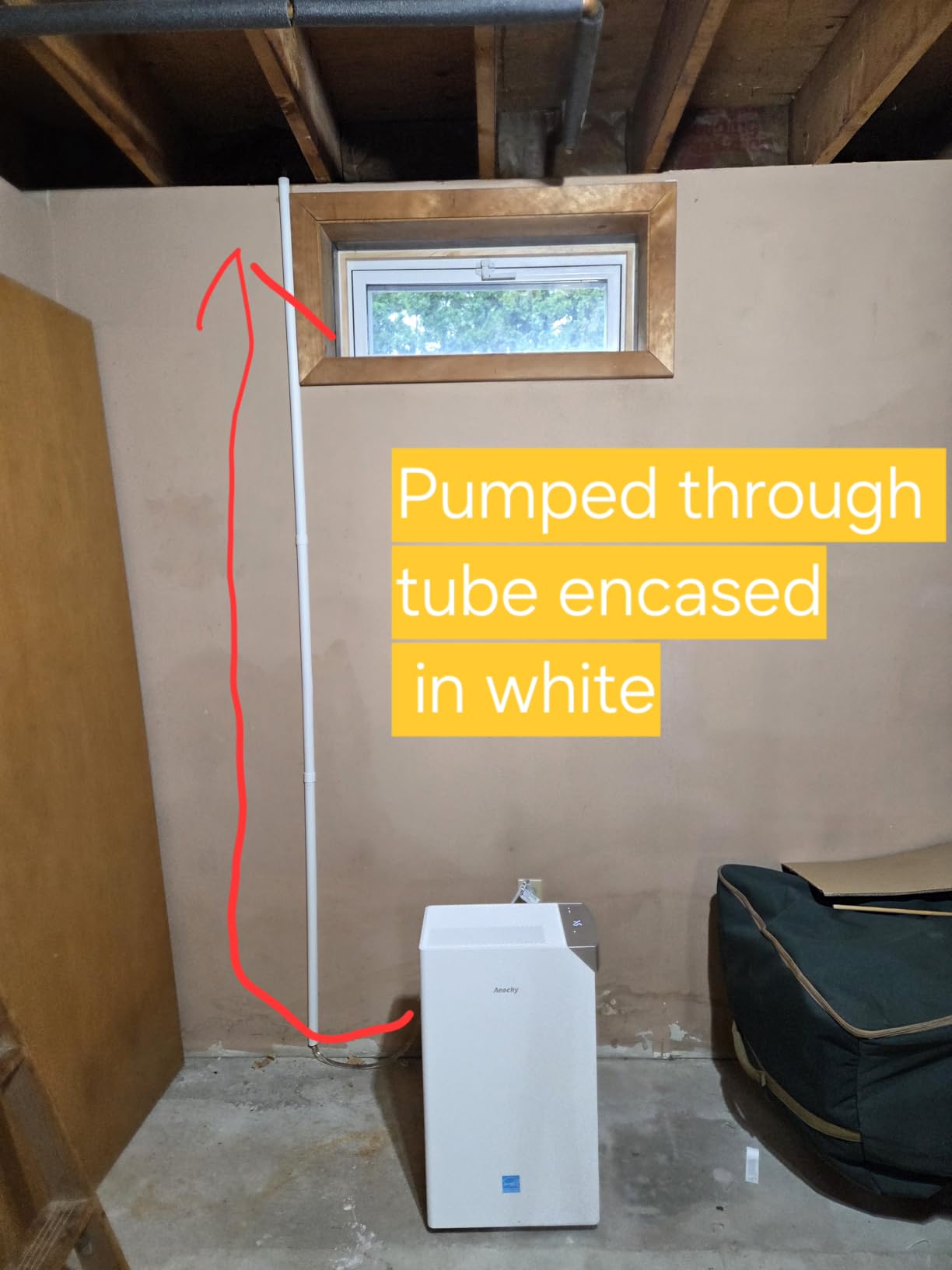
The built-in pump is the feature that decides whether it works in your space. It drains upward to 9.84 ft, which means a floor drain that sits below the unit is no longer a requirement. In a humid climate with a high water table or a basement sump, that removes the most common installation blocker and lets you place the machine where the airflow works best rather than where the plumbing happens to be.
It also has auto defrost with a self-drying cycle, a 30% to 80% relative humidity range, a 24-hour timer, memory restart and an automatic swing louver. The 1.85 gallon visible tank is the largest non-pump option here, with a handle and anti-spill design, and the omnidirectional casters make it far more movable than the raw 41 pound weight suggests.
Where the tradeoffs show up
This machine draws 520 watts, the highest figure in the group. Over a humid season running near-continuously, that power draw becomes the dominant operating consideration, and the ENERGY STAR certification offsets but does not eliminate it. If your electricity rates are high, model the running cost before committing.
Two smaller notes. The memory function resets if you pull the plug after a normal shutdown, which matters if you use a smart plug that cuts power at a schedule rather than at the wall switch. And the one-star share sits at 8%, in line with the rest of the category, so expect the usual minority of early failures and make sure your warranty terms are clear on compressor coverage.
Best and worst applications
This is the best choice for a large, consistently wet lower level in a high-humidity state, especially one where gravity drainage is awkward or the water table is high. It is also the sensible temporary answer after flooding or a roof leak, when speed of extraction matters more than noise or appearance.
It is a poor fit for occupied living space. At 520 watts and commercial-class capacity, the running sound is not what you want beside a bed, and the styling is plainly utilitarian. It is also not a crawl space unit, and while the painted metal and plastic body is tougher than a plastic residential cabinet, it is not built for salt air.
Budget the electrical side carefully. A 150 pint machine on a shared circuit with other high-draw appliances is a common source of nuisance trips, so have an electrician confirm the circuit and the receptacle rating rather than assuming the included plug is enough.
7. ALORAIR Sentinel HD55S Crawl Space Dehumidifier – Longest Warranty in the Set
ALORAIR 120 Pints Energy Star Crawlspace Dehumidifier, Sentinel HD55S
55 PPD at AHAM, 120 at saturation
130 CFM airflow
ENERGY STAR and cETL listed
15 gallon tank
Pros
- Longest warranty here at 6 years
- Rugged metal housing for harsh spaces
- Continuous drainage built in
- Auto defrost with temperature sensors
- ENERGY STAR and cETL certified
Cons
- Heaviest build per unit of capacity
- Audible in enclosed rooms
- Gravity drainage only
This is the machine to buy when humidity is coming from underneath the house rather than from the air you live in. It is a crawl space unit, and its rated coverage of 1,300 sq ft looks tiny next to the residential machines above until you understand that rating describes a low, sealed, poorly ventilated space, which is exactly the environment where a crawl space dehumidifier operates.
Its raw capacity is 55 pints per day at the AHAM standard and up to 120 pints at saturation, moving air at 130 CFM. The distinction between the two numbers is the most important one in this whole guide, and this listing states both honestly rather than advertising only the saturation figure.
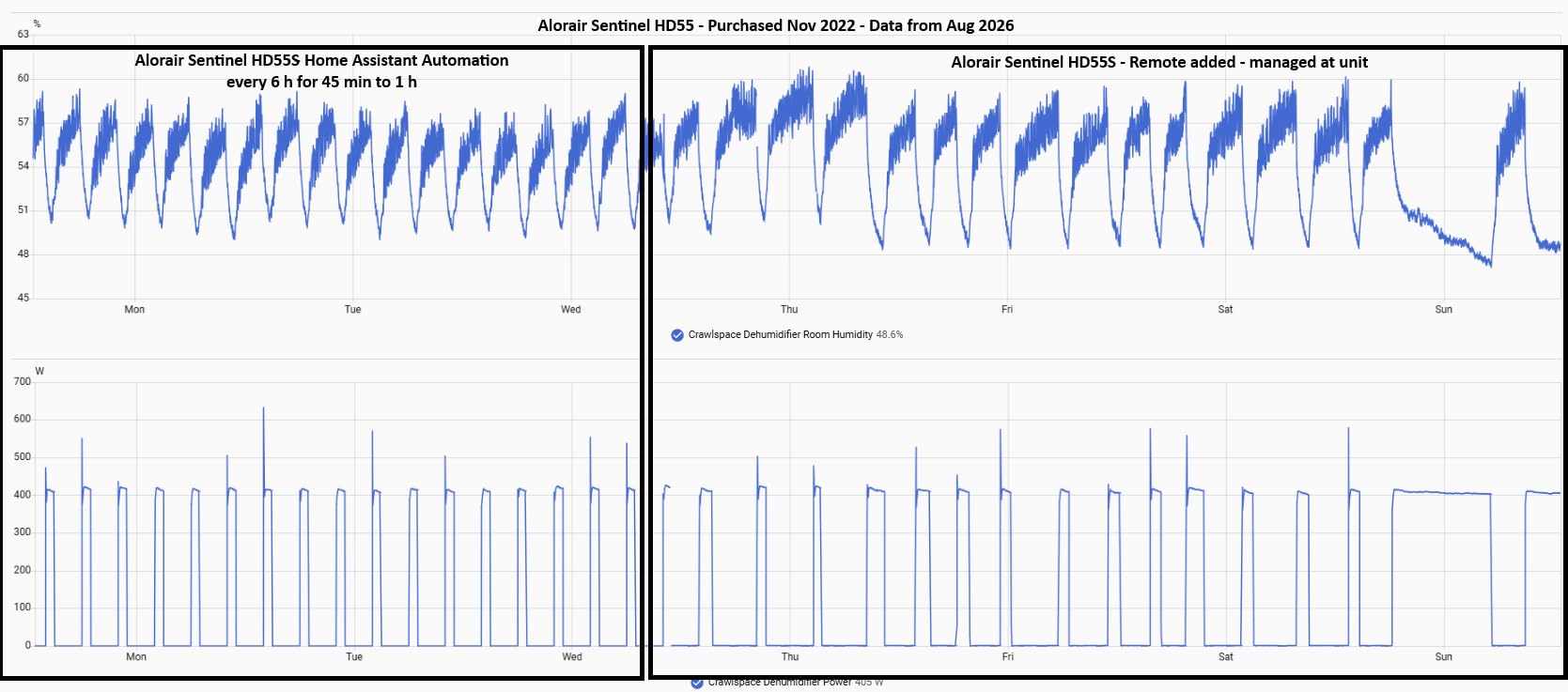
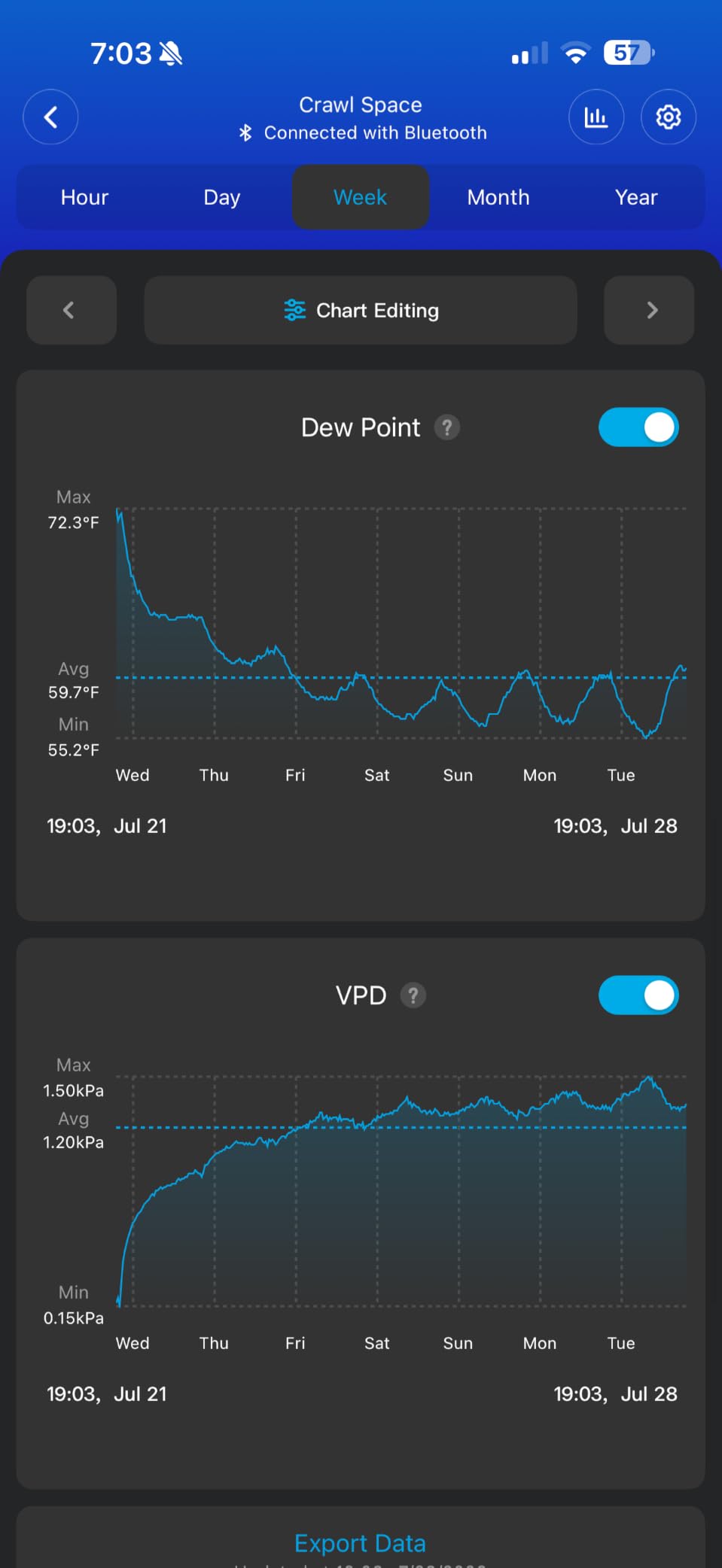
For humid climates the critical features are the automatic defrost with ambient temperature sensors and the continuous drainage through a built-in drain outlet. A crawl space in the Southeast can sit in the low 70s overnight, right in the band where residential units ice up, and the defrost sensors are what keep this one extracting water instead of becoming an ice block.
Why the warranty matters most here
It carries a 6-year limited warranty: two years of full coverage plus extended parts coverage on the refrigeration system, which is the longest in this roundup by a wide margin. In an encapsulated crawl space, where a failed unit may not be noticed for months, that warranty length is arguably the most valuable specification on the page.
It also has the longest continuous-use track record framing of any unit here, and owners describe dramatic improvements in musty crawl spaces and pool houses. The 13% one-star share reflects a recurring complaint pattern in this category generally: some units arrive with non-cooling coils, so inspect and test on arrival rather than assuming.
What you need to know before ordering
At 41.7 pounds it is the heaviest build per unit of capacity here, and getting it into a tight crawl space is real work. Plan the entry route and whether you need to remove an access panel before the unit ships, not after. Gravity drainage only means the unit must be elevated above your drain line, so a stand is part of the install.
It is audible in an enclosed room near the vents, so do not plan to run it in a finished space you occupy. Remote monitoring compatibility exists but the accessories are sold separately, and the MERV-1 filter is serviceable. If your crawl space is small, this is a sensible first step; if it is large, look at the pump-equipped crawl space machines below before you commit to one.
8. Waykar 125 Pint Crawl Space Dehumidifier – Best for Tight Encapsulated Crawl Spaces
Waykar 125 Pint Crawl Space Dehumidifier with Pump & Drain Hose for Basements, Commercial & Water Damage Spaces up to 6500 Sq. Ft., Compact, Strong Dehumidification, 5-Year Quality Coverage
125 PPD at 95F/90% RH
Pump drains upward 16.4 ft
Metal casing
10-90% RH range
Pros
- Metal casing resists corrosion and impact
- Pump hose drains upward 16.4 ft
- Rotary compressor with 7mm copper tubing
- 10-90% RH adjustable range
- 2 plus 3 layer condenser
Cons
- Heaviest machine here at 49.8 pounds
- Highest power draw at 530 watts
- Remote control sold separately
This is the strongest all-round crawl space machine in the group, and the reason is the combination of a metal casing, a long pump line and a humidity control range that is wider than anything else here. It extracts up to 125 pints per day at 95F and 90% relative humidity for spaces up to 6,500 sq ft, with a 176 CFM airflow figure that moves serious air through a confined crawl space.
The 16.4 ft pump drain hose is the standout number. Most pump-equipped competitors reach 10 to 13 ft, which constrains where you can put the unit and where your drain can be. At 16.4 ft you can set the machine on a higher shelf, mount it near the joist bay with the best airflow, and still get the water out, and a separate 6.6 ft gravity hose is included for straightforward setups.
The 10% to 90% relative humidity adjustable range is far wider than the typical 20% to 80%. In a coastal or Gulf crawl space you sometimes want to push a space well below 50% during drying periods, and this machine can do that. It also supports 5.9-inch pipe-mounted exhaust venting, so it can be integrated into a duct run more easily than most crawl space units.
Build quality and the compromises
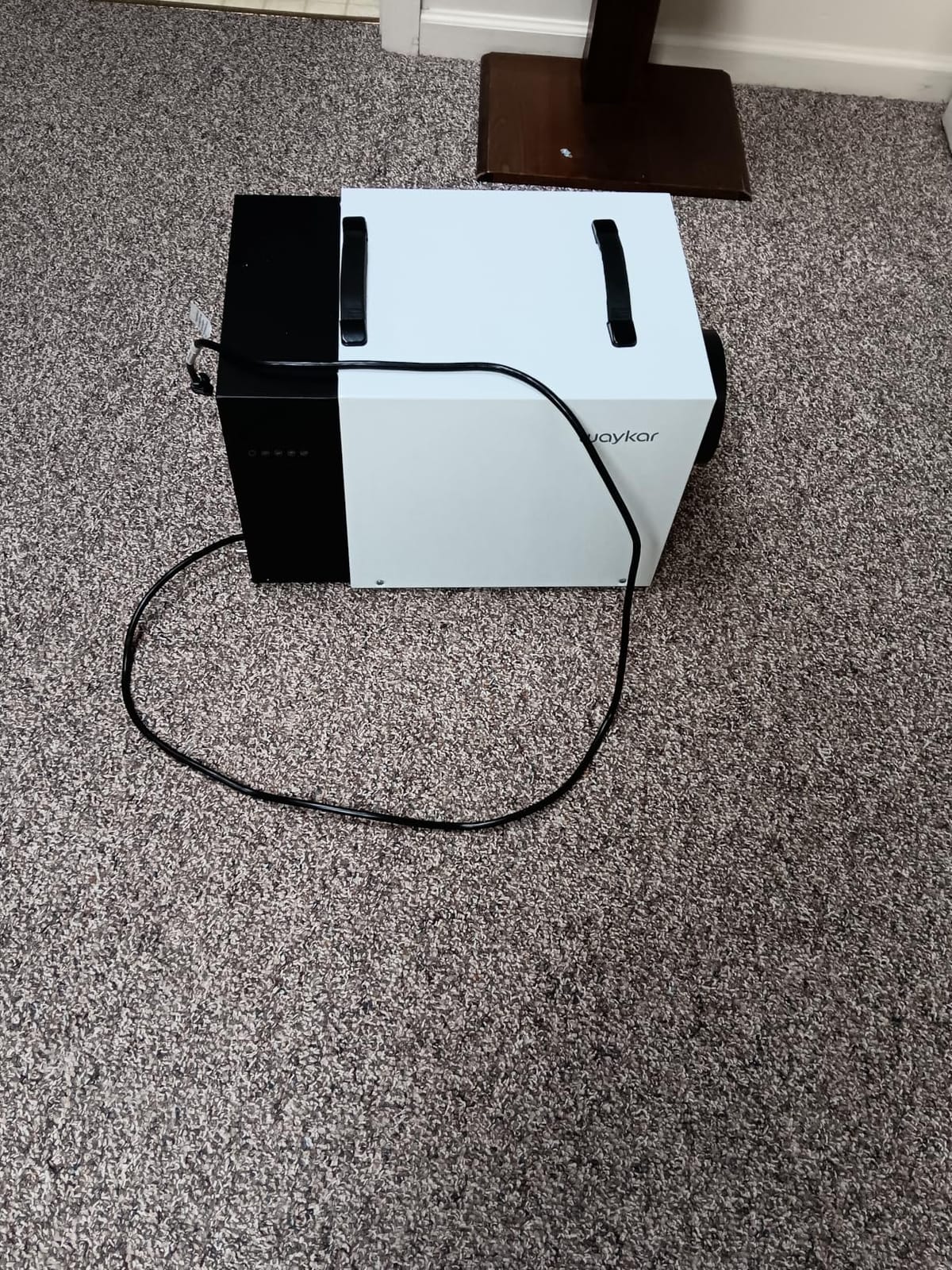
The metal casing resists corrosion and impact far better than a plastic residential body, which is exactly what you want in a damp crawl space or a water damage restoration site. The rotary compressor with 7mm pure copper tubing improves efficiency and cuts power consumption relative to a conventional compressor, and the 2 plus 3 layer condenser improves heat exchange efficiency. Adjustable feet reduce noise and vibration noticeably, and TUV certification here goes beyond what most competitors hold.
The compromises are weight and power. At 49.8 pounds this is the heaviest machine in the roundup, and at 530 watts it also draws the most. Plan a two-person install into a crawl space, and remember that every watt runs for a long time in a space that stays warm. The remote control is sold separately, and coverage is 2 years with a 5-year compressor warranty, which is good but shorter than the ALORAIR’s 6 years.
Where it fits and where it does not
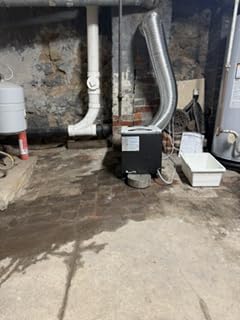
This is the right pick for a medium-to-large encapsulated crawl space in a humid state, particularly one where the drain is lower than the unit or far from where the best airflow sits. It is also strong for water damage drying, where the range and the pump line both help.
It is a poor choice for a finished basement you use as living space, and a poor choice for anyone who cannot manage a 49.8 pound machine in a confined access. A 14% one-star share is among the higher figures here, so factor in the failure risk and lean on the 5-year compressor warranty, which is the part that actually matters for a sealed-system failure.
Whatever you choose for a crawl space, measure joist depth before you order. Several machines in this category are narrower than 13 inches precisely so they fit between 2×6 framing, and a unit that does not fit costs more than the unit itself.
9. Aiusevo 75 Pint Low-Profile Crawl Space Dehumidifier – Best for Low-Clearance Joists
Crawl Space Dehumidifier with Pump & Drain Hose, up to 70 Pints,4000 Sq.Ft
75 PPD at 95F/90% RH
16.5 inch low-clearance body
200 CFM airflow
16.4 ft pump hose
Pros
- Compact body fits between floor joists
- Lightest crawl space unit at 39 pounds
- 200 CFM airflow
- 16.4 ft pump plus 6.6 ft gravity hose
- Stainless steel and metal casing
Cons
- 1-year warranty only
- Some units fail to power on
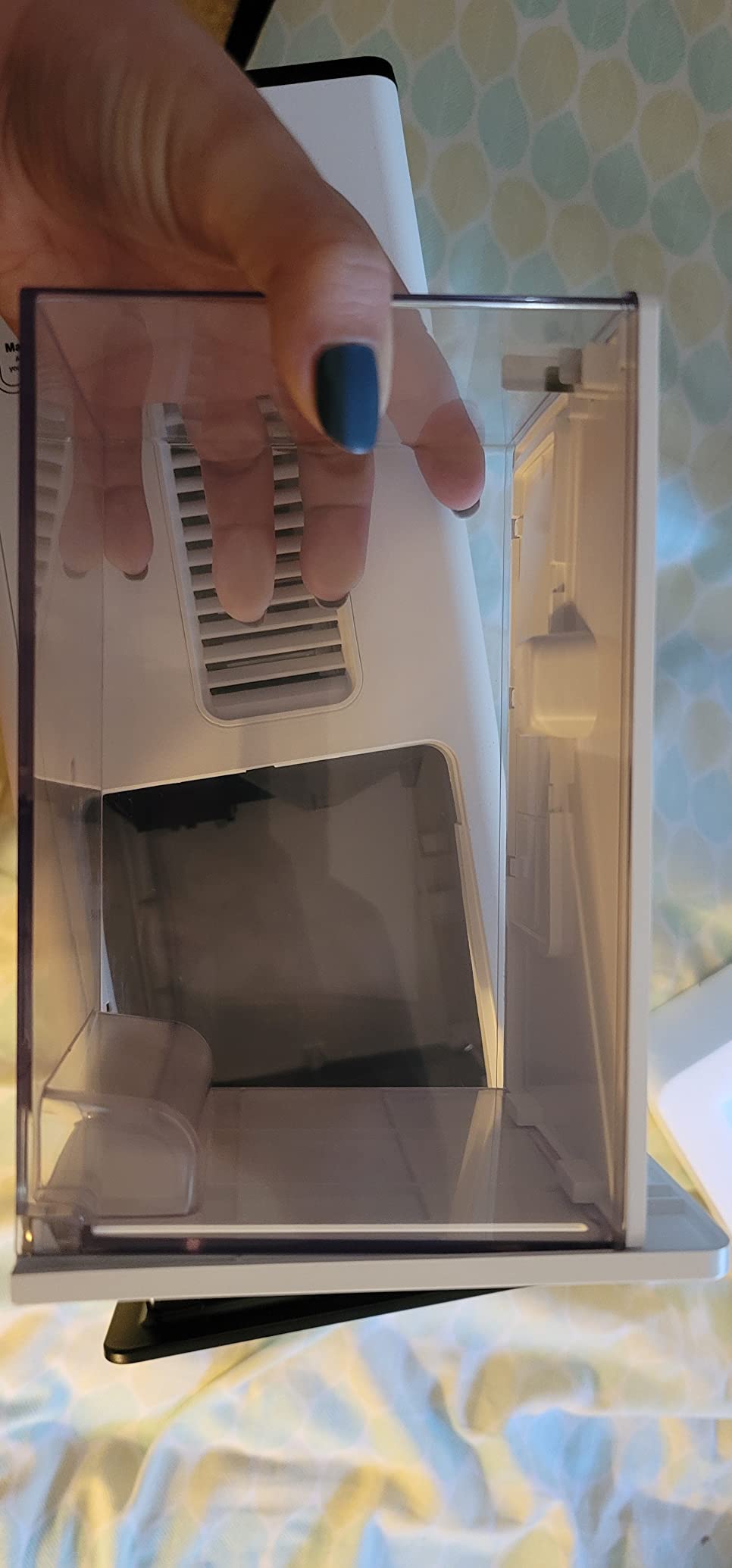
- Small internal tank
Where the Waykar crawl space machine is built for capacity, this one is built to fit. The body measures 16.5 by 13.7 by 12.5 inches, which is low enough to slide between standard floor joists, and it weighs 39 pounds, the lightest of the crawl space units here. If your access is a vent or a small hatch rather than a removable panel, that footprint is the entire decision.
It still moves real air: 200 CFM with up to 75 pints per day at 95F and 90% relative humidity for spaces up to 4,000 sq ft. For a small to mid-size crawl space, 200 CFM is genuinely adequate and it is a higher airflow number than several larger-capacity machines in this roundup.
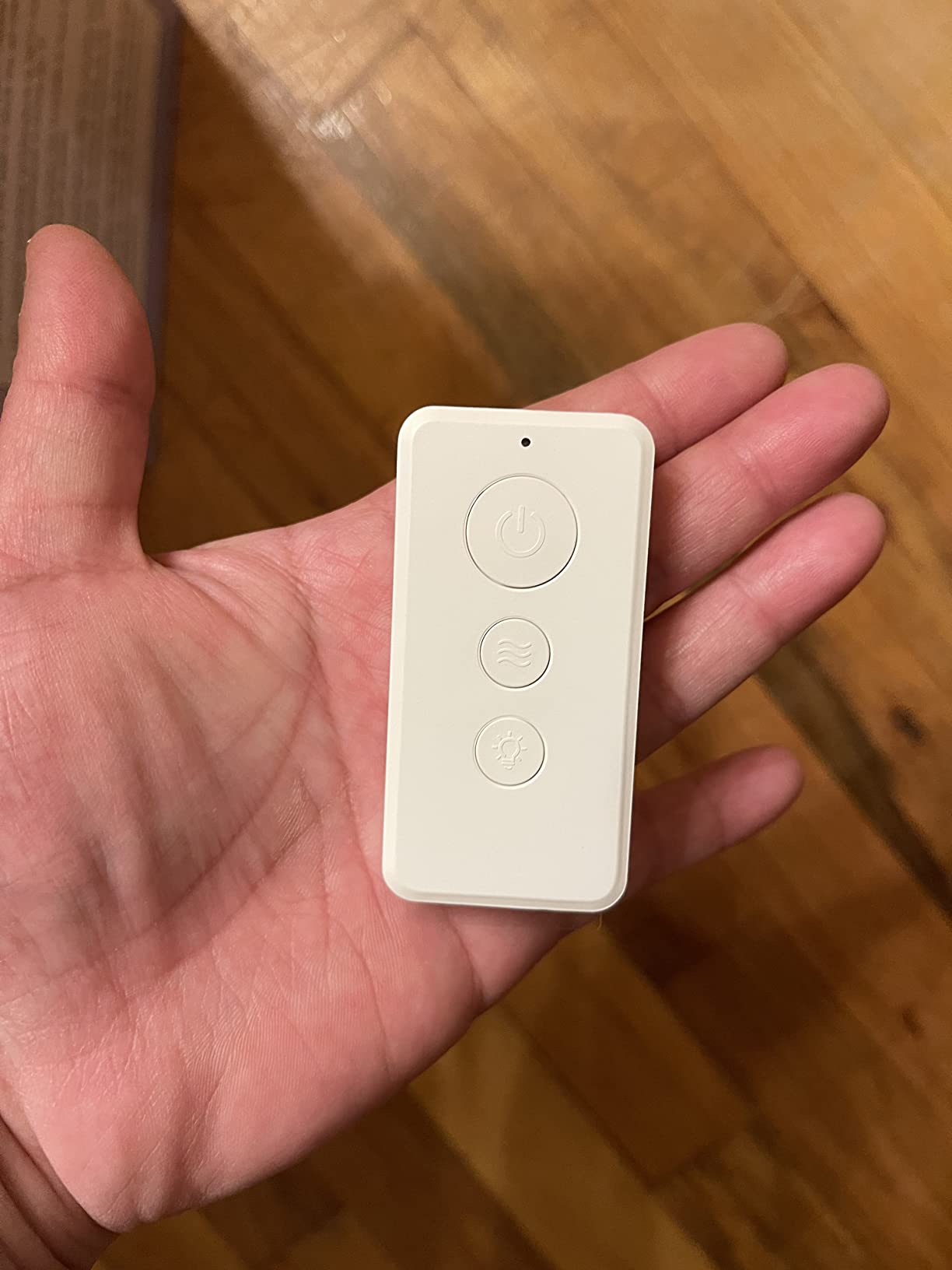
Drainage is dual: a built-in pump with a 16.4 ft hose plus a 6.6 ft gravity hose. The control panel is a smart touch type with a timer, real-time temperature display and auto-restart after outages, and it uses error codes for overload and sensor faults, which is a genuinely useful diagnostic when a unit is installed somewhere you cannot check daily.
What to weigh before buying
The 1-year warranty is the biggest concern here, and it is the shortest in the roundup. In a humid climate where the sealed system works hard every day, one year of coverage is thin, and the manufacturer does not offer an extended compressor warranty on this model.
Reviewers like the compact, portable design and the quick humidity reduction in smaller spaces and RVs, but the recurring complaint is units that fail to power on without being unplugged and replugged. Its position in the Dehumidifiers sales ranking is also far lower than the other crawl space machines here, which usually correlates with a thinner support and replacement parts base. It ships with a US-style plug, which matters only if you are using it outside the US.
Best use case
This is the pick for a shallow crawl space, a mobile home underbelly, a garage subfloor, or any enclosed space where joist clearance is the binding constraint. Ceiling and floor mounting are both supported, and the adjustable feet plus carrying handle make it easy to reposition for filter changes.
It is not the right machine for a large wet crawl space where you need maximum extraction, and it is not the right choice for a home that plans to run it year-round without a warranty plan. If your crawl space is big enough that 4,000 sq ft of coverage sounds optimistic, step up to the Waykar 125 Pint or the ALORAIR instead.
An optional wired remote control is available separately, which in a tight crawl space you cannot easily reach is worth budgeting for from the start rather than after the first service call.
10. AEOCKY 74 Pint ENERGY STAR Version 6.0 Dehumidifier – Best for Mid-Size Humid Homes
AEOCKY 5000Sq.Ft Energy Star Version 6.0 Dehumidifier for Basement
74 PPD rated capacity
ENERGY STAR Version 6.0
44 dB lowest fan
31 pounds
Pros
- 44 dB on the lowest fan setting
- Owners report below-50% basement readings
- ENERGY STAR Version 6.0 certified
- Compact 8.6 inch width and 31 lb weight
- 3 year warranty
Cons
- 1.45 gallon tank fills quickly
- Audible on the high fan setting
- Units may arrive misoriented
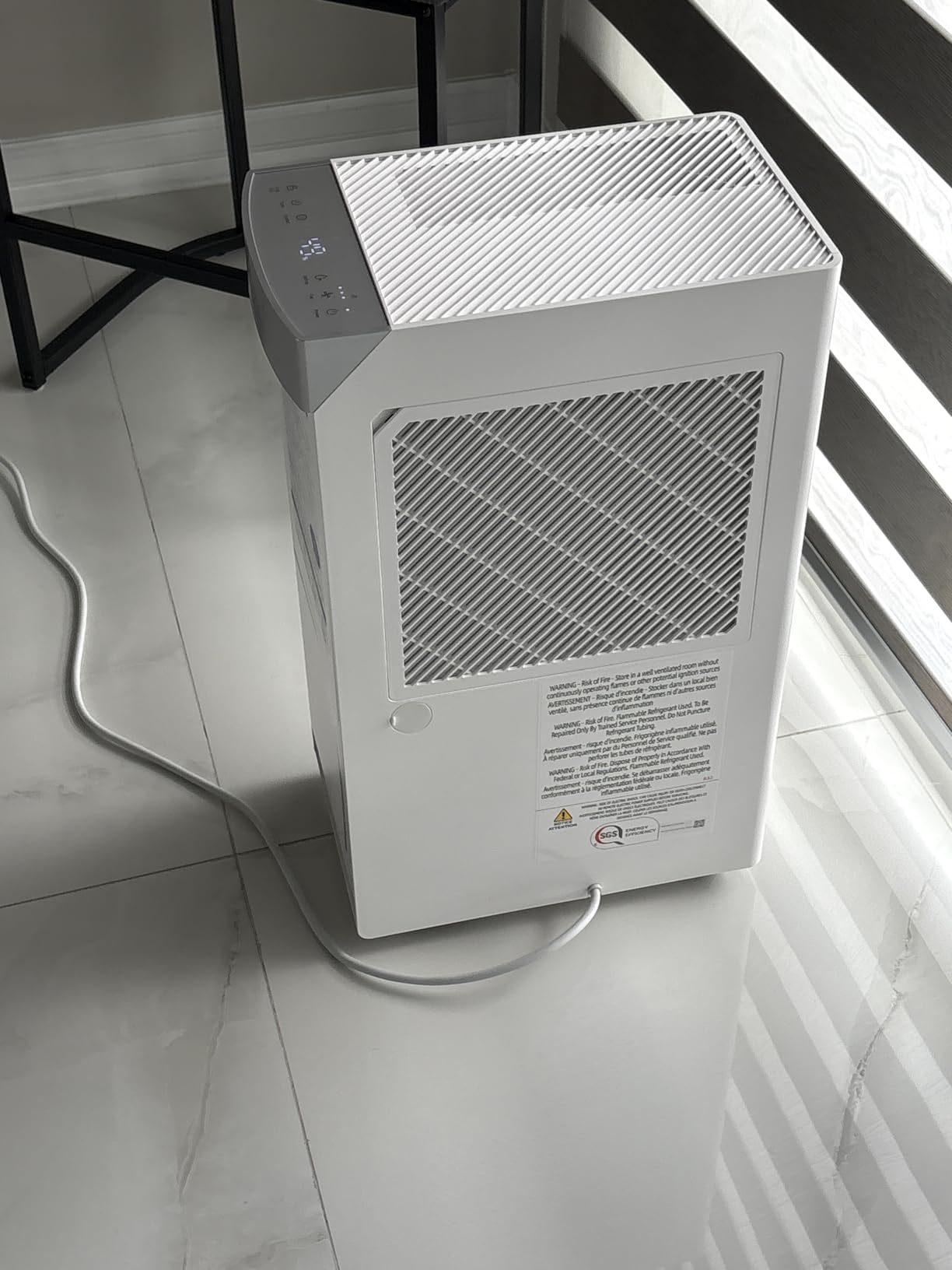
This is the second AEOCKY machine in the roundup and it fills a different gap. At 74 pints per day rated for areas up to 5,000 sq ft, it is the right size for a mid-size home where an 80 pint machine is more than you need and a 50 pint unit will not keep up. It is ENERGY STAR Version 6.0 certified and uses a rotary compressor with 3 plus 2 evaporator and condenser structure, 7mm copper tubing and hydrophilic aluminium foil.
The quiet operation is what separates it. At 44 dB on the lowest fan setting and roughly 31 pounds, it is one of the easiest machines here to move around, and owners in Florida and other humid states report the unit keeping whole basements and mobile-home layouts comfortably dry with no measurable change in their electricity use.
Intelligent auto-defrost handles cooler basement conditions, and the auto mode with an adjustable humidity humidistat plus a timer covers the normal operating pattern. ETL and RoHS certification with 3-year coverage puts the warranty above most of the category.
Reading the review pattern
It holds 4.4 stars across 1,040 reviews with 74% five-star ratings, which is a solid and consistent profile. The strongest reports come from humid-climate owners describing large reductions, with below-50% basement readings mentioned repeatedly. AEOCKY customer service is described as fast and proactive about replacements, which matters more in this category than it might seem.
The 1.45 gallon tank fills quickly in humid climates, so plan on continuous drainage from day one. It is audible on the high fan setting, and some units arrive from the carrier misoriented and need 24 hours upright before first use. The product listing also repeats the same performance claims several times, so read past the marketing to the two specific capacity conditions listed on the spec sheet.
Where it fits
This is the balanced pick for a home in the Southeast with a conditioned basement or lower level of roughly 2,000 to 3,500 sq ft. It is quiet enough to run near living space, light enough to reposition when you need to clean the filter, and efficient enough to leave running for a long humid season.
It is not a crawl space machine and it is not built for salt air, so coastal homes should look at the stainless and coated-crawl space options instead. And if your basement is failing to dry no matter what you install, that is a capacity and airflow problem, not a model problem, which is the point at which to move up to a 100 pint or larger class machine.
For anything outside the HVAC system itself, our guide to the best whole-house water filters for city water covers the other whole-house system most humid homes end up installing in the same utility space, and the same planning rules around drain routing and service access apply to both.
How to Choose a Whole House Dehumidifier for a Humid Climate in 2026
The machines above all work. The one that works for your house comes down to four questions: how much water actually has to leave, what temperature is the space when you are not looking at it, where is the water going, and how long do you intend to run this machine. Answer those first and the model choice gets easy.
Size it for your climate zone, not your square footage
Sizing by square footage alone is the most common mistake we saw discussed by contractors and homeowners, and it is why so many basements in Gulf and Southeast states never get dry. Coverage figures on the box assume a normally conditioned space of moderate humidity. A 2,000 sq ft basement in coastal Louisiana in July is not the same environment as a 2,000 sq ft room in a temperate climate, and the machine has to remove the difference.
As a practical rule for humid climates, look at total square footage of the wet space and assume you need meaningfully more than the standard recommendation. Homeowners and HVAC technicians on forums repeatedly report 50 pint machines being undersized for 2,000 sq ft or larger in humid regions, with 95 to 130 pint capacity being what actually keeps up. Treat any coverage number on a listing as optimistic and confirm it against the two rated capacity conditions instead.
Read the two capacity numbers correctly
Every listing throws around one big pints-per-day figure, and it is almost always a saturation rating measured at extreme temperature and humidity, often 95F and 90% or 95% relative humidity. That is not what the machine will do in your basement in July afternoon. Look for a second number at standard test conditions, usually 80F and 60% relative humidity, because that is closer to the sustained load in a conditioned space.
The Gasbye is the clearest example of doing this well, publishing 115 pints at 86F and 80% relative humidity, 73 at 80F and 60%, and 50 at 65F and 60%. The AEOCKY 80 Pint publishes 80 at 95F and 95% and 56 at 86F and 80%, which is a realistic pair. A listing with only one number is telling you nothing useful about daily performance.
Decide between freestanding, crawl space and HVAC-integrated
Freestanding is right when you have one wet space with floor access and somewhere for a hose to drain. Crawl space machines are right when moisture enters from below the house, and they need metal housings, low-temperature defrost and often a pump. Ducted or HVAC-integrated systems are right when humidity is a whole-home problem rather than a single-room one.
Adding a dehumidifier to an existing ducted system is possible, but it is a job for a contractor who has done it before. The common problems homeowners report are return and supply plenum sizing, condensation on cold ductwork in an unconditioned attic run, and control conflicts with the existing thermostat. If you are planning a retrofit, get the duct sizing done first and buy the machine second.
Drainage decides whether the install works unattended
In a humid climate, continuous drainage is not an upgrade. A 1.45 gallon tank in a space at 70% relative humidity fills in hours, and the machine stops when it is full. Your options are gravity drainage to a floor drain or sump, a pump that lifts water upward, or a garden hose run to an approved discharge point.
Pump lift height matters more than most buyers expect. Units in this roundup reach 9.84 ft and 16.4 ft of upward lift, and that number determines whether you can put the machine where the airflow is right or whether you are stuck putting it near the drain. Also note that some residential units like the hOmeLabs do not include a hose at all, so factor that into your first-week setup.
Energy, efficiency and the real running cost in a humid home
Power draw across this group ranges from 280 watts to 530 watts, and in a climate where the machine runs 16 or more hours a day that spread becomes the largest operating cost difference between models. Multiplying watts by hours and then by your local kilowatt-hour rate is the only honest way to compare these, and the difference between the most and least efficient unit here can be meaningful over a full season.
Prioritise ENERGY STAR certification as a minimum, and look at the Most Efficient tier where you can. Rotation compressors and copper tubing, which both AEOCKY machines and the Gasbye and Waykar crawl space models use, generally run more efficiently than conventional compressors. The Gasbye is listed as up to 30% more efficient than non-certified units, and that is the direction to look for.
One practice that reduces running hours more than any model choice: set the humidistat to a realistic target rather than chasing 40%. In humid regions most homes are comfortable at 50 to 55% in summer, and running to 45% when 50% is enough roughly doubles your operating hours for a comfort difference nobody notices.
Coastal corrosion and year-round reliability
If you live inside a few miles of salt water, material choice is a real constraint rather than a detail. In this roundup the stainless steel and metal construction of the Aiusevo and the metal casings of the Waykar 125 Pint and ALORAIR are the better starting points for a coastal exposure, and none of the plastic-bodied residential models should be the machine you rely on year-round near surf.
Reliability in humid climates is mostly a warranty story, and the spread is wide: one year on the Aiusevo, two years on the Waykar 150 Pint, two plus a 5-year compressor on the Waykar 125 Pint, three years on both AEOCKY machines, and six years on the ALORAIR. A sealed system that runs 4,000 hours a year is a different machine than one that runs 600, so treat compressor warranty length as a primary selection criterion rather than a footnote.
Maintenance rhythm for a machine that never stops
Dirty coils destroy efficiency faster than almost anything else, and this is the single most repeated theme in the customer reviews across all ten products. A washable filter that you clean monthly in a dusty space and every two weeks in a crawl space with construction dust keeps airflow up and keeps the evaporator from frosting.
Beyond the filter, run continuous drainage so there is no tank to empty, check the drain line and pump hose every few months for kinks, and make sure the intake has clearance. If the space is a crawl space, look at the machine twice a year when you are already under there. If a capacity problem persists with a clean filter and an open drain, the answer is a larger machine, not more maintenance.
Matching the machine to your whole-home systems
Dehumidification rarely arrives alone. A humid home is often also dealing with water supply, backup power and ventilation, and the same planning discipline applies to each: install the access points you will need, keep service routes clear, and think about drainage before you think about placement. Our guides to the best whole-house generators for home backup and to whole-house water filtration for well water cover the two that most often share that same utility space, and the outage-restart behaviour we mentioned earlier is the reason pairing them pays off.
Fresh air ventilation is a separate question from dehumidification, and the two should be designed together rather than improvised. Dehumidifying without any outdoor air exchange in a tightly sealed house can raise indoor pollutant levels, and bringing in humid outdoor air without dehumidifying defeats the machine. If you are sealing a crawl space, plan the encapsulation and the dehumidification as one project.
Frequently Asked Questions
What is the most reliable whole house dehumidifier?
Reliability in humid climates comes down to build quality, defrost capability in low temperatures, and warranty length. In this roundup the ALORAIR Sentinel HD55S carries the longest warranty at 6 years, the Gasbye 115 Pint has the highest verified average rating at 4.6 stars with a reinforced copper coil, and the AEOCKY 80 Pint holds 4.5 stars with ENERGY STAR Most Efficient certification and 3-year coverage. The most reviewed and most proven option is the hOmeLabs 50 Pint at more than 25,000 reviews. Test any unit on arrival, because a minority of units in this category arrive with non-cooling coils.
How big of a dehumidifier do I need for a 2000 square foot house?
In a humid climate, a 2,000 sq ft wet space usually needs more than the standard sizing guide suggests. Homeowners and HVAC technicians commonly report 50 pint machines being undersized above that square footage, with 95 to 130 pint capacity needed to keep up. Treat the coverage number on a listing as optimistic and size on rated capacity at standard conditions, such as 80F and 60% relative humidity, rather than on the saturation figure.
Can I add a whole house dehumidifier to my existing HVAC system?
Yes, but it should be planned rather than improvised. A retrofit needs correctly sized return and supply plenums, a way to prevent condensation on cold duct runs in unconditioned spaces, and controls that do not conflict with your existing thermostat. Many homeowners report the hard part is finding a contractor experienced with dehumidification specifically, so get the duct design done first and purchase the machine second.
Should a whole house dehumidifier run all the time in a humid climate?
Not continuously at full blast, but a humid climate does mean long run times. Most homes in the Southeast and Gulf states are comfortable at 50 to 55% relative humidity in summer, so setting a humidistat to a realistic target rather than chasing 40% roughly halves your operating hours. Run it continuously in continuous drainage mode during wet weather, and rely on auto restart after a power outage so it resumes when power returns.
What are the common problems with whole home dehumidifiers?
The recurring problems are ice build-up on the evaporator coil in cool spaces, tanks that fill far faster than expected, inaccurate onboard humidity readouts, and early loss of moisture-removal performance after a year or two of continuous operation. Most of these are solved the same way: continuous drainage instead of the tank, a unit rated for low-temperature operation if the space runs cool, and a clean washable filter on a monthly schedule.
The Best Whole House Dehumidifiers for Humid Climates in 2026
After working through all ten, the hOmeLabs 50 Pint 7000 Sq Ft Dehumidifier is our overall pick for a humid home, and it holds that position on evidence rather than novelty. Its 50 pint per day rating at standard conditions is real, its Wi-Fi control lets you verify it is working from anywhere, and more than 25,000 reviews at 4.4 stars is a track record no newer machine here can match.
The right alternatives depend on your space. Take the Waykar 120 Pint for the most raw capacity available in a residential package and an ENERGY STAR efficiency story, the AEOCKY 80 Pint for the highest verified rating and the ability to run down to 65F, and the Gasbye 115 Pint if you want honest capacity curves and a copper coil built for constant duty. If your moisture is coming from under the house, the ALORAIR Sentinel HD55S gives you the longest warranty available and the Waykar 125 Pint gives you the most capacity and the longest pump line.
Whichever one you choose, install continuous drainage, clean the filter on a schedule, and size on the two rated capacity conditions rather than the biggest number on the box. Those three habits do more for a humid home than the difference between any two machines on this list.