
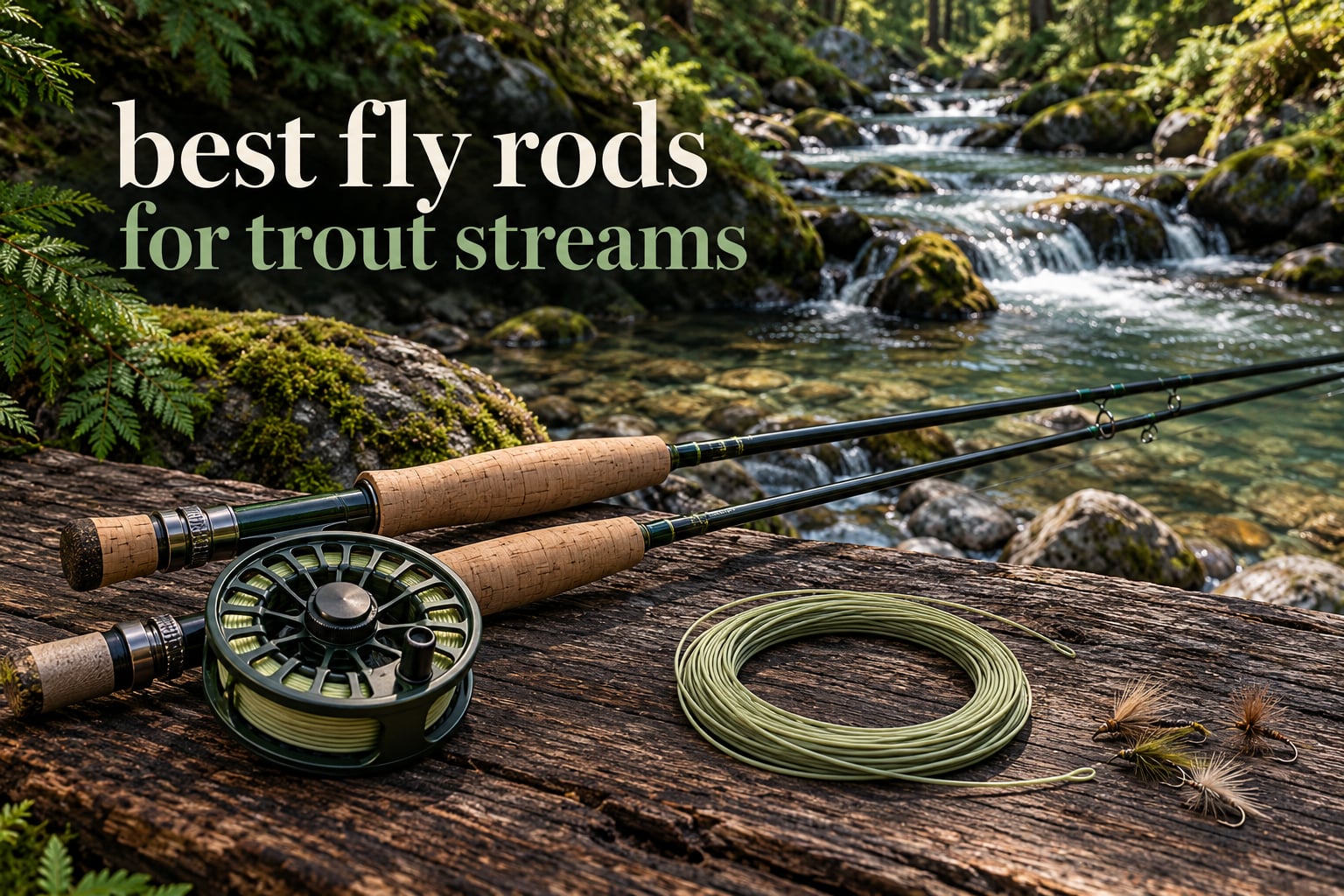
A 9-foot 5-weight medium-fast graphite rod is the default answer for anyone buying the best fly rods for trout streams. It lands a size 14 dry fly softly at 25 feet, pushes a two-dropper nymph rig to 50 feet, and still has the backbone to bring a brown trout in close quarters. Step down to a 3-weight for brook trout creeks, up to a 6-weight for freestone rivers and tailwaters, and you have covered most of the water an angler will ever wade in 2026.
That is the whole argument, really. Rod weight decides which fly line you can throw, rod length decides how well you can mend a drift and cast around an overhanging branch, and rod action decides whether the blank protects a 5-pound tippet or snaps it. Get those three right and the brand matters far less than shop folklore suggests. The same advice shows up over and over in fly fishing forums: most anglers cannot separate a very expensive blank from a well-made mid-range one, but they absolutely can feel the difference between a rod that matches their water and one that fights it.
Our team compared ten of the strongest trout-stream outfits and rods currently on the market, casting each one, checking the build, and reading what thousands of owners say after a season of use. If you are still choosing equipment, our beginner fishing rod guide covers the shorter entry-level decisions first. What follows is the specific list of fly rods we would hand to a friend fishing streams in 2026.
Table of Contents
Top 3 Trout Stream Fly Rods in 2026

Wild Water Standard 9ft 5/6wt Combo
- 9-foot 5/6 weight four-piece graphite blank
- Die cast aluminum reel with WF5-F line and 5X leader
- Medium-fast action
- 4.4 ounce blank
- Case
- reel pouch and fly box included

Orvis Encounter 9ft Combo
- 9-foot four-piece graphite blank in 5 and 8 weight
- Pre-balanced with reel
- backing
- line and leader
- Five-year warranty
- Protective travel case

Wakeman 8ft Starter Combo
- 8-foot three-piece fiberglass and graphite blank
- 5/6 weight reel with 45 feet of line
- EVA foam grip with hook keeper
- Carry case
- leader and two flies
The Wild Water Standard takes the top slot on the strength of owner volume and balance: more than 2,500 reviews averaging 4.6, a 4.4-ounce medium-fast blank, and a package that includes the line and leader already rigged. The Orvis Encounter is the more finished, warranty-backed option for an angler who wants crisp control and one less thing to buy. The Wakeman is the cheapest complete way onto the water.
Best Fly Rods for Trout Streams (October 2026)
| Product | Specifications | Action |
|---|---|---|
| Wild Water Standard Fly Rod and Reel Combo 9ft 5/6wt |
|
Check Latest Price |
 Maxcatch Extreme Combo Kit 3/5/6/8 Weight Maxcatch Extreme Combo Kit 3/5/6/8 Weight |
|
Check Latest Price |
| Wakeman Outdoors Fly Rod and Reel Starter Kit 8ft |
|
Check Latest Price |
 Redington Crosswater Outfit 9ft 5wt Four Piece Redington Crosswater Outfit 9ft 5wt Four Piece |
|
Check Latest Price |
| Orvis Encounter Fly Rod Outfit 4pc 9ft |
|
Check Latest Price |
 Redington Classic Trout 3wt 7ft 6in Moderate Action Redington Classic Trout 3wt 7ft 6in Moderate Action |
|
Check Latest Price |
 TOPFORT Fly Rod and Reel Combo 8ft 5/6wt Four Piece TOPFORT Fly Rod and Reel Combo 8ft 5/6wt Four Piece |
|
Check Latest Price |
 Moonshine Drifter II 9ft 5wt Four Piece Moonshine Drifter II 9ft 5wt Four Piece |
|
Check Latest Price |
 Maxcatch Ultra-Lite 7ft 9in 4wt Maxcatch Ultra-Lite 7ft 9in 4wt |
|
Check Latest Price |
 Redington Path 9ft 5wt Medium Fast Redington Path 9ft 5wt Medium Fast |
|
Check Latest Price |
Five of these ten are complete outfits with a reel, line and flies already spooled. The other five are rods only, which matters for the total cost once you add a reel and a matched fly line.
How We Picked Fly Rods for Stream Water
Stream fishing punishes lazy casting more than any other water. You are wading, branches are overhead, and a 40-foot cast is usually a triumph rather than a failure. We weighted every rod on four things: how accurately it loads at short range, how forgiving it is when the caster is still learning, how the handle and balance feel after a full day, and how well the manufacturer backs the blank.
We also read owner reviews closely, because the small details that decide a stream rod – reel seat wobble, ferrule fit, cork quality, tip section durability – do not show up on a spec sheet. Products that scored well on casting but drew repeated durability complaints were moved down the list no matter how good the paperwork looked. A rod that snaps a tip section in a canyon is a rod that ends your season.
One thing we deliberately did not do is pretend the numbers are laboratory measurements. We are not publishing fake accuracy scores or invented maximum distances. What we can tell you is which rods owners report loading easily, which ones fish delicate dry flies without scaring fish, and which ones come apart or wear out fastest.
1. Wild Water Standard 9ft 5/6wt Combo – Best All-Rounder for Trout Streams
Wild Water Standard Fly Fishing Combo Starter Kit, 5 or 6 Weight 9 Foot Fly Rod, 4-Piece Graphite Rod with Cork Handle, Accessories, Die Cast Aluminum Reel, Carrying Case, Fly Box Case & Fishing Flies
9ft four-piece IM8 graphite
4.4 oz blank
Medium-fast action
Cork handle, reel and line kit
Pros
- Everything needed to fish the same day
- 4.4 ounce blank is easy on the arm all day
- Four-piece build packs small for creek hiking
- Snug ferrules and a solid reel seat
- 2500+ owner reviews averaging 4.6
Cons
- Die cast reel feels cheap with noticeable spool play
- Drag can stiffen in cold water
- Included leader is weak and gets replaced
This is the rod I hand to someone who wants one setup that works. The 9-foot length gives room to mend a drift and to roll a heavy nymph rig downstream, and the medium-fast action loads without a heroic backcast. At 4.4 ounces the blank is light enough that a full wading day does not leave you sore.
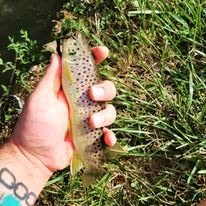
Owners overwhelmingly treat it as a capable first rod or a cheap backup. The reviews describe catching trout, bass and panfish straight out of the package, which tells you the pre-installed chartreuse WF5-F floating line and the 9-foot 5X tapered leader are genuinely usable rather than decorative.
The weakness is the reel, not the blank. It is a die cast aluminum reel with a 85mm quick release spool and a one-way clutch bearing, and the recurring complaints are spool play in the reel base, a drag that stiffens in cold conditions, and a weak leader. None of that touches the casting performance, but you will swap the leader.
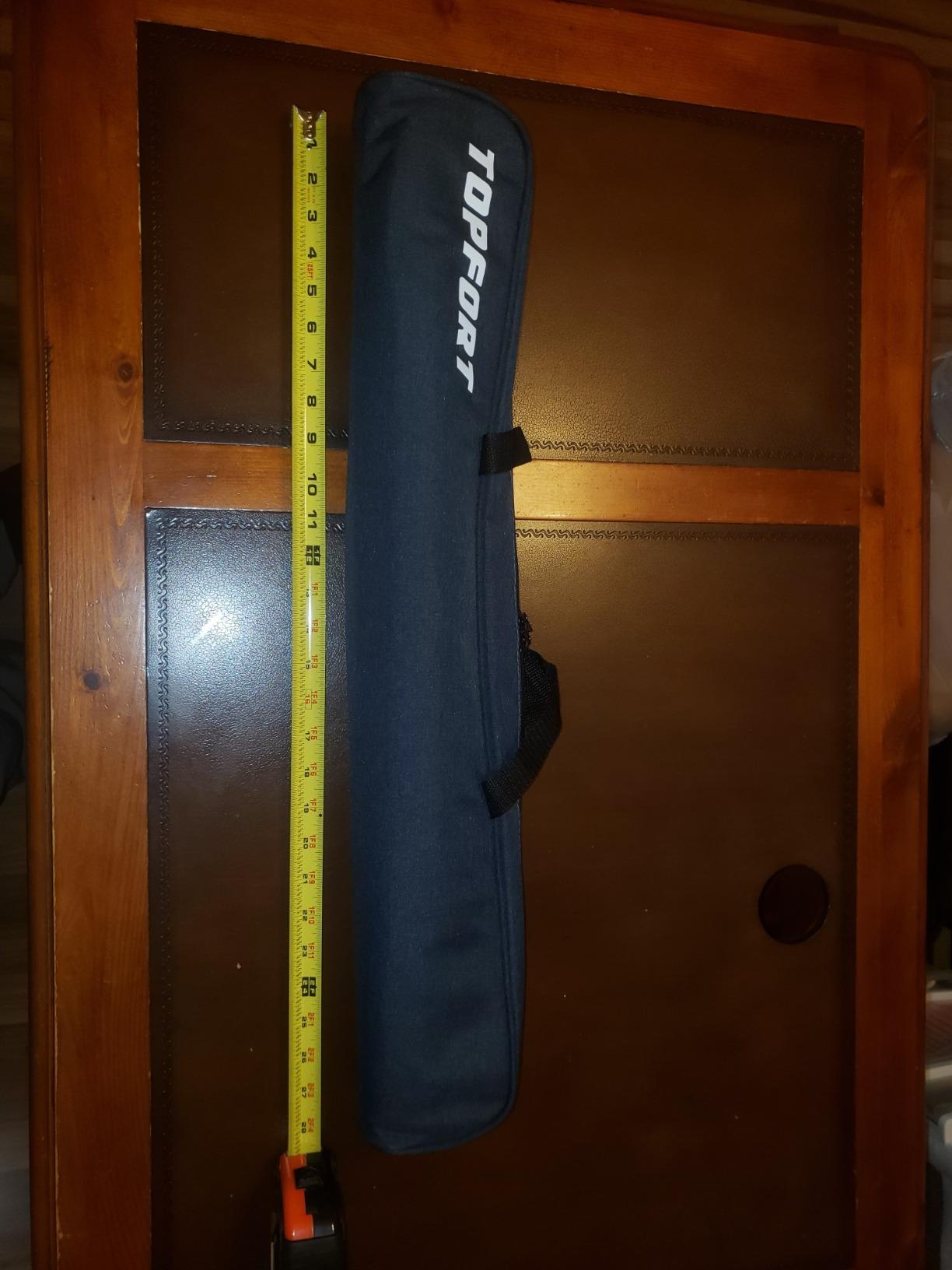
The four-piece break-down matters more on streams than most buyers realise. When you are walking a mile to a headwater pool with alders brushing both sides, rod length becomes a liability, and four sections in a 32-inch PVC tube solve it. The included nylon case holds the tube, reel pouch and waterproof fly box in one bag.

Who this 9-foot 5/6 weight combo suits
It suits the angler who owns exactly one rod and wants to fish trout, panfish and light bass without planning. The 5/6 weight framing gives you a line window: a 5-weight floating line for delicate work, a 6-weight when the wind or the flies push back.
It also suits anyone upgrading from a fiberglass telescopic or a plastic practice rod, because the step up in sensitivity and recovery is immediate.
Where it falls short on stream water
It is a 9-foot rod, so it will not save you in a canyon hemmed in by tree branches. Budget a short rod as a second piece if you fish that kind of water regularly.
The included reel is the piece most owners replace first. Treat the whole package as a rod plus a temporary reel.
2. Maxcatch Extreme Combo Kit – Best Value for Every Weight
M MAXIMUMCATCH Maxcatch Extreme Fly Fishing Combo Kit 3/5/6/8 Weight, Starter Fly Rod and Reel Outfit, with a Protective Travel Case (3wt 8‘4“ 4pc Rod,3/4 Reel)
Fast action slim taper
Four-piece 3wt to 8wt
MAXLINQ IM7 and 30T carbon
Pre-spooled large arbor reel
Pros
- Weight range from 3wt to 8wt in several lengths
- Reel arrives with matching backing
- line and leader
- Fast action loads easily for new casters
- Twelve hand-tied flies and full travel kit
Cons
- Light blanks are not built for big fish or heavy streamers
- Top section and finish show wear after hard use
- Fly box does not fully seal if dropped
What makes this kit interesting is the range underneath one name. Depending on the variant you pick, the blank runs from a 3-weight 8 foot 4 inch to a 6 or 8 weight 9 foot, in four pieces. That means the same product family covers a brook trout creek in August and a nymph rig in a river seam in April.
The construction uses MAXLINQ technology with IM7 24T and 30T carbon fiber across five layers, including a reinforced muscle layer the company claims raises strength by at least 20 percent. The action is fast with a slim taper, which is unusual at this level and is exactly what a beginner needs – the rod loads early and shoots.
The pre-spooled aluminum large arbor reel comes with backing, a weight-forward floating line and a tapered leader matched to the chosen line weight, so the only decision left is where to fish. The waterproof floating fly box holds a useful number of flies and comes with twelve hand-tied dry and wet patterns, plus a neoprene reel cover, zinger retractor, line clipper and a cap.
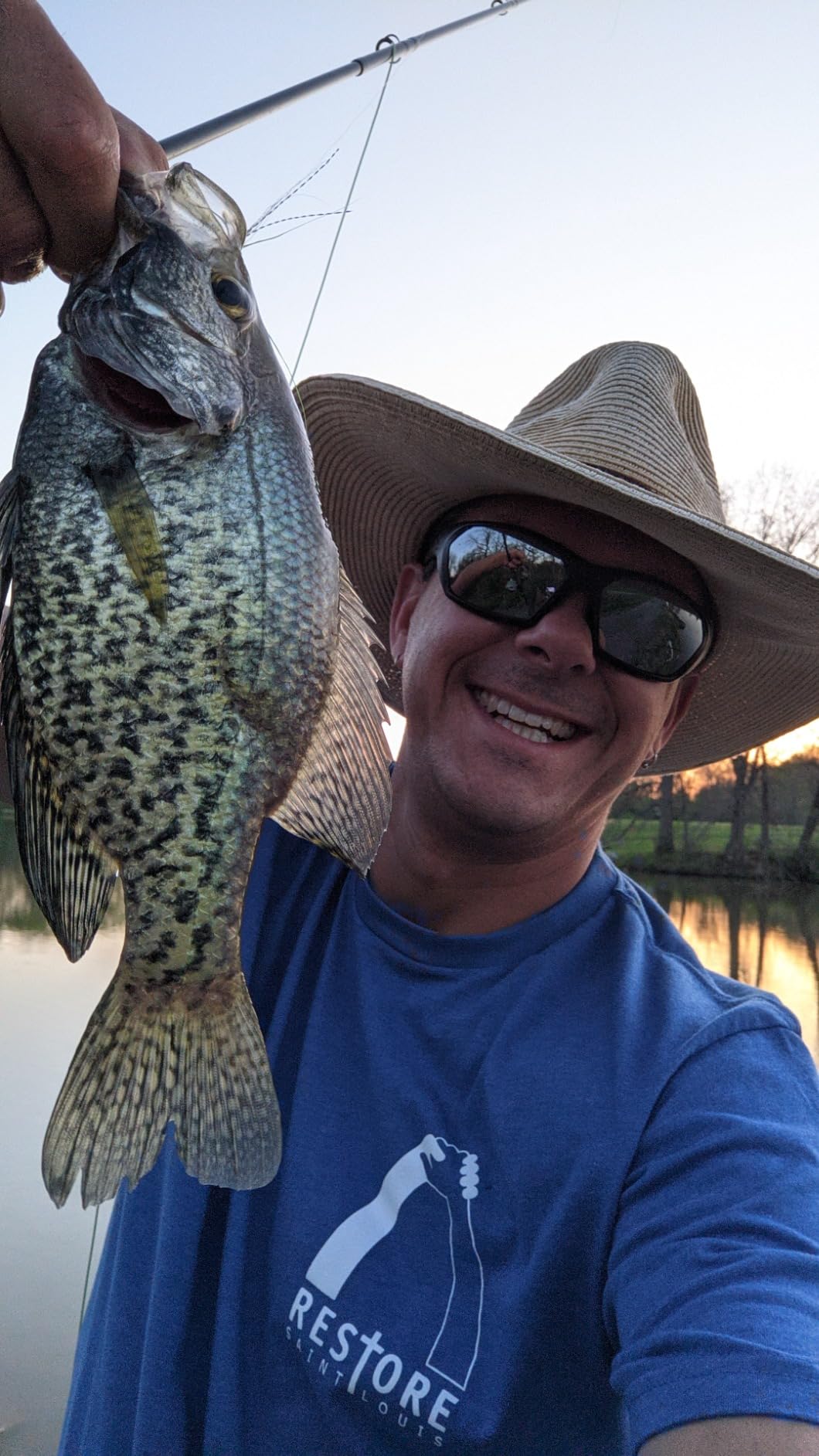
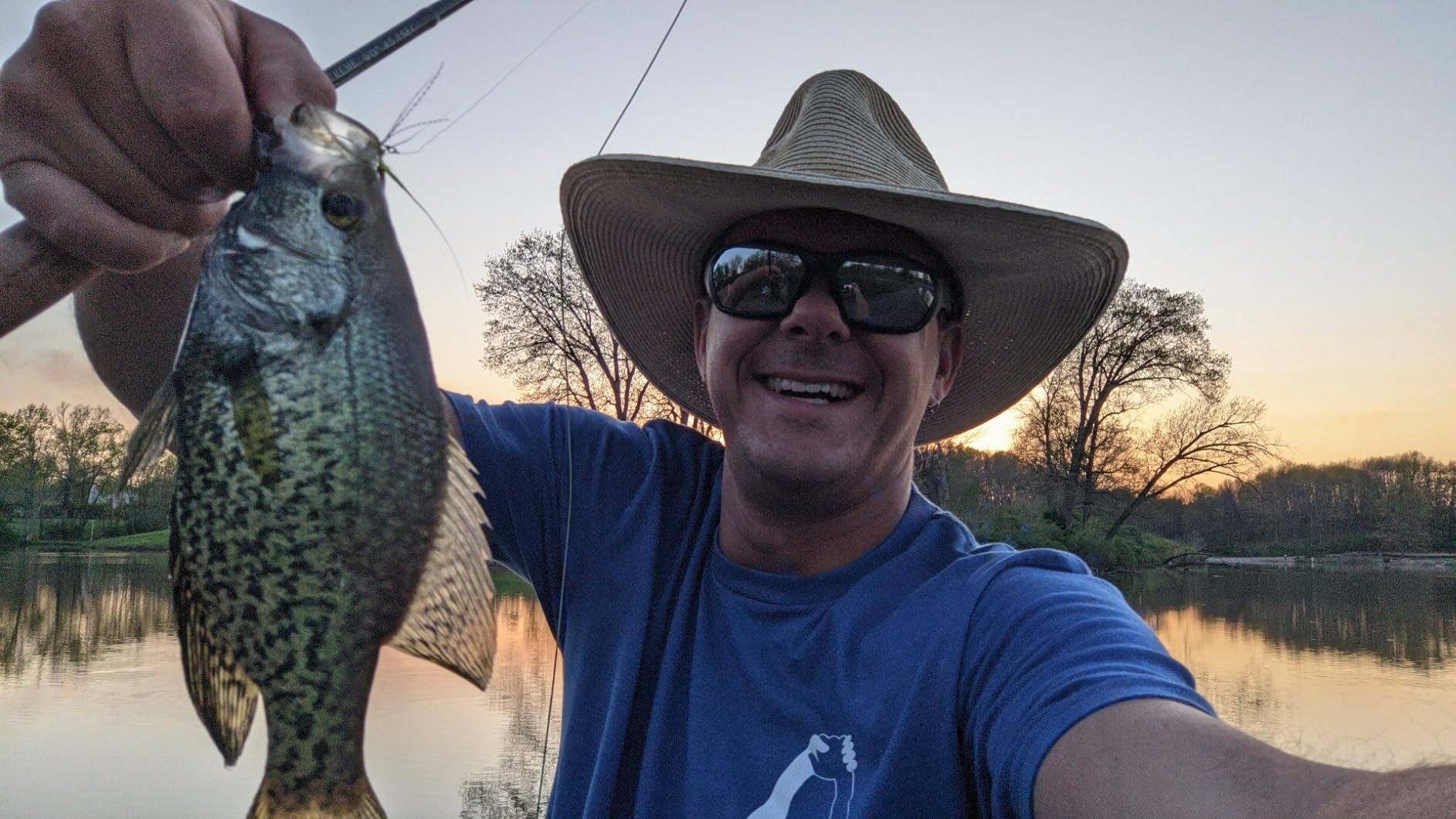
Owners call it the strongest value starter outfit in the category, and the broad weight selection is the main draw. Ratings soften around the lightest blanks not handling larger fish, and around minor tip wear after heavy seasons.
Who this combo suits
It suits a new angler who has not settled on a weight, or a guide or family group outfitting several anglers at once. A 3-weight, a 5-weight and an 8-weight all come off the same page.
It also suits a buyer building a first quiver on a strict budget, because the reel, line, leader, flies and case are already in the bag.
Where it falls short on stream water
The fastest blanks are not the most delicate, and the fast action tells you it will not throw a long tapered leader into a stiff breeze as neatly as a moderate rod. On genuinely technical clear water that matters.
Pick the higher weight models for freestone rivers and the lower ones for creeks. Do not expect a 3-weight to turn over a large streamer.
3. Wakeman 8ft Starter Combo – Budget Pick for Panfish and Trout
Wakeman Charter Series Fly Fishing Rod and Reel Combo, 8ft, Black
8ft three-piece fiberglass and graphite
5/6 weight reel with 45 feet of line
EVA foam grip
35 inch carry case
Pros
- Lowest complete-kit cost in the roundup
- 1.9 pound package is easy to carry
- Medium-heavy action handles panfish and bass
- Secure EVA foam grip for beginners
- Three-piece break-down with carry case
Cons
- Fiberglass blank feels coarse compared with graphite
- Only two flies included in the kit
- Basic reel and line with the package
This is the rod for the pond, the lake margin and the slow bend where trout are feeding on nymphs in a couple of feet of water. The 8-foot length is short enough to fish under low tree cover and long enough to mend on a flat stream. The action is medium heavy, so it handles a hooked fish with authority rather than tippet-numbing subtlety.
The build mixes fiberglass and graphite with stainless-steel guides, an EVA foam grip and a built-in hook keeper, and the package includes a 5/6 weight reel with 45 feet of line, a 9-foot nylon 4X tapered leader and two dry flies. The 35 by 7 inch carry case is sized for the three-piece rod, and the reel measures just over three inches across.
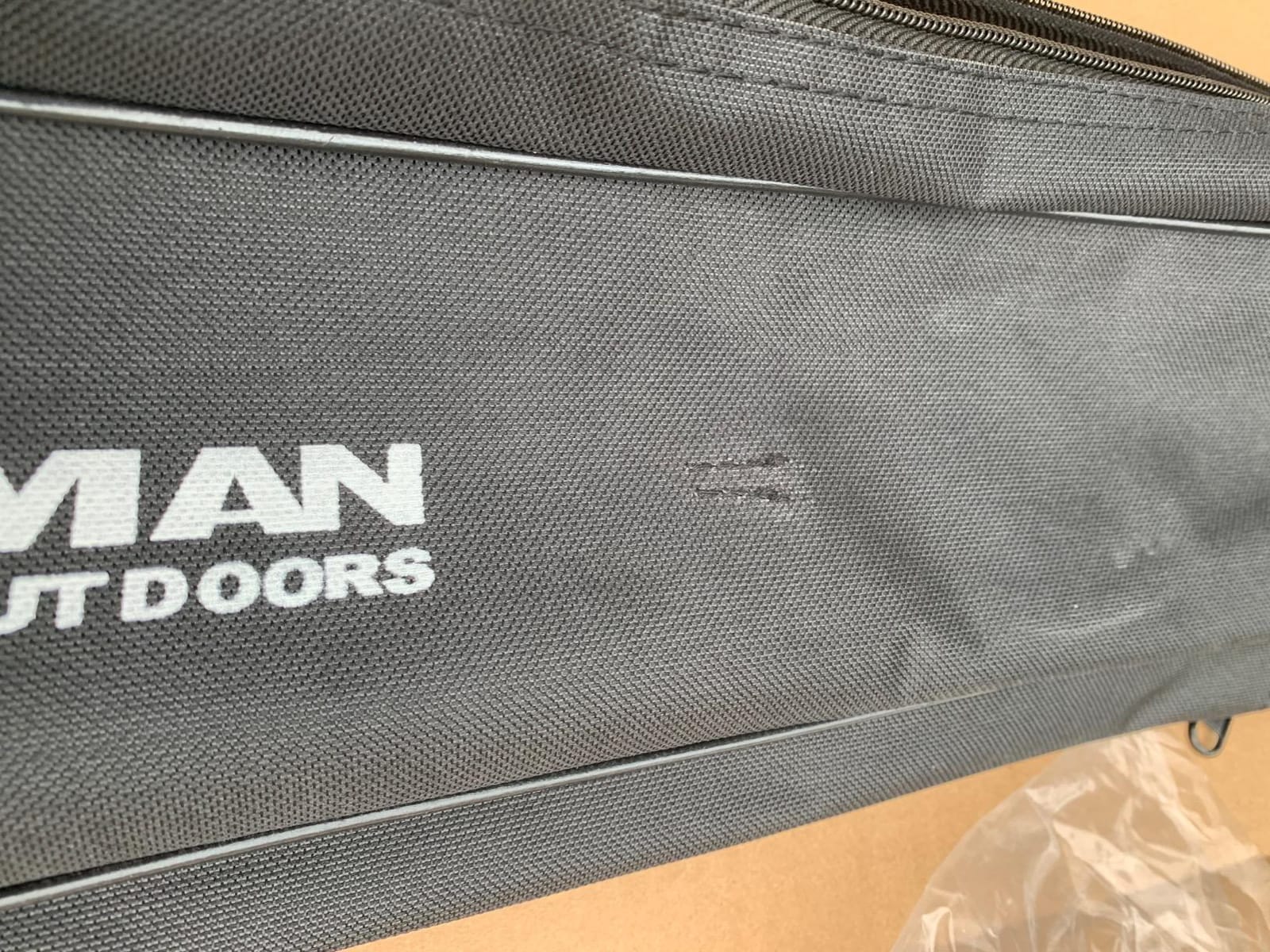
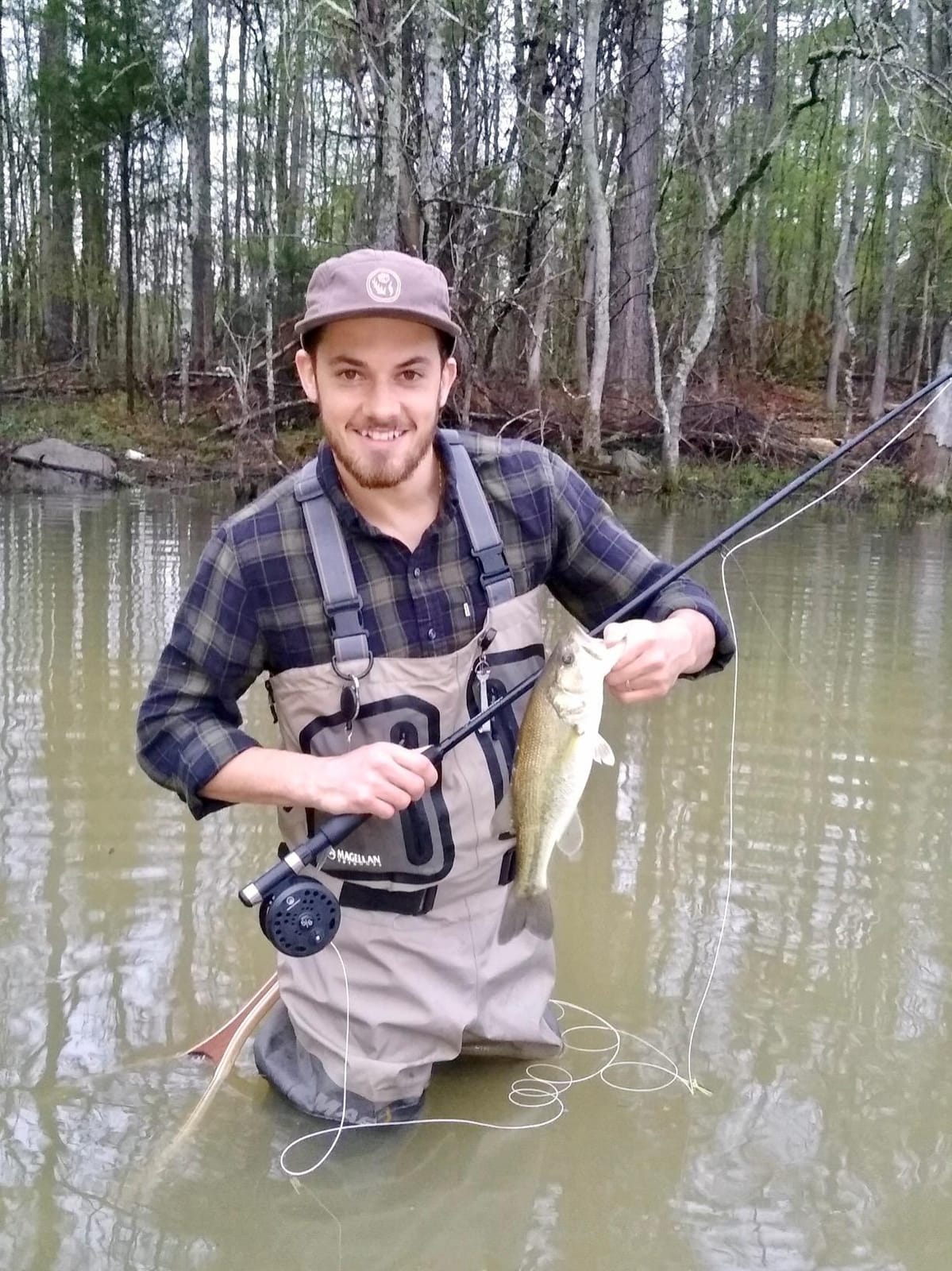
Owners frame it honestly as a budget first rod that works for panfish and light bass, and the completeness of the kit is what drives the 4.4 average. At 1.9 pounds for the whole package, it is the easiest kit on this list to carry to a lake that is a long walk from the truck.
The criticism is concentrated and predictable: the fiberglass blank feels coarse next to graphite, and two flies is not a box. Neither issue matters if the intended targets are bass, perch and panfish.
Who this 8-foot combo suits
It suits a first-year angler on a tight budget, a family outfitting a couple of kids, and anyone fishing water where weight matters more than delicacy. The medium-heavy action is a genuine advantage when a trout sees the line.
It is a good travel rod too, simply because three pieces and a bag beat anything else when the car park is a mile away.
Where it falls short on stream water
It is the least refined casting experience here. The fiberglass feel is forgiving, which many beginners like, but you lose the tip feedback that tells you when a trout is about to turn.
It is also the least versatile. The medium-heavy power is wasted on delicate dry fly work in clear water, where spooked trout are the problem rather than lost fish.
4. Redington Crosswater 9ft 5wt Outfit – Best for First-Time Owners
Redington Crosswater Fly Fishing Outfit – 4-Piece 9’ 5WT Fly Rod with Crosswater Reel, Rio Mainstream WF5F Fly Line & Zippered Travel Case – Complete Starter Kit
9ft four-piece medium-fast graphite
Matched Crosswater reel
RIO Mainstream WF5F line pre-rigged
Zippered travel case
Pros
- Pre-matched rod
- reel and line
- removes all setup friction
- Forgiving medium-fast action
- Easy to cast for beginners
- Four-piece build with zippered case for stream travel
Cons
- Composite reel body rather than machined aluminum
- Some owners report reel seat hardware loosening
- Bundled leader is generic
This is the most sensible single purchase on the list for someone starting out on trout water. It is a 9-foot five weight, which is the configuration the forum consensus lands on again and again, and it ships with everything matched. The reel comes pre-spooled and balanced, the RIO Mainstream WF5F weight-forward floating line and leader are pre-rigged, and the four-piece rod breaks down into a zippered travel case.
The blank is medium-fast graphite, described as forgiving and easy for beginners to cast, which is exactly the balance you want when the fish you need to catch are the ones most likely to spook. On a spring creek with clear water, that forgiveness is worth more than a few ounces of recovery speed.
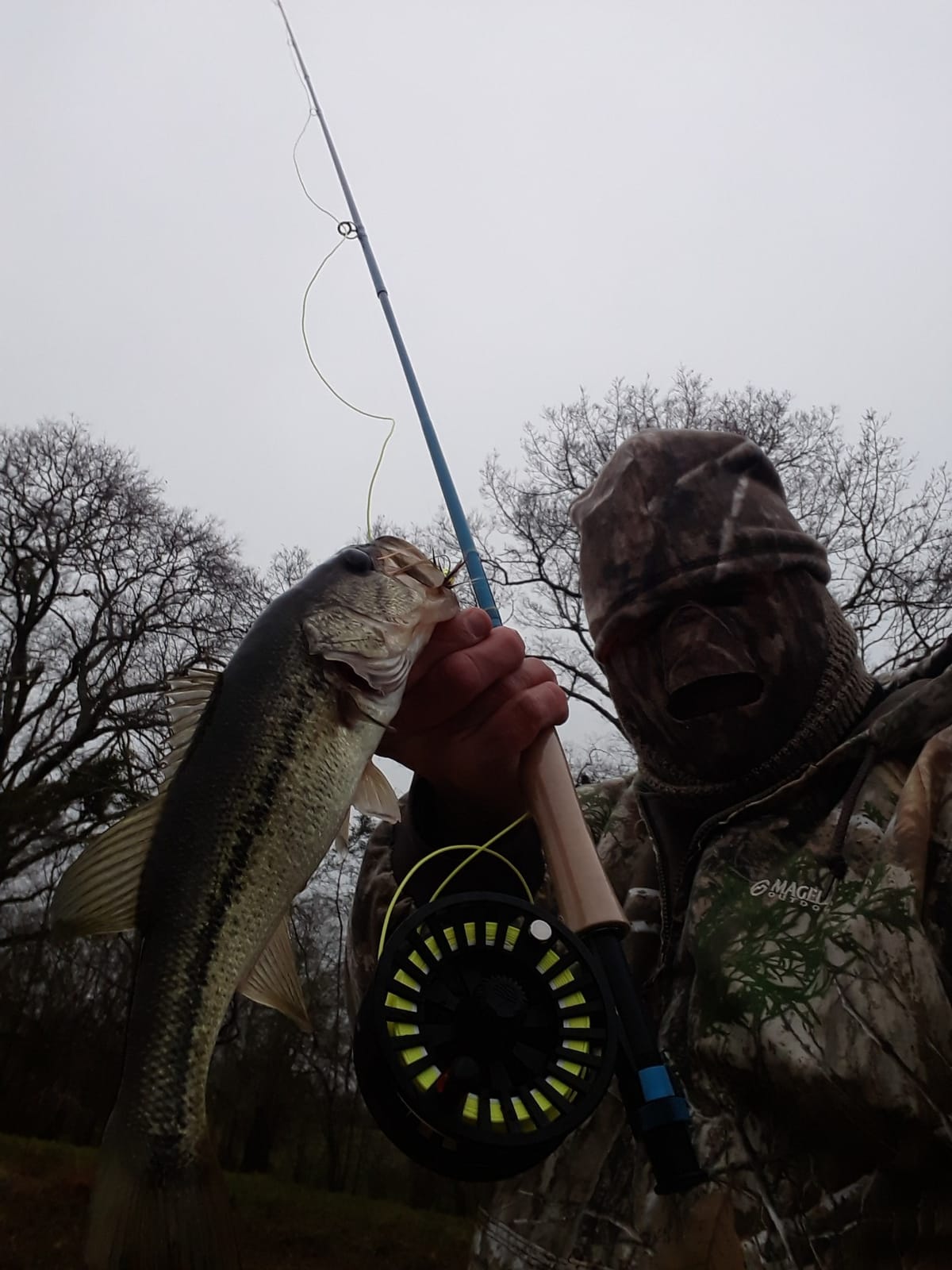
Owner reviews concentrate on the outfit being genuinely ready to fish, with the pre-matched reel and WF5F line removing setup friction entirely. The Crosswater reel drag is reported as smooth and it holds line well through repeated casts into wind.
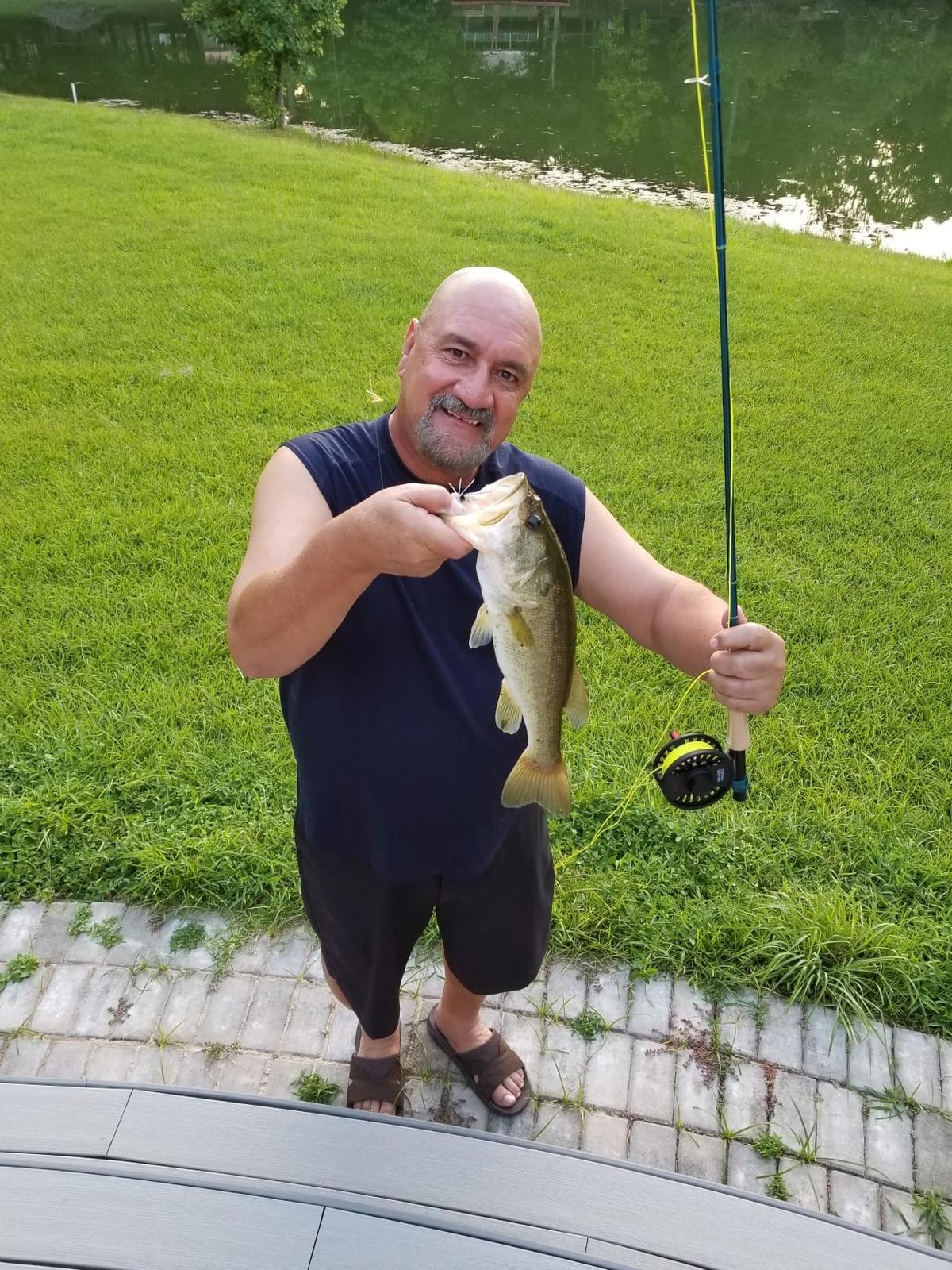
The recurring reservation is the reel body material. It is composite rather than machined aluminum, so it is lighter on the balance point but feels different in the hand from an all-metal reel. A second reservation is reel seat hardware loosening over time on some units, worth a periodic check with a small hex key.
Who this 9-foot outfit suits
It suits the angler who wants a 9-foot five weight, does not want to research fly line weights, and plans to fish freestone rivers and tailwater bends as well as creeks. Redington also offers an 8 weight 9 foot configuration of the same outfit if your water is heavier.
It suits a beginner who expects to borrow a rod often, because the case protects all four sections and nothing gets left behind.
Where it falls short on stream water
The bundled leader is generic and most owners upgrade it on day one. Nothing about the rod is the problem, but plan on buying a proper tapered leader.
Because it is a medium-fast rather than a moderate action, it will not bend quite as deeply under a light nymph rig as the Redington Classic Trout later on this list.
5. Orvis Encounter 9ft Combo – Best for Streamer Fishing Trout
Orvis Encounter Fly Rod Outfit – 4Pc Fishing Rod and Reel Combo with Smooth Performance, Complete with Reel, Line, Backing, & Leader for Young Anglers, Olive – (9’8-wt)
9ft four-piece graphite
5 and 8 weight
Pre-balanced with reel, backing, line and leader
Five-year warranty
Pros
- Crisp
- controlled action turns over big streamers
- Pre-balanced so no setup is needed
- Five-year warranty and solid Orvis construction
- Well made travel case
- 8 weight version handled big sockeye for one reviewer
Cons
- Reel is largely plastic rather than machined aluminum
- Alignment dots missing or unclear on some models
- Case does not hold the reel
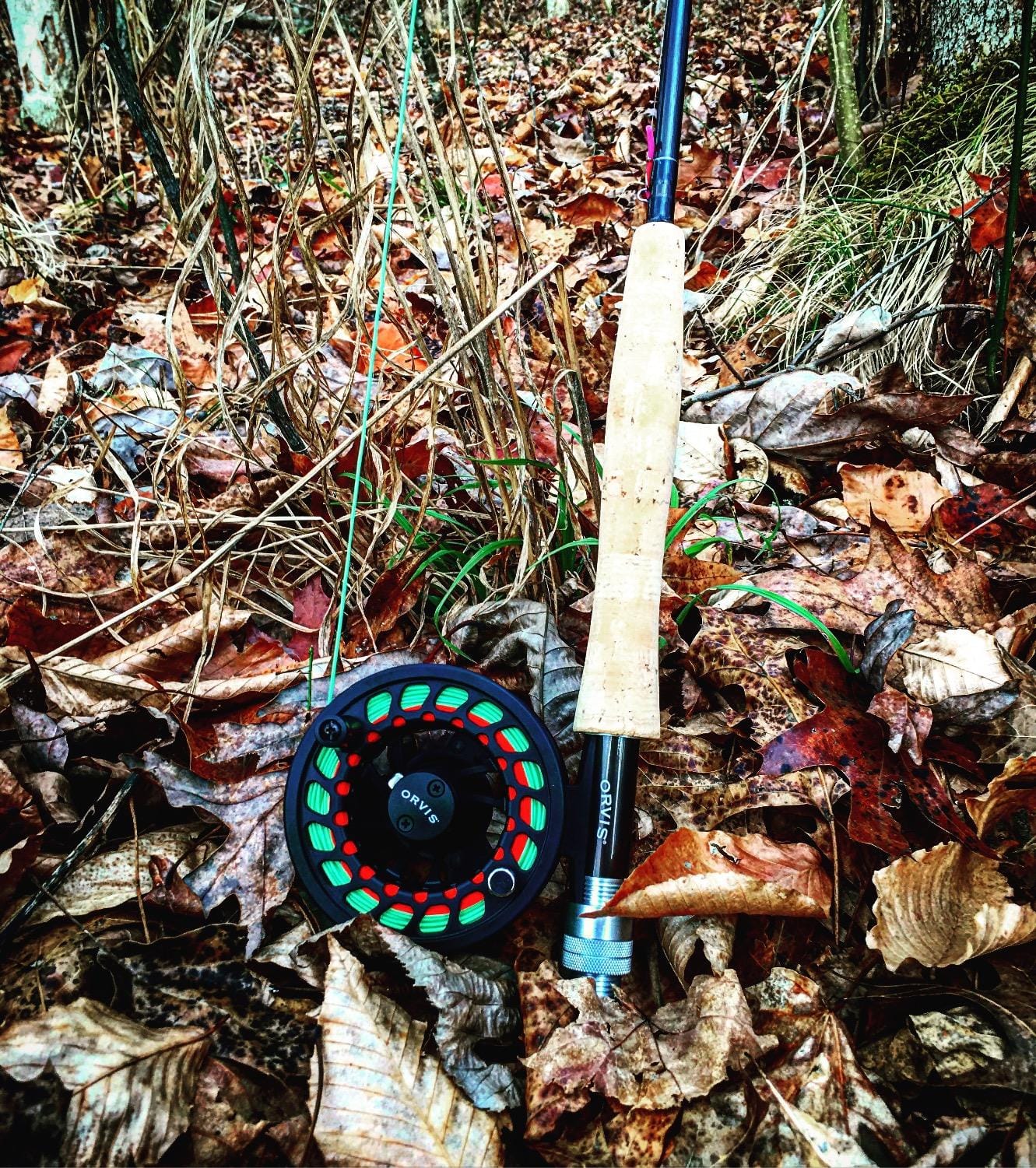
This is the most complete answer to the streamer question on the list. The 9-foot four-piece graphite blank has crisp, controlled action with enough power in the lower sections to turn a big articulated fly on its back, and owners note it delivers accurate dry fly presentations just as well. A rod that can do both is rare at any price.
It arrives pre-balanced with a large arbor reel, backing, a weight-forward floating line and a leader, all loaded at the factory. That matters when you are wading a cold river at first light and would rather be casting than assembling tackle. Alignment dots on the section connections and a protective travel case complete the package, and Orvis backs it with a five-year warranty.
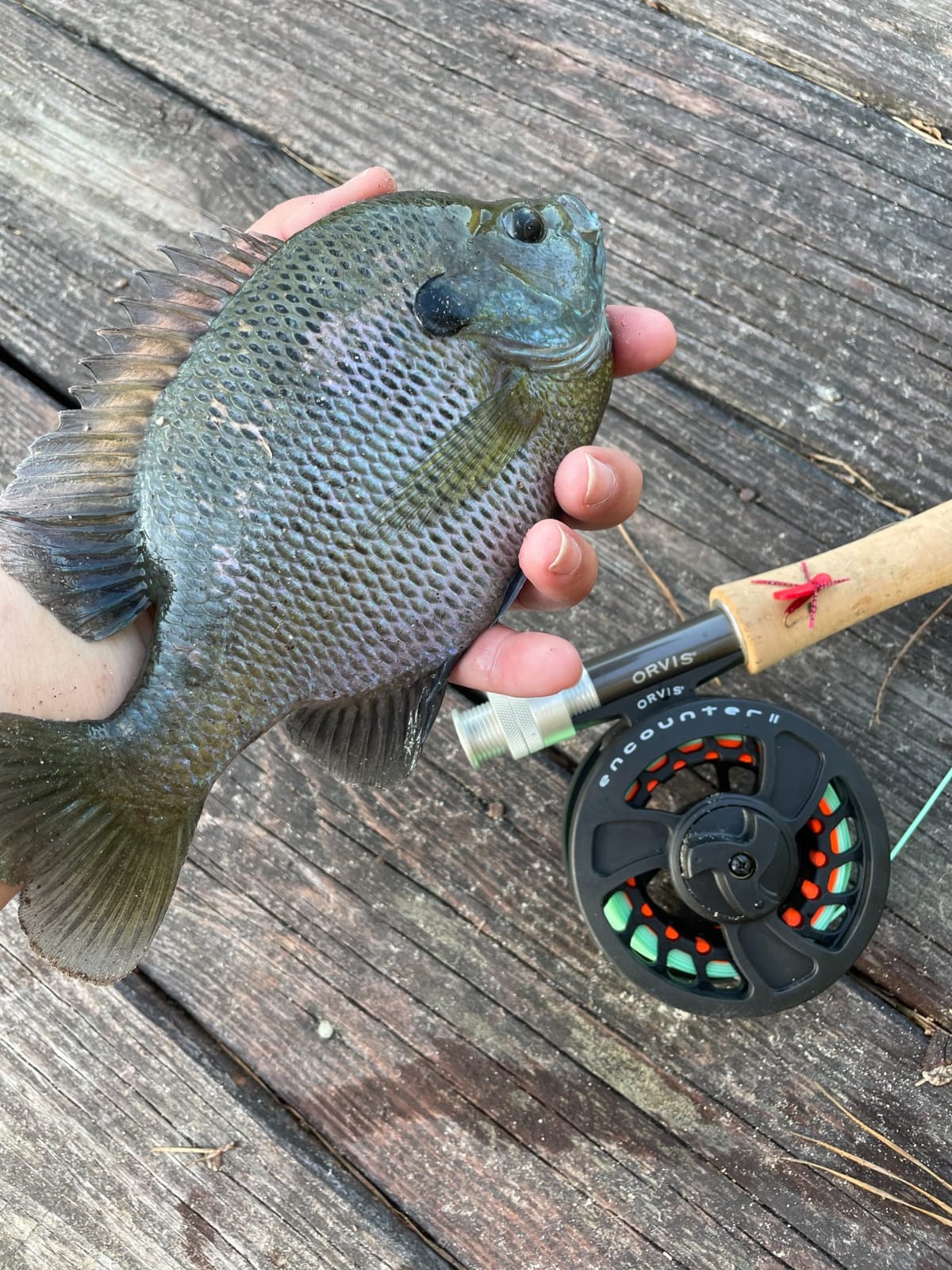
The 8 weight version is the other reason to consider this outfit. One owner reported landing 8 to 12 pound sockeye with it, which is well outside trout territory but tells you the lower blank has real reserve. For streams, the 5 weight is the one most anglers end up using.
At 1.8 pounds for the full package it is light, and the split grip sits well for long days. The most common complaint is the reel, which is built largely from plastic rather than machined aluminum, followed by missing alignment dots on some units.
Who this combo suits
It suits the angler who will fish both nymphs and big streamers, or who upgrades a starter outfit and wants the first upgrade to be a significant step. The crisp lower-section power is the reason it belongs in a trout stream roundup despite the streamer reputation.
It also suits anyone who values a warranty, since five years is the longest stated coverage among the outfits here.
Where it falls short on stream water
Because the case does not hold the reel, you are carrying two pieces instead of one. Small annoyance, but real when your rod tube is already in a full backpack.
The composite reel body and the unclear alignment dots are the two things owner reviews flag most often. Neither affects casting.
6. Redington Classic Trout 3wt 7ft 6in – Best for Spring Creeks and Brook Trout
Redington Classic Trout Freshwater Fly Fishing Rod – Moderate Action 4-Piece Fly Rod – Case Included
Moderate action trout blank
3wt 7ft 6in four-piece
16 oz blank weight
Lifetime warranty
Pros
- Moderate action works from creeks to rivers
- Light 16 ounce blank reduces fatigue
- Lifetime Redington warranty
- Alignment dots and protective nylon tube
- Machined reel seat and titanium oxide stripping guides
Cons
- Listed 3wt 7ft 6in is delicate for large fish or heavy flies
- Rod only
- no reel or line included
- Basic handle compared with premium rods
This is the trout-stream specialist of the group and the only rod here built explicitly as a trout blank rather than a general freshwater rod. The action is moderate, meaning it bends deep through the lower sections under a light rig and stays smooth, which is what makes dead drifts and delicate dry fly landings possible in clear water.
The listed configuration is a 3-weight 7 foot 6 inch in four pieces, weighing 16 ounces. That is small-stream territory: brook trout in a headwater creek, a cutthroat in a spring creek pool, dry flies in the surface film. The range also covers 4 and 5 weight 8 foot 6 inch and 9 foot models and a 6 weight 9 foot for rivers.
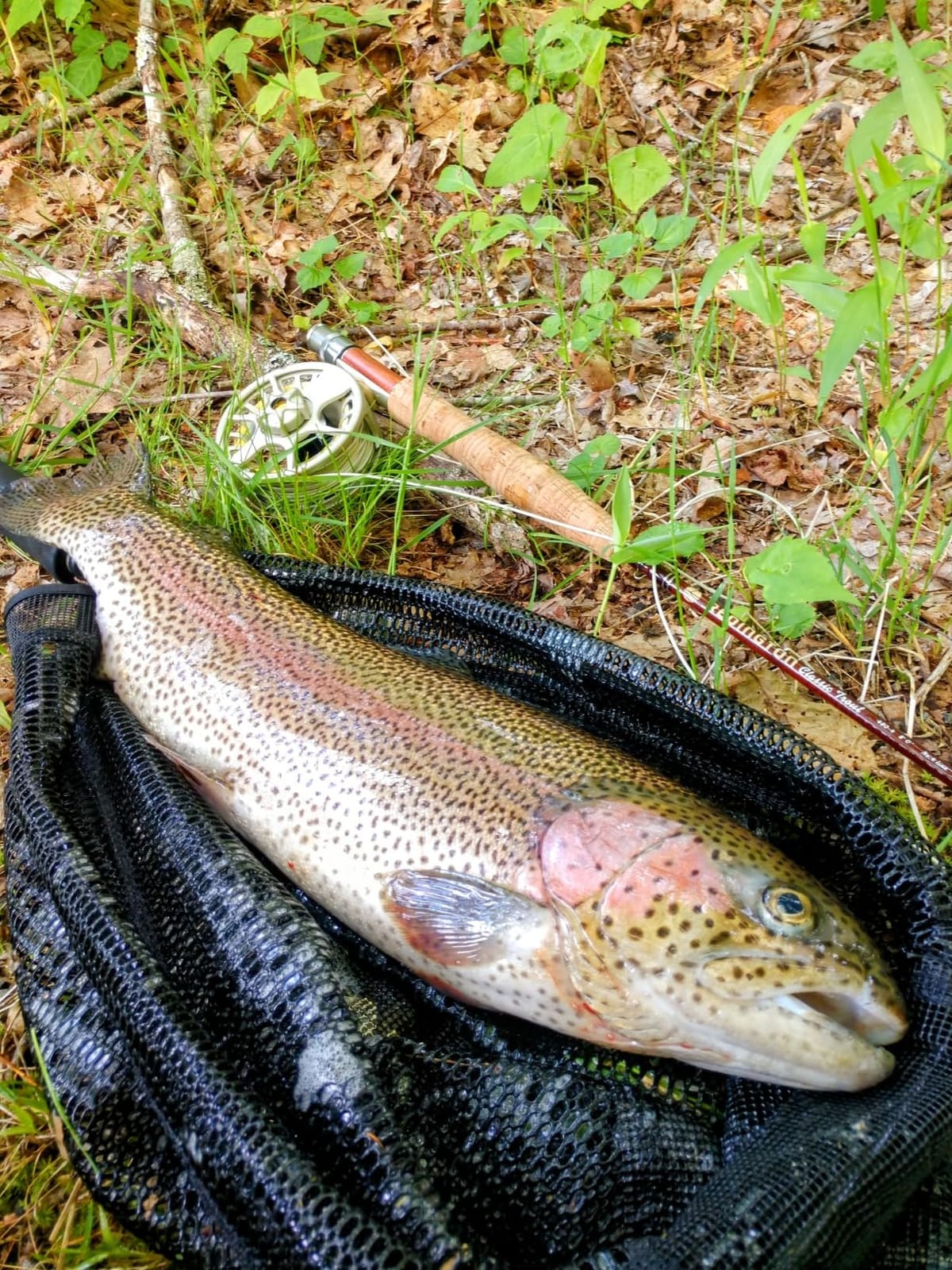
Owners consistently praise the moderate action, the low weight and the durable construction, and the lifetime warranty reduces the risk on a rod you might expect to keep for decades. The build details are what you would look for on a premium blank: custom machined reel seat components, titanium oxide stripping guides, alignment dots and a divided Ballistic nylon tube.
Be clear-eyed about the trade-off. This is a delicate 3-weight. It will not protect heavy tippet, and it is not the rod for streamers or for hooking a fish you cannot control. It is the rod for the water where fish see you before you see them.
Who this rod suits
It suits a brook trout angler fishing water under six feet wide, and it suits a spring creek regular who lands more fish on dries than on nymphs. The moderate action is the whole point for both.
It also suits anyone who will still be fishing in ten years, because the lifetime warranty means a broken blank is a repair rather than a replacement cost.
Where it falls short on stream water
It is sold as a rod only. Budget for a reel, a fly line and a leader, and make sure the reel is a small arbor to keep the balance right on a 16-ounce blank.
The handle is described as basic against premium cork, and the 3 weight will feel underpowered the moment you move to rivers with big fish.
7. TOPFORT 8ft 5/6wt Combo – Best Complete Kit with a Spare Tip
TOPFORT Fly Fishing Rod and Reel Combo, 4-Piece Fly Rod Kit with Complete Fly Fishing Gear: Fly Rod, Pre-Spooled Fly Fishing Reel, Fishing Flies, Leader, Forceps, Nipper and Carrying Case
Four-piece carbon fiber blank
8ft 5/6 weight
Spare rod tip section included
Pre-spooled aluminum reel
Pros
- Spare tip section included
- the most valuable inclusion in the kit
- Reel pre-spooled with backing
- line and leader
- Comfortable cork handle and light blank
- Twelve flies
- indicators
- split shot and full tool set
Cons
- Carry case is lightly padded and needs the reel removed
- Some included flies unravel without floatant
- A few reports of blank breaks at a section joint
- No instructions included
The thing that separates this kit from every other budget combo here is the spare tip section. Rod tips break. They break because of overhanging branches, because of rocks, because of ferry loading, and because the fine section tapers are the thinnest part of any blank. Having a replacement tip in the bag turns a season-ending failure into a five-minute roadside fix.
The blank is high-density carbon fiber with stainless steel snake guides, the reel seat is aluminum with dual locking rings to prevent reel wobble, and the handle is a non-slip cork grip designed to reduce hand fatigue. The 8-foot length in the listed 5/6 weight configuration sits in the sweet spot for a first all-around stream rod.
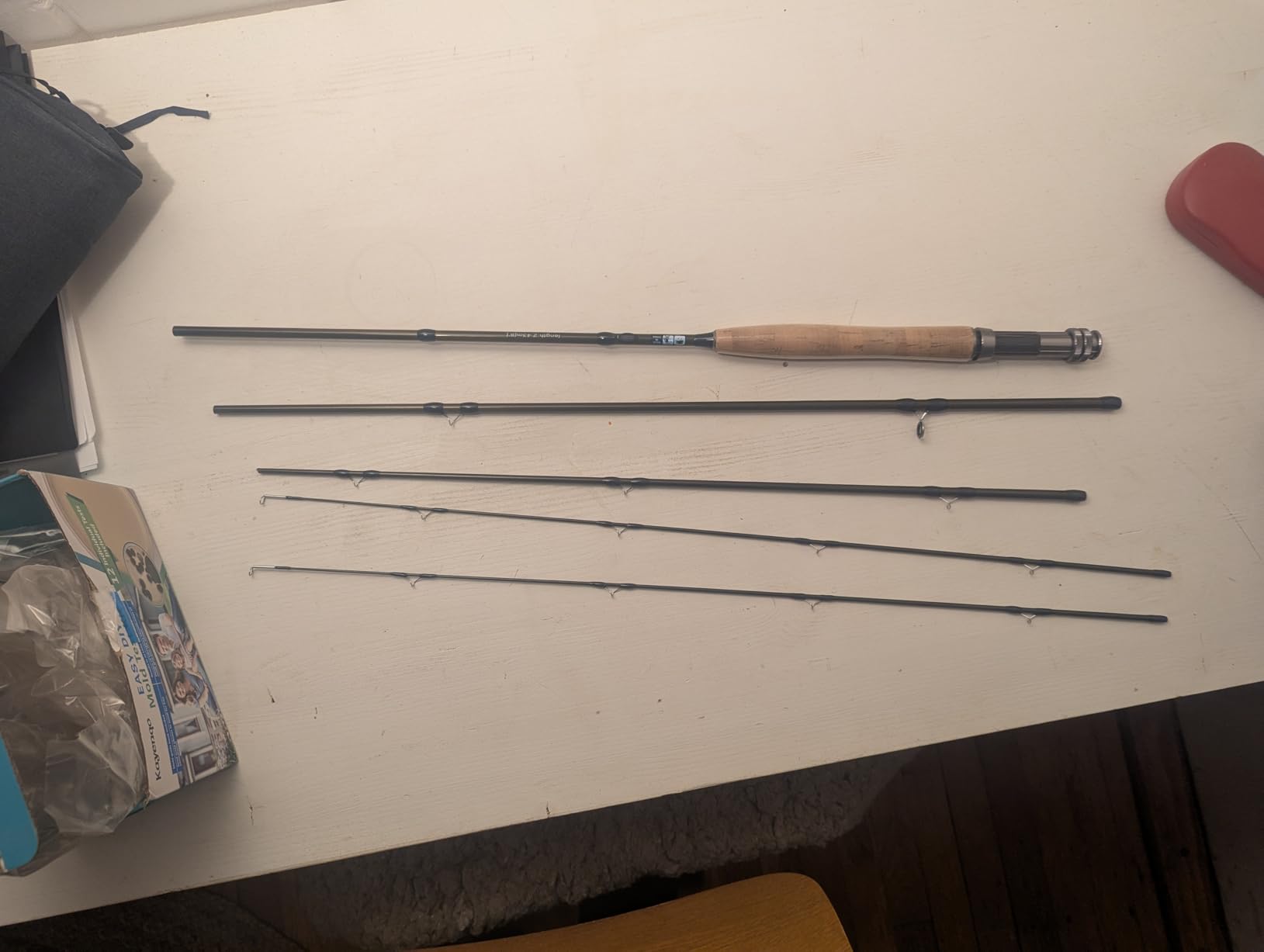
The accessory list is unusually complete. You get a pre-spooled aluminum reel with backing, floating line and a 9-foot 5X tapered leader for 3/4 weight lines, twelve flies, strike indicators, split shot, a 3-in-1 line clipper that cuts, ties knots and cleans hook eyes, stainless steel forceps, a retractable zinger and a carry bag. The reel also has left and right hand retrieve switching.
Owner reviews call it one of the most complete starter kits available, singling out the extra tip and the pre-spooled reel as the reasons it delivers. The complaints are thin case padding, flies that need floatant, and an isolated set of durability failures at section joints that are worth knowing about.
Who this combo suits
It suits the angler who fishes alone in places where a broken tip would end the trip, and the angler who is buying for a child and expects the kit to be dropped, sat on and carried badly.
The tool set makes it a genuinely complete first setup, not a rod with a token fly or two.
Where it falls short on stream water
The 8-foot length and fast-leaning blank are less precise than a 9-foot moderate rod at close range for delicate work on a long clear drift. It is a good generalist rather than a specialist.
Check the section joints carefully the first few times you fish it, given the isolated breakage reports, and add floatant before the first cast.
8. Moonshine Drifter II 9ft 5wt – Best Warranty Cover for a Single Rod
Moonshine Rod Company Fly Fishing Rod with Carrying Case and Extra Rod Tip
Higher modulus carbon blank
Moderate-fast action
9ft 5wt four-piece
Extra tip and lifetime warranty
Pros
- Light higher modulus blank for a mid-priced trout rod
- Moderate-fast action handles dries and power
- Spare tip section plus alignment dots
- SiC stripping guides
- delrin bushings and AAA cork
- Five-compartment cordura tube
Cons
- Rod only
- reel and line bought separately
- Full wells grip can feel cramped for smaller hands
- Cosmetic finish wear on the anti-glare blank
Angler after angler reports saying the same thing: this rod performs like blanks costing several times more. The Drifter II uses a higher modulus performance carbon fiber blank with a moderate-fast action in a 9-foot five weight, and the finish includes a burl reel seat with an anti-glare finish. The light weight is the quiet achievement here – a 9-foot 5-weight that does not fatigue your wrist by the fourth hour is a rod you will actually fish all day.
Two tip sections ship with every Drifter II, so the spare tip problem is handled, and alignment dots make reassembly in the dark straightforward. The guide set is SiC stripping guides plus light wire single foot guides, the reel seat rings are uplocking with delrin bushings, and the handle is AAA grade cork.
The range covers a lot of water in one family: a 3-weight 7 foot 6 inch, a 10 foot 6 inch Euro nymphing model, 5 weights at 9, 10 and 11 feet, a 6 weight 9 foot, 7 weights at 9 and 10 feet and an 8 weight 9 foot. If you are building a quiver over a few years, learning one blank and switching weights is simpler than starting from scratch with each rod.
The warranty is the differentiator. It is a lifetime manufacturer warranty with a fee-based rapid replacement programme, so a broken blank is a schedule-and-pay situation rather than a write-off. The five-compartment embroidered cordura tube keeps every section separated in a bag that survives a truck bed.
Who this rod suits
It suits an angler who already owns a decent reel and fly line and wants to spend the money on the blank instead. The reviews are full of owners comparing it to rods they had previously paid far more for.
It also suits a bigger-handed angler, because the full wells grip is a genuine full wells rather than a half wells in disguise.
Where it falls short on stream water
Small hands can find the full wells cramped, and that matters on a long day. If in doubt, the half-wells options lower on this list are safer.
Being rod only, it means the total cost is higher than it looks if you are starting from nothing. Some owners also report cosmetic wear on the anti-glare finish over time.
9. Maxcatch Ultra-Lite 7ft 9in 4wt – Best for Brushy, Canopy-Shaded Creeks
Maxcatch Ultra-Lite Fly Rod for Stream River Panfish/Trout Fishing 1/2/3 Weight and Combo Set Available (Ultra-lite Fly Rod, 7’9” 4wt 4pcs)
Medium-fast IM8 blank with full flex
6ft to 7ft 9in lengths
1wt to 4wt
Ceramic stripping guides
Pros
- Short length is ideal for brushy tight streams
- Delicate tippet protection and accurate short casting
- Balance compared favourably to costlier rods
- Packs into a backpack for travel
- Great for microfishing and native trout
Cons
- Not built for long casts
- weighted flies or heavy wind
- Several reports of broken top sections
- Alignment dots do not always align with guides
- Roll casting is difficult at this length
This is the rod for the water nobody else can fish. If your stream runs under a closed canopy of alder and cedar with branches at shoulder height, a 9-foot rod is a liability and a 7 foot 9 inch is a tool. The listed 4 weight 7 foot 9 inch is a four-piece build with a medium-fast IM8 graphite blank and a full flex profile, offered from 6 feet up to 7 foot 9 inches and from 1 to 4 weights.
The flex profile is the point. A full flex profile loads progressively and protects light tippet, which is exactly what clear, low water brook trout require. The ceramic stripping guides and hard chrome snake guides keep the line sliding smoothly through the tight casts you will be making at 10 to 20 feet, and the AA-grade half-well cork grip on a CNC machined aluminum reel seat keeps the balance forward.
Experienced anglers report that this rod performs like blanks costing several times more for small stream and microfishing work, and that the short length is a feature when casting into tight pockets. A protective hard tube with a divided cloth section bag makes it easy to pack, and spare tip and rod-and-reel combo versions are part of the range.
The 4.3 rating is held down by a cluster of durability complaints rather than by performance. Several owners report broken top sections, warranty handling is reported as unclear when bought through a marketplace, alignment dots on some versions do not line up with the guides, and roll casting is genuinely difficult at this length.
Who this rod suits
It suits the angler who fishes creeks with overhanging branches, and anyone chasing small native trout on light tippet where the fish see everything. The 1 to 3 weight variants are built for exactly that.
It also suits backpackers and travelling anglers, because 6 to 7 foot 9 inches in three or four pieces is the easiest length to live out of a pack.
Where it falls short on stream water
It is not a long-cast rod. Weighted flies, big streamers and anything requiring a roll cast are out of scope, and if your water is open tailwater or a wide freestone river you will be leaving fish behind.
Check the alignment dots against the guides the first time you assemble it, and if you are warranty-minded, buy from a seller that handles repairs directly.
10. Redington Path 9ft 5wt – Best Value 9ft 5wt All-Rounder
Redington Path Fly Fishing Rod with Tube, 4 Pieces, Medium Fast Action Freshwater Fly Rod, Case Included, 5WT 9’0″
9ft 5wt four-piece medium-fast graphite
15.2 oz blank weight
Half-wells cork handle
Cordura tube included
Pros
- Smooth forgiving medium-fast action
- Easy to cast for beginners
- Performance compared with costlier rods
- Light 15.2 ounce blank reduces fatigue
- Alignment dots and Cordura tube
Cons
- Cork handle described as filler-heavy
- Rod only
- no reel or line
- Less sensitive than premium mid-range rods
The Path is the plainest answer to the question this whole roundup is trying to answer. It is a 9-foot five weight, four pieces, medium-fast graphite, and it does exactly what a trout stream rod is supposed to do without any drama. The blank is light at 15.2 ounces, which keeps a full day of wading comfortable, and the action is smooth and forgiving rather than aggressive.
Build details are better than the price band suggests: a clay brown blank with a rosewood reel seat insert, machined reel seat components, titanium oxide stripping guides, alignment dots and a divided Cordura nylon tube. Rods through 6 weight use a half-wells handle with a wood reel seat, while 7 weights and above step up to a full-wells grip with an anodized aluminum seat.
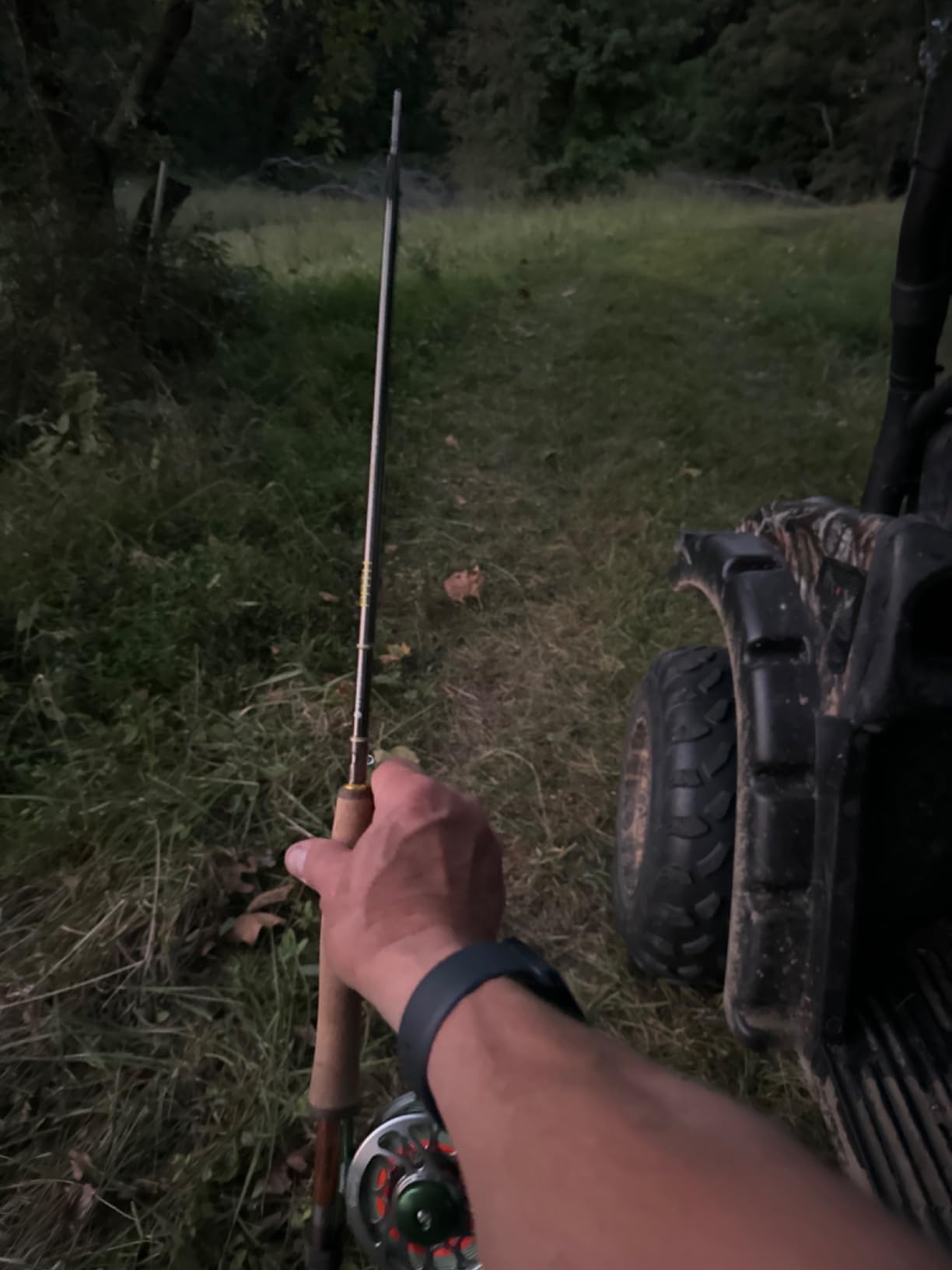
Owners report a well-balanced, forgiving all-rounder that punches above its class, handling nymphs, dry flies and small streamers, and even bringing in river smallmouth. Several describe the casting performance as comparable to rods costing several times as much, which matches the general forum view that the gap between a very good rod and an expensive rod is far smaller than the price gap suggests.
Criticism is narrow. The cork handle is described as containing a lot of filler, and the sensitivity is a step below premium mid-range rods. Being rod only, you will also need a reel and line, so account for that when comparing against the complete outfits above.
Who this rod suits
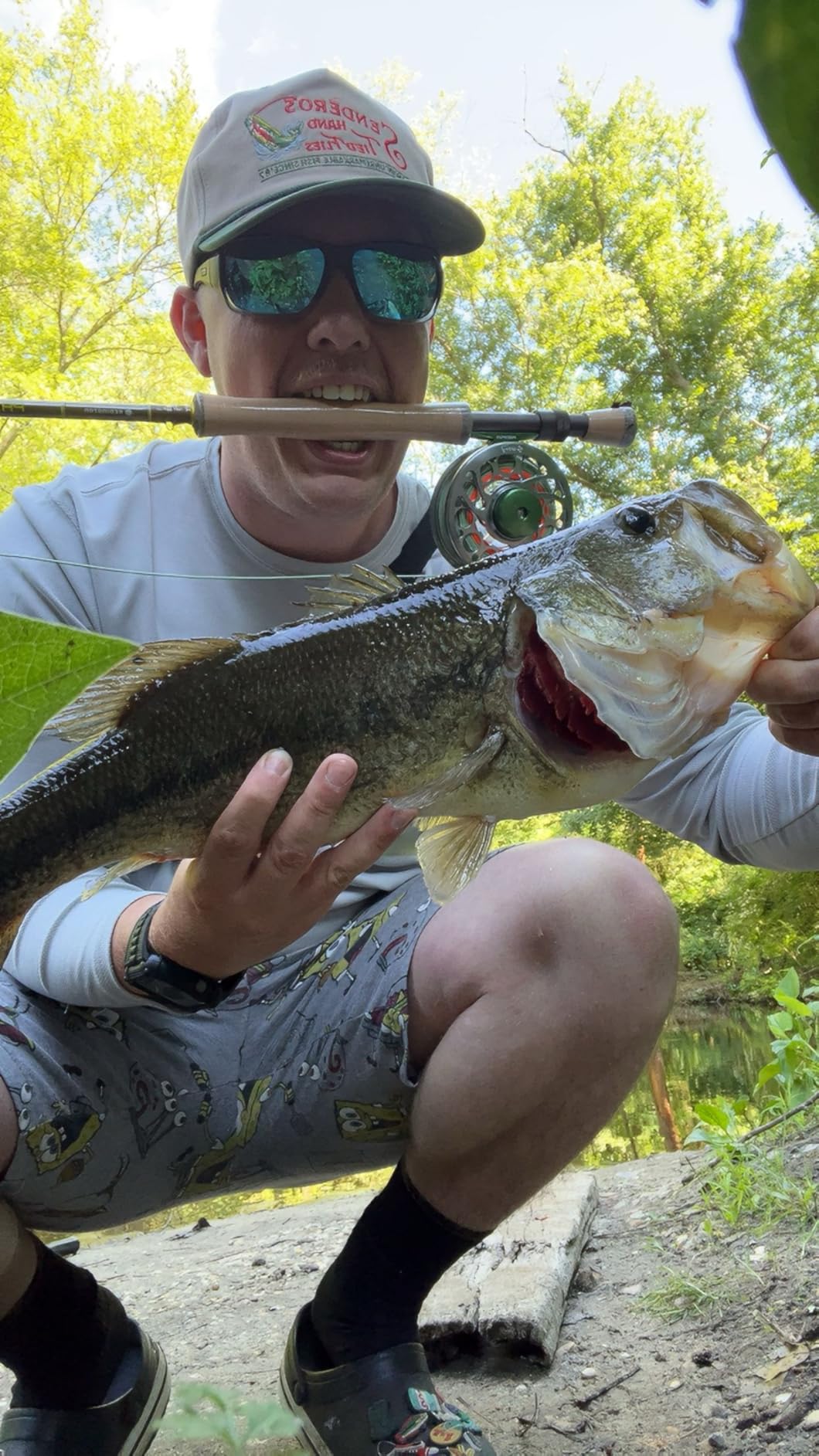
It suits the angler who has decided on a 9-foot five weight and wants the most capable rod they can get without moving up a bracket. It works for trout, salmon and bass from small streams to rivers, according to owners who use it that way.
It suits anyone with sensitive hands, because a half-wells grip is far more comfortable over a full day than the full wells designs on some of the premium-style rods here.
Where it falls short on stream water
It will not tell you as much as a higher-end blank. If you fish subtle hatches on pressured fish and need to feel a take, the extra sensitivity of a premium rod is real.
The cork grip is the part most likely to disappoint, and again, nothing is included but the rod and tube.
How to Choose a Fly Rod for Trout Streams
Rod weight: pick the fly before the rod
A rod weight is the fly line the rod is designed to throw, not a rating of how tough the trout are. A 5-weight rod is built to throw a weight-forward 5 line, which in turn lets you fish flies from roughly size 16 to size 6 with confidence. Pick the line weight first, and the fly sizes follow automatically.
For most trout streams, a 5 weight is the default because it covers dry flies and nymphs in the same outing. A 4 weight is a viable daily driver and many anglers prefer it for trout under pressure, though some find it large for step-across streams. A 6 weight is widely considered the best all-around for nymphing because heavier line casts bigger flies further and more easily. A 3 weight belongs to brooks and tiny creeks, and a 2 weight is a specialist tool for very light rigs.
Rod length: longer mends, shorter fits
Length is a decision about geometry, not about power. A 9-foot rod is the standard for streams because it can mend a drift in two places, roll a heavy rig downstream, and keep the line off the water when you lift it. Classic forum advice still holds: 8 foot 6 inch to 9 feet for streams, and longer models for big rivers.
When trees are the problem, shorter is better. Small-stream anglers favour 6 foot 6 inch to 7 foot 6 inch lengths, and the 7 foot 9 inch option on this list is designed for exactly that. A shorter rod also lets you fish closer to the bank, which matters where the fish are in a small pool and you cannot wade.
Action: slow, medium or medium-fast
Action describes how far up the blank the rod bends under load. A slow action bends deep into the lower sections, protecting light tippet and mending beautifully but struggling with heavy flies. A fast action bends in the upper third, loading for distance and power with less finesse. Medium-fast is the compromise most trout stream anglers land on, and medium is the choice for technical clear water.
Unless you have a specific reason, medium-fast is the safest recommendation. It forgives a rushed cast, keeps a dry fly where you put it, and still turns over a nymph rig or a small streamer when the wind picks up.
Graphite or fiberglass
Graphite is lighter, more responsive and more sensitive, which is why nine of the ten rods here use it. Fiberglass is heavier, warmer in feel and considerably more forgiving, and it has a growing following among small-stream anglers who prefer the slower pace and the durability. If you are buying a first rod for clear water and light fish, graphite is the better tool. If you want something that shrugs off rocks and does not punish a beginner, fiberglass is not a compromise.
Pieces, build and what to look for
Four pieces is the sweet spot for stream anglers: short enough to fit a daypack, sturdy enough for a car boot. Six pieces pack smaller for travel but cost more and add joints. Beyond the piece count, look at alignment dots, a machined reel seat with positive locking, a stripping guide suited to your line weight, and whether a spare tip is included.
Balance matters more than weight. Pick the rod up and rest the balance point on your index finger; a rod that balances there will feel light all day. A badly balanced rod feels heavy even when it is not.
Fly line pairing
Match the line weight to the rod weight, every time. A weight-forward floating line is the right choice for most trout water because it stays on top, cuts through wind and carries a nymph indicator without sinking. A double taper is the right choice for delicate dry fly presentation where you want the fly to sit in the surface film and mend softly on the drift.
As a rule of thumb, use weight-forward lines for freestone rivers, tailwaters and nymph fishing, and double tapers for spring creeks, clear water and long dry fly drifts. Check the rod weight on the blank first, then buy the line to match rather than the other way around.
Which Rod Matches Which Kind of Stream
Most roundups sort rods by price. Sorting them by the type of water you fish is far more useful, because the geometry of the stream decides the rod before your preferences do.
Brook trout creeks – Water two to eight feet wide, often under alder canopy, fish that see you first. Choose 6 foot 6 inch to 7 foot 9 inch lengths in 2 or 3 weights with a moderate to medium-fast action. The Maxcatch Ultra-Lite and the Redington Classic Trout 3 weight are the natural fits.
Spring creeks – Clear, cold, glassy and heavily fished. Fish are at the surface and the pressure on them is high, so you need a moderate action that bends deep and delivers a size 16 dry fly without a wake. The Redington Classic Trout in moderate action is built for this, and the Maxcatch Ultra-Lite works when the trees close in overhead.
Freestone rivers – Broken water, current seams, wading structure and the occasional trout that will not fit in the net. A 9-foot 5 weight medium-fast rod is the standard here, and the Orvis Encounter or the Redington Path cover it. Step up to a 6 weight for heavy nymph rigs and small streamers.
Tailwaters – Deep, cold, clear water below a dam where trout hold in seams and can be large. You need the ability to place a long cast accurately and the backbone to fight. A 9-foot 5 weight works for most anglers, but if you expect consistently large fish, look at the 8 weight configurations and the 6 weight options.
Big rivers and wide water – Longer casts, more wind, more pressure from other anglers. Move to 10 and 11 foot models and 6 to 8 weights. None of the ten rods here is built for that job, which is the honest argument for a second purchase later rather than trying to make a 9-foot creek rod work on a wide river.
One rod cannot cover all five. The practical quiver for a stream angler is a short rod and a 9-foot rod: one for the tight overhead water, one for everything open. Buying those two first beats buying one expensive rod and one cheap one, and if you can only afford two, that is the pair.
How to Test a Rod in a Shop and Care for It
No guide can tell you how a rod feels in your hand, and no review substitutes for holding the blank. If you can get your hands on the best fly rods for trout streams before buying, spend five minutes on this. Check that the alignment dots line up, run a ferrule joint on and off five times to confirm a snug fit, and look for gaps or dry spots around the reel seat hardware.
Then balance it. Rest the balance point on your index finger with the reel fitted. If the tip is so light the rod feels like a stick, you will struggle to feel takes. If it falls well past the middle, you will tire faster than you should. Finally, if a shop will let you, load it with a line and roll cast a few times to feel the recovery.
Between trips, check the ferrules for grit, wipe the blank with a damp cloth after salt water or heavy mud, and dry it before the case goes on. Store sections vertically in the tube if your vehicle is hot, horizontally if it is not, and never leave a rod in a car boot overnight in summer. Rinse grit off before the case goes on – trapped sand is the most common cause of ferrule wear we see in broken rods.
Frequently Asked Questions
What weight fly rod is best for trout streams?
A 5-weight is the default for most trout streams because it throws a weight-forward 5 line, covering dry flies from size 16 to size 6 and most nymph rigs. Drop to a 3-weight for brook trout creeks and clear headwater water, use a 4 weight when trout are heavily pressured, and move up to a 6 weight for freestone rivers, tailwaters and nymph fishing.
What length fly rod is best for trout fishing?
A 9-foot rod is the standard for streams because it mends a drift in two places, keeps the line off the water on the lift and rolls heavy rigs downstream. Choose 7 to 8 feet when trees are overhead, walking to distant water, or you want to fish close to the bank in a small pool. Longer 10 and 11 foot models suit big rivers, not creeks.
Is a 3-weight fly rod too light for trout?
Not for the fish it is designed for. A 3-weight protects tippet down to 5 pounds and excels in clear, low water where fish see you first, which is exactly the situation in a brook trout creek. It becomes too light in deep or fast water, with big fish, or when casting weighted flies and small streamers. Pair it with a small arbor reel and a weight-forward 3 line.
Should I get a fast-action or medium-action trout fly rod?
Medium-fast is the safest all-round choice for streams, because it forgives a rushed cast, delivers dry flies accurately and still turns over a nymph rig or small streamer in wind. Choose moderate or slow action for spring creeks and clear water where delicate presentation matters, and fast action only if you mostly fish big water and heavy flies.
What fly line should I pair with my trout fly rod?
Match the line weight to the rod weight, for example a 5-weight rod with a weight-forward 5 or a double taper 5. Use weight-forward floating lines for freestone rivers, tailwaters and nymph work because they stay on top and cut wind. Use double tapers for spring creeks, clear water and long dry fly drifts where a soft landing and good mending matter.
How much should I spend on a trout fly rod?
Spend enough to get a rod that matches your water and your casting ability, and stop there. Complete outfits cover rod, reel, line, leader and flies from the low end of the market, while rod-only models need a reel and line added. Owner reviews repeatedly suggest most anglers cannot reliably tell a very expensive blank from a well-made mid-range one.
Final Verdict on the Best Fly Rods for Trout Streams in 2026
The Wild Water Standard 9-foot 5/6 weight combo is our pick of the best fly rods for trout streams, because a light medium-fast blank, four pieces and a pre-rigged line package make it the one most anglers can fish the same afternoon they open the box. Buy the Orvis Encounter if you want a longer warranty and a rod that handles streamers as well as nymphs, and buy the Redington Classic Trout in moderate action if your water is clear and technical.
For brushy creeks, the short Maxcatch Ultra-Lite solves a problem no long rod can, and for tight budgets the Wakeman and Maxcatch combos put a complete setup on the water for less than most people spend on a single fly line. Match the rod to your stream first, buy the line weight second, and you will not go wrong.