
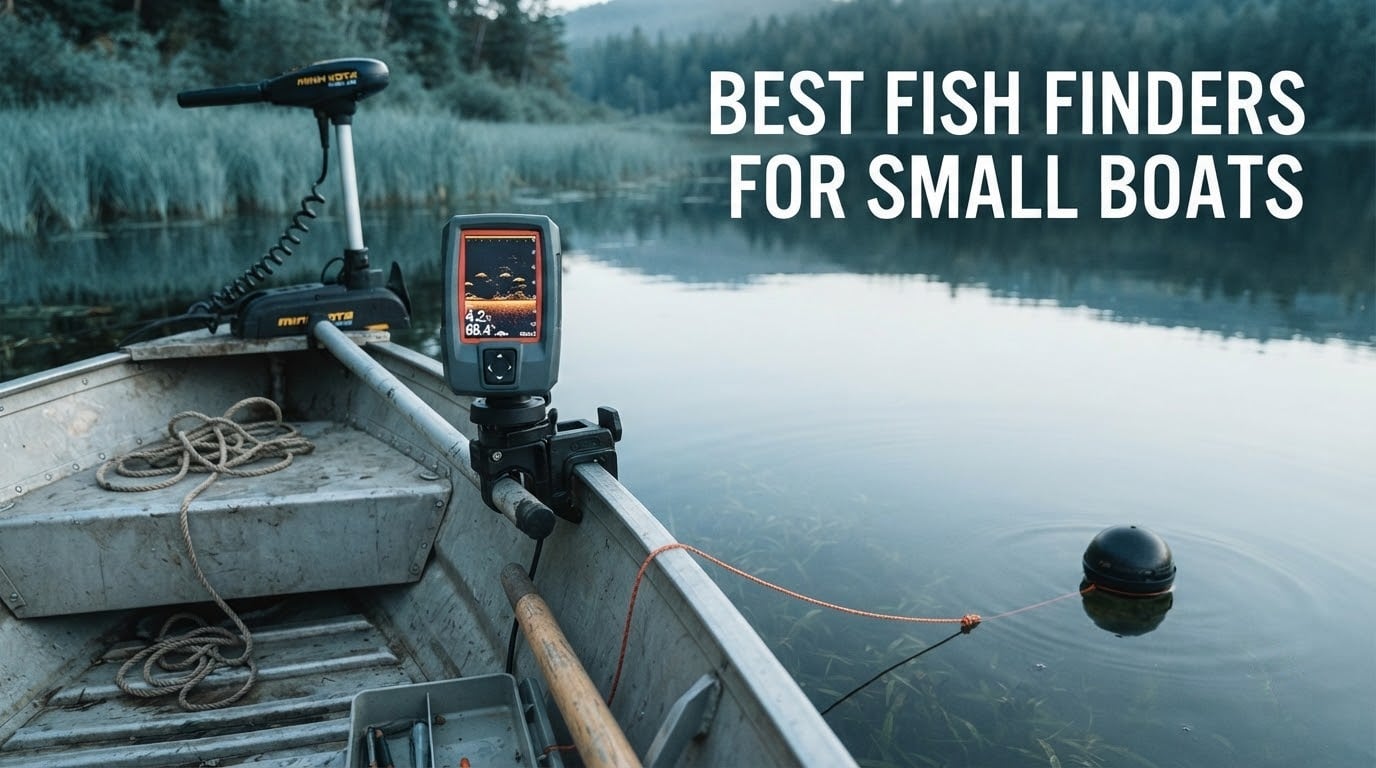
A small boat changes the fish finder question completely. On a 20-foot bass boat you can run a big display off a factory harness with flush-mounted through-hull transducers. On a jon boat, a kayak, or a tiller-steered skiff you have a shallow aluminum hull, no console, no wiring, and a glare problem the size of a dinner plate. The best fish finders for small boats are the ones that mount without drilling, run off a small battery or a trolling motor, and still give you a readable picture from a seated position.
Our short answer: the Garmin STRIKER 4 is the best all-around small boat fish finder, and the Garmin STRIKER Vivid 4cv is the best buy if you want scanning sonar and auto-mapping in 4 inches. If your boat has no electrical system at all, the LUCKY FFC1108 handheld does the basic job for the least money, and the Deeper PRO+ 2 is the pick when you want real accuracy without a single wire.
We went through twelve units across Garmin, Humminbird, Lowrance, Deeper, Venterior, HawkEye and LUCKY, then sorted them by what actually matters on a hull under 20 feet: readable in direct sun, mountable without permanent fasteners, low current draw, and a transducer that works in shallow water. Twelve products is enough that the field naturally splits into mounted head units you wire in and castable sensors you do not. Most small-boat owners end up owning one of each eventually, so we covered both.
If your boat lives in a truck bed rather than a slip, weight matters as much as screen size. A head unit, a transducer and a RAM-style arm mount together run roughly 3 to 5 lb, which is a real consideration for a 12-foot jon boat you launch alone. Paddling setups carry their own constraints, and our fish finder guide for kayaks covers those separately. The portable picks in this roundup are further down the list.
Table of Contents
Top 3 Picks for Small Boats in 2026

Garmin STRIKER 4
- CHIRP traditional sonar
- ClearVu scanning sonar
- Built-in GPS with waypoints
- 3.5-inch sunlight-readable LCD

Garmin STRIKER Vivid 4cv
- 4-inch color display
- GT20 CHIRP ClearVu transducer
- Quickdraw Contours mapping
- 2-year warranty

LUCKY FFC1108 Handheld
- 2-inch backlit LCD
- 3 ft to 328 ft depth range
- Weed and rock bottom reading
- Fish school alarm
The STRIKER 4 pulls 9312 reviews at a 4.6 average, which makes it the most proven compact unit we looked at, and it is the pick small-craft owners keep naming across Reddit and fishing forums as the safe first electronics purchase. The STRIKER Vivid 4cv carries the highest average rating in the group at 4.7 and adds scanning sonar color plus Quickdraw Contours. The LUCKY handheld is the fallback when the boat has no battery, no fuse and no plan to add one.
Best Fish Finders for Small Boats (October 2026)
| Product | Specifications | Action |
|---|---|---|
| Garmin STRIKER 4 |
|
Check Latest Price |
 Garmin Striker Plus 4 Garmin Striker Plus 4 |
|
Check Latest Price |
| Garmin STRIKER Vivid 4cv |
|
Check Latest Price |
 Humminbird PiranhaMAX 4 Humminbird PiranhaMAX 4 |
|
Check Latest Price |
 Humminbird HELIX 5 CHIRP GPS G3 Humminbird HELIX 5 CHIRP GPS G3 |
|
Check Latest Price |
 Lowrance Eagle 4-inch Lowrance Eagle 4-inch |
|
Check Latest Price |
 Deeper PRO+ 2 Deeper PRO+ 2 |
|
Check Latest Price |
 Deeper START Deeper START |
|
Check Latest Price |
| LUCKY FFC1108 Handheld |
|
Check Latest Price |
 Venterior VT-FF005 Venterior VT-FF005 |
|
Check Latest Price |
 Yoocylii Handheld Fish Finder Yoocylii Handheld Fish Finder |
|
Check Latest Price |
 HawkEye FishPod 5X HawkEye FishPod 5X |
|
Check Latest Price |
A few patterns jump out of that list. Every mounted unit in this group has a 3.5 to 5 inch screen, which tells you how little mounting surface a small boat actually has. Five of the twelve carry a GPS, and four of those can store a map you draw yourself. The castable sensors cluster on the other end of the list, where depth range and beam quality matter more than screen size.
1. Garmin STRIKER 4 – The Best All-Around Small Boat Fish Finder
Garmin 010-01550-00 Striker 4 with Transducer, 3.5″ GPS Fishfinder with Chirp
3.5-inch LCD
CHIRP and ClearVu sonar
Built-in GPS
1600 ft depth
Pros
- Most proven compact unit with 9312 reviews at 4.6 stars
- Sunlight-readable display that works through polarized glasses
- Transom and trolling motor mounts included
- Draws only 0.23 amp at 12V
- Waypoint marking with speed and temperature alarm
Cons
- 3.5-inch screen is the smallest here and limits split-screen detail
- No Quickdraw contour mapping on this model
- Thin fragile power leads that some owners replace
- Signal drops out above idle speed
This is the unit we kept coming back to while working through the list. It weighs 8 ounces, draws 0.23 amp at 12V, and the box includes a tilt and swivel bracket with transom and trolling motor mounting hardware, so on most small boats the install is a bracket and two wire connections. The keypad interface has physical buttons rather than a touchscreen, which matters when your hands are wet and you are wearing gloves.
What makes it interesting is that you get both CHIRP traditional sonar and ClearVu scanning sonar from one bundled transducer, plus a waypoint map for brush piles, stumps and docks. Maximum depth is 1600 ft in freshwater and 750 ft in saltwater, so it is not going to run out of range on a small boat in any realistic scenario. There is also a built-in flasher mode for ice fishing and vertical jigging.
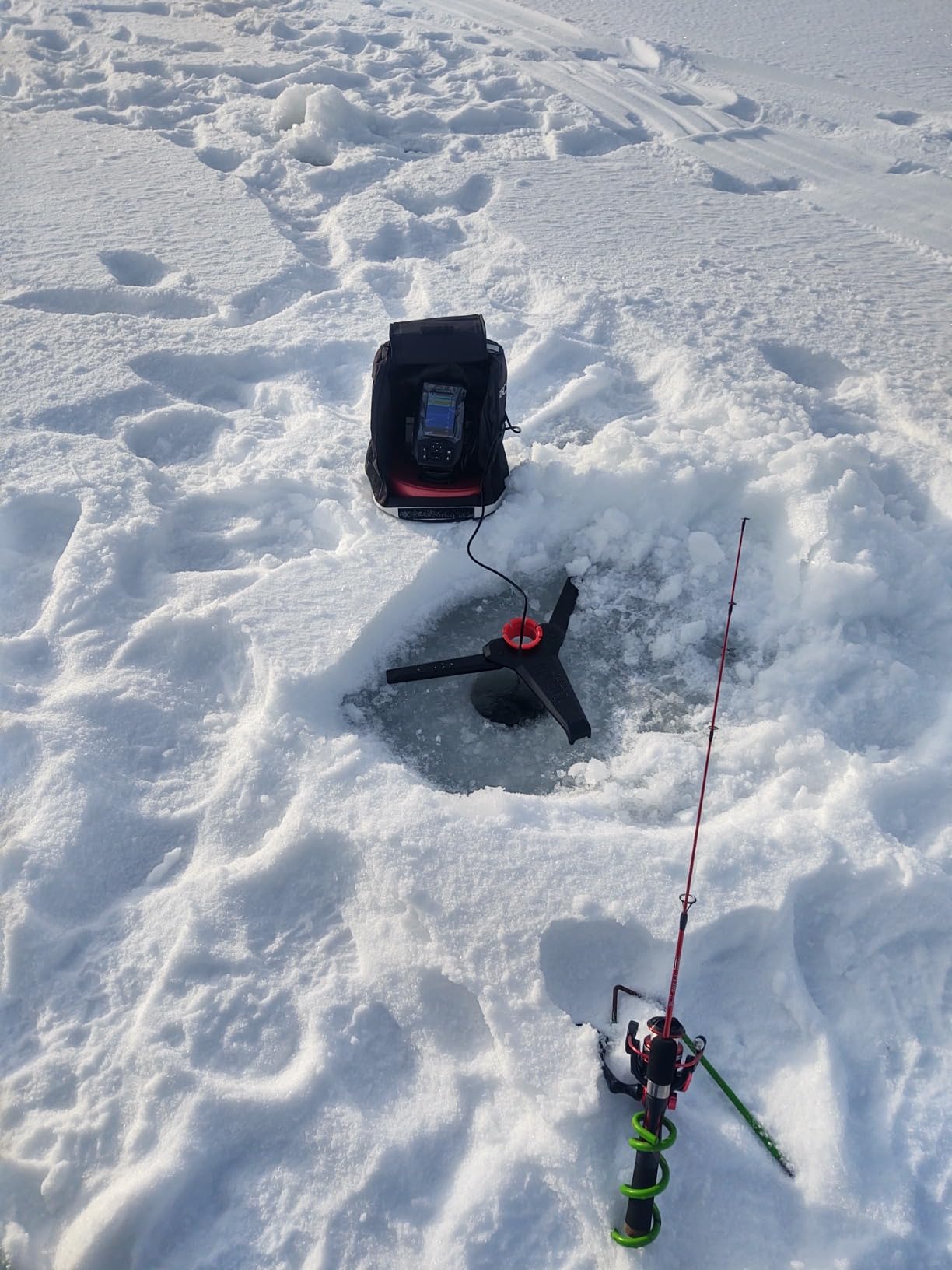
The honest limit is screen size. At 3.5 inches diagonal with a 1.9 by 2.9 inch active area, split-screen sonar and map is legible but cramped, and a lot of buyers who later regret this purchase regret the screen rather than the sonar. It also drops the Quickdraw Contours feature that shows up on the next two Garmin models in this list.
Owners also report the included power leads are thin, and a few had to crimp and tape their own connections. A handful of buyers report defective units that Garmin exchanged without friction, which tells you something about support even if it is not something you want to deal with.
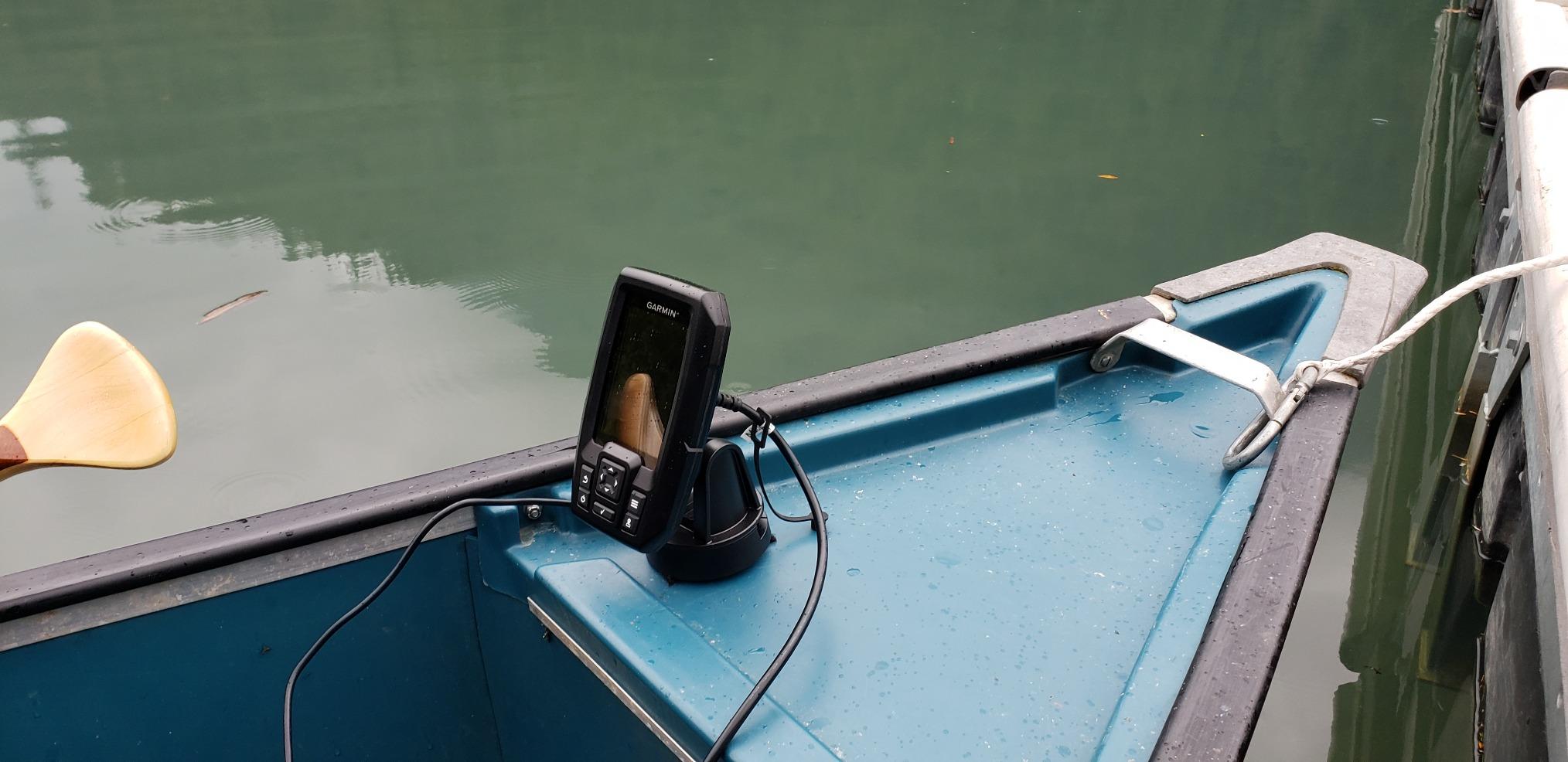
Why the 3.5-inch screen works better than it looks
Seated low in a jon boat you are looking up at a display roughly eighteen inches from your eyes, not down at a dash eight inches away. At that angle glare matters more than pixel count, and owners describe the STRIKER 4 as readable in direct sun and through polarized sunglasses.
It also doubles as a GPS and speed readout, which on a boat with no other electronics is the fastest way to mark a productive weed edge and get back to it. Current draw of 0.23 amp means a small 7 amp-hour pack runs a full day of trolling.
Where the STRIKER 4 falls short
If you fish structure-heavy water and want brush piles and creek channels rather than fish arches, this is the wrong tool. Anyone who wants to draw their own bottom contours should step up to the Striker Plus 4 or the STRIKER Vivid 4cv. There is no battery in the box either, so shore and dock fishing calls for a handheld or castable design.
2. Garmin Striker Plus 4 – Best for Auto-Mapping Your Own Lake
Garmin 010-01870-00 Striker Plus 4 with Dual-Beam transducer
4.3-inch QSVGA screen
Dual-beam CHIRP
Quickdraw Contours
GPS
Pros
- Quickdraw Contours stores 1-foot contours for up to 2 million acres
- Split-screen sonar and map works vertically or horizontally
- Dual-beam transducer gives strong target separation
- 4.3-inch sunlight-readable screen
- Weighs 11.2 ounces
Cons
- Screen resolution is a step down from earlier Garmin units
- No battery or battery fittings included
- Quickdraw maps cannot be shared or downloaded on this model
- Documentation is thin for first-time users
The step up from the base STRIKER 4 is Quickdraw Contours, and buyers single it out as the feature that justifies the money. It records 1-foot contours as you cruise and stores up to 2 million acres, which on a lake you fish constantly is more useful than any preloaded chart. The display is 4.3 inches diagonal, which is the sweet spot for split-screen on a small hull.
Sonar comes from a bundled dual-beam transducer running Garmin CHIRP traditional frequencies at 50, 77, 83 and 200 kHz with 200 W RMS transmit power. Owners report it shares a boat with other sonar brands without interference, which matters if you are running a second unit or testing two at once.
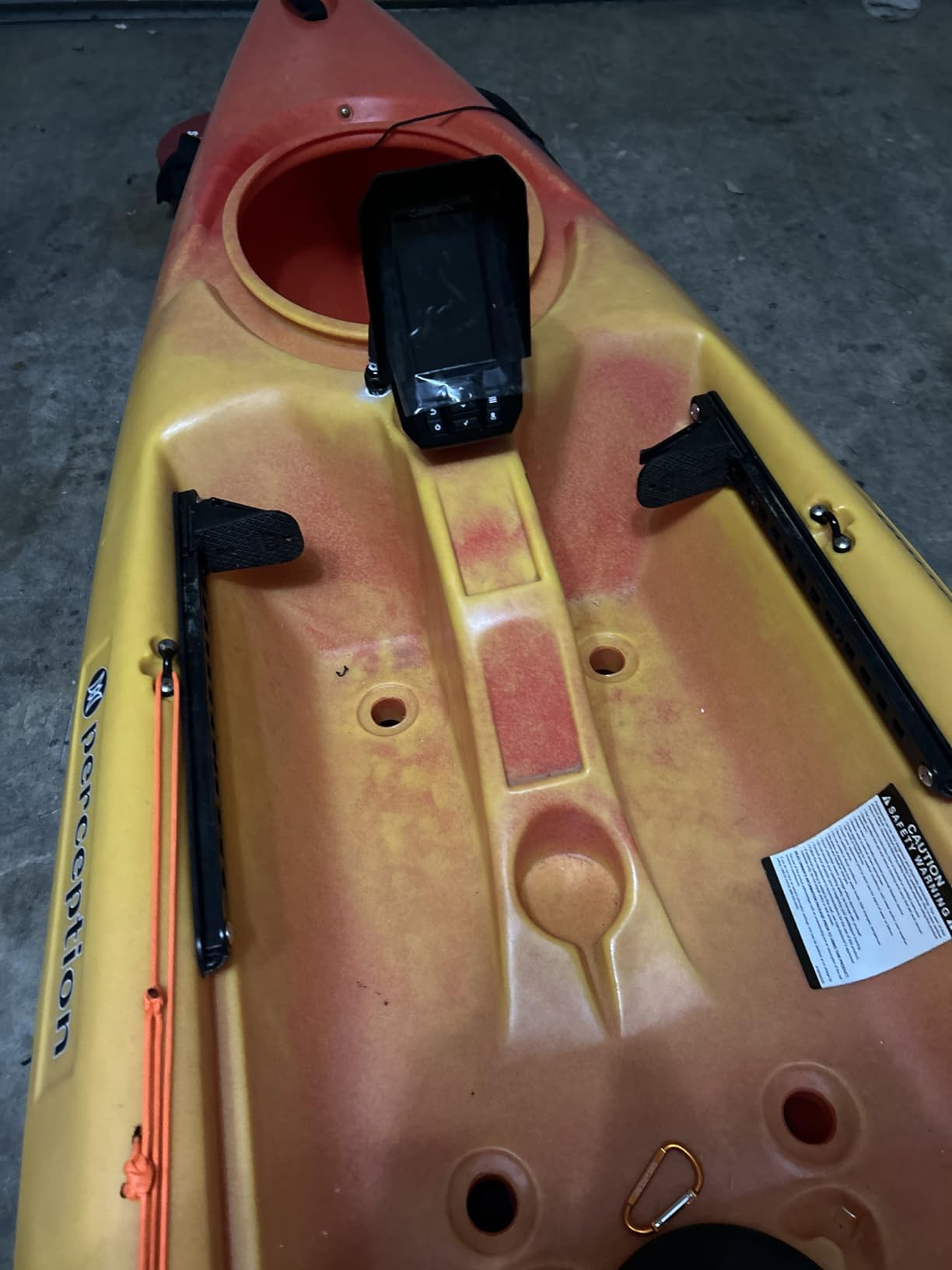
It has a rugged design meant for fishing environments, and the same unit doubles as an ice flasher. Multiple mounting options ship in the box and owners commonly mount it on a trolling motor shaft on small aluminum boats rather than the transom.
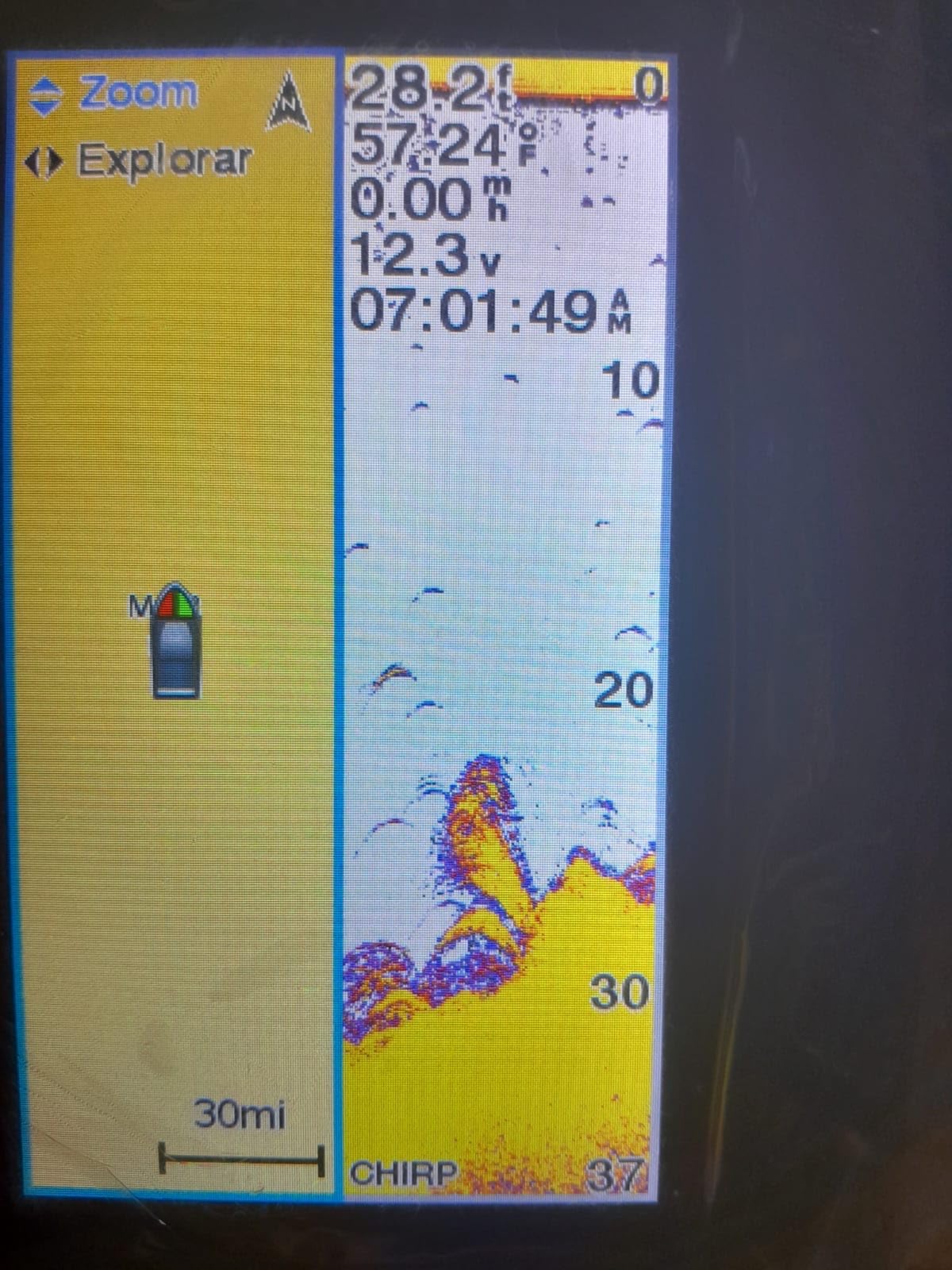
Who should move up from the base STRIKER
If you fish the same water week after week, contour storage changes how you fish. You run a pass at your trolling speed, the unit draws the bottom, and on the next trip you navigate straight to the edge instead of marking a waypoint. That is a bigger practical gain than upgrading screen size on the same 3.5-inch chassis.
What you give up to get it
No battery and no battery fittings are included, so a portable setup means buying a battery, a fuse holder and a wiring harness separately, and the documentation is thin enough that first-time users work out the power connection themselves. Add a battery, an inline fuse, marine-grade wire and a mount to either unit and the gap with a handheld narrows fast.
3. Garmin STRIKER Vivid 4cv – Top Rated for Scanning Sonar in Four Inches
Garmin Striker Vivid 4cv Fishfinder with Transducer – 4-inch LCD Display – Easy-to-Use Scanning Sonar – Color Palettes, 11.2 Ounces (010-02550-00)
4-inch color LCD
GT20 CHIRP ClearVu transducer
Quickdraw Contours
GPS
Pros
- Highest average rating in the group at 4.7 stars
- Vivid scanning sonar color palettes separate fish from structure
- Bundles CHIRP traditional plus CHIRP ClearVu scanning
- Quickdraw Contours mapping included at this tier
- 2-year limited warranty
Cons
- Individual review excerpts for this model are thin
- 4-inch screen limits split-screen detail against 5-inch units
- Side-only bail mount rather than a portable kit
This is the highest-rated unit we looked at, with a 4.7 average and 83 percent of reviews at five stars. The reason is the color palette work. Vivid scanning sonar palettes make it far easier to tell a fish holding off a ledge from the ledge itself, which is the single most common complaint new owners have about monochrome small units.
It ships with a GT20 transducer covering both CHIRP traditional and CHIRP ClearVu scanning sonar, high-sensitivity GPS for waypoints, routes and boat speed, and built-in Quickdraw Contours. A tilt and swivel bailmount bracket is included, and the whole thing is covered by a 2-year limited warranty, double the one-year baseline on the cheaper units here.
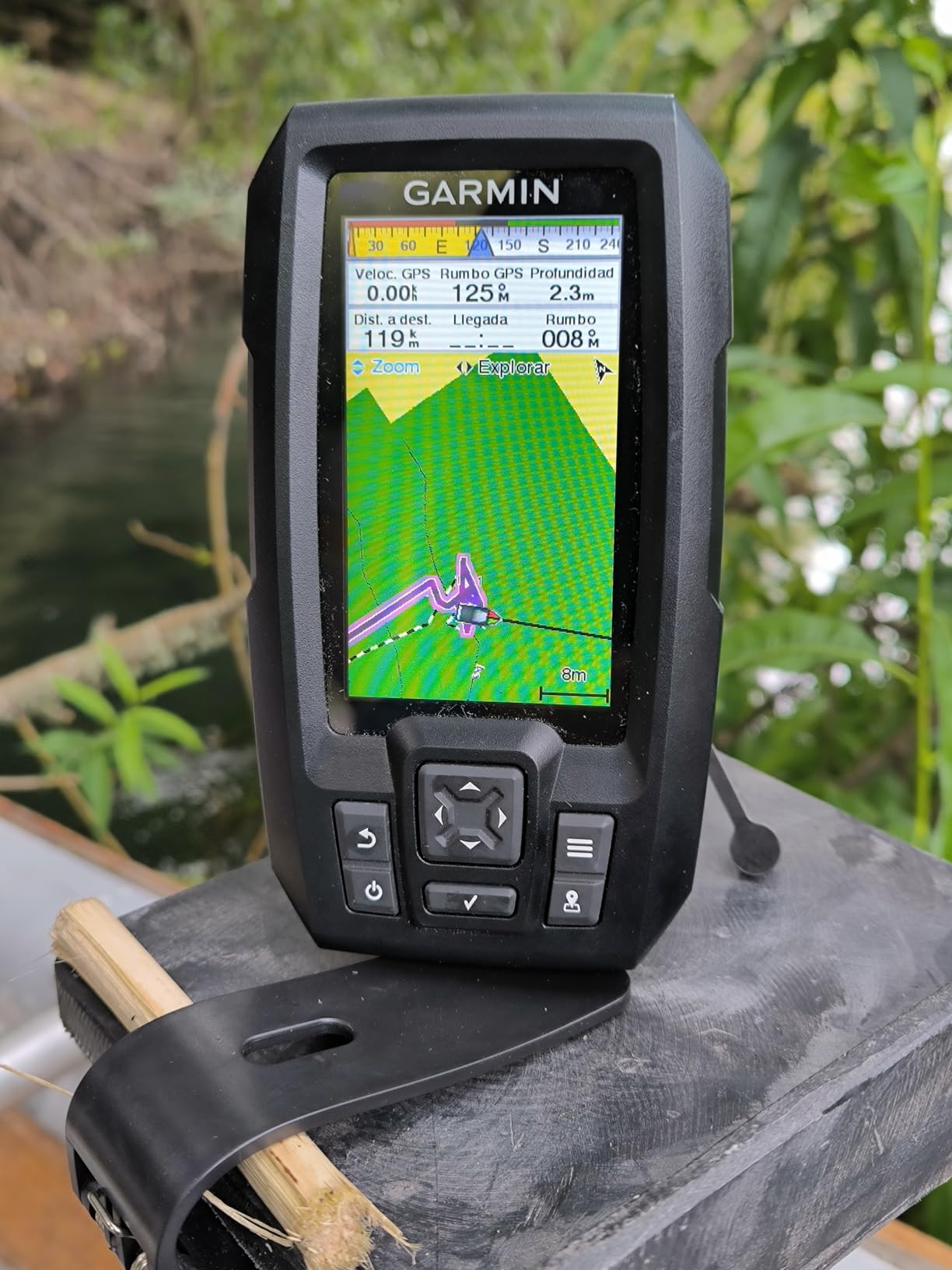
At 11.2 ounces it is still light enough for a trailerable rig. The bail mount is a side mount rather than a full portable kit, so this is a boat unit rather than a shore unit, but on a small hull the bail design is a good compromise because it holds angle better than a straight tilt bracket.
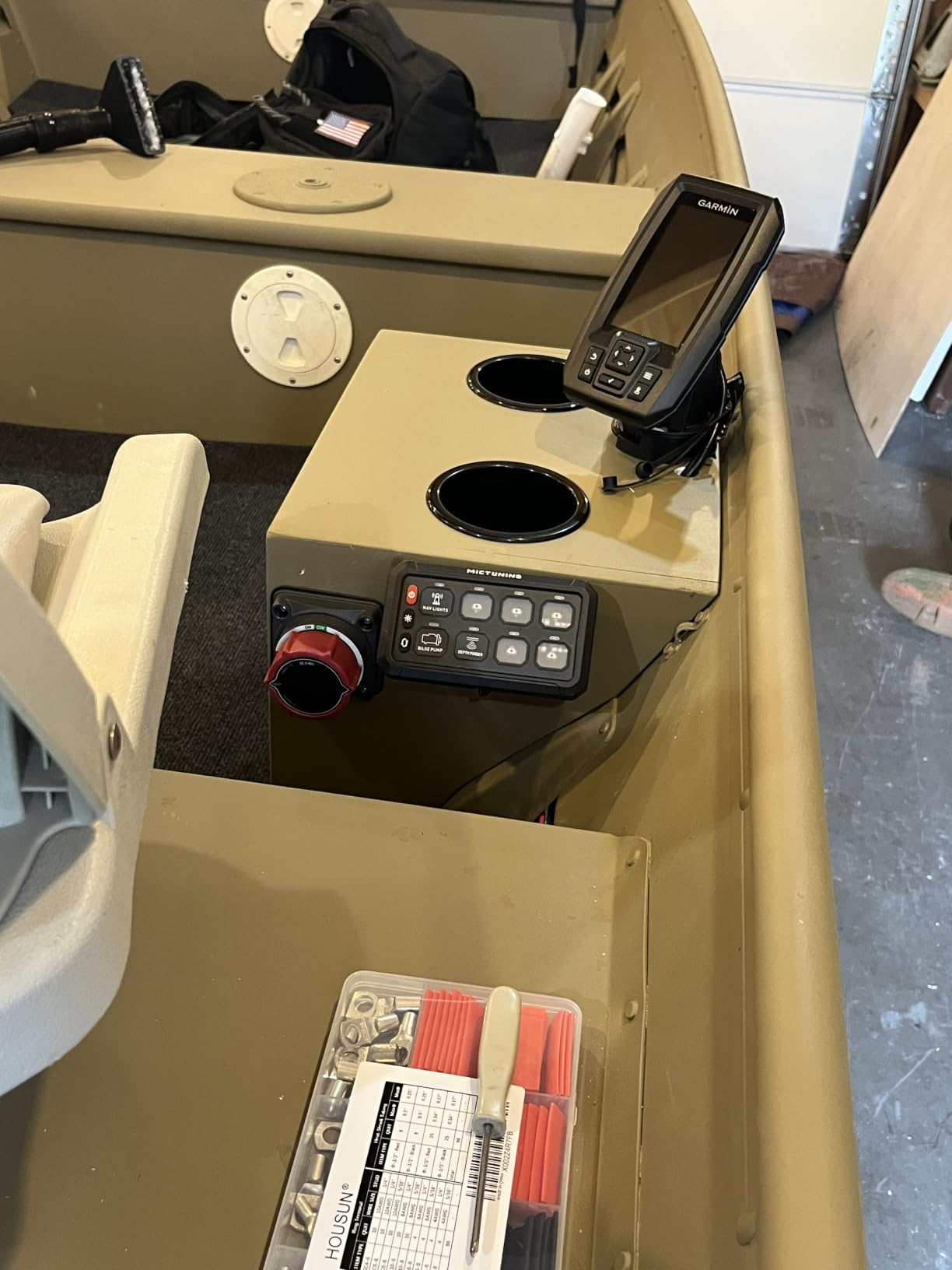
When scanning sonar is worth the step up
ClearVu matters when you are looking for structure: a rock ledge, a channel edge, a weed line dropping to a drop-off. Traditional sonar draws arches and a bottom line, while ClearVu paints a near-photographic image of what is between you and the bottom, and on a small shallow lake that is often the difference between finding the spot and drifting over it.
Where it stops being the right call
Four inches is still a small screen for side-by-side structure reading, and it is noticeably more cramped than a 5-inch display. Owner-level detail is also thin for this model, so the 4.7 rating rests on less long-term evidence than the 9312 reviews behind the base STRIKER 4. If your boat has a wide enough mounting surface and you want the most readable picture, the Humminbird HELIX 5 CHIRP GPS G3 is the alternative at that tier.
4. Humminbird PiranhaMAX 4 – Best Dual-Beam Sonar Without the Extras
Humminbird PiranhaMAX 4 Fish Finder with Transducer, Dual Beam Sonar
4.3-inch LCD
Dual beam sonar
XNT 9 28 T transom transducer
600 ft depth
Pros
- Dual beam sonar with switchable narrow and wide coverage
- Bundled XNT 9 28 T transom transducer and tilt swivel bracket
- Low-complexity controls suit a small boat console
- Backed by a one-year manufacturer warranty
- 4.3-inch display in a compact housing
Cons
- No GPS or chartplotting in this model
- Non-color LCD is basic next to the color units here
- No contour mapping
- Individual review excerpts for this model are thin
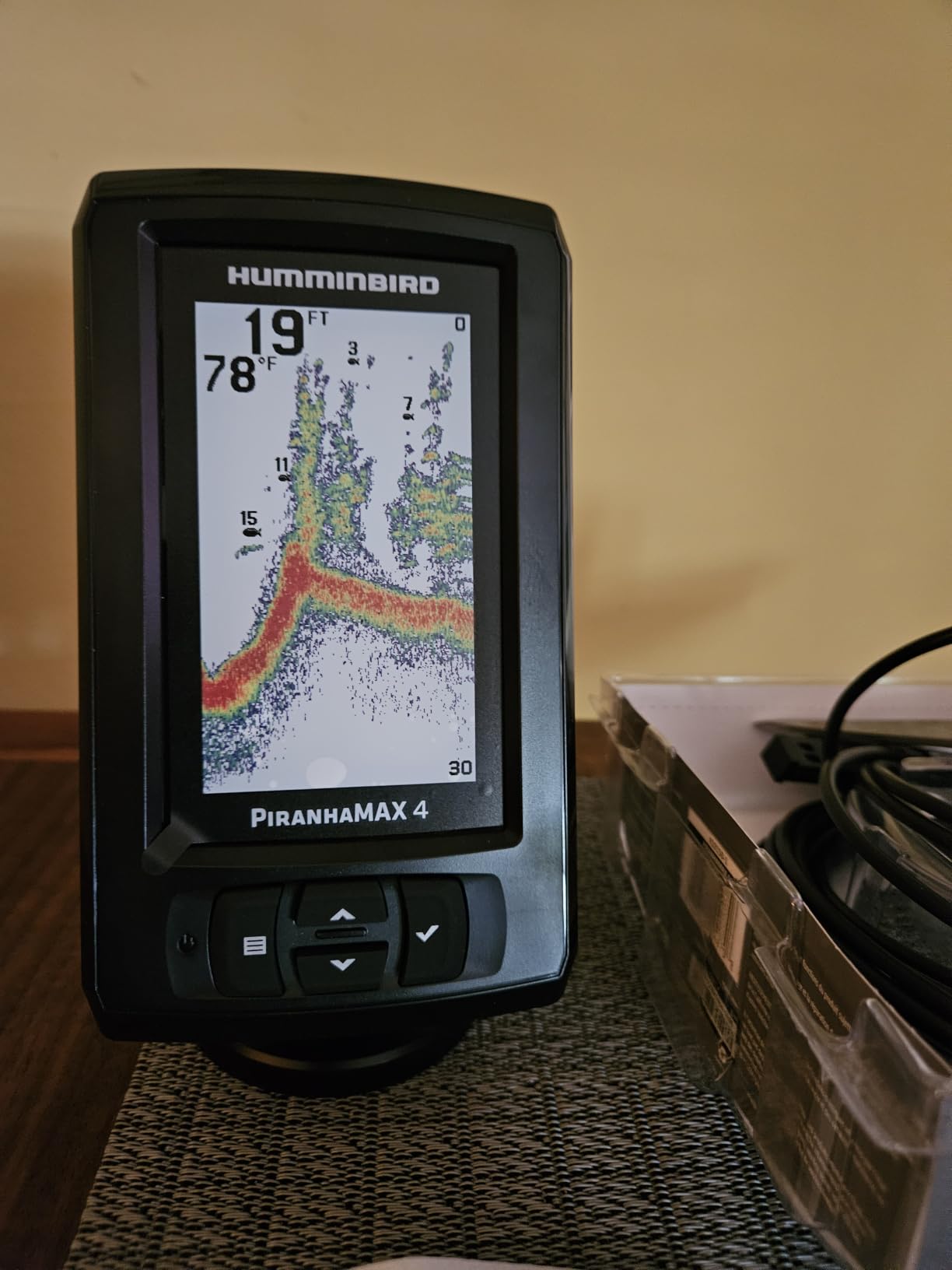
The PiranhaMAX 4 holds a 4.6 average across 1328 reviews, and what it does well is simple. Dual beam sonar lets you switch between a narrow beam for detail and a wide beam for coverage, which is a genuinely useful pair of options when you are covering a weed flat in five feet and then checking a channel edge in twenty.
It ships with the XNT 9 28 T transom-mount transducer and a tilt and swivel mount, so the install is complete out of the box. Maximum depth is 600 feet, more than any small boat needs. The control layout is deliberately low-complexity, which is the main reason owners like it on a small console with limited attention to spare.
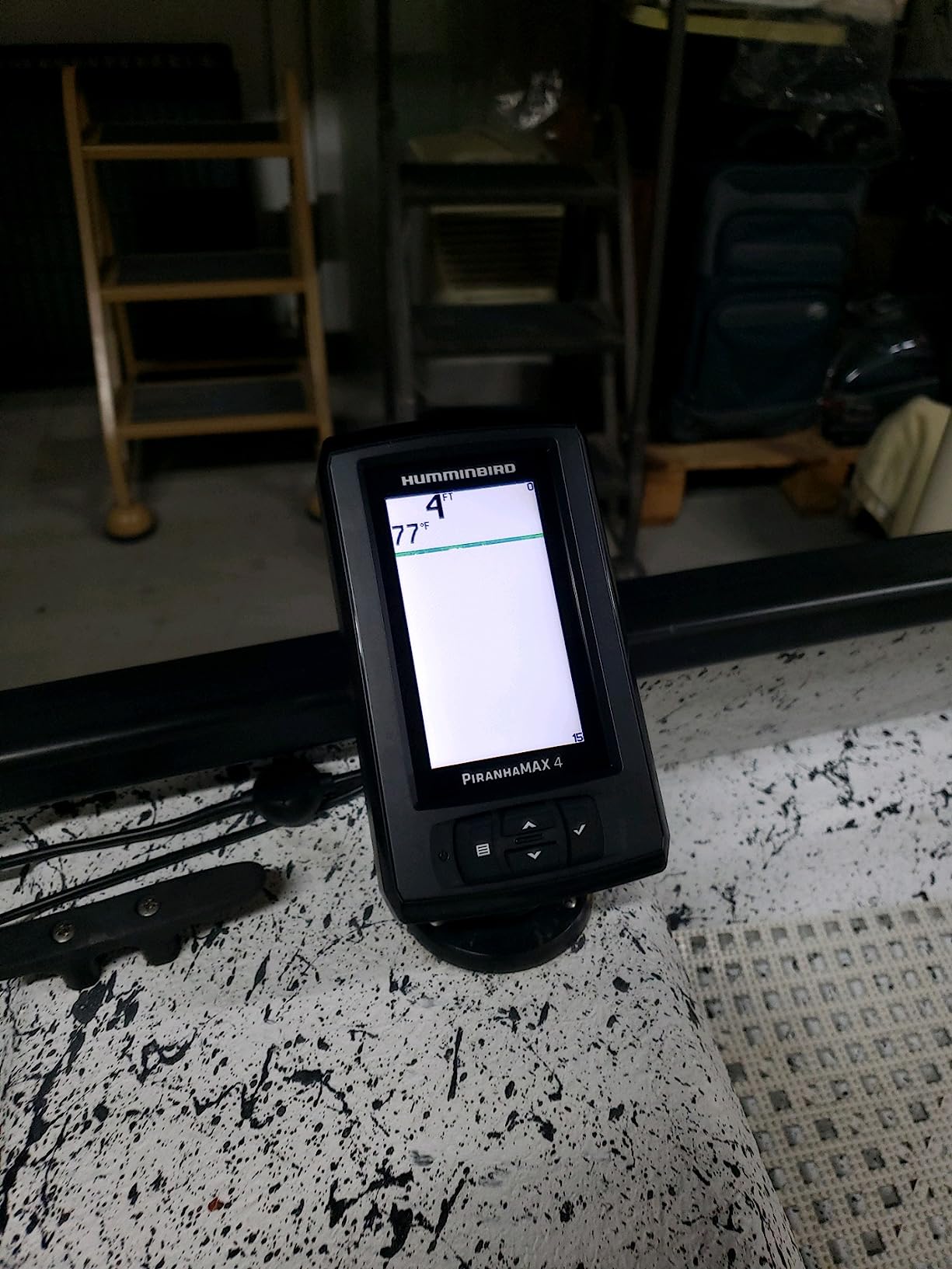
At two pounds it is the heaviest item in this roundup next to the HELIX 5, and the listed weight is a reminder that Humminbird hardware tends to be built heavier than Garmin equivalents at the same screen size. For a console-mounted boat that is a non-issue. For a jon boat you lift over the side, it is not.
The clear gap is that there is no GPS here at all. You get depth and fish arches and nothing else, which is fine if you mark spots mentally and wrong if you want to return to a specific point.
When a pure depth sounder is enough
Plenty of small-boat anglers already know their water and use a fish finder as a bottom reader rather than a chartplotter. If you troll the same shoreline and just want to know when you are over the edge, the PiranhaMAX 4 does that with fewer menu distractions than anything else in this list, and fewer settings means fewer things to get wrong in bad weather with wet hands. The dual-beam switch is the underrated part: wide mode covers a generous area under the boat for finding fish generally, narrow mode gives you the detail to separate a school from a rock.
Reasons to skip it
No GPS means no speed, no waypoints and no maps. That is a hard limit, not a preference, and it is the main reason we could not put this at the top of the roundup despite a 4.6 rating. The non-color LCD is also a step back in a category where the Garmin and Lowrance units at similar sizes are already in color, and color scanning is what separates vegetation from rock, not just aesthetics.
5. Humminbird HELIX 5 CHIRP GPS G3 – Best 5-Inch Screen for a Console
Humminbird Helix 5 G3 GPS Fish Finder with Transducer & Dual Spectrum Chirp Sonar
5-inch color TFT
Dual Spectrum CHIRP
AutoChart Live
Basemap with 10000+ lakes
Pros
- Only 5-inch color TFT unit in the group
- AutoChart Live maps contours and bottom hardness as you boat
- Basemap covers 10000+ lakes and the US coastline
- Screen stays readable in direct sun on a small wooden boat
- Navionics and LakeMaster upgrades supported
Cons
- Largest screen in the roundup but a lower 4.4 average
- No inline fuse or extra wiring in the box and the power cable is short
- 6 percent of reviews are one-star on install completeness and dead on arrival
- Heaviest unit here at 2.1 lb so it wants a permanent mount
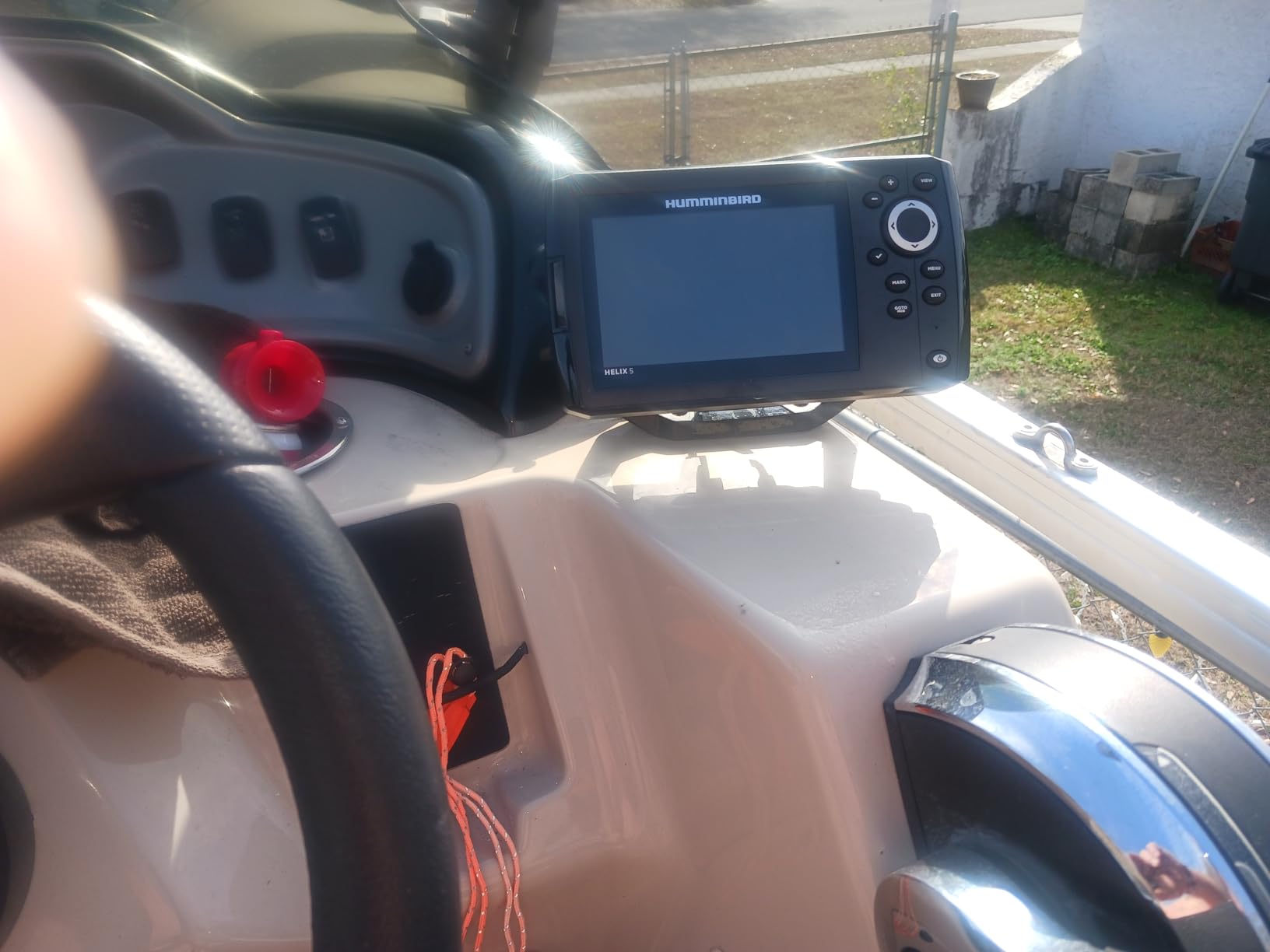
Five inches is the largest screen in this roundup, and the reason to consider it is legibility rather than features. Owners running it on a 14-foot wooden boat report the screen stays readable in bright direct sunlight, and the Dual Spectrum CHIRP sonar gives you a wide mode for coverage and a narrow mode for detail, with low-Q transducer target separation.
AutoChart Live is the standout. It builds depth contours, bottom hardness and vegetation maps as you boat, with eight hours of built-in recording time, and it accepts AutoChart Zero Line SD cards for more capacity. The bundled Humminbird Basemap covers more than 10000 lakes and the continental US coastline, and it accepts Navionics, LakeMaster and CoastMaster charts if you want to pay for more detail.
Controls are softkey based rather than touch, and owners point out that the keypad stays reliable in any weather, which on an open boat in rain is a real benefit. An XNT 9 HW T transom-mount transducer and gimbal bracket are included.
At 4.4 across 488 reviews, it has the lowest rating of the mounted units here despite the largest screen and best mapping suite. The recurring gripes are packaging rather than performance: no inline fuse in the box, a power cable too short for a small boat battery box, and a small share of owners reporting a unit that never powered on.
Do you actually need mapping on a small boat
Ask what you will do with a map. If you fish one lake and already know its structure, AutoChart Live is a nice-to-have. If you move between lakes, fish unfamiliar water, or want to mark and return to a specific point, mapping changes the value of the whole unit. Bottom hardness is the feature most beginners underrate, since a hard return usually means rock or gravel and a soft return means mud or silt.
What the extra size costs you
Two pounds of unit plus a gimbal bracket and a transom transducer is a real weight load for a small flatbottom, and a 5-inch screen needs a wider flat mounting surface than a jon boat transom always offers. Then there is install cost: budget for a battery, an inline fuse, marine-grade wire and connectors before you buy, because experienced small-boat owners treat the total installed cost, not the unit cost, as the real number.
6. Lowrance Eagle 4-Inch – Best Screen in Direct Sun
Lowrance Eagle 4X Fish Finder with Bullet Transducer
4-inch IPS portrait display
Auto-Tuning sonar
200 kHz Bullet Skimmer
500 ft depth
Pros
- IPS portrait screen stays readable in bright sun and through polarized glasses
- Auto-Tuning sonar removes menu setup entirely
- Compact portrait footprint fits tight console space
- Twist-lock connector makes the display easy to remove
- Mounts on surface
- panel or flush
Cons
- Smallest review base in the roundup at 116 reviews
- Single-frequency traditional sonar with no CHIRP or scanning
- No GPS or mapping in the base 4-inch model
- 2.8-pound listed weight is high for its class
The Eagle is the one unit in this roundup with an IPS panel, and IPS is the technology that makes a small screen readable in direct sun from wide viewing angles and through polarized sunglasses. On an open boat with no console to shade the display, that is not a spec-sheet nicety. It is the difference between reading the screen and guessing at it.
The portrait orientation is unusually good for small boats and kayaks. A tall narrow footprint fits where a wide 4-inch landscape unit will not, and the twist-lock connector means the display pops off for storage while the transducer stays mounted.
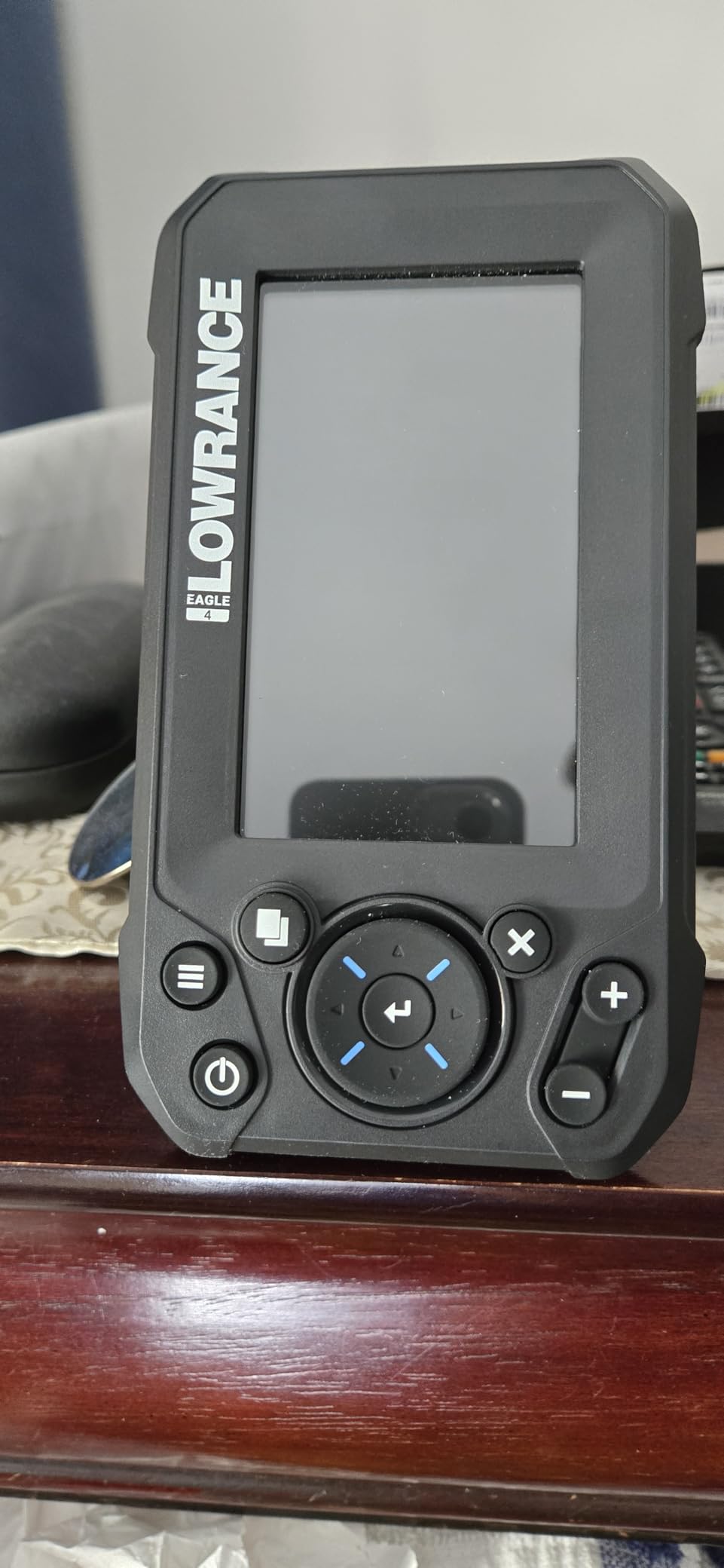
Auto-Tuning sonar sets itself, so there is no gain or sensitivity menu to learn on the water. The included 200 kHz Bullet Skimmer has a broad 44-degree beam, which is a sensible match for kayaks and small boats where you want coverage under the hull rather than a pencil beam. Depth range is 500 feet, and fish icons show with depth plus zoom, without an audible alarm.
The catch is that this is single-frequency traditional sonar. No CHIRP, no DownScan, no ClearVu, and no GPS in the base 4-inch model. It is a very good screen wrapped around a simple sonar picture, which is exactly what a lot of small-boat anglers want and exactly what structure hunters do not.
Why the IPS panel matters more than the sonar type here
Seated low and looking up at a display, viewing angle is a real constraint. Standard TFT panels lose contrast as you move off-axis, and a small boat often has no single seating position where the screen is square to your face. IPS holds brightness and color across wide angles, so the screen reads the same whether you are at the helm or perched on the bow seat. The Eagle can also reuse the same transducer mount and screw holes as the older Lowrance CHIRP 4, which matters when you are replacing a unit and want to avoid re-drilling an aluminum hull.
Where the evidence runs thin
With 116 reviews, this is the smallest review base in the roundup by a wide margin, so long-term reliability is less well documented than for the Garmin units, and no individual owner review text came back with the data. The 2.8-pound listed weight is also high for a unit in this class, so check what that includes before committing to carrying it on a kayak.
7. Deeper PRO+ 2 – Best Castable Accuracy Without Wiring
Deeper PRO+ 2 Sonar Fish Finder – Portable Fish Finder and Depth Finder For Kayaks, Boats and Ice Fishing with GPS Enabled | Castable Deeper Fish Finder with FREE User Friendly App
Castable wireless sonar
Three beam modes
330 ft cast range
Built-in GPS
Pros
- Wide
- mid and narrow beam modes with 0.4 inch target separation on narrow beam
- 330 ft casting range and 100 m depth capability
- Built-in GPS builds and saves bathymetric maps through the app
- Generates its own Wi-Fi so it uses no mobile data
- Only 3.2 ounces so it fits in a tackle box
- 2-year limited manufacturer warranty
Cons
- 12 percent of reviews are one-star
- the highest share in the roundup
- App and connectivity issues are the main reliability complaint
- Needs a phone or tablet so screen quality is your device's
- Must be cast and retrieved for every reading
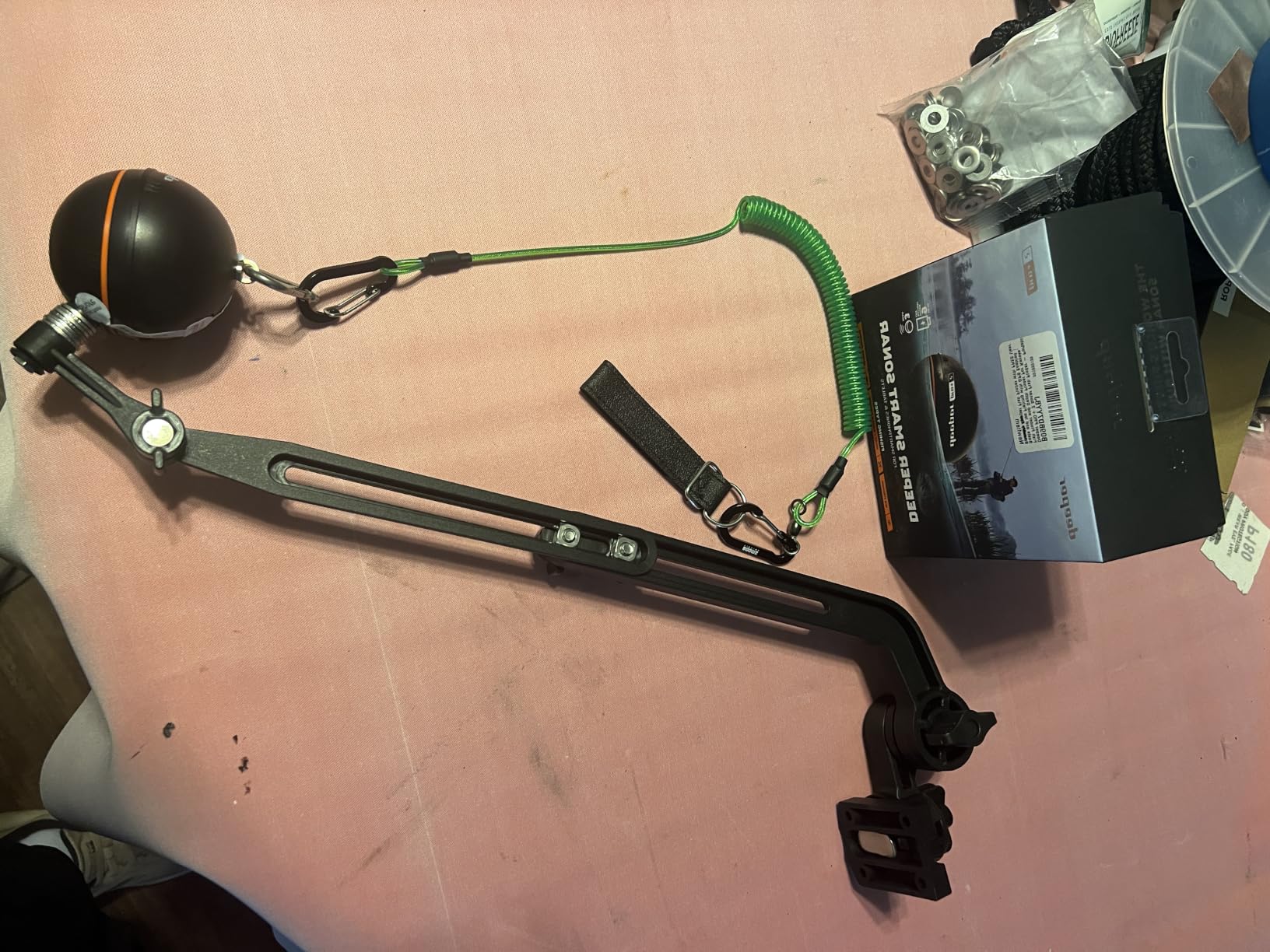
The PRO+ 2 is the most capable castable unit in the roundup on paper, and the specifications back that up. Wide, mid and narrow beam modes let you cover a flat or drill into a specific spot, with 0.4 inch target separation on the narrow beam, which is the tightest figure in this group. Casting range is 330 feet and depth capability is 100 meters.
What separates it from the cheaper castables is the built-in GPS. Combined with the Fish Deeper app, it lets you create bathymetric maps from shore, dock or bank and save them for later. It generates its own Wi-Fi, so a full day of mapping does not eat your mobile data.
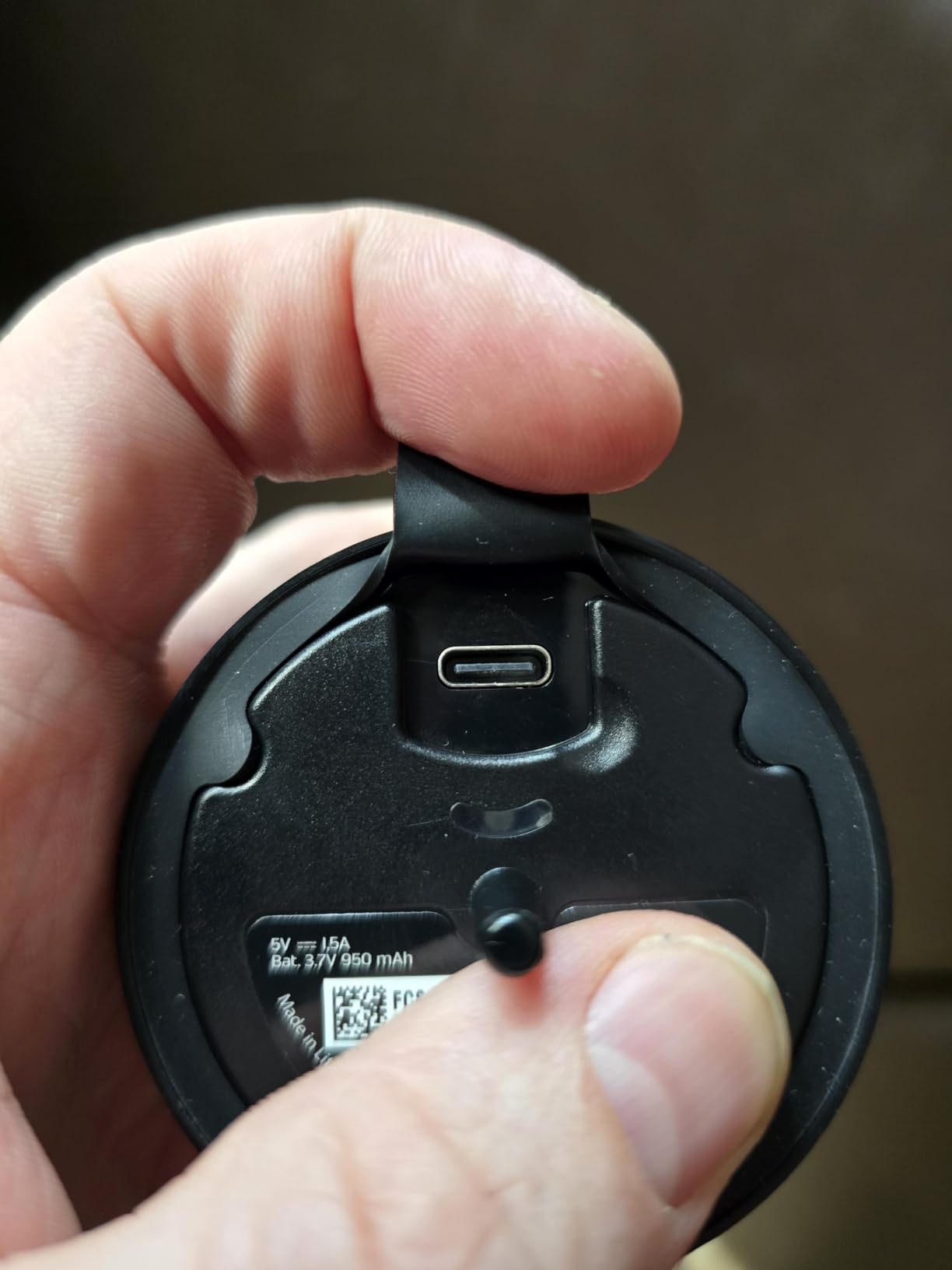
At 3.2 ounces it stows anywhere a hook fits, and it carries a 2-year limited warranty, which is double the one-year baseline most mounted units here carry. There is no hull installation of any kind, which on a boat you are scared of drilling is the whole point.
The weakness is the 12 percent one-star share, the highest in the group, and those reviews cluster around app stability and connection problems rather than sonar performance. If your phone drops the connection at the worst moment, a castable sensor becomes a very expensive paperweight.
Read-at-speed is the tradeoff nobody quotes
A castable sensor has to be thrown, allowed to sink, read, and reeled back in for every piece of information. That works fine when you are sitting on a spot fishing vertically. It does not work when you want to know what is under the boat while you are trolling at speed, which is the honest reason castables are usually a second unit rather than a first.
When the phone dependency is a problem
Screen legibility is entirely your phone or tablet. If you fish on a small phone in direct sun with a scratched screen protector, you are reading a much worse display than any of the mounted units here, and cold mornings drain phones faster than anglers expect. Some anglers carry a tablet in a waterproof case specifically to solve this.
8. Deeper START – Best Castable for Beginners
Deeper Start Fish Finder – Portable and Depth Finder for Recreational Fishing from Dock, Shore, Bank or Kayak | Castable Deeper Smart Sonar with Free User Friendly App
Castable sonar sensor
165 ft cast and depth range
6-hour battery
Phone app
Pros
- No wires and no external battery of any kind
- Casts and scans to 165 feet with a 40-degree sonar beam
- Generates its own Wi-Fi and auto-saves scans with time and location
- Six hours of battery life with a 2.5-hour recharge
- Over 3000 reviews so long-term feedback is well documented
Cons
- Its average rating is among the lowest here with 9 percent one-star reviews
- Requires a phone or tablet so there is no standalone display
- 50 m depth limit is shallower than several units in this list
- No built-in GPS so scans are not self-locating
The START is the simplest thing in this roundup. It generates its own Wi-Fi, pairs with the free Fish Deeper app, and casts 165 feet with a 40-degree sonar beam to a depth of 165 feet. There is no battery to buy, no wire to run and nothing to mount, which is a genuinely low barrier to a first fish finder.
Scans are auto-saved with time and location, so you can revisit a spot even without GPS hardware in the sensor, and the app shows fish location and size, depth, bottom contour and vegetation. It reaches full charge in about 2.5 hours and runs roughly six hours, with a night fishing mode for low light.
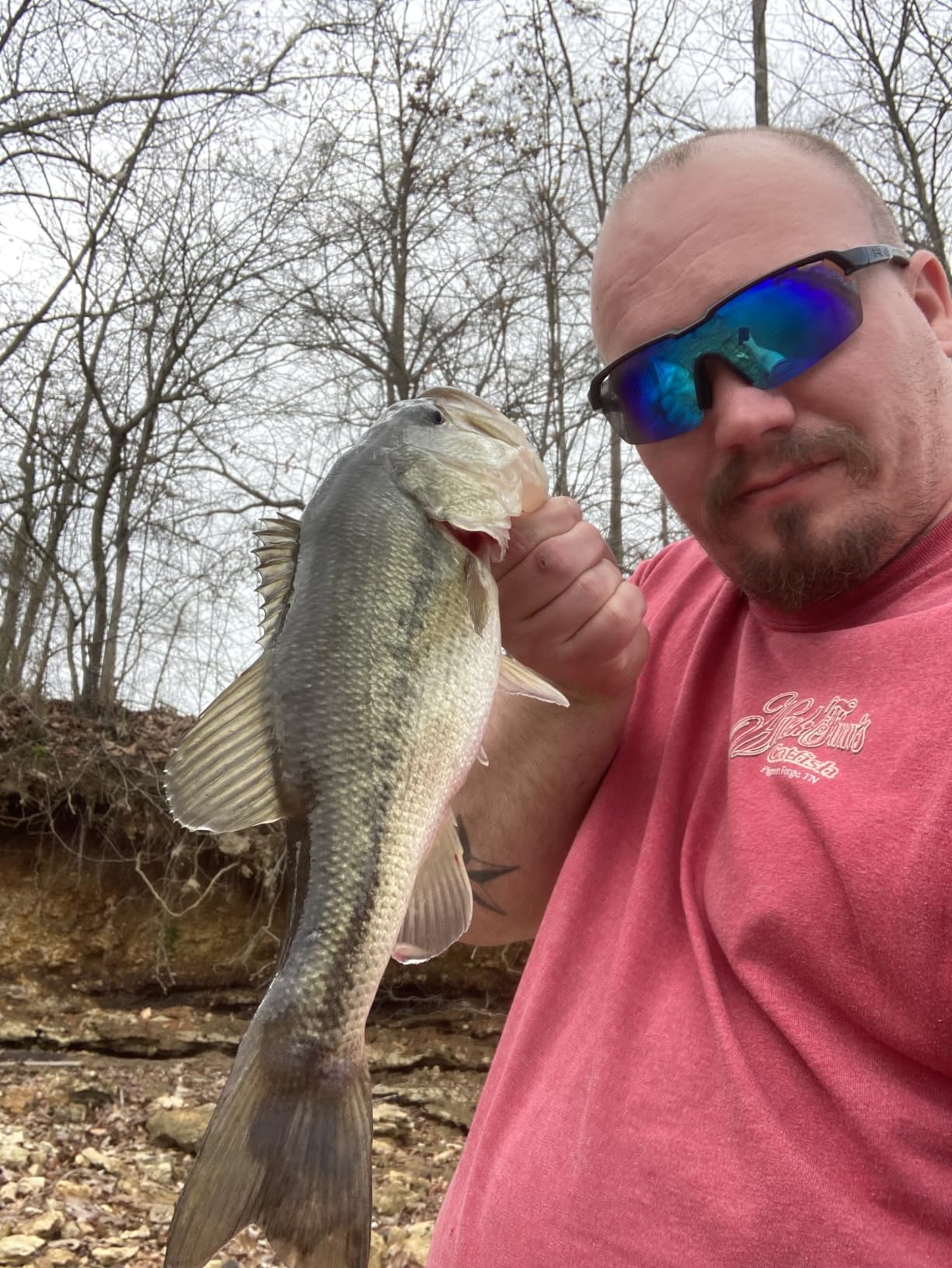
With 3071 reviews it has one of the best-documented track records in the group, which matters a lot for a device with no moving mechanical parts. Its average rating is among the lowest here and comes with a 9 percent one-star share, mostly around app dependence and occasional connection or accuracy issues.
Know the limits before you buy. Fifty meters of depth is fine for most freshwater and inshore work but is shallow next to the 1600-foot maximum on the STRIKER 4. And without built-in GPS, the sensor does not know where it is on its own.
Start here if you are not sure you need electronics
For an angler who has never run a fish finder, this is the lowest-risk way to find out whether sonar changes where you fish. There is no install, no commitment and no battery to forget. It is also the natural companion to a mounted unit, since a head unit covers trolling and a castable covers working a stationary spot in detail.
Where the tier above it earns its money
The step up in this category adds a third beam mode, tighter 0.4 inch target separation, double the casting range, a 100 meter depth rating and built-in GPS for saved bathymetric maps. Against that, the START has more reviews and a longer record, which matters for a device whose reliability lives entirely in the electronics and the app.
9. LUCKY FFC1108 Handheld – Most Versatile for Boats With No Wiring
LUCKY Kayak Portable Fish Depth Finder Water Handheld Fish Finder Sonar Castable Kayak Boat Fishfinder Transducer Fishing LCD Display FFC1108
2-inch backlit LCD
3 ft to 328 ft depth range
Weed and rock reading
Fish alarm
Pros
- Least expensive handheld in the roundup with 3284 reviews behind it
- 328 ft depth range is among the deepest for a handheld
- Reads through a kayak hull and matches in-water transducer readings
- Five sensitivity levels plus battery-save mode
- Backlit display readable in sun or darkness
- Neck strap included and it stows in a tackle box
Cons
- 10 percent of reviews are one-star on durability
- Fish identification is coarse and does not separate size
- Cannot be used from shore
- Does not read through fiberglass hulls
- 4 to 5 hour battery life on fresh cells
This is the unit we recommend when a boat has no battery, no fuse holder and no plan to add a wiring harness. The transducer attaches to the hull of a kayak or boat so you can see how depth changes as you move, and the handheld unit reads depth from 3 feet to 328 feet when the transducer is fully immersed.
It shows more than depth. You get fish depth, short and tall weeds, and sand or rock on the bottom, with a unit switch between feet and meters. Five sensitivity levels let you work clear or turbid water, and the backlight handles both bright sun and pre-dawn darkness.
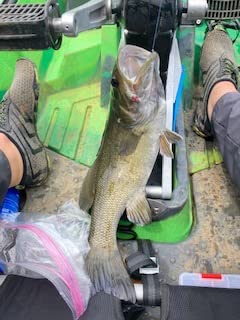
Owners confirm it reads through a kayak hull and that the readings match what they get with the transducer in the water. The fish and fish-school alarm runs continuously for four to five hours on fresh cells, longer in battery-save mode, and the neck strap keeps it out of your hands while you paddle.
Be clear about what it is. This is a depth and vegetation finder with coarse fish detection, not a fish identifier. It picks up minnows, and it does not separate fish by size. It also cannot be used from shore, because the reading depends on the transducer being attached to a moving hull.
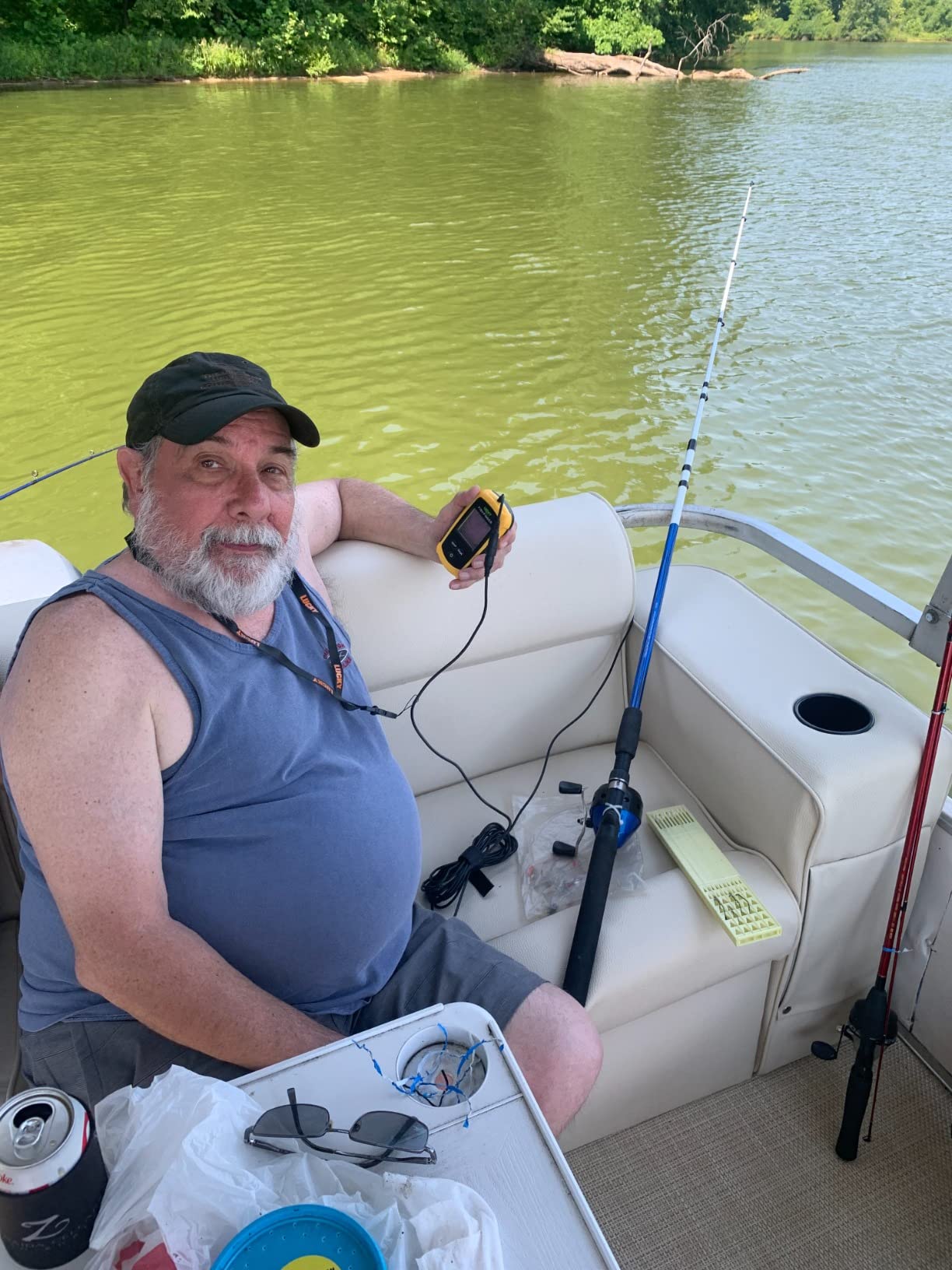
When a depth finder is genuinely enough
Shallow fishing is where this unit earns its place. If you are working a creek channel in eight feet, chasing weed edges along a bank, or finding a safe route through a lake you do not know, continuous depth readout answers the question that actually matters. The fiberglass limitation is the one to check first, since it reads through a kayak hull but not through fiberglass.
Where the savings stop being worth it
Ten percent of reviews are one-star, and those are durability complaints rather than feature complaints. For a device you drop in water repeatedly, a failure at the wrong moment costs you a whole morning. Some experienced forum users argue that at this spending level the same money is better placed on a trolling motor, and it is a fair argument.
10. Venterior VT-FF005 – Best Portable With a Standalone Screen
Venterior Portable Rechargeable Fish Finder Wireless Sonar Sensor Fishfinder Depth Locator with Fish Size, Temperature, Bottom Contour, Color Display
2.6-inch color TFT
262 ft wireless range
105-degree beam
Rechargeable sensor
Pros
- Only portable here with a real 2.6-inch color TFT screen instead of a phone
- Rechargeable sensor means no disposable battery replacement
- 262 ft wireless range with a 2.6 to 164 ft depth range
- Reports depth
- temperature
- fish size class
- fish depth and bottom contour
- Selectable black or white background for sun or night
- 2-year warranty
Cons
- 105-degree beam is too wide for ice fishing
- 7 percent of reviews are one-star including units that do not work as advertised
- Fish size readings use the manufacturer's own subjective bands
- Gives false signals when dragged behind a moving boat
- Receiver battery drains quickly so owners use it intermittently
The Venterior solves the one problem that stops most people using castables, which is that they are reading a phone screen. This one has a real 2.6-inch color TFT display with selectable black or white backgrounds, so you can flip it for sunlight or for night fishing without squinting.
The sensor is castable and rechargeable, tethers with fishing line through two small holes, and works up to 262 feet from the handheld unit. It reports water depth, temperature, fish size class, fish depth and bottom contour across a 2.6 to 164 foot range, with work and simulation modes and convertible units.
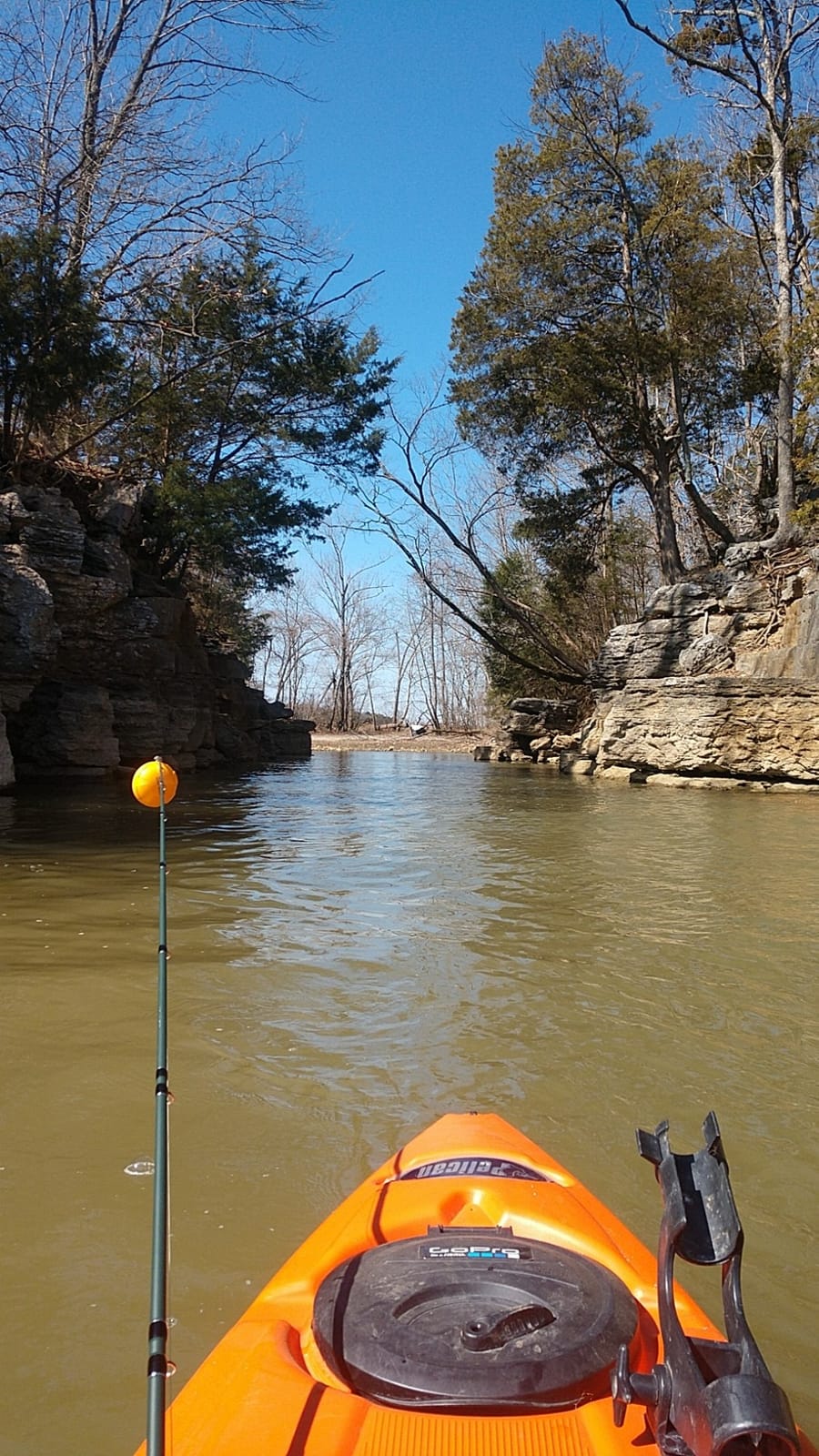
It works from shore, kayak, boat or ice, which is more flexibility than any mounted unit here offers. Owners who moved up from a suction-cup wired unit specifically praise the wireless cast-and-drop design and the rechargeable sensor.
The 105-degree beam angle is the technical weak point. It is very wide coverage, which sounds good until you try ice fishing, where it bounces off the sides of the hole and returns confusing echoes. It is also why the unit gives false signals when dragged behind a moving boat, making it unsuitable for trolling.
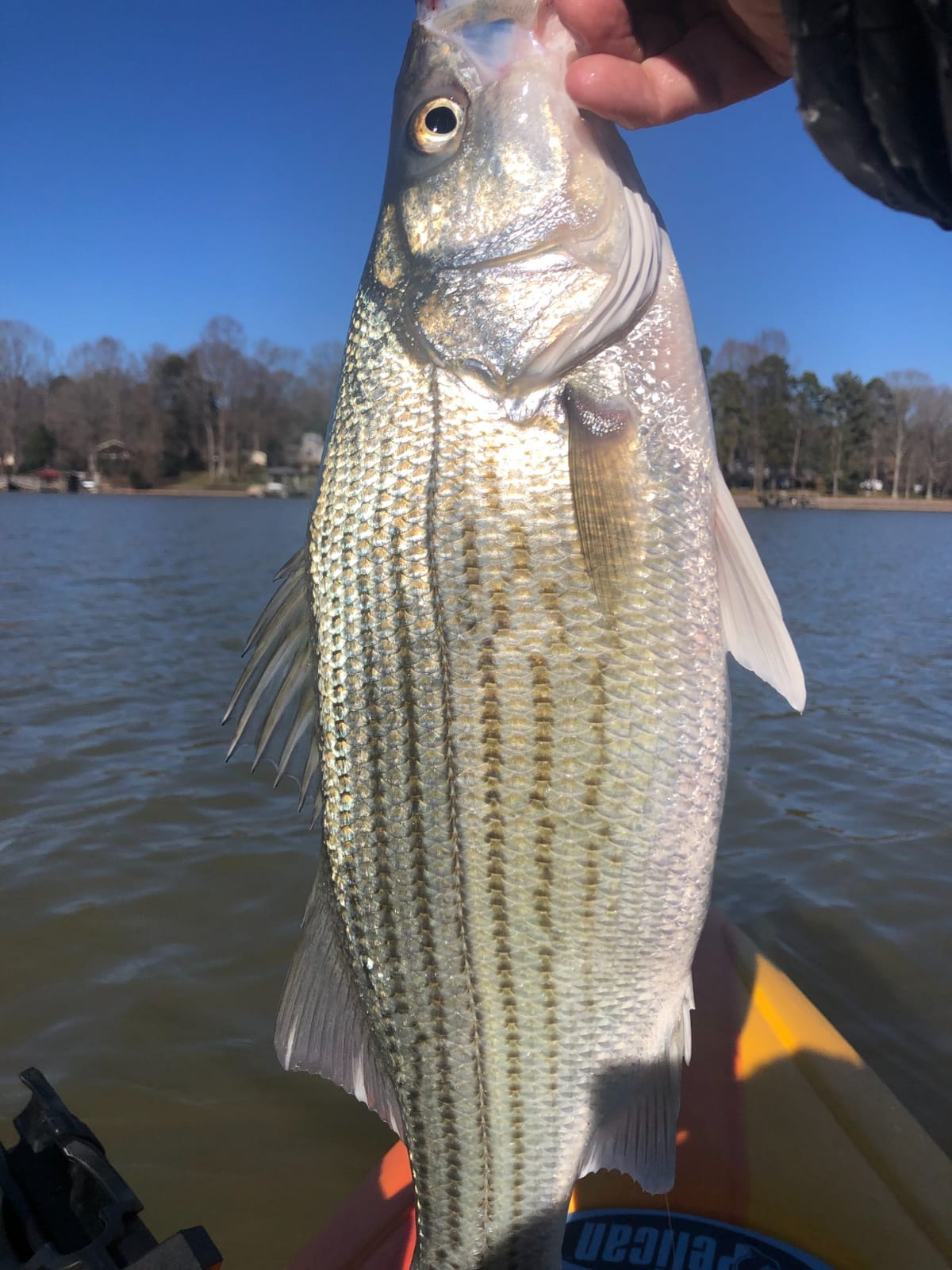
A standalone display changes who this is for
A phone-based castable is limited by the device you already own. A dedicated handheld is limited only by its own screen, and at 2.6 inches this one is small but genuinely readable. Rechargeable is the other quiet advantage over the disposable-battery handhelds lower in this list, since there is nothing to buy before a trip and nothing to fail because a corroded battery tab went green over winter.
Read the fine print before you rely on it
Seven percent of reviews are one-star, including units that do not work as advertised, and the fish size readings use the manufacturer’s own small, medium and big bands rather than anything measurable. Receiver battery drain is the most common practical complaint, and reliability also falls off below roughly 120 feet of depth. For trolling from a moving boat, choose a mounted unit instead.
11. Yoocylii Handheld Fish Finder – Best Budget Pick for Kayaks
Handheld Fish Finder Portable Kayak Fishfinder Sonar Depth LCD Display
Handheld LCD with backlight
3 ft to 328 ft range
200 kHz 45-degree beam
4 AAA batteries
Pros
- Bottom of the price range in the roundup
- Accurate depth and weed detection over long distances
- Works on a moving kayak below 5 mph with the transducer hung over the side
- Stows in a tackle box and the neck strap allows hands-free use
- Backlight
- battery-save mode
- five sensitivity levels and settings that survive power-off
- Freshwater and saltwater compatible
Cons
- Weak as a true fish finder
- most owners use it as a depth and vegetation finder
- Does not show bottom contour the way larger units do
- 8 percent of reviews are one-star including early power failures
- 4 AAA batteries give only 4 to 5 hours
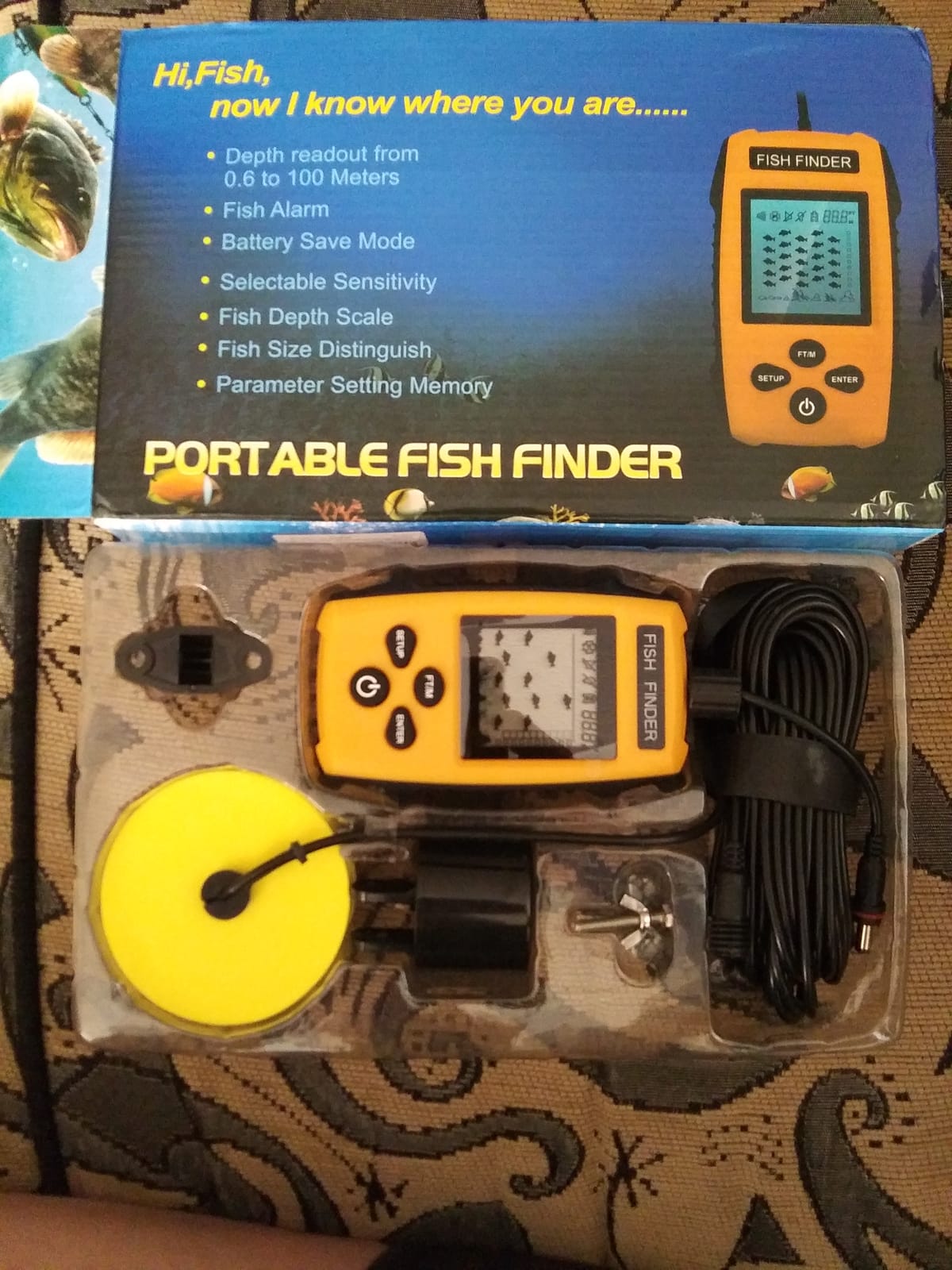
This handheld sits at the very bottom of the price range in this roundup and still does depth and vegetation work well. It runs 200 kHz sonar with a 45-degree beam and a detection range of 3 feet to 328 feet, showing water depth, approximate fish location, fish size class, and short or tall weeds with sand and rock on the bottom.
The kayak use case is the reason it exists. Owners hang the transducer over the side of a moving kayak below 5 mph and read depth continuously, which is exactly the workflow of a person fishing from a pedal kayak on a flat. The neck strap keeps the display out of your hands and the whole thing stows in a tackle box.
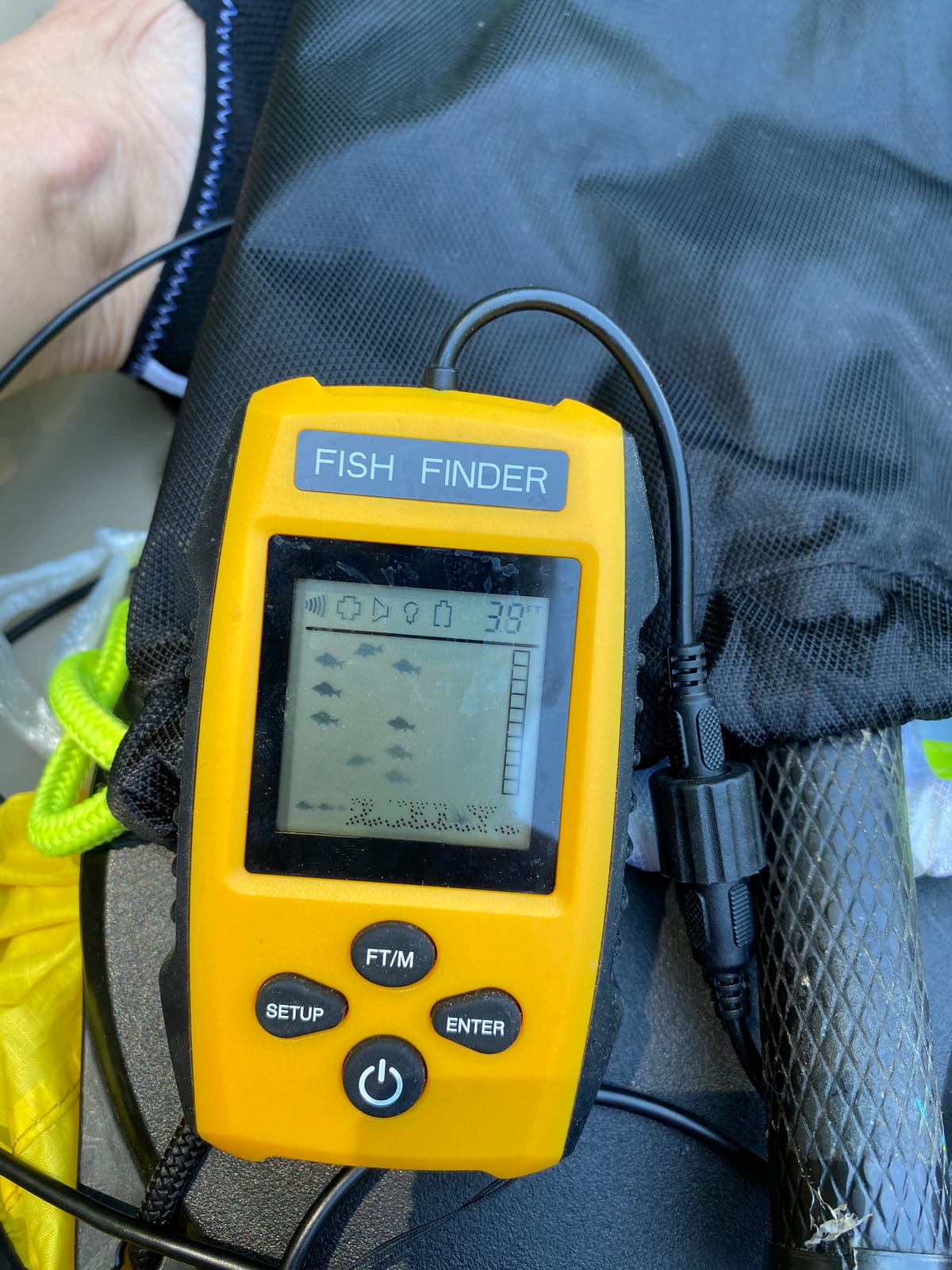
It runs on four AAA batteries for four to five hours of continuous use, with a battery-save mode, a backlight, five selectable sensitivity levels, a fish alarm, and unit switching. Settings survive power-off, which sounds minor until you are setting up in the dark before dawn.
Owners are candid that it is not a serious fish identifier. Used as a depth and vegetation finder it delivers, and at this price the surprise is how often that is enough. If you want to know what is under you, it works. If you want to know what is ahead of you, it cannot.
When depth and weed lines are the whole job
Shallow-water anglers chasing a specific weed line, a rock bar or a safe channel do not need target separation, they need a continuous and cheap depth number. It works in fresh and salt water, which makes it usable on coastal flats and inshore bays as well as lakes, and the 45-degree beam is a reasonable compromise between coverage and detail for a kayak moving slowly under its own power.
Where to draw the line
Eight percent of reviews are one-star, including units that stop powering on after a few uses, so durability is the real question with this product. Four AAA batteries giving four to five hours means spares for longer trips, there is no bottom contour display of the kind the larger units provide, and the listing copy itself references a different brand, which is worth keeping in mind on warranty support.
12. HawkEye FishPod 5X – Best Bluetooth Clamp-On Setup
FishPod 5x Bluetooth Fish Finder With AI Technology
Bluetooth phone or tablet link
4 preset modes
FishEcho filtering
199 ft depth
Pros
- Four preset modes auto-adjust settings by fish size
- depth or schooling
- FishEcho filters clutter
- debris and false echoes
- BottomScan separates vegetation from hard and soft seabed
- TraxNut 1/4-20 mount fits any standard bracket
- Owners report stable Bluetooth casting 50 to 70 ft
- Only 22.68 g
- the lightest unit here
Cons
- Display is a phone or tablet so legibility depends on your device
- Vertical flasher looks straight down and is not forward-looking sonar
- Thin plastic ear for securing the fishing line
- Bluetooth weakens in water so the float cannot be towed deep or long
- Battery tops out around 80 to 85 percent on charge
- App has no ground mapping to compile scans into a map
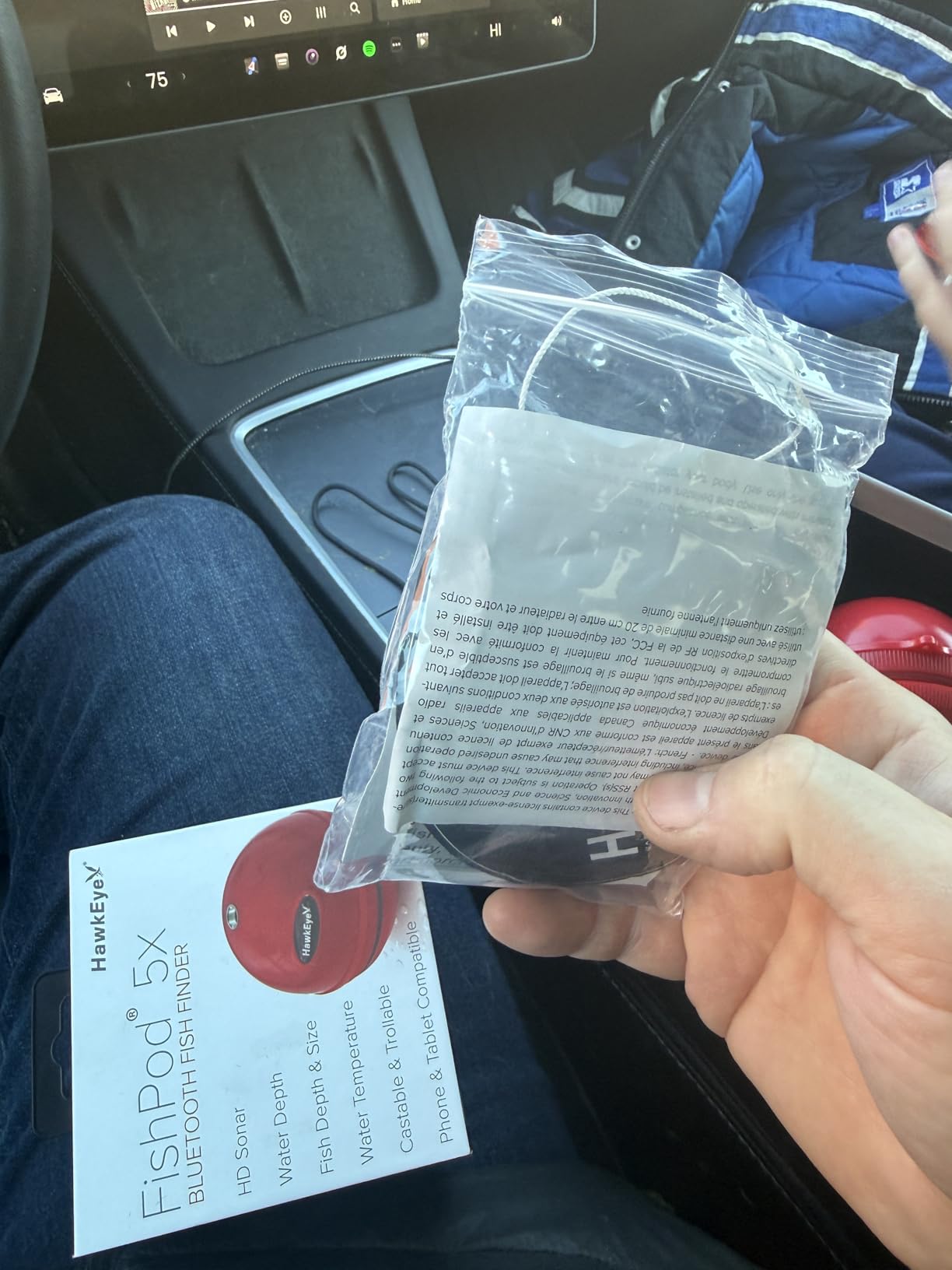
The FishPod 5X is a Bluetooth float rather than a Wi-Fi castable, and the difference is power efficiency. The TraxNut 1/4-20 mounting system lets it attach to any standard bracket, so it can live on your trolling motor, a rail or a kayak deck, and it is also castable on a line. At 22.68 grams it is the lightest item in this roundup by a wide margin.
Four preset operating modes auto-adjust the screen to target fish by size, depth or schooling. FishEcho tunes the sonar in the water column to isolate real targets while filtering clutter, debris and false echoes, and BottomScan adjusts bottom contour and composition readings so you can tell vegetation from hard or soft seabed. Maximum depth is 199 feet.
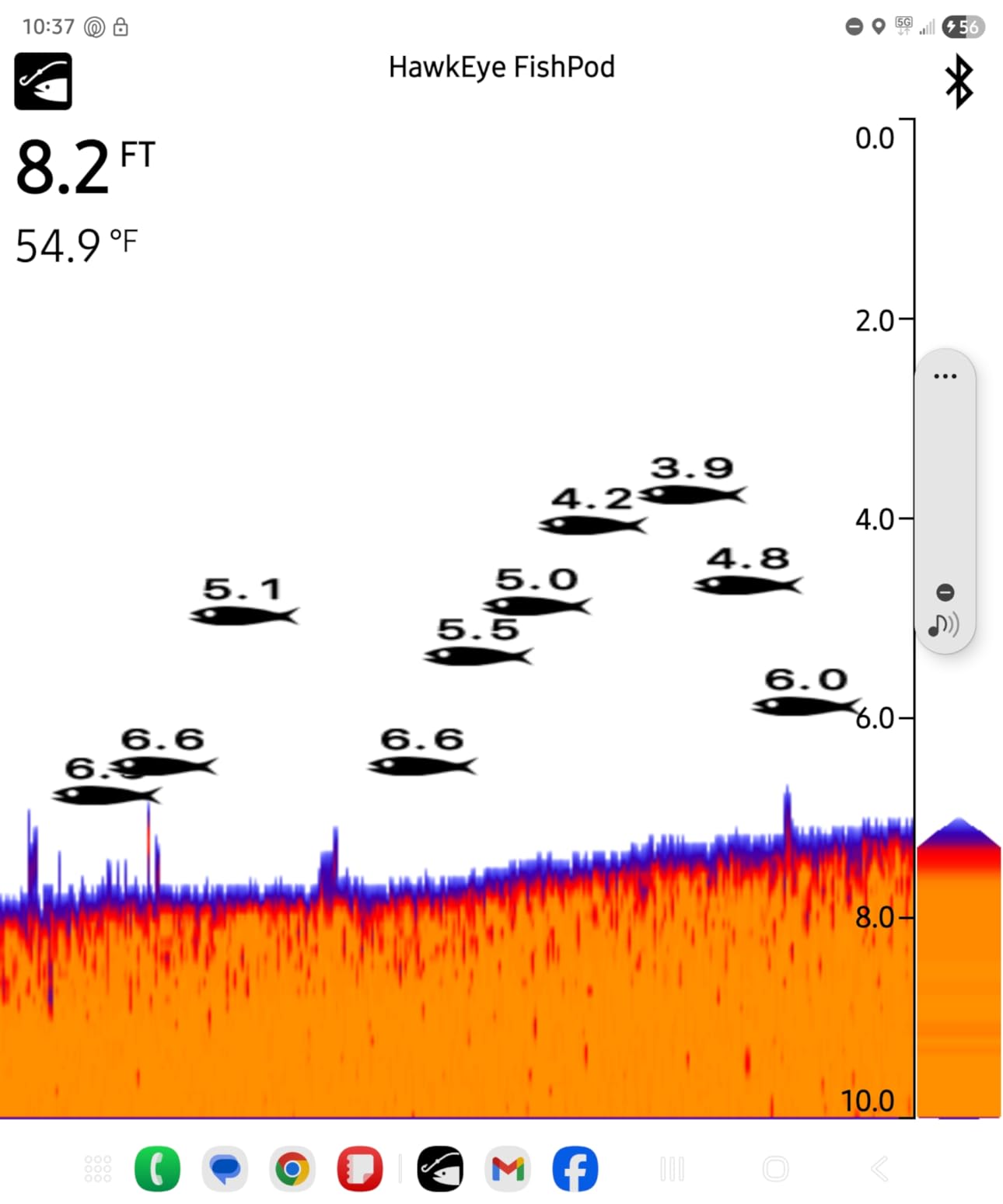
Owners report no dropped Bluetooth connection casting 50 to 70 feet out, which is the number that matters for actually using it from a boat. The vertical flasher mode amplifies the most recent echoes and works well for ice fishing.
Understand what the flasher is not. It is a straight-down column beneath the float, not forward-looking sonar, so it will not show you a brush pile two boat lengths ahead. If you want to see what is in front of the boat, that is a different category of device.
Why Bluetooth changes the rules of a castable
Wi-Fi castables drain a phone because the phone is the display. Bluetooth lets the sensor run on its own battery and send to a device only when the app is open, which extends usable session time. The 199-foot depth rating and the 1/4-20 mounting pattern also make it the easiest unit here to move between a boat, a kayak and an ice hole. BottomScan is the sleeper feature, since distinguishing vegetation from hard or soft bottom on a small screen is hard.
Limitations worth weighing
Bluetooth signal weakens in water, so the float cannot be towed deep or for long, which rules it out as a trolling solution entirely, and the plastic ear used to secure the fishing line is thin. The battery reportedly tops out around 80 to 85 percent on charge, and with no ground-mapping option nothing you scan is retrievable later, which makes this a spot-fishing tool rather than a mapping one.
How We Picked These Fish Finders
We weighted fit for a small hull at roughly 70 percent and feature differentiation at roughly 30 percent. A unit that scans better but cannot be mounted on a 12-foot jon boat, or that needs a dashboard you do not have, loses to a simpler one that fits. That framing is what pushed four-inch screens to the top of the list rather than larger units.
Within that, we looked at four things. Readability in direct sun from a low seated position, because an open boat has no console to shade the display. Mounting options that avoid permanent fasteners, since the single most common regret on forum threads is drilling an aluminum hull. Current draw, because a boat with no starting battery is running everything off a small pack. And transducer compatibility, because a head unit you cannot usefully pair with a transducer is not a buy.
Here is what we did not test. We did not run controlled sonar accuracy comparisons, we did not measure battery endurance over a full day, and we did not install any of these on a hull. The ratings, review counts and specifications come from the published product data and the buyer feedback attached to it, and we read the negative reviews rather than only the aggregate, which is why one-star shares are quoted in several entries and why durability complaints on the budget handhelds are stated as plainly as the brightness praise on the Garmin units.
Small Boat Fish Finder Buying Guide
Screen size and sunlight readability on a low-seated angler
Pick for viewing distance and glare before you pick for diagonal inches. On a jon boat or a kayak you are seated low and looking up, often at eighteen inches or more, often through polarized sunglasses. IPS panels, which you will find on the Lowrance Eagle, hold brightness and color at wide off-axis angles and are the safest choice in unshaded direct sun.
Below four inches, split-screen map and sonar becomes cramped. Between four and five inches you can run a sonar page beside a map page and still read both. Above six inches you are usually looking at a mounting surface your boat does not have. For hulls under 16 feet, four to five inches is the practical ceiling.
CHIRP vs traditional vs scanning sonar in shallow water
Traditional sonar sends one or more fixed frequencies and returns arches for fish and a line for the bottom. CHIRP, which several units here use, sweeps a range of frequencies continuously, which produces crisper arches and better target separation. In shallow water this matters because the bottom return is close to the surface layer where fish sit, and separation determines whether you can tell one fish from three.
Scanning sonar, sold as ClearVu on the Garmins and as DownScan or SideScan elsewhere, paints structure in near-photographic detail rather than drawing it as a contour. It is the difference between seeing a drop-off and seeing the rock on it. On a small boat fishing structure, scanning sonar is worth more than GPS. On a small boat fishing open flats and weed edges, traditional CHIRP is enough and cheaper.
Be realistic about depth. Every mounted unit in this roundup is rated far beyond what a small boat needs, from 500 feet to 1600 feet, and the shallower handhelds top out between 50 and 100 meters. Depth range is almost never the reason to buy or skip a fish finder for a boat under 20 feet.
Transducer mounting on a shallow aluminum hull
Mounting is the number one real-world blocker on small boats, and prop wash is the reason. On a shallow aluminum flatbottom a transom-mounted transducer can sit directly in the propeller wash, which produces bubbles and false readings exactly where you need clean data. Owners on small-craft fishing forums consistently describe this as the problem that ends their patience.
There are four workable approaches. A transom mount is cheapest and needs no drilling, but rides shallow. A trolling motor or pole mount with a C-clamp lifts the transducer clear of the wash and is the most common upgrade among owners of 12 to 14 foot boats. A through-hull install reads best and requires drilling, which most people refuse on an aluminum hull. A castable sensor avoids all of it, which is why the wireless options in this roundup exist at all.
On transducers specifically, brands do not cross over cleanly. Do not assume a Garmin GT20 or a Humminbird XNT will drive a different brand’s head unit, and do not plan on mixing them on one boat. For an upgrade path within one ecosystem, Garmin and Lowrance both have broad transducer ranges across their entry and mid tiers.
12V power and wiring on a boat with no electrical system
If your boat has no battery, the total installed cost is not the unit price. You need a sealed marine battery, an inline fuse holder mounted within about seven inches of the battery terminal, marine-grade tinned copper wire sized for the run under ABYC guidance, ring terminals, and a mount. Add the head unit, transducer and mounts and the rig commonly lands around 3 to 5 lb, which is the figure trailerable-boat owners care about.
The STRIKER 4 draws 0.23 amp at 12V, which means a small 7 amp-hour pack runs a full day of trolling. Bigger color screens pull more, which is why we quote draw where the manufacturer publishes it. The HELIX 5 ships without a fuse and with a short power lead, so budget for that hardware separately rather than discovering it at the dock.
Saltwater adds two requirements most small-boat buyers forget. Use tinned copper and sealed connections, and confirm the unit is ignition-protected if it sits near a fuel tank or an outboard. The IPX7 water rating on the STRIKER 4 is a splash and immersion rating, not a promise about a transom in a breaking sea.
Castable wireless versus a mounted unit
Castables win on install, portability and the fact that you can take them to shore or ice. Mounted units win on continuous coverage at trolling speed, on screen size and on the ability to split a sonar page beside a map. The read-at-speed penalty for a castable is absolute: you cast, you wait, you read, you reel back in.
A good number of small-boat owners end up with both, using a mounted 4-inch unit on the trolling motor for running structure and a castable for working a spot in detail. If you have to pick one, pick based on whether your boat has any electrical system at all. No system means castable or handheld. Any system means mounted.
If your primary platform is a paddle rather than a motorboat, our guide to fish finders for kayaks goes deeper on the mounting and weight constraints that come with a craft that holds one person and no console.
Frequently Asked Questions
Is Humminbird or Garmin better?
For a small boat, Garmin edges it out at the entry and mid tiers. The STRIKER 4 and Striker Plus 4 give you CHIRP sonar plus ClearVu scanning and Quickdraw mapping in 3.5 and 4.3 inches, and the STRIKER Vivid 4cv carries a 4.7 average with a 2-year warranty. Humminbird competes well at the top of this roundup with the HELIX 5 CHIRP GPS G3, which offers a 5-inch color screen, Dual Spectrum CHIRP and AutoChart Live, but it is the heaviest unit here and ships without a fuse. Choose Garmin for the lighter build and easier small-hull mounting, Humminbird if you want the biggest screen and the deepest mapping suite.
Is Garmin or Lowrance better for fishing?
The real difference at the entry tier is the display, not the sonar. The Lowrance Eagle 4-inch uses an IPS portrait panel that stays readable in bright sun at wide viewing angles and through polarized glasses, and its Auto-Tuning sonar removes setup entirely. The Garmin units in this roundup pair CHIRP with ClearVu scanning sonar and Quickdraw contour mapping, which Lowrance does not offer at this size. Pick Lowrance if glare and a tight mounting space drive your decision, and Garmin if you want scanning sonar and automatic bottom mapping.
What is the best depth sounder for a small boat?
If you want depth, structure and fish arches from a wired head unit, the Garmin STRIKER 4 is the answer. It reads to 1600 feet in freshwater, includes CHIRP traditional and ClearVu scanning sonar, and draws only 0.23 amp at 12V. If you need no wiring at all, the LUCKY FFC1108 handheld covers 3 to 328 feet with weed and rock bottom detection. For mapping your own bottom, the Striker Plus 4 records 1-foot Quickdraw contours as you cruise.
What is the best portable fish finder for small boats?
The Deeper PRO+ 2 is the strongest portable in this roundup, with wide, mid and narrow beam modes, 0.4 inch target separation on the narrow beam, a 330-foot casting range and built-in GPS for saved bathymetric maps. If you would rather read a real screen than a phone, the Venterior VT-FF005 has a standalone 2.6-inch color display with a 262-foot wireless range. If the boat has no battery and you only need depth and weed lines, the LUCKY FFC1108 handheld is the lowest-cost option.
What is the best fish finder for a Jon boat?
The Garmin STRIKER 4 is the most common answer in our research and ours. At 8 ounces with transom and trolling motor mounts in the box and a 0.23 amp draw, it fits a small aluminum hull without permanent fasteners and runs all day off a small battery. If your jon boat is fiberglass rather than aluminum, skip the handheld LUCKY units, which do not read through fiberglass, and favor a wired transom mount instead.
Will any transducer work with any fish finder?
No. Transducers are not interchangeable across brands, and even within a brand they are matched to specific connector types and frequency sets. A Garmin GT20 will not drive a Humminbird head unit, and a Lowrance Bullet Skimmer is not a drop-in replacement for a Garmin trolling motor mount. If you plan to upgrade later, stay inside one ecosystem, and confirm the connector type and frequency list before buying a replacement transducer.
What is the best portable fish finder for the money?
The LUCKY FFC1108 is the cheapest mounted-free option with 3284 reviews behind it. It reads depth from 3 to 328 feet, shows short and tall weeds plus sand and rock on the bottom, has five sensitivity levels and a battery-save mode, and includes a neck strap. Its limits are real: coarse fish detection with no size separation, no GPS, no use from shore, and a 10 percent one-star share for durability. It does not read through fiberglass hulls.
What size fish finder screen works best on a small boat?
Four to five inches is the practical range for a boat under 20 feet. At 3.5 inches, as on the STRIKER 4, split-screen sonar and map is cramped, though brightness matters more than diagonal size when you are seated low in direct sun. Above five inches, the HELIX 5 CHIRP GPS G3 is the most readable option in this roundup, but it weighs just over two pounds and needs a wider mounting surface than a small jon boat always offers. Prioritize IPS panels and brightness over raw inches.
Final Verdict: The Best Fish Finders for Small Boats
Buy the Garmin STRIKER 4. It is the most proven compact unit in this roundup with 9312 reviews at a 4.6 average, it installs without drilling, it draws 0.23 amp, and it gives you CHIRP plus ClearVu scanning sonar with a waypoint map in a package that weighs 8 ounces. For most jon boats, small aluminum flatbottoms and tiller-steered skiffs under 20 feet, that is the right default.
There are two conditional alternatives. If you fish the same water constantly and want to draw your own bottom, take the Garmin Striker Plus 4 for Quickdraw Contours and a 4.3-inch split screen. If your boat has no battery, no fuse and no plan to add one, skip the wiring entirely and start with the Deeper PRO+ 2, or the LUCKY FFC1108 if all you need is depth and weed lines.
Whichever route you take, transducer placement and the 12V wiring decide whether the unit works on the first trip or the tenth. Mount clear of the prop wash, fuse within inches of the battery, and give yourself a season to learn to read arches and bottom hardness before you judge the electronics. More of our small-craft setup guides, including our picks for marine stereos, marine speakers and waterproof marine subwoofers, cover the rest of a compact boat buildout for 2026.