
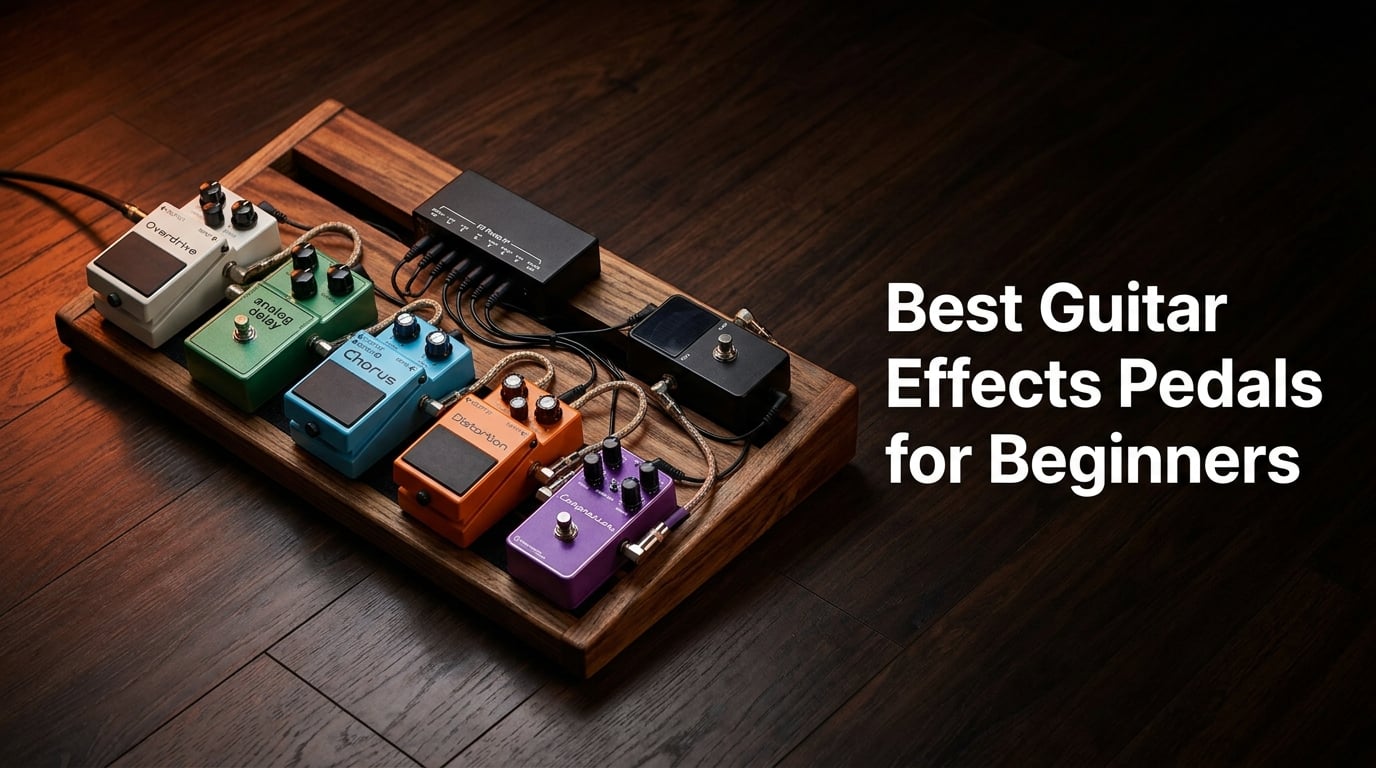
When I first plugged a distortion pedal into my practice amp back in college, the grin on my face lasted for about three hours straight. That is the power of guitar effects pedals. They transform a plain guitar signal into something that makes you want to keep playing for hours.
Finding the best guitar effects pedals for beginners can feel overwhelming with hundreds of options on the market. You see pedals with names like Big Muff, Tube Screamer, and Cry Baby, and suddenly you are drowning in jargon without a life raft. Our team has spent months testing beginner-friendly pedals to cut through the noise and give you a clear, honest starting point.
This guide covers eight pedals that span every essential effect category: distortion, overdrive, reverb, delay, chorus, looping, tuning, and an all-in-one multi-effects unit. Whether you play blues, rock, metal, or indie, these are the pedals that will actually help you grow as a guitarist in 2026. We focus on pedals that are affordable, easy to use, and built to last through years of stomping.
One thing I learned the hard way: you do not need a massive pedalboard to sound great. Start with one or two pedals, learn them inside and out, and expand from there. The community on Reddit and guitar forums consistently says the same thing. Start simple, learn your gear, and let your ears guide you toward the sounds you love.
Table of Contents
Top 3 Picks for Beginner Guitar Pedals in 2026
Before we get into the full lineup, here are the three pedals our team considers the absolute best starting points for any new guitarist. These three cover the most common needs and have earned their reputations through years of consistent performance on stages and in bedrooms worldwide.
The BOSS DS-1 is our Editor’s Choice because it has been the gateway pedal for more guitarists than any other stompbox in history. Since 1978, this orange tank has taught players what distortion sounds like and how to shape it. It is the pedal that forum veterans recommend more than any other when someone asks about their first pedal.
The MOOER GE100 earns Best Value because it packs 66 effects, 80 presets, a looper, a drum machine, and a tuner into a single unit. If you are not sure which effects you even like yet, this multi-effects pedal lets you explore everything before committing to individual pedals.
The BOSS TU-3 takes Top Rated with a stellar 4.8-star average from over 2,500 reviews. It is the industry standard pedal tuner, built like a tank, and can even power other pedals on your board. Every serious guitarist eventually owns one of these.
Best Guitar Effects Pedals for Beginners in 2026
Here is the complete comparison of all eight pedals we tested and recommend. The table below gives you a quick snapshot of each pedal’s key features so you can find the right match for your sound and needs.
| Product | Specifications | Action |
|---|---|---|
 BOSS TU-3 Chromatic Tuner BOSS TU-3 Chromatic Tuner |
|
Check Latest Price |
 BOSS DS-1 Distortion BOSS DS-1 Distortion |
|
Check Latest Price |
 Donner Blues Drive Overdrive Donner Blues Drive Overdrive |
|
Check Latest Price |
 Donner Tutti Love Chorus Donner Tutti Love Chorus |
|
Check Latest Price |
 FLAMMA FC02 Mini Reverb FLAMMA FC02 Mini Reverb |
|
Check Latest Price |
 Donner Yellow Fall Delay Donner Yellow Fall Delay |
|
Check Latest Price |
 BOSS RC-1 Loop Station BOSS RC-1 Loop Station |
|
Check Latest Price |
 MOOER GE100 Multi-Effects MOOER GE100 Multi-Effects |
|
Check Latest Price |
1. BOSS TU-3 Chromatic Tuner – The Foundation of Your Pedalboard
BOSS TU-3 Compact Chromatic Tuner
21-Segment LED Meter
Accurate to 1 Cent
Powers 7 Pedals
Tank-Tough Body
Pros
- Accurate to 1 cent
- Tank-tough build quality
- 21-segment LED meter
- Powers up to 7 BOSS pedals
- Supports 7-string guitars and 6-string basses
Cons
- Not Prime eligible
- 90-day warranty only
I want to start with the pedal that should be first on every single pedalboard, period. The BOSS TU-3 is not a flashy effect pedal, but without accurate tuning, nothing else matters. I have owned three of these over the years, and each one survived drops, spills, and being thrown into gig bags without complaint.
The 21-segment LED meter is bright enough to read on a sunlit outdoor stage. That brightness matters more than you think when you are squinting at your pedalboard between songs at a gig. The Accu-Pitch Sign function gives you a visual confirmation when your string hits perfect pitch, so you are not guessing whether you are slightly sharp or flat.
Accuracy on this pedal is rated to plus or minus one cent, which is professional-grade precision. For context, most clip-on tuners are accurate to about five cents. If you care about sounding in tune when you play with other musicians, this difference is immediately noticeable and deeply appreciated.
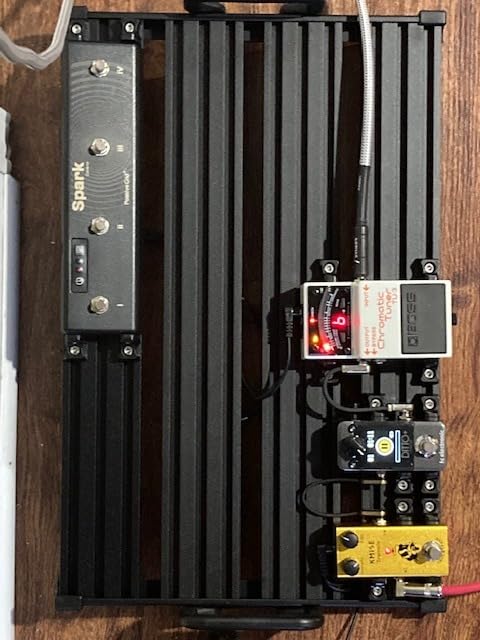
What makes the TU-3 especially valuable for beginners building their first board is the DC Out feature. This output lets you daisy-chain power to up to seven other BOSS compact pedals from a single power supply. That saves you money on power supplies and keeps your board tidy and organized.
The chromatic mode tunes any note you play, while the Guitar and Bass modes focus on standard tuning notes for faster results. It also supports 7-string guitars and 6-string basses, so if you play extended-range instruments, this tuner has you covered. The Flat tuning mode goes down up to 6 semitones, which is great if you play in drop tunings for metal or hard rock.
Will it fit on a crowded pedalboard?
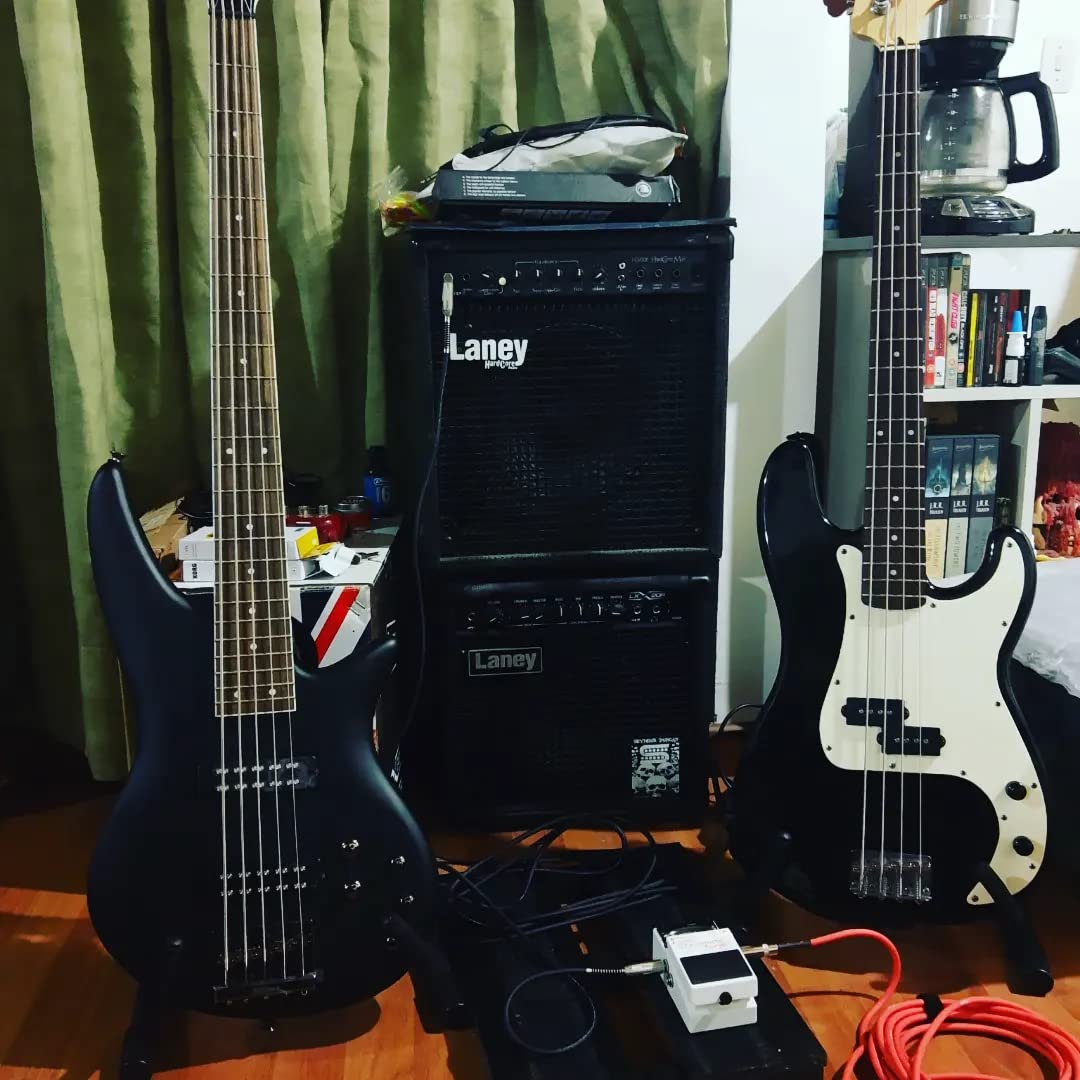
The TU-3 uses the standard BOSS compact pedal enclosure, which measures roughly 2.9 by 5.1 inches. That is the same size as every other BOSS compact pedal, so it fits naturally into any BOSS-heavy board. Even on a tight mini board, the TU-3 sits comfortably alongside two or three other compact pedals.
The metal construction means you can stand on it with full body weight without damaging anything. I have accidentally kicked mine across a stage floor, picked it up, and it worked perfectly. BOSS pedals are legendary for their durability, and the TU-3 is no exception.
Can it replace your clip-on tuner?
A pedal tuner mutes your signal when activated, which means you can tune silently between songs during a performance. Clip-on tuners cannot do this. If you ever plan to play live or record with others, the mute function alone justifies adding the TU-3 to your board.
The TU-3 is also more accurate than most clip-on tuners, which tend to get confused by ambient noise in loud rooms. A pedal tuner reads your direct guitar signal, so background sound never interferes with the reading. This reliability is why professional musicians trust pedal tuners over clip-ons.
2. BOSS DS-1 Distortion – The Gateway Pedal Since 1978
BOSS DS-1 Distortion Compact Distortion Pedal
Legendary Since 1978
Hard-Edged Distortion
Wide Tone Range
BOSS 5-Year Warranty
Pros
- Legendary sound since 1978
- Clear attack at max distortion
- Works as a booster at low settings
- BOSS five-year warranty
- Wide tone range
Cons
- Not Prime eligible
- USB powered may need adapter for some setups
The BOSS DS-1 is the pedal I recommend more than any other when someone asks about their first guitar effects pedal. It has been in continuous production since 1978, and there is a reason for that longevity. The sound is immediately recognizable, inspiring, and versatile enough to work across genres from punk to jazz fusion.
When you step on the DS-1, you get a hard-edged distortion that maintains clarity even at maximum settings. Many distortion pedals turn to mush when you crank the gain, but the DS-1 keeps the attack of each note sharp and defined. That clarity is what makes it work for everything from Nirvana-style grunge to classic rock rhythm parts.
The three-knob layout is refreshingly simple. Level controls your output volume, Tone shapes the EQ from dark to cutting, and Distortion sets your gain amount. A beginner can dial in a great sound in under a minute, and that ease of use is exactly what you want from a first pedal.
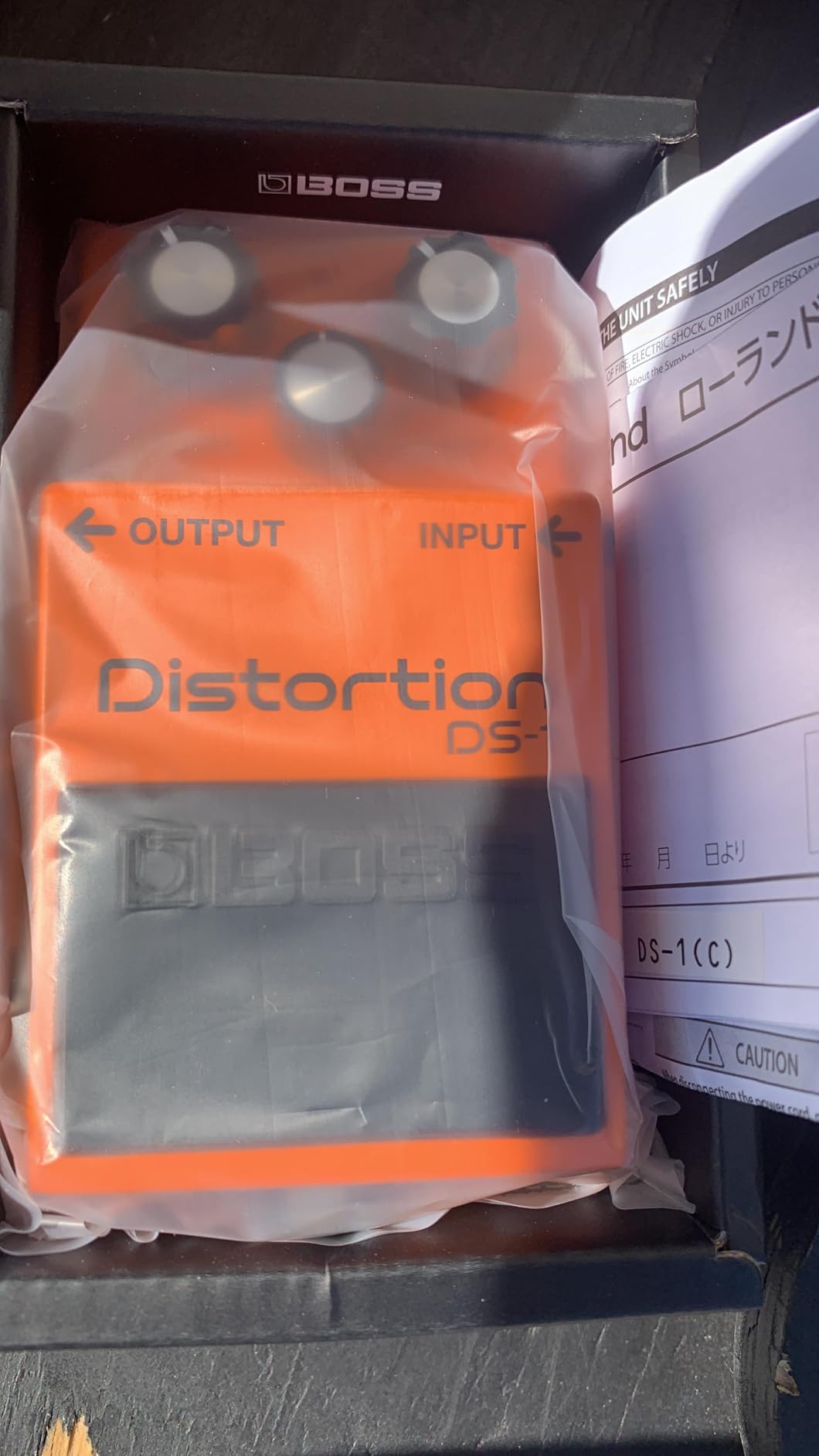
At low distortion settings, the DS-1 functions beautifully as a booster. You can use it to push your amp harder without adding much grit of its own, which is a technique blues and rock players use constantly. This means the pedal grows with you as your skills advance and your tonal needs evolve.
The tone control on the DS-1 is unusually wide-ranging compared to other distortion pedals in its class. Rolled back, it gives you a warm, dark sound perfect for rhythm parts. Pushed forward, it cuts through any mix with a bright, aggressive edge that works for solos. This tonal flexibility is part of why the pedal has remained relevant for nearly five decades.
What genres does it handle best?
The DS-1 excels at classic rock, punk, grunge, alternative, and hard rock. Think of bands like Nirvana, The Smashing Pumpkins, and Joe Satriani, who have all used this pedal extensively throughout their careers. It nails that raw, aggressive rhythm tone that defines those genres.
For metal and modern high-gain styles, the DS-1 may not offer enough saturation on its own. However, many metal players use it as a boost in front of a high-gain amp to tighten the low end. For extreme metal, you would eventually want a dedicated metal distortion pedal, but the DS-1 is still a fantastic starting point.
How does it interact with different amps?
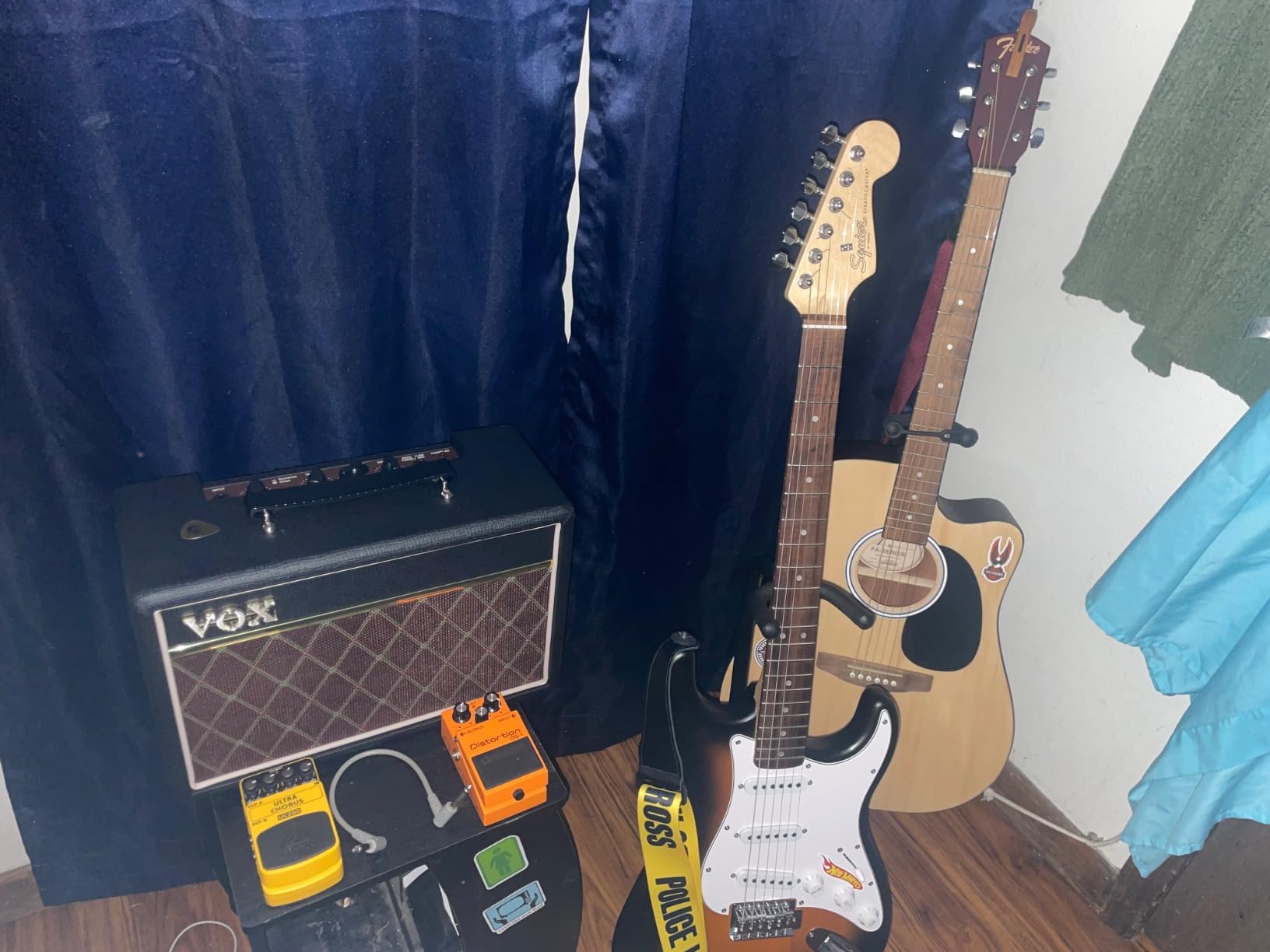
Through a clean practice amp, the DS-1 provides all your distortion in one box. This is how most beginners will use it, and it sounds great right away. The pedal does the heavy lifting, and even a basic solid-state amp can produce convincing rock tones.
Through a tube amp, the DS-1 interacts with the amp’s natural compression and warmth to create a more dynamic, responsive sound. Rolling your guitar’s volume knob down cleans up the signal beautifully, which is a technique worth mastering early in your playing. This interaction between guitar, pedal, and amp is where the real magic of tone crafting happens.
3. Donner Blues Drive Overdrive – Affordable Tube-Screamer Tone
Donner Overdrive Guitar Pedal, Blues Drive Vintage Overdrive Effect Warm/Hot Modes for Pedal Boards Electric Guitar, True Bypass
Warm and Hot Modes
True Bypass
Vintage Tube Tone
Aluminum Chassis
Pros
- Warm and Hot dual modes
- True bypass transparency
- Vintage tube overdrive tone
- Aluminum alloy chassis
- Simple LEVEL TONE GAIN controls
Cons
- 9V adapter not included
- No battery option
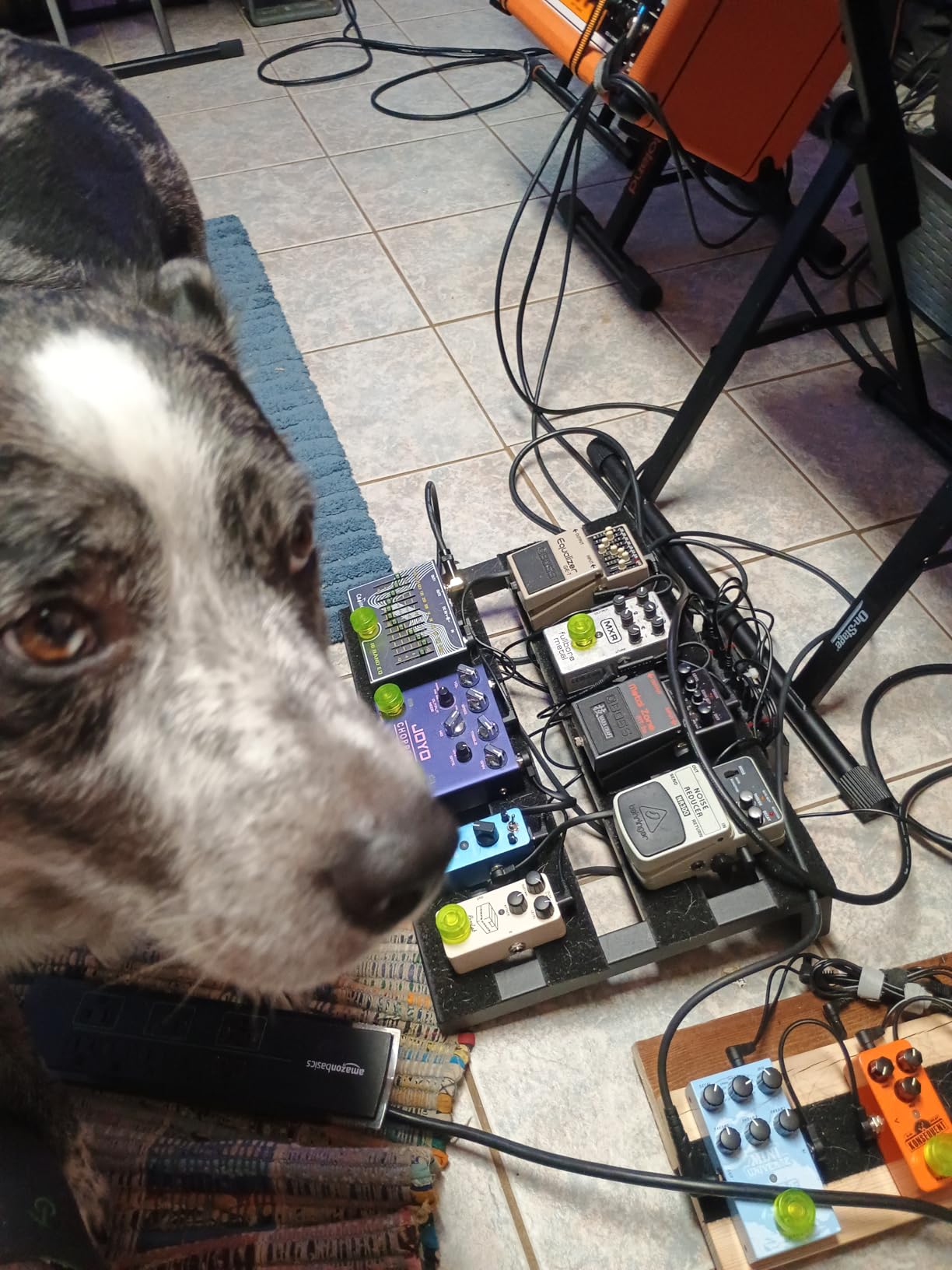
If you want that warm, bluesy overdrive sound without spending a fortune, the Donner Blues Drive is where I would point you. This pedal captures the essence of the legendary Tube Screamer circuit at a fraction of the cost. I was genuinely surprised by how good it sounded the first time I plugged one in and started playing blues licks.
The Blues Drive offers two distinct modes to explore. Warm mode gives you that classic, smooth tube overdrive that blues and classic rock players love. Hot mode adds more gain and tightens the low end, making it suitable for harder rock tones. Having both options in one affordable pedal is excellent value for a beginner exploring different sounds.
The three control knobs follow the standard Level, Tone, and Gain layout that most overdrive pedals use. Level sets your volume, Tone shapes the EQ, and Gain controls how much overdrive you add. This is the same control scheme as pedals costing three times as much, so you learn the fundamentals of gain staging on a budget.
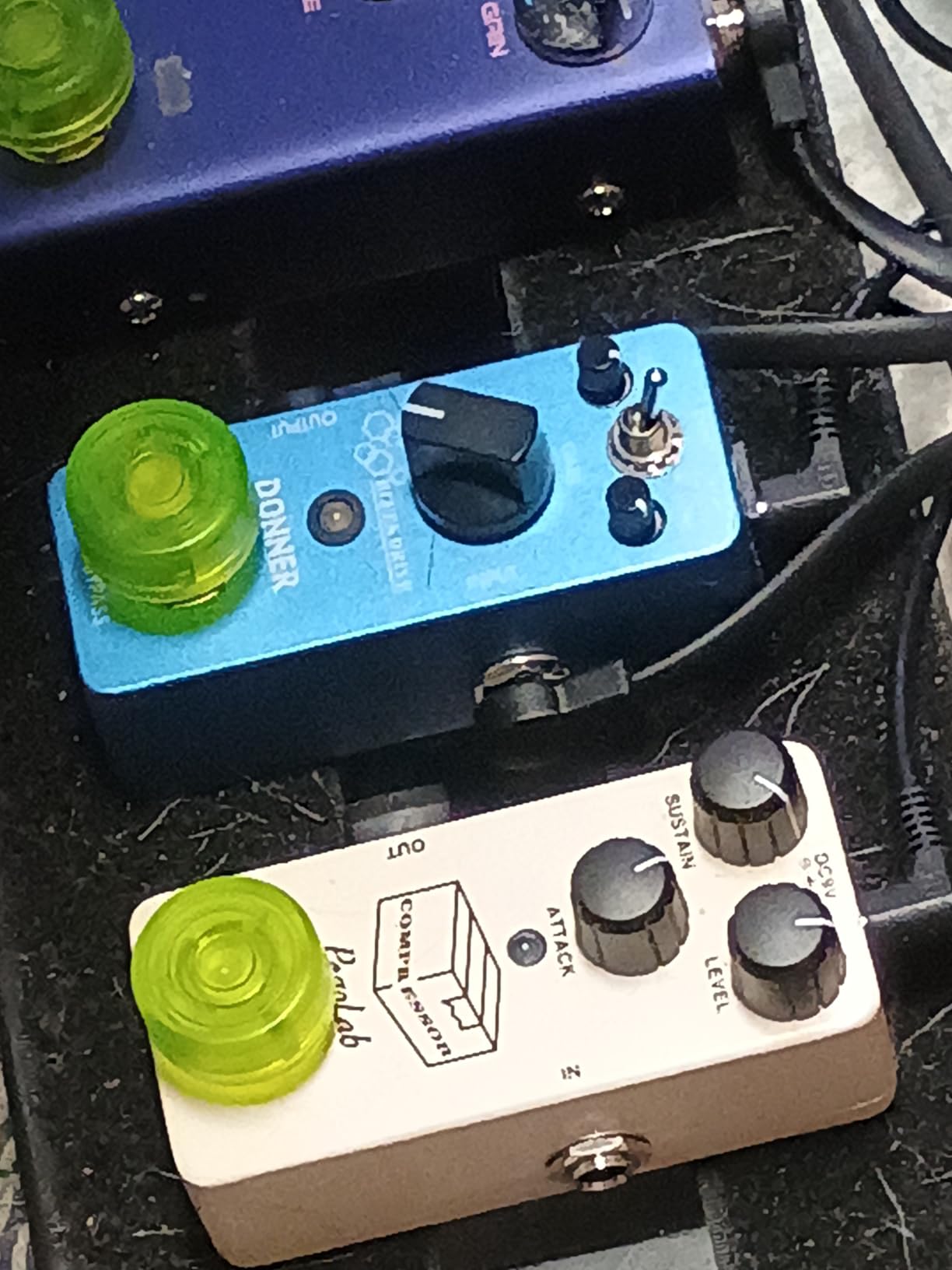
True bypass means the pedal does not color your tone when it is switched off. Your guitar signal passes through the pedal unaffected, preserving your natural sound. This matters more than beginners realize, especially as you add more pedals to your chain and each one potentially degrades your signal.
The aluminum alloy chassis feels solid and capable of surviving regular use on a practice board. It is not quite at BOSS levels of indestructibility, but for the cost, the build quality is genuinely impressive. The blue finish also looks great on any pedalboard, which is a nice bonus when aesthetics matter to you.
Is the Warm mode really tube-like?
Warm mode on the Blues Drive does a convincing impression of a Tube Screamer-style overdrive circuit. It has that midrange hump and smooth, compressed sustain that blues players chase. Through a clean amp, it gives you a believable simulation of a tube amp being pushed hard.
Is it identical to a vintage TS9 or TS808? No, there are subtle differences in harmonic content and dynamics that discerning ears will notice. But for a beginner who has never played through a Tube Screamer, the Blues Drive delivers roughly 90 percent of the experience for a small fraction of the cost.
How does it compare to pricier overdrives?
Compared to premium overdrives like the Ibanez TS9 or Keeley-modified pedals, the Donner Blues Drive holds its own in terms of basic tone quality. Where pricier pedals pull ahead is in build quality, component longevity, and tonal refinement at the edges of the frequency spectrum.
For a first overdrive pedal, the Blues Drive is more than enough to get you started. Many players on Reddit and guitar forums report using theirs for years without any issues. If you eventually upgrade, the Blues Drive makes an excellent backup or second overdrive voice on your board.
4. Donner Tutti Love Chorus – Warm Analog Modulation on a Budget
Donner Chorus Pedal, Tutti Love Analog Chorus Effect Classic Warm Chorus for Electric Guitar True Bypass
Analog Chorus Tone
True Bypass
Warm Sound
Level Depth Rate Controls
Pros
- Classic warm analog chorus
- Natural wave curve
- Works with guitar and bass
- True bypass signal
- 2-year manufacturer warranty
Cons
- Power supply not included
- Requires 9V DC power
Chorus is one of those effects that beginners often overlook but fall in love with once they try it. The Donner Tutti Love delivers that classic, warm analog chorus sound that defined the music of the 1980s and 1990s. I remember plugging one into my Stratocaster and immediately thinking of the opening riff from Nirvana’s “Come As You Are.”
The Tutti Love uses analog circuitry, which produces a warmer, more organic modulation than digital chorus pedals. The effect swirls around your core tone without sounding artificial or processed. This analog warmth is what guitarists have been chasing since the original Boss CE-1 chorus ensemble.
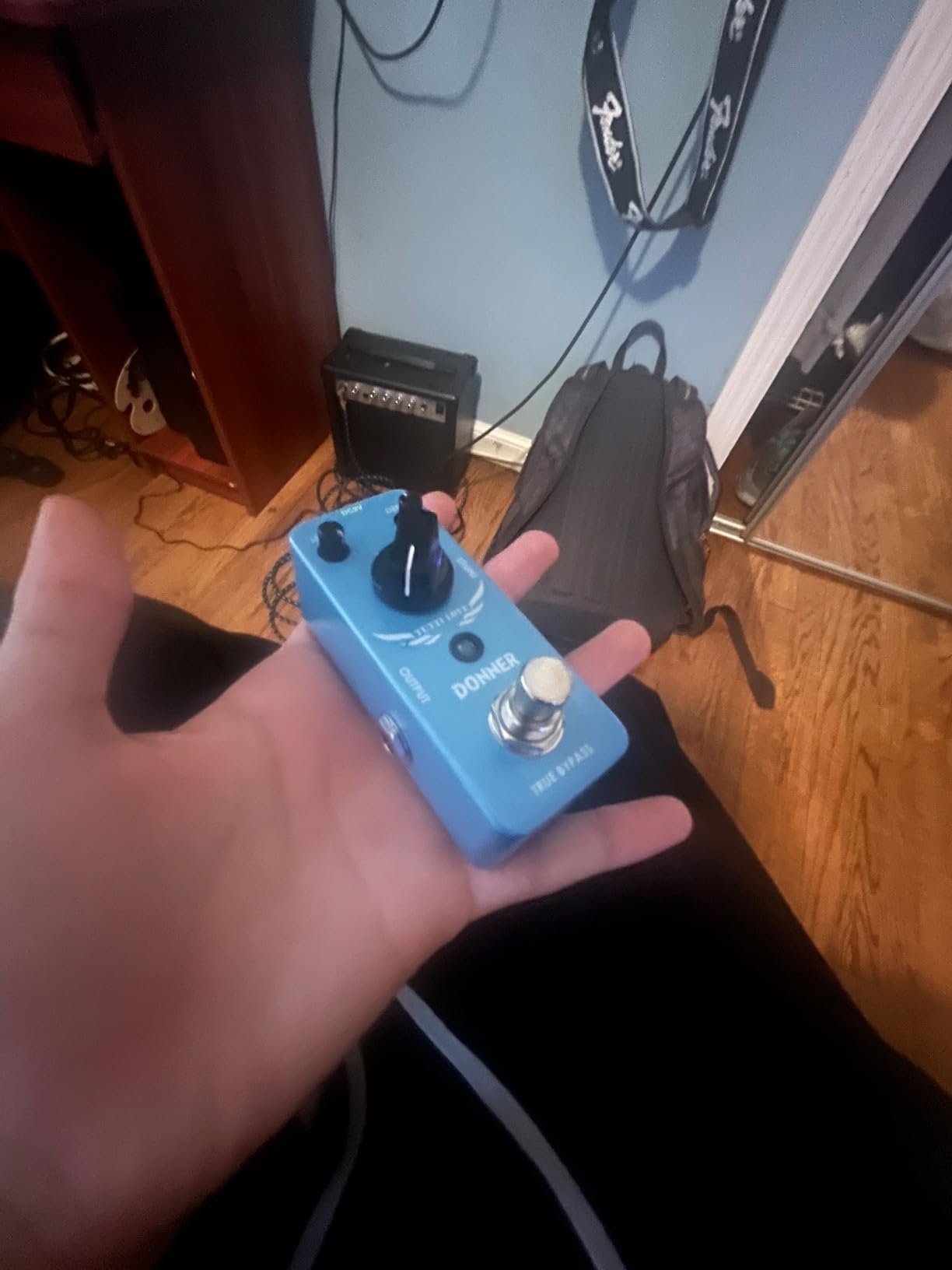
Three knobs give you full control over the modulation effect. Level adjusts the overall volume, Depth controls how intense the chorusing is, and Rate sets the speed of the modulation. With Depth low and Rate slow, you get a subtle shimmer. Crank both up, and you enter full psychedelic territory.
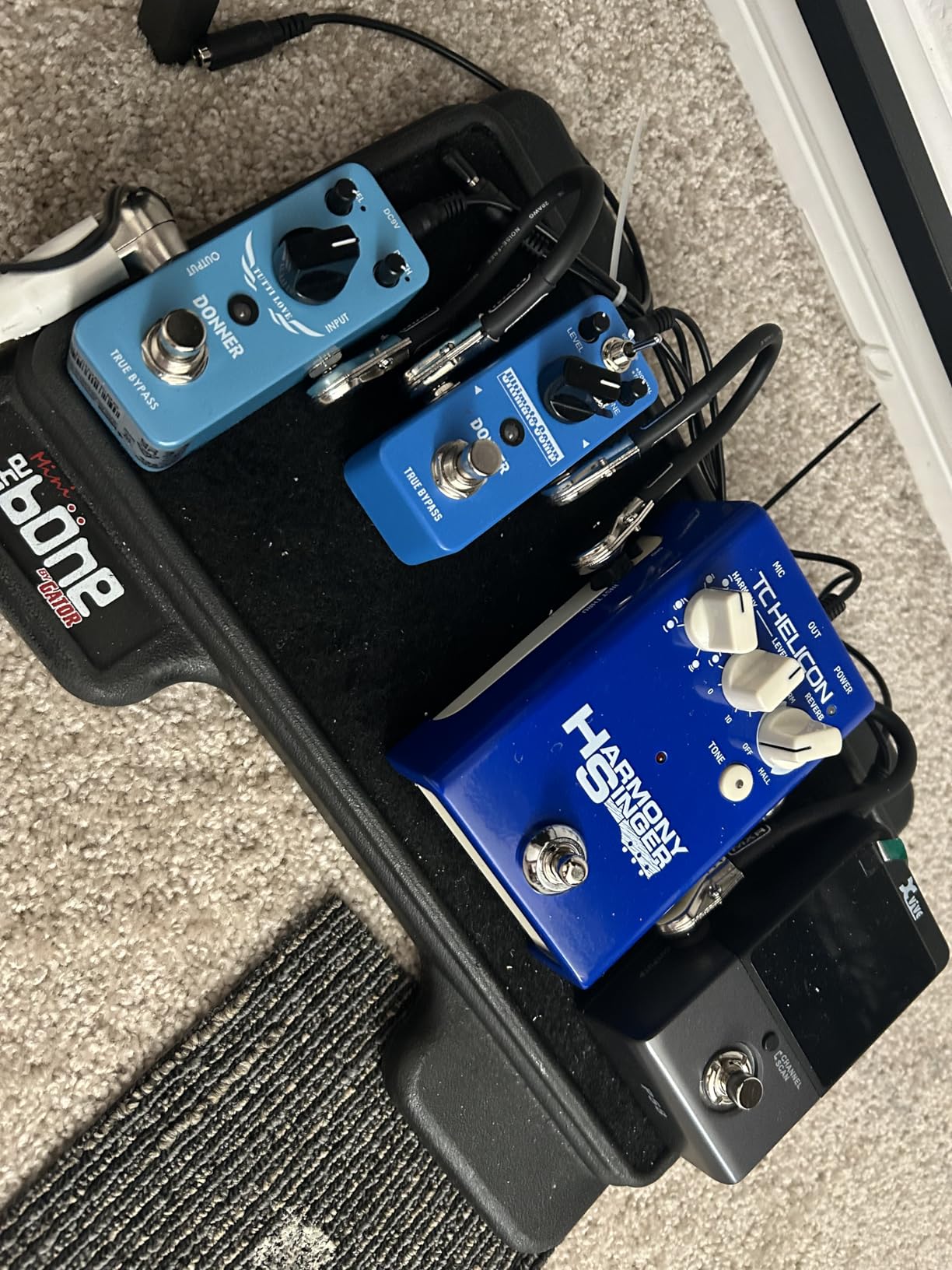
The natural wave curve of the analog circuit produces a smooth, liquid modulation that digital pedals struggle to replicate convincingly. Each note blooms with a gentle undulation that adds depth and dimension to clean guitar tones. This is the effect that makes simple chord progressions sound enormous and full.
One pleasant surprise is that the Tutti Love works well with bass guitar too. The chorus effect adds a rich, full sound to bass lines without muddying the low frequencies. This versatility means you can use the same pedal on multiple instruments if you play both guitar and bass.
Does it work well with bass guitar?
The Tutti Love handles bass surprisingly well for a pedal not specifically designed for low-frequency instruments. With the Depth control set conservatively, it adds a tasteful shimmer to bass lines without losing note definition or clarity. The analog circuit preserves the low-end fundamental better than many digital chorus pedals manage.
For bassists who want that classic fretless mwah or synth-bass modulation sound, the Tutti Love gets you reasonably close. It is not a replacement for a dedicated bass chorus pedal, but for occasional use on bass parts, it performs admirably and adds character to your low end.
How subtle can the effect get?
With the Depth knob at minimum and Rate set slow, the Tutti Love produces a barely-there shimmer that enhances your clean tone without obvious modulation. This subtlety is what professional players use to add dimension to rhythm parts in the studio and on stage.
At maximum settings, the chorus becomes a dramatic, warbling effect suitable for solos and psychedelic passages. The range between subtle and extreme is remarkably wide, giving you plenty of tonal territory to explore as a beginner learning what chorus can do for your sound.
5. FLAMMA FC02 Mini Reverb – Big Ambience in a Tiny Box
FLAMMA FC02 Reverb Pedal Digital Guitar Pedal with 3 Reverb Effects Church Plate Studio True Bypass
Studio Church Plate Reverb
True Bypass
Mini Metal Body
3 Controls
Pros
- Three reverb types
- True bypass design
- Compact 153g mini size
- Full metal case
- Affordable ambient sounds
Cons
- Squishy footswitch feel
- 9V adapter not included
- Some noise reported
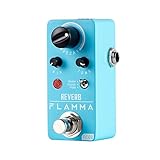
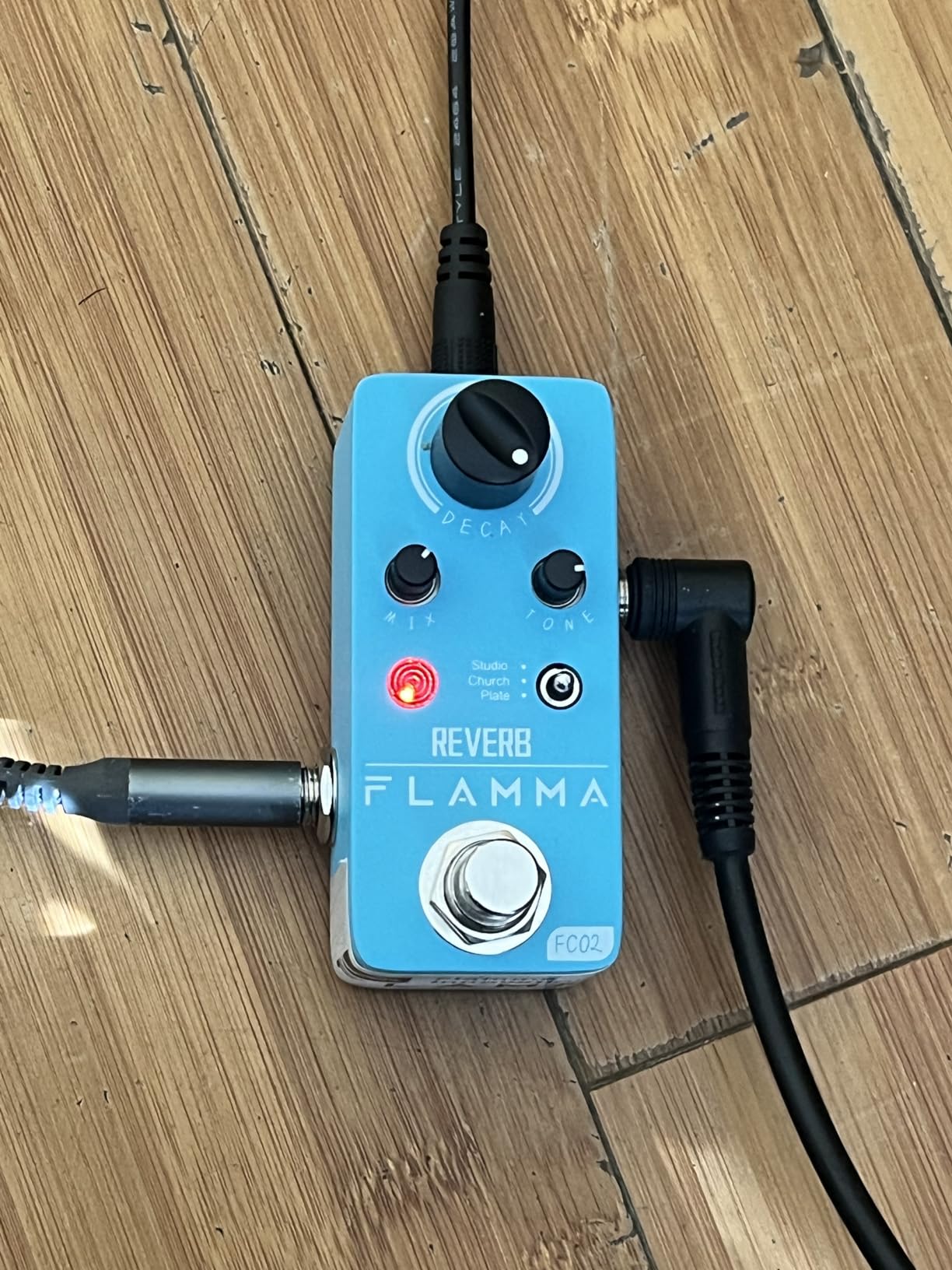
Reverb is the effect that makes your guitar sound like it is being played in a physical space rather than a padded cell. The FLAMMA FC02 gives you three reverb types in a pedal small enough to fit in your jacket pocket. I was skeptical about the sound quality from something this small and affordable, but it genuinely impressed me from the first chord.
The three reverb modes cover the essential bases for any beginner. Studio gives you a room-style reverb that sounds natural and contained, perfect for adding subtle depth to practice sessions. Church delivers a deep, expansive reverb that simulates a cathedral acoustic, ideal for ambient passages and atmospheric solos. Plate offers a classic plate reverb sound that works great for indie and rock tones.
Three parameter controls let you shape each reverb type to taste. The mini size means it takes up almost no space on your pedalboard, which is a genuine advantage when real estate is limited. The full metal case with frosted texture feels sturdy despite its diminutive dimensions.
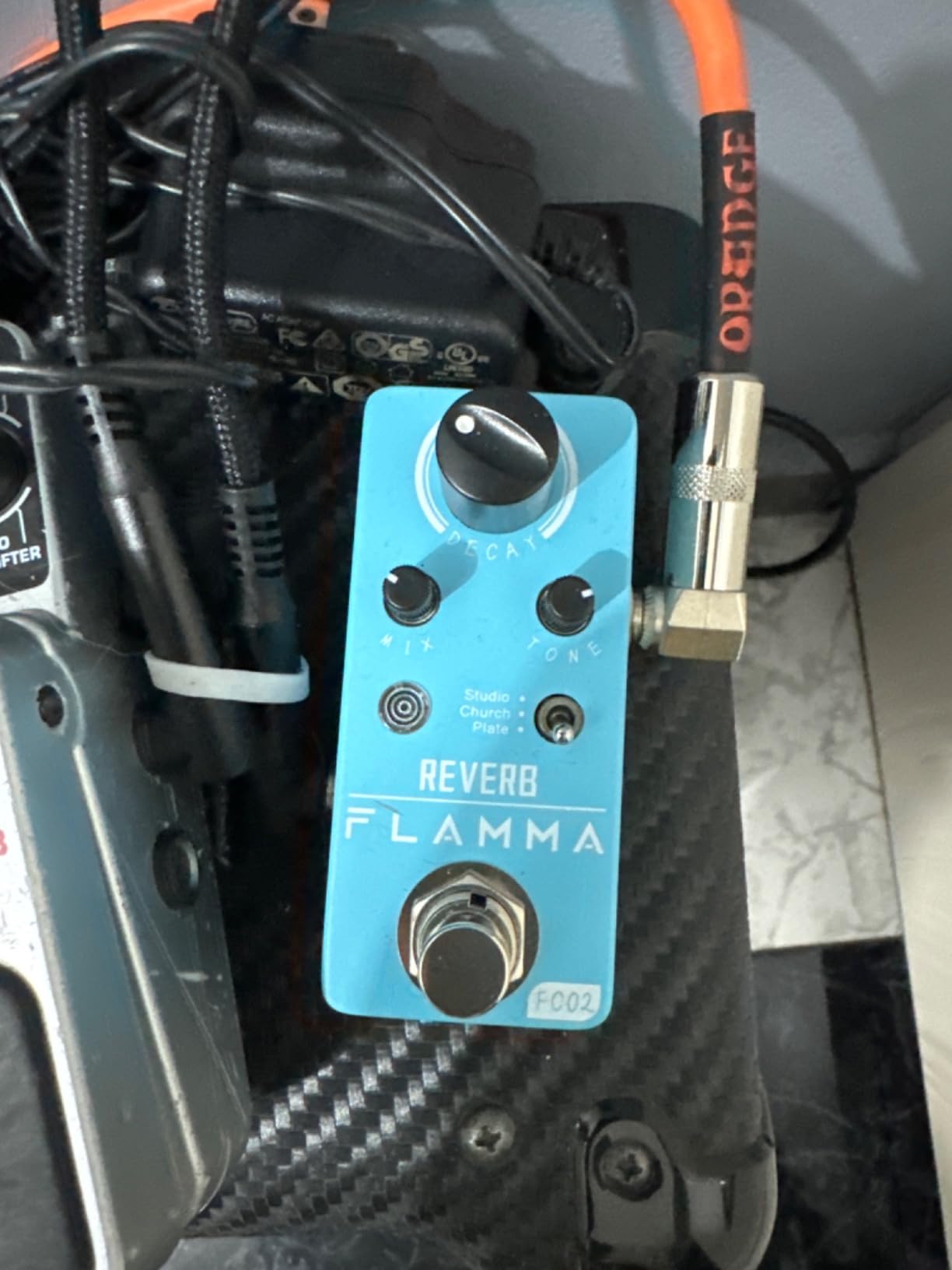
True bypass design means the pedal does not degrade your signal when bypassed. This is particularly important for reverb pedals, since you may leave them off most of the time and only engage them for specific song sections. Your core tone remains pristine when the pedal is switched off.
The FC02 excels at creating ambient, atmospheric sounds that make even simple chord progressions sound cinematic and expansive. The Church mode in particular can transform a basic clean tone into something that sounds like it belongs in a film soundtrack. For beginners experimenting with sound design, this pedal opens up creative possibilities that are hard to find elsewhere at this size.
Which reverb type suits your playing style?
Studio reverb is the best starting point for most beginners because it sounds natural and complements any genre of music. It adds a sense of space without drawing attention to itself. Use it when you want your tone to sound fuller and more professional without obvious effect coloring.
Church reverb is dramatic and best used sparingly for solos, arpeggios, and ambient sections. Too much Church reverb on rhythm parts can sound muddy and washed out. Plate reverb sits between the two, offering a bright, diffuse sound that works particularly well for indie rock and surf guitar tones.
Is the mini size limiting?
The compact dimensions of the FC02 mean the footswitch is smaller than standard pedals, which takes some getting used to when stomping. Some users report a squishier feel compared to the definitive click of a full-size pedal. This is a minor trade-off for the significant space savings on your board.
The controls are also closer together, which means adjusting knobs with your foot while playing is more difficult than with full-size pedals. However, most beginners set their reverb sound once and leave it, so this is rarely an issue in everyday practice. The space saved on your board is well worth this minor compromise.
6. Donner Yellow Fall Analog Delay – Vintage Echo Without the Vintage Hassle
Donner Guitar Delay Pedal for Pedal Boards, Electric Guitar, Yellow Fall Analog Delay Mini Guitar Effect Pedal Vintage Delay, True Bypass
Analog Delay Sound
20-620ms Range
True Bypass
Pedalboard Friendly
Pros
- Warm vintage analog delay
- 20ms to 620ms range
- Mini pedalboard size
- True bypass design
- LED working indicator
Cons
- Power supply not included
- No battery option
Delay is the effect that repeats your sound at intervals, creating echoes that add depth and texture to your playing. The Donner Yellow Fall is an analog delay pedal that reproduces the warm, natural sound of vintage echo units. The first time I played through it, I spent an hour just hitting single notes and listening to the repeats decay into darkness.
Analog delay has a characteristically warm sound where each repeat gets progressively darker and less defined. This creates a natural-sounding echo that blends into your overall tone rather than standing apart from it. Digital delays keep every repeat crystal clear, which can sound sterile and clinical by comparison.
The Yellow Fall offers a delay time range of 20 milliseconds to 620 milliseconds. The shorter settings give you a slap-back echo perfect for rockabilly and country styles. Longer settings create ambient washes of sound that work beautifully for solos and atmospheric instrumental parts. Adjustable delay level and feedback controls let you fine-tune the effect to your taste.
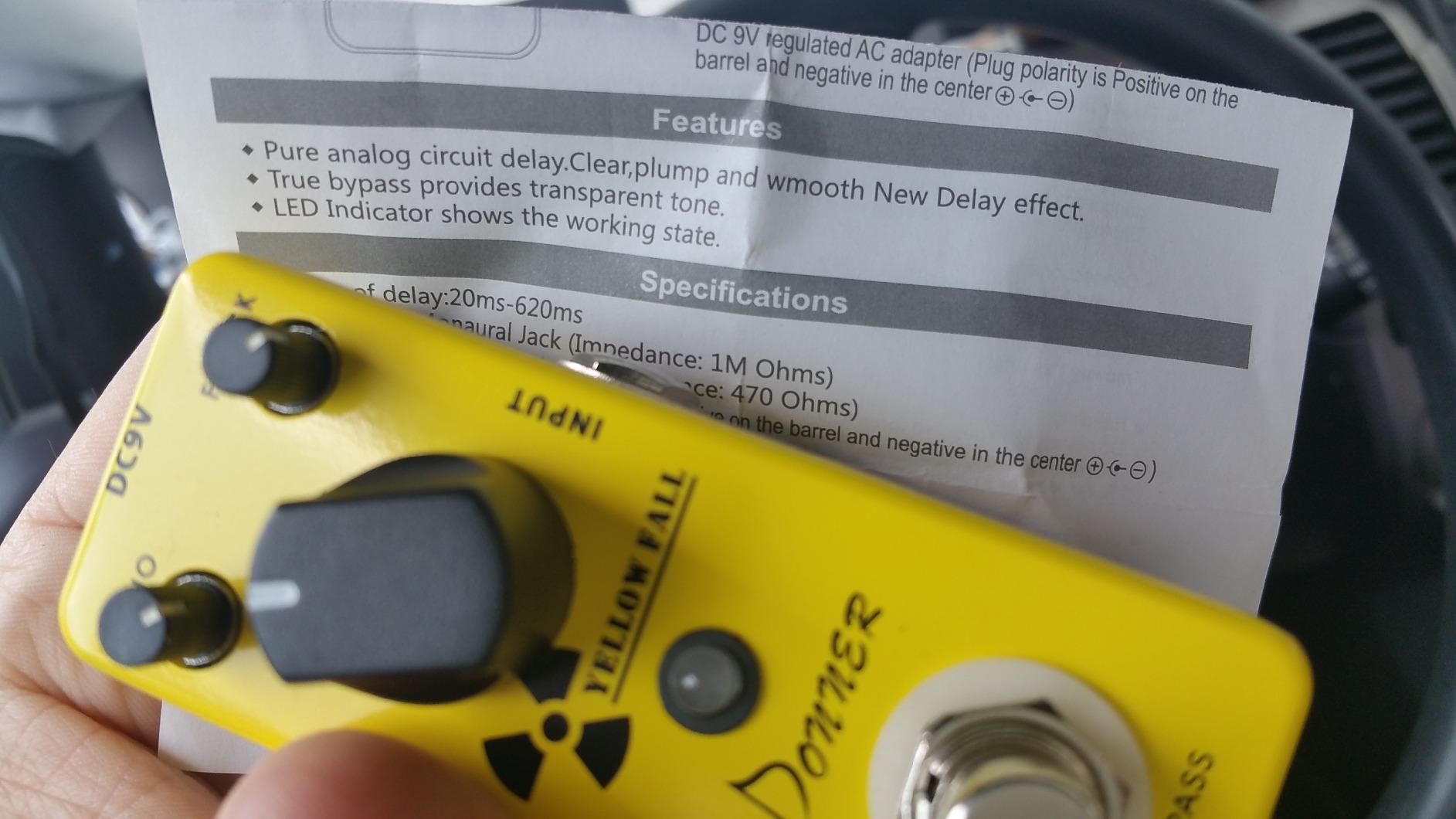
The mini size of this pedal is a major advantage for beginners building their first pedalboard. At roughly 3.7 by 1.7 inches, it takes up minimal space while delivering a full-sized delay sound. You can fit two or three Donner mini pedals in the space of one standard BOSS compact pedal.
The true bypass design means your signal passes through unaffected when the pedal is switched off. The LED indicator shows you at a glance whether the delay is active, which is helpful during live performance when you cannot easily see your feet. The aluminum-alloy construction feels solid and roadworthy despite its small footprint.
Is 620ms enough delay time?
For most playing situations, 620 milliseconds is plenty of delay time to work with. This gives you enough room for ambient washes, dotted-eighth rhythms, and atmospheric solos that need space. The vast majority of delay usage in popular music falls well within this range.
If you want extremely long delays for soundscapes or looping-style textures, you might eventually want a digital delay with longer maximum times. The BOSS DD-8, for example, offers up to 10 seconds of delay. But for a beginner learning what delay sounds like and how to use it, 620ms is more than sufficient to explore.
How does analog delay compare to digital?
Analog delay degrades each repeat, making them progressively darker and warmer with each cycle. This creates a natural, organic echo that blends with your tone rather than competing with it. Digital delay keeps every repeat pristine and clear, which is better for precise rhythmic patterns but can sound clinical.
Most beginners prefer the sound of analog delay because it is forgiving and musical in how it decays. The Yellow Fall gives you that vintage analog warmth at a price that leaves room in your budget for other pedals. Many experienced players keep an analog delay on their board alongside a digital one for different creative applications.
7. BOSS RC-1 Loop Station – The Practice Tool That Changes Everything
BOSS RC-1 Loop Station Pedal
12 Min Stereo Loop
One-Switch Operation
24 LED Segments
Record Undo Redo
Pros
- Simple one-switch operation
- 12 minutes stereo recording
- 24-segment LED indicator
- Record undo and redo
- Industry standard quality
Cons
- Warranty not specified
- Requires 9V power
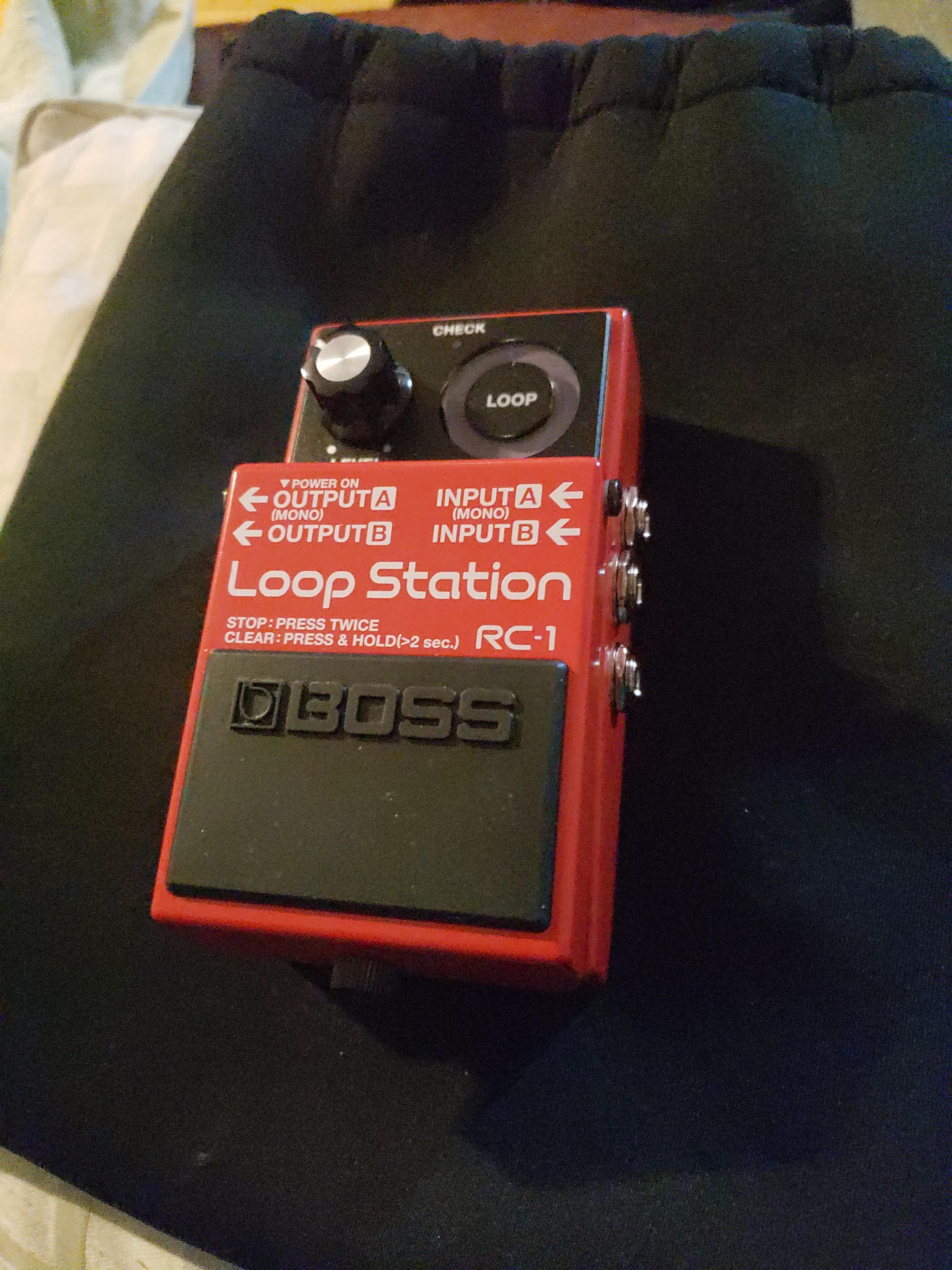
A looper pedal records what you play and plays it back on repeat, letting you layer parts over it in real time. The BOSS RC-1 Loop Station is the industry standard for this function, and it is the pedal that single-handedly improved my practice sessions more than anything else I own. Once you start looping, your practice time becomes endlessly creative and productive.
The concept is beautifully simple. Step on the switch once to start recording, step again to close the loop and start playback. Play a chord progression, layer a melody on top, add a bass line, and suddenly you are a one-person band. The RC-1 makes this process intuitive enough that a complete beginner can create their first loop within minutes of unboxing.
With 12 minutes of stereo recording time, you have plenty of room for extended compositions and layered arrangements. The 24-segment LED indicator ring gives you clear visual feedback of your loop status. It shows whether you are recording, playing back, or in overdub mode at a glance.
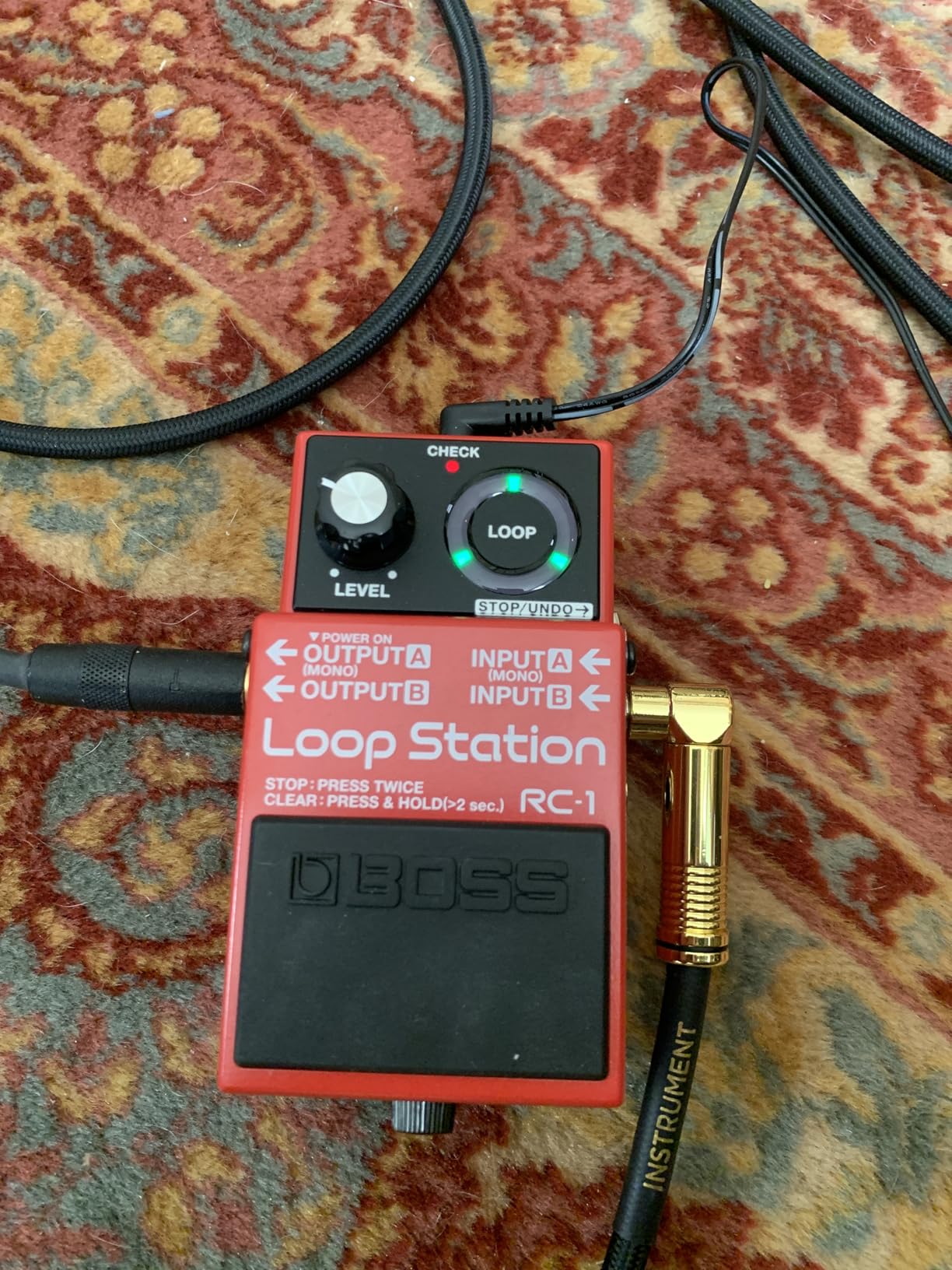
The RC-1 supports overdubbing, which means you can layer unlimited parts on top of your original loop. You can also undo your last overdub and redo it if you change your mind. This flexibility encourages experimentation without the fear of making mistakes that ruin your loop.
BOSS build quality means this pedal is constructed to last through years of heavy stomping on stage and in the practice room. The construction matches every other BOSS compact pedal, which is to say it is virtually indestructible under normal use conditions. The level knob lets you balance your loop volume against your live playing so nothing gets buried in the mix.
Is one switch enough for live performance?
The single-switch design of the RC-1 is intentionally simple, and for most beginners, it is perfect as-is. One press starts recording, a second press closes the loop, and subsequent presses add overdubs on top. A long press stops everything, and a double-tap undoes your last layer instantly.
For complex live looping with multiple independent loops and tempo syncing, you might eventually want a more advanced looper like the BOSS RC-5 or RC-600. But those pedals come with steeper learning curves that can frustrate beginners. The RC-1 gets you looping immediately, and many professional musicians use it on stage precisely because of its no-nonsense simplicity.
How much recording time do you really need?
Twelve minutes of recording time is more than enough for virtually any musical application you will encounter. Most song structures repeat in three to five minute cycles, so you will rarely approach the maximum. Even extended ambient compositions rarely exceed twelve minutes of continuous looping material.
The practical limit on loop length is usually your memory and attention, not the pedal’s capacity. Most players create loops of 30 seconds to 2 minutes and layer parts on top. The RC-1 handles this effortlessly, and the generous recording time means you never have to worry about running out of space mid-performance.
8. MOOER GE100 Multi-Effects – One Pedal to Explore Everything
MOOER GE100 Multi-Effects Guitar Pedal 80 Presets, 66 Effects
80 Presets
66 Effects
180s Looper
Drum Machine
Built-in Tuner
Pros
- 80 preset and 80 user patches
- 66 effect types
- 180-second looper
- Built-in drum machine
- Scale and chord learning function
Cons
- May need adapter for line out
- Batteries needed without adapter
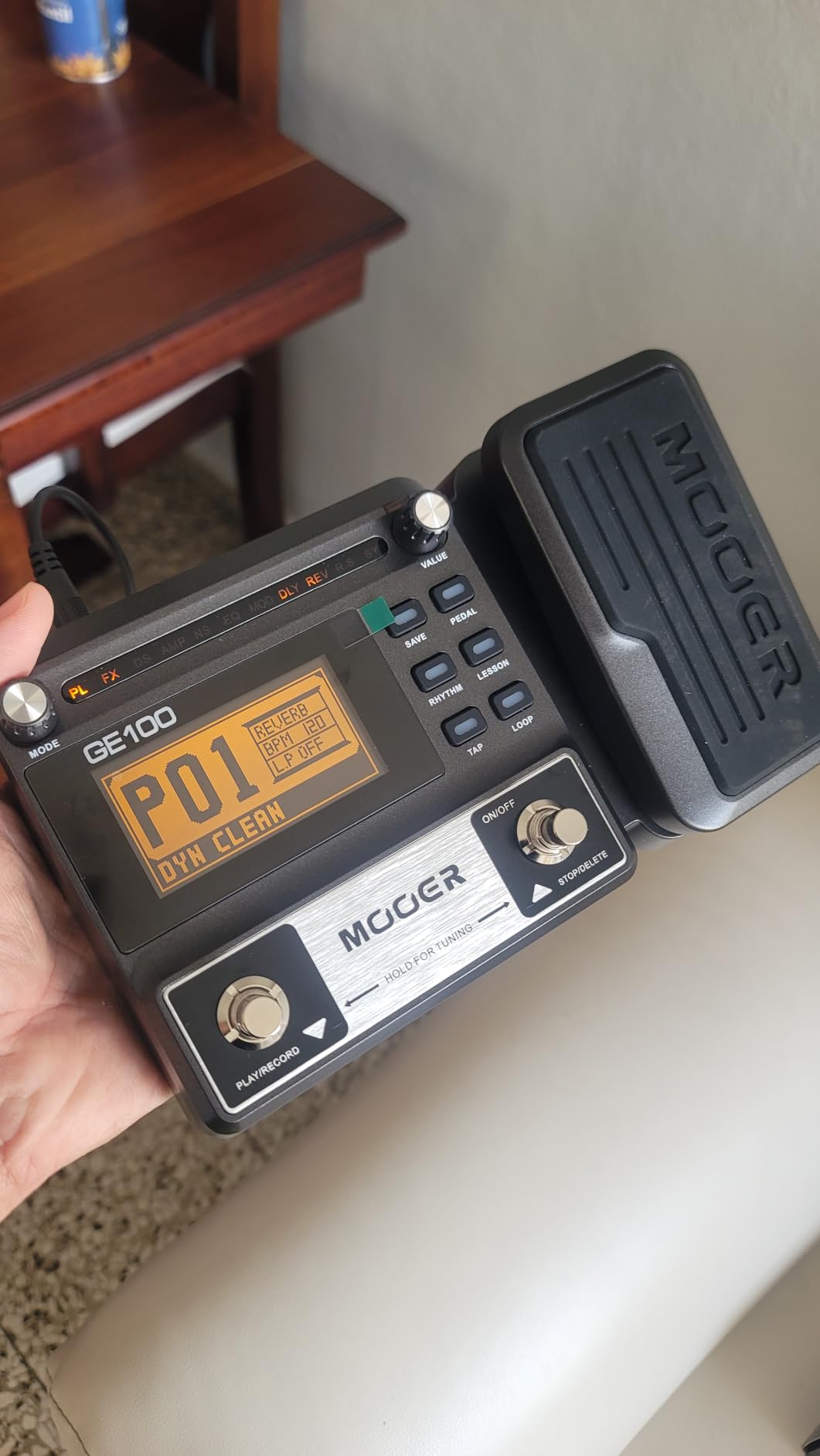
If you are not sure which effects you even like yet, the MOOER GE100 is the smartest purchase you can make. This multi-effects pedal packs 66 different effect types, 80 preset patches, a looper, a drum machine, and a tuner into a single floor unit. It is the best guitar effects pedal for beginners who want to explore everything before committing to individual stompboxes.
I spent two weeks with the GE100 as my only effects unit, and I was impressed by how much ground it covers. The 80 factory presets are organized by genre, so you can call up a blues tone, a metal tone, or an ambient soundscape with a few button presses. This instant genre-switching capability is something no single pedal can replicate.
The assignable expression pedal is a standout feature at this price point. You can assign it to control wah, volume, pitch shift, or any of six different parameters. This adds a level of interactivity that individual budget pedals simply cannot match. The expression pedal feels responsive and smooth under your foot as you rock it back and forth.
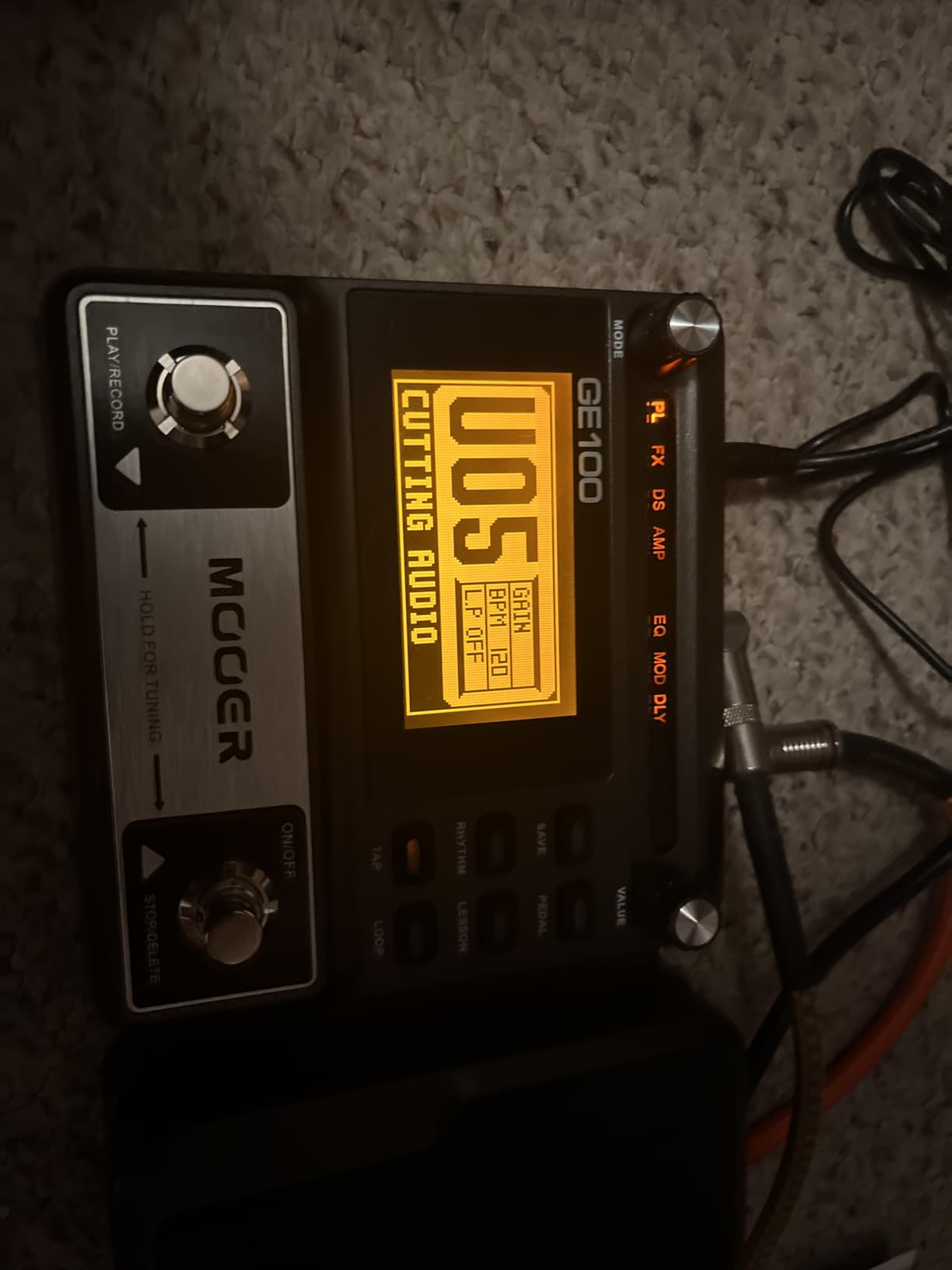
The built-in 180-second looper and 40 drum rhythm patterns make the GE100 a complete practice station in one box. You can lay down a chord progression, loop it, play a drum pattern over it, and solo on top of everything. For a beginner learning to play in time and develop musical ideas, this combination of tools is genuinely invaluable.
The scale and chord learning function is a helpful bonus for new players who are still memorizing theory. It shows you fingering patterns for different scales and chords on the LED screen. While it is not a replacement for proper lessons with a teacher, it is a handy reference tool when you are exploring new musical territory on your own.
Can it replace a full pedalboard?
For practice and home use, the GE100 can absolutely replace a full pedalboard setup. It covers every essential effect category, includes a tuner and looper, and the presets give you instant access to professionally designed tones for multiple genres. If space and budget are your primary concerns, this single unit gets you further than any combination of individual pedals at similar cost.
The trade-off is that multi-effects units use digital processing, which some players feel lacks the organic character of individual analog pedals. For most beginners, this difference is imperceptible and not worth worrying about. As your ear develops over time, you may eventually want individual pedals for your favorite effects, but the GE100 is an excellent starting point that can serve you well for years.
Is the expression pedal responsive enough?
The built-in expression pedal on the GE100 tracks your foot movement accurately and translates it to the assigned parameter in real time. For wah effects, it responds quickly enough for standard playing techniques. Volume swells and pitch shifts also track well with minimal perceptible latency.
It is not as smooth as a dedicated high-end expression pedal, but it is more than adequate for a beginner learning to use these effects for the first time. The ability to reassign the pedal to different parameters means you can experiment with various expression-controlled effects without buying separate pedals for each one.
Beginner Guitar Pedal Buying Guide: Everything You Need to Know
Choosing your first guitar pedals involves understanding effect types, signal chain order, power requirements, and budget strategy. This buying guide covers the essential knowledge you need to make informed decisions and avoid the common mistakes that catch beginners off guard when they start building their first pedalboard.
Understanding the Essential Pedal Categories
Distortion and overdrive pedals add grit and aggression to your tone. Distortion provides a harder, more saturated sound suitable for rock and metal. Overdrive is warmer and more dynamic, responding to your playing intensity the way a pushed tube amp would. Both are considered essential first pedals for most guitarists starting out.
Reverb pedals simulate the acoustic properties of different physical spaces, from small rooms to massive cathedrals. They add depth and atmosphere to your tone, making it sound less dry and more professional. Even a basic reverb pedal can transform the sound of a cheap practice amp into something far more pleasing to the ear.
Delay pedals repeat your signal at set intervals, creating echoes that range from subtle to dramatic. They are used for everything from ambient atmospheric enhancement to complex rhythmic patterns that become part of the song’s identity. Delay is one of the most creative effects available, and learning to use it opens up entirely new playing approaches and techniques.
Modulation pedals include chorus, phaser, flanger, and tremolo effects. These pedals manipulate aspects of your signal to create movement, texture, and sonic interest. Chorus thickens your tone with a shimmering effect, phaser creates a sweeping whooshing sound, and tremolo modulates volume rhythmically for vintage character.
Tuner pedals mute your signal and display your tuning on an LED meter with professional accuracy. They are essential for live performance and accurate tuning in noisy environments where clip-on tuners struggle. A tuner pedal belongs first in your signal chain and should be the foundation of any pedalboard you build.
Looper pedals record and playback your playing in real time, letting you build full arrangements by yourself. They are practice tools that let you layer chord progressions, melodies, and bass lines. Every guitarist should try looping at some point in their development because it fundamentally changes how you think about practicing and composing music.
Signal Chain Order: Why It Matters
The order of pedals in your signal chain affects how they interact with each other and the final sound you hear. The generally recommended order for beginners is tuner first, then gain pedals like distortion and overdrive, followed by modulation like chorus and phaser, then delay, then reverb last in the chain.
This order follows the logic of how sound works in physical spaces. Gain happens first, as if an amplifier is being pushed hard. Modulation affects the gained signal to create movement. Time-based effects like delay and reverb simulate the acoustic space around the sound, so they come last in the processing chain.
There are no strict rules here, and experimenting with different orders can produce interesting and unexpected sounds. But if you are just starting out, following the standard chain order gives you predictable, good-sounding results from day one. You can always rearrange pedals later as you develop your own preferences and discover what sounds best to your ears.
Multi-Effects Pedals vs Individual Pedals
This is one of the most debated topics among beginner guitarists, and both approaches have genuine merit. Multi-effects pedals like the MOOER GE100 give you dozens of effects in one unit, saving space and money compared to buying individual pedals. They are perfect for exploring different sounds before you know what you like or need.
Individual pedals offer superior sound quality in most cases, especially for analog drive and modulation effects where circuit character matters most. They also give you the flexibility to swap individual pedals as your preferences evolve over the years. The downside is that building a board of individual pedals costs more and takes up more physical space.
For most beginners, I recommend starting with either a multi-effects pedal or two individual pedals that cover the effects you are most excited about trying. As you learn what sounds you gravitate toward, you can invest in higher-quality individual pedals for those specific effects and build your dream board one piece at a time.
Power Supply Considerations
Every pedal needs power, and how you provide it matters for sound quality more than you might expect. A daisy chain power supply connects multiple pedals to a single adapter using a chain of cables. This approach is affordable but can introduce noise and hum into your signal, especially when mixing analog and digital pedals on the same chain.
An isolated power supply gives each pedal its own dedicated power output, which eliminates ground loops and reduces noise significantly. If you are running more than three pedals on your board, an isolated power supply is well worth the investment. The BOSS TU-3 tuner can power up to seven BOSS compact pedals through its DC Out jack, which is a convenient solution for small boards that use mostly BOSS pedals.
Most beginner pedals require 9V DC power with center-negative polarity. Always check your pedal’s power requirements before connecting any power supply, as using the wrong voltage or polarity can permanently damage the pedal’s internal circuitry. When in doubt, use the exact power supply recommended by the manufacturer to avoid costly mistakes.
Budget Tips for First-Time Pedal Buyers
Buying used pedals is one of the smartest strategies for beginners on a tight budget. BOSS and MXR pedals are built to last decades, and the used market is full of them in excellent working condition. You can often find used BOSS compact pedals for significantly less than retail, and they will outlast cheaper new pedals from lesser-known brands.
Start with one pedal and learn it thoroughly before adding more to your collection. This approach prevents the common beginner mistake of buying five pedals at once and never learning to use any of them properly. The community on guitar forums consistently recommends starting with a drive pedal and spending a full month with it before expanding your setup.
Avoid buying expensive boutique pedals as your first purchase. Premium pedals offer marginal improvements that beginners cannot fully appreciate or use. A BOSS DS-1 through a practice amp sounds great, and you will learn the fundamentals of gain staging, tone shaping, and signal management just as well as you would with a pedal costing five times as much.
Modelling amp users should also consider whether they need pedals at all. Many modern modelling amps like the Boss Katana or Yamaha THR series include built-in effects that cover the basics. If you already have these sounds covered, you might want to focus on pedals that add something your amp cannot do, like a looper for practice or a specific modulation effect.
Frequently Asked Questions
What pedals should a beginner guitarist have?
A beginner guitarist should start with a tuner pedal, a distortion or overdrive pedal, and a reverb pedal. These three cover tuning accuracy, gain sounds for rock and blues, and spatial depth for a professional tone. A delay pedal and a looper are excellent additions once you have mastered the basics.
What 5 pedals should every guitarist have?
The five essential pedals for most guitarists are a tuner, a distortion or overdrive pedal, a reverb pedal, a delay pedal, and a modulation pedal like chorus or phaser. These five categories cover the vast majority of sounds used across rock, blues, metal, and indie genres.
What is the one pedal that every guitarist needs?
A tuner pedal is the one pedal every guitarist needs. Without accurate tuning, no amount of effects will make you sound good. The BOSS TU-3 is the industry standard pedal tuner, accurate to within one cent and built to last decades of regular use.
What is the best distortion pedal for beginners?
The BOSS DS-1 Distortion is the best distortion pedal for beginners. It has been the recommended first distortion pedal since 1978, offers a simple three-knob layout, and produces a versatile tone that works for rock, punk, grunge, and alternative genres. It is built in the durable BOSS compact enclosure and comes with a five-year warranty.
Are multi-effects pedals good for beginners?
Yes, multi-effects pedals are excellent for beginners who want to explore many different sounds before committing to individual pedals. Units like the MOOER GE100 provide 66 effect types, presets, a looper, a drum machine, and a tuner in one affordable package. They let you discover which effects you like before investing in dedicated pedals.
Final Thoughts on the Best Guitar Effects Pedals for Beginners
Finding the best guitar effects pedals for beginners comes down to understanding which sounds excite you and starting with pedals that make practicing genuinely fun. Our team’s top recommendation remains the BOSS DS-1 Distortion as a first pedal, because it has introduced more players to the world of effects than any other stompbox in history. Pair it with a BOSS TU-3 tuner, and you have the foundation of a pedalboard that will serve you for years to come.
If you want to explore everything before committing, the MOOER GE100 multi-effects pedal gives you 66 effects, a looper, a drum machine, and a tuner in one compact unit. For practice and creativity, the BOSS RC-1 Loop Station is a transformative tool that changes how you practice forever by letting you build full arrangements on your own.
The most important advice I can give is to start simple and let your ears guide you at every step. Buy one pedal, learn it thoroughly, and add another only when you understand what sound you are currently missing. Every guitarist’s path to building their tone is personal, and there is no wrong way to explore the world of effects pedals in 2026. Happy stomping.