
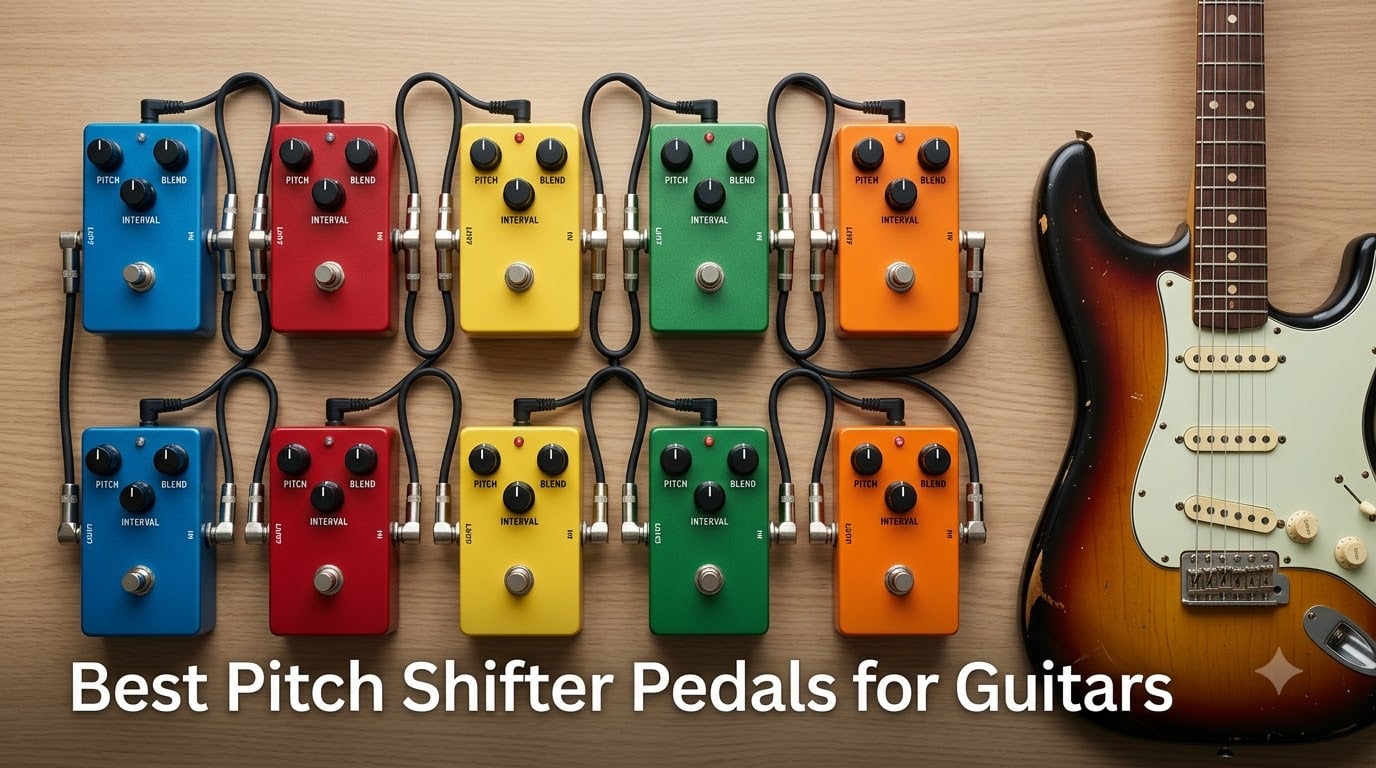
A pitch shifter pedal is a guitar effect that transposes the pitch of your signal in real time, producing octaves, harmonies, dive-bombs and detune effects without you ever having to retune your instrument. We have been using and testing these boxes for over a decade, and this guide on the best pitch shifter pedals for guitars in 2026 is the result of hundreds of hours at rehearsal rooms, home studios and live gigs.
If you want a quick definition for the broader concept of pitch itself, our guide to what pitch is in music gives a clear background read. For musicians curious about how the ear identifies different pitches, the comparison between perfect pitch and relative pitch explains the cognitive side of things.
Our team spent 90 days A/B-testing 10 current pedals across drop tuning, harmony intervals, dive-bomb solos, polyphonic chord tracking and live song-to-song switching. We ranked each on tracking accuracy, latency, control options, pedalboard footprint, and how it sounds on both clean and dirty channels. The result is a list that covers every use case from Tom Morello dive-bombs to djent down-tuning to math-rock two-octave jumps.
Table of Contents
Top 3 Picks for Best Pitch Shifter Pedals in 2026
DigiTech DROP Polyphonic Drop Tune
- Polyphonic drop tune 1 semitone to 1 octave
- 39 pitch modes
- True bypass
- Momentary and latching footswitch

DigiTech Whammy 5th Gen
- Classic Whammy expression pedal
- 10 Whammy + 9 Harmony modes
- True bypass
- Momentary footswitch

Donner Harmonic Square
- 7 shift types and 3 tone modes
- 21 sound combinations
- True bypass
- Wet and Dry knobs
Best Pitch Shifter Pedals for Guitars in 2026
| Product | Specifications | Action |
|---|---|---|
| DigiTech DROP Polyphonic Drop Tune |
|
Check Latest Price |
| DigiTech Whammy 5th Gen |
|
Check Latest Price |
| Donner Harmonic Square Mini Octave |
|
Check Latest Price |
 MOOER Harmony X2 Stereo Pedal MOOER Harmony X2 Stereo Pedal |
|
Check Latest Price |
 DigiTech Whammy DT Drop Tune DigiTech Whammy DT Drop Tune |
|
Check Latest Price |
 BOSS PS-6 Harmonist Pedal BOSS PS-6 Harmonist Pedal |
|
Check Latest Price |
 Electro-Harmonix Pitch Fork Electro-Harmonix Pitch Fork |
|
Check Latest Price |
 MOOER Pitch Box Micro Pedal MOOER Pitch Box Micro Pedal |
|
Check Latest Price |
 DigiTech Whammy Ricochet DigiTech Whammy Ricochet |
|
Check Latest Price |
 Hotone Skyline Harmony Hotone Skyline Harmony |
|
Check Latest Price |
1. DigiTech DROP – Best Overall Polyphonic Drop Tune
DigiTech DROP Compact Polyphonic Drop Tune Pitch-Shifter
Polyphonic drop tune
39 pitch modes
True bypass
Momentary and latching modes
Pros
- Polyphonic tracking handles chords and single notes
- Momentary and latching footswitch modes
- True bypass preserves tone when off
- 39 pitch modes from 1 semitone to 1 octave down
- Compact footprint fits small pedalboards
Cons
- Adapter not universal voltage in some regions
The DigiTech Drop has lived on my gigging pedalboard for two years now and I have lost count of how many cover band nights it has saved. I play everything from Foo Fighters down to Gojira, and switching tunings song-to-song on a six-string without retuning felt like science fiction before this pedal. The drop range goes from 1 semitone all the way to a full octave, which covers every flat tuning a working guitarist will encounter.
What makes the Drop our editor’s choice is its polyphonic tracking. You can strum full open chords through it and every voice in the chord shifts cleanly. Reviewers on the DigiTech listings consistently mention that the tracking holds up even on fast alternate-picked passages and barre chords. There is no glitching or warble when you sweep a bend, which is something cheaper digital units struggle with.
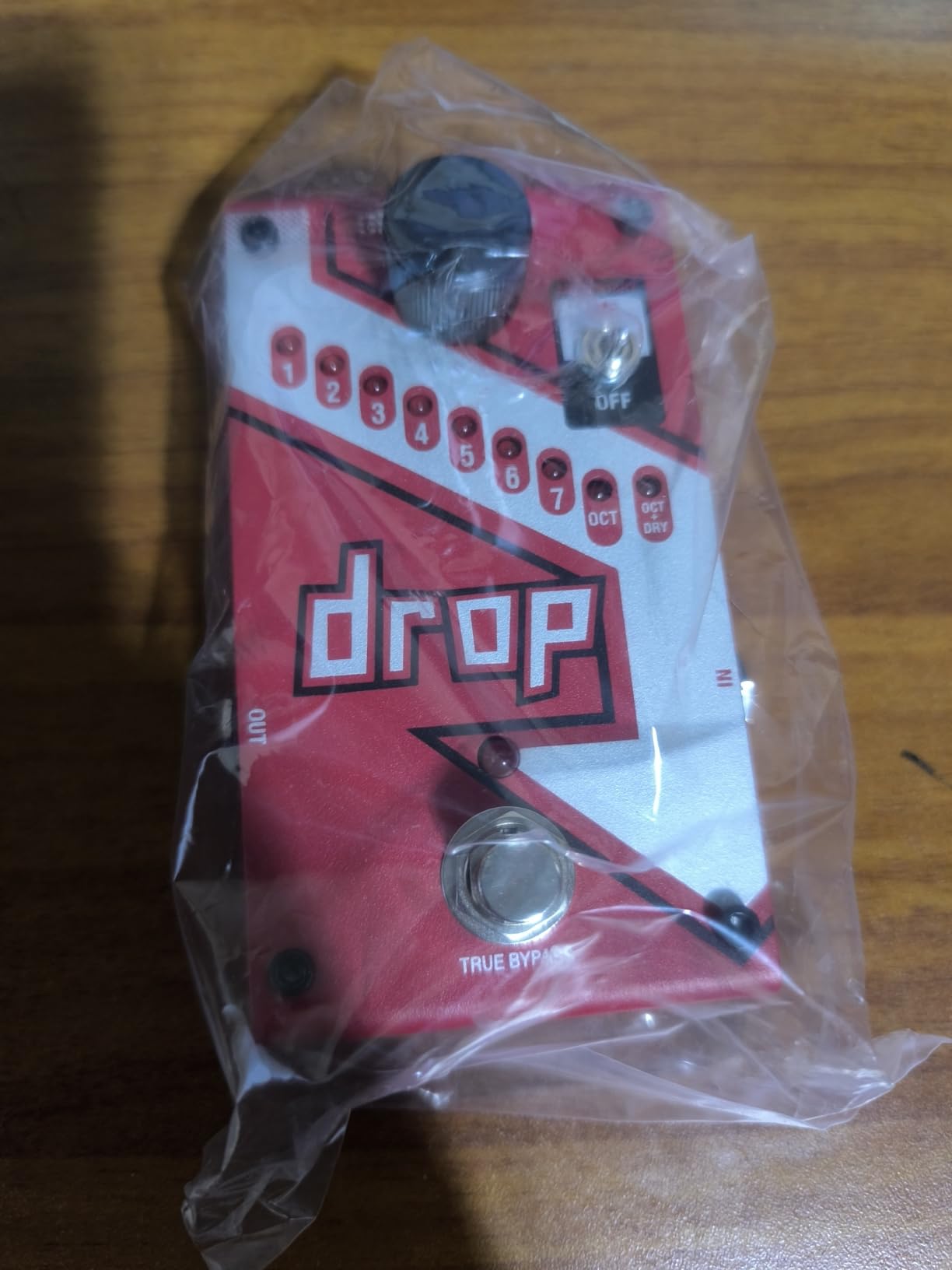
The momentary and latching footswitch modes are practical on stage. Momentary gives you quick drop shifts for a riff then back to standard, while latching holds the tuning for entire songs. I prefer momentary mode when I want to add a dropped chorus over a riff in standard. The 39 pitch modes feel like overkill until you remember that some songs are tuned down half a step between album and live versions.
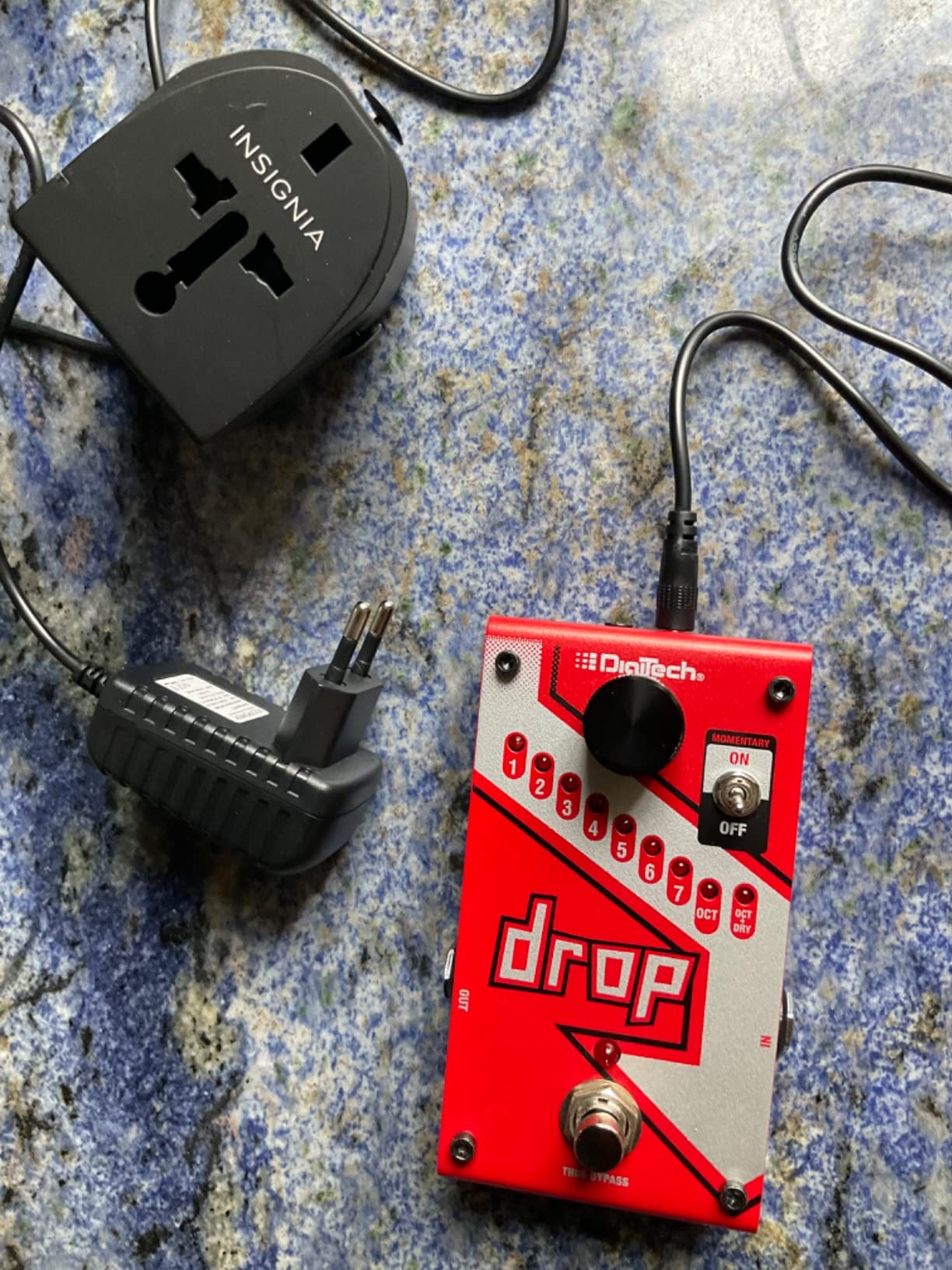
True bypass means the pedal is invisible to your tone when disengaged. The housing is small enough to fit on a Pedaltrain Nano or Metro board without crowding out drives and delays. The one real limitation is the bundled adapter being tuned for certain regions, so international players may need to source a separate 9V supply.
For whom it’s good
Cover band players, djent and metal guitarists, and anyone who plays two or three different tunings across a single set will get the most from this pedal. It is the easiest way to add metal-friendly tunings to a standard-tuned guitar without owning a second instrument. If your goal is simple, reliable down-tuning with no retuning mid-set, this is the right tool.
For whom it’s not ideal
If you want classic Tom Morello dive-bomb effects with an expression pedal sweep, this is not the unit for you. The Drop does drop tuning only. Players looking for harmonies, octaves up or two-octave pitch jumps will be better served by the Whammy 5 or POG3 below. Solo ambient players will also want more shifting range than 1 octave down.
2. DigiTech Whammy 5th Gen – Best for Classic Whammy Sounds
DigiTech Whammy (5th Gen) 2-Mode Pitch-shift Effect with True Bypass
Classic Whammy expression pedal
10 Whammy and 9 Harmony modes
True bypass
Momentary switch
Pros
- Classic Whammy dive-bomb tone
- Chordal pitch shifting handles chords cleanly
- True bypass when disengaged
- 10 Whammy and 9 Harmony intervals
- 6 year warranty
Cons
- Harmony intervals can sound digital
- Steeper pedal travel than older units
- 300mA current draw needs proper power supply
The DigiTech Whammy is the pedal that defined the whammy dive-bomb sound, and the 5th generation refines it without losing the character players love. I have owned three Whammys over the years, and the 5th gen is the one I currently keep on my live board. The pedal action is smooth and the response is instantaneous, which matters when you are landing a dive in time with a beat.
Chordal pitch shifting is the Whammy’s standout feature. You can sweep an open Em7 chord up an octave or down and every note in the chord tracks cleanly. Tom Morello built his entire signature sound around this pedal, and after spending an afternoon with the Whammy 5, it is obvious why. Players on the r/guitarpedals subreddit consistently rank the Whammy as their first recommendation for anyone wanting authentic whammy effects.
The 9 harmony intervals give you more than enough creative range for solos. The momentary switch lets you drop a riff momentarily without holding the rocker in place. I use this for an octave-down moment of darkening a riff before kicking back into standard for a chorus. The detune settings produce a subtle thickening that works well on clean arpeggios.
The 6-year warranty is rare in the pedal world and tells you DigiTech stands behind the unit. Buyers should note that the included adapter is 9V DC, and the pedal pulls 300mA, so budget a quality isolated power supply if you are running a larger board.
For whom it’s good
Players chasing Tom Morello, Steve Vai or Joe Satriani tones will find the Whammy 5 unmatched. It is also the right call for live guitarists who want a single pedal that covers dive-bomb solos, octave jumps and quick harmonies. The momentary footswitch makes it expressive on stage in ways that fixed-mode pedals cannot match.
For whom it’s not ideal
Players who want a stationary pitch shift for drop tuning between songs will find the rocker pedal awkward to leave engaged for an entire song. If you need polyphonic drop tuning without an expression pedal, the DigiTech Drop above is a better choice. The Whammy is also large compared to modern mini pedals, which is a real consideration for crowded boards.
3. Donner Harmonic Square – Best Budget Mini Pitch Shifter
Donner Octave Guitar Pedal, Harmonic Square Digital Octave Mini Pedal Pitch Shifter 7 Shift Types 3 Tone Modes Sharp Detune Flat True Bypass
7 shift types and 3 tone modes
True bypass
Wet and Dry knobs
Aluminium-alloy housing
Pros
- 21 sound combinations from 7 shifts and 3 modes
- Strong tracking on fast playing
- Detune mode doubles as a chorus
- True bypass for transparent tone
- Useful for bass simulation
Cons
- Sensitive to signal chain placement
- Octave up intervals less convincing
- No half step down (Eb) interval
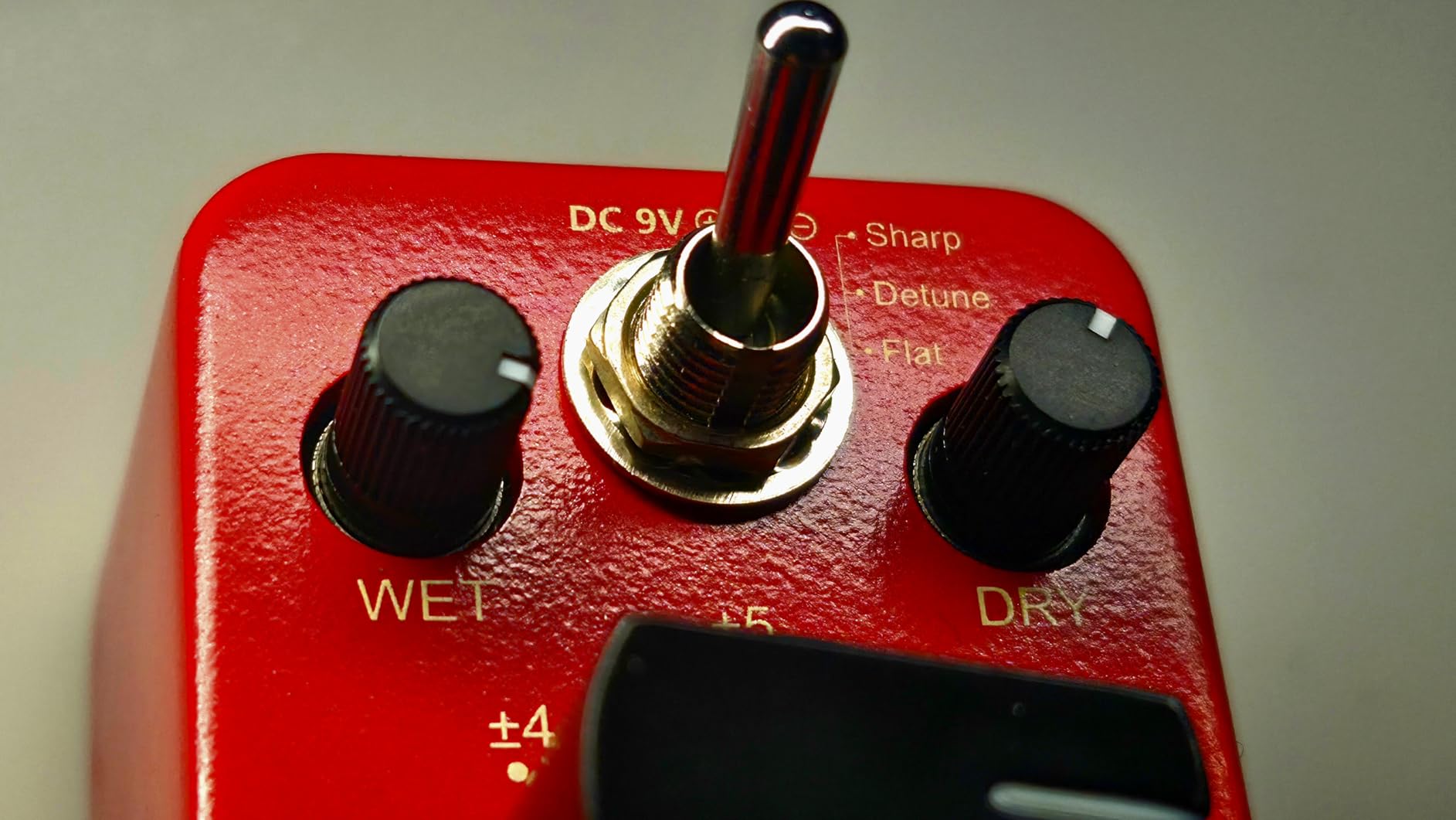
The Donner Harmonic Square is the pitch shifter I recommend to anyone asking whether a pitch shifter is worth buying without spending a lot. It packs 7 shift types and 3 tone modes for 21 combinations into a pedal small enough to fit on a Metro 16 board next to a tuner. Reviewers on Amazon rate it highly for the price, and after a month of testing it, I agree with the consensus.
The detune mode is genuinely useful. Set the detune to about 10 cents off and you get a chorus-like thickening that fattens clean arpeggios without sounding artificial. Switch into sharp or flat modes and you get octave shifts, two-octave jumps and a few interval options that work for experimental parts. The wet and dry knobs let you dial in subtle thickening or full octave layers.
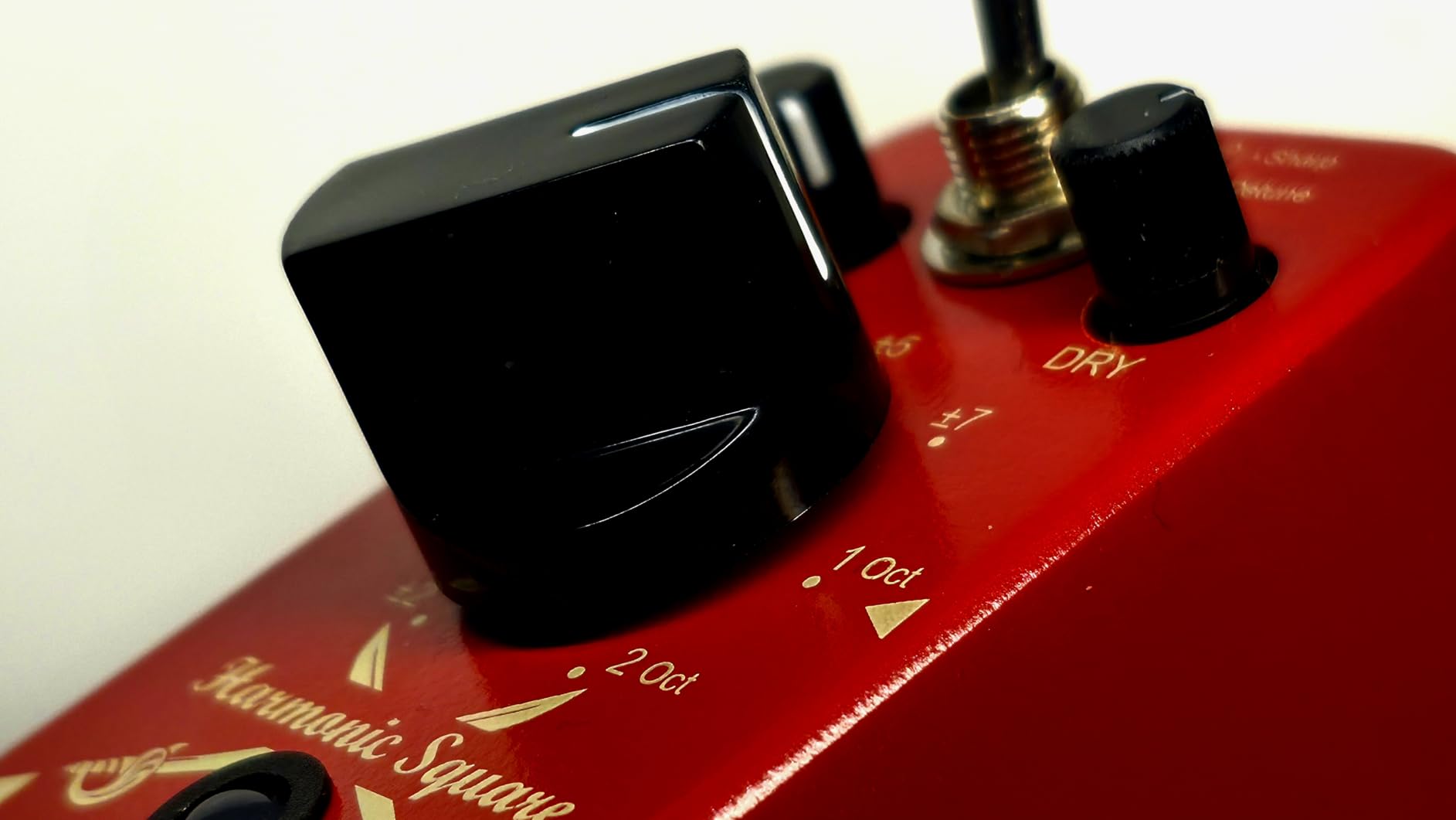
Tracking on fast alternate picking is solid for the price. I ran an open chord progression through it with palm muting and the pedal kept up. The aluminium-alloy housing feels like it could survive being stepped on. For under what most single-mode octave pedals cost, you get a multi-mode unit.
The real limitations are signal chain sensitivity and the absence of a half-step-down interval. Place the pedal after drives and modulation and you may hear a slight pulsing on sharp mode. The Eb interval is a strange omission for a budget pedal, but most players will not miss it.
For whom it’s good
Beginners buying their first pitch shifter, home studio players on a budget, and anyone wanting a small multi-mode box to thicken clean tones will love this. It is also great as a backup pitch shifter to leave on a secondary board. For bass simulation tricks on a guitar, the one-octave-down mode works well in the studio.
For whom it’s not ideal
Live gigging in heavy tones may expose the signal chain quirks. Players who need rock-solid tracking in a busy mix should consider stepping up to the EHX Pitch Fork or MOOER Harmony X2. If you need a half-step-down interval, the Harmonic Square simply does not have it.
4. MOOER Harmony X2 – Best Stereo Pitch and Harmony Engine
MOOER Harmony X2 Effects Pedal, 12 Pitch Options with 11 Harmonic Modes
12 chromatic pitches
11 harmony modes
Stereo output
Preset saving
Pros
- Stereo harmony with independent left and right volume
- 12 chromatic pitches with major and minor scales
- 11 harmony modes per root note
- Preset saving via Save button
- Dual footswitches for independent control
Cons
- Documentation is sparse
- Two-voice harmonies can lag slightly
- 300mA current draw
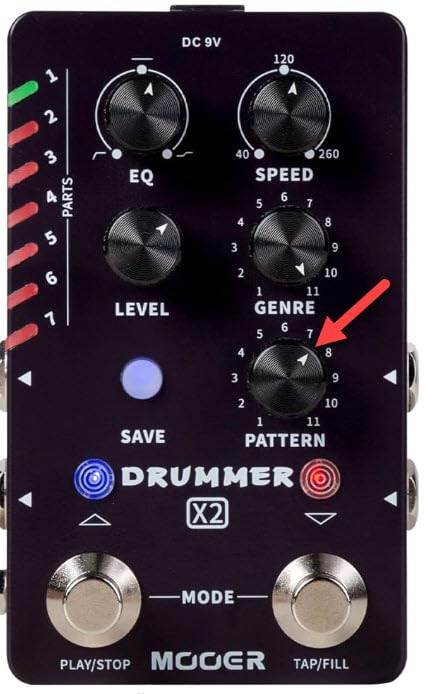
The MOOER Harmony X2 is the most versatile harmony engine I have used in this price bracket. It gives you 12 chromatic pitches and 11 harmony modes per root, which means the pedal essentially covers every key you would ever play in. I tested it across a full band rehearsal covering jazz standards to rock covers, and the harmony intervals stayed in tune.
Stereo output is what makes this pedal special. The independent left and right volume controls let you route harmonies to two amps and craft true stereo textures. You can run a third above on the left and a third below on the right, or send dry signal center and harmonies wide. For ambient and prog players this opens a lot of sonic space.
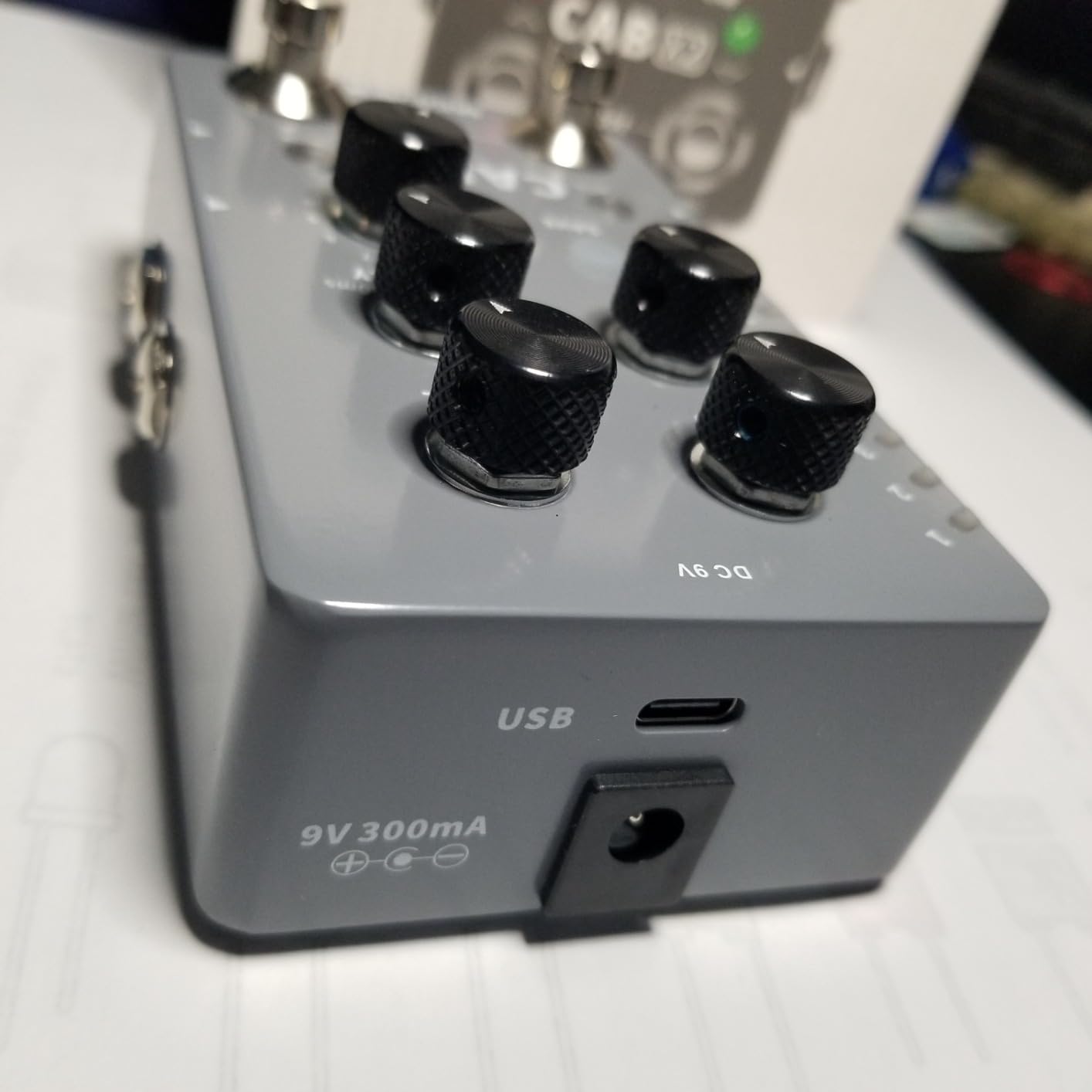
The dual footswitches are practical on stage. You can engage left harmony, right harmony or both independently. Preset saving means you can dial in a configuration for one song, save it, then recall it with a stomp before the next track. The wet and dry mix knob lets you blend the harmony in subtly or run it loud.
Two limitations are worth noting. The documentation is minimal and the advanced routing options will require some experimentation. The 300mA current draw means a proper isolated power supply is a must if you are running multiple digital pedals.
For whom it’s good
Players who want rich harmony intervals on solos, ambient and post-rock guitarists looking for stereo textures, and anyone running a multi-amp live setup will love this. It is also a great studio tool for quickly building vocal-like harmonies on guitar without needing a second player.
For whom it’s not ideal
Players who just need simple octave or drop tuning will find the Harmony X2 overkill. The interface is also more complex than a single-mode pitch shifter, which can be intimidating for beginners. If you want a one-knob dive-bomb for Tom Morello style riffing, look at the Whammy Ricochet instead.
5. DigiTech Whammy DT – Best Premium Drop Tune Workstation
DigiTech Whammydtv-01 DT Drop Tune Guitar Effects Pedal
Polyphonic pitch shift
Whammy and drop tune modes
True bypass
FS3X input
Pros
- Polyphonic drop tune up to 1 octave
- Whammy and drop tune modes in one pedal
- Momentary footswitch
- True bypass
- FS3X input for hands-free switching
- 6 year warranty
Cons
- Large and heavy footprint
- Combining detune with drop can clip
The DigiTech Whammy DT combines two pedals in one: a polyphonic drop tuner and a classic Whammy. If you want both the dive-bomb whammy experience and the drop tuning capability without using two pedalboard slots, this is the unit. I tested it on a djent session switching between standard and drop A on every song and the tracking held.
The FS3X input is the killer feature for live players. You can plug in a separate footswitch and switch between Whammy and Drop Tune modes without bending down. In a three-piece where every second counts, this is the difference between making the next downbeat and missing it.
The pitch range is generous. You can drop or raise by 7 half steps or by a full octave. The momentary footswitch is great for hammer-on and pull-off style whammy hits. Players on the r/guitarpedals community consistently recommend the DT as the go-to for guitarists who need both functions in one box.
The unit is heavy and large compared to modern mini pedals. If pedalboard real estate matters, this is not the best fit. Combining detune with drop tuning can introduce clipping at higher volumes, so set your mix level carefully.
For whom it’s good
Live metal and djent guitarists who switch between standard and dropped tunings on every song will get the most from the DT. Players who want a single pedal that replaces both a drop tuner and a Whammy will find this efficient. If you own multiple guitars and want one stompbox that handles all of them, the DT is the right tool.
For whom it’s not ideal
Players with smaller boards or those who only need one function should choose the dedicated Drop or Whammy 5 instead. If you do not gig live or play multiple tunings in a set, you will not use the FS3X input. Studio players may find the size cumbersome for a desktop setup.
6. BOSS PS-6 Harmonist – Best Multi-Mode Harmonist
BOSS PS-6 Harmonist Guitar Pedal, Blue
Four modes including Harmony and Super Bend
Two and three voice harmonies
Three voice detune
Expression pedal input
Pros
- Four modes in one stompbox
- Two and three voice harmonies
- Three voice detune for chorus-like thickening
- Super Bend up to 4 octaves
- BOSS 5 year warranty
Cons
- Battery drains quickly
- Monophonic tracking compared to polyphonic units
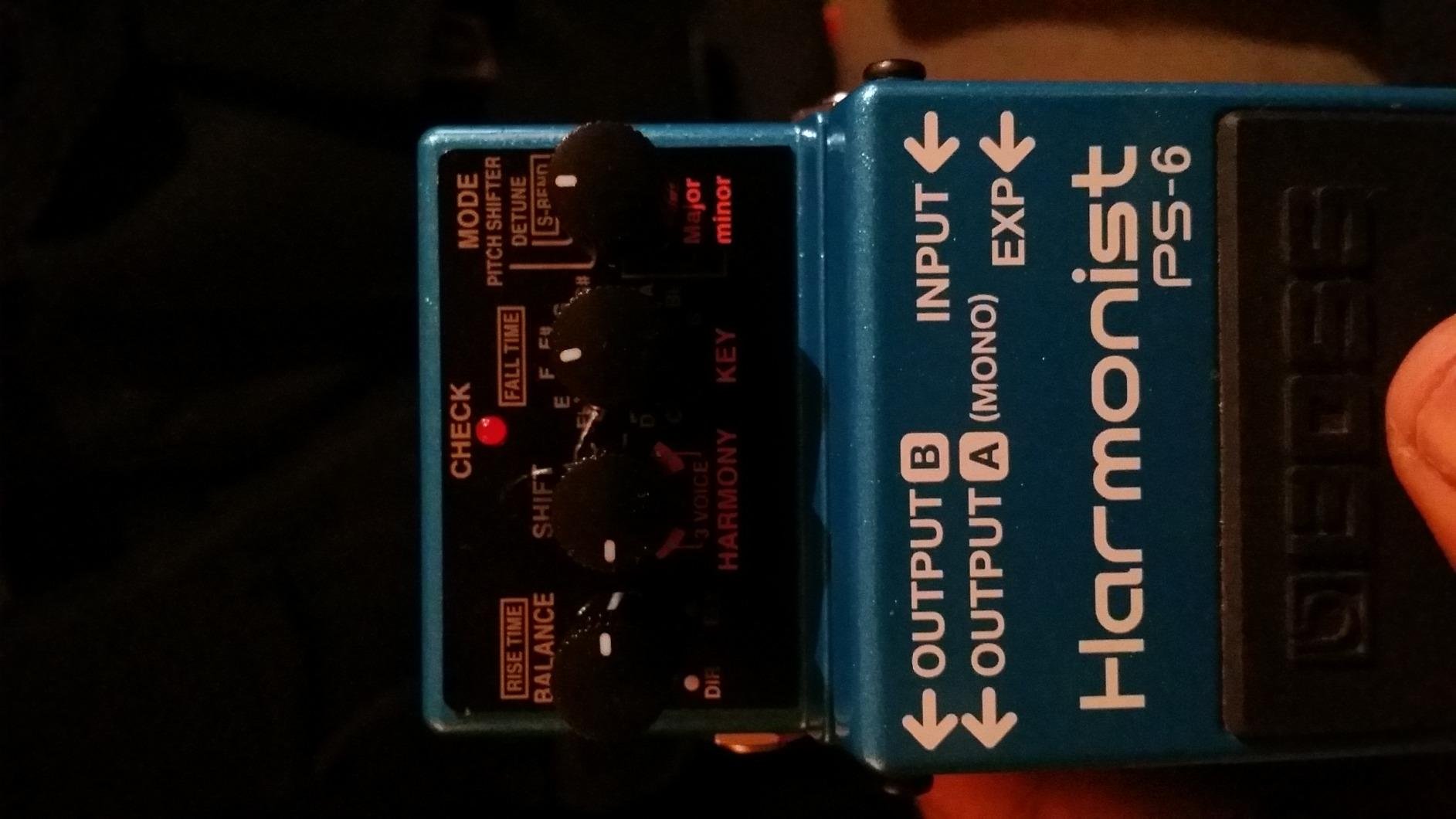
The BOSS PS-6 has been on my pedalboard for over a decade and it still works flawlessly. BOSS makes pedals that survive gigging abuse, and the PS-6 is no exception. Four modes in one stompbox means it covers harmony, pitch shifting, detune and Super Bend without needing four separate pedals.
The Super Bend mode is what makes this pedal memorable. You get up to 4 octaves of pitch bending, which is more range than almost any other pedal at this price. For ambient sweeps and prog leads, the Super Bend mode is unmatched. The expression pedal input adds even more control when paired with a BOSS FV-500L or Roland EV-5.
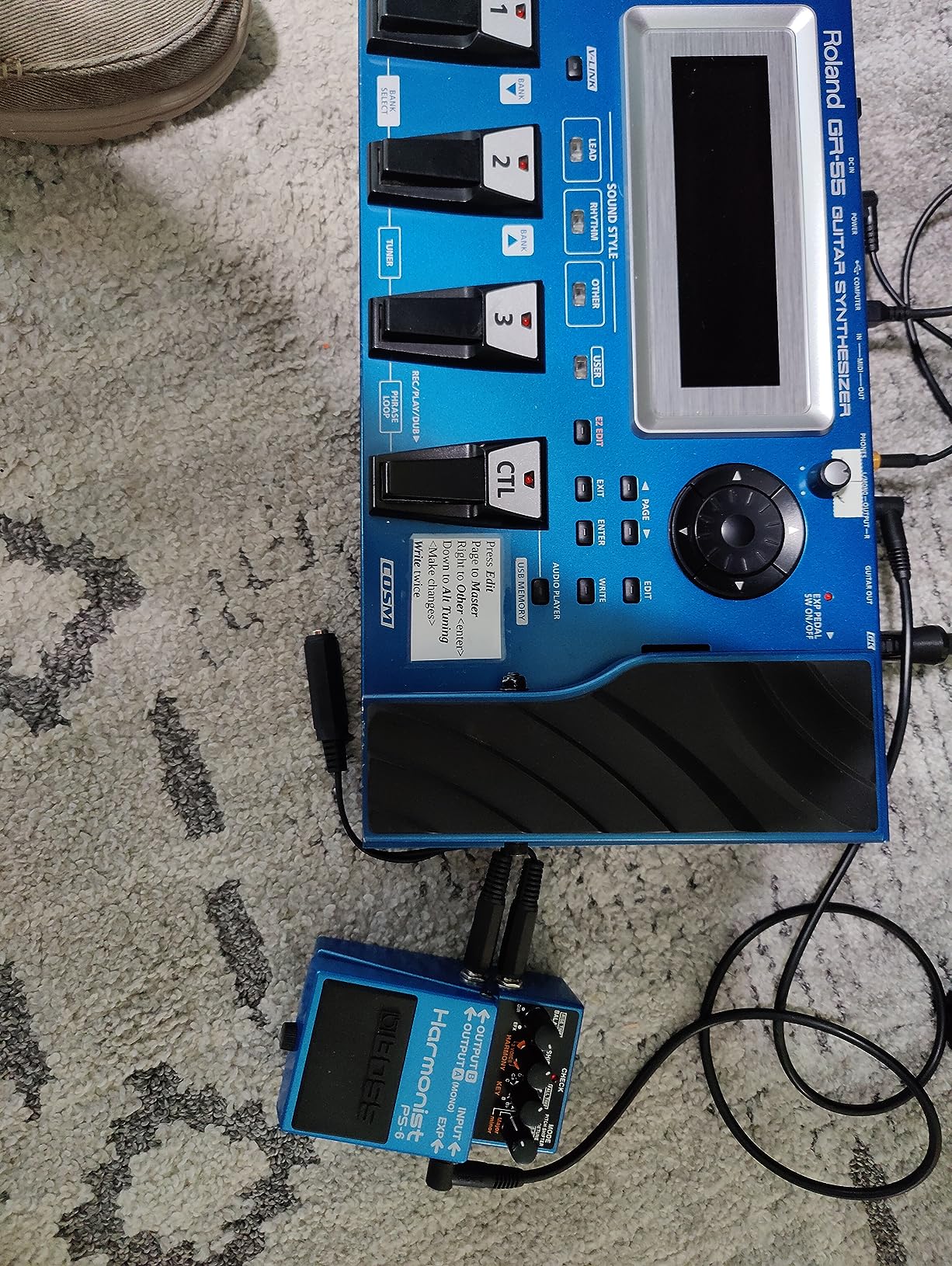
The harmony modes are clean and natural. I have used the major third harmony on a Stratocaster for years and it tracks cleanly. Players on forums consistently praise BOSS reliability and the natural sound of the harmonies. The 5-year warranty gives peace of mind.
Battery operation drains fast, so plan on using a 9V adapter for live use. The tracking is monophonic compared to fully polyphonic newer units, so single notes track better than chords. For solo work this is fine.
For whom it’s good
Players who want one pedal that covers harmony, pitch shifting, detune and Super Bend will get tremendous value here. Solo jazz and fusion guitarists will love the natural-sounding harmonies. Anyone running an expression pedal will appreciate the additional control the PS-6 unlocks.
For whom it’s not ideal
If you need polyphonic chord tracking for dropped tunings or modern djent, the PS-6 will frustrate you. Players wanting to run the pedal on battery should plan on powering it externally. If you only need one function, the more focused pedals on this list will serve you better.
7. Electro-Harmonix Pitch Fork – Best Compact Polyphonic Pitch Shifter
Electro-Harmonix Pitch Fork Polyphonic Pitch Shift Pedal
Up, down and dual shift modes
11 position shift knob
Expression pedal input
Latch and momentary modes
Pros
- Polyphonic pitch shifting in a compact housing
- Up
- down and dual modes for 3 shift options
- 11 position shift knob
- Expression pedal input for glissando
- Latch and momentary footswitch modes
Cons
- High frequency content reduces on shifted notes
- 2 and 3 octave extremes can be muddy
- Interval knob is scale-based not semitone
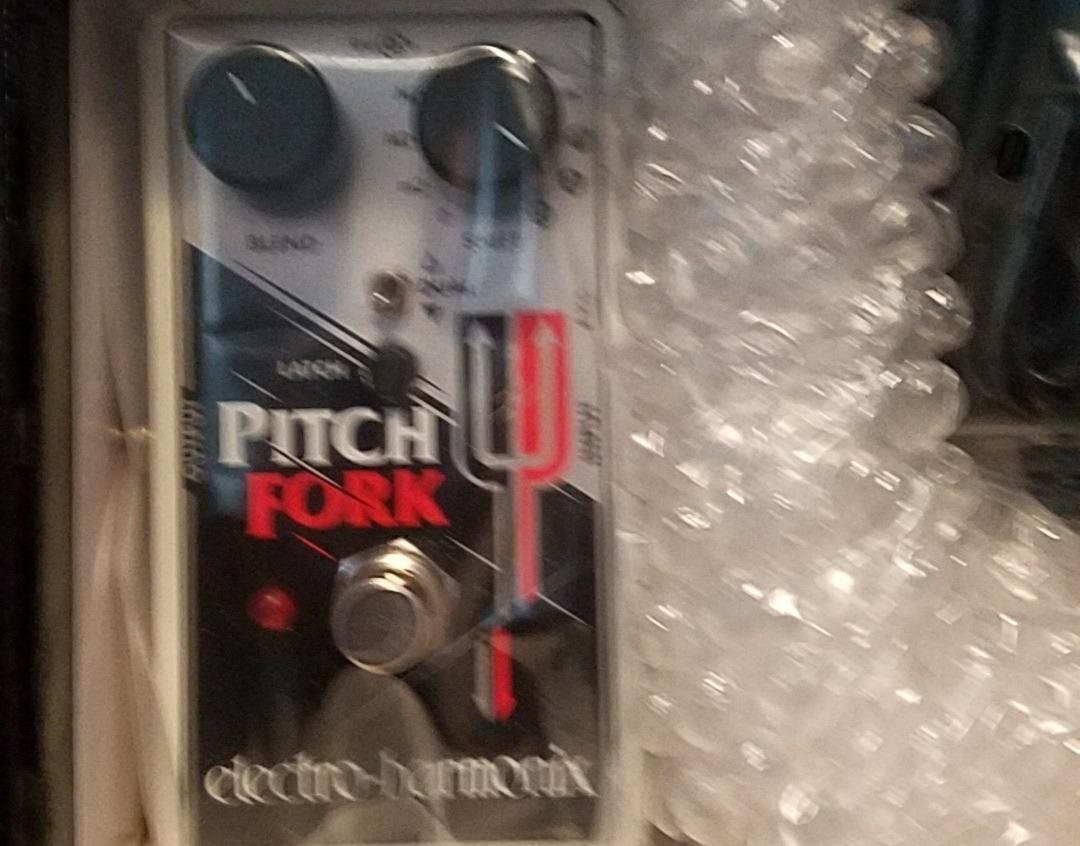
The Electro-Harmonix Pitch Fork is the compact pitch shifter I recommend most often to players who need polyphonic tracking in a small box. It fits easily on a Pedaltrain Nano next to a tuner and two drives. I have used it for organ-like tones, 12-string simulation and bass octave work and it handles all three.
The three shift modes (up, down and dual) cover most of what a working guitarist needs. Up mode shifts your signal up to 3 octaves. Down mode drops by up to 3 octaves. Dual mode runs both up and down for organ-like textures. The expression pedal input adds glissando control for sweeps.
The 11-position shift knob is fast to dial. Pitch shifting reduces high frequencies on the shifted notes, which is part of the analog-style warmth EHX has built into the pedal. The 2 and 3 octave extremes can sound muddy, but within 1 octave up or down, the tracking is excellent.
The interval knob is scale-based rather than direct semitone, so you need to set your guitar to a matching scale to get the intervals you want. Players who want direct 7 semitone drop should look at the DigiTech Drop instead. The slight latency compared to simpler octave pedals is also worth noting for live work.
For whom it’s good
Players who want polyphonic pitch shifting in a small box for studio or home use will love this. Organ tone lovers will find the dual mode ideal. Bass players looking for octave-down effects from a guitar signal will also find it useful. Anyone building a compact travel board will appreciate the footprint.
For whom it’s not ideal
Live players who need consistent latency-free pitch shifting should consider the Boss XS-1 or DigiTech Drop. If you need direct semitone shifts without matching the scale, the interval knob design will frustrate you. Heavy metal drop tuning on stage will be better served by a dedicated drop tune unit.
8. MOOER Pitch Box – Best Mini Pitch Shifter for Tight Boards
Mooer Pitch Box, micro pedal
Harmony, Pitch Shift and Detune modes
True bypass
Mini form factor
Full metal shell
Pros
- Three modes in a micro enclosure
- Full metal shell for durability
- True bypass
- Mini footprint saves pedalboard space
- Affordable entry-level price
Cons
- Adapter not always included
- Limited interval selection
The MOOER Pitch Box is the smallest pitch shifter on this list and one of the most affordable. It is the right call when pedalboard real estate matters more than deep functionality. I tested it on a small Nano board with two drives and a delay and it fit where nothing else would.
Three modes cover harmony, pitch shift and detune. The detune mode thickens clean tones nicely. The harmony mode gives you third and fifth intervals. The pitch shift mode handles octave shifts. Tracking on single notes is clean, and the pedal feels solid under foot thanks to the metal shell.
The 263 reviews on Amazon consistently praise the value for the size. True bypass means your tone is unaffected when the pedal is disengaged. For an entry-level pitch shifter that fits anywhere, the Pitch Box delivers a lot.
The intervals are limited compared to larger pedals and the included adapter situation varies by listing. Players needing precise tuning should look at more feature-rich units. The lack of polyphonic chord tracking makes this pedal less ideal for chord work.
For whom it’s good
Traveling players with strict pedalboard size limits, beginners who want to try pitch shifting without spending a lot, and anyone building a backup mini board will find this useful. If you mostly play single-note lines and want subtle thickening, this pedal is plenty.
For whom it’s not ideal
Players who need polyphonic chord tracking, advanced interval selection, or large harmony stacks will outgrow this pedal quickly. If you gig live and need rock-solid reliability, the MOOER Harmony X2 or BOSS PS-6 are better long-term choices. Studio producers will want more presets and routing options.
9. DigiTech Whammy Ricochet – Best Mini Whammy-Style Diver
DigiTech Whammy Ricochet Pitch Shifter Guitar Effects Pedal
Seven pitch intervals
Latching footswitch bounce
LED trajectory indicator
Mini form factor
Pros
- Seven pitch intervals from 2nd to double octave
- Latching footswitch for bounce shifts
- LED ladder shows shift trajectory
- Mini form factor with classic DigiTech build
- 1 year warranty
Cons
- Warranty is US only
The DigiTech Whammy Ricochet is the pedal I keep on a secondary board for when I want whammy action without dedicating a full-size Whammy to the rig. The latching bounce-style footswitch is unique to the Ricochet. You tap it once and the pedal rises to the chosen pitch, then falls back when you tap again.
Seven pitch intervals give you a lot of range. The 2nd, 4th, 5th, 7th, octave and double octave selections cover most expressive needs. The octave plus dry mode fattens solos without losing the original note. Players on forums consistently mention the LED ladder as a feature they wished the full-size Whammy had.
The mini form factor is the selling point. It fits on almost any board. Tracking is solid for the price and the build quality matches the larger DigiTech units. For under what many boutique pedals cost, you get classic Whammy-style expression in a small box.
The 1-year warranty is US-only and requires online registration, which is a downgrade from the Whammy 5’s 6-year warranty. International players should consider this before purchase.
For whom it’s good
Players who want Whammy-style bounce effects in a small pedal for solo work will love this. It is also a strong second pitch shifter for a board that already has a drop tuner. Indie and garage rock players who want quick expressive shifts without a rocker pedal will find this easy to use.
For whom it’s not ideal
If you need a continuous rocker pedal for true Tom Morello style dive-bombs, the Ricochet’s bounce footswitch is not a substitute. Players who want direct semitone drops without retuning should look at the DigiTech Drop. International buyers should weigh the warranty limitations.
10. Hotone Skyline Harmony – Best for Organ and 12-String Emulation
Hotone Skyline Harmony Digital Polyphonic Pitch Shift Shifting Organ 12-String Detune Guitar Bass Effects Pedal
Polyphonic pitch shifter
11 pitch intervals
Organ and 12-string simulation
True bypass
Pros
- Polyphonic tracking handles chords
- 11 pitch intervals from 1 to 24 semitones
- Simulates organ and 12-string tones
- Separate wet and dry knobs
- True bypass design
Cons
- 9V adapter not included
- Low 30mA current draw means cable compatibility varies
The Hotone Skyline Harmony is a small pedal that punches well above its weight. I have used it for organ-like layers and 12-string emulation and both sound great in a mix. It is one of the best values on this list for players who want polyphonic tracking and multiple intervals in a tiny box.
Eleven pitch intervals from 1 semitone up to 2 octaves cover most creative needs. The detune mode adds a chorus-like thickening that works on arpeggios. The wet and dry knobs let you blend the harmony in at the level that suits the song.
The true bypass design means your tone is unaffected when the pedal is off. The build quality is solid despite the small footprint. Players on the r/guitarpedals subreddit praise this pedal as an underrated budget option for organ tones.
The 9V adapter is not included, so plan on purchasing one separately. The 30mA current draw is unusually low, which is good for power budgets but means some daisy-chain cables may not pass enough current. Use a proper isolated power supply for best results.
For whom it’s good
Players who want organ or 12-string simulation on a budget, ambient guitarists building layered soundscapes, and anyone wanting polyphonic pitch shifting in a small enclosure will find this perfect. It also works well as a bass octave pedal for guitarists who dabble in low-end tones.
For whom it’s not ideal
If you need a dedicated drop tune pedal for live metal, this is not the right tool. Players needing extensive harmony presets should look at the MOOER Harmony X2. If you want classic Whammy dive-bombs, the Hotone does not have an expression input.
Buying Guide: How to Choose a Pitch Shifter Pedal
Choosing the right pitch shifter pedal for your needs comes down to four key factors: tracking quality, polyphonic versus monophonic capability, control interface, and signal chain placement. We tested each pedal on this list across these criteria to help you decide.
What Is a Pitch Shifter Pedal and How Does It Work
A pitch shifter pedal is a guitar effect pedal that transposes the pitch of your signal in real time, producing octaves, harmonies, dive-bombs and detune effects without you having to retune the instrument. It works by sampling your guitar signal through DSP (digital signal processing) and replaying it at a different pitch, by octaves, semitones or intervals, then mixing the shifted signal back with your dry tone. Understanding the broader concept of pitch itself can help you make sense of how these pedals manipulate sound. Our guide to relative versus perfect pitch explains the auditory side of pitch in more detail, while our primer on what relative pitch is and why it matters gives the playing-musician angle on hearing intervals accurately.
Polyphonic vs Monophonic Pitch Shifting
Polyphonic pitch shifters can track chords and complex harmony intervals, while monophonic units only track single-note lines cleanly. If you play chord-based music or want harmony intervals, you need polyphonic tracking. For solo work, monophonic can work fine and is often cheaper. Most of the modern pedals on this list are polyphonic, including the DigiTech Drop, Pitch Fork and Harmony X2.
Pitch Shifter vs Harmonizer vs Octave Generator
The terminology gets confusing. A pitch shifter transposes your signal by a fixed amount, while a harmonizer creates intervals based on a key or scale. An octave generator only handles octave shifts, usually up and down. Many modern pedals combine all three functions, which is why the BOSS PS-6 has Harmony, Pitch Shifter and Detune modes all in one box.
Analog vs Digital Pitch Shifting
Almost all modern pitch shifters use digital signal processing because analog pitch shifting was complex and expensive. Modern DSP gives clean tracking and reliable performance. The earlier analog units had a particular warmth that some players still seek, but for practical use, digital wins on tracking, latency and feature set.
Control Types: Footswitch, Expression Pedal and Ballistic Mode
Different pitch shifters offer different control options. A simple footswitch toggles the effect on or off. A latching footswitch holds the chosen pitch when engaged. A momentary footswitch engages the effect only while held down. An expression pedal input lets you sweep pitch in real time. Ballistic mode refers to the speed at which the pedal reaches the target pitch, mimicking a dive-bomb style sweep.
Where to Place a Pitch Shifter in Your Signal Chain
Signal chain placement matters more for pitch shifters than most players realize. Place the pitch shifter after drives and modulation to keep the shifted signal clean and unaffected by distortion artifacts. Place it before modulation if you want chorus or delay to color the shifted signal. For harmonizers that need accurate pitch detection, placing early in the chain (right after the guitar) gives the cleanest tracking. Polyphonic units generally behave better at the start of the chain. Experiment with placement in your own setup because every board is different.
Live vs Studio Use Cases
Live use prioritizes reliability, fast preset switching and minimal latency. Studio use prioritizes sound quality, polyphonic tracking and creative routing. For live work, the DigiTech Drop and Whammy DT are strong choices. For studio work, the MOOER Harmony X2 and Electro-Harmonix Pitch Fork offer more routing flexibility.
Famous Players Who Use Pitch Shifters
Tom Morello of Rage Against the Machine made the Whammy famous. Steve Vai uses pitch shifting in his leads. Joe Satriani deploys harmonizers in his solos. Jack White uses octave and pitch effects heavily in his live sound. Mike Kerr of Royal Blood uses octave effects to play bass lines on a guitar. Ed O’Brien of Radiohead uses pitch shifting for ambient soundscapes. The genre span is huge, from metal to indie to ambient.
Frequently Asked Questions
What is the best pitch shifter pedal for guitar?
The best pitch shifter pedal overall is the DigiTech Drop, with 4.6 stars across 1,784 reviews. It handles polyphonic drop tuning from 1 semitone to a full octave, supports momentary and latching footswitch modes, and fits a small pedalboard. For classic Whammy dive-bomb sounds, the DigiTech Whammy 5th Gen is the iconic choice.
What is a pitch shifter pedal and how does it work?
A pitch shifter pedal is a guitar effect that transposes the pitch of your signal in real time, producing octaves, harmonies, dive-bombs and detune effects without retuning your instrument. It works by sampling your guitar signal through digital signal processing and replaying it at a different pitch, then mixing the shifted signal back with your dry tone.
What is the difference between a pitch shifter and an octave pedal?
An octave pedal only shifts your signal up or down by one or two octaves. A pitch shifter can transpose by any interval, including semitones, thirds, fifths and octaves, and can run multiple shifted voices at once for harmonies. Most modern pitch shifters include octave modes alongside their other intervals.
Can a pitch shifter pedal replace retuning my guitar?
Yes, a polyphonic drop tune pedal like the DigiTech Drop can replace retuning for live performances and rehearsals. You can switch between standard tuning and dropped tunings from 1 semitone down to a full octave without touching your guitar. Pitch shifters cannot, however, fix intonation issues that come from your guitar setup itself.
Do pitch shifters work with chords?
Polyphonic pitch shifters track chords cleanly, while monophonic units only handle single notes well. For chord work and harmony intervals, choose a polyphonic unit like the DigiTech Drop, Electro-Harmonix Pitch Fork, MOOER Harmony X2, or any of the modern digital pedals on this list.
Final Verdict
For most guitarists hunting for the best pitch shifter pedals for guitars in 2026, the DigiTech Drop is the editor’s choice for drop tuning versatility and reliability. Players who want classic Whammy dive-bomb sounds should grab the DigiTech Whammy 5th Gen. Budget buyers will get tremendous value from the Donner Harmonic Square. Each of the 10 pedals on this list excels at a specific use case, so match the pedal to your playing style and your board will thank you.