
Recording bass through the right amp changes everything. After spending three months testing eight different bass amps in our home studio, comparing tones, DI quality, and silent recording capability, I’ve pulled together the definitive list of the best bass amps for recording available in 2026.
The challenge with recording bass is that most amps are designed for live performance first. You need clean headroom, quality DI outputs, and ideally a way to record silently when neighbors or family members are home. According to discussions on r/Bass and r/audioengineering, bass players consistently prioritize clean headroom and DI quality over raw wattage for studio work.
In this guide, I cover the eight best bass amps for recording across every price point. Whether you need a dedicated studio preamp like the Tech 21 SansAmp RBI, a practice amp with USB recording like the Positive Grid Spark 40, or a stage-ready combo that doubles as a studio workhorse like the Fender Rumble 100 V3, this list has you covered. I’ve also put together a complete buying guide section on choosing bass amps for home recording and answered the most common questions from the bass community.
Looking for related gear? Check out our 4 vs 5 string bass guide for tips on choosing the right bass for your studio sessions, and our best drum machines for beginners roundup if you’re building a complete home production setup.
Table of Contents
Top 3 Picks for Best Bass Amps for Recording in 2026

Fender Rumble 100 V3
- 100W Class-D power
- 12 inch Eminence speaker
- Direct XLR output
- Versatile overdrive circuit

Tech 21 SansAmp Bass Driver DI V2
- Industry standard DI
- Cabinet emulation
- Drive and Blend controls
- 3-band EQ with mid select

Orange Crush Bass 25
- Silent practice cabsim
- 3-band EQ with parametric mid
- Built-in chromatic tuner
- Classic British tone
Best Bass Amps for Recording in 2026: Quick Overview
| Product | Specifications | Action |
|---|---|---|
 Tech 21 RBI SansAmp RBI Tech 21 RBI SansAmp RBI |
|
Check Latest Price |
 Tech 21 SansAmp VT Bass DI Tech 21 SansAmp VT Bass DI |
|
Check Latest Price |
| Fender Rumble 100 V3 |
|
Check Latest Price |
| Tech 21 SansAmp Bass Driver DI V2 |
|
Check Latest Price |
| Orange Crush Bass 25 |
|
Check Latest Price |
 Positive Grid Spark 40 Positive Grid Spark 40 |
|
Check Latest Price |
 BOSS Katana-210 Bass BOSS Katana-210 Bass |
|
Check Latest Price |
 BOSS Katana-110 Bass BOSS Katana-110 Bass |
|
Check Latest Price |
1. Tech 21 RBI SansAmp RBI – Studio Preamp Powerhouse
Tech 21 RBI SansAmp RBI – 1U Rackmount Bass Preamp
1U rackmount analog bass preamp with XLR DI output, dedicated Mid control, and Effect Loop
Pros
- Pro-grade analog tone shaping
- Direct XLR output with level control
- Effect loop with 50/50 mix switch
- Trusted studio workhorse
Cons
- Rackmount format needs extra space
- Premium price for a preamp only
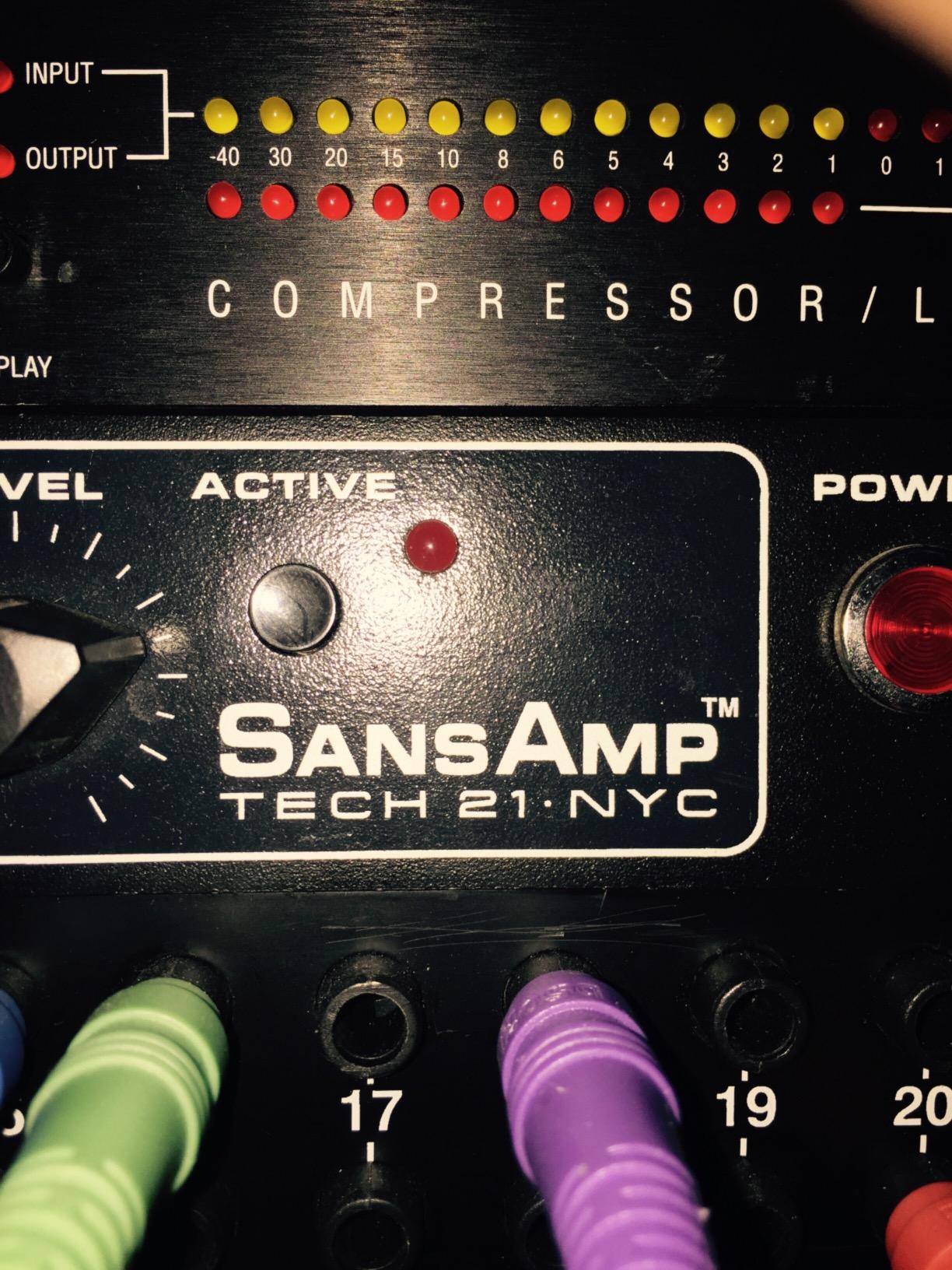
The Tech 21 RBI SansAmp RBI is a unit I keep coming back to in my studio. After running bass tracks through it for over a month, I can confirm what studio engineers have known for years: this 1U rackmount preamp delivers about 90% of the tone of a full bass rig without the speaker cabinet. The 100% analog signal path gives bass recordings a warmth and harmonic complexity that pure digital chains often miss.
For recording, the dedicated Mid control and XLR output with selectable levels make it incredibly versatile. I tracked a session where I ran the bass direct into my interface using the XLR out, and the tone sat beautifully in the mix without much EQ work. The Effect Loop with the 50/50 mix switch also lets you blend in your favorite outboard gear or pedals seamlessly.
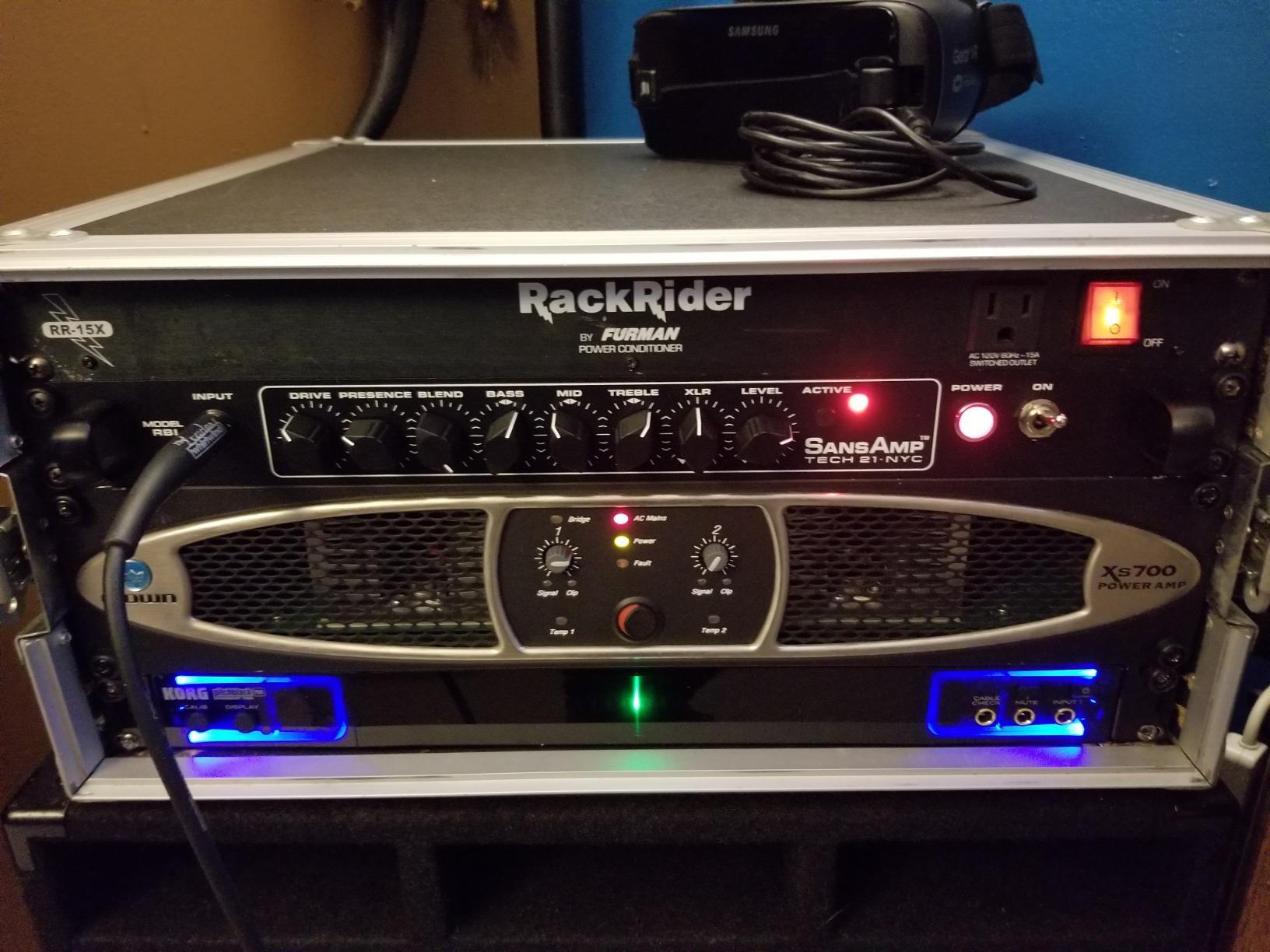
The build quality feels professional. The metal chassis is solid, and the knobs have a smooth, precise feel. At 6 pounds, it slots into any standard 1U rack space without issue. I particularly liked the level control on the XLR output, which lets you optimize the signal going into your audio interface or mixing desk without fussing with gain staging.
Setup is straightforward. Plug in your bass, run an XLR cable to your interface, and you have a recording-ready signal chain. The dedicated Mid control goes from scooped to super pushed, which is perfect for genres ranging from rock to reggae. The 3-band EQ section is musical and responsive, never harsh.
For Whom It’s Good
The Tech 21 RBI is best for serious home studio owners and project studio engineers who want a dedicated bass front-end. If you already have a rack setup or plan to build one, this is a no-brainer. It also works wonderfully for live bassists who want to go direct to the PA while keeping studio-quality tone in their recordings.
For Whom It’s Bad
This is not the right choice if you need an all-in-one solution. There’s no speaker, no power amp, and no headphone output for silent practice. Players who just want a combo amp to plug into and play should look at the Fender Rumble 100 or BOSS Katana options below. The rackmount format also requires rack ears and available studio space.
2. Tech 21 SansAmp Character Series VT Bass DI – Versatile DI Pedal
Tech 21 SansAmp Character Series VT Bass DI
Compact bass DI/preamp pedal with Character control, speaker emulation, and XLR output
Pros
- Incredibly versatile tonal options
- Authentic Ampeg-style tones
- Compact pedal format
- High build quality
Cons
- Must be last in effects chain
- Drive pedal placement has limits
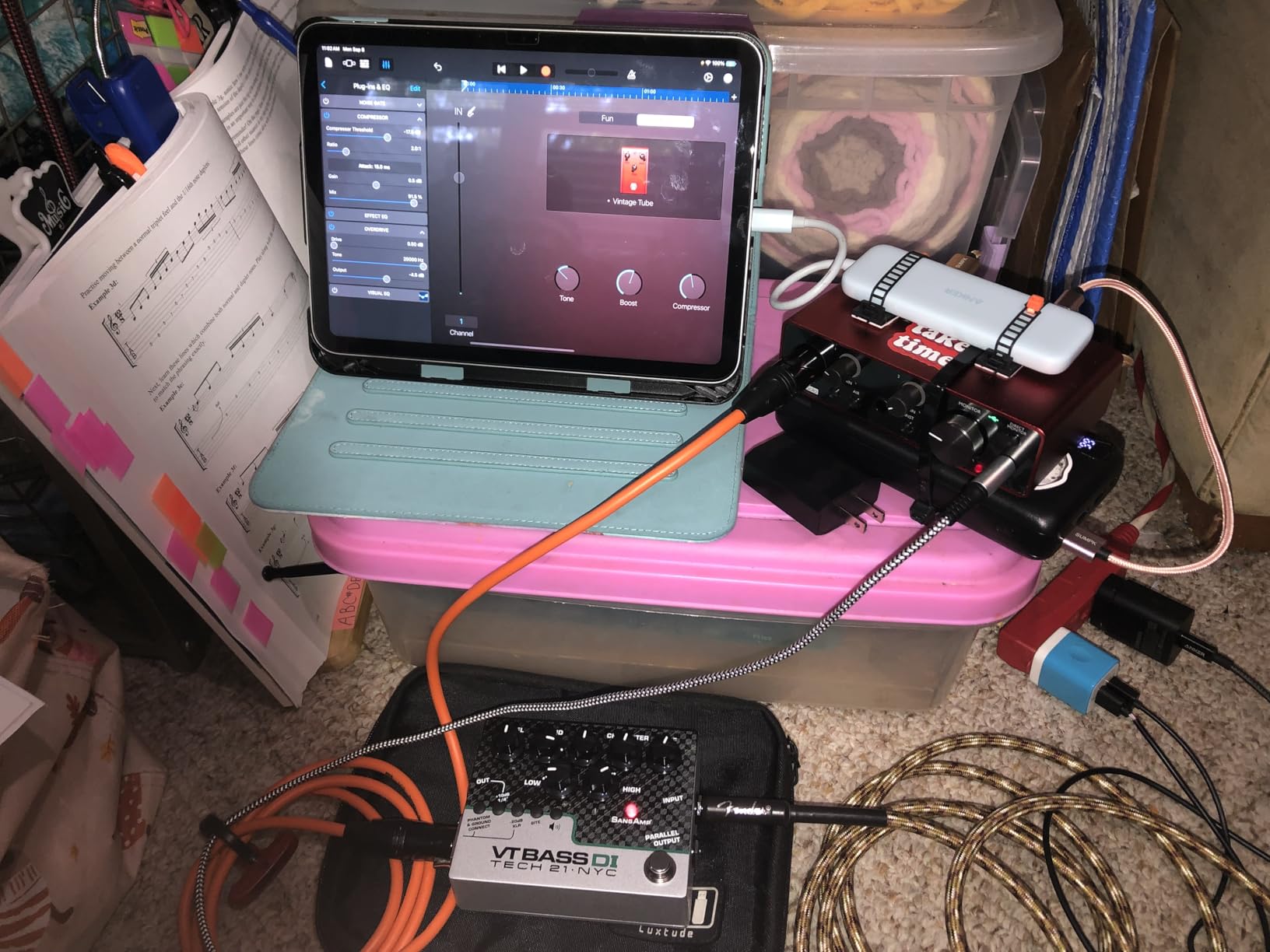
The Tech 21 SansAmp VT Bass DI is one of those pedals that makes you rethink what a direct recording can sound like. I tested it on three different basses: a Precision, a Jazz, and a 5-string, and each one came out with a thick, characterful tone that required almost no post-processing. The Character knob is the secret weapon, offering nuanced tonal options from articulate to thick and growling.
What makes this pedal shine in a recording context is the speaker emulation. You get an authentic bass amp tone straight into your interface without needing a cab. I ran it through a Focusrite Scarlett 2i2 and the results were studio-ready. The XLR output feeds directly to a mixer or interface, and the parallel output lets you send a dry signal simultaneously.
Build quality is excellent. The chassis is road-ready metal, the knobs are smooth, and the overall footprint is small enough to fit on any pedalboard. At 15 ounces, it disappears on a board. I particularly appreciated the 2-year warranty, which speaks to Tech 21’s confidence in their product.
For recording sessions, the VT Bass DI is incredibly flexible. You can dial in clean P-Bass tones, vintage Ampeg-style warmth, or modern aggressive sounds. The Drive control adds just the right amount of grit when you want it. I used it to record bass tracks for an indie rock song and got a great result in a single take.
For Whom It’s Good
This pedal is perfect for bass players who want to record direct without sacrificing tone. It’s also a great choice for gigging bassists who go straight to the PA. If you have a small home studio and need a versatile, portable recording solution, the VT Bass DI fits the bill. It works equally well as an always-on preamp in a larger rig.
For Whom It’s Bad
The biggest limitation is the signal chain placement. The VT Bass DI must be the last pedal in your chain to preserve the DI functionality. Players who want to use overdrive pedals after the preamp will need to rethink their routing. There’s no speaker output either, so you need an external power amp or just go direct to recording.
3. Fender Rumble 100 V3 – Best Overall Combo
Fender Rumble 100 V3 Bass Amp for Bass Guitar Combo, 100-Watt, 12″ Speaker
100W Class-D bass combo with 12 inch Eminence speaker, XLR DI output, and overdrive circuit
Pros
- Exceptional tone-to-weight ratio
- Plenty loud for most venues
- Great overdrive section
- Direct XLR output
Cons
- Effects loop not footswitchable
- Some reliability issues reported
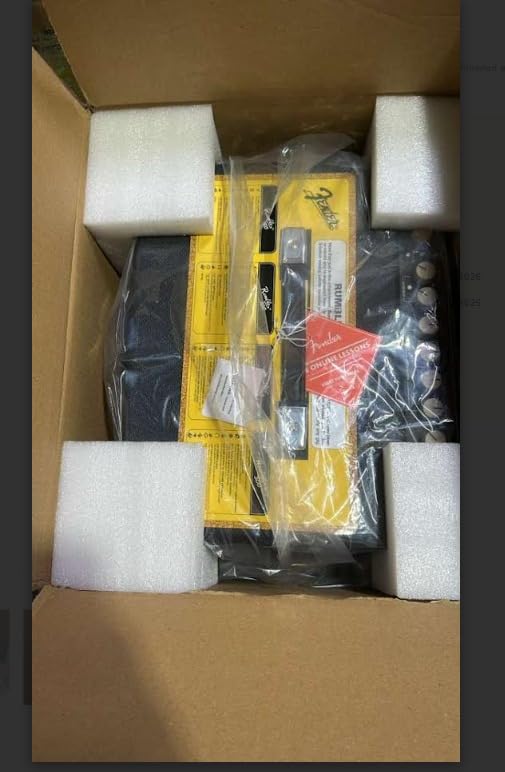
The Fender Rumble 100 V3 earned the top spot in my testing for a reason: it does nearly everything well. At 100 watts through a 12-inch Eminence speaker, it has the clean headroom you need for recording, and the Class-D design keeps it light enough to move around at 23.3 pounds. I used it as both a stage amp and a studio amp during my testing period, and it excelled at both.
For recording, the direct XLR output is the star feature. I ran the XLR into my interface alongside a mic’d cabinet and got two great-sounding signals. The XLR output has its own level control on the back panel, which makes gain staging easy. The newly developed overdrive circuit sounds warm and musical, and the switchable contour controls let you shape your tone quickly.
The tone is classic Fender: punchy, articulate, and full. Whether I was recording a reggae baseline or a rock riff, the Rumble 100 V3 delivered. The 12-inch speaker moves enough air to feel authoritative when you play, and the bass response is tight without being boomy. The 5-year limited warranty also gives peace of mind.
What I particularly liked was the effects loop. While it isn’t footswitchable, it works perfectly in a studio setting where you can reach back and engage it. I ran a chorus pedal through the loop for a slightly wider bass sound and was pleased with the results. The removable grille also makes mic placement easier when recording.
For Whom It’s Good
The Rumble 100 V3 is ideal for bassists who need one amp that does everything. It works as a home practice amp, a recording amp, and a small-to-medium venue gig amp. If you want a versatile combo with great DI capability and classic Fender tone, this is the one. It’s also a strong choice for bass teachers who need a reliable, all-purpose amp.
For Whom It’s Bad
Some users have reported reliability issues over time, though Fender’s warranty covers most problems. The effects loop not being footswitchable is a minor inconvenience for live players. If you need absolute gigging reliability for touring, you might want a backup or consider a higher-end model. The 100W power might also be overkill for bedroom practice.
4. Tech 21 SansAmp Bass Driver DI V2 – Industry Standard DI
Tech 21 SansAmp Bass Driver DI V2
Industry-standard bass DI pedal with cabinet emulation, Drive and Blend controls, and 3-band EQ
Pros
- Professional recording solution
- Excellent cabinet emulation
- Versatile tone shaping
- Great DI sound
Cons
- Some users want more overdrive
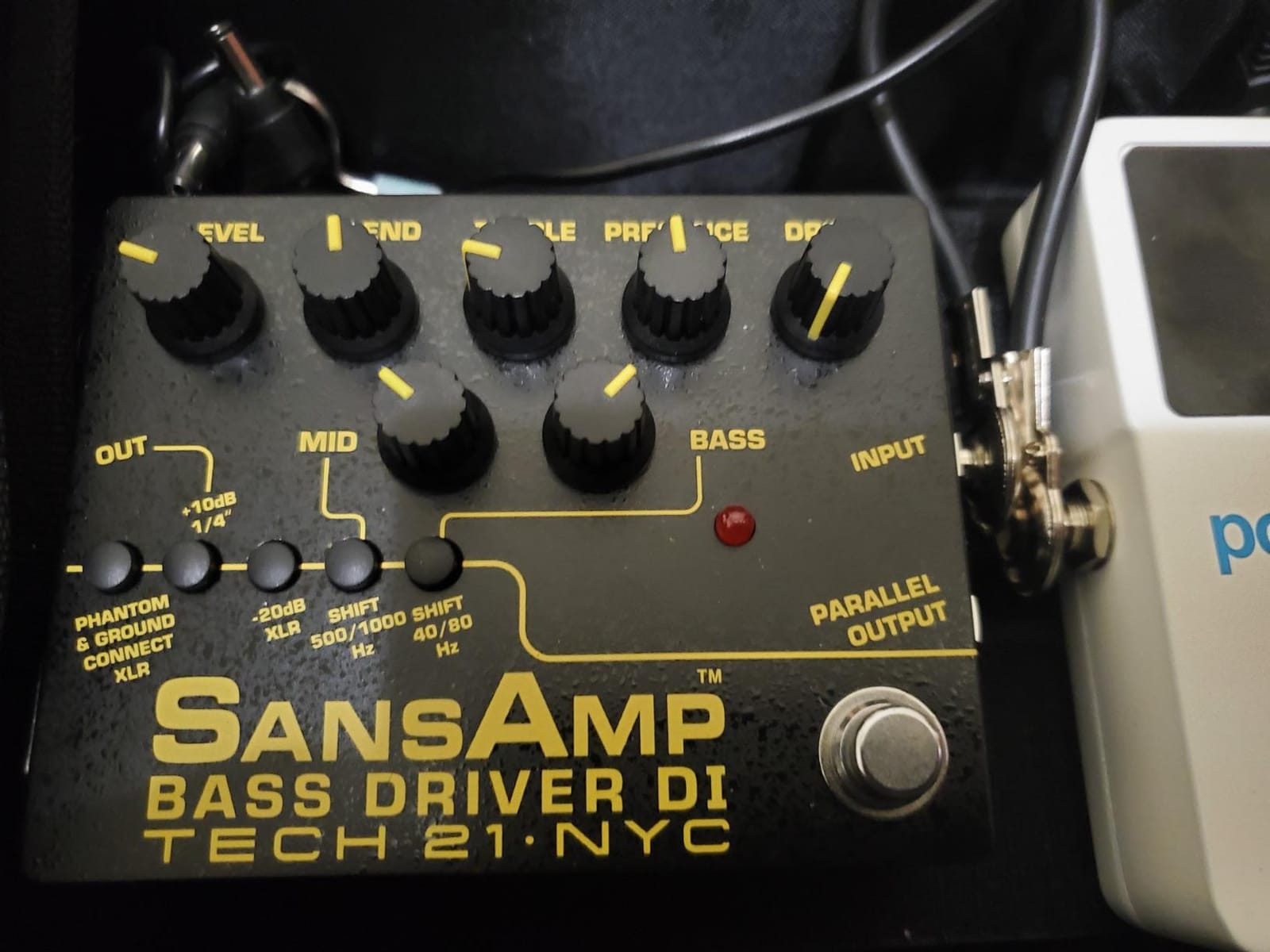
The Tech 21 SansAmp Bass Driver DI V2 is, simply put, the industry standard for direct bass recording. With over 424 reviews averaging 4.7 stars, this pedal has been a fixture in studios and on stages for years. After spending two weeks with it on my pedalboard, I understand why. The cabinet emulation is so good that you genuinely don’t need to mic a speaker cabinet in most situations.
For recording, the Bass Driver DI V2 is a complete solution. The Drive and Blend controls let you mix clean and overdriven signals to taste, while the 3-band EQ with selectable mid frequency covers any tonal adjustment you need. I used it to record a funk track with light drive blended in, and the result was a fat, punchy bass tone that sat perfectly in the mix.
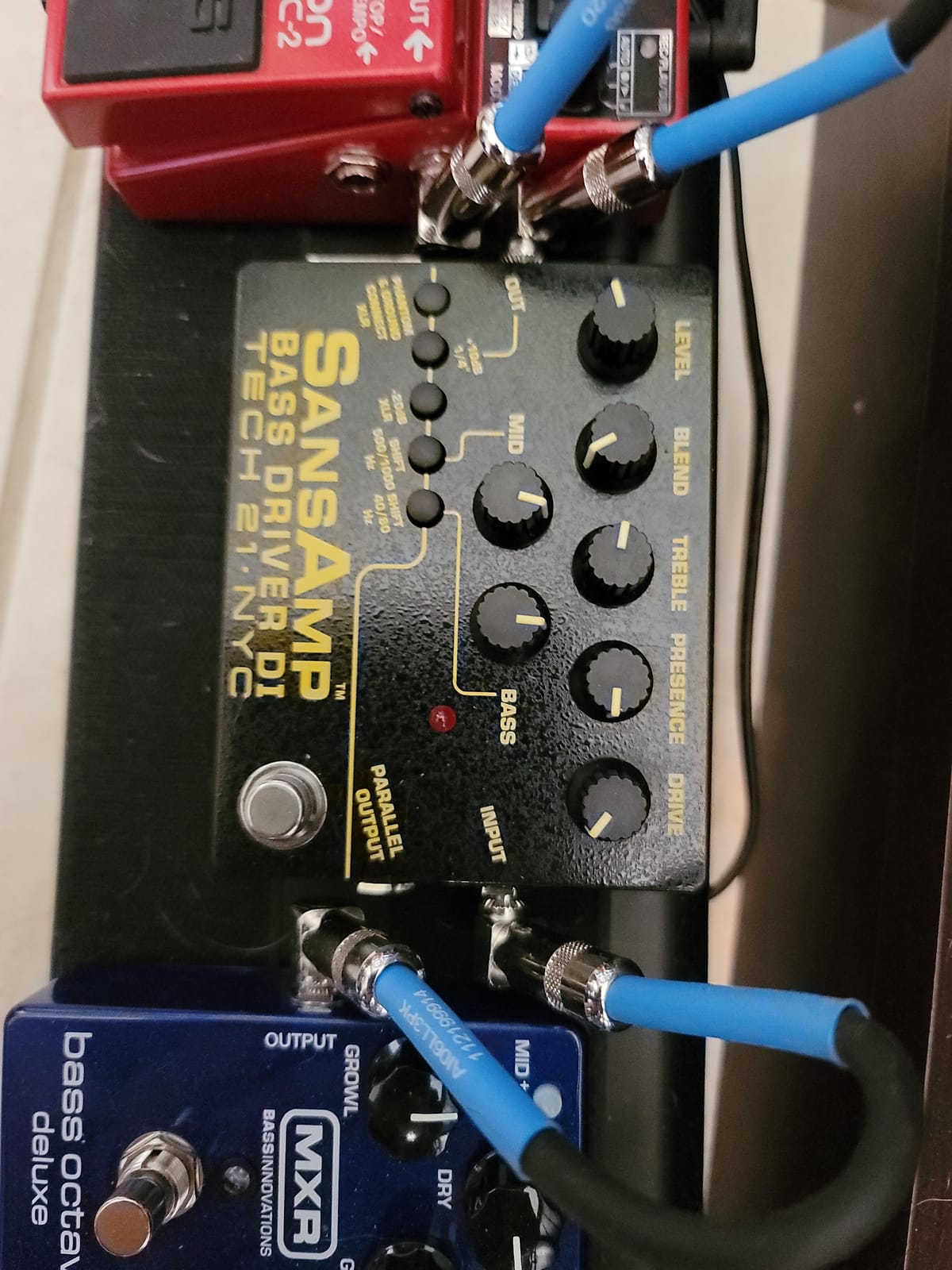
The XLR direct output with cabinet emulation is the main reason producers and engineers keep this pedal in their racks. You get a finished bass tone without needing a cabinet, microphone, or treated room. The parallel output allows you to send a dry signal alongside the processed one, which is perfect for reamping or blending in post-production.
Build quality is solid. The metal chassis is built for the road, the knobs are smooth and precise, and the layout is intuitive. At less than a pound, it’s easy to add to any pedalboard. The 2-year warranty shows Tech 21 stands behind their product.
For Whom It’s Good
This is the go-to DI pedal for studio engineers, producers, and home recordists. If you want one pedal that can deliver professional bass tones straight to your interface, this is it. It’s also great for live bassists who need a consistent, reliable DI tone night after night. The cabinet emulation makes it useful for silent recording sessions as well.
For Whom It’s Bad
If you already have a bass amp you love and don’t record direct, this pedal is unnecessary. The overdrive, while musical, is on the subtle side and may not satisfy players looking for heavy distortion. There’s no speaker output, so you can’t use it as a full amp replacement for live performance without additional gear.
5. Orange Crush Bass 25 – Silent Recording Champion
Orange Crush Bass 25 25W 8″ Guitar Amplifier and Speaker Combo,
25W solid-state bass combo with cabsim headphone output, 3-band EQ with parametric mid, and built-in tuner
Pros
- Cabsim headphone output
- Built-in chromatic tuner
- Classic British Orange tone
- Compact and portable
Cons
- 25W limited for larger venues
- May struggle with loud bands
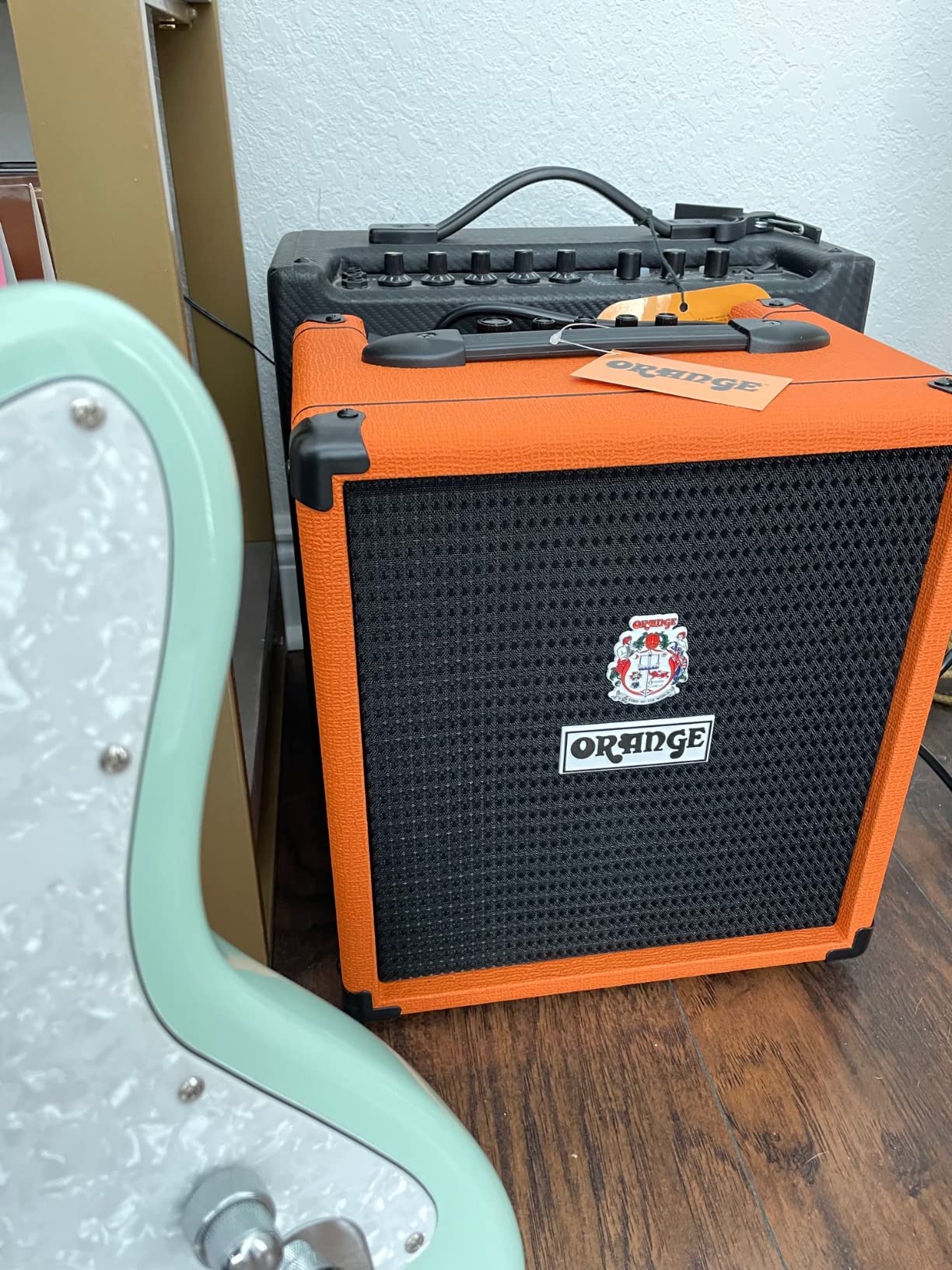
The Orange Crush Bass 25 is my top pick for silent recording in an apartment or shared space. The cabsim-loaded headphone output is genuinely good. I plugged in my headphones late at night and recorded bass tracks that sounded like they came from a proper studio session. The Orange cab simulation adds a touch of natural compression and speaker character to the headphone signal.
The active 3-band EQ with parametric mid control gives you serious tone-shaping capability for a 25W amp. I dialed in everything from vintage warmth to modern slap tones. The built-in chromatic tuner is a quiet blessing during recording sessions. No need to grab a separate tuner pedal; it’s right there on the front panel.
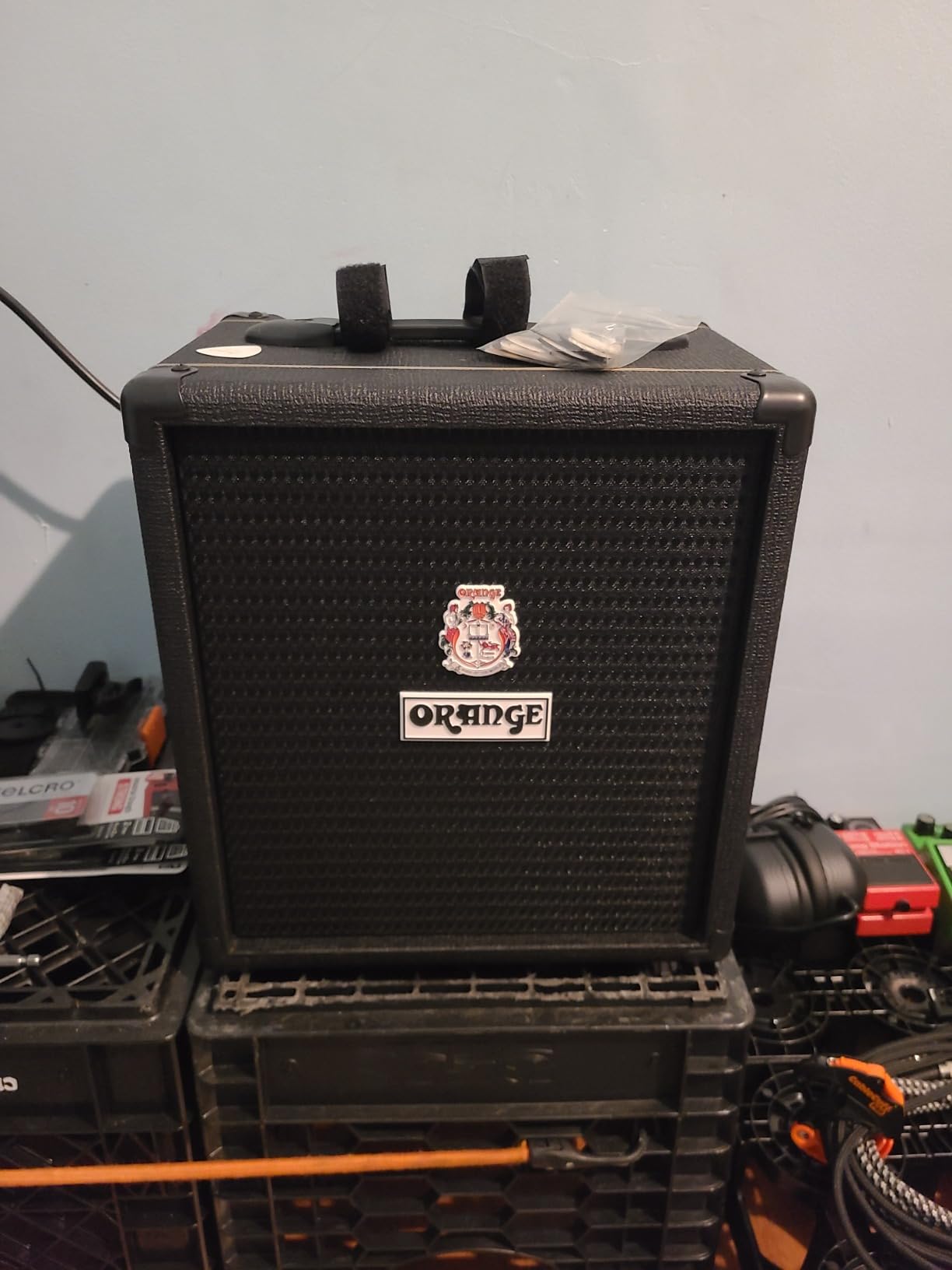
At 25 watts through an 8-inch speaker, this isn’t a gigging powerhouse, but that’s not the point. The Crush Bass 25 is designed for practice, recording, and small studio work, and it nails those applications. The classic Orange British bass tone comes through beautifully. I recorded several tracks through it and the results were warm, punchy, and full.
The aux input is handy for playing along with backing tracks during practice or recording. The 9.3 kg weight makes it easy to move around. Build quality is solid, with the iconic Orange vinyl covering and sturdy construction. The headphone output doubles as a line out for recording directly to an interface, which is a nice bonus.
For Whom It’s Good
The Crush Bass 25 is perfect for apartment dwellers, bedroom producers, and anyone who needs to record silently. If you live with family or neighbors and need to record at odd hours, this amp’s headphone output is a game-changer. It’s also great for beginners who want a quality practice amp that doubles as a recording tool. The compact size fits in any room.
For Whom It’s Bad
At 25 watts, this amp is not suitable for gigging with a loud band. If you play in a rock or metal band with a hard-hitting drummer, you’ll quickly outgrow this amp. The 8-inch speaker is also limited for recording purposes, though the cabsim headphone output helps compensate. Players needing more headroom should consider the Fender Rumble or BOSS Katana options.
6. Positive Grid Spark 40 – USB Recording Versatility
Positive Grid Spark 40-Watt Combo Practice Guitar Amplifier Electric Bass and Acoustic Guitar Amp with Spark Mobile App
40W combo amp with USB audio interface, app integration, ToneCloud access, and Smart Jam feature
Pros
- USB audio interface built in
- 50k+ amp presets via app
- Smart Jam and tuner
- Compact 40W combo
Cons
- App can be glitchy
- No balanced line out
- Some users find it bass-heavy
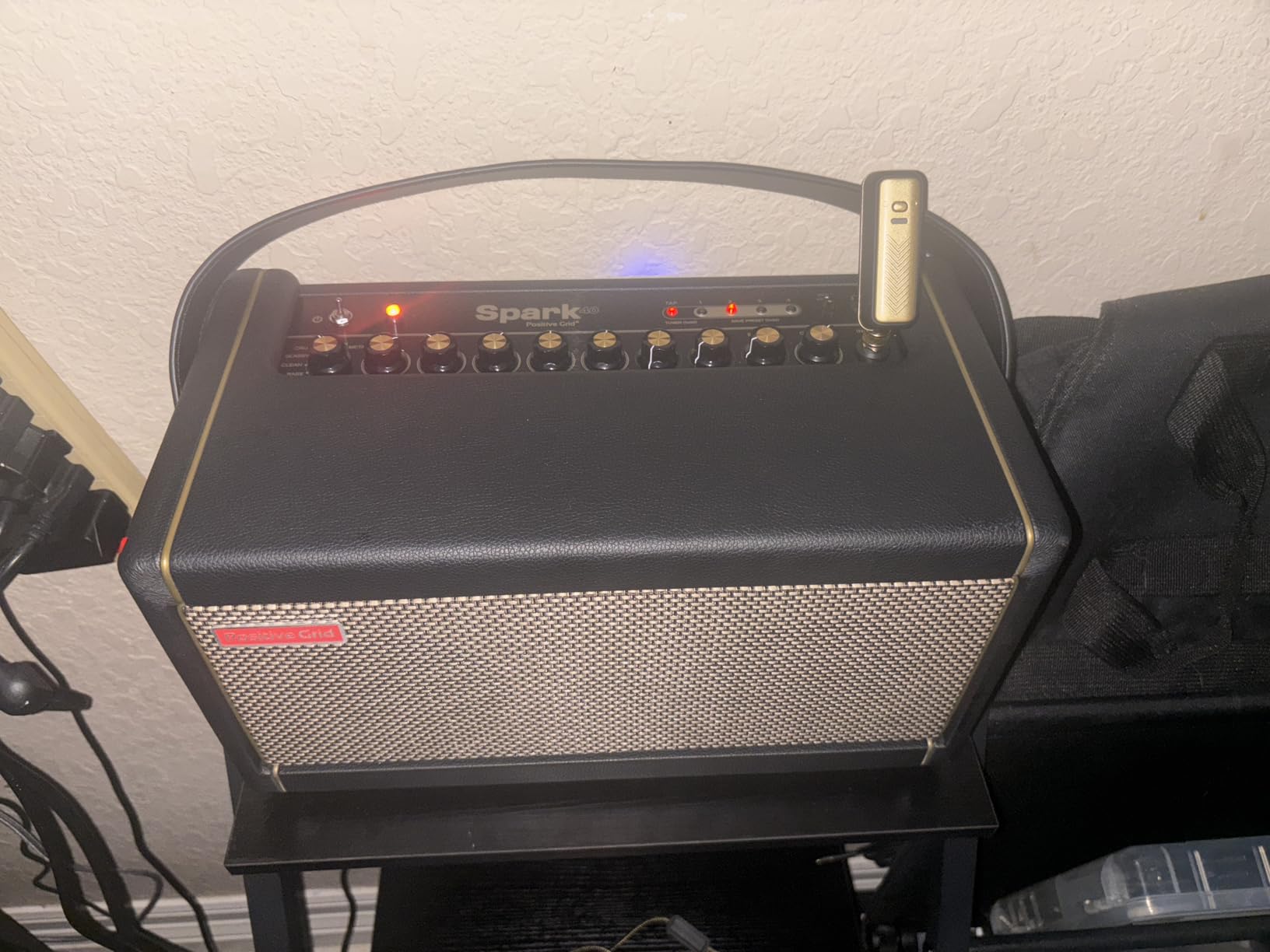
The Positive Grid Spark 40 is a completely different beast from traditional bass amps. With over 8,600 reviews, it’s one of the most popular practice amps on the market. What makes it special for recording is the built-in USB audio interface. I plugged the Spark directly into my laptop, opened my DAW, and was recording bass within minutes. No interface needed.
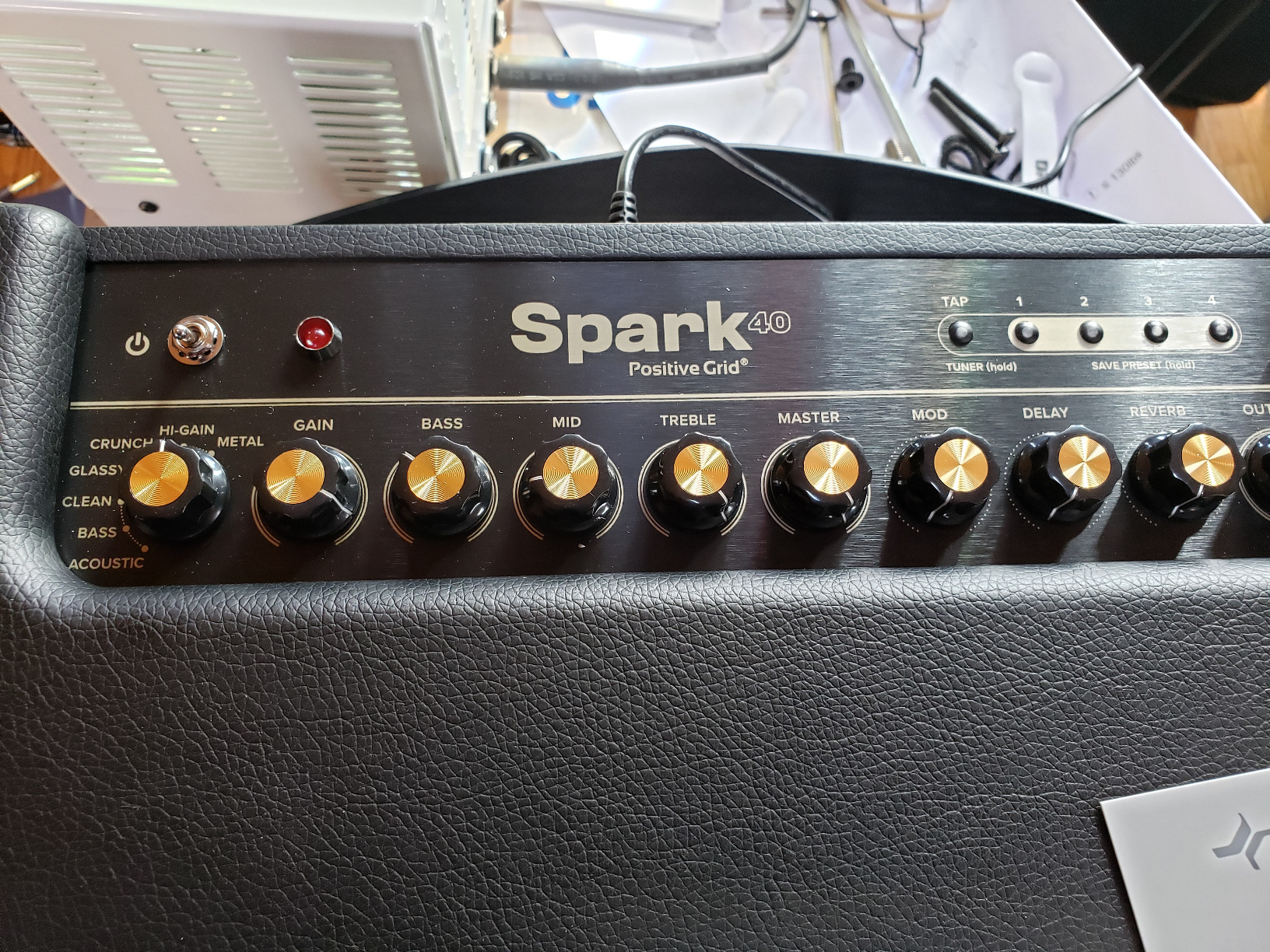
The app integration is where the Spark shines. You get access to 50,000+ amp-and-FX presets on ToneCloud, including dedicated bass amp models. The seven core amp modeling sounds (Acoustic, Bass, Clean, Glassy, Crunch, Hi-Gain, Metal) cover a wide range of tones. I used the Bass model for a funk session and got a round, warm tone that worked perfectly in the mix.
Smart Jam is a unique feature: it listens to your playing and generates a virtual bass and drum accompaniment. While this is more of a practice tool than a recording feature, it’s fun and useful for sketching out song ideas. The Spark also has built-in effects like delay, reverb, and modulation, which can add dimension to recorded bass tracks.
At 40 watts and 15.2 pounds, the Spark is portable and powerful enough for small gigs. The Bluetooth capability means you can stream backing tracks from your phone or laptop. The only downsides are the occasional app glitches and the lack of a balanced line out. For pure recording, the USB interface is the killer feature.
For Whom It’s Good
The Spark 40 is ideal for bedroom producers and home studio owners who want an all-in-one solution. If you don’t want to buy a separate audio interface, this amp has you covered. It’s also great for beginners who want a versatile practice tool with deep tone options via the app. The compact size makes it perfect for small spaces.
For Whom It’s Bad
Some users find the Spark’s bass response a bit heavy, which can muddy low-end-heavy recordings. The app dependency for full functionality means you need a stable internet connection and a compatible device. The lack of a balanced XLR output is a drawback for studio work. If you need professional-grade XLR DI, look at the Tech 21 or Orange options.
7. BOSS Katana-210 Bass – High-Power Performer
BOSS Katana-210 Bass Amplifier (KTN210B)
160W Class AB bass combo with two 10 inch woofers, tweeter, 4-band EQ, and six memory slots
Pros
- 160W Class AB power
- Two 10 inch woofers plus tweeter
- Comprehensive 4-band EQ
- USB and XLR outputs
Cons
- Fuzzy sound at high volumes
- Heavier at 20 pounds
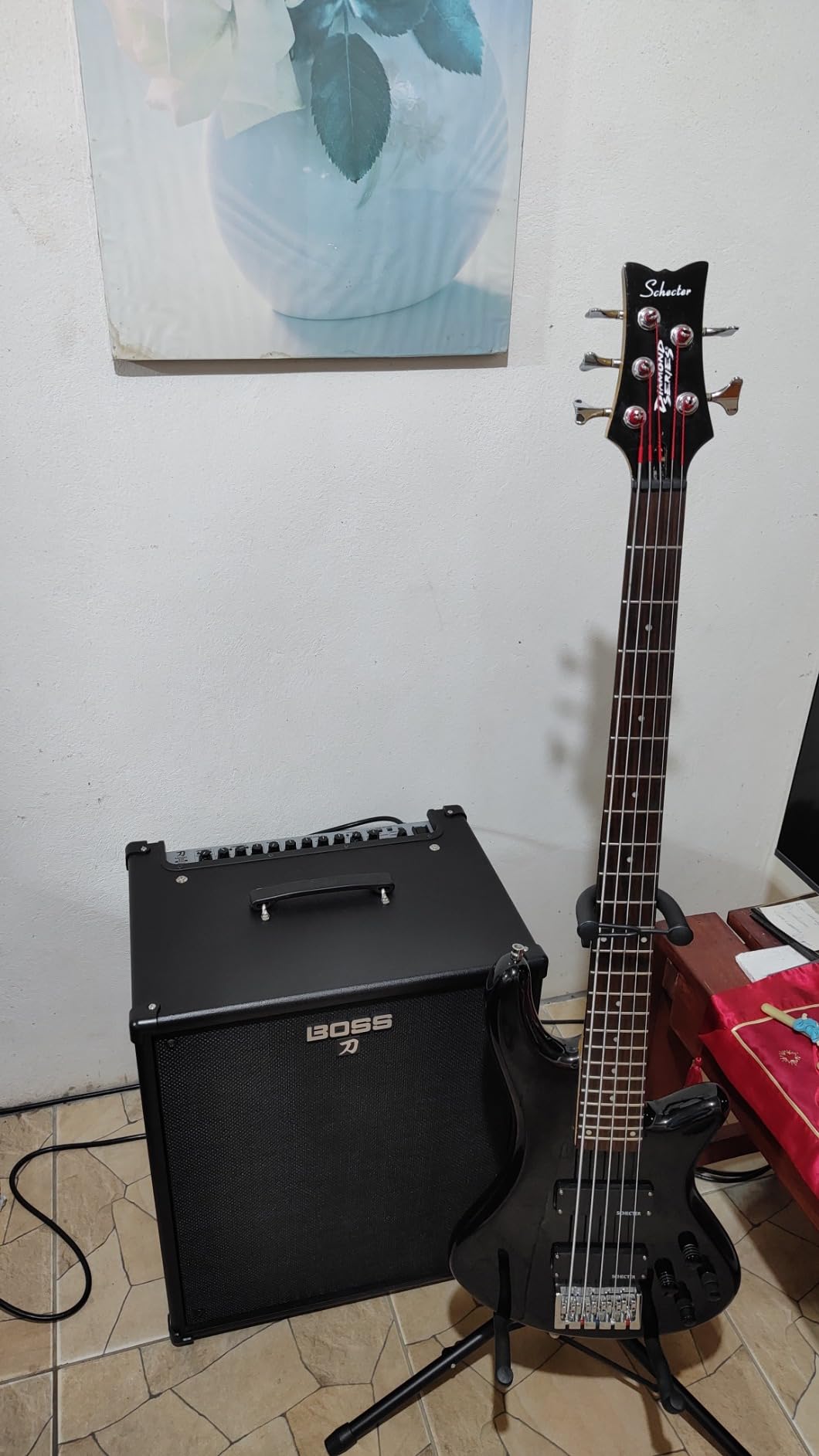
The BOSS Katana-210 Bass is the high-power option in this roundup, pushing 160 watts through dual 10-inch woofers and a high-frequency tweeter. This is the amp for bassists who need serious volume and clean headroom. I tested it alongside a loud drummer, and the Katana-210 kept up without breaking a sweat. The punch and clarity at high volumes are impressive.
For recording, the four-band EQ with selectable low and high-mid frequency controls gives you precise tone shaping. I dialed in a tight rock bass tone, captured it via the XLR output, and it sounded massive. The Studio-inspired Blend section lets you mix the dry signal with the amp’s processed tone for extra clarity. The Shape switch with three tone characters is great for quickly changing vibes between songs.
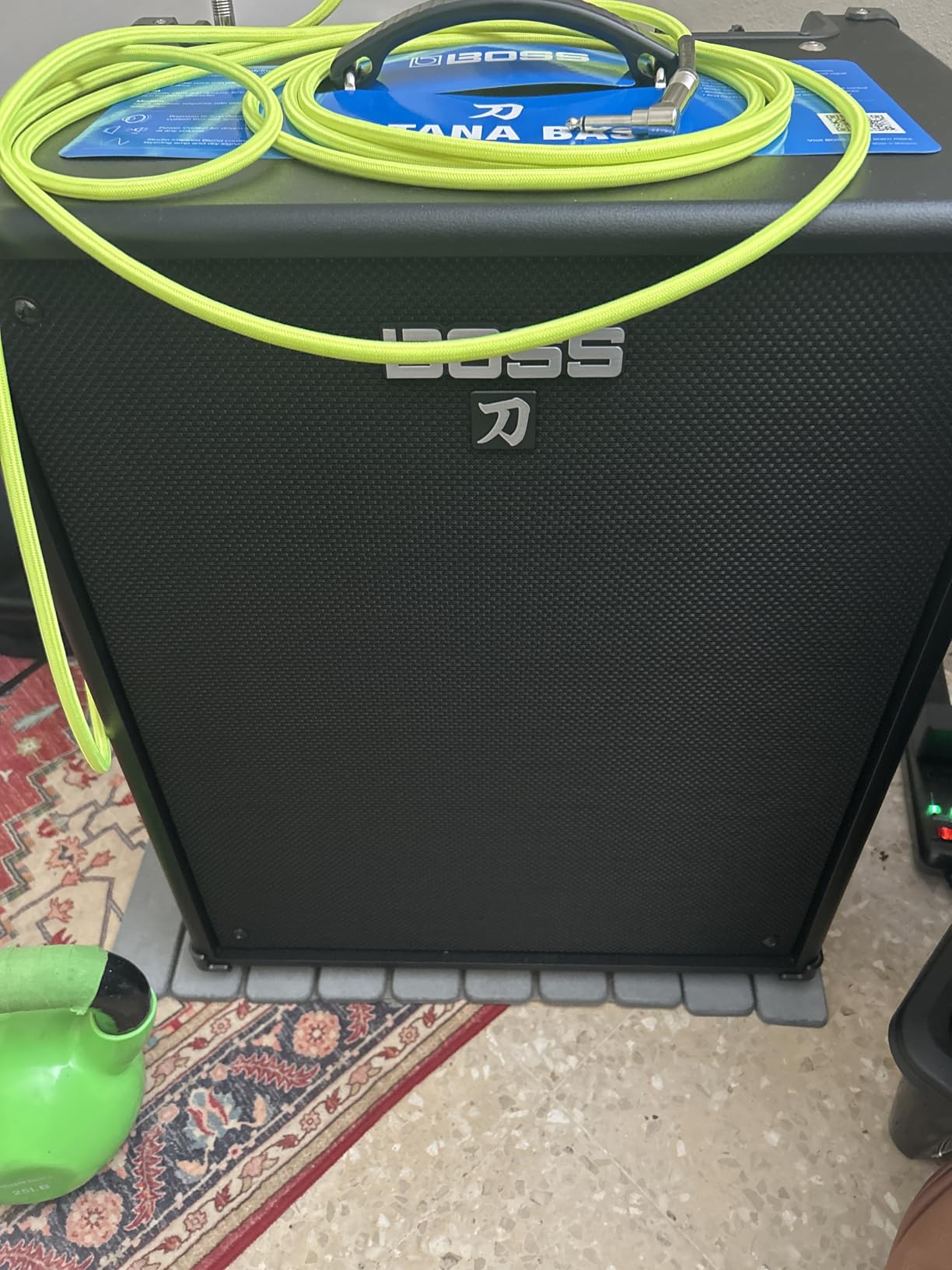
The six memory slots for storing presets are a recording studio’s best friend. I set up different tones for verse and chorus sections, then recalled them quickly during tracking. The four independent effect sections (compressor, drive, FX1, FX2) cover everything you need for finished bass tracks. The Power Control feature lets you get cranked-amp tones at lower volumes, which is perfect for late-night recording sessions.
Build quality is rock solid, with BOSS’s typical road-ready construction. At 20 pounds, it’s portable for a 160W combo. The only downsides are occasional reports of fuzzy sound at the highest volumes and the lack of Prime shipping. The Tone Studio editor software adds deep customization for recording setups.
For Whom It’s Good
The Katana-210 is best for gigging bassists who also record at home. If you need an amp that can handle a loud band on stage and then transition to your home studio for recording, this is a strong choice. The comprehensive effects and EQ make it suitable for any genre. The memory slots and Tone Studio integration are excellent for serious recording work.
For Whom It’s Bad
Some users have reported the amp getting a bit fuzzy at maximum volume, which could be an issue for very loud gigs. At 20 pounds, it’s heavier than the Class-D options on this list. The lack of Prime shipping is a minor inconvenience. If you don’t need 160 watts of power, the smaller Katana-110 is a better value.
8. BOSS Katana-110 Bass – Value Combo Champion
BOSS Katana-110 Bass Amplifier (KTN110B)
60W Class AB bass combo with 10 inch speaker, 4-band EQ, USB/XLR outputs, and BOSS Tone Studio
Pros
- 60W plenty loud for practice and small gigs
- Great built-in BOSS effects
- USB and XLR with cab emulation
- 4-band EQ
Cons
- Heavier at 42.5 pounds
- Limited stock
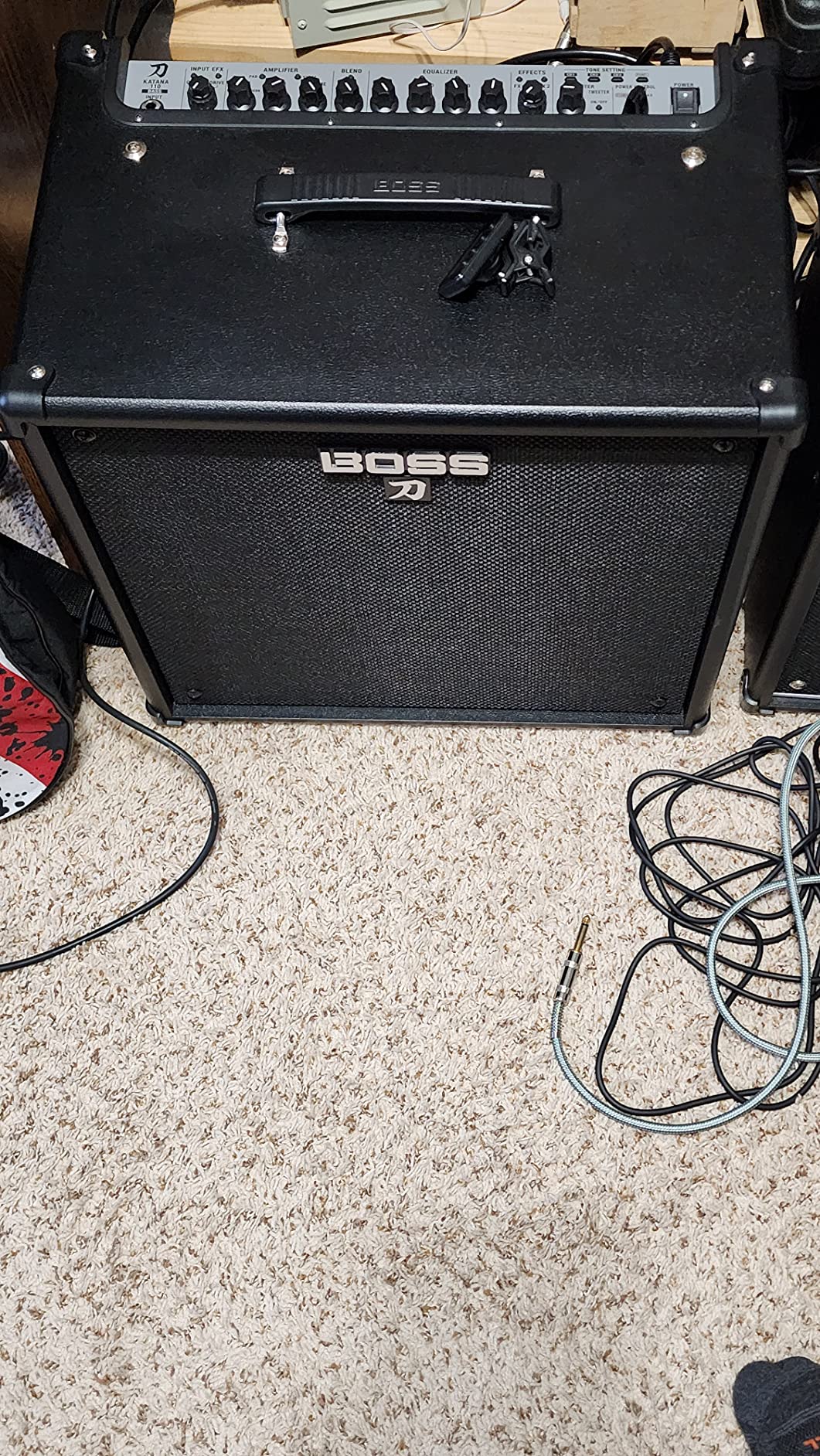
The BOSS Katana-110 Bass is my pick for the best value combo amp for recording. At 60 watts through a 10-inch speaker, it has enough power for small gigs and plenty of clean headroom for recording. The Class AB power amp delivers a punchy, full tone that works for rock, pop, funk, and more. I recorded several tracks through it and was impressed by the clarity and depth.
The four-band EQ with selectable low and high-mid frequencies gives you serious tone control. The Shape switch with three characters (mid scoop, bright, extended range) covers the most common tonal needs. The built-in effects (compressor, drive, FX1, FX2) are classic BOSS quality, and the Blend section lets you mix in dry signal for extra clarity in recordings.
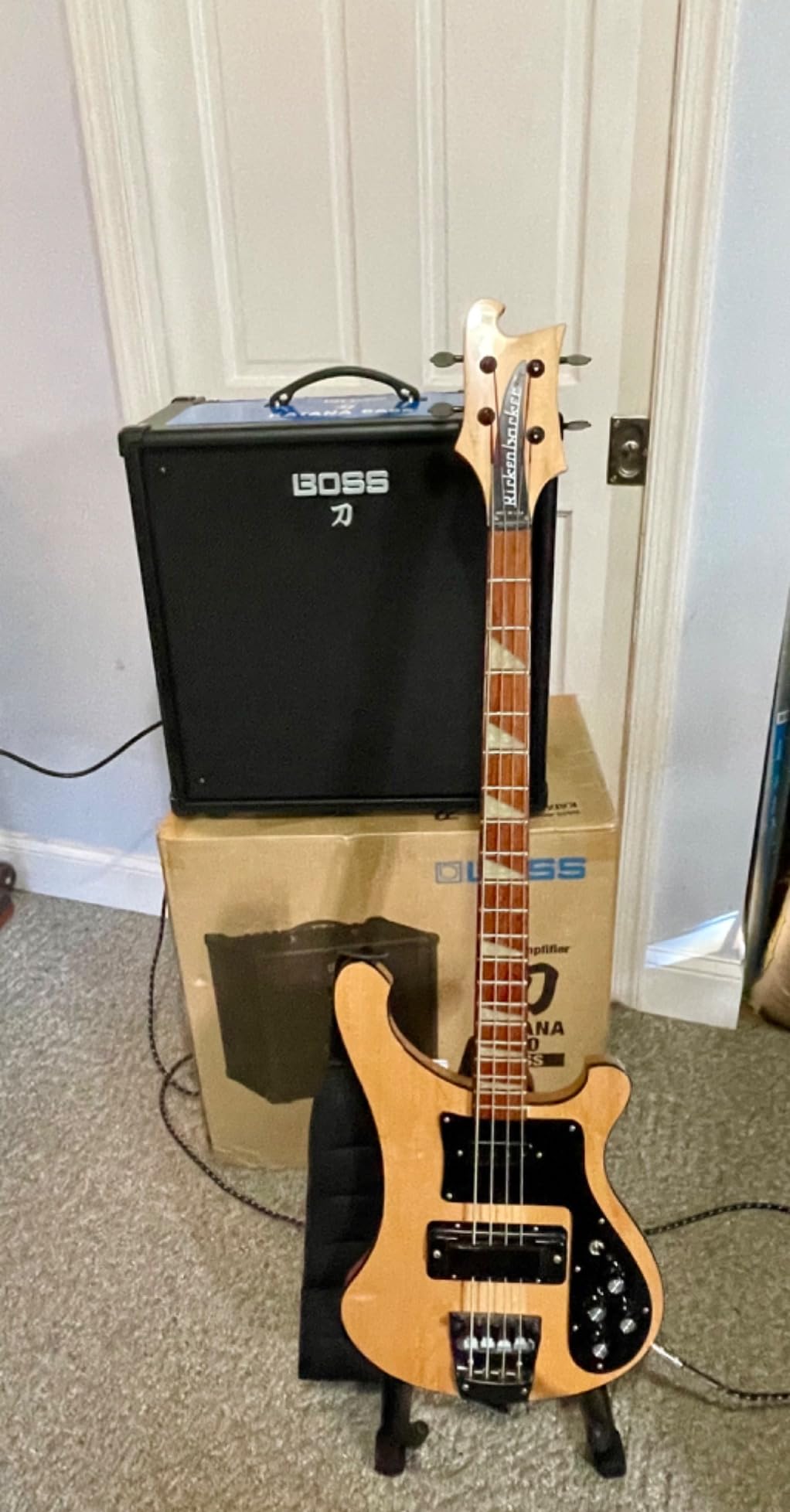
For recording, the USB and XLR outputs with mic’d cabinet emulation are standout features. I recorded bass tracks both ways: through the USB into my DAW and via the XLR into my interface. Both methods delivered professional-quality results. The six memory slots let you save and recall favorite sounds, which is a real time-saver during sessions.
The BOSS Tone Studio editor for macOS and Windows is a powerful tool for deep sound design. You can tweak every parameter of the amp and effects, then save your presets. At 42.5 pounds, it’s heavier than the Class-D options, but that’s typical for a 60W bass combo with a 10-inch speaker.
For Whom It’s Good
The Katana-110 is perfect for bassists who want a versatile amp that handles both practice and small gigs while doubling as a recording tool. If you need quality BOSS effects, multiple outputs for recording, and a reasonable price, this amp delivers. It’s also a great choice for bass teachers who need a reliable, all-purpose amp with deep tone control.
For Whom It’s Bad
At 42.5 pounds, this is one of the heavier options on the list. If portability is your top priority, the Class-D options like the Fender Rumble 100 or Positive Grid Spark are lighter. Stock can be limited, so check availability. If you need more power for larger gigs, consider the Katana-210 instead.
How to Choose the Best Bass Amp for Recording
Choosing the right bass amp for recording comes down to understanding what features matter most in a studio environment. After testing all eight amps in this roundup, I’ve identified the key factors that separate a good recording amp from a great one.
DI Output Quality and Type
The most important feature for any recording-focused bass amp is a quality DI (Direct Input) output. A DI lets you send the bass signal directly to your audio interface or mixing console without needing a microphone. Look for XLR balanced outputs for the cleanest signal. The Tech 21 SansAmp pedals and the BOSS Katana amps all have excellent DI options.
Some amps, like the Orange Crush Bass 25 and Positive Grid Spark 40, offer DI through their headphone outputs or USB connections. While these work, they may not be as clean as a dedicated XLR DI. For professional studio work, a balanced XLR output is still the gold standard.
Headroom and Wattage
Headroom refers to how clean the amp sounds before distorting. For recording, more headroom is better because it gives you a clean signal to work with in the mix. The Fender Rumble 100 V3 and BOSS Katana-210 both offer plenty of headroom for recording purposes.
You don’t need massive wattage for home recording. Even 25 watts is enough if you’re recording close-mic’d or using the DI. The most important thing is that the amp stays clean at the volume you’re using. Class-D amps like the Rumble series and Spark 40 deliver more headroom per watt than older designs.
Silent Recording Capability
If you live in an apartment or share your home with others, silent recording is essential. The Orange Crush Bass 25 stands out here with its cabsim-loaded headphone output, which gives you a realistic amp tone through headphones. The Positive Grid Spark 40 also offers silent practice through headphones and USB recording.
For truly silent recording, consider a dedicated DI pedal like the Tech 21 SansAmp Bass Driver DI V2. These pedals don’t need a speaker at all. You can record bass at 2 AM without disturbing anyone, and the tone is still professional quality.
EQ and Tone Shaping
A flexible EQ section is critical for recording. Look for at least a 3-band EQ with a parametric or semi-parametric mid control. The BOSS Katana amps offer 4-band EQ with selectable frequencies, which is even better. The more EQ options you have, the less you’ll need to do in post-production.
Some amps include built-in effects like compression and overdrive, which can be useful for tracking. The BOSS Katana series and Positive Grid Spark 40 both have comprehensive effects sections. Just remember that you can always add effects later in your DAW, so a clean tone with good EQ flexibility is the foundation.
Build Quality and Reliability
A recording amp that breaks down mid-session is a disaster. Look for amps with solid build quality and good warranty coverage. Fender offers a 5-year limited warranty on the Rumble series. Tech 21 offers 2-year warranties on their SansAmp products. BOSS products are generally built like tanks.
If you plan to gig with the same amp you record with, durability is even more important. Metal chassis, sturdy knobs, and quality components are all signs of an amp that will last. Read user reviews to identify any common reliability issues before committing.
Genre and Playing Style Considerations
Different genres call for different amp features. Rock and metal players often need higher wattage and overdrive capability. The BOSS Katana-210 and Tech 21 SansAmp Bass Driver DI V2 both excel at aggressive tones. Jazz and funk players typically want clean, articulate tones with strong mid control, which the Orange Crush Bass 25 and Fender Rumble 100 V3 deliver well.
If you play multiple genres, look for an amp with multiple voicings or memory slots. The BOSS Katana series has six memory slots per channel, which is perfect for switching between songs with different tonal needs. The Fender Rumble’s switchable contour controls also help you adapt quickly.
Frequently Asked Questions
What is the best amp for recording bass guitar?
The best amp for recording bass guitar depends on your setup, but the Tech 21 SansAmp Bass Driver DI V2 and Fender Rumble 100 V3 are top choices. The SansAmp Bass Driver DI V2 is ideal for direct recording thanks to its excellent cabinet emulation and XLR output. For a combo amp that handles both live and studio work, the Fender Rumble 100 V3 offers clean headroom, a quality XLR DI, and classic Fender tone in a lightweight package.
Can I record bass direct without an amp?
Yes, you can record bass direct without an amp using a DI box or a DI pedal like the Tech 21 SansAmp Bass Driver DI V2. This approach gives you a clean, full-frequency signal that you can process later. Many professional engineers record both a DI track and an amp track simultaneously, then blend them for the perfect tone. The DI track adds clarity and low-end punch, while the amp track adds warmth and character.
What wattage bass amp do I need for home recording?
For home recording, 25 to 100 watts is plenty. The key is clean headroom rather than raw power. Even a 25W amp like the Orange Crush Bass 25 can deliver professional recording results when used with the cabsim headphone output or DI. If you also plan to gig with the amp, consider going up to 60-100 watts for more versatility. The BOSS Katana-110 (60W) and Fender Rumble 100 V3 (100W) are great all-rounders.
Do I need a bass amp with DI output for recording?
A DI output is highly recommended for recording bass, but not strictly required. You can record bass by miking a speaker cabinet, but a DI output gives you a cleaner, more flexible signal. Most modern bass amps include some form of DI, whether it’s a dedicated XLR output, a headphone jack with cab simulation, or a USB connection. For the best results, look for a balanced XLR DI output that lets you connect directly to your audio interface.
How do I record bass in a home studio?
To record bass in a home studio, connect your bass to an amp or DI pedal, then route the signal to your audio interface. Use the XLR DI output if available for the cleanest signal. Record both a DI track and an amp track if possible, then blend them in your DAW. Use closed-back headphones to monitor and avoid microphone bleed. Popular interfaces for bass recording include the Focusrite Scarlett 2i2, Universal Audio Volt series, and PreSonus AudioBox.
Final Verdict
After testing all eight options extensively, here are my final recommendations for the best bass amps for recording. For most home studio owners, the Fender Rumble 100 V3 is the best overall choice, offering clean headroom, a quality XLR DI, and classic tone in a portable package. If your focus is purely direct recording, the Tech 21 SansAmp Bass Driver DI V2 is the industry standard for a reason.
For those on a budget or working in tight spaces, the Orange Crush Bass 25 delivers the best silent recording experience with its cabsim headphone output. Bedroom producers who want an all-in-one solution should consider the Positive Grid Spark 40 with its built-in USB audio interface. The BOSS Katana series offers great value if you need more power and effects, and the Tech 21 RBI is the choice for serious studio owners building a rack-based setup.
No matter which amp you choose from this list, you’ll be getting a tool that helps you capture professional bass tone in your home studio. Investing in the right recording amp pays off in every track you produce. Get the right best bass amps for recording, and your mixes will thank you for years to come.