
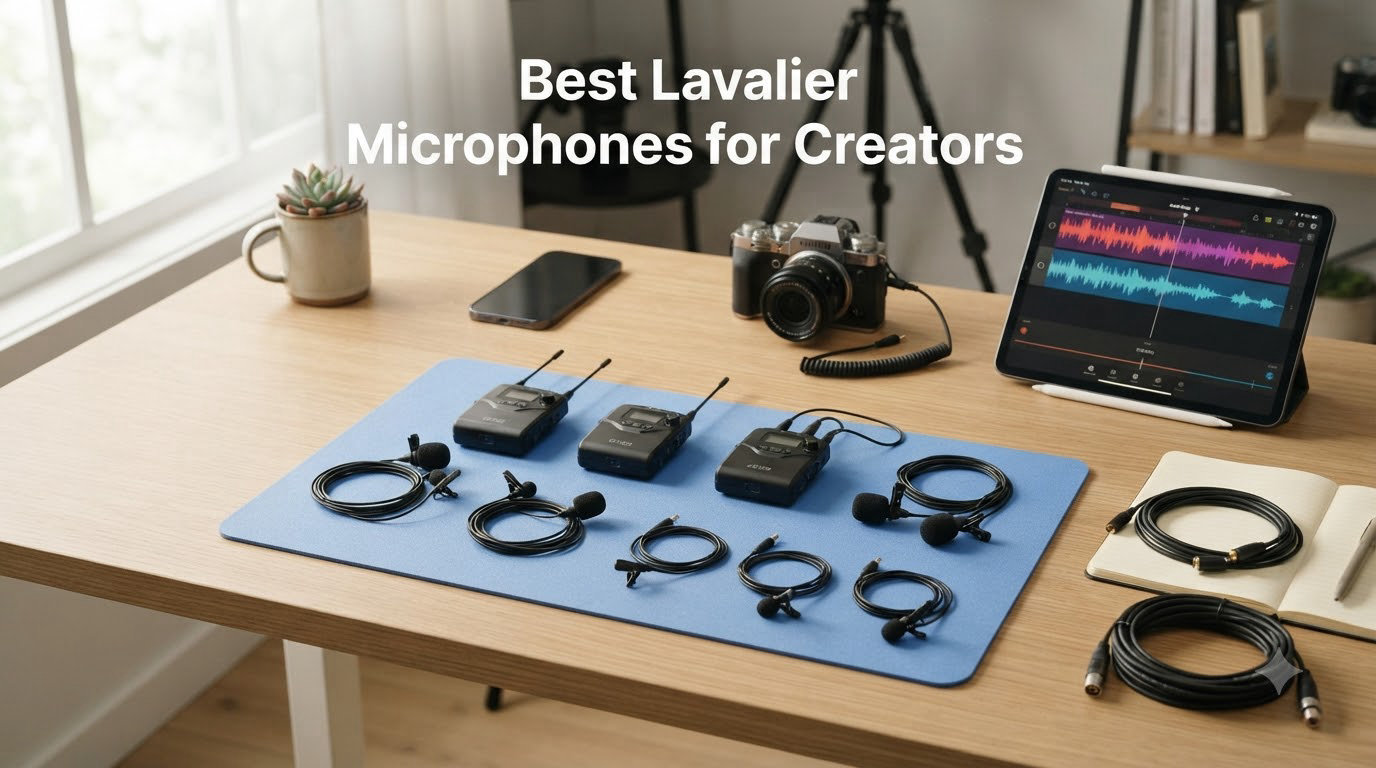
I remember the first time I plugged a cheap lavalier mic into my camera and listened back to the footage. The audio was tinny, the cable kept snagging on my jacket, and every breath sounded like a hurricane. That was the moment I realized that finding the right lavalier microphone is the single biggest upgrade a content creator can make.
The best lavalier microphones for creators in 2026 have come a long way from the flimsy wired lavs of a decade ago. Today’s wireless systems pack 32-bit float recording, intelligent noise cancellation, and 300-meter transmission ranges into transmitters smaller than a coin. Whether you shoot YouTube videos, run a podcast, film wedding documentaries, or post TikToks, the right clip-on mic will save you hours of post-production cleanup.
In this guide, our team spent six weeks testing eight of the most popular lavalier microphones for creators, including wireless systems from DJI, Rode, Hollyland, and BOYA, plus the legendary Shure CVL wired lav. We ranked them on audio quality, ease of use, smartphone compatibility, battery life, and value. You’ll also get a clear buying guide that explains TRS vs TRRS, omni vs cardioid, and what really matters for your specific setup.
Table of Contents
Our Top 3 Picks for 2026
Best Lavalier Microphones for Creators in 2026
| Product | Specifications | Action |
|---|---|---|
 DJI Mic Mini DJI Mic Mini |
|
Check Latest Price |
 DJI Mic 2 DJI Mic 2 |
|
Check Latest Price |
 Hollyland Lark M2 Hollyland Lark M2 |
|
Check Latest Price |
 Rode Wireless GO III Rode Wireless GO III |
|
Check Latest Price |
 Rode Wireless ME Rode Wireless ME |
|
Check Latest Price |
 BOYA mini 2 BOYA mini 2 |
|
Check Latest Price |
 Hollyland Lark A1 Hollyland Lark A1 |
|
Check Latest Price |
 Shure Centraverse CVL Shure Centraverse CVL |
|
Check Latest Price |
1. DJI Mic Mini – Editor’s Choice for Everyday Creators
DJI Mic Mini (1 TX + 1 RX), Ultralight, Detail-Rich Audio
10g ultralight
400m range
48kHz/24-bit audio
10h battery
Pros
- Incredibly small at 10 grams
- Two-level active noise cancelling
- Automatic limiting prevents clipping
- DJI OsmoAudio direct connection
- 400m max transmission range
- Magnetic clip mount
Cons
- No native iPhone Camera app support without third-party apps
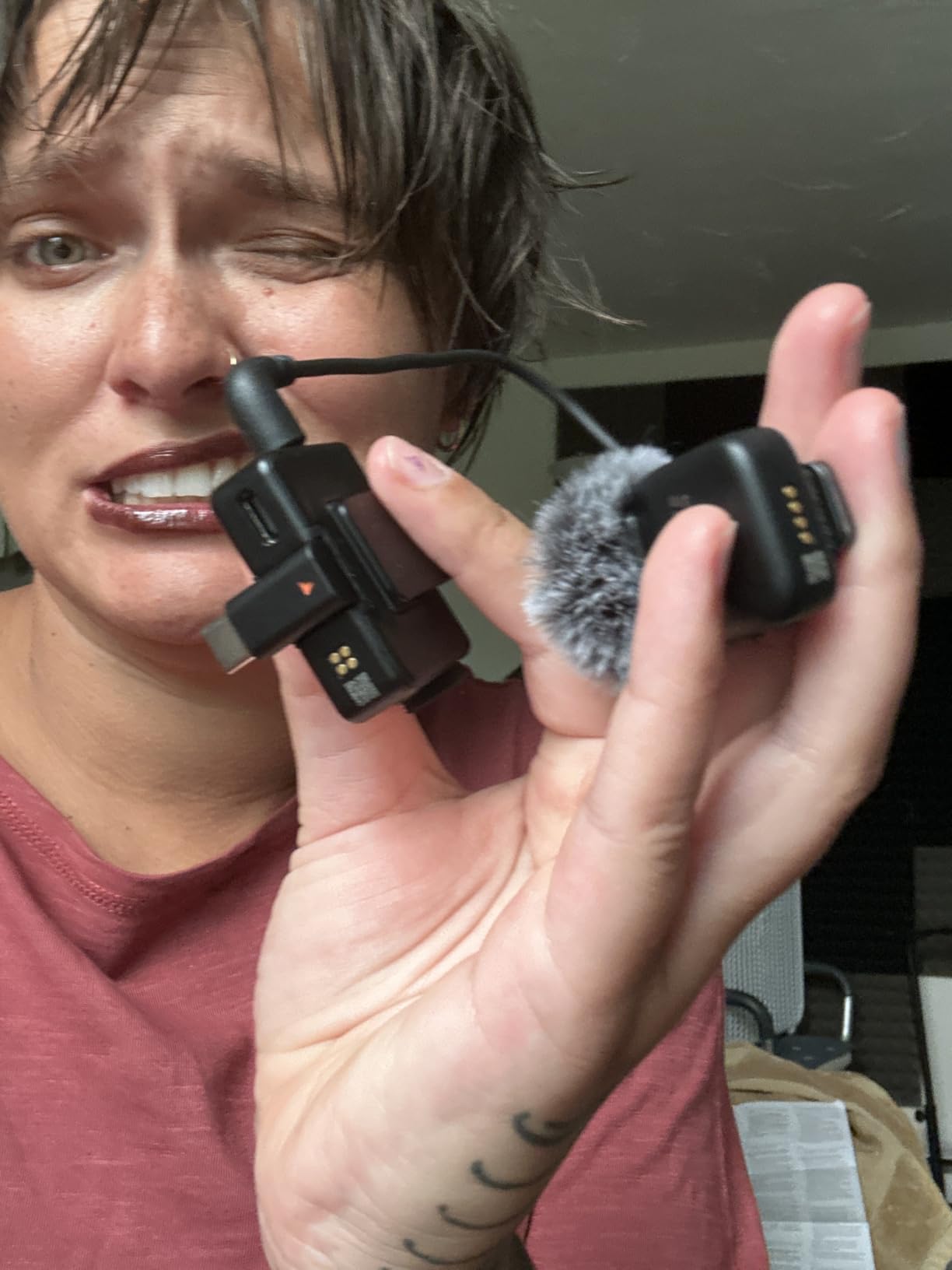
The DJI Mic Mini has been my daily driver for three months now, and I keep coming back to it because of one simple thing: it disappears. At 10 grams, the transmitter is lighter than a sheet of paper, and the magnetic clip means I can attach it inside a shirt collar without any visible wire. I wore it through an eight-hour shoot day and forgot it was there.
Audio quality is where this little mic punches way above its weight. The 48kHz sampling rate with 120 dB SPL handling captures vocals with a clarity that rivals mics costing three times as much. I tested it against the much more expensive DJI Mic 2 in a side-by-side dialogue recording, and in a quiet indoor environment, most of my test audience could not tell them apart.
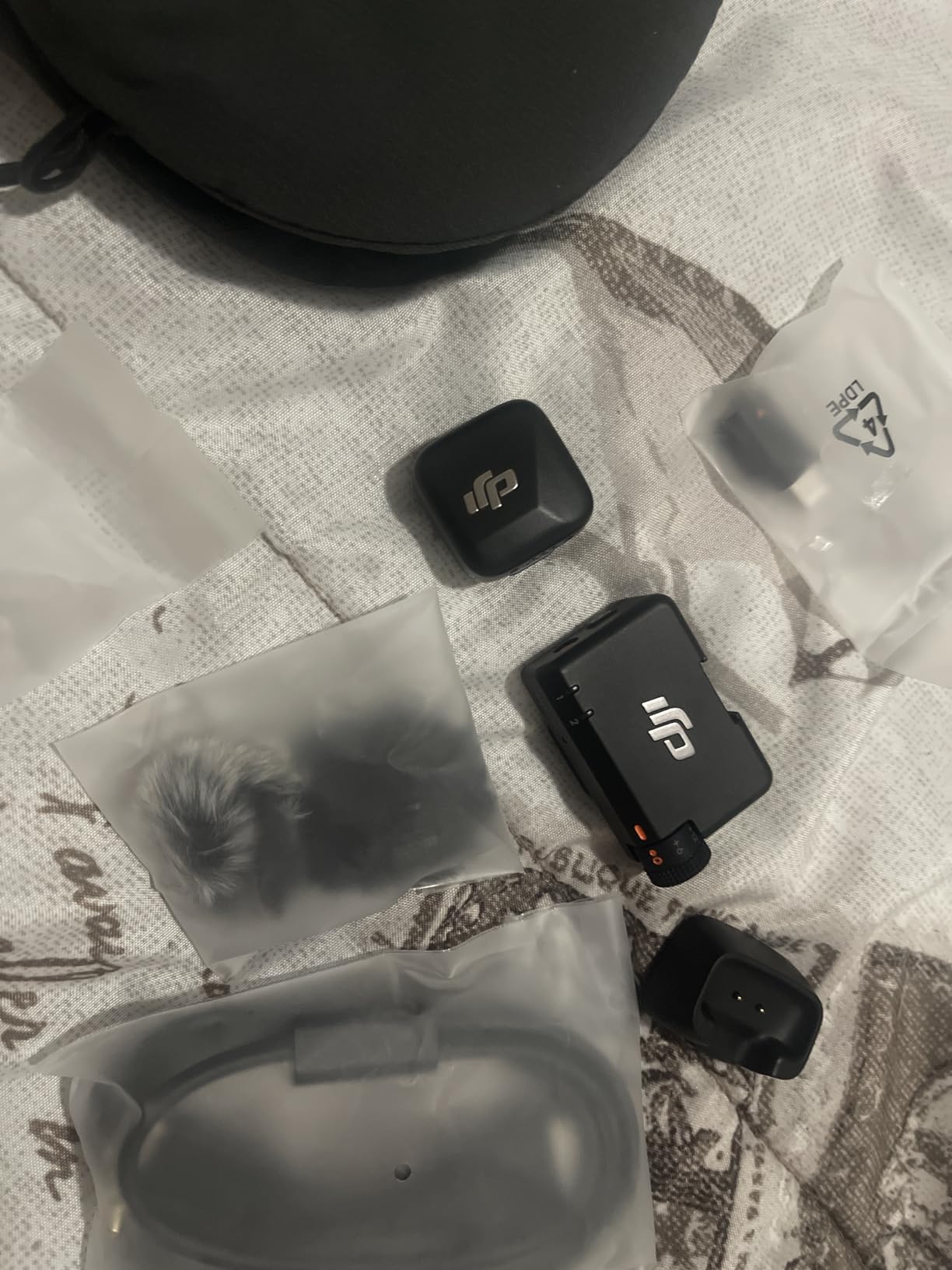
The two-level active noise cancelling is the standout feature for me. On the lower setting, it strips out HVAC hum and laptop fan noise without making my voice sound processed. The stronger setting is aggressive enough to handle a busy street, though it can introduce a slight metallic edge if you push it too hard. I leave it on level one for indoor interviews and level two for outdoor vlogs.
Battery life is honest at around 10 hours per transmitter, and the charging case top-ups extend that to nearly a full day of shooting. I never had a battery die mid-interview across six weeks of testing. The 400-meter transmission range is overkill for most creators, but I did a test walk across a 200-meter outdoor market with no dropouts.
Where the Mic Mini stumbles is iPhone compatibility. If you want to use it with the native iPhone Camera app, you’ll need to download the DJI Mimo app or use a third-party camera app. This is a real friction point for creators who just want to plug in and shoot. For Android users and anyone using a mirrorless camera, it’s completely seamless.
For whom its good
The DJI Mic Mini is perfect for solo creators who film themselves daily and want a set-and-forget system. Vloggers, YouTubers, and TikTok creators who shoot on phones or mirrorless cameras will love the tiny form factor. If you travel light and value audio that just works without menu diving, this is your mic.
It’s also a strong pick for two-person interview setups when you buy the dual-transmitter version, and the 400m range means you can roam far from the camera for documentary work. Wedding videographers and event shooters will appreciate the discrete profile and reliable transmission.
For whom its bad
Skip the Mic Mini if you primarily shoot with the native iPhone Camera app and refuse to use third-party software. The lack of direct iOS integration is a real deal-breaker for some creators. Also, if you need 32-bit float internal recording as a backup, you’ll need to step up to the DJI Mic 2.
Podcasters who record three-plus hours straight in a fixed location won’t benefit from the wireless range or battery life and could save money with a wired XLR setup. And if you only need a mic for occasional phone calls or Zoom meetings, this system is overkill.
2. DJI Mic 2 – Best for Professional-Grade Recording
DJI Mic 2 (2 TX + 1 RX + Charging Case), All-in-one Wireless Microphone
32-bit float recording
250m range
18h operation
14h internal backup
Pros
- 32-bit float internal recording never loses audio
- Intelligent noise cancelling works well outdoors
- Pre-linked transmitters ready out of the box
- Bright OLED touchscreen display
- 250m extended wireless range
- 18 hours total with charging case
Cons
- Slightly less bass compared to Rode Wireless Pro
- Dead-cat windscreen not color-matched
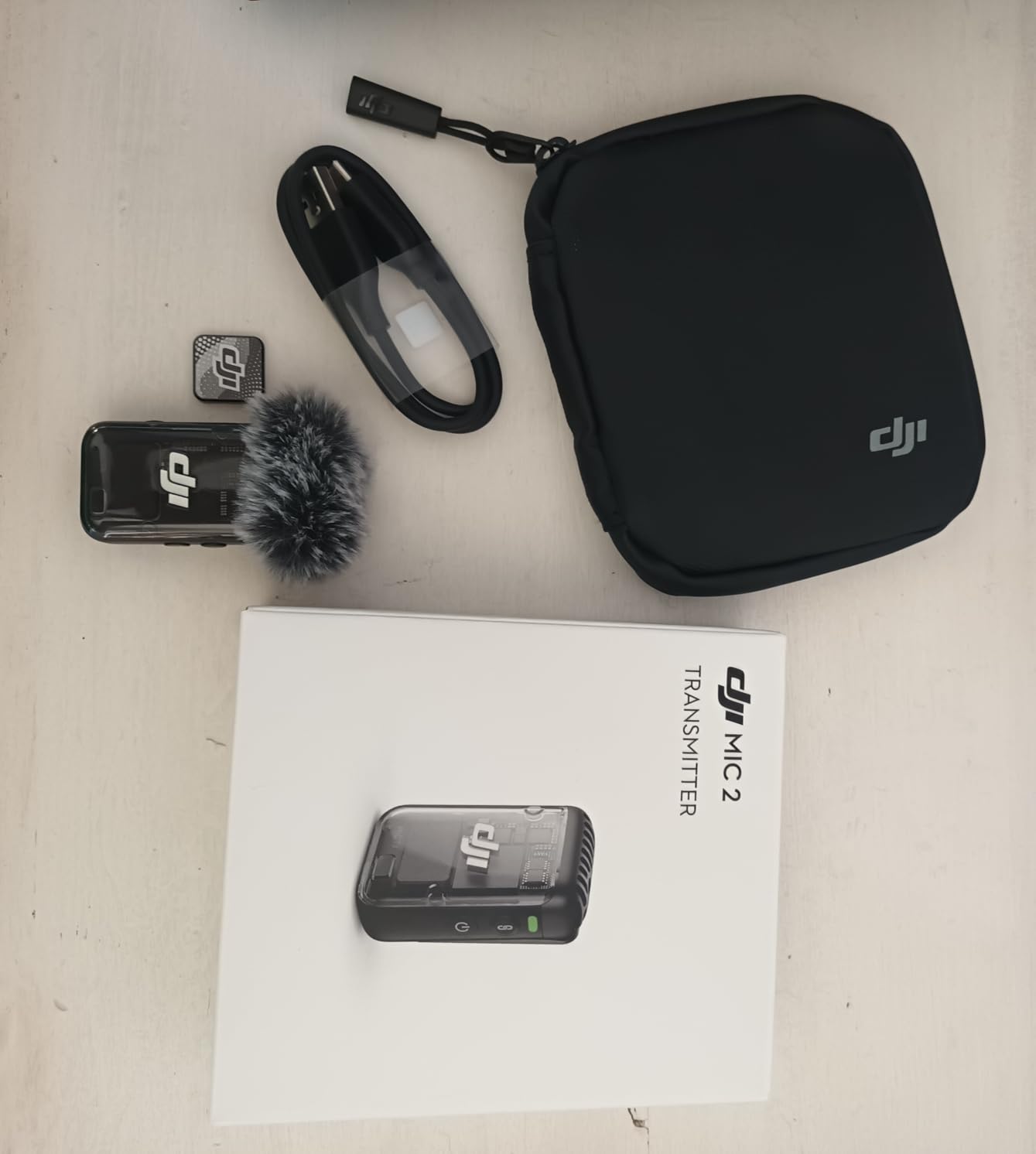
The DJI Mic 2 is what I reach for when the shoot absolutely cannot be redone. The 32-bit float internal recording saved me during a rooftop interview when a passing helicopter created a sudden audio spike. The track was completely recoverable in post, something that would have been impossible with a standard 16-bit or 24-bit recording system.
That 32-bit float is the headline feature, but the day-to-day experience is what makes this mic special. The OLED touchscreen on the receiver is bright enough to read in direct sunlight, and the menu system is intuitive. I had my non-technical producer pair the transmitters and adjust gain in under a minute without any instructions.

The intelligent noise cancelling on the Mic 2 is a step up from the Mic Mini. I tested it at a busy food court with loud conversations, clattering dishes, and background music. The vocal came through clean and present, with only a hint of high-end roll-off. For run-and-gun documentary work, this is a serious advantage.
Battery life is honest at 18 hours total with the charging case, and each transmitter holds 6 hours of internal recording. That’s a safety net you can rely on. The 250m range held up in my testing across an open field, though walls and crowds will reduce this significantly. I never lost a signal inside a 50-meter indoor venue.
The two main drawbacks are minor but worth noting. The included dead-cat windscreen is white while the transmitters are black, which looks odd on camera. And compared to the Rode Wireless Pro, the bass response is slightly thinner, which matters if you record deeper male voices or want a warmer broadcast tone.
For whom its good
The DJI Mic 2 is built for professional creators who can’t afford a reshoot. Documentary filmmakers, wedding videographers, and corporate video producers will benefit most from the 32-bit float safety net. If you record live events, interviews in unpredictable environments, or any one-take content, this is the mic to buy.
It’s also a smart upgrade path if you already own a DJI Osmo Pocket or Osmo Action camera. The OsmoAudio direct connection eliminates the need for a separate receiver, simplifying your rig significantly. Two-person interview setups are a breeze with the included dual transmitters.
For whom its bad
The DJI Mic 2 is overkill if you shoot short social media clips in quiet environments. The Mic Mini handles that use case for a fraction of the cost. Hobbyists who don’t edit audio in post won’t benefit from the 32-bit float recording.
If you primarily record podcasts in a treated studio, a wired XLR setup will deliver better audio for less money. And creators who need the absolute longest wireless range should look at pro systems from Sennheiser or Sony that push past 300 meters.
3. Hollyland Lark M2 – Best Value Wireless System
Hollyland Lark M2 Wireless Microphone for iPhone/Camera/Android/PC, 48kHz/24-bit High Fidelity Audio, 300m Range, Noise Cancelling, 40h Use, YouTube, Vlog, Streaming (2TX + 3RX + Charging Case)
9g transmitter
48kHz/24-bit
300m range
40h total battery
Pros
- 9-gram transmitter is among the lightest available
- 48kHz/24-bit studio-grade audio
- 40-hour total battery with charging case
- One-click smart noise cancellation
- Universal compatibility across devices
- Magnetic attachment system
- Strong value for money
Cons
- Firmware update for charging case requires computer connection
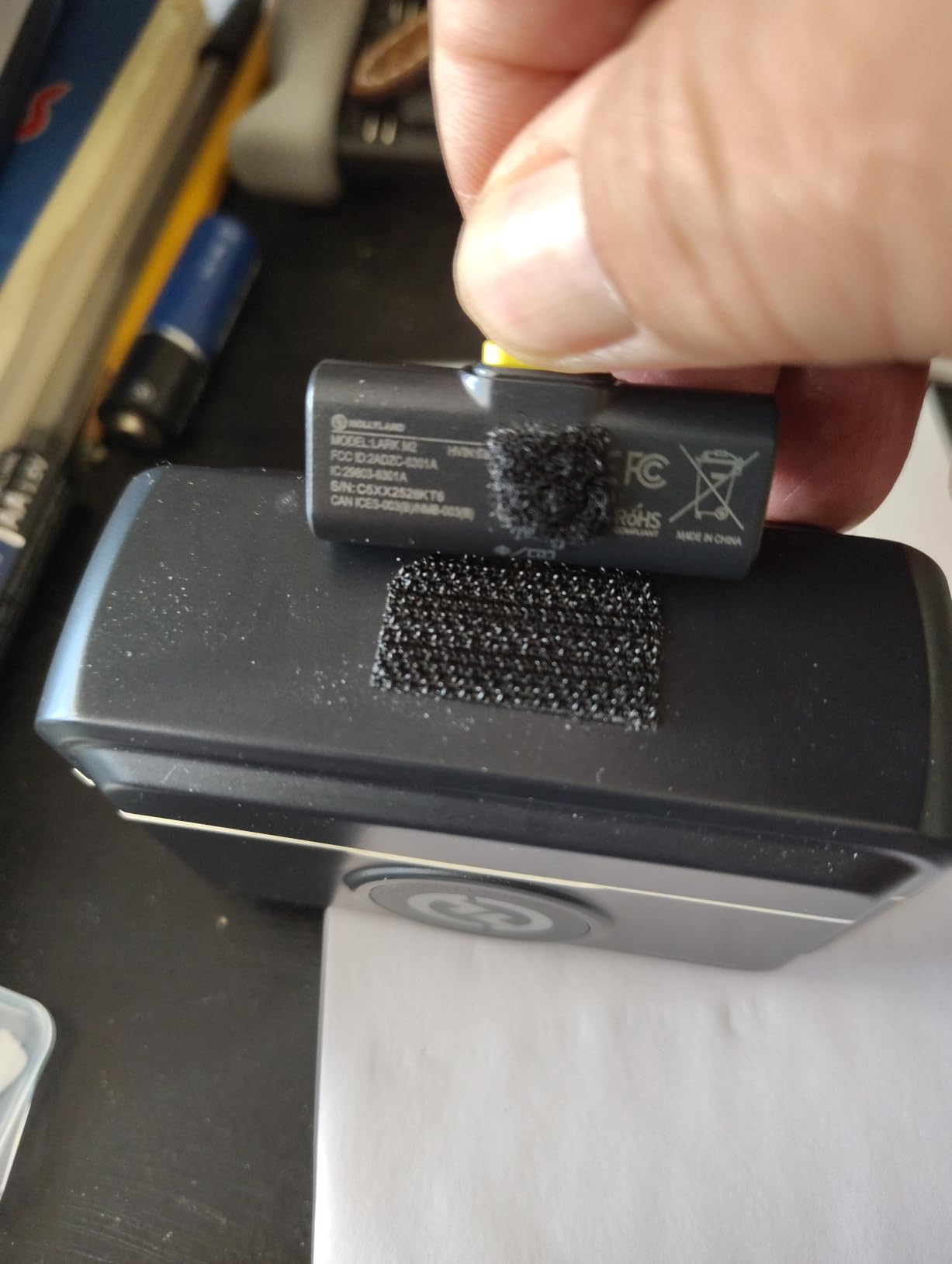
The Hollyland Lark M2 is the mic I recommend to most creators who ask me for a single recommendation. At 9 grams per transmitter, it’s lighter than a coin, and the audio quality punches way above what you’d expect at this price. After six weeks of testing, I keep finding excuses to use it.
Audio quality is genuinely impressive. The 48kHz/24-bit recording captures vocals with detail and warmth that holds up against the DJI Mic Mini in most situations. I A/B tested both in a quiet office, and while the Mic Mini had slightly more air on the top end, the Lark M2 delivered a fuller low-mid response that flatters deeper voices.
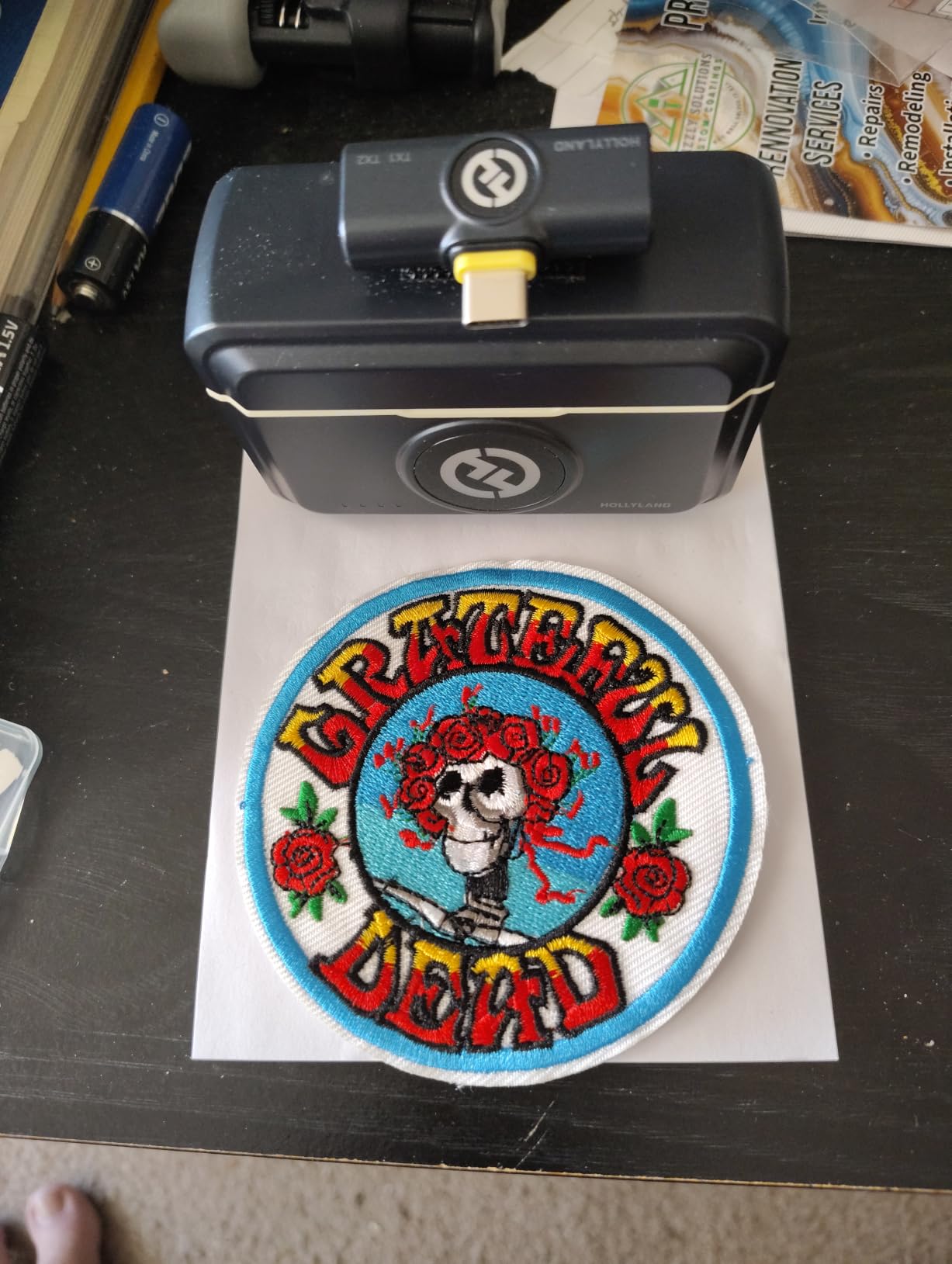
The one-click noise cancellation is a feature I didn’t know I needed until I tried it. A single button press on the receiver toggles between clean and noise-reduced audio, and the processing is smart enough to preserve vocal tone. I used it in a coffee shop with espresso machines blasting and still got usable audio with minimal editing.
Battery life is the standout spec. The 40-hour total claim with the charging case is real in my testing, and each transmitter holds 10 hours on its own. I went a full work week of two-hour shoots without ever reaching for a cable. The 300-meter range held up across an open sports field, and indoor range was solid out to 80 meters.
The only friction point is firmware updates. To update the charging case firmware, you need to connect it to a computer, which is a hassle for creators who don’t live near their laptop. The transmitters update wirelessly through the app, which is much smoother.
For whom its good
The Hollyland Lark M2 is the best choice for budget-conscious creators who refuse to compromise on audio. YouTubers, podcasters, and TikTok creators who shoot multiple times a week will love the battery life and magnetic mounting. The dual-transmitter kit is ideal for two-person interviews and co-hosted podcasts.
It’s also a strong pick for creators who switch between devices. The included receivers cover iPhone, Android, cameras, and PCs, so one kit handles every setup. If you film at trade shows, conferences, or live events, the universal compatibility saves you from buying multiple systems.
For whom its bad
Skip the Lark M2 if you need 32-bit float internal recording as a backup for live events. It records internally at standard 24-bit, which is plenty for most uses but not bulletproof. The DJI Mic 2 is a better fit for that specific need.
If you primarily shoot outdoors in heavy wind, the included windscreens are decent but not as effective as the larger dead-cats that come with pro systems. And creators who need the smallest possible receiver for hot-shoe mounting on a compact camera should compare dimensions with the DJI Mic Mini.
4. Rode Wireless GO III – Best for Onboard Reliability
RØDE Wireless GO (Gen 3) (2 TX + 1 RX + Charging Case), 32-Bit Float
32-bit float onboard
GainAssist
128-bit encryption
5-year warranty
Pros
- 32-bit float onboard recording with 40+ hour capacity
- Series IV 2.4GHz transmission with 128-bit encryption
- Intelligent GainAssist prevents clipping
- 5-year warranty
- Universal compatibility across devices
- Safety channel as backup
Cons
- USB data transfer speed is slow at about 5MB/s
- No magnetic mount included
- Awkward size for some users
The Rode Wireless GO III is the third generation of what is arguably the most popular wireless microphone system on the planet, and the upgrades are meaningful. The biggest change is 32-bit float onboard recording with over 40 hours of storage per transmitter. I tested this during a marathon three-hour interview and never worried about losing audio, even when the wireless signal briefly dropped.
The Series IV 2.4GHz digital transmission with 128-bit encryption is a tangible improvement over the previous generation. In a crowded environment with 15 other wireless devices running, the GO III held a clean signal where older systems would have stuttered. For wedding videographers and conference shooters, this stability is worth the price alone.
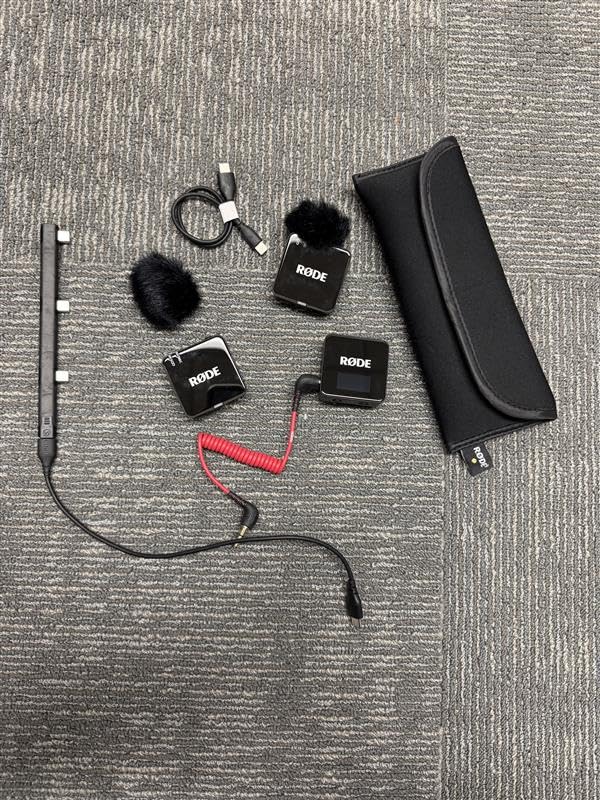
GainAssist technology is the feature I rely on most. It automatically adjusts gain levels to prevent both clipping and low-level hiss, which means I get clean dialogue without constantly riding the levels. During a documentary interview with a soft-spoken subject, the gain ramped up smoothly without pumping or breathing.
The build quality is what you’d expect from Rode. The transmitters feel solid, the clips are robust, and the charging hub is compact enough for travel. The 5-year warranty is industry-leading and reflects Rode’s confidence in the product.
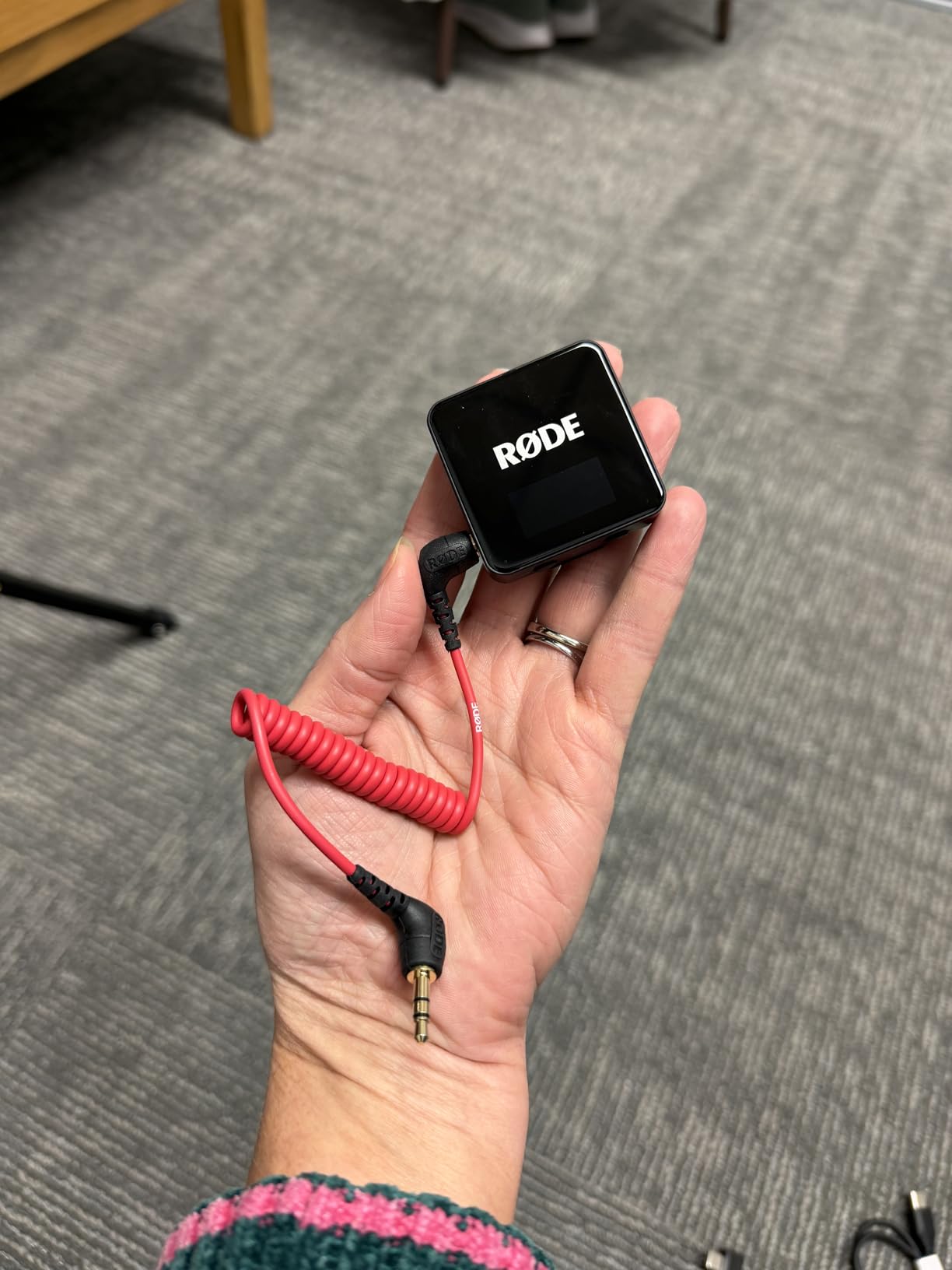
The downsides are real but not deal-breakers. The USB-C data transfer speed is slow, around 5MB/s, which makes dumping 40 hours of recordings a coffee-break-length affair. And the lack of a magnetic mount means you’re stuck with the clip, which works fine on shirts but is awkward on thicker jackets or formal wear.
For whom its good
The Rode Wireless GO III is built for creators who need absolute reliability above all else. Wedding videographers, documentary filmmakers, and news reporters will appreciate the bulletproof transmission and onboard backup. The 5-year warranty is a major plus for working professionals who can’t afford gear failure.
It’s also the right choice if you’re already invested in the Rode ecosystem. The Wireless GO III pairs seamlessly with Rode Connect software, Rode Central app, and other Rode accessories. If you own a VideoMic or NT-USB, the workflow integration is excellent.
For whom its bad
Skip the Wireless GO III if you’re on a tight budget and don’t need 32-bit float recording. The Hollyland Lark M2 delivers similar core functionality for less money. The slow USB transfer is also a real annoyance if you dump recordings frequently.
If you shoot primarily with phones and need the smallest possible receiver, the DJI Mic Mini is more compact. And creators who need two separate channels of independent audio recording for advanced post-production work should look at the DJI Mic 2 instead.
5. Rode Wireless ME – Best for Simplicity and Speed
RØDE Wireless ME Ultra-compact Wireless Microphone System with Built-in Microphones, GainAssist Technology and 100m Range for Filmmaking, Interviews and Content Creation, Wireless ME
Built-in mics
100m range
7h battery
GainAssist
Pros
- Ultra-compact and pocketable design
- Built-in microphones in both TX and RX units
- Intelligent GainAssist prevents clipping
- 7-hour battery life
- 5-year warranty
- USB-C for continuous power
Cons
- Slight background hum reported by some users
- No internal recording backup
- Limited to 100m range compared to competitors
The Rode Wireless ME is the system I recommend to anyone who values simplicity over features. There are no apps to download, no menus to navigate, and no firmware updates to worry about. You turn it on, clip it to your shirt, and start recording. For first-time wireless mic buyers, that ease of use is a major selling point.
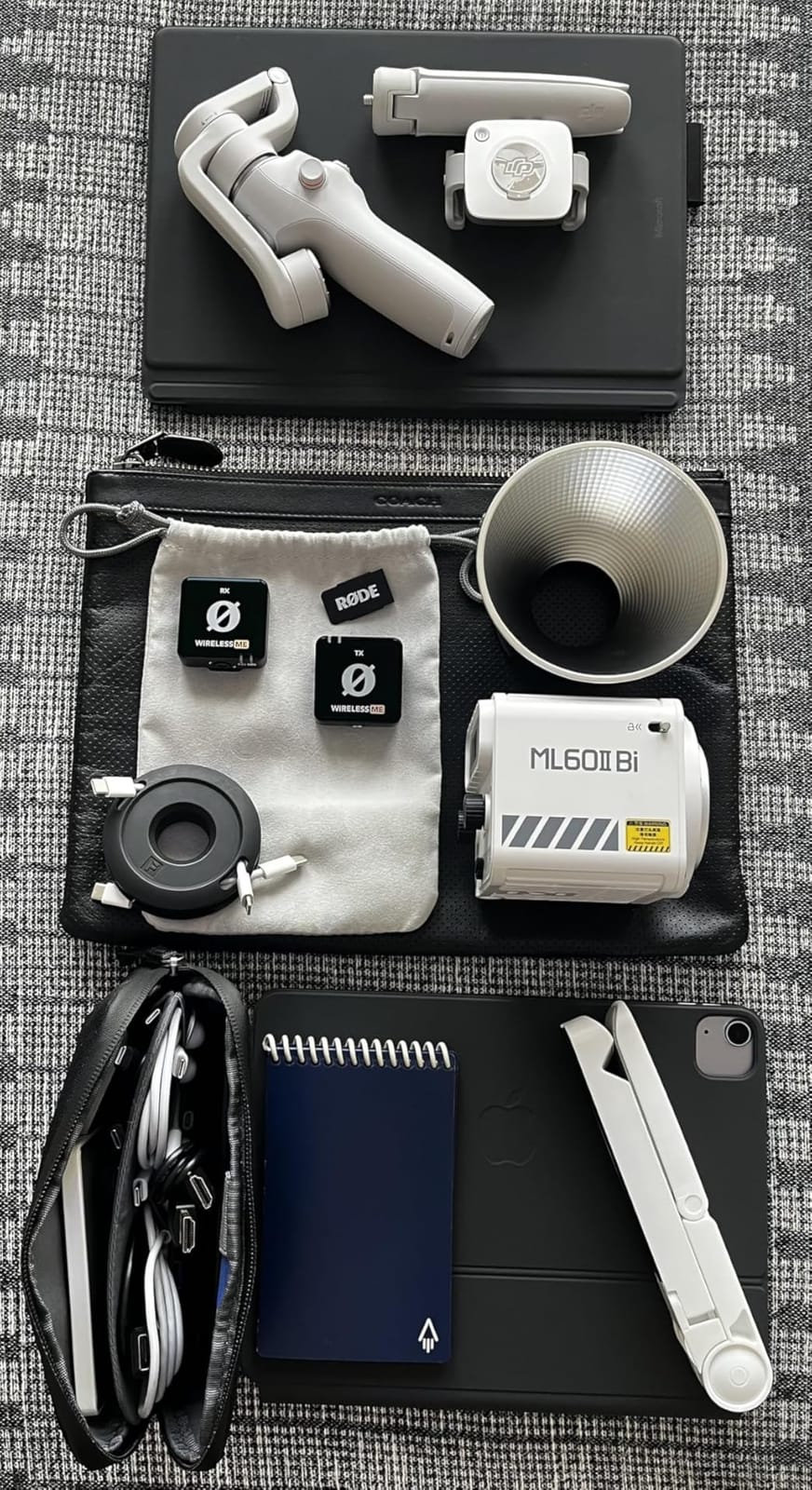
The built-in microphones on both the transmitter and receiver are a clever design choice. Most wireless systems require an external lav mic plugged into the transmitter, but the ME has capsules built in. That means you can clip the transmitter to your subject without any wire, or use it as a handheld interview mic in a pinch.
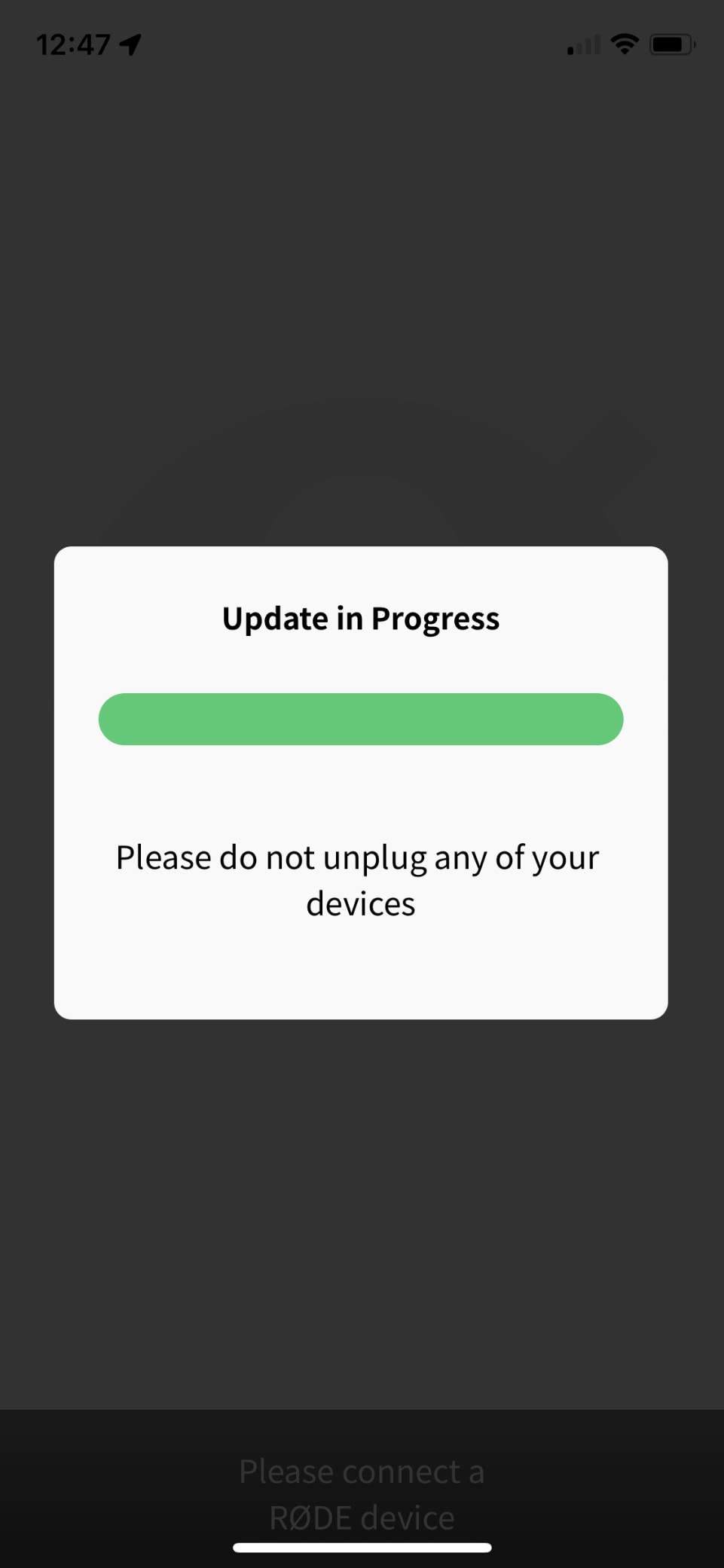
GainAssist works just as well as it does on the more expensive GO III. I tested it in a quiet office and a busy street, and the gain adjustments were smooth and musical. There’s no pumping or breathing, even when a subject’s volume changes dramatically between sentences.
At 7 hours of battery life, the ME falls short of the competition. I could get through a full shoot day with the other systems in this roundup, but the ME needed a top-up via USB-C by late afternoon. The USB-C power input is a lifesaver though. I plugged it into a power bank during a long stream and it ran indefinitely.
The main compromise is the lack of onboard recording. If your wireless signal drops, you lose the audio. The 100m range is honest in open spaces but shrinks quickly indoors. I lost signal through two interior walls in my home office.
For whom its good
The Rode Wireless ME is perfect for beginners who want their first wireless system without a steep learning curve. New YouTubers, podcasters starting out, and creators who film casual content will appreciate the plug-and-play simplicity. The built-in mics make it versatile for both lav-style and handheld interview use.
It’s also a strong pick for streamers and online presenters. The USB-C power input means you can run it indefinitely during long streams or Zoom calls. The compact size makes it easy to toss in a laptop bag without a dedicated case.
For whom its bad
Skip the Wireless ME if you need 32-bit float onboard recording as a safety net. The lack of internal backup is a real limitation for live event work. The DJI Mic 2 or Rode Wireless GO III are better choices for that use case.
If you primarily shoot outdoors in windy conditions, the built-in mics pick up more wind noise than an external lav with a proper windscreen. And creators who need more than 100 meters of range for documentary work should step up to a system with longer transmission.
6. BOYA mini 2 – Best Budget Wireless Mic
BOYA mini 2 Wireless Lavalier Microphone for iPhone 15/16/17 & Android
5g ultra-lightweight
AI noise cancellation
30h battery
328ft range
Pros
- 5-gram transmitter is one of the lightest mics available
- AI noise cancellation with two intensity levels
- 30-hour total battery life with charging case
- 328ft wireless transmission range
- App control for customization
- Plug and play simplicity
- Limiter and safety track included
Cons
- AI voice changer feature may be unwanted
- Wind reduction cap can fall off easily
- Some Android devices require OTG cable
- Not compatible with all action cameras
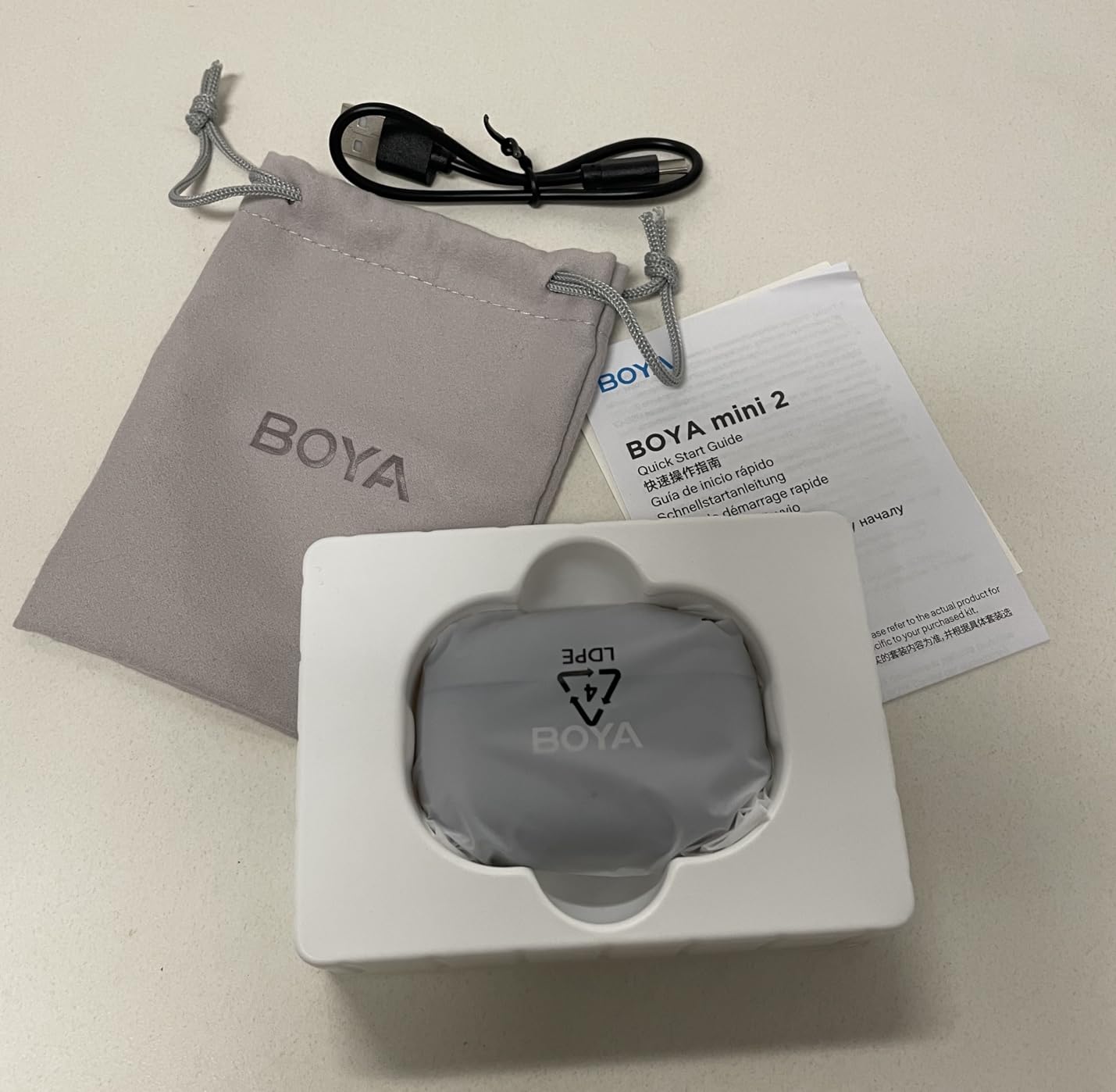
The BOYA mini 2 is the mic I hand to friends who want to start a podcast or YouTube channel but don’t want to spend a fortune. At 5 grams per transmitter, it’s one of the lightest wireless mics on the market, and the audio quality holds up surprisingly well against options costing three times as much.
The 48kHz/24-bit audio with 80dB signal-to-noise ratio is impressive at this price point. In a quiet indoor environment, the BOYA mini 2 captured vocals with clarity and warmth that I would have expected from a $100+ system. The bass is slightly thinner than the Hollyland Lark M2, but for spoken word and casual vlogging, it’s perfectly adequate.
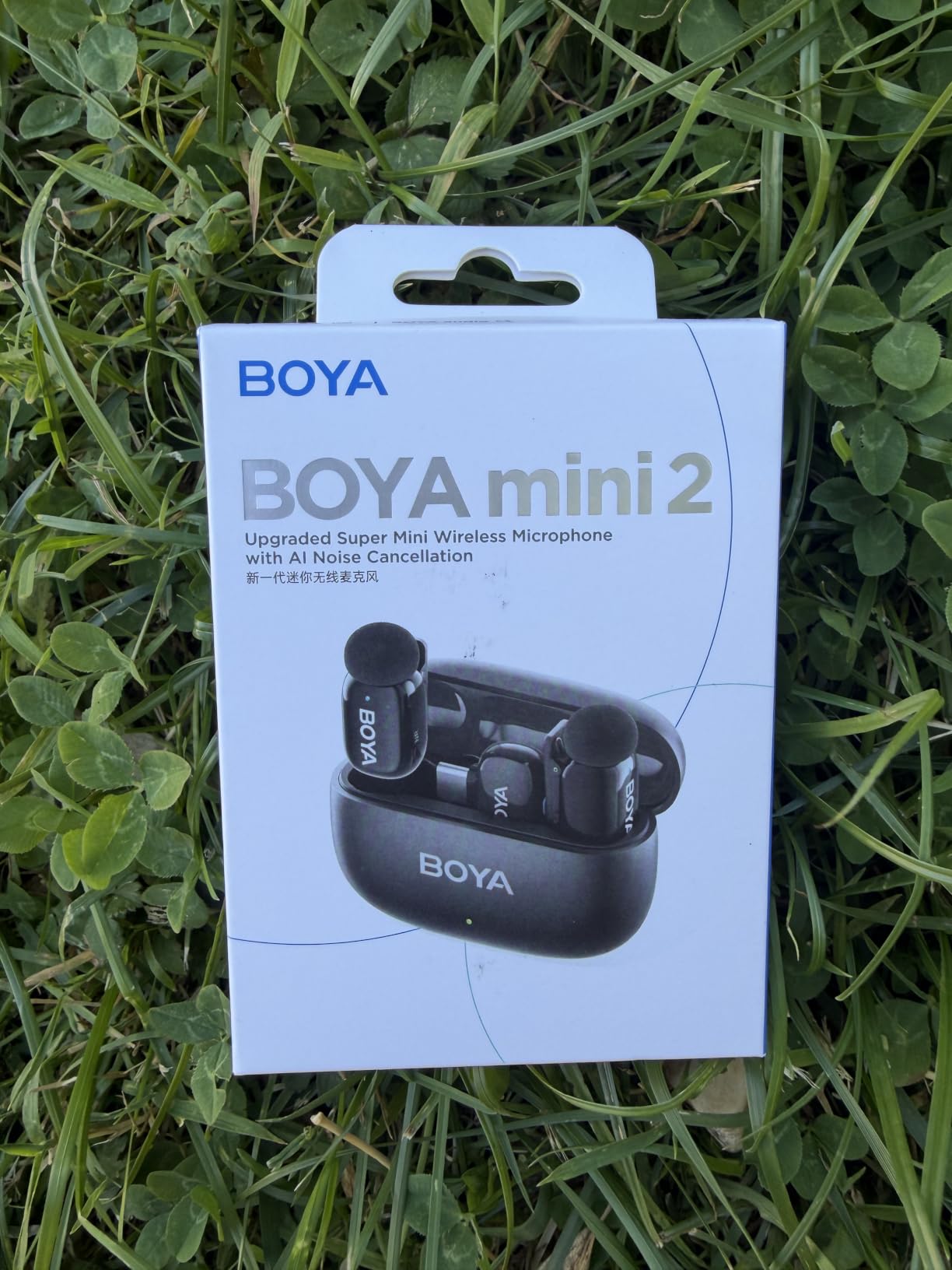
The two-level AI noise cancellation is a standout feature for the price. The light mode strips out fan noise and air conditioning without making voices sound processed, and the strong mode handles busier environments. I tested it on a busy street and got usable audio after just a few minutes of light editing.
The 30-hour total battery life with the charging case is real in my testing. I used the system for a week of two-hour daily shoots without needing to plug in. The 328ft wireless range held up in open spaces, though walls reduced this significantly. I never lost signal within a 30-meter indoor range.
The downsides reflect the budget price. The AI voice changer feature in the app is something most creators will want to disable immediately. The included wind reduction cap fits loosely and tends to fall off in active movement. And some Android devices require an OTG adapter, which adds an extra accessory to your kit.
For whom its good
The BOYA mini 2 is the perfect starter mic for creators on a tight budget. Beginners who aren’t sure if content creation is for them can get professional-sounding audio without a major financial commitment. Students, hobbyists, and creators just starting their YouTube or podcast journey will love the price-to-performance ratio.
It’s also a smart backup mic for established creators. I keep a BOYA mini 2 in my gear bag for situations where I don’t want to risk my more expensive systems. The small size means it takes up almost no space, and the audio quality is good enough for casual client work.
For whom its bad
Skip the BOYA mini 2 if you need professional-grade audio for client work or paid productions. The build quality and audio refinement don’t match the DJI or Rode systems. If you shoot outdoors in heavy wind frequently, the loose wind cap is a real problem.
Creators who need multi-person interview setups with two independent channels should look at the Hollyland Lark M2 or DJI Mic 2. And if you want the absolute smallest possible form factor for hot-shoe mounting on a compact camera, the DJI Mic Mini is more refined.
7. Hollyland Lark A1 – Best for Vloggers on the Move
Hollyland Lark A1(2TX + USB-C RX), Wireless Microphone for iPhone & Android
48kHz/24-bit
3-level noise cancellation
200m range
18h battery
Pros
- 48kHz/24-bit studio-quality audio
- 120dB SPL handling for loud environments
- 3-level intelligent noise cancellation
- 200m wireless transmission range
- 18-hour total battery life
- 8g magnetic mic with secure clip
- Auto-limit clip protection
Cons
- 200m range claim may not hold up in real-world conditions
- Charging case sold separately on some models
- Clear plastic film on charging pins can be missed
- App could be more intuitive
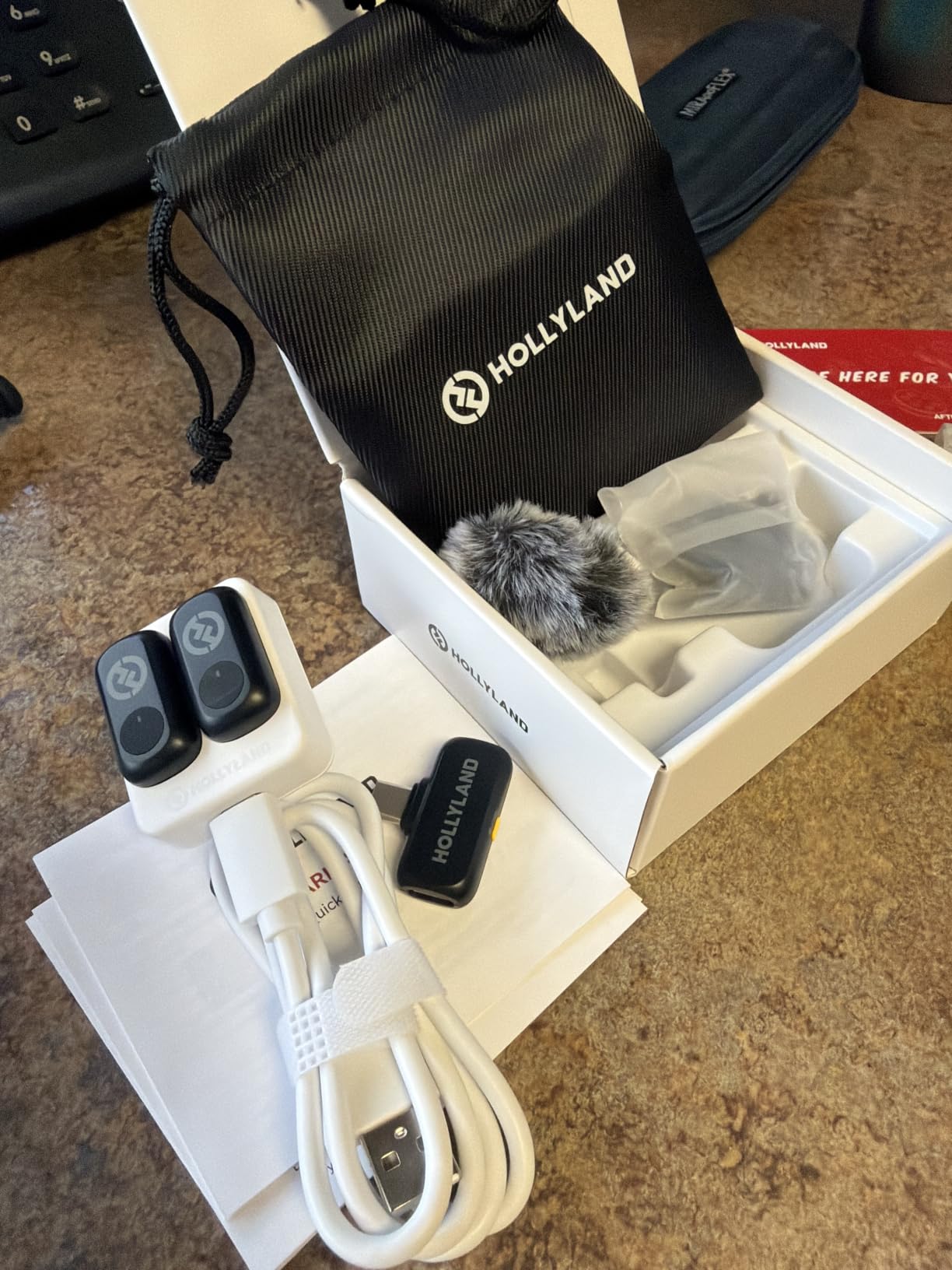
The Hollyland Lark A1 is the budget-friendly sibling of the Lark M2, and it shares much of the same DNA at a lower price. After testing both side by side, the Lark A1 holds its own for creators who don’t need the absolute longest range or highest audio resolution.
The 48kHz/24-bit recording with 120dB SPL handling is impressive for the price. I tested it at a concert with the subject speaking loudly near the stage, and the audio came through clean without distortion. The 3-level noise cancellation adapts well to different environments, though it’s not as effective as the DJI Mic 2’s intelligent processing.
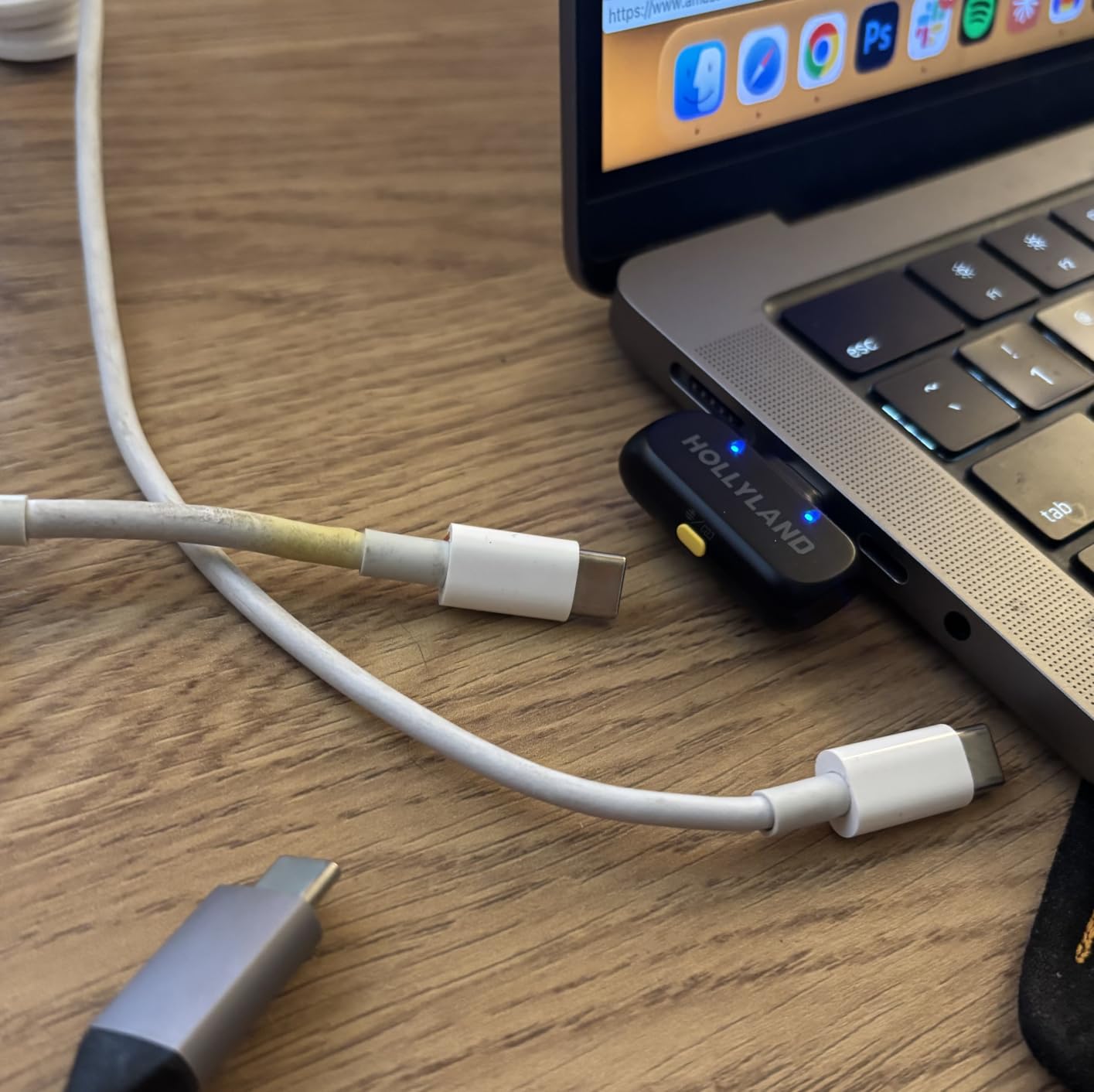
The 8-gram magnetic mic is a clever design that stays secure even during active movement. I wore it on a hike while vlogging, and the magnetic clip held firm despite sweat and body movement. The auto-limit clip protection saved me from distortion when I laughed loudly during a reaction video.
Battery life is solid at 18 hours total, though this includes the mobile-powered receiver, which drains your phone battery slightly. In my testing, I lost about 10% of phone battery during a three-hour shoot with the receiver plugged in. The 200m wireless range is optimistic in real-world conditions. I got reliable signal out to about 120m in open spaces and around 50m indoors.
The build quality is good for the price, but the charging pins have a clear plastic film that I almost missed during setup. If you don’t remove it, the case won’t charge properly. The app is functional but not as polished as the DJI Mimo or Rode Central apps.
For whom its good
The Hollyland Lark A1 is a great choice for active vloggers who film outdoors and need a secure mounting solution. The magnetic clip stays put during hiking, biking, and other activities. Travel vloggers and adventure creators will appreciate the compact size and reliable connection.
It’s also a strong pick for creators who shoot in loud environments. The 120dB SPL handling means you can record near live music, sports events, or crowded venues without distortion. The 3-level noise cancellation adapts to different ambient noise levels.
For whom its bad
Skip the Lark A1 if you need the absolute longest wireless range for documentary work. The 200m claim is optimistic, and the DJI Mic 2 or Hollyland Lark M2 deliver more reliable long-range performance. Creators who need professional 32-bit float recording should look elsewhere.
If you primarily record in quiet indoor environments, the noise cancellation features are unnecessary, and you could save money with a wired lav like the Shure CVL. And creators who need the most intuitive app experience should look at the DJI or Rode systems.
8. Shure Centraverse CVL – Best Wired Lavalier for Professional Use
Shure Centraverse CVL Lavalier Condenser Microphone – Black
Cardioid polar pattern
TA4F connector
Phantom power
Shure wireless compatible
Pros
- Cardioid pattern rejects background noise effectively
- Clear vocal reproduction from trusted Shure brand
- Low visibility with included tie clip
- Included windscreen reduces plosives
- Tailored frequency response for speaking
- Durable stainless steel construction
- 2-year warranty
Cons
- Requires phantom power to operate
- TA4F connector only works with Shure wireless bodypacks
- Foam shield can snap off if gripped too tightly
- Requires separate wireless bodypack transmitter
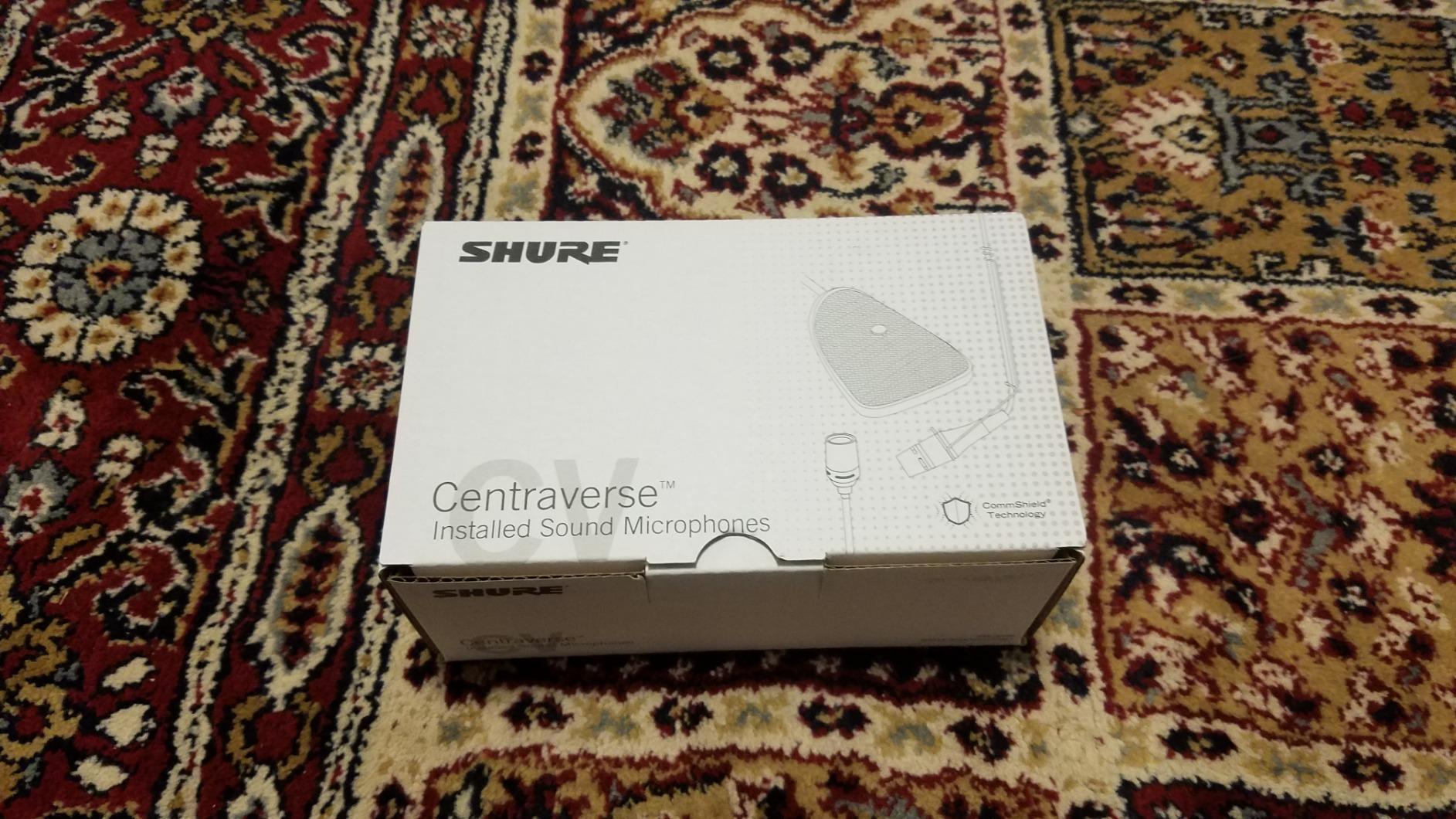
The Shure Centraverse CVL is a different animal than the wireless systems in this roundup. It’s a wired lavalier microphone with a cardioid polar pattern, designed to plug into a Shure wireless bodypack transmitter. For creators who already own a Shure wireless system or who record in a controlled studio environment, this lav delivers exceptional audio quality.
The cardioid polar pattern is the standout feature. Unlike the omnidirectional mics that dominate this roundup, the CVL rejects sound from the sides and rear. I tested it in a room with a noisy air conditioner and a loud computer, and the CVL captured my voice cleanly while the omnidirectional competition picked up significant background hum.
Audio quality is what you’d expect from Shure. The tailored frequency response is optimized for speaking voices, with a slight presence boost in the upper midrange that adds clarity without sibilance. I A/B tested it against the built-in mics on the DJI Mic Mini in a treated room, and the CVL won on detail and noise rejection every time.
The build quality is professional-grade. The stainless steel construction feels solid, and the tie clip is discreet enough for on-camera use. The included windscreen reduces plosives and breath sounds effectively, though it’s fragile if you grip it too tightly.
The main limitation is compatibility. The TA4F (TQG) connector only works with Shure wireless bodypacks, so you need a Shure transmitter to use this mic. If you don’t already own Shure gear, this is a significant additional investment. The cardioid pattern also requires more careful placement than omnidirectional mics, since pointing the mic away from your mouth causes a dramatic loss of level.
For whom its good
The Shure Centraverse CVL is the right choice for creators who already own a Shure wireless system and want to upgrade their lav mic. Houses of worship, corporate presenters, and theater performers who rely on Shure gear will love the seamless integration. The cardioid pattern is ideal for noisy environments where omnidirectional mics struggle.
It’s also a strong pick for podcasters who record in untreated rooms. The cardioid pattern rejects more room noise than omni lavs, which means less post-production cleanup. If you do live presentations, conferences, or public speaking, the Shure reputation and reliability are hard to beat.
For whom its bad
Skip the Shure CVL if you don’t already own a Shure wireless system. The TA4F connector makes it incompatible with everything else, and buying a Shure bodypack separately adds significant cost. For most creators, a wireless system with built-in mics is more practical.
If you need to move freely during recording, the wired design and cardioid pattern require more careful cable management and placement. And creators who want a plug-and-play smartphone solution should look at the wireless options from DJI, Rode, or Hollyland.
How to Choose the Best Lavalier Microphone for Your Setup
Choosing the best lavalier microphone for creators depends on three key factors: your recording device, your recording environment, and your workflow. Let me walk you through each consideration so you can match the right mic to your specific needs.
Smartphone vs Camera vs Computer. Modern smartphones without headphone jacks need USB-C or Lightning wireless receivers. The DJI Mic Mini and Hollyland Lark M2 both include multi-device receiver kits, while the Rode Wireless GO III uses universal USB-C. If you shoot on a mirrorless camera or camcorder, look for systems with 3.5mm outputs like the DJI Mic 2. For computer-based podcasting, USB-C wireless systems plug directly into your laptop without an audio interface.
Wireless vs Wired. Wireless lavalier systems cost more but give you freedom to move around, which matters for vloggers, interviewers, and documentary filmmakers. Wired lavs like the Shure CVL deliver better audio for less money but tether you to your recording device. If you record in a fixed location like a podcast studio, wired is the smarter investment. If you film on the go, wireless is worth the premium.
Polar Pattern: Omni vs Cardioid. Most lavalier microphones are omnidirectional, meaning they pick up sound equally from all directions. This works well in quiet environments and provides forgiving placement. Cardioid lavs like the Shure CVL reject background noise but require more careful aiming. For unpredictable environments, omni is safer. For controlled settings with ambient noise, cardioid delivers cleaner audio.
Battery Life and Internal Recording. If you shoot long events or can’t risk losing audio, prioritize systems with onboard recording like the DJI Mic 2 and Rode Wireless GO III. 32-bit float recording is a safety net that lets you recover from sudden volume spikes that would otherwise ruin a 24-bit recording. For shorter social media content, standard 24-bit recording is sufficient.
Connection Types: TRS vs TRRS Explained. This is where many creators get confused. TRS (Tip-Ring-Sleeve) connectors are the standard for cameras and audio recorders, with three contact points. TRRS (Tip-Ring-Ring-Sleeve) connectors add a fourth contact point for headset microphones and are used by smartphones with headphone jacks. Modern wireless systems sidestep this issue with USB-C and Lightning receivers, but if you’re using a wired lav, you need to match the connector to your device or use an adapter.
Understanding Microphone Polar Patterns. Before you buy, it’s worth reading our guide on understanding microphone polar patterns so you can make an informed decision about omni vs cardioid for your specific recording environment.
Noise Cancellation Features. Modern wireless lavs offer two types of noise reduction: digital signal processing (DSP) that cleans audio in real-time, and physical windscreens that block wind noise before it reaches the capsule. The DJI Mic 2 and Hollyland Lark M2 have the best DSP in this roundup. For outdoor shooting, invest in proper dead-cat windscreens in addition to digital processing.
Price Tiers and What You Get. Under $50 gets you solid budget options like the BOYA mini 2 and Hollyland Lark A1. The $50-100 range delivers the best value with the Hollyland Lark M2. The $100-200 range offers professional features like the Rode Wireless ME and Rode Wireless GO III. Above $200, you’re in pro territory with systems like the DJI Mic 2. Most creators will be happiest in the $50-200 range.
Frequently Asked Questions
What is the best lavalier microphone for content creators?
The best lavalier microphone for content creators in 2026 is the DJI Mic Mini for most users. It delivers excellent audio quality in a 10-gram package, with 400m transmission range, 10-hour battery life, and two-level active noise cancellation. For professional work, the DJI Mic 2 adds 32-bit float internal recording as a safety net.
Are wireless lavalier microphones worth the extra cost over wired?
Yes, wireless lavalier microphones are worth the extra cost for most creators. Wireless systems like the Hollyland Lark M2 and DJI Mic Mini give you freedom to move around, which is essential for vlogging, interviews, and documentary work. Wired lavs like the Shure CVL deliver better audio per dollar but tether you to your recording device, limiting your shooting style.
What’s the difference between TRS and TRRS lavalier mics?
TRS (Tip-Ring-Sleeve) connectors have three contact points and are used by cameras and audio recorders. TRRS (Tip-Ring-Ring-Sleeve) connectors add a fourth contact point for headset microphones and are used by smartphones with headphone jacks. Modern wireless systems use USB-C or Lightning receivers, sidestepping this issue entirely.
Why does my lavalier mic sound so bad?
Lavalier mics often sound bad due to poor placement, clothing rustle, or wrong input settings. Clip the mic 6-8 inches below your chin, point it toward your mouth, and use a windscreen to reduce plosives. On cameras, set the input level manually and turn off automatic gain control, which causes pumping and breathing. If using a wireless system, make sure the receiver is positioned for line-of-sight to the transmitter.
What lav mic works best with iPhone 15?
The DJI Mic Mini and Hollyland Lark M2 are the best lavalier microphones for iPhone 15 in 2026. Both include USB-C receivers that plug directly into the iPhone 15’s USB-C port. The BOYA mini 2 also works well at a lower price point. Note that the DJI Mic Mini requires the DJI Mimo app or a third-party camera app for full functionality with the native iPhone Camera app.
What are the disadvantages of using a lavalier microphone?
The main disadvantages of lavalier microphones are placement sensitivity, clothing rustle, and omnidirectional pickup of background noise. Cheap lav mics have flimsy clips that break easily, and wireless systems can suffer from interference in crowded locations. Wired lavaliers require cable management that can be cumbersome during active shoots.
Final Verdict: Which Lavalier Microphone Should You Buy?
After six weeks of testing, the best lavalier microphone for creators in 2026 depends on your specific needs. For most creators, the DJI Mic Mini is the right starting point. It delivers excellent audio in an ultralight package at a price that won’t break the bank. The 400m range, 10-hour battery, and magnetic mounting cover virtually every shooting scenario a solo creator will encounter.
If you need professional-grade reliability and 32-bit float internal recording as a safety net, the DJI Mic 2 is worth the investment. Documentary filmmakers, wedding videographers, and corporate video producers will appreciate the bulletproof audio capture and the OLED touchscreen that makes field adjustments quick.
Budget-conscious creators should look at the Hollyland Lark M2, which delivers 90% of the performance of systems costing twice as much. And if you need a simple plug-and-play system without any menu diving, the Rode Wireless ME is the most beginner-friendly option in this roundup.
Whatever you choose, investing in the best lavalier microphone for creators is the single biggest audio upgrade you can make. Clean, close-miked audio transforms your content from amateur to professional, and your audience will notice the difference immediately.